HOLLYWOOD’S TOXIC PRESENTATION OF MUSLIMS.

Many mainstream films depict Arabs and Muslims in a negative light. Throughout the history of Hollywood, Arabs have been portrayed in many different racial stereotypes in both Western culture and film. Often portrayed as barbaric, as oil sheiks, and most famously, terrorists.

British-Pakistani actor Riz Ahmad, an Oscar nominator actor, who represents a minuscule number of Muslims in Hollywood came up with a group of activists that together launched a campaign to combat ‘toxic portrayals’ of Muslims in the film industry that is dominated by Hollywood.

“The progress that’s been made by a few of us doesn’t paint an overall picture of the progress of most of the portrayals of Muslims on screen that are still either non-existent or entrenched in those stereotypical, toxic two-dimensional portrayals,” says Riz Ahmed. He became the very first Muslim actor to be nominated for the best actor category at the Oscars for his role in The Sound of Metal.

Despite the number of Muslims in the world, the representation of Muslims in movies in the US remained at 1.6 percent. Out of 200 movies, 182, they have no Muslim characters. Among all the countries that were examined, US films had the worst representation. There is no particular representation in animation movies or series either, that’s a lot to talk for itself. A study says that most Muslims go through racism in western countries while being asked to ‘go back to their country’ or ‘ isn’t it against your religion, and ‘are you a terrorist.’

Muslim representation is rare, and when it exists, it is highly problematic. For many Muslims, it’s better to have no representation than to be shown as a negative influence on society. Muslim women characters who wear hijabs are often shown in conflict with their appearance. The act of taking off the hijab is portrayed as a sign of freedom which is the complete opposite of why the women choose to wear the hijab. Islam doesn’t force women to wear the hijab, it is all up to the women if they want to wear it or no. Due to this false representation, people think the hijab is oppression.

More than 50 percent of Muslims on screen were linked to violence and rendered as “foreigners” who are refugees or migrants, while the majority of them spoke with an accent and wore “different” clothes that make no definite sense. Despite Muslims are one of the most racially and ethnically diverse religious groups in the world, the characters are mainly stereotyped as Middle Eastern/North African. They’re also illustrated as threatening, and as subservient, particularly to white characters,” says Pillars fund, the organization that joined forces with Riz Ahmad. 

Article by : Haniah Mirza
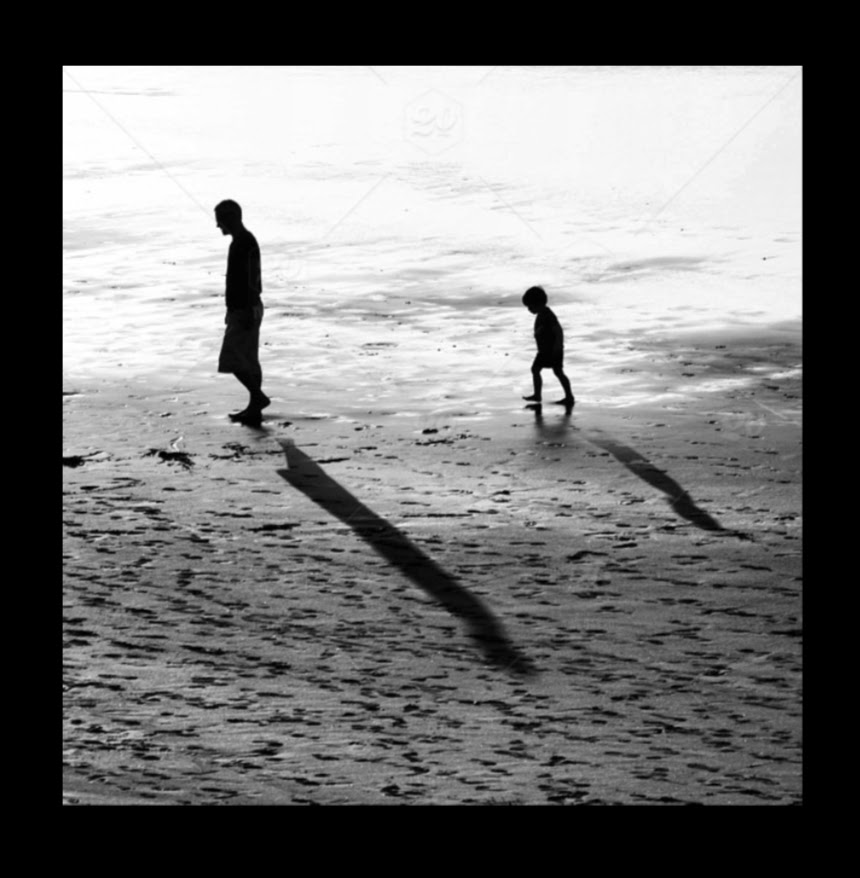
FOOTPRINTS

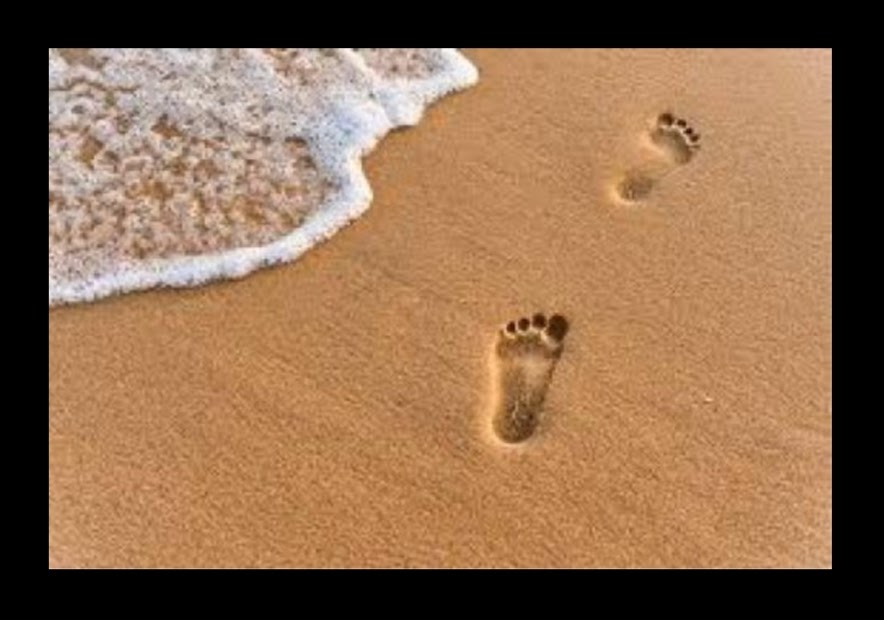
Your dreams have footprints. They could be beautiful or they could be uneasy. Footprints get life only when you breathe them right. You breathe in the destiny and breathe out a plan hence giving life to footprints in front of you.

The footprints you left behind are so important that a right footprint you left behind could create a thousand more right footprints. If you have opened a very important path for humanity, all you have to do now is to protect your footprints.

Definitely some will doubt you but don’t doubt yourself. Surely some will hate you mission but don’t change your vision. Surely you shall meet obstacles but learn to overcome all obstacles. You may meet the rocks but climb the rocks,you shall feel the fresh air. Truly you shall hear so many things but know what to listen to. Surely some will misunderstand you but learn to understand yourself. You may definitely have so many things to do but mind what is more important.

There is no great journey without issues but learn to overcome all issues and get to the end of the journey with distinctive footprint and a good sense of fulfillment. Sometimes even a thousand waves hitting the shore continually one after the other also can’t erase few footprints on the shore.

Studying the footprints on existing roads enables you to create a new path with fulfillment expectation.

We walk on the moon. We made footprints somewhere no one else had ever made footprints and unless someone comes and rubs then out, those footprints will be there forever because there is no air.

I think that is what we all want, in the end, to know that we left footprints. You were for a purpose! Live it ! Love it ! Achieve it ! And don’t forget to make your footprints…

Money making tips for college students


I’ve said countless times that there are hundreds of ways to make money, especially in college. What limits people from doing it is all internal – not external. They make excuses for themselves: I don’t have enough time or I don’t know where to start. Well, today I’m eliminating some of those excuses. Here’s my list of 8 ways to make money in college. Seriously, I brain-dumped every idea I could think of to make money into this list. Some of them you’ve heard plenty of times before. Others might be new to you. To help organize the list, here are the categories I’ve assigned to the different tasks. I tried to list it most lucrative to least lucrative, but all of these items have their pros and cons.

Entrepreneurship

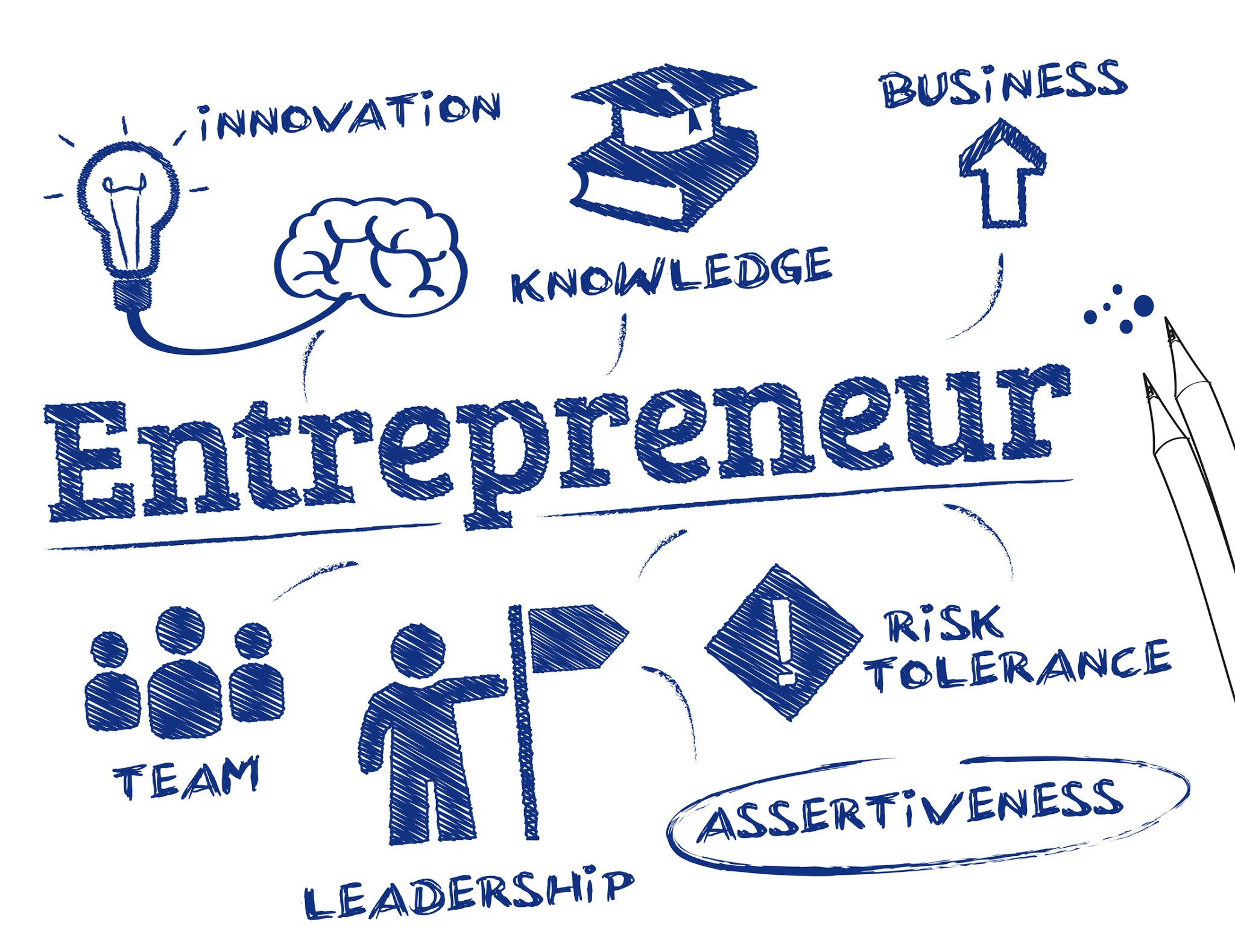
Being your own entrepreneur is extremely rewarding, and it can be extremely lucrative for college students and recent graduates. These next money-making ideas are bucketed in this category because your earnings are only limited by your own internal drive.

1.Start A Blog Or Website


If you really want to make money online, you need to start a blog or website. This is your home base for everything that you do online, and it, by itself, can turn into a hugely profitable venture.

2.Freelance Write For Blogs And Businesses


Freelancing writing is one of the easiest ways to start making money, especially if you’re a fast writer. Beyond writing for blogs, many businesses are looking for writers to help with many different types of writing – from general how-to content to technical writing, to putting together brochures.

Work


Of course, you can always earn money by working. These are jobs that college students and young adults are well suited for given school schedules, summer vacations, and more.

3.Become A Tutor


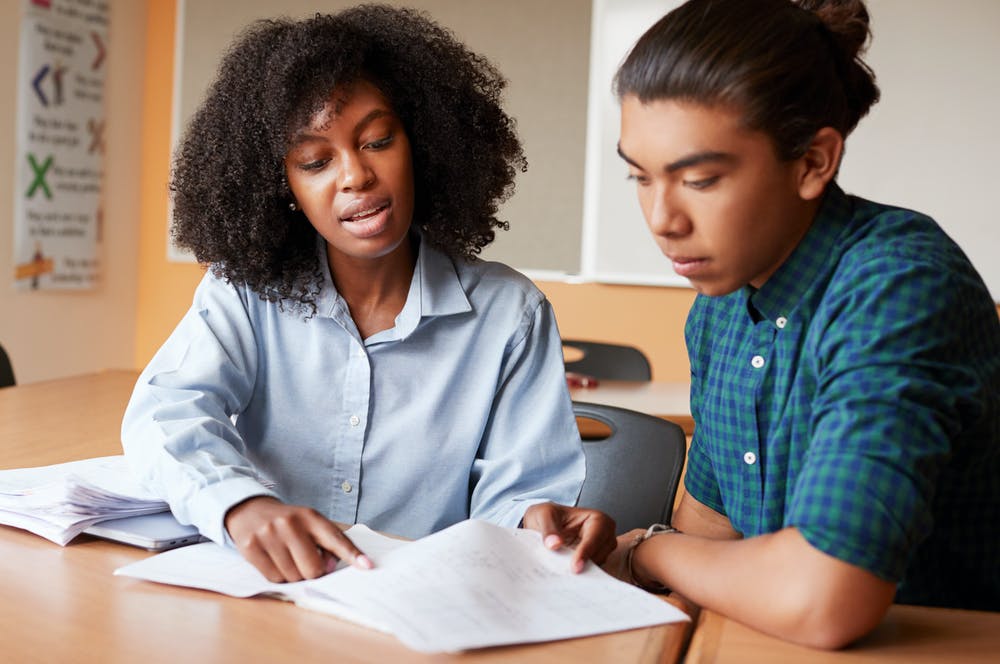
Another great way to earn money while in school. If you’re a pro at any class in college, simply offer to help others that aren’t. You can post a sign outside the lecture hall, or even use a Facebook group for the class (as many classes are going digital). You can easily find clients and charge a decent rate to boost your income.

4.Get An Internship


Almost all internships are paid these days, and they can be a great way to gain real-world skills while also boosting your income. While many internships start over the summer, some companies offer extended internship programs, where you can stay on as an intern during the school year.

5.Plan Events


Do enjoy managing people, tasks, and coordinating things to get something done? If so, then party planning could be right up your alley. You can get paid to plan an event. This can be hard for a college student to do, but I’ve seen several pull it off.

Build Passive Income


Now that you know different ways to make money in college, take it to the next level by investing some of those profits into building a passive income:

6.Start Investing


Once you have a little bit of money, you need to start investing it. The goal, of course, is to turn your investments into a passive income stream that will pay you for the rest of your life. It doesn’t take much to get started.

7.Peer To Peer Lending


Similar to investing, peer-to-peer lending is where you loan money to someone else, and they pay you back with interest.

Solid Waste Management

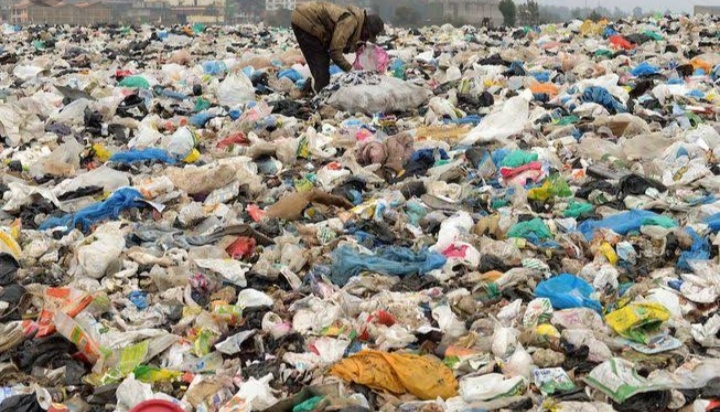
Solid Wastes mainly include municipal wastes, hospital wastes, industrial wastes and e-wastes etc. The solid wastes are dumped in the soil which results in landscape pollution.

Solid- waste management involves the collection, treatment and proper disposing of solid material that is discarded from the household and industrial activities.

Methods of solid wastes disposal

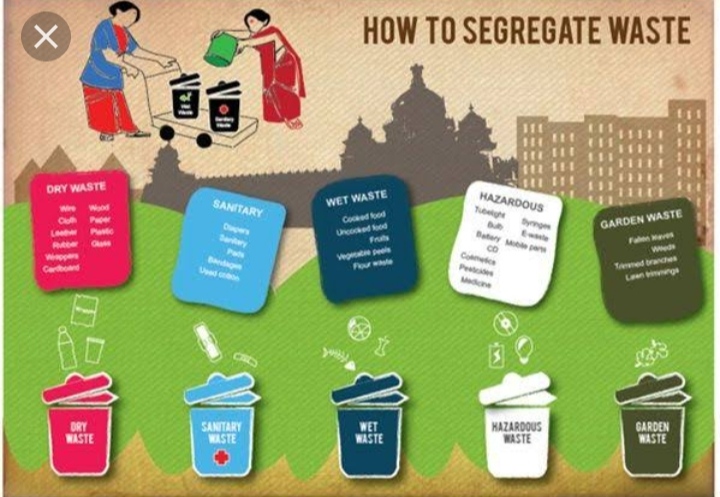
Segregation:

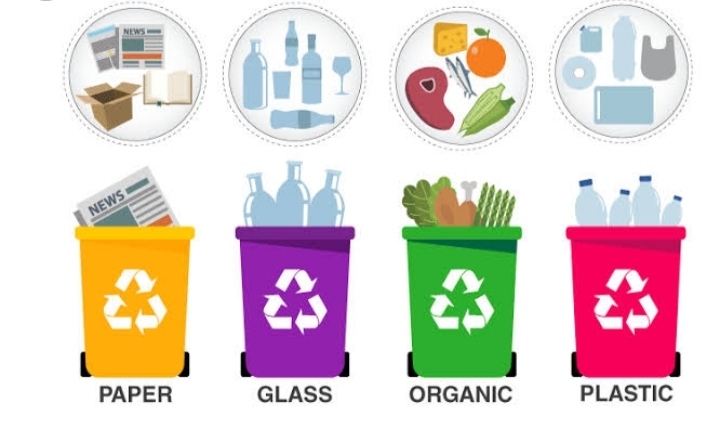
It is the separation of different type of waste materials like biodegradable and non biodegradable wastes.

Sanitary landfill:

Solid Wastes are dumped into low lying areas. The layers are compacted by trucks to allow settlement. The waste materials get stabilised in about 2-12 months. The organic matter undergoes decomposition.

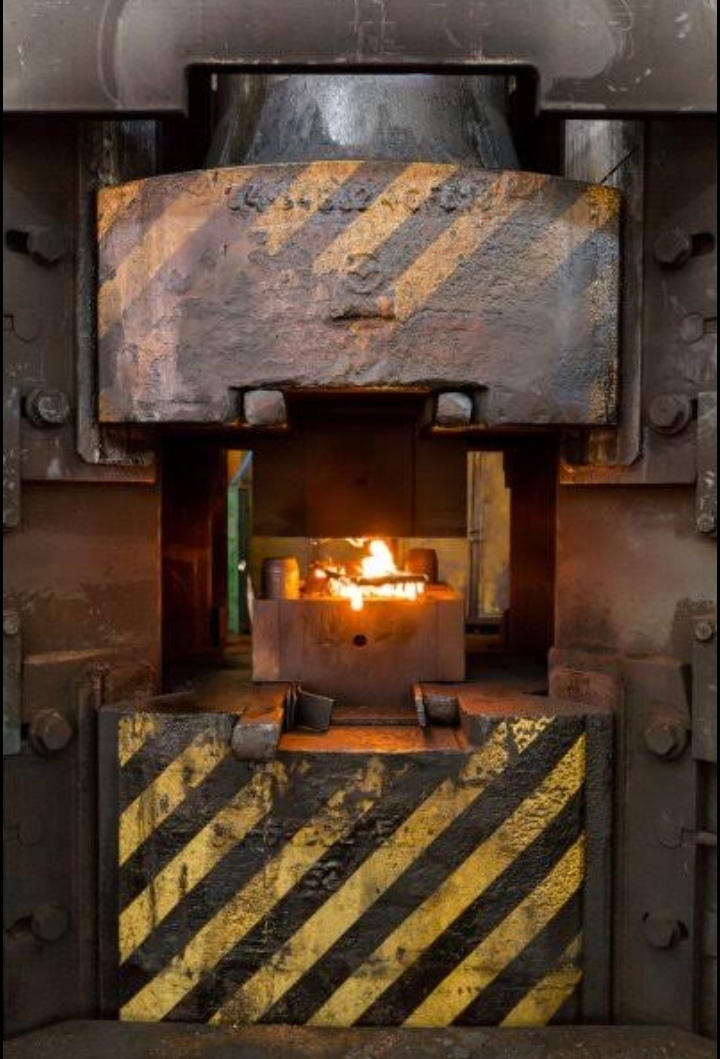
Incineration:

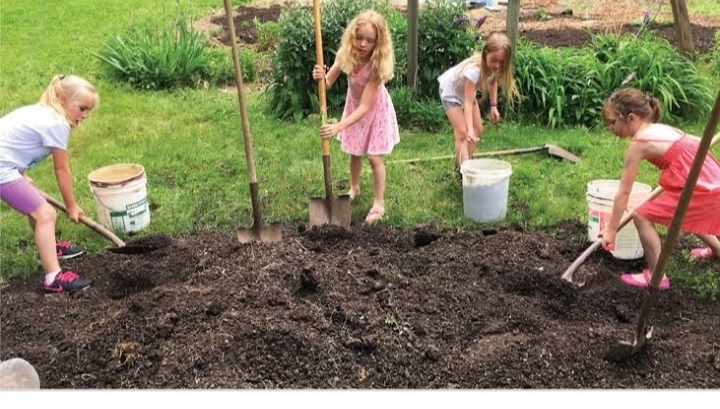
Composting:

Biodegradable matter of solid wastes is digested by microbial action or earthworms and converted into humus.

Recycling of Wastes

Papers from old books, magazines and newspapers are recycled to produce papers in papermills. Agricultural wastes like coconut shells, jute cotton stalk, bagasse of sugarcane can be used to make paper and hard board. Paddy husk can be used as livestock fodder. Cowdung and other organic wastes can be used in gobar gas plant to provide biogas and manure for fields.

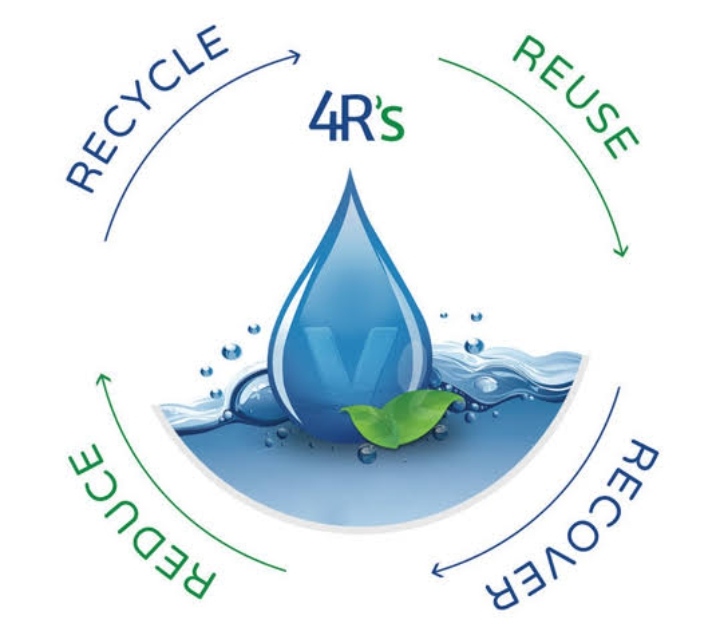
4R Approach

The 4R approach such as Reduce, Reuse, Recovery and Recycle may be followed for effective waste management.

PATRIOTISM


Patriotism
means in essence, the love of one’s own country. An individual citizen who
loves his country and is loyal to it at all cost, even at the cost of his own
life is, a patriot. A patriot is one who is always willing to sacrifice all
that belongs to him at the altar of his country. This is the measure of
patriot’s extreme love for his country and in common terms it is called
patriotism.
India has seen a spate of several patriots in the early decades of the 20th century. When the motherland was writhing in
pain under foreign rule, these patriots took birth and helped the country to
come out of the wilderness of foreign domination. They sacrificed their lives,
their pleasures, their families at the altar of freedom for their motherland
from the shackles of foreign rule.

In Oct, 1930,
Jawaharlal Nehru, from the Nainital Prison, wrote to his dear daughter, Indira
thus, “We have India’s honour in our keeping, and that honour is a sacred
trust”. Keeping the honour and the name of the country ‘ever high and ever
flying’ is the fundamental duty of every citizen. A nation can leap forward
only if its citizens are patriotic who are ready to live and die for their
motherland
. Basically,
it is putting national feelings above personal feelings and national concerns
above personal gains. It is living and dying for one’s motherland. It is the
deep fervour coupled with the spirit of working for the advancement of one’s
country.

The spirit of patriotism is not merely a
noble sentiment within the heart. If it is so, then it is only sham patriotism.
True patriotism calls for certain concrete actions and external expressions.
First and foremost, it requires offering our valuable services when national
integrity and independence is threatened by external forces or neighbours. It
demands offering material and moral support in the fight for national freedom.

Patriotism does not always mean that you
have to sacrifice your life for your country; contributing good service towards
the country and its people is also equivalent to your sacrifice. Mathunny
Mathews has set a great example of patriotism. Mathunny Mathews was an Indian,
a resident in Kuwait, and was one of the people credited with the safe airlift
evacuation of about 1, 70,000 Indians from Kuwait during the 1990 invasion of
Kuwait. Only celebrating the flag hoisting ceremony on 15th August and 26th January,
posing for photos with the flag, and posting on social media doesn’t imply that
you are a true patriot. A real patriot is a person who has a true love for his
country. He fights against the atrocities upon his countrymen by insiders or
outsiders of the country.
Patriotism is the most
important thing for the development of a country. As patriots think about the
country, its growth, and countrymen’s improvement, it positively impacts the
development of the country. A sense of patriotism helps to reduce corruption
and riots hence the country develops effectively


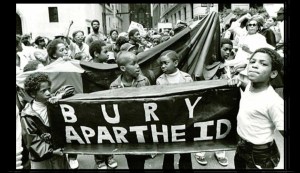
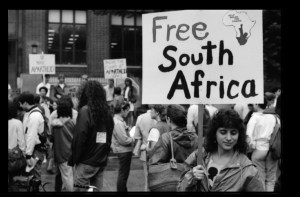
APARTHEID

Apartheid was a system of legislation that upheld segregationist policies against non-white citizens of South Africa. After the National Party gained power in South Africa in 1948, its all-white government immediately began enforcing existing policies of racial segregation. Under apartheid, nonwhite South Africans (a majority of the population) would be forced to live in separate areas from whites and use separate public facilities. Contact between the two groups would be limited. Despite strong and consistent opposition to apartheid within and outside of South Africa, its laws remained in effect for the better part of 50 years. In 1991, the government of President F.W. de Klerk began to repeal most of the legislation that provided the basis for apartheid. President de Klerk and activist Nelson Mandela would later win the Nobel Peace Prize for their work creating a new constitution for South Africa.


WHO STARTED APARTHEID IN SOUTH AFRICA? 

Racial segregation and white supremacy had become central aspects of South African policy long before apartheid began. The controversial 1913 Land Act, passed three years after South Africa gained its independence, marked the beginning of territorial segregation by forcing black Africans to live in reserves and making it illegal for them to work as sharecroppers. Opponents of the Land Act formed the South African National Native Congress, which would become the African National Congress (ANC).

The Great Depression and World War II brought increasing economic woes to South Africa, and convinced the government to strengthen its policies of racial segregation. In 1948, the Afrikaner National Party won the general election under the slogan “apartheid” (literally “apartness”). Their goal was not only to separate South Africa’s white minority from its non-white majority, but also to separate non-whites from each other, and to divide black South Africans along tribal lines in order to decrease their political power.

APARTHEID BECOMES LAW. 

By 1950, the government had banned marriages between whites and people of other races, and prohibited sexual relations between black and white South Africans. The Population Registration Act of 1950 provided the basic framework for apartheid by classifying all South Africans by race, including Bantu (black Africans), Coloured (mixed race) and white. A fourth category, Asian (meaning Indian and Pakistani) was later added. In some cases, the legislation split families; parents could be classified as white, while their children were classified as colored.

A series of Land Acts set aside more than 80 percent of the country’s land for the white minority, and “pass laws” required non-whites to carry documents authorizing their presence in restricted areas. In order to limit contact between the races, the government established separate public facilities for whites and non-whites, limited the activity of nonwhite labor unions and denied non-white participation in national government.

APARTHEID AND SEPARATE DEVELOPMENT

Hendrik Verwoerd, who became prime minister in 1958, would refine apartheid policy further into a system he referred to as “separate development.” The Promotion of Bantu Self-Government Act of 1959 created 10 Bantu homelands known as Bantustans. Separating black South Africans from each other enabled the government to claim there was no black majority and reduced the possibility that blacks would unify into one nationalist organization. Every black South African was designated as a citizen as one of the Bantustans, a system that supposedly gave them full political rights, but effectively removed them from the nation’s political body.

In one of the most devastating aspects of apartheid, the government forcibly removed black South Africans from rural areas designated as “white” to the homelands and sold their land at low prices to white farmers. From 1961 to 1994, more than 3.5 million people were forcibly removed from their homes and deposited in the Bantustans, where they were plunged into poverty and hopelessness.


APARTHEID COMES TO AN END

In 1976, when thousands of black children in Soweto, a black township outside Johannesburg, demonstrated against the Afrikaans language requirement for black African students, the police opened fire with tear gas and bullets. The protests and government crackdowns that followed, combined with a national economic recession, drew more international attention to South Africa and shattered all illusions that apartheid had brought peace or prosperity to the nation. The United Nations General Assembly had denounced apartheid in 1973, and in 1976 the UN Security Council voted to impose a mandatory embargo on the sale of arms to South Africa. In 1985, the United Kingdom and United States imposed economic sanctions on the country.


Under pressure from the international community, the National Party government of Pieter Botha sought to institute some reforms, including abolition of the pass laws and the ban on interracial sex and marriage. The reforms fell short of any substantive change, however, and by 1989 Botha was pressured to step aside in favor of F.W. de Klerk. De Klerk’s government subsequently repealed the Population Registration Act, as well as most of the other legislation that formed the legal basis for apartheid. De Klerk freed Nelson Mandela on February 11, 1990. A new constitution, which enfranchised blacks and other racial groups, took effect in 1994, and elections that year led to a coalition government with a nonwhite majority, marking the official end of the apartheid system.

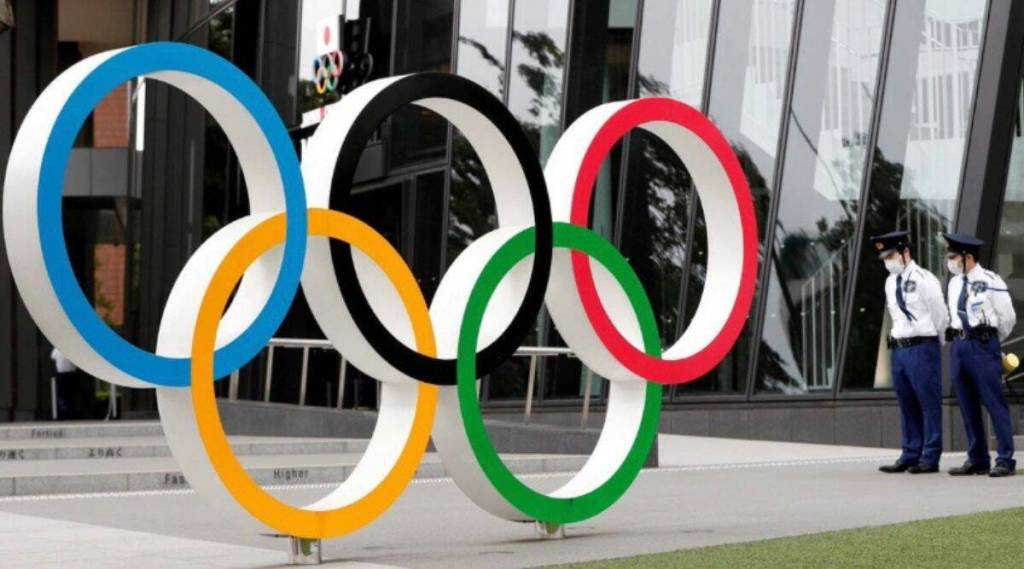
Olympics 2021: India (4,5,6,7th Aug)

4th August2021 – Neeraj Chopra and Shivpal Singh (Javelin Throw), Lovlina Borgohain (Boxing), Aditi Ashok and Diksha Dagar (Golf), Indian hockey Hockey Team (Women), Rahi Kumar Dahiya and Anshu Malik ( Wrestling).

5th August 2021: Havildar Irfan Kolothum Thodi, Sandeep Kumar, Rahul Rohilla ( Men’s 20km walk ), Aditi Ashok and Diksha Dagar (Golf), Indian Men’s Hockey Team, Ravi Kumar(Finals), Deepak Punia(Bronze match), Vinesh Phogat and Anshu Malik(Wrestling).

6th August 2021: Aditi Ashok and Diksha Dagar (Golf), Gurpreet Singh(50km walk), Bhawna Jat and Priyanka Goswami (Women’s 20km Walk Finals), Anas, A. Jacob, N.N. Tom, N. Pandi ( Men’s 4x400m relay ), indian women’s hockey team, Bajrang Punia and Seema Bisla (Wrestling)

7th August 2021: Neeraj Chopra(Javelin Throw FINAL), Aditi Ashok and Diksha Dagar (Golf FINALS), Bajrang Punia (Wrestling Bronze Match)

,

Athletics

Men’s javelin throw

Neeraj Chopra bagged First position by throwing at a distance of 86.65m in Qualifications of Group A.  

The first javelin thrower to enter an Olympic final and also the first to finish on top of the qualification round. 

Shivpal Singh secured 12th in the Group B Qualifications. But, only Top 8 qualify for the seccon round.

Neeraja Chopra to compete in The finals on 7th August at 4:30pm.

Subedar (Indian Army Rank) Neeraj Chopra created history by winning Gold Medal in Athletics.

Men’s 20km walk

Sandeep Kumar came 23rd in the 20km finals on 5th August. Massimo Stano from Italy bagged 1st position.

Men’s 50km Walk

Gurpreet Singh failed to complete 50km walk. He tagged out after 35km by putting up a good fight.

Womens 20km walk finals

Bhawna Jat and Priyanka Goswami will be competing on 6th August in the finals of 20km Walk. Priyanka complete the competition and ranked 17th.

Men’s 4x400m relay

A. Rajiv, M. Anas, A. Jacob, N.N. Tom, N. Pandi will be competing on 6th august at 5pm. India fought till the end and missed the 3rd pace by mere mere seconds failing to qualify for finals.

Boxing

Women’s welterweight

Busenaz Surmeneli gave Lovlina Borgohain a tough fight in the Semi-Finals. B. Surmeneli won by the scores as 5-0.

Lovlina Borgohain fought for the Bronze Medal and won it.

Golf

Women’s individual

Aditi Ashok had an excellent start as she finished Round 1 in second position and Diksha Secured 56th position.

Aditi Ashok fabulously played and came second in the round 2 on 5th August and Diksha secured 53rd position.

On 6th August she continued her lead and went into next round by securing 2nd position and Diksha Dagar secured 51th position.

Aditi Ashok and Diksha Dagar will be competing in finals on 7th August at 3am.

Aditi Ashok had a great lead throughout the Match. But, she slipped to 4th position at the eleventh hour. Yet, Aditi Ashok has paved a way for Indian Golfers by reaching finals and remaining in top5 through and through.

Hockey

Women’s tournament

A grueling match between Argentina and India at the Semi- Finals today. It ended with Argentina scoring 2-1 to enter the Finals.

On 6th August, India played against Great Britain for the Bronze medal match.. India put up a brave fight but went down to Britain by marginal scores of 4-3.

Men’s Tournament

Indian Men’s Tournament will be fighting for the Bronze Medal against Germany team on 5th August at am. India won Bronze Medal.

Wrestling

Men’s freestyle 57kg

Ravi Kumar Dahiya wrestled amazingly through 1/8th Finals, 1/4th Finals and Semi- Finals and entered finals at Multiple rounds today – 4th Aug.

Ravi Kumar vs Zaur Uguev will be putting on a wrestle for the Gold Medal on 5th August. It was nail-biting and split decision match. Zaur Uguev won Gold medal and Ravi Kumar won Silver Medal.

Men’s freestyle 86kg

Deepak Kumar lost to David Taylor Iii in semi-finals on 4th aug.

D. Kumar vs Myles Amine on 5th August will be wrestling for the Bronze Medal. The match was grueling from the start. By mere seconds, Myles won the Bronze Medal.

Women’s freestyle 53kg

Vinesh Phogat Vs Sofia Mattsson for 1/8th finals on 5th august. Vinesh Phogat won the 1/8th match and went for the 1/4th match. Wherein she wrestled against Vanesa Kaladzinskaya. Vanesa Won the 1/4th match by fall.

Women’s freestyle 57kg

Iryna Kurachkina from Belarus defeated Anshu Malik in 1/8th Finals with scores 8-2.

Anshu malik vs Koblova Valeria in Repechage round 2 on 5th August. Valeria won this round with scores 5-1.

Men’s freestyle 65kg

Bajrang Punia wrestled his through multiple matches against Iran and Kyrgyzstan to enter the semi-finals of multiple matches on 6th August.

He will be wrestling against Haji Aliyev from Azerbaijan in the semi-finals.He barely slipped through the crack and lost to his opponent.

Bajrang Punia won the bronze Medal in his match against Daulet Niyazbekov, Kazakhstan.

Women’s freestyle 50kg

Sarra Hamdi from Tunisia defeated Seema Bisla in the 1/8th finals.

Fascinating phenomena

  • Scientists say the higher your I.Q. the more you dream. While this may be true, don’t take it as a sign you are mentally lacking if you can’t recall your dreams. Most of us don’t remember many of our dreams, is only 2-3 seconds- barely long enough to register.
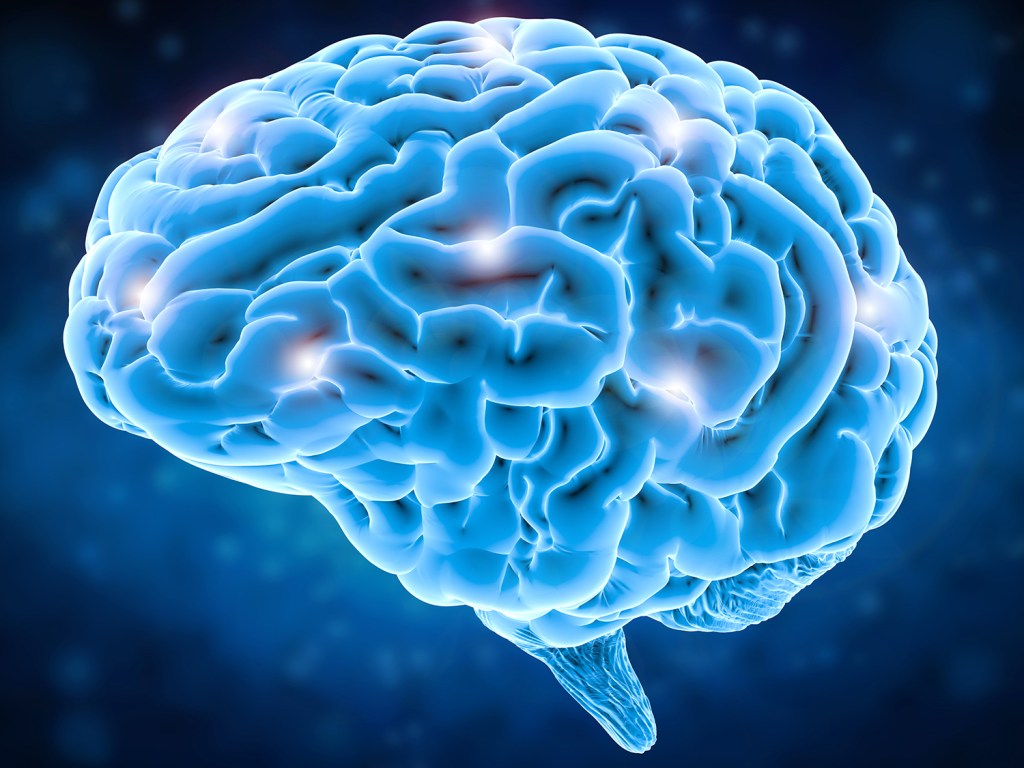
  • Neurons continue to grow throughout human life.
  • Information travels at different speed within different types of neurons. Not all neurons are the same. There are a few different kinds can be as slow as 0.5m/sec or as fast as 120m/sec.
  • The brain operates on the same amount of power as 10-watt light bulb over your head when a great thought occurs isn’t too far off the mark. It generates as much energy as a small light bulb even when sleeping.
  • After eating too much, your hearing is less sharp. If you are heading to a concert or a musical after a big meal you may be doing yourself a disservice.
  • Women are born better smellers than men and remain better smellers over life. Studies have shown that women are more able to correctly pinpoint just what a smell is.
  • Even small noises cause the pupils of the eyes to dilate. The sound causes their pupils to change focus and blur their vision, making it harder to do their job well.
  • Your nose can remember 50,000 different scents. Humans can identify a wide variety of scents and many are strongly tied to memories.
  • Nails and hair do not continue to grow after we die. They do appear longer when we die, however as the skin dehydrates and pulls back from the nail beds and scalp.
  • By the age of 60, most people will have lost about half their taste buds. Older individuals tend to lose their ability to taste.
  • Your eyes are always the same size form birth but your nose and ears never stop growing.
  • By 60 years of age, 60 percent of men and 40% percent of women will snore. Normal snores average around 60 decibels and can reach more than 80 decibels.
  • A baby’s head is one quarter of its total length, but by age 25 will only be one-eighth of its total length
  • Laughter protects the heart. It improves the function of blood vessels and increases blood flow.
  • It helps in releasing endorphins which can bring positive changes to the mindset of a person.
  • A child of the age of six years, laughs about three times more than an adult.
  • Your brain can detect fake laughter. Your brain automatically goes to work deciphering why someone is deliberately laughing.
  • Psychology says if you are meeting someone for the first time you only have about 7 seconds to make a powerful first impression.
  • Math anxiety is a psychological disorder which causes stress and anxiety when doing math problems.
  • Singing has positive psychological effects. Singing releases endorphins making you feel better almost instantly.
  • Learning new things produces physical changes in your brain structure.
  • On an average it takes us 66 days to form any particular habit, be it good or bad. So don’t give up while building good habits.
  • Sit up straight to recall memories more easily.
  • When people close their eyes, they are able to answer 23% more questions correctly about a movie they had just watched.
  • Crying males you feel better, reduces stress and may help to keep your body healthy.
  • We are more creative at night and least creative in the afternoon.
  • If you drink enough water in the morning you will feel happier, sharper, more energetic throughout the day.
  • Farting is good for health. It helps in reducing high blood pressure.
  • The human body needs iron to help perform a number of important functions. Iron helps carry oxygen to parts of your body in the form of haemoglobin.
  • Better to move around than sitting, as sitting more than 3 hours can reduce 2 years of your life.
  • Those who sit upright are much happier than those who slouch.

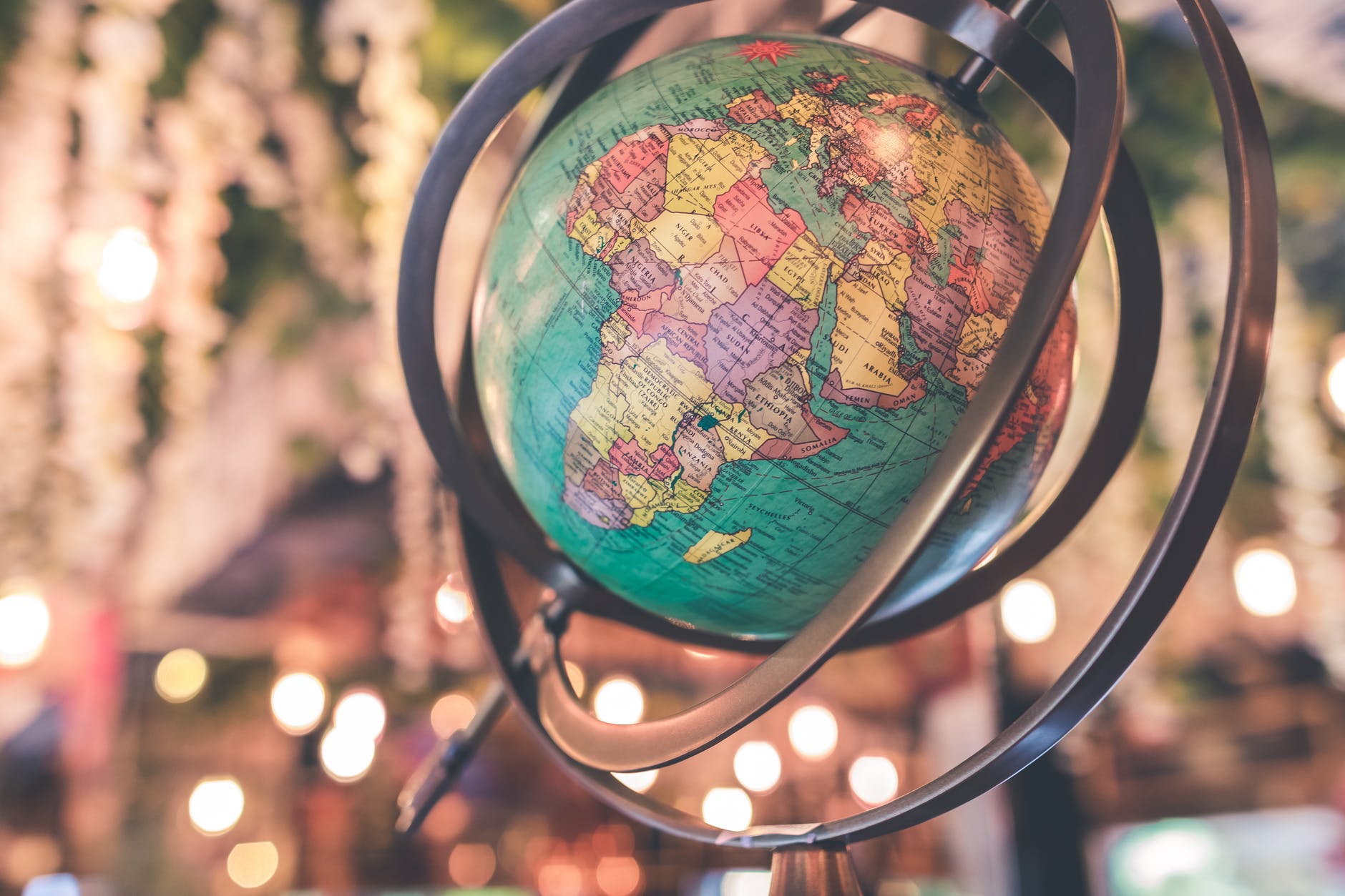
Well, It’s geographically strange…

Photo by Artem Beliaikin on Pexels.com

Hey you all there!!

Here are some facts, I heard or read somewhere and it stuck my mind as strange or unique or interesting and I thought that why not share them with you all. And so here we go-

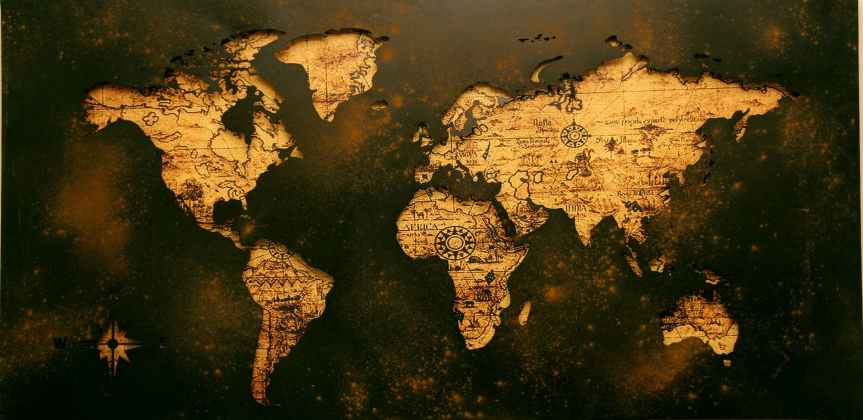
  1. If most of the sunlight falls on the equator then naturally the oceans in this region should have the highest temperature. But, it turns out that the temperate region’s oceans waters have the highest temperature. And here’s why. The temperature at the equator is high but so is the average yearly rainfall. The higher rainfall sort of counter balances the high temperature. But the rainfall at the temperate regions isn’t that high and so the overall temperature there is higher.
  2. The Norwegian sea lies near the Arctic ocean and its neighbouring countries include Iceland, Greenland and Russia. But, even after being in such a low temperature zone, the water of Norwegian sea doesn’t freeze in winters and the ships are still able to pass while those travelling through Russia aren’t. Well, it is due to a warm oceanic current that goes by the name of Norwegian current that keeps the water way above the freezing point.
  3. The northern part of the Indian ocean experiences both clockwise and anti-clockwise direction of ocean current and it is a feature of the country’s seasons. It was a reason of flourishing trade as well as inter-mixing of the Arabian and the Indian people as the ships travelling had to wait for the seasons to change so that the currents could effectively be used to travel.
  4. Japan has a very high land area as mountainous and a very small area of land. Combine this with the steep continental shelf of the nearby Pacific ocean and the meeting of warm and cold oceanic current, it provides for a very good fishing ground. It is why the Japanese people have a staple diet of fish (in addition to some cultural reasons).
  5. Most of the world’s active volcanoes are concentrated in the Pacific ocean in the ring of fire that is a junction point of several tectonic plates, followed by the Mediterranean sea.
  6. The South pole has a lower temperature as compared to that of the North pole. It is because south pole is a land region surrounded with water and the land region has high altitude mountains that help in lowering the temperature. Most of the ozone holes occur in this region.
  7. The Pacific ocean is sinking and after some million years, it won’t be the largest ocean of the world. Oh! And the Atlantic ocean is expanding, all a result of tectonic plate interaction. This is also why the Himalayas in our country is growing(at the rate of 1 cm/year, though the rate might be soon slowing down as the collision between the Eurasian and Indian plate is slowing down.).
  8. 31 December in Alaska is 1 January in Russia. Now, you know what to do if you happen to stumble upon in Russia during the new year’s eve.

Well, this is all in ‘geographically strange’. If you all like it, I will do a part 2 . Next in this series is ‘biologically strange’. So, stay tuned..

ARUNIMA SINHA

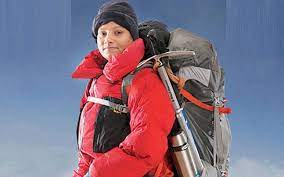
Arunima Sinha was born on 20 July 1989 in Lucknow, Uttar Pradesh. She is the World’s first female amputee to scale Mount Everest, Mount Kilimanjaro (Tanzania), Mount Elbrus (Russia), Mount Kosciusko (Australia), Mount Aconcagua (South America), Carstensz Pyramid (Indonesia) and Mount Vinson, she is additionally seven time Indian volleyball player.

EARLY LIFE AND TRAIN ACCIDENT

Arunima preferred football and furthermore was a public volleyball player. She needed to join paramilitary powers. Be that as it may, when she was going to Delhi in a train a few burglars entered in train mentor to take her pack and gold chain. She had a go at opposing yet they pushed her out of the train and fell on the track. She attempted to get up yet couldn’t and afterward the train run over her leg.

She was raced to the clinic with genuine leg and pelvic wounds and lost her leg after specialists removed it to save her life.

She was offered remuneration of ₹25,000 (US$350) by the Indian Sports Ministry. Following public shock, the Minister of State for Youth Affairs and Sports Ajay Maken declared an extra ₹200,000 (US$2,800) remuneration as clinical help, along with a suggestion for a task in the CISF. The Indian Railways additionally extended to her an employment opportunity.

On 18 April 2011, she was brought to the All India Institute of Medical Sciences for additional therapy, going through four months at the Institute. She was given a prosthetic leg liberated from cost by a private Delhi-based Indian organization.

MOUNT EVEREST ASCENT

While as yet being treated in the All India Institute of Medical Sciences, she set out to climb Mount Everest. She was propelled by cricketer Yuvraj Singh (who had effectively struggled malignant growth) and other TV programs, “to accomplish something” with her life. She dominated in the essential mountaineering course from the Nehru Institute of Mountaineering, Uttarkashi, and was urged by her mom to ascend Everest. She climbed Mount Everest with a prosthetic leg, which was orchestrated by raising assets with the assistance of a master of Ramakrishna Mission, Vadodara.

She reached Bachendri Pal. When she met Pal and Arunima disclosed to her story to her, Bachendri Pal said to Arunima “My youngster You chose to climb Mount Everest in these circumstances with Prosthetic (Artificial) leg. You had climbed, accomplished Mount Everest my youngster now the date is staying to the World to know”.

Furthermore, after that Arunima join essential mountaineering course from Nehru Institute of Mountaineering and TATA Steel Adventure (TSAF) in Uttarkashi (India) and she was energized or roused by her senior sibling Omprakash to ascend Mount Everest.

Sinha climbed Island Peak (6150 meters) in 2012 as groundwork for her rising of Everest.

Sinha and Susan Mahout, a USAF educator, who had together climbed Mount Chaser Sangria (6,622 meters or 21,726 feet) in 2012 under the direction of Hendrick Pal began their rising of Mount Everest.

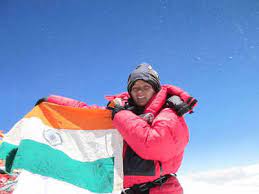
After a hard work of 17 hours, Sinha arrived at the highest point of Mount Everest at 10:55 am on 21 May 2013, as a component of the Tata Group-supported Eco Everest Expedition,becoming the primary female amputee to scale Everest. She required 52 days to arrive at the highest point. She composed a little message saying thanks to the Almighty on an enveloped fabric and squeezed it by the snow. Relating the occurrence, she said:

It was my recognition for Shankara Bhagawan, and Swami Vivekananda who has been a motivation for the duration of my life.

The Chief clergyman said that Sinha had made history, because of her persistent effort and assurance, by climbing Mount Everest. She was complimented by the Indian Sports Minister Jitendra Singh on her accomplishment.

Arunima Sinha is presently devoted towards social government assistance and needs to open a free games foundation for poor people and distinctively abled individuals. She is giving every one of the monetary guides she is overcoming grants and courses for a similar reason. The foundation would be named Shaheed Chandra Shekhar Vikalang Khel Academy.

She composed the 2014 book Born Again on The Mountain.

She is a motivation to every one of the ladies and individuals with handicap. She demonstrated that one requires difficult work and energy to achieve objective. She has a solid resolve which caused her to achieve her objective even get-togethers around her pity her. She genuinely demonstrated that “the sky is the limit”.

ENRON SCANDAL : VOILATION OF BUSINESS ETHICS

Business ethics is the study of appropriate business policies and practices regarding potentially controversial subjects including corporate governance, insider trading, bribery, discrimination, corporate social responsibility, and fiduciary responsibilities. The law often guides business ethics, but at other times business ethics provide a basic guideline that businesses can choose to follow to gain public approval.

ENRON corporation was an American energy commodities & service company based in Houston , Texas . It was a merger between Houston natural gas & inter north . Founder of ENRON was Jeffrey Skilling & Kenneth Lay . Earlier they used historical cost accounting method , A historical cost is a measure of value used in accounting in which the value of an asset on the balance sheet is recorded at its original cost when acquired by the company. But in 1992 , this company started using Mark to market method , Mark to market (MTM) is a method of measuring the fair value of accounts that can fluctuate over time, such as assets and liabilities. Mark to market aims to provide a realistic appraisal of an institution’s or company’s current financial situation based on current market conditions , with the help of this method only they did the whole scandal . The fraud was , they took loan from banks & other corporations , but didn’t show them in their books of accounts . They bought a MEDIATIOR , SFS ( special purpose vehicles ). They sold their assets to SFS & in return SFS asked loan from the banks . But they didn’t showed that they sold their assets in their books of accounts . They took loans , raised their capital & did the fraud of billion dollars .The value of shares of ENRON raised from 20$ to 90$ . The whole scandal was they hide the losses , showed fake revenues & profits , used complex accounting methods & did unethical things with the books of accounts by manipulating them .

But in 2001 , scandal burst , ENRON suffered a loss of 618 billion $ . Company did the scandal of 70 billion $ . Many investors , general public & employees suffered huge losses . Company’s one time Chief Jeffrey Shilling was sentenced to 24 to 24 years in prison in 2011 . Business ethics enhances the law by outlining acceptable behaviors beyond government control. Corporations establish business ethics to promote integrity among their employees and gain trust from key stakeholders, such as investors and consumers.

Amidst growing scrutiny of business practices, it’s more important than ever for companies to carry out work the right way. Ethics programs are an exceptional tool for promoting moral conduct. Organizations also need employees dedicated to ethical decision-making.

BOOK REVIEW: HARRY POTTER AND PRISONER OF AZKABAN

Harry has spent yet another miserable summer at home with the Dursleys.  He can’t wait to get back to school at Hogwarts, and he’s especially anticipating the third-year privilege of visiting the all-magical village of Hogsmeade near the school. The only problem is that he has to get Uncle Vernon to sign his permission slip to do so. Harry’s bargain with his uncle over the form backfires when Harry gets angry and accidentally “inflates” Aunt Marge.

Rather than being punished by the Ministry of Magic, Harry soon finds that he is being protected. A much-feared prisoner named Sirius Black has escaped from Azkaban, the wizard prison, and Harry is believed to be the target of his next kill. Soon, Black has found his way into Hogwarts, so Harry isn’t even safe in his own dormitory.

Once again, Harry, Ron and Hermione must solve the mystery—what were the circumstances of Black’s original crime, and how is he related to Harry’s parents and their death? Who is the traitor who informed on Harry’s parents to Voldemort? In working out this puzzle, Harry finds both his father’s best friends and his own godfather. 

Positive Element:

Harry practices self-control in not spending extravagantly, even though he desperately wants a new flying broom, he is on his own and he has plenty of money. New Professor Lupin teaches the students that laughter fights what one fears the most. Selfless loyalty to one’s friends is upheld as a high virtue: ” ‘If you want to kill Harry, you’ll have to kill us too!’ [Ron] said fiercely.”

Harry’s loyalty is clearly to his birth family, and he responds angrily in their defense when Uncle Vernon lies to make Harry’s father look bad. Again, Harry finds a family at Hogwarts, where the dormitories take on a family feeling and the students look out for others in their Houses.

Hatred And Anger:

As Harry and his friends grow into their teenage years, hatred and anger become more prominent themes:

“A reckless rage had come over Harry. He kicked his trunk open, pulled out his wand, and pointed it at Uncle Vernon.”

“Even Harry, who hated Snape, was startled at the expression twisting his thin, sallow face. It was beyond anger: it was loathing. Harry knew that expression only too well; it was the look Snape wore every time he set eyes on Harry.”

Adolescent Love:

The maturation process that J.K. Rowling has promised as the series continues is just barely evident in Book III: “Wood looked as though he could have kissed her.”

In a restaurant in Hogsmeade, Ron is clearly attracted to the beautiful waitress: “A curvy sort of woman with a pretty face was serving a bunch of rowdy warlocks up at the bar. ‘That’s Madam Rosmerta,’ said Ron. ‘I’ll get the drinks, shall I?’ he added, going slightly red.”

Spiritual Elements:

New magical creatures are introduced in Book III: Dementors. “Dementors are among the foulest creatures that walk the earth. They infest the darkest, filthiest places, they glory in decay and despair, they drain peace, hope and happiness out of the air around them. Even Muggles feel their presence, though they can’t see them. Get too near a dementor and every good feeling, every happy memory will be sucked out of you. If it can, the dementor will feed on you long enough to reduce you to something like itself … soulless and evil. You’ll be left with nothing but the worst experiences of your life.”

Conclusion:

Dark Magic is still seen here as a great evil to be combated by good witches and wizards. And Dark-Side wizards are often portrayed as selfish and of bad character: “When a wizard goes over to the Dark Side, there’s nothing and no one that matters to him any more.” But that merely underscores Rowling’s intimations that there can be good and bad witches. Such is not the case. The underlying danger of Rowling’s books is the fact that, though witches and wizards aren’t portrayed realistically, they (at least the “good” ones) are portrayed positively.

7 tips to crack GATE 2022

1. The Early You Start, The Better It Is.

GATE is an exam that requires a consistent long-term study. It is helpful to start early because you get enough time to study the topics in-depth and revise regularly. The ideal time to prepare for GATE is in the 3rd year of Engineering. You need to devote at least a few hours per week, say on the weekends for GATE preparation. The competition is high as there are aspirants preparing for the exam for over 2 years.

2. Know the GATE Exam Pattern and Syllabus

Before starting your GATE preparation, be clear with the GATE 2022 exam pattern and syllabus. The Exam has both MCQ and Numerical type of questions. There is negative marking as well except for the numerical type questions.

The next step is to check the GATE Syllabus 2022. Shortlist the subjects and topics based on your conceptual knowledge and understanding of the subject. Categorize the topics based on your strengths and weaknesses, which will help you decide which topics should be focused more. Besides that, choose the core subjects which you need to study thoroughly in order to score more.

3. Make a proper study plan

The study plan will vary for each candidate–whether the candidate is a fresher or a repeater, depending on their strengths and weaknesses, etc. To prepare an effective study plan, closely examine the exam pattern, syllabus, and difficulty level of the exam. Design a long-term plan, monthly, and daily. Practice a variety of problems from different sources. Take mock tests, solve previous year’s papers, and sample papers.

4. Manage Your Time Efficiently

Time is a very important factor in GATE preparation. Create a practical timetable and use your time effectively. Preplan the time required to cover the syllabus and allocate separate time slots for every task related to your GATE Preparation. Revision is the key; take it seriously and practice a variety of question papers to manage time in a better way during the exam.

5. Take Mock Tests and Analyze the Results

At every stage of your preparation, you need to keep track of your performance which can be done by taking mock tests. Only taking mock tests is not sufficient, it is equally important to analyze the results. Know the mistakes you made and the areas that need to improve.

6. Focus on General Aptitude & Engineering Mathematics

If you want to clear GATE 2022, focusing on Mathematics and Aptitude act as saviors. Prepare these two subjects thoroughly because in this section you will score much easily compared to other sections. The Aptitude section carries 15 marks and the Mathematics section too carries 15 marks. Thus, it is an excellent strategy to prepare for this section without fail.

7. Join an Online Test Series

Online Test Series is one of the best ways to know your preparation level. These are prepared by expert faculties and also contain previous year questions. These will help you compete with the actual appearing candidates for the year and you can also analyze your AIR. For details regarding the best test series, you can take the help of your seniors and teachers are they might already be enrolled.

Think beyond the bookish knowledge and find the day-to-day applications of the concepts in engineering. This will help you in making things interesting and real. Develop the power of visualization and try to find the links and relationships between the concepts. This will help you learn more effectively. Create analogies to explain topics and concepts. Take good care of your health and sleep adequately. Revise regularly and keep cool on the day of the exam.

You can check my other blog attached below to know more about the different opportunities after GATE exam.

Different opportunities after the GATE exam

THORNS

Your love grows stronger when it is among rocks and thorns of life. Love speaks in flowers but trust requires thorns because when petals fall off the stem ,only thorns try to catch them.

Some people are like thorns but you have to let them be thorns because thorns can’t turn into petals. The trick is not letting them prick you. A rose does not stop looking beautiful, because of the thorns around it , so never allow weakness to stop you from admiring your own strength.

If you don’t feel the pointed things in life, you will soon take the soft ones for granted. The more the thorns on the way are sharply pointed, the more intensely the fire burns for quenching the great destination.

This heart ,sometimes it is like a flower spreading fragrance but most of the times it is like thorns pricking you with your past memories and make you realise this heart is not made of flowers. Don’t always grumble because roses have thorns, be thankful that thorns have roses.

Problems are only opportunities with thorns on them. Not every thought is a flower, some are thorns but while a flower may make you fall asleep and too see dreams, a thorn will wake you up and make you to think more.

Pain is like a rose, it amazes you with it’s beauty untill and unless you don’t try to pluck it, it makes you bleed when you try to own it. Life is uncertain. Today you get a rose. Tomorrow you feel the thorns.

A life with love will have some thorns but a life without love will have no roses.

There is darkness in light, there is pain in joy and there are thorns on the rose. There is no rose without thorns and no life without pain, your thorns are the best part of you.

If you enjoy the fragrance of a rose, you must also accept the thorns with a smile and move on.