We all come across the word healing as we scroll down through social media or while reading a newspaper. We know the meaning of healing as in healing a wound, that is to recover or the process of recovering. But have you heard about healing your mind, it is nothing but emotional healing, the ability to take proper control of your mental health in a way they do not interfere your present moments. Nowadays, be it young children, teenagers or adults, we use the word stress in our everyday life. Stress is something that is unavoidable nowadays, loads of books to study, loads of activities to be done, relationship issues, health issues and lots of other stuff. Once your body reacts to stress, that makes you feel frustrated, so it is really important to heal your mind and body.
Steps to heal yourself
Once we get a wound, immediately we all treat the wound with some kind of antibiotics after cleaning the wound, same way when your body reacts to stress it creates some wound to your mind, so it must be treated immediately by healing. Here are some ways to heal yourself:
Take a deep breath whenever you feel stressed and think calmly to overcome the issue whatever it might be.
Indulge yourself with your favorite hobbies and keep going with it until you forget all your worries
Do some exercise, this might help your body and mind to relax
Have a nice talk with your closed once, share your thoughts with them, this surely reduces your burden.
Spend some time with nature, the pure air, birds chirping, cool breeze, really heals you better than anything else
Cook your favorite dish or go to your favorite restaurant, have something that makes you forgot all your worries
Have some ice cream, its the best comfort food, it seems to combat anxiety, stress and sadness away.
Take everything slowly, face your problems with a smile, Don’t push yourself too hard
“Vulnerability is not a weakness, it is our greatest measure of courage.” What role does this impactful quote by Brene Brown play in our life? Arduous times have a tendency to shake the psychological well-being of any mortal. Sometimes, during unprecedented times, we are forced to take steps that were never dreamt of, by us. Since the Big Bang, mankind’s path to advancement has been full of thorns. The Spanish Flu, the 1931 China floods, the 9/11 attacks, and numerous life-threatening scenarios were faced by us. But if during those times, we hadn’t taken the necessary steps and shown impeccable courage, we wouldn’t have had the opportunity to write essays like this. We have to deal with emergency situations or when besieged by sorrows and life-threatening situations, we feel pressed to come out of our comfort zone of normalcy.
The most considerate example in front of us is the current pandemic that has befallen the planet-“The COVID-19 Pandemic”. This worldwide disaster crippled the economy of most of the countries, disavowed more than half of the businesses and industries, and forced millions to migrate. Then the question that comes into our mind is-“How to avert this biological calamity?”And the first answer that we take into account is “Unprecedented measures”. We needed to do something that might not have happened in decades before. We were forced to go into a worldwide lock-down. People couldn’t step out of their houses and were forced to confine themselves within four walls. Collaborations were arrow-struck, the aviation sector was totally destroyed, and worse was the case of unemployment. This was not the time to be insensitive or remain aloof. We had to support our families as their pillars, and console the infected. There were various steps taken up by the governments, to control the situation. A few major ones include business shutdowns, work-from-home situations, and an obligation towards the country by wearing N-95 masks. These times required us to keep ourselves immaculate and avoid as much contact with others as possible. Even though hardships come and go in everyone’s lives, when we introspect, we find that the courage to overcome the difficulty is on the other bank of the river. The bridge that we need to cross, is that of self-confidence. One of the main reasons people fail to scrutinize a burdensome task is an apathy. A lack of interest tends the bearer to give up easily. Thus being ebullient is very important to take unprecedented measures during unprecedented times. The Indian directorate introduced a number of schemes for containing the economic fallout. An economic relief package of ₹20 lakh crore was announced by the Prime Minister in support of the financial victims of the pandemic. Numerous farmers and unemployed were funded by the government. Under the Pradhan Mantri Yojna, a sum of ₹12,000 crores was donated by PM Narendra Modi, to the farmers. Under the Ujjwal scheme, the government decided to provide free LPG refills to around 8.3 crore poor women. Close to 6 crore farmers were benefitted during the lockdown, because of the ingenious steps taken up. There were countless such initiatives taken up in our country and the world. But the significance of these is often missed by us. The spontaneous reaction to the spread of the virus is often missed by us. The virtual operating system of the countries is often missed by us. Many would still condemn the lock-down, rebuke the improvised and extrapolated agencies and organizations of the world, because they are unaware of the fact that even soothsayers cannot tell if a pandemic would fall upon the planet within a few days. Difficulties and struggles do not knock on your door. They don’t even wait for you to be ready to tackle them. But if the wit of a person or country is strong, none can stop them from becoming the “difficulty for the difficulty”. If we scrutinize a catastrophe and its victims closely, we find that the optimistic have a better chance of reverting back to normalcy, than the pessimistic. This also proves, that the degree of impact of our reaction towards a crisis, “is directly proportional” to our attitude. Giving up is too easy, winning may also be too easy, but the most difficult part is standing up, after falling down. The most important part is about how we perceive the situation in front of us. What most individuals fail to acknowledge, is that preparing for an unprecedented time in advance is not possible, because of the word ”unprecedented”. Sometimes we have to go with our gut or rely on involuntary actions. Looking back, we realize that even history provides a lot of classic ethics about times when people were given a chance to show their heroism. Japan suffered two atomic bomb attacks in 1945, and it was predicted that it would take a few hundred years for the country to come back to its normal state. But as we see now, it is the world’s second-largest developed economy. How could that be possible? It was the civilians in Japan who fought vigorously against all anomalies to make their country one of the finest technologies in the world. Recent events like the “Black Lives Matter” movement highlight the need for these unexpected times and measures. When George Floyd was cumbered to death by a policeman, thousands took to the streets and protested for the lives of the black community. Was this ever expected to happen? NO, but it still resulted in all 4 officers (who were responsible) being taken into custody. Thus, the reaction of a unified mass can change a lot of things. Accomplished pilots gain their reputation from storms and tempests. Our valor often increases in proportion to the hindrances imposed upon it. Nobody learns to drive without knocking off a few trash cans or ace an examination without making mistakes. Thus- “A winner is never actually the person who wins, but it’s the loser because he knows the true meaning of winning.”
An Indian actress, model, film producer, and singer the winner of the Miss World 2000 pageant Priyanka Chopra is one of India’s highest-paid and most popular entertainers. She has received numerous awards including two National Film Awards and five Filmfare awards. In 2016 the Government of India honored her with the Padma Shri and in the next two years, Forbes listed her among the world’s 100 most powerful women.
Priyanka Chopra was born on 18th July 1982 in Bihar 2018 in Jamshedpur of Bihar to Ashok and Madhu Chopra. At age of 13, Priyanka moved to United steps to study living with her aunt. While in Massachusetts, she participated in several theatre productions and studied Western classical music and choral singing. After 3 years she returned to India finishing the senior year of her High school education in Bareilly.
Her mother entered her in the Femina Miss India contest of 2000; she finished the second-place contestant of Femina Miss India was given the title Miss India world and sent to the Miss World competition. Priyanka next won the Miss World pageant where she was crowned Miss World 2000 and Miss World continental queen of beauty Asia and ocean at the Millennium Dome in London.
Priyanka’s main vocal influence was her father who helped to develop her interest in singing. After winning Miss India and Miss World, Priyanka was cast as the female lead in Humraaz which was released in 2002. Priyanka set up the production company Purple Pebble Pictures with an aim to produce small-budget films and promote new talent in the Indian Film industry.
Priyanka has worked with UNICEF since 2006, recording public service announcements and participating in media panel discussions promoting children’s rights. To promote organ donation, she pledged to donate her own organs after death and was the keynote speaker at the University of Pittsburgh medical center, Bollywood-themed 20th anniversary celebration of its liver transplant program in 2012.
Indian Prime Minister Narendra Modi selected Priyanka as one of the nine nominees called “Navratna” in 2014 for swachh Bharat Abhiyan. In late April 2021, due to the covid-19 pandemic in India, Priyanka along with her husband Nick opened a fundraiser along with NGO Give India to get donations for oxygen supply, covid-19 care centers, testing, and vaccination efforts.
1st December 2018 Priyanka get married to American singer and actor Nick Jonas and she legally changed her full name to Priyanka Chopra Jonas.
The term ‘organic’ was first coined by Northbourne, in 1940, in his book entitled ‘Look to the Land’. In recent years, organic farming as a cultivation process is gaining increasing popularity . Organically grown foods have become one of the best choices for both consumers and farmers. Organically grown foods are part of go green lifestyle.
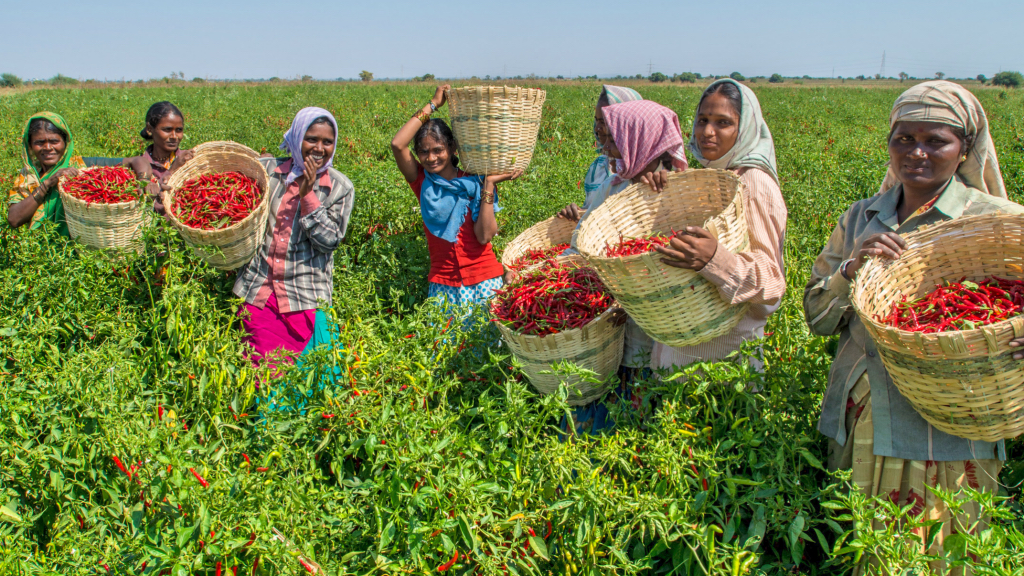
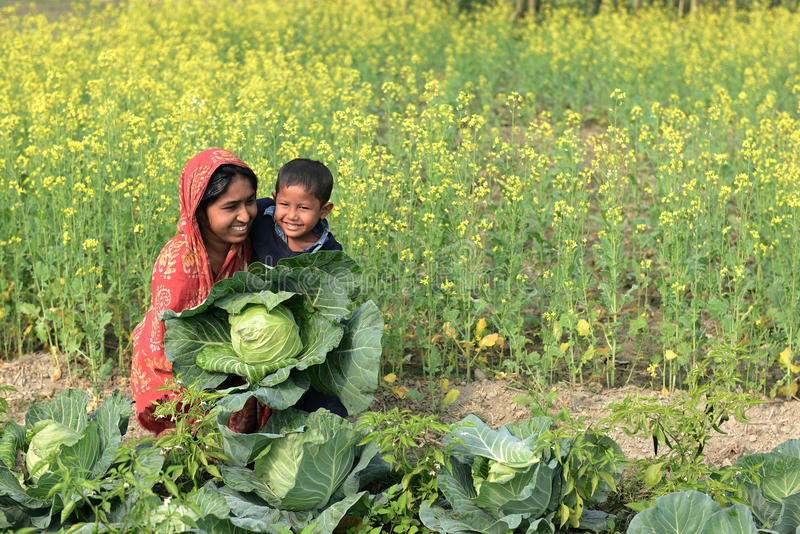
Farmers showing their Organic Harvest
Why Being Preferred These Days: The Importance of Organic Farming
Food quality and safety are two vital factors that have attained constant attention in common people. Growing environmental awareness and several food hazards (e.g. dioxins, bovine spongiform encephalopathy, and bacterial contamination) have substantially decreased the consumer’s trust towards food quality in the last decades. Intensive conventional farming can add contamination to the food chain. For these reasons, consumers are quested for safer and better foods that are produced through more ecologically and authentically by local systems. Organically grown food and food products are believed to meet these demands.
Organic Farming Processes
Organic Farming Process
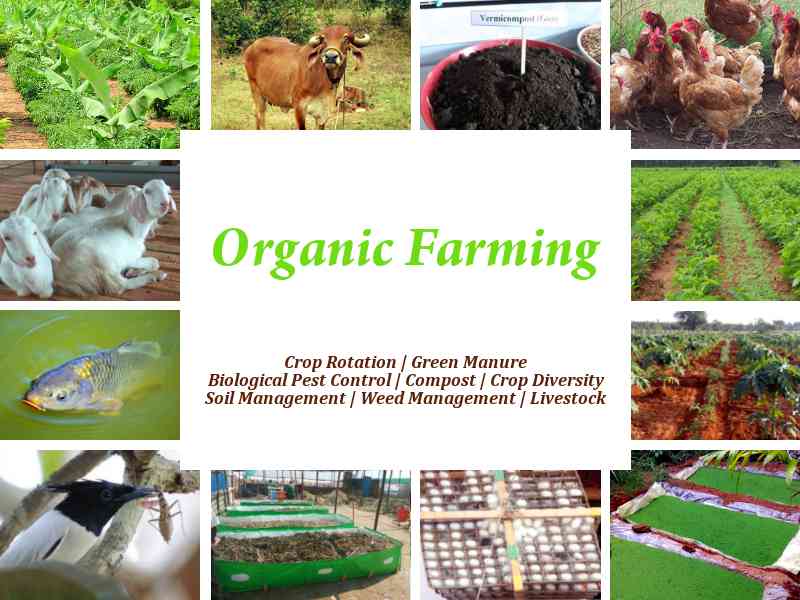
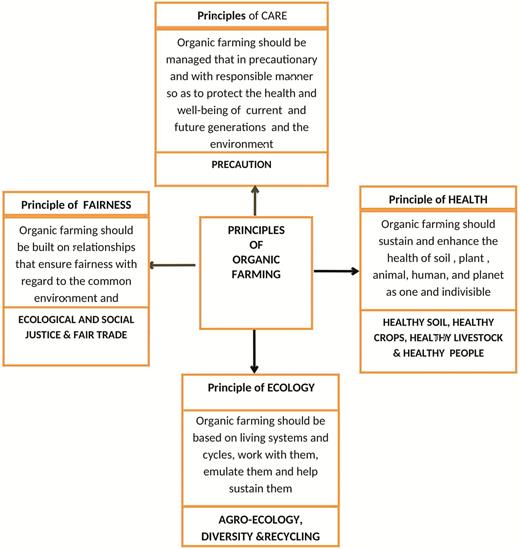
Organic farming and food processing practices are wide-ranging and necessitate the development of socially, ecologically, and economically sustainable food production system. The International Federation of Organic Agriculture Movements (IFOAM) has suggested the basic four principles of organic farming, i.e. the principle of health, ecology, fairness, and care . The main principles and practices of organic food production are to inspire and enhance biological cycles in the farming system, keep and enhance deep-rooted soil fertility, reduce all types of pollution, evade the application of pesticides and synthetic fertilizers, conserve genetic diversity in food, consider the vast socio-ecological impact of food production, and produce high-quality food in sufficient quantity.
Principles of Organic Farming
According to the National Organic Programme implemented by USDA Organic Food Production Act (OFPA, 1990), agriculture needs specific prerequisites for both crop cultivation and animal husbandry. To be acceptable as organic, crops should be cultivated in lands without any synthetic pesticides, chemical fertilizers, and herbicides for 3 years before harvesting with enough buffer zone to lower contamination from the adjacent farms. Genetically engineered products, sewage sludge, and ionizing radiation are strictly prohibited. Fertility and nutrient content of soil are managed primarily by farming practices, with crop rotation, and using cover crops that are boosted with animal and plant waste manures. Pests, diseases, and weeds are mainly controlled with the adaptation of physical and biological control systems without using herbicides and synthetic pesticides. Organic livestock should be reared devoid of scheduled application of growth hormones or antibiotics and they should be provided with enough access to the outdoor. Preventive health practices such as routine vaccination, vitamins and minerals supplementation are also needed.
Principles of Organic Farming
Types of Organic Farming
Organic Farming are of two types. Here are the two types of Organic Farming being performed in India.
(a)Pure Organic Farming – pure organic farming, there is avoiding every unnatural chemical. In the process of pure farming, fertilizer and pesticides obtain from natural sources. It is called a pure form of organic farming. Pure organic farming is the best for high productivity.
(b) Integrated Organic Farming – Integrated organic farming consists of integrated nutrients management and integrated pest management.
Organic Farming in India
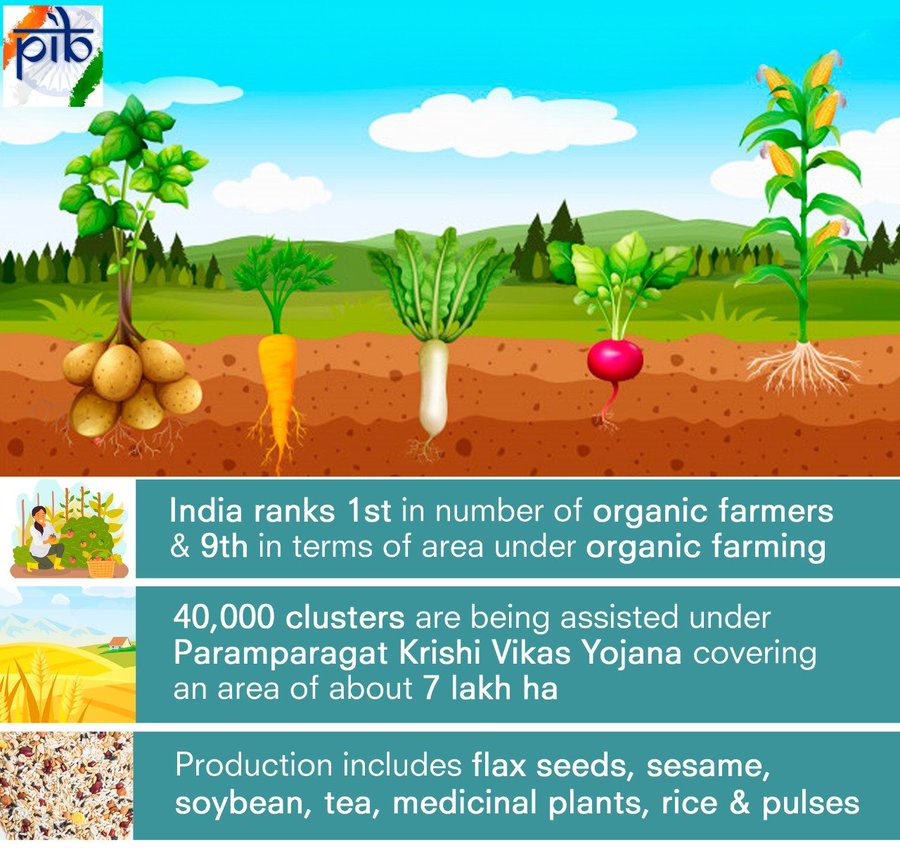
Organic farming is in a nascent stage in India. About 2.78 million hectare of farmland was under organic cultivation as of March 2020, according to the Union Ministry of Agriculture and Farmers’ Welfare. This is two per cent of the 140.1 million net sown area in the country. A few states have taken the lead in improving organic farming coverage, as a major part of this area is concentrated only in a handful of states. Madhya Pradesh tops the list with 0.76 million of area under organic cultivation — that is over 27 per cent of India’s total organic cultivation area. The top three states — Madhya Pradesh, Rajasthan and Maharashtra — account for about half the area under organic cultivation. The top 10 states account for about 80 per cent of the total area under organic cultivation. Sikkim is the only Indian state to have become fully organic so far. Even though India has very small organic area under cultivation, in terms of number of organic farmers it is being ranked first. India has over 1.9 million farmers as of March 2020, which is 1.3 per cent of 146 million agricultural landholders.
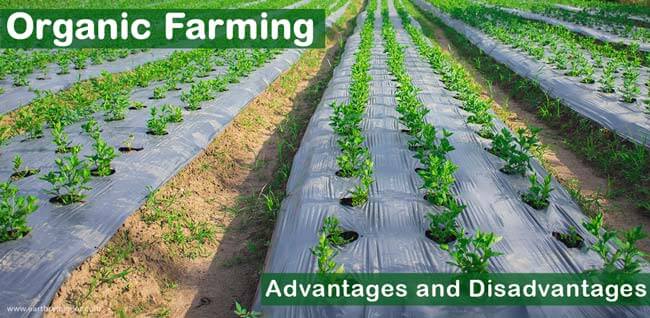
Advantages and Disadvantages of Organic Farming
Advantages of Organic Farming
Organic farming in India is very economical, it uses no expensive fertilizers, pesticides, HYV seeds for the plantation of crops. It has no expenses.
With the use of cheaper and local inputs, a farmer can earn a good return on investment. This is one of the most important benefits of organic farming in India.
There is a huge demand for organic products in India and worldwide and can earn more income through export.
Organic products are more nutritional, tasty, and good for health to chemical and fertilizer utilized products.
Organic farming in India is very environment friendly, it does not use fertilizers and chemicals.
Disadvantages of Organic Farming
Organic farming in India has fewer choices, and off-season crops are limited.
Organic agricultural products are low in the early years. Farmers find it difficult to accommodate mass production.
The main disadvantage of organic farming is the lack of marketing of the products and Inadequate infrastructure.
Organic Farming in India
Future of Organic Farming in India
India is an agriculture-based country with 67% of its population and 55% of manpower depending on farming and related activities. Agriculture fulfils the basic needs of India’s fastest-growing population accounted for 30% of total income. Organic farming has been found to be an indigenous practice of India that practised in countless rural and farming communities over the millennium. The arrival of modern techniques and increased burden of population led to a propensity towards conventional farming that involves the use of synthetic fertilizer, chemical pesticides, application of genetic modification techniques, etc.
Organic Farming leads to Sustainability and Holistic Growth
Even in developing countries like India, the demand for organically grown produce is more as people are more aware now about the safety and quality of food, and the organic process has a massive influence on soil health, which devoid of chemical pesticides. Organic cultivation has an immense prospect of income generation too. The soil in India is bestowed with various types of naturally available organic nutrient resources that aid in organic farming.
As per data collected from Government of India
Conclusion
India is a country with a concrete traditional farming system, ingenious farmers, extensive drylands, and nominal use of chemical fertilizers and pesticides. Moreover, adequate rainfall in north-east hilly regions of the country where few negligible chemicals are employed for a long period of time, come to fruition as naturally organic lands. Organic farming yields more nutritious and safe food. The popularity of organic food is growing dramatically as consumer seeks the organic foods that are thought to be healthier and safer. Thus, organic food perhaps ensures food safety from farm to plate. The organic farming process is more eco-friendly than conventional farming. Organic farming keeps soil healthy and maintains environment integrity thereby, promoting the health of consumers. Moreover, the organic produce market is now the fastest growing market all over the world including India. Organic agriculture promotes the health of consumers of a nation, the ecological health of a nation, and the economic growth of a nation by income generation holistically. India, at present, is the world’s largest organic producers and with this vision, we can conclude that encouraging organic farming in India can build a nutritionally, ecologically, and economically healthy nation in near future.
Hindus all around the world observe the night of Maha Shivratri today on the 1st of March 2022. Maha Shivratri (“The Great Night of Shiva”) is celebrated every year on Chaturdashi Tithi during Krishna Paksha in the month of Magha according to the South Indian calendar, or on 13/14 night of Krishna Paksha in Phalguna of the North Indian Hindu calendar. It is said to be the day Lord Shiva performs his heavenly dance (“Tandav“) of creation, preservation, and destruction. According to other legends, it is also the night Lord Shiva married Mata Parvati. So it is considered to be the night of union of Shiva and Shakti – the embodiment of love, power, and oneness. Devotees worship and pray to Lord Shiva, perform all-day fasting, and maintain an all-night vigil on this day. Some visit Shiva temples or go on pilgrimage to Jyotirlingams, the holiest of Shiva temples.
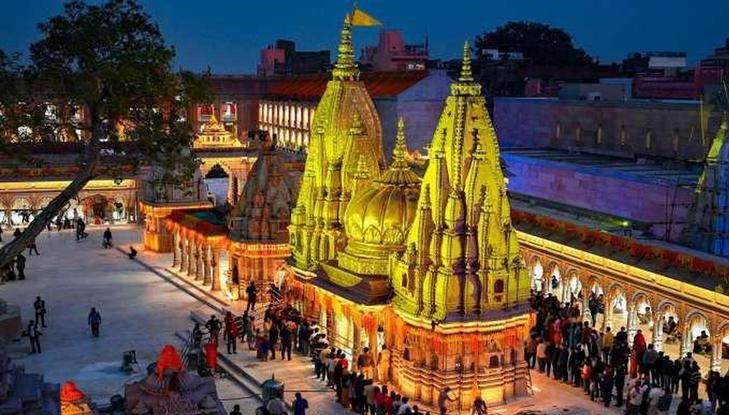
Kashi Vishwanath Temple Source: Republic World
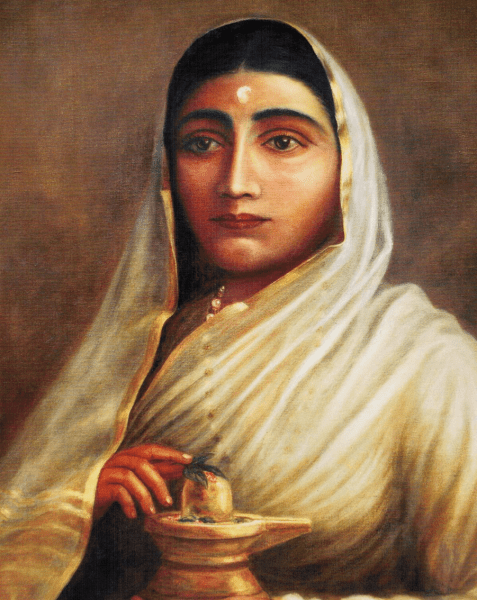
The Kashi Vishwanath temple in Varanasi, Uttar Pradesh is one of the sites of the 12 Jyotirlingams across India. This holy temple is one of the most important places of worship in the Hindu religion, with Vishveshvara or Vishvanath, the Jyotirlinga of Shiva residing inside the temple. The history of this sacred place of worship, however, is one of a cycle of destruction and plunder and re-construction. The original temple was destructed at the hands of Qutb al-Din Aibak in 1194 CE, re-constructed in 1230, and then again destroyed by the Mughal Emperor Aurangzeb in 1669 CE, building the Gyanvapi mosque in its place. It was a great and virtuous queen by the name of Ahilyabai Holkar who re-built the present-day Kashi Vishwanath temple beside the mosque. The story of this little-known noble queen is truly magnificent.
Ahilyabai was born on 31 May 1725 to Mankoji Rao Shinde, the Patil or Chief of Chondi village, Ahmednagar in present-day Maharashtra. Ahilyabai was not born into royal lineage but was married to Khanderao Holkar, after the Lord of the Malwa territory, Malhar Rao Holkar, became impressed by the young girl’s reverence and strong character. She became a widow at 29 when her husband died in the battle of Kumbher in 1754. It was her father-in-law, Malhar Rao Holkar, who prevented Ahilyabai from committing Sati after her husband’s death. Tragedy struck Ahilyabai again when her father-in-law, who was her greatest pillar of support passed away in 1766. This led to Ahilyabai’s only son Male Rao Holkar ascending the throne under her regency. He also died a few months later in 1767 which resulted in Ahilyabai becoming the ruler of Indore on 11 December 1767, despite some objections from the kingdom. She proved all those who opposed her wrong when she protected her kingdom from invaders who wanted to plunder Malwa, barely a year into her rule. She was a learned politician, cautioning the Maratha Peshawa against the British in a letter in 1772, comparing the British embrace to a bear-hug.
During her 30-year rule, she transformed Indore from a tiny village to a prosperous city. She constructed numerous forts and roads in Malwa, sponsored festivals, and donated to many Hindu temples. She built dozens of temples, ghats, wells, tanks, and rest-houses stretching from the Himalayas in the north to the pilgrimage centers in the south. It was in 1780 that Ahilyabai re-constructed the present-day Kashi Vishwanath Temple adjacent to the mosque. The noble queen also beautified various holy sites including Gaya, Somnath, Ayodhya, Mathura, Haridwar, Kanchi, Avanti, Dwarka, Badrinarayan, Rameshwar, and Jaganathpuri as recorded by the Bharatiya Sanskritikosh.
Maheshwar, her capital was a center of literary, artistic, musical, and industrial achievement. She established a textile industry in the city and gained supporters like the Marathi poet Moropant, Shahir Anantaphandi, and Sanskrit scholar, Khushali Ram. Historians write of her kind rule, encouraging all within her realm and her kingdom to do their best.
She was 70 when she died in 1795 and was succeeded by her commander-in-chief and nephew, Tukoji Rao Holkar. As a tribute to her, Indore international airport has been named Devi Ahilyabai Holkar Airport. Similarly, Indore university has been renamed Devi Ahilya Vishwavidyalaya. A commemorative stamp was also issued in her honor in 1996. On 13 December 2021, India’s Prime Minister Narendra Modi inaugurated the Kashi Vishwanath Corridor Project in Varanasi, restoring an array of temples to their past glory. On this day, let us remember the great queen of Malwa and her invaluable contribution to our nation. The legacy of the great queen of Malwa lives on.
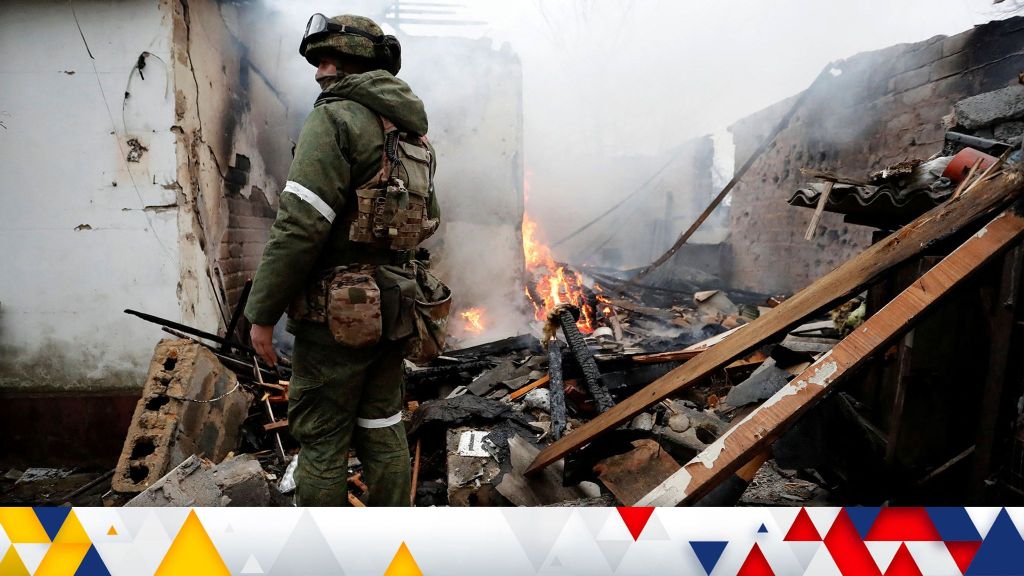
Ukraine War: European Union members have announced new sanctions and assured Ukraine of more military support in the coming days.
Kyiv: Vladimir Putin has put out conditions on ending Russia’s offensive as his forces shelled Ukraine’s Kharkiv, killing at least 11. Ukraine, meanwhile, has demanded retreat of all Russian forces during talks between Kyiv and Moscow at Belarus border.
World soccer’s global governing body suspended Russia and its teams from all competitions on Monday, ejecting the country from qualifying for the 2022 World Cup only weeks before it was to play for one of Europe’s final places in this year’s tournament in Qatar.
The suspension, which was announced Monday evening in coordination with European soccer’s governing body, also barred Russian club teams from international competitions. The decision came a day after FIFA was heavily criticized for not going far enough in punishing Russia for its invasion of Ukraine, and amid mounting demands from national federations for stronger action.
The initial pressure for an outright ban of Russia came from soccer officials in Poland, Sweden and the Czech Republic, whose national team faced the prospect of games against Russia in a World Cup playoff in March. Other countries and officials, including the federations representing France, England and the United States, quickly said they would not play Russia under any circumstances.






 Eduindex
You must be logged in to post a comment.