Bhushan Ramkrishna Gavai, popularly known as BR Gavai, took oath as the 52nd Chief Justice of India. Justice Gavai was elevated as a Judge of the Supreme Court on May 24, 2019. He took oath on May 14, 2025, and is the first Buddhist (by faith) to lead the nation’s judicial system in the coveted post. He is the Second Scheduled Caste (SC) after K. G. Balakrishnan to head the Indian judiciary. As an Indian and senior citizen, I am proud of him when I observed on TV channels that he touched his mother’s feet to take her blessings, which indicates his value and high character. Notably, our most significant strength is our democracy because of our Constitution, which was formulated under the leadership of Dr Ambedkar Sab. I wish to mention here at the same time that India and Pakistan gained independence in 1947, but Pakistan had a fragile democracy, so from time to time, it experienced army rule, and in 1971, Bangladesh was created.
On the other hand, India is a pluralistic society with different religions, cultures, languages, castes, etc.; people live amicably. Even Chinese, Europeans, and many Muslims praised India because of its diversity, as I was in many countries as a resource person. I wish to add a few lines about Justice Gavai (source: http://www.news18.com/, Mahima Joshi ). He was born on November 24, 1960, in Amravati, Maharashtra. He enrolled as a lawyer on March 16, 1985, and worked with the late Raja S Bhonsale, former Advocate General and High Court judge, until 1987.
He started independent practice at the Bombay High Court in 1987 and appeared before the Nagpur Bench from 1990 onward. Justice Gavai was then appointed Assistant Government Pleader and Additional Public Prosecutor at the Bombay High Court, Nagpur Bench, in August 1992, and later became the Government Pleader and Public Prosecutor in January 2000.
He was elevated as an Additional Judge of the Bombay High Court in November 2003 and became a permanent judge on November 12, 2005. During his tenure, he presided over benches at Mumbai, Nagpur, Aurangabad, and Panaji and handled cases of different types.
It is worth mentioning that during his tenure as an apex court judge in the last six years, Justice Gavai was part of around 700 benches dealing with matters about a range of subjects.
I congratulate him on his new assignment and hope he will bring more and more laurels through his activities.
The rising cost of higher education has put a strain on the finances of families across the nation, creating a barrier to accessing college for many students. Scholarships, especially those awarded during high school, can play a pivotal role in overcoming this barrier, offering students the chance to lessen the burden of tuition fees and other college-related expenses. Identifying and applying for scholarships early in one’s high school career can lead to significant financial relief down the line. Keep reading to uncover the vital steps and strategies that high school students can deploy to reduce college expenses through scholarships.
Understanding the Importance of High School Scholarships in College Funding
As tuition rates climb, the pursuit of high school scholarships has morphed into a crucial strategy for prospective college students. These scholarships can cover a portion or even the entirety of tuition costs, depending on the award’s value. They offer a form of financial aid that doesn’t require repayment, unlike student loans, making them a highly attractive option.
Furthermore, high school scholarships can diminish the need for part-time jobs during college, allowing students to focus more on their studies and extracurricular activities. They also serve as a recognizant of academic or personal achievement, bolstering a student’s resume and college applications. In some cases, the prestige associated with scholarships can pave the way for additional opportunities, such as internships or research positions.
Meritorious and need-based scholarships can have far-reaching implications for students from economically challenged backgrounds. They act as a leveling field, providing equal opportunities for quality education regardless of a family’s financial standing. Scholarships reward initiative and hard work, encouraging other students to strive for excellence in their academic endeavors. The early pursuit of scholarships for juniors in high school is an excellent first step on this rewarding journey.
Exploring Types of Scholarships Available to High School Students
High school students may be surprised by the diversity of scholarships accessible to them, each with its own set of criteria and benefits. Academic scholarships are among the most well-known, typically awarded based on exceptional grades, test scores, or other scholarly achievements. These can spring from schools, private organizations, or federal and state governments.
Athletic scholarships are another type, earmarked for students who excel in sports. Universities often offer such scholarships to recruit top talent to their athletic programs. Creative merits, such as those in arts, music, and writing, can also be recognized through scholarships, supporting students with specific talents and aspirations in these fields.
Community service scholarships reward students who have made significant contributions through volunteer work, signaling a commitment to civic engagement and leadership. Additionally, many organizations support scholarships aimed at minority groups, intending to cultivate diversity and equal opportunity in higher education environments.
Strategies for Successfully Applying to High School Scholarships
Securing scholarships requires a strategic approach that begins with thorough research and organization. Students should start by mapping out scholarships that align with their strengths, interests, and career goals. This targeted approach can increase the chances of success and avoid the wastage of effort on unlikely matches.
Preparation is the key to a strong scholarship application. Students should collate all necessary documents, such as transcripts, letters of recommendation, and personal statements, well in advance of deadlines. It’s also essential to tailor applications to reflect the values and objectives of the awarding body, showcasing a well-rounded candidate.
Essays are a critical component of many scholarship applications, giving students the platform to articulate their achievements, aspirations, and the impact the scholarship will have on their futures. These essays should be crafted with care, undergoing multiple drafts and revisions to refine their messaging and clarity.
How to Integrate Scholarship Hunting Into Your High School Education Plan
Integrating scholarship hunting into a student’s high school education plan calls for a proactive and well-organized approach. Students should start early, identifying potential scholarship opportunities as soon as possible, even as early as their freshman year. Keeping abreast of scholarship deadlines and requirements should become a regular part of their educational routine.
High school counselors can be invaluable resources in the scholarship search, helping to identify opportunities that fit a student’s profile. They can also provide guidance on the application process and offer support in preparing necessary documents or practicing for interviews.
Academics should remain a priority, but students should also seek experiences that could strengthen their scholarship applications. Participating in clubs, sports, volunteer work, or internships could provide personal growth and also material for compelling applications that resonate with scholarship committees.
Overall, scholarships can dramatically transform a student’s college experience, alleviating financial pressures and broadening opportunities for personal and academic growth. By understanding the types of scholarships available, adopting successful application strategies, and managing awards effectively, students can step confidently into adulthood, well-equipped to succeed.
Shoulder pain is one of the most common complaints among adults, and it can vary greatly in terms of intensity, type, and duration. Whether you experience a sharp, sudden pain or a dull, persistent ache, the discomfort in your shoulder could be the result of various causes.
Understanding the underlying reasons for shoulder pain is crucial for determining the right treatment and managing it effectively. In this blog post, we’ll explore the potential causes of shoulder pain, helping you identify the nature of your discomfort and take the next steps toward relief.
Understanding Shoulder Anatomy
Before diving into the causes, it’s helpful to have a basic understanding of the anatomy of the shoulder. The shoulder joint is a complex structure made up of bones, muscles, tendons, and ligaments that work together to provide a wide range of motion. The key components include:
The humerus (upper arm bone)
The scapula (shoulder blade)
The clavicle (collarbone)
Rotator cuff (group of muscles and tendons)
Bursae (fluid-filled sacs that reduce friction)
Ligaments and tendons connecting these structures
Because the shoulder is so mobile, it’s vulnerable to injury and strain. Understanding the type of pain you’re experiencing can help pinpoint the root cause.
Sharp Shoulder Pain
Sharp shoulder pain is often sudden and intense, causing significant discomfort and sometimes even limiting movement. This type of pain can be caused by:
Rotator Cuff Tears
The rotator cuff is a group of four muscles and tendons that stabilize the shoulder. A tear in one of these tendons can cause sharp pain, especially when moving the arm in certain directions, like lifting overhead. Rotator cuff tears are more common in people who engage in repetitive overhead motions or in older adults whose tendons wear out over time.
Dislocated Shoulder
A dislocated shoulder occurs when the humeral head (the ball of the shoulder joint) comes out of the socket. This injury often results from a traumatic event, such as a fall or sports injury. It causes immediate, sharp pain and may require medical intervention to reset the joint.
Frozen Shoulder (Adhesive Capsulitis)
Frozen shoulder develops when the capsule around the shoulder joint becomes inflamed and stiff, limiting movement. The pain is often sharp and more noticeable during certain movements, and it typically worsens at night.
Fractures or Bone Injuries
A fracture in the clavicle, scapula, or humerus can cause sharp pain, especially when attempting to move the arm. This type of injury usually results from direct trauma or a fall.
Dull Shoulder Pain
Dull, aching pain is usually less intense but can still be bothersome, often making it difficult to perform daily tasks. This type of pain is often linked to long-term issues, such as:
Osteoarthritis
Osteoarthritis occurs when the cartilage that cushions the shoulder joint wears down, causing bones to rub against each other. This condition can lead to dull, aching pain, particularly after repetitive use or long periods of inactivity. The pain is usually felt deep within the joint and may worsen with age.
Tendinitis
Tendinitis occurs when the tendons in the shoulder become inflamed, often due to overuse or repetitive motion. The pain is typically a dull ache, especially in the front or top of the shoulder, and it worsens with activities such as lifting or reaching. It’s common among athletes, especially swimmers, tennis players, and weightlifters.
Bursitis
Bursitis is the inflammation of the bursae, small fluid-filled sacs that cushion the shoulder joint. When these sacs become inflamed, it can lead to dull, aching pain that worsens with movement. This condition can develop from overuse or prolonged pressure on the shoulder.
Poor Posture
Consistently poor posture can contribute to muscle strain, especially in the shoulders. Prolonged slouching or hunching over can create tension in the muscles and ligaments, resulting in a persistent, dull ache in the shoulder region. This discomfort is often accompanied by stiffness and tightness in the neck and upper back. A deep tissue massage in Eagle Mountain, Utah, can be an effective way to relieve this tension and alleviate the pain associated with poor posture.
Aching Shoulder Pain
Aching pain is often persistent and can be linked to both mechanical and systemic conditions. This type of pain may not be as sharp but can be equally disruptive. Common causes include:
Referred Pain from the Neck or Upper Back
Sometimes, shoulder pain is not directly caused by the shoulder itself but by issues in the neck or upper back. Conditions such as a herniated disc or cervical radiculopathy can cause nerve compression, which leads to aching pain in the shoulder area. This pain is typically accompanied by tingling, numbness, or weakness in the arm.
Heart Attack
While rare, an aching shoulder pain can be a sign of a heart attack, especially if it radiates down the left arm. It may be accompanied by chest pain, shortness of breath, dizziness, or nausea. If you experience these symptoms, seek emergency medical attention immediately.
Gallbladder Problems
Gallbladder issues, such as gallstones or inflammation, can also cause referred pain in the right shoulder. This type of aching pain is usually dull and may worsen after eating fatty foods.
When to Seek Medical Help
While most shoulder pain can be managed with rest, ice, and over-the-counter pain medications, it’s important to consult with a healthcare provider if the pain persists or worsens. If you experience any of the following symptoms, you should seek medical attention immediately:
Severe or sudden sharp pain
Difficulty moving the shoulder or arm
Swelling or bruising
Pain radiating down the arm or chest
Numbness or weakness in the arm
In Conclusion
Shoulder pain can manifest in various ways—sharp, dull, or aching—and each type of pain can point to different causes. Whether you’re dealing with a sports injury, poor posture, or an underlying medical condition, identifying the type of pain you’re experiencing can help you and your doctor determine the best course of action for relief. If your shoulder pain is affecting your quality of life, don’t hesitate to seek professional advice to ensure proper diagnosis and treatment.
Glass installations are redefining commercial spaces, combining modern aesthetics with functionality. Whether you’re redesigning an office, a storefront, or a large retail environment, glass is steadily becoming a go-to material for architects and business owners alike. From sleek interiors to energy-efficient windows, the possibilities are endless.
But what exactly makes glass installations so impactful, and how can they transform commercial spaces? This blog takes a closer look at the benefits of stylish glass installations and how they add measurable value to your commercial establishment.
Glass installations instantly lend a contemporary look to any space. They create an open and inviting atmosphere by making spaces appear larger, brighter, and more polished. Imagine walking into a commercial building with floor-to-ceiling glass walls that allow natural light to flood in. It gives off a sense of professionalism and innovation that instills confidence in visitors and employees alike.
For Michigan businesses looking to upgrade, commercial window installation has become a popular option for modernizing outdated office designs.
2. Boost Employee Productivity & Satisfaction
Natural light isn’t just a trend in design; it’s scientifically proven to enhance employee performance. Studies show that workplaces with ample daylight improve mood, reduce stress, and even increase focus. Adding glass windows or partitions can create a bright, airy ambiance while maintaining a sense of privacy in targeted areas.
For example, frosted or tinted glass meeting rooms ensure confidentiality without making the walls feel restrictive or closed off.
3. Energy Efficiency Done Right
Stylish glass installations don’t just look great; they can significantly improve energy efficiency. High-quality glass installations, especially double-pane or low-emissivity (low-E) windows, help regulate indoor environments by preventing heat loss in winter and keeping interiors cool in summer.
This is particularly beneficial for commercial spaces in Michigan, where fluctuating weather demands durable and energy-efficient solutions. Upgrading your windows can reduce electricity costs and promote sustainability.
4. Better Connectivity Through Transparency
Glass as a design element also fosters a sense of connectivity and collaboration. By replacing solid walls with transparent or semi-transparent glass partitions, teams can feel more connected while still enjoying their own distinct workspaces.
For retail environments, glass storefronts visually connect your business to passing foot traffic. Clear, wide windows offer a sneak peek into what your store offers, creating an inviting first impression that draws customers inside.
Innovative Glass Solutions for Any Commercial Application
Glass Doors & Entrance Systems
Upgrading your entrance with glass doors adds sophistication and functionality, offering an upscale appeal. Automatic or sliding glass doors ensure easy access while maintaining a seamless look.
Glass entrances are particularly effective for businesses such as high-end boutiques, banks, and corporate offices where first impressions really matter.
Interior Glass Walls & Partitions
Transform the interior dynamics of your space with stylish glass partitions. Whether you’re crafting an open-concept office or dividing larger retail sections, glass walls provide flexibility without sacrificing light or openness.
For added privacy, consider etched or frosted glass options. These provide a sleek, modern look while shielding sensitive areas from view.
Custom Glass Storefronts
Your storefront is a reflection of your brand, and nothing speaks volumes like a custom-designed glass storefront. Glass makes it easy to showcase products and entice new customers without overwhelming your space with heavy fixtures.
Whether it’s a café, retail boutique, or beauty studio, your bespoke glass storefront can set you apart from competitors.
Skylights & Overhead Glass Features
Go beyond simple window installations and explore skylights or overhead glass panels. These design elements allow even more natural light into your space, creating a dramatic and refreshing effect. Ideal for spacious interiors such as showrooms, atriums, and event venues, overhead glass can be a real game-changer.
What to Look for in Commercial Glass Installation
To truly transform your space, the quality and expertise of the installation are crucial. When considering professionals for your commercial window installation in Michigan, keep these factors in mind:
Experience with Custom Designs: Ensure your installer understands your brand’s unique needs and delivers tailored glass solutions.
Durability & Safety Standards: Commercial glass must meet building codes and safety regulations, guaranteeing long-term reliability.
Energy Efficiency: Opt for installers who specialize in energy-efficient glass options with proven benefits like temperature regulation and reduced energy bills.
Ongoing Support: Choose providers offering maintenance and post-installation support to ensure your investment lasts for years to come.
Elevate Your Commercial Space Today
Glass isn’t just a building material; it’s a design statement. Stylish glass installations bring a host of benefits, from enhanced aesthetics and natural light to improved energy efficiency and employee well-being. Whether you’re upgrading your office or reinventing your storefront, integrating glass in your designs can deliver unparalleled results.
If you’ve been considering professional commercial window installation in Michigan, now is the perfect time to get started. Partner with expert installers who share your vision and watch as your space is transformed into a modern, functional work of art.
Switching to solar energy is a significant investment, making it essential to choose the right team for the job. With the growing demand for renewable energy, more homeowners and businesses are turning to the trusted experts among solar power companies in Utah. Partnering with a reliable solar provider guarantees high-quality results, long-term savings, and lasting peace of mind. Here’s a guide to help you make an informed decision.
Before contacting a solar company, it’s essential to clearly define your needs. Are you installing solar panels for a residential home, a commercial property, or an off-grid site? Knowing the size, scope, and goals of your project will help you identify a team with the right expertise for your installation. When discussing your requirements, be sure to ask potential providers about their experience with similar projects. This will give you a better sense of whether they have the skills and knowledge to meet your specific needs.
Research Solar Power Companies Carefully
Finding the right team starts with thorough research. Focus on companies with a strong reputation in your area and beyond. Customer reviews, industry certifications, and local awards can offer valuable insight into their credibility. Additionally, review their portfolio of completed projects to assess their expertise. A reliable team will showcase a proven track record of successful installations that align with your expectations for quality and scale.
Prioritize Local Expertise
Working with a local solar company offers significant advantages, thanks to their familiarity with the climate, regulations, and available incentives in your area. These experts understand the unique challenges of the local environment, such as snow load requirements and the ideal panel angles for maximum sun exposure. Their in-depth knowledge not only ensures a more efficient and effective solar installation but also helps you take full advantage of state and federal tax incentives, saving you more money in the long run.
Ask About Licensing, Insurance, and Warranties
Choosing licensed and insured solar power companies ensures your protection throughout the installation process. Always verify that the team holds the required state licenses and adequate insurance, safeguarding you from liability in case of accidents. Additionally, inquire about warranties on both equipment and labor. A reliable company stands by its work, offering warranties that demonstrate their commitment to quality and customer satisfaction.
Evaluate Communication and Transparency
Effective communication is essential to the success of any solar project. A reliable team will take the time to address your questions, clearly outline the process, and keep you informed every step of the way. Transparency in pricing, timelines, and expectations demonstrates a commitment to honesty and customer satisfaction. Trustworthy companies also proactively discuss potential challenges and their solutions, ensuring you feel confident and supported throughout the entire journey.
Compare Quotes Thoughtfully
While it might be tempting to select the lowest bid, it’s essential to look beyond the price tag. Take the time to review each quote thoroughly to understand what’s included. Pay attention to factors such as equipment quality, warranty terms, project timelines, and post-installation support. Investing a little more upfront in a reputable team can lead to significant savings down the road by reducing maintenance costs, minimizing repairs, and maximizing energy efficiency.
Look for Comprehensive Services
Many solar power companies go beyond basic installation, offering a comprehensive range of services. Opting for a team that handles design, permitting, installation, and ongoing maintenance ensures seamless support at every stage. A full-service provider simplifies the process, minimizes the chance of miscommunication between contractors, and delivers a smoother, more efficient experience.
Conclusion
Trust your instincts when selecting a team for your solar project. If a company appears rushed, evasive, or overly pushy in its sales tactics, it’s likely not the right fit. A reliable solar partner will prioritize respect, provide clear and thorough answers to your questions, and focus on crafting a solution tailored to your specific needs—not just closing a sale. The sun offers limitless energy potential, and partnering with the right team can transform your solar experience. By choosing a dependable solar company, you protect your investment and ensure your energy goals are met with efficiency and care.
Thumb sucking is a common behavior in young children, often starting as early as infancy. For many kids, thumb sucking provides a sense of comfort and security, helping them self-soothe during moments of stress or tiredness. While it’s generally a harmless habit in the early years, it can become a cause for concern if it continues well into later childhood. Understanding when to worry about thumb sucking and how to help your child break the habit is crucial for their overall well-being.
Thumb sucking is often a natural reflex in infants, starting even before birth. Many babies suck their thumbs while in the womb as a form of self-soothing. Once born, thumb sucking can continue as a way for babies and young children to comfort themselves when feeling upset, tired, or bored. For some children, thumb sucking may also serve as a self-soothing mechanism during sleep, providing them with a sense of security as they drift off.
While most children stop sucking their thumb on their own as they grow older and become more independent, some may continue the habit into their toddler and preschool years.
When Does Thumb Sucking Become a Concern?
For the majority of children, thumb sucking is a temporary phase that will naturally fade as they grow. However, for some children, thumb sucking persists longer than usual and can start to cause problems. Here are some signs that thumb sucking may be something to worry about:
1. Dental Problems
Thumb sucking can affect the development of your child’s teeth and mouth, especially if the habit continues after the age of 4 or 5. Prolonged thumb sucking can lead to dental issues, such as:
Misalignment of Teeth: Thumb sucking can cause the upper front teeth to protrude or become misaligned. This is particularly true if the thumb is pressed forcefully into the mouth over a prolonged period.
Bite Issues: A child who continues to suck their thumb may develop what is known as an “open bite” where their upper and lower teeth don’t meet properly when their mouth is closed. This can make it difficult for the child to chew and speak clearly.
Changes in the Roof of the Mouth: Prolonged thumb sucking can alter the shape of the roof of the mouth, causing it to become more narrow.
2. Speech Delays
If thumb sucking continues for a long time, it can affect the development of your child’s speech. The habit can interfere with normal tongue placement and lead to speech issues such as lisps or difficulty pronouncing certain sounds. If you notice any signs of speech delay or changes in the way your child is speaking, it might be worth considering the effects of thumb sucking.
3. Social Concerns
As children get older, they may begin to feel self-conscious about thumb sucking, especially if it continues past the age of 4 or 5. At this point, children may be exposed to peer pressure or may feel embarrassed about the habit. In some cases, thumb sucking can also cause teasing or bullying from other children, which can affect their self-esteem and social development.
How to Help Your Child Stop Thumb Sucking
If thumb sucking is causing concerns, it’s essential to approach the situation with patience and understanding. Here are some strategies that can help your child break the habit:
1. Positive Reinforcement
Encouraging your child with positive reinforcement is one of the most effective ways to help them stop sucking their thumb. Offer praise when your child goes a day without thumb sucking, or use a reward system such as a sticker chart. Avoid punishment or negative reinforcement, as this can create stress and may make the problem worse.
2. Gentle Reminders
Sometimes, children suck their thumb out of habit or without realizing it. Offering gentle reminders when you notice your child sucking their thumb can help them become more aware of the behavior. You might say something like, “Remember, no thumb sucking,” in a calm and non-critical tone. Over time, your child will begin to associate the reminder with the behavior.
3. Provide Alternatives for Comfort
If your child sucks their thumb to self-soothe, offering alternative comfort objects such as a soft blanket or a stuffed animal can help. Teaching your child relaxation techniques like deep breathing or listening to calming music may also reduce the need for thumb sucking during stressful situations.
4. Create a Comfortable Sleep Routine
Thumb sucking often occurs during sleep or naptime. Establishing a comforting bedtime routine can help your child feel secure without the need for thumb sucking. This might include reading a favorite bedtime story, listening to calming music, or having a special nightlight in their room.
5. Use a Thumb-Sucking Guard
In cases where the habit persists, a thumb-sucking guard or mitt can be a helpful tool. These devices are designed to make thumb sucking uncomfortable or difficult, encouraging your child to stop. However, it’s important to approach this method carefully, as it may cause frustration in some children. Always make sure to use positive reinforcement alongside this technique.
6. Consult a Pediatric Dentist
If your child’s thumb sucking has led to dental problems or is causing concern, it’s a good idea to consult a pediatric dentist in Oregon City. They can assess the impact of the habit on your child’s teeth and offer professional advice on how to address the issue. In some cases, a dentist might recommend a dental appliance to help prevent thumb sucking.
In Conclusion
Thumb sucking is a common and natural behavior for many young children, but when it persists beyond the typical age range, it can lead to dental, speech, and social concerns. The key to addressing thumb sucking is understanding when it becomes a problem and taking a gentle, supportive approach to help your child break the habit. With the right strategies, patience, and positive reinforcement, you can help your child move past thumb sucking and support their healthy development. If necessary, always consult a pediatric dentist or pediatrician for additional guidance.
A fence does more than define property lines—it offers privacy, enhances security, and adds curb appeal to your home. With so many fencing options available, selecting the right one can feel overwhelming. To make the best choice, it’s important to understand the styles, materials, and benefits each type of fence offers.
Homeowners install fences for a variety of reasons. Whether it’s to keep pets safe, protect children, increase privacy, or simply add aesthetic charm, a fence plays both functional and decorative roles. The right fence can also increase your property value and reduce noise from nearby streets.
2. Popular Fence Styles
Privacy Fences
Tall and solid, privacy fences block the view into your yard. They’re ideal for suburban backyards or homes close to neighbors. Most are around 6 to 8 feet high and constructed from wood, vinyl, or composite materials.
Picket Fences
A classic choice for front yards, picket fences are known for their short height and spaced slats. They add charm and create a welcoming feel while offering minimal privacy. Picket fences are often made from wood or vinyl.
Split Rail Fences
Typically seen in rural settings, split rail fences have a rustic appeal. Made from wooden posts and rails, they work well for large properties, farms, or decorative purposes rather than security or privacy.
Lattice Fences
Lattice fences feature crisscrossed slats that provide partial privacy and support for climbing plants. They’re decorative and perfect for garden areas.
Modern Horizontal Fences
A newer trend in fencing, these feature horizontal slats that offer a sleek, contemporary look. They’re often made of wood or metal and used in upscale landscaping.
3. Fence Materials: Pros and Cons
Wood
Wood is a traditional and versatile option. It can be painted or stained in various colors and offers a warm, natural appearance.
Pros: Customizable, attractive, great for privacy
Cons: Requires maintenance, susceptible to rot or insect damage
Vinyl
Vinyl fencing is a low-maintenance alternative to wood. It’s available in various styles, including picket and privacy.
Pros: Durable, weather-resistant, low maintenance
Cons: Higher upfront cost, less natural appearance
Cons: Can rust (except aluminum), limited privacy, often more expensive
Chain Link
Chain link fences are functional and budget-friendly, making them common in both residential and commercial settings.
Pros: Affordable, durable, easy to install
Cons: Offers little privacy, utilitarian appearance
Composite
Composite fencing combines wood fibers and plastic, offering the look of wood without the upkeep.
Pros: Low maintenance, eco-friendly, long lifespan
Cons: More expensive than wood, limited color options
4. Factors to Consider Before Choosing
When selecting a fence, keep the following in mind:
Purpose: Are you fencing for privacy, security, decoration, or pet containment?
Budget: Materials and installation vary widely in cost.
Maintenance: Wood needs regular staining or painting, while vinyl and metal require minimal upkeep.
Climate: Some materials withstand weather better than others. For example, vinyl handles moisture better than wood.
Local Regulations: Check with your homeowners’ association or municipality for height restrictions, material rules, and permit requirements.
5. Benefits of the Right Fence
Increased Privacy and Security
Fences help prevent trespassing, keep pets and kids safely inside the yard, and reduce outside visibility.
Enhanced Curb Appeal
The right style can complement your home’s architecture, boosting its appearance and possibly its resale value.
Noise Reduction
Certain fences, like solid wood or vinyl, can act as sound barriers, ideal if you live near a busy street.
Defined Property Boundaries
Fences help avoid disputes with neighbors and clearly mark where your land begins and ends.
Final Thoughts
Choosing the right fence involves balancing aesthetics, function, and budget. Whether you’re aiming for a cozy cottage feel with a picket fence or prioritizing security with a metal barrier, there’s a style and material to suit your needs. With careful consideration and proper installation, your fence will serve your home beautifully for years to come.
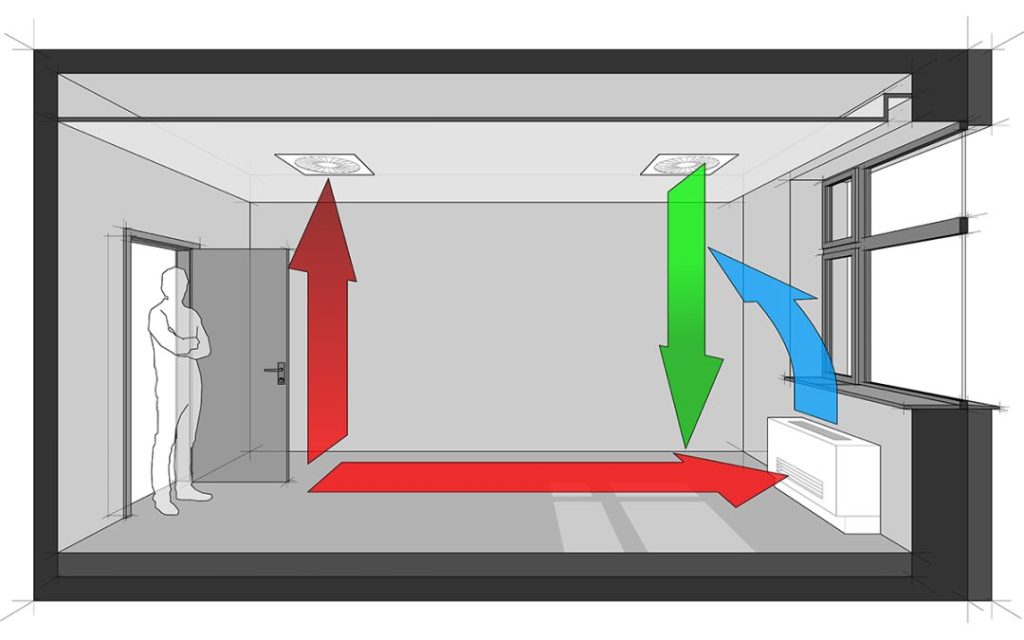
Ever wondered why some homes feel perfectly comfortable year-round while others struggle with uneven temperatures or stuffy air? The secret lies in optimized airflow. Proper air circulation ensures that your living spaces remain cozy, energy-efficient, and healthy.
This blog explores how you can optimize your home’s airflow, addressing common issues and offering tips to help you create the ultimate indoor environment. You’ll also discover how an air conditioning service in Tempe can make a difference when maintaining ideal airflow levels.
Why Airflow Matters
Efficient airflow isn’t just about keeping your home comfortable; it significantly impacts energy efficiency, air quality, and overall health. Poor air circulation can lead to hotspots in your home, stale air accumulation, and even increased energy consumption as your HVAC system works harder to maintain desired temperatures.
Signs of problematic airflow include:
Uneven room temperatures
Stale or musty air
Increased dust build-up
HVAC systems constantly running
Optimizing your airflow leads to a more balanced indoor climate, reduces strain on your HVAC system, and can even lower your utility bills.
Key Tips to Maximize Airflow
1. Position Your Vents Properly
Check that air vents and registers throughout your home are unobstructed. Furniture, rugs, or clutter blocking these pathways can restrict airflow and create uneven temperatures. Aim to keep at least 2-3 feet of open space around each vent for optimal efficiency.
Pro Tip: Redirect vent deflectors to push air toward the center of your rooms, especially for wall-mounted or floor-based vents.
2. Adjust Fan Directions Seasonally
Ceiling fans aren’t just for summer breezes. Set your fan to spin counterclockwise during warmer months to push cool air downward. Conversely, switch it to spin clockwise in the winter to pull cool air up and circulate warm air more effectively.
3. Regularly Replace HVAC Filters
Dirty filters can choke your HVAC system, drastically cutting airflow and reducing efficiency. Check and replace your filters every 1-3 months, especially if you have pets or live in areas with high dust or pollen levels.
4. Leverage Natural Cross-Ventilation
Take advantage of mother nature’s assistance. Open windows on opposite sides of your home to create a natural cross-breeze. This promotes fresh air circulation and reduces reliance on HVAC systems, especially during cooler evenings or spring months.
5. Ensure Your Ductwork is Clean and Well-Sealed
Even with regular HVAC maintenance, your ductwork might be harboring dust, allergens, or invisible leaks. A professional air conditioning service in Tempe can inspect and clean your ducts, removing any blockages and sealing leaks for improved airflow and efficiency.
6. Optimize Door and Window Usage
Indoor air circulation can be hindered by closed doors or windows. Keep internal doors open to allow air to flow freely between rooms. However, ensure that exterior doors and windows are properly sealed to prevent energy loss and unwanted drafts.
7. Use Zoned Cooling Systems for Larger Homes
For larger homes, zoned cooling systems allow you to control airflow and temperatures in specific areas independently. By doing so, you can prioritize living spaces while saving energy in unused rooms.
Additional Benefits of Airflow Optimization
Besides improved indoor comfort, optimizing airflow delivers a range of other compelling benefits:
Enhanced Health: Proper air circulation minimizes mold, mildew, and airborne allergens, improving respiratory health.
Lower Energy Bills: Efficient airflow reduces the wear and tear on your HVAC system, resulting in energy savings over time.
Sustainability: Better air distribution leads to reduced energy usage, contributing to a more sustainable and eco-friendly household.
Call the Pros for Specialized Care
Sometimes, airflow issues stem from complex underlying problems like inefficient ductwork or outdated HVAC systems. This is where professional expertise becomes invaluable.
An air conditioning service in Tempe can evaluate your home’s unique needs, provide tailored solutions, and ensure everything—from your ductwork to your HVAC system—is in peak condition.
Create Your Perfect Indoor Environment
Achieving maximum indoor comfort depends on more than just setting the thermostat. By addressing airflow inefficiencies using the tips above, you’ll enjoy a healthier, cozier home while improving your energy efficiency.
If you’re ready to take your home’s comfort to the next level, consider consulting a professional HVAC specialist. After all, optimized airflow isn’t just about staying comfortable; it’s about creating a home you love.





















 Eduindex
You must be logged in to post a comment.