

Choose a CPAP battery for power outages by focusing on five things: capacity, expected runtime, device compatibility, power quality, and backup behavior during an outage. A battery that looks large on paper may still fall short if your machine uses a humidifier, wastes power through conversion losses, or needs a specific DC cable. The goal is simple: keep therapy running through the night without interruptions or alarm-triggering shutdowns. Start with your CPAP’s actual power draw, then match that number to the number of hours you need covered. After that, check whether the battery provides clean, stable output and fast switching if grid power fails suddenly. A good outage backup should work reliably, quietly, and safely beside your bed.
 Calculate the CPAP Battery Capacity You Need
Check CPAP Wattage and Estimate Nightly Runtime
Begin with your CPAP’s power label, user manual, or power adapter rating. Most machines draw very different amounts of power depending on pressure settings, ramp features, and whether heated accessories are turned on. To estimate battery size, multiply the device’s average wattage by the number of hours you sleep each night. For example, a CPAP drawing 40 watts for 8 hours needs about 320Wh before losses. If you want two nights of backup, double that figure. This quick calculation gives you a realistic baseline instead of guessing from marketing claims. If your machine supports direct DC input, note that too, because running from DC often improves efficiency and stretches battery runtime compared with powering through AC.
Account for Humidifiers and Real-World Power Loss
Heated humidifiers and heated tubes can dramatically raise power use, sometimes becoming the biggest reason a CPAP battery runs out before morning. If your machine uses these comfort features, calculate with them on, not off. Then add a buffer for real-world conversion losses, because batteries do not deliver every watt-hour to the CPAP. Inverter losses, charging inefficiency, cable losses, and idle draw all reduce usable runtime. A practical rule is to add roughly 15% to 25% above your calculated nightly need, and more if you rely on AC output instead of DC. That extra headroom helps prevent unexpected shutoffs, especially during longer outages, colder rooms, or nights when your device works harder to maintain pressure.
Check the Features That Matter During an Outage
Compare Compatibility, Outputs, and Power Quality
A CPAP battery must match your machine electrically, not just physically. First confirm supported voltage, required connector type, and whether your CPAP can use DC input directly. Then check the battery’s available outputs, such as AC outlets, USB-C, or regulated DC ports. If you must power the CPAP through AC, choose a unit with pure sine wave output. Clean power helps sensitive medical electronics run properly and avoids the risk of unstable current from lower-quality inverters. Also verify the battery can handle your CPAP’s startup demand, not just steady operation. Before relying on it during an outage, test the full setup overnight with your exact cable, pressure settings, and humidity configuration to confirm dependable performance.
Look for UPS Switching, Quiet Use, and Safe Batteries
During a sudden outage, the best CPAP backup battery does more than provide stored energy; it keeps therapy from stopping at all. Look for UPS functionality with fast switchover so the machine stays on when utility power drops. That matters because even a brief interruption can wake you or force the CPAP to restart. Quiet operation is also important in a bedroom, especially if the battery will sit near the bed all night. Safety should rank just as high. Prefer batteries with strong battery management systems, temperature protection, and stable chemistry such as LFP. These features support safer indoor use, longer service life, and better reliability over many outage events, not just the first few nights after purchase.
Match Your CPAP Battery to Your Outage Plan
Choose Capacity for One-Night or Multi-Night Outages
Match battery size to the outage pattern you actually expect. For short overnight interruptions, a compact battery sized for one full night plus reserve may be enough. For storm seasons, rural service interruptions, or planned utility shutoffs, choose enough capacity for two or more nights, or a system you can recharge during the day. A practical buying rule is to cover your calculated nightly CPAP load, then add reserve for accessory use and aging over time. If your outage plan includes keeping the humidifier on, size up rather than choosing the minimum. If your priority is maximizing runtime, turn off heated features during emergencies. Planning this way gives you a battery that supports therapy consistently instead of barely making it through one night.
Consider a Portable Power Station for Home Backup
If you want CPAP backup that can also support other essentials during an outage, a portable power station is often the better fit. It gives you more capacity, AC flexibility, and easier home use than a small dedicated battery pack. The Anker SOLIX S2000 is one example that fits this role well, with 2,010Wh capacity, pure sine wave AC, a 10 ms UPS switchover, an LFP battery, and quiet 30 dB operation. Those features matter in a bedroom because they support clean power, near-seamless backup, and low noise overnight. It also provides strong long-term value through durable battery chemistry and broad home backup usefulness, making it a practical choice if your outage plan includes both uninterrupted CPAP therapy and other basic household loads.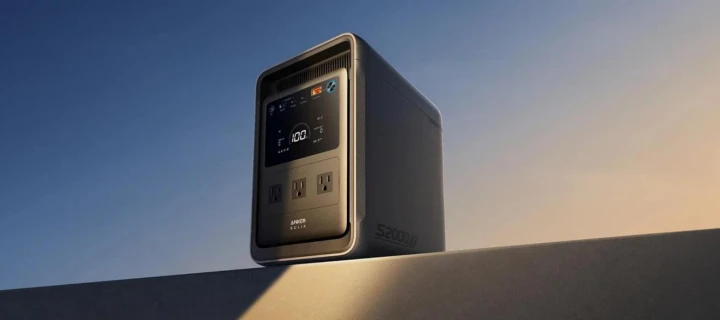
Conclusion
The right CPAP battery for power outages is the one that can run your machine for the full night, deliver compatible and stable power, and switch over fast enough to avoid interrupting therapy. Start with real wattage, calculate your nightly energy use, and add margin for humidifiers and system losses. Then verify output type, cable compatibility, pure sine wave AC if needed, and bedroom-friendly features such as quiet operation and strong safety protections. Finally, choose capacity based on your actual outage plan, whether that means one night of backup or several. If you want broader home resilience, a portable power station can be a smart upgrade. A careful match now helps you sleep through outages with fewer disruptions and more confidence.


