All about Intermittent Fasting

Intermittent fasting is a type of eating regimen in which you alternate between fasting and eating on a regular basis. Intermittent fasting has been shown in studies to help people lose weight and prevent — or even reverse — disease.

Photo by Trang Doan on Pexels.com

What is Intermittent Fasting?

Many diets emphasise what to eat, but intermittent fasting emphasises when to eat.

Intermittent fasting is when you only eat at certain times of the day. Fasting for a set number of hours each day or eating only one meal a couple of times a week can aid fat loss. Scientific data also suggests that there are certain health benefits.

Mark Mattson, Ph.D., a neuroscientist at Johns Hopkins University, has studied intermittent fasting for 25 years. He claims that our bodies have evolved to be able to survive without food for several hours, days, or even weeks.

Before humans learned to farm, they were hunters and gatherers who evolved to survive — and thrive — without eating for lengthy periods of time. They needed to: It required a lot of time and effort.

It was easy to maintain a healthy weight even 50 years ago. “There were no computers, and TV shows switched off at 11 p.m.; people stopped eating because they went to bed,” says Christie Williams, M.S., R.D.N., a nutritionist at Johns Hopkins. The portions were significantly smaller. More people worked and played outside, getting more exercise in general.”

Television, the internet, and other forms of entertainment are now available 24 hours a day, seven days a week. We stay up later to watch our favourite shows, play games, and communicate on the internet. We spend the entire day — and most of the night — sitting and snacking.”
Obesity, type 2 diabetes, heart disease, and other ailments can all be exacerbated by eating too many calories and exercising too little. Intermittent fasting has been shown in scientific studies to have health benefits.

How does this work?

Intermittent fasting can be done in a variety of methods, but they all revolve around choosing regular eating and fasting times. For example, you could try eating only for eight hours a day and fasting for the rest of the day. Alternatively, you could choose to eat only one meal each day two days per week. There are a variety of intermittent fasting schedules to choose from.

According to Mattson, after a period of time without meals, the body’s sugar stores are depleted and it begins to burn fat. This is referred to as metabolic switching by him.
“Most Americans eat throughout their waking hours, so intermittent fasting is in contrast to their regular eating pattern,” Mattson explains. “If someone eats three meals a day plus snacks and doesn’t exercise, they’re rumination every time they eat.”

Intermittent fasting works by extending the time between when your body burns off the calories from your last meal and starts burning fat.

Approaches of Intermittent fasting

Before beginning intermittent fasting, make sure to see your doctor. The actual technique is straightforward once you have his or her permission. You can choose a daily strategy, which limits daily meals to one six- to eight-hour period. For example, you could try 16/8 fasting, which involves eating for eight hours and fasting for sixteen. Williams is a proponent of the daily routine, claiming that “the majority of people” follow it.

Another method, known as the 5:2 technique, is eating five times a week. You only eat one 500–600 calorie meal on the remaining two days. For instance, suppose you decided to eat normally every day of the week except Mondays and Thursdays, which are your one-meal days.

Fasting for longer lengths of time, such as 24, 36, 48, and 72 hours, is not always beneficial and can be dangerous. Going too long without eating may cause your body to begin storing fat as a response to the lack of food.

According to Mattson’s studies, it takes two to four weeks for the body to adjust to intermittent fasting. While you’re getting adjusted to the new pattern, you can feel hungry or irritable. However, he notes that research subjects who make it through the adjustment stage are more likely to continue to the diet because they feel better.

Photo by Nathan Cowley on Pexels.com

What to eat when one is Intermittent Fasting?

Water and zero-calorie liquids like black coffee and tea are allowed at periods when you aren’t eating.

And “eating normally” during your periods does not imply “going insane.” If you fill your meals with high-calorie junk food, super-sized fried foods, and desserts, you’re not going to lose weight or get healthier.

But what Williams enjoys about intermittent fasting is that it allows him to eat — and enjoy — a wide variety of things. She explains, “We want people to be conscious and enjoy eating delicious, nutritious food.” Eating with others and sharing the mealtime experience, she continues, enhances satisfaction and promotes excellent health.

Whether you’re trying intermittent fasting or not, Williams, like other nutrition experts, considers the Mediterranean diet to be a solid pattern for what to consume. When you choose complex, unprocessed carbohydrates like whole grains, leafy greens, healthy fats, and lean protein, you can’t go wrong.

Benefits of Intermittent Fasting

Intermittent fasting does more than burn fat, according to research. “Changes in this metabolic switch affect the body and the brain,” Mattson explains. Mattson’s research was published in the New England Journal of Medicine, and it offered information on a variety of health benefits linked to the practice. Longer life, a slimmer body, and a sharper mind are among them.

“During intermittent fasting, numerous things happen that protect organs from chronic diseases including type 2 diabetes, heart disease, age-related neurological disorders, even inflammatory bowel disease and many cancers,” he explains.

Thinking and memory : Intermittent fasting improves working memory in animals and verbal memory in adults, according to research.

Heart health : Fasting for a short period of time improved blood pressure, resting heart rates, and other heart-related parameters.

Physical performance : Fasting for 16 hours resulted in fat loss while retaining muscular mass in young males. Mice that were fed on different days had superior running endurance.

Diabetes and obesity : Intermittent fasting has been shown to prevent obesity in animals. In six small studies, obese adult individuals lost weight by fasting intermittently.

Tissue health : Intermittent fasting in mice minimized tissue damage during surgery and improved outcomes.

Is Intermittent Fasting safe for everyone?

Some people use intermittent fasting to lose weight, while others use it to treat chronic illnesses including irritable bowel syndrome, high cholesterol, or arthritis. Intermittent fasting, on the other hand, isn’t for everyone.

Before attempting intermittent fasting (or any diet), Williams recommends consulting with your primary care physician. Some persons should avoid experimenting with intermittent fasting:

Children and teenagers under the age of 18 are considered minors.

Women who are expecting a child or who are breastfeeding.

People who have diabetes or other blood sugar issues.

Those who have had an eating disorder in the past.

People who aren’t in these groups, but who can safely undertake intermittent fasting, can continue the routine indefinitely, according to Williams. “It can be a lifestyle shift with advantages,” she explains.

Keep in mind that intermittent fasting can have a variety of impacts depending on the individual. If you start to experience unusual anxiety, headaches, nausea, or other symptoms after starting it, talk to your doctor.


Self-Defense

We’ve all heard about self-defense since we were young, and living in the terrible world of the twenty-first century, when no one is entirely safe, it’s a responsibility to recognize that we are the only ones who can protect ourselves.
If we look at the most fundamental definition, it is the act of defending oneself from external danger.

Photo by cottonbro on Pexels.com

The “right to self-defense” is a legal term that refers to the use of self-defense in legal jurisdictions. It is critical to know how to defend yourself in today’s environment.

According to statistics, one out of every three women will be the victim of a violent attack at some point in her life. It is taught in training to block an assault, but it is much better if one can escape it!

As a result, the training should also cover how to avoid an attack in the first place. Which form of karate do you want to learn to defend yourself?

Knowing something as powerful as Karate gives you the confidence and strength to believe that you are not weak and that you have the ability to achieve your goals.

Self-defense techniques


1)Jujutsu\sTaekwondo

2)Krav Maga is a martial art that was developed in Israel.

3)Aikido

4)Wing Chun is a martial art that originated in China.

5)Brazilian Jiu-Jitsu is a martial art that originated in Brazil.

6)Muay Thai is a type of Thai boxing.

You may wish to learn self-defense for a variety of reasons. The most obvious reason is that you want to be able to protect yourself or your family if you ever find yourself in a dangerous situation. It is extremely rare to come across someone who wishes to hurt you. You are extremely vulnerable if you have no preparation for dealing with such issue.

According to the Department of Justice and the Centers for Disease Control and Prevention, one out of every six women has been sexually assaulted or attempted sexually assaulted.

The odds were 1 in 33 for men. No attack is ever the fault of the victim, and not all attacks can be prevented. However, we do know that mastering self-defense can assist victims in stopping or escaping their abusers. Self-defense training is required in a variety of situations, including rape.

A mugging or a house invasion are both circumstances in which self-defense training may help you better deal with the threat, defend yourself and your family, and find strategies to limit the harm the criminal can cause. It’s all about how to protect oneself and think effectively in high-pressure situations. It’s all about developing the confidence to better control situations that would otherwise be utterly out of your control.

Slowly, over time, the corporation became aware of the problem and began holding workshops for women working in the same industry. In fact, we now believe that every parent should include self-defense lessons in their child’s education. Self-defense has become a need for every growing child and individual today, alongside school, art programmed, and swimming sessions.

  1. Suitable for children
    It instils discipline in youngsters, provides a pleasurable pastime, and aids in the development of confidence. Children who acquire self-defense skills are more alert of their surroundings and are taught how to defend themselves against assailants of all ages, including adults and children. It teaches students how to deal with regular bully scenarios without turning become bullies.

2. Women will love it.
Self-defense can be beneficial to women and young girls for a variety of reasons. It boosts self-assurance. It also aids them in levelling the playing field with an assailant who may be far larger than they are. It’s also beneficial for any lady looking for a physical, hands-on workout.

3. Men will love it.
For the same reasons as women, males can benefit from this training. The training plan is a wonderful all-around workout that complements any other sports activity.

4. Excellent for the Elderly
We all know that age has little to do with learning new things. Older people can learn new practices, which will help them improve their health.

Photo by Anton Belitskiy on Pexels.com

Advantages of Self-Defense

Self-defense provides you the tools and abilities you need to analyze a dangerous situation with confidence and manage it successfully. Nothing could be more powerful than that. It aids in the development of confidence and control over your anxieties, and confidence is a superpower in and of itself.

Self-defense enhances your concentration and focus. As a result, you will learn to concentrate under stressful situations.

It allows you to learn simple maneuvers as well as more complex skills to defend oneself during an attack. Knowing how to defend oneself can make you feel less worried in public or afraid when you’re out late at night alone.


Self-defense is a fun and effective method to strengthen your body, burn calories, and enhance your overall health. Exercise also improves your mood, which is beneficial to persons who are suffering from depression.

One must be both physically and emotionally prepared for an attack. By learning self-defense, you will maintain your muscle and endurance through practicing along with other exercise activities. Thus improving your overall fitness will improve.

Your awareness of your surroundings will improve as a result of self-defense. You never know when you’ll be attacked; no one anticipates being attacked, so we must always be aware of our surroundings.

Improving balance not only includes the physical balance of your core muscles but also a mental balance for improving your focus. Self-defense teaches you how to focus on your target while you control your body. Not having balance, it is almost impossible to fight. Body control and balance help in protecting ourselves mentally and physically.

If you get into a battle, movement is crucial. You can’t just stand there and wait for your adversary to strike again; you have to move and react instinctively. It will aid in the development of your reflexes and the acquisition of a fighter’s reflex, allowing you to move fast and strategically in a situation like this.

.

What is Eco-tourism

Definition

Ecotourism is now described as “responsible travel to natural regions that conserves the environment, supports local people’s well-being, and includes interpretation and education” (TIES, 2015).

Both staff and visitors are expected to participate in education.

Ecotourism has been hailed as a panacea around the world: a way to fund conservation and scientific research, benefit rural communities, promote development in poor countries, improve ecological and cultural sensitivity, instill environmental awareness and social conscience in the travel industry, satisfy and educate discriminating tourists, and some claim and bring world peace

Photo by Maria Orlova on Pexels.com

Ecotourism is a type of tourism that aims to have a low environmental impact, is environmentally friendly, and avoids the negative consequences of many large-scale tourism projects in previously undeveloped areas.

History of eco-tourism

Although the origins of the term “ecotourism” are unknown, Heizer (1965) appears to be one of the first to use it, identifying four “pillars” or principles of responsible tourism: minimizing environmental impacts, respecting host cultures, maximizing local benefits, and maximizing tourist satisfaction.

In the 1970s and 1980s, ecotourism grew out of the environmental movement’s womb. Growing environmental concerns, along with a growing discontent with mass tourism, resulted in a surge in demand for alternative outdoor experiences.

At the same time, developing countries came to recognize that nature-based tourism may be a source of foreign cash while also being a less resource-intensive alternative to forestry and agriculture.

Many Definitions of Eco-Tourism

Ecotourism, according to Ceballos-Lascurain, is “travelling to relatively undisturbed or uncontaminated natural areas with the specific goal of studying, admiring, and enjoying the scenery and its wild plants and animals, as well as any existing cultural manifestation (both past and present) found in these areas.”

Ecotourism is defined as “responsible travel to natural regions that conserves the environment and improves the well-being of local people,” according to the Ecotourism Society.

“Ecotourism is nature-based tourism that combines teaching and interpretation of the natural environment and is managed to be environmentally sustainable,” according to the Ecotourism Association of Australia.

This definition emphasises that the word “natural environment” encompasses cultural elements, and that “ecologically sustainable” refers to a fair return to the local people as well as long-term resource conservation.

Ecotourism, according to Tickell, is “travel to appreciate the world’s wonderful diversity of natural life and human culture without harming either.”

Ecotourism is a type of environmentally friendly tourism that promotes environmental and cultural awareness, appreciation, and conservation.

Photo by Mateusz Sau0142aciak on Pexels.com

Types of Eco-Tourism

We defined mass tourism as a more traditional kind of tourism development in which short-term, free-market principles predominate and profit maximization is the primary goal. Tourism development was once thought to be a desirable and generally “clean” business for nations and regions to pursue.

This was especially true in terms of gains in foreign exchange profits, job creation, and infrastructure development, such as transportation networks.

We are more prone these days to demonize or portray traditional mass tourism as a beast; a creature with few redeeming features for the destination place, its people, and its natural resource base.

This isn’t to say that “mass tourism” hasn’t generated issues; it has. There has been a legitimate need to establish an alternative way to tourism growth that mitigates the harmful effects of mass tourism.

As a result, the concept of “alternative tourism” has gained popularity. This alternate strategy has been referred to as a “competing paradigm” to mass tourism, but it may also be seen as a complimentary approach. That is, there is no such thing as “alternative tourism.”

As a result, the dispute devolves into a semantic one. It may be best to recognize that alternative tourism is a natural result of a growing awareness of tourist development and its strengths and weaknesses.

Alternative tourism is a broad phrase that refers to a variety of tourist tactics (e.g., suitable, eco, soft, responsible, people to people, and green tourism), all of which claim to provide a more environmentally friendly alternative to traditional mass tourism in specific areas.

However, as Weaver correctly points out, alternative tourism is not without its detractors. It is apparent that just because alternative tourism arose in response to mass tourism’s negative repercussions does not mean it is less destructive or better than its alternatives.

Nature of Ecotourism

Between 2008 and 2017, tourism is predicted to rise at a rate of 4.3 percent per year in real terms. Ecotourism, often known as nature-based tourism, is the fastest-growing segment of the tourism business, increasing three times faster than the overall industry.

There can be little doubt that rising environmental concerns, along with the historically common habit of travel as a means of escape to nature, are encouraging people to seek solitude with nature, resulting in an increase in the number of visitors to national parks and other protected places.

Nature-based tourism encompasses a variety of aspects. Although not all forms of travel to natural places are necessarily ecotourism, this is an important step in distinguishing nature-based tourism from ecotourism and provides us with a number of levels at which to differentiate the link between certain tourism activities and nature:

Those activities or experiences that rely on the natural world.
Those activities or experiences that are made better by the presence of nature.
Those activities or experiences that happen to take place in a natural context.
Nature-based tourism is divided into numerous categories, each of which employs a combination of these dimensions.

Camping, too, is an activity/experience that is frequently enhanced by nature. Most people would rather camp in a natural area than along the side of a busy highway.

As a result, while nature is an important aspect of these experiences, it is not the driving force behind them.

Bullying in School

It makes no difference whether you are a student, instructor, parent of a child or adolescent, or a member of the community.

Everyone plays a part in preventing school bullying, and the majority of individuals have either directly or indirectly participated in, watched, or experienced some type of bullying in schools.

There are multiple sorts of bullying to be aware of, as well as several approaches for educators, schools, and parents to assist in the prevention of bullying at school.

Bullying must meet specific criteria in order to be classified as such.

These include malice, power imbalances, repetition, anguish, and provocation. Bullying can occur in schools, on campus, or outside of school, but it is always the result of relationships formed in those contexts.

Photo by RODNAE Productions on Pexels.com

Types of Bullying

  1. Bullying can take two forms: direct and indirect.
    Direct bullying differs from indirect bullying in that it involves direct interaction with the person who is being bullied. It’s possible that indirect will not work. Throwing something at someone or yelling cruel comments at them is a form of direct bullying. An example of indirect bullying might be spreading rumors about a classmate.
  2. Cyberbullying Cyberbullying is any form of bullying that occurs through the internet. Harmful comments on a personal website or dishonest private messaging are examples.
  3. Physical bullying Bullying that involves physical contact with the other person is always considered physical bullying. This can include hand-to-hand combat, as well as throwing objects, tripping, or inciting others to attack a person physically.
  4. Emotional bullying Emotional bullying is defined as the intentional infliction of emotional distress on another individual. Saying or writing harsh things, getting others to band together against an individual, purposeful ignoring, or spreading rumors’ are all examples of this.
  5. Sexual bullying Sexual bullying refers to any sort of bullying, done in any manner, that is related to a person’s gender or sexuality. Examples can include forcing someone to commit intimate acts, making sexual comments, or unwanted touching.
  6. Verbal bullying Verbal bullying is defined as the use of any form of language to cause distress to another person. Using profanities, abusive language, making unfavorable comments about someone’s appearance, using insulting phrases, or teasing are all examples.
  7. Bullying in Higher School Many individuals mistakenly believe that bullying ends in high school, yet it continues throughout higher education. This can take numerous forms, and it often comes with unique obstacles because students are often living away from home and on their own.

Anti-bullying laws exist in all fifty states of the United States, albeit they differ from state to state. The majority of states have legislation requiring schools to report, document, and investigate occurrences of bullying in the classroom. Bullying prevention is also mandated by law for schools.

Some state laws may stipulate that bullies face sanctions and that bullied pupils receive appropriate counselling.

There are, however, a number of rules in place to assist pupils with learning or other problems. These pupils are guaranteed the right to a “free, adequate public education” under the Individuals with Disabilities Education Act.

It is against federal law to deny a student with an IEP (Individualized Education Plan) access to an appropriate public education.

EFFECTS OF BULLYING

  1. The Resultant Consequences

Bullying victims may suffer from low self-esteem, which can lead to depression. As a result of school bullying, some bully victims experience physical and/or emotional pain. Bullied adolescents are more prone to experience depression later in life.

  1. Victimhood for a Lifetime

Unfortunately, some children are subjected to persistent bullying that occurs on a weekly basis. This is more common in primary school, and it might result in lost days of school.

In order to prevent long-term injury, schools must step in and intervene in cases of chronic bullying.

Photo by Keira Burton on Pexels.com

There are a variety of reasons that can contribute to bullying. Bullying is likely to occur if there are pupils who have bully inclinations and the school climate permits it. Bullying can occur as a result of a challenging family environment, low self-esteem, or poor social skills.

It’s difficult for a parent to learn that their child is being bullied, but know that you can help.

To begin, establish a thorough record of the bullying incident, including as many information as possible.

You should also keep track of your child’s reactions to help the school understand how bullying is harming his or her schoolwork. Check to see if the bullying has broken any laws, and then file a complaint with your child’s school by email.

Bullies usually target students in their own grade, but they can sometimes target students who are older. A youngster with a big network of friends is less likely to be bullied, but a child who is physically weaker, smaller, and less forceful is more likely to be bullied.

Schools must have policies and procedures in place that are followed. Anti-bullying education should be included into all aspects of the curriculum. Language arts teachers, for example, can locate required novels that teach pupils empathy for others.

When it comes to bullying prevention, communication is crucial. When children feel comfortable talking to adults in their community, they are more likely to report bullying and to avoid bullying by verbally expressing their feelings.

Global Warming

The global yearly temperature has risen by a little more than 1 degree Celsius, or roughly 2 degrees Fahrenheit, during the Industrial Revolution. It increased by 0.07 degrees Celsius (0.13 degrees Fahrenheit) every ten years between 1880 and 1980, when accurate recordkeeping began. However, the pace of rise has more than doubled since 1981: The worldwide yearly temperature has risen by 0.18 degrees Celsius (0.32 degrees Fahrenheit) every decade during the previous 40 years.

The world has never been hotter. After 1880, nine of the ten warmest years have occurred since 2005, with the five warmest years on record all occurring since 2015. Climate change doubters claim that rising global temperatures have slowed or stopped, however multiple studies, including one published in the journal Environmental Research Letters in 2018, have refuted this claim

Climate scientists have now concluded that we must limit global warming to 1.5 degrees Celsius by 2040 if we are to avoid a future in which the worst, most devastating effects of climate change: extreme droughts, wildfires, floods, tropical storms, and other disasters that we collectively refer to as climate change, will be part of everyday life around the world.

These effects are felt by all people in one way or another but are experienced by the underprivileged, the economically marginalized, and people of color, for whom climate change is often a key driver of poverty, displacement, hunger, and social unrest.

Photo by Andrea Schettino on Pexels.com

CAUSES FOR GLOBAL WARMING

When carbon dioxide (CO2) and other air pollutants accumulate in the atmosphere, they absorb sunlight and solar radiation that has bounced off the earth’s surface, causing global warming. Normally, this radiation would escape into space, but these contaminants, which may persist in the atmosphere for years to centuries, trap the heat and cause the earth to warm.

Greenhouse gases are heat-trapping pollutants such as carbon dioxide, methane, nitrous oxide, water vapor, and synthetic fluorinated gases, and their impact is known as the greenhouse effect.

Though natural cycles and fluctuations have caused the earth’s climate to change several times over the last 800,000 years, our current era of global warming is due to human activity—specifically, our burning of fossil fuels like coal, oil, gasoline, and natural gas, which results in the greenhouse effect.

Transportation accounts for 29% of greenhouse gas emissions in the United States, followed by power production (28%), and industrial activities (28%). (22 percent).

To avert disastrous climate change, drastic reductions in emissions are required, as well as the widespread usage of alternatives to fossil fuels. The good news is that, as part of the 2015 Paris Climate Agreement, governments around the world have publicly pledged to reduce their emissions by setting new targets and developing new policies to meet or even exceed those standards.

The bad news is that we aren’t working quickly enough. According to scientists, we need to cut global carbon emissions by up to 40% by 2030 to prevent the worst effects of climate change. To achieve this, the international community must take quick and tangible efforts to decarbonize electricity generation by fairly transitioning from fossil fuel to renewable energy production.

Warming temperatures are generating longer and hotter heat waves, more frequent droughts, more rains, and more intense hurricanes, according to scientists.

The earth’s ocean temperatures are also rising, allowing tropical storms to pick up more energy. To put it another way, global warming has the potential to transform a category 3 storm into a more dangerous category 4. In reality, scientists have discovered that the frequency of North Atlantic hurricanes, as well as the number of storms that reach classifications 4 and 5, has increased since the early 1980s.

Photo by Pixabay on Pexels.com

Communities are suffering and death tolls are rising as heat waves, droughts, and floods linked to climate change grow more common and intense. Scientists think that if we don’t lower our emissions, climate change would kill over 250,000 people per year and push 100 million people into poverty by 2030.

Climate change affects everyone, yet not everyone is affected equally. Indigenous peoples, people of color, and those on the margins of society are often the hardest hit.

Even while these communities have done the least to contribute to climate change, inequities built into our housing, health-care, and labor systems render them more exposed to its worst effects.

As a major contributor to global warming, the US has a responsibility to assist the world in moving toward a cleaner, safer, and more equal future. Other countries care about our duty, and we should care about it as well.

Body Positivity

Body positivity is the belief that everyone deserves a good body image, regardless of how society and popular culture define ideal shape, size, or appearance.

Photo by Polina Tankilevitch on Pexels.com

The following are some of the goals of the body positivity movement:

1)Questioning society’s perceptions about the body

2)Advocating acceptance of all people’s bodies

3)Assisting people in developing self-esteem and acceptance of their own bodies

4)Confronting unattainable physical standards

Body positivity, on the other hand, is about more than just questioning how society views people based on their physical size and shape. It also acknowledges that race, gender, sexuality, and disability are frequently used to make judgments.

Body positivity also tries to educate people on how popular media themes influence people’s attitudes toward their bodies, including how they feel about food, exercise, clothing, health, identity, and self-care. People may be able to create a healthier and more realistic relationship with their bodies by better comprehending the impact of such forces.

HISTORY OF BODY POSITIVITY

Body positivity has its origins in the late 1960s fat acceptance movement. Fat acceptance aims to put an end to the culture of fat shaming and prejudice against those who are overweight or obese. The National Association to Advance Fat Acceptance was founded in 1969 and is still working to change the way people talk about their weight.

When a psychologist and an individual who had undergone eating disorder treatment launched the website thebodypositive.org in 1996, the phrase “body positive” was coined. The site provides information and instructional materials to help people feel good about their bodies by shifting the focus away from dieting and exercising in unhealthy ways.

In its current form, the body positivity movement emerged around 2012, primarily focusing on opposing unrealistic feminine beauty standards. As the movement gained traction, the emphasis shifted from weight acceptance to the idea that “all bodies are beautiful.”

Despite the fact that body positivity is becoming more mainstream, many individuals are still unsure what it entails. One of the reasons why body positivity is so misunderstood is that there are so many diverse interpretations of what the movement entails.

REASON BEHIND BODY POSITIVITY

One of the main goals of body positivity is to address how body image affects mental health and well-being. People’s feelings about their appearance and even how they assess their self-worth are influenced by their body image. According to research, having a bad body image is linked to an increased risk of mental illnesses such as depression and eating disorders.

A person’s subjective perception of their own body—which may differ from how their body actually appears—is referred to as body image. Body image feelings, emotions, and actions can have a significant impact on your mental health and how you treat yourself.

The creation of one’s body image begins at a young age. Even small infants, however, can experience body dissatisfaction. More than half of girls and nearly a third of boys between the ages of 6 and 8 believed their ideal body weight was smaller than their present weight, according to a research published by Common Sense Media. The findings also found that 25% of children had tried some form of dieting activity.

While the concept of body positivity is meant to make people feel better about themselves, it is not without flaws and criticism.

One issue is the notion that body positivity entails people doing whatever they think they need to do in order to feel good about their appearance. Unfortunately, people are constantly assaulted with messaging implying that smaller, fitter people are happier, healthier, and more attractive.

Body positivity is meant to promote acceptance and love of one’s own body, yet it can be a struggle that adds to the pressure and unrealistic expectations. The idea of body positivity is that you should modify how you feel about yourself, yet it can also be seen as yet another demand.

SELF CARE IN IMPORTANT

Self-care can sometimes be misconstrued as a means of altering or controlling one’s looks, but it should instead focus on activities that make you feel good about the body you have now.

Respect yourself and your body. Consume nutritious foods to keep your mind and body in good shape. You should exercise because it makes you feel strong and energized, not to change or control your physique.

Remove profiles from your social media feeds that make you feel bad about yourself. You’re less likely to feel good about yourself if you’re continually comparing yourself to others.

Follow accounts that pique your curiosity and leave you feeling uplifted. Many Instagram accounts, in example, are solely dedicated to showcasing perfection or an idealized view of the body.

While it may be difficult, improving the portrayal of all body types in popular media may aid in the fight against poor body image.

The impact of Covid-19 on Small Businesses

The Covid-19 pandemic has had an impact on almost every industry in the world. The IMF’s World Pandemic Uncertainty Index for Q1 2020, which stands at 13.46, is comfortably higher than any prior pandemics in the last two decades. During the SARS pandemic in Q2, 2003, the previous high was 4.40. The Uncertainty Index has always been linked to economic consequences, and the pandemic is no exception.

While small firms are projected to be the hardest hit, many of them are seeking to reinvent themselves by embracing technology and focusing on customers. However, not everyone will be able to use the online mode. During the shutdown, many companies were unable to duplicate their previous working model; it is critical to find a new approach.

These organizations are now developing new channels that do not require physical engagement to keep their clients motivated, having previously depended heavily on social interaction and group involvement to keep motivation levels high. For instance, forming WhatsApp groups, presenting role models, hosting online introductory sessions for new members, and holding contests such as plank challenges, surya-namaskar challenges, and skipping challenges, and publicizing victors on social media are all examples.

The ongoing battle to suppress the world’s second-largest coronavirus outbreak in India has stifled demand, disrupted supply networks, and changed consumer behaviors. Many small firms are developing or changing their business models to cope with the new terrain and uncertainties brought on by virus protocols.

After a boom in WhatsApp orders for carrom boards (an Indian game akin to pool with little discs that are flicked into corner pockets) and home exercise equipment, the company, which regularly employs ten people but is suddenly down to four, decided to offer free delivery.

Photo by cottonbro on Pexels.com

In this moment of crisis, you might also look for goods that are readily available and can be used as needed. Even the tiniest of details can make a significant difference in the global economy’s recovery during these difficult times. To combat this pandemic, stay cheerful, don’t lose hope, be vigilant, and have a lot of patience.

COVID19 is being fought by everyone, and the entire globe is fighting together to remove it. Treat lockdown as an era of creativity, learning, and wisdom that will help humanity grow into a brighter future.

Because to the enormous economic recession induced by COVID 19, businesses have incurred significant losses and many have lost their jobs. We cannot continue to wait without doing action. As a result, we must become more aware, decisive, and proactive, as well as consider enterprises that can be started from home during lockdown for students, working class, or post-retirement.

Following are some of the best small business ideas that can be started after lockdown:

Healthcare Product Sales
With the implementation of lockdown, the manufacturing of homemade or small-scale masks and hand sanitizers has risen dramatically to fulfil the rising demand for a variety of face masks and hand sanitizers. Several entrepreneurs, small company owners, self-employed professionals, and MSMEs have decided to start making face masks and hand sanitizers instead of closing their present enterprises during the lockdown. Business owners or manufacturers can contact local shops, merchants, and wholesalers directly to sell their products to local customers.

Door-to-door delivery service In the coming years, the internet delivery sector will flourish, and customers will prefer to buy things online rather than visiting grocery stores, malls, and shopping complexes, where there is a higher risk of infection. Doorstep delivery is the best alternative business during the lockdown period, in which various types of delivery services can be initiated, such as essential items delivery, grocery delivery, pharmaceuticals delivery and alcohol delivery. Respective licenses shall be required to be obtained from concerned authority to start a specific delivery business.

Food Delivery or Tiffin Service The Indian Central Government recently gave restaurants and food outlets access to sell meals via online platforms and have it delivered by delivery companies. You can also start a new business by opening a kitchen that serves a popular or desired cuisine in your neighborhood. The initial expenditure is minimal, as it only necessitates the acquisition of raw materials from a trained and professional source.

Paintings or Art work Artists have plenty of time to show off their skills through paintings or other forms of art. Artists have all of the necessary materials and only need to create a virtual display online to sell their work and deliver it to the customer’s address. Artists can host an event and showcase their talent if they have enough space to display their paintings.

While nearly all consumers surveyed (95 percent) are ready to wait out the continued limitations, only 61 percent agree with the continued lockdown measures, indicating a desire to return to normalcy, according to the survey.

Book Review-The diary of a young girl Anne Frank

Anne Frank (born June 12, 1929, Frankfurt am Main, Germany—died February/March 1945, Bergen-Belsen concentration camp, near Hannover), Jewish girl whose diary of her family’s two years in hiding during the German occupation of the Netherlands became a war classic.

Photo by Ava Sol on Pexels.com

Anne’s father, Otto Frank (1889–1980), a German businessman, moved his wife and two daughters to Amsterdam early in Adolf Hitler’s Nazi government. After German forces conquered the Netherlands in 1941, Anne was forced to switch from a public to a Jewish school. She was given a red-and-white plaid diary for her 13th birthday on June 12, 1942. She started writing in the book that day.

“I hope I will be able to confide in you about anything, as I have never been able to confide in anybody before, and I hope you will be a wonderful source of comfort and support.”

The Franks went into hiding in the backdoor office and warehouse of Otto Frank’s food-products firm on July 6, 1942, when Anne’s sister, Margot, was facing deportation (allegedly to a forced-labor camp).

The Frank family and four other Jews—Hermann and Auguste van Pels and their son, Peter, and Fritz Pfeffer—were confined to the “hidden annex” with the help of a few non-Jewish friends, including Miep Gies, who brought in food and other supplies. During this period, Anne kept a diary, documenting day-to-day life in hiding, from little irritations to the terror of being discovered.

She talked about usual adolescent concerns as well as her future ambitions, which included becoming a journalist or writer. On August 1, 1944, Anne wrote her final diary entry. The annex was discovered three days later by the Gestapo, who were acting on a tip from Dutch informers.

On September 3, 1944, the Frank family was taken to Westerbork, a transit camp in the Netherlands, and then to Auschwitz, a concentration camp in German-occupied Poland, on the last train to leave Westerbork for Auschwitz. The following month, Anne and Margot were moved to Bergen-Belsen.

Anne’s mother died in early January, only days before Auschwitz was liberated on January 18, 1945. The Dutch government determined that Anne and Margot perished in a typhus outbreak in March 1945, just weeks before Bergen-Belsen was liberated, however experts disclosed new evidence in 2015, including examination of archival data and first-hand reports, showing that the sisters might have perished in February 1945.

When Soviet troops seized Auschwitz on January 27, 1945, they discovered Otto Frank sick there.

The papers left behind by the Gestapo were eventually given to Otto Frank by friends who examined the hiding site after the family was apprehended. He discovered Anne’s diary among them, which was later published as Anne Frank: The Diary of a Young Girl (originally in Dutch, 1947).

It follows her emotional evolution in the face of adversity and is precocious in style and insight. “I still think, despite everything, that humans are truly wonderful at heart,” she wrote. The Holocaust Diary, which has been translated into over 65 languages, is the most widely read Holocaust diary, and Anne Frank is undoubtedly the most well-known Holocaust victim.

The Diary was also adapted into a play, which premiered on Broadway in October 1955 and won the Tony Award for Best Play as well as the Pulitzer Prize for Best Drama in 1956. In 1959, George Stevens directed a film adaptation of the book.

The play was controversial: screenwriter Meyer Levin criticised Otto Frank and his chosen screenwriters, Frances Goodrich and Albert Hackett, for sanitising and de-Judaizing the storey in an early version of the play (later realised as a 35-minute radio play) and accused them of sanitising and de-Judaizing the storey.

The drama was revived (with additions) on Broadway in 1997–98 after being played in high schools all around the world.

Photo by Pixabay on Pexels.com

The revised English translation of the Diary, published in 1995, includes material that was cut out of the first version, making it nearly one-third longer than the first. The Frank family’s hideaway on Amsterdam’s Prinsengracht canal has since become a museum that is consistently among the city’s most popular tourist attractions.

ANNE FRANK’S QUOTES

“How wonderful it is that nobody need wait a single moment before starting to improve the world.”

“I know what I want, I have a goal, an opinion, I have a religion and love. Let me be myself and then I am satisfied. I know that I’m a woman, a woman with inward strength and plenty of courage.”

“Everyone has inside of him a piece of good news. The good news is that you don’t know how great you can be! How much you can love! What you can accomplish! And what your potential is!”

“What is done cannot be undone, but one can prevent it happening again.”

“I don’t think of all the misery but of the beauty that still remains.”

The concept of Arranged Marriage

Arranged marriage is a sort of marriage in which the bride and groom are chosen mostly by people other than the couple, especially family members such as parents. A professional matchmaker may be used to find a spouse for a young person in some cultures.

Photo by Secret Garden on Pexels.com

Going for an arranged marriage may seem a little out of date in this day and age of online dating and love affairs that lead to marriage. Surprisingly, this concept has been a part of our culture for centuries and continues to have a significant impact on our society.

Many people choose arranged marriages for a variety of reasons, and according to the findings of a few studies, arranged marriages have the lowest divorce rate in the world.

In an arranged marriage, you hardly know your spouse and must take your time to learn more about them. You enter the partnership with low expectations, and both spouses monitor and alter things in order to make the marriage work.

In truth, you accept the individual for who he or she is and do not have the right to complain that you dated someone else before marrying and that he or she changed after the wedding.

When it comes to arranged marriages, you may be spoiled for choice. You may find the perfect companion online while sitting in the comfort of your own home with your parents, thanks to matrimonial applications and services.

It is not required for your interfering relatives or neighbors to bring you ‘rishta’ and connect you with the family of a potential groom or bride.

You don’t simply marry your partner; you marry his or her entire family, as they say. Your parents are concerned about your prospective spouse’s cultural background, educational qualifications, social standing, and ability to adjust to a new family, all of which contribute to a smoother married life. You have no choice but to accept everything in a love marriage.

Photo by Vinu00edcius Vieira ft on Pexels.com

The concept of an arranged marriage is evolving along with society. Before making a decision, couples want to meet numerous times and discuss their expectations from marriage. Not only that, but even families are fine with a protracted courtship period if it allows the bride and groom to get to know each other better.

Parents, without a doubt, have greater experience with what comes after marriage and know what is best for their children. They have a deeper understanding of you, your needs, and the nuances of your connection.

Whether it’s love or arranged marriage, you must take a leap of faith and hope for a happy married life at the end of the day. Marriage is a gamble, and there is no way to know if it will work out.

What important is that no one should be pushed to make this decision and that they should only tie the knot when they are ready.

RACISM

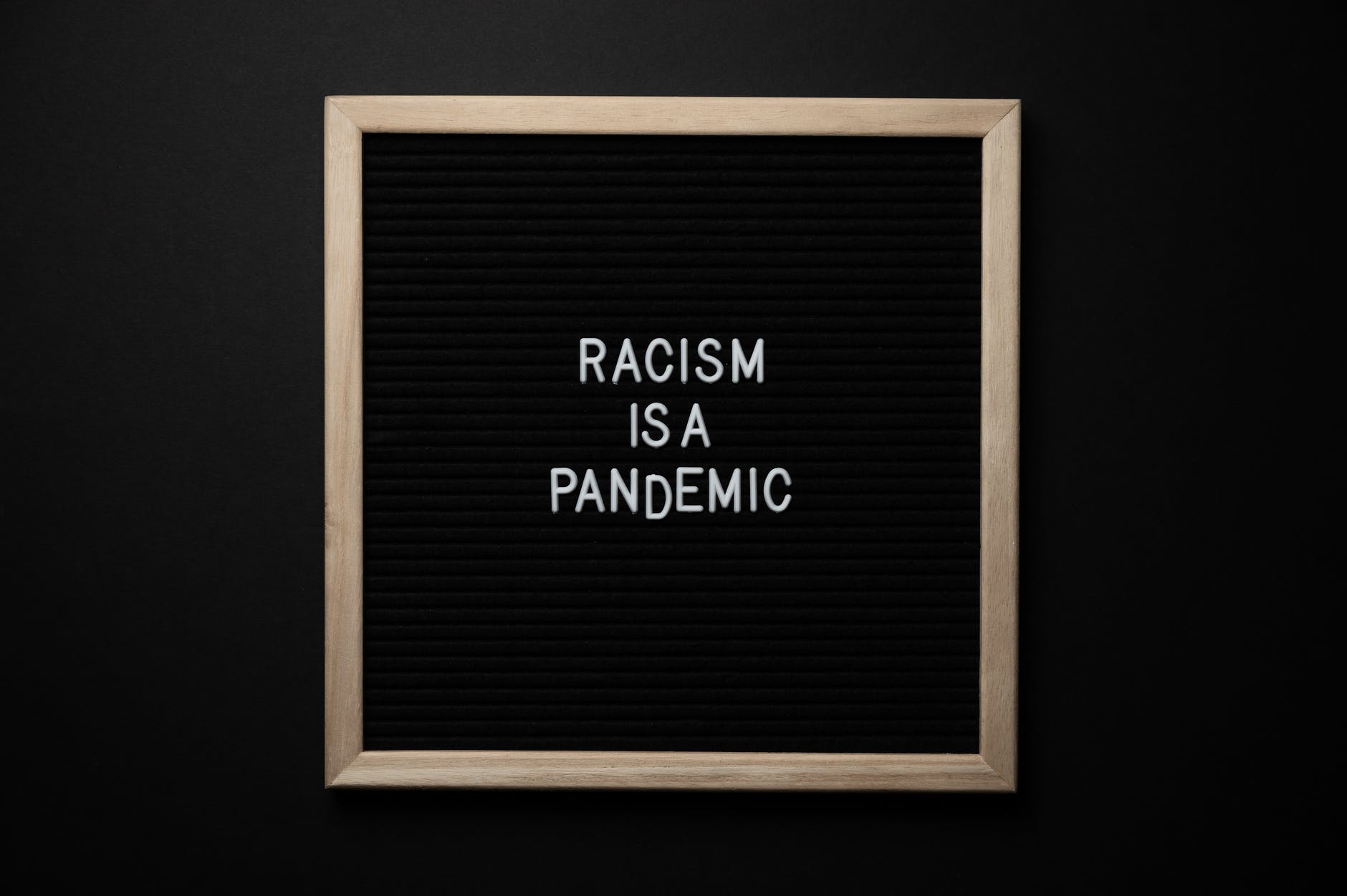
Racism, also known as racialism, is the belief that humans can be divided into distinct biological entities known as “races,” that there is a causal link between inherited physical traits and personality, intellect, morality, and other cultural and behavioral characteristics, and that some races are innately superior to others.

While contemporary social science considers race and ethnicity to be distinct categories, the two terms have a long history of equivalency in public usage and earlier social science literature.

“Ethnicity” is frequently used in a sense similar to that of “race”: the classification of human groups based on attributes thought to be inherent or necessary to the group.

The term “racial discrimination” refers to any distinction, exclusion, restriction, or preference based on race, color, descent, national or ethnic origin that has the purpose or effect of nullifying or impairing the recognition, enjoyment, or exercise of human rights and fundamental freedoms on an equal footing in the political, economic, social, cultural, or other fields of public life.

The phrase also refers to political, economic, or legal institutions and systems that participate in or perpetuate racial discrimination or otherwise exacerbate racial disparities in wealth and income, education, health care, civil rights, and other sectors.

With the rise of critical race theory, an extension of the critical legal studies movement, such institutional, structural, or systemic racism became a special focus of scholarly research in the 1980s.

Since the late twentieth century, biological race has been recognized as a cultural construct with no scientific foundation.

Racism dictated that different races (primarily blacks and whites) be separated from one another, that they should have their own distinct communities and develop their own institutions such as churches, schools, and hospitals, and that it was unnatural for members of different races to marry in North America and apartheid-era South Africa.

BLACK LIVES MATTER

On June 6, half a million people showed out in approximately 550 locations around the United States for the recent Black Lives Matter rallies, which peaked on June 6. That was just one day in a month of protests that are still going on today.

Photo by Life Matters on Pexels.com

Four recent polls, including one released this week by Civics Analytics, a data science firm that works with businesses and Democratic campaigns, estimate that between 15 million and 26 million people in the United States have participated in protests in recent weeks in response to the death of George Floyd and others.

These figures would make the recent protests the largest movement in the country’s history, according to interviews with scholars and crowd-counting experts.

While it’s likely that more people stated they protested than actually did, even if only half of them were telling the truth, the surveys indicate that over seven million people took part in recent protests.

There have been protests in more than 40% of counties in the United States (at least 1,360).

Unlike previous Black Lives Matter events, approximately 95 percent of counties with recent protests are majority white, with nearly three-quarters of counties having a white population of more than 75 percent.

Half of those who claimed they demonstrated indicated it was their first time participating in some type of activism or protest.

Within the recent year, the majority of people claimed they had seen a video of police violence against protestors or the Black community. And half of those polled thought it strengthened their support for the Black Lives Matter movement.

According to the Crowd Counting Consortium, the number of protests has decreased significantly over the last two weeks, notwithstanding a rise on Juneteenth.

“Our ability to reach unity in diversity will be the beauty and the test of our civilization.”

– Mahatma Gandhi, 1925

Professor McAdam stated, “It appears, for all the world, that these protests are accomplishing what very few do: putting in motion a period of profound, persistent, and broad social, political change.” “We look to be on the verge of a social transformation tipping point, which is both rare and possibly significant in society.”

Breast Cancer

Breast cancer is the most frequent invasive cancer in women, and after lung cancer, it is the second largest cause of cancer death in women.

Breast cancer can start in a variety of places in the breast. Lobules, ducts, and connective tissue are the three primary components of a breast. The glands that generate milk are known as lobules.

The ducts are tubes that transport milk from the breast to the nipple. Everything is held together by connective tissue, which is made up of fibrous and fatty tissue. Breast cancer usually starts in the ducts or lobules.

Breast cancer can spread to other parts of the body via blood and lymph vessels. Breast cancer is said to have metastasized when it spreads to other regions of the body.

Photo by Xenia Shtreter on Pexels.com

Since 1989, advances in breast cancer detection and treatment have drastically improved survival rates. There are more than 3.1 million breast cancer survivors in the United States, according to the American Cancer Society (ACS). A woman’s likelihood of dying from breast cancer is about 1 in 38. (2.6 percent ).

According to the American Cancer Society, 268,600 women will be diagnosed with invasive breast disease in 2019 and 62,930 persons will be diagnosed with noninvasive cancer.

Breast cancer will kill 41,760 women in the United States this year, according to the American Cancer Society. Breast cancer fatality rates have been declining since 1989, thanks to breakthroughs in treatment.

The need of screening and being aware of the symptoms are both significant methods to reduce the risk. Breast cancer can afflict men in rare cases, but this article will focus on breast cancer in women. Here’s where you can learn more about breast cancer in men.

SYMTOMS OF BREAST CANCER

The initial signs of breast cancer are usually a thicker tissue area in the breast, a lump in the breast, or a lump in the armpit.

1)Other signs and symptoms include:

2)Armpit or breast soreness that doesn’t go away with the monthly cycle

3)Pitting or redness of the breast skin, resembling the surface of an orange

4)A rash on one of the nipples or around it

5)A nipple discharge, potentially including blood

6)A nipple that is sunken or inverted

7)A change in the breast’s size or shape

8)The skin on your face is peeling, flaking, or scaling.

The size of the tumour and whether it has spread to lymph nodes or other regions of the body are used to classify cancer.

Breast cancer can be staged in a variety of ways. From stage 0 through 4, with subdivided categories at each numbered level, is one way.

The four basic stages are described here, while the precise substage of a cancer may be determined by other tumor characteristics, such as the presence of the HER2 receptor.

CAUSES OF BREAST CANCER

Fat, connective tissue, and thousands of lobules make up a woman’s breast after puberty. Breastfeeding milk is produced by these small glands. Milk travels to the nipple through tiny tubes called ducts.

Cancer produces uncontrollable cell proliferation. They do not die at the expected time in their lives.

Because the tumour consumes nutrition and energy, it deprives the cells around it, resulting in cancer.

Breast cancer is most commonly found in the inner lining of milk ducts or the lobules that provide milk to them. It can then spread to other areas of the body.

Photo by SHVETS production on Pexels.com

THERE ARE TWO TYPES OF BREAST CANCER

Ductal carcinoma is the most prevalent type of cancer that starts in the milk duct.
Lobular carcinoma is a type of cancer that begins in the lobules.


When cancer cells burst out from inside the lobules or ducts and invade adjacent tissue, it is called invasive breast cancer. This makes it more likely for cancer to spread to other places of the body.

Noninvasive breast cancer occurs when the cancer has not migrated beyond its original location. However, these cells can proceed to aggressive breast cancer in some cases.

It is impossible to avoid breast cancer. Certain lifestyle choices, on the other hand, can greatly reduce the risk of breast cancer and other cancers.

These are some of them:

limiting your alcohol consumption

following a nutritious diet rich in fresh fruits and vegetables

obtaining enough physical activity

keeping a healthy BMI (body mass index) (BMI)

Breastfeeding and the use of hormone replacement therapy (HRT) after menopause should both be considered because they can increase the risk.

For women who are at a high risk of breast cancer, preventive surgery is also an option.

The Breast Cancer Healthline app connects users to an online breast cancer community where they may interact with others and receive advice and support through group discussions.

Mental Health should be given Importance

In todays time with the ongoing pandemic, mental health should be the concern for everyone. It can affect every aspect of a person’s life.

Photo by Maksim Goncharenok on Pexels.com

Mental illness can have a negative impact on daily life, relationships, and physical health.


This link, however, also works in the opposite direction. Mental health issues can be caused by a variety of causes, including personal circumstances, interpersonal relationships, and physical conditions. Stress, despair, and anxiety can all have an impact on a person’s mental health and disturb their daily routine.

Taking care of one’s mental health can help one’s ability to appreciate life. To do so, you must strike a balance between your daily activities, duties, and efforts to improve your psychological resilience.

Mental health, according to the WHO, is “more than merely the absence of mental diseases or disabilities.” Peak mental health entails not only avoiding active mental illnesses but also maintaining overall well-being and happiness.”

They also underline the need of protecting and repairing mental health on an individual level, as well as in many groups and societies around the world.

Mental health is essential to our ability to think, emote, interact with others, earn a living, and enjoy life on a collective and individual level. On this basis, mental health promotion, protection, and restoration might be considered a critical concern for individuals, communities, and societies all over the world.

What does mental health basically mean:


Mental health is a condition of well-being in which a person recognizes his or her own potential, is able to cope with typical life challenges, is able to work efficiently, and is able to contribute to his or her community.

Photo by cottonbro on Pexels.com

The early signs of Mental Disorder can be :

There is no reliable physical test or scan that can determine whether or not someone has developed a mental disorder. However, the following are probable indications of a mental health condition that people should be aware of.

1)Avoiding activities that they would typically like withdrawing from friends, family, and coworkers sleeping too much or too little

2)Too much or too little food

3)Feeling despondent

4)Having low energy levels on a regular basis

5)Using mood-altering substances such as alcohol and nicotine on a more regular basis

6)Expressing negative feelings

7)Being perplexed

8)Having persistent thoughts or memories that resurface on a frequent basis being unable to execute daily duties, such as commuting to work or cooking a meal

9)Considering harming yourself or others physically

10)Recognising voices

11)Having hallucinations

SELF HELP IS IMPORTANT

A person dealing with mental health issues will almost always need to make lifestyle modifications in order to be well.

Reducing alcohol consumption, sleeping more, and eating a well-balanced, healthy diet are examples of such adjustments. People may need to take time from work or handle personal relationship issues that are negatively impacting their mental health.

Relaxation techniques such as deep breathing, meditation, and mindfulness may be beneficial to people suffering from anxiety or depression.

Having a support network, whether through self-help groups or close friends and family, is extremely important for mental illness rehabilitation.

Photo by Madison Inouye on Pexels.com

TREATMENT AND CARE OF MENTAL HEALTH

Suicide prevention, the prevention and treatment of mental problems in children, the prevention and treatment of dementia, and the treatment of substance abuse disorders all have a number of successful interventions. The mental health Gap Action Programmed (MH GAP) has developed evidence-based guidelines for non-specialists to help them better identify and manage a variety of mental health conditions.

In the framework of national efforts to design and execute mental health policy, it is critical to not only safeguard and promote citizens’ mental well-being, but also to address the needs of people with specific mental diseases.

Book Review of The Kite Runner – A book by Khaled Hosseini

Talking about the author, Khaled Hosseini was born in Kabul, Afghanistan. Hosseini is currently a Goodwill Envoy for the United Nations High Commissioner for Refugees (UNHCR). Here is a book review of The Kite Runner which was published in the year 2003.

The unforgettable and heartbreaking story of the improbable friendship between a wealthy boy and the son of his father’s servant, The Kite Runner is a beautifully crafted novel set in a country about to be destroyed. It is about the power of reading, the price of betrayal, and the possibility of salvation; and an exploration of the power of parents over children: their love, their sacrifices, their lies.

A sweeping tale of family, love, and friendship advised in opposition to the devastating backdrop of the records of Afghanistan during the last thirty years, The Kite Runner is an uncommon and effective novel that has to turn out to be a beloved, one-of-a-type classic.

The book gave a good cry to so many people with the brilliant writing and the emotions it holds. There was from praising all around the world.

An astonishing, powerful book.
Diane Sawyer

This powerful first novel, by an Afghan physician now living in California, tells a story of fierce cruelty and fierce yet redeeming love…In The Kite Runner, Khaled Hosseini gives us a vivid and engaging story that reminds us how long his people have been struggling to triumph over the forces of violence – forces that continue to threaten them even today.
—The New York Times Book Review

Like Gone with the Wind, this extraordinary first novel locates the personal struggles of everyday people in the terrible sweep of history.
—People 

Poignant…The Kite Runner offers a moving portrait of modern Afghanistan, from its pre-Russian-invasion glory days through the terrible reign of the Taliban.
—Entertainment Weekly (Grade: A)

A marvelous first novel… an incredible story of the culture. It’s an old-fashioned kind of novel that really sweeps you away.
—San Francisco Chronicle

A powerful book…no frills, no nonsense, just hard, spare prose…an intimate account of family and friendship, betrayal and salvation that requires no atlas or translation to engage and enlighten us. Parts of The Kite Runner are raw and excruciating to read, yet the book in its entirety is lovingly written.
—The Washington Post Book World 

The Kite Runner, Hosseini’s first novel, is more than just good writing. It is also a wonderfully conjured story that offers a glimpse into an Afghanistan most Americans have never seen, and depicts a side of humanity rarely revealed.
—The Philadelphia Inquirer

A gripping and moving story of betrayal and redemption, The Kite Runner moved me at the same time it tells the story of Amir and Hassan, closest friends, as well as brothers. The two boys lived in Kabul, the capital of Afghanistan, and that year they tried harder than ever to win the local kite fighting tournament, a popular Afghan pastime, and this is Amir’s only hope of winning his father’s race.

But as dragons fight in the sky, war comes to Afghanistan and the country becomes an extremely dangerous place.

People are frequently compelled to make huge sacrifices in conflict, and the young Amir himself commits a betrayal, directed at his best friend Hassan, that will plague him for the rest of his life. Amir and his father are forced to flee Afghanistan for America, and The Kite Runner becomes the story of Amir’s redemption quest – righting the wrongs he committed as a boy in Afghanistan.

The novel is fast-paced and never dull, and it brought me to a weird, interesting, yet oddly familiar world – the world of Afghan life. Not only is the story itself brilliantly constructed, but the book also explores the very art of storytelling.

Hosseini’s writing strikes a great balance between being clear and yet powerful, and not only is the story itself brilliantly constructed, but the book also explores the very art of storytelling.

The best aspect of the kite runner, in my opinion, is its sense of fate and justice, of good triumphing over evil in the end, despite all odds. Without giving anything away about the plot, Amir returns to Afghanistan and makes a new series of sacrifices in order to put things right.

The book’s closing chapter is possibly my favorite, and I’ve found it moving even after revisiting it.

The message underlying the finale could be perceived differently by different readers, but I believe it offers a glimmer of hope for the characters’ futures, as well as perhaps for war-torn Afghanistan.

This beautiful, moving novel deals with complex adult issues about religion, prejudice, forgiveness, and the nature of “goodness.”

Importance of Internships in College

Internships can play a vital role in the life of a student as this can mold the life of a student in a better way.

Photo by Magnetme on Pexels.com

Internships are very important in a student’s life because it enhances the professional aptitude of a student. This gives the person the required strength to overcome all the challenges that he/she will have to face in a work space. It becomes necessary to give them training in advance because it will build up the level of maturity. By investing your early stages in internships, you can help yourself by providing a broader spectrum of opportunities which eventually will train you for jobs that may be offered to you after college.

Growth for the Career

An internship is a business which includes giving tasks to the students in exchange for their services. The concepts of a classroom which are subjective in nature is then practically applied by the students in a formal work space. This acts as a foundation for the student’s career. Internships create skills such as strong communication, business etiquettes, and also the knowledge of work place collaboration. These skills can help a student in building up the resume.

Character growth

Internships can not only improve your professional level, but also promote personal development. In terms of employment, many employers even value personal qualities rather than professional knowledge. There terms such as integrity, discipline, commitment, confidence and other traits which gets enhanced through an internship. the building of ones character is always a great advantage for an individual because it helps the person to deal the problems with more maturity and professionalism.

Photo by Yan Krakow on Pexels.com


I grew not only in my business skills, but also as a young professional, and I am so thankful for the opportunity to learn from such a talented team in the marketing and networking field.

— Gabrielle Lawrence (B.S. Marketing 2017), Marketing Intern at Hello Events in Nashville, TN

In today’s world the job market is highly competitive, especially in the present environment. Hundreds of other candidates can apply for the same position as you. Therefore, you need a way to gain a competitive advantage and differentiate yourself from others. Internships can provide you with experience and skills, make employers notice you and show them that you are a great fit for their company.

Internships are valuable because they can provide you with new skills and opportunities that you would not otherwise have access to. Interns not only obtain technical knowledge in their chosen area, but they also learn how to connect with professionals in a work environment and develop important soft skills such as time management, organization , adaptability, problem-solving, and teamwork.

Whether you’re in high school, college, or the workforce, gaining industry experience has a lot of advantage. An internship can help you advance professionally regardless of your present educational level or planned career path.

You can decide whether or not internships are something you wish to pursue by evaluating the following perks.