President of India Inaugurates the New Hospital Block of Ramakrishna Mission Sevashrama Charitable Hospital in Vrindavan

The President of India, Shri Ram Nath Kovind, inaugurated the new hospital block of Ramakrishna Mission Sevashrama Charitable Hospital in Vrindavan, Uttar Pradesh today (November 28, 2019).

Speaking on the occasion, the President noted that during the past one year around 5.5 lakh patients have received treatment in the Ramakrishna Mission Sevashrama Charitable Hospital, Vrindavan. Many new facilities have been started in this hospital including cancer ward and cancer operation theatre, women’s surgical ward and neonatal intensive care unit. He expressed confidence that patients will get better care through these services.

***

Dr Jitendra Singh calls for wider applications of nuclear technology in everyday life

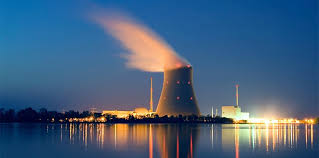
The Minister of State (Independent charge) of the Ministry of DONER, Minister of State for PMO, Personnel, Public Grievances & Pensions; Atomic Energy & Space, DrJitendra Singh has called for wider applications of nuclear technology in everyday life. He said the vision of the founding father of India’s nuclear programme, Dr. HomiBhabhawas not to limit the nuclear research to the confines of the laboratory, but to take the technology to the outside world for the benefit of mankind. He was addressing at a roadshow on Advances in Nuclear Food and Agriculture, organised by the Bhabha Atomic Research Centre (BARC), Department of Atomic Energy (DAE), here today. The Secretary, DAE, Shri K N Vyas and other senior officers were also present on the occasion.

DrJitendra Singh said way back in the Fifties, when DrHomiBhabhasaid our nuclear programme is based on the peaceful use of atomic energy, the world did not believe us. But today we are running a successful and safe nuclear energy programme.


The Chairman, Atomic Energy Commission and Secretary, Department of Atomic Energy, Shri K. N. Vyas said that the roadshow aims at showcasing the societal applications that DAE is pursuing. Senior Officers from the Ministries of Agriculture, Food Processing, Fertilizers and Chemicals, FSSAI and concerned government agencies attended the meeting.


During the day, various sessions were held on Nuclear Agriculture and Crop Improvement, Agri-Technologies for plant and soil health and Radiation technologies for food preservation. The topics ranged from crop improvement in oilseeds, BARC’s contribution in pulses, Mutation breeding in cereals and millets, radiation-based technologies for augmenting crop growth and water conservation, biopesticides and biofertilizers: technologies for improving plant and soil health, radiation processing of fruits and vegetables, radiation processing for microbial safety, among others. Plenary lectures were also held on challenges in seed production and deployment and Revival of traditional varieties using radiation induced mutation breeding.

Indian agriculture is confronted with new challenges like rising population, unpredictable climate changes, changing food habits and growing urbanization. Apart from supplying adequate food, it will now be a major task to provide nutritious food to achieve ‘zero hunger’. Towards achieving food security, radiation-based crop improvement and food preservation technologies would contribute significantly to enhance crop productivity and reduce food losses. Development of climate resilient, nutrient-rich varieties with resistance to biotic and abiotic stresses in crop plants will address most of the concerns.


***

Drug Testing Laboratories in AYUSH

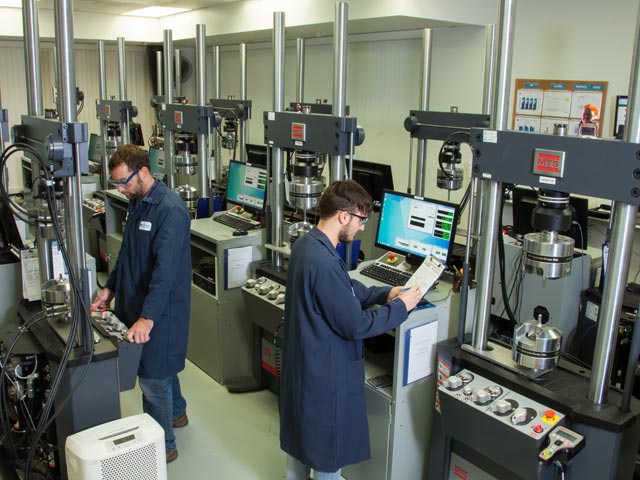
The government has supported 27 State Drug Testing Laboratories under the Quality Control Scheme of Ayurveda, Siddha, Unani & Homoeopathy drugs under National AYUSH Mission. 58 private Drug Testing Laboratories have also been approved under the Drugs and Cosmetics Rules 1945 for the testing of ASU&H drugs in the Country. In addition there are two central Drug Testing Laboratories i.e. Pharmacopoeial Laboratory for Indian Medicines (PLIM) & Homeopathic Pharmacopoeia Laboratory (HPL), Ghaziabad which is appellate laboratory under the Drugs and Cosmetics Rules 1945.  Provisions for regulation and quality control of Ayurvedic and Unani medicines being manufactured for sale in the country are prescribed in the Drugs & Cosmetics Act, 1940 & Rules 1945.  These provisions are enforced by the Licensing Authorities & Drug Control Officers appointed by the State Governments.  As the spurious Ayurvedic and Unani medicines are defined in Section 33-I of the Drugs & Cosmetics Act, 1940 along with the penalty provisions, accordingly the defaulters can be punished with monitory fine and imprisonment for a term up to three years as determined by the court.

Government has constituted Central monitoring Team to review the physical and financial progress and functionality of State Drug Testing Laboratories and pharmacies of ASU drugs in time to time.

In order to create awareness and ensure public participation against spurious drugs the government has conducted 07 training programmes for strengthening of all States/UTs of State regulatory staff ASU drug manufacturing units Drug Testing Laboratories of AYUSH drugs. Following other steps have also been taken:-

  1. Pharmacopoeial Laboratory for Indian Medicines & Homoeopathic Pharmacopoeia Laboratory, Ghaziabad are conducting training programs of the State Regulators, In-charges of Drug Testing Laboratories, Pharmacies in every year.
  2. States/UTs have been directed to constitute an expert committee for examination of License applications vide order dated 12thFebruary 2019 and to appoint controlling Authorities for the State Licensing Authority & Inspectors.
  3. e-aushadi portal has been developed for online submission and disposing of license applications and certificates of the ASU&H Drug manufacturers.
  4. Ministry of AYUSH notified creation of 09 regulatory posts on 24-07-2019 including the posts of Deputy Drugs Controllers (01), Assistant Drugs Controllers (04) (one each for Ayurveda, Homoeopathy, Unani and Siddha drugs) and Drug Inspectors (04) (one each for Ayurveda, Homoeopathy, Unani and Siddha drugs) as approved by the Department of Expenditure vide ID No. 1141843/E.Coord.I/2019 dated 12.07.2019. Recruitment Rules for these posts are being finalized in consultation with Department of Personnel & Training (DoPT), Union Public Service Commission (UPSC) and Law Ministry to initiate the recruitment of regular incumbents. Meanwhile, the posts have been operationalized by giving additional charge to the existing Technical Officers of the Ministry of AYUSH.

Grants relased to State Drug Testing Laboratories during last 03 years and current year

In Lakhs

S.No Name of the state /UT 2016-17 2017-18 2018-19 2019-20 Total
Andaman & Nicobar  


Andhra Pradesh 210.00 25.95 235.95
Arunachal Pradesh 41.86 36.96 19.60 98.42
Assam 20.60 51.00 71.60
Chandigarh
Chhattisgarh
Goa 6.10 6.10
Gujarat
Haryana 16.00 18.00 34.00
Himachal Pradesh 20.72 55.16 20.00 95.88
Jammu and Kashmir 12.00 12.00
Jharkhand
Karnataka 35.42 65.00 100.42
Kerala 45.00 89.84 134.84
Lakshwadeep
Madhya Pradesh
Maharashtra 80.00 80.00
Manipur 97.01 15.00 112.01
Meghalaya 19.06 10.00 19.06
Mizoram 25.00 25.00 50.00
Odisha 9.92 73.61 10.00 76.62 170.15
Puducherry 8.00 8.00
Punjab 52.00 52.00
Rajasthan 39.10 14.87 53.97
Sikkim
Tamil Nadu 15.50 7.20 22.70
Telangana 25.00 25.00
Tripura 16.40 19.34 35.74
Uttar Pradesh 200.00 50.00 250.00
Uttarakhand 23.00 10.75 51.40 85.15
West Bengal 20.00 20.00 10.00 50.00
  Total 682.06 512.124 443.24 175.57 1802.99

This information was given by the Minister of State (Independent Charge) for AYUSH, Shri Shripad Yesso Naik in written reply to a question in Lok Sabha today.

**********

Steps Taken to Popularize AYUSH System of Medicine in the Country

People across the country are following traditional Indian medical systems of AYUSH. According to the data available, 17,73,75,226 Patients visited Government Health Care Facilities under AYUSH in OPD and 19,57,921 were admitted as inpatients in   2017-18.

The measures taken by the Ministry of AYUSH for further propagating the natural medical systems are: –


  1. The Ministry of AYUSH regularly observes days dedicated to AYUSH Systems of Medicine Viz. International Day of Yoga, Ayurveda Day, Unani Day, Siddha Day, Naturopathy Day, Homoeopathy Day etc. to create awareness about the benefits of the respective AYUSH system of medicine including natural medical systems.
  2. A Central Sector Scheme for Promotion of Information Education and Communication (IEC) in AYUSH has been devised by the Ministry of AYUSH for this purpose. Under this Scheme, the Ministry of AYUSH takes up initiatives to create awareness about and to promote AYUSH systems of medicine including natural medical systems. These initiatives include organizing Arogya Fairs, Melas, Conferences, Exhibitions, Seminars, Workshops, Symposium, Yoga Fests and Ayurveda Parvs. The IEC Scheme also supports undertaking publicity campaigns through electronic media, print media and social media amongst the citizens in the country.
  3. Ministry of AYUSH has established five Research Councils namely CCRAS, CCRUM, CCRS, CCRH & CCRYN for Research in Ayurveda, Unani, Siddha, Homoeopathy, Yoga & Naturopathy respectively. These research councils apart from engaging in clinical/ field research also undertake the following activities: –
  1. Running Mobile health programme catering to backward regions and SC/ST communities
  2. Undertaking health awareness campaigns.
  3. Piloting Innovations like telemedicine with the help of common service centres.


Ministry of AYUSH has already established advanced research institutes in  Indian medical systems through Research Councils.

  1. Central Council for Research in Homoeopathy (CCRH) has 21 Research Centres in different States/UTs for advance research in Homoeopathy.
  2. Central Council for Research in Ayurvedic Sciences (CCRAS) is carrying out its research activities through its 30 Institutes/Centres/Units located all over India and also through collaborative studies with various Universities, Hospitals and Institutes. The research activities of the Council include Medicinal Plant Research (Medico-Ethno Botanical Survey, Pharmacognosy and Tissue Culture), Drug Standardization, Pharmacological Research, Clinical Research, Literary Research & Documentation and Tribal Health Care Research Programme.
  3. Central Council in Research in Siddha (CCRS) had initiated steps to establish advanced research in Siddha medical systems through IMR and EMR projects. Clinical research, Epidemiological research, Drug research, Literary and fundamental research, and Medicinal plants research are being carried out in these units.  Totally there are 25 ongoing IMR projects and 8 completed IMR projects of CCRS.
  4. CCRS is equipped with state of the art infrastructure with sophisticated instruments in the following departments: Department of Clinical Research, Department of Bio-chemistry, Department of Pathology, Radiology, Department of Chemistry, Department of Pharmacognosy etc.,
  5. CCRS had published 32 books publications and 456 scientific research articles in various indexed international / national peer reviewed journals.
  6. CCRS had signed MoU with reputed institutions / organizations for initiating collaborative research works.
  7. Central Council for Research in Unani Medicines (CCRUM) has also carried out Advance Research on various diseases in collaboration with other renowned academic/scientific institutes.
  8. CCRUM is also authenticating raw drugs as well as compound formulations by implementing Pharmacognostical methods viz., Macroscopy, Microscopy and Powder Microscopy; Physico-chemical methods and instrumental such as TLC fingerprint.


At present there is no such proposal for consideration to establish a University for Siddha and Unani Medical systems in Tamil Nadu on the lines of   Dr. Sarvapalli Radhakrishnan  Ayurveda Medical University in Rajasthan. However, the matter comes

under the purview of State Government.


This information was given by the Minister of State (Independent Charge) for AYUSH, Shri Shripad Yesso Naik in written reply to a question in Lok Sabha today.

***


Translation of Press Statement by Prime Minister during State Visit of President of Sri Lanka to India

I am pleased to welcome President Gotabaya Rajapaksa and his delegation to India. I heartily congratulate the President for his decisive victory in the election. I congratulate the people of Sri Lanka for the smooth election process. The strength and maturity of democracy in Sri Lanka is a matter of great pride and joy. It is an honor for us that President Rajapaksa chose India for his first foreign visit and gave us a chance to welcome him in India within two weeks of assuming office. It symbolizes the strength and dynamism of friendly relations between India and Sri Lanka. It is also a sign of how much importance both countries attach to these relations. We look forward to working closely with President Rajapaksa for the progress of both countries and peace, prosperity and security in our entire common region.

Excellency,

The mandate that you have received expresses the aspirations of the Sri Lankan people for an organized, strong and prosperous Sri Lanka. In this regard, India’s good wishes and cooperation are always with Sri Lanka. A stable, secure and prosperous Sri Lanka is not only in India’s interest but also in the interest of the entire Indian Ocean Region.

Friends,

India is Sri Lanka’s closest maritime neighbor and a trusted friend. Our historical, ethnic, linguistic, cultural and civilizational contacts are a strong foundation of close relations between the two countries.

In line with my Government’s “Neighborhood First” policy and SAGAR doctrine, we prioritize our relations with Sri Lanka. The security and development of our two countries are inseparable. Therefore, it is natural that we should be aware of each other’s safety and sensibilities.

Today the President and myself had a very good and fruitful discussion on bilateral relations and international affairs of mutual interest. We have decided that together we will strengthen the multi-faceted partnership and cooperation between the two countries. I have assured the President of India’s commitment to a development partnership with Sri Lanka. As always, this cooperation will be in accordance with the priorities of the people of Sri Lanka. A new $ 400 million line of credit will give a boost to infrastructure and development in Sri Lanka. I am confident that the Sri Lankan economy will benefit as well as this Line of Credit will also accelerate the Project Cooperation of mutual benefit between the two countries. We are delighted that under the Indian Housing Project, 46,000 houses have been constructed for the internally displaced in the Northern and Eastern Provinces of Sri Lanka. There is good progress in the construction of 14,000 houses for Tamils of Indian origin in the Up-Country region. I am also pleased that we have agreed to use the previously announced $ 100 million credit line for solar projects in Sri Lanka early. There was a good discussion between President and me on 20 community development projects and other people-centric projects issued by India in Sri Lanka on the basis of grants in education and infrastructure.

Friends,

India has always opposed terrorism in all its forms and also expected action from the international community against other forms of terrorism, including cross-border terrorism. On the occasion of Easter this year, terrorists in Sri Lanka launched brutal attacks on the diversity of mankind and the valuable heritage of symbiosis. I went to Sri Lanka immediately after the elections in India to express India’s unwavering support in the Sri Lankan fight against terrorist and extremist forces. I have discussed in detail with the President Rajapaksa for mutual security and to further strengthen mutual cooperation against terrorism. Sri Lankan police officers in major Indian institutions are already receiving the benefit of counter terrorist training. I am happy to announce a special Line of Credit of 50 million dollars to Sri Lanka to combat terrorism.

Friends,

Issues affecting the livelihood of fishermen were also discussed. We agreed that we will continue with a constructive and humane approach in this matter.

Friends,

We also openly exchanged views on reconciliation in Sri Lanka. President Rajapaksa told me about his inclusive political outlook on ethnic harmony. I am confident that the Government of Sri Lanka will carry forward the process of reconciliation, to fulfill the aspirations of the Tamils for equality, justice, peace and respect. It also includes the implementation of the 13th amendment. India will become a trusted partner for development throughout Sri Lanka including North and East.

Friends,

I once again welcome President Rajapaksa to India. His visit will strengthen our mutual relations. And our cooperation will promote development in both countries and prosperity, peace and stability in the region.


Bohoma-Sthuti.

Nandri

Thank you


***

The Thirtieth Convocation of Sambalpur University, Odisha

His Excellency Prof. Ganeshi Lal, Governor of Odisha; Prof. Deepak Behera, Vice Chancellor; members of the Senate, Syndicate and Academic Council; members of faculty and staff; distinguished guests, parents and my dear students,

At the outset, I thank Prof. Behera and his team for inviting me to the thirtieth convocation of Sambalpur University. I am delighted to be amongst all of you today at Jyoti Vihar, in the midst of lush green woodlands and calming serenity.

Your university is truly nestled in our country’s history and heritage. The presiding Goddess of the area, Ma Samaleshwari is not very far from here. This is also the land of Veer Surendra Sai, who had stood up against colonial rule much before even the 1857 War of Independence. The Hirakud Dam located nearby, in turn, represents the building of modern India.

Your university also holds great significance to me personally, as all three university examinations leading to my graduation were under its aegis.  Interestingly, I was amongst the first batch of students whose results the university published after coming into existence. I have very fond memories of those early days!

My dear students, so many of you have received undergraduate, masters and doctoral degrees, awards and medals today. I congratulate each and every one of you. This is an important milestone in your life, which you must cherish and celebrate. At the same time, however, you must look to the future, to the accomplishment of many more such milestones, building further on this foundational one.

Many of you will be leaving the university on completion of your course. When you do so, you take with you much more than your marks or degrees. You take with you years of learning. I am sure, you learnt as much outside your classrooms as you did inside. Interactions with your teachers, non-teaching staff, your peers, and even guests would have left lasting impressions. Cherish these interactions and bonds.

Also remember, what you have achieved today is an outcome of not just your own efforts, but also of the contributions of your parents, teachers and the countless more around you. Each one has played a role in your success. You must acknowledge their contributions. Always remember that no person is successful just by herself or himself.

Today, as you step into a new phase in your life, you enjoy immense possibilities and opportunities. The nation is witnessing a new sense of dynamism and awakening.

Innumerable initiatives are being taken in line with our Prime Minister’s vision of a New India! On the economic front in particular, he has set a goal of becoming a five trillion dollar economy by 2024. While this is an ambitious aspiration, we are on track and fully committed to the same.

Our economic fundamentals are strong. During the period 2014 to 2019, our annual average GDP growth of 7.5 percent was the highest since Independence.  It was also the highest among the G20 countries. Macro-economic stability during the last five years has been the bedrock on which various reforms have been rolled out. We have kept inflation lowfiscal spending disciplined, and current account deficit under control.  If we compare the two periods 2009-14 and 2014-19, inflation has decreased from 10.3 percent to 4.5 percent, fiscal deficit from 5.3 percent to 3.4 percent of GDP, and current account deficit from 3.3 percent to 1.4 percent of GDP.

Several fundamental, path-breaking reforms have been undertaken. Introduction of the Insolvency and Bankruptcy Code in 2016 was a landmark step towards cleaning up and strengthening the financial system of the country. No one would have imagined 4 or 5 years ago, that even large corporates would be held accountable if they tried to play the system, that they would lose their assets if they did not pay back their loans. Implementation of the Goods and Services Tax in 2017 also stands out as a critical measure for unifying India economically as one common market. This supports high economic growth, while bringing in transparency and improving the ease of doing business. Continuous opening up and liberalisation of foreign direct investment has resulted in unprecedented inflows of FDI into the country.

The list of initiatives taken to bring about social development and equity is equally impressive, if not more. These include landmark programs such as Ayushman Bharat to ensure access of the poor to health services; PM-KISAN for income support to farmers; and a new education policy for overhauling our educational system.

In recent months India has witnessed a slow-down in GDP. It is important to understand the various factors feeding into the same, especially cyclical ones. There is a slow-down in global growth of output. Intensive efforts to bring about transparencyprevent leakages and improve governance would have also caused some transitory disruptions. The strong corrective action of the past 5 years, of emphasising on rule of law and formalisation of the economy, are bound to have a short-term drag effect.

Nevertheless, the government is alert and active. A number of measures have been taken to reform and rejuvenate the financial sector and the real economy. Landmark steps to increase productivity of the factors of production such as landlabour and capital are also being worked out.  On the whole, given the strong fundamentals, landmark clean-up drive and ambitious reform agenda initiated, India is set to grow at a much faster pace in the coming months and years. Immense economic opportunities are unfolding for all of you.

Game-changers such as the smartphone revolutionartificial intelligencebig data analyticsaugmented reality3D printingrobotics and blockchain technology, are fundamentally transforming our world and the way we engage in it. The changes are taking place at an unprecedented pace every day. From the way we communicate and connect with one another, to the way we move from one place to another, the way we send and receive money or the way we even get our food. There is disruption everywhere!  It is a different world, if one compares it with what it was even a decade ago, forget when we were in university.

These opportunities pose many challenges as well. Unless we are able to keep abreast of the changes, learn new things and compete with others, we will fall behind. This is the challenge that all of you need to keep up with. Our age-old scriptures had envisioned the value of knowledge and continuous learning. These are even more relevant in today’s fast-changing technology-driven world.

The great sage Bhartrihari spelt out the importance of knowledge, saying:


विद्या नाम नरस्य रूपमधिकं प्रच्छन्नगुप्तं धनम्
विद्या भोगकरी यशः सुखकरी विद्या गुरूणां गुरुः ।
विद्या बन्धुजनो विदेशगमने विद्या परं दैवतम्
विद्या राजसु पूज्यते न हि धनं विद्याविहीनः पशुः ॥


Bhartrihari explains how Knowledge is what enhances an individual. It is that secret wealth which no one can take. It gives us happiness and glory, it is the teacher of all teachers, and it is our friend in foreign lands. Knowledge is the supreme divinity, worshipped by Kings (Leaders) more than material wealth. One without knowledge is nothing but an animal.


Furthermore, this knowledge is not an end in itself, it leads to even deeper qualities and values. An elegant shlok from Hitopadesha captures this beautifully:


विद्या ददाति विनयं विनयाद् याति पात्रताम्।
पात्रत्वाद् धनमाप्नोति धनाद्धर्मं ततः सुखम्॥


Which means “Knowledge makes one humble, humility begets worthiness, worthiness creates wealth, enrichment leads to right conduct, and right conduct brings contentment.”


Thus, it is important to keep in mind the ancient lesson from the Subhashitani:


विद्या विवादाय धनं मदाय शक्तिः परेषां परिपीडनाय ।

खलस्य साधोर्विपरीतमेतत् ज्ञानाय दानाय च रक्षणाय ॥


For crooked people ‘Knowledge’ is meant for arguments, ‘Wealth’ is meant for ego and ‘Power’ is meant to trouble others. The opposite is true in the case of noble persons, for whom ‘Knowledge’ is meant for Wisdom‘Wealth’ is meant for Giving and ‘Power’ is meant for Protecting the weak.

A few days ago, the nation celebrated Constitution Day on 26th November 2019. Various programmes are lined up for the next four months, up to April 2020. The theme this year is the concept of Fundamental Duties as enshrined in our Constitution. We always think of our rights. There is a need to create awareness about our duties and responsibilities.

Gandhi ji had said that “If we all discharge our duties, rights will not be far to seek. If leaving duties unperformed we run after rights, they will escape us like a will-o’-the-wisp”. He had in fact in 1947 even declined the then UNESCO Director-General, Julian Huxley’s request to contribute an essay on Human Rights, saying: “I learnt from my illiterate but wise mother that all rights to be deserved and preserved came from duty well done. Thus, the very right to live accrues to us only when we do the duty of citizenship of the world.”

Friends, what can be a greater tribute to Mahatma Gandhi on his 150th birth anniversary, than to remind ourselves of this fundamental lesson of his, making us conscious of our Duties. The duty we have to our fellow beings, to our society, to the world at large and to the generations to come. To the environment and our planet as a whole. This understanding itself has the power to be the seed from which can sprout the transformative change, the world has always looked forward to from the fountainhead of India, Vishwa Guru Bharat.

To start this off, can I make an appeal to all of you, to students and teachers alike. Furthering this principle of ‘Duty’, can Sambalpur University build up for itself a vision for 2022 and 2047, as Independent India turns 75 and 100 respectively? A vision of what its duties will be, what it will aspire to give and contribute!

Dear students, in conclusion let me summarize what I have just told you. As you received your degrees and medals today, be proud of what you have accomplished. At the same time, be grateful to the countless people who have made it possible for you to do so.

You have been equipped with knowledge, ideas and connections. This is the greatest gift there can ever be. However, always remember the immemorial lesson from Hitopadesha that true knowledge makes one humble, and that humility leads to enrichment and contentment.  Further, Vidur Niti, says that Knowledge has no meaning without Duty, and Duty has no meaning without Purpose:


असम्यगुपयुक्तं हि ज्ञानं सुकुशलैरपि ।

उपलभ्यं चाविदितं विदितं चाननुष्ठितम् ॥


You are entering a new phase in your life, as we move towards the building of a New India. An India of peaceprogress and prosperity, for one and all. You will have unprecedented opportunities. In all of this, never forget your Duty, your Dharma. This is fundamental to our heritage and our values. It is what makes us who we are, and is more relevant today than ever before.

Also keep in mind that you are entering a world which is ever changing and fast shrinking. What you learn today will become obsolete tomorrow. And what you do today, somebody else in some other part of the world will do better tomorrow. So, you must keep learning, keep growing, and keep pushing the frontiers of knowledge!


I once again congratulate all of you, and wish you a very happy and a prosperous New Year 2020.


*****

PM condoles passing away of former Prime Minister of Japan Yasuhiro Nakasone

The Prime Minister, Shri Narendra Modi has condoled the passing away of eminent statesman and former Prime Minister of Japan, Mr. Yasuhiro Nakasone.

“Condolences on the demise of eminent statesman and former Prime Minister of Japan, Mr. Yasuhiro Nakasone. We will always remember his pathbreaking visit to India, which was the first by a Japanese PM after a gap of 23 years.

Mr. Yasuhiro Nakasone’s contribution to the enrichment of our bilateral relations is valuable. He will be remembered as an architect of the contemporary India Japan friendship”, the Prime Minister said.

Shri Naidu to write to all political parties over absenteeism in parliamentary standing committees

The Vice President, Shri M. Venkaiah Naidu today advised media to provide more coverage to the substantive work being done by the parliament rather than only focusing on sensational remarks or disruptive behavior by some members.

Presenting the first ‘TVR Shenoy Award for Excellence in Parliamentary Journalism’ to veteran political journalist Shri Vinod Sharma, Shri Naidu called the press as the extension of parliament as it holds the elected representatives accountable to the people whom they represent.

The Vice President called the parliamentary committees as a beautiful system within our parliamentary system. All members discuss and debate there constructively as there is no media glare, he said.

However, Shri Naidu expressed concern that the Chairman of the several parliamentary standing committees now complain of only one third of the members attending the meetings on an average. This is a worrying trend, he said. He also said that he is planning to write to all political parties regarding this.

The Vice President called the role of a parliamentary journalist of critical importance, as people form their opinions based on the information provided by the press. With this information, they analyze and evaluate the performance of their elected representatives and the government.

Therefore, VP urged the media to not color news with views and stressed the need to maintain objectivity, fairness and accuracy in reporting. “Impartiality and objectivity of press is of supreme importance for a democracy to survive and flourish”, he said.

Quoting Mahatma Gandhi, who described journalism as ‘service’, Shri Naidu expressed concern over politicians and business groups setting up newspapers and TV channels. “This erodes the credibility and core values of journalism”, he observed.

He also called upon media bodies to come up with some sort of self regulation to ensure that credibility and reliability of press remains steadfast.

Highlighting that press fought hard for its freedom, the Vice President called for using this freedom judiciously. He also drew media’s attention towards its responsibility to provide people correct information and educate them on their rights.

Further, Shri Naidu appealed to media to demystify parliament’s procedures and work, insisting that “people should be able to understand parliament’s functioning in easy and friendly language”. This will inspire them to become active stakeholders in the political processes, he opined.

Talking about the growing volume of parliamentary data, the Vice President felt a need to invest more in creating infrastructure, tools, capacity and skills for ‘data smart’ journalists.

“A good data journalist can help the citizens better understand the institution of parliament”, he said, adding that this may also improve the output of MPs as they would become more aware of their performance.

Shri Naidu also advocated for unhindered access to the important information generated by parliament on a day to day basis in a user friendly format.

Calling the people’s ‘right to know’ as a vital component for an informed society, Shri Naidu called for a good working relationship between the parliamentarians and journalists. If their relationship becomes too adversarial or too close, it would undermine the public’s ‘right to know’, he added.

Talking about the impact of social media on the institution of parliament and parliamentarians, VP said that it enables MPs to reach their constituencies directly and is also a good medium for obtaining public feedback.

However, he also cautioned the parliamentarians to be aware of social media’s potential to spread fake news and misinformation. In this regard, he called for the creation of a system of checks and balances to curb the possible misuse of social media by anti social elements.

In this regard, Shri Naidu said that Rajya Sabha will form an informal group of MPs to discuss various challenges posed by social media, such as the spread of pornographic content.

He expressed worry that this trend on social media is misleading the children and posing the biggest challenge to Indian values by devaluing our age old family system.

Appreciating the initiative by Prof. K.V. Thomas Vidyadhanam Trust to institute an award to honour late Shri T.V.R. Shenoy, Vice President said that Shri Shenoy was an illustrious journalist and editor who served the public cause through his writings for five decades.

I also congratulate Shri Vinod Sharma, Political Bureau Chief, Hindustan Times on being conferred first TVR Shenoy Award for Excellence in Parliamentary Journalism.

Shri A.K Antony, former Defence Minister, Prof. K.V. Thomas, Chairman, Trust, Dr. Omcheri NN Pillai, Chairman of Jury and Smt. Sarojam, wife of late Shri TVR Shenoy were among the dignitaries present at the event.

Following is the full text of the speech –

“Dear Shri A.K Antony Ji, former Defence Minister

Priof. K.V. Thomas, Chairman, Trust,

Shri Vinod Sharma, Political Chief of Bureau, Hindustan Times

Dr. Omcheri NN Pillai, Chairman of Jury

Mrs. TVR Shenoy

Ladies and gentlemen,

I am very happy to be among you on this special occasion of presenting the TVR Shenoy Award for Excellence in Parliamentary Journalism.

Friends,

Shri T.V.R. Shenoy was an illustrious journalist and editor who served the public cause through his writings for five decades. A reporter par excellence, he wrote extensively on issues ranging from politics, economy to international affairs and wars.

In early nineties, his investigative journalism led to the expose of several banking and stock market scams including the Harshad Mehta scam.

Shri Shenoy was honored with the Padma Bhushan in 2003 for his services to the nation.

I appreciate the initiative by Prof. K.V. Thomas Vidyadhanam Trust to honour late Shri Shenoy by instituting an award in his name.

I also congratulate Shri Vinod Sharma, Political Bureau Chief, Hindustan Times on being conferred first TVR Shenoy Award for Excellence in Parliamentary Journalism. Shri Sharma is a very familiar face to me as he has been reporting on the parliament for more than 25 years.

Dear friends,

The importance of a parliamentary journalist can not be overemphasized in a parliamentary democracy.

Our parliament debates and discusses various issues of national importance everyday.

It is a place where major policy decisions are taken.

It is the place where governments form and collapse.

It is the source of valuable political ideas and points of view.

And the people as important stakeholders in democratic process have a right to know how parliament is functioning, what it is discussing and debating.

They want to know what their elected representatives are saying or doing.

A parliamentary reporter has crucial responsibility of reporting all of this to the public.

People form their opinions based on this information provided by the press. With this information, they make up their minds whether or not to support a candidate in next election …. They analyze and evaluate the performance of their government.

That is why the role of a parliamentary journalist assumes critical importance in the way he decides which issues to publicise or what angle to give to a new story.  His work and orientation plays an important role in scrutinizing the functioning of the parliament, government and the oppostion.

That is why press is often called as the extension of parliament. It holds the elected representatives accountable to the people whom they represent.

Therefore impartiality and objectivity of press is of supreme importance for a democracy to survive and flourish.

Friends,

Time and again, I have urged the media to not color news with views and stressed the need to maintain objectivity, fairness and accuracy. The neutrality and sanctity of newsrooms should be upheld at all times.

Our Father of Nation, Mahatma Gandhi, who was an eminent journalist is his own right had said that, –

“I realized that the sole aim of journalism should be service. The newspaper press is a great power, but just as an unchained torrent of water submerges whole countryside and devastates crops, even so an uncontrolled pen serves but to destroy. If the control is from without, it proves more poisonous than want of control. It can be profitable only when exercised from within.”

But today we see even many politicians and business groups setting up newspapers and TV channels. With these mediums under their control, the reporting can become distorted. This erodes the credibility and core values of journalism.

Therefore, I feel that media bodies need to come up with some sort of self regulation to ensure that credibility and reliability of press remains steadfast.

Friends,

The cardinal principle of journalism is to present fair, objective, accurate and balanced information to the reader and viewer without journalists assuming the role of the gatekeepers. This is particularly true while reporting on a political controversy. Rather than opining which argument is the strongest, a good political reporter should lays out all the arguments and facts without bias, and let the people take a decision on the relative merits of the arguments.

Dear friends,

Press fought hard for its freedom and this freedom should be used judiciously.  Article 19 (1)(a) of the Constitution guarantees to the citizen, the right to “Freedom of speech and expression”. With regard to parliamentary privileges also, press has full protection as long as reporting is true, without malice and for public good.

However, freedom and responsibility cannot be considered as inseparable. There can not be unfettered freedom without any responsibility.

The media has the onerous responsibility to not only provide unadulterated and correct information, but also educate the people on their rights as well.

Friends,

When it comes to reporting on the parliament, media has one more special responsibility.

It should uncode and demystify parliamentary proceedings and procedures to the larger public. People should be able to understand parliament’s functioning in easy and friendly language.

I appreciate that many news organizations are already doing good work in this direction, specially while reporting the budget, but more needs to be done.

Many parliamentarians do a lot of research and put forth their views in the parliament. This should be covered more extensively rather than only some sensational remarks or disruptive behavior.

This will enable a deeper understanding of the functioning of Indian parliamentary system among the masses inspiring them to become active stakeholders in the political processes shaping the destiny of their lives and the nation.

I suggest that similar efforts need to be made with respect to the growing volume of the parliamentary data.

Friends,

Recently, I saw a new story titled as ‘Rajya Sabha records 90% productivity in first week of winter session’.

This is the power of data.

A good data journalist can help the citizens better understand the institution of parliament. The members of parliament may also become more aware of their performance. The output may improve as a consequence.

Therefore, I feel that there is a need to invest in creating infrastructure, tools, capacity and skills for ‘data smart’ journalists.

At the same time, there should be unhindered access to the important information generated by parliament on a day to day basis in a user friendly format. This would help masses in gaining better understanding of the functioning of Parliament, participation of MPs and various legislative proposals under consideration.

Dear friends,

For a democracy to thrive, it is desirable that there should be a good working relationship between the parliamentarians and journalists.

The media on one hand, communicates parliamentary activities to the citizens, and on the other it also provides valuable feedback on public opinions.

Thus media creates a two-way flow of information which is vital for the healthy functioning of democracy and good governance.

Dear friends,

If this relationship between the parliamentarians and journalists becomes too adversarial or too close, it would undermine the public’s ‘right to know’.

And this ‘right to know’ is a vital component in our quest for an informed society and informed democracy.

This is important for empowerment of our citizens.

But at times it is observed that adjournments and commotion tend to make news rather than substantive debates on important issues.

Therefore, I would urge my friends in media to not focus on sensationalism and ‘bite journalism’ and impartially report the multiplicity of views expressed by Members in the parliament.

Friends,

In the end, I come to the impact of latest technological developments – such as social media – on the institution of parliament and parliamentarians.

It is true that social media has enabled parliamentarians to reach their constituencies directly, bypassing journalists. Social media also provides a good medium for obtaining public feedback.

But, the parliamentarians have to be aware of the pitfalls of the social media which has tremendous scope to spread fake news and misinformation. We need to create a system of checks and balances to curb the possible misuse of social media by anti social elements.

Dear friends,

In the end, I once again congratulate Shri Vinod Sharma for the prestigious award.

Wishing you all the best.

Jai Hind!”

*****

President of India to Visit Uttar Pradesh from November 30 to December 1

The President of India, Shri Ram Nath Kovind, will visit Uttar Pradesh from November 30 to December 1, 2019.

On November 30, 2019, the President will inaugurate a conference on recent advancements in computer, communication and information technology at PSIT College of Higher Education, Kanpur. On the same day, he will also attend the first alumni meet of Chhatrapati Shahu Ji Maharaj University, Kanpur and a felicitation programme being organised by the Kanpur Nagar Nigam.


*****

PM condoles passing away of former Prime Minister of Japan Yasuhiro Nakasone

The Prime Minister, Shri Narendra Modi has condoled the passing away of eminent statesman and former Prime Minister of Japan, Mr. Yasuhiro Nakasone.

“Condolences on the demise of eminent statesman and former Prime Minister of Japan, Mr. Yasuhiro Nakasone. We will always remember his pathbreaking visit to India, which was the first by a Japanese PM after a gap of 23 years.

Mr. Yasuhiro Nakasone’s contribution to the enrichment of our bilateral relations is valuable. He will be remembered as an architect of the contemporary India Japan friendship”, the Prime Minister said.

Narendra Modi

@narendramodi

Condolences on the demise of eminent statesman and former Prime Minister of Japan, Mr. Yasuhiro Nakasone.

We will always remember his pathbreaking visit to India, which was the first by a Japanese PM after a gap of 23 years.

Narendra Modi

@narendramodi

Mr. Yasuhiro Nakasone’s contribution to the enrichment of our bilateral relations is valuable.

He will be remembered as an architect of the contemporary India Japan friendship.

1,080 people are talking about this

***

Rajya Sabha to form an informal group of MPs to discuss challenges posed by social media- Vice President

The Vice President, Shri M. Venkaiah Naidu today advised media to provide more coverage to the substantive work being done by the parliament rather than only focusing on sensational remarks or disruptive behavior by some members.

Presenting the first ‘TVR Shenoy Award for Excellence in Parliamentary Journalism’ to veteran political journalist Shri Vinod Sharma, Shri Naidu called the press as the extension of parliament as it holds the elected representatives accountable to the people whom they represent.

The Vice President called the parliamentary committees as a beautiful system within our parliamentary system. All members discuss and debate there constructively as there is no media glare, he said.

However, Shri Naidu expressed concern that the Chairman of the several parliamentary standing committees now complain of only one third of the members attending the meetings on an average. This is a worrying trend, he said. He also said that he is planning to write to all political parties regarding this.

The Vice President called the role of a parliamentary journalist of critical importance, as people form their opinions based on the information provided by the press. With this information, they analyze and evaluate the performance of their elected representatives and the government.

Therefore, VP urged the media to not color news with views and stressed the need to maintain objectivity, fairness and accuracy in reporting. “Impartiality and objectivity of press is of supreme importance for a democracy to survive and flourish”, he said.

Quoting Mahatma Gandhi, who described journalism as ‘service’, Shri Naidu expressed concern over politicians and business groups setting up newspapers and TV channels. “This erodes the credibility and core values of journalism”, he observed.

He also called upon media bodies to come up with some sort of self regulation to ensure that credibility and reliability of press remains steadfast.

Highlighting that press fought hard for its freedom, the Vice President called for using this freedom judiciously. He also drew media’s attention towards its responsibility to provide people correct information and educate them on their rights.

Further, Shri Naidu appealed to media to demystify parliament’s procedures and work, insisting that “people should be able to understand parliament’s functioning in easy and friendly language”. This will inspire them to become active stakeholders in the political processes, he opined.

Talking about the growing volume of parliamentary data, the Vice President felt a need to invest more in creating infrastructure, tools, capacity and skills for ‘data smart’ journalists.

“A good data journalist can help the citizens better understand the institution of parliament”, he said, adding that this may also improve the output of MPs as they would become more aware of their performance.

Shri Naidu also advocated for unhindered access to the important information generated by parliament on a day to day basis in a user friendly format.

Calling the people’s ‘right to know’ as a vital component for an informed society, Shri Naidu called for a good working relationship between the parliamentarians and journalists. If their relationship becomes too adversarial or too close, it would undermine the public’s ‘right to know’, he added.

Talking about the impact of social media on the institution of parliament and parliamentarians, VP said that it enables MPs to reach their constituencies directly and is also a good medium for obtaining public feedback.

However, he also cautioned the parliamentarians to be aware of social media’s potential to spread fake news and misinformation. In this regard, he called for the creation of a system of checks and balances to curb the possible misuse of social media by anti social elements.

In this regard, Shri Naidu said that Rajya Sabha will form an informal group of MPs to discuss various challenges posed by social media, such as the spread of pornographic content.

He expressed worry that this trend on social media is misleading the children and posing the biggest challenge to Indian values by devaluing our age old family system.

Appreciating the initiative by Prof. K.V. Thomas Vidyadhanam Trust to institute an award to honour late Shri T.V.R. Shenoy, Vice President said that Shri Shenoy was an illustrious journalist and editor who served the public cause through his writings for five decades.

I also congratulate Shri Vinod Sharma, Political Bureau Chief, Hindustan Times on being conferred first TVR Shenoy Award for Excellence in Parliamentary Journalism.

Shri A.K Antony, former Defence Minister, Prof. K.V. Thomas, Chairman, Trust, Dr. Omcheri NN Pillai, Chairman of Jury and Smt. Sarojam, wife of late Shri TVR Shenoy were among the dignitaries present at the event.

Following is the full text of the speech –

“Dear Shri A.K Antony Ji, former Defence Minister

Priof. K.V. Thomas, Chairman, Trust,

Shri Vinod Sharma, Political Chief of Bureau, Hindustan Times

Dr. Omcheri NN Pillai, Chairman of Jury

Mrs. TVR Shenoy

Ladies and gentlemen,

I am very happy to be among you on this special occasion of presenting the TVR Shenoy Award for Excellence in Parliamentary Journalism.

Friends,

Shri T.V.R. Shenoy was an illustrious journalist and editor who served the public cause through his writings for five decades. A reporter par excellence, he wrote extensively on issues ranging from politics, economy to international affairs and wars.

In early nineties, his investigative journalism led to the expose of several banking and stock market scams including the Harshad Mehta scam.

Shri Shenoy was honored with the Padma Bhushan in 2003 for his services to the nation.

I appreciate the initiative by Prof. K.V. Thomas Vidyadhanam Trust to honour late Shri Shenoy by instituting an award in his name.

I also congratulate Shri Vinod Sharma, Political Bureau Chief, Hindustan Times on being conferred first TVR Shenoy Award for Excellence in Parliamentary Journalism. Shri Sharma is a very familiar face to me as he has been reporting on the parliament for more than 25 years.

Dear friends,

The importance of a parliamentary journalist can not be overemphasized in a parliamentary democracy.

Our parliament debates and discusses various issues of national importance everyday.

It is a place where major policy decisions are taken.

It is the place where governments form and collapse.

It is the source of valuable political ideas and points of view.

And the people as important stakeholders in democratic process have a right to know how parliament is functioning, what it is discussing and debating.

They want to know what their elected representatives are saying or doing.

A parliamentary reporter has crucial responsibility of reporting all of this to the public.

People form their opinions based on this information provided by the press. With this information, they make up their minds whether or not to support a candidate in next election …. They analyze and evaluate the performance of their government.

That is why the role of a parliamentary journalist assumes critical importance in the way he decides which issues to publicise or what angle to give to a new story.  His work and orientation plays an important role in scrutinizing the functioning of the parliament, government and the oppostion.

That is why press is often called as the extension of parliament. It holds the elected representatives accountable to the people whom they represent.

Therefore impartiality and objectivity of press is of supreme importance for a democracy to survive and flourish.

Friends,

Time and again, I have urged the media to not color news with views and stressed the need to maintain objectivity, fairness and accuracy. The neutrality and sanctity of newsrooms should be upheld at all times.

Our Father of Nation, Mahatma Gandhi, who was an eminent journalist is his own right had said that, –

“I realized that the sole aim of journalism should be service. The newspaper press is a great power, but just as an unchained torrent of water submerges whole countryside and devastates crops, even so an uncontrolled pen serves but to destroy. If the control is from without, it proves more poisonous than want of control. It can be profitable only when exercised from within.”

But today we see even many politicians and business groups setting up newspapers and TV channels. With these mediums under their control, the reporting can become distorted. This erodes the credibility and core values of journalism.

Therefore, I feel that media bodies need to come up with some sort of self regulation to ensure that credibility and reliability of press remains steadfast.

Friends,

The cardinal principle of journalism is to present fair, objective, accurate and balanced information to the reader and viewer without journalists assuming the role of the gatekeepers. This is particularly true while reporting on a political controversy. Rather than opining which argument is the strongest, a good political reporter should lays out all the arguments and facts without bias, and let the people take a decision on the relative merits of the arguments.

Dear friends,

Press fought hard for its freedom and this freedom should be used judiciously.  Article 19 (1)(a) of the Constitution guarantees to the citizen, the right to “Freedom of speech and expression”. With regard to parliamentary privileges also, press has full protection as long as reporting is true, without malice and for public good.

However, freedom and responsibility cannot be considered as inseparable. There can not be unfettered freedom without any responsibility.

The media has the onerous responsibility to not only provide unadulterated and correct information, but also educate the people on their rights as well.

Friends,

When it comes to reporting on the parliament, media has one more special responsibility.

It should uncode and demystify parliamentary proceedings and procedures to the larger public. People should be able to understand parliament’s functioning in easy and friendly language.

I appreciate that many news organizations are already doing good work in this direction, specially while reporting the budget, but more needs to be done.

Many parliamentarians do a lot of research and put forth their views in the parliament. This should be covered more extensively rather than only some sensational remarks or disruptive behavior.

This will enable a deeper understanding of the functioning of Indian parliamentary system among the masses inspiring them to become active stakeholders in the political processes shaping the destiny of their lives and the nation.

I suggest that similar efforts need to be made with respect to the growing volume of the parliamentary data.

Friends,

Recently, I saw a new story titled as ‘Rajya Sabha records 90% productivity in first week of winter session’.

This is the power of data.

A good data journalist can help the citizens better understand the institution of parliament. The members of parliament may also become more aware of their performance. The output may improve as a consequence.

Therefore, I feel that there is a need to invest in creating infrastructure, tools, capacity and skills for ‘data smart’ journalists.

At the same time, there should be unhindered access to the important information generated by parliament on a day to day basis in a user friendly format. This would help masses in gaining better understanding of the functioning of Parliament, participation of MPs and various legislative proposals under consideration.

Dear friends,

For a democracy to thrive, it is desirable that there should be a good working relationship between the parliamentarians and journalists.

The media on one hand, communicates parliamentary activities to the citizens, and on the other it also provides valuable feedback on public opinions.

Thus media creates a two-way flow of information which is vital for the healthy functioning of democracy and good governance.

Dear friends,

If this relationship between the parliamentarians and journalists becomes too adversarial or too close, it would undermine the public’s ‘right to know’.

And this ‘right to know’ is a vital component in our quest for an informed society and informed democracy.

This is important for empowerment of our citizens.

But at times it is observed that adjournments and commotion tend to make news rather than substantive debates on important issues.

Therefore, I would urge my friends in media to not focus on sensationalism and ‘bite journalism’ and impartially report the multiplicity of views expressed by Members in the parliament.

Friends,

In the end, I come to the impact of latest technological developments – such as social media – on the institution of parliament and parliamentarians.

It is true that social media has enabled parliamentarians to reach their constituencies directly, bypassing journalists. Social media also provides a good medium for obtaining public feedback.

But, the parliamentarians have to be aware of the pitfalls of the social media which has tremendous scope to spread fake news and misinformation. We need to create a system of checks and balances to curb the possible misuse of social media by anti social elements.

Dear friends,

In the end, I once again congratulate Shri Vinod Sharma for the prestigious award.

Wishing you all the best.

Jai Hind!”

*****

Peaceful & Record Voting in Phase 1 of the Legislative Assembly of Jharkhand, 2019

Election Commission of India vide Press Note no. ECI/PN/102/2019 dated 1st November, 2019 announced the 5-phase schedule of the General Election to the Legislative Assembly of Jharkhand, 2019.  The First Phase of election took place in 13 Assembly Constituencies covering 6 districts (Garhwa, Palamu, Chatra, Latehar, Lohardaga and Gumla)on 30.11.2019.

Despite the fact that all these ACs fell in the most naxal affected districts the poll today went off peacefully, barring few minor incidents, with very enthusiastic participation of voters including PWDs, senior citizens, youth etc.

  • 4162 out of 4892 polling stations (more than 85%) were categorized as critical; adequate security arrangements were made.
  • 1269 polling stations required dispatching polling teams two days in advance
  • 4 choppers were deployed to drop 440 polling personnel to the polling stations, and 5 choppers will be used for bringing polling personnel from the remote locations back.

The facts and figures of the 1st phase election is indicated as below-

Particulars
Male voters 19,81,694
Female voters 18,01,356
TOTAL 37,83,050
   
Service electors 9,973
Postal Ballot issued through ETPBS 9,973
   
Male Candidates 174
Female Candidates  15
Total Candidates 189
   
Polling stations 4,892
Polling station locations 3,591
   
General Observers 13
Expenditure Observers 07
Police Observers 06
Micro observers 548
Polling Personnel 20,000 (approx.)
   
PwD Voters 49,007
Web Casting   1,262
All Women managed PS     121
Model PS     417


Special Initiatives :


  1. SVEEP Initiatives:

Electoral Literacy Awareness & ChunavPathshala in all 4892 booths of first phase was initiated. General voter awareness &PwD voter awareness programmes were ensured by State Icons, through LED Van, Cinema hall, T.V Channels etc.  Radio Jingles were broadcast through Akashvani etc.EVM/VVPAT awareness programme was done in all polling stations. Election related messages circulated through Print Media, Electronic Media & Social Media viz Facebook, Twitter, Whatsapp, Instagram etc.Voter mobilization events like races, competitions, plays, women centric events, youth voter festival was done in every assembly constituencies.

  1. Facilitation to PwDs and Senior Citizens:

Extensive mapping was done to facilitate 49,007PwDs to caste their vote comfortably. 7106 Volunteers facilitated bringing PwD voters from their houses to the polling stations.  1108 vehicles were deployed to facilitate their transport. 2952 wheelchairs were provided at the Polling Stations. 136 EVM familiarization camps were organized exclusively for PwDs.

  1. IT Initiatives


  1. Suvidha:

Online Suvidha Application is being used during Legislative Assembly Election 2019 for giving permission to political parties for holding meetings, rally etc. For entire State till now Total8,242applications were received and were disposed off on time, with 4,073applications for Phase1.

  1. C-vigilA total of267complaintswere received on thisCitizen’s App which were disposed of promptly.
  1. Special backpacks to carry VVPATs:

Specially made backpacks for carrying VVPATs were provided to polling officials who had to track on foot.

  1. Election Expenditure Monitoring

The Commission put in place an elaborate mechanism to curb the misuse of money power. The following measures were undertaken to prevent distribution of cash/liquor and freebies in order to induce the voters:-

  1. 07 Expenditure Observers were deployed in 13 Assembly Constituencies in Phase-I. Total 50 Expenditure Observers have been deployed across the State.
  2. 82 Flying Squads and 94 Static Surveillance Teams were operationalised in all 13 Assembly Constituencies to check movement of cash, liquor, drugs, freebies and other items in Jharkhand. Adequate numbers of check post were created to curb distribution of cash and liquor during election period. 02 Air Intelligence Units (AIU) of IT Department were set up at Birsa Munda Airport, Ranchi and Sonari Airport, Jamshedpur.


Total Seizure of Cash, Liquor, Drugs/Narcotics, Precious Metals, Freebies etc.


Items

Seizure in Phase-I


Total Seizure in entire Jharkhand upto 30.11.2019
Total Cash seizure Rs. 1.56 Crore

(Released 0.01 Crore)

Rs. 6.39 Crore

(Released 0.58 Crore)

Total Liquor seizure Rs. 15.2 lakh

(17,735 litres)

Worth Rs. 1.30 Crore

(1.18 Lakh litres liquor)

Drugs/Narcotics seizure Worth Rs. 0.11 Crore

(11.15 Kg)

Worth Rs. 0.62 Crore

(693.889 Kg)

Other items/Freebies Worth Rs. 0.71 Crore Worth Rs. 2.88 Crore
Value of Total Seizures Rs. 3.9 Crore Rs. 11.19 Crore


  1. Approxvoter turnout figures (at 5 PM) :

At the time of release of the Press Note, the voting in some of the Polling Stations was still going on. The final Voting Turnout will be known after the verification and scrutiny of Presiding Officers’ Diaries and other documents.As of reports received till 5pm the approximate voter turnout figure for all the 13 ACs of 1st phase went on poll today(and comparative figures with the last Legislative Assembly Elections held in 2014) is as under:

for 1st  Phase


Legislative Assembly Elections 2014

Polling Percentage in 13 ACs

Legislative Assembly Elections 2019

ApproximatePolling Percentage

Total       63.43 % 64.12


  1. EVM & VVPAT :No complaint regarding EVM/VVPAT have been reported during the poll today. The extensive repeated trainings of the polling officials has resulted in very few places where EVMs had to be replaced. Across the 13 ACs today, as per figures received till now only0.38% BUs, 0.39% CUs and 1.12% VVPATs were replaced. Against 6557 BUs, 4892 CUs and 4892 VVPATs 25 BUs, 19 CUs
  2. Incidents on the Poll Day: There was no major incident of law & order reported on the poll day. However, some minor incidents of IED blasts and scuffle between candidates have been reported. The details of these are given below.
    1. At booth No. 13 of 72-Lohardaga Assembly constituency, Middle school, Kauwadanr there is a report of IED blast at around 9.30PM yesterday. All the polling party of this booth are safe and polling to place peacefully at this polling station.
    2. There was a low intensity IED blast carried out near a bridge connecting ghagra village to hapad village under Bishunpur PS in Gumla district. There is no loss of life property incidence seems to be carried out by some local sympathiser of Maoists. Forces are present in the area and polling in the area concerned is conducted peacefully.
    3. A scuffle between a candidate and the supports of another candidate took place out side hosiery booth in Daltonganj constituency. The candidate took out his licensed weapon and his body guards came out in his protection as many people were chasing him. The weapon has been seized and necessary action is being taken. There is no disturbance of polling.

*****

Foreign Minister and Defense Minister of Japan call on Prime Minister

Mr. Toshimitsu Motegi, Minister for Foreign Affairs and Mr. Taro Kono, Minister of Defense of Japan, who are paying a visit to India to attend the inaugural meeting of India-Japan Foreign and Defence Ministerial Dialogue (2+2), called on Prime Minister today.

The Prime Minister welcomed the visiting Ministers and expressed his satisfaction at the two sides being able to accomplish this goal set by Prime Minister and Prime Minister Abe during the 13th India-Japan Annual Summit held in Japan in October 2018. The Prime Minister mentioned that the meeting will further deepen bilateral strategic, security and defence cooperation between India and Japan.

The Prime Minister stressed the importance of all-round development in India-Japan relations for the benefit of the two peoples, as well as the region and the world. The Prime Minister mentioned that regular high-level exchanges between the two countries are testimony to the depth and strength of the relationship.


The Prime Minister mentioned that both he and Prime Minister Abe attach great importance to strengthening bilateral partnership between the two countries.  He conveyed that he looked forward to welcoming Prime Minister Abe to India for India-Japan Annual Summit next month. Prime Minister added that India’s relationship with Japan was a key component of our vision for  Indo-Pacific for peace, stability and prosperity of the region, as well as a cornerstone of India’s Act East Policy.


*********

Several decisions taken during the last 6 months empowered the lives of 130 crore Indians : PM

Prime Minister Narendra Modi said several decisions taken during the last 6 months have empowered the lives of 130 crore Indians.  He said inspired by the motto of ‘Sabka Saath, Sabka Vikas, Sabka Vishwas’ and with the blessings of 130 crore Indians, the Government has continued working towards developing India and empowering the lives of 130 crore Indians with renewed vigour.

He said during the last six months, Government has taken numerous decisions that have furthered development, accelerated social empowerment and enhanced India’s unity. He also said, “We aspire to do even more in the times to come, so that we create a prosperous and progressive New India.”


Vice President pays tribute to the bravehearts of Kunja Bahdurpur

The Vice President, Shri M. Venkaiah Naidu today suggested that Union government should encourage states to research upon and compile the history of local heroes of freedom struggle from across the country. He also emphasized on publishing this history in local languages so as to reach the maximum people.

Speaking at an event organised in the remembrance of Shaheed Raja Vijay Singh and his brave men at the village Kunja Bahadur in Haridwar district of Uttarakhand today, Shri Naidu recalled the heroic story of the people of Kunja Bahadur who rose against the British with their king Vijay Singh.

The Britishers had occupied a significant portion of India by the year 1824 when King Vijay Singh declared freedom. He gathered an army of one thousand men from nearby areas such as Garhwal, Kumaon, Bijnor, Saharanpur and Meerut and stopped paying taxes to the British. He eliminated all symbols of British occupation from the area.

The British in turn attacked the fort of Kunja Bahadur. Around 40 Britishers were killed in the fierce battle that ensued and hundreds of Gurjar soldiers were martyred. The British inflicted innumerable atrocities over the people. They hanged hundreds of people from a single tree. The bodies of Raja Vijay Singh and his brave general Kalyan Singh were mutilated and displayed in front of Dehradun prison.

The Vice President said that Raja Vijay Singh and his men made supreme sacrifice for the cause of freedom in 1824, three decades before the first war for independence in 1857, but it is an irony that the stories like Kunja Bahadurpur remain ignored in our history. “Our history is incomplete without the bravery of these heroes ’’, he said.

Mentioning the names of legendary warriors from Uttarakhand such as Ram Pyari Gurjar, Rani Karnawati, Shahmal Singh Tomar and teenage warrior Shivdevi Tomar, Shri Naidu said that our history has been witness to many a struggle wherein people rose against the invaders under the leadership of local heroes to defend their freedom, honour, culture and property.

“But these resistances hardly find any mention in our history”, said Shri Naidu adding that “we need to rectify this mistake”.

He also stressed the need to make such stories mandatory part of our school syllabus so that the new generation can draw inspiration from them.

The Vice President also called for developing a nationalistic approach to our history and research new sources for it. History does not belong to just the rulers, rather it belongs to the people and communities as well, he said emphasizing the need to study local cultural, literary and social history.

Shri Naidu said that heroic stories of local communities are transmitted from generation to generation by oral tradition and form an inseparable part of their being. “Local educational institutions, civil society organizations and media should do serious research on these oral traditions of history telling and to make the whole country aware of them”, he added.

Saying that our history is indebted to the great sacrifices made by our ancestors such as Raja Vijay Singh and his general Shaheed Kalyan Singh, he appealed to the younger generation to respect and follow their ideals.

Talking about the 70th Constitution Day celebrated earlier this week, the Vice President also called for equal respect for Fundamental Duties along with the Fundamental Rights. He reminded the people of fundamental duty ‘to strive towards excellence in all spheres and said that country’s progress depends on each one of us excelling in our respective fields.

He also urged people to spread awareness about fundamental duties in their community, educational institution and professional circles. This will be true tribute to our brave ancestors who sacrificed their everything so that we could breath in a free India, he said.

Putting national integrity above everything else, the Vice President appealed to all citizens to rise above cast, creed, religion and region and to work together for the progress of country. On the occasion, he also appreciated the unity displayed by all communities after the Ayodhya verdict by the Supreme Court of India.

During the occasion, the Vice President was also presented a book detailing the freedom struggle of Kunja Village against.

The Governor of Uttarakhand, Smt. Baby Rani Maurya, Shri Trivendra Singh Rawat, Chief Minister, Uttarkahand, Shri Ramesh Pokhariyal ‘Nishank’, Union HRD Minister, Shri Dhan Singh Rawat, Minister of Education, Govt. of Uttarakhand, Shri Karmveer, President, Shaheed Raja Vijay Singh Smarak & Kanya Shiksha Prasar Samiti, Shri Dharampal Singh, Secretary of the Samiti and peoples representatives from the area were among the dignitaries who graced the occasion.

Following is the full text of Vice President’s speech

“माननीय राज्यपाल, श्रीमती बेबी रानी मौर्य जी

माननीय मुख्यमंत्री, श्री त्रिवेन्द्र सिंह रावत जी

माननीय मानव संसाधन विकास मंत्री, भारत सरकार डॉ. रमेश पोखरियाल “निशंक” जी

माननीय पर्यटन एवं संस्कृति मंत्री, भारत सरकार, श्री प्रहलाद पटेल जी

माननीय कैबिनेट मंत्री, उत्तराखंड सरकार, श्री सतपाल महाराज जी

माननीय कैबिनेट मंत्री, उत्तराखंड सरकार, श्री मदन कौशिक जी

माननीय राज्य मंत्री, स्वतंत्र प्रभार, श्री धन सिंह रावत जी

लोक सभा, राज्य विधान सभा के माननीय सदस्यगण

सम्मानित आचार्य श्री बाल कृष्ण जी

मीडिया के मित्रों,

सम्मानित अतिथिगण

भाईयों और बहनों,

राजा विजय सिंह स्मारक कन्या प्रसार समिति द्वारा कुंजा बहादुरपुर के नागरिको के शौर्य और वीरता की स्मृति में आयोजित इस कार्यक्रम में आप सबके बीच उपस्थित होकर स्वयं को धन्य मानता हूँ।

1824 में यह स्थान एक समृद्ध गांव था। यहां के राजा विजय सिंह जी की रियासत सहारनपुर तथा मेरठ तक फैली थी। वीर कल्याण सिंह उनके सेनापति थे।

1857 के पहले स्वतंत्रता संग्राम से भी तीन दशक पहले, 1824 तक जब अंग्रेजों ने भारत के एक बड़े भाग पर अधिकार कर लिया तब राजा विजय सिंह के नेतृत्व में रियासत वीर के नागरिकों ने विद्रोह कर दिया और आजादी की घोषणा कर दी।

उन्होंने आसपास के क्षेत्रों गढ़वाल, कुमाऊं, बिजनौर, सहारनपुर, मेरठ से 1000 लोगों को संगठित कर सेना तैयार की और माल गुजारी देना बंद कर दिया, ब्रिटिश सत्ता के चिन्हों को मिटा दिया, क्रांतिकारियों को जेल से मुक्त करने के लिए संघर्ष किया, तहसील खजाने पर कब्जा करना प्रारंभ कर दिया।

उन्होंने ब्रिटिश खजाने को लूटा। परिणामस्वरुप अंग्रेजों ने कुंजा बहादुर पुर किले पर आक्रमण कर दिया। भीषण युद्ध में लगभग 40 ब्रिटिश सैनिक मारे गये, सैकड़ों वीर गुर्जर सैनिकों ने बलिदान दिया।

किले पर कब्जा कर, अंग्रेजों ने क्रूर कत्लेआम मचाया, सैकड़ों लोगों को एक ही वृक्ष से लटका कर फांसी दे दी गई। राजा विजय सिंह को और उनके वीर सेनापति कल्याण सिंह के मृत शरीर को देहरादून जेल के सामने प्रदर्शित कर उनके शरीर का अपमान किया गया।

मित्रों,

आज जो हमें मानवाधिकारों का पाठ पढ़ा रहे है, उनका इतिहास क्रूर अत्याचारों से भरा पड़ा है।

मित्रों,

यह विडंबना है कि हमारे इतिहास में कुंजा बहादुर पुर और इस जैसी अनेक शौर्य गाथाओं को भुला दिया गया। इन वीरों के शौर्य के बिना हमारा इतिहास अधूरा है। हमारा इतिहास बोध सीमित है।

देश के इतिहास में ऐसे अनेक संघर्ष हुए, जिनमें स्थानीय जनता ने स्थानीय नायक के नेतृत्व में आततायी आक्रांताओं से अपनी आजादी, अपनी अस्मिता, संस्कृति और संपत्ति को बचाया। दिल्ली के निकटवर्ती क्षेत्रों में ऐसे अनेक विद्रोह हुए जिनमें स्थानीय लोगों ने आक्रांताओं से लोहा लिया।

इसी क्षेत्र की वीरांगना राम पियारी गूजर ने 40000 महिलाओं के साथ 14वीं सदी के आततायी आक्रमणकारी तैमूर लंग को खदेड़ा।

17वीं सदी में गढ़वाल की रानी कर्नावती जिन्होंने मुगल सेना को परास्त किया।

1857 के स्वतंत्रता संग्राम में बड़ौत के शाहमल सिंह तोमर, जिन्होंने अंग्रेजों के विरूद्ध आजादी की घोषणा कर दी और वहीं की किशोरी वीरांगना शिवदेवी तोमर जिसने अंग्रेजों को बड़ौत से खदेड़ दिया।

उत्तराखंड का तो इतिहास ही वीरता, आध्यात्म, संस्कृति और शौर्य का पर्याय रहा है। आज भी इस क्षेत्र के युवा देश की सेनाओं में अपने शौर्य का योगदान दे रहे हैं।

इसी प्रकार देश के सभी भागों में स्थानीय स्तर पर आक्रमणकारियों के विरुद्ध विरोध और विद्रोह होते रहे जिनका हमारे ही इतिहास में कोई जिक्र नहीं मिलता।

मित्रों,

यह आवश्यक है कि अपने इतिहास की इस कमी को हम पूरा करें। इतिहास सिर्फ सत्ता का ही नहीं होता, इतिहास स्थानीय समुदायों और समाज का होता है। उनका सांस्कृतिक, साहित्यिक, सामाजिक इतिहास भी उतना ही आवश्यक है। स्थानीय समुदायों की शौर्य गाथाएं उनके संस्कारों का अभिन्न हिस्सा है। किंवदतियों का भाग है जो पीढ़ी दर पीढ़ी प्रचारित होती जाती है।

मैं आग्रह करूंगा कि स्थानीय शिक्षण संस्थाएं, स्वयं सेवी संस्थाएं और मीडिया इन वीरगाथाओं पर और गहन शोध करें। मौखिक परंपराओं और स्रोतों को खोजें। स्थानीय मीडिया इस शौर्य परंपरा से देश को परिचित कराये।

मित्रों,

यह जरूरी है कि स्वाधीनता के लिये इन संघर्षों को देश के इतिहास में समुचित स्थान मिले, वे हमारे पाठ्यक्रम का भाग बनें। तभी हमें अपने इतिहास का एक समग्र राष्ट्रवादी गौरवशाली स्वरूप देखने को मिलेगा।

आवश्यकता है कि हम अपने इतिहास के प्रति राष्ट्रवादी दृष्टि विकसित करें। अपने इतिहास के नये स्रोत खोजें। इतिहास को राष्ट्रवादी संदर्भ में प्रांसगिक बनाये।

मित्रों,

हमारी आजादी इन महान बलिदानों की विरासत है। हम पर उनकी आशाओं, अपेक्षाओं का ऋण है। हम अपने राष्ट्र के प्रति समर्पित रहें। उन आदर्शों का सम्मान करें, जो राजा विजय सिंह, शहीद कल्याण सिंह जैसे हमारे पूर्वजों ने स्थापित किये। नागरिक के रूप में यही हमारा कर्तव्य है।

मित्रों,

इस सप्ताह के शुरू में देश ने संविधान दिवस के अवसर पर अपने संवैधानिक संकल्पों तथा नागरिक कर्तव्यों को याद किया।

साथियों, इस देश के नागरिक के रूप में आपको संवैधानिक अधिकार प्राप्त हैं। साथ ही जिस उद्देश्य, आदर्शों और संकल्प के साथ, “हम भारत के नागरिकों” ने अपने संविधान को स्वीकार किया था, उनको पूरा करने के लिये मौलिक कर्तव्य भी उतने ही आवश्यक हैं-

स्वाधीनता आंदोलन के आदर्शों, राष्ट्रीय प्रतीकों का सम्मान; देश की एकता, अखंडता और सार्वभौमिकता का संरक्षण; देश की सेवा, सुरक्षा के लिये समर्पण; देश की भाषाई, सांस्कृतिक और क्षेत्रीय विविधता से ऊपर उठ कर सामाजिक सहिष्णुता और सौहार्द बनाना; महिलाओं को सम्मान देना; अपनी सांस्कृतिक और प्राकृतिक विरासत और संसाधनों का संरक्षण; सार्वजनिक संपत्ति की रक्षा तथा हिंसा का त्याग; बच्चों और किशोरों को शिक्षित करना; जीवन में वैज्ञानिक, मानवीय दृष्टिकोण रखना तथा हर क्षेत्र में उत्कृष्टता प्राप्त करना-

हर देश अपने नागरिकों से यही अपेक्षा करता है। आपकी उत्कृष्टता में ही देश की उन्नति का मूलमंत्र निहित है।

आज कुंजा बहादुर पुर के वीरों की पुण्य स्मृति में आयोजित इस अवसर पर नागरिक के रूप में अपने मौलिक कर्तव्यों का निर्वाह करने का संकल्प लें तथा इन मौलिक कर्तव्यों के बारें में अपने समुदाय, शिक्षण संस्थाओं, व्यावसायिक संघों में जागृति फैलायें। हमारे वीर पूर्वजों की पुण्य स्मृति में यही सच्ची श्रद्धांजलि होगी।

आज आपने मुझे इस समारोह में आमंत्रित कर के कुंजा बहादुर पुर के वीरों को श्रद्धांजलि अर्पित करने का सौभाग्य दिया। स्वयं को धन्य मानते हुए आपका आभार व्यक्त करता हूँ।

जय हिन्द।

*****