Gambling laws in India

Introduction

Gambling is defined as betting, gaming, or participating in an activity that is based on luck not on the skills to win a huge amount of money or any other prize by wagering some amount of money. To control gambling across the country legislation was passed in the year 1867, the Public Gaming Act of 1867, and is the most important legislation that regulates gambling in India.

Under the gambling legislation, the meaning of the act of wagering or betting for money or money worth is understood in the 2006 “jay video games and electrical v. State of Gujarat’’  case.

So here we discussed about the gambling, why it has become a more sensible topic in India and other countries, how it has come in scenario where their strict laws are must needed, why gaming skills are excluded from gambling or why Indian law classifies the games into two broad categories i.e. game of chance and game of skills. What are those games where gambling is not a big deal?

Legality

As per the status of the legality of Gambling in India, there is no unified law regarding any activities of gambling as it comes under the State list of the 7th schedule of the Constitution. So the gambling is a state subject, so the state has only the rights to regulate the law for the gambling activities in their respective territory. The state legislatures, under the Constitution of India, have been entrusted with significant regulatory flexibility to form state-specific gambling laws. 

The Gambling Act is the central enactment that has been adopted by certain states in India and other states have enacted their own legislation to regulate and govern gambling activities within their territory. So some states have allowed or some have banned gambling in their state. For example, casinos are banned in the other states except for Sikkim, Goa and Daman.

 As per Section 12 of the Public Gaming Act 1867, any game of mere skill will not be treated as gambling, but games of chances will be treated as gambling. 

The Public Gambling Act of 1867 is a central law that prohibits running or being in charge of a public gambling house. The penalty for breach of this law is a fine of Rs. 200 or imprisonment of up to 3 months. Additionally, this Act prohibits visiting gambling houses. A fine of Rs.100 or imprisonment of up to one month is the penalty. 

There is always a doubt regarding which games are covered under gambling because poker in India has very unclear significance in Indian law because it could never figure out whether it is a game of skills or a game of chance. It’s very interesting that games, such as wagering on cricket, are prohibited and while Rummy is permitted as observed by the court under  Mahalakshmi  Cultural Association v. The Director, Inspector General of Police, State of Tamil Nadu in 2012. Gone are the times of Matka betting and the preferences in India. These days, you can just wager on a couple of sports, that too in some states. As of now, betting on horse racing, online poker in states like Goa and Sikkim, online rummy, lottery, and a couple of gambling clubs are legal in India in accordance with the case of K .R Lakshmanan v. state of Tamil Nadu in 1996. 

Not only wagering on games is illegal, visiting or working in those places is also unlawful or illegal under section 4 of the  Public Gaming Act. It is likewise unlawful to visit such a place. The main problem is that the exact meaning of betting is not adequate in the legislation. As per the Act, it states Gaming as betting or wagering of money on a game which is a game of chance and not of skill except Horse Racing.

Laws on online-based betting

In the Public Gaming Act of,1867 there were no provisions related to online-based betting. There is in addition to this Act another act that could be considered to identify with web-based wagering and gaming i.e. The Information Technology Act of 2000. From this Act, it is very easy to identify the offences with online gambling and gives the government ability to check and search if required. However, this Act also does not mention online-based gambling like Public Gaming Act, 1867 does. 

The laws for online gambling are enacted by several states also like Sikkim. The state of Sikkim enacted the Sikkim Online Gambling (Regulation) Act,2008, which was passed on 28th  June 2008 by the Sikkim Legislative Assembly with the object of controlling and regulating through electronic and non-electronic ways in online gaming. And imposes Tax also on online gaming within its territory.

Game of chance or game of skills

Gambling is understood both under its traditional form as well as modern avatar. The traditional gambling is understood in the context of physical space, brick and mortar format, whereas modern gambling consists of computers connected offline or online, mobile phones, internet, etc. the Gambling legislations exclude the “game of skills” from the statute of gambling and hence doesn’t attract the penal provisions.

A game of chance is a game where the result is leveraged by a random number creator in which the participant may choose to bet money for that result. While in a game of skill, A person bet on the result which comes out of the skills of person or person requires them to have a degree of mental expertise to succeed, for example, Betting on Horse racing. However, in games like Poker and Rummy, many times the courts got confused about whether these are Game of Chance or Game of Skill. 

Penalties

Under the Public Gaming Act,1867 any person is found playing games for money, wager, stake or something else with cards, dice, counters, shall be liable to imprisonment for any term not exceeding one month and fine not exceeding one hundred rupees. As per the section 45 of the Indian Penal code 1860.  

Any person found in such gaming rooms during any gaming or playing there shall be presumed, until proven, to have been there for gaming purposes.  

Conclusion

Whereas there are various legislations in India, even every state has its own legislation for gambling as legal and regulated in the most appropriate ways. There is a need for a section or portion which would provide which type of gambling is legal and which is not. Apart from this, there is a need for central laws for online Gambling, we see that few States like Goa, Sikkim, and Nagaland are the only states that permit online gambling. Also, such a type of thing showed that there are no possible ways to stop or curb. At least something could be done to regulate this.

The Government, being a welfare State, acts in a manner to promote the economic and social well-being of its citizens, and therefore, it is necessary for the State to protect the sensitive sections of the society. About gambling, they can at least form a committee to survey the need for gambling and improvisation on the current legislation based on that survey. Thus, there is a need for aggressiveness to be taken from the side of the executives as well as the parliament to provide such norms which would codify the system of gambling in India. 

Writs and its types

INTRODUCTION

When we got independence, our forefathers gave us some rights and provided us with some rules and regulations with common consensus in the name of the constitution. The objective was to create a superstructure that could govern the nation by installing the rights in the hands of people and whenever there is a threat to human rights, the constitution will safeguard the innocent.

In our Constitution, fundamental rights hold extraordinary significance as they guarantee basic civic liberties for the citizens. Notwithstanding, note that these rights will lose all their importance if a wronged individual doesn’t have any component to move toward the court for infringement of his basic rights. Subsequently, keeping in see this need, the forefathers of our Constitution give us the “right to constitutional remedy” under Article 32 and 226 of the constitution. We can move toward the court for the issuance of a specific writ for the insurance of our privileges. In this article, we will investigate the importance of Article 32 and 226. We will likewise dive profound into the significance and sort of writs that can be given by our hon’ble courts.

Presently the inquiry emerges that what is a writ? The significance of the word ‘Writs’ signifies order recorded as a hard copy for the sake of the Court. It is an authoritative record given by the court that arranges an individual or element to play out a particular demonstration or to stop playing out a particular activity or deed. Orders, warrants, bearings, summons and so forth are all writs. A writ appeal is an application recorded under the watchful eye of the skilled Court mentioning it to give a particular writ.

There are five kinds of writ – habeas corpus, mandamus, quo-warranto, prohibition and certiorari.

Who can file a writ petition? A writ request can be documented by any individual whose Fundamental Rights have been encroached by the State. Under a Public Interest Litigation, any open energetic individual may document a writ request in light of a legitimate concern for the overall population regardless of whether his Fundamental Right has not encroached.

Where can a writ petition be filed? Under Article 32, a writ appeal can be documented in the Supreme Court. The Supreme Court can give a writ in particular if the candidate can demonstrate that his Fundamental Right has encroached. Under Article 226, a writ appeal can be documented under the steady gaze of any High Court inside whose purview the reason for activity emerges, either entirely or to some extent.

TYPES OF WRIT:

1. HABEAS CORPUS.

It signifies to have a body of”. This writ is utilized to deliver an individual who has been unlawfully confined or detained. By ideals of this writ, the Court coordinates the individual so confined to be brought before it to analyze the legitimateness of his detainment. Assuming the Court reasons that the detainment was unlawful, it guides the individual to be delivered right away.

Conditions of unlawful detention are: The confinement was not done as per the method set down. For example, the individual was not created before a Magistrate within 24 hours of his arrest. The individual was captured when he didn’t abuse any law. A capture was made under a law that is illegal.

This writ guarantees a quick legal audit of the supposed unlawful detainment of the detainee and prompt assurance of his entitlement to opportunity. Nonetheless, Habeas corpus can’t be allowed where an individual has been captured under a request from a skilled court and when at first sight the request doesn’t give off an impression of being completely unlawful or without locale. This writ can be recorded by the kept individual himself or his family members or companions for his benefit. It very well may be given against both public specialists and people.

2. MANDAMUS

A writ of mandamus, which in Latin signifies “we order, or once in a while “we command”, is the name of this right writ in the common law. It is given by a better court than force a lower court or an administration official to perform obligatory or ecclesiastical obligations accurately.

Mandamus is an order by the Supreme Court or High Courts to any open power to do or not to accomplish something in the idea of public obligation. It is given against the people or specialists who neglect to play out their compulsory obligations. For the motivation behind giving writ of mandamus, the official should have a pubic obligation and should neglect to perform such obligation. The applicant of this writ should likewise have an option to constrain the presence of some obligation cast upon the power.

3. QUO-WARRANTO

It signifies ‘what is your authority?’ It is an Order scrutinizing the authority of an individual holding a public office. It is given against the holder of a public office calling upon him to show with what authority he holds such office. The object of this writ is to control the leader activity in making arrangements to the public workplaces furthermore to shield general society from usurpers of public workplaces.

The Writ of Quo Warranto isn’t given when the workplace is a private office. At the point when the holder of the workplace is able to hold that office. At the point when the holder accordingly gets equipped for the workplace. At the point when the issue of writ gets useless. It implies if the writ doesn’t fill any need.

4. PROHIBITION

It signifies ‘to prevent’. Each Court is relied upon to act inside the restrictions of their purview. A writ of preclusion is given to keep a substandard Court or Tribunal from surpassing its locale, which isn’t legitimately vested, or acting without a ward or acting contrary to the standards of common equity. The writ of Prohibition can be given against the Courts as well as against the specialists practising legal or semi-legal capacities.

When can a Writ of Prohibition be granted? When the inferior Court or quasi-judicial authority exceeds its jurisdiction. When the inferior Court acts without lawful jurisdiction.  When the inferior Court or quasi-judicial authority acts against the rule of natural justice. When there is an apparent error on the face of the judicial record.

When the Writ of Prohibition not issued? At the point when the Court acts inside its legitimate ward. At the point when the Court notices standards of normal equity.

5. CERTIORARI

It intends ‘to certify’. Certiorari is a curative writ. It is an Order by the Supreme Court or the High Courts to a substandard Court to eliminate a suit from such second rate Court and mediate upon the legitimacy of the procedures or to suppress the Orders of the sub-par Court. Writ of Certiorari can be given against any second rate Courts as well as against a body practising legal or semi-legal capacities. This writ is given under the administrative or unique ward and not under the redrafting purview. Any individual whose central right is abused can apply for the writ of Certiorari.

When a writ of Certiorari can’t be allowed? To eliminate pastoral demonstrations. To eliminate or drop leader acts. To pronounce an Act as unlawful or void.

CONCLUSION

The privilege to protected cure is a piece of our fundamental construction and it can never be repealed. Our Constitution has conceded the preeminent ability to give the writ to the Supreme Court and the High court according to Article 32 and 226 individually.

There are predominantly 5 kinds of writs in which the extent of mandamus is the greatest one while other writs are issued in specific conditions only. These writs play an important role in the enforcement of justice.

Contract of Bailment and Pledge

Bailment and Pledge are two distinct types of contracts that are frequently misunderstood. Every bailment is a pledge, but not every pledge is a bailment. Bailment refers to the transfer of goods from one person to another for a specific purpose. Pledge, on the other hand, refers to the delivery of goods as security for the payment of a debt or the fulfilment of a promise. As a result, bailment and pledge are two distinct contracts. A pledge is a type of bailment.

Bailment

What Is Contract Of Bailment And Who Are Bailee And Bailor ?

A bailment is a type of special contract defined in Section 148 of the Indian Contract Act of 1872. It derives from the French word “bailer,” which means “to deliver”. Bailment’s etymological meaning is “handing over” or “change of possession of goods.” By bailment, we mean the delivery of goods from one person to another for a specific purpose with the agreement that they will reimburse the goods upon completion of the purpose or dispose of them as directed by the bailor. The person who delivers the goods is referred to as the bailor. And the person to whom the goods are given is referred to as the Bailee. And the property that has been bailed is known as Bailed Property.

Essentials of Bailment

  • There shall be a contract between the parties for the delivery of goods,
  • The goods shall be delivered for a special purpose only,
  • Bailment can only be done for movable goods and not for immovable goods or money,
  • There shall be a transfer of possession of goods,
  • Ownership is not transferred to Bailee, therefore Bailor remains the owner,
  • Bailee is duty bound to deliver the same goods back and not any other goods.
  • Exception: The money deposited in the bank shall not account to bailment as the money returned by the bank would not be the same identical notes. And it is one of the essentials of the bailment that same goods are to be delivered back.

Rights of a Bailor

As such Indian Contract Act, 1872 does not provide for Rights of a Bailor. But Rights of a Bailor is same as Duties of the Bailee i.e. Rights of Bailor = Duties of Bailee. So the rights of bailor are:

  • Enforcement of Bailee’s Duty:Since Right of the bailor is same as the right of the Bailee, therefore on the fulfilment of all duties of Bailee the bailor’s right is accomplished. For example, it is the duty of the Bailee to give the accretions and it is the right of bailor to demand the same.
  • Right to claim damages: If the Bailee fails to take care of the goods, the bailor has the right to claim damages for such loss. (Section 151)
  • Right to Termination the Contract: If the Bailee does not comply with the terms of the contract and acts in a negligent manner in such case the bailor has the right to rescind the contract. (Section 153)
  • Right to claim compensation: If the Bailee uses the goods for an unauthorized purpose or mixes the goods which cause loss of goods in such case bailor has the right to claim compensation.
  • Right to demand the return of goods: It is the duty of the Bailee to return the goods and the bailor has the right to demand the same.

Rights of a Bailee

  • Right to recover expenses: In the contract of Bailment, the Bailee incurs expenses to ensure the safety of goods. The Bailee has the right to recover such expenses from the bailor. (Section 158)
  • Right to remuneration: When the goods are bailed to the Bailee he is entitled to receive certain remuneration for services that he has rendered. But in case of gratuitous bailment, the Bailee is not awarded any remuneration.
  • Right to recover compensation: At times a situation arises wherein bailor did not have the capacity to contract for bailment. Such a contract causing loss to the Bailee, therefore the Bailee has the right to recover such compensation from the bailor. (Section 168)
  • Right to Lien: Bailee has the right over Lien. By this, we mean that if the bailor fails to make payment of remuneration or does not pay the amount due, the Bailee has the right to keep the goods bailed in his possession till the time debtor dues are cleared. Lien is of two types: particular lien and general lien. (Section 170-171)
  • Right to suit against a wrongdoer: After the goods have been bailed and any third party deprives the Bailee of use of such goods, then the Bailee or bailor can bring an action against the third party. (Section 180)

Pledge

What is Contract Management? | EcoSys

Pledges are a type of bailment. Pledge, also known as pawn, is defined in Section 172 of the Indian Contract Act of 1892. By pledge, we mean the bailment of goods as security for the repayment of a debt or advance loan, or the performance of an obligation or promise. Pledger or Pawnor is the person who pledges the goods as security, and Pledgee or Pawnee is the person in whose favour the goods are pledged.

Essentials of Pledge

Because a pledge is a subset of a bailment, all of the essentials of a bailment are also essentials of a pledge. Aside from that, the pledge’s other requirements are as follows:

  • There shall be a bailment for security against payment or performance of the promise,
  • The subject matter of pledge is goods,
  • Goods pledged for shall be in existence,
  • There shall be the delivery of goods from pledger to pledgee,
  • There is no transfer of ownership in case of the pledge.
  • Exception: In exception circumstances pledgee has the right to sell the movable goods or property that are been pledged.

Rights of Pawnor

The Pawnor has the Right to Redeem under Section 177 of the Indian Contract Act of 1872. This means that the Pawnor can redeem the goods or property pledged from the Pawnee before the Pawnee makes the actual sale upon repayment of the debt or performance of the promise. The right to redemption is lost once the Pawnee sells the property in accordance with his rights under Section 176 of the Indian Contract Act of 1872.

Rights of a Pawnee

The rights of the Pawnee as per Indian Contract Act, 1872 are:

  • Right to keep the items: If the Pawnor fails to pay a debt or fails to perform as promised, the Pawnee has the right to keep the goods given as security. Furthermore, Pawnee can keep items for non-payment of debt interest or non-payment of expenditures incurred. However, Pawnee cannot keep things for any other debt or commitment than the one specified in the contract. (Sections 173–174)
  • Right to recover extraordinary expenses: The expenses incurred by Pawnee on the preservation of goods pledged can be recovered from Pawnor. (Section 175)
  • The right of suit to procure debt and sale of pledged goods: On the failure to make repayment to Pawnee of the debt, the Pawnee has two right: either to initiate suit proceedings against him or sell the goods. In the former case, the Pawnee retains the goods with himself as collateral security and initiate the court proceedings. He need not provide any notice of such proceedings to the Pawnor. And in the latter case, the Pawnee can sell the goods after giving due notice of sale to the Pawnor. If the amount received from the sale of goods is less than the amount due then the rest amount can be recovered from Pawnor. And if the Pawnee gets more amount than the due amount then such surplus is to be given back to Pawnor. (Section 176)

Difference between Bailment and Pledge

BasisBailmentPledge
MeaningTransfer of goods from one person to another for a specific purpose is known as the bailment.Transfer of goods from one person to another as security for repayment of debt is known as the pledge.
Defined InIt is defined under section 148 of the Indian Contract Act, 1872.It is defined under section 172 of the Indian Contract Act, 1872.
PartiesThe person who delivers the bailed goods is known as Bailor and the person receiving such goods is known as Bailee.The person who delivers the pledged goods is known as Pledger or Pawnor and the person receiving such goods is known as Pledgee or Pawnee.
ConsiderationThe consideration may or may not be present.Consideration is always there.
Right to SellBailee has no right to sell the goods bailed.Pledgee or Pawnee has the right to sell the goods.
Use of GoodsBailee can use the goods only for a specific purpose only and not otherwise.Pledgee or Pawnee cannot use the goods pledged.
PurposeThe purpose of bailed goods is for safekeeping or repairs etc.The purpose of pledged goods is to act as security for repayment of debt or performance of the promise.

Illustrations

Illustration 1: Mr. A delivers his watch to Mr. B for repair. In this situation, Mr. A is the bailor, Mr. B is the bailee, and the commodities bailed are the watch.

Illustration 2: Harry bailed his bike to David so he could ride to college by himself. David put it to use for racing. David is now responsible for illegal usage of the bailed bike.

Illustration 3: Mr. X entrusted his cat to Mr. Y for a few days. During that time, the cat gave birth to kittens. Mr. Y is now likely to return the cat with the accretions.

Difference Between Fundamental Rights And Directive Principles Of State Policy

Introduction

With 448 Articles, 25 Parts, and 12 Schedules, the Indian Constitution is the world’s longest. It is the ultimate law of the land and controls a variety of sectors, some of which are essential and necessary for the nation’s functioning. The various portions of the Constitution have a specific title under which various legislation pertaining to that subject are listed. Parts III and IV, the Fundamental Rights and the Directive Principles of State Policy, are the most visible and discussed sections of the Indian Constitution. Whereas the Fundamental Rights are the rights that all citizens have, the Directive Principles are the mandates that the State must bear in mind when making laws and regulations. Each has a specific function to play, and each is fully described.

However, there may be times when both of these elements are at odds with one another. A circumstance may call for one to be picked over the other, i.e. one to take precedence over the other. In such a scenario, not only is it difficult to select between the two, but the worth of the one not chosen is reduced. It is sometimes stated that Basic Rights, since they are essential, will take precedence over Directive Principles; nevertheless, it is also contended that Directive Principles are fundamental in the sense that they provide the foundation for the operation of the State. To determine their real nature and activities, it is necessary to thoroughly analyse both components and comprehend the points of distinction between the two.

The Fundamental Rights

Fundamental Rights - Nature, Scope and importance

Individuals’ rights are extremely essential. Rights aid in the formation of personality by providing a person with plausible claims that may be enforced against the State if any of his basic convictions are infringed. The Fundamental Rights envisioned in Part III of the Indian Constitution are the fundamental rights guaranteed to every citizen of the nation, regardless of caste, creed, gender, religion, place of birth, and so on. Articles 12 to 35 of the constitution mention six essential rights:

  1. The Right to Equality, which promotes citizen equality and forbids discrimination on certain grounds.
  2. The Right to Freedom, which enumerates numerous liberties like as freedom of expression, freedom of profession, and so on.
  3. The Right to Religious Freedom, because India is a melting pot of religious groupings, it is critical to protect the interests of religious minorities.
  4. The prohibition against forced labour, child labour, and other kinds of human exploitation is known as the Right Against Exploitation.
  5. Cultural and Educational Rights, because India is a diverse nation with so many cultures and beliefs, so it is essential to preserve the culture of every group.
  6. The Rights to Constitutional Remedies, under which a person can approach the courts of the country if he/she feels that his/her Fundamental Rights have been violated.

These rights further branch out and give us various other fundamental rights, such as the Right to Privacy, the Right to Education, the Right to Life and Personal Liberty etc.

Although the rights are fundamental in nature, they can be taken away in certain situations, for example, if there is a situation of emergency under Articles 358 and 359 of the Constitution. Even then, the Right to Life and Personal Liberty cannot be taken away by the State.

The Directive Principles of State Policy

Articles 36 through 51 of the Constitution include the Directive Principles of State Policy. They were derived from the Irish Constitution, which was derived from the Spanish Constitution. The Directive Principles are rules that the government must follow while developing legislation for the country. They fulfil the notion of a Welfare State, which can only be realised if these Principles are followed in the manner that they are stated. Article 37 of Part IV indicates that, while these principles are not enforceable in any court of law, they are important to the country’s governance and the government has a duty to adopt them when drafting legislation.

Directive Principles of State Policy - (Articles 36-51) - DPSP

In contrast to Fundamental Rights, the Directive Principles are not classified in the Indian Constitution. However, for a better understanding, they are typically divided into three categories: socialist principles, Gandhian principles, and liberal-intellectual ideas.

  1. Articles 38 to 39A, Articles 41 to 43A, and Article 47 are composed of socialistic principles, and they lay down the framework for the development of a democratic socialist state.
  2. Articles 40, 43, 43B, and 46 to 48 include Gandhian principles, which promote the ideology of Mahatma Gandhi during the movement for Independence.
  3. Articles 44, 45, and 48 to 51 are inclined towards the ideas of liberalism and intellectualism. The Uniform Civil Code is also covered under these Articles.

The Directive Principles do advocate for the protection of certain rights, such as the right to equal compensation for equal labour, as well as equality and justice, but they are more rules than rights. They may be classified as the responsibilities of those in charge of governing the country.

Points of Difference Between Fundamental Rights And Directive Principles Of State Policy

Apart from the fact that the Fundamental Rights and the Directive Principles of State Policy represent distinct things and are found in various portions and articles of the Constitution, they are fundamentally different in terms of their aims and execution. The following are the relationships between fundamental rights and state policy directive principles:

  1. The Fundamental Rights are open to all Indian people, they represent an individualised attitude. They are the fundamental rights of every individual citizen in the country, and if violated, they can be enforced against another individual or the State. The Directive Principles have a more social stance. They exist for the benefit of the country’s whole population rather than for the benefit of individuals. They have a group mentality.
  2. The scope of Fundamental Rights is essentially limited, because granting limitless rights to the citizens may result in anarchy. They are to be read strictly. But the scope of Directive Principles is limitless. They can be read and interpreted extensively and can give birth to more principles.
  3. Fundamental Rights are negative in nature, which means that they are prohibitions on the State. The State is required from doing certain things that would lead to the violation of an individual’s Fundamental Rights. They are legally enforceable in a court of law of the country. This also implies that Fundamental Rights are of such a nature that they can be violated. Directive Principles, on the other hand, do not possess the characteristic of being violated. They exist as a basis for the laws that are formulated for the country and this implies that they cannot be legally enforced in a court of law of the country. This renders the Directive Principles positive in nature, i.e. the State is obliged to do certain things for the welfare of the country.
  4. Because India is a democratic country, democratic features may be seen in its laws. Both the Fundamental Rights and the Directive Principles promote the concept of democracy, although they do it in distinct ways. Fundamental Rights spread political democracy, whereas Directive Principles spread social and economic democracy. It is simply due to the fact that the goals of both parties are dissimilar. Furthermore, Fundamental Rights represent individual wellbeing, whereas Directive Principles represent societal and economic benefit.
  5. Adequate legislation is necessary for the execution of Directive Principles. The Directive Principles can only be realised via law. They cannot be implemented automatically and in the language in which they are enshrined in the Constitution. Fundamental Rights, on the other hand, are already enforceable. They do not require any legislation to be enacted. However, this does not mean that there are no consequences for violations of Fundamental Rights. Directive Principles are subject to legal and political sanctions, but Fundamental Rights are also subject to legal consequences.
  6. If a legislation violates the Fundamental Rights, a court might declare that law illegal and void. However, the courts lack the authority to declare any statute that violates a Directive Principle illegal or void. A legislation, on the other hand, can be supported by a court if it gives effect to a Directive Principle.
  7. The Fundamental Rights were given a place of honour by the drafters of the Constitution. They are the fundamental rights granted to all citizens. The Directive Principles are granted permanent status in the Constitution since they serve as the foundation for the country’s legislative activities.
  8. Violation of the Fundamental Rights results in punishment, as per the Indian Penal Code, 1860. These rights can be enforced against the State or against any individual(s). There is no punishment for the violation of Directive Principles.
  9. Fundamental Rights can be suspended during a period of emergency, except the Fundamental Right to Life and Personal Liberty, which cannot be suspended even in an emergency. Directive Principles can never be suspended or restricted, under any circumstance.
  10. The Constitution of India was formulated at a time when a lot of countries had their own constitutions. Thus, many parts of our Constitution have been borrowed from other constitutions. While the Directive Principles have been borrowed from the Irish Constitution, the Fundamental Rights have been borrowed from the Constitution of the United States of America.

Conclusion

The differences between the Fundamental Rights and the Directive Principles of State Policy suggest that the aims and objectives of both are different but somewhat similar. Each part of the Constitution compliments another, and so do they. It is necessary to understand the importance of each and apply/use them accordingly. Fundamental Rights are rights in the sense that they are available to the people, and Directive Principles act as duties upon the State, which the State is required to fulfil, even though the Directive Principles incorporate some elements of social and economic rights. Together, they aim at promoting the principles of democracy and welfarism, which can be achieved only when both the parts go hand in hand, without any conflict.

Impact of Social Media on Youth

In today’s society, we are all witnessing how social media is evolving on a daily basis. The majority of individuals on the planet use social media. This is very popular among the younger generation. Even if you look at statistics, you will find the same scenario. Every day, the popularity of social media grows. The effects of social media on youngsters are also seen in other aspects of our life.

Social Media Trivia: Brush Up Your Knowledge

Here are some statistics that were done on social media.

  • The average time spent by the people per day on the social network is 1.72 hours.
  • For the teenagers, the numbers are much higher which is up to 27 hours per week.
Impact of Social Networking Sites on the Youth | The Knowledge Review

In today’s society, social media has become an integral part of many young people’s lives. Many young people continue to engage in social media without stopping to consider the influence of social media on youth. The consequences might be beneficial or bad, but they are usually detrimental if they are not linked with a commercial or professional purpose.

It is a major issue for the majority of people in today’s society because what is more important?

Is it more essential to be concerned about “Facebook” friends than those with whom we meet face to face in our everyday lives? What is the long-term influence of social media on today’s youth?

There are many advantages to using sites such as Twitter, Facebook, Pinterest, LinkedIn, Tumblr, Google +, Gaming sites, Instagram, and blogs, but there are also many disadvantages. If we want to make sound decisions, we must go deep within ourselves and conduct extensive study on the subject.

Positive Impact of Social Media on Youth

  • It keeps connected to their friends when they are not able to see each other always when they want to.
  • Social media keeps you updates about the important things that are going across the globe currently or maybe in your locality. It is a great benefit to know about everything just by the simple click of your finger.
  • The youths have the perfect place to express themselves in such a way in which they won’t be allowed to do in public. This is something which makes the youth feel better about them and they hold some position in society.
  • It helps you in developing social skills and the best part is that a number of friendships can begin from the social website. Youths generally like make new friends and know about others as much as they can. All of this is possible with the social media platform.
  • One more interesting impact of social media on youth is that it feels fun to interact with peers rather than talking to them face to face.

Negative Impact of Social Media on Youth

  • People in today’s age place such a high value on social media that it has become their top priority. They like being on social networking sites and neglect all of the things that should come first for them, such as family, sports, and school.
  • We can only see the virtual aspect of a person on social media sites. This implies that we can only see the aspect that they want us to see. Many people strive to present themselves to others as someone they are not.
  • Young people have a bad tendency of bullying their classmates, which is understandable to some extent. However, when it comes to cyberbullying, it has a significant impact on the other peer because it may appear on anyone’s newsfeed and quickly go viral. Such factors can sometimes lead to despair and suicide ideation.
  • Some young people are extremely susceptible to influence. They may feel the urge to modify their physical appearance and compare themselves to everyone they see on social media.

  • Social media provides a powerful temptation. It might become an addiction for the young and cause them to get distracted.

Positive Impact of Social Media on Youth in different Sectors

Educational Aspects

  • Social media allows teachers to quickly interact and connect with students and others.
  • Students have free and simple access to internet sites where they may obtain all of the information.
  • Grades have improved, and the rate of absentees has decreased.
  • According to a poll, around 59 percent of schools confess that their students use social media for instructional purposes. In addition, 50 percent of them utilise social media to discuss school tasks.

Political Aspects

  • The participation of the voters has increased. The users of the platform of Facebook have admitted that they get the inspiration to vote in an election when they see online their friends have voted too. A survey reported that those who visited Facebook more than two times in a single day were more likely to attend a political meeting or rally- 43% more people said that they are sure to vote.
  • Social media gives birth to the idea of change in politics. Social networking gives the social movement cheap as well as a quick method for distributing the information and make the people come together.

News/ Awareness

  • Around 30% of the people of America get their news from online. The information in the social networking sites spreads much faster than any other forms of media.
  • More than 50% of people in the world nowadays get the breaking news from a social media platform
  • The social networking sites provide the benefits academic research to the people along with the online access. This helps the people to get access to the resources that were unavailable before
  • The people who use the platforms of social media get empowered and informed to change their communities and themselves.

Social Aspects

  • With the help of social media, people can communicate with friends and this enhanced communication online strengthens the relationship between them. Survey says around 52% of the teens that remain online say social media have helped them with their friendships and around 88% of the people say that staying online has helped them stay in touch with the friends they don’t see regularly.
  • As said earlier, young people always have this tendency to make new friends. Around 57% of the teens that remain online say that they make new friends on social media.

Jobs for the Youth

  • Social media is one of the best ways for marketing products, connecting with people and find business opportunities.
  • It helps the employers to get the employees and those who are in search of new jobs. Around 87% of the job recruiters have found their employers through LinkedIn, around 30% through Facebook and 15% through Twitter.
  • The social media sites are the reasons for creating thousands of job opportunities for the people and they have brought new avenues of income.

Negative Impact of Social Media on Youth in different Sectors

Work/School

  • Social media helps the students to cheat on school assignments and for those who work can get some idea about their work.
  • If social media is used on a light scale, it will help the students to improve their grades. However, for those students who are heavy users, their grades tend to fall incredibly. A study shows that students who are using Facebook have an average GPA of 3.06 while those who don’t use Facebook have an average GPA of 3.82.
  • On average of 106 minutes in every 90 minutes that is spent on Facebook college students drop their grades to12.
  • The social media platform affects the productivity of the employees to .51%. These workers are generally between the age of 25-34 and check their social media during work.

Lacking Privacy

  • One thing that is seen common among the young people is they often get too open in the public and share their personal information. Most of the people don’t read the privacy policies and are unaware that their information that the information is read by the insurance companies, advertisers and the IRS.
  • They expose themselves to the governmental and corporate intrusions. The justice department of the US gather hundreds of pieces of information from the social networks and email every year.

Cyber Bullying

  • One of the very prime negative impact of social media on youth as some of the negative minded individuals use it for bullying someone.
  • People use it for sending intimidating messages to others that sometimes create trauma for the others as well.
  • Misinformation or false propaganda is another negative impact of social media on youth.

Harmful Effects of Junk Food

The term “junk” refers to something that should be discarded due to its negative consequences. Despite its negative consequences and low nutritional value, it is quite popular among the urban population. Junk food’s huge appeal is purely due to its flavour. Because the flavour is addicting, individuals consume it on a daily basis without recognising that these forms of junk food are destroying their health. We shall examine the impact of junk food and strategies to reduce it in this essay about the detrimental consequences of junk food in English.

13 Disadvantages Of Junk Foods - Boldsky.com

Below is a long article on the negative effects of junk food and a short essay on the bad effects of junk food to help you grasp the topic. You can compose an essay on this topic after going over the issues mentioned in the following essays and rephrasing them in your own words.

Short Harmful Effects of Junk Food Essay

In this short essay on harmful effects of junk food, a brief account of the impact of junk food on our health and how important it is to avoid junk food are discussed.

We are all aware that how we treat our bodies reflects the state of our minds and the way we live our lives. The food we eat has a direct impact on our mental state, therefore when we eat good and nutritious foods, we are happier, more happy, and more positive in life. Despite this, we do not take care of our bodies and eat junk food that damages them. Unfortunately, nowadays, children want everything to be provided promptly, and fast food meets this goal admirably.

Junk and fast food manufacturing is at an all-time high. The increased demand has resulted in an increase in supply. It contains very few nutrients and has little nutritional value. It’s oily, greasy, and high in fats and carbohydrates. Obesity and high blood pressure have increased as a result of the high calorie intake. It has also made the digestive system and appetite worse. When this is paired with today’s comfortable and sluggish lifestyle. It also leads to children’s insufficient growth and development. They are also more vulnerable to mental health disorders such as depression at a young age. Such intake has only negative consequences. When the world is trying to normalize conversations about such problems we should also be doing our bit in taking care of our health and life.

Long Harmful Effects of Junk Food Essay

It is critical to care for one’s body since it is our vehicle, the most crucial instrument that allows us to navigate through life and accomplish our everyday tasks. When we treat our bodies well, they respond with the same enthusiasm and resolve that we demand.

The first and most essential method to take care of our bodies is to exercise or work out in any manner, whether it’s yoga, pilates, functional training, or weight training. All of this will help us stay in shape. Even if we work out every day, we will not achieve our fitness goals if we do not eat correctly. The most essential trigger for living a healthy life is a decent diet.

A healthy diet comprises a decent mix of calories, fats, proteins, fibres, and nutritionally dense foods. All of these nutritional qualities may be found in foods such as green leafy vegetables, fruits, and rice for carbs. It is beneficial to both the body and the psyche.

Fast meals such as french fries, fried foods such as churros, pastries, pizzas, cookies, sweets, burgers, and chips are examples of junk foods. All of this has a high salt level, as well as cheese, sugar, and oils with little nutritious benefit. It is not a healthy source of nourishment and does not benefit our bodies in any manner.

It only satisfies our taste buds because all junk foods taste good. But we must realize, in order to satisfy the cravings of our tongue we are ruining our body and depriving it of a healthy lifestyle. This short-term fulfillment of mere cravings can have long-term impacts on our health, with life-threatening diseases that will leave a lasting negative impact on our bodies. It results in the following:-

  1. On the Brain and Mental Health – the sodium content in junk food leads to headaches which will help lose focus and motivation even for mundane tasks. The risk of depression and other mental illnesses increases with increased consumption of processed foods.
  2. On the Respiratory System – due to heavy and oily foods the children are consuming these days and leading a lazy lifestyle they are at high risks of shortness of breath and according to the studies it is also found that such children also suffer from asthma even to their adult and old age.
  3. On the Cardiovascular System – Cholesterol consumption blocks the blood flow to and from the heart because of the deposition of fats and leads to blood pressure-related issues. There is also the risk of premature heart diseases like heart failure, arrhythmia, etc. A weak heart results in many other bodily diseases due to improper and inadequate supply of blood to others.
  4. On the Digestive Tract – When such processed food is consumed it is very difficult to digest because our bodies are not designed to do so. When digestion is slowed, the metabolism also becomes slower and it results in weight gain and obesity. Other such problems are food poisoning, acid reflux, constipation, and indigestion and in severe cases may also lead to kidney failure.
  5. On the Skin – Processed food contains very high levels of sugar eventually leading to obesity. In such conditions, the blood sugar level also sees a spike and this causes the outbreak of acne in the skin and face.

Curbing the intake of Junk food:- It is important to have healthy food due to the aforementioned reasons but surely one is attracted to junk food regardless. In such a case we must reduce the intake of junk and processed foods and have it less often rather than making it a habit. Incorporating healthy food will allow you to have an active lifestyle and lead a fulfilling life. It will keep the heart in check, and energy levels will always soar high which is the optimal way of living.

Conclusion

Being mindful of your own health and the potentially negative effects that junk foods may have on our bodies can be quite beneficial. This insight will assist one in making healthier choices. A healthy workout is incomplete without a balanced meal, therefore it is critical to attend to the body’s demands while also satisfying your desires and taste preferences. Long-term consequences endure a lifetime and rob you of your childhood and youth, therefore it is never too late to begin a healthy diet for a better living.

Custody of Children to Grandparents

Custody is included within the notion of Guardianship, and it happens as a result of the parents’ divorce. Divorce may be harmful to both parents and children, and children are often subjected to significant emotional trauma as a result of their parents’ divorce. The question of custody comes after the divorce is finalised, and it is a pertinent subject that must be resolved by the court. Custody refers to the privilege granted by the court to either of the parents in favour of the kid who is under the age of eighteen. The parent who is given the custodial right has to look after the financial, emotional, medical, and all other necessary needs of the child.

Custody of Children to Grandparents

Types of Custody in India

Physical Custody-

The kid will be under the guardianship of one of the parents in this custody, and the other parent will have the ability to visit the child from time to time. This is the most common type of custody, and it ensures that the kid receives all of the advantages of the family as well as the finest possible upbringing. Both parents’ love and devotion are intended for the kid.

Joint Custody- 

In this custody, both parents are allowed the right to keep their kid with them, but only in turn. Joint custody is one of the greatest alternatives to the post-divorce custody struggle. No parent feels deprived under this custody arrangement since both parents have the opportunity to be with the kid and have a major role in their upbringing. The major advantage of this custody arrangement is that the kid receives the love, care, and attention of both parents equally, and both parents have the right to make decisions about the child’s future.

Third-Party Custody-

In this custody, neither of the parents gets the custodial right. This is because the court believes that both parents are incapable of parenting a child and that granting the child’s rights to any of them would be detrimental to the child. In such cases, a third party is appointed and the custody of the child is given in his favor for the benefit of the child. This is mainly done in cases when both the parents re-marry after divorce then the custody of the child is given to grandparents. 

Sole Custody-

In this case, the custody of the child is given to either mother or father and the other parent has no right over the child. This is usually done because of the abusive or immoral nature of the non-custodial parent. Under such cases, the court passes an order that non-custodian parents will not be granted the right to visit or meet the child once in a while.

Custody of Children to Grandparents

In some circumstances, the court may give grandparents custody of the kid. When giving custody of a child, the court takes various factors into account. The minor’s well-being takes precedence over a specific party’s legal rights. If the youngster is mature enough to choose who he wants to live with, the court will take it into account while deciding on final custody. The court must consider the following Acid test while determining custodial rights:

  • Education, health, and maintenance of the child are the relevant factors while determining the custody of the child.
  • The priority of the custody of the child is given to their biological parents. However, if they do not promote the welfare of the child, custody can be granted to the grandparents.
  • Financial stability cannot be the sole ground for deciding the custody of the child, the welfare of the child is of paramount consideration. 
  • The child’s moral and ethical well-being, as well as its bodily well-being, must be considered by the Court.
  • Love of the parents towards their children cannot be a ground for deciding the custody in their favor. 
  • The physical and mental conditions of the parents along with their professional life are taken into consideration while deciding the custody. In such cases in which both the parents are professionally working and are not able to look after the child properly, custody will be granted to the grandparents. 
  • The wish of the child with whom he/she wants to stay is of utmost importance while deciding the custody.
  • The ‘character’ of the proposed guardian is one of the issues that must be examined by a court of law.
  • When dealing with custody disputes, a court is not bound by legislation, rigorous standards of evidence or process, or precedents. When choosing a competent guardian for a minor, the most important factor should be the child’s welfare and well-being.
  • Custody disputes cannot be determined only based on papers, oral evidence, or precedents; the human touch is the most important factor for the minor’s wellbeing, since the other materials may be generated by the parties themselves or on the advice of counsel to fit their needs.

In Jai Prakash Khadria v. Shyan Sunder Agarwalla and Anr, the appellant was the child’s maternal grandfather, while the respondent was the child’s paternal grandparents. Because the kid’s school was close to their house, the court gave paternal grandparents custody of the youngster. The paternal grandpa became overly close to the youngster and gave all of his property to him. The court also argued that because the maternal grandfather was living alone and there was no one at his house to care for the kid, custody would be given to the paternal grandparents.

Conclusion 

Child custody is one of the most sensitive and difficult problems that arises following a parent’s divorce. Custody of the kid is always granted to the person considered by the court to be the best alternative for the child. The welfare of the children is the most important consideration when determining custody. Courts will award custody of the kid to the party who can demonstrate that the child’s best interests are served by them. In some instances, if the court deems it appropriate, custody of the children might be assigned to grandparents.

Terrorism

Terrorism is a criminal act that seeks to instil terror in ordinary people. It is a danger to mankind. It covers anybody or any organisation who spreads violence, such as riots, burglaries, rapes, kidnappings, fights, bombs, and so on. Terrorism is a cowardly act. Terrorism is also unrelated to religion. A terrorist is a terrorist, regardless of whether he or she is Hindu or Muslim.

Types of Terrorism

Terrorism is classified into two types: political terrorism, which causes widespread alarm, and criminal terrorism, which involves abduction for ransom money. Political terrorism is even more dangerous than criminal terrorism since it is carried out by well-trained individuals. As a result, it becomes difficult for law enforcement organisations to apprehend them in a timely manner.

Terrorism spreads at both the national and international levels. Regional terrorism is the most violent type of terrorism. Because terrorists believe that dying as a terrorist is precious and holy, they are prepared to go to any length. All of these terrorist organisations are formed for a variety of reasons.

Causes of Terrorism

There are several major causes of terrorism, including rapid population growth, politics, social and economic problems, dissatisfaction with the country’s system, a lack of education, corruption, racism, economic inequality, and linguistic differences. Terrorism is used as a weapon to show and justify one’s point of view. The most well-known riots are those between Hindus and Muslims, although there is a distinction between caste and terrorism.

The Effects Of Terrorism

Terrorism instils fear in individuals, and as a result, people in the country feel insecure. Terrorist attacks damage millions of products, take the lives of thousands of innocent people, and slaughter animals. After witnessing a terrorist attack, disbelief in mankind grows, giving rise to another terrorist. There are several forms of terrorism in various areas of the country and throughout the world.

Today, terrorism is not just a concern in India, but also in our neighbouring nation, and governments all over the world are working hard to combat it. The September 11, 2001, terrorist attack on the World Trade Center is widely regarded as the world’s biggest. Osama bin Laden attacked the world’s tallest skyscraper, resulting in millions of injuries and the deaths of thousands of people.

Terrorist Attacks in India

India has suffered several terrorist attacks which created fear among the public and caused huge destruction. Here are some of the major terrorist attacks that hit India in the last few years: 1991 – Punjab Killings, 1993 – Bombay Bomb Blasts, RSS Bombing in Chennai, 2000 – Church Bombing, Red Fort Terrorist Attack,2001- Indian Parliament Attack, 2002 – Mumbai Bus Bombing, Attack on Akshardham Temple, 2003 – Mumbai Bombing, 2004 – Dhemaji School Bombing in Assam,2005 – Delhi Bombings, Indian Institute of Science Shooting, 2006 – Varanasi Bombings, Mumbai Train Bombings, Malegaon Bombings, 2007 – Samjhauta Express Bombings, Mecca Masjid Bombing, Hyderabad Bombing, Ajmer Dargah Bombing, 2008 – Jaipur Bombings, Bangalore Serial Blasts, Ahmedabad Bombings, Delhi Bombings, Mumbai Attacks, 2010 – Pune Bombing, Varanasi Bombing.

The recent ones include 2011 – Mumbai Bombing, Delhi Bombing, 2012 – Pune Bombing, 2013 – Hyderabad Blasts, Srinagar Attack, Bodh Gaya Bombings, Patna Bombings, 2014 – Chhattisgarh Attack, Jharkhand Blast, Chennai Train Bombing, Assam Violence, Church Street Bomb Blast, Bangalore, 2015 –  Jammu Attack, Gurdaspur Attack, Pathankot Attack, 2016 – Uri Attack, Baramulla Attack, 2017 – Bhopal Ujjain Passenger Train Bombing, Amarnath Yatra Attack, 2018 Sukma Attack, 2019- Pulwama attack.

Agencies fighting Terrorism in India

To combat terrorism in India, many police, intelligence, and military institutions have created specific agencies. In India, major anti-terrorism agencies include the Anti-Terrorism Squad (ATS), the Research and Analysis Wing (RAW), and the National Investigation Agency (NIA).

Conclusion

Terrorism has evolved into a worldwide concern that must be addressed at the outset. Terrorism cannot be handled only by law enforcement forces. People all across the world will need to band together to combat the rising menace of terrorism.

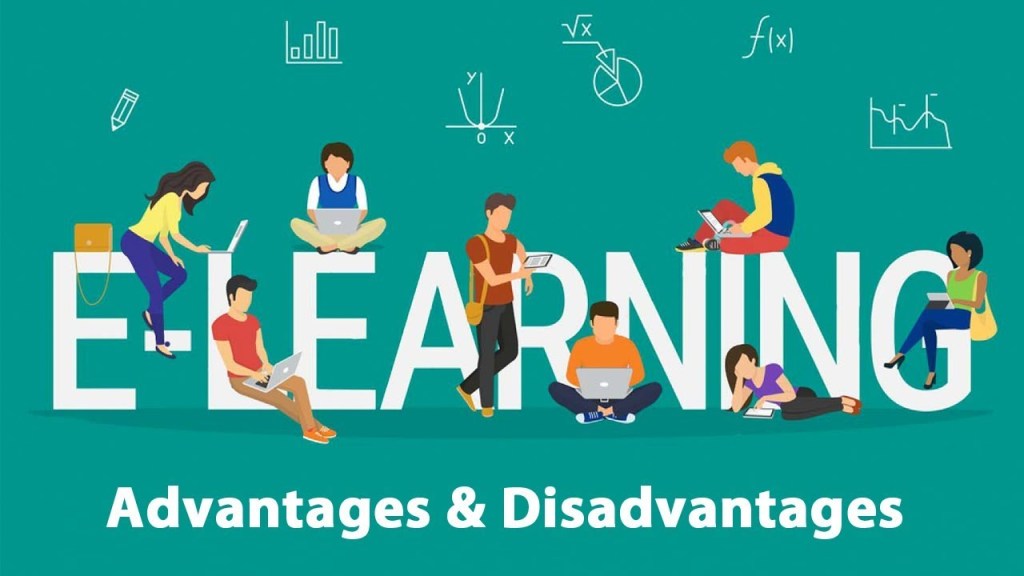
Advantages And Disadvantages Of Online Learning

Online learning, like other educational techniques, offers advantages and disadvantages. Decoding and comprehending these positives and negatives will assist institutes in developing ways for more effective class delivery, guaranteeing a continuous learning journey for students.

Discover Everything You Need To Know (Good And Bad) About  Online Education

The term “new normal” has become one of the most commonly used expressions in the aftermath of the epidemic. The growing usage of online learning resources is the new normal in education. The COVID-19 epidemic has prompted new methods of learning. Educational institutions all around the world are turning to online learning platforms to help them continue the process of educating pupils. The new normal is a changed vision of education, with online learning at its heart. Digital learning has now emerged as an essential resource for students and schools all around the world. For many educational institutions, this is a whole new method of teaching that they have had to adapt to. Online learning is currently used not only to study academics, but also to learn extracurricular activities for students. The demand for online learning has increased substantially in recent months and will continue to do so in the future.

As with most teaching methods, online learning also has its own set of positives and negatives. Decoding and understanding these positives and negatives will help institutes in creating strategies for more efficiently delivering the lessons, ensuring an uninterrupted learning journey for students.

What Are The Advantages Of Online Learning?

1. Efficiency :- Online learning allows teachers to provide courses to students in a more efficient manner. Online learning includes a variety of materials such as videos, PDFs, and podcasts, which teachers may use into their lesson plans. Teachers may become more efficient instructors by expanding the lesson plan beyond standard textbooks to include internet resources.

2. Accessibility Of Time And Place :- Another advantage of online education is that it allows students to attend classes from any location of their choice. It also allows schools to reach out to a more extensive network of students, instead of being restricted by geographical boundaries. Additionally, online lectures can be recorded, archived, and shared for future reference. This allows students to access the learning material at a time of their comfort. Thus, online learning offers students the accessibility of time and place in education.

3. Affordability :- Another advantage of online learning is that it saves money. When compared to traditional schooling, online education is considerably more inexpensive. This is due to the fact that online learning reduces the costs of student transportation, food, and, most significantly, real estate. Furthermore, all course or study materials are available online, resulting in a paperless learning environment that is both more cheap and environmentally friendly.

4. Improved Student Attendance :- Since online classes can be taken from home or location of choice, there are fewer chances of students missing out on lessons.

5. Suits A Variety Of Learning Styles :- Every kid has a unique learning experience and learning style. Some pupils like to study visually, while others prefer to learn through audio. Similarly, some kids flourish in the classroom, while others prefer to learn alone and are easily distracted by large groups. With its variety of options and resources, the online learning system may be customized in a variety of ways. It is the most effective method for creating a perfect learning environment tailored to the needs of each learner.

What Are The Disadvantages Of Online Learning?

Disadvantages of Online Learning - YouTube

1. Inability To Focus On Screens :- One of the most difficult aspects of online learning for many students is the inability to focus on a screen for extended periods of time. With online learning, pupils are more likely to be quickly sidetracked by social media or other sites. As a result, it is critical for professors to maintain their online lessons concise, engaging, and interactive in order to keep students focused on the subject.

2. Technology Issues :- Another significant issue with online classes is access to the internet. While internet coverage has increased by leaps and bounds in recent years, a continuous connection with adequate speed remains a challenge in smaller cities and villages. There may be a loss of consistency in learning for the child if pupils or teachers do not have a continuous internet connection. This is harmful to the educational process.

3. Sense Of Isolation :- Being in the company of their peers may teach students a lot. However, there are little physical encounters between students and professors in an online class. This frequently leads to a sense of isolation among the kids. In this case, it is critical that the school provide for other modes of communication between students, classmates, and teachers. This includes online chats, emails, and video conferencing, which allow for face-to-face connection and reduces feelings of isolation.

4. Teacher Training :- Online learning necessitates that teachers have a fundamental grasp of how to use digital forms of learning. However, this is not always the case. Teachers may have a very rudimentary grasp of technology. They may not even have the required resources and tools to conduct online lessons at times. To address this, it is critical for schools to spend in training instructors on the most recent technological advancements so that they can conduct their online lessons smoothly.

5. Manage Screen Time :- Many parents are concerned about the health risks of their children spending so much time looking at a screen. One of the most serious issues and drawbacks of online learning is the rise in screen time. Students may acquire improper posture and other physical issues as a result of sitting slumped in front of a screen. A excellent approach would be to offer kids frequent pauses from the computer in order to rejuvenate their minds and bodies.


Contract of Indemnity

Contract of Indemnity

A contract of indemnity is one of the most important forms of commercial contracts. Several industries, such as the insurance industry, rely on these contracts. This is because of the nature of these contracts. They basically help businesses in indemnifying their losses and, therefore, reduce their risks. This is extremely important for small as well as large businesses.

Contract of Indemnity

Contract of Indemnity

contract of indemnity basically involves one party promising the other party to make good its losses. These losses may arise either due to the conduct of the other party or that of somebody else.

To indemnify something basically means to make good a loss. In other words, it means that one party will compensate the other in case it suffers some losses.

For example, A promises to deliver certain goods to B for Rs. 2,000 every month. C comes in and promises to indemnify B’s losses if A fails to so deliver the goods. This is how B and C will enter into contractual obligations of indemnity.

A contract of insurance is very similar to indemnity contracts. Here, the insurer promises to compensate the insured for his losses. In return, he receives consideration in the form of premium. However, the Contract Act does not strictly govern these kinds of transactions. This is because the Insurance Act and other such laws contain specific provisions for insurance contracts.

Parties under Indemnity Contracts

There are generally two parties in indemnity contracts. The person who promises to indemnify for a loss is the Indemnifier. On the other hand, the person whose losses the indemnifier promises to make good is the Indemnified. We can also refer to the Indemnified party as the Indemnity Holder. For example, in the earlier example, C is the Indemnifier and B is the Indemnity Holder.

Nature of Indemnity Contracts

An indemnity contract may be either express or implied. In other words, parties may expressly create such a contract as per their own terms. The nature of circumstances may also create indemnity obligations impliedly. For example, A does an act at the request of B. If B suffers some losses and A offers to compensate him, they impliedly create an indemnity contract.

Rights of an Indemnity Holder

When parties expressly make a contract of indemnity, they can determine their own terms and conditions. However, sometimes they may not do so. In such a case, the indemnity holder can enforce the following rights against the indemnifier:

1) The indemnifier will have to pay damages which the indemnity holder will claim in a suit.

2) The indemnity holder can even compel the indemnifier to pay the costs he incurs in litigating the suit.

3) If the parties agree to legally compromise the suit, the indemnifier has to pay the compromise amount.

Contract of Guarantee

Apart from indemnity contracts, the Contract Act also governs contracts of guarantee. These contracts might appear similar to indemnity contracts but there are some differences between them.

In guarantee contracts, one party contracts to perform a promise or discharge a liability of a third party. This will happen in case the third party fails to discharge its obligations and defaults. However, the burden of discharging the burden will first lie on the defaulting third party.

The person who gives the guarantee is the Surety. On the other hand, the person for whom the Surety gives the guarantee is the Principal Debtor. Similarly, the person to whom he gives such a guarantee is the Creditor.

Differences between Indemnity and Guarantee

There are some important differences between the contracts of indemnity and guarantee.

Firstly, there are just two parties in indemnity, while there are three in contracts of guarantee.

Secondly, in a guarantee, there is an existing debt/duty which the surety guarantees to discharge. On the other hand, liability in indemnity is contingent and may not arise at all.

Thirdly, an indemnifier might act without the debtor’s behest, while a surety always waits for the principal debtor’s request.

Finally, the liability of an indemnifier towards the indemnity holder is primary. Whereas, in guarantee, the surety’s liability is secondary. This is because the primary liability lies on the principal debtor himself.

Domestic Violence

Domestic violence is defined as violence and abuse that occurs in a domestic environment, such as cohabitation or marriage. Domestic violence is defined as any type of behaviour that attempts to acquire authority and control over the victim, not simply physical abuse. It may afflict people from many areas of life and is usually directed at a partner, spouse, or close family member. We will discuss the causes and repercussions of domestic violence in an essay.

Causes of Domestic Violence

Domestic violence frequently targets women and children. Domestic abuse is a heinous crime that kills many people. Illiteracy and economic reliance on males are two of the most prevalent causes of domestic violence. This dilemma is exacerbated by a male-dominated culture. Furthermore, dowry is one of the major causes of violence against newlywed wives. Physically abusing women and making obscene statements is widespread in many areas of the world.

Furthermore, children are frequently victims of this cruel behaviour. It is critical to identify society’s double standards and hypocrisy. Frequently, the abuser is either insane or in need of psychiatric counselling. Domestic violence, on the other hand, is the result of a series of reckless behaviours displayed by a segment of society. It is also crucial to highlight that the abuser is not the only one who is accountable; those who allow this to happen and behave as quiet bystanders are equally to blame.

Types of Domestic Violence

Domestic abuse has a variety of negative consequences that vary depending on the type of domestic violence that occurs. It might be physical, emotional, sexual, or pecuniary in nature. A physical abuser employs physical force that injures or endangers the victim’s life. Hitting, punching, choking, slapping, and other forms of violence are included. Furthermore, the abuser refuses the victim medical attention. There is also emotional abuse, in which the perpetrator threatens and intimidates the victim. It also entails damaging their self-esteem.

It involves threatening someone with danger or disgrace in public. Emotional abuse can also include continuous name-calling and criticism. Then there’s sexual abuse, in which the perpetrator uses force to get undesired sexual intercourse. If your spouse does not consent, it is considered sexual abuse since it is coerced. Finally, there is economic abuse, in which the abuser has power over the victim’s money and economic resources.

They use this to impose control over them and make them completely reliant on them. Economic abuse occurs when your partner needs to beg you for money. The victim’s self-esteem suffers as a result.

Why is domestic violence an issue?

Domestic violence has a significant influence on people’s overall health and well-being. It is due to the fact that it causes bodily harm, anxiety, and despair. Furthermore, it affects social skills and increases the probability that they may engage in health-harming behaviours such as self-harm or drug addiction.

How does domestic violence affect a woman?

Domestic abuse has a negative impact on women’s health. It has severe ramifications for their mental and physical health, including reproductive and sexual health. It also covers injuries, gynaecological issues, despair, suicide, and other issues.

Conclusion

To summarise, domestic violence can take various forms, including physical aggressiveness such as kicking and biting, as well as sexual or emotional abuse. It is critical to recognise the indicators of domestic violence and report the abuser if it occurs around or to you.

10 BEST INDOOR PLANTS FOR YOUR HOME

  1. SPIDER PLANT
Spider Plants are a great indoor plant that purifies the air

Resilient spider plants seem to thrive even when neglected. They prefer moist soil but will forgive you if you forget to water occasionally. Keep spider plants in bright to moderate light, but avoid direct sun. Fertilize spider plants twice a month during the spring and summer.

PROS

  • Spider plants remove benzene, carbon monoxide, formaldehyde and xylene from the air.
  • Spider plant are considered safe for pets.

CONS

  • Who knew? Spider plants are mildly hallucinogens to cats.

2. ALOE VERA

Aloe Vera Plants Make Great Houseplants

Aloe vera plants prefer bright, indirect light. While it prefers moist soil, it seems to do just fine if you forget to water it occasionally. Aloe vera is native to southern Africa, but is now a common household and office plant thanks to its usefulness.

PROS

  • The gel-like sap from aloe vera helps heal cuts and burns.
  • Aloe vera absorbs carbon dioxide and releases oxygen at night, making it nice to have in bedrooms.
  • Your aloe vera plant will regularly produce plantlets. These baby plants can be removed to easily start a new plant.

CONS

  • If you take your aloe plant outside for the summer sun, don’t be surprised if it’s a pest magnet. The juices in this succulent are irresistible to sap-sucking insects. 

3. ENGLISH IVY

English Ivy Indoor Plant

English ivy (Hedera helix) is an easy-to-grow plant that does not like direct sunlight but does prefer bright light. It needs moist soil and cooler temperatures than most other house plants at about 50°F to 65°F (10°C to 18°C). Ivy likes humidity, so make sure you mist it or place it in a tray of pebbles and water. Regular fertilizing, except during the winter, is important to English ivy.

PROS

  • Research presented to the American College of Allergy, Asthma & Immunology found ivy reduces air pollutants including mold and dog feces.

CONS

  • It can be toxic to children and pets. This is due to the fact that English ivy generates a chemical called glycoside hederin. This chemical can produce a number of symptoms if ingested, including nausea, diarrhea, fever and difficult breathing.
  • English ivy can cause contact dermatitis to those sensitive to it. It’s not uncommon to confuse this rash with rashes caused by poison ivy.
  • If your light isn’t bright enough, English ivy will become leggy and sickly in appearance. This also leaves them prone to pest problems.

4. ARECA PALM

Areca Palm - Great Office Plants

If you’re after a tropical look for your home or office, the areca palm is the one. Areca palm looks exotic, elegant and stately. It prefers bright, indirect light and moist, well-drained soil. However, be careful not to overwater. In the spring, you can try using a time-release fertilizer.

PROS

  • The areca palm is featured on NASA’s list of air-purifying plants.
  • It removes benzene, formaldehyde and trichloroethylene from the air.
  • Areca palm adds humidity to indoor air.
  • Rarely suffers from problems from pests and diseases.

CONS

  • Areca palm plants require a large pot and they can grow quite big.
  • If not acclimated to office or home lighting, it can weaken rapidly after being removed from a greenhouse setting.
  • Can succumb to root rot.

5. GOLDEN POTHOS

Golden Pothos are Great Office Plants

Even if you think you have a “black thumb,” you can probably grow golden pothos. This plant does well in low light and is forgiving if you miss an occasional watering. In fact, the golden pothos prefers to dry out in between watering.

PROS

  • The golden pothos is easily one of the most common houseplants. It’s attractive and easy to grow.
  • Golden pothos is considered an air-purifying houseplant.
  • While root rot is a common problem with most houseplants, but the golden pothos rarely succumbs to this condition.
  • You’ll know when you need to water a golden pothos by its drooping leaves. Droopy leaves that cannot be revived by watering are a sign the golden pothos needs to be repotted into something larger.

CONS

  • This plant is toxic to ingest because it includes oxalates, so keep it away from pets and children who might try to eat the leaves.

6. SNAKE PLANT

Snake Plants can help clean your indoor air

Also known as mother-in-law’s tongue and by its species name (Sansevieria trifasciata), snake plant is hardy and adds a unique look to your decor with its upright, strap-like leaves. It can tolerate low water and light environments, though it prefers bright, indirect light.

PROS

  • Snake plants are on the NASA list of houseplants that clean and filter indoor air.
  • Caring for snake plants is relatively easy. Water them at their base. They can survive with fluorescent lighting. If they’re in a window, rotate them a quarter turn every week.

CONS

  • Saponins in snake plant leaves make it toxic to pets and may cause nausea and vomiting.

7. MINT

Growing mint indoors helps keep bugs away and purifies the air

Mint is one of the best herbs to grow inside because you can control where it spreads. When mint is outdoors, it tends to take over entire regions of your yard. When it’s in a small planter, it can be contained while still offering all the benefits that mint leaves present.

PROS

  • Mint plants act as their own natural insecticide and repel bugs.
  • Mint is great for adding natural flavor to iced tea and other beverages.

CONS

  • Once mint buds, its sprigs lose their signature taste. Pinch off flowering buds as they appear to extend the harvesting season.
  • Mint requires high-moisture conditions to grow, so watering is mandatory!

8.  DIEFFENBACHIA

Dieffenbachia houseplant that helps clean the air

Dieffenbachia, also called dumb cane, is a beautiful plant with leaves that feature an attractive mottled pattern. Dieffenbachia plants need well-drained, moist soil. It does best with low, indirect light, which makes it a great indoor plant for the home and office. Your dieffenbachia can also get as tall as 4 feet or more if you care for it well.

PROS

  • The dumb cane plant can improve indoor air quality.
  • Dieffenbachia is easy to grow when exposed to filtered light.

CONS

  • It’s toxic to pets and children. Pets will drool excessively and demonstrate oral irritation, including difficulty swallowing.
  • Overwatering is a common problem for dieffenbachia plant owners. It needs well-drained soil that is consistently moist but not soggy.
  • It can lean toward light sources, so rotate it regularly to keep it straight.

9. HEART LEAF PHILODENDRON

Heart Leaf Philodendron Indoor Plant

Heart Leaf Philodendron is a vigorous vining plant that makes a great indoor plant for the home or office. It prefers moderate to low indirect light. You should keep the soil moist, and occasionally mist the plant for ideal watering.

PROS

  • It effectively removes VOCs from the air, especially formaldehyde.
  • Heart Leaf Philodendron plants may bloom at any time of the year. Its blooms look a lot like peace lily flowers.

CONS

  • Heart Leaf Philodendron is toxic to pets and children. Pets will exhibit irritation to the mouth, tongue and lips, as well as drooling, vomiting and trouble swallowing.
  • Expect vigorous growth, which will demand regular pruning.
  • This plant is subject to a wide variety of pests, including thrips, scale, mealybugs, spider mites and aphids. 

10. BAMBOO PALM

The Bamboo Palm makes a Great Office Plants

Bamboo palms are great plants if you want to add a tropical feel to your home or office. While this houseplant, also called parlor palm, prefers bright light, it can do very well in low light as long as it receives enough water. However, make sure you don’t overwater the bamboo palm. Wait until the top of the soil is dry. This plant likes high humidity, so consider placing it on a tray of pebbles with water added. As the water evaporates, add more so the pebbles are almost covered.

PROS

  • Bamboo palm is excellent at reducing the airborne formaldehyde that is released by new furniture.
  • Bamboo palm is nontoxic to pets.

CONS

  • Spider mites are common pests to the bamboo palm. If you see webbing in the leaves, spray on the top and bottom of leaves.

Divorce by Mutual Consent

Although it is believed that relationships are created in heaven, these heavenly ties do not always continue forever. Divorce is now seen casually, and individuals utilize it as a first choice, despite the fact that the law intended it to be a last resort. Many times, the partners in a marriage can no longer stand one other and cannot live peacefully together. In such situations, the couple may choose to divorce mutually. Mutual divorce occurs when both husband and wife mutually agree that they can no longer live together and decide to dissolve their marriage.

Essential Conditions of Mutual Divorce

  • Parties must be living separately – In order to dissolve a marriage by mutual divorce, the parties must have been living apart for at least one year prior to submitting the divorce petition. Living apart does not imply living in different locations. Living under the same roof as a couple but without sharing the bond of husband and wife qualifies the required requirement of living apart.
  • Parties are unable to live together – There are a variety of scenarios in which a couple is unable to live together despite mediation, reconciliation, and numerous efforts. In such a case, the couple can divorce by mutual consent. Following the filing of the petition, the parties are allowed a six-month cooling period, which can be extended to eighteen months. Both parties must ponder and examine their options during this period. If the parties are still unable to live together, the district judge should issue a divorce order.
  • Parties have mutually consented to end the marriage– In order to dissolve the marriage by a mutual divorce, both parties must have agreed to do so. The divorce petition is submitted jointly by both parties in the case of mutual divorce. The parties have the right to withdraw the petition at any moment. The petition appears to be withdrawable at the request of one of the parties within six months of the petition’s filing date. When a joint motion is adopted by the parties after the expiry of six months but before the expiration of eighteen months from the date of presentation of the petition for inquiry, the individual right of a party to withdraw the petition seems to be barred.
  • Parties must file for divorce jointly and without undue influence, fraud, or corruption– Both parties must have consented willingly and without pressure from the other parties to file for divorce. If neither partner is willing to file for amicable divorce, the party seeking divorce may do so using the grounds specified in Section 13 of the Hindu Marriage Act.

Advantages of Mutual Divorce

  • A divorce by mutual consent minimizes needless confrontations, saving both spouses time and money.
  • Maintenance and custody of the kid can be readily arranged by the parties amicably before the marriage is dissolved.
  • In this divorce, the court legalizes and agrees to all that the couple has talked and chosen.
  • Under this, the spouses need not explain the reason for divorce before the court of law. 
  • It does not lead to any confusion or chaos between the parties regarding how the assets and liabilities will be divided between the couple.
  • If the divorce takes place amicably without any conflict the couple can continue to be friends rather than sworn enemies.

Procedure for Mutual Divorce

To get a divorce by mutual consent, one must follow several steps. In India, the process of mutual divorce usually begins with the filing of a petition under Section 13B of the Hindu Marriage Act. Two motions are also involved in this procedure. Following are the important steps:

  • Filing a Joint Petition– The first step is to file a joint petition in the relevant family court. This joint petition must be signed by both parties. Both parties sign a joint declaration in the divorce petition declaring that they can no longer live together due to fundamental disputes and should be granted a divorce. This declaration also includes a distribution agreement, parental rights, and other details.
  • The appearance of both the parties in Court– The second step involved is the appearance of both the parties before the competent court before which the petition is filed. The court fixes the date and on this date, parties are asked to present before the court with their counsels. 
  • Court review of the petition– The court will review the petition as well as the papers filed by both parties. When the court is satisfied, it records both parties’ statements. In some situations, the court will attempt to mediate a resolution between the parties. When the parties are unable to reconcile, the divorce process begins.
  • Recording of the statement and adoption of the order on the First Motion– When both parties’ statements are recorded, the court issues the first motion order. Previously, the parties were allowed six months to reconcile. This six-month period can be extended to eighteen months, after which a second motion can be submitted. This is no longer a required requirement. In the case of Amardeep Singh v. Harveen Kaur, the Supreme Court waived the six-month cooling period if it was believed that both parties were committed to the divorce, there was no possibility of cohabitation between an estranged couple, and no alimony, child custody, or property issues were raised.
  • Appearing for Second motion– If neither party agrees to come together after six months from the first motion or by the conclusion of the reconciliation period, the parties may appear for the second move for the final hearing. This also entails the parties appearing in court and making remarks that are recorded. Both parties present their cases at the final hearing, and the court records their statements under oath in the family court.
  • The Court’s decision– The most essential condition for a divorce by mutual consent is the free consent of both parties. In other words, unless there is total agreement between the husband and wife for the dissolution of the marriage and the court is satisfied, the court cannot grant a decree of divorce by mutual consent. Based on the parties’ declarations as well as the facts and circumstances of the case, the court makes the proper judgments and dissolves the marriage. The divorce is then finalized when the court issues a divorce decree.

Conclusion

Divorce is a painful issue that should only be used as a last resort; nevertheless, many people nowadays do not hesitate to divorce. It causes family disintegration, and the kid of a divorced marriage suffers substantial stress as a result of growing up with split parents. The best way to divorce is by mutual consent since the parties do not have to publicly embarrass each other in court and may resolve any issues and dissolve their marriage willingly. From the time of filing until the finalization of the divorce judgement, the total mutual consent divorce procedure might take anywhere from 6 months to 1-1.5 years.

Importance of Exercise

Exercise is basically any physical activity that we perform on a repetitive basis for relaxing our body and taking away all the mental stress. It is important to do regular exercise. When you do this on a daily basis, you become fit both physically and mentally. Moreover, not exercising daily can make a person susceptible to different diseases. Thus, just like eating food daily, we must also exercise daily. The importance of exercise essay will throw more light on it. People who are obese or overweight during their early life, they are more likely to be obese as adult. So, it is important to exercise during childhood and adolescent. It is important to exercise.

Importance of Exercise

  1. Exercising is most essential for proper health and fitness. Moreover, it is essential for every sphere of life. Especially today’s youth need to exercise more than ever. It is because the junk food they consume every day can hamper their quality of life.
  2. If you are not healthy, you cannot lead a happy life and won’t be able to contribute to the expansion of society. Thus, one needs to exercise to beat all these problems. But, it is not just about the youth but also about every member of the society.
  3. These days, physical activities take places in colleges more than often. The professionals are called to the campus for organizing physical exercises. Thus, it is a great opportunity for everyone who wishes to do it.
  4. Just like exercise is important for college kids, it is also essential for office workers. The desk job requires the person to sit at the desk for long hours without breaks. This gives rise to a very unhealthy lifestyle.
  5. They get a limited amount of exercise as they just sit all day then come back home and sleep. Therefore, it is essential to exercise to adopt a healthy lifestyle that can also prevent any damaging diseases.

Benefits of Exercise

  1. Exercise has a lot of benefits in today’s world. First of all, it helps in maintaining your weight. Moreover, it also helps you reduce weight if you are overweight. It is because you burn calories when you exercise.
  2. Further, it helps in developing your muscles. Thus, the rate of your body will increases which helps to burn calories. Moreover, it also helps in improving the oxygen level and blood flow of the body.
  3. When you exercise daily, your brain cells will release frequently. This helps in producing cells in the hippocampus. Moreover, it is the part of the brain which helps to learn and control memory.
  4. The concentration level in your body will improve which will ultimately lower the danger of disease like Alzheimer’s. In addition, you can also reduce the strain on your heart through exercise. Finally, it controls the blood sugar levels of your body so it helps to prevent or delay diabetes.

Conclusion

In order to live life healthily, it is essential to exercise for mental and physical development. Thus, exercise is important for the overall growth of a person. It is essential to maintain a balance between work, rest and activities. So, make sure to exercise daily. Body:

Exercise is basically any physical activity that we perform on a repetitive basis for The AI generated a suggestion that was flagged as potentially unsafe. Please adjust your content before generating again.

Women’s Rights During and After Divorce in India

INTRODUCTION

In India, women are assumed to be reliant on their husbands at the moment of marriage. After their divorce, they have no access to work or any other means of gaining independence. Some of these limitations are alleviated by the rights they can assert following their divorce.

RIGHT TO ALIMONY AND MAINTENANCE

After marriage, women have the right to alimony. If women are not granted an adequate amount of alimony, they can petition the court for maintenance. Alimony is a lump sum payment made after a divorce, while maintenance is when the payment is made on a regular basis on a set date. If alimony is insufficient to cover her needs, the wife may request maintenance until she remarries.

Women’s rights in divorce include the fundamental right to request an allowance in order to support oneself. Maintenance is a certain payment paid by the husband to the wife after their divorce to make it easier for her to support herself. Maintenance refers to the requirements for self-sufficiency. Women may not be able to support themselves after a divorce, therefore they may be able to claim maintenance. Women in India have access to this right. If the spouse violates this right, the woman can seek redress under Section 125 of the Cr. P.C.

However, section 125(4) states that if both spouses are not living together by mutual consent, the women cannot seek support. However, if a divorce decision allows them to live apart, the wife might file a claim for support. Some personal laws, such as Parsi and Christian laws, provide provisions for support. Section 125 Cr. P.C. is a criminal claim in the event that the wife is refused support, and it applies equally to all laws.

Women may be granted maintenance on a variety of grounds, including:

  • Her husband has been nasty to her.
  • Her husband has either purposefully ignored her or abandoned her.
  • The husband has a severe leprosy or a venereal illness.
  • At the time, the husband had another wife living with him.
  • The husband maintains a concubine in the house or lives elsewhere with that woman.
  • The husband has left Hinduism and converted to another faith.
  • The husband has a mental illness ( mental state and unsound mind)
  • If the woman hasn’t heard from her spouse in at least seven years, the husband is presumed dead.
  • Any other legal reason for the husband and wife’s separation.

RIGHT TO RESIDENCE

After her divorce, the lady is entitled to a place to live. The marital home in which the couple dwelt belongs to both husband and wife; she can assert her right to residence even if the house is in the hands of the husband or is a rental or ancestral property.

RIGHT OF STREEDHAN

Streedhan refers to the presents of riches, jewels, property, and so on that are presented to the bride at the time of her marriage. She has exclusive ownership of the Streedhan, which differs from dowry in that it is given to the bride freely. The wife is free to keep her Streedhan because she is the only owner of it. She might use her Stree Dhan to alienate, sell, or give as she pleased. Women’s rights are guaranteed in Section 27 of the Hindu Marriage Act of 1955, as well as Section 14 of the Hindu Succession Act. There are no conditions linked to the wife’s ability to keep her Streedhan after the divorce.

CHILD CUSTODY RIGHTS

The youngster suffers as a result of the couple’s separation. When a marriage falls apart, it separates every aspect that is linked to it. The children are also forced to pick a side and stay with either of their parents.

The guardian and wards legislation of 1890 and the Hindu minority and guardianship act of 1956 govern child custody rights. The mother has custody of a kid under the age of five years under the Hindu minority and guardianship legislation of 1956.

The natural guardian of a child is generally considered as a father otherwise mother. In case the child’s custody is not suitable for the father in that case or if it is not better than that of the mother’s then any indefeasible right can be claimed. Depending upon the welfare and security of the child, the custody can be shifted on either of father or mother.

Categories of child custody:

  1. Physical custody
  2. Joint custody
  3. Legal custody
  4. Third-party custody

Both parents have the right to custody of their children because they are the primary caretakers for them. However, the court makes this judgement with the child’s safety and well-being in mind. When deciding on child custody, the idea of ‘the best interest of the kid’ is applied, and custody of the child is awarded as a result.

RIGHT TO ANCESTRAL PROPERTY

If the woman is part of the joint family property she will have the right over the property even after divorce. This right to retain her property cannot be taken from her.

CONCLUSION

Women are free even after divorce and are not constrained by any boundaries when it comes to enforcing their rights. Maintenance, child custody, property, retaining her gifts, and other rights are all accessible to her. Some of these rights have evolved through time, and law has been interpreted differently, paving the door for women to seek justice. The law guarantees that their rights are provided to them and that they are safeguarded if they seek redress.