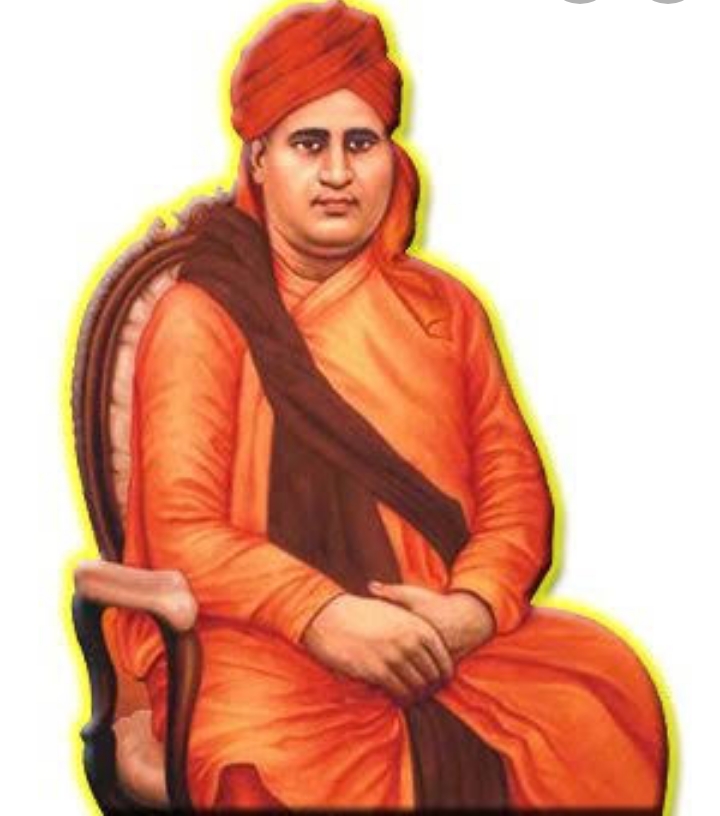
Swami Vivekanand

Swami Vivekananda’s inspiring personality was well known both in India and in America during the last decade of the nineteenth century and the first decade of the twentieth. 

Born as Narendranath Datta in a Bengali Kayastha family,  he is the chief driving force behind various religious reform movements during the times of Colonial India. He introduced Hinduism to the world in a famous speech that he spoke in Chicago in 1893.

He was born on January 12, 1863 and His father was Vishwanath Datta, an attorney at the Calcutta high court while his mother, Bhubaneswari Devi was a housewife. From a very young age, Vivekananda was interested in spirituality and would meditate in front of the images of Hindu Gods and Goddesses.
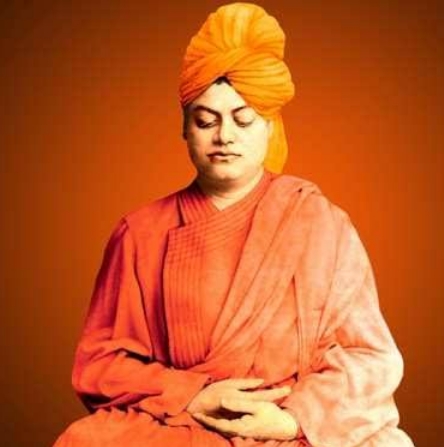
He is regarded as a one of the finest spiritual leaders and intellects India has produced.

He was a devout follower of an Indian saint named Sri Ramakrishna Paramhansa. Not only that, he was a devout follower of Sri Ramakrishna Paramhansa, whose ideologies he followed till the day he breathed his last. Inspired him, he even formed the Ramakrishna Math and the Ramakrishna Mission. He went to the United States of America to teach modern Hindu philosophy.

His vast knowledge of Eastern and Western culture as well as his deep spiritual insight, fervid eloquence, brilliant conversation, broad human sympathy, colourful personality, and handsome figure made an irresistible appeal to the many types of Americans who came in contact with him. People who saw or heard Vivekananda even once still cherish his memory after a lapse of more than half a century.

The Swami’s mission was both national and international. A lover of mankind, he strove to promote peace and human brotherhood on the spiritual foundation of the Vedantic Oneness of existence. A mystic of the highest order, Vivekananda had a direct and intuitive experience of Reality. He derived his ideas from that unfailing source of wisdom and often presented them in the soulstirring language of poetry.

To the Hindus he preached the ideal of a strength-giving and man-making religion. Service to man as the visible manifestation of the Godhead was the special form of worship he advocated for the Indians, devoted as they were to the rituals and myths of their ancient faith. Many political leaders of India have publicly acknowledged their indebtedness to Swami Vivekananda.

In America Vivekananda’s mission was the interpretation of India’s spiritual culture, especially in its Vedantic setting. He also tried to enrich the religious consciousness of the Americans through the rational and humanistic teachings of the Vedanta philosophy. In America he became India’s spiritual ambassador and pleaded eloquently for better understanding between India and the New World in order to create a healthy synthesis of East and West, of religion and science.

The natural tendency of Vivekananda’s mind, like that of his Master, Ramakrishna, was to soar above the world and forget itself in contemplation of the Absolute. But another part of his personality bled at the sight of human suffering in East and West alike. It might appear that his mind seldom found a point of rest in its oscillation between contemplation of God and service to man. Be that as it may, he chose, in obedience to a higher call, service to man as his mission on earth; and this choice has endeared him to people in the West, Americans in particular.

Swami Vivekananda focused on channelling the energy of the youth. He said that Youth is the most important segment of any country.

In the course of a short life of thirty-nine years (1863-1902), of which only ten were devoted to public activities-and those, too, in the midst of acute physical suffering-he left for posterity his four classics: Jnana-Yoga, Bhakti-Yoga, Karma-Yoga, and Raja-Yoga, all of which are outstanding treatises on Hindu philosophy. In addition, he delivered innumerable lectures, wrote inspired letters in his own hand to his many friends and disciples, composed numerous poems, and acted as spiritual guide to the many seekers, who came to him for instruction. He also organized the Ramakrishna Order of monks, which is the most outstanding religious organization of modern India. It is devoted to the propagation of the Hindu spiritual culture not only in the Swami’s native land, but also in America and in other parts of the world.

Swami Vivekananda passed away on July 4 in the year 1902. He was just 39 years old. Even almost 120 years after his demise, he is still alive in many people’s hearts and minds as they fondly remember his ideologies and what he taught.

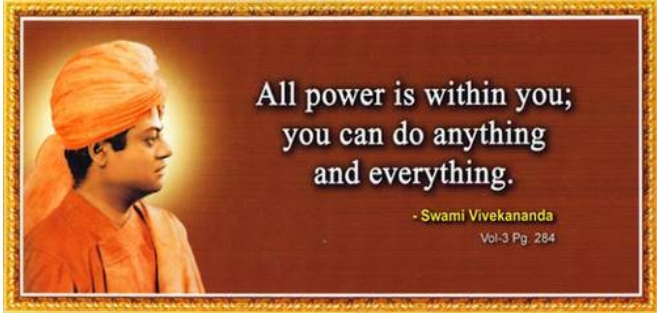
National Youth Day is celebrated on January 12, every year in India to honor the birth anniversary of Swami Vivekananda.

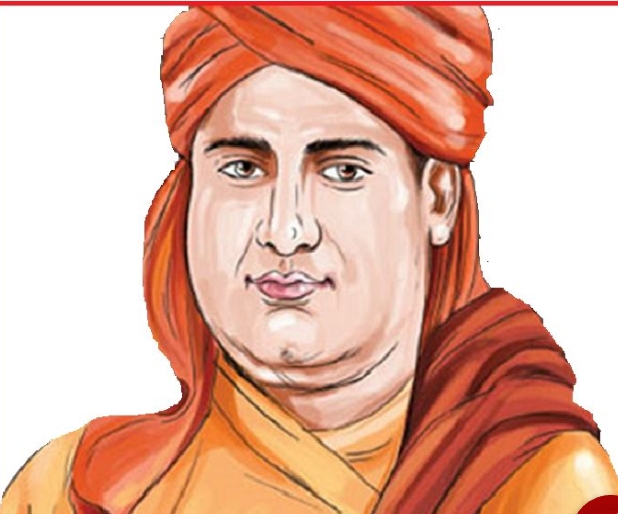
Swami Dayananda Saraswati

Dayananda Saraswati was an Indian philosopher, social leader, and reform movement of the Vedic dharma. He was the one who first gave the call for Swaraj as “India for Indians” in 1876, a call later taken up by Lokmanya Tilak.
As per the traditional Hindu calendar, Dayanand Saraswati was born on the Dashami Tithi of Phalguna Krishna Paksha. In India, all the Vedic institutions and religious establishments celebrate this day with great pomp and enthusiasm. Several schools and academic institutions hold debates, essay competitions etc.

The founder of the Hindu reform organisation Arya Samaj, Swami Dayanand Saraswati was born as Mool Shankar Tiwari on February 12, 1824, in Gujarat. He was named Mool because he was born when the Mool Nakshatra prevailed. His father was Karshanji Lalji Kapadi, and his mother was Yashodabai.

He was deeply devoted to God and translated the Vedas from Vedic Sanskrit to Sanskrit and Hindi so that the common man could also read them. He brought about a revolution in the social life of Indians to spread Vedic teaching and his ideas he travelled all over India and he roundly condemned the caste system, he was bitterly opposed to untouchability. “Untouchability is a dreadful curse of our society every living being has a soul, which deserves affection, in every human being there is a soul worthy of respect, one who does not know this basic principle cannot understand the true meaning of the Vedic religion.” Though acknowledged to be one of the greatest men of his age, even by those who differed with him on many points, Swamiji was simple and unostentatious in his habits and tastes.

He always laid stress on female education, equal rights and pure conduct in life. In his opinion over the centuries, with the passage of time some wicked customs had crept into Hinduism, these customs dimmed the greatness of this religion.

He was the among the first great Indian stalwarts who popularized the concept of Swaraj- the right to self-determination vested in an individual -when India was ruled by British. It was his philosophy which inspired nationalists in the mutiny of 1857 as well as champions such as Lala Lajpat Rai and Bhagat Singh. Dayananda’s Vedic message was to emphasize respect and reverence for other human beings, he related Atma with Param Atma. In the 10 principles of the Arya Samaj, he enshrined the idea that ” All actions should be performed with the prime objective of benefitting mankind”. Dayananda’s ‘Back to Vedas’ message influenced many thinkers, Sri Aurobindo who decided to look for hidden psychological meaning in the Vedas, Many Padri’s , Sanyasi’s were influenced by Swamiji’s updesh, Maharaja Ranbir Singh of Jammu and Kashmir went to see Swamiji during the Darbar which was held at Agra (November,1866 A.D.).

Swami Dayanand wished that his work of social reform should continue even after his death, so he founded an institution called ‘Arya Samaj’ at Mumbai on April 10,1875. It grew into a huge institution spread beyond the shores of India. Millions of Hindus were influenced by Arya Samaj, which rendered boundless and unequalled services to society, through its religious centres, gurukuls, schools, colleges, women orphanages and asylums for women. He was fully convinced that Indian could’t prosper unless education spread. He said that, there should be a law to compel the parents to send every boy or girl who is eight years old to school. The King’s son and the farmer’s son should be equal in a gradual. They should all be made to work and live alike in Gurukuls.
The chief objective of Swami Dayananda’s teaching are that all should be treated with love and justice. One should always be ready to accept truth and give up untruth, be good to the world, i.e., to make physical and social improvement. To achieve these we should dispel ignorance and diffuse knowledge.

He had a sensitive and compassionate heart that melted at the sufferings of the poor. ‘To love the creation of God is to love God Himself- so he taught people. He always advocated that those Hindus who had gone to other religions and wish to come back into the Hinduism fold by performing purification rites for them.

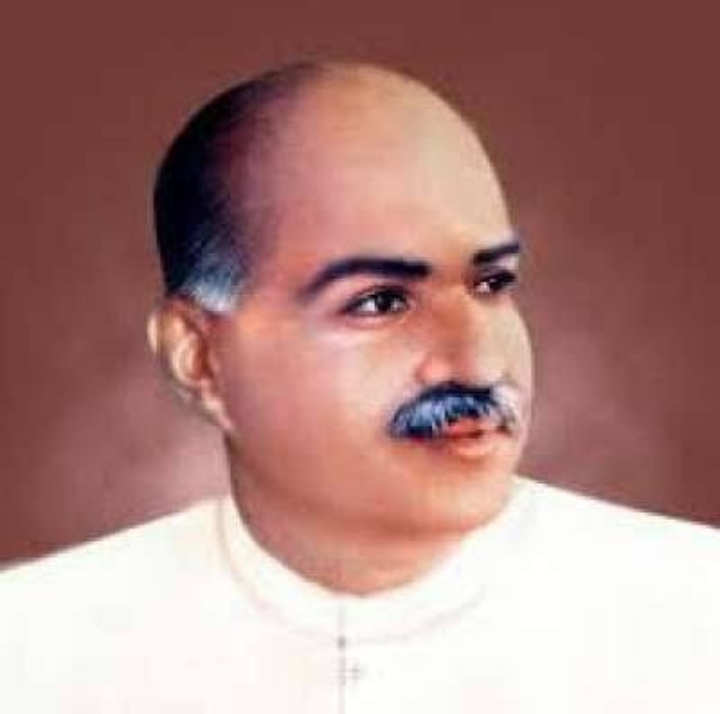
Shyama Prasad Mukherjee

डॉ. श्यामा प्रसाद मुखर्जी

Shyama Prasad Mukherjee is an example of great leadership and political milestone. He was the independent India’s first Minister of Industry and Supply and founder of Bharatiya Jana Sangh. Shyama Prasad was a qualified barrister and was passionate about education.

Shyama Prasad Mukherjee was born in a Bengali family on July 6 in 1901. His father Ashutosh Mukherjee was a judge of the Calcutta High Court. He started his initial education in Bhawanipur’s Mitra Institution in 1906. He passed his matriculation exam and was admitted to Presidency College. He stood seventeenth in the Inter-Arts Examination in 1916 and graduated in English, securing the first position in first class in 1921. He lost his father in 1924, the same year he enrolled as an advocate in Calcutta High Court.

At the age of 33, Shyama Prasad Mukherjee became the youngest vice-chancellor of Calcutta University in 1934. During Mukherjee’s term as Vice-Chancellor, Rabindranath Tagore delivered the university convocation address in Bengali for the first time, and the Indian vernacular was introduced as a subject for the highest examination.

He would have preferred to spend a lifetime in the hallowed portal of goddess Saraswati. However, the perilous political situation in undivided Bengal in the late 1930s compelled him to pursue active politics. Over the ensuing 14 years, he came to occupy an important place in national politics, wrote the Vice-President of India M Venkaiah Naidu in The Pioneer.

Mukherjee demanded the partition of Bengal in 1946 to prevent the inclusion of its Hindu-majority areas in a Muslim-dominated East Pakistan. A meeting held by the Mahasabha on April 15, 1947, in Tarakeshwar, authorised him to take steps for ensuring partition of Bengal. In May 1947, Shyama Prasad Mukherjee wrote a letter to Lord Mountbatten telling him that Bengal must be partitioned even if India was not. He also opposed a failed bid for a united but independent Bengal made in 1947 by Sarat Bose, the brother of Subhas Chandra Bose, and Huseyn Shaheed Suhrawardy, a Bengali Muslim politician. It was a great move of Shyama Prasadji because of his anticipation, lives of many bangali Hindus were saved and Bengal became a inseparable part of our India.

After he left the Indian National Congress due to difference of opinion with the then-Prime Minister Dr Jawaharlal Nehru on Jammu and Kashmir issues, he co- founded Janata Party in the year 1977-1979, which later on became the Bharatiya Janata Party.

Shyama Prasad Mukherjee founded Bharatiya Jana Sangh that later became the BJP. The political Right has been opposing Article 370 since the Jan Sangh days. Shyama Prasad Mukherjee, who was known to be a harsh critic of the Congress party in independent India, was against Article 370 and had expressed his displeasure at special status for J&K.

Shyama Prasad Mukherjee questioned why Jammu and Kashmir was kept out of the President’s jurisdiction and why the Congress agreed to a need for special permit to enter J&K. He also questioned why J&K has a ‘sadar-e-riyasat’ instead of governors and a prime minister instead of chief ministers like other states.

After J&K’s merger into Indian Union was passed, a slogan was coined, “Ek desh mein do Vidhan, do Pradhan aur do Nishan nahi chalenge

India had been at war with Pakistan over Jammu and Kashmir and while there was a ceasefire, the conditions were still “unusual and abnormal. Part of the erstwhile state’s territory was still in the hands of “rebels and enemies.

One could not enter Jammu and Kashmir without an official permit. In order to protest and build national awareness for J&K’s complete integration, Shyama Prasad Mukherjee, along with Atal Bihari Vajpayee, travelled across the country and entered J&K on 11 May, 1953, without any permit.

Mukherjee was arrested there by the J&K Police. Shyama Prasad Mukherjee died after 40 days of being arrested by the Jammu and Kashmir State police for entering the state without permit. He passed away in jail under mysterious circumstances.

With Union Home Minister Amit Shah’s announcement in Parliament to revoke Article 370 that gives special status to Jammu and Kashmir, the Bharatiya Janata Party (BJP) has finally realised the dream of its founder Shyama Prasad Mukherjee. By scrapping Article 370, BJP has fulfilled its founder’s dreams.

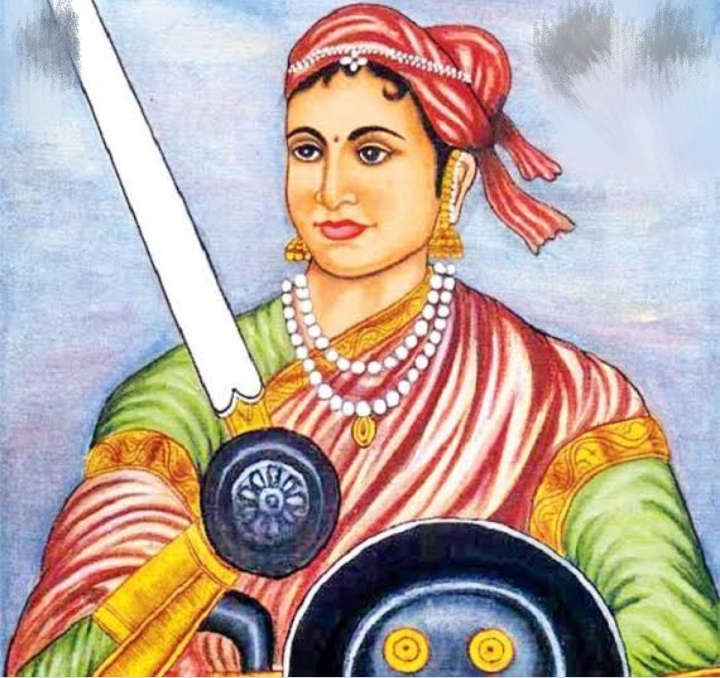
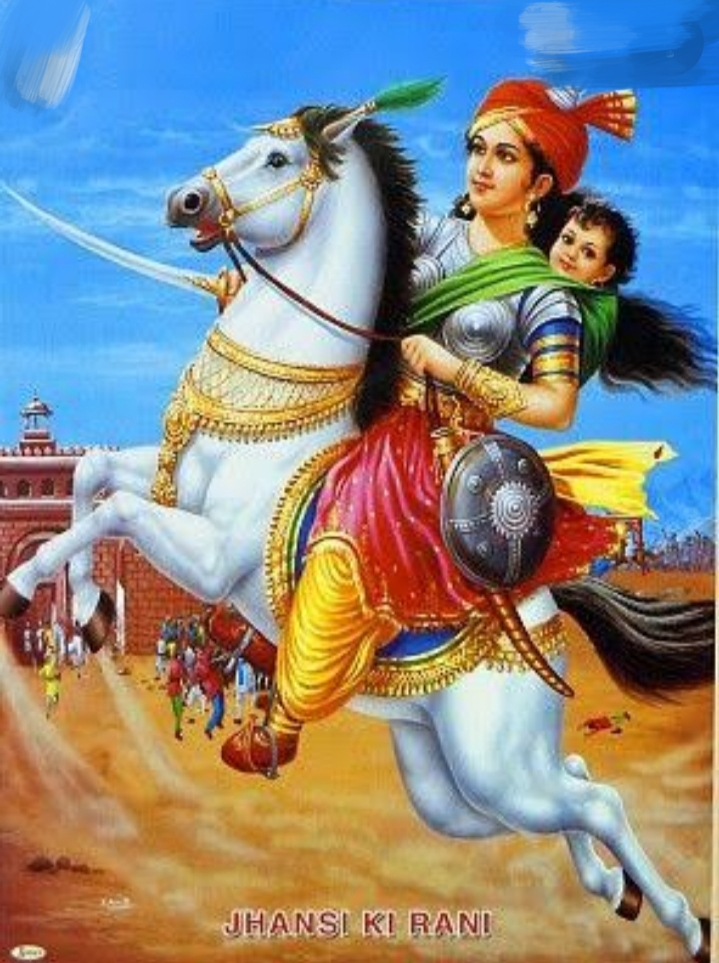
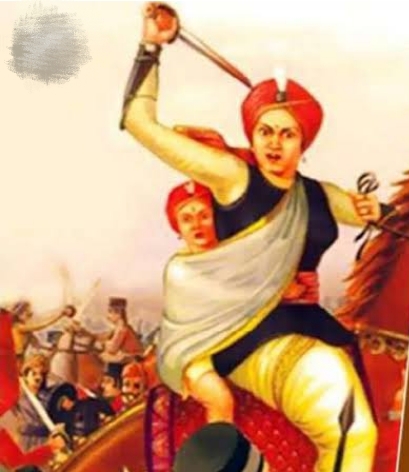
Rani Lakshmibai

Rani Lakshmibai is an unforgettable warrior in the Indian History. Lakshmi Bai was born around 1827 in present-day Varanasi in northeast India. Named Manikarnika, she was the daughter of a Brahman who worked as an adviser to the court of the peshwa, or prime minister, of the Maratha Empire, Baji Rao II. Though not aristocratic, Brahmans belonged to a higher caste of priests and scholars. When Manikarnika was four, her mother died, and she moved to court with her father. The peshwa raised her like his own; she received an education unlike most girls and trained with the boys in martial arts, fencing, and riding.

Rani & the Annexation of Jhansi

In May 1842, Manikarnika was married to Maharaja Gangadhar Rao Newalkar, the Maharaja of Jhansi. Sometime later she was named Lakshmibai after the revered Hindu goddess Lakshmi. In 1851, she gave birth to a son Damodar Rao, who died in infancy after four months. Sans any heir, the Maharaja adopted the son of his cousin. The boy, originally called Anand Rao, was given the name Damodar Rao on the day before the Maharaja died. The Maharaja conducted the adoption procedure with a British political officer in attendance and gave a letter to the latter with instructions to treat the child with respect. In his letter, the Maharaja also mentioned that following his death, his widow Lakshmibai should be given the government of Jhansi for her lifetime.

The Maharaja died in November 1853, and thereafter the British East India Company, under Governor-General Lord Dalhousie refused to recognise the adopted son of the Maharaja as his heir and annexed the state of Jhansi applying the policy of ‘Doctrine of Lapse.’ The turn of events infuriated Lakshmibai who was generally known to the British as “the Rani of Jhansi”. She resolved not to surrender Jhansi to the British. The British ordered Lakshmibai to leave the Jhansi palace and fort and commissioned to her a yearly pension of Rs. 60,000 in March 1854, which the young queen refused, declaring, “I will not give up my Jhansi.”

The Revolt of 1857 & Rani Lakshmibai

Regarded as the first major resistance against the British rule, the Indian Rebellion of 1857 for the first time posed some kind of a threat to the British rule in India. It began in the form of a sepoy mutiny against the British East India Company in the garrison town of Meerut on May 10, 1857.

As she took control of her kingdom and organized her forces to fight the colonialists, a revolt by Indian soldiers, or sepoys, in the company’s army, which began to the north in Meerut, caught fire. Rather than a single cause, the revolt had been stoked by an accumulation of grievances over what was seen as a British attempt to undermine traditional Indian society and religion.

Till such time, Lakshmibai had not revolted against the British and had actually sought permission from the British political officer Captain Alexander Skene to build a group of armed men for her security, which she was allowed.

The rebels of the 12th Bengal Native Infantry captured the fort of Gwalior in June 1857, and massacred several European officers and their families. The involvement of Lakshmibai in such incident remains obscure and debatable till present. The sepoys left Jhansi acquiring hefty money from Lakshmibai and threatened to destroy the palace she resided in. Post the massacre, Lakshmibai took charge of administration of the city and wrote about the incident to the commissioner of the Saugor division, Major Erskine. The latter replied on July 2 that year requesting her to manage the District on behalf of the British Government till the time a British Superintendent arrived. Meanwhile, Lakshmibai had to defend Jhansi against a group of mutineers as well as from Company allies, Datia and Orchha.

Her appeal to the British for help later fell on deaf ears, the governor-general considered her responsible for the massacre. This, however, did not deter the courageous Lakshmibai to protect Jhansi at any cost. She got a foundry built to cast cannon to be used on the fort walls. She also mustered forces which included former Jhansi feudatories and also some mutineers and managed to defeat the invaders in August 1857. Lakshmibai then ruled Jhansi peacefully till January 1858.

The British had announced to send troops to Jhansi, but the troops did not arrive for long. Meanwhile, a section of Lakshmibai’s advisers, who wanted to free Jhansi from the British rule, bolstered their position and when the British troops finally reached Jhansi in March 1858, they were taken aback by the kind of defence set up by the city. The fort was equipped with heavy guns that could fire across the town. Sir Hugh Rose, who was in command of the Central Indian Field Force, declared that if the city does not surrender it will be destroyed. At this juncture Lakshmibai proclaimed that they would fight for independence till their last breath. She fought the British troops in defending Jhansi when it was besieged by Rose on March 23, 1858. She put up a tough resistance to the British forces and also sought and received help from Tantia Tope.

Although her troops were overpowered by the British, Lakshmibai did not surrender. The valiant Rani jumped from the fort on her horse, Badal, with Damodar Rao on her back and managed to escape in the night escorted with her guards. The other warriors who escaped with her included Dee Lala Bhau Bakshi, Moti Bai, Deewan Raghunath Singh and Khuda Bakhsh Basharat Ali (commandant) among others.

Escaping the fort, she headed east and decamped to Kalpi where other rebels including Tantia Tope joined her. They managed to occupy Kalpi, but the British troops attacked the town on May 22, 1858. Lakshmibai led the Indian troops against the British but could not make headway. Lakshmibai along with Nawab of Banda, Rao Sahib, and Tantia Tope then fled to Gwalior and joined the other Indian forces. They were successful in occupying Gwalior sans any combat and led a successful assault on the city-fortress of Gwalior seizing its treasury and the arsenal. Thereafter, Nana Sahib was proclaimed as the Peshwa (ruler) and Rao Sahib as his governor (subedar). Lakshmibai, however, expected an attack by the British in Gwalior but failed to convince the other Indian leaders to prepare for a defence. Lakshmibai’s anticipation proved right when the British forces under Rose made a successful attack on Gwalior after capturing Morar on June 16 that year.

Death

Lakshmibai led a fierce battle against a squadron of the 8th (King’s Royal Irish) Hussars under the command of Captain Heneage in Kotah-ki-Serai, close to the Phool Bagh of Gwalior on June 17, 1858. According to some sources, Lakshmibai wearing a sawar’s uniform died when a soldier “dispatched the young lady with his carbine”, while other sources mention that the Rani wearing an attire of a cavalry leader fought fiercely and when she got severely wounded, she asked a hermit to burn her body so that the British could not capture it. Following her death, her body was cremated by a few local people. According to Rose, the remains of Lakshmibai were interred under a tamarind tree under the Rock of Gwalior “with great ceremony”.

Immortal Rani Lakshmibai

In the course of time, many patriotic songs and poems have been written narrating her bravery, including the Hindi poem ‘Jhansi ki Rani’ by Subhadra Kumari Chauhan, which finds place in curriculum of many Indian schools.

While Lakshmibai is depicted as an iconic figure of the Indian independence movement in Indian novels, poetry, and films, the Victorian novels mostly represent her in negative shade as an unscrupulous, scandalous and bloodthirsty woman.

Several films and television series have been made on her life. These are ‘The Tiger and the Flame’ (1953) and ‘Manikarnika: The Queen of Jhansi’ (2018); television series ‘Jhansi Ki Rani’ (2009).

Many books and stories have also been penned narrating the bravery of Lakshmibai. Some of them are ‘The Queen of Jhansi’ (1956) by Mahasweta Devi, and ‘Rani’ (2007) by Jaishree Mishra.

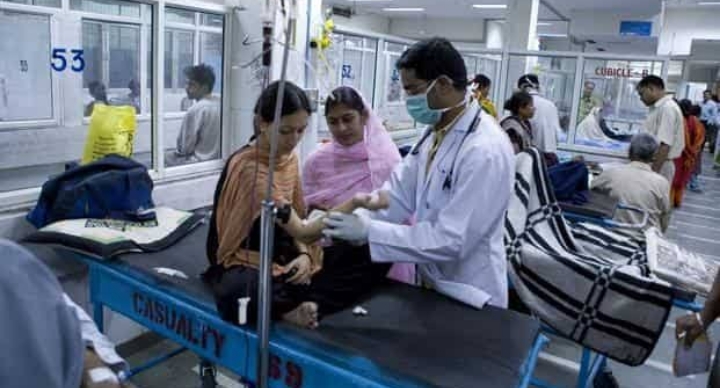
Health Infrastructure in India

The pandemic has shown that India’s healthcare system is lacking on multiple ares and calls for a rework by all stakeholders. Government expenditure on health, demand-supply mismatch, and chronic shortages are just some of the problems.

In 2020-21, India spent 1.8% of its gross domestic product (GDP) on healthcare. With ‘health and well-being’ one of the six pillars of the Union Budget 2021-22, the government has committed approximately 2.5-3% of GDP now. Data shows that India has 1.4 beds per 1,000 people, 1 doctor per 1,445 people, and 1.7 nurses per 1,000 people. According to the World Health Organization (WHO), India ranks 184 out of 191 countries in health spending. The US spends over 16% of its total GDP on healthcare, while Japan, Canada, Germany etc. spend over 10% of their GDP on healthcare.

How have facilities coped with the pandemic?

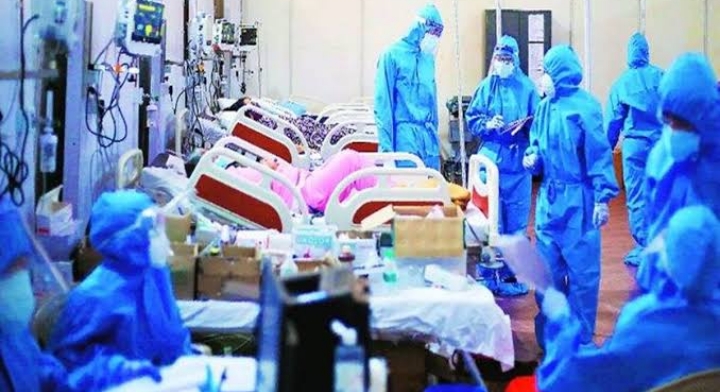
Badly. The capacity of the healthcare system has been stretched to its limits with critical shortages of hospital beds, oxygen concentrators, life-saving drugs, medical supplies, disease surveillance etc. With urban India struggling to counter the onslaught of the second wave of covid-19, rural India’s threadbare healthcare system stands even more stressed.

On April 9, Harsh Vardhan said the country had “substantially ramped up” hospital infrastructure, with 75,867 ICU beds and 255,168 oxygen beds. But going by the crisis across states, these numbers seem inadequate. Public health experts say the Centre and the states must now work together to quickly add more beds, ICUs and ventilators and also open temporary Covid facilities. They must ensure uninterrupted supply of medical oxygen. Several states have launched online tracking of hospital beds, but these often fail to display real-time data, leading to harassment of patients. For milder cases, the district administrations can open home care facilities with regular tele-monitoring so that the load on hospitals can be reduced.

Does poor healthcare impact the economy?

At a micro level, increased expenditure adversely impacts savings and consumption levels. Reduced consumption leads to reduced demand, disincentivising producers to invest more in capital formation. In case of firms, poor health conditions impact physical and mental ability, worker turnover, and attendance, leading to lower productivity. At a macro level, lower economic efficiency results in lower production relative to inputs employed, leading to lower economic growth and reduced income generation.

What is needed to improve healthcare?

India is in desperate need of an all-encompassing public healthcare system. The need of the hour is to have a regulator who can work with states and ensure that the focus shifts to affordable health-care, availability of more health-care professionals, well-equipped facilities, and disease prevention instead of disease management. Inequity among states in terms of facilities needs to be minimized. The Centre needs to aim for 100% health insurance coverage.

Government Initiatives

Some of the major initiatives taken by the Government of India to promote Indian healthcare industry are as follows:

  1. In March 2021, various states and UTs started implementation of the ‘Intensified Mission Indradhanush 3.0’—a campaign aimed to reach those children and pregnant women who were missed out or have been left out of the routine immunisation programme due to the COVID-19 pandemic. This is aimed to accelerate the full immunisation of children and pregnant women through a mission mode intervention.
  2. In March 2021, the Parliament passed the National Commission for Allied, Healthcare Professions Bill 2021, which aims to create a body that will regulate and maintain educational and service standards for healthcare professionals.
  3. In the Union Budget 2021, investment in health infrastructure expanded 2.37x, or 137% YoY; the total health sector allocation for FY22 stood at Rs. 223,846 crore (US$ 30.70 billion).
  4. The government announced Rs. 64,180 crore (US$ 8.80 billion) outlay for the healthcare sector over six years in the Union Budget 2021-22 to strengthen the existing ‘National Health Mission’ by developing capacities of primary, secondary and tertiary care, healthcare systems and institutions for detection and cure of new & emerging diseases.
  5. In Union Budget 2021-22, the government announced its plans to launch ‘Mission Poshan 2.0’ to merge ‘Supplementary Nutrition Programme’ with ‘Poshan Abhiyan’ (Nutrition Mission) in order to improve nutritional outcomes across 112 aspirational districts.
  6. The Government of India approved continuation of ‘National Health Mission’ with a budget of Rs. 37,130 crore (US$ 5.10 billion) under the Union Budget 2021-22.
  7. In the Union Budget 2021, the Ministry of AYUSH was allocated Rs. 2,970 crore (US$ 407.84 million), up from Rs. 2,122 crore (US$ 291.39 million).

Disinvestment

Disinvestment is the action of an organization or government selling or liquidating an asset or subsidiary. Absent the sale of an asset, disinvestment also refers to capital expenditure (CapEx) reductions, which can facilitate the re-allocation of resources to more productive areas within an organization or government-funded project.

The government undertakes disinvestment to reduce the fiscal burden on the exchequer, or to raise money for meeting specific needs, such as to bridge the revenue shortfall from other regular sources. In some cases, disinvestment may be done to privatise assets. However, not all disinvestment is privatisation. Some of the benefits of disinvestment are that it can be helpful in the long-term growth of the country; it allows the government and even the company to reduce debt. Disinvestment allows a larger share of PSU ownership in the open market, which in turn allows for the development of a strong capital market in India.

Are disinvestment and privatisation related?

The government, whenever it so desires, may sell a whole enterprise, or a majority stake in it, to private investors. In such cases, it is known as privatisation, in which the resulting ownership and control of the organisation does not rest with the government. The government usually avoids doing this. The government mostly retains more than half of the stake in the public sector enterprise so that the control remains in its hands. But when it doesn’t, then the ownership is transferred to the private sector, which results in privatisation. It is also known as majority disinvestment or complete privatisation wherein 100 per cent control goes to the private sector.

Impact of Disinvestment on Indian Economy

Public sector undertakings were established in India as a part of mixed economy with the objective of providing necessary infrastructure for the fast growth of economy & to safeguard against monopoly of industrialist community. However, the entire mechanism did not turn out as efficient as it ought to be, all thanks to the prevailing hierarchy and bureaucracy.

To illustrate the trailing scenario, the average return on capital employed (ROCE) by PSUs have been way too low as compared to the cost of borrowing. For instance, between 1940 and 2002, the average ROCE was 3.4% as against 8.6% average cost of borrowing. PSE survey by NCAER shows that PAT has never exceeded 5% of sales for or 6% of capital employed. The government pays a higher interest though, by at least 3 percentage points.

As per an NCAER study report the cost structure of PSEs is much more than the private sector (the following table shows a comparative scale) :

Lack of autonomy, political interference, nepotism & corruption has further deteriorated the situation. For instance, the head of a PSU is appointed by the Government, who in turn appoints all employees who play major roles in the organization. So directly or indirectly the Government itself controls the appointment of all manpower in these organizations. It is not the business of the Government to do business, i.e. it is best controlled by experts and professional managers.

To address operational inefficiencies in PSEs without comprising on their social objectives, disinvestment policy is often used. However, there are concerns regarding the extent of impact on firm performance since disinvestment may involve transfer of ownership but not control. Analysing data from 1991-2010 on all manufacturing PSEs owned by the central government, this column shows that the average annual efficiency score of disinvested enterprises rose by almost 20%.

Public sector enterprises (PSEs) have an indistinct mandate of meeting objectives beyond the narrow paradigm of profit maximisation. Generating employment, investing in projects that have long gestation periods, setting up operations in certain locations, and regulating prices of some of their products, are some of the objectives that may fall under the social ambit of PSEs. When this multidimensional mandate is combined with an environment free of competitive pressure, PSEs may suffer from operational inefficiencies. To address this inefficiency without compromising on the social objectives that PSEs are expected to achieve, minor disinvestment may be a useful remedial policy.

Implications of Disinvestment on Indian Economy

Disinvestment will be extremely positive for the Indian equity markets and the economy. It will draw lot of foreign and domestic money into the markets. It will allow PSU to raise capital to fund their expansion plans and improve resource allocation in the economy. It will allow the government to stimulate the economy while resorting to less debt market borrowing. Private borrowers won’t be crowded out of the markets by the government and will have to pay less to borrow from the open market. Disinvestment will allow government to have much better control over the market economy without upsetting norms of market behavior.

In future disinvestment will assume the role of a major instrument of policy intervention by government as 48 PSUs listed on BSE as of February 8, 2010, account for close to the 30% of the total market cap of the exchange. This is significant as a total of 4,880 odd companies were listed on the exchange. As of February 8, 2010, the BSE PSU index had a total market cap of Rs 17,14,466.96 crore.

Sambhaji Maharaj

Many Maratha heroes have sacrificed their lives to save Hindutva and one of them the eldest son of Chhatrapati Shivaji Maharaj, Shri Chatrapati Sambhaji Maharaj Bhonsale.  He was born on May 14 1657 to his mother Soyarabai. After the death of Shivaji Maharaj, on April 3, 1680, Sambhaji established the Hindu Empire and took over.

Sambhaji lost his mother Sai bai at the age of 2. After her death, his paternal grandmother Jijabai looked after him. Initially his stepmother, Soyarabai, also doted on him a lot. Sambhaji was a tiger cub in the true sense. He was extremely handsome and possessed immense bravery. He was a scholar of Sanskrit and eight other languages. In 1666, he was married to Yesu bai, and later the couple had a son – Shahu. On June 6th, 1674 at the time of the coronation of Shivaji Maharaj, he was declared the prince of the Sovereign Maratha Kingdom.

As a prince, Sambhaji proved his bravery and military brilliance on more than one occasion. He led and won his first war at Ramnagar at the age of 16. During 1675-76 he led successful campaigns in Goa and Karnataka.

Chhatrapati Sambhaji Maharaj was a true Dharmaveer, who just like his father Shivaji, did not bow before Aurangzeb although Aurangzeb brutally tortured Sambhaji Maharaj for more than 40 days. Hindus must learn how to sacrifice for Dharma from Sambhaji Maharaj.

A dramatic accession

Chhatrapati Shivaji passed away in April 1680, and for a good nine months Sambhaji was entangled in a bitter accession struggle with his half-brother Rajaram, who was 10 at the time. Soyrabai, Sambhaji’s stepmother and the mother of Rajaram, plotted against to keep him away from the throne. Ultimately though, Sambhaji gained the support of Maratha commander-in-chief Hambirrao Mohite and in January 1681 was officially crowned ruler of the Marathas. Rajaram, Soyrabai, and their associates were put under house arrest.

The remarkable things that Sambhaji Maharaj achieved in his short life had far-reaching effects on the whole of India. Every Hindu should be grateful to him for that. He valiantly faced the 8 lakh strong army of Aurangzeb and defeated several Mughal chieftains in the battlefield forcing them to retreat. Because of this, Aurangzeb remained engaged in battles in Maharashtra, thus keeping the rest of India free from Aurangzeb’s tyranny for a long time. This can be considered as the greatest achievement of Sambhaji Maharaj. If Sambhaji Maharaj would have arrived at a settlement with Aurangzeb and accepted his proposal of being a tributary prince, then within the next 2 or 3 years Aurangzeb would have captured North India again. However, because of Sambhaji Maharaj and other Maratha ruler’s (Rajaram and Maharani Tarabai) struggle, Aurangzeb was stuck in battles in South India for 27 years. This helped in the establishment of new Hindu kingdoms in the provinces of Bundelkhand, Punjab and Rajasthan in North India; thus providing safety to the Hindu society there.

Efforts for Reconversion to Hinduism

  We all know that Shivaji Maharaj reconverted Netaji Palkar to Hinduism. However, it is important to note that Sambhaji Maharaj had established a separate department in his province for the ‘reconversion ceremony’ of the Hindus who had earlier converted into other religions. There is a story of a Brahmin named ‘Kulkarni’ of Harsul village in the history of Sambhaji Maharaj. Kulkarni had been forcibly converted to Islam by the Mughals. He tried to reconvert into Hinduism, but local Brahmins in his village did not pay any heed to him. In the end, Kulkarni met Sambhaji Maharaj and told him about his misery. Sambhaji Maharaj immediately arranged for his reconversion ceremony and reconverted him into a Hindu.This noble initiative of Sambhaji Maharaj helped many converted Hindus to reconvert back into Hinduism.

Face-off with the Mughals

The Mughals were the staunchest enemies of the Marathas during Sambhaji’s reign. One of the first major actions taken by Sambhaji against the Mughals, was when his forces attacked Burhanpur, a wealthy Mughal city in Madhya Pradesh. Sambhaji had planned the attack, being aware of Mughal emperor Aurangzeb’s plans to expand into the Deccan. Burhanpur was an important trading center and Sambhaji’s attack came as a huge blow for the Mughals.

For the next six years, between 1682 and 1688, the Marathas under Sambhaji and the Mughals under Aurangzeb were engaged in multiple battles in the Deccan. The Mughals wanted to acquire possession over the forts held by Marathas in Nashik and Baglana regions. In 1682, they attacked the Ramsej fort near Nashik. However, despite months of failed attempts, the Mughals failed to take control of the fort and were forced to retreat. The Ramsej fort had become an important morale booster for the Marathas.

Capture and Execution

        In early 1689, Sambhaji called his commanders for a strategic meeting at Sangameshwar in Konkan. In a meticulously planned operation, Ganoji Shirke (brother of Sambhaji’s wife Yesubai) and Aurangzeb’s commander, Mukarrab Khan attacked Sangameshwar when Sambhaji was about to leave the town. A small ambush followed and Sambhaji was captured by Mughal troops on 1 Feb, 1689. He and his advisor, Kavi Kalash were taken to Bahadurgad. Aurangzeb humiliated them by parading them wearing clown’s clothes. Later, Sambhaji and Kavi Kalash were tied upside down to camels with Mughal soldiers throwing stones, mud, and cow dung at them.

         When they were brought face to face with Aurangzeb, the latter offered to let Sambhaji live if he surrendered all the Maratha forts, turned over all his hidden treasures and disclosed the names of all the Mughal officers who had helped him. Sambhaji refused, and instead sang the praises of Mahadev (Lord Shiva). Aurangzeb ordered him and Kavi Kalash to be tortured to death. Sambhaji and Kavi Kalash were brutally tortured for over a fortnight. The torture involved plucking out their eyes and tongue and pulling out their nails. The later part involved removing their skin. On March 11, 1689, Sambhaji was finally killed, reportedly by tearing him apart from the front and back with ‘Wagh Nakhe’ (‘Tiger claws’, a kind of weapon), and was beheaded with an axe. This grievous death was given to him at Vadhu on the banks of the Bhima river, near Pune.

After every torture, Aurangzeb would ask him if he had had enough and wanted to convert – but the courageous king kept refusing. By doing so he earned the title of Dharmaveer (Protector of Dharma) by which he is known to this day. Aurangzeb ordered for Sambhaji’s body to be cut into pieces and be thrown into the river. Residents of the nearby village named ‘Vadhu’ collected as many pieces of his body as they could find, sewed them together and performed the final rites on his body. These villagers later went on to use the surname ‘Shivle’ or ‘Shivale’, as per spelling preference, which means ‘sewing’ in the Marathi language.

With Sambhaji’s death, the Maratha confederacy was thrown in disarray. He was succeeded by his younger brother Rajaram who became the leader of the Marathas. The Commander in chief of the Maratha army, Mhaloji Ghorpade, who succeeded Hambirrao Mohite, died in the ambush at Sangameshwar. A few days after Sambhaji’s death, the capital Raigad fell to the Mughals and Sambhaji’s wife and son were captured. However, Sambhaji’s torture and heroic death unleashed an unprecedented unity and heroic spirit amongst the Marathas. Aurangzeb continued his grim war against the Marathas for another 18 years but could not subjugate the Maratha state.

 Aurangzeb spent the last 25 years of his life in the Deccan, in constant warfare to vanquish the Marathas. He died in 1707, at Ahmednagar, Maharashtra. In 1737, within 50 years of the torture and death of Sambhaji, the Maratha – Jat Allied armies entered Delhi and re-established Hindu rule over all of western, central and much of northern India.

Advocate’s Day (3rd December)

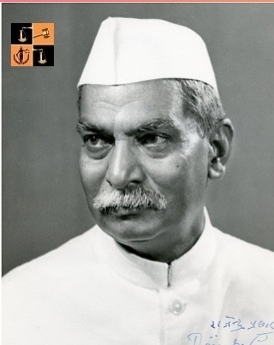
Advocate’s Day  is celebrated in our country by the lawyer community on 3rd december every year to mark the birth anniversary of Dr. Rajendra Prasad, the First President of India and a very eminent lawyer.

Dr. Rajendra Prasad First President of india

Rajendra Prasad was born on December 3, 1884. Having graduated from school, he studied at the Presidency College in Calcutta and the University of Calcutta. Initially Prasad was a science student. In 1907, he completed his M.A. in economics and began teaching.

In 1909, Prasad decided to pursue law studies. He completed his Bachelor in Law in 1910 and passed his Masters in Law in 1915, receiving a gold medal. The following year, Prasad joined the High Court of Bihar and Odisha. He also practiced law in the city of Bhagalpur.

A supporter of Mahatma Gandhi, Prasad was imprisoned by British authorities during the Salt Satyagraha of 1931 and the Quit India movement of 1942. After the 1946 elections, Prasad served as Minister of Food and Agriculture in the central government. Upon independence in 1947, Prasad was elected as President of the Constituent Assembly of India, which prepared the Constitution of India and served as its provisional parliament.

As President of India, he duly acted as required by the Constitution, independent of any political party. He travelled the world extensively as an ambassador of India, building diplomatic rapport with foreign nations. He was re-elected for two consecutive terms in 1952 and 1957, and is the only President of India to achieve this feat. The Mughal Gardens at the Rashtrapati Bhavan were open to public for about a month for the first time during his tenure, and since then it has been a big attraction for people in Delhi and other parts of the country.

He died on 28 February 1963, aged 78. Rajendra Smriti Sangrahalaya in Patna is dedicated to him.

Significant Role Played by Advocates in Society:-

Any person who supports or recommends for the cause of others or for a change is said to be advocating for the cause. However, a person who takes up the noble profession to plead for the cause of others, to fight for the rights of others and to fight for justice is called an “Advocate”

1. Advocates have been instrumental in spearheading movements in the society for a positive change. In modern times lawyers in various countries have given leadership to their nations. In the great American and French Revolutions many of the leading figures were lawyers. 

2. The reason why many great leaders in various countries were lawyers is that the legal profession is objectively in the position of producing statesmen.

This is due to two reasons:-

 1) Lawyers belong to an independent profession, they are not subordinate to the Government or to anyone else.   2) they are directly in contact with society in its entirety as they have to deal with all kinds of problems of people from all sections of society, unlike say, doctors who are confined to medical problems or engineers who are confined to technical problems.

3. The central function of the legal profession is to promote the administration of justice. Every civilised society sustains itself on the “Rule of Law” and the lawyers being the primary supporters of it aid and assist its operation in a meaningful measure. 

4. The legal profession is different from other professions in that what the lawyers do, affects not only an individual but the administration of justice which is the foundation of the civilised society. It is to be noted that when people suffer from medical problems, they have to endure and suffer, whereas when people are meted out with injustice, it is intolerable and they pull down the whole structure.

In modern times, many lawyers have given leadership to India, like Prashant Bhushan, and Ram Vilas Paswan, and this happens because this profession itself holds pure knowledge about the laws of various fields. And it is indeed a fascinating field which is why a lot of people wish to become lawyers in different types. Lawyers of our country have been noteworthy in shaping revolutionary movements in the society for a constant positive change, and they truly deserve a day on their name due to their huge contribution in society.

Celebration

During this special day of celebration, people take time to remember Rajendra Prasad and lawyers also join together to celebrate their profession and honour Rajendra Prasad who was one of the most successful lawyers in the country. Another promising reason to celebrate this day is the respectable lawyers we have got, and these lawyers make justice prosper. They help the wrongly accused get free. They similarly help in fair settlements and many other things. And this is why lawyers deserve to be honoured during this special Advocate’s Day.

National Doctor’s Day

National Doctors’ Day was established by the Government of India back in 1991 in honour of the birth and death anniversary of the physician and the second Chief Minister of West Bengal, Dr Bidhan Chandra Roy. Since then, July 1 in India is marked as National Doctor’s Day to show gratitude to all doctors.

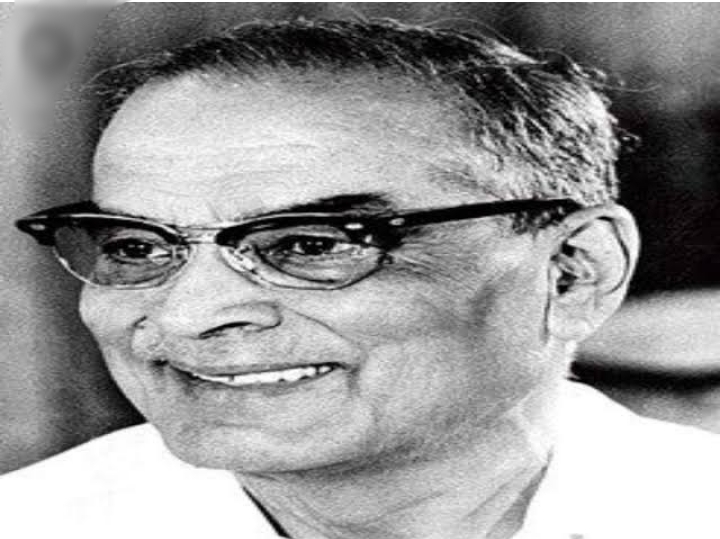
Dr. Bidhan Chandra Roy

Dr.Bidhan Chandra Roy was born on 1 July, 1882 and also died on the same date in 1962. On 4 February, 1961, he was honoured with India’s highest civilian award Bharat Ratna.

He was a highly respected physician and a renowned freedom fighter. He was the second Chief Minister of Bengal and remained around 14 years in his post from 1948 until his death in 1962. He is also considered the great architect of West Bengal. The five cities of West Bengal were also founded by him namely: Durgapur, Bidhannagar, Ashokenagar, Kalyani, and Habra. He was also a member of Brahmo Samaj. In the Medical College of Calcutta, he was an alumnus of the University of Calcutta. In his memory, the Union Government had also instituted an award. In 1928, he played an instrumental role in the establishment of the Indian Medical Association (IMA) and also in the establishment of the Medical Council of India (MCI).

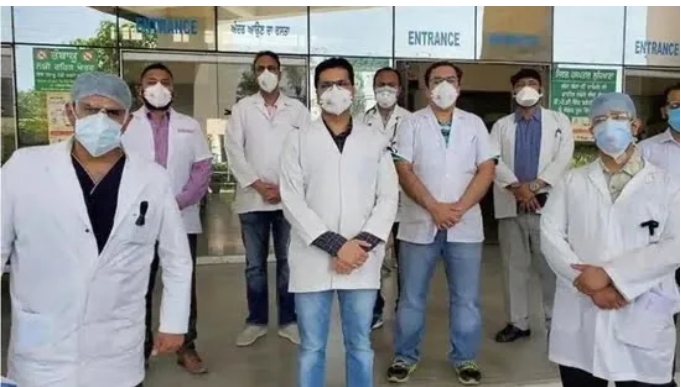
At the time of the ongoing pandemic, doctors are at the forefront and leading the battle. Their commitment to keeping the nation safe and healthy in these challenging times is truly exceptional. Doctors have been fighting a long war from the frontlines against the pandemic, saving lives at the cost of their own. To pay a tribute to the selfless work done by doctors and to honour their dedication towards serving the humanity, the Government of India along with the Indian Medical Association (IMA), a national voluntary organisation of doctors in the country, celebrate National Doctors’ Day on July 1 every year.

It is even more difficult for the doctors who are working tirelessly to ensure that all those that are infected are provided with proper medical facilities. Their contributions and hard work deserve our gratitude each and every day.

It is truly said that we can’t see God but on Earth Doctor is like a God who cures us and gives us life to live in a better way.

This day provides us an opportunity to thank physicians, doctors that they do for the patients, the communities they work in, and for society as a whole. No doubt it is their hard work that keeps us all healthy.

Doctor’s Day celebration

National Doctor’s Day is celebrated by the Government and non-government healthcare organisations to get familiar with the doctor’s contributions. Healthcare organisations staff organises several events and activities on this day. For grand celebration on Doctor’s Day Rotary Club of the North Calcutta and North East Calcutta Social & Welfare Organization organises big events annually.

Free medical check-up camps are organised at various health care centers and public places by the health care organisations to promote quality medical services free of cost among the public. Rotational medical services by doctors are also promoted. Various discussion programs are organised across the country to make people aware of health check-ups, prevention, diagnosis, proper treatment of the disease, etc.

Various activities are also organised to make people aware of the priceless roles of doctors in everyone’s lives like a free blood test, random blood sugar test, ECG, EEG, blood pressure check-up and etc.

Several activities at schools and college levels are also organised to encourage youth to choose and dedicatedly follow the medical profession.

Foreign Direct Investment

FDI stands for “Foreign Direct Investment”. It is an investment by foreign individual(s) or company(ies) into business, capital markets or production in the host country. FDI plays an important role in the economic development of a country. The capital inflow of foreign investors allows strengthening infrastructure, increasing productivity and creating employment opportunities in the Host country.

Foreign Direct Investment in India

Foreign direct investment policy in India is regulated under the Foreign Exchange Management Act (FEMA) 2000 administered by the Reserve Bank of India (RBI). India is one of the top five attractive location for investment. Japan bank of international cooperation continues to rate India as topmost promising country for overseas business operations.

The Government has put in place a policy framework on FDI which is transparent, Predictable, and easily comprehensible. The framework is embodied in circular which may be update.

How FDI works?

Foreign direct investments are commonly made in open economies that offer a skilled workforce and above average growth prospects for the investor, as opposed to tightly regulated economies. Foreign direct investment frequently involves more than just a capital investment. It may include provisions of management or technology as well. The key feature of foreign direct investment is that it establishes either effective control of or at least substantial influence over the decision-making of a foreign business.

Who can invest in India?

A non-resident can invest in India subject to FDI policy except in those sectors which are prohibited. An FII or FPI may invest in the capital of an Indian economy under the portfolio investment schemes which limits the individual holding FII or FPI below 10% of the capital of the Company. The aggregate limit of investment is 24% of the capital of the company. The aggregate limit can be increased to the sectorial cap as applicable by Indian company concerned through a resolution by its bord of director followed by special resolution to that effect and subject to prior intimation to RBI. However, a citizen of Bangladesh or an entity established in Bangladesh can invest only under government route.

* Recent amendments in FDI policy.

1. The amendments in FDI policy is to discourage opportunistic investment in Indian companies by neighbouring countries like china during the COVID-19 pandemic. 2. Recent China’s central bank has increased stake to 1.01% in HDFC bank via automatic route. 3. Revised FDI policy – Any entity of a country which shares land borders with India or where the beneficial owner of investment into India is Situated or is citizen of any such country can invest only under a Government Route.

Why Do We Need FDI?

1. Helps in balancing international payment:- FDI is the major source of foreign exchange inflow in the country. It offers a supreme benefit to country’s external borrowings as the government needs to repay the international debt with the interest over a particular period of time.

2. FDI boosts development in various fields:- For the development of an economy, it is important to have new technology, proper management and new skills. FDI allows bridging of the technology gap between foreign and domestic firms to boost the scale of production which is beneficial for the betterment of Indian economy.

3. FDI & Employment:- FDI allows foreign enterprises to establish their business in India. The establishment of these enterprises in the country generates employment opportunities for the people of India. Thus, the government facilitates foreign companies to set up their business entities in the country to empower Indian youth with new and improved skills.

4. FDI promotes exports from host country:- Foreign companies carry a broad international marketing network and marketing information which helps in promoting domestic products across the globe. Hence, FDI promotes the export-oriented activities that improve export performance of the country.

The Indian government has initiated steps to promote FDI as they set an investor-friendly policy where most of the sectors are open for FDI under the automatic route (meaning no need to take prior approval for investment by the Government or the Reserve Bank of India). The FDI policy is reviewed on a continuous basis with the purpose that India remains an investor-friendly and attractive FDI destination. FDI covers various sectors such as Defence, Pharmaceuticals, Asset Reconstruction Companies, Broadcasting, Trading, Civil Aviation, Construction and Retail, etc.

we can say that FDI plays a crucial role in the growth of Indian economy as it helps to bring new technologies, employment generation and improvement in business operations, etc.

Social Anxiety

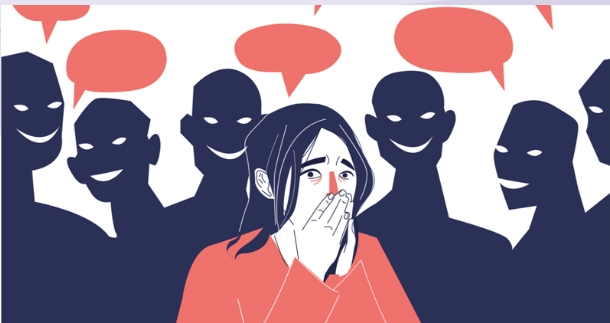
People get nervous or self-conscious on occasion, like when giving a speech or interviewing for a new job. Social anxiety disorder, or social phobia, is more than just shyness or occasional nerves. Social anxiety disorder involves intense fear of certain social situations—especially situations that are unfamiliar or in which you feel you’ll be watched or evaluated by others.

These situations may be so frightening that you get anxious just thinking about them or go to great lengths to avoid them, disrupting your life in the process.

Fear of being watched and judged by people

Most of us would have experienced social anxiety to some extent and it is normal to want to perform well. Anxiety in social situations and concerns overevaluation become problematic when the anxiety is persistent and causes intense distress. A person may be diagnosed with a social anxiety disorder if the anxiety and distress persist for more than six months.

The Diagnostic and Statistical Manual of Mental Disorders defines social anxiety disorder as a persistent fear of one or more social or performance situations in which the person is exposed to unfamiliar people or to possible scrutiny by others.

Some signs of social anxiety disorder include:

  1. Fear of interacting with others
  2. Feeling shy, easily embarrassed or being extremely self-conscious
  3. Fear of appearing anxious e.g. blushing, stuttering, or running out of things to say
  4. Fearing the worst will happen in social situations
  5. Self-conscious thoughts e.g. “people will stare at me” or “people won’t like me”
  6. Avoidance behaviour e.g. avoiding eye contact or general avoidance of social situations
  7. Spending a significant amount of time dissecting past social interactions and focusing on what did not go well
  8. Physical symptoms of anxiety during or before social situations e.g. increased heart rate, shortness of breath, blushing, sweating, trembling, nausea, and muscle tension

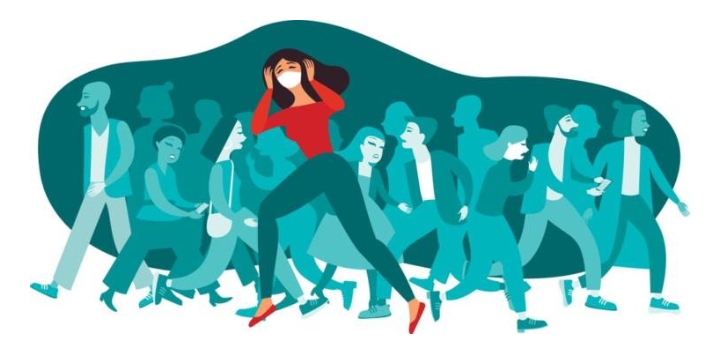
The COVID-19 pandemic can be a challenging time for people with social anxiety. Changes in social interactions and social norms can increase the uncertainties and concerns people have about social situations. People experiencing social anxiety may feel particularly anxious about returning to work or resuming other social activities. The fear of having to interact with people might be more overwhelming than before, especially after a few months of minimal social activities.

How to overcome social anxiety?

Social anxiety sufferers have negative thoughts and beliefs that contribute to their fears and anxiety. These can include thoughts such as:

  1. “I know I’ll end up looking like a fool.”
  2. “My voice will start shaking and I’ll humiliate myself.”
  3. “People will think I’m stupid”
  4. “I won’t have anything to say. I’ll seem boring.”

Challenging these negative thoughts is an effective way to reduce the symptoms of social anxiety.

Prepare

Prepare yourself adequately to encounter social situations by getting information about what you must do in each of the situations. For example, how to use safe entry for necessary contact tracing, what the new workplace guidelines for staff to maintain safe distancing are. You can also mentally visualise the situation and think through what you would do in each situation. By knowing what is expected and being better prepared, you will experience less uncertainty and feel less anxious.

Expose

Continuing to engage in social interaction is critical for people with social anxiety even though it might be uncomfortable. Facing your fears helps to overcome social anxiety. Avoidance of social situations will worsen your anxiety over time. You can start with social situations at work, which are essential. Draw a plan to ease yourself into different social situations. 

Practise

Before you get into anxious social situations, you can follow the steps above to prepare and ease yourself into them. You can also try role playing with the help of a friend if necessary. In social situations, be aware of your own thoughts and level of anxiety. When you find yourself starting to feel anxious, practise deep breathing and focus on your thoughts instead. 

Talk

Find someone whom you trust to share your concerns and ask for help to journey with you. Prepare yourself, get exposed to social situations and practise more positive thinking and cultivate social skills.

Female Foeticide

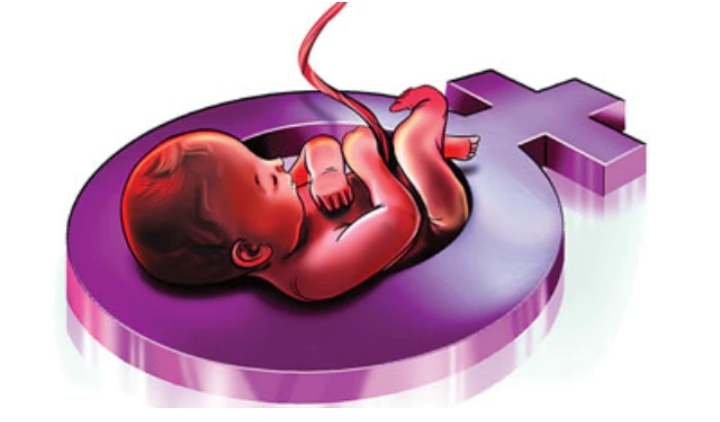
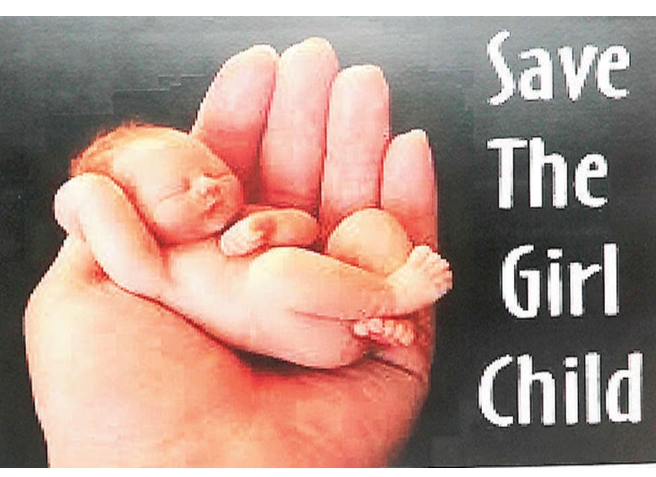
The term Female Foeticide means killing the FOETUS in the mother’s womb. It happens before taking birth, after the sex recognition tests like an ultrasound scan. The practice of any sex determination is prohibited or illegal in India. It is an awful practice or shamed those parents who were abortion the girl child. It unbalanced the sex ratio of a particular state or country.

NO PRESENT, NO PAST, NO FUTURE WITHOUT GIRL CHILD

Female foeticide is unethical & illegal practice in India. It is a practice by the families who are despairing for a baby boy.

One of the many reasons behind this is the regressive thinking of the people that the son will earn while the girls will only consume.

It has been the most important topic for social awareness in Indian society. Which youth of our country must know about it. We must empower our young girls to emphasize their rights diligently.

In India, the girl is worshipped as ‘Devi’ on the other hand, denying her existence, or we can say they don’t have the right to live. The time has perhaps come to get rid of male chauvinism and treat children as a gift of nature.

Some main reasons for female foeticide are:

  • A major social evil of dowry makes people commit to this crime. There is a long practice of dowry burdens the parents from the day a girl is born.
  • This is a pride issue in society for the guardian to have a boy in the family.
  • There is a stress on women of the family to give birth to a male child, so she is forced to go for sex recognition and abort if the baby is a girl.
  • Some doctors do this heinous act for money.
  • Women are viewed as liabilities.
  • Illiteracy, insecurity, and poverty in society are significant reasons for this act.

The The government made many slogans to stop female foeticide like:-

  • Save the girl save the nation!
  • Beti Bachao Beti padho!
  • Our daughter is a knot that ties the family together!
  • Female foeticide is a crime.
  • When a fetus of a female is killed, it is anti-life; stop female foeticide!
  • Say no to female foeticide!

Narrow minded people want a bride for their son but kills their own daughter. What do they expect? If everyone starts thinking like them. These criminals don’t deserve a life

It is said that God creates mothers because he couldn’t present everywhere. But it is unbelievable to realise God’s representative is continuously killing someone beautiful even before she comes out and see the beauty of nature.

The practice of female foeticide is vital in the early of 1990’s when the Ultrasound technique was invented to check the health of the baby inside the mother’s womb, especially knowing the genetic disorder, and this technique was being used for this crime. The misconceptions of Indian patriarchal society have a male child, particularly in the family. This leads to the enhancement of this crime.

Some adverse effects of this practice are shown as;

  1. Decrease the female’s population, which imbalance the sex ratio.
  2. Women are abused and sexually exploited in the society.
  3. It Leads to women trafficking.
  4. Also, adverse effects on women’s health physically, mentally, and emotionally.
  5. The suicide rate in women will increase.
  6. Due to a decline in sex ratio, women are kidnapped, brought, and sold for marriage.

The most preventive act against this crime is The PARENTAL DIAGNOSTIC TEST Act (PNDT Act) of 1994, which states that:-

  1. This act was brought in the year 1994 in all states of India but came into force in 1996.
  2. According to this act, prenatal diagnostic techniques are prohibited and regulated.
  3. PNDT Act was amended in the year 2003 with its main aim to ban the use of sex selection techniques as well as misuse of prenatal diagnostic techniques for sex selecting abortion

Only legislation enacted in this behalf is not sufficient. Orthodox views regarding women must need to be changed. The PNDT act should penalize and punish the violators for this crime strictly. The destructive act of female foeticide and coercive abortions has to end before women become endangered species. We must give equal opportunities to the daughters of our country. Girls do not have equal access to healthcare education and more as their boys counterpart. This is why parents consider them a burden. Therefore, all these facilities must be made accessible to them for the same. This will help them create an identity of their own.

Depression

Depression is very common in today’s youth and even children. The term Depression refers to a serious medical illness that negatively affects how you feel, the way you think and how you act. Fortunately, it is treatable. Depression causes feelings of sadness and or a loss of interest in activities you once enjoyed, What can be worst than that? when you’re not able to enjoy the activities which makes you happy and you have interest in. The feeling of sadness is so heavy that it doesn’t let you see your life in a hopeful way. Depression can lead to a variety of emotional and physical problems and can decrease your ability to function at work and at home.

Overthinking about your problems and failures

Symptoms of Depression:-

  • Feeling sad or having a depressed mood.
  • Loss of interest or pleasure in activities once enjoyed.
  • weight loss or gain unrelated to dieting.
  • Trouble sleeping or sleeping too much.
  • Loss of energy or increased fatigue.
  • Increase in purposeless physical activity (e.g., inability to sit still, pacing, handwringing) or slowed movements or speech (these actions must be severe enough to be observable by others)
  • Worthless feeling or feeling guilty.
  • Difficulty thinking, concentrating or making decisions.
  • Thoughts of death or suicide.

These symptoms must last at least two weeks and must represent a change in your previous level of functioning for a diagnosis of depression.

Some medical conditions like thyroid problems, a brain tumor or vitamin deficiency can mimic symptoms of depression so it is important to rule out general medical causes.

According to the studies depression affects an estimated one in 15 adults (6.7%) in any given year. And one in six people (16.6%) will experience depression at some time in their life. Depression can occur at any time, but on average, first appears during the late teens to mid-20s.

Factors which can play a role in depression:-

  • Biochemistry:- Differences in certain chemicals in the brain may contribute to symptoms of depression.
  • Genetics:- Depression can run in families. For example, if one identical twin has depression, the other has a 70 percent chance of having the illness sometime in life.
  • Personality:- People with low self-esteem, who are easily overwhelmed by stress, or who are generally pessimistic appear to be more likely to experience depression.
  • Environmental Factors:- Continuous exposure to violence, neglect, abuse or poverty may make some people more vulnerable to depression.

Treatment:- Depression is among the most treatable of mental disorders. Between 80% and 90% percent of people with depression eventually respond well to treatment. Almost all patients gain some relief from their symptoms. Medication: Brain chemistry may contribute to an individual’s depression and may factor into their treatment. For this reason, antidepressants might be prescribed to help modify one’s brain chemistry. Antidepressants may produce some improvement within the first week or two of use yet full benefits may not be seen for two to three months. If a patient feels little or no improvement after several weeks, his or her psychiatrist can alter the dose of the medication or add or substitute another antidepressant.

Psychotherapy: Psychotherapy or “talk therapy,” is sometimes used alone for treatment of mild depression; for moderate to severe depression, psychotherapy is often used  along with antidepressant medications. Cognitive behavioral therapy (CBT) has been found to be effective in treating depression. CBT is a form of therapy focused on the problem solving in the present. CBT helps a person to recognize distorted/negative thinking with the goal of changing thoughts and behaviors to respond to challenges in a more positive manner. 

Electroconvulsive Therapy (ECT) is a medical treatment that has been most commonly reserved for patients with severe major depression who have not responded to other treatments.

Self Help:-

Number of things are there which people can do to reduce the symptoms of depression. For many people, regular exercise helps create positive feeling and improves mood. Doing meditation and listening to soothing music. Getting enough quality sleep on a regular basis, eating a healthy diet and avoiding alcohol (a depressant) can also help in reducing symptoms of depression.

Be positive and hopeful

Life is unpredictable so live it in each moment and enjoy every moment to the fullest. Keep yourself busy in the activities you like and don’t provide your mind the time to overthink. Count your blessings and be thankful to the Universe for the life you have and for the every new day in your life.

The International Yoga day

Since 2015 the international yoga day has been celebrated on 21 June every year. Following its inception in the United Nations General Assembly in 2014. It was proposed by Prime Minister Narendra Modi in his speech at the United Nations General Assembly (UNGA) on September 27, 2014. It is celebrated to spread awareness about the importance and effects of yoga on the health of the people.

‘Yoga’ word is derived from Sanskrit which means to join or to unite

* Benifits of doing Yoga everyday:

1. Doing yoga regularly helps in de-stressing and in calming the mind and body. 2. Yoga helps in breathing problems. 3. Helpful in eradicating toxins and impurity from the body, makes your skin glow naturally as you become healthy from inside. 4. Practicing Bhujangasana helps in many ways, like stress or fatigue. Also helps in making the skin glowing. 5. Regular yoga also helps in weight loss and also contributes to anti-aging. * But be consistent with your routine if not then it will not help, regularly practicing yoga is necessary for getting the benefits.

Yoga makes you fit physically as well as mentally

According to the United Nations, yoga can also help with COVID-19 anxiety. Yoga is also playing a significant role in the psycho-social care and rehabilitation of COVID patients in quarantine and isolation. It is particularly helpful in allaying their fears and anxiety.

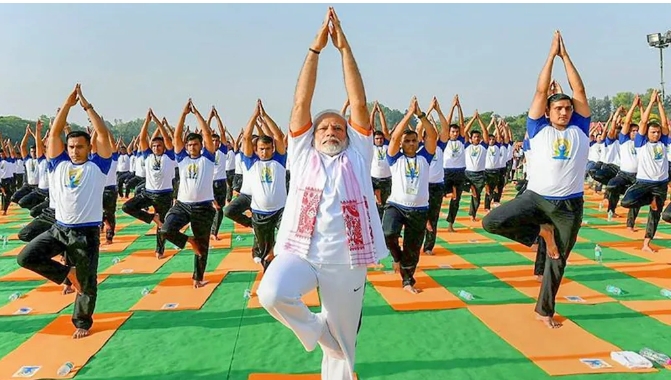
Prime Minister Narendra Modi along with several other prominent dignitaries used to organise massive events in order to promote and encourage people towards yoga every year, but since the world witnessed the deadly Corona viruse in 2020, PM Modi urged people to observe the day from their homes itself due to the Corona virus outbreak.

PM Modi in a yoga event before Corona outbreak in 2019

“Yoga is not just about exercise, it is a way to discover the sense of oneness with yourself, the world and the nature. Yoga is an invaluable gift from our ancient tradition” said PM Modi on the opening of the 69th session of the General Assembly.

World Health Organization has also urged its member states to help their citizens reduce physical inactivity, which is among the top ten leading causes of death worldwide, and a key risk factor for non-communicable diseases, such as cardiovascular diseases, cancer and diabetes.

Yoga is divided into six branches namely Hatha yoga, Raj yoga, Karma yoga, Bhakti yoga, Jnana yoga, Tantra yoga. Also there are 7 chakras of yoga styles these are Sahasram chakra, Ajna chakra, Vishuddha chakra, Anahata chakra, Manipura, Svadhishthana and muladhara chakra.

Men who teach yoga are called Yogis and if women teach teach they are called Yoginis . Yog sutra is a 2000 year old book, this is the only book where written evidence of yoga has been found. Yogic philosophy is described in this book.

Surya namaskar

Environmental issues faced in India

Environment refers to the physical elements. It includes the land, water and air. It is the living ecosystem that maintains the existence of human life. The term environment is derived from a French word ‘Environia” which means to surround. In other words environment can be defined as the sum total of all the living and non-living things and their effects that influence human life.

The main environmental issues faced in India are pollutions namely air pollution, water pollution, noise pollution, disposing chemical waste improperly, leakage of harmful gases, etc. are just few among the environmental problems.

Pollutions refer to imbalance caused in the environment through the actions of humans. This imbalance can lead to health-related issues which can affect the future generations. It is caused by man-made activities. It is necessary to protect the environment because the present generations are mere care-takers of the future generations. It is their responsibility to give the earth to the future in a proper and healthy manner. Let us try to understand the different types of pollution and their effects on the environment.

Air Pollution: Air pollution is the release of pollutants such as gases, particles, biological molecules, etc. in to the air that is harmful to human health and the environment. In other words, it refers to the contamination of air by harmful gases, dust and smoke which affect biotic and abiotic things. It is necessary to maintain the correct amount of gases present in the atmosphere such as 78% of nitrogen, 21% of oxygen and the remaining is other gases. When there is an increase of other gases in the atmosphere it can result in global warming, ozone layer depletion, cancer diseases, breathing issues, skin problems, acid rains, asthma, etc. For example: Delhi is the existing example of air pollution. It causes a new weather in Delhi know as smog which is a mixture of smoke (emitted from vehicles, factories and other sources) and fog. It causes serious health issues for the people living there.

Gases released from factories causing air pollution

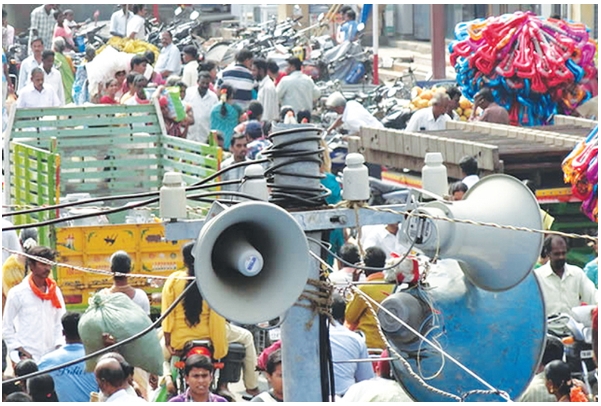
Noise Pollution: Noise pollution or Sound Pollution refers to that unwanted sound that interferes with a person’s peaceful existence. India is a developing country. Movement of people and goods for such economic and urban development is necessary. As a result, there is immense noise produced by the trains, buses, vehicles, trucks, airplanes, huge rallies for various reasons, etc. In residential areas we can see loud music played by residents. High noises levels can lead to cardiovascular and permanent hear impairment. It can even cause change in the behavioural aspect of a person. It can cause stress, lack of sleep, and other harmful effects on the health of an individual. Moreover, this earth not only belongs to humans. Loud noises can frighten animals as well; it can cause sudden heart attacks to such animals.

Noise Pollution caused by the crowd

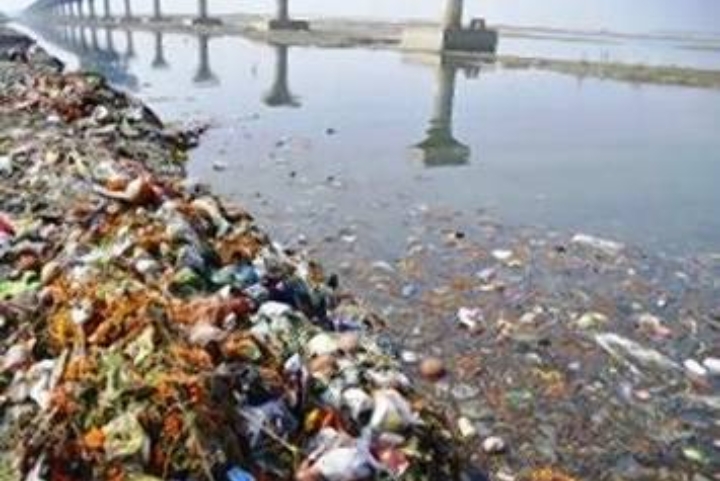
Water Pollution:. Water pollution is the contamination of water bodies with man-made affluents, chemicals, waste, etc. Such disposal is harmful for humans and the living organisms in such water-bodies. There are instances of where the court has stopped an industry from functioning due to improper disposable of waste in the locality. The effect of water pollution often leads to death, skin rashes, pinkeye, respiratory infections, tuberculosis, etc. Three-fourth of the Earth is covered with water. But less than 1% of the earth’s freshwater is accessible to us.

Water Pollution

Land Pollution: This pollution is on-process and the effects such pollution will be evident at an unexpected situation. The land is abused and deteriorating constantly. This is caused by the solid wastes, untreated chemical affluents, etc. In other words, it is the degradation or destruction of the soil and groundwater.

Land Pollution

Destruction of the environment can lead to various calamities. In order to prevent such disaster or calamities, laws are implemented to protect the environment for the livelihood of present and future generations. Environmental Protection Act, 1986:- Section 2(a) states that environment includes water, air and land and the inter-relationship which exists among and between water, air and land, and human beings, other living creatures, plants and property.

After India got independence from British rule, formed its own constitution by 1950 but The leaders of the country gave more priority to the economic development and elimination of poverty in the country. As a consequence the constitution did not deal much about the environmental aspects. It was only in 1972, during a United Nations Conference on Human Environment held at Stockholm led to adoption of various measures to preserve the environment and prevent pollution. Accordingly, Indian Parliament inserted two Articles, i.e., 48A and 51A in the Constitution of India in 1976.

* Article 48 A states that the State shall endeavour to protect and improve the environment and to safeguard the forests and wild life of the country. *Article 51A: This article mentions the Fundamental Duties that should be followed by the citizens. It also mentions to protect and improve the natural environment including forest, lakes, rivers and wild life, and to have compassion for living creatures. *Apart from these two articles, Article 21 of the constitution includes the right to clean and healthy environment.

Save environment it’s our responsibility