

Author: Admin
Track2Training for students. Learn more on https://track2training.com
Kishtwar has emerged as North India’s power hub
Kishtwar in Jammu and Kashmir has emerged as North India’s power hub under the Modi government with a series of active power projects, in total expected to generate more than 6000 Mega Watt of electricity. The latest addition would be an exclusive 1 Mega Watt Solar Power Plant for the holy spot of Machail which would be a great boon for the pilgrims in the Machail yatra.
This was stated here today in the DISHA meeting of district Kishtwar convened by Union Minister of State (Independent Charge) Science & Technology; Minister of State (Independent Charge) Earth Sciences; MoS PMO, Personnel, Public Grievances, Pensions, Atomic Energy and Space, Dr Jitendra Singh to review progress on various Centrally Sponsored Schemes (CSS) being implemented in Kishtwar district.
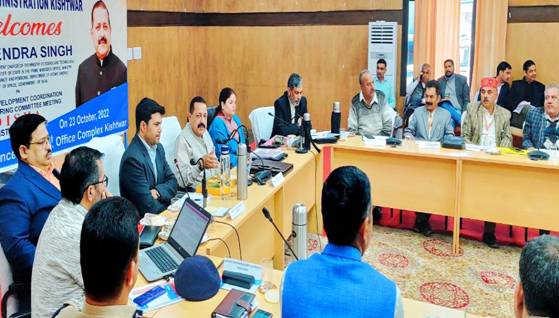
The meeting was attended by DDC Chairperson, Ms Pooja Thakur, President Municipal Council Kishtwar Sajjad Ahmed Najjar, Deputy Commissioner, Kishtwar Dr Devansh Yadav, BDC Chairpersons, DDC members and nominated members of DISHA committee besides District and Sectoral officers of different departments.
District Development Commissioner gave a Power Point presentation on the achievements and progress recorded under different Centrally Sponsored Schemes besides status of various iconic/development projects being executed by different departments and agencies in the district.
Deputy Commissioner apprised the chair that large number of works taken under different CSS have been completed and the rest are at different stages of execution in the district.
Besides, DC Kishtwar gave a detailed insight about the action taken report of various issues highlighted in the previous DISHA meeting.
On enquiring about the status of Air strip taken up under Civil Aviation Ministry GOI, DC Kishtwar apprised that the various codal formalities of the project has been completed and on visit of the technical team,the project will be finalised.
The chair asked for collaboration with the concerned to conduct the visit of technical team so that work on the said project of national importance gets started soon.
While reviewing the sector wise progress of the district kishtwar, Dr Jatindra singh stressed the administration to give a major flip to the tourism sector in the District.He stressed to lay focus on the potential areas of tourism like the religious tourism,trekking and mountaineering, adventure tourism and upgradation of camping sites in the district to attract the larger tourist footfall in District.
He stressed for bringing the areas of Machail, Sarthal under the tourism circuit on priority basis and linking the tourism sector with the Mission Youth schemes for the larger benefit of youths.
While speaking in the meeting,Union minister also reiterated that Kishtwar district is a hub of 5 major upcoming Hydroelectric Power Projects with huge power generation capacity which can be of great potential to meet out the needs in power sector in the UT and Country in the coming time.He further added that tapping of solar energy will further augment the power needs in far flung areas of district.
DC Kishtwar apprised him that in this regard, there is a proposal of installation of 1 MVA Solar plant at Machail area of Paddar.
Dr Singh directed to expedite the process of identification of the 40 Kanals of land for said project in collaboration with JAKEDA.
Meanwhile DC, apprised the Union minister about the status of Jal Jeevan Mission, informed that the works on all 128 schemes out of 129 works have been tendered.
While taking note of slow pace of JJM works, Dr Jitendra Singh enjoined upon the concerned executing agencies to speed up the works and put in concerted efforts so as to realise the objective of ‘Har Ghar Nal Se Jal’ by providing Functional Household Tap Water connections covering all beneficiaries.
While taking scheme wise review of the projects undertaken by different departments, Dr Singh stressed for timely completion of projects of people’s importance within stipulated time frame. He emphasised on elected PRI’s to work in tandem with administration to achieve desired development results.
Meanwhile, Union MoS took a comprehensive review of physical and financial achievements of centrally sponsored schemes including PMGSY, MGNREGA, PMAY-G, PMAY-G( AWAAS PLUS), Amrit sarovar, SBM(G), besides scheme under Health, Agriculture,School and Employment etc.
While discussing major road works under execution, Dr Jitendra Singh reviewed the latest status of projects including Macadamization on Sarthal Road and widening and upgradation of Kishtwar-Palmar-DangDangduran Road.
Dr Singh was also apprised about the issues of critical areas likewise Re-construction of Kundail Bridge at Paddar, seperate power grid for Marwah Division,financial encumbrance of Ayush Hospital Kishtwar,paucity of staff in various departments particularly in Health, grievances of Hounzar Cloudburst affected families, telecommunications in Marwah and Warwan, resettlement of under constructed TRC -Sarkoot link Road.
Dr Singh passed necessary directions to the concerned authorities for immediate resolution of these issues.
Dr Singh also called upon the concerned officers to ensure 100% coverage of beneficiaries under IAY and Ayushman-Sehat, further asked PRI’s to ensure all deserving people shall entail the benefit of these schemes.
MOS also stressed for exploring the possibilities for the tapping the potential of the Lavender cultivation under Aroma Mission in the district in Collaboration with the IIIM jammu and also lay focus on development of Saffron Park in district which can be instrumental in doubling the farmer’s income.
DDC Chairperson along with other PRIs also highlighted the issues of compensation for land under PMGSY road,opening of new and completion of sanctioned Kendriya Vidyalayas in Palmar and Paddar, besides other matters. MOS assured them that these issues will be resolve on priority basis in time bound manner.
Earlier Union Minister handed over the Keys of Commercial vehicles to beneficiaries under “Mumkin” Scheme of Mission Youth here at DC Office complex Kishtwar.
Besides, distributed Motorised tricycles to Specially abled persons sponsored by District Social Welfare Department and handed over the sanction letters to beneficiaries under different govt sponsored schemes.
Sanction letters under “Nikshay Poshan Yojana” for identified TB patients were also handed over to beneficiaries on the occasion.
Eklavya Model Residential Schools
The Union Minister of Tribal Affairs, Shri Arjun Munda, inspected several of the Ministry of Tribal Affairs’ offices and divisions in the Jeewan Tara Building on Parliament Street in New Delhi and in National Tribal Research Institute as part of the special campaign 2.0 launched by Government of India from 2nd October to 31st October, 2022 in outstation offices, attached/subordinate offices.
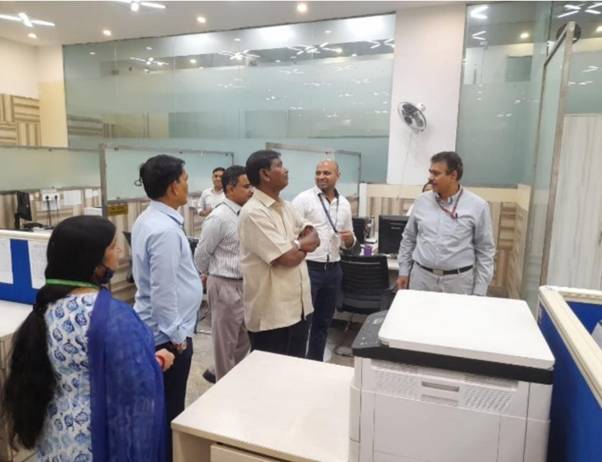
Union Minister of Tribal Affairs ShriArjun Munda also reviewed the various activities taken up under the campaign during his visit to various offices of the Ministry.
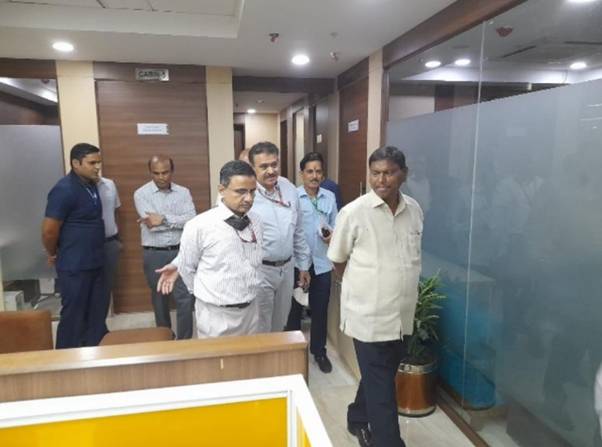
The Secretary Ministry of Tribal Affairs, Shri Anil Kumar Jha and the officers and staff of Ministry of Tribal Affairs also actively participated in the campaign.
The Secretary, Ministry of Tribal Affairs, visited the subordinate divisional offices of the Ministry at the Jeewan Tara Building and National Tribal Research Institute.
The Secretary reviewed the process of weeding out old of old records and digitisation exercise being done by the Ministry. He inspected record room and examined files and records being weeded out as per the official procedures.
The campaign aims at cleanliness in the offices and reducing pendency of grievances, VIP reference and parliamentary issues.
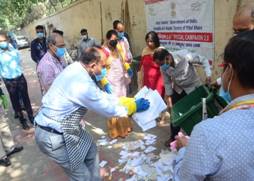
The campaign was taken up in more than 300 premises which included the attached offices, Eklavya Model Residential Schools spread across country.
Tribal students from Eklavya Model Residential Schools actively participated in the cleaning initiatives.
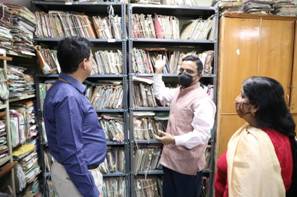
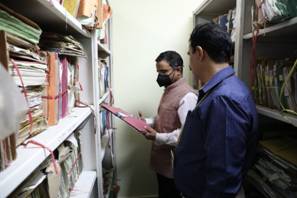
The Ministry of Tribal Affairs has always emphasised on providing clean and hygenic working environment for the officials and staff. The awareness drive aimed at cleanliness in government departments and sensitising government officials about cleanliness.
******
WOMEN EMPOWERMENT
The term “Women Empowerment” indicates that women are not powerful enough and must be empowered. This terrible reality has existed for a very long time. In recent years, visible work has begun to raise women out of the abyss of insignificance and helplessness. Women’s freedom was restricted all throughout the world by patriarchal societies. Women were not allowed to vote or express their opinions. Women were kept in their houses. They realized as time passed that their lives mattered far more than merely assisting in the home. The globe began to see a rising in women as more and more women began to breach man-made barriers. Women, unlike males, never strive to silence their opposing gender’s voice. They grasp the hands of all the oppressed people – men and women alike – and pull them out of misery as they strive to better their lives.
.jpg)
HISTORY
The history of Women empowerment does not begin on a certain day; rather, it is a cumulative process. However, there have been rallies, demonstrations, and revolutions that have accelerated the cause of women’s emancipation. Women were denied the right to vote in hundreds of countries throughout history, including the United States. As time went on, more and more women banded together and raised their voices. Gaining voting rights dramatically improved women’s social standing. Many suffrage movements worked for women’s voting rights daily. Individuals such as Elizabeth Stanton and organizations such as the National American Woman Suffrage Association and the National Woman’s Party were instrumental in winning women’s voting rights in the United States. The Women’s Social and Political Union in the United Kingdom vigorously pushed for women’s suffrage. It is a pity for society as a whole, given that many countries just recently allowed women the right to vote. After the second half of the twentieth century, Kuwait, Qatar, Zaire, Bahrain, Andorra, the Central African Republic, and other countries allowed women the right to vote. No woman can be empowered until she is financially self-sufficient. Women no longer have to rely on their dads or spouses to obtain what they desire. Women have increased possibilities to enter the labour field beginning in the twentieth century.
At the same time, many women in England were obliged to labour both at work and at home to support their families. After WWII, women made the decision to enter the labour force on their own. Today, more and more employees are becoming available for women. Women are proven to be deserving of the titles bestowed upon them. Women have also gained major decision-making authority in the home. Both men and women today decide whether or not to have a child. The adoption of contraceptive tablets gave women even more control. Women can now work and study without restriction. Women empowerment cannot be achieved unless women at the bottom of society are empowered. Since the turn of the century, women at the grassroots level have found various vocational jobs, even those previously designated for men. Today, there are many female masons, bus drivers, gas station employees, farmers, and so on. And all of these women are doing an excellent job.
WOMEN EMPOWERMENT IN INDIA
Women empowerment in India is incomparable to that in other countries. Women were held in great regard throughout the Vedic period. The emphasis on women’s education was never lost. The term ‘sahadharmini’ dates back to Vedic times. Sahadharmini translates as “equal companion.” Women in ancient India were treated with respect, education, and devotion. The strict Middle Eastern and British traditions infiltrated Indian culture throughout time. As a result, women’s authority and esteem were diminished.
Women gradually regained their lost influence following independence. Women are omnipresent nowadays. The country has its first female Prime Minister and President, and it has several notable female athletes such as Saina Nehwal and P.T Usha, as well as outstanding women scientists such as A. Chatterjee and B Vijayalakshmi. In India, women are entering the armed forces without reluctance. However, many women in India are still struggling to break free from patriarchy, particularly in rural areas. The empowered women must encourage these women to speak up, protest, and seek assistance from the authorities.
Import of thermal coal in the country to be completely stopped by 2024 2025
Convocation of Visva Bharati
GLOBAL WARMING : A GLOBAL WARNING?
Global warming is defined as a rise in the average temperature of the Earth, particularly a long-term shift significant enough to induce climate change. Since 1900, the global average surface temperature has risen by more than a degree, and the rate of warming has nearly doubled the century-long average since 1970. Global warming refers to an increase in the average temperature of the Earth. Almost all experts examining the earth’s climate record now agree that human actions, specifically the release of greenhouse gases from smokestacks, cars, and burning forests, are possibly the primary force behind the trend. The gases supplement the planet’s natural greenhouse effect, allowing sunlight in but preventing part of the resulting heat from escaping into space. Many climate experts believe that if greenhouse gas emissions are not significantly reduced, the 21st century will see temperatures rise by 3 to 8 degrees, climatic patterns alter dramatically, ice sheets decrease, and sea levels rise by several feet.
With the possible exception of another world war, a massive asteroid, a deadly pandemic, or global warming may be the only major threats to our planet.
CAUSES:
The emission of greenhouse gases into the atmosphere, such as carbon dioxide, methane, and nitrous oxide, is the primary driver of global warming. The primary source of CO2 emissions in power plants. These power stations release significant volumes of CO2 from the combustion of fossil fuels for electricity generation.
The combustion of gasoline in automobile engines accounts for approximately 20% of carbon dioxide emissions into the environment. Buildings, both commercial and residential, contribute more to global warming pollution than automobiles and trucks. Building huge structures necessitate the use of a lot of fuel, which emits a lot of carbon dioxide into the environment. Methane is more than 20 times more effective than carbon dioxide in trapping heat in the atmosphere. Methane is generated from a variety of sources, including rice paddies, bovine farts, bog microbes, and the production of fossil fuels. The primary sources of nitrous oxide include the manufacturing of nylon and nitric acid, automobiles with catalytic converters, the usage of fertilisers in agriculture, and the combustion of organic materials.
Deforestation, which is caused by the chopping and burning of trees for residential and industrial use, is another driver of global warming.
Scientists all throughout the world are making predictions about the negative impacts of global warming and linking some of the events that have occurred in recent decades as an alarm of global warming. The average temperature of the Earth is rising as a result of global warming.
A rise in global temperatures can induce additional changes in the environment, such as rising sea levels and changing the amount and pattern of rainfall. These changes may increase the frequency and severity of catastrophic weather events such as floods, famines, heat waves, tornadoes, and twisters. Other implications might include greater or lower agricultural outputs, glacier melting, decreased summer stream flows, genus extinctions, and a shift in disease vector distributions. Many bird and animal species have already become extinct as a result of global warming. As a result of global warming, several new illnesses have recently appeared.
Many species are likely to die off or become extinct as sea temperatures rise, whilst other species that favour warmer waters will thrive. Coral reefs are predicted to die out as a result of global warming, which is one of the most concerning trends. Climate change is projected to produce irreversible changes in the ecology and animal behaviour. Birds are one of the species that will be impacted by climate change. Birds may find a more permanent home in northern portions of the Northern Hemisphere as a result of global warming.
Scientists warn that the tundra is at risk of melting owing to an increase in global warming pollution equal to the net quantity previously present in the earth’s/atmosphere. Similarly, another team of scientists previously claimed that in a single year, Greenland saw 32 glacial earthquakes with magnitudes ranging from 4.6 to 5.1 on the Richter scale. This is a concerning indicator, indicating that a massive destabilization is currently taking place deep beneath the world’s second-largest ice growth. If this ice melted and fell into the sea, it would raise global sea levels by 20 feet.
Every day brings more evidence that we are currently in the midst of a global emergency, a climate catastrophe that requires immediate action to drastically reduce carbon dioxide emissions globally to slow the earth’s increasing temperatures and escape disaster.
It is difficult to attribute any individual incident to global warming, but studies show that human activities are raising the earth’s temperature. Even if no new greenhouse gases were released after 2100, global warming and sea level would likely continue to increase for more than a millennium, since carbon dioxide has a long average atmospheric life cycle.
Various countries are making significant efforts to slow the rate of global warming. The Kyoto Protocol, signed by numerous governments to minimize emissions of various greenhouse gases, is one such initiative. In addition, various non-profit organizations are attempting to further the cause
.jpg)
IMPACT OF WESTERN CULTURE ON INDIA
India is a diverse country. Our country has many different languages, faiths, customs, and traditions. Indian literature on philosophy, Indian food, yoga, and other aspects of Indian culture has made an effect all over the world. Western culture is sometimes referred to as European civilization, Western civilization, or Western way of life. It is founded on particular belief systems, practices, and moral and ethical principles. The word refers not just to European countries, but also to areas where European civilization is spreading. India is a country rich in legacy and culture, however, we are witnessing the fading of Indian culture in many parts of the country, particularly in metropolitan communities.

Western culture has had a significant impact on our conventions, traditions, social and moral behaviour, and love and respect for others. Nowadays, people want to be free and do not want to be bound by Indian norms and traditions. We are seeing the breakdown of a combined family and the growth of the nuclear family daily. Few people are interested in making changes and sharing their possessions with other family members; the concept of privacy is becoming more important, and love and respect for others, particularly the elderly, are dwindling. People are too busy in this digital era to care for others. Western civilization has planted the roots of selfishness in Indian minds.
These are in direct opposition to Indian culture, which has always taught us to live in peace with one another and to love and respect everyone in our homes. A youngster who lacks the experience of a nuclear family owing to the absence of his grandfather and grandmother, as well as both parents working, fails to learn ethical or moral ideals and instead learns whatever little he sees and understands from the world and his instructors. As a result, we end up raising a child who has little ethical standards and is not afraid to engage in unethical behaviour since no one is there to educate him on good or evil or to stop him from doing anything wrong.
We must understand what is good and wrong for ourselves. Western society is not all negative; while it has made our lives quicker, it has also made them easier and more pleasant.
We must value our Indian culture, which taught us to live in peace and harmony with others by improving our tolerance and patience. Many people from other nations recognize the value of Indian heritage and are adopting aspects of Indian culture such as yoga and meditation, wisdom and teachings passed down from old saints, and so on. The study of Indian wisdom may assist people of any ethnicity better their lives.
It is time to recognize both the positive and negative effects of Indian and Western culture and to promote positive cultural traditions while eliminating those that are diminishing the quality of human existence.
What is noise pollution, and why should you be concerned about it?
What is noise pollution, and why should you be concerned about it?
Noise Pollution, like any other pollution, is harmful to all humans and animals alike.
Noise pollution is considered to be a sound that is loud, loud and unbearable. Impetuous and constant exposure to high decibels of sound can damage your overall hearing ability for life.
If you were to close your eyes for a minute and cautiously try to hear everything around you, you would listen to at least 5 to 6 different sounds (unless you’re not sitting under a rock). Sounds of cars, horns, drilling, people chatting, the noise of footsteps, your quirky neighbour playing the drum, or simply you breathing. This shows how we are constantly under exposure to ‘unwanted’ sounds. This can increase stress levels, mood swings, irritability, anxiety, and whatnot.
.jpg)
Do you know the name of your body’s smallest and softest bone? It is known as Stripe. It is located inside your ear. This tiny bone can seriously be damaged by noise pollution. Which further results in loss of hearing and intense pain in one’s ear. Noise pollution causes serious harm to your ear drums, and to the hair cells in your linear ear. This renders your hearing ability to be completely hampered.
Another cause of concern is that this ‘noise pollution is not restricted to land only. It’s inside the sea as well. And the marine life is not having a very good time with it. Ships, Seismic tests, Oil drills, and Naval Sonar devices, all play their part in making the once peaceful ocean a living hell. Marine animals, mainly Dolphins and Sharks, use a specialized mechanism called ‘echolocation’ to hunt for food, communicate, and find mates. The process of ‘echolocation’ is badly disrupted by noise pollution, and as a result, they fail to find food and communicate effectively.
Therefore, it is binding upon everyone to make efforts, and take adequate measures to reduce the noise that harms everyone. Make your surroundings more peaceful, and noise-free. Plant trees, turn off the appliances, make use of noise absorbents, and don’t forget to wear an earplug.
Let’s silence the noise that pollutes our Earth!
National Urban Transport Policy – Promoting Non Motorised Transport
Mission LiFE unites the people of the earth as Pro Planet People
Prime Minister Narendra Modi today launched Mission LiFE (Lifestyle for Environment), in the presence of the UN Secretary General António Guterres, at the Statue of Unity, Ekta Nagar, Gujarat. First proposed by the Prime Minister at COP 26, Mission LiFE is envisioned as an India-led global mass movement that will nudge individual and collective action to protect and preserve the environment.
The Prime Minister and UNSG unveiled the LiFE logo and tagline, and released the Mission Document at the event. Union Minister of External Affair Dr S. Jaishankar and Chief Minister of Gujarat Bhupendra Patel were also present at the event.
Addressing the gathering, the Prime Minister highlighted the importance of unity in the fight against climate change. He pointed towards the prevailing notion that climate change is an issue related only to policy and highlighted that climate change goes beyond only government responsibility and needs contributions from individual, families and communities.
The Prime Minister underlined that Mission LiFE makes the fight against climate change democratic, in which everyone can contribute with their respective capacities.
The Prime Minister elaborated that Mission LiFE emboldens the spirit of the P3 model, i.e. Pro Planet People. It functions on the basic principles of ‘Lifestyle of the planet, for the planet and by the planet’.
He also threw light on the concept of ‘Reduce, Reuse and Recycle’ and circular economy and mentioned that it has been a part of the Indian lifestyle for thousands of years.
The Prime Minister noted that whenever India and the United Nations have worked together, new ways of making the world a better place have been found. He said, “India had proposed the International Day of Yoga, which was supported by the UN. Today it is inspiring millions of people around the world to lead a healthy life.” Giving the example of the International Year of Millets, the Prime Minister said that the International Year of Millets will be observed in 2023 and will become a global conversation. He added, “Mission LiFE can be successful only when it reaches every corner of the world. We have to remember this mantra—Prakriti Rakshati Rakshita—that is, those who protect nature, nature protects them. I believe we will build a better world by following Mission LiFE,” the PM concluded.
UN Secretary-General Antonio Guterres said that in these perilous times for our planet, we need everyone’s support. “The LiFE initiative is designed to highlight essential and hopeful truths. All of us, individuals and communities, can and must be part of the solution of protecting our planet and our collective futures. After all, over-consumption is at the root of the triple planet emergency of climate, change, biodiversity loss and pollution,” he said. “I am immensely encouraged by the commitment that India has made to pursue environmentally sound policies and I look forward to working with India in driving this agenda forward,” he added.
France President Emmanuel Macron, UK Prime Minister Mary Truss, Guyana President Irfan Ali, Argentina President Alberto Fernandez, Mauritius Prime Minister Pravind Jugnauth, Madagascar President Andry Rajoelina, Nepal Prime Minister Sher Bahadure Deuba, Maldives President Ibrahim Mohamed Solih, Georgia Prime Minister Irakli Garibashvili and Estonia Prime Minister Kaja Kallas and others have extended support to the movement.
As many as 500 people participated in the event, including 116 Indian Heads of Missions abroad, UN Heads of Agencies in India, Union Minister of External Affairs, the Chief Minister of Gujarat, senior government officials, development partners, and others.
NITI Aayog and MoEFCC, in collaboration with Government of Gujarat, organized the global launch of Mission LiFE.
NITI Aayog will curate and incubate Mission LiFE in the first year, and it will subsequently be implemented by MoEFCC. The mission is a 5-year programme.
About LiFE
The concept of LiFE was introduced by the Prime Minister at COP26 at Glasgow on 1 November 2021. On 5 June 2022, on World Environment Day, India furthered the vision of LiFE by launching the LiFE Global Movement, inviting academicians, researchers and start-ups across the world to think about specific and scientific ways in which the full potential of collective action can be harnessed to address the environment crisis. The movement received record support from global leaders.
Mission LiFE will action the ideas and ideals of LiFE through a mission-mode, scientific and measurable programme and demonstrate India’s commitment to walk the talk on climate change.
Mission LiFE is designed with the objective to mobilise at least one billion Indians and other global citizens to take individual and collective action for protecting and preserving the environment in the period 2022 to 2027. Within India, at least 80% of all villages and urban local bodies are aimed to become environment-friendly by 2028.
Watch the full event here: https://pmindiawebcast.nic.in
Read the full speech of the PM here: https://pib.gov.in/PressReleseDetailm.aspx?PRID=1869466
Read the Mission document here: https://www.niti.gov.in/sites/default/files/2022-10/Brochure-10-pages-op-2-print-file-20102022.pdf
***
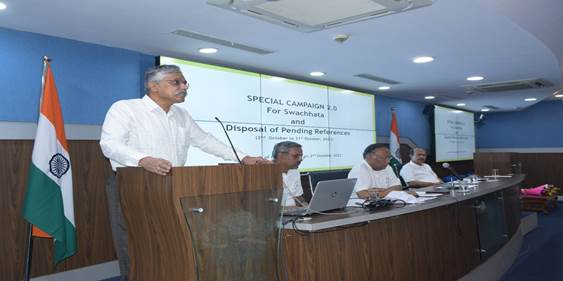
Special Campaign 2.0 : Cleanliness campaign for quality disposal through coordination among all offices
As part of the “Special Campaign 2.0”, the Ministry of Road Transport and Highways (MoRTH) is carrying out various activities across the country – from disposing of pending files to maintaining cleanliness at field offices of MoRTH, NHAI, NHIDCL, IRC and IAHE.
The campaign, launched on 2 October, in line with Prime Minister Shri Narendra Modi’s vision, making working places clean and reduce the pendency of MP references, PMO references, Public Grievances, Parliament Assurances etc, in order to provide better services to the people.
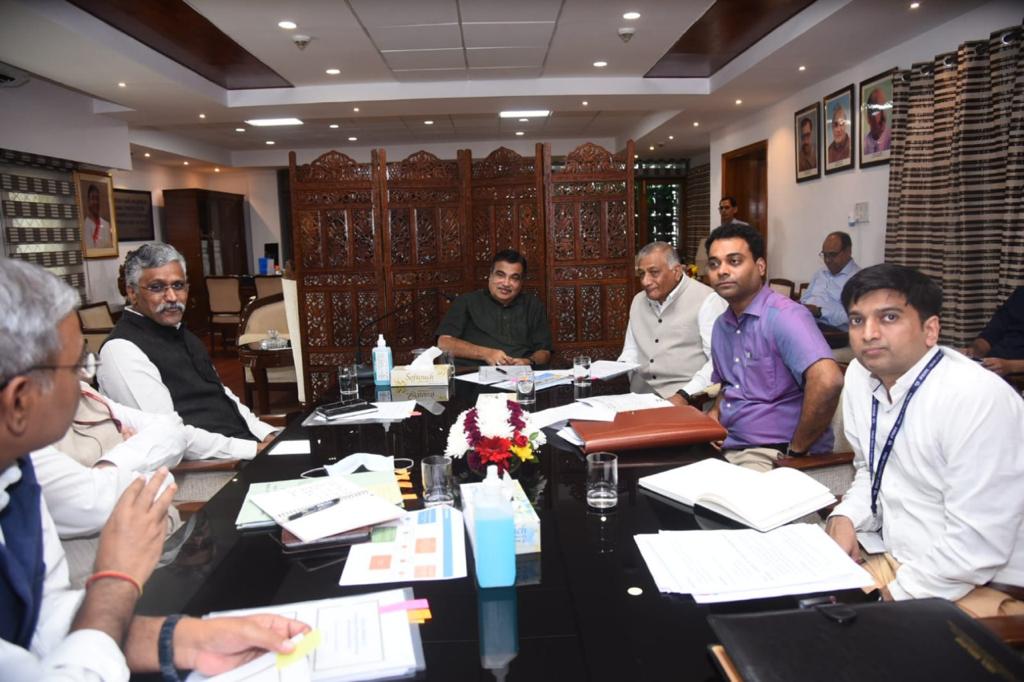
As part of the Campaign, monitoring of disposal of pending MP references, Public Grievances, record management of files etc is being done by MoRTH on a daily basis through a dedicated portal. Efforts are being made for their quality disposal through coordination among different offices.
Accordingly, till 19 October, 347 MP references, 871 Public Grievances have been disposed of while 484 physical files have been weeded out so far. Cleanliness campaigns have been carried out at 2,433 locations, which include toll plazas, Regional Offices & PIU/PMUs of MoRTH/NHAI/NHIDCL.
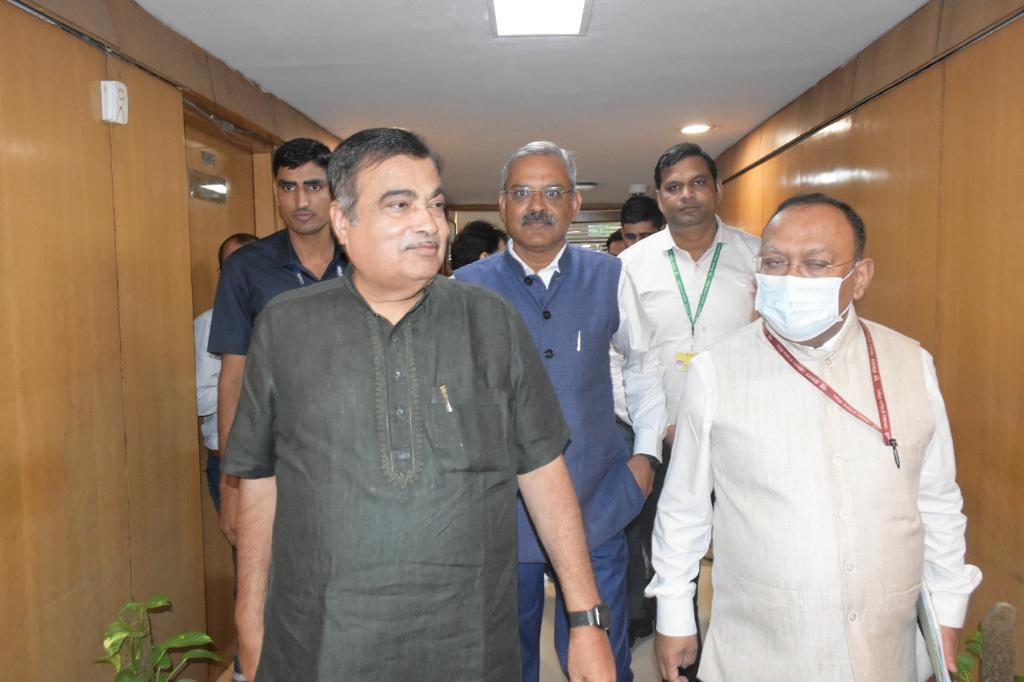
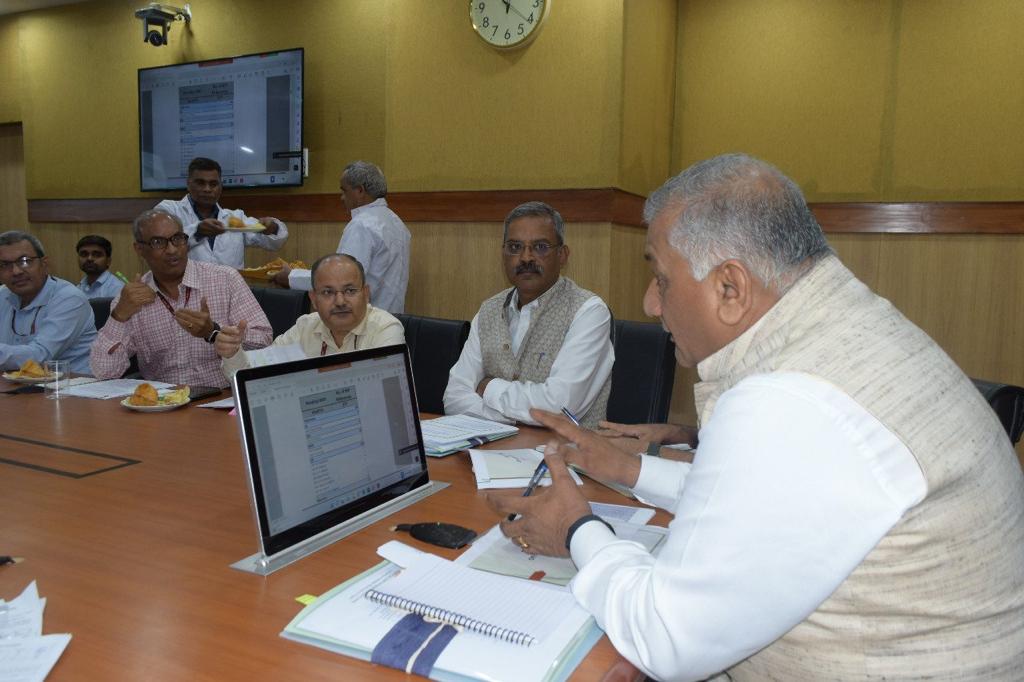
As part of the campaign, Union RTH Minister Shri Nitin Gadkari himself inspected the Ministry premises recently and gave necessary instructions to the officials to ensure that the area is clean. He also took a review meeting in this regard. MoS RTH General (Dr) V.K. Singh also held a review meeting to see the progress of the campaign.
Reports have been pouring in from different parts of the country, where officials and workers are seen to be working in tandem to ensure cleanliness at various toll plazas and Way Side Amenities.
Shri Giridhar Aramane, Secretary, MoRTH while administering Swachhta pledge to the officers and staff of this Ministry, had directed to strictly follow the directions regarding maximum of 4 level of the channel of submission in decision making by Ministry and all its subordinate offices. He advised the officers to maintain absolute integrity and utmost cleanliness in all official dealings to ensure corruption free system.
MJPS
Special Swachhta Campaign 2.0
As part of Special Campaign 2.0 being conducted by all the Ministries across Government of India between 2nd October and 31st October, the activities for the Ministry Mines was launched by Secretary, Ministry of Mines, Shri Vivek Bharadwaj on 2nd October at Khanij Kaksh where all the organizations under the Ministry joined through V.C. The Ministry has identified 84 site offices throughout India for implementing 116 swachhta campaigns.
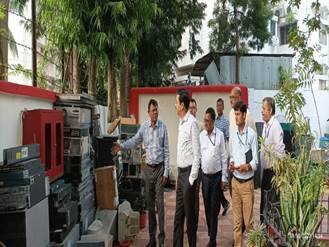
During the preparation phase from 15th to 30th September Secretary and Additional Secretary of Mines ministry visited field offices of GSI and IBM to inspect and guide these offices for the Campaign.
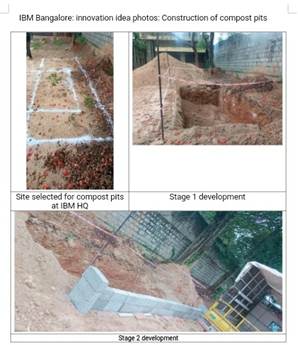
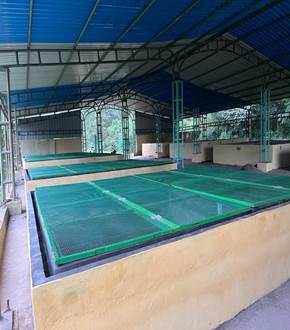
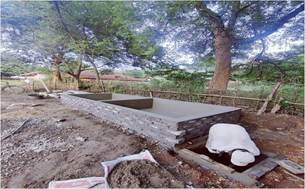
The goal set by the Ministry this year is “giving back to the environment in the form of rainwater harvesting, compost pits, cleaning lakes/ponds and eco-disposal of waste.” As part of best practices the buildings owned by the offices of Ministry of Mines is setting up rainwater harvesting structures. Three sites have been identified for Compost Pit projects.
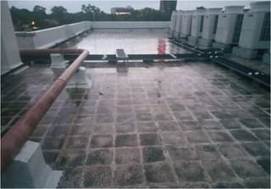
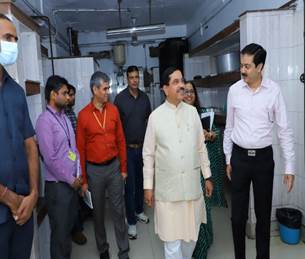
Secretary, Ministry of Mines, Shri Vivek Bharadwaj recently visited GSI Headquarter office in Kolkata and inspected the work being done under Special Campaign 2.0 and instructed the employees to take up the campaign with utmost sincerity to make it a grand success.
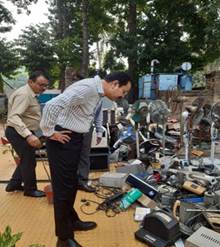
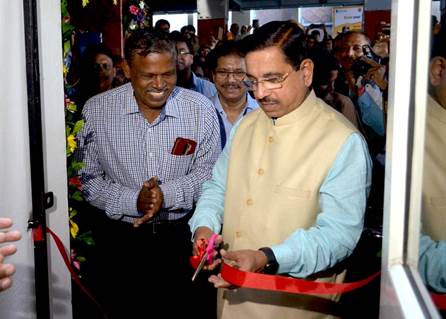
Union Minister of Coal, Mines and Parliamentary Affairs Shri Pralhad Joshi and Secretary, Ministry of Mines, Shri Vivek Bharadwaj visited the site identified by the Ministry for conversion of space into Wellness Café and encouraged the employees for taking full benefits of the same. Minister Shri Pralhad Joshi also visited GSI headquarters in Kolkata and inaugurated the Wellness Cafeteria there under the special campaign 2.0.
The Ministry utilized the campaign for better record management by identifying pending MP references, references from the State Governments, Inter Ministerial references, Parliamentary Assurances, PMO references, Public Grievance and PG appeals.
While reviewing the works done under special campaign, Minister Shri Pralhad Joshi suggested segregation of waste in departmental canteen which is being implemented by the Ministry of Mines. Ministry of Education which is the nodal ministry is also requested to issue similar guidelines for the departmental canteen and they have taken up the matter with all the departmental canteens based in Shastri Bhawan for waste segregation and using the bio waste for making compost pits.
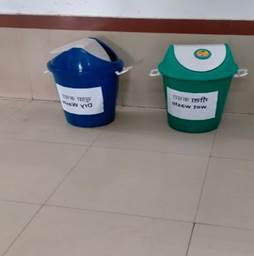
GSITI, Hyderabad also as a best practise started waste segregation in its hostel canteen and using bio waste for making compost. Compost Pit has been created in GSITI, Hyderabad.
Ministry of Mines in special campaign 1.0 has weeded out around one lakh files. This year as the emphasis is on field offices, through its attached and subordinate offices M/o Mines has kept the target of reviewing 3.32 lakhs files under record management. During the campaign the field offices are removing scrap as old as 20 years from their offices spread across India.
So far, Ministry of Mines and its field organizations have achieved 90.51% of the cleanliness campaign and generated revenue of Rs. 1,58,40,266/- from scrap disposal. About 92,199 square feet space has been freed through efficient records management. It is expected that the Ministry would achieve 100% of the target set for the Special Swachhta Campaign 2.0 by 31st October, 2022.
******
Citizen participation in the national campaign for segregation of waste at source
The goal of the ‘Swachh Bharat Mission Urban 2.0’ is to make cities garbage free. One of the key aspects is to segregate waste at source. This key step will help to reduce the amount of waste that goes to legacy dumpsites. Sustainable waste management being one of the critical challenges, the priority is to shift from the current practice of dumping and burning to sustainable waste management practices that promote segregation, collection, recycling and a circular economy. With rapidly changing urban landscapes, ecosystems, population migrations, and ever-increasing households and establishments, it is essential that behaviour change is reinforced from time to time among citizens.
October is the month of festivals and with behaviour change at the centre of the campaign, MoHUA launched thematic activities to propel segregation of waste at source campaign. The core activities involve dissemination of key messages to the citizens through public outreach, door-to-door messaging and engagement with schools.

Traditionally on Diwali, most households undertake home cleaning. Children as change agents have been long established under Swachh Bharat Mission and are known to impact overall community behaviors. This Diwali the school children can gift swachhta ka uphaar to their family and friends.
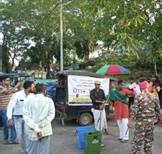
Urban Local Bodies are being encouraged to organize public outreach activities to garner the attention of the residents to promote the practice of segregation. The core activities include – door-to-door messaging with support from NGOs, SHGs, schools, colleges, youth organizations, RWAs, other civil societies, volunteers, etc demonstrating proper segregation covering all wards. ULBs can arrange separate storage systems to be fitted in the collection vehicles – wet (green), dry (blue) and any means of the collection – partitions, large bags, cane baskets, plastic/metal bins, or others. These core activities will ensure collected segregated waste remains segregated until processing facilities.

The special activities engaging school children have begun and will go on till 30th of October. Selfie points are being created using installations representing pair of bins -green (for wet waste) and blue (for dry waste). ULBs will engage with the public/school children through tongue-twister challenges. Participants can be challenged to repeat quickly ‘Hara Geela Sookha Neela’ as many times as possible. Mobile Vans/trucks can play “Humein Garv Hai” song and promote messages on clean/SUP free Diwali.
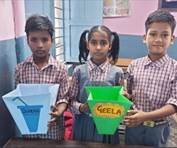
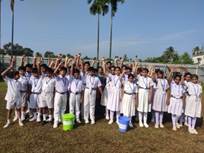
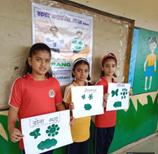
To encourage student participation in promoting segregation of waste both at school and at home, some of the activities planned are ‘Bins Out of Waste’ – Students can be encouraged to collect a bin from home and create art out of it at school using different painting media, students can participate in the Toycathon challenge (Register on https://innovateindia.mygov.in/swachh-toycathon/) where they can be asked to bring in 5-6 segregated dry waste items from home and create toys out of waste. To encourage Home to School Connect, students can create two labels each – green for wet waste and blue for dry waste with messages on segregation at source written on them. The finished labels can be taken back home and pasted on their bins meant for wet and dry waste. Students can also create labels for their homes that can be stuck outside their house proclaiming ‘My house segregates waste’. This can serve as an indirect platform to remind and motivate their visiting friends and family to segregate.
In a massive drive, in the first 72 hours more than 10 lakh children have already been engaged. Participating schools can register on the website sbmurban.gov.in. Each school can be awarded a certificate of participation after the activities.
Celebrating eight years of accomplishments of SBM-Urban, the Hon’ble President of India Droupadi Murmu, on 1st Oct 2022, urged the citizens of India to join in the ‘Segregation of waste at Source’ campaign that focuses on reinforcing correct waste segregation practices among the different sections of the society. As a part of the two-week long Swachh Amrit Mahotsav, MoHUA rolled out the national campaign for segregation of waste at source on 2nd October, Gandhi Jayanti.
*****
KASHI TAMIL SANGAMAM
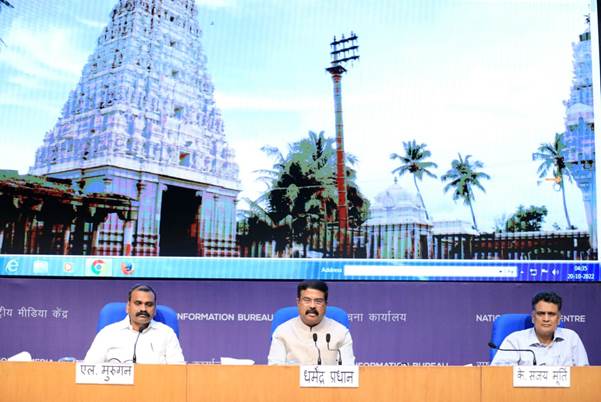
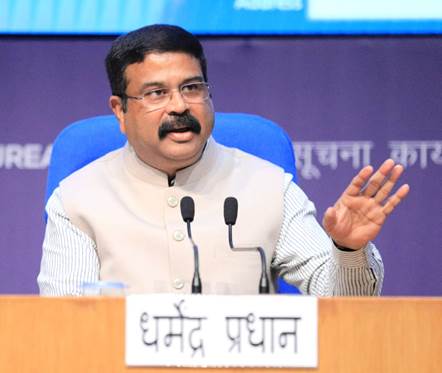
Union Education and Skill Development & Entrepreneurship Minister Shri Dharmendra Pradhan along with MoS, I&B and Ministry of Fisheries, Animal Husbandry and Dairying Shri L. Murugan today announced the “KASHI TAMIL SANGAMAM” to be held from 16th Nov to 19th Dec 2022. Shri Dharmendra Pradhan also launched the website for registering for “KASHI TAMIL SANGAMAM”.
Bharatiya Bhasha Samiti (BBS) has come up with a proposal to rediscover, reaffirm and celebrate the age-old links between the Tamil culture and Kashi that has existed since centuries. A month long “Kashi Tamil Sangamam” is to be organized in Varanasi (Kashi) from 16th November to 19th December,2022 during which academic exchanges – seminars, discussions etc will be held between experts/ scholars on various facets of the two ancient manifestations of Indian Culture, with focus on bringing out the links and shared values between the two. The broader objective is to bring the two Knowledge and Cultural traditions closer, create and understanding of our shared heritage and deepen the people-to-people bond between the regions.
While addressing the press conference, Shri Dharmendra Pradhan said that India is a symbol of civilizational connectivity. The Kashi-Tamil Sangamam shall be an ideal platform to understand the unity in India’s civilizational assets through two historic centres of knowledge & culture. The Sangamam to be organised under the overall framework and spirit of “Ek Bharat, Shrestha Bharat” will create a bridge between ancient India and contemporary generation. Kashi Sangamam will rediscover the link between these two ancient centres of knowledge, culture and heritage, he further added.
Shri Pradhan informed that Kashi-Tamil Sangamam will be centred around a series of themes that cover various facets of knowledge – literature, ancient texts, philosophy, spirituality, music, dance, drama, yoga, Ayurveda, handlooms, handicrafts as well as the modern innovations, trade exchanges, edutech and other gen next technology etc. Seminars, discussions, lectures, lec-dems etc will be held on these themes, for which subject experts will be invited. This shall be unique learning experience for students, scholars, academics, practising professionals, etc. on various facets of Indian Knowledge Systems, Education & Training Practices, Arts & Culture, Language, Literature, etc, he added.
To ensure that the benefit of these discussions reaches the actual practitioners of these knowledge streams, it is proposed that in addition to experts, common practitioners from various groups from different parts of Tamil Nadu, can be brought for an 8-day visit of Varanasi and its neighbouring areas. Tentatively, 12 such groups have been identified including students, teachers, literary (authors, poets, publishers), cultural experts, professionals (practicing arts, music, dance, drama, folk art, yoga, Ayurveda), entrepreneurs, (SMEs, start-ups) business people, (community business groups, hoteliers,) artisans, heritage related experts (archaeologists, tour guides, bloggers etc) spiritual, rural, sampradaya organizations. These people will participate in the academic programs, interact with people of Varanasi associated with the same field, and visit places of interest in and around Varanasi.
It is proposed that around 210 people from different parts of Tamil Nadu can be taken in one group for a period of 8 days. 12 such groups, comprising around 2500 people can visit over a month.
At the end of the Sangamam event, people of Tamil Nadu shall get an immersive experience of Kashi and the people of Kashi shall also get to know the cultural richness of Tamil Nadu through a healthy exchange of knowledge sharing experiences – events, visits, conversations, etc.
******


You must be logged in to post a comment.