Kannauj 🌹- The Perfume Capital of India

“Kannauj is to India what Grasse is to France”
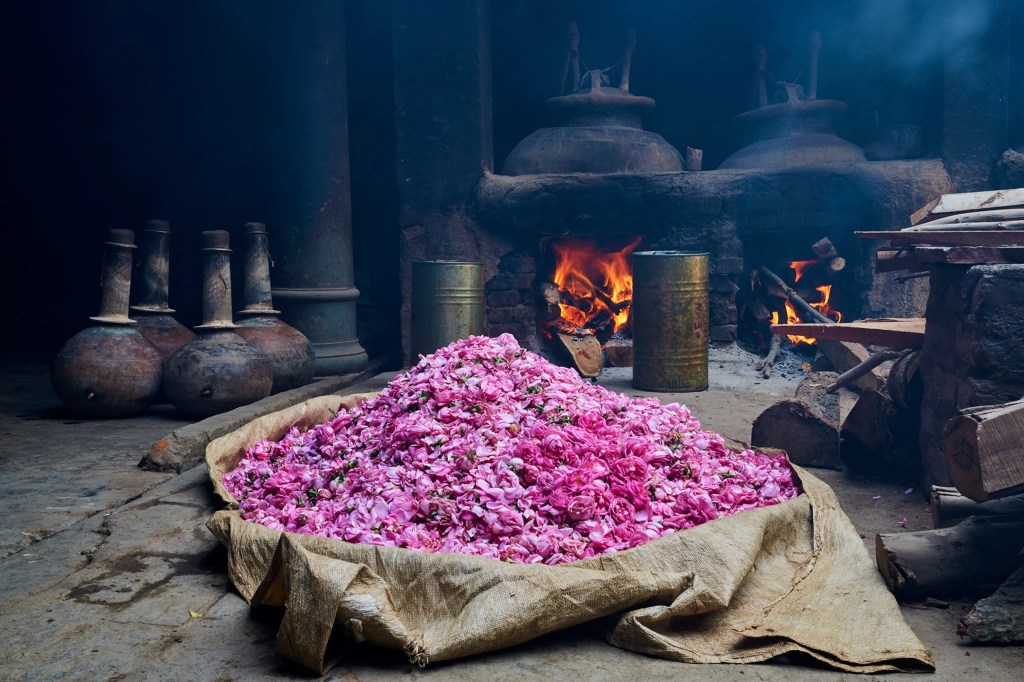
Kannauj, India’s Grasse, has been producing attar (Perfumes) for over four centuries, well over 200 years before France’s Grasse rose to prominence. In the old days, this town had over 800 perfume distilleries. Around 85,000 folks dwell in this city, with about 4,000 employed in the attar business. Ittar making is a skill that’s been passed down through generations.

Attar is an aromatic oil derived from natural sources like roses, musk, camphor, saffron, or agarwood. Except in rare cases, these natural perfumes are free of alcohol and chemicals.

Both men and women are drawn to attars. They possess rich flowery, earthy, musky, smoky, or grassy notes. Attars can be both warming (cloves, cardamom, saffron) and cooling (jasmine, vetiver, marigold) depending on the season.

Kannauj, the fascinating mitti attar, conjures the aroma of the earth after a downpour.

Shamama, a distilled blend of 40 or more flowers, herbs, and resins that takes days to prepare and months to age, is another sought-after concoction. The scent combines sweetness, spice, smoke, and dampness to create an ethereal experience for the wearer.

White jasmine blossoms and vetiver plants are used in summer varieties. The soil is utilized for monsoon varieties like Mitti ittar, which smells of damp earth, and winter varieties include Heena ittar and musk ittar.

ATTAR MAKING PROCESS

Attar is made by skilled craftsmen known as ‘dighaas‘ using a traditional steam distillation method called ‘deg and bhapka,’ which translates to ‘large pot and little pot.’

The dighaas begin by pouring the key ingredient into the deg, followed by cold water, then sealing it with a special clay. The concoction is brought to a boil by logs burning under the deg. The dighaas must ensure that the temperature remains constant during the process and that the attar doesn’t overheat or become contaminated.
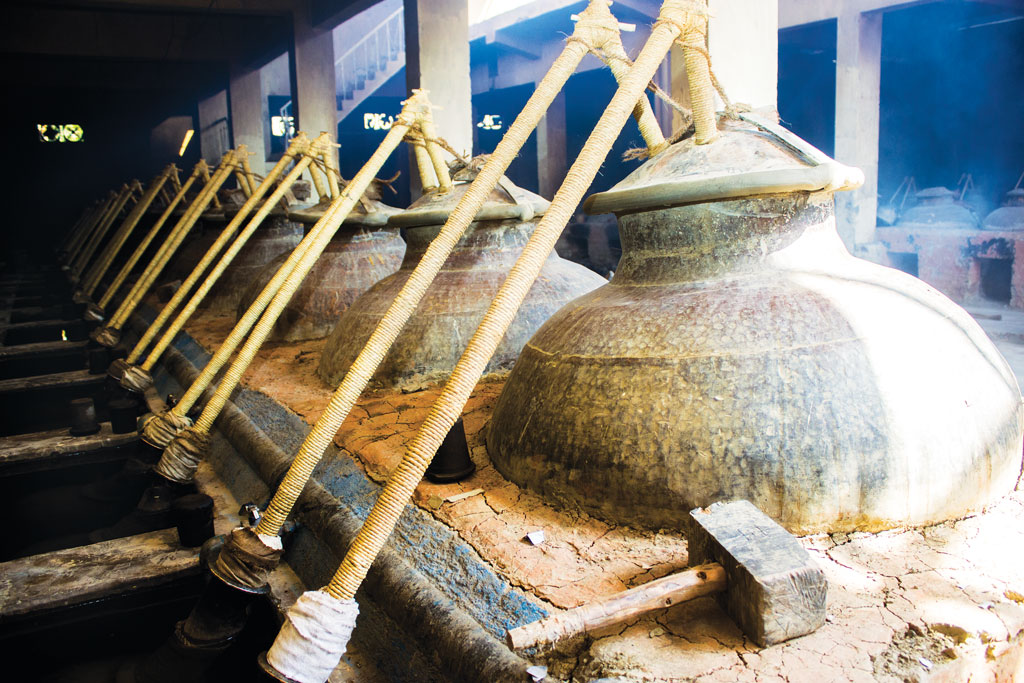
Next, the steam travels from the ‘deg’ to the ‘bhapka’ (receiver) via a bamboo pipe known as the ‘chonga’. A layer of oil traps the evaporating scent molecules there, Sandalwood oil was formerly utilized for this layer, but because of its hefty price and scarcity, alternative oil-like substances are now employed instead.

Depending on the intended concentration of the final attar, the distillation process is repeated numerous times. It may take up to 25 days to complete the process.

CURRENT CRISIS
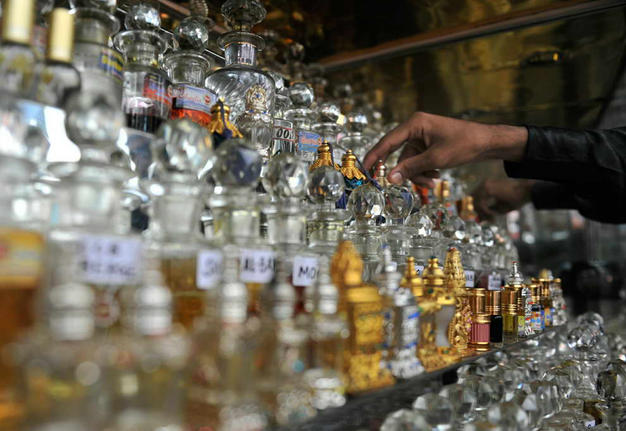
The number of perfume distilleries has dwindled from over 800 to just over 100 in recent years, as synthetic fragrances outpace attars in popularity. Kannauj is witnessing a crisis at present. Demand for attar started plummeting as power transferred to British India. Pure Mysore sandalwood was and still is expensive, but when the Indian government banned the trade of sandalwood in the late 1990s, the price of attar soared. In place of sandalwood, natural replacements such as liquid paraffin are used, and although this kind of attar is similar to the original, it falls short. At the same time, affluent Indians transferred their loyalty to imported Western fragrances and deodorants to portray themselves as modern and upper class.

Only a few people in India still purchase attars. It is crucial to resolve the issue for these historic perfume industries to sustain their uniqueness and viability.
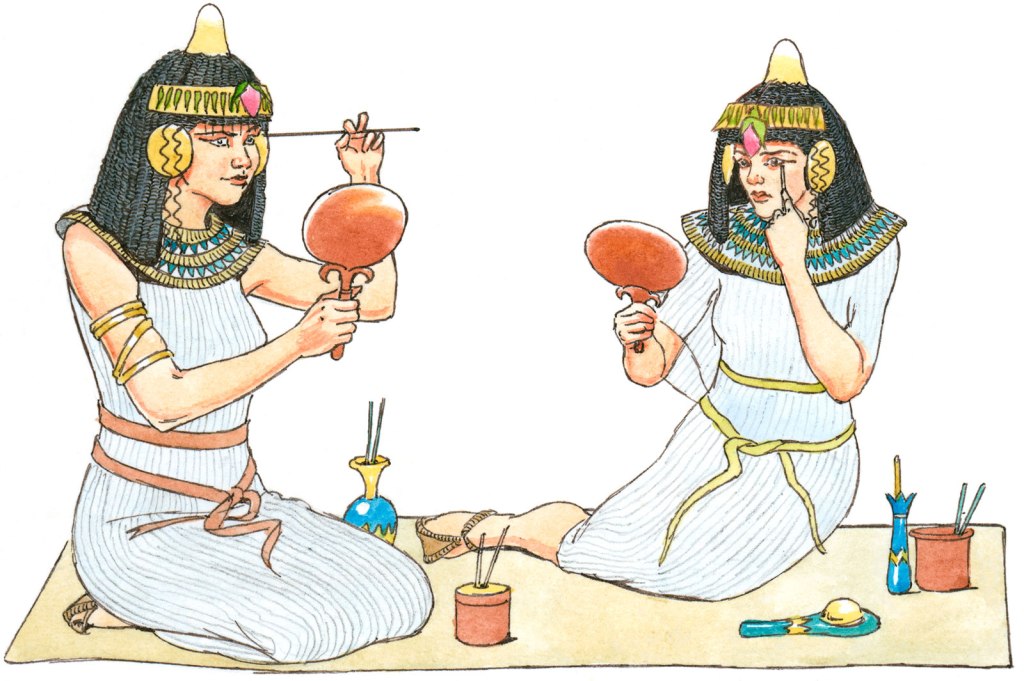
HISTORY OF RED LIPSTICK 💄

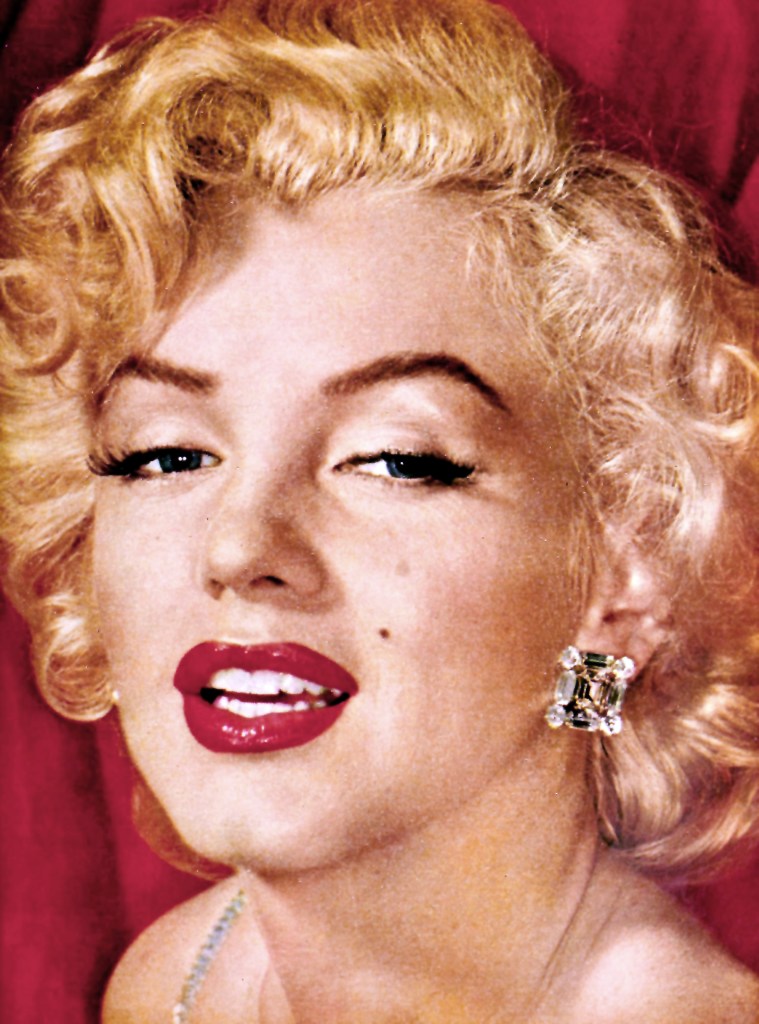
Red lipstick is a classic essential to every girl’s beauty bag. It’s fashionable 🌟, classy, and flattering, but it’s also a lot more. It’s audacious, daring, indisputably feminine, and visually stunning. Like its color, Red lipstick has a vibrant, turbulent history, steeped in centuries of significance.

ORIGIN

Many historians claim that red lipstick was first devised in the Sumerian region of southern Mesopotamia at approximately 3,500 B.C.E. Others ascribe the invention of lipstick to the ancient Egyptian elites, who wore scarlet red lipstick made from crushed bugs as a sign of social supremacy.

Irrespective of its exact origin, wearing red lipstick has long been a powerful social icon with a myriad of connotations. Depending on the place and period, the aesthetic was a teasing sign of enticement, a proclamation of social rank, a display of affluence, or an assertion of confidence.

Following the rise of Christianity and puritanical beliefs, the church forbade the wearing of lipsticks or any makeup. Women wearing lipsticks were accused of being sorcerers and witches, as red lips were being associated with Satan worship.

Prostitutes in Ancient Greece were mandated by law to wear red lipstick, so they could not be mistaken for respectable upper-class ladies. The ancient Greeks used a concoction of red dye, sheep sweat, and crocodile droppings in their lipstick.

Queen Elizabeth rekindled the passion for red lipstick in 16th century England with her signature pale face and crimson lips. However, this time, Red lipstick was solely worn by upper-class women & was made of beeswax and red plant-based dyes.

And by the 1700s, England banned Red Lipstick, purportedly because women were using cosmetics to entice men to marry them. Similar restrictions existed in the United States, authorizing for the repudiation of marriage if revealed that the lady had been courting with red lipstick.

Until the late 1800s, most lipsticks were manufactured at home with carmine extracted from insects called cochineal. In 1884, French perfumers created the first commercially available lipstick, using a concoction of deer tallow, castor oil, and beeswax. Lipsticks did not come in plastic or metal tubes like it does today. Rather, they were sold in paper tubes, little pots, and paper-wrapped bundles.

In the late 1800s, Guerlain began making red lipstick with grapefruit, butter, and wax. In the late 1890s, the Sears Roebuck catalog featured rouge for the lips and cheeks.

In 1911, metal lipstick tubes were debuted, making it possible for ladies to retouch their lipstick quickly and easily.

By 1912, stylish ladies in Western culture were openly wearing makeup.

As women’s use of make-up rose, so did the colors and materials used in lipstick. Brightly colored lipstick had become an emblem of sexual and social defiance by the 1970s. In the 1980s, red became the “it” color.

Natural colors and substances became popular in the 1990s. Lipstick accounted for nearly $9.4 billion in cosmetic sales at the turn of the century.

Two inventors are credited with creating the “tube” of lipstick, that enabled women to carry lipstick in their handbags.

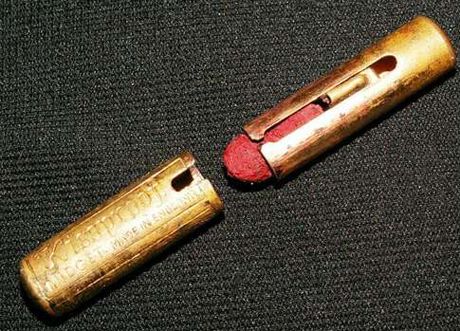
  • The metal tube container for lipstick was designed by Maurice Levy of the Scovil Manufacturing Company in 1915. It had a little lever on the side of the tube that lowered and lifted the lipstick. The “Levy Tube” was the name given to Levy’s innovation.
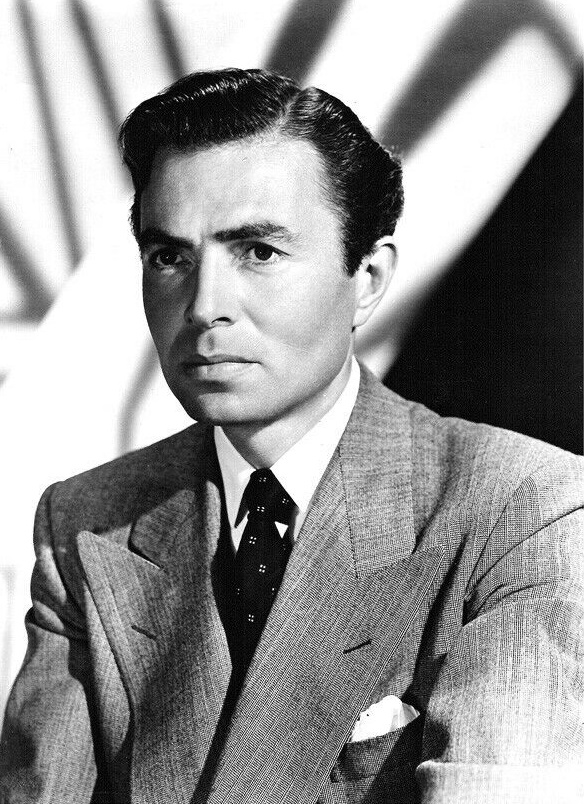
James Bruce Mason Jr.
  • The first swivel-up tube was patented in 1923 by James Bruce Mason Jr.

Earlier lipstick formulae utilized pigment powder, crushed insects, butter, beeswax, and olive oil, however, these early formulas only lasted for a few hours before getting rancid, and they often had negative health consequences.

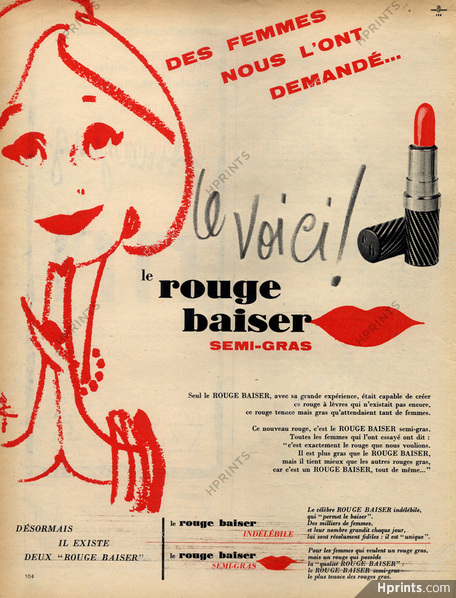
Paul Baudercroux, a French chemist, created the Rouge Baiser formula in 1927, touted as the very first kiss-proof lipstick. Rouge Baiser, seemingly, was so good at staying on one’s lips that it had to be pulled from the market as it was too difficult to remove.

Decades later, in 1950, Hazel Bishop, a chemist, created No-Smear Lipstick, a new type of long-lasting lipstick, and it became a phenomenal commercial success.

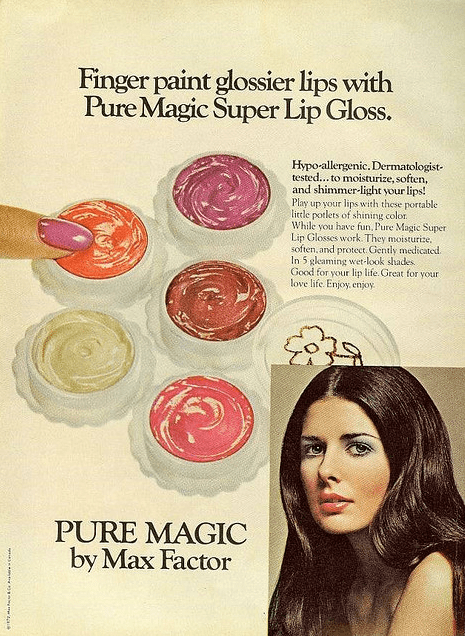
Max Factor, a Polish immigrant cosmetician, founded the brand in 1909, which went on to become one of the most well-known in the history of beauty. In the 1930s, Max Factor introduced their first lip gloss, the first to be worn by movie stars, however soon wider populace also started wearing it.

The Red lip color is here to stay & will forever remain a cult classic.

ANIMAL HYBRIDS🐫🐆🐎

A hybrid is an offspring produced from the mating of parents from different species or sub-species. Albeit it is rarer, animals from distinct but closely linked species do mate in nature. The result, a genetic amalgam, an offspring with characteristics from both parents. Certain hybrids occur because of human interference, typically created to combine the finest qualities of both creatures, although they might have dire repercussions. Mentioned below are some of the most unique hybrids that exist on the planet.

Mule

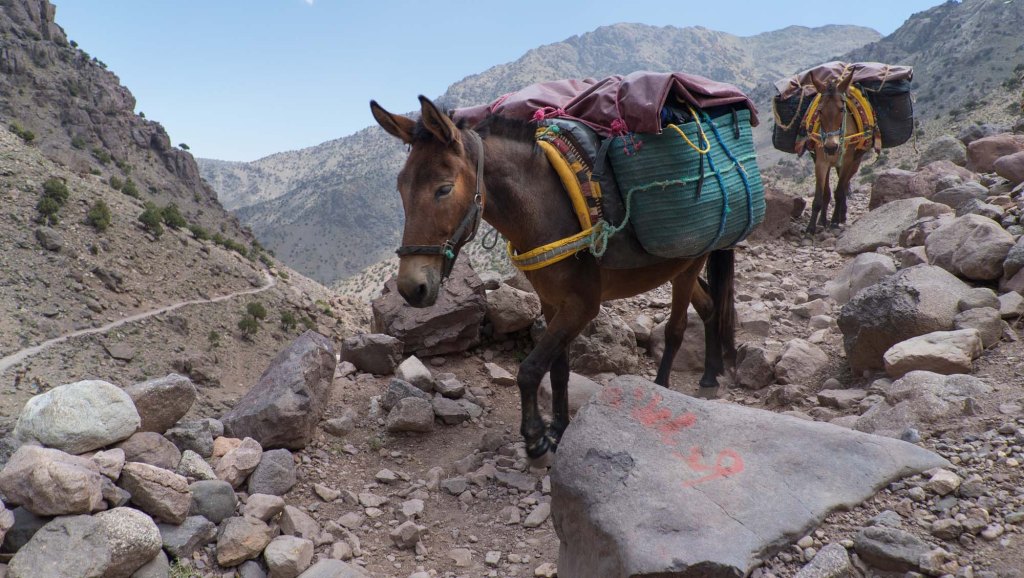
Mules are the offspring of a crossbreeding between male donkeys and female horses. A mule’s size and look vary greatly from one to the next and is mostly dictated by their horse mother’s size and ancestry. Mules exist in a variety of sizes and shapes, including miniatures, smaller pony-types, tall and lightweight physiques, and even heavyweights. Mules have donkey-like limbs, narrower hooves, and short manes, but they are horse-like in height, neck length, tail appearance, and hindquarters, as well as color.

Female mules are 99.9% infertile, whereas male mules are all sterile. They can’t procreate, thus their existence is solely dependent on human assistance. Mules are sterile due to their odd number of chromosomes. Because a horse has 64 chromosomes and a donkey has 62, the mule inherits 32 horse chromosomes from the mother and 31 donkey chromosomes from the father, totaling 63 chromosomes. This inhibits the mules from producing gametes, which are required for male and female mules to produce offspring. Because their chromosomes do not match up properly, they have problems producing sperm or eggs.

Mules enjoy the best of both worlds as crossbreeding eliminates undesirable hereditary traits while passing on beneficial ones. They are tougher, eat less food, have a better immune system, live longer, and have greater stamina than horses of comparable size and height. Vulnerable to the same illnesses as horses and donkeys, they tend to get sick less often. Mules are clever and less obstinate than their fathers, donkeys. They are more vigilant and mindful of the danger, making them safer to ride through treacherous terrain. Mules have an average lifespan of 35 to 40 years.

Cama

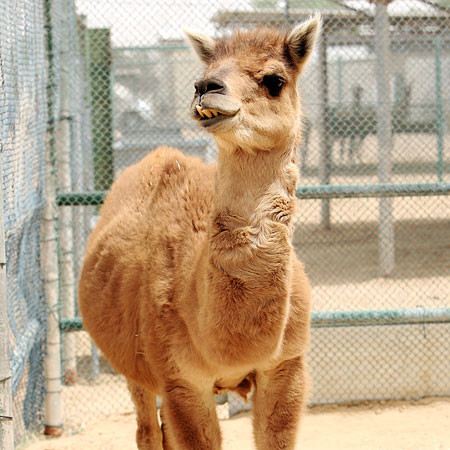
Cama is a cross between a dromedary camel from Asia and a llama from South America. Camels and llamas are distant relatives despite their variations in size, anatomy, and geographic distribution. They share a common ancestor, a camelid species that existed 30 million years ago in the Rocky Mountain region of North America. On January 14, 1998, the first cama was born. The goal with lama was to produce an animal that could yield more wool than a llama while still possessing the size, power, and cooperative attitude of a camel.

Because a mature dromedary camel can weigh up to six times that of a llama, the hybrid must be created by artificial insemination. Inseminating a female camel with llama sperm has not generated healthy offspring. The only successful combination is inseminating a female llama with dromedary camel sperm. Cama stands between 49 and 57 inches tall (at the shoulder) and has no hump on the back. They possess soft fur that is slightly shorter than llama fleece, small ears, a long tail, and cloven hooves. Just like camel, Cama is a herbivore, and can drink vast amounts of water at once, and survive without it for lengthy periods.

Liger

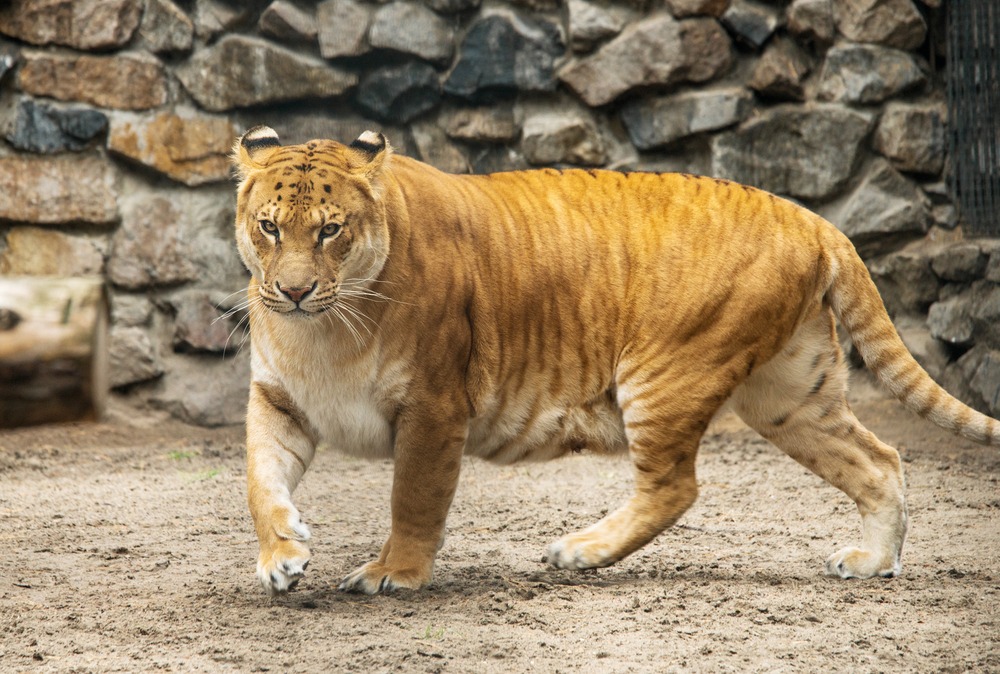
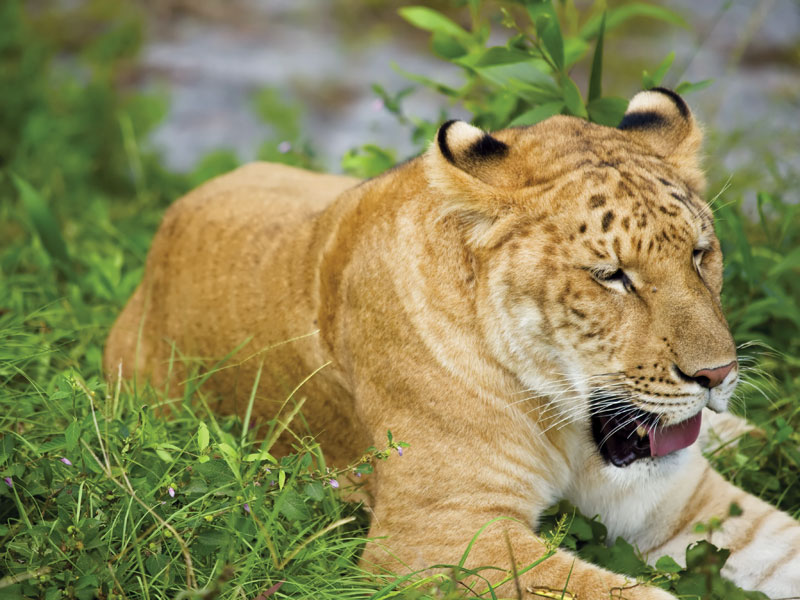
The liger is a cross between a male lion and a tigress, both of which belong to the genus Panthera but, are of the species Leo and Tigris. The liger is the world’s largest feline, reaching up to 12 feet tall while standing on its hind legs. Ligers are generally larger and heavier than their parents. The absence of specific growth-limiting genes, according to biologists, is the explanation of the liger’s enormous size.

Because ligers are often bigger than either parent, carrying the baby puts the tigress at risk, necessitating C-section deliveries or even killing her. These cats are genetically unfit and suffer from a life of neglect and isolation. Ligers are prone to obesity and aberrant growth, which puts stress on their internal organs and are prone to birth abnormalities that result in premature death.

Zonkey

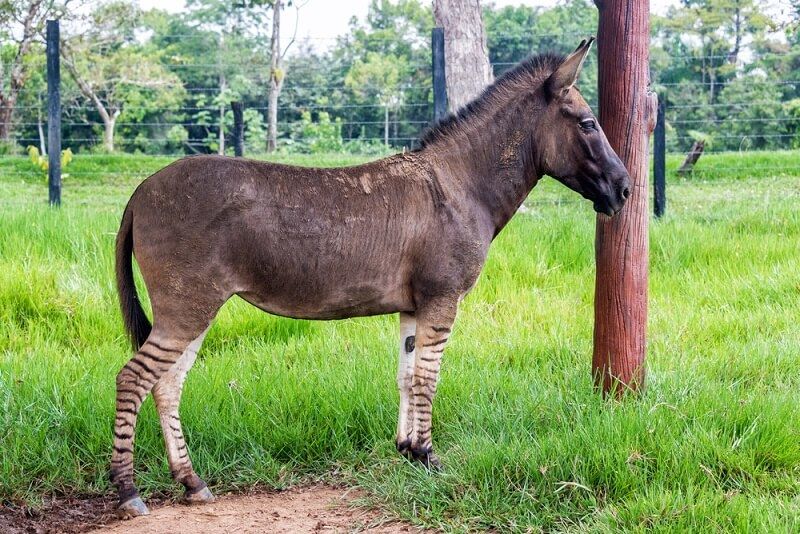
A “zonkey” is a male zebra crossed with a female donkey. Due to their power and stamina, zonkeys are bred for riding and as labor animals for transporting and carrying heavier things. They have the appearance of a little equine & their overall hue is tan, brown, or grey, with a lighter underside. The darker stripes of the zonkey are particularly visible on the lighter regions of the body and their legs. They have a black mane that runs the length of their back ridge to the tip of their tail, which is usually black as well. Their head and ears are both enormous, giving them the look of a donkey rather than a zebra.

Male zonkeys are sterile & cannot procreate, whereas female zonkeys are mostly infertile. The explanation for sterile hybrids is straightforward: It inherits an odd number of chromosomes. A zonkey is a hybrid between a zebra (44 chromosomes) and a donkey (62 chromosomes). As a result, the child’s chromosomal count is 53. Zonkeys are herbivores,  Grass & plants that grow on the ground make up a great portion of their diet. For grazing and grinding down the fibrous grass, they have flat, broad teeth.

Wholphin 

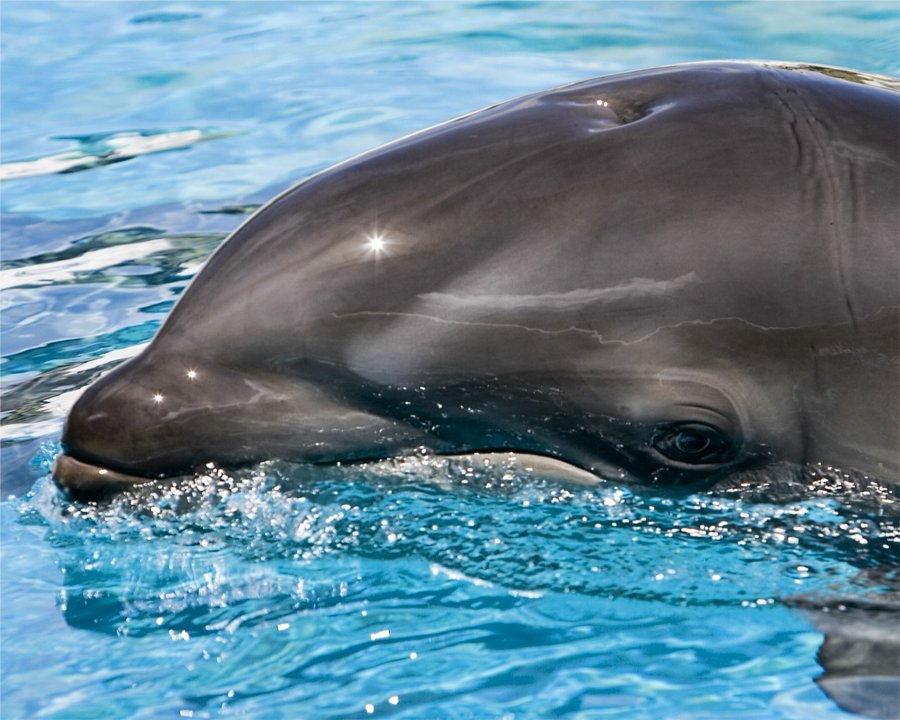
A wholphin is a rare hybrid born when a female bottlenose dolphin and a male false killer whale mate. On May 15, 1985, the first captive wholphin was born in a pool, which a female bottlenose dolphin and a male false killer whale shared. The wholphin is a blend of the parent species in terms of size, color, and shape. The bottlenose dolphin has 88 teeth, the fake killer whale has 44 teeth, and the wholphin, their hybrid, has 66 teeth, the average number of teeth of its parents.

Wholphin is a carnivorous creature. Its diet consists of fish like herring and capelin. They grow quickly, and only a few months after birth, they are the size of a one-year-old dolphin. Female wholphins are fertile and can create new offspring of wholphins after mating with dolphins. Wholphins have a 40-year average lifespan.

OIL-PULLING (A HABIT TO START NOW)

According to statistics, dental sensitivity affects one out of every three adults in India, or 34% of the population. Despite this, only approximately 1 in 5 people take action to address the problem.

The mouth is considered as the mirror of the general health of the human body. Hundreds of billions of microorganisms reside in the oral cavity, many of which contribute to the development or progression of systemic disorders such as cardiovascular disease, diabetes mellitus, and others. Oral and general health are intertwined. Thus, good dental hygiene is essential. Oil-pulling is believed to promote oral health. The benefits of oil pulling for oral hygiene are mentioned further down.

OIL-PULLING

Oil pulling, mentioned as “Kavala” or “gundusha” in the Ayurvedic text Charaka Samhita, is an Ancient Indian dental practice that entails swishing a spoonful of coconut oil or sesame oil in the mouth for 20 minutes on an empty stomach for oral and overall health benefits.

For many decades, oil pulling has been used as a traditional Indian cure to prevent tooth decay, bad breath, bleeding gums, dry throat, chapped lips and to help strengthen teeth, gums, and the jaw. When used routinely and as instructed, it is claimed to cure around 30 systemic ailments, like headaches, migraines, diabetes, and asthma.

PROCEDURE OF OIL-PULLING

A tablespoon of oil is swished in the mouth for 20 minutes every morning on an empty stomach in oil pulling. A teaspoon of oil is enough for children over the age of 5. It is not advisable for kids under the age of five. By swishing the oil in the mouth, it is ‘pulled’ and squeezed in between all of the teeth. When done correctly, the thick oil will turn milky white and thin. The oil should be spat out, next the mouth must be thoroughly rinsed with warm saline water or drinking water, and the teeth should be brushed with a regular dental brush. In case the jaw hurts, one can do the treatment for 5–10 minutes.

Because oil can clog pipes, it should not be spit into the sink. Instead, spit the oil into the dustbin or on a paper towel.

Oils such as sunflower, coconut or sesame oil can be used for oil pulling. For its nutritional qualities and positive health impacts, the sesame plant, Sesamum indicum, of the Pedaliaceae genus, is viewed as a gift from nature to humankind.

It’s crucial not to swallow the oil as it carries bacteria and toxins. Oil pulling is best done while sitting with your chin raised. To speed up the healing process, do it three times a day on an empty stomach before meals. When undertaking vigorous oil pulling, one should not aspirate the oil. Oil pulling can be fruitfully utilized to maintain oral hygiene in cases of oral ulcers, fever, vomiting tendency, asthma, and other situations that make brushing difficult.

BENEFITS OF OIL-PULLING

Surgery or medication for a variety of chronic ailments could be avoided using this method. Oil treatment is both preventative and curative. The simplicity of this therapeutic procedure is one of its best attributes.

According to Ayurveda, the tongue is connected to the kidneys, heart, lungs, small intestine, stomach, colon, spine, and other organs. Oil-pulling is believed to aid in the removal of harmful heavy metals from the body through saliva. It stimulates salivary enzymes, which take toxins from the blood, such as chemical, bacterial, and environmental toxins, and expel them through the tongue. In a nutshell, oil pulling cleanses and detoxifies the entire human body.

Organic oils like sunflower oil, sesame oil, and coconut oil are beneficial, especially if they are cold-pressed, while refined oil can also help to “pull” germs, viruses, and protozoa out of the mouth. Because trans fats are nonexistent in cold-pressed oils compared to commercial oils, cold-pressed oils are perfect for oil pulling. Sesame oil is often regarded as the best oil for oil pulling. Sesame oil and sunflower oil have been shown to help reduce plaque-induced gingivitis. Chlorosesamone, found in sesame roots, has antifungal properties. Sesame oil’s polyunsaturated fatty acids also help prevent free radical damage in the mouth.

Oil pulling produces antioxidants, which attack and kill bacteria by eroding their cell walls. These oils attract the lipid layer of bacterial cell membranes, causing them to cling to the oil and be drawn to it. The oil is emulsified and the surface area of the oil is expanded during oil pulling. After 5 minutes of oil pulling, the emulsification process begins. This oil coats the teeth and gums, preventing plaque formation and bacterial co-aggregation. Plaque-forming bacteria responsible for dental cavities, gingivitis, periodontitis, and foul breath are therefore eliminated from the mouth.

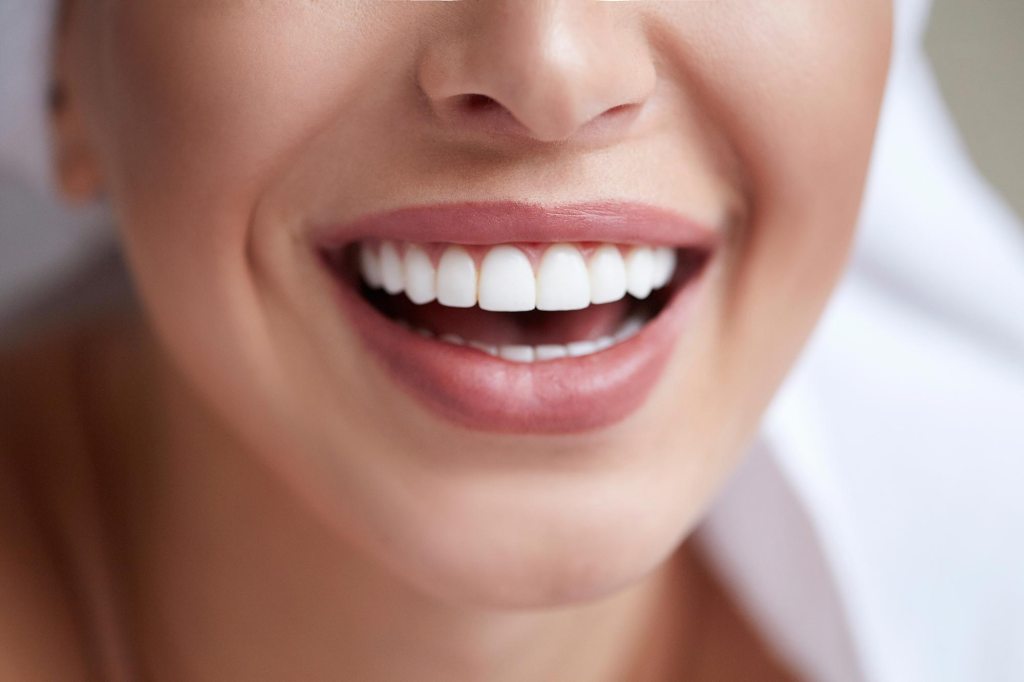
Gums become pinker and healthier as a result of enhanced oral hygiene; bleeding gums are no longer a concern; teeth become whiter; breath becomes fresher, and oral cavity muscles and jaws develop stronger. It also helps with sore throats, dry skin, blurred eyesight, loss of taste, and anorexia.

A study was carried out to investigate- the efficacy of sesame oil-pulling on plaque-induced gingivitis and to compare it to the effectiveness of chlorhexidine mouthwash. For this study, a total of 20 plaque-induced gingivitis-affected teenagers were divided into two groups: 10 in the oil pulling group (Group I) and 10 in the chlorhexidine group (Group II) (Group II). The 20 subjects’ plaque index and revised gingival index scores were recorded, as well as baseline plaque samples.

In both the study and control groups, the pre-and post-values of the plaque and modified gingival index scores were statistically significant (p < 0.001 in both). In the plaque of teenagers with plaque-induced gingivitis, oil pulling therapy reduced the plaque index, modified gingival scores, and total colony count of aerobic bacteria.

STUNNING NATIONAL PARKS OF INDIA

Beyond India’s booming metropolis, wildlife enthusiasts can discover idyllic sanctuaries teeming with life. India’s national parks, numbering in the hundreds, cover around 15,600 square kilometers of protected land. Discover and appreciate all that nature has to offer by visiting these gorgeous wildlife National Parks. Enjoy breathtaking panoramas, adrenaline-pumping jeep safaris, and sightings of rare and ferocious creatures.

 Kaziranga National Park, Assam

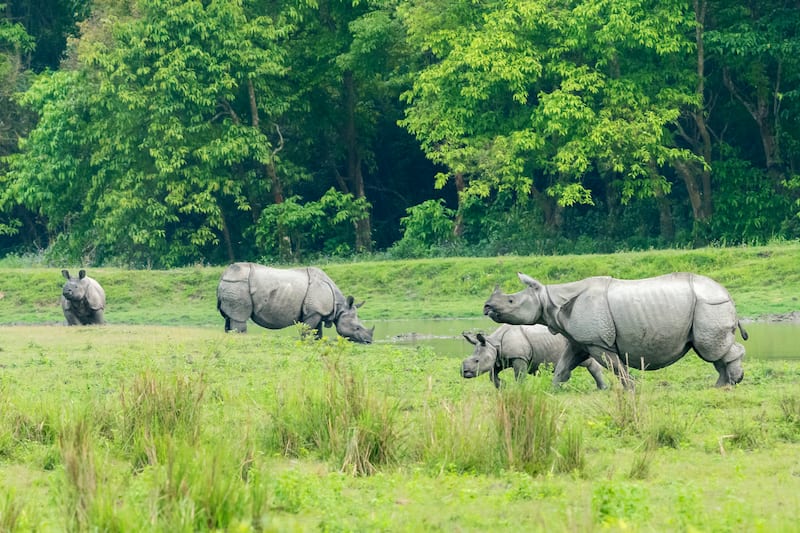
On the floodplains of the Brahmaputra River, Kaziranga National Park lies partly in Golaghat District and partly in Nagaon District of Assam. Established in 1905 as a forest preserve to save the greater one-horned rhinoceros from extinction, it is Assam’s oldest park, encompassing 430 square kilometers. It’s among the few untouched natural places in India’s north-eastern region. 

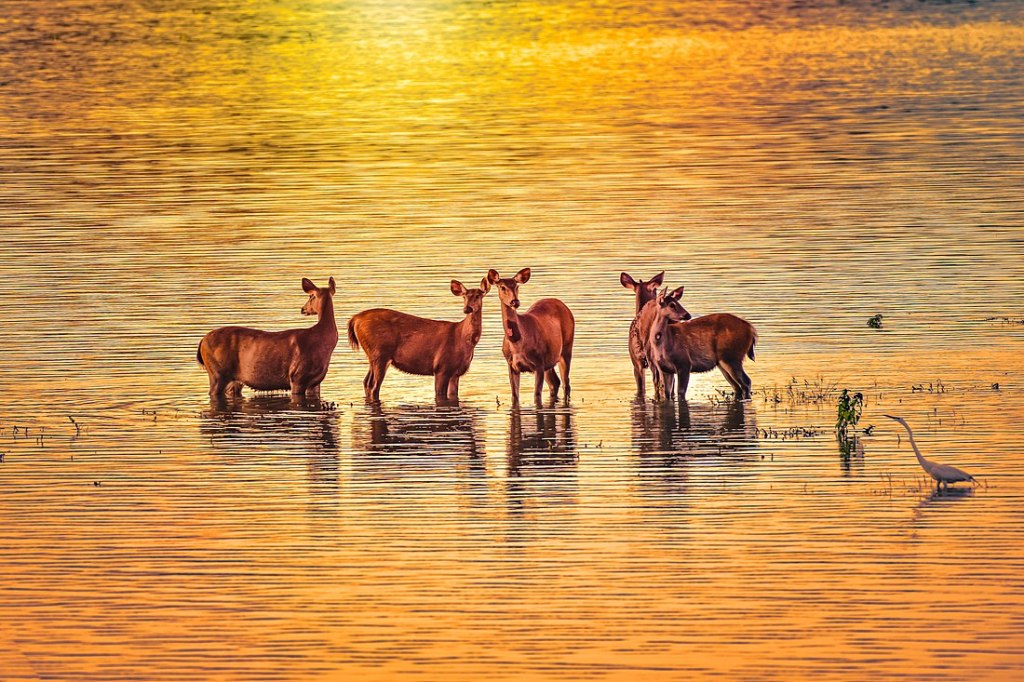
With its elephant-grass meadows, swampy lagoons, rugged reeds, marshes, shallow waters, and dense woods, Kaziranga National Park is one of India’s most popular wildlife tourist hotspots. Over 2200 Great Indian one-horned rhinoceros call it home, accounting for roughly two-thirds of the world’s total. Tigers can also be sighted here, camouflaged among the elephant grass and lush forest. There are also buffalo, rare swamp deer, and river dolphins to witness. In 1985, it was declared as a UNESCO World Heritage Site. The park is open all year, however, during monsoon season in July and August, it may close owing to flooding.

Nagarhole National Park, Karnataka

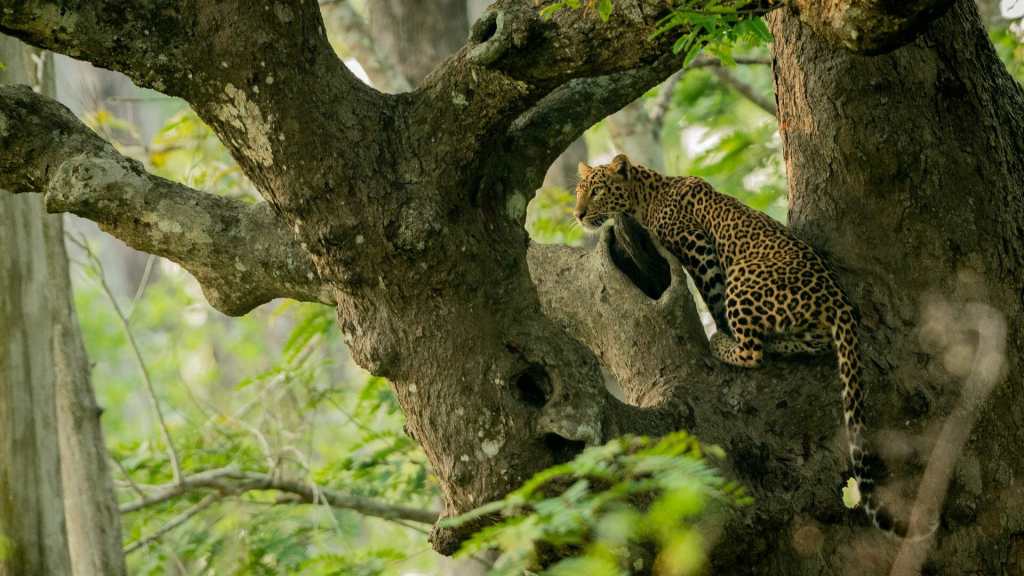
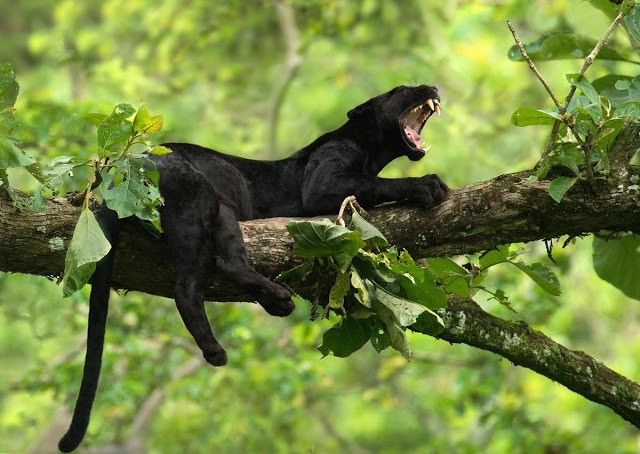
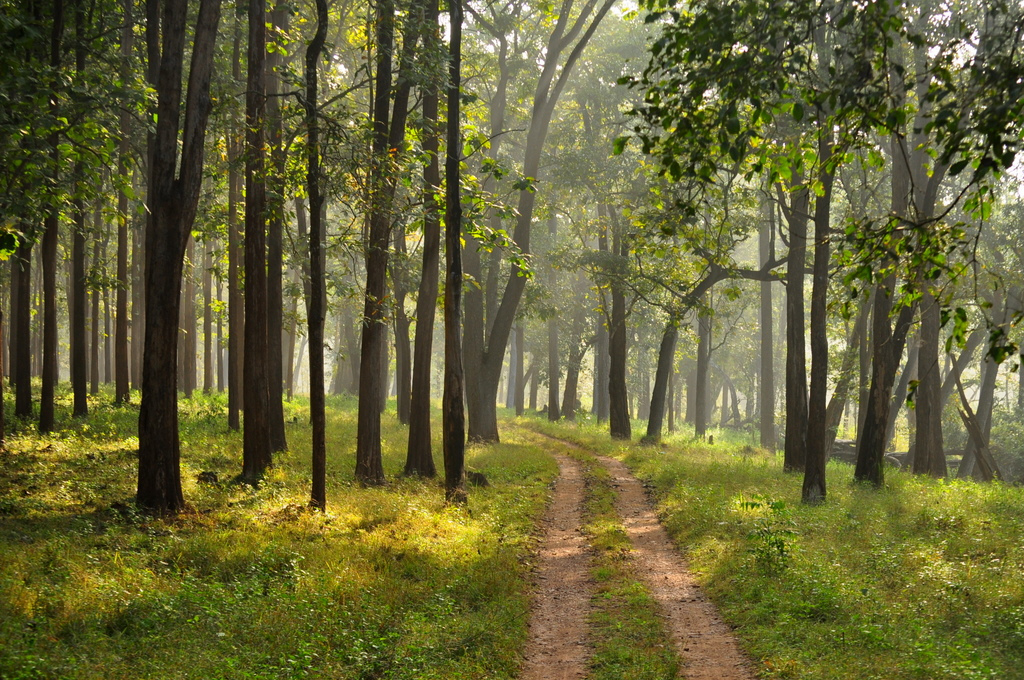
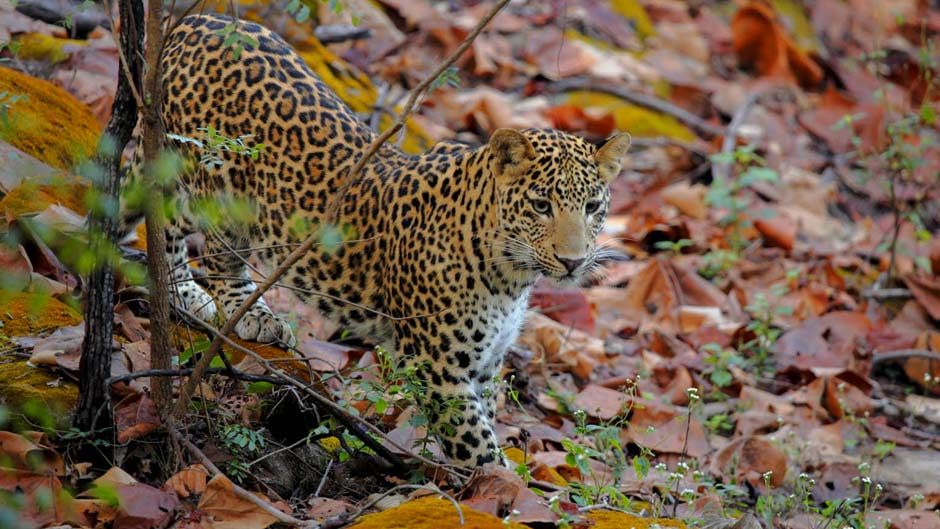
Nagarhole National Park, also known as Rajiv Gandhi National Park, is the enchanting 247 square-mile-long wild reserve located in Kodagu and Mysore district. It is one of the best places in the world to see leopards. It was designated as India’s thirty-seventh Tiger Reserve. UNESCO has designated it as a World Heritage Site. The park, ringed by the Western Ghats, is abode to aromatic sandalwood and teak trees, dense bamboo groves, and myriads of streams, including the Lakshmmantirtha River, Sarati Hole, Nagar Hole, BalleHalla, Kabini River, four perennial streams, 47 monsoonal rivulets, four small perennial lakes, 41 manmade tanks, several swamps, Taraka Dam, and the Kabini reservoir.

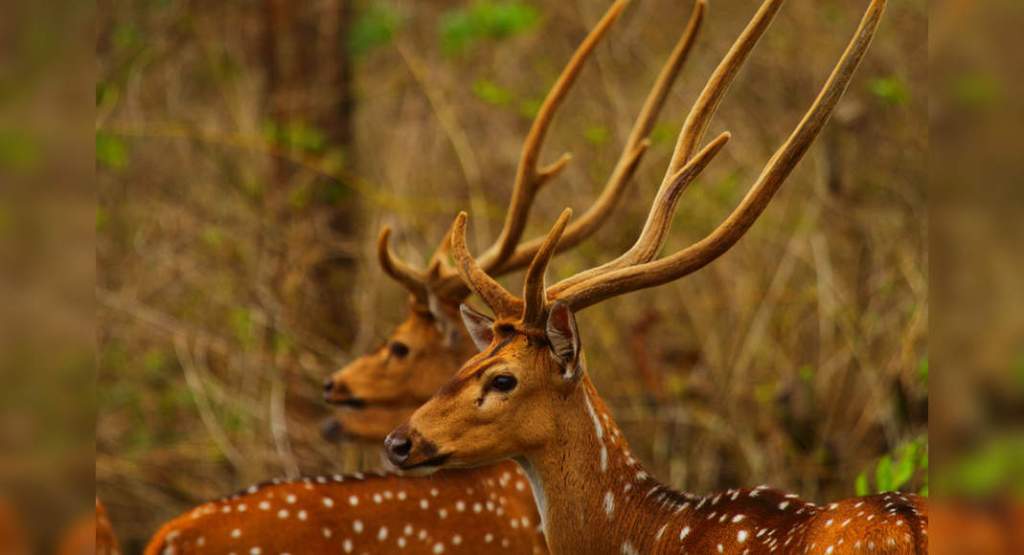
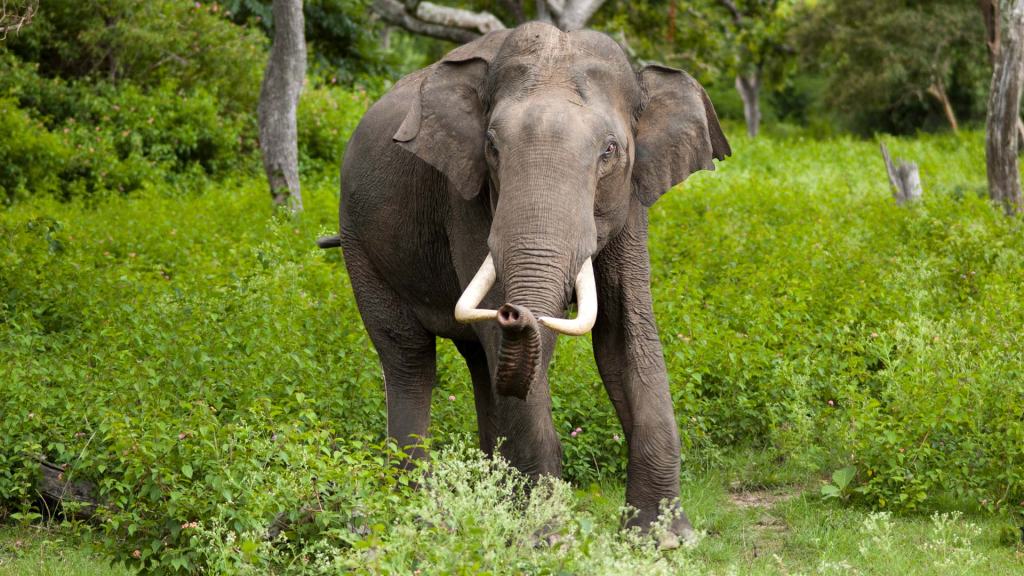
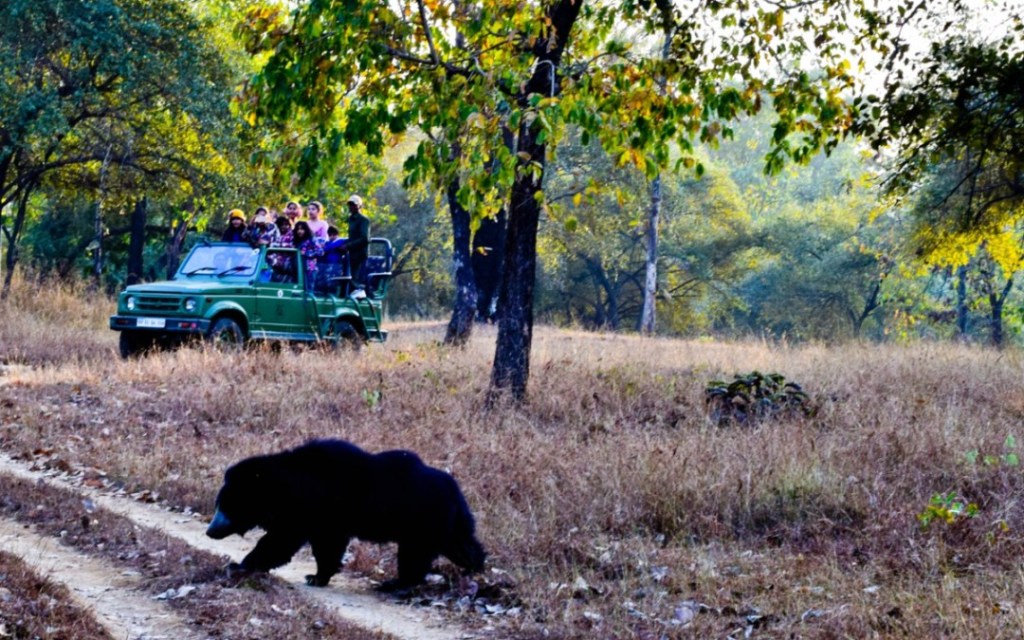
It houses ferocious predators like Bengal tigers, leopards, wild dogs, sloth bears, and hyenas. Many herbivores like spotted deer, sambar, barking deer, four-horned antelope, Bosgaurus, wild boar, and elephant, dwell in the girded region. The Bonnet macaque, jungle cat, slender Loris, common langur, civet cat, leopard-cat, mongoose, common otter, giant flying squirrel, porcupine, jackal, mouse-deer, hare, and pangolin, can also be spotted. Around 250 bird species can be spotted in the Nagarhole area, including the blue-bearded bee-eater, scarlet minivet, and Malabar whistling thrush, as well as ospreys, herons, and ducks.

The marsh crocodile, monitor lizard, rock python, and plenty more species are the most abundant reptiles in the vicinity. Marine and terrestrial tortoises, frogs, toads, and tree frogs, as well as a plethora of insects, including some very vibrantly colored butterflies, dwell in this lush southern Indian forest. A jeep expedition is the finest way to see big cats, whereas a leisurely cruise across the Kabini River in a coracle (a small circular boat) provides splendid views of aquatic birds, crocodiles, and Indian elephants.

Mahatma Gandhi Marine National Park, Andaman Islands

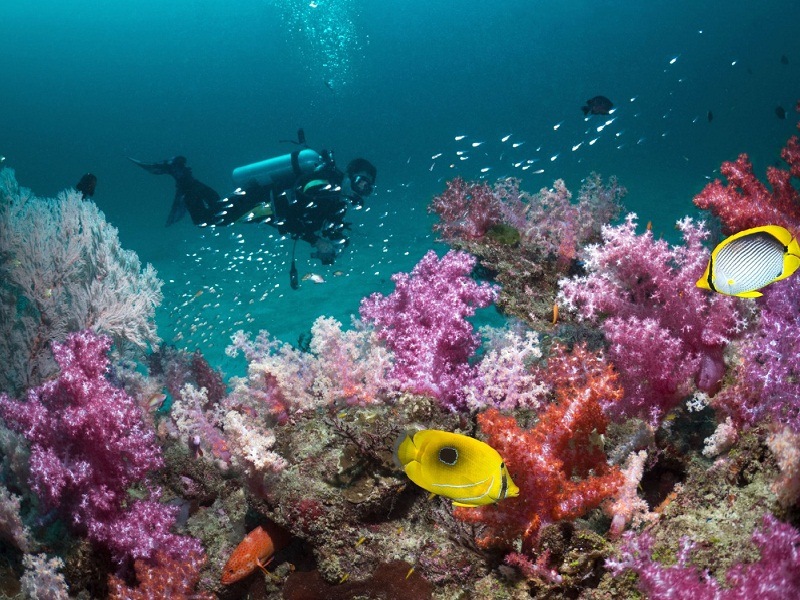
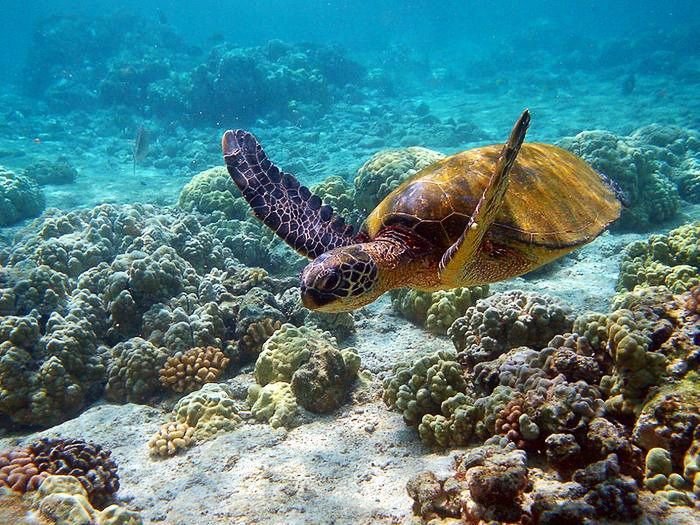
The Mahatma Gandhi Marine National Park is located 29 kilometers west of Port Blair and occupies an area of 281.5 sq. km. There are open seas, waterways, and 15 small and big islands in this vicinity. Rare corals and underwater aquatic life can be seen from glass-bottom boats. Tourists can also enjoy scuba diving and snorkeling. Guided excursions of the Mahatma Gandhi Marine National Park are available through private ferry operators. As part of the guided tours, visitors are also allowed to spend two and a half hours on Jolly Buoy Island or Red Skin Island. It was founded to safeguard marine life, notably sea turtles and coral reefs.

Hemis National Park, Jammu & Kashmir

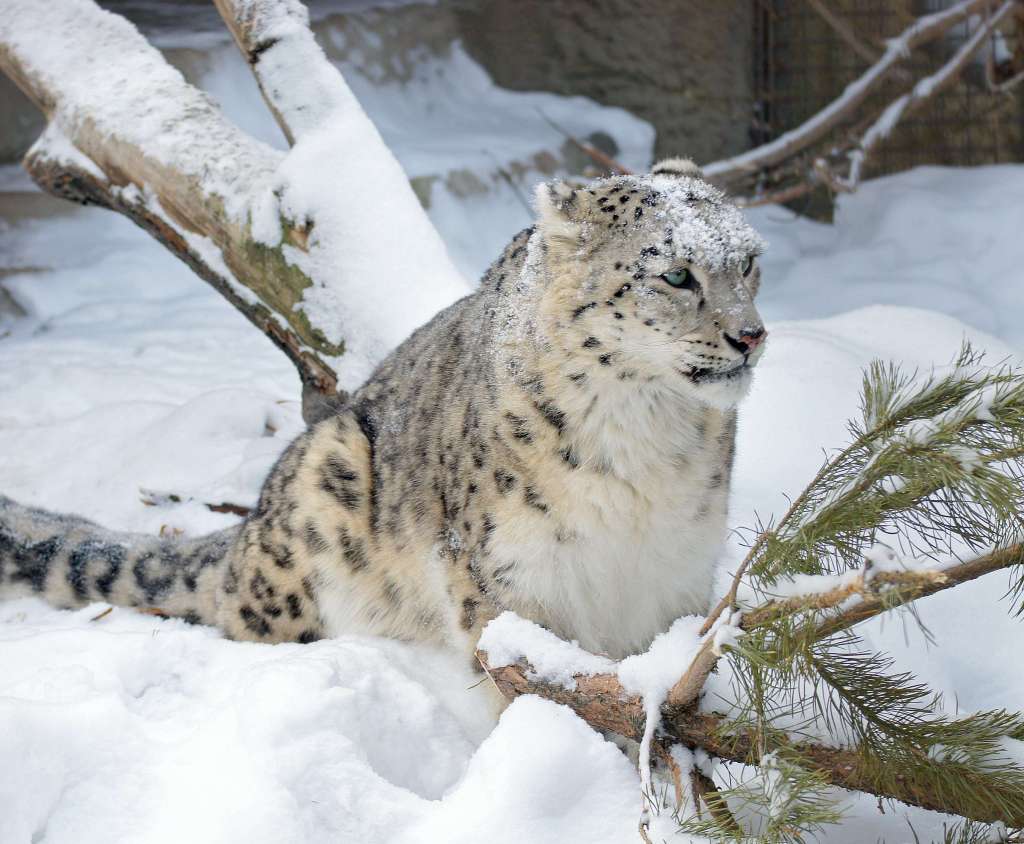
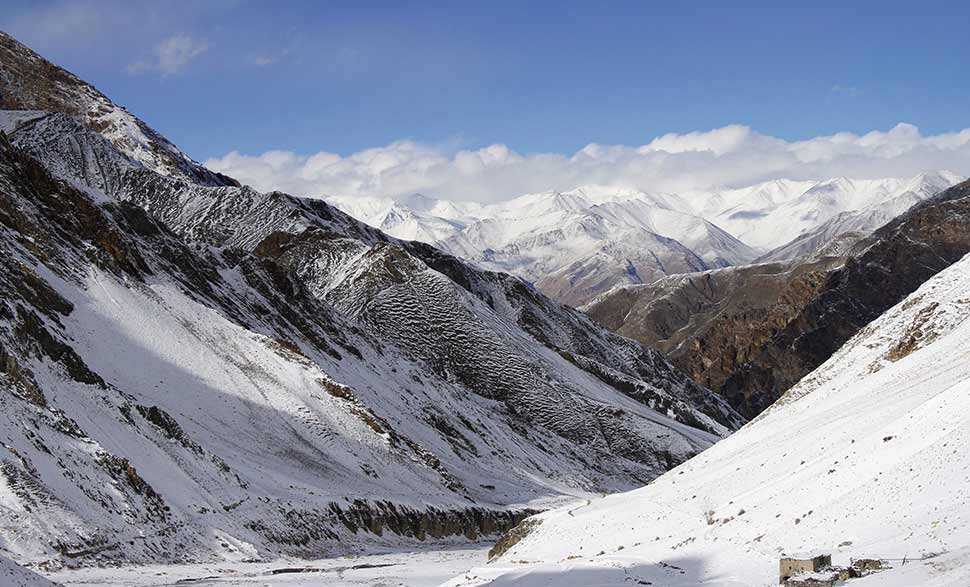
Hemis National Park, the largest national park in South Asia,  is situated in the eastern section of the Ladakh district in Jammu and Kashmir, India. The park is host to 17 mammal species and 73 bird species. Leopards, Asiatic ibex, Tibetan wolf, Eurasian brown bear, and red fox are among the area’s endangered fauna. It also plays host to 200 leopards and is India’s sole Ladakhi Urial habitat. Small creatures such as the Himalayan marmot, mountain weasel, and Himalayan mouse hare call it home.

It’s an excellent spot for bird watchers. Brown Accentor, Robin Accentor, Tickell’s Leaf Warbler, Streaked Rosefinch, Tibetan Snowfinch, Chukar, Fork-tailed Swift, Red-billed Chough, Himalayan Snowcock, Fire-fronted Serin, golden eagle, Lammergeier vulture, and Himalayan griffon vulture can all be spotted here. The picturesque splendor of the national park is very well-known. It’s a visual feast, with lofty mountains and alpine juniper and subalpine dry birch forests. The Stok Kangri summit can be seen from the park. The park’s boundary is the confluence of the Indus and Zanskar rivers, which is a beautiful sight.

Satpura National Park, Madhya Pradesh

Satpura National Park, located in the Hoshangabad district of Madhya Pradesh, is a magnificent wildlife park with a total area of 524 square kilometers. It is home to 52 mammal species, 31 reptile species, and 300 bird species, 14 of which are endangered.

For animal enthusiasts, it is a stunning jungle paradise. Leopards, tigers, chitals, nilgais, four-horned antelopes, bhedkis, rhesus monkeys, wild boars, deer, foxes, flying squirrels, and Indian joint squirrels are just a few of the wildlife that may be discovered here. Satpura Park’s biodiversity is impressive, with over 1300 species of flora, notably teak, sal, tendu, mahua, bel, bamboos, grasses, bushes, and other medicinal plants possessing therapeutic and medicinal effects. Besides, there are several bird species like the Malabar pried hornbills, crested hawk eagles, honey buzzards, paradise flycatchers, thrushes, pheasants, and peafowl. One can enjoy the Jungle Safari by Jeep, boat, or elephant.

NEANDERTHALS – Our Closest Relatives

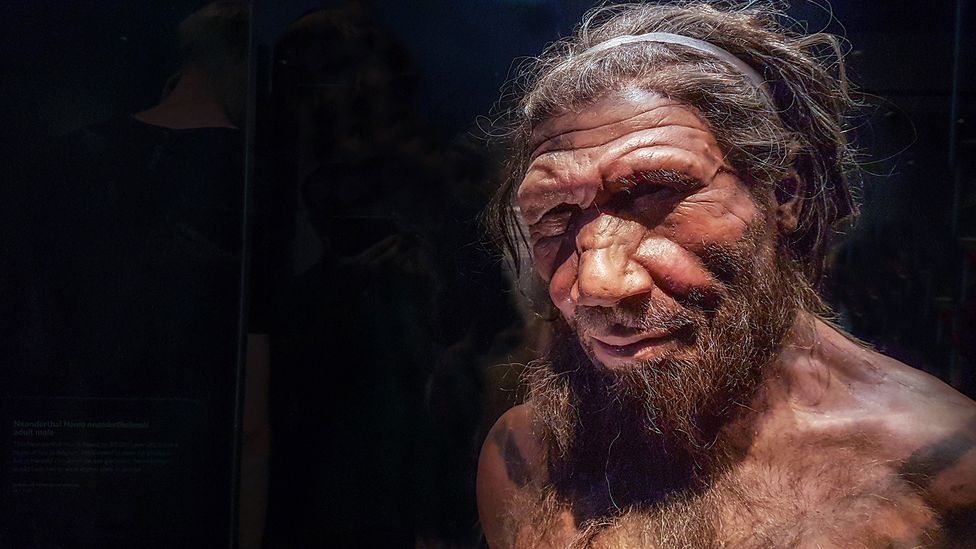
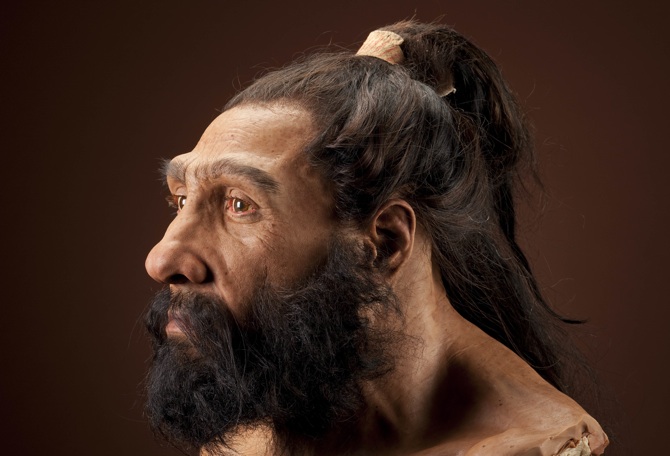
The Neanderthals (Homo neanderthalensis) are our closest ancient human relatives. Homo is a Latin word describing “man” or “human.” The term neanderthalensis comes from the Neander Valley in Germany, where the first significant specimen was discovered in 1856. The German word for valley is ‘Tal,’.  Hence, Homo neanderthalensis signifies “Human from the Neander Valley.”

During the Pleistocene Epoch (roughly 2.6 million to 11,700 years ago), Neanderthals first appeared at least 200,000 years ago. Around 35,000 to 24,000 years ago, they were superseded by modern humans (Homo sapiens). Neanderthals co-existed alongside homo sapiens for a long time before going extinct around 28,000 years ago. Both fossils and DNA evidence indicate that the Neanderthals and modern human lineages split at least 500,000 years ago.

Homo sapiens, or modern humans, originated in Africa, whereas Neanderthals appeared in Europe and Asia. From Portugal and Wales in the west to Siberia’s the Altai Mountains in the east, the species was widespread all over Eurasia. Neanderthal populations were resilient, living in icy cold habitats in England and Siberia approximately 60,000 years ago, and mild temperate woods in Spain and Italy approximately 120,000 years ago.

 Physical Appearance

Neanderthals possessed a long, low head (opposed to modern humans’ more globular skull) with a noticeable forehead ridge above the eyes. A broad, wide nose that jutted forward in the middle of the face. Some researchers believe this trait evolved as a way to survive in colder, drier regions. The air they breathed would’ve been moistened and warmed by the nose’s vast interior size.

Their front teeth were large and scratched, suggesting they were regularly used in food preparation and other tasks. Unlike humans, Neanderthals didn’t have much of a chin. They had a robust, muscular physique with broad hips and shoulders. Adults weighed 64-82 kg and stood 1.50-1.75 m tall. On average, ancient Neanderthals were taller than later Neanderthals, yet they weighed about the same.

Their short, stocky bodies were well-suited to frigid climates. They had proportions that limited the skin’s surface area, likely to save heat in cooler regions, thanks to their broad torso mixed with their short lower legs and lower arm bones. Some researchers believe that the Neanderthals’ physique also gave them better strength in their arms and legs, allowing them to participate in close-range hunting ambushes.

Neanderthals Tools

Neanderthals were quite intelligent and skilled beings. Late Neanderthals had brain sizes ranging from 1,200cm3 to 1,750cm3, larger than the current average, yet proportional to their body size. Homo sapiens skulls from roughly 30,000 years earlier possessed, on average, bigger brains than modern humans. Spears and stone handaxes excavated in caves reveal that Neanderthals were skilled toolmakers.

Neanderthals devised incredible stone technology over 300,000 years ago. This entailed developing pre-shaped stone cores that could later be fine-tuned into a finished tool. It abled them to produce tools when they needed them. They were seasonal hunters and ate whatever animals were available at the time. Sharp wooden spears and enormous numbers of big animal carcasses, uncovered by scientists, indicating that Neanderthals chased and butchered them.

Neanderthals built shelters, regulated fire, and even crafted symbolic or attractive artifacts. There is proof that Neanderthals buried their deceased and even decorated their graves with flowers. This sophisticated and symbolic behavior had never been seen in other monkeys or earlier human species. Being buried substantially enhances the chances of becoming a fossil, which may explain why the Neanderthal fossil record is so extensive as opposed to the fossils of other human species.

Neanderthals Diet

Neanderthals are usually portrayed as carnivorous ice-age hunters and scavengers who ate massive creatures. Food remains deposited in the calculus around their teeth, on the other hand, suggest that the Neanderthal diet contained a variety of plants, either directly accessed or devoured from the stomach contents of their plant-eating prey. Fungi, Mussels, baby seals, and even dolphins were among the things they consumed.

But, as opposed to early humans living in tropical Africa, where consumable plant foods were plentiful all year, the diversity of plant foods available to Neanderthals fell dramatically during the winter season, requiring them to rely primarily on alternative food sources like meat.

Neanderthals DNA

As per fossil and genetic evidence, Neanderthals and modern humans (Homo sapiens) descended from a single ancestor between 700,000 and 300,000 years ago. Neanderthals and modern humans shared the same genus (Homo) and lived in the same geographic locations in western Asia for 30,000–50,000 years; genetic data suggests that they eventually split off into distinct species of the human family tree after mating with non-African homo sapiens.

Neanderthals and modern humans, it appears that these two groups mated whenever they crossed paths until modern humans swept into Europe during a particularly frigid period. Their arrival may have hindered Neanderthals from returning to areas where they once thrived, hastening the extinction of the Neanderthals. Their numbers plummeted to the brink of extinction barely a few thousand years after modern humans arrived in Europe. By roughly 40,000 years ago, all traces of them had vanished.

In many populations today, the genetic traces of this mingling can still be found. Neanderthal genomes make up about 2% of European and Asian genomes. The genetic shift, on the other hand, seems to have had little impact on African populations.

BUDDHIST PILGRIMAGES IN INDIA

Buddhism, an esoteric tradition and way of life, arose to teach people how to experience life in a more meaningful way, bringing intrinsic serenity and pleasure. It aspires to live in perfect harmony with the greatest outpouring of love, honesty, and compassion possible. There’s a lot to discover about this 2500-year-old religion and its global appeal. Explore these locations to be awestruck by their beauty and to learn more about Buddha’s teachings.

Bodh Gaya

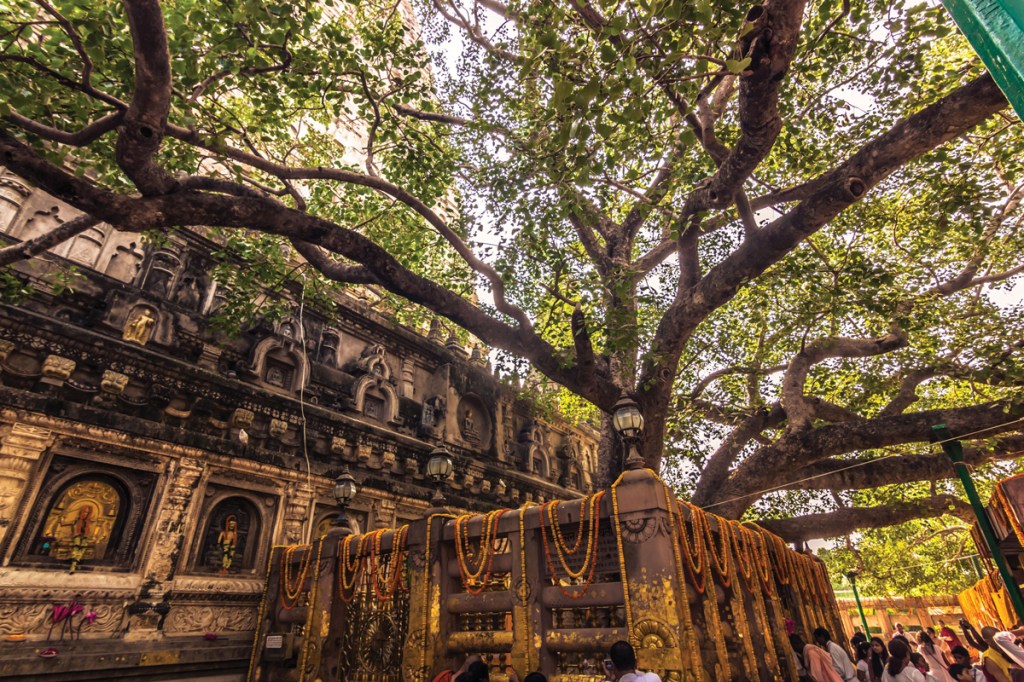
Bodh Gaya is India’s Buddhist epicenter. The tiny village of Bodh Gaya in Bihar reverberates with a serene atmosphere infused with profound devotion. This 2,500-year-old Buddhism cradle, studded with temples and monasteries, welcomes people from all across the globe to soak up its spiritual and holy vibes, follow Lord Buddha’s footsteps, and hear about his teachings at the very spot where he attained enlightenment. The serenity pervades every wind in this tiny village. Prince Siddhartha, better renowned as Lord Buddha, is claimed to have taken shelter under the most sacred tree in the vicinity, the Bodhi tree, there he meditated till enlightenment.

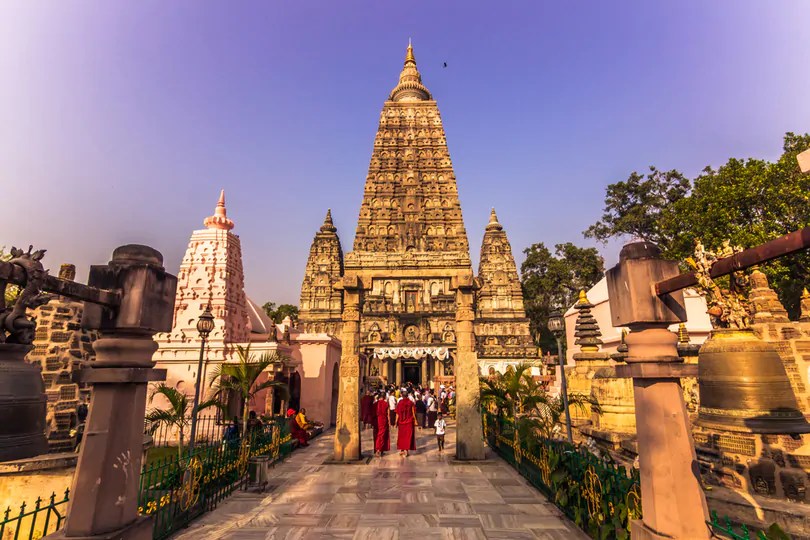
The beautiful Mahabodhi Temple, a UNESCO World Heritage Site, is one of Lord Buddha’s four sacred shrines. The renowned sandstone temple stands 52 meters tall in the heart of Bodh Gaya town, amidst lush green gardens. The existing Bodhi tree, most likely the sixth generation of the first, a prominent emblem in Buddhism, is located to the left of the Mahabodhi Temple. It commemorates the spot where Lord Buddha attained enlightenment underneath the first Bodhi tree. Buddha meditated for about a month in Bodhgaya under a holy fig tree. Bodhi Day, which honors Buddha’s enlightenment under the Bodhi tree, is observed every year on Dec 8 by Buddhists all around the world.

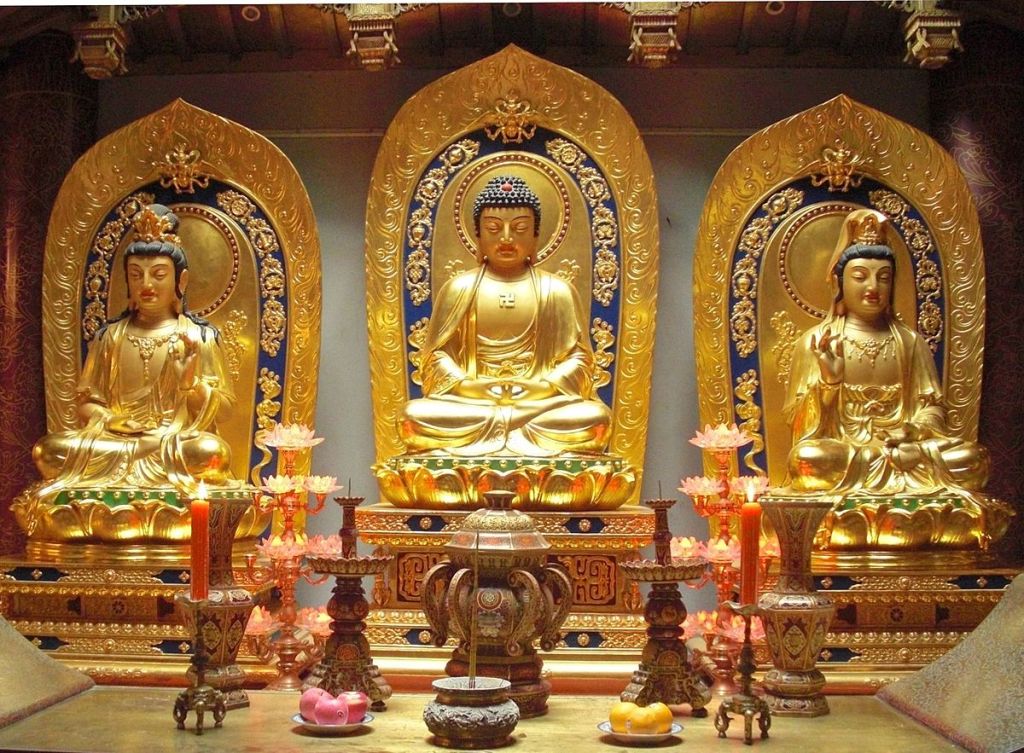
It’s a delightful surprise, with exquisite engravings and arch motifs on the tower. A golden figure of Lord Buddha in his renowned bhumisparsha mudra, with one finger touching the ground and asking it to witness his enlightenment, can be found inside the temple. A statue of Mayadevi, Lord Buddha’s mother, is housed in a room at the top.

Sarnath 

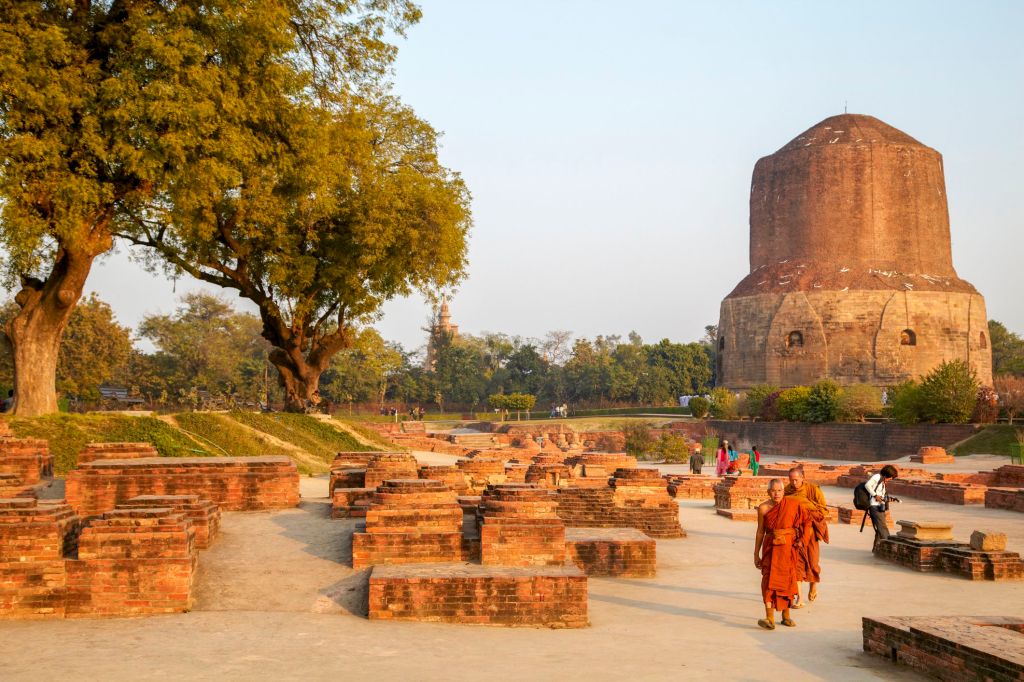
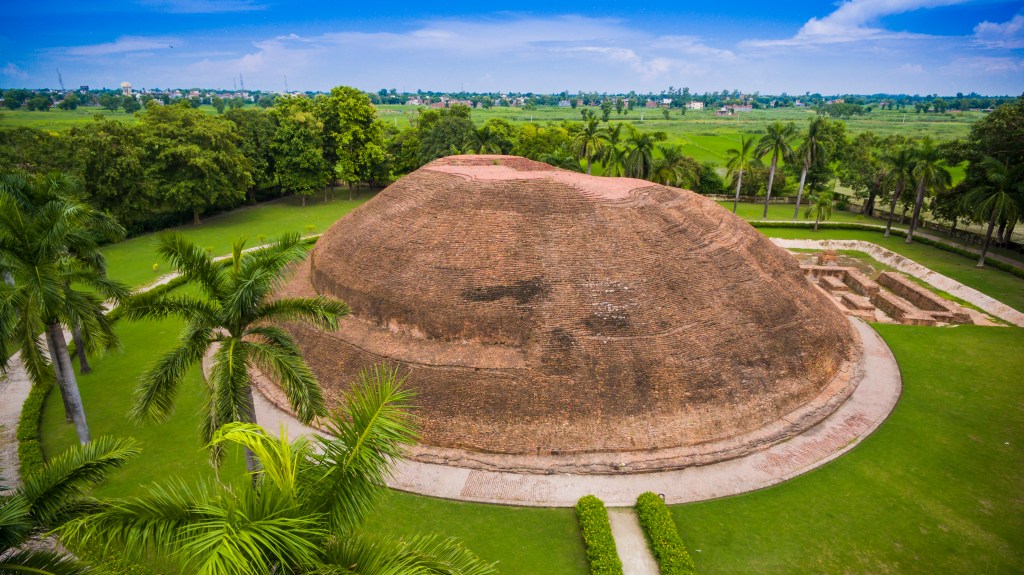
Sarnath,10km from Varanasi, was the starting point for Buddha’s teachings and preaching. Buddha gave his first lectures after nirvana in this very location. Sarnath is one of India’s four holiest Buddhist sites, with constructions like the Dhamekh Stupa and Chaukhandi Stupa highlighting its historical importance.

The solid cylindrical structured Stupa made of red bricks and stone reaches a height of 43.6 m and a diameter of 28 m. This historic site is significant because it represents the site where Lord Buddha delivered His first teaching to His 5 monks following achieving enlightenment in Bodh Gaya. Buddhist pilgrims from all across the world come to Sarnath to worship Lord Buddha.

Lord Buddha’s remains were dispersed and buried beneath 8 mounds after his enlightenment, with the embers and urn buried beneath 2 additional mounds, for a total of 10 such memorials housing Lord Buddha’s relics.

Great Indian Emperor Ashoka of the Maurya Dynasty, who reigned over almost the entire Indian subcontinent from c. 268 to 232 BCE, constructed multiple Stupas across India bearing relics of Lord Buddha and his disciples, to spread Buddhism. At 249 BCE, he ordered the construction of the Dhamek Stupa at Sarnath, which was later reconstructed in 500 CE, as well as several other Sarnath structures.

Kushinagar

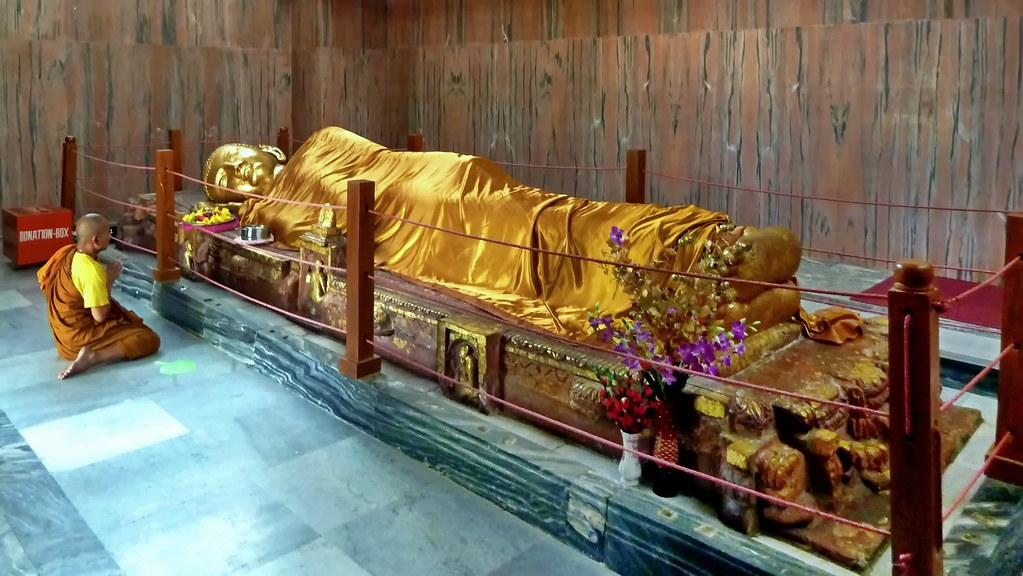
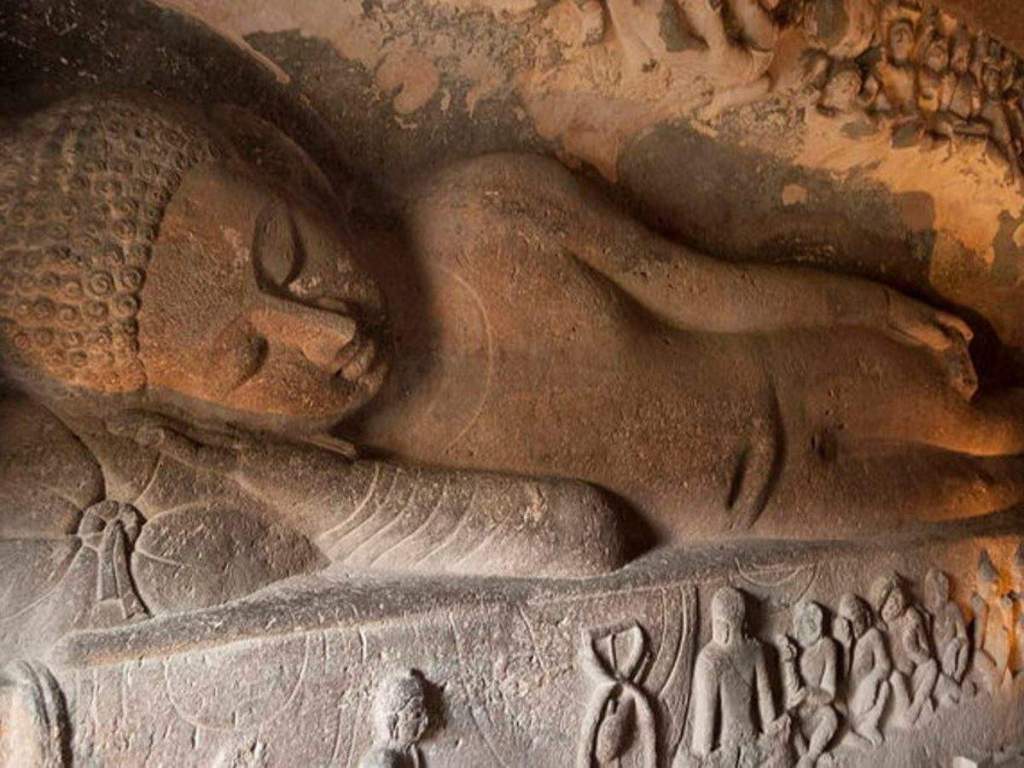
Kushinagar is a well-known tourist destination associated with Gautama Buddha, located 51 kilometers east of Gorakhpur on National Highway No. 28. Buddha delivered his last and final preaching here in 483 BC. The statue of Lord Buddha in nirvana, which towers 6.10 meters tall and dates from the 5th century A.D., is built of monolith red-sandstone. The ‘Resting-Buddha’ is seen lying on his right side, facing west. It is a holy pilgrimage place since it is where Lord Buddha breathed his last.

Kushinagar’s other attractions include the Indo-Japanese Temple, Burmese Temple, Chinese Temple, Thai Temple, Korean, Sri Lankan, Tibetan temples, 15-acre Meditation Park, and Museum.

Tawang Monastery

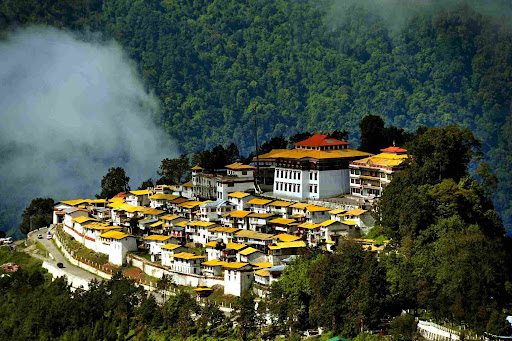
Tawang Monastery, the largest monastery in India and the second largest in the world, located in Tawang city of Tawang district in the Indian state of Arunachal Pradesh, serves as the valley’s social, cultural, and spiritual hub. This monastery, perched on a hill about 10,000 feet above sea level, is India’s largest, with views of ravines to the south and west, a short ridge to the north, and a gradual slope to the east. During the winter, it is buried in snow, which enhances its splendor.

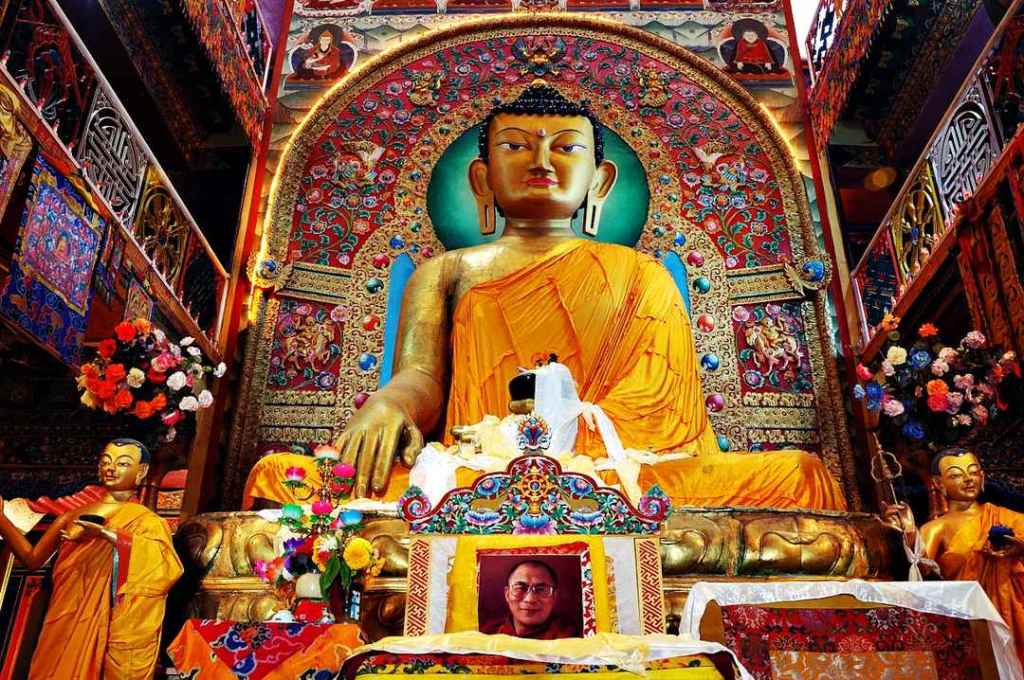
The Mandalas or Kying-Khores are painted on the Kakaling’s ceilings and inner roofs, while saints and divinities are depicted on the inside walls. On the monastery’s northern flank, after Kakaling, is the main gate. It has a 925-foot-long eastern wall. A 25-foot-high golden statue of Lord Buddha, perched on a lotus throne and flanked by his two chief attendants, Maudgalyayana and Sariputra, each bearing staff and a bowl, is a major attraction of the monastery. The Tawang Monastery, which is three stories tall and is enclosed by a 925-foot high compound wall, houses 65 residential buildings.

The monastery is historically notable as it was founded in 1681 per the wishes of Ngawang Lobsang Gyatso, the 5th Dalai Lama. The word ‘Tawang’ translates to ‘chosen by a horse,’ and legend has it that a horse belonging to the founder, Mera Lama Lodre Gyatso, chose the current monastery’s location. Tsangyang Gyatso, the sixth Dalai Lama, was born at Tawang, making it a significant Tibetan Buddhist pilgrimage destination.

Ajanta Caves

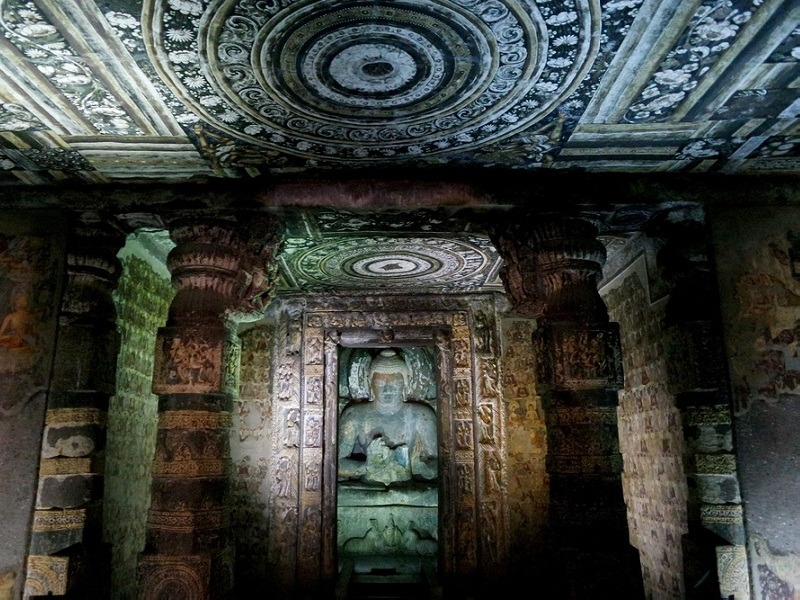
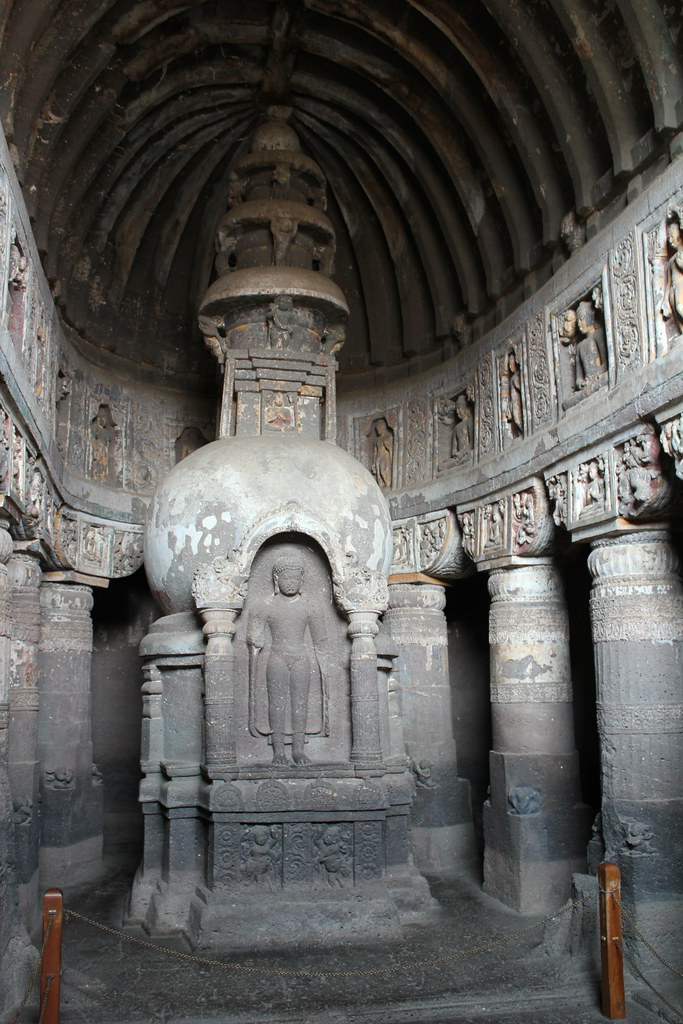
The Ajanta Caves, 107 kms from Aurangabad and 60 kms from Jalgaon, were designated as a UNESCO World Heritage Site in 1983. A protected monument in the care of the Archaeological Survey of India, it is a cluster of 32 Buddhist caves not far from a medieval village of the same name. Ajanta’s thirty rock-hewn caves, built into a cliff’s scarp, are either chapels or monasteries. Paintings adorn the cave walls, many of which retain their original colors. Exquisitely carved sculpture adorns the building’s outer walls. The Ajanta paintings’ Buddhist motif embodies the essence of Lord Buddha’s life and previous earthly events.

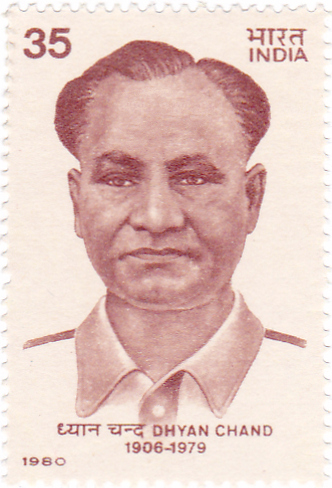
DHYAN CHAND – THE HOCKEY LEGEND

On Friday, Prime Minister Narendra Modi stated that the Rajiv Gandhi Khel Ratna Award will now be called the Major Dhyan Chand Khel Ratna Award.

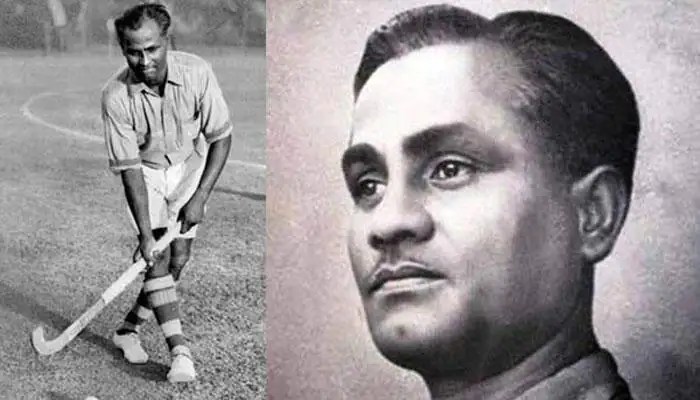
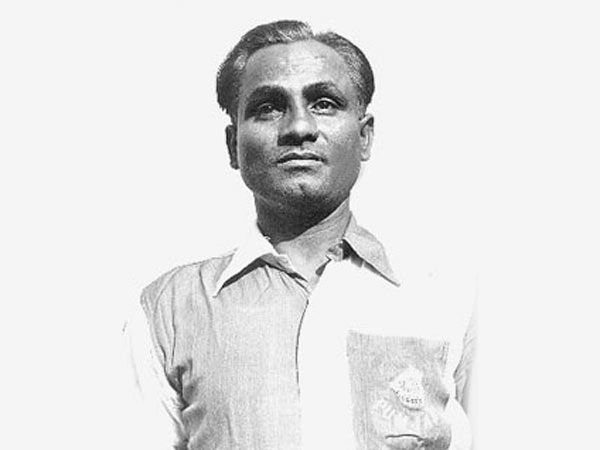
Dhyan Chand – the man who charmed everyone with his smooth stick movement. He was nicknamed ‘the hockey wizard.’

Dhyan Chand, the hockey wizard, was born on August 29, 1905, in Allahabad, to Sharadha and Sameshwar Singh. He was enamored with hockey from an early age, and he, like his father, enlisted in the army at the age of 16 & continued playing his beloved sport.

Celebrated for his unparalleled goal-scoring ability, he was a Phenomenal field hockey player who scored over 1000 goals during his illustrious career spanning over 20 years ( 1926–1948).

In 1956, he was honored with Padma Bhushan, the third-highest civilian award of the country. In India, Dhyan Chand’s birthday, August 29, is celebrated as National Sports Day to honor the hockey ace.

Dhyan Chand was a member of India’s first-ever Olympic hockey team. India’s golden boy, he won three Olympic gold medals for the country. He made billions proud & delighted back home.

 Amsterdam 1928

By scoring 29 goals in five games, the Indian hockey team earned their first-ever Olympic gold medal. The hockey whiz Dhyan Chand scored 14 goals, including a hat-trick in the final against the Netherlands. It was India’s first Olympic medal in hockey.

 Los Angeles 1932

The Indian hockey team initially defeated Japan 11-1. Dhyan Chand’s younger brother, Roop Singh, scored ten goals and the wizard added eight to lead India to a stunning 24-1 victory over the US and a second consecutive Olympic gold medal.

 Berlin 1936

The Indian hockey team won a hat-trick of Olympic golds in Berlin, 1936, led by Dhyan Chand. India tallied 38 goals in five games.

The Indians were unable to get through the German defense in the first half of the final against Germany. The German goalkeeper clashed with Dhyan Chand during one of his rallies, and the goalkeeper’s hockey stick injured him in the face. Dhyan Chand had to be helped from the field after collapsing. Meantime, the Germans rushed and scored a goal. Germany had a one-goal lead at halftime. He recovered after losing a few teeth and then chose to switch from stud-soled shoes to his usual rubber-soled canvas PT shoes.

India won thanks to Dhyan Chand’s second hat-trick in the Olympic finals. Hitler walked out of the match in the middle of it. India won by a score of 8 to 1 against Germany.

Chand’s last international match was in 1948.

The eight-goal victory over Hitler’s Germany

Dhyan Chand was the subject of intense media criticism. The next day, after India defeated Hungary 4-0, the Statesman’ reported, “Most disappointing was the revelation that Dhyan Chand, the world’s greatest center forward, is past his best days…”

India also defeated the USA 7-0 and Japan 9-0. In a practice match, the Germans defeated the Indian hockey team 4-1. The press forecasted that “if Germany wins, it will be a lesson to India that she deserves.”

After France was thrashed 10-0 and Germany was beaten 8-1 in the final, the tone and tenor of the debate shifted, with Berlin’s ‘Morning Post’ praising India’s performance.

As per lore, Dhyan Chand wished to enhance his speed and mobility, therefore he wore rubber-soled footwear instead of traditional spiked footwear on the grassy patch. It enabled him to dribble at a high rate. He tallied 12 points, and the match report in the ‘Morning Post’ had some memorable lines.
“These players it is said glided over turf as if it is a skating rink and the flickering sticks had the Japanese, normally so agile, mesmerized.”

During the same Olympics, Berlin’s entire city was plastered with banners proclaiming- “Visit the hockey stadium to watch the Indian magician Dhyan Chand in action.”

GLORY OF DHYAN CHAND

Dhyan Chand is claimed to have once failed to score a goal against the other team while playing. After failing to score despite numerous attempts, he complained with the referee over the goal post’s measurement, which was proven to be inconsistent with the official width of a goal post under international standards.

A tube station in London has been named after Dhyan Chand. An Astro-turf pitch at the Indian Gymkhana Club in London is also named after him.

In honor of Dhyan Chand, the Indian government released a commemorative postage stamp and a First Day Cover. He is the only Indian hockey player to be honored with a stamp.

Dhyan Chand was such a hockey prodigy that authorities all across the world broke his stick to see if it contained a magnet.

TUTANKHAMUN – THE MOST FAMOUS PHARAOH

King Tutankhamen, popularly known as Tutankhamun, was born in the year 1341 BCE. “Aten’s living image” is the etymology of his name. He was crowned Egypt’s pharaoh at the young age of nine. He reigned from circa 1332 to 1323 B.C.E. as the 12th pharaoh of the 18th Egyptian dynasty. He ruled at a time when Egypt and the neighboring kingdom of Nubia were at odds over land and trade routes.

King Tut was confirmed to be the grandchild of the renowned pharaoh Amenhotep III and the offspring of Akhenaten, a contentious character of the 18th dynasty of Egypt’s the New Kingdom.

Akhenaten disrupted Egypt’s centuries-old religious system by favoring the worship of a single god, the sun god Aten, and relocating the country’s religious capital from Thebes to Amarna. Several of his father’s actions were annulled by King Tut, with the assistance of his advisor Ay, and Egypt returned to polytheism during his reign. Following Akhenaten’s demise, two pharaohs served for a short time until Tutankhaten inherited the crown.

Nearly a decade after attaining power, the “boy king” died under dubious circumstances only at 19. Below-mentioned are the few assumptions-

  • The Egyptian royal family’s longstanding incest is also believed to have contributed to the young prince’s ill health and early demise. His parents were siblings, as per DNA testing revealed in 2010, and his spouse, Ankhesenamun, was also his half-sister.
  • He stood tall but was fragile, with a terrible bone condition in his malformed left foot. He is the only pharaoh, believed to have sat while engaging in physical sports like archery. As per researchers, King Tut died from a gangrene infection, most likely triggered by a fractured leg.
  • It was assumed Tutankhamun was slain because his remains exhibited a hole in the back of his skull, but current findings reveal the wound was formed during mummification.
  • In 1995, CT scans indicated that the pharaoh had a crippled left leg, and DNA from his mummy showed signs of multiple malaria illnesses, all of which could have attributed to his premature death.
  • Tutankhamun suffered from malaria and was crippled, necessitating a cane to move, as per a 2010 analysis of his DNA, which could have triggered his fall and exacerbated his leg infection.

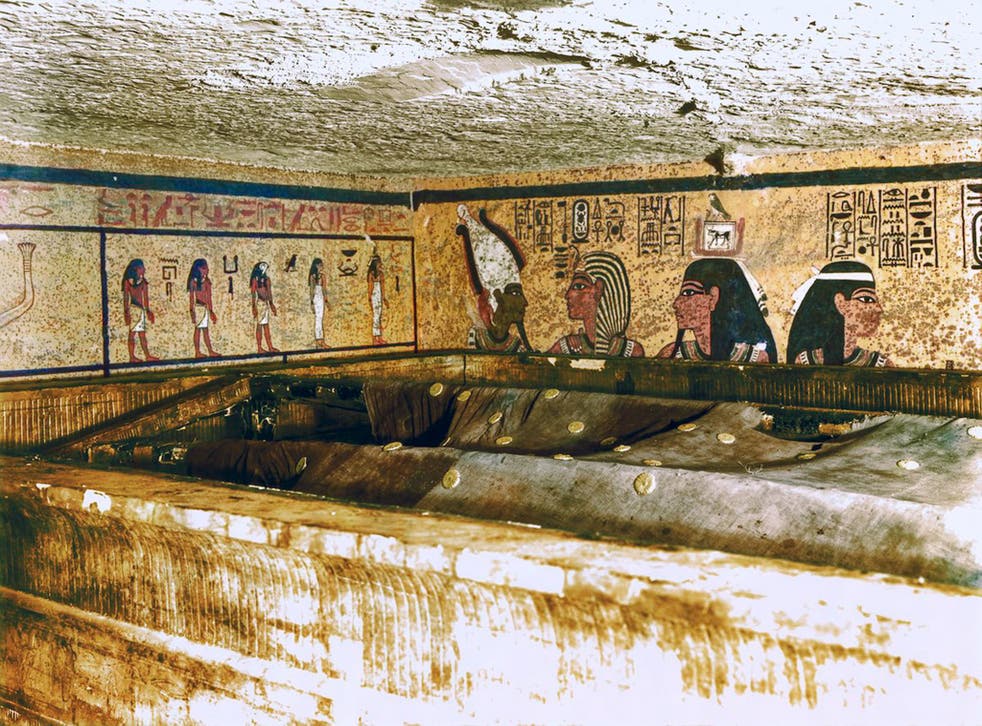
King Tut was mummified after he perished, in compliance with Egyptian religious practice. Embalmers removed his organs, dressed him in resin-soaked bandages, and then put in several nested coffins—three golden coffins, a granite sarcophagus, and four gilded wooden shrines, the greatest of which barely fit inside the tomb’s burial chamber.

According to archaeologists, King Tut’s death might’ve been unforeseen considering the modest size of his tomb.

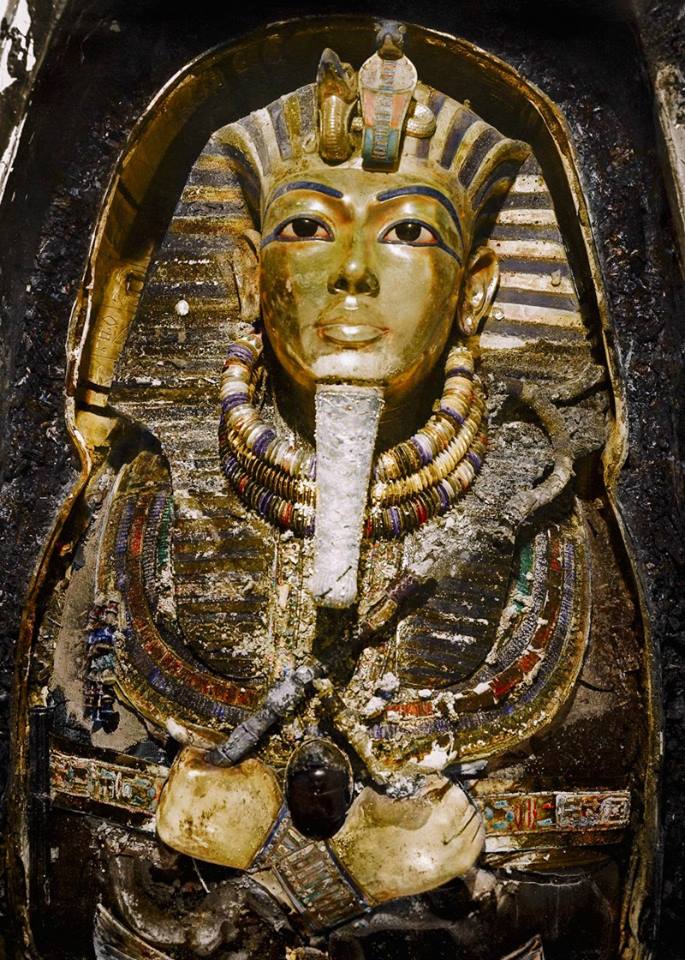
More than 5,000 antiquities, comprising a solid gold mask, furniture, chariots, apparel, couches, canopies, funerary objects, musical instruments, scribal instruments, jars, sticks, thrones, headrests, swords, and 130 of the crippled pharaoh’s walking sticks, were crammed into the tomb’s antechambers. The entryway passage was believed to have been ransacked shortly after the interment, whilst innermost chambers remained concealed. King Tut’s gold mask was crafted utilizing 22 pounds of gold.

TREASURES OF Tutankhamun

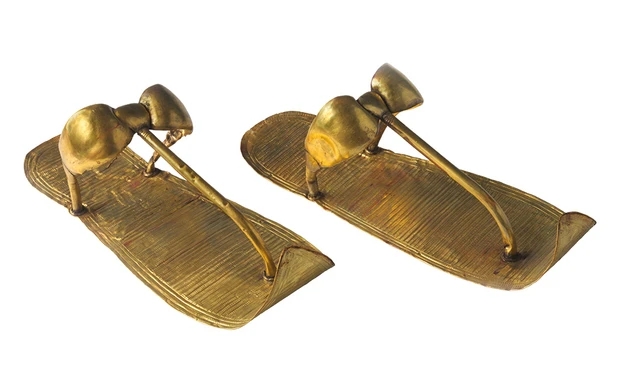
1. Walking on gold

These sandals, made of solid gold for burial purpose, would’ve been put on dead Pharaoh’s feet before he was draped in layers of linen. These resembled the leather and plant sandals Tutankhamun wore in actuality.
2. Symbols of pharaonic power

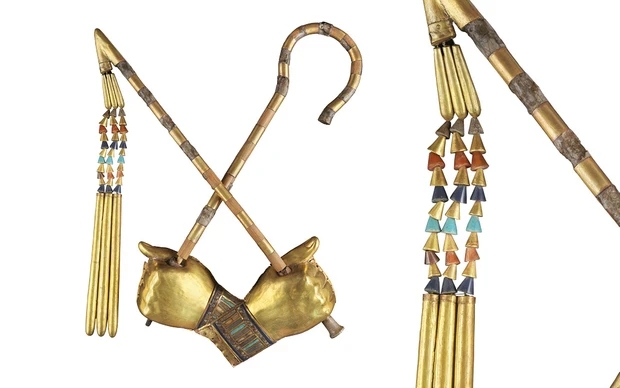
In Ancient Egypt, the crook and flail were the most important metaphor of royal power, with the shepherd’s crook symbolizing royalty and the flail indicating agricultural productivity. Within Tutankhamun’s mummy’s wrapping, The crook and flail featured silver centers, while the crossed hands were crafted of gold with colored glass.

3. Divine protection

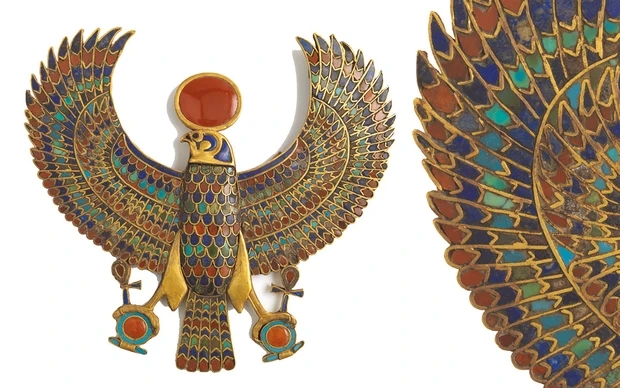
Pectorals, or extravagant pieces of jewelry, were worn across the chest.  The gold Falcon depicts god Horus clutching the sign for eternity in his claws. Horus was believed to be the pharaohs’ creator and guardian.

4. Fierce protector

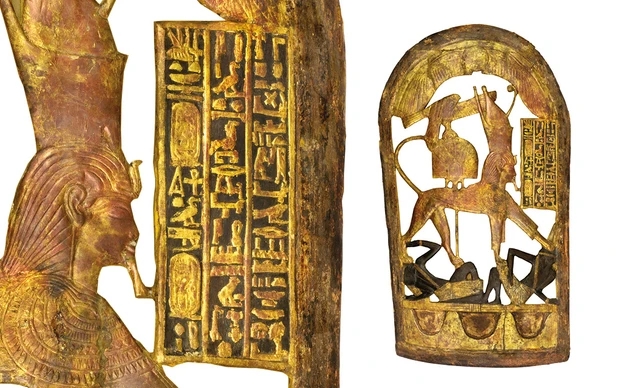
One of 8 wooden shields excavated in the tomb’s annex depicts Tutankhamun as a sphinx crushing his adversaries. The sphinx is surmounted by a falcon, which is a representation of the fighting deity, Montu. The openwork of the wood indicates that this armor was designed for ritualistic rather than fighting purposes. The Pharaoh’s armor represents him as a formidable pharaoh who safeguards Egypt from its enemies.

5. The hand of the king

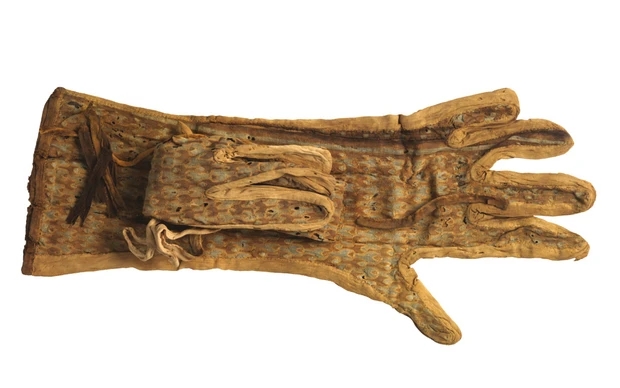
The majority of the items unearthed in the tomb were ritualistic or were meant for the Pharaoh’s afterlife use. But, researchers believe Tutankhamun used these linen gloves during his lifetime, most likely during the cold months, when in Memphis or while riding his royal chariot.

6. Gilded Wooden Bed

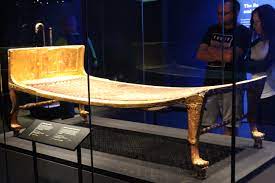
This gold-covered bed is assumed to have been prepared for King Tut’s funeral. The Ancient Egyptians felt that the deceased is just resting and that they’d awaken in the afterlife when they were reborn. Religious figures were carved on the bed to guarantee the Pharaoh’s safe travel into the afterlife and to keep evil powers away.

7. Immortal body

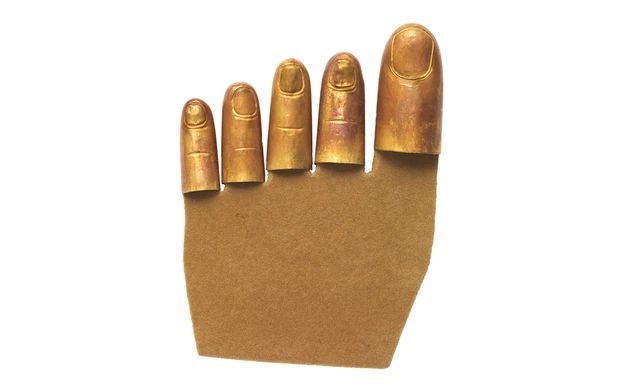
The ancient Egyptians believed that the body will be required in the afterlife, so they took great care to protect it after its demise. Stalls were used to maintain the shape of fingers and toes. Gold was highly regarded because it doesn’t rust or alter. It goes on and on.

WORLD’S RAREST ANIMALS…fewer than 100.

Humans, with their 7.7 billion population, represent just 0.01% of all living things. Despite this, humanity has wiped out 83 % of all wild creatures and half of all vegetation. And we do not appear to be learning. Due to rampant human intervention, the below-mentioned rare animals are in jeopardy, with their numbers dwindling to as little as 100.

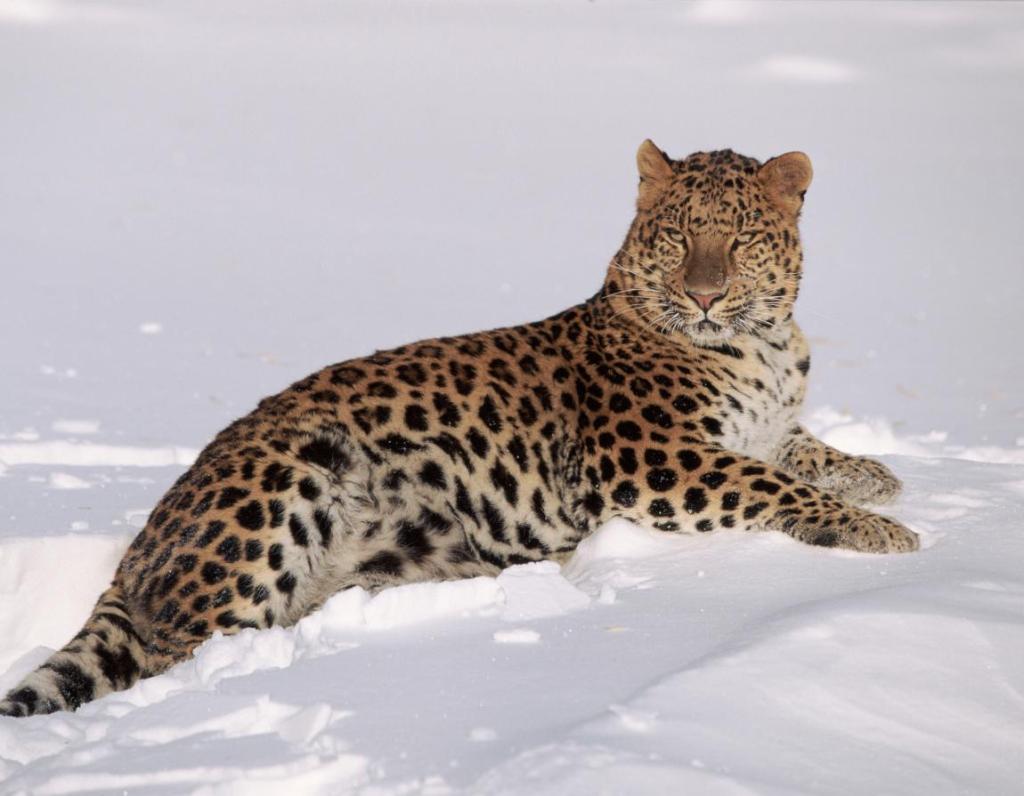
Amur leopard

Owing primarily to habitat loss and excessive poaching, there are only around 100 Amur leopards left in the wild. But, The heartening half of this data is thanks to conservation measures-their statistics have begun to soar in the recent decade. Despite this, this exquisite creature is critically endangered, making it the rarest big cat to spot in the wild.

Amur leopards are located primarily in Russia’s southwest Primorye region, with a tiny population in northeast China’s Jilin Province. Named after the Amur River, which flows along both countries’ borders, they have acclimated admirably to their difficult surroundings. In the freezing cold, their silky, thick fur keeps them warm, and their huge paws act as snowshoes, allowing them to travel on snow without sinking.

It is one of the most stunning leopards, with a magnificent speckled pelt of black splotches and flecks that lays it apart from other leopards. Despite being smaller than its African cousins, the Amur leopard can attain remarkable speeds of 37 mph and horizontal leaps of up to 19 feet.

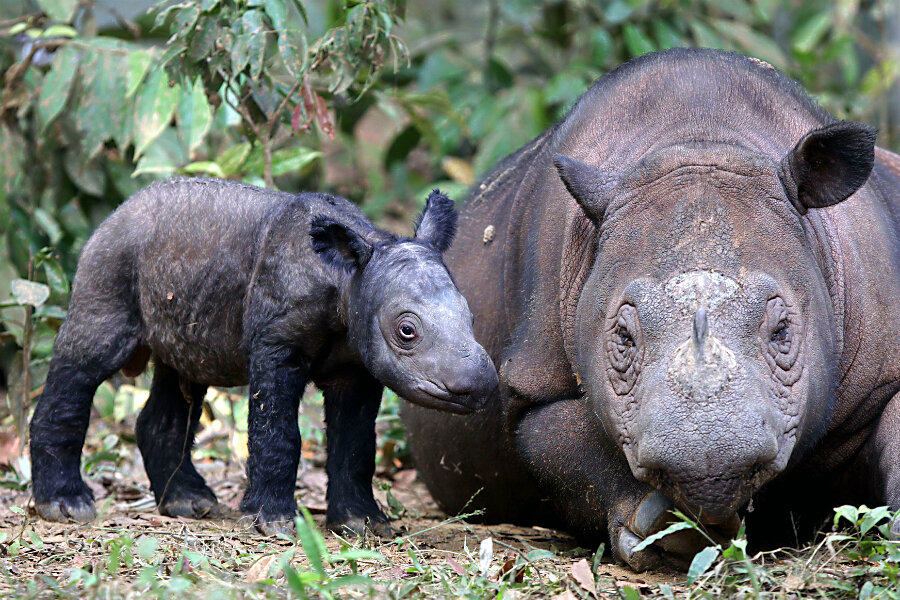
Sumatran rhino

The Sumatran rhinoceros is the most endangered of all rhinoceros species, with fewer than 80 left. In the last two decades, poaching has reduced their population by more than 70%, with Indonesia now harboring the only surviving populations. In 2015, the species was reported extinct in the wild on the Malaysian mainland, and in 2019 on Malaysian Borneo.

This species is an opportunistic eater, consuming a wide range of plants, possibly over 100. These solitary animals favor lower altitudes, particularly secondary forests with plentiful low-growing plants. Albeit they prefer densely forested areas, their habitat varies from lowland marshes to montane forests.

Because Sumatran rhinos are so rare, experts now feel that isolation is the primary obstacle to the species’ survival. It is because cysts and fibroids can form in the reproductive systems of females of this species who do not mate for a long time.

The smallest rhinoceroses on the planet, Sumatran rhinoceroses are the only Asian rhinoceroses with two horns. The front horn is bigger, ranging from 10 to 31 inches in length, while the second horn is smaller, typically less than 3 inches in length. They are more closely linked to extinct woolly rhinos than any other living rhino species.

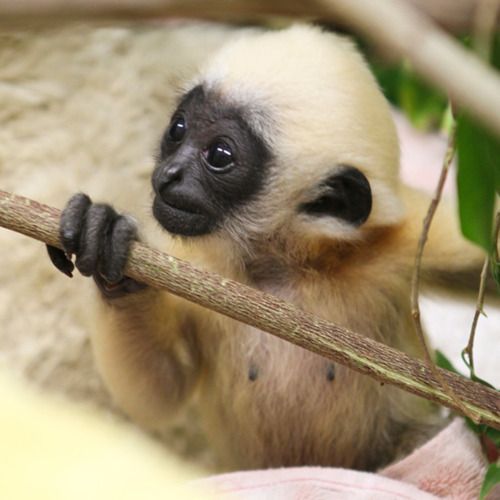
Hainan gibbon

Only about 30 Hainan gibbons remain in the wild, making it the world’s rarest ape, monkey, and possibly mammal species. Previously numbering over 2,000 individuals in the 1950s, their numbers plummeted in the late twentieth century as a result of habitat degradation and poaching. Endemic to Hainan Island, it is found exclusively in the Hainan Bawangling National Nature Reserve.

Adult males are jet black & sport a distinct crest on the crown of their head, whilst adult females are golden yellow and have a black patch on the crown of their heads that fades to the back of the neck. Hainan gibbons are entirely frugivorous (fruit eaters), with a preference for figs and lychee fruits. An alpha male, two mature females, and their children make up typical gibbon families. Hainan gibbons are categorized as a “diurnal species” since they are active during the day. They spend this time foraging, eating, grooming, and playing; they take a mid-day siesta and sleep at dusk.

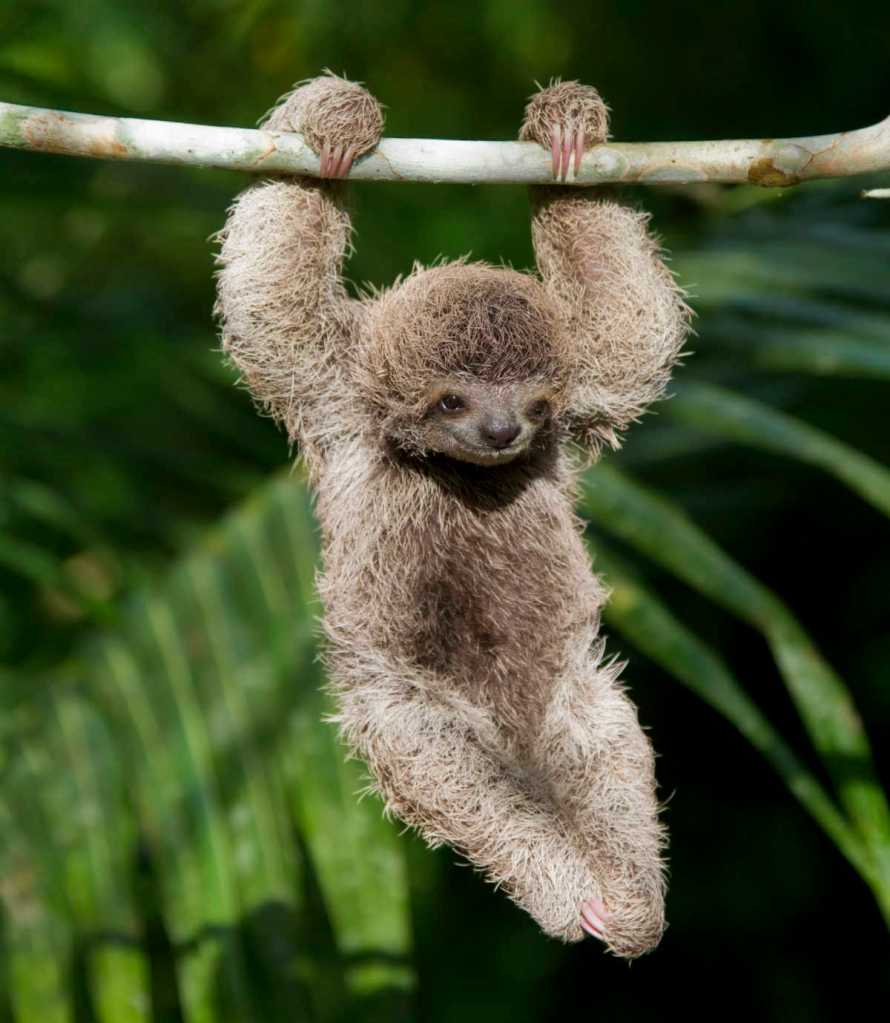
The Pygmy Three-Toed Sloth

With fewer than 100 individuals remaining in the wild, the pygmy three-toed sloth, endemic to the island of Escudo de Veragua, off Panama’s Caribbean coast, is on the verge of extinction. It is the world’s slowest mammal, with algae growing on its fuzzy coat owing to its inactive lifestyle. It gets its greenish tint from the plant, which helps it blend in with the trees in its Central and South American rainforest habitat.

A mature pygmy three-toed sloth can weigh anywhere between 5.5 and 7.7 pounds and grow 19 to 21 inches tall, making it substantially smaller than other sloth species. The population of pygmy three-toed sloths has declined dramatically due to habitat degradation and fragmentation, exploitation for food, the invasion of feral cats, and a lack of adequate legislative protection for pygmy three-toed sloths and their habitat.

Sloths sleep a lot, about 15 to 20 hours per day, and spend nearly all of their time in the air, clinging to branches with their strong claws. They even mate and have babies while suspended in the air. They eat tree leaves, shoots, and fruit at night, and acquire practically all of their water from juicy plants.

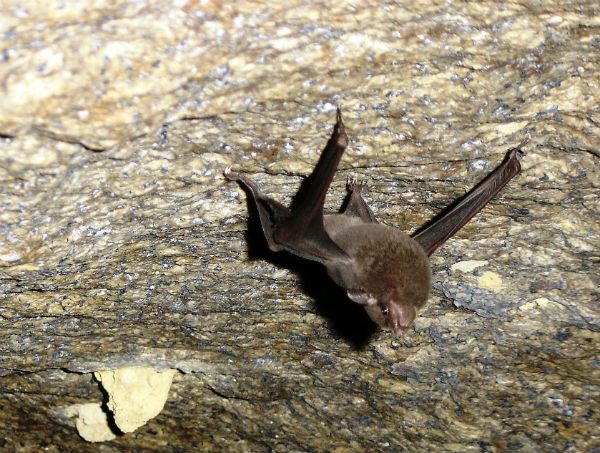
The Seychelles Sheath-Tailed Bat

The Seychelles sheath-tailed bat, so named for its long, membranous cape-like skin that can be stretched or shortened for flying assistance, is Critically Endangered, with less than 100 left. It is endemic to the Seychelles Islands. The clearing of their lowland forest habitat for cultivation is the most serious threat they experience. Predation by barn owls, roost disruption, and decreases in insect abundance owing to pesticide use are all plausible causes of its decline. It navigates and recognizes targets using echolocation.

THE STORY OF LAY’S

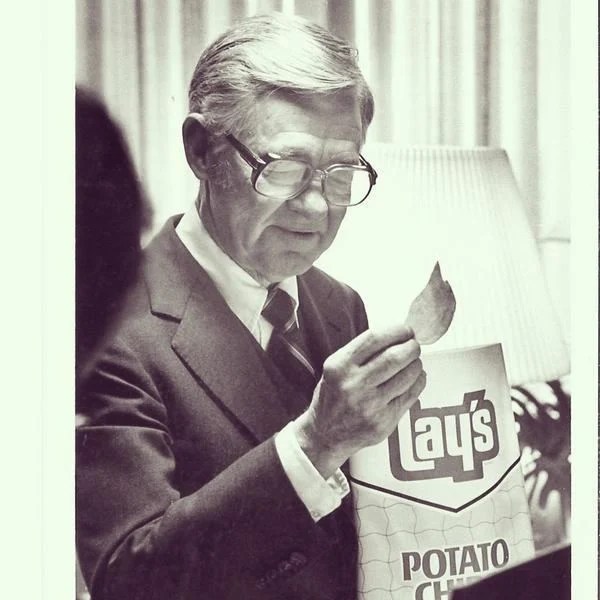
There may not be a single Indian who doesn’t love ‘Lay’s’. It is everyone’s favorite potato chips to snack on. But not many know how it began. It all started with this man.

Herman Lay

Herman Lay, a salesperson in Nashville, Tennessee, was the first to sell Lay’s on behalf of Barrett Food Products Company in 1932. (U.S.). During the Great Depression, he was a traveling salesman, selling his chips from the back of his automobile on the roadway. “He believed in giving the most affordable prices and the highest quality products at an arm’s reach of every consumer,”

After six years, when Barrett fell on hard times, Herman bought the firm and renamed it H. W. Lay & Company. H.W. Lay & Company was the company’s original name until 1944 when Herman chose to condense it to the ICONIC Lay’s Potato Chips.

Lay’s Tennessee Valley Popcorn, not potato chips, was the company’s initial product, released in 1938. H.W. Lay & Company didn’t begin making Lay’s chips until 1944. People rapidly grew enamored with the chips. Lay’s had grossed $16 million in revenue by 1957, making it the largest potato chip and snack food manufacturer in the United States.

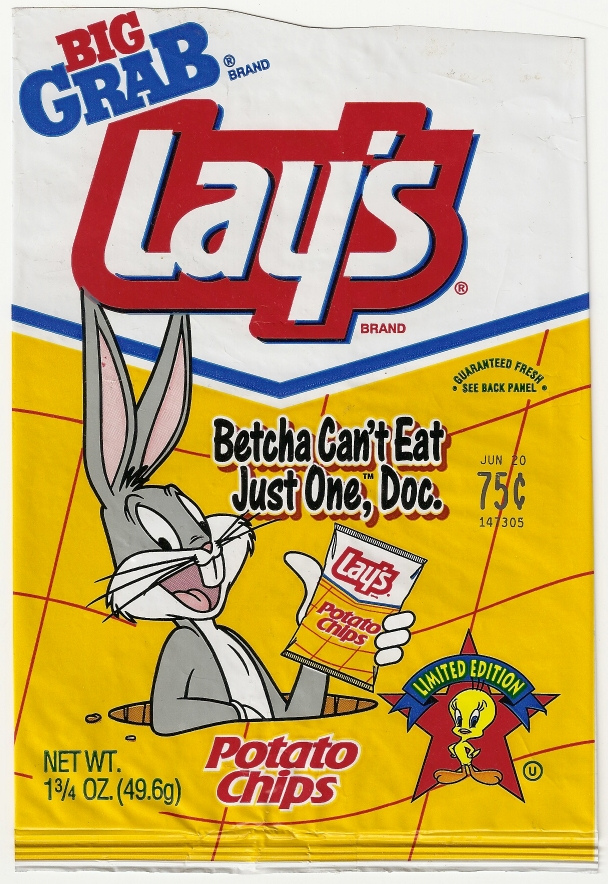
It became the first snack food brand to advertise on television, with an animated mascot dubbed Oscar-The Happy Potato.

Around the same time, C.E. Doolin was purchasing the recipe for yet another American staple: Frito corn chips. Doolin began preparing them in his mother’s kitchen. In 1961, the two of them partnered up to form Frito-Lay.

In 1962, Lay’s potato chips first crossed the border into Canada. By 1997, Lay’s potato chips had established itself as a popular choice among Canadians, and they remain the country’s favorite potato chip brand to this day. In 1965, PepsiCo acquired the Lay’s brand. Frito Lays, a PepsiCo subsidiary, manufacture Lays.

Fritos, Doritos, Ruffles, Cheetos, Rold Gold pretzels, Munchos, Funyuns, and Sun Chips are all Frito-Lay products. Lay’s, formerly known as Hostess in Canada until 1996, is also known as Walkers in the United Kingdom and Ireland, Smith’s in Australia, Chipsy in Egypt, Poca in Vietnam, Tapuchips in Israel, Margarita in Colombia, Katkoot in Kuwait, and Sabritas in Mexico. Lay’s flavors vary by region: North America, Europe, Australia, Asia, and Africa.

LAY’S DEBUT IN INDIA

Lay’s debuted in India in 1995 and quickly rose to become one of the Before Lays, Uncle Chips dominated the Indian market. In barely five years, Lay’s positioned itself as the principal rival of ‘Uncle Chips’ and grew to become the largest chip manufacturer in India.

Economical chips packets ranging from Rs.5, Rs.10, Rs.20, and Rs.25 were launched to attract customers & According to a study, more than 72 % of residents felt the cost adequate. In 2016, Lay’s had a 50 percent market share in potato chips in India, according to Statista.

Lay’s are prepared with the finest potatoes, cooked in edible vegetable oils, and flavored with wonderful seasonings. Extensive quality control and production techniques are used. It has ISO 14000 HACCP (Hazard Analysis and Critical Control Point) certification, USA; TQCSI (Australia) accreditation from the American Institute of Baking (USA), and OHSAS 18001 (Occupational Health and Safety Assessment Series) certification, USA.

Lay’s chips come in over 200 different flavors. The chips come in a variety of flavors, like salt & vinegar and barbeque, as well as cappuccino, vegetable soup, and Beer ‘n Brats.

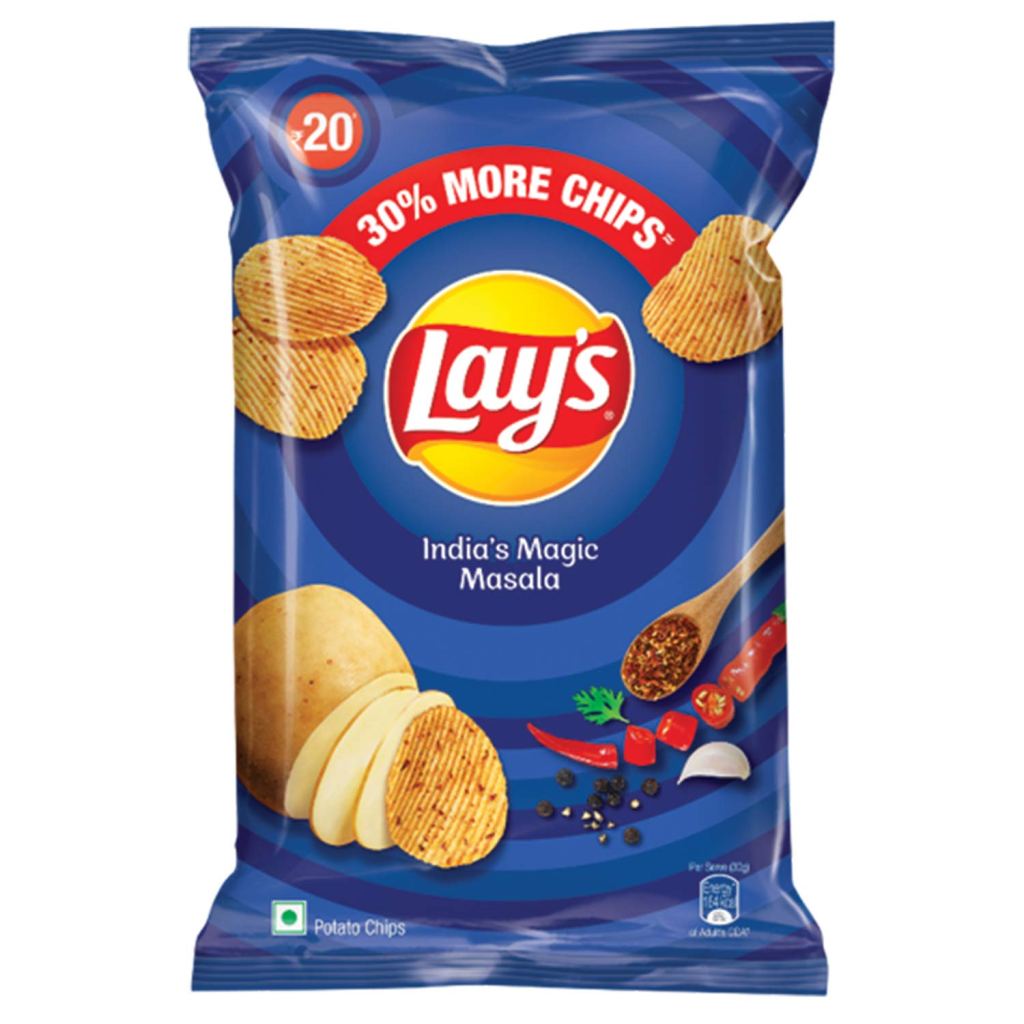
It introduced a variety of Indian and Western flavors, like Classic Salted, American Style Cream & Onion, Chat Chaska, Magic Masala, Tangy Tomato, and Astana Mango, to appeal to both urban and rural markets in India. To attract the health-conscious clientele Frito-Lay potato chips now have zero trans-fats and no added MSG.

INSECTS -THE LITTLE SUPERHEROES

10,000,000,000,000,000,000

10 quintillions, this gigantic figure represents the total population of insects flying, swimming, slithering, creeping, or crawling across the Earth’s surface, each one serving a critical role. It translates to almost 1.2 billion insects per person.  There are more than 1.5 million known insect species, more than three times the total of other animals on the planet.

Even if their look repels us, a world without them would be uninhabitable. Insects are the unsung heroes of the ecosystem, and they need to be acknowledged.

But as per the findings, more than 40% of bug species are dwindling, with a third facing extinction. Insects have an extinction rate eight times higher than mammals, birds, and reptiles. Insects’ overall mass is decreasing at a rate of 2.5 percent every year, hinting that they may go extinct within a century.

What if all of the World’s insects simply vanished? 

The results would be dire & catastrophic.

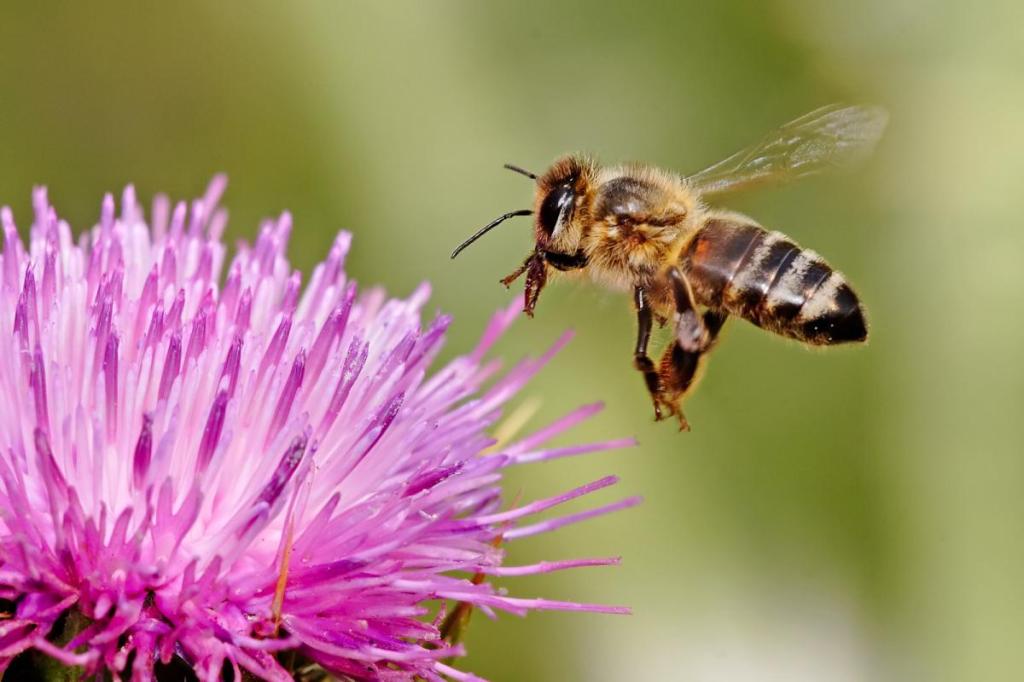
It would be a summer without singing cicadas and shimmering fireflies are over, and grocery stores with empty shelves. There will be no humming bees to pollinate apple, cherry, peach, or almond trees. Without pollination from mother nature’s bustling pollinators, harvests, flowers, and plants would be unable to generate seeds. The fields would be devastated.

Insects are crucial due to their diversity, ecological relevance, and impact on agriculture, health impacts, and natural assets. Insects provide the biological foundation for all terrestrial ecosystems. They recycle nutrients, pollinate plants, disseminate seeds, maintain soil structure and fertility, regulate other species’ populations, and serve as the primary food source for others.

They play a vital role in the food chain, providing a direct food source for a variety of species, including humans. Insects enjoy an infinite variety of meals. Plants, fungus, animal carcasses, dead bodies, decomposing organic detritus, and practically everything else they stumble upon in their environment are all devoured by these insects.

Nobody likes those obnoxious, crippling cockroaches, but without them, the entire ecosystem would collapse. With approximately 4400 identified species, they are widely distributed all over the world. But, These despised cockroaches are protein-rich meals for birds, rodents, and even people, in certain parts of the globe.

There are over 3,000 mosquito species, all of which feed birds, bats, frogs, and other creatures. Without mosquitoes, the Creatures that feed on them would famish.

Caterpillars and grasshoppers nibble plant leaves, aphids and planthoppers suck off the plant fluids, honeybees collect pollen and imbibe nectar, while beetles and flies eat the fruits. The larvae of wood-boring bugs devour the wood.

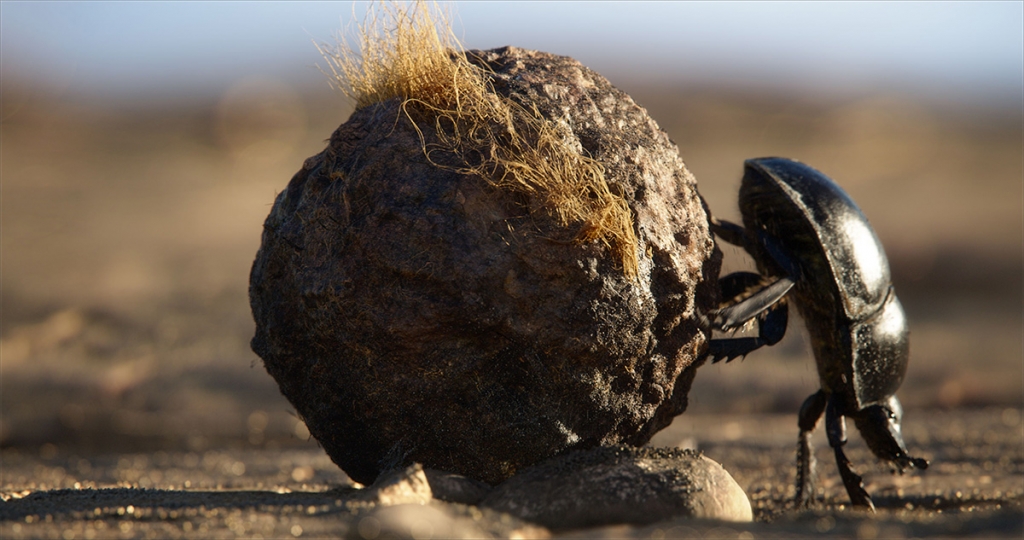
There are over 350,000 beetle species, and many of them, notably dung beetles, are thought to be dwindling. Without the dung beetle, one of the Planet’s top recyclers, the planet would face the worst feces problem. Nitrogen-rich poop could stack up, suffocating vegetation and hindering fresh growth. Earth would be a nasty mess without those little heroes.

Farms, forests, and wilderness would all crumble, leaving a trail of dead. That’s where flesh-eating beetles and other corpse-eating insects come into play. They feast on dead flesh until only bones are left. Insects have a critical role as primary and secondary decomposers. Without insects to efficiently decompose and eliminate waste, dead plants and animals would pile up, making things very messy.

Insects overlooked for their relevance in the food web serve as the primary food source for many amphibians, reptiles, birds, and mammals. Land-dwelling birds like purple martins, barn swallows, vireos, warblers, ickers, whippoorwills, and swifts rely predominantly on insects to survive. Insects like beetle grubs, termites, and honeybees, are often consumed as a source of nourishment.

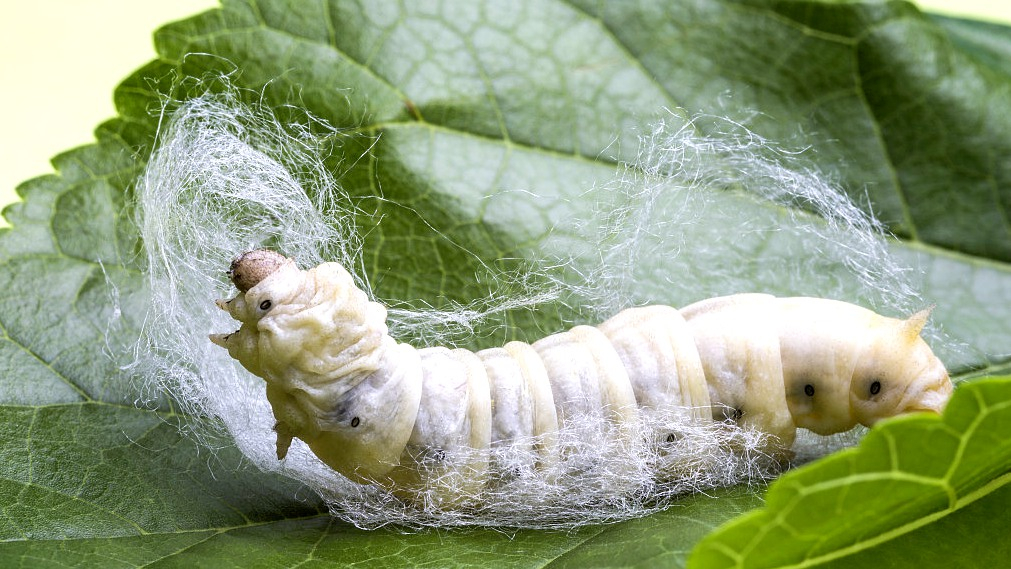
The silkworm, Bombyx mori, is the only source of commercial silk. The scale insects Datylopius coccus (Dactylopiidae) endemic to Mexico and Kermes vermilio (Kermidae) endemic to Europe provide red cochineal dye for fabrics and cosmetics. Bees produce honey.

Laccifer lacca (Lacciferidae), native to India, secrete shellac (a resin) used to make phonograph records and varnish. Salt cleaned by brine shrimp tastes better than salt that still contains the organism that the brine shrimp devour.

Parasites and predators, the bulk of which are insects, play a key role in maintaining the natural equilibrium. Many parasitic and predatory insects feed on plants or other insects or animals, or even humans. These insects are vital to keeping the pest population (insects or plants) in check.

Despite their many pleasant aspects, some insects can pose problems. Like the Arthropods, which spread various diseases like- malaria, yellow fever, dengue, West Nile virus, Lyme disease, ehrlichiosis, tularemia, Q fever, Colorado tick fever, Rocky Mountain spotted fever, plague, typhus, etc.

But it’s crucial to keep in mind that the good done by a vast variety of critical insects significantly surpasses any harm done by a few species.

ROYAL PALACES OF RAJASTHAN

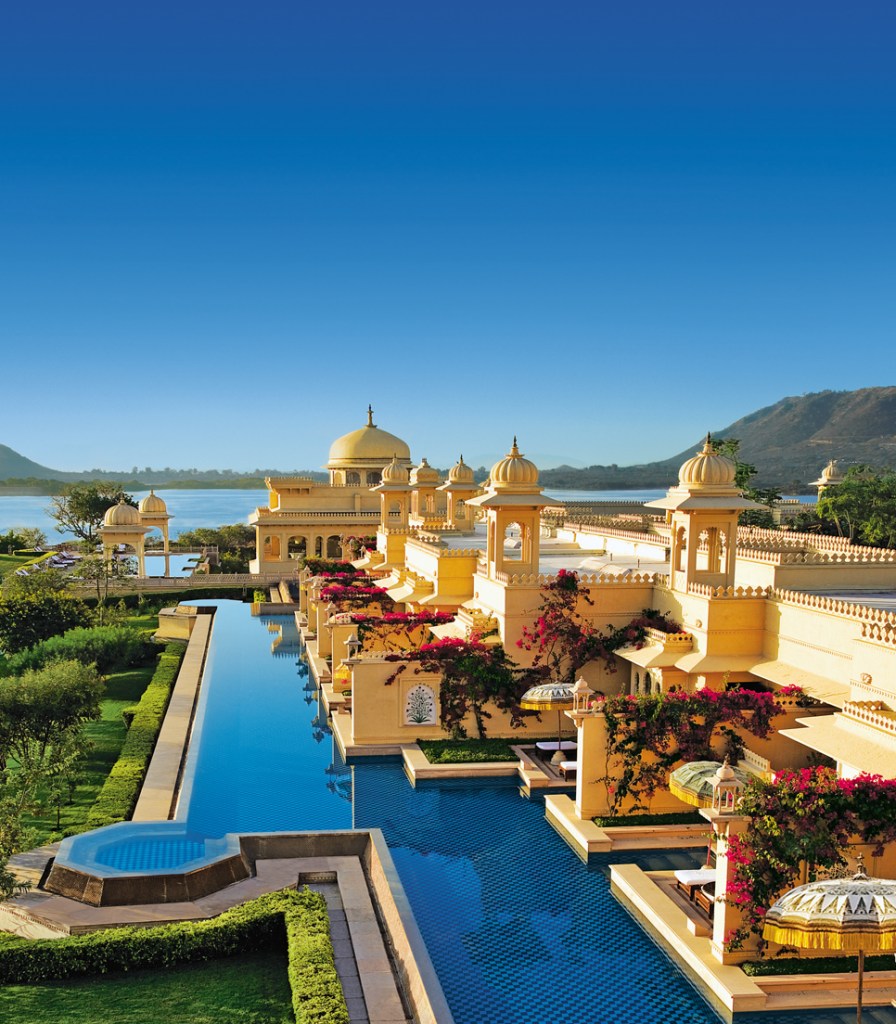
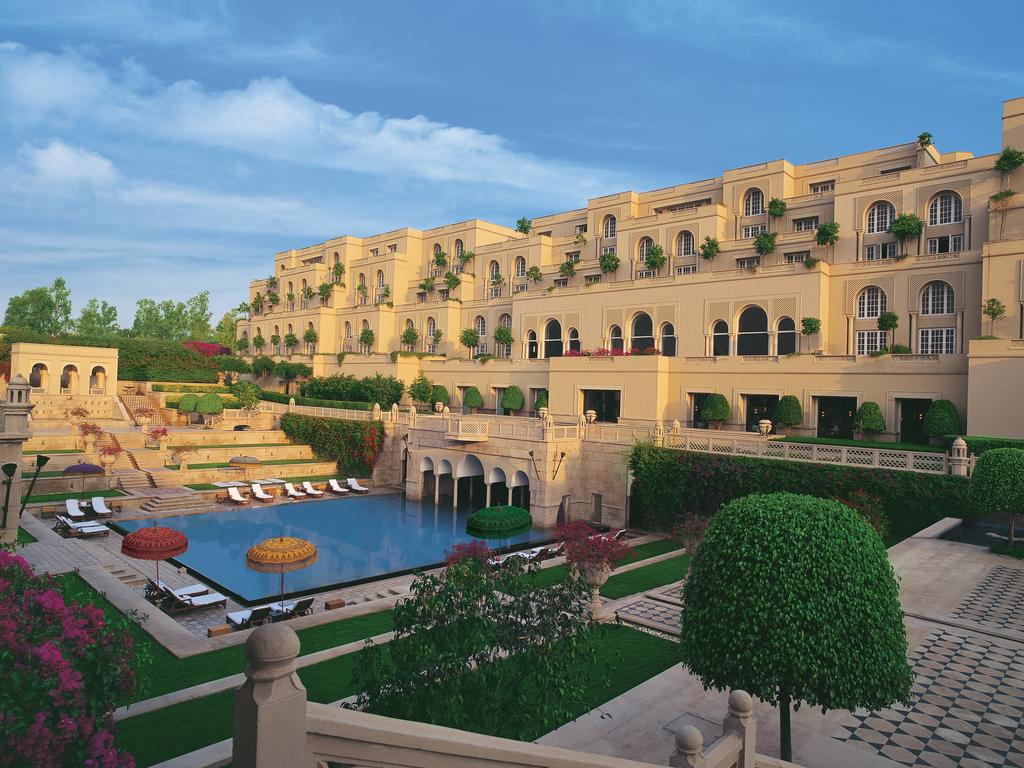
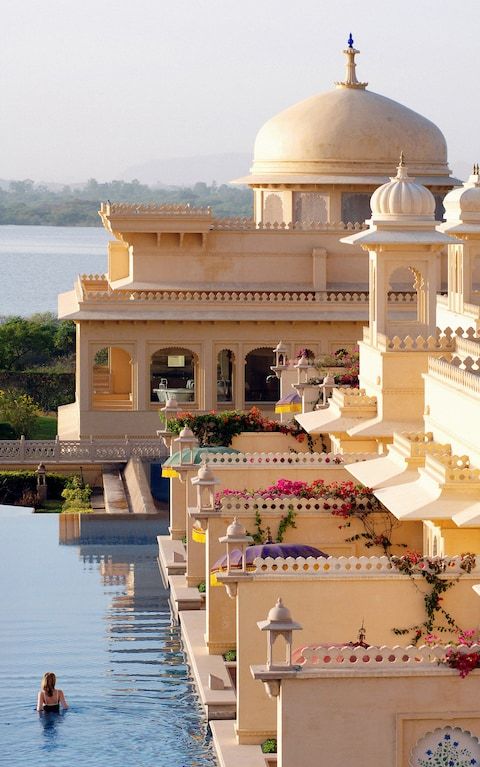
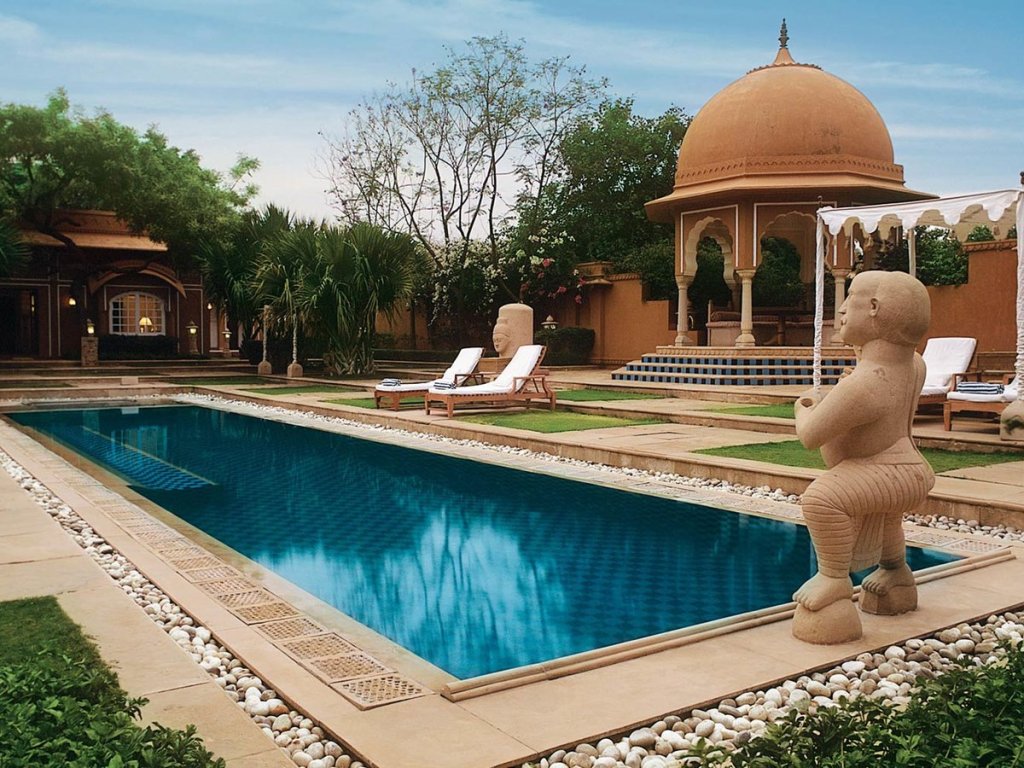
Rajasthan often dubbed as the “Land of Kings,” enchants visitors with its opulent & grand palaces, majestic forts, and a myriad of historical landmarks. The princely state still retains the essence of its rich history, powerful & extravagant Kings, and abundance of grandeur. It is the perfect place to feel like a Modern-day King or Queen & experience the warmest hospitality. The Grand Palaces of Rajasthan redefines royalty & hospitality like no other.
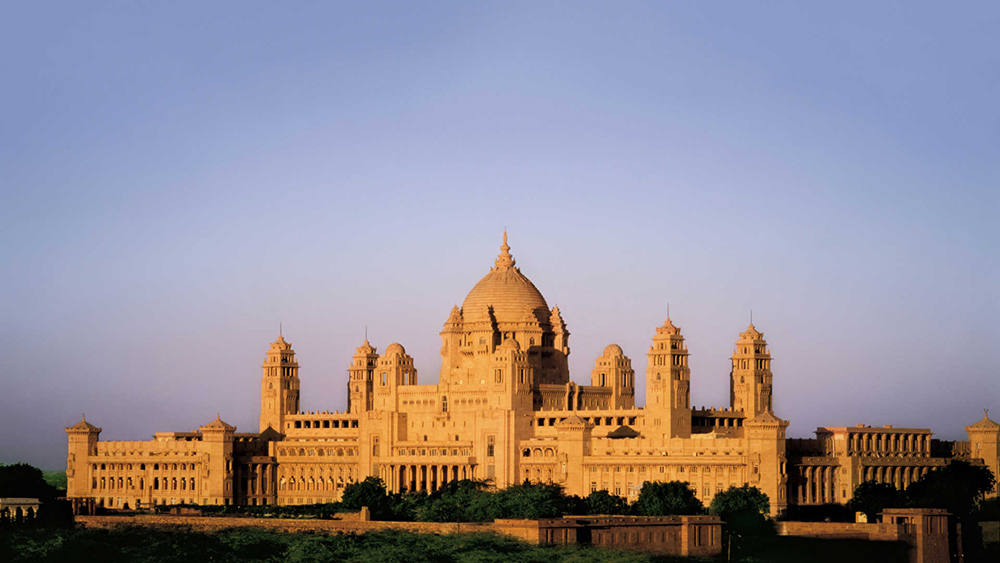
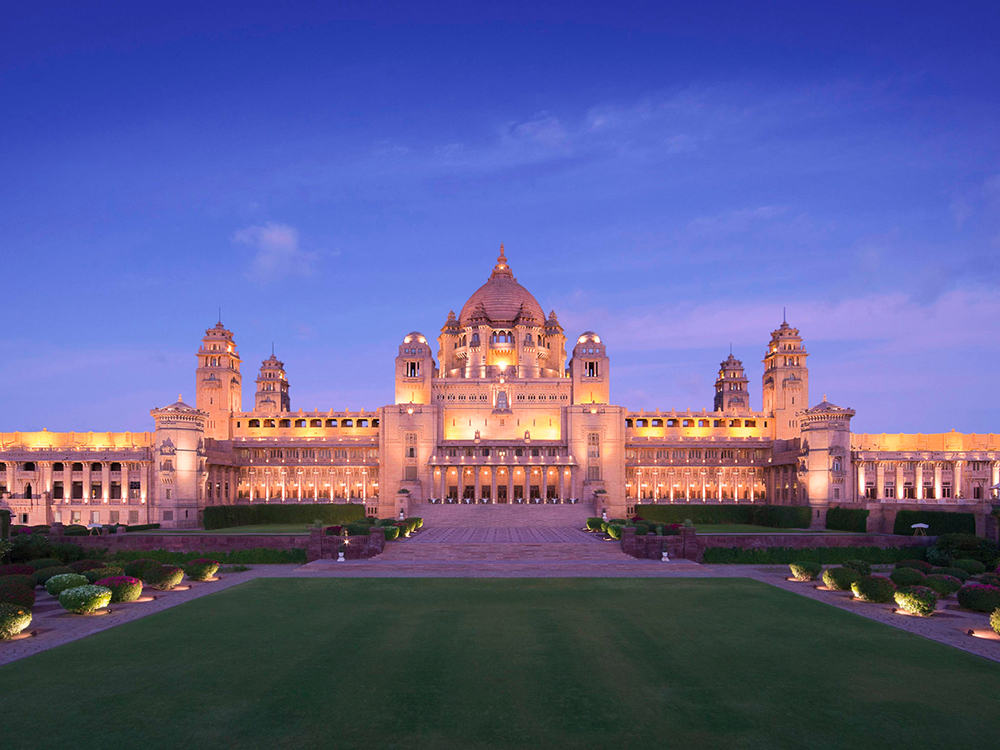
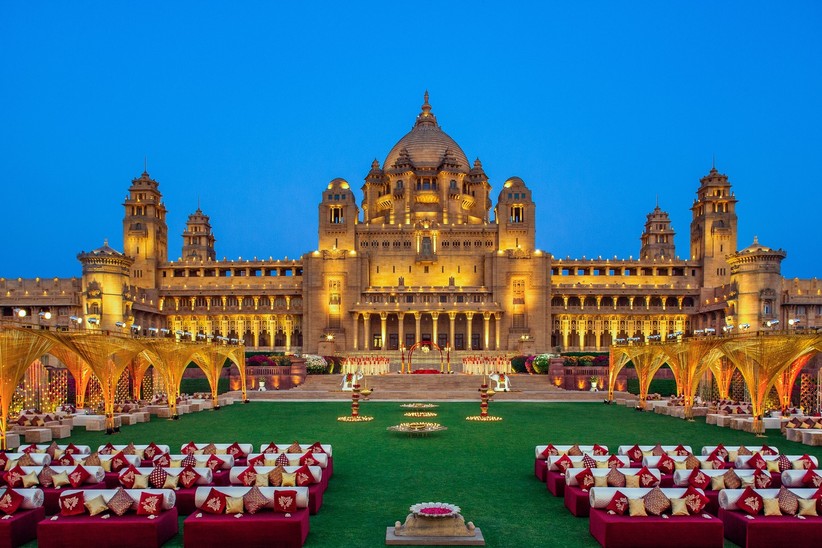
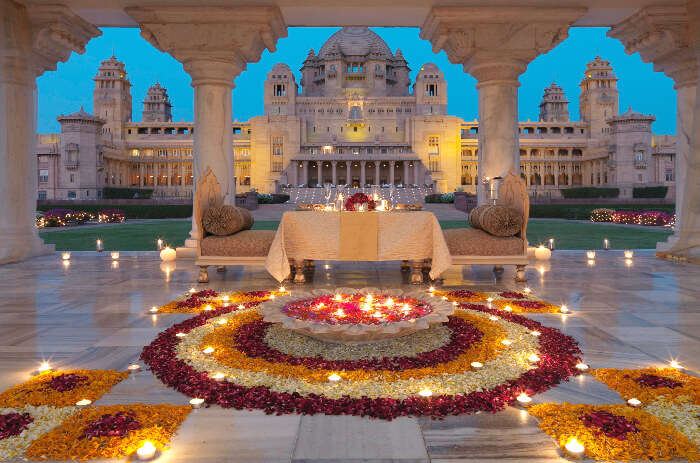
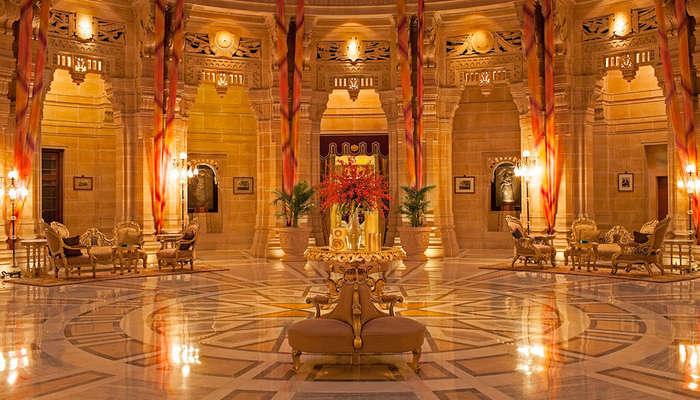
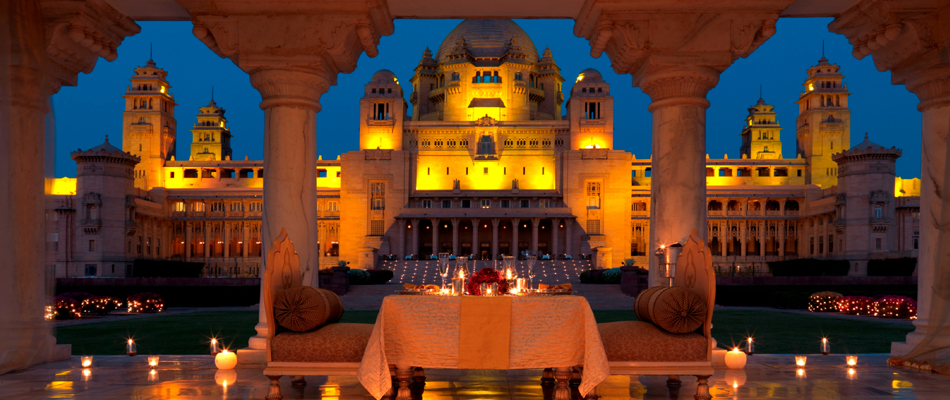
umaid bhawan palace, Jodhpur

The Umaid Bhawan Palace, designed by legendary Edwardian architect Henry Lanchester, is a fusion of eastern and western architectural styles. The palatial suites and rooms, ornately carved balconies, open terraces, stunning courtyards, and lush green lawns take guests back in time to the days of Royal kings and queens. The hotel’s ambiance is reminiscent of a lavish palace, and the exotic and delectable Rajasthani cuisine offers a delightful culinary experience.

The Maharani Suite, the most spectacular and regal of the Palace suites, was historically the private residence of the erstwhile Maharani of Jodhpur, and its pink, black, and chrome tones reflect her personalized aesthetic. The Mehrangarh fort and imperial grounds are best enjoyed from its expansive balcony. It has a spectacular bedroom, a relaxing living area, a lavish dining room, and a large bathroom with a jacuzzi. The luxuries include a huge walk-in closet, dressing area, private kitchenette, in-suite spa, and steam room.
The Maharaja Suite, once the personal suite of the erstwhile Maharaja of Jodhpur, retains a charm of the past. It has a spectacular sitting room, dining room, a secret bar, a magnificent bedroom, a steam room, and a spa. The Grand Royal Suites,  once earmarked for visiting royalty, are fashioned in the influential Art Deco style. With its unique color palette and princely passion theme, each suite is one-of-a-kind.

The Rambagh Palace, Jaipur

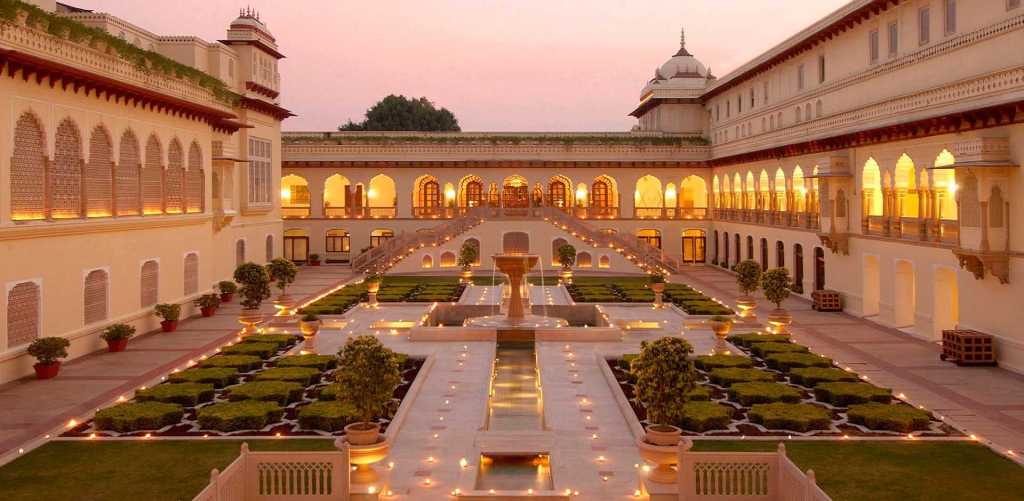
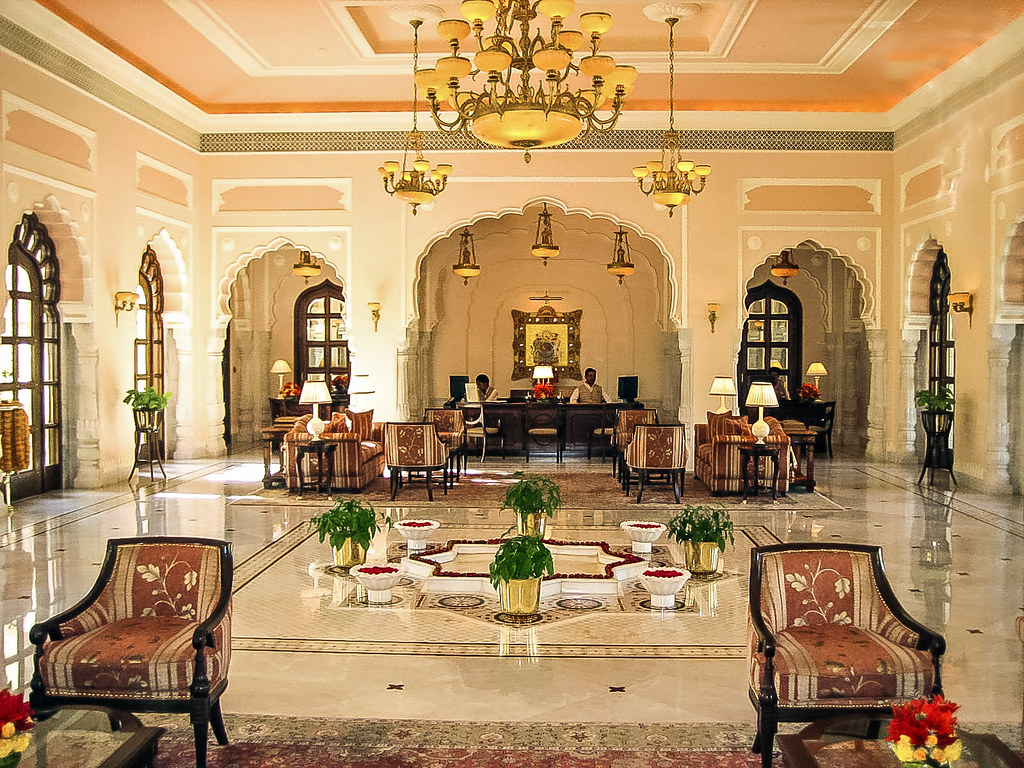
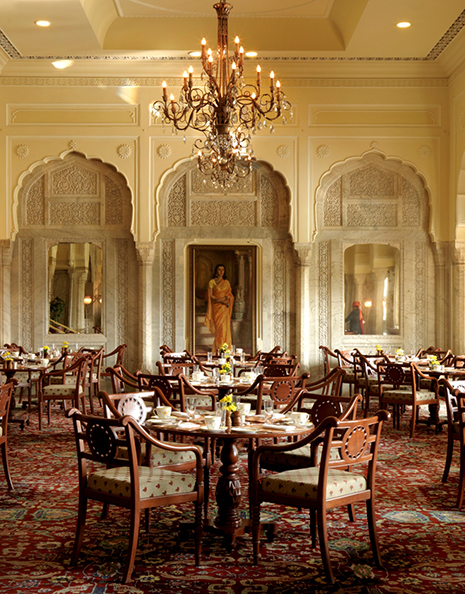
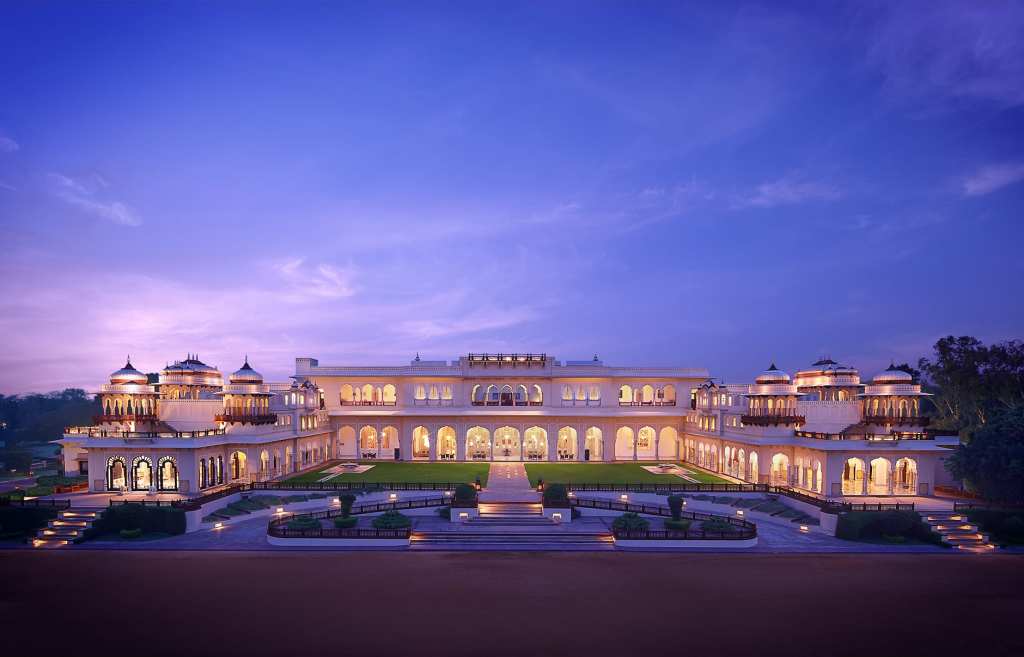
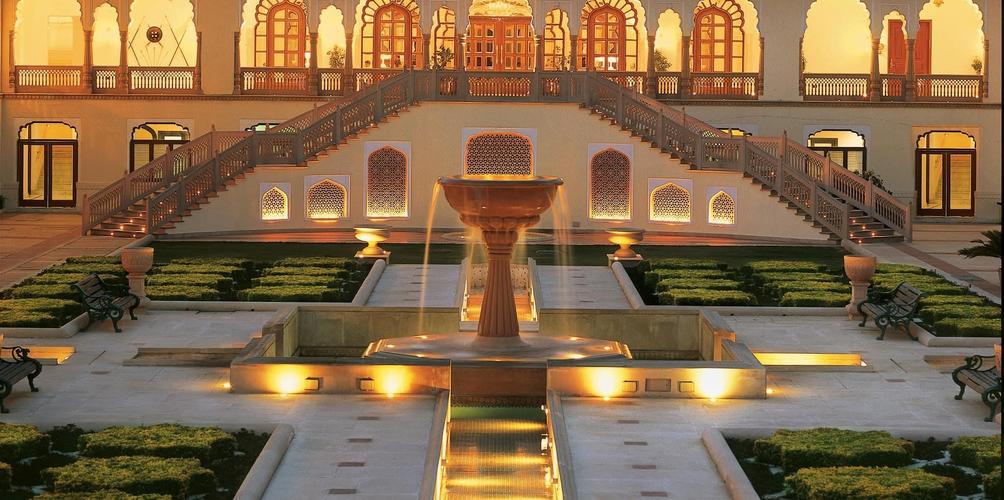
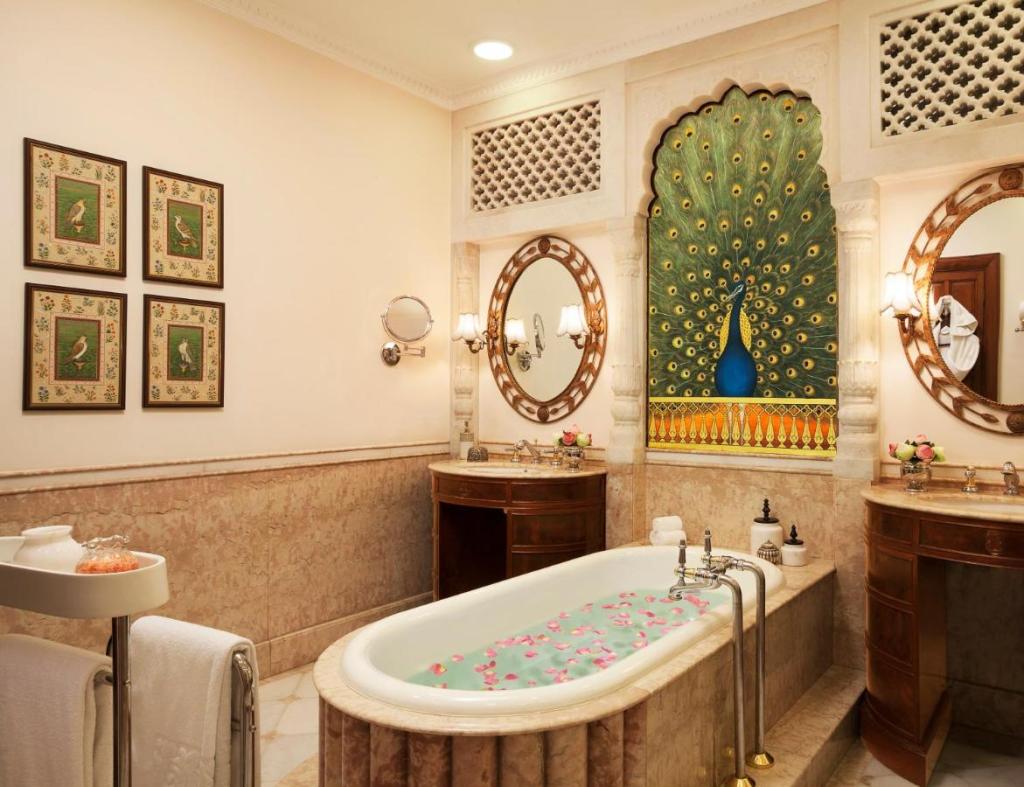
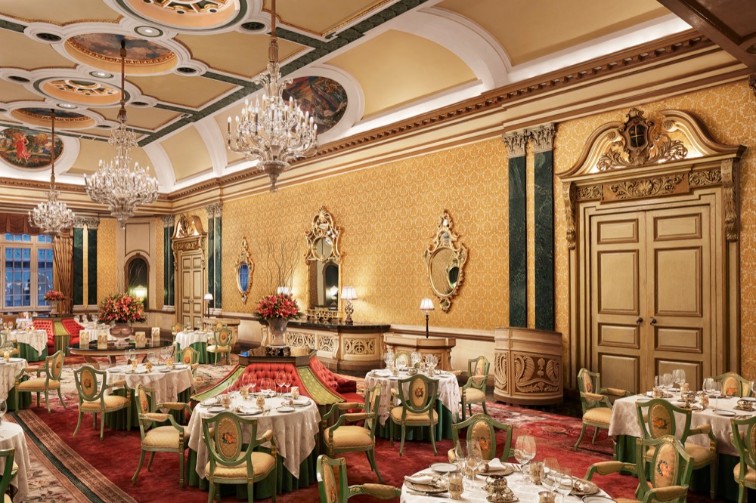
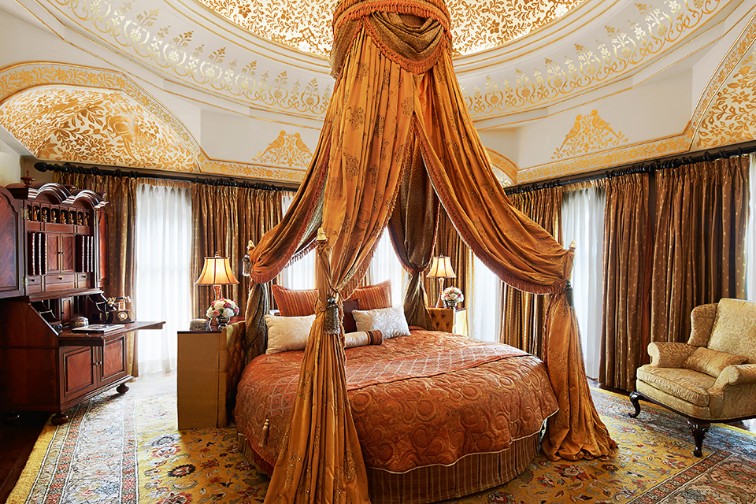
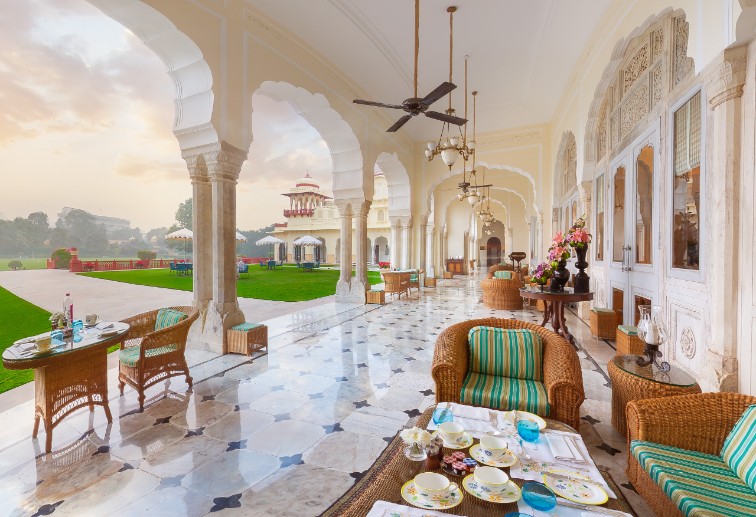
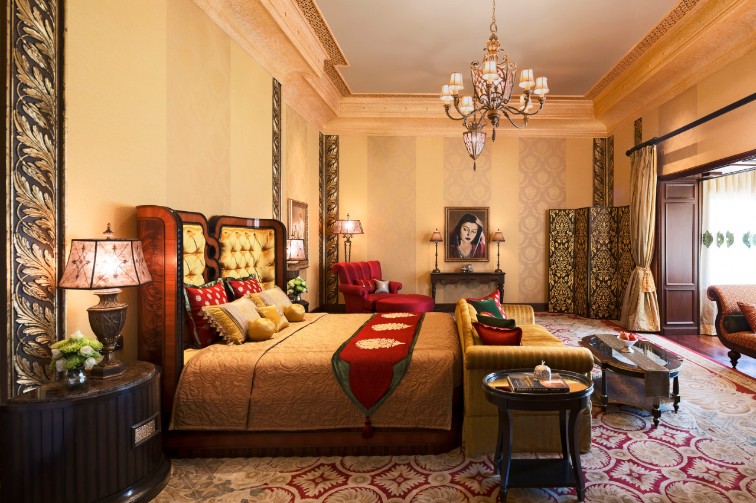
Designated as the official residence of the Maharaja of Jaipur in 1925, The Rambagh Palace has been abode to several generations of royals since then. The palace is luxuriously embellished with hand-carved marble, sandstone balustrades, cupolas, cenotaphs, as well as magnificent Mughal Gardens. The visitors are served a regal Indian feast in Suvarna Mahal, a former palace ballroom with shimmering enormous crystal chandeliers designed in the 18th-century French style.

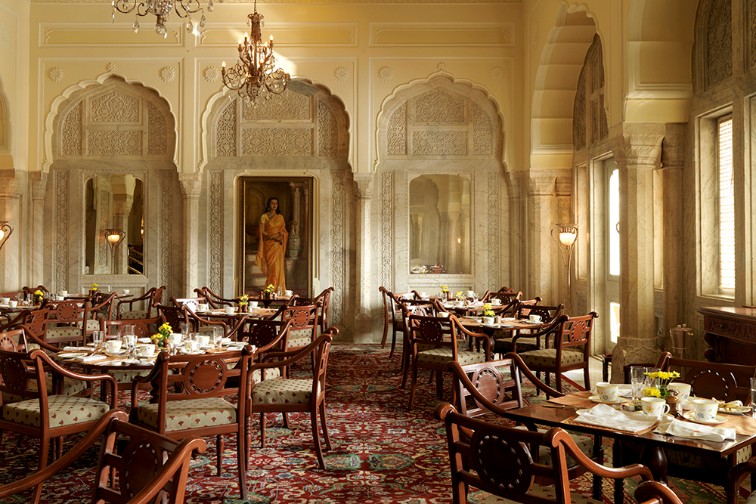
Visit Rajput Room, an all-day dining restaurant, or Verandah Café for a variety of cuisines. Savor Mediterranean delicacies at Steam, a lounge bar, or relax in the Polo Bar, featuring trophies and memorabilia from the Jaipur polo team on exhibit. To take your royal getaway to the next level, luxuriate in signature treatments at the Jiva Grande Spa, experience the goodness of the ancient Indian wellness therapies. It has hosted several famous faces over the years, including Lord Louis Mountbatten, Prince Charles, and Jacqueline Kennedy.

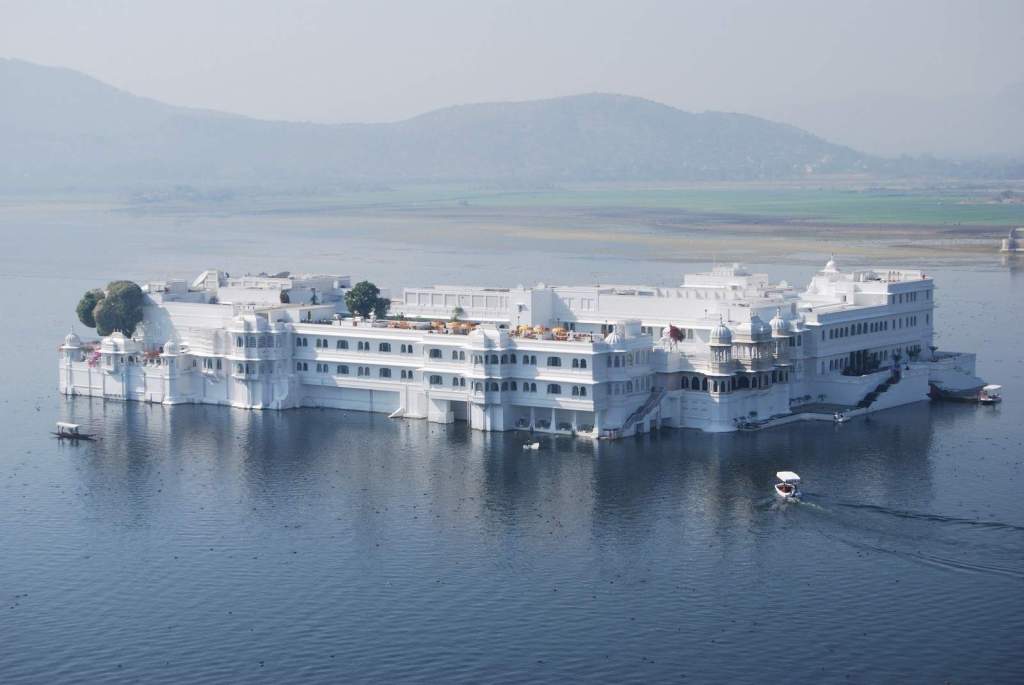
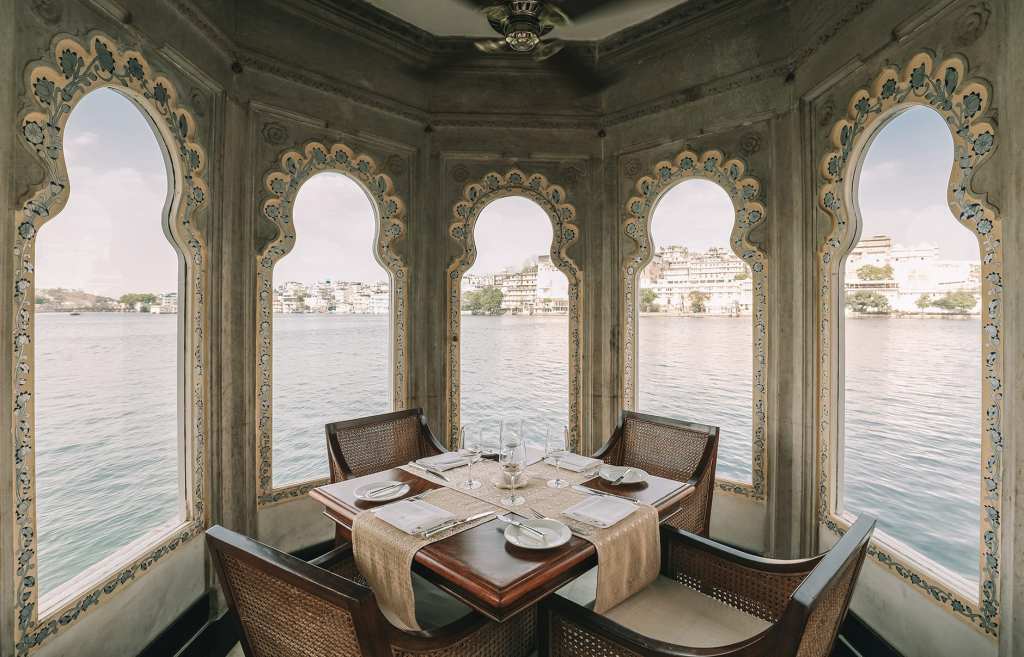
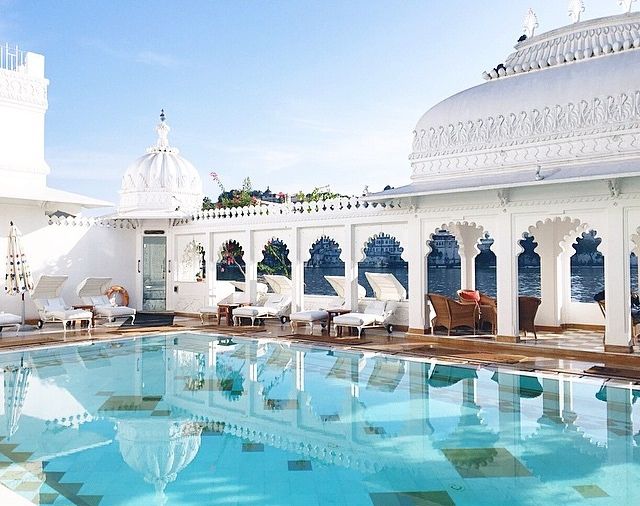
Taj Lake Palace, Udaipur

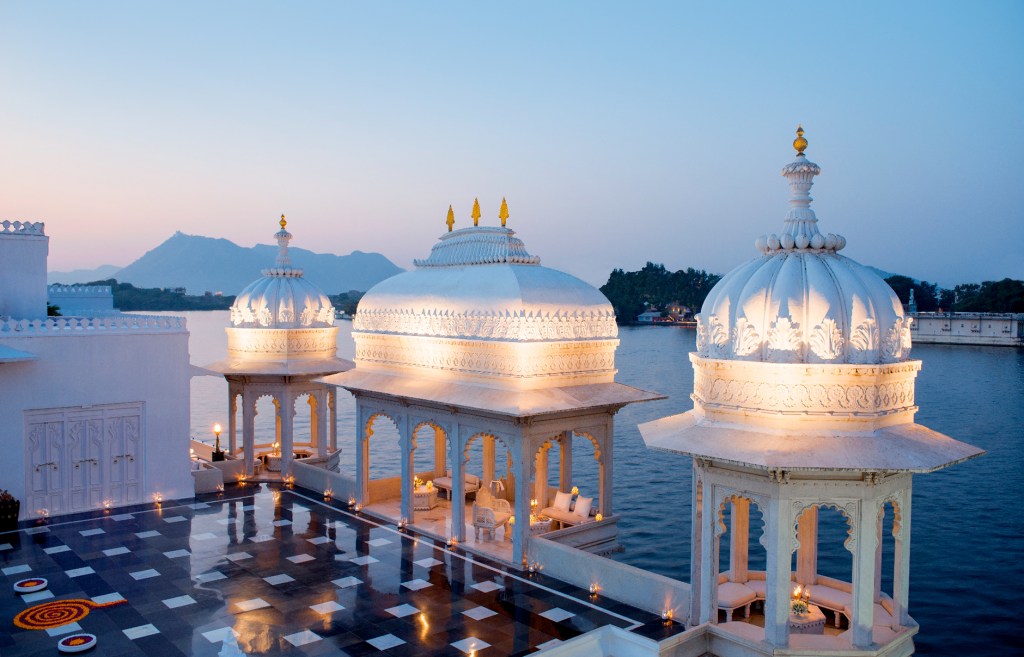
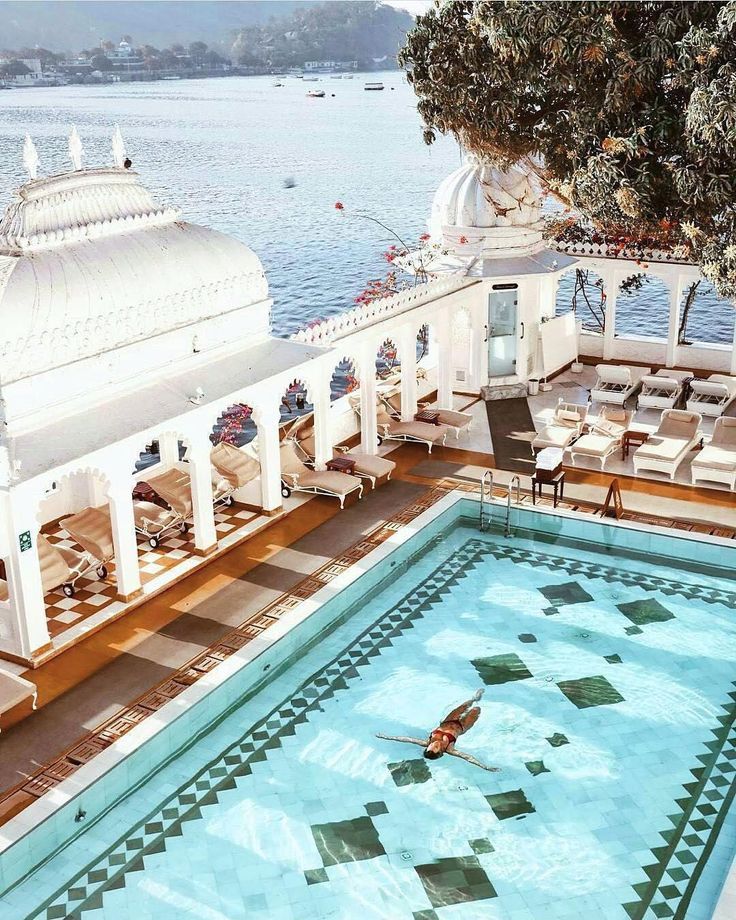
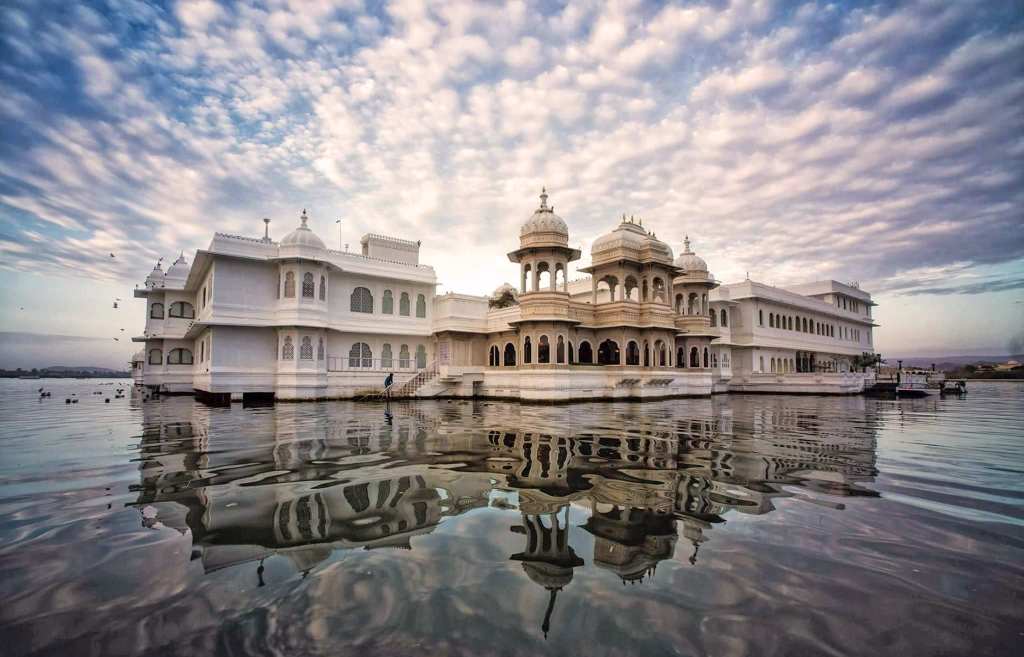
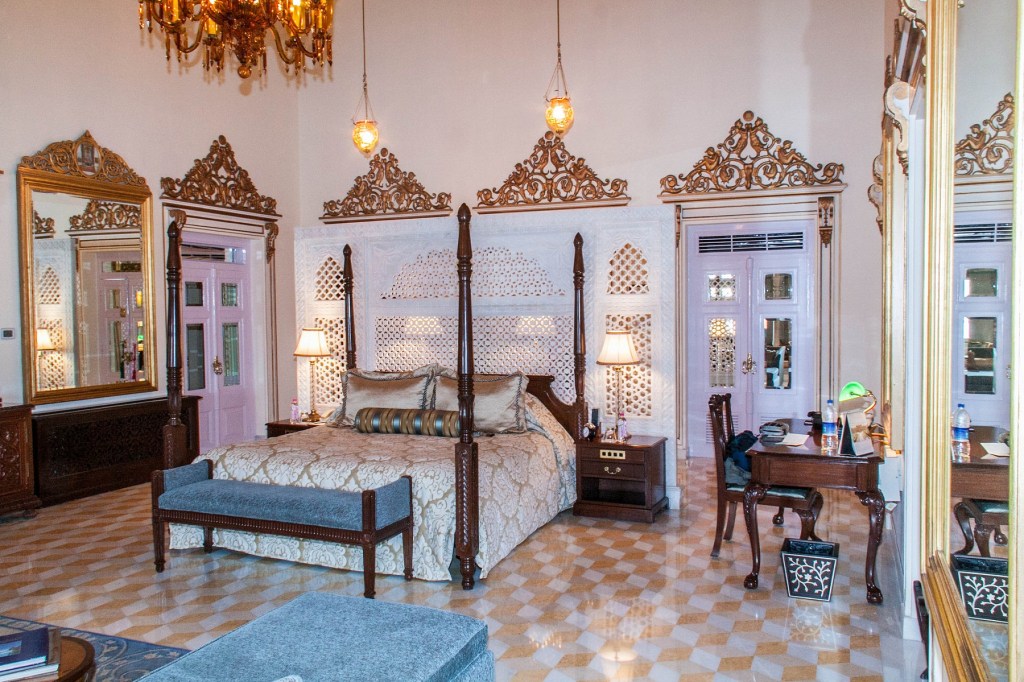
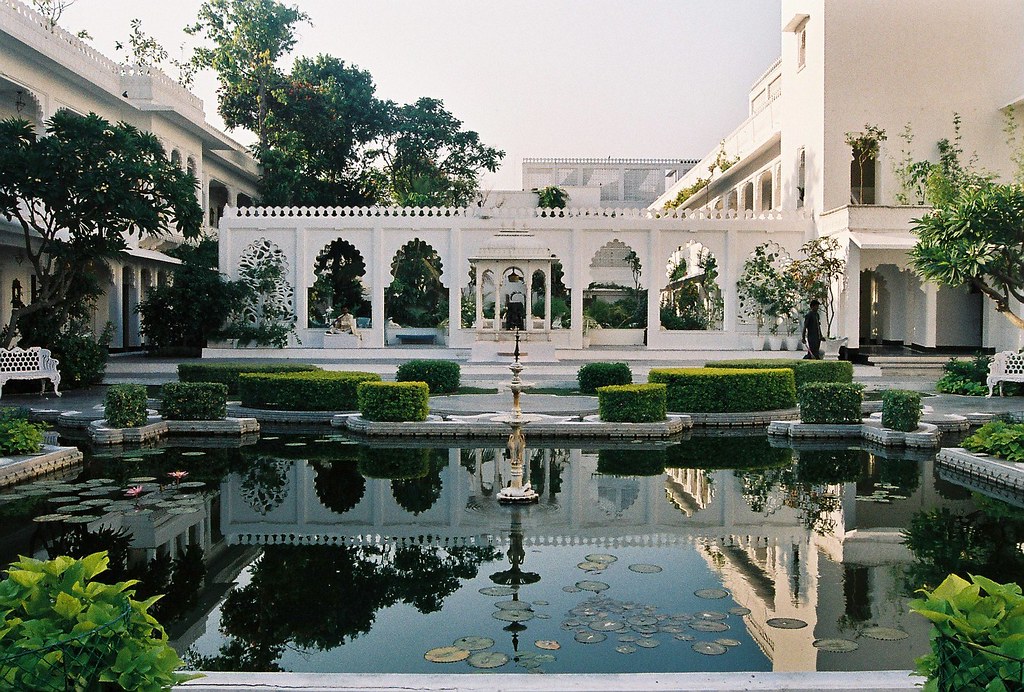
The awe-inspiring Taj Lake Palace, originally known as the Jag Niwas, stands like a mirage in the heart of Lake Pichola. The elegant marble palace was built between 1743 and 1746 and served as the Maharana Jagat Singh II of the Mewar royal dynasty’s winter residence. The white and black marble walls of this exquisite palace are embellished with semi-precious stones and carved niches. The palace’s interiors are decorated with beautiful gardens, fountains, and pillared patios, and gorgeous courtyards with peacocks strolling by, evoking the grandeur of the past. The Royal Butlers, the descends of the original palace attendants, provide unparalleled splendor and hospitality to the guests.

It has 66 deluxe rooms and 17 royal suites, with spectacular views of the lake surrounding the property and The Udaipur city. An ideal place for witnessing sunsets and sunrises. At Neel Kamal, you can savor authentic Rajasthani cuisine while enjoying the spectacular scenery. Modern European cuisine is served at Bhairo, an open-air restaurant. The hotel’s plush and glamorous bar, Amrit Sagar, offers a diverse assortment of premium spirits, wines, and unique cocktails. The world-famous Taj Lake Palace has hosted numerous memorable film shootings, including the James Bond film Octopussy. It has entertained notable figures such as Jacqueline Kennedy, Lord Curzon, Queen Elizabeth II, and Vivien Leigh.
Amer Fort, Amer

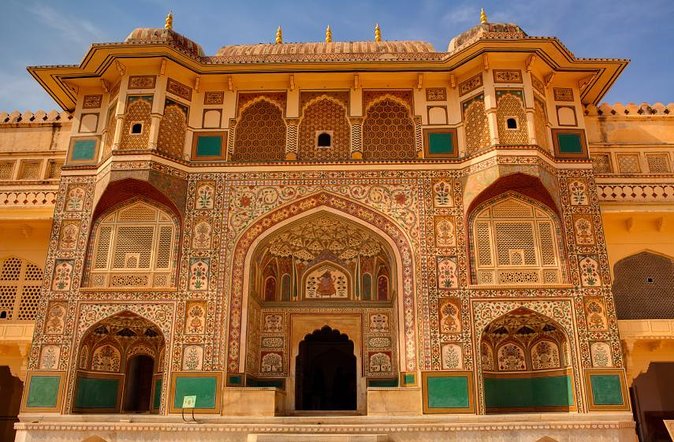
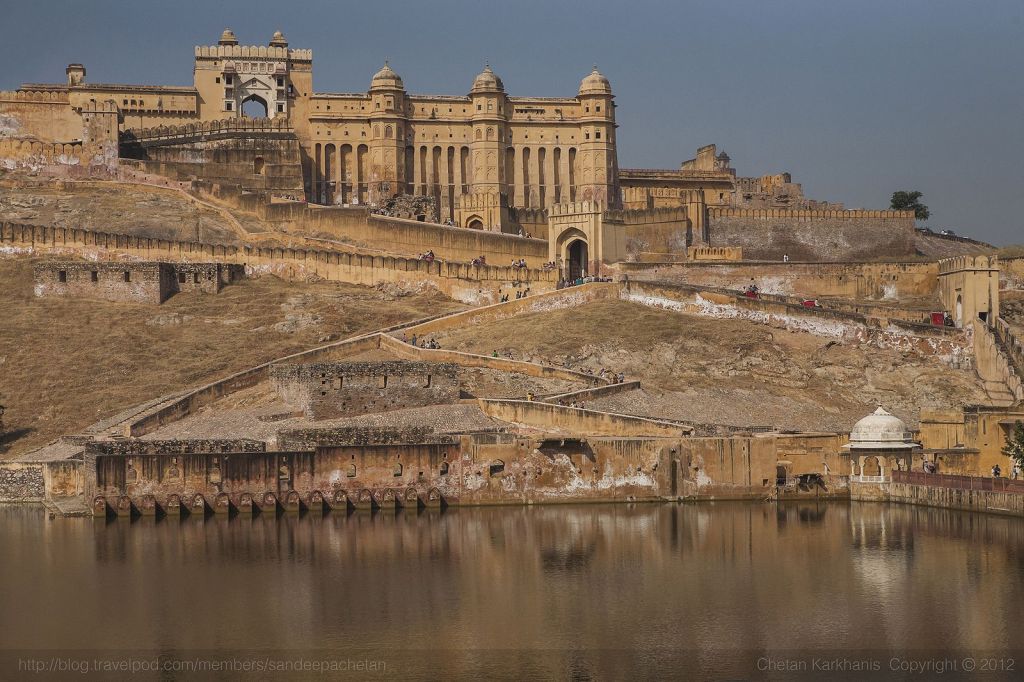
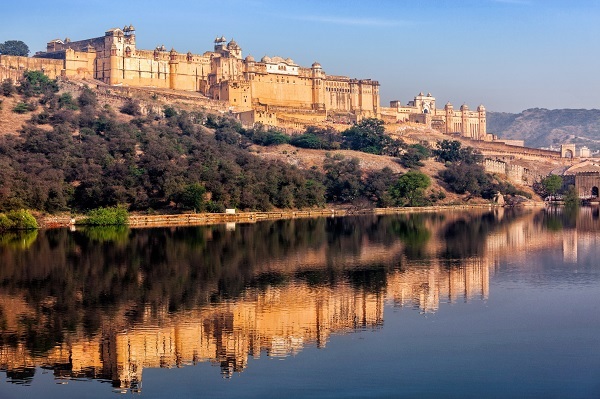
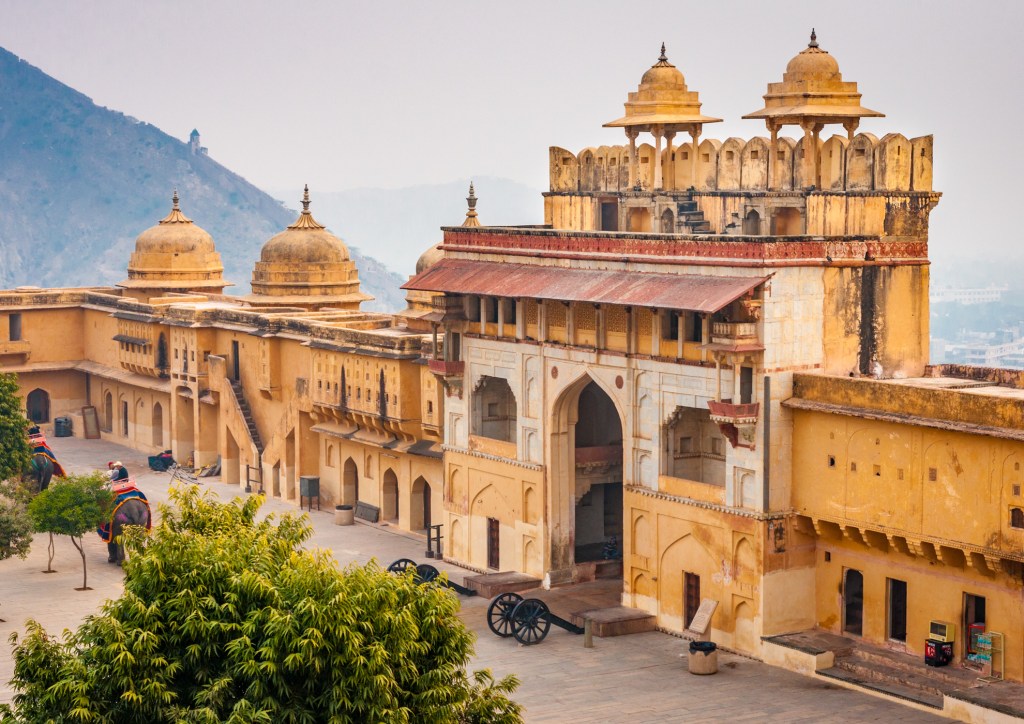
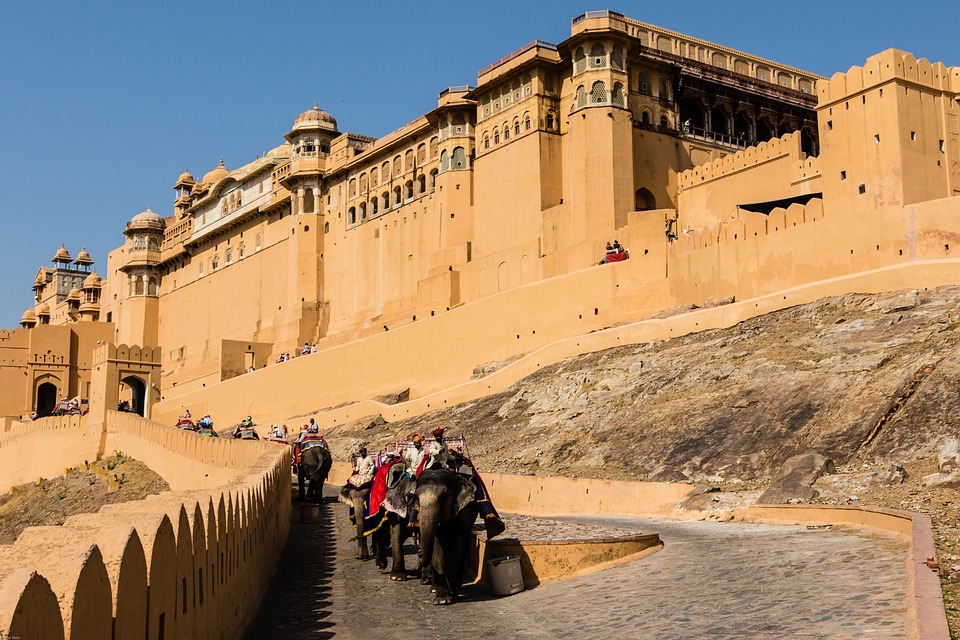
The colossal Amer (palace) Fort, one of Jaipur’s most popular tourist destinations, sits atop a tiny hill. One can either walk uphill, ride an elephant, take a jeep, golf cart or drive its vehicle to the top entrance. In 2013, the fort was declared a UNESCO World Heritage Site. Its architecture is a unique blend of Rajput and Mughal influences. The majestic Amer Fort is a sprawling former royal residence built of pale yellow and pink sandstone and white marble. The fort is split into 4 portions, each with its very own courtyard. At the Amer Fort, there are dozens of sites to explore, like the diwan-e-aam, such mandir, and the Sheesh Mahal. Amer Fort has underground tunnels connecting it to Jaigarh Fort. A segment of these restored tunnels is now open to the public.

The main courtyard, known as Jaleb Chowk, is located at the entrance. The king’s warriors used to gather and parade here. Inside the fort, ascend the grand staircase from the Jaleb Chowk courtyard to the second courtyard, which contains the Diwan-e-Aam (Hall of Public Audience) with its many pillars. The king’s former private rooms are located in the third courtyard, reached through the exquisite mosaic Ganesh Pol. It comprises 2 structures split by a large decorative garden. The Diwan-e-Khas (Hall of Private Audiences) is the most beautiful area of the fort, with its walls adorned with elaborate mirror work. As a result, it’s also known as Sheesh Mahal (Hall of Mirrors). The Jas Mandir contains exquisite floral motifs with glass in them.

The Oberoi Rajvilas, Jaipur

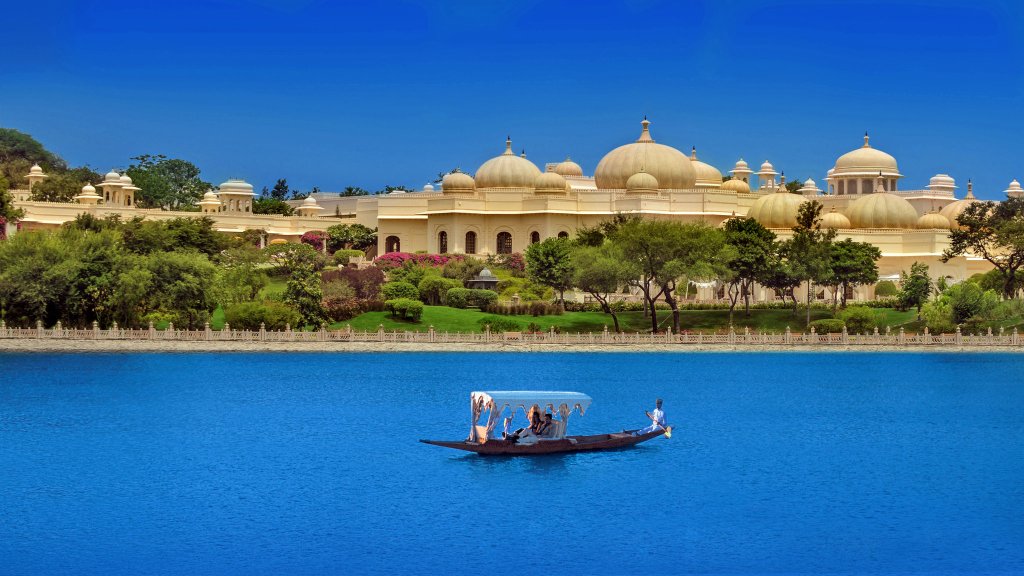
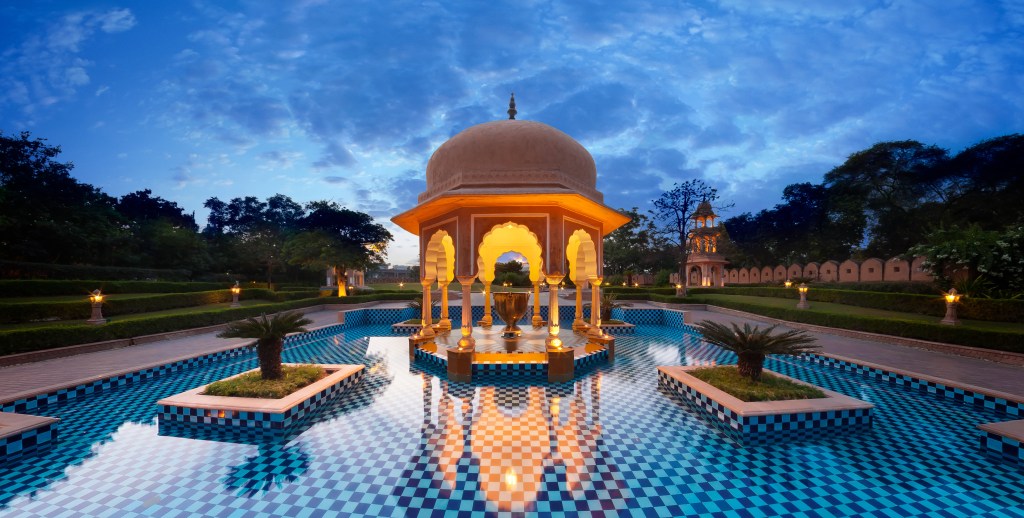
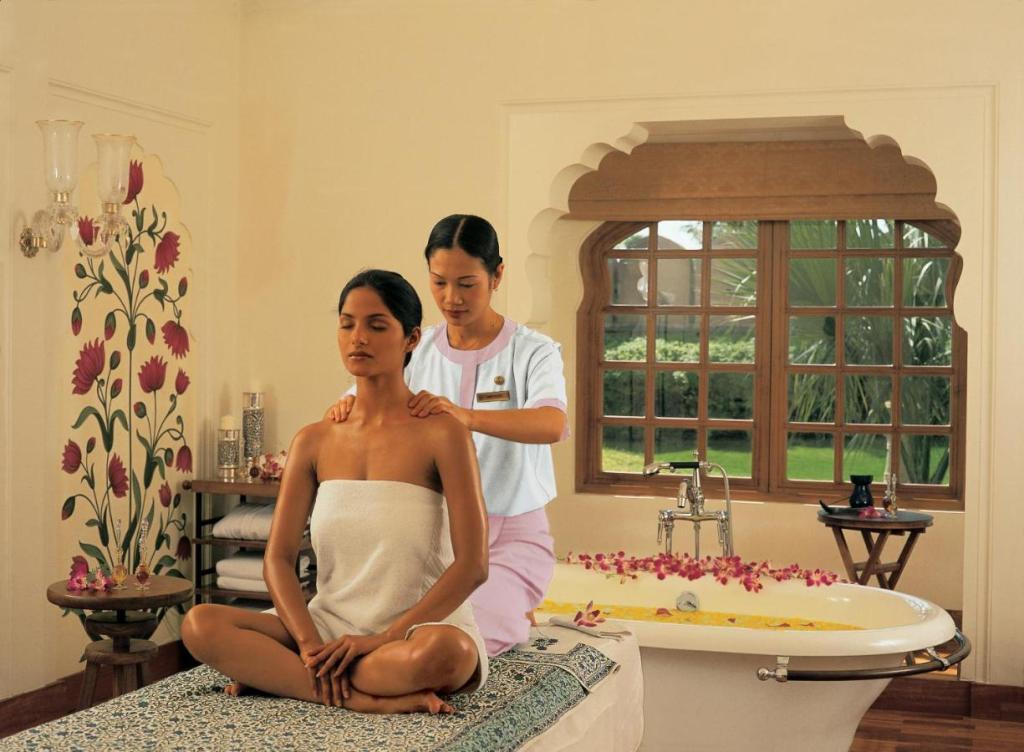
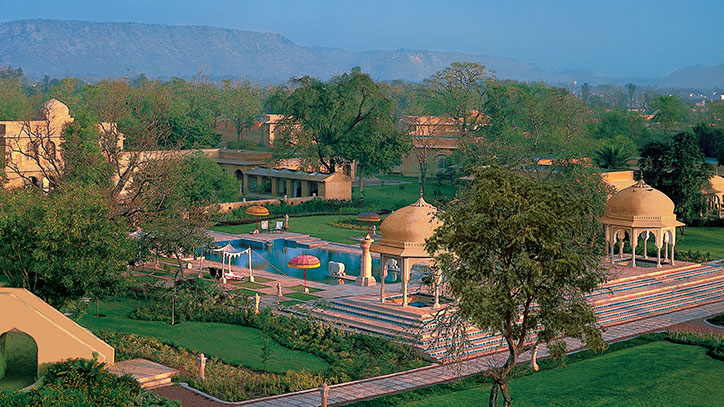
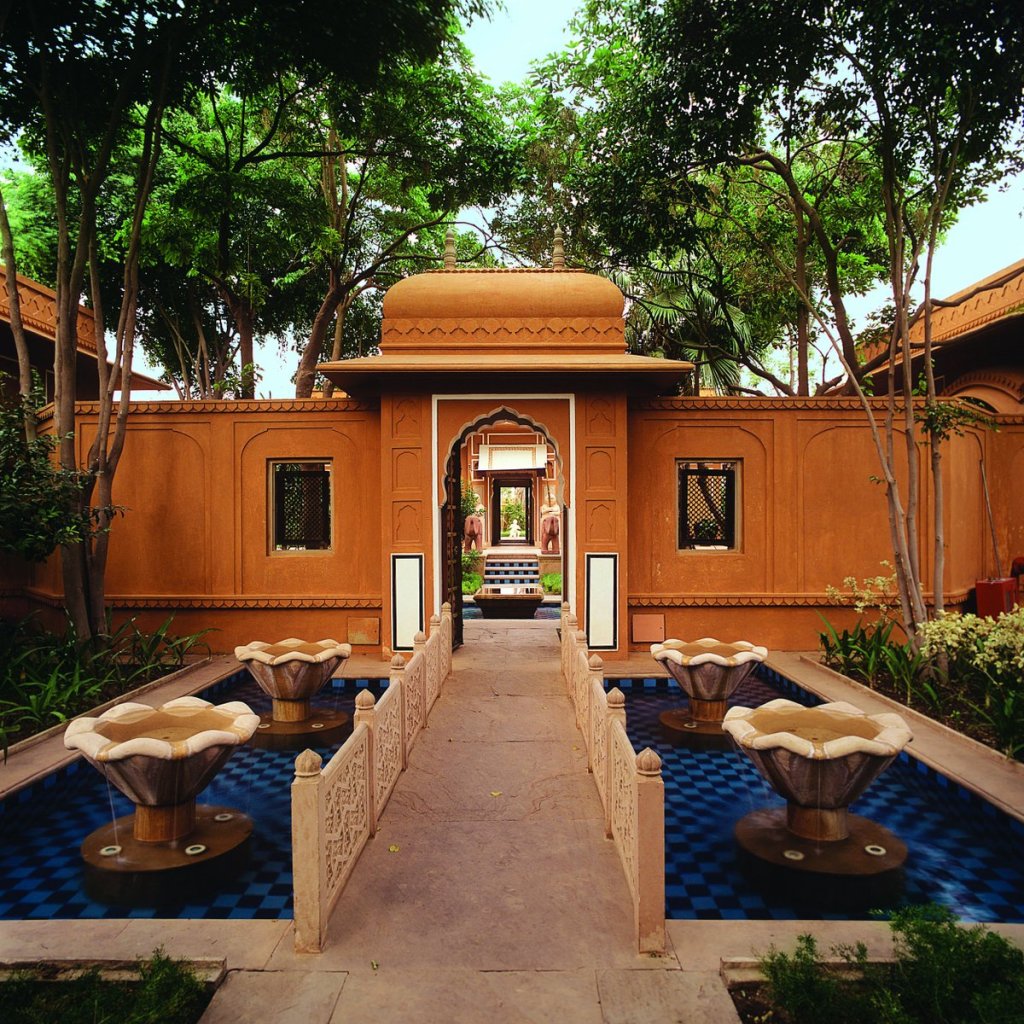
The Oberoi Rajvilas, set in 32 acres of prime settings, beautifully recreates the splendor of Rajasthani royals. LCD TVs, DVD players, satellite television, and wired and wireless broadband Internet access are available in all of the property’s rooms, tents, and villas. Butler service is accessible 24 hours a day. The fully air-conditioned luxury tents set this property apart. Each tent has its very own patio and garden, both surrounded by a mud wall. The tents are light and airy on the inside, with colonial touches like a free-standing claw-footed bathtub and a separate shower. In addition to a state-of-the-art fitness facility, flood-lit tennis courts, and an outdoor pool in a magnificent garden setting, there’s also a spa with a full suite of massage and spa treatment options.

Inside it is ‘The Surya Mahal’ (Sun Palace) a fine dining restaurant, open 24 hours a day. During the day, it is bright with natural light. After dark, the phosphorescent moon twinkles in the alfresco courtyard, and the crystal chandelier twinkles in the main hall. Western, Mediterranean, Asian, and Indian cuisines are included on the menu.

Rajwada Library Bar, a great place to grab an aperitif or a post-dinner drink. Pour a fine wine, a traditional cocktail, or a single malt whisky into your glass.  Attend one of the bi-weekly interactive history sessions, all while enjoying the regal appearances of past Maharajas depicted in lithographs on the walls.

LUXURY TRAINS OF INDIA

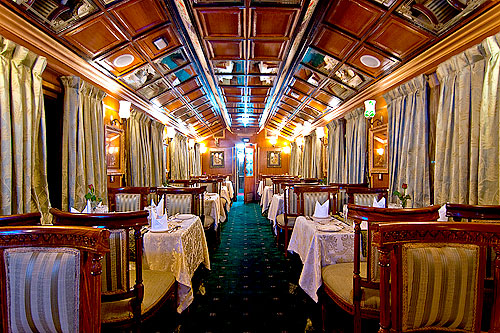
Atithi Devo Bhava” means “Guest is God” and India, with its beautiful & luxurious trains, proves it True. They make India memorable for the visiting tourists by Providing them with the most exquisite & hospitable experience. These trains are the epitome of luxury, offering passengers a glimpse of the country’s rich culture, exotic destinations, and spellbinding sceneries.

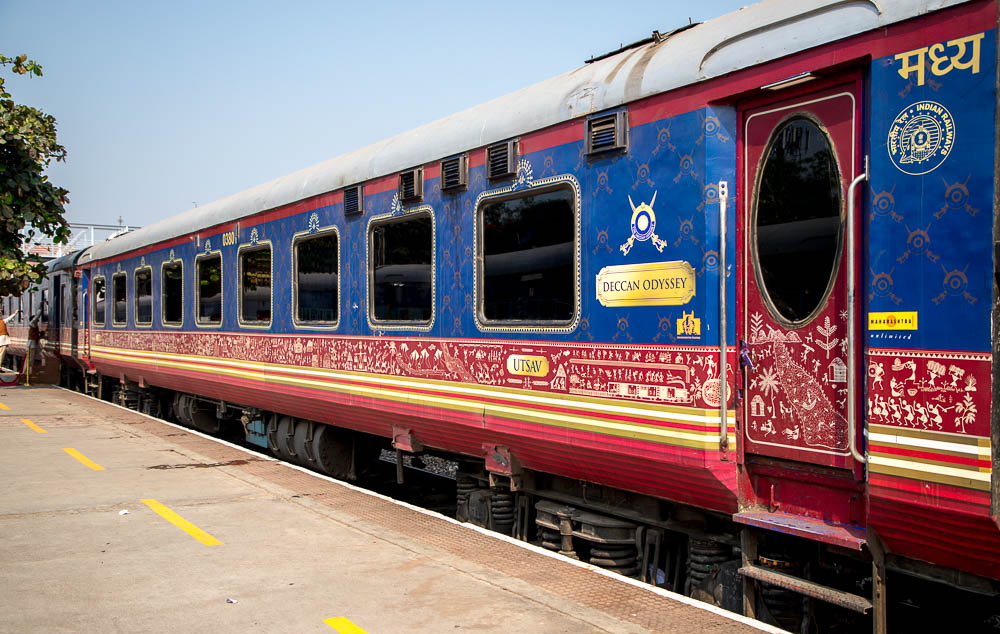
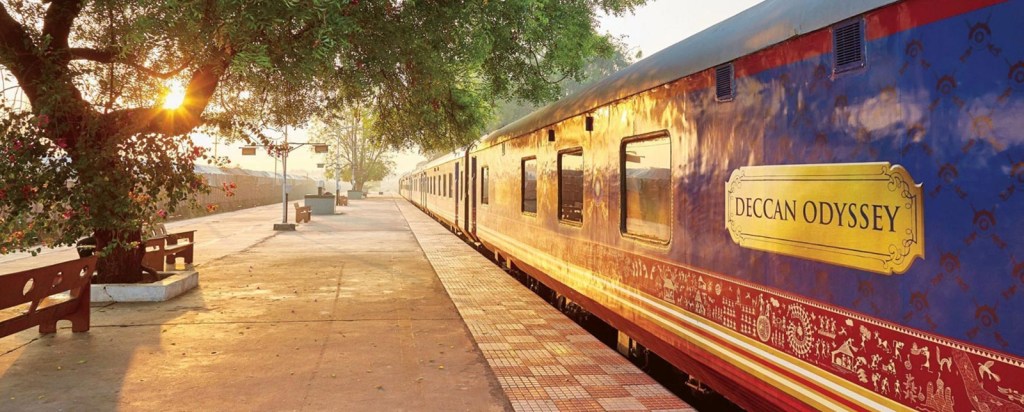
The Deccan Odyssey

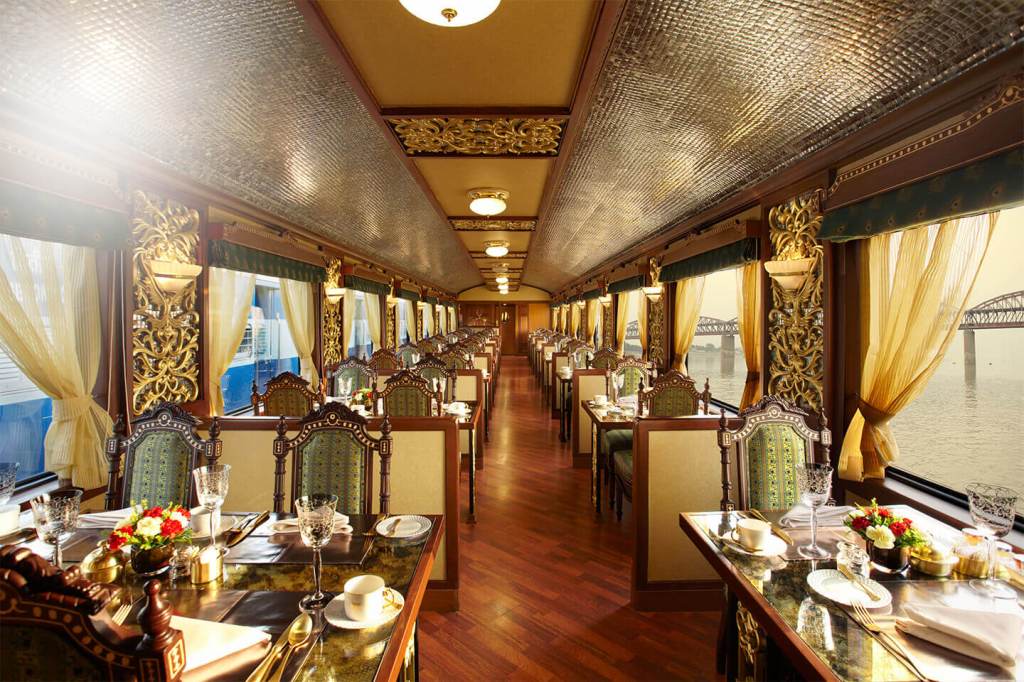
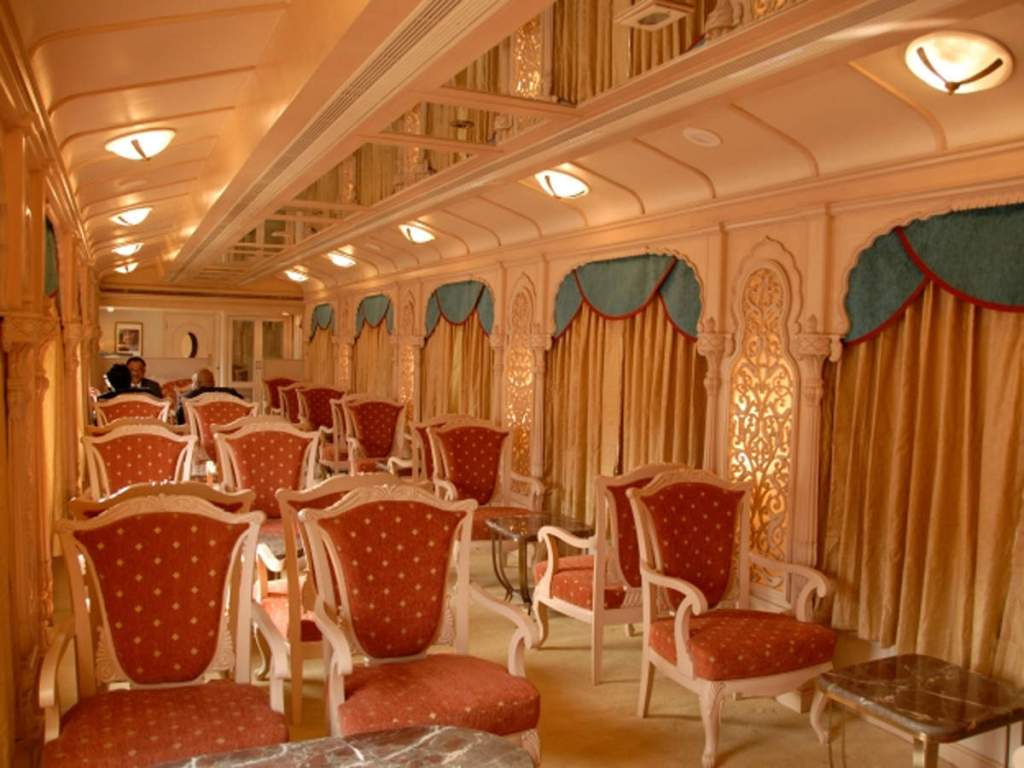
Deccan Odyssey was launched in 2005 to boost tourism in Maharashtra. The Indian Railway and the Maharashtra State Government collaborated on the project. This sumptuous train travels through Maharashtra’s tourism destinations, offering passengers a glance at the state’s culturally rich legacy. The exquisite interiors are reminiscent of a timeless classic, yet with a contemporary twist, creating a wonderful mix for a memorable moment.

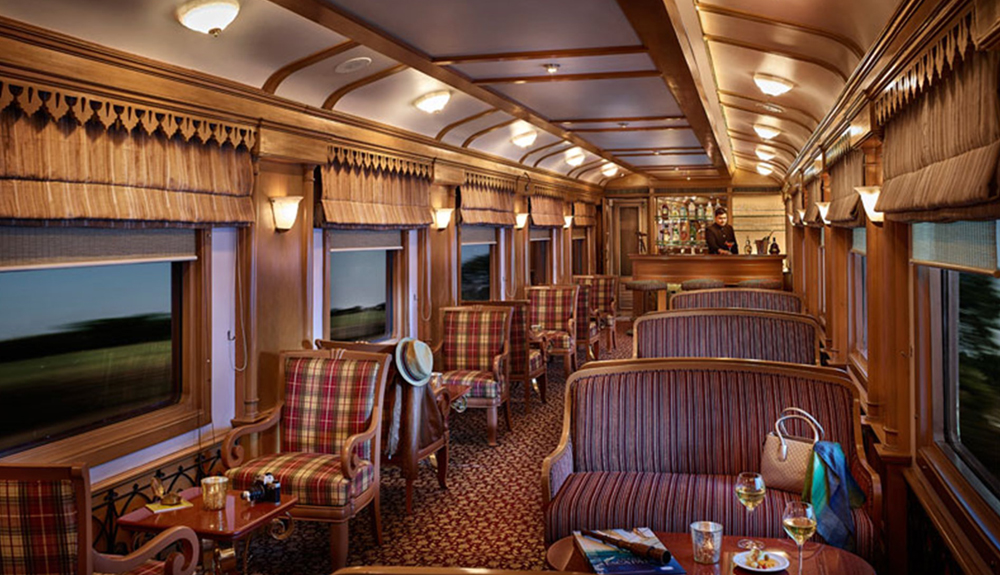
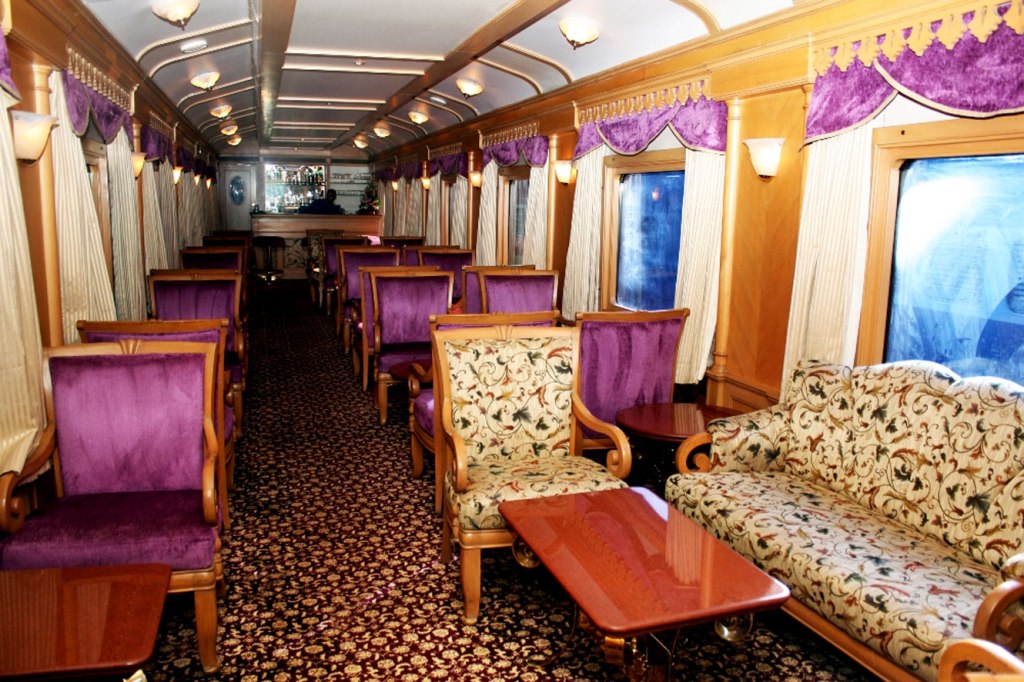
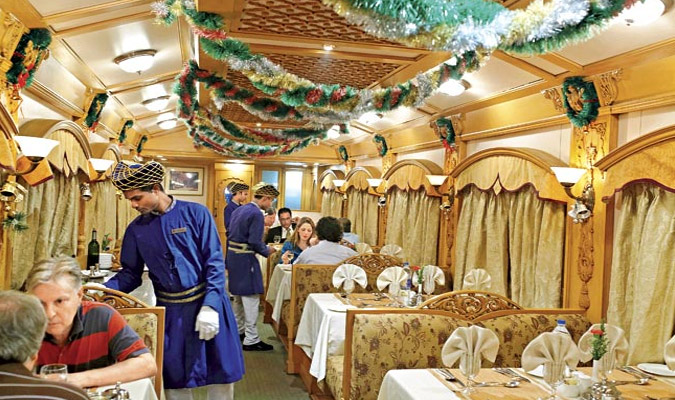
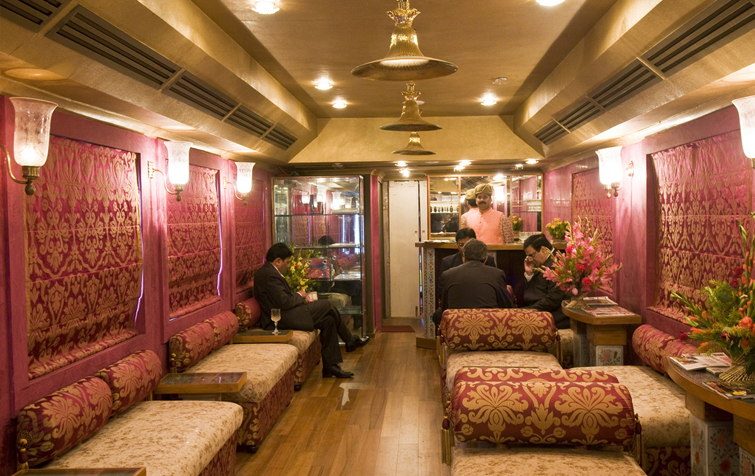
The opulent Deluxe Cabins and Suite Cabins with attached restrooms showcase state-of-the-art amenities and provide passengers with a luxurious voyage. Dining Car, Saloon, Bar Lounge, Mini Gymnasium, Conference Hall, and Ayurvedic Spa are among the other onboard amenities. This regal journey is like a five-star hotel on wheels, with all the luxuries. Twelve passenger cars, one conference car, two dining cars, two generators, luggage cars, two staff cars, one spa car, and one bar car make up the Deccan Odyssey’s 21 coaches.

The train has a crew of over 30 to supervise a pleasant & comfy trip for all the 90 passengers on board. The Deccan Odyssey Train offers six different itineraries for discovering India’s most exotic destinations: Indian Odyssey, Indian Travel, Hidden Treasures of Gujarat, Deccan Jewel, and Maharashtra Wild Trail.

Maharajas’ Express

The ‘Maharajas Express‘ train, an ultra-luxury train travel experience, has won the ‘World’s Leading Luxury Train’ award seven years in a row at the annual World Travel Awards. It now ranks higher than other world-class luxury trains like the Royal Scotsman in the United Kingdom, the Orient Express in Europe, and the Blue Train in South Africa.

The Maharajas Express offers four separate routes across North, Central, and Western India, with four different cabin and suites classifications to pick from. Three of the journeys last three nights, while the others last six nights each. All passenger cabins are equipped with individual temperature controls, televisions, DVD players, direct dial telephones, and internet connectivity, to name a few amenities, to make your journey as convenient and pleasant as possible.

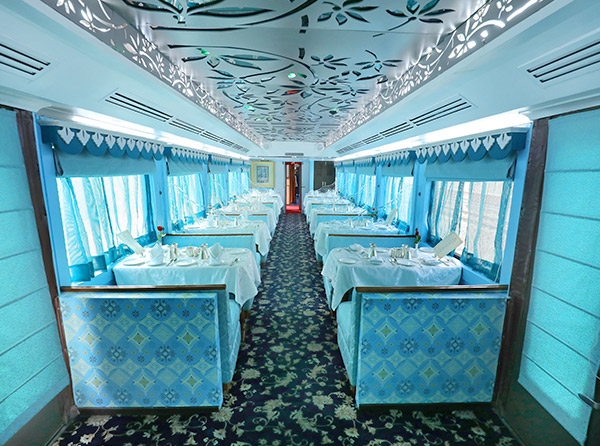
Mayur Mahal and Rang Mahal are two fine dining establishments on the Maharajas’ Express. It has a seating capacity of 42 people, enabling everyone on board to dine together. It also offers an exotic Safari bar with a fine collection of wines, beers, and other refreshments for all passengers. There is also a lounge called ‘Raja Club,’ which includes comfy seats and club armchairs. The Maharajas’ Express also features a high-end boutique with exquisite and one-of-a-kind items.

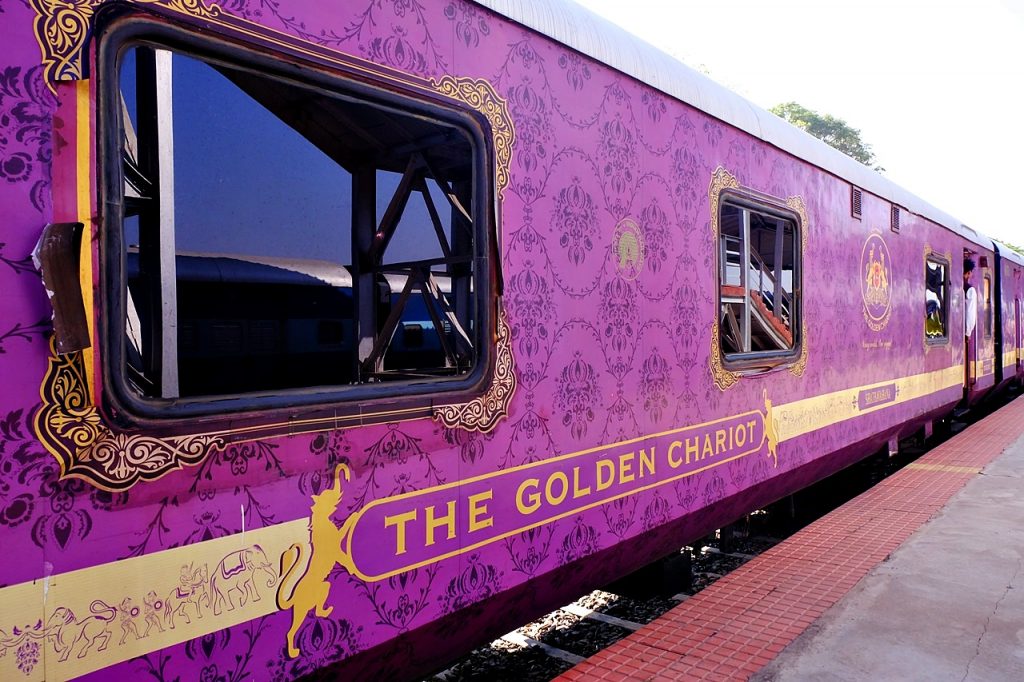
The Golden Chariot

The luxurious Golden Chariot Train travels to Bengaluru, Bandipur, Halebidu, Chikmagalur, Chettinad Kumarakom, Mysore, Hampi, Belur, Badami, Mahabalipuram, Goa, Thanjavur, and Kochi for its passengers. A collaboration between the IRCTC and the KSTDC, The Golden Chariot train aims to exhibit South India’s grandeur in the shortest time feasible. Pride of Karnataka, Jewels of South, and Karnataka’s Glimpses are three of the train’s itineraries, lasting between 4 to 7 days.

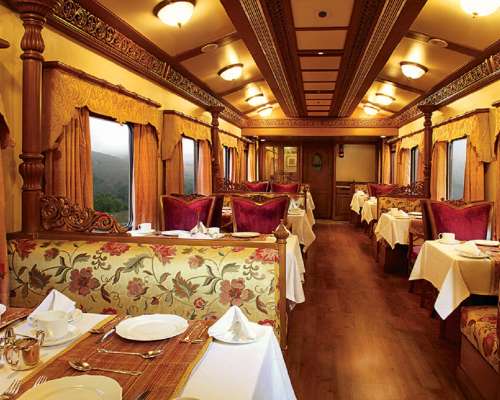
Golden Chariot offers perfect travel joy with luxurious interiors and well-appointed cabins designated after Karnataka’s ruling dynasties. The luxury train features an Ayurvedic spa, 2 fine dine restaurants, deluxe wooden suites with private washrooms, a gym, and a conference area. Golden Chariot is sheer grandeur on wheels, inspired by Dravidian art and culture. This 18-coach luxury train includes 44 guest suites that can accommodate approx. 84 people.

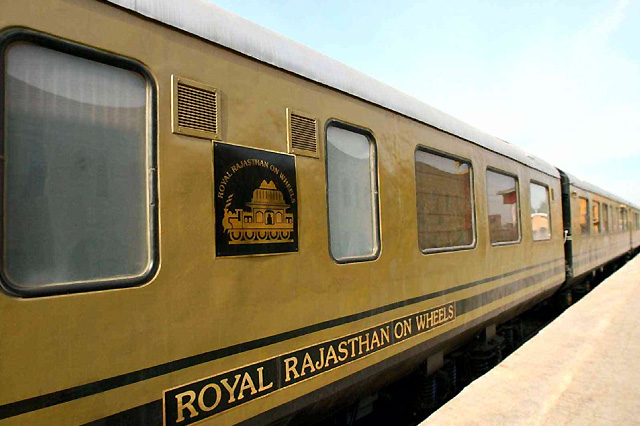
Royal Rajasthan on Wheels

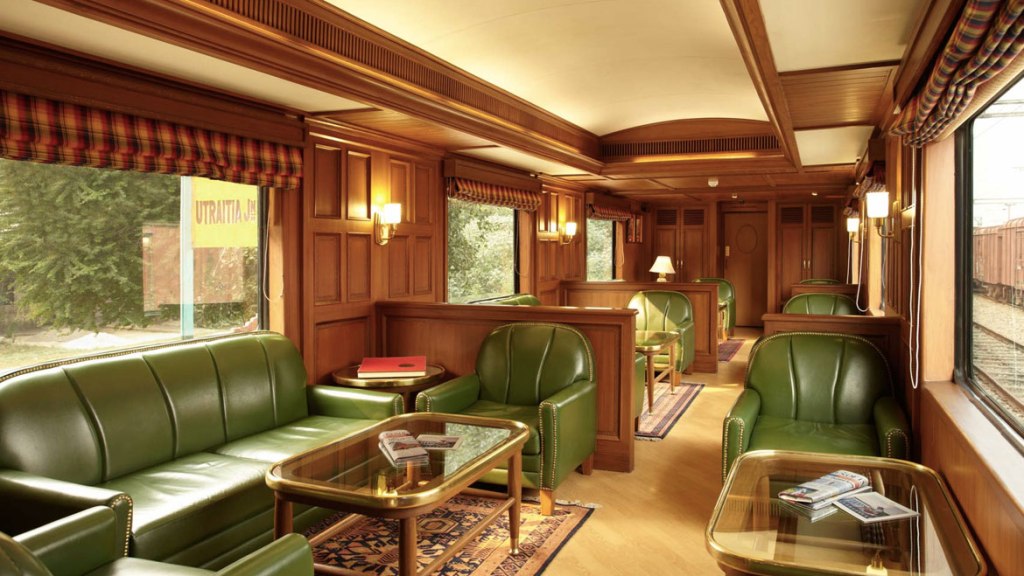
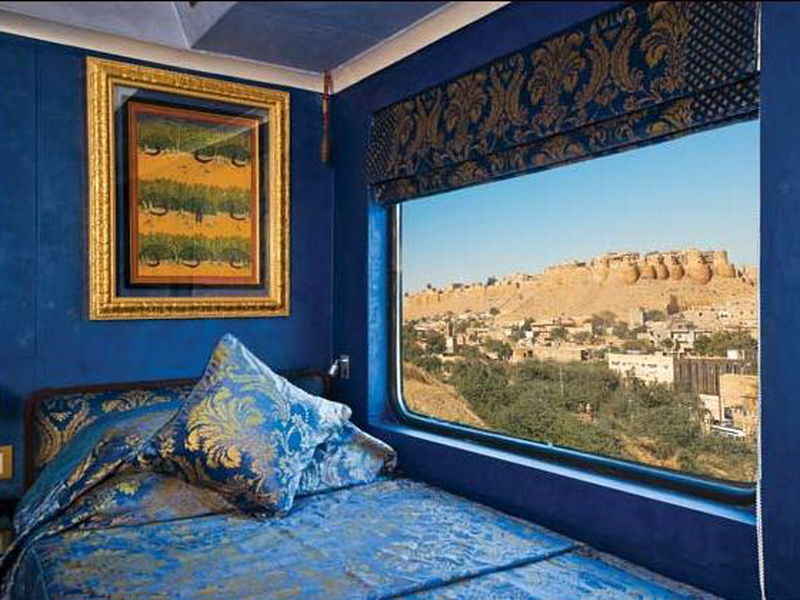
The interiors of Royal Rajasthan on Wheels are magnificent and luxurious. This luxury train has 14 passenger coaches, each named after one of Rajasthan’s majestic palaces. There are 13 deluxe and two super-deluxe saloons. Each saloon is designed elegantly with the highest quality jewels such as ruby, pearl, and sapphire, and offering its visitors a sense of grandeur and imperial lifestyle.

Beautiful silk and velvet bedspreads adorn the coaches, evoking the true beauty and allure of Rajasthan. In addition, each saloon’s vintage furnishings enhance the journey’s elegance and beauty. The coaches are fitted with study tables, chairs, and almost all of the lavish facilities and conveniences, to make the travel extra enjoyable. With its two beautiful restaurants, Swarn Mahal and Sheesh Mahal, a ride on the Royal Rajasthan on Wheels becomes more thrilling and scrumptious. They serve a range of cuisines to their customers, including traditional Rajasthani delicacies, Continental, Chinese, and other international cuisines. While touring on the Royal Rajasthan on Wheels, a spa onboard provides the best leisure and rejuvenation.
Palace on Wheels

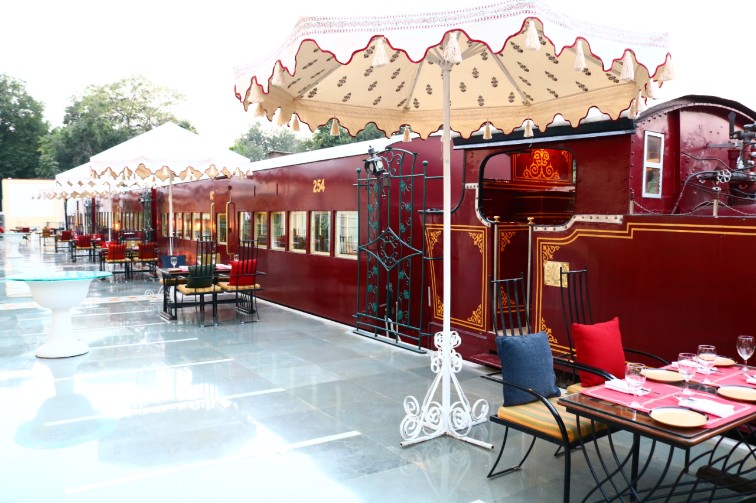
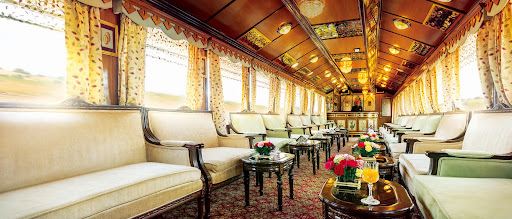
 Palace On Wheels commenced service on January 26, 1982, and has remained a popular mode of travel in Rajasthan ever since. Within a few years, the Palace on Wheels was named one of the world’s top 10 most sumptuous train excursions. The 14 air-conditioned coaches are named after erstwhile Rajput states to reflect the royal past’s beauty and interiors.

Each saloon has a little pantry to ensure the all-time availability of hot and cold beverages, as well as refreshments. Sofas to curl up on, strategically placed lighting to read by, beautifully fitted beds with plush furniture, integrated closets, and enormous window panes to gaze out at the rolling landscape have all been thoughtfully arranged. The train includes two opulent retro bars, “Maharaja” and “Maharani,” both decorated in Rajasthani style and serving mouthwatering Continental, Chinese, Indian, and Rajasthani cuisines. In the eateries, seating is thoughtfully placed near glass windows. The Palace on Wheels also has a well-stocked bar with a wide selection of Indian and international alcoholic beverages.

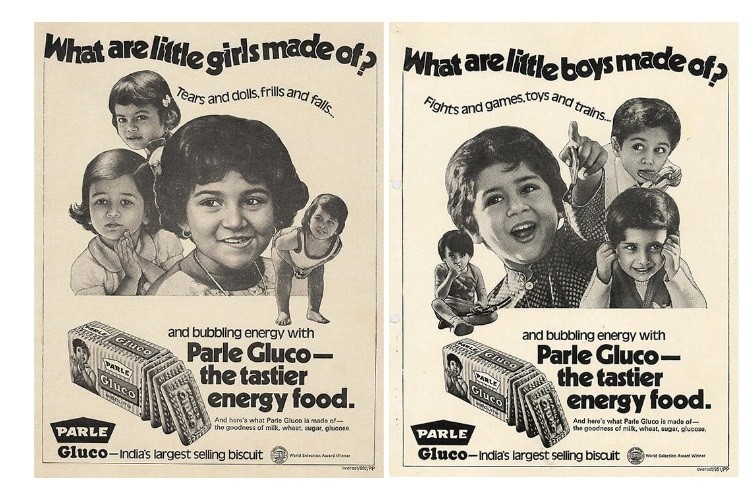
STORY OF PARLE -THE SWADESHI BISCUIT

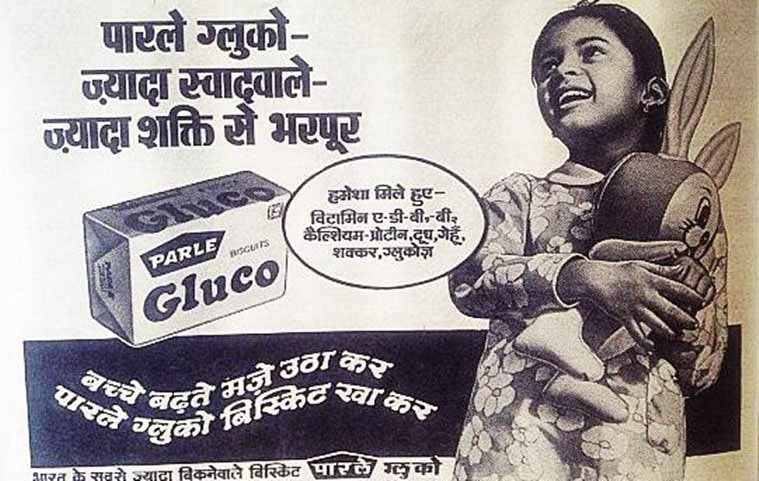
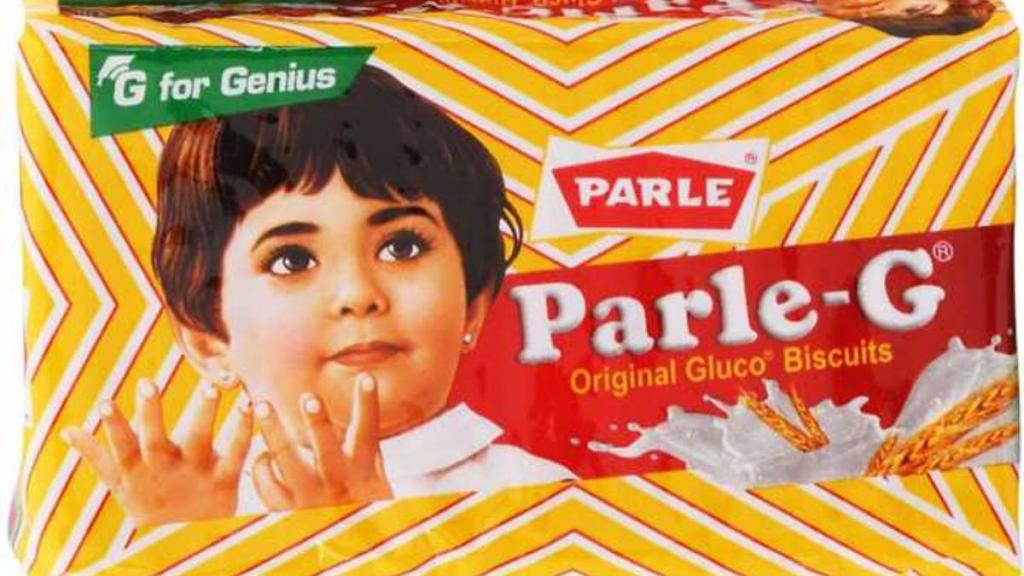
There may not be a single Indian who hasn’t heard of Parle; from its beginning in 1939, it has become an indispensable part of the everyday life of most Indians. 400 million Parle-G biscuits are produced daily and According to an estimation, every second, over 4500 people enjoy a Parle-G biscuit, originally known as Parle Gluco.

Parle-G was the first FMCG brand in India to reach Rs. 5000 crore mark in retail sales in 2013. It was also listed #29 in the Brand Trust Report India’s Food & Beverage category in the year 2019.

Parle-G now has over 130 factories and is sold in over 5 million retail outlets throughout India. Every month, Parle-G manufactures about a billion packs of biscuits. Parle-G is available in the most distant of places. Certainly, a mass-market item.

THE EMERGENCE OF PARLE

Under the British Raj, foreign goods were marketed at exorbitant prices across the Indian market. At the time, candy was a huge hit.

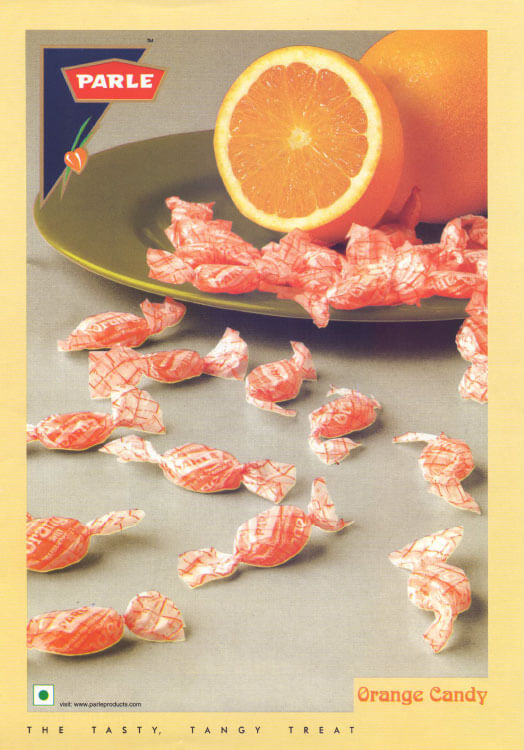
The founder of the Parle firm, Mohan Lal Dayal, was not pleased with this and was heavily inspired by the Swadeshi movement. To combat this trend, he chose to begin manufacturing candy domestically. To accomplish this, he flew to Germany to acquire the skills to manufacture candies and later returned to India in 1929 with a candy-making machine that cost Rs 60,000 at the time. He began his business in Mumbai, where he acquired an old factory located between Irla and Parla. The factory got named after the location where it all began. The company began with just 12 employees, all of whom were family members.
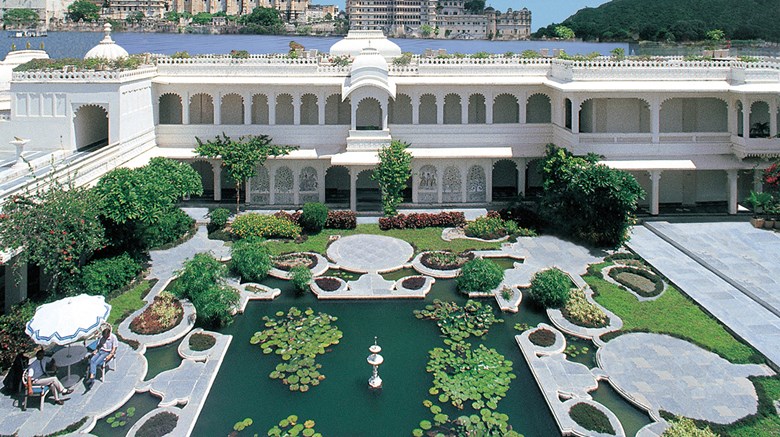
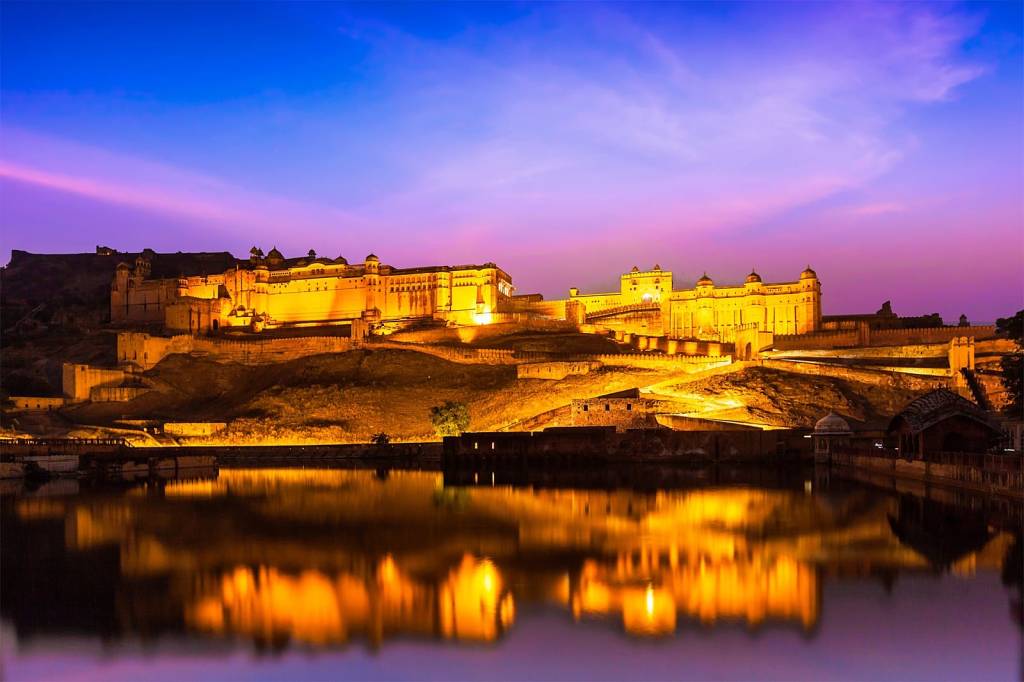
Parle’s very first product was The Iconic orange candy, and from there they expanded into confectioneries and toffees. After a decade later, in 1939, the ‘Parle Gluco’ biscuit, an economical biscuit intended for the general public, was introduced. So that Indian people can afford and enjoy delicious candies with their families.

Under British rule, Biscuits were a high-end product, enjoyed primarily by Britishers and upper-class Indians, with the majority of them being imported into the country. The market was dominated by British brands such as United Biscuits, Huntly & Palmers, Britannia, and Glaxo. These were imported and expensive.

The wheat-based biscuit was reasonably priced, and it was readily available to the majority of Indians. Produced by the Indians for the Indians, Parle-G was India’s response to the British-made biscuits and became the British-Indian Army’s go-to cookie during World War II. The Parle Gluco cookie became immensely popular and it swiftly took over the market. All British businesses began to lose money at that point. Parle also made India’s first salted cracker, Monaco, in the early 1940s.

Due to a shortage of wheat, one of Parle’s primary ingredients, following Partition in 1947, the company had to halt production of Parle Gluco & they instead began making and selling barley biscuits.

THE FOREVER ICONIC PACKAGING

Over time, more and more brands featuring the words “gluco” or “glucose” in their names began to appear on the market. Britannia also introduced the ‘Glucose D’ biscuits. In the 1980s, Parle Gluco changed its name to ‘Parle-G’ and released a new box with white and yellow stripes and an illustration of the ‘Parle-G Girl’ to maintain its sales and stand out in the marketplace to consumers. Over time, more and more brands featuring the words “gluco” or “glucose” in their names began to appear on the market. Britannia also introduced the ‘Glucose D’ biscuits. In the 1980s, Parle Gluco changed its name to ‘Parle-G’ and released a new box with white and yellow stripes and an illustration of the ‘Parle-G Girl’ to maintain its sales and stand out in the marketplace to consumers. The packaging became legendary & is still recognized by Indians today.

Parle also debuted their first TV commercial for Parle-G in 1982 on Doordarshan, with the catchphrase “Swaad Bhare, Shakti Bhare, Parle-G.” Shatkimaan, the public’s beloved superhero at the period, accepted to do a commercial for Parle-G in 1998.

 Changed to “Genius” in the early 2000s, the “G” in Parle-G stood originally for “Glucose”. As per figures from 2009-10, Parle-G’s sales outstripped the combined sales of all other biscuit brands in China, the world’s fourth-largest biscuit-consuming country. As shown in a 2011 Nielsen survey, Parle-G had eclipsed Cadbury as the best-selling biscuit brand in the world.

Parle will forever remain Iconic, for why it started, for whom it started and for what it has provided to the people of country. A happy part of every Indian’s childhood, it will continue to remain an integral part of everyone’s chai time.