Yet another academic year begins today. This time too on a subdued note due to the Covid pandemic. Last year when classes took the online method due to the Covid first wave, entire process was experimental. With no experience of conducting or learning from virtual classes, students, teachers and parents went along.
However Covid brought many changes to the world. The general education department has organized several activities aimed at welcoming the tiny students joining class 1. As part of this new students and their parents will be contacted by authorities. Since classes are confined to homes, the department has come up with different programs within home. Students are provided with decorative items like balloons, stickers along with their textbooks to decorate.
As for the teaching-learning process, the department has come up with a strategy that will see students reaping maximum benefit from lessons. As classes are conducted through online there are different bviews on condicting examination for the promotion of plus one students to plus two. A report comprising various factors in this regard had been submitted. As the first step, during the first week, there would be bridging classes to connect with what happened in the last academic year to ensure seamless continuity in the digital mode. This time there will be more interactive classes with the teachers coming live from their classrooms and there will be sessions which would give the students a real classroom feel. All the classes was held in the digital mode last year and the same would happen this time too.
Let us hope that next year onwards we can restart our offline classes so that our students will be more happy and tension free. Let us pray to erase the entire pandemic from the world, so that bee can step out from the four boundaries of our home and can see the colours of the outside world.
91 Nations are vulnerable to the B1.617.2 strain after India has stopped export of vaccines claimed WHO: After being hit by the deadly and life taking second wave, New Delhi has banned all exports and started redirecting supplies for domestic use. India’s decision to ban exports and redirect supplies for domestic use has made a severe impact on those 91 Nations who were totally dependent on products of Serum Institute of India (SII), Covishield or AstraZeneca and the upcoming Novavax.
Without sufficient stocks these counties which are majorly African will remain Susceptible to the deadly B1.617.2 variant which was primarily found in India, said WHO . As per a chief scientist of World Health Organization, “91 countries are impacted by the shortage of supplies, particularly since the AstraZeneca parent company has not been able to compensate for the doses which have not come from Serum,” . The scientist stated that these nations are very vulnerable to new and more Transmissible strains including the B1.617.2 variant also.
The scientist added, “not just B.1.617.2, but other variants will emerge in other countries and spread around the world…We know that these variants spread very quickly. Even before they can be recognised, they are already spreading around the world. The same thing happened with the 117 [variant], now dominant“. As per an agreement signed between AstraZeneca and Serum Institute of India(SII) , SII was expected to supply a billion doses for low and middle income countries, with a commitment to provide 400 million doses by 2020 i.e. last year. All of this was to be delivered by Gavi, an international vaccine alliance.
The scientist also said that “most African countries, unfortunately, have vaccinated less than 0.5 per cent of their populations and haven’t even vaccinated all their healthcare workers,“.She also added that “if we continue having this inequitable distribution of available vaccines, we will see some countries going back to some degree of normalcy in their life, while other countries are hit very hard and continue to be hit hard by subsequent waves,“.
But after being hit heavily by the second wave, India stopped exports of it’s vaccines and redirected those for domestic use for vaccinating the natives. In this process, the nations which were dependent on Gavi and on Indian vaccines were left amid. As per some data, rich nations like US, UK, Israel, Canada and the European Union already ordered millions of vaccines from multiple vendors even before the vaccines were approved.
Now when there are no more options for the other countries, WHO has said that it hopes India will continue it’s exports again maybe somewhere at last of this year so that the other nations could also be vaccinated. The institution is “really going out with a plea to all countries to share their doses so that vulnerable groups can be protected before we start expanding to other groups such as children“. By the end of May, India has vaccinated about 3.5% of it’s total population. Indian government has also estimated that by the end of 2021 it will vaccinate every Indian.
12 Greek gods were considered to be the main gods, the most important deities in Greek mythology. They resided on Mount Olympus where the throne of Zeus is considered to be situated according to Greek Mythology.
I have mentioned the Twelve Olympians in the list below:
ZEUS: Zeus is referred to as the king of gods, the allfather, the chief of gods. He was born to Cronus and Rhea. Zeus was horrified with human sacrifice and so he flooded the world to wipe out humans. Throughout history, he is depicted as someone who terrorized humans by thunder and lightning.
HERA: Hera is known as the Queen of Gods, matron goddess. She is Zeus’s sister as well as wife. She is the goddess of marriage, family, childbirth. Hera is famous for her jealousy so much so that even Zeus was scared of her rage.
POSEIDON: Poseidon is the god of the horses, sea, oceans, and earthquakes. He was the second son of Cronus and Rhea.
DEMETER: Sister and wife to Zeus, Demeter is the god of harvest, fertility, agriculture, sacred law. She also bore Plutus to Lasion. Her favorite animal is the pig.
ATHENA: She is the goddess of war and wisdom. She was also known for spinning and weaving. No one is better than her domains i.e., war and wisdom, she is so fierce that even Ares fears her.
APOLLO: He is the God of Oracles, archery, arts and music, knowledge, sunlight, herds, and protection of the young. His parents are Zeus and Leto. He is also considered the most beautiful Greek god. He is known as an averter of evil.
ARTEMIS: Daughter of Zeus and Leto, twin sister of Apollo, Artemis is considered as the goddess of wild animals, hunting, vegetation, and childbirth.
ARES: Son of Hera and Zeus, Ares is the god of war. He was not worshipped much because of his brutality and cruel nature. Although Athena was also the goddess of war, she represented a strategic part of the war, unlike Ares who represented killing.
APHRODITE: She is the goddess of desire, love, beauty. According to Iliad, Aphrodite is the daughter of Zeus and Dione. She was married to Hephaestus but she was not faithful to him because she cheated on him several times.
HEPHAESTUS: Known as “the celestial artificer”, Hephaestus is the god of fire and blacksmiths. He is portrayed as ugly and unfit, unlike other Greek gods. He is one of the many children of Zeus and Hera.
HERMES: Hermes is the god of travelers, road, thieves, athletes. He is considered the herald of gods. He can move easily between the mortal world and the divine with the help of his winged sandals.
HESTIA/BACCHUS: Other than the above-mentioned 11 gods, either Hestia or Bacchus is considered the twelfth god to reside on Mount Olympus. Hestia is the goddess of the hearth, virginity, home, and family. Bacchus is the god of wine, theatre, and ritual madness.
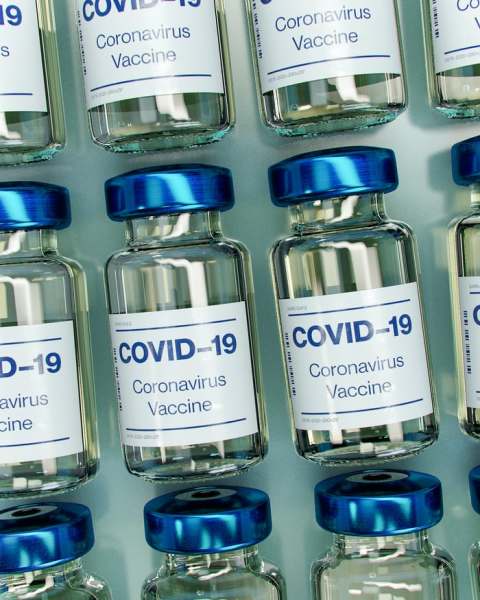
As the new coronavirus continues to spread around the world, the vaccine is seen as the best way to stop it. Everyone above 18 years of age will be eligible to get vaccinated against COVID-19 from May 1. Anyone who has an allergy to any component of the vaccine, should not take it. While COVID-19 vaccine supplies are limited, health workers at high risk of exposure and older people should be prioritized for vaccination.
Covaxin is an inactivated vaccine which means that it is made up of killed coronaviruses, making it safe to be injected into the body.Bharat Biotech, a 24-year-old vaccine maker with a portfolio of 16 vaccines and exports to 123 countries, used a sample of the coronavirus, isolated by India’s National Institute of Virology.The two doses are given four weeks apart. The vaccine can be stored at 2C to 8C.Some mild symptoms AEFIs may occur like injection site pain, headache, fatigue, fever, body ache, abdominal pain, nausea and vomiting, dizziness-giddiness, tremor, sweating, cold, cough and injection site swelling. No other vaccine-related serious adverse effects have been reported.It is your choice to receive or not receive COVAXIN . other vaccines. If you are pregnant or breastfeeding, you should not get the vaccine as the effect of the vaccine has not been studied in pregnant women and nursing mothers.
Covishild is a recombinant, replication-deficient chimpanzee adenovirus vector encoding the SARS-CoV-2 Spike (S) glycoprotein. Following administration, the genetic material of part of corona virus is expressed which stimulates an immune response.People aged 65 and older are less likely to experience common side effects.
More than 1 in 10 people may experience:
feeling tired tenderness, bruising, pain or itching in the arm where you had the vaccine injection headache muscle pain joint pain nausea fever (temperature of 38 degrees Celsius or above)
Sputnik V Covid-19 Vaccine: Sputnik V is a two-dose Covid-19 vaccine, which has an efficacy of over 91 per cent, according to a publication in scientific journal The Lancet.Made by the Gamaleya Research Institute of Epidemiology and Microbiology in Moscow, Sputnik V is a two-dose Covid-19 vaccine using a similar platform to Covishield — the most widely used vaccine in India since the government’s immunisation programme began in January. So far, DRL has only received 150,000 doses of this vaccine from Russia. The company expects more doses soon. According to its agreement with the Russian Direct Investment Fund (RDIF), which has been in charge of signing agreements for supply of this vaccine across the world, India is expected to get at least 250 million doses, which will be sufficient to inoculate 125 million people. However, it is unclear by when these doses will be supplied and distributed in India.The imported vaccine has been priced at Rs 948 per dose. However, including 5 per cent Goods and Services Tax, the price of this vaccine goes up to Rs 995.40 per dose.the most common side effects were: flu-likeillness, headache, fatigue, injection-site reactions.
COVID-19 affects different people in different ways. Most infected people will develop mild to moderate illness and recover without hospitalization.Tamil Nadu reported 486 Covid-19 deaths and 30,016 fresh infections on Saturday. After 31,579 people recovered, the state was left with 3.1 lakh people under treatment for the viral infection. Cases in hotspot Coimbatore dropped from 3,937 on Friday to 3,692 on Saturday, and in Chennai from 2,762 to 2,705. Three other districts in western Tamil Nadu —- Erode (1,743), Tirupur (1,697) and Salem (1,472) —- reported more than 1,000 cases as did Chengalpet (1,314), Trichy(1,099) and Tiruvallur (1,072).
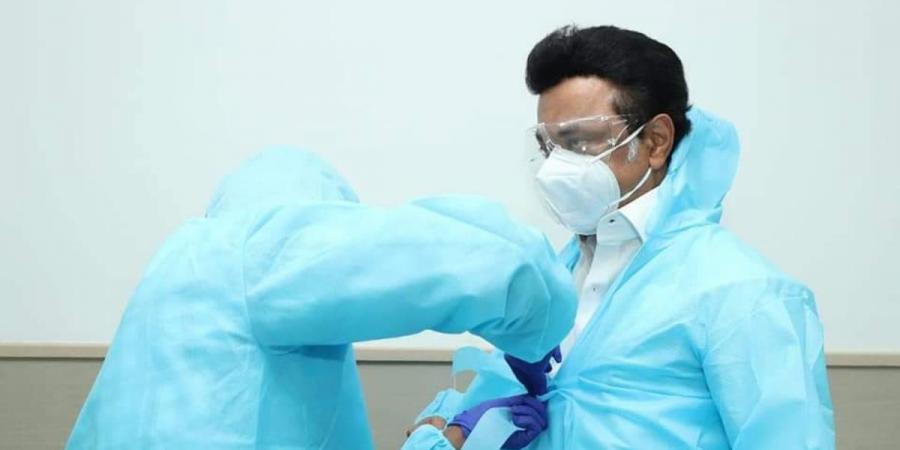
As the number of COVID-19 cases being reported from Coimbatore district surpassed that of even the capital city of Chennai, Tamil Nadu Chief Minister MK Stalin visited COVID-19 patients admitted at Coimbatore, Erode and Tirupur hospitals on Sunday afternoon. Stalin visited COVID-19 patients at Government Erode Medical College Hospital on Sunday morning and inspected the 300 newly setup oxygen beds at the hospital.
Health Minister Ma Subramanian and Minister for Housing and Urban Development S Muthusamy accompanied the CM during the inspections. Following the inspection, CM visited Tirupur Government Hospital and inaugurated 100 new oxygen beds. The Chief Minister reportedly interacted with the patients and enquired about their health and facilities at the hospital.Subsequently, CM Stalin visited Government ESI Medical College and Hospital in Coimbatore on Sunday afternoon, where he proceeded with the inspections. CM also launched 50 car ambulances for COVID-19 patients to be brought into the hospitals without any delay.
After interacting with the patients and inspecting the COVID-19 treatment and facilities at the hospital, CM held a review meeting regarding measures to contain COVID-19 spread. As per official data, Coimbatore district on May 26 recorded 4,268 new COVID-19 cases, highest in the state, whereas Chennai recorded 3,561 new cases on the same day.Since then, Coimbatore district has recorded the highest number of cases compared to Chennai. On May 29 Coimbatore recorded 3,692 new cases, whereas Chennai reported 2,705 new cases.To contain the spread of the virus, the officials in Coimbatore, Erode and Tirupur, which have also witnessed a surge in numbers, have ramped up the testing, tracking and treating methods in respective districts.
“Most of the seven billion people in this world suffer from Malnutrition. Half do not have enough to eat and rest of us eat too much” – Earle Grey.
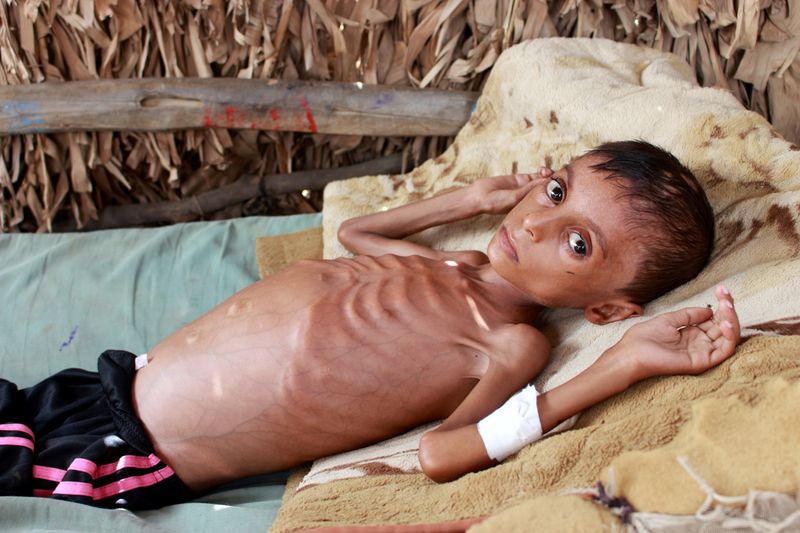
ABOUT Malnutrition refers to deficiencies, excesses or imbalances in a person’s intake of energy and/or nutrients. It can lead to serious health issues, including stunted growth, eye problems, diabetes, and heart disease. Malnutrition occurs when a person gets too much or too little of certain nutrients. Undernutrition occurs when they lack nutrients because they eat too little food overall. A person with undernutrition may lack vitamins, minerals, and other essential substances that their body needs to function.
SYMPTOMS OF MALNUTRITION:
Some signs and symptoms of malnutrition include:
• A lack of appetite or interest in food or drink • Tiredness and irritability • An inability to concentrate • Always feeling cold • Depression • Loss of fat, muscle mass, and body tissue • A higher risk of getting sick and taking longer to heal
TYPES OF MALNUTRITION:
Malnutrition is a group of conditions in children and adults generally related to poor quality or insufficient quantity of nutrient intake, absorption, or utilization.
There are two major types of malnutrition:
• Protein-energy malnutrition – resulting from deficiencies in any or all nutrients
• Micronutrient deficiency diseases – resulting from a deficiency of specific micronutrients CAUSES Malnutrition can occur for various reasons.
The sections below outline these potential causes in more detail.
• A low intake of food.
• Mental health conditions.
• Social and mobility problems.
• Digestive disorders and stomach conditions.
• Alcohol use disorder.
Diagnosis If a person shows or notices any signs of malnutrition, the first step will be to find out why. If a doctor suspects Crohn’s disease, celiac disease, or another condition, they may carry out laboratory tests to confirm a diagnosis.
Treatment
• If a doctor diagnoses malnutrition, they will make a treatment plan for the person. The person may also need to meet with a nutritionist and other healthcare providers
• Treatment will depend on the severity of the malnutrition and the presence of any other underlying conditions or complications. Prevention
•To prevent malnutrition, people need to consume a range of nutrients from a variety of food types.
•The older adults, young children, people with severe or chronic illness, and others may need additional care to ensure that they obtain the nutrients they need.
Electronic mail Or shortly e-mail is a modern method of instant delivery of letters without the involvement of a postman. In this system of mailing, messages are sent with the help of a computer. In the electronic mail or e-mail system, a letter or any other document is typed and edited on a computer. It is then sent to the address through a computer network in the form of electronic signals. The address may be anywhere in the world but the person should also have a computer or mobile with am electronic mail system.
Electronic mail has ushered in a revolution in the transmission system of written documents across the world. With the help of electronic mail system, typed matters can be transmitted instantaneously to any part of the world. Copies can also be sent simultaneously to as many destinations as desired. All that is needed is a device likes computer with telecommunication network facilities through satellites.
E-mail is very fast and saves time and paper work. While a letter mailed through post takes several days to reach, for an e-mail it is just a matter of a few seconds only. It has become very popular in our country and a time would soon come when every household would make use of this electronic facility.
“Somehow we must transform the dynamics of the world power struggle from the negative nuclear arms race which no one can win to a positive contest to harness man’s creative genius for the purpose of making peace and prosperity a reality for all of the nations of the world”. -Martin Luther King, Jr.
One fathomless longing of the human is for security, peace, and stability. And the possession of a nuclear weapon or other weapons of mass destruction is the greatest menace for humanity.
Nuclear weapons are the most lethal and indiscriminately inhumane weapons ever existed. It’s the only thing present on this planet to be capable of wiping out life.
We have already seen the catastrophic damage it brought upon Japan in 1945. And as time passed by we humans have found out other more deadly and fatal weapons. Since the Japan bombings, we have not seen any other full-magnitude international war situations not just because there are no serious diplomatic tensions but because many of the nations possess nuclear weapons.
Nuclear disarmament and non-proliferation is not just a global security issue but one in a class of its own, having profound urgency. The only other weighing global issue being climate change.
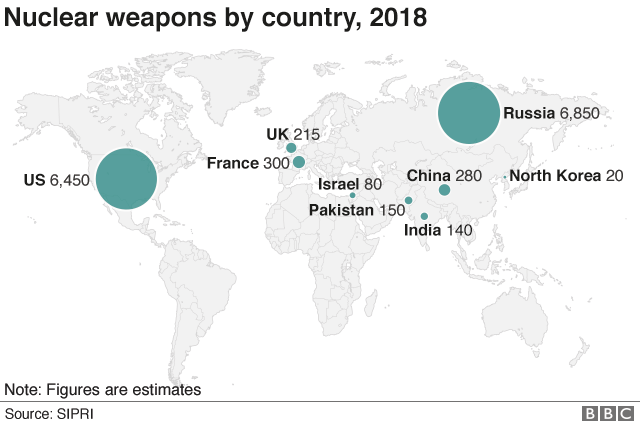
The gravest danger today is the existing stockpile of nuclear weaponry. There are at least 23,000 existing nuclear warheads with a combined destructive capability of around 150000 Hiroshima or Nagasaki-sized bombs.
YES, NUCLEAR DISARMAMENT IS NECESSARY
Experts have been urging continuously for complete disarmament, which is completely justified.
In 1963, Saint John XXIII urged the prohibition of an atomic weapon and stated that authentic and lasting international peace cannot rest on a balance of military power, but only upon mutual trust.
Experts say that when a nuclear bomb will explode the surface will become hotter than the sun causing mass destruction, thus bringing annihilation. The Bulletin of the Atomic Scientists advanced the symbolic Doomsday Clock by 30 seconds in February, which indicates how the world leaders are failing in maintaining peace.
Countries like the USA and Russia have High-alert nuclear weapon(s) whose launch can be ordered (through the National Command Authority) and executed (via a nuclear command and control system) within 15 minutes or less. The USA has 6450 nuclear bombs in hand while Russia holds 6850 of them. With so high a degree of hazard in existence, the threat seems to be present above our head like a dangling sword.
Apart from this, Nuclear Terrorism is undeniable insecurity. Many terrorist organizations are trying hard to obtain nuclear weapons and THE BLACK MARKETING OF NUCLEAR WEAPON MATERIAL IS A GLOBAL THREAT. And if in unfortunate times they got hold of it, the holocaust it would create is beyond imagination. Even if according to some experts the probability of terrorists having hold of a nuclear weapon is very small due to the weapon’s high security, we should not underestimate their capability as they have tried before and will try again in the future.
The Japanese terror cult Aum Shinrikyo, which used sarin gas in the 1995 Tokyo Metro attack, has also tried to acquire nuclear weapons. In July 2014, after the fall of Mosul(a city in Iraq) , ISIS militants captured nuclear materials from Mosul University. Later nuclear experts confirmed the material to be of “low grade”. Till now terrorists are unsuccessful in acquiring nuclear materials but that does not mean they will not in the future.
Concludingly,
“A world of peace, free from nuclear weapons, is the aspiration of millions of men and women everywhere. To make this ideal a reality calls for involvement on the part of all: individuals, religious communities and civil society, countries that possess nuclear weapons and those that do not, the military and private sectors, and international organizations” says Pope Francis in memory of the victims of the Hiroshima atomic bomb during his visit to the Peace Memorial Park on November 24, 2019.
How often do we see a woman on top official post? Women judges at the country courts?Women leaders of their countries?Female leads in movies?
You answer may be 1,10 or may be 100.
This proves exemptions cannot be treated as generalist examples.
Sustainable Goal by UN (goal-5)focuses to Achieve gender equality and empower all women and girls..193 countries including India endorsed the goal.Still we witness a divide.
According to World Bank data (WB) women contributed 38.833% to the labor force in 2019.Less than 50%,not enough right? The same data shows that male labour force participation rate is 74.334%.
(As per ILO,Labour force participation rate is defined as the section of working population in the age group of 16-64 in the economy currently employed or seeking employment)
Where and why?
1.Judiciary
Since Independence there have been only 8 female judges in the Supreme Court of India.While ,no Female CJI yet. High courts witness the same fate with 82 females as judges.In federal court of America,about 73% judges are male.UAE had their first female judge in 2019.Kenya recently appointed its first female Chief Justice
2. Films
There is a huge gender pay gal witnessed in film industry be it hollywood,bollywood.Many actors like Oscar winner Jennifer Lawrence,Emma watson have been vocal.National Award winner Priyanka Chopra said ,”Gender pay gap is a global problem”.
3. Private sector
Private sector particularly Service sector provides ample opportunity for women.Although they face problems as the employers want to avoid giving maternity benefits and leaves ,flexibility of night shifts ,transfers due to marriage etc.Women have proved their mettle by engaging in most challenging jobs in the modern times and broke the above myths.
4.Politics
A 33% reservation for women in and legislative assembly and legislative council bill is still pending before the legislature. According to UN women Women serve as Heads of State or Government in only 22 countries, and 119 countries have never had a woman leader .
5.Education
The literacy rate for females in India is 53.7% whereas in America it is 77%.No prizes for guessing,male literacy rate is higher in both the developing and developed country.
According to UIS data provided by UNESCO,only 30% women researchers in science.Still they have managed to fare well and won most noble prizes in physics,chemistry and medicine.
They are faced with societal,matrimonial,family pressure.Child marriage,trafficking undoubtedly illegal on paper but are still practiced by villages.
6. Police
According to data from Bureau of Police Research and Development (BPR&D) ,women constitute only 8.3% to the police personnel in India.It wasn’t until recently that women were allowed in territorial army.They are still not allowed in major combat roles.
Way forward:-
Postive role of social media to spread awareness.
Laying impetus on education,providing better research opportunities,creating more infrastructure in rural areas etc
Employment generation for women,to make them better contributers in Country’s GDP.
Support women entrepreneurs ,Shgs,make them aware about existing schemes and benefits.
Increasing reservation of women wherever underrepresented,provision of training for required skills therein.
Making workplace amicable by taking prompt action on their complaints.
Creating avenues for her to explore,learn ,grow in any sector she desires.
Ensuring no girl child suffers from child marriage,school drop outs,become victims of violence .
Efforts to remove the taboo of menstrual cycle.
Dr.Ambedkar had once quoted,I measure the progress of any society by the condition of women in it.
Indeed ! Any country cannot flourish to it pinnacle by leaving the one gender behind.
Many of us might remember having a personal diary when we were teenagers. But with time, most of us also got over that habit, until recently when journaling has made a comeback and people are recognising the various physical and mental health benefits journaling has to offer. Journaling is simple, it has no set rules but is just a written record of our feelings and thoughts. It is how we track our everyday life and helps create a meaningful relationship with ourselves. Apart from just helping us de-stress, journaling every day does have numerous health benefits – both physical and mental. So if you keep wondering how exactly can maintaining a journal help you with your health – here’s a list of a few of the incredible things journaling can do for you!
No more bottled-up emotions – We always long for a friend when we feel distressed, but admit it sometimes we might not always be comfortable and open to share. For these days, journaling does come to your rescue. It helps you vent out your feelings and thoughts, with no judgement coming your way. Writing your thoughts down helps you unwind and feel lighter. So the next time you’re very stressed or emotional, grab your diary and start journaling – it will help you feel a lot better.
Managing anxiety – Journaling helps you take control of your emotions. When you are anxious, you are caught in the vicious cycle of overthinking. Journaling helps you break the cycle. You can write down your feelings, re-read them and look at situations from a different perspective. Maintaining a journal is highly recommended for stress management. Journaling also helps increase well-being.
Helps you sleep better – Journaling can also include writing down a do-to list of the agenda for the next day, or even unfinished tasks. It then helps you feel asleep without worries and better. Writing about other positive events before bedtime also helps you sleep better as it redirects you from the negative thoughts and worries. Next time when you are tossing and turning while trying to fall asleep – consider journaling!
Journaling improves memory – We all take notes while attending lectures because writing down makes it easier for us to remember stuff. Journaling also works similarly, it improves your ability to remember things. It is also great to remember certain important dates and events of your life. The physical act of writing brings information centerstage and lets your brain know it should pay close attention. The physical act of writing is a way to let the brain know to pay more attention to the information we’re giving it!
Strengthens our immune system – Psychologist James Pennebaker says that journaling strengthens immune cells called T-lymphocytes. Writing gives structure to your feelings and helps you get past them, another researcher said. Though venting into a journal isn’t enough, new studies have shown that journaling does offer physical health benefits like increasing our immunity and also help people with serious health diseases cope up with their symptoms better.
Covid- 19 or corona virus disease is an infectious disease caused by a new virus called coronavirus. Those who are affected by this virus will experience symptoms like cough, cold, headache, fever etc. The virus is mainly transmitted from a person to another through fluids generated when an infected person coughs, inhales or sneezes. The virus can get inside through breathing if we are within close proximity with anyone who is Covid positive or by touching contaminated places and then to your eyes, mouth and nose. To stay safe from these virus we must wear mask, maintain social distancing and must be well aware about the ongoing circumstances.
The covid-19 pandemic has hit the world big time. This pandemic has already completed close to two years of it’s existence and has caused negative impacts on all types of industries, but it has hit hard on the small scale industries the most. India’s export business is largely based on the export of the Indian small scale industries products. About 80% of the small scale industries have been suffering from this pandemic and about 70% expect it to be recovered within a year and get back to pre pandemic levels. This pandemic has made these small scale industries rely on the government’s support in-order to kick-start from where they left or to even start off fresh.These small scale industries also have a big challenge ahead, to target customer audience, to expand and have market access, having accessibility to finance amongst others. This pandemic has also brought about new challenges with respect to credit granting facility, having the support of the market, ie customers and a need for technological advancements in-order to cope with the challenges. This pandemic has made the adaptibility getting postponed because of the various other health facility challenges as well as boosting the economy challenges faced by the government, it’s their priority right now.
There are certain ways in which the government and other private agencies can tackle these challenges and boost the trust of the small scale industries on the government and the economy. These are my views on how the government can tackle these:
Focus on the financial system of these small scale industries and allocate enough funds in-order to boost these industries in creating products and services and delighting customers.
Bridging the gap between customers and producers and considering all the value chain activities with the attempt of deleting the activities which have no value.
Customers need to shop from all the wholesalers and retailers in-order to boost their sales and stock up in-order to increase the production of these goods and services and and balance the demand and supply chain.
Government should focus on providing incentives to these small scale industries so that they do not fall into the category of sick units and stope their establishment. These incentives will also boost the economy and the small-scale industries owners in giving services to the society.
Government as well as private industries can focus on providing technological advances in terms of distribution of products and services and creating a consumer forum for solving grievances of their customers, and also focus on creating marketing strategies to boost their sales.
A lesser cost advertising strategy can be implemented by the small scale industry owners in-order to boost their sales and attract their customers and create a market for production and distribution of goods and services. It can also start off within their locality and their friend’s cum acquaintances. Word-of-mouth marketing can generate good sales and services and reviewing the products quality and servicing to the owner and different groups and peers will ensure that there is an expansion of the customers within the area.
Delivery of goods and services can be done through applications like dunzo, swiggy,etc. due to the ongoing condition in the country and this will also generate good revenue to the delivery executives and adds advantage to it’s customers.
Over 82% of small businesses had a negative impact during …
Talking about jobs is always an important discussion in the developing and vast country like India. The need of the job can only be understood when we see an unemployed person fighting to live during this period of pandemic without a job and also striking toward to get a job and not getting a single chance to get away through him to get a job. our government has also started various measures to develop the market as well as to help the needy like Make In India initiative, supporting startup programmes but it cannot do much to meet the need of the hour. This aspect of economy cannot be ignored if any of the country wants to develop because if a country needs to develop the very first step is to strengthen the roots of the society that comes only when all people get jobs and only after that there is some initial cash flow comes to the economy, which in turns help to boost the economy. The recent data according to CMIE shows that unemployment rate in DECEMBER 2020 rose to 9.1% which later in JANUARY reported to decrease to 6.5% positively which shows that there are signs of recovery, also according to Dr. Krishnamurti Subramanian our Chief Economic Advisor India’s economy shows the signs of V Shape recovery.
As we see employment and economy are the two sides of the same coin and economy of a country always suffer when the employment goes down in anyway. as this pandemic is turning out to be the greatest disaster of all times not only for India but for the world also . According to several reports millions of people have lost their jobs in formal sector and informal (unorganized)sector does not have a count that is caused by novel corona-virus. However the pandemic could not be stated as the only reason for the ongoing job crisis. there are many aspects that can be responsible for the same. they are as follows:
Overpopulation– the ongoing and unstoppable exposure of population in India with no proper family planing leads to overpopulation and that ultimately results into the employment crisis which in turn relates to failure of government planning . for this the government had also introduced schemes to motivate citizens for the control of population with that the government has also started many educational programmes to educate parents to have not more than 2 children so that they can afford their family expenses and also would help in the upliftment of children .
Dependence on agriculture –as major part of India lives in rural areas so the majority depends upon the agriculture for their livelihoods but agriculture being seasonal does not provide permanent employment to the vast population.for this the government should do some efforts for the development of the rural areas which would also help in control of migration of people from rural to urban areas.
Conclusion as we know economy and unemployment are the two sides of the same coin they go hand in hand as the unemployment rate decreases economy will boost up and if unemployment rate would go up there will be a downfall in the economy. hence there comes the need for the proper planning and development for the growth of the economy and country as well
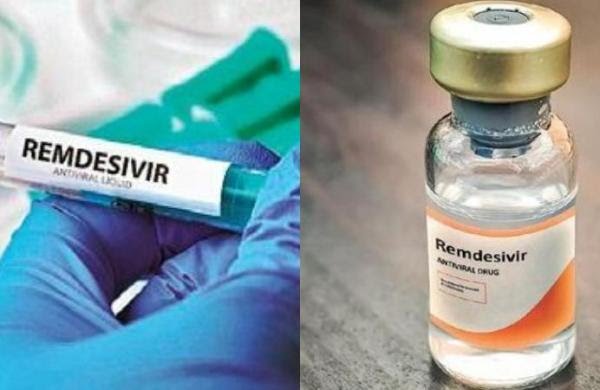
India on Sunday halted the export of anti-viral drug Remdesivir and its active pharmaceutical ingredients used in Covid-19 treatment, in the wake of a sudden spike in demand due to a steady rise in coronavirus disease cases across the country. In an official press release, the central government said it is expecting a “further increase in demand” for the drug in the coming days. The World Health Organization (WHO) last year in November found no evidence that the drug improved survival and other outcomes in Covid-19 patients.Several states in India have reported a shortage of the drug following a rise in its demand amid a record surge in Covid-19 infections across the country.Here’s a brief timeline, mapping the drug’s journey:Remdesivir, originally developed to treat hepatitis C and subsequently tested against Ebola, initially made the headlines during the early stages of research into the coronavirus disease treatment. It was WHO that first hit the brakes on Remdesivir’s prospects on November 20 last year, recommending that doctors avoid using the drug altogether.”There is currently no evidence that Remdesivir improves survival and other outcomes in these patients,” the WHO noted, citing detailed studies it sponsored. “The evidence suggested no important effect on mortality, need for mechanical ventilation, time to clinical improvement, and other patient-important outcomes.” Even so, Gilead Sciences Inc, the drug’s manufacturer, pushed back, saying it stood by Remdesivir and citing other studies supporting its efficacy.MORE FROM THIS SECTION Supreme Court in New Delhi. Confident of vaccinating all above 18 by 2021 end: Govt tells Supreme Court Over the last two years, many studies have indicated that smoking and chewing tobacco can substantially increase the chance of adverse impact on the immune system of Covid-19 patients.World No Tobacco Day 2021: Why you should quit smoking now more than ever A file photo of fugitive diamantaire Mehul Choksi who was captured in Dominica. London legal eagles to protect Choksi from extradition to India Porters stand in a queue as an NGO distributes ration kit, medicine, sanitizer, oximeter, and thermometer at Moradabad Railway Station in Uttar Pradesh on May 29. (File photo)UP to ease Covid curfew in districts with less than 600 active cases Gilead, which manufactures the drug under the brand name ‘Vek lury’, issued a statement saying that it was “disappointed” in the WHO guidelines, which the company said ignored “robust evidence” from multiple randomised, controlled studies published in peer-reviewed journals that demonstrate its benefits. The company also listed key findings from the National Institute of Allergy and Infectious Diseases’ (NI AD) A CTT-1 trials, which showed that the drug led to a “five-day faster recovery in hospitalized patients overall, and a seven-day faster recovery in people who required oxygen support at baseline, compared with placebo.” The findings from these trials were peer-reviewed and published in the New England Journal of Medicine, the company said, adding that the anti-viral drug’s inclusion has been supported in multiple treatment guidelines. The data has also supported regulatory approvals or temporary authorisations to treat Covid-19 in approximately 50 countries worldwide, it said.Speed is prized in the race to beat back Covid-19. In December later that year, researchers from University of Cambridge in the United Kingdom, gave the drug to a patient with Covid-19 and a rare immune disorder and observed a dramatic improvement in his symptoms and the disappearance of the virus. The journal Nature Communications carried the new study, and soon several countries, including India, were reported to be using the drug, banking on the insight. Remdesivir, researchers suspected, was likely to be the most beneficial when administered early in infection, before the virus is able to trigger a potentially catastrophic immune response.As Covid-19 cases in India surged, so did the demand for Remdesivir and with it came indiscriminate usage, hoarding, and black marketers, causing artificial shortage to jack up prices. In a press conference this week, Maharashtra health minister Rajesh Tope said that the drug was being used indiscriminately without following appropriate official protocols. “The state is getting 50,000 doses every day and all of them are being consumed, leading to the shortage,” said Tope, adding, “Pharmacists and stockists might be doing black marketing and that needs to be checked.”The anti-viral dose was being used to treat Severe Acute Respiratory Syndrome (SARS) patients before it was directed for Covid-19 treatment last year. Currently, doctors and hospitals are prescribing the injection even for those suffering from the mild problem of breathlessness, Tope said, adding that it’s a violation of the protocol. The minister directed all district officials to ensure that every injection is used judiciously and cap the prices to check illegal hoarding.The owner of a medical store in Maharashtra’s Parbhani district was arrested last Thursday for selling a single vial of Remdesivir for ₹6000, a much higher price than the MRP of ₹4800. To overcome a panic over the shortage of Remdesivir and to prohibit the black marketing and stocking of the drug, hospitals in Pune have been asked to provide the injection to the patients as opposed to their family members or relatives buying the drug.The issue is not just limited to Maharashtra. As per a Reuters report, India’s drug regulator, the Central Drugs Standard Control Organisation (CDSCO), and several state governments in the recent days raised concerns over the hoarding and black marketing of Remdesivir, which in some instances is being sold at over 10 times the maximum retail price. Social media posts on Sunday showed large queues of people in the western state of Gujarat waiting to buy Remdesivir injections for Covid-19 patients.
As we know problems in society are inevitable and because of these problems there arises the need for social work and social work is that field of knowledge that concerns with solving the problems of individual, community, and organisation, and to make their life happier and for this there are certain legislations or laws that are to be followed for the betterment of society. The role of social legislations is to mediate between the problems and solutions of the society but society is transforming at a rapid pace and social workers must do the same to provide the best support to their clients , but there are certain problems that has become hurdles for the implementation of social legislations in the required field.
Some of these problems that are hindering this process are :
Health gap(limited access to health care )
Social isolation
Homelessness(migrant labourers)
Extreme economic inequality
Prejudice(negative perception)
1) health gap –health gap for example could be mental and physical and to bridge it government should take necessary steps in this direction be it (updating the medical facility and developement of mental fitness)
2) social isolation- social isolation generally means when a person feels or get isolated from the society and this could be possible through some reasons like failures ( professional) or less socialisation in the society.
3)-homelessness- it is one of the biggest problems in the lives of strugglers who looks up to make their lives fruitful and start their carrier because of lack of affordability people tend to live without shelters and eventually this leads to homelessness.
4) Extreme economic inequality- it refers to the differences of individual’s income and wealth and it leads to obligations of certain legislation like sleeping and residing on footpaths has become a compulsion for beggars, poor people or migrants which is illegal by law but because of economic disparities and system failure this has become a bitter truth of our society.
5) Prejudice-when a person or society make up it’s mind about something and make generalizations about before fully knowing about it. if we talk about the pandemic vaccination derive most of the people have preassumed about the negative consequences of the dose without knowing and studying about the benefits of the same.
The above problems according to me are among the major problems that are faced by the social worker and the society as well, and to cope up with it a social worker needs to deep study in the areas of management and execution of social policy is an important element for the institutionalization of public policy which seeks to guarantee social rights therefore, the confrontation of the social challanges in this field become a fundamental question for the theoretical, ethical and technical legitimacy of the social work.
conclusion
Hence, in the conclusion we can say that sometimes natural practices or compulsions of a being are more vital with comparison to the implementation of social legislation. So in the pace of changing era government should study and figure out solutions regarding these hurdles by which the society would become a better place to live.





 Eduindex
You must be logged in to post a comment.