Globalization and Rural Areas

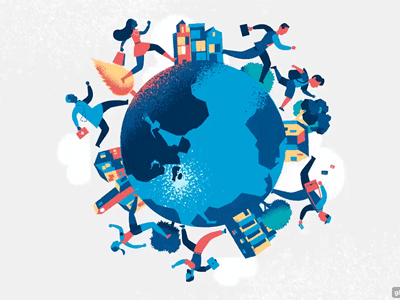
Globalization is not a foreign concept to many – the term might be as we proceed to the interior. Its effects have been too much and many, touching every spectrum of life to be easily ignored. It can never be not given the time of the day when it has so successfully managed to touch every aspect of life. Its effect as we al know has been positive and negative, just like the two sides of a coin. Often cited to be double-edged sword, it has managed to flourish life for some while disrupt it for some. Bringing and making everything come out to be in open, liberalized, interlinked, interdependent, it has created chaos for beings who couldn’t grasp the complexities of apparently simple notion.

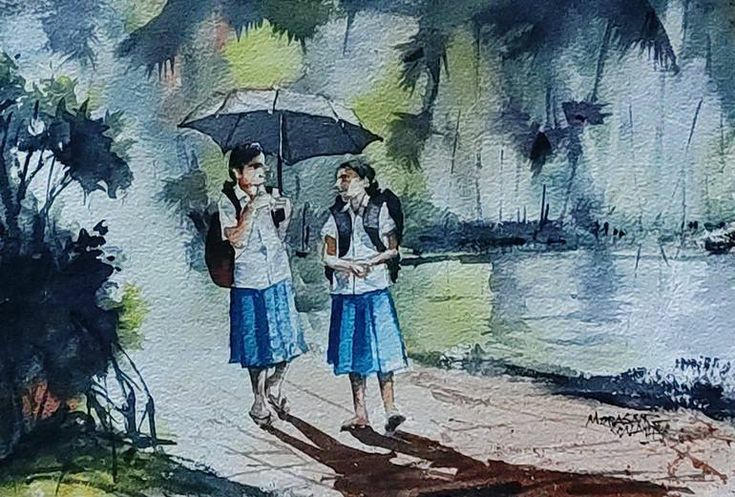
Rural areas with its close-knitted community, spatially located has too not been spared, not any of us expected. Rural development and sustenance have always been necessary for the sprouting and survival of urban areas. How would have urban areas survived if it not were for surplus of agriculture among many other reasons?! However, when we think of a backward area, rural areas would come to our mind if not immediately. It could not act keep up with the pace of development or it might have been neglected in some ways or others.

When Liberalization, Privatization and Globalization reforms were taken up in India, it did allow the country to let its fortunes grow but the negative impact cannot be ignored. The article takes up the case of rural areas and how it has been impacted on the negative side. It does not take up the analysis of data given the time crunch but throws a light on the subject. One of the many effects has been the draining of human resources – sort of every industrial model predicted. With industries coming up attracting the labor for the same. Abundance of labor with just minimum wage served as a profitable interest for the industrialist. However, it led to the rural areas filled with old age people capable of doing only minimum work. With technology coming up requiring more skilled laborers, unemployment is only rising. The lack of proper skills has also compelled the concentration of laborers in the field (disguise unemployment). A viscous cycle has been created, somehow and poverty could never actually leave. Although, development has taken place, reforms have been made in terms of basic needs, imparting training and education, a lot still need to be done. There has been a difference, a very bold line created because of the cultural difference. Though the interlinkages and interdependence has led the spread of ideas, it has also created some sort of animosity among the community towards urban dwellers. One of the reasons can be the exploitation – low wages, some unfair action taken up by the middleman, less profitable trades and the obvious, the viscous cycle of debts, they are unable to escape.

Steps have been taken on the part of government to bring in the development in rural areas. Focus should also be thrown in preserving the culture of the same, creation of jobs in the same heritage, promotion of cottage industries, more push to the handicrafts, encouraging the participation of communities in decision making among many.

Image Credit: Google

ECO FEMINISM IN INDIAN CONTEXT

According to Merriam-Webster, ecofeminism is a movement or a theory that applies feminist principles and ideas to ecological issues. This term was first coined by a French feminist, Francoise d’Eaubonne in her book “Le Feminisme ou la Mort” (Feminism or Death). She raised the point that patriarchy is the root cause of all ecological crisis – men’s control over women and nature have led to overpopulation and overexploitation of nature respectively. When we talk about the environmental disaster that’s taking place, the role of gender about how we can move forward comes into play.

As United Nations Environment Programme puts it, “Around the world, environmental conditions impact the lives of women and men in different ways as a result of existing inequalities. Gender roles often create differences in the ways men and women act in relation to the environment and in the ways men and women are enabled and prevented from acting as agents of environmental change”; and here comes the concept of ecofeminism.

In India, ecofeminist Vandana Shiva is the pioneer who prepared the ground for ecofeminism with a strong belief that women have always been the key to solve various societal problems and environmental problems are one of them. By highlighting their presence in the Indian literature, the nature and form of ecofeminism in India can be assessed. Literature in which the concept of ecofeminism has been taken into account ranges from early ecofeminism to the recent or the urbanized one such as ‘Nectar in a Sieve’ (1954) by Kamala Markandya, ‘Fire on the Mountain’ (1977) by Anita Desai, ‘A Riversutra’ (1993) by Gita Mehta, ‘The God of Small Things’ (1997) and ‘An Atlas of Impossible Longing’ (2008) by Arundhati Roy and ‘Monkey-Man’ (2010) by Usha K.R.

Many female Indian novelists not only explore the subjectivity that is embedded in the relationship of women and the patriarchal society but also make several social issues as the key subjects. Many of the works from twentieth century of such novelists have been regarded as effective mediums of ‘modernism and feminism’. With Arundhati Roy and Kiran Desai getting hold of Booker Prizes, works of Indian women novelists have been highlighted. Indian women’s fiction on the relationship between women and the environment has added to the theory and development of ecofeminism in India.

In the West, there are large bodies of literary accounts that have analyzed ecofeminism in different ideological terms but in India, the struggle to save environment went on for long even before it was accounted in the West. It was Vandana Shiva who brought ecofeminism movements to the forefront in India with her active involvement in the Chipko Movement- wherein women wrapped themselves around trees to prevent contractors from felling them off- as a young woman. The struggle to protect the environment is believed to be the same across all communities in India but we would be at a loss in our thinking if we ignore the fact that protests against environmental damage and questions of survival and subsistence are interlinked deeply with the axiom of caste, class and gender issues.  Vandana Shiva, the pioneer in this field, critiques that modern technology which has actually reinforced the patriarchal system and violence perpetuates it towards women and nature.  According to her, switching to such a lifestyle is deviating us from the traditional lifestyle which promotes human-environment balance ‘prakriti’. Under the influence and grab of these new developments, nature has been mercilessly exploited and feminine principles in terms of the environment are no longer considered for creativity and sanctity but merely to be passive resources. Thus, though women’s knowledge of dependence on nature for subsistence has been dissipated and marginalized under the grab of modern science, she strongly believes that third world women have the power within them for causing a change. In this regard, we can cite the example of ‘Narmada Bachao Andolan’ in which the active participation of Medha Patkar and Arundhati Roy helped the movement gain momentum.

The issue of sustainable development to protect the environment from degrading was raised in Conference on Environment and development at Stockholm in 1974 for the first time. If we turn the pages of history, we will find instances which prove that women are better connected with nature. Since time immemorial, they have been responsible to look after households and prepare basic needs for survival and thus, are better connected to nature.

Women’s interaction and relationship with nature must be located within the material reality of caste, class and gender. Women are the victims of environmental disaster but they can also be very effective agents of environmental regeneration – as is clearly evident by the success of the Chipko Movement. The need of the hour is to mobilise them into a proper channel and to give ecofeminism a proper voice and a way so that it does not turn into a superficial shout. There is also a need to abolish the class and caste basis for an effective collective movement in India. The adverse class-caste effects on women’s relationship with nature are reflected in the erosion of indigeneous knowledge and livelihood strategies on which poor, rural women are dependent. Thus, there is a need for ecofeminism in India to strengthen itself in the face of different barriers and be more than a superficial shout.

Image Credit: Google

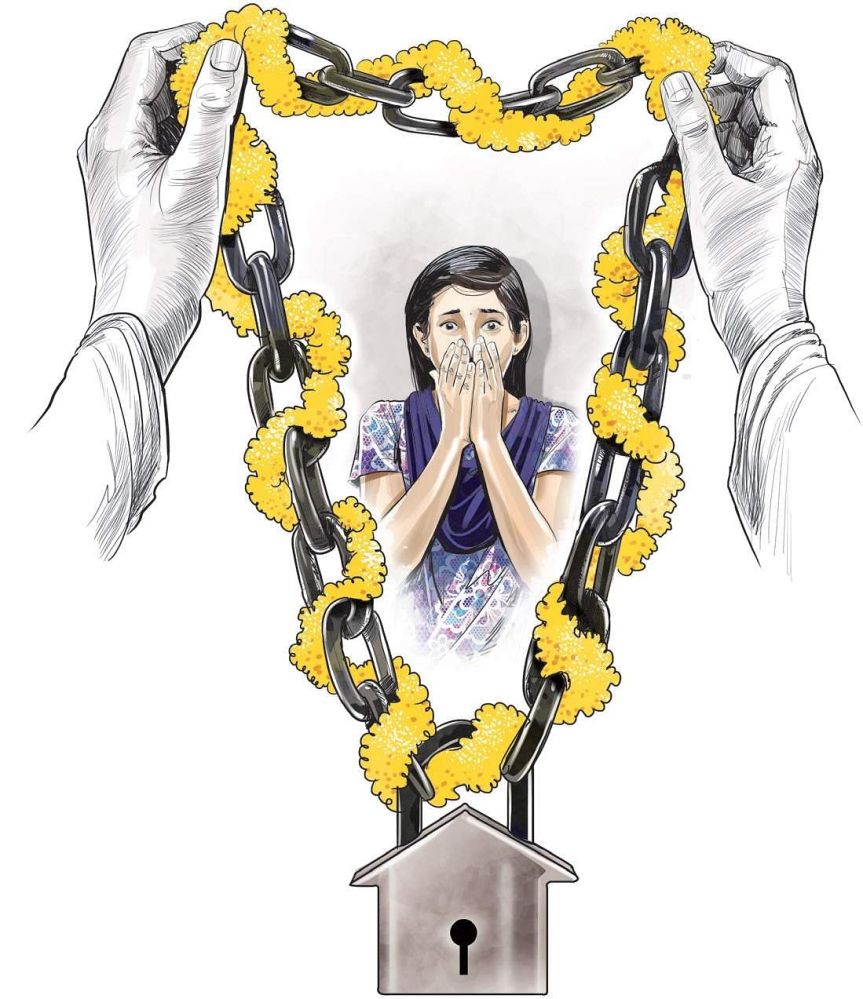
Child Marriages in India – Two Steps Backward!

It is in common knowledge that the legal age of marriage for girls is 18 years and 21 years for boys. However, social factors and circumstances, age-old prejudices cloud the judgement – leading to child marriage as a solution to one thing or other. Child marriages are not confined to a single country but happens across the world – barring the girls from being empowered and at times, the boys too. Keeping this in mind, the Sustainable Development Goal 5, which focuses on ‘Gender Equality’ has set a target to stop child marriages entirely by 2030.

According to UNICEF report, about one in three of the world’s child brides live in India and about 102 million were married before turning 15 and were pregnant even before reaching adolescents. Among the states in India, 36 billion child brides have been reported to be in Uttar Pradesh. Other states with large population of child brides are Bihar, West Bengal, Maharashtra and Madhya Pradesh. Among the Southern states, Andhra Pradesh with 13 million tops the list followed by Tamil Nadu with 11 million. It has also been reported that about 60 % of the child brides who were married before turning 15 went through pregnancy before completing the adolescent period. Whereas those married after the age of 15 but before age 18, about 20% of them went through pregnancy before completing adolescent period. Those married before turning 15 tend to contribute to larger families. During the trying COVID-19 times when the entire focus of the world was on healthcare system, the child marriages saw a spike. United Nations Population Fund has estimated that COVID-19 will result in 13 million additional child marriages globally. Women Development and Child Welfare, India has reported that child marriages saw a rise of 27%. While rural areas are the hub of reports against child marriages, interestingly, “more than 25 percentage of child marriages in 2011 happened in urban districts. In other words, one out of five girls aged between 10-17 was married in urban districts in the ear 2011”, IANS reports (yourstory, 2017).

Even with the coming of Child Marriage Prevention Act, 2006, one of the reasons for its so not grand success can be the poor implementation and also the fact that people always find ways to try and tamper with the acts and laws. What actually force them to do so? What actually compels them to do – send off their buds away, forcing them to marriage? One of the reasons is being orphaned. COVID-19 has taken lives of many people, parents of many rendering the children orphan (Jejeebhoy, 2021). The lack of parents or unwilling relatives to take care of the orphaned, thus marriage. Financial constraints are another compelling factor. Families tend to marry all the girls together (if there is more than one girl and the family is drowning in poverty) in a single place to save money. It is sort of passing off the so-called burden.

It is important to bring back the focus of the world to the atrocities happening. While there are cases where girls have escaped, seeking help and prevention of child marriage, there are still alarming cases of ‘being stuck’ in the unlawful marriage. At this point of time, youth volunteers can be a powerful force. Bringing in more volunteers to spread awareness as well as for on ground action to prevent marriages from happening can be a helpful approach. The schemes of the government seem to fail to trickle down, more maybe because of the lack of effort in the lower vertical ladder. Bringing in the community in action can help to keep in check the local government and vice-versa.

Image Credit: Google

India and Quality Education – SDG 4

Education is an integral part for the mental development of a human being. Not just education on paper but ‘Quality Education’ which in turn allows the beings to add to the well-being of themselves as well as others without comprising anyone’s needs. Given the importance of quality education in ensuring sustainable growth of the world, one of the sustainable development goals is “Ensure Inclusive and Equitable Quality Education and Promote Lifelong Learning Opportunities for All” (SDG 4).

Around 11 indicators have been decided by UNDP to ensure Quality Education across countries, which are:

  1. Free Primary and Secondary Education
  2. Equal Access to Quality Pre-Primary Education
  3. Equal Access to Affordable Technical, Vocational and Higher Education
  4. Increase the number of people with relevant skills for financial success
  5. Eliminate all discrimination in education
  6. Universal literacy and numeracy
  7. Education for sustainable development and global citizenship
  8. Build and upgrade inclusive and safe schools – in terms of electricity, toilets (including gender neutral toilets), apt infrastructure for disables, gender inclusive.
  9. Expand higher education scholarships for developing countries – by ensuring the sufficient volume of ‘Official Development Assistance’ flows for scholarships.
  10. Increase the supply of qualified teachers in developing schools
  11. Custodian agencies such as UNDP

The article attempts to throw light on the performance of India in the sphere of Education based on NSSO Education data. It is with no doubt that India has made great strides in this particular aspect but the challenges are always present – which will be taken up in the later section of the article.

As per the data, in 2014, total urban literacy rate stood at 86% (male: 91%; female: 81%) while total rural literacy rate was 71% (male: 80%; female: 61%). The difference between rural and urban male and female literacy rate is quite large. The reasons among many can be lack of initiatives; income-deficit; ingrained favoritism; lack of safe and inclusive schooling etc.

To better understand the Gender-gap/parity, data on Gender-Parity Index (GPI) based on Gross Enrolment Ratio (GER). It has been defined as “the ratio of GER of female students enrolled at Primary, Secondary and Tertiary Levels of education to the corresponding ratio of male students at that level” (ESAG, 2018). During 2015-16, the gender parity stood at 1.03 (Primary); 1.05 (Elementary); 1.01 (Senior-Secondary) to 0.92 (Higher Education). While up to +2 level, gender parity favors females but when it comes to higher education, it favors males. Interestingly, if we focus on the annual dropout rate in school education, 2014-15, it will come to notice that boys dropout percentage is higher in secondary (17.21%) than girls (16.88%).

To get a better grasp of gender equation, the article looks into the teaching section. The data for percentage of teachers who are females, 2014 speaks that the percentage is less than 50 at all levels – with dropping percentage as we move from Primary (49.49%), Secondary (43.21%) to Tertiary (39.03%).

Evaluation of reasons for dropout among both males and females as per NSSO brings out – for males, engagement in economic activities has been vetoed as the major reason while for females, reasons such as engagement in domestic activities followed by marriage stand out. The distance between home and school has also been one of the reasons of dropout among females.

Another set of data released by UNESCO as part of the realization of SDG 4 – ‘State of the Education Report: No Teacher, No Class’ for India, 2021 can be used as reference to right the wrongs, fill in the holes in the education scenario of the country. The report points out that there is shortage of 11.6 lakh teachers and about 1.2 lakh are single-teacher school, with 89% being in rural areas. However, in the private sector, the pupil teacher ratio increased from 21% in 2013-14 to 35% in 2018-19. With variation among states, the national average for percentage of females employed stands at 50.

The pandemic has only thrown obstacles testing the efficiency of the country in this sphere. As the world and its works shifted online, this country and sector did too. The shifting to online classes has led to many dropouts, leading to a break in the education of many pupils. When it comes to teaching, the country has faced certain inadequacy in the percentage of trained government school teacher – to use and teach using electronical devises. The Hindu (2021) reports that only 15% of government school teachers were trained and about 31% in private school.

However, when the world was still in offline mode and so the sector – various government schemes had benefitted the children. In this era of everything being online – government need to come up with new schemes focusing towards digital India, co-operating with various grassroot levels can be quite helpful in percolating the benefits to lower levels.

Image Credit: Google

Reflecting on a quote

“Education is the most powerful weapon which you can use to change the world.” – Nelson Mandela

If we turn the pages of history it will be vivid that the root of every revolution – be it French Revolution or India’s struggle for freedom – lies in the vision that was bestowed on the leaders through education. Raja Rammohan Roy, known as the Father of Modern India was one of the pioneers of socio-religious movements in 19th Century. Having been educated in modern sciences, literature, he chose the path of modernization and not the westernisation of natives. B.R Ambedkar was not just bluffing or rambling around when he wanted people belonging to the so-called, “lower castes” to be educated which would lead to their ultimate emancipation. Mahatma Gandhi who led many mass movements is the best manifestation of how powerful this weapon is!

Now, let’s not confuse between a literate and an educated one, doing so will make you look so not educated and so literate! Back then in the 19th Century, many elite and middle class were literate but only educated visionaries took a stand for what they thought would lead to the ultimate well-being of the people – be it Dayanand Saraswati’s “Back to Vedas” or Narayan Guru’s effort towards the upliftment of the lower sections of society or even Greta Thunberg’s “Friday for Future.”

The youth anywhere have that caged, powerful energy within them and the lack of proper channelization of energy is the sole reason for high crime rates, for escalating crisis in the world. If only it was imparted education on how to put to use that powerful flow of energy we wouldn’t have to read about heinous crimes, about devastating effect of environmental degradation, about all those taboos prevailing in the society taking its toll on people’s lives every day.

The reason that we are in the midst of such a grave crisis, which seems like every good thing is retreating from our life, from our world is because the ones who are literate did not actually turn out to be educated. They have actually let everything slide away, being so keen on getting a degree, a job in this ever-competitive world and meeting their aspirations; but these aspirations might turn out to be futile in the long run if the knowledge we possess has never been used to bring a change in ourselves nor in others while the world still continues to wait for someone to come to its rescue. It’s time that we become that “someone”.

It’s high time that we use education, the weapon that we possess to fight against the evils and to change the mind-set of people. It is not a work that would be done overnight like an assignment but it will be a long one which might go on for years. However, the important concern is that it needs to be started with oneself, bringing changes at micro level, moving towards the greater goal. After all, it’s those “little drops of water that makes the mighty ocean.”

It is equally necessary that people in every corner are aware about things happening around them. Governments need to focus on seriously implementing all those policies meant for imparting quality education to all girls and boys alike – channelizing their potential energy and enabling them to be a part of the process of emancipation of the world in crisis for it is not a hidden truth anymore that political freedom will be rendered redundant and futile if people are devoid of social freedom.

Education is the basic and a natural right that every individual should have as it is the only way for the world to escape the devastation that awaits – or why not say the devastation which has already started.

Image Credit: Google

Self-Help Groups – a factor in women empowerment!?

The article takes up the subject of Self-Help Groups which is considered to be one of the major factors in women empowerment. It tries to understand the question ‘why’ and reflects on if the prevalent casteism in the society affects its functioning in any way. Let’s have a quick recap of women empowerment and why do women need to be empowered!

Women Empowerment is an umbrella term which brings in the ways to help and enable women to grasp the freedom they are entitled to as all human beings are. The freedom to make choices; the freedom to spread their wings; the freedom to be just human beings. We need women empowerment because of the very perspective that women are so-called ‘weaker sex’. Years of being told this, it has penetrated into every hook and corner – and we need an uplift from this. We need empowerment to break free from the chains of “being allowed”. The actual fact that I am attempting to write an article on ‘women empowerment’ proves the very point of why we need to it.

Self-help groups has been one of the many ways adopted by different parties to empower women. How? In very simple words, it enables women to take financial decisions and help each other in doing so. Pretty simple, right! There are NGOs and banks which helps them take this process a long way or to even help them start. There are various ways this group can help women build up themselves. A group of women coming together can be quite an upliftment – other than providing a platform for financial decisions, it gives them an opportunity to discuss problems at personal level, bring out the issues of domestic violence; come out collectively with a solution; tackle issues of alcoholism and other such problems which are likely to pose threat to financial, emotional and social decisions of women.

However, even if SHGs provides the way to move forward to women, escaping the casteism issues is another thing. An article published in The Hindu brought out the point that caste play a dominant role in Self-help groups. The groups employ different categories, etiquettes r requirements of inclusion – a preference to caste could be seen, the study brought out (The Hindu, 2013). The caste issues have been ignored and been confirmed. A resistance to change in leadership, the position going to same caste has been detected. The strive to bring in diversity is lost. Rural areas – where community are more closely knitted also showcases casteism in not-so-subtle ways.

Nonetheless, it cannot be ignored that SHGs have been an empowering factor. During the Covid-19 times, may SHGs suffered a backlog due to lack of funding affecting the lives of many. With no financial means, savings became out of question. However, there were many SHGs which also helped in battling Covid-19 by the production of masks – helping to meet the demand of the same. The point is to diversify the means of finance in the groups; to clear the inherent obstacle of caste; to collaborate across districts; to train them for the worst scenarios; to educate them. SHGs has enabled women to take financial decisions and come a long way but its diversification of ways is necessary to combat the worst times. It is important to identify the loopholes and come up with the collective solutions and move above the issues of castes.

Image Credit: Google

Women in Indian Politics

Women In Indian Politics

India is the largest democracy in the world and to sustain its democracy, it has undergone various struggles. As soon as it was freed from the clutches of colonialism, it was faced with the challenges of social and economic development of the country. The Constitution of India has bestowed various rights to its citizens to ensure equal rights and equality, liberty, gender justice etc. Though the constitutional provisions allowed the women to leave the relative calm of the domestic sphere to enter the male-dominated political sphere, the involvement of women in politics has been low key (Khanna, 2009). Khanna has classified the factors which affects the political participation of women in politics into three categories-psychological variables, socio-economic variable and political variable. The questions of reservation for women in representative institutions has long been debated in India. The issue of reservations for women had come up in the Constituent Assembly had been rejected by women representative as it was felt to be unnecessary, since the working of democracy in the normal course would ensure the representation of all sections of Indian society. The suggestions were also seen to underestimate the strength of women to compete as equals (Menon, 2000).

Reservation as a strategy for enhancing women’s status within the new polity had been rejected very early on by women leaders as a retrograde step (Rai & Sharma, 2000). But by 1996, women had emerged as a significant force in politics and almost the same representative of women’s movement who rejected any such demand, demanded reservations. Women had been at the forefront of the movements against corruption and price-rise that preceded the imposition of Emergency. The 1980s saw the emergence of the vocal and visible autonomous women’s groups (Menon, 2000). The question that looms before these is-if increase in the number of women in parliament will bring any socio-economic benefits to them. However, while the political ground in India is shifting with regard to women participation in politics, this is a slow and difficult process, which needs constant vigilance by movements and groups within and outside of state institutions (Rai and Sharma, 2000).

The debate regarding women’s reservations in parliament has taken various shapes. There have been number of arguments for and against it. But a fact that cannot be ignored is that women in India have climbed the ladder too. Although they are not huge in number but they are there. But being a woman, they have faced many brickbats and mud slung. The criticisms that they faced carried an ingrained sexism reflecting the very nature of a male dominated politics.

Access to politics for women has never been a bed of roses. Participation of women anywhere has never been easy but politics being a male bastion traditionally, makes it difficult for the presence of women in it. To penetrate this highly male dominated arena, women have to go through various struggles to consolidate one’s position in it. While it becomes relatively easier for some as compared to others, but it’s never without any struggle or completely easy for any woman.

If we analyse the journey of three women i.e., Indira Gandhi, Jayalalitha and Sushma Swaraj to politics, it will come to view that – initially, these women were not into politics either because they wanted to pursue some other career or they had no one to guide them to it but eventually as in the case of Indira Gandhi, the atmosphere (her house being the centre of freedom movement) during her time as well the pursuance of her father got her into politics. In case of Jayalalithaa, her mentor and guide MGR introduced her to politics while Sushma Swaraj after the pursuance of law developed an interest in politics with moral support from her family. Though Indira Gandhi had a background – involvement of her family in freedom struggle as well as in Parliamentary politics and Jayalalithaa was introduced into politics by the most loved figure of his time MGR and Sushma Swaraj dug her own well, none of these women had an easier path. Being a woman, they had to fight to consolidate their positions in the party. The path through which they got into politics and the intensity of struggle faced by them though differ, but nevertheless, they had to work twice as men to stay, to establish themselves. Jayalalithaa’s modesty had been violated in the Assembly Hall; Indira Gandhi had been dubbed as ‘only man in the politics’ and Sushma Swaraj had been the target of derogatory online trolls. Evaluating the leaders on the basis of their decisions in a democracy is one thing while criticism based on sexism is an entirely different thing.

Being from different family background, lives of every woman is bound to differ, the only common thing is that they are ‘woman’. Being a woman is all that takes for people to throw harsh comments. Indira Gandhi’s tenure was termed as authoritarian while Jayalalithaa was termed as irresponsible and inconsistent. It was so because they were able to keep in check their male counterparts. Any action by a women minister is judged by a gendered perspective and the online trolls faced by Sushma Swaraj while she was the Minister of External Affairs points to this. Jayalalithaa claimed that baseless questions were asked to her because she is a self- made woman.

Why is it that the corruption case of Jayalalithaa has been in the talk for a long time and not that of Mr. Karunanidhi (Jayalalithaa was condemned for arresting him on corruption case just because he was an old ‘man’)? Why is it that the decisions of Indira Gandhi have been equated with an authoritarian rule and not that any other male counterparts? Why the evaluation against every women politician involves threats of rape and beating? Is it because in this highly male dominated politics, participation of women is not accepted for it seems to threaten the authority of men?

The point is that it is not at all unfair evaluating any leader-women or men on the basis of their decisions but criticising them with ingrained sexism in it doesn’t seem to be compatible with the values that we cherish in our democracy. Women continue to be target of sexist remarks but it doesn’t mean that they have stopped asserting themselves with force. Women have taken very active part in various political activism. It doesn’t apply only to urban areas but also to rural women. They have been engaged in political acumen from protesting against the British rule to demands for equal wages. Feminist issues usually appear something else in public discourse (Menon, 2000) be it Uniform Civil Code or Women’s Reservation Bill. While women participation in politics is improving overtime but they constantly have to fight for their presence to be felt. They have to constantly engage in negotiations to consolidate their positions. India, though largest democracy in the world has long way to go to sustain its democratic principles and rights. It still lacks in many ways in terms of gender parity, not only in politics but in many other spheres. But participation of women in politics become important because until and unless women are in decision making position, safe and sustainable cities or lifestyle will be out of reach. Though, legally women have been granted rights but only with social development as well as change in the mind-set will bring life to these rights!

P.S. This is an opinionated piece – believing that everyone is entitled to opinions!

Image Credit: Google

A Need for Safe and Inclusive Green Space

The concept of space is diverse and is used across different disciplines. However, the article focuses on the everyday meaning of space i.e., physical landscape occupied by animate and inanimate objects alike. With the ever-increasing population and limited land resources ultimately gives way to struggle for space or to find solutions to increase the space. The pursuit to increase space has led to shrinking of green spaces, destruction of habitats among many others. A very unsustainable solution had been adopted by the governments and people to incorporate the beings on the stagnant resource.

The coming up of new cities – new households have also roped in new modern-day problems degrading the quality of living the cities – making the lower income families susceptible to harsh effects of diseases and disasters. Keeping this in mind, UNESCO has come up with 17 Sustainable Development Goals (SDGs). One of the SDGs is Sustainable Cities and Communities (SDGs 11) which is further broken in many different parts. Safe and Inclusive Green Spaces is one of them – the subject of the article.

Why do we need ‘Safe’ and ‘Inclusive’ ‘Green Spaces’?  Let’s start with the need for green spaces. It has been estimated that by 2050, 68% of the global population will come to reside in urban areas. Asia and Africa will see the influx of people to urban areas more than ever. However, the quality of living can never be assured. Study suggests that nine million people die every year due to the direct effects of air pollution.

One of the major problems that the urban areas face is the frequent appearances of ‘urban heat island’. Urban Heat Island refers to trapping of heat in between the built-up areas. The presence of built-up areas in close proximity and lack of green spaces disable the proper air circulation – trapping of heat – increasing the temperature by many folds – leading to the severe cases of heat stroke during the summer peak. Studies have confirmed that green spaces can easily mitigate the harsh effect of urban heat island. Other than this, green spaces will allow proper infiltration of rainwater – preventing water logging. It also filters the harmful particles – increasing the longevity of life. Green Spaces is a step towards the creation of harsh climate resilience cities.

The ‘Safe’ and ‘Inclusive’ component of the same is quite self-explanatory and can be interpreted in different ways as well. The article interprets these component as non-discriminatory measures. The cities are not only becoming the hub of crime rates but also of the subtle ways of exclusivity. The Spaces need to be constructed in such a way that it looks approachable for all the genders across all the sections. It should not scare one away and accepts the other. The need for safe and inclusive green spaces is because of the issues that surrounds us – crime rates; the harboring of hate for certain section sections and most important for the sustainable way of living – without fear, with quality.

If we focus on India, urbanization in India has followed quite the same path as other developing countries or some of the developed ones – concentration of population in certain cities of the country. Though the country does not have any primate states, it has primate cities at the regional level such as Ahmedabad, Patna, Mumbai, Delhi. The growing concentration in only certain parts of the country has also led to environmental degradation. Moreover, the paucity of space has led to evolution of cramped houses and walls on the fringes of the cities. The cities are also severely affected by various natural disasters – heatwaves, floods among many other extremes. The frequent changing course of the river in Bihar has been its major cause of worry. The drowning of Mumbai due to few hours of heavy rain yet again points to our lack of sustainable of planning. The death of over 1334 people in Ahmedabad in 2010 due to heat waves should drag our attention to the harsh effect of environmental degradation.

The governments across countries are formulating plans to survive the changing climate – the need of the hour also calls for individual and community level participation. Individually, people can partake in activities such as terrace gardening – contributing to the making of green spaces. Community can come together for the building of green parks, for taking up the work of cleaning alongside each other. An important role can be played by youth – to spread awareness and to bring in practice against littering, against wastage, towards sustainability.  

Image Credit: Google

Impact of Pandemic on School’s Education of Girls.

Given that the patriarchy in vivid as well as in subtle way has been ingrained in the functioning of society since time immemorial – women have to struggle harder for anything and everything. Every gender has their own share of struggle to keep trudging forward, however, given the limited scope of time and resources, the article attempts to understand the impact of pandemic on school’s education on girls, precisely adolescent girls.

The Pandemic has not only ruined the very fabric of health but also has ravaged every sector and sections of society. One of the most impacted sectors of importance is the Education sector. According to the United Nation’s report, about 24 million children are at risk of not returning to school. Further, more than 1.6 billion learners across the world have been affected and the condition is worse in low-income countries. For instance, as reported by The Hindu (2020), ‘during the second quarter of 2020, 86% of children at the primary level have been effectively out of school in poor countries, compared to 20% in highly developed countries.’ Moreover, UNESCO has estimated that about 23.8 million children and youth might have to drop out of the school next year because of the pandemic. Out of these, 5.95 million are from South and West Asia as compared to the other regions. The pandemic has also increased the disparities in the imparting of education across the world. The low and middle-income countries have resorted to cut in funding to deal with the crisis.

In India, the pre-pandemic statistics weren’t already promising – as per NSS 75th Round Household Survey 2017-18, around 3.22 crore children in the age group of 6-17 years were out of school and about 31 percent never attended one (Sonawane, 2020). The pandemic has only worsened it. UNESCO reports that the school closures have affected about 30 million students in India. However, only 37.6 million children across 16 states are continuing education through various online sources, UNICEF states. This school closure has not affected every section with the same intensity. The worst bearer again here are the girls especially those of poor households and so-called lower castes. In India, various social processes and factors already deter girls from completing their education successfully – for instance, as per the NSS, 30.2 percent girls reported that they discontinued education due to their engagement in domestic activities. The number is higher in rural areas (31.9%) than in the urban areas (26.7%). Moreover, U-DISE Flash Statistics for 2016-17 estimate that adolescent girls are more likely to dropout from secondary education (19.8%) than primary education (6.3%) and this figure is higher for government schools (26.8%). Given such dire situation already, the Malala Fund estimates that 10 million more secondary school age girls could be out of school after the COVID-19 crisis has passed especially from developing countries like India (Sonawane, 2020).

These numbers do not show the entire picture, if we would delve a bit deeper, it will be noticed that the disparities are only growing wider. However, given the limits, this section of article focuses on the reasons behind the estimation of school dropout by the girls. One of the most common reason cited is the increasing involvement of the girls in domestic work. During lockdown, the time spent doing the household-chorus has increased leading to ultimate tiredness and missing out on classes. The foremost decision of a family to fight increasing financial instability is to cut off the funds invested on the education of the girl child – prioritizing the education of the male child, as per the gender norms.

The switch to online classes has only brought out the ‘gender digital divide’, which has become another hurdle in female education. Though the gap is narrowing, the gender gap in mobile internet use in low-and middle-income countries remains substantial, with over 300 million fewer women than men accessing the internet on a mobile. This gender gap is still the widest in the South Asia (51%). Study has revealed that in India, in 2020, 79% of the males were mobile owners as compared to 63% of female mobile owners. Furthermore, with respect to mobile internet users, 42% of males had access to internet on mobile while just 21% of women had access to internet on mobile (GSMA, 2020). Such disparities are sharper in poor households, wherein girls always have to give up their education and during this pandemic, when everything has turned online – girls are ultimately bound to struggle. The statistics have brought into light that most dropout are expected to be from government schools – this only shows that poverty and financial instability are one of the main causes of dropouts.

Another important factor in play is the consideration of girl as the ‘burden’ on the family and this thinking is still prevalent – one of the consequences of which is the Child Marriage. Though, the practice has been lawfully banned, it has not vanished entirely. During and after lockdown, a surge in child marriage cases have been reported. Childline in India claims to have compiled reports of 5214 child marriages reported between March to June (National Herald, 2020). These are the just the reported cases, it is likely that there must be a number of such cases which are going unreported. Such prevalent practices pose another major hurdle in the completion of education of the girl child.

The Pandemic has hit the jobs of many but it has been widely reported that the women has been worse hit. The situation of women in the labor market is already dire – there is huge disparity in terms of opportunity of work, wages etc., and pandemic has only added to their woes. Given the drop in source of income, mothers too find themselves incapable of standing or supporting their girl child, in most cases.

Thus, it is necessary that NGOs should involve into different such issues at the very grassroot level – channeling the help to lower level. The involvement of community to spread the reach and help can be quite impactful. The co-operation between local government, local community and the NGOs can be a powerful force against the odds we are in.

Image Credit: Pinterest

Farmers Suicide Crisis in India

riyaremcy's avatarTrack2Training

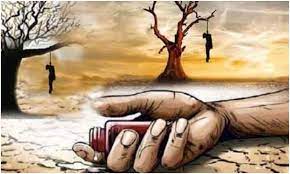
Thirty-five years ago, it was on 19 March 1986 that the first mass suicide by a farmers family in Yavatmal district was recorded. Sahebrao Karpe Patil, a farmer, a former panchayat member of Chil Gavhan village had committed suicide along with his wife and four children. The family had traveled from what was then a relatively remote village in Yavatmal to Pavanar in nearby district, where Vinoba Ashram is located. The farmer couple committed suicide by consuming pesticide, first feeding their children the poisonous food. On Delhi’s borders, over 250 farmers associated with the ongoing agitation are said to have lost their lives over the past few months. Quite a few of them are said to have committed suicide, others died due to exposure to harsh winter, illnesses and accident.

Farmers suicide in India refers to the national catastrophe of framers committing suicide since the 1970’s, often by drinking pesticides…

View original post 488 more words

Election – how much do we know about them.

It’s where a group of free willing people collect their opinion mostly to select a government system. Election takes place in democratic style politics. Here we choose the legislative council and lower and upper house candidates. We also choose leaders of the union and federal system.

Here are some interesting and informative facts about elections- 

  • Psephology is the study of results and other statistics relating to elections.
  • Kids As Young As 16 Can Vote In Brazil.
  • Us had the lowest voting turnout compared to other democratic countries.
  • It’s compulsory to vote in Australia – if not citizens are fined a particular amount.
  • The more literate the population is, the more creative the candidates get.
  • In India elections can take weeks to get completed.

A system that runs the modern day king. A system that can give power to any common man.

Election was first introduced in the US 1788-89.

We know we don’t get such good options in elections as the utopia of great leaders. World has seen many people as leaders and innovative solutions in their lives to believe enough in this system.Elections are responsible for every citizen and power of each of us over who our ruler must be.Such a thing has never happened at this scale in human history ever.!!

So next time the election is there, see everywhere you’ll know what to do.

K- show recommendation

It’s usually called ‘drama’ . Korean shows have recently been gaining popularity. The new show ‘Squid game’  has instantly trending worldwide.

K-show makes up to  2.02 bn revenue for South Korea.

They have also given nations incredible soft power over people around the world. They can influence trends and cultures or sometimes lifestyle too. It also proved a boomer of business to other sectors in Korea. Here are a few top shows that might interest you.

1)Mr. Queen: One of most hilarious drama in the newest realise. It has a story of how a woman in the history of Korea suffered in a royal Household. It also has a light romance side.

2)Vincenzo: It’s old mafia styled. A italian consilerr comes back to Korea and finds his good side working for a lawyer. It is available on Netflix.

This series is a must watch for beginners.

3)Crash landing on you: it’s a romantic drama with sorrowful twists. It shows the relationship and difference between North Korea and South Korea in the present day. If you are into romance drama it is best k-shiw can do for you.

4)Goblin: Show made it 2016. It is a cult hit in Korean shows. It set a benchmark for supernatural genre show. It feels story of a supernatural being looking for a wife to end his life. It’s a sorrowful romance that will make you cry till the end.

Post covid lifestyle

Finally we can say we have reached the transaction period after 2years of fight with the panadamedic . We have been looking forward to it very much. This lifestyle tho is not as we expect it has been . Cooped up for a long time humans have lost the comfort to open up to people in person. Adults suffer from mental health problems such as stress, depression, and high level of competition in the workplace. 

Children fear opening up , going to school and college, making new friends. Many think it is very unnecessary points to focus, but it is for people who suffer.Many are facing severe financial crunch, mental health issues, economies shut down, and struggling to meet ends for each day. More than half the population have been pushed below the poverty line according to the UN’s statistics. 

Focusing on all these problems, people are coming up with solutions to solve these. Humans have always been beating such diffulities – source ‘history’. It all began with acceptance to reality, to the loneliness and pain and frustration we all had to go through. 

First step is very simple as to return to daily life where you-  Eat, Play music in traffic, meet people, miss those who are gone.

Second, the failure which left you devastated makes that devastation tell you bye bye!! Think it’s a new beginning even if faced success thinks of ways to make things worth it.

Many have realised thankfulness, sorrow, loneliness, success , failure and such other things deeply. People had paused their lifestyle and taken a look behind everything they had done. This helps in our future plans to get out of the panadamedic effect. Think what is that we always did, what is wrong we wished we correct, what ambitions still pending, what bad things we should cut out, things we missed out in life. It’s good that your here now to do this! 

Journalism – a mess?

Most heard but often less analysed by us is this profession. It is often called the mouthpiece of democracy, free and fair analysis of government, people’s voice many other things.

Journalism is the idea of showing a transparent World to the people. It has provided the world withfast and accurate information. It has saved Many lives, days and disasters from happening.

But is it all a positive outcome of journalism? It has fines for some works that the public does not approve of. We all know the infamous Daina story. Not only her but many celebrities have faced such issues. Many politicians have misused journalism. Much misinformation has spread at the centre of transparency. Journalism has always been a trusted source of information to the general public. Even in times of social media, the power of media is not diluted. It has given birth to something called ‘Free journalism’.

Many young people come out speaking of politics and society without affiliating with any media house or group of people. Some famous free journalism platforms are – YouTube, social media and OhMynews. One reason for this new culture is the disbelief and mistrust in the traditional media. Many news nowadays can be riged or just boomed to unrealistically. With many media houses there is a rush of news. News that are exaggerated and unnecessary gags which dilutes the value.

Recent years have made public more and more aware of such gags and beliefs for profiteering breaking there purpose. It’s becoming a mess where they only look for money and publicity and popularity. Some still there is some principal sticking journalist and media houses.

By lens!

Huge industry economy wise, content wise. Most countries make very good GDP from this sector. Example South Korea makes 3%of its GDP from the band BTS alone. Nigeria makes 1.4% of GDP  from it’s movie sector.

Entertainment majorly consists of movies, songs,

Documentary, short cinemas reality shows,talk shows,Etc. It also helps grow industry such as make-up, hairstyle, and all backstage such as art directors,dubbing, distributors, concert staff and other auxiliaries very important for smooth working of the industry.

These industries not just provide entertainment and diversion from daily life. They have been influencing society’s customs, beliefs, practices, innovations, mostly the entire thought process. People do want bodies like the actress.We want our stories to be like there’s. That what sell for public. It influences our Christmas or deepavali. They have a certain kind of soft power over the public. Many governments and businessmen use such Power to sway the public to their ideas. The celebrities hold certain call over public.

With the growth of Netflix and Amazon online channels there has been a revolution in the industry people watching movies online anytime. There are countless shows and series to begin with. But still people love to watch a few cinema at the cinecomplex. In group of friends this forms a big opinion on us i have heard!!

Some facts about the movie industry

  • France is the birthplace of cinemas.
  • Hollywood is the world’s oldest national cinema industry.
  • China has the biggest market for cinemas beating North America as of 2020.
  • Indian cinema is the largest national cinema industry in terms of the number of cinemas produced,1,813 feature cinemas produced annually as of 2018.
  • Nigeria is the third largest cinema industry after the US at first and Indian at second.

(Called Nollywood)