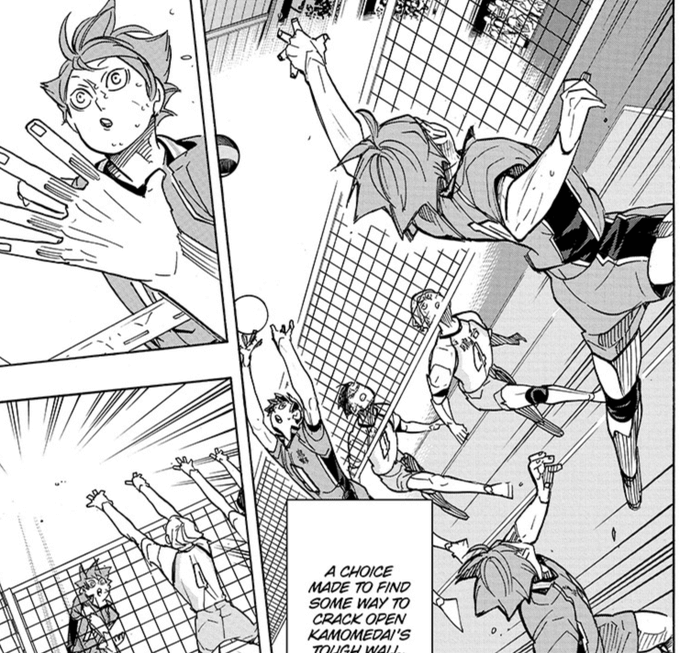
Manga Review: Haikyuu!

The premise of Haikyu!! is simple: middle schooler Shouyou Hinata happens to see a volleyball match on TV one day. He watches the Little Giant of Karasuno High School score point after point by jumping higher than anyone else, outplaying his tall opponents. And Hinata, short for his age, realizes that he could play volleyball too. When Hinata finally makes it to his first tournament in his third year of middle school, his team is crushed in the first round by a team led by setter Tobio Kageyama, a temperamental genius. Hinata vows to crush him the next time they meet on the court… only to walk into the volleyball gym on his first day at Karasuno, and see Kageyama practicing his serves. The rest of the series follows the unlikely pair and their teammates on their journey to the national championships and beyond. 

What really makes Haikyu!! stand out, and what got me hooked despite my generally lukewarm attitudes towards sports stories and male protagonists, was the depth of character development everyone gets. It’s not just a story about Hinata and Kageyama. It’s also a story about their teammates, their coaches, their rivals, and everyone else around them who plays a role in their development. Many chapters feature flashback sequences showing the reader how a rival team member we were seeing for the first time got to where they are today, making it impossible not to care for every character the reader encounters.

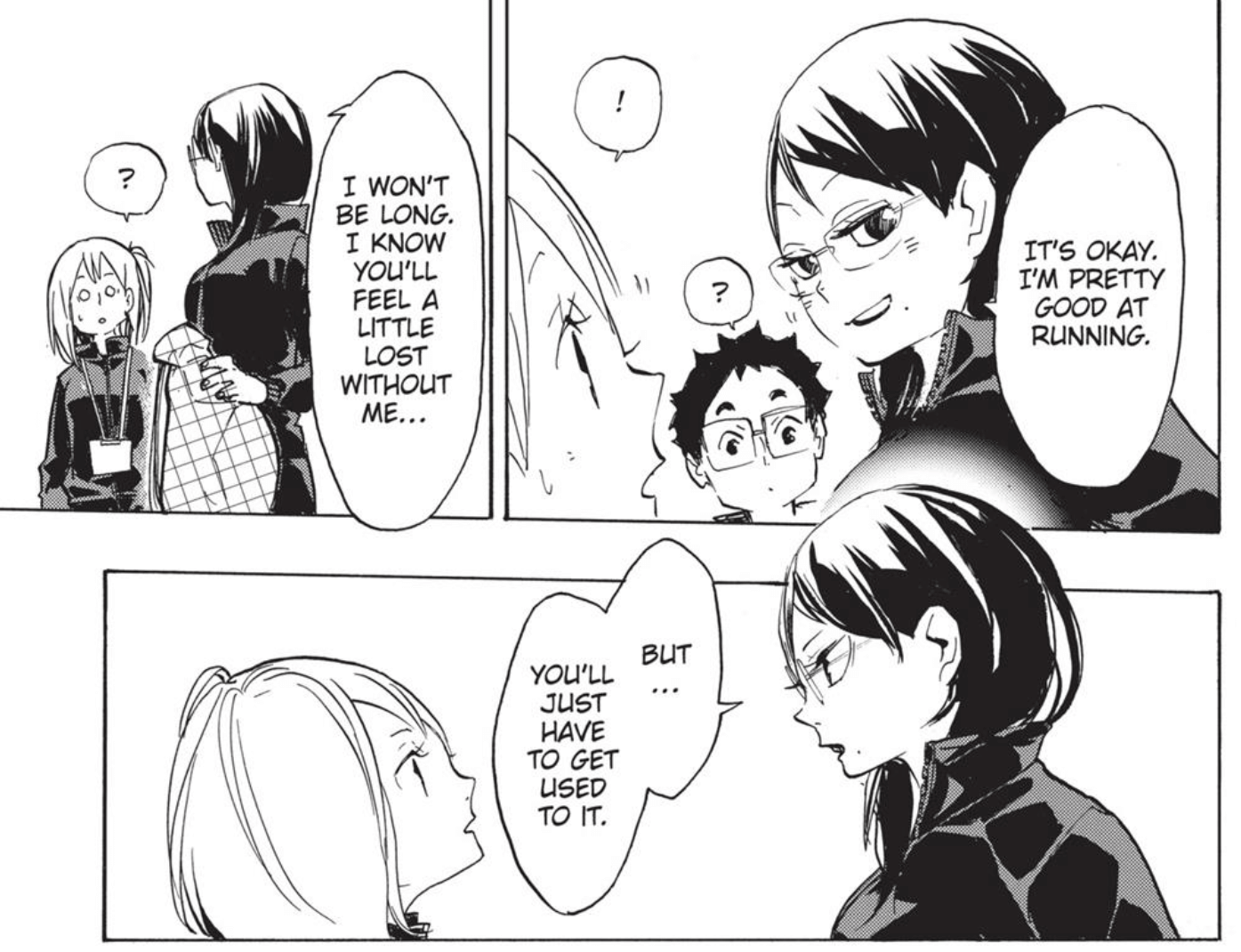
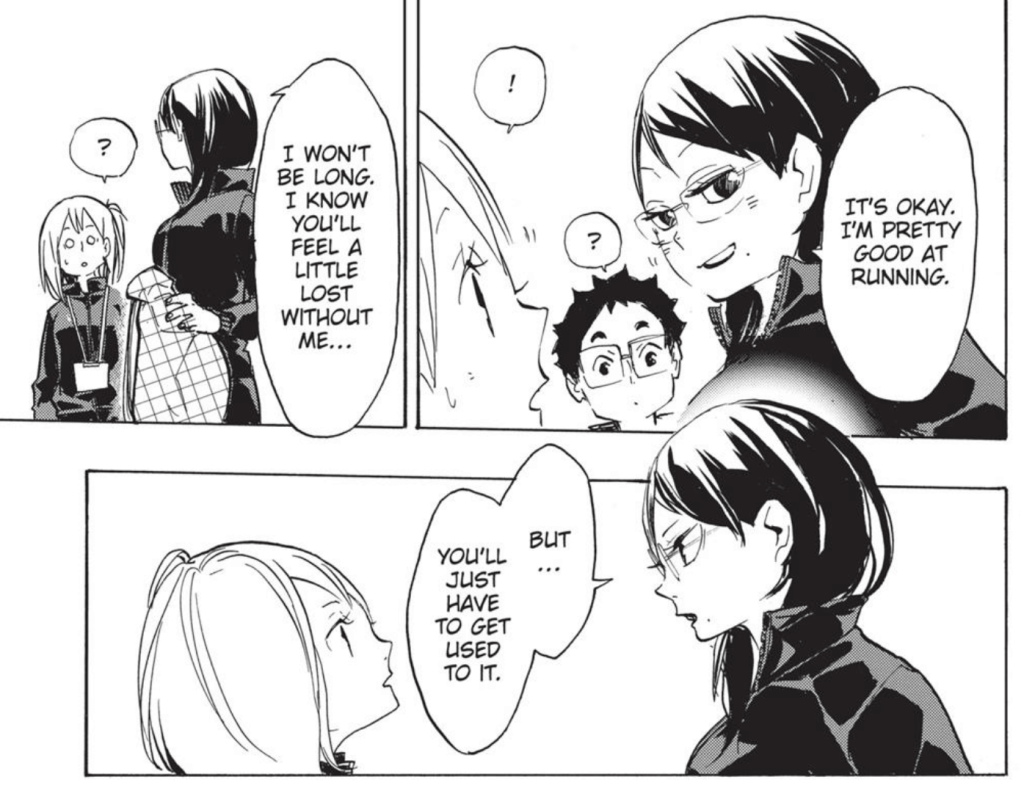
Even though it’s a story about a boy’s volleyball team, the women in the story (the managers, sisters, and girls volleyball team members) have their own arcs and interests not centered around the men. In other sports manga I have read, the team managers were only interested in helping the team move forward. In Haikyu!!, first year manager Hitoka Yachi’s entire introduction to the story is about her discovering what she wants for herself, and how she wants to achieve that. Yachi and third year manager Kiyoko Shimizu have their own interests, goals and personalities separate from how they relate to the team.
Where Haikyu!! sometimes falls short is its pacing. The weekly manga spent almost a full calendar year on a single match between Karasuno and another school, yet the transition into the final arc of the story felt very sudden and rushed. Without giving away too much, the characters’ high school life ends abruptly, and flashes forward to their lives several years later with no warning. The drastic shift in direction was entirely unexpected by most readers, yet many grew to welcome it as the story developed further and flashback sequences elaborated on the years in between. Furudate’s decision to continue the story beyond the typical high school sports manga confines was a bold choice, and while it may be alienating to some readers, others find it exciting and refreshing.

The art style also shifts dramatically as the comic goes on. The characters become more angular and stylized, and the action more exaggerated and expressive. It’s not as noticeable when reading archivally, but it is kind of surprising to see such style drift in a manga, even a long-running one.

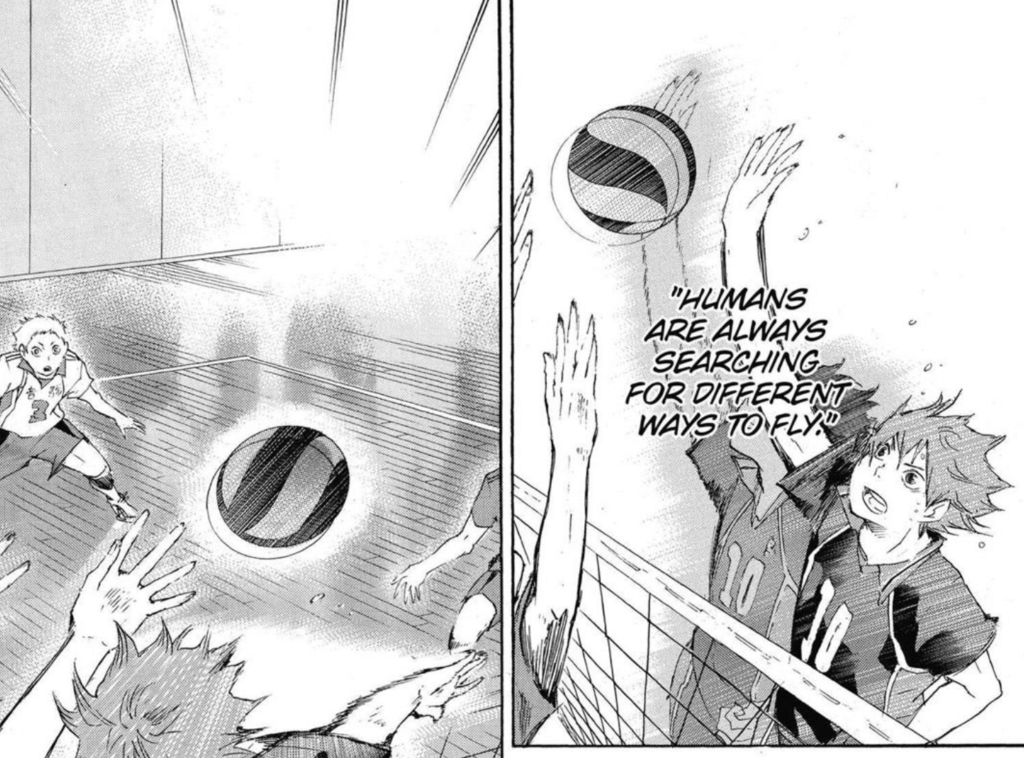
One of the recurring themes in Haikyu!! is the idea of flight. At first, Hinata seems too short to succeed at volleyball, a sport in which height is crucial to scoring points and winning games. But Hinata is capable of jumping extraordinarily high, and with the right teammates, he soars. In chapter 30, Karasuno’s coach says, “Because we don’t have wings, humans are always searching for different ways to fly.”
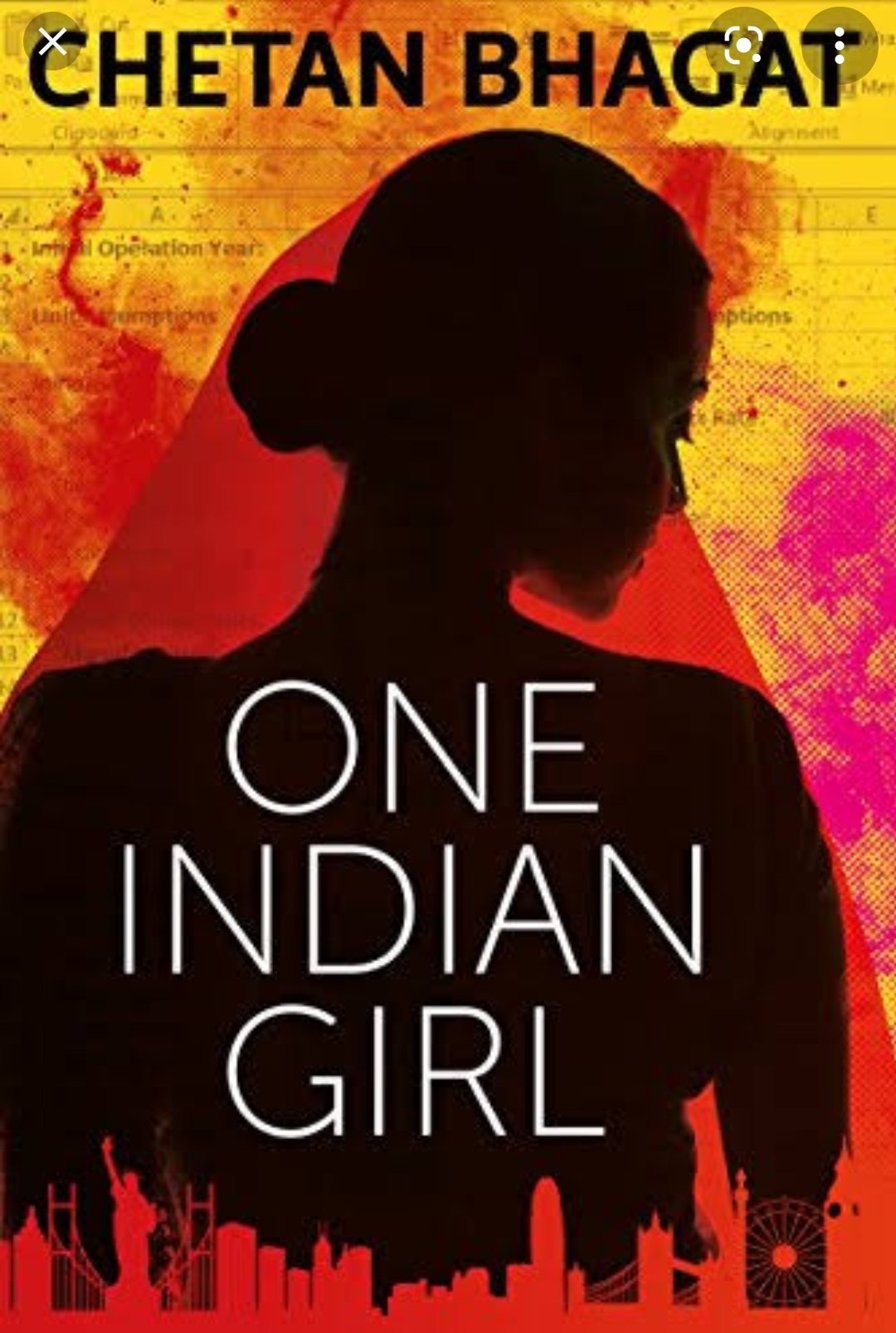
One Indian Girl : Book Review

About the book

  • Title : One Indian Girl
  • Author : Chetan Bhagat
  • Genre : Fiction
  • Subject : Feminism
  • Year of publication : 2016
  • Number of pages : 280

About the author

Chetan Bhagat is the author of sex bestselling novels – Five point someone, One night @ the call center , The 3 mistakes of my life, 2 States, Revolution 2020, Half Girlfriend.

In 2008, The New York Times called him ” the biggest- selling author in India’s history”. He is also a Filmfare-award-winning screenplay writer.

TIME magazine named him as one of the 100 most influential people in the world and Fast Company, USA, listed him as one of the 100 most creative people in business globally.

Chetan Bhagat went to college at IIT Delhi and IIM Ahmedabad, after which he worked in investment banking for a decade before quitting his job to become a full – time writer.

” To all Indian girls especially the ones who dare to dream and live life on their own terms.” – Chetan Bhagat

Analysis of the book

One Indian Girl is the story of Radhika Mehta, a worker at the Distressed Debt Group of Goldman Sachs, the investment bank.

The book tells us about that what if we are a girl, we should also have equal rights to live independently in the way what a boy lives.

“Why do people tell girls all this? You ask them to achieve things, but when they do, you can’t handle it.”

Summary of the story

The book starts with Radhika making arrangements regarding her marriage with Brijesh Gulati who works in the Facebook company in San Francisco. She later reveals her childhood and life in Delhi, as a nerdy personality in contrast to her elder sister Aditi.

While trying to engage conversation with Brijesh, she is unexpectedly contacted by Debasish “Debu” Sen who wishes to meet her, to which she refuses. She later, meets him in the gym and then there occurs the flashbacks to four years ago.

When Radhika began her job training at Goldman Sachs, she was introduced to Debu and then the two started dating, eventually starting a live in relationship. When Radhika gets a bonus of 150,000 dollars and tells Debu, he doesn’t react as Radhika expects and after a few days, he breaks up with her due to being pressurised by Radhika about marriage and wanting instead a simple girl as a housewife. Facing depression, she opts for a move to Hong Kong.

In Hong Kong when she gets to know her boss’s boss Neel Gupta who is 20 years older than her , she finds him attractive. On their business trip together, they end up sleeping together by the beach. This continues for one year, but after that Radhika realises that she has no future with him as he is married with children. Thus she breaks up with him and shifts to London office.

After getting tremendous pressure from her mother for an arrange marriage, she finally agreed and connects with Brijesh Gulati in a matrimonial site and also says yes for marriage to make her mother happy.

Both her ex- boyfriends realised they want her back and contacted Radhika but she was very confused between her past and future husband so she turned down both their proposals and even cancelled her wedding with Brijesh because she felt she was not ready for marriage.

“Why do we need our men to praise and validate us in order for us to feel accomplished?”

“You know what women really want? We don’t want to choose. We want to fly and we also want a beautiful nest. We want both. Do male birds tell female birds to choose? “Hey honey, choose. Either fly or sit in the nest.”

https://bookmate.com/books/d41pnvtp/quotes

Why did Atlas Shrug ?

This is not a question answered by Ayn Rand’s novel ‘Atlas Shrugged’ however it does shed light on a dystopian world which is rushing towards a total economic collapse. Businesses suffer due to a corrupt and meddlesome governing authority putting up burdensome laws. The story follows railroad executive Dagny Taggart in her struggle against ‘looters’ that exploit their productivity. In this world more and more successful leaders and thinkers abandon their business and seemingly disappear as a strike against the looters. The novel pushes a capitalist world where everyone gets what they deserve. This novel takes the idea “what if all thinkers decided to go on a strike” and revolves around the consequences.

This world has a common saying “Who is John Galt ?” which means “why bother” this phrase not only confuses the protagonist but drives her. Dagny sets out to save her company from the economic collapse by setting out to make a new rail line with the help of Hank Rearden who creates a new alloy lighter and stronger than steel. A government research foundation “State Science Institute” wants to buy the alloy from Rearden but he’s unwilling to sell. The institute then publishes a report condemning the metal without proper analysis still succeeds in making many significant organizations boycott the train line. To counter the boycott Dagny declares the new line an independent line with the name John Galt line to protect Taggart transcontinental. Dagny and Hank find out that Ellis Wyatt a supporter of the rail line set his oil fields to fire and disappeared along with a few other leaders. Meanwhile an old friend of Dagny’s Francisco d’Anconia is found by Dagny and hank to be damaging his own business for unknown reasons.

After the completion of the John Galt line and eventual inauguration Dagny and Hank find out an incomplete motor that works on the atmospheric static electricity. To find more about this mysterious motor she hires a scientist by the name of Quinten Daniels. The authority then imposes a directive where employees are forbidden from leaving their jobs and all the patents are nationalized in protest of this Dagny resigns. Due to a major disaster in Taggart Transcontinental’s tunnels Dagny returns to work and is notified that Quentin Daniels is resigning too. She tries to stop him from doing so, on the way she finds the secret about the motor which was created by an engineer named John Galt. She chases after Daniels in a plane and crashes into a hidden valley called Galt’s culch while inadvertently discovering the reason behind all the disappearances.

She meets John Galt who is leading the organized strike of the “men of the mind” against a society composed of looters and exploiters. Dagny stays at the culch and begins to understand Galt’s motives and reasoning behind the strike. Galt wishes for the world to be devoid of the leeches and looters. Galt asks Dagny to join his strike which is supported by many prominent figures like d’Anconia but Dagny refuses to abandon the railroad.

Dagny leaves Galt’s culch and finds herself back in her world which has devolved into dictatorship. d’Anconia finishes the sabotage of his own industry and invites Rearden to support the strike after stopping a government sanctioned armed takeover of Rearden Steel. Meanwhile Galt follows Dagny to New York and delivers a long speech about his ideals but is captured by the authorities he is then rescued by his followers joined by Dagny. The novel ends as Galt announces the way is clear for the strikers to re-join the world and help rebuild it due to the downfall of the government.

In conclusion I’ll say that the novel is definitely not a small one which an avid reader could finish in a weekend but is definitely worth reading as the world seems to be going in the same direction the author feared.

News and Current affairs

What is news

News is information about current events. This may be provided through many different media: word of mouth, printing, postal systems, broadcasting, electronic communication, or through the testimony of observers and witnesses to events. … The genre of news as we know it today is closely associated with the newspaper.

What is current affairs

Technically Current Affairs is defined as a genre of broadcast journalism where the emphasis is on detailed analysis and discussion of news stories that have recently occurred or are ongoing at the time of broadcast.

Difference

Current affairs is a genre of broadcast journalism. This differs from regular news broadcasts that place emphasis on news reports presented for simple presentation as soon as possible, often with a minimum of analysis.

Day to Day life many things happened that information will pass to us in the form of news and current affairs

The Road Not Taken

When every choice involves the loss of opportunity, which path will you choose? When your choices come with incomplete information, how can you be certain? How long will you stand still before making your choice? How confident are you when you realize you can’t save the first road for another day when the road you chose tends to lead onward to another? Whichever road you choose will make all the difference. In order to be different and do something great, you have to think different and implement things with a different approach. You have to take a different lane; the road not taken.

Remember the poem “The Road Not Taken” penned by Robert Frost?

Two roads diverged in a yellow wood,

And sorry I could not travel both

And be one traveler, long I stood

And looked down one as far as I could

To where it bent in the undergrowth…

The poem describes someone standing at a fork, or turning point, in a road in the woods, trying to decide which path he is going to take. He looks down one road as far as he can see, and after thinking for another minute, decides to take one because it looks like nobody’s been that way yet, and he is curious about where it leads. He thinks maybe he might come back another day and try out the other path but he has a feeling that the road he has chosen will lead him to new places and discoveries, and he probably won’t be back. He thinks wistfully about that road, which he did not take, and where he might have wound up if he’d gone that way instead. Part of him regrets his decision, but he also realizes that the things he’s seen and the places he’s gone because of the direction he chose has made him who he is.

This poem tells a lot about life in general. Life is all about making choices, whether it’s about choosing to change your daily diet or choosing the right partner. Every choice has its significance in some way or the other.

It makes me remember that past is always dynamic because it shapes my present and therefore, I should be careful about my present as it will take care of my future. Most importantly, this poem makes me think wisely about my choices. It reminds me that I should not make such a choice which I would regret one day and say ‘if I would have taken the other road, it would have been better’. Rather I should be proud of my decision and say ‘Yes! Since I chose the right path, it has led to all this difference’. The difference is what makes it different. Just as Frost ended the poem: “I took the road less travelled, and that’s all that matters”. There are no bad roads, there are only different battles that births different results.

In my opinion, the poet encourages the readers to create opportunities that may be overlooked by us because we all are in search of solutions for our problems rather than trying to sort out the things in the less conventional way.

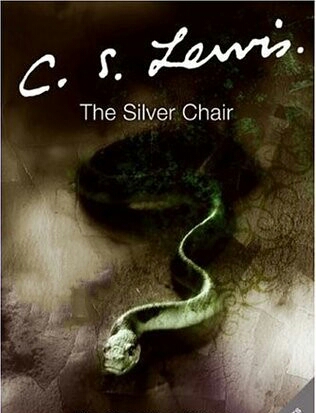
BOOK REVIEW: The Silver Chair

Author: C.S. Lewis

The Silver Chair is the sixth book in The Chronicles of Narnia series and serves as the sequel of the film ‘ The Voyage of the Dawn Treader’. There had been speculations about this book being adapted into a film but as of now there is no confirmation regarding it. However, this book is included in The Chronicles Of Narnia TV series which is a British BBC produced television serial and aired form 1988 to 1990 and covered four books of the series.
It is a middle grade book just like the rest of the series. This book dives deeper into the land of Narnia and shows the sides of it which weren’t shown before. It is the first book to show openly Narnia as a much less friendly and darker place than the other books. Well it may be because as the series proceeded, it became rather more mature. The Pevensies, who serve as the main characters throughout the film trilogy and also in most of the books, are not in this book.


“You would not have called to me unless I had been calling to you,” said Aslan.”

https://www.goodreads.com/book/show/65641.The_Silver_Chair

The story opens with a girl named Jill Pole who had been experiencing bullying. She is comforted by Eustace Scrubb. This is the same guy who was in the film The Voyage of Dawn Treader and was very annoying in the starting but eventually became good by the end. He tells her about Narnia and they both get there. There, both of them are given a task by Aslan, to find and rescue King Caspian’s son, who is the heir to the throne of Narnia.
The book consists of sixteen chapters. The story is very progressive. It gets interesting after every chapter. There is this aura of mystery surrounding the story which wasn’t very prominent in other books. The more you read, the more you get invested in unravelling the mystery of Prince Rilian. Chapter 11 and 12 in particular have a great plot twist which makes overall story very exciting.
There are a lot of referencing in this book as well. It also explores underworld, the part of Narnia which is not really emphasised in other books. This must be the reason that makes this book very different than rest and also gives it a relatively darker tone. Deceit, manipulation, captivity, bullying, delusions are some themes which make this story very different from others. The main antagonist is the Lady of the Green Kirtle, the Queen of the Underland. She is depicted as a very beautiful women who turns out to be very deadly by the end of the book. Looks can be deceiving huh!
The writing style of the author is simple, conversational and cunning. It is written very descriptively and makes the story lively. The narrative of the story gives a very nostalgic feeling as if the story is of a very distant past. Overall, it is a very good book. The storytelling, the characters, the plot, everything is amazing. It is a must read!!!

https://youtu.be/O6yxZ8WXVtw

Exploring Gender in Enid Blyton’s ‘Famous Five’

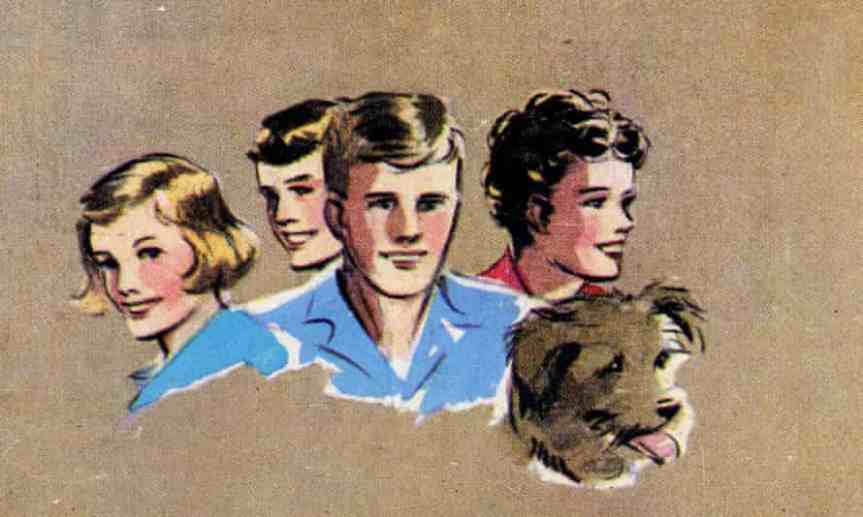
The Famous Five is a children’s adventure series written by the British author Enid Blyton. The first book The Five on a Treasure Island was published in the year (1942) after which 20 more books followed. With the sales totaling over a 100 million, it is considered to be an all-time best-seller in children’s literature. The series revolves around the lives of four children: Julian, Dick, Anne, Georgina (George), and her dog Timothy. Blyton’s portrayal of their carefree summers and adventures have always gained popularity among children. More often, Enid Blyton books are usually responsible for getting children interested in literature. Her use of simple language helps children easily understand the story. Her vibrant descriptions appeal to the readers in such a way that we long for adventures, matching the enthusiasm of the characters portrayed in her stories. Her storylines are intriguing and her peculiar way of dropping hints throughout the book which finally connects up as a shocking climax is always interesting.

“Far from being a set of fixed and stable values and roles assigned/imposed by society, gender is a performance or a role enacted by the individuals. This performance of gender is, of course, social in the sense that it is enacted, validated and accepted by the society.”

-Judith Butler (Gender Trouble)

In most cases, Blyton adheres to the dominant gender norms of her times; which is the Middle-class heteronormative British views which regulated the behaviour of women with respect to their appropriate domestic roles and activities for women like raising children and managing the household instead of careers. Blyton presents rather contradictory representation of gender roles. Mostly, she follows the dominant submissive roles of females but on the other hand, she also shows that there are alternatives where women have agency and freedom of choice. Her writing of ‘sexist’ characters are probably a result of suiting the story to the audiences of her time.

“Anne had a very happy morning. She arranged everything beautifully on the shelf… IT really was a splendid larder and dresser!… Then the little girl set to work to make the beds. She decided to make two nice big ones, one on each side of the cave.”

Five Run Away Together (1944)

Anne is described as someone who is shy and timid. She’s not as adventurous as her brothers Julian and Dick or like her cousin George. She does all the domestic chores and is often in charge their food and other domestic needs. She is referred to by her brothers as a “Very good little house keeper”. She likes playing ‘house’ and thus, voluntarily does all the chores during their quests and she likes doing it. And she is extremely happy when she’s praised for her work. She takes pride being referred to a good housekeeper. Despite being the youngest of the four, she is often portrayed as the nurturer and care-giver. She selflessly takes care of everyone’s needs and plays a mother-like figure to the rest of the group. George’s mother, Fanny is portrayed in a similar such way and serves as a role-model figure for Anne. It is a given that she’s the youngest and perhaps that’s one of the reasons why she is babied. But there’s a clear hint of patronisation when her brothers address her. Through Anne, Blyton firmly reinforces the typical female gender stereotype that women are supposed to be gentle, caring, nurturing and subservient housekeepers who are not fit for a career-based life.

“Don’t you simply hate being a girl?” asked George. 

“No, of course not,” said Anne. “You see – I like pretty frocks – and I love my dolls – and you can’t do that if you’re a boy.”

“Pooh! Fancy bothering about pretty frocks,” said George, in a scornful voice. “And dolls! Well you are a baby, that’s all I can say.”

 Anne felt offended.

-Five on a Treasure Island (1942)

Blyton was a career woman, so her portrayal of George can be seen as her personal resistance to the dominant gender stereotype of her time. Georgina prefers to be called George, and is good at everything that is traditionally masculine like climbing trees, swimming, rowing boat, drawing carriages etc. She tries very hard to not be ‘girly’ and dresses up like a ‘boy’. In anyway, she wishes to be a boy as she prefers being called ‘Master’ instead of miss, loves it when people mistake her for a boy etc. It is evident that boys were valued more in the society than girls. And her desperate need to imitate a man can be seen a cry for help in an overtly patriarchal society. She wants to be treated with the same respect and dignity that her male cousins enjoy and so, she feels that the only means to achieve that is by imitating a man. On a separate note, many readers have read into George’s tomboyishness as signs of gender dysphoria. (Gender dysphoria involves a conflict between a person’s physical gender and the gender with which he, she or they identify with.)  So, the idea of a tomboy fails to take into account the more contemporary idea of gender as a spectrum rather than a rigid binary. Considering the time that this was written in, it is unlikely that this is what Blyton meant. But nevertheless, it is empowering to interpret that perhaps George is a transman; a boy trapped in a girl’s body.

George despises any characteristic of weakness that is usually associated with women. She seeks power and respect while Anne is contented with whatever the society is willing to give her. There is an instance where George gives into something and the boys praise her for giving in gracefully or decently like a boy. At this, George becomes extremely happy for being identified as a boy and she feels that “She didn’t want to be petty and catty and bear malice as so many girls did.” This can be seen as a perfect example of gender hierarchy where having a “decent” behaviour is normal only for boys and that it’s an exception for girls. George is admired by the rest for being good at physical activities. She excels to the point that she even threatens the authority of the dominant male leader by being better. There are several instances where she’s better at swimming or rowing than the boys. This skilled behaviour empowers Anne and in those instances; she longs and hopes to be as skilled as George. George is a successful, independent girl who can do anything that a boy can do, and do it better. This can be seen as Blyton’s attempt at empowering little girls.

While Anne takes pride in fulfilling her duties as the default nurturing housekeeper, George is expected to help her out and engage in these domestic chores as well. And this internalised social norm creates a feeling of guilt within George while no such guilt exists in the minds of the boys. Now even if the boys do offer help, Anne dismisses it off as “No. That’s my job and George’s.” Anne is easily scared and is seen as a cry-baby. The group takes it for granted that she’s emotional and weak and is in need of protection. George on the other hand, suppresses all of her emotions in fear that it’d show her as a ‘girl’ which was considered inferior. She hates crying as crying is seen as something that only girls do – a sign of weakness if expressed by a boy. Aside from effecting George, this also imposes an unrealistic and unhealthy emotional and mental standard on the boys. For instance, Dick is shamed for crying or expressing any emotions that are not ‘manly’. This also reinforces toxic masculine traits on young boys.

George thus imitates traditional masculinity as an attempt to receive equal treatments. She over-compensates in this aspect to desperately hide any traces of being a girl. To an extent, it does grant her more privileges than the feminine Anne but this comes out as a positive reinforcement on her, and it proves the masculine authority over women of the time. Despite all her attempts, the fact remains that she is still ‘just a girl’ and that she only receives the freedom that her male peers allow her to enjoy. No matter how much she tries to imitate men, she’s still othered by them.

We see a contradictory portrayal of gender roles by Blyton. All the criticisms aside, we can also interpret this as her way of showing that girls can choose to be either Anne or George or a mix of both. Anne might have been typecast as the stereotypical girly girl, but even if it’s because of the inherent social norms, she loves it. She unapologetically takes pride in being herself and doing things that she enjoys, even if the others ridicule her and tease her for being ‘too weak’. On the other hand, even though it reinforces male superiority, George’s unique character proves that girls can do anything that boys can and actually be better at it. For the time that it was written in, it is clear that Blyton intended George’s character as someone who breaks away from tradition. Thus, we see that Blyton offers different perspectives on how girls can choose to be.

Reference Links:

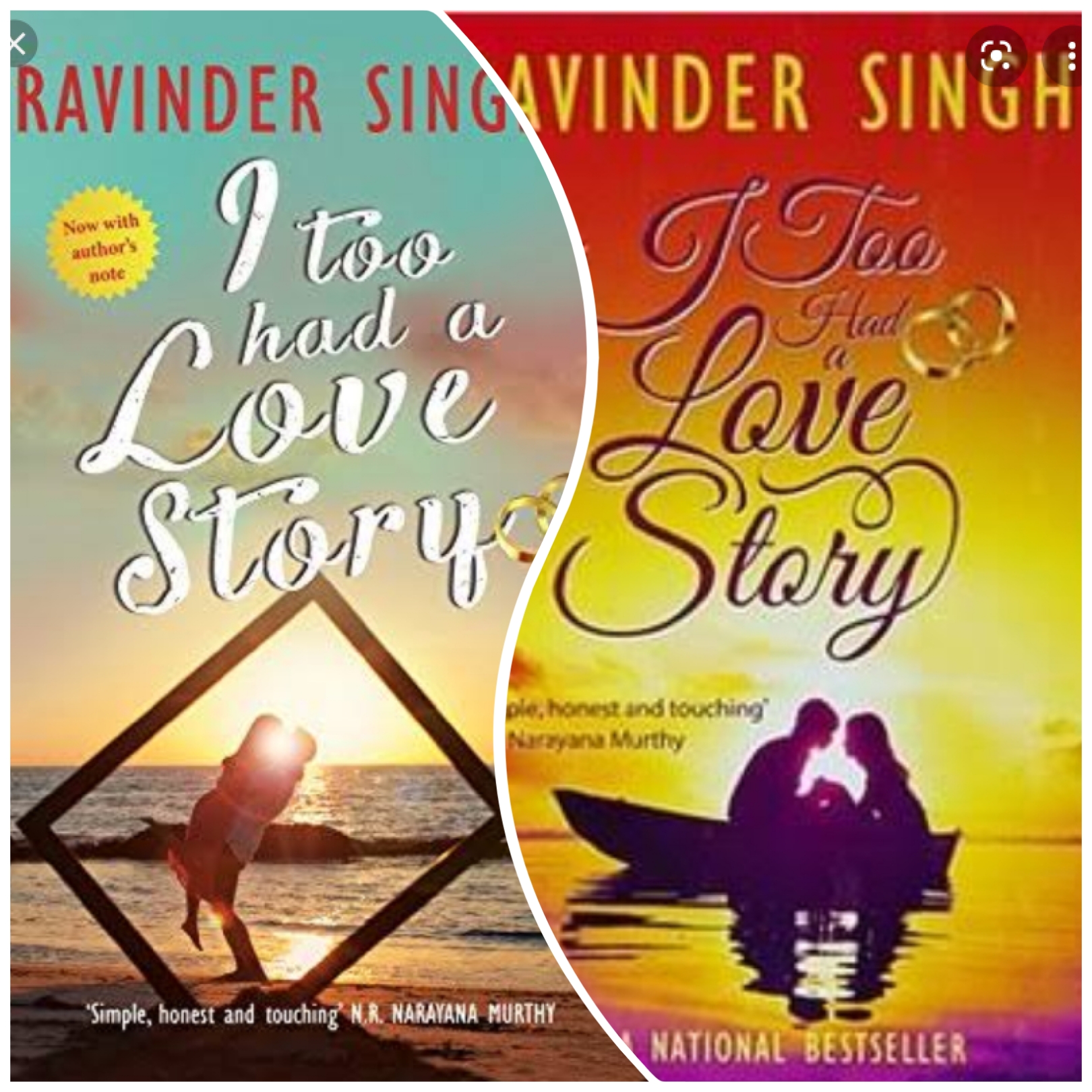
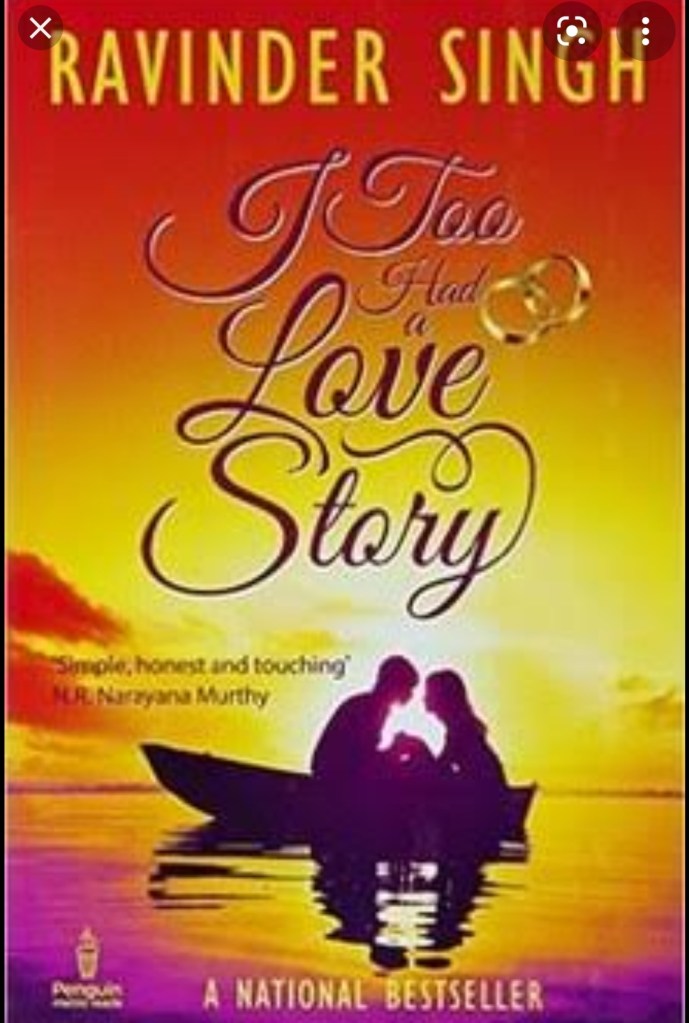
I Too Had A Love Story : Book Review

About the book

  • Title : I Too Had A Love Story
  • Author : Ravinder Singh
  • Genre : Romance
  • Year of publishing : 2008
  • Number of pages : 213

About the author

Ravinder Singh is an Indian software engineer and author of nine novels – I too had a love story, Can love happen twice? , Like it happened yesterday, Love stories that touched my heart, Tell me a love story, Your dreams are mine now, This love that feels right, Will you still love me , The Belated Bachelor Party.

Singh’s debut novel is based on his real-life incident when he met a girl, how his romance flourished and then how it came to an unfortunate end , before he could propose marriage to her.

After six- month search, an editing team sent the manuscript to the publisher Sristhi, who published the book.

“After the unfortunate incident, I was looking for a reason to live. And I started to pen down the moments I had been through.”

“I can’t deny that. I had to go back in time, close my eyes, relive the moments, tears rolled down and I wrote the words.”

Analysis of the book

“I Too Had A Love Story” is an English autobiographical novel written by Ravinder Singh. This was the debut novel of the author and was first published in 2008 by Srishti Publishers, in 2012 it was republished by Penguin India.

The book remained in the best-sellers list in Indian even after 6 years of its first publication.

This book is the real- life story of Ravinder Singh and this book is a simple and honest story. This book gives a heart- wrenching story which brings tears in eyes at the end.

“She died. I survived.

Because I survived, I died everyday.

I was bound by my stars to live a lonely life. Without her, I felt so alone. Though the fact is that it’s just she who is gone and everything else is the same. But this ‘everything else’ is nothing to me …”

Summary of the story

The story starts with the reunion of four friends in Kolkata. Ravin, the main protagonist of the story, along with his three college friends named Happy, Manpreet, and Amardeep have a reunion where they enjoy together after a long time. There they discuss that what they are going to do in their future and Happy suggests Ravin to create an account in the matrimonial site .

Ravin after returning to Bhubaneswar, where he used to work in Infosys, he created an account in a matrimonial site and after a few days, he gets a call from a girl named Khushi from the matrimonial site. After that both of them started talking and chatting all day long and became good friends.

Then slowly they realised that they were in love with each other. Ravin has to go abroad from some work but before that he went to meet Khushi and her parents. Again after returning to India, he visited Khushi and both of them decides to get engaged.

Then both Khushi and Ravin’s parents met with each other and fixed their engagement on 14th February. It was Khushi’s idea about the date because she wanted to become both girlfriend and fiancé of Ravin on Valentine’s Day. But three days before their engagement Khushi met with a serious accident and even after all treatments and everyone’s prayers she didn’t survive.

Her death left Ravin totally heartbroken and nothing excited him anymore . He can’t think of anything and was totally shattered.

Conclusion

Ravin lost his everything when he lost his Khushi. He suddenly became emotionless and there was nothing normal in his life anymore. He can’t find happiness in anything anymore. He went into a state of depression. For him, his life meant nothing without Khushi.

“NOT everyone in this world has the fate to cherish the fullest form of love.

some are born ,just to experience the abbreviation of it.”

“someday you might be sad, when you might wish to talk to me but i might not able to do so.”

https://www.goodreads.com/work/quotes/7364012-i-too-had-a-love-story

Trainings and Internships In Technical Fields

In the early days of our university, we will all live in a fantasy world, where we will feel that we have everything we want. The future is bleak If we start the internship after the first year of study, whether it is a remote internship or a full-time internship, this situation can be easily resolved. Choose according to your convenience and university practice.

“Your greatest opportunity may be by your side”-Napoleon Hill

Your interns can choose from several trusted websites such as:

  • Internshala
  • Letsintern

In the college, we will have a group of friends and we will be happy to play with them. In the workplace, this may or may not happen, but you have to adapt to the environment as soon as possible to deal with different types of people. I’m sure some companies offer internship extensions and full-time performance based on the attitude of interns, depending on their Attitude Pages An easy process If this is a paid internship, you will understand the value of the funds you have used in the past, which will help you make better use of the economy. During the internship, you will need you to manage your studies, study and test results. Although once you have mastered the multitasking and time management skills that can be solved in real-time with World Problems , the process may seem daunting at first, but if your internship skills are not too passionate for Asmara, then your internship skills are also something Good things signal that they ignored the option very early. Work hard, study, and then forget to make the most of it. Don’t hesitate, don’t be afraid to start again. Because experts say you don’t start from scratch, but from experience.

You can learn how to apply the knowledge you have acquired during an internship to your future workplaces. In addition to this, it is an excellent learning curve for young graduates and students while meeting new people and making connections in the professional world

BOOK REVIEW

THE THREE MISTAKES OF MY LIFE : WRITTEN BY CHETAN BHAGAT

In late 2000, a young boy in Ahmedabad called Govind dreamt of having a business. To accommodate his friends Ish and Omi’s passion, they open a cricket shop. Govind wants to make money and thinks big. Ish is all about nurturing Ali, the batsman with a rare gift. Omi knows his limited capabilities and just wants to be with his friends. However, nothing comes easy in a turbulent city. The 3 Mistakes of My Life is a book from Chetan Bhagat, a well-known author, and writer. The story lines based on love, historical disasters, religion, friendship, cricket, excitement, business, and humor. In other words, the book shows the picture of the real life of a common Indian and elaborate Indian mentality. He has presented the facts, neutrally narrated a story. It’s the story about three friends Omi, Govind, and Ish. The story is presented through Govind’s eyes and it’s his three mistakes of life. Govind is a true Gujarati, interested in coming up on his own in life, through business. Ish is an avid cricket player whose passion lies in playing, teaching, and watching cricket. Omi is a priest’s son who doesn’t have any ambition and moves along with his two friends. These simple people’s journey in life, how their lives get affected by the worst disasters in Gujarat’s history is portrayed in a simple yet efficient way. This book also teaches you how your dreams crash into pieces by unexpected events but how with support from people around you, you get back on track, focus and rebuilt your dreams.

This novel especially comes when people only want to come up with excuses to show or feel how different they are rather than see the common aspects and bring oneness, which can keep us together and achieve our common goal of growth, peace and prosperity. The language is simple, it connects well with India’s youth, the narration has improved, all in all, Chetan has improved in all the departments of writing a book. He has again proved that to be the best novelist, you don’t need fabulous vocabulary, or you don’t need awesome critics review, all you need is a threat to connect to people’s minds. Truly his best book ever

How to use the phone as a webcam for your PC

In these pandemic situation there no offline meetings and interviews. Video conference is daily habited in these time , we are using lot of application for video conference like Google meet, zoom meet, Microsoft teams , Skype and  jio meet

Most of people facing problems while hosting and interviews times ,our laptops and PC doesn’t have good quality of video

Then , is there any way to optimise for good quality of video . yes there is a way for that problem

In these day every one have mobile phones , by those mobile phone we can as a webcam

Are you thinking I am joking , then just follow my instruction you will be find my word are no joke..

I have research many application but ,I  recommended an application Droidcam  that can be download by our favourite  app stores

Now  you connect your PC or a Laptop over the same Wi-Fi network or with the help of a USB cable. If you downloaded the DroidCam app on your phone from the app store, then download the DroidCam Client on your Windows laptop or PC

There are two ways :

  • Using wi-fi
  • Using cable
  • using Browser

Using Wi-Fi

Open  the DroidCam app on your phone and click on the ‘Wireless’ option.

Then next screen should display the ‘WiFi IP’ and ‘DroidCam Port’ . If your ‘WiFi IP’ appears 0.0.0.0, then you are not connected to the Wi-Fi.

Open the DroidCam Client on your PC or laptop and enter the ‘WiFi IP’ and ‘DroidCam Port’ as displayed on your mobile phone. Click on the ‘Start’ button.

Now start the video conferencing app and check the webcam  by clicking on the ‘Webcam’ or ‘Video’ settings.

Using cable

Connect your mobile phone   to your PC  or Laptop with  USB cable.

We have remember to note is that you need iTunes downloaded on your  PC to connect using USB cable. If you do not have iTunes, you can download it . Once you login to iTunes, it will automatically detect your mobile Phone.

Start the DroidCam Client, select the ‘USB’ option and tap on ‘Start’.

using Browser

 DroidCam mobile phone application also connect to the camera using a web browser.

Then you  have to  connect your phone to a Wi-Fi and open DroidCam application.

Lunch  Chrome on your Laptop or PC and enter the ‘Browser IP Cam Access’ data then ‘http://192.168……./video’ and click on  enter.

If you have wish to specify the resolution of the video in the URL by using the path including ‘force’. example – http://192.168…./video.force?1280×720.

The application  DroidCam Wireless Webcam we used was the free ver . You canl also find the paid ver of this app, called the DroidCamX Wireless Webcam Pro in  the Google Play Store. The paid version application supports HD video streaming with out ads

there is one more application I recommends i.e Xsplit connect

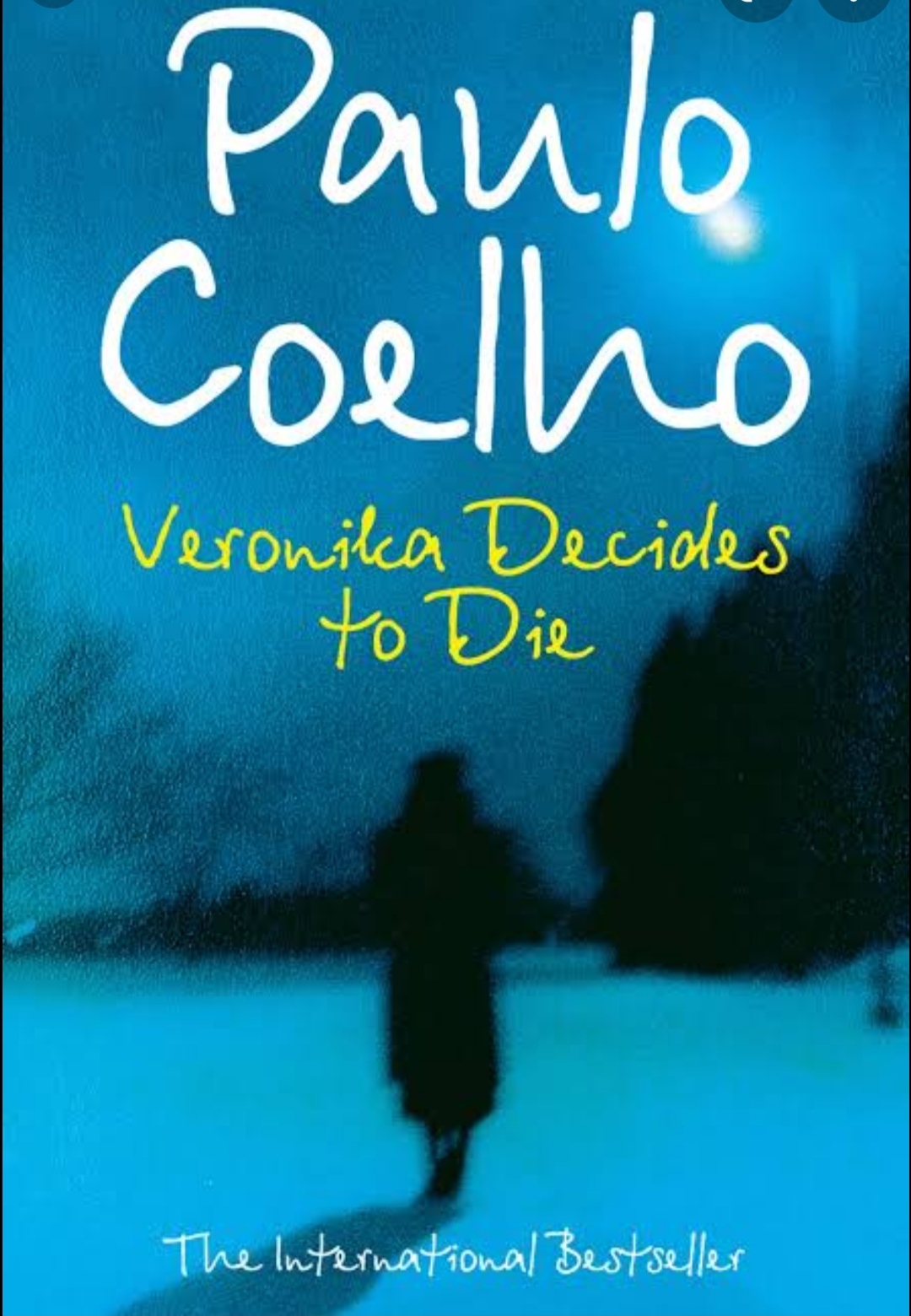
Veronika Decides To Die : Book Review

About the book

  • Title : Veronika Decides To Die
  • Original title : Veronika decide morrer
  • Author : Paulo Coelho
  • Year of publishing : 1998
  • Genre : Psychological fiction
  • Number of pages : 210

About the author

Paulo Coelho de souza is a Brazilian lyricist and novelist best known for his “The Alchemist”. In 1982, Coelho published his first book, Hell Archives, which failed to make a substantial impact. After making the pilgrimage to Santiago de Compostela in 1986, Coelho wrote ” The Pilgrimage” , published in 1987.

The following year, Coelho wrote “The Alchemist” and published it through a small Brazilian publishing house that made an initial print run of 900 copies and decided not to reprint it. He subsequently found a bigger publishing house, and with the publication of his next book,”Brida”.

Since the publication of ” The Alchemist”, Coelho has generally written atleast one novel every two years.

 “If I see a white feather today, that is a sign that God is giving me that I have to write a new book.” – Paulo Coelho

Analysis of the book

“Veronika decides to die” is a novel by Paulo Coelho. It tells the story of Veronika, a 24-year-old Slovenian who appears to have everything in life going for her, but decides to kill herself.

The book is partly based on Coelho’s experience in various mental institutions and deals with the subject of madness. The gist of the message is that ” collective madness is called Sanity”

This books tells us that life is not about giving up, it is about living the way it is and in our own terms.

Summary of the story

The story is about a girl named Veronika who is upset with her disturbed life . She is tired and don’t want to face the problems which she is undergoing in her life. So she decides to end her life by committing suicide. She takes a handful of sleeping pills and writes a funny suicide note because she wants people to remember her in a hilarious way.

When she opens her eyes she finds herself in a mental asylum where she slowly comes into company of Mari, Zedka, Dr Igor and Eduard. Dr Igor tells her that her heart’s condition is not good and she only have a few days to live. After that when she meets Eduard she slowly falls in love with her and she decides to live her in those limited days , in whatever way she wants.

Now, she can do anything whatever she wants because in a mental asylum no one is there to judge her and no one is there to put limit into her desires.

Later, she fell in love with her life and she went with Eduard to enjoy her life in a more enchanted way.

“The two hardest tests on the spiritual road are the patience to wait for the right moment and the courage not to be disappointed with what we encounter.”

“People never learn anything by being told, they have to find out for themselves.”

Conclusion

At the end, it was revealed by Dr Igor that Veronika was not going to die. She was going to live. Dr Igor told her earlier that she was not going to live because he wanted her to fall in love with her life and love her life . When he saw that his trick worked he told Veronika the truth and Veronika felt more happy on hearing that and went on to explore her life more with having Eduard beside here.

“Be crazy! But learn how to be crazy without being the center of attention. Be brave enough to live different.”

https://www.goodreads.com/work/quotes/3287043-veronika-decide-morrer

https://en.m.wikipedia.org/wiki/Paulo_Coelho

Influence of Social Class in ‘Pride and Prejudice’

Social Class refers to a hierarchy in a society wherein people are grouped on the basis of their wealth status. Jane Austen’s Pride and Prejudice (1813) is acknowledged for its keen commentary on these aspects of the society. The influence of social class and the greed to climb up this social hierarchy is much of novel’s criticism.  

Austen’s works usually focus on the preoccupations of the middle class and the upper class, and are rarely focused on the Aristocrats (people with title) or the working class. But even within that, there are several other differentiations as Regency England so working for money something of low standards. They acquired wealth through property, marriage, and inheritance. For instance, although the Bingley family are economically farer than most, on the basis of class, they are considered equal or maybe even lower than that of the Bennets as they are said to have made their money through trade or business.

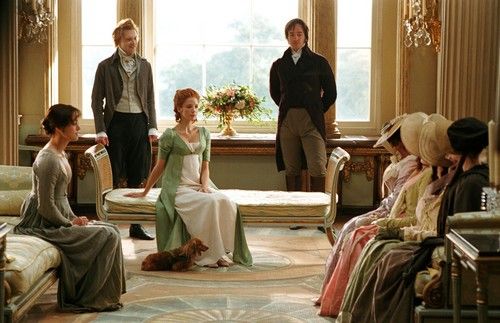
A still from Pride and Prejudice (2005)

The novel also portrays characters who react differently to class. Characters like Bingley sisters and Mr. Collins fawn over the rich and try to please them. Especially Mr. Collins who depends on largely on Lady Catherine De Borough to gain social acceptance. He does all their biddings and constantly attempts to flatter them in order to ensure his good associations with them. Lady Catherine on the other hand, is very proud of her richness and sees everyone as beneath her. The novel satirises these characters who move only in relation to class, and are portrays the conceited idea that social distinction is an important factor in judging someone’s character. Lady Catherine is so used to people doing her biddings and obeying her orders that she is taken off-guard when Elizabeth stands up for herself. She objects to Lizzy marrying Darcy due to her fear that it would indirectly affect her own social class through association. Elizabeth in return, replies that she’d marry whomever she wishes to for her own happiness.

“In marrying your nephew, I should not consider myself as quitting that sphere. He is a gentleman; I am a gentleman’s daughter; so far we are equal.”

Jane Austen (Chapter 56)

Characters such as Mr. Bingley and the Gardeners seem much more as they do not discriminate on the basis of class even if they are financially well-to-do. Darcy can be seen as an example of Austen’s ideal high-class gentleman. Despite seeming selfish and arrogant initially, he later proves that he is capable of change. His innocence also becomes evident when Lizzy talks to the residents of Pemberly. The social status of the Bennet family is threatened to a large extant when Lydia runs away with Mr. Wickham. They are saved from ‘social degradation’ only when Darcy covers up the issue with money.  

Pride and Prejudice shows that class might determine a character’s social situation, but it doesn’t signify anything about their behavior. The marriage between Elizabeth and Darcy shows that even though class restrictions are rigid, it does not determine one’s character and that love can overcome all material obstacles like class. It proves that class is ultimately an arbitrary and meaningless distinction between people.  

Reference Links:

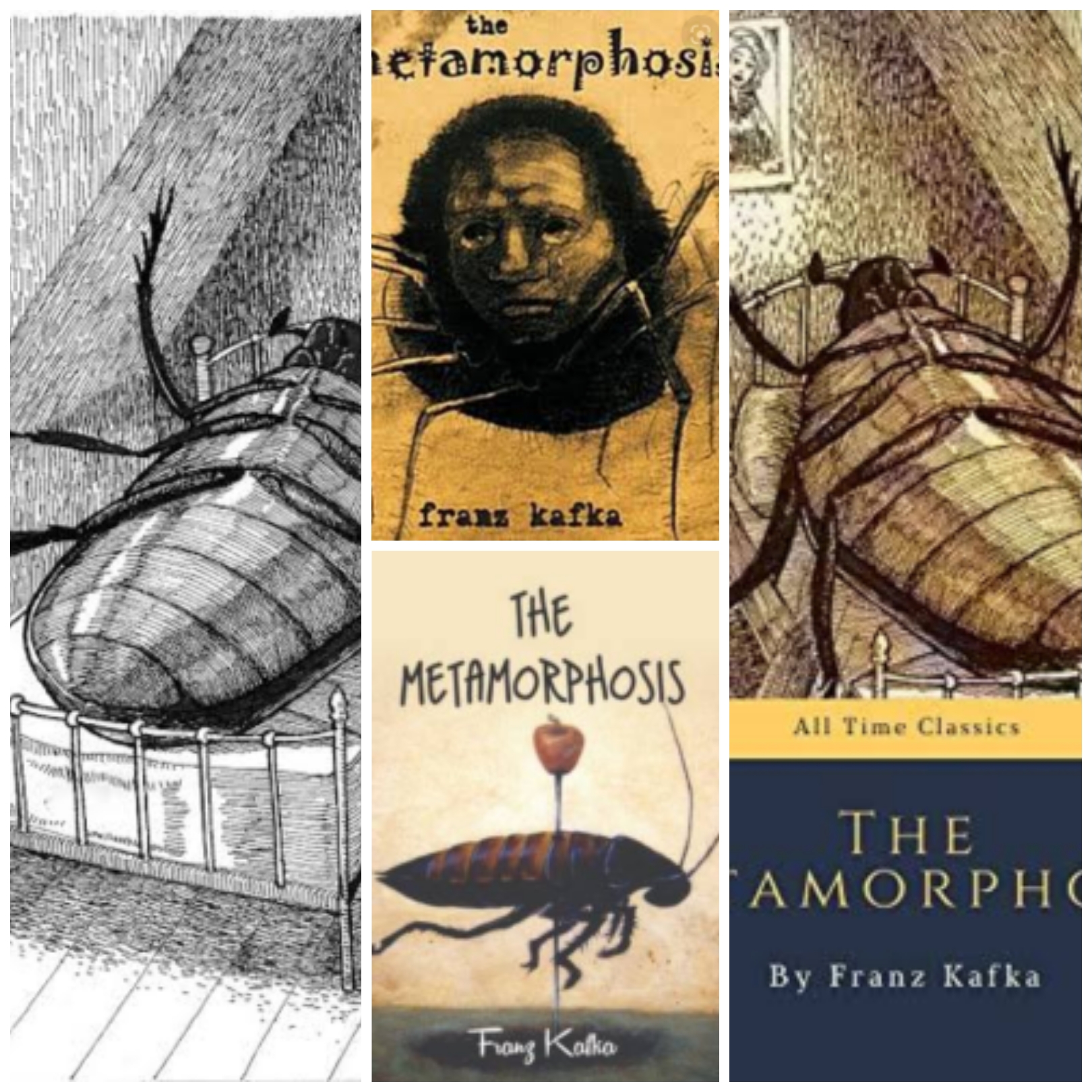
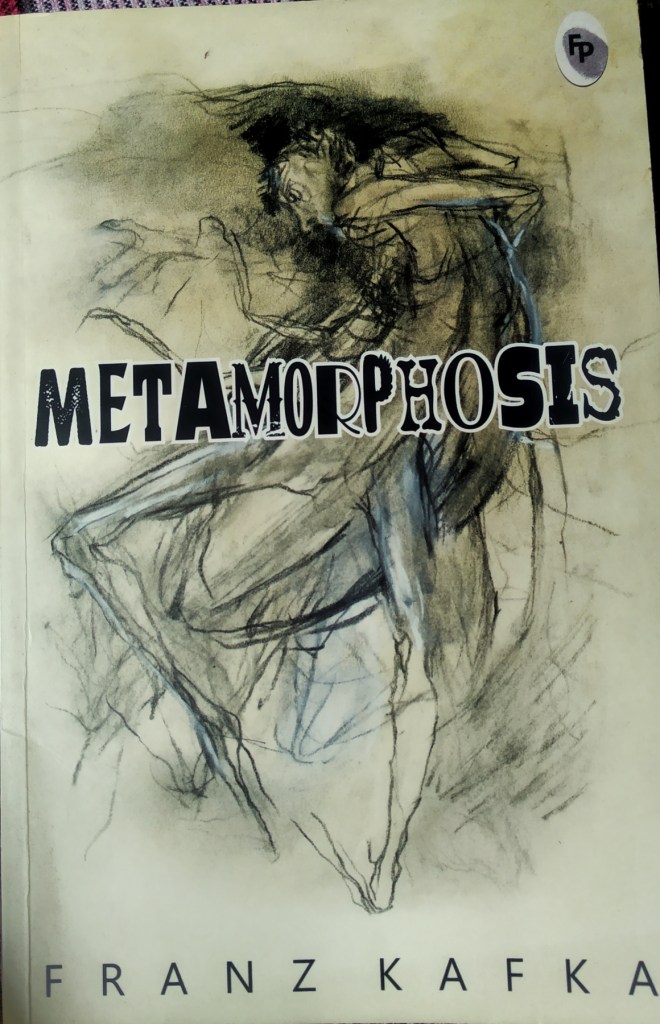
The Metamorphosis : Book Review

About the book

  • Title : Metamorphosis
  • Original Title : Die Verwandlung
  • Author : Franz Kafka
  • Year of publishing : 1915
  • Genres : Novella, psychological fiction, short story, fantasy fiction
  • Number of pages : 100

About the author

Kafka’s biography read almost like a critical analysis of his work, for so much of the neurotic tension of his writing finds its clear origin in the events of his life. Kafka was an outsider from the start.

Kafka’s ambivalent take on authority- his ability to respect it , rebel against it, and blame himself for everything- seems to come mainly from his relationship with his father. He continued writing in the evenings while living with his parents and three sisters, learning to place himself in a writing trance to block out the noise.

Much of Kafka’s early writing is lost, bht 1912 proved to be a breakthrough gear for him as he wrote some of his most important stories, including The Judgement, The Metamorphosis etc. Kafka moved through several apartments in the next few years to get away from the noise if his parent’s home to escape his father’s influence.

Never famous in his own lifetime, Kafka did have an audience of admirers within a small circle of German- reading intellectuals. Today, people use the word Kafkaesque to signify senseless and sinister complexity.

Analysis of the book

The Metamorphosis is a novella by Franz Kafka, first published in 1915. It has been cited as one of the seminal works of fiction of the 20th century and is studied in colleges and universities across the world.

Kafka wrote The Metamorphosis in 1912, the year he felt his creativity finally taking a definite form. The writing process on this novel was laborious, taking three weeks in November and December, and the final product turned out to be the longest work Kafka ever completed in his life.

The style of the book epitomises Kafka’s writing. The style send to ground the story in reality, cutting off any possibility of its having been a dream, and get the story itself is of an impossible occurrence.

The Metamorphosis as professed earlier, is an autobiographical piece of writing, and we find that parts of the story reflect Kafka’s own life. It is well known that Kafka felt like an insect in his father’s authoritative presence and even developed a stammer whole speaking to him

” One of the greatest writers of the twentieth century” – Guardian

” What Dante and Shakespeare were for their ages, Kafka is for ours” – George Steiner

Summary of the story

” One morning, when Gregor Samsa woke from troubled dreams, he found himself transformed in his bed into a horrible vermin”

Gregor Samsa is a travelling salesman who after waking up one morning from sleep finds out that he has been transformed into a large insect in his sleep. He thinks that he is still dreaming so he sleeps again but he remains the same even after waking up again. He tries to move and roll but he can’t do that because of the backbone he has now in his body is stiff.

He looks at the watch and sees that he is late for his work and hears his mother asking him to open the door but he can’t move so he couldn’t open the door. After that he hears his manager talking with his family because of Gregor’s absence in the office. His manager when came to his door and started threating him he anyhow open the door and the manager was shocked on seeing him like that.

After that, his sister Grete used to take care of his brother and used to give him food , but Gregor didn’t like the fresh milk which was one of his favourites because because of the transformation his mind and every habit was now changed.

One day, some boarders came to listen to the music of Grete but, Gregor out of excitement came out of his room and the boarders on seeing him goes away from there and thus it is when his family decide that Gregor was doing harm to their family. Gregor was the only earning member of his family but after his transformation they were poorly stricken with poverty.

On hearing that Gregor decides to die and later when it was revealed that he died,his family became very happy and relieved and they move into another house.

Conclusion

Gregor started living by accepting the way he was now but he also felt very bad for his family because it was he because of whom his family became very poor all over again. When he saw that he was not giving any benefit to the family, instead becoming a trouble for them he decides to kill himself. This book allows us to learn about the absurdity of existence, alienating experience of modern life, and the cruelty and incomprehensibility of authoritarian power.

” As Samsa struggles to reconcile his humanity with his transformation, Kafka, very deftly, weaves his readers into a web that deals with the absurdity of existence, the alienating experience of modern life,and the cruelty and incomprehensibility of authoritarian power, leaving them at once stunned and impressed.”

” The Metamorphosis is a book that concerns itself with the themes of alienating, disillusionment and existentialism.”

https://www.goodreads.com/work/quotes/2373750-die-verwandlung

https://askinglot.com/what-is-the-message-of-metamorphosis

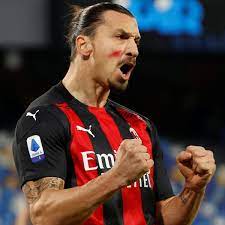
I am Football: Zlatan Ibrahimović

Zlatan Ibrahimovic is one of the most iconic names in football history. He is one of the most decorated active players in football. Zlatan has played for one of the biggest clubs in football history ( Ajax, Juventus, Inter Milan, Ac Milan, Barcelona, Paris Saint Germain, Manchester United). In this candid autobiography, one of the most enigmatic footballers of his generation shares his opinions on his great career and personal life. It has received numerous accolades for its candour and no-holds-barred attitude. It’s arrogant and aggressive, and it perfectly describes the guy, but it’s also evident that he’s self-aware, and has harnessed his inner qualities to become one of football’s most revered figures during the previous two decades.

I Am Football is extensively illustrated with photographs from Zlatan’s football career and concludes with over 50 pages of statistics from his career between 1999 and 2018, addressing queries such as how many minutes he played for Inter and how many goals he scored with his right foot. A compilation of all the facts for every club he has ever played for, as well as the Swedish national team.

It covers his football career from Malmö FF to Manchester United and the move to LA Galaxy, giving us a first-hand account of how he climbed from underdog to superstar, his move from Milan to Paris SG, and how he dealt with his devastating knee injury at Manchester United. On top of that, he tells us about his objectives, victories, and the constant sensation of needing to be better in order to be accepted. The book also includes interviews with players, managers, and friends who have been a part of his journey, such as José Mourinho, Paul Pogba, Patrick Vieria, Roland Andersson, Henrik Larsson, Thierry Henry, and Mino Raiola, to provide a more complete portrait of the man himself.

Much of the book has been serialised, with Arsenal requesting a trial and a slew of obscenities aimed at Pep Guardiola and Barcelona in general, but the story is far more interesting than any of the juicy sections picked ripe for press publication. There’s a lot to Zlatan; his family, particularly his father, were profoundly wounded by the Yugoslavia conflict, which had an impact on the footballer’s upbringing as a child. Zlatan goes out of his way to praise his father whenever there is a hint of criticism, but there is no escaping the stories about a young Zlatan frequently arriving home to find no food in the house while his father drank beer and listened to ‘Yugo’ music. His environment appears to have pushed Zlatan to seek out the guardian position that he had missed out on for much of his boyhood. The battles, disputes, and rebellion are all nicely chronicled and humourous as well as informative, but Zlatan looked to be looking for others to parent him for most of his early career without publicly asking for it.

The way he talks about Helena(his wife) makes it plain that he considers himself fortunate to have her; the two couldn’t be more dissimilar, and Helena was the stereotypical older lady in that she was classy, educated, and smart. Mino Raiola, who Zlatan worked with as an agent at Ajax, was the polar opposite. He was fat, sweary, pushy, and as impolite as he could get away with. None of that mattered since Mino got things done and really aided Zlatan.

While most will be left with the story of a man growing up and eventually fulfilling all of his aspirations, there is no getting away from the battles. Zalatan’s struggle with a petulant Rafael van der Vaart at Ajax is intriguing, and his AC Milan training ground brawl that left a teammate with a black eye reveals a lot about what manager Fabio Capello was willing to accept, and even promote. Capello is one of those men who commands Zlatan’s respect without question and has taught the player to accept it rather than earn it.

He’s arrogant, but it quickly becomes evident that much of this was developed as a protective strategy in childhood and increased when his anxieties about trusting people were validated. It would be difficult to read the book without warming to the player, and there is far more to learn from this than from any other football autobiography published in recent years.

With the revelations and insights, almost every page might launch a story on its own. As much as a look at Zlatan Ibrahimovic, this is a good view on how football truly works at the top level and will leave a football fan more informed on the dynamics of the game.