Teachers Day

We celebrate teachers day in memory of Sarvepalli Radhakrishnan .we as a whole have learned a lot from our teachers. Their lessons direct us at each phase of our life. They value the most in our lives, and this is the motivation behind why we observe Teacher’s Day devoting them. It is a day to praise the most encouraging bond between the teachers and the students.

Each student should value and regard their teachers. Their challenging work and sacrifices for our mental development are unimaginable. A teacher, some of the time, plays a more critical job than our parents. They shape up our future and build up our mind to differentiate between good and evil.

Photo by August de Richelieu on Pexels.com

A teacher additionally does the country building work by making the future of every individual living in a nation. Teachers show us, yet they likewise improve our character, ability level and certainty. They think for each person, that is the reason we should consider and respect them on Teacher’s Day every year.we must follow their lessons to become successful.

A Teacher is someone who acts as a guide and inspiration to people – both young and old. He/she is charged with the responsibility of creating awareness as well as opening the mind of people by instilling values, morals, and ethics. Teachers efforts are recognized during the teacher’s day. They shape minds, and we annually celebrate their contribution to the development of society in the form of Teachers’ day across the world. However, We celebrate The International Teachers Day on October 5th annually.

Teachers’ Day in IndiaTeachers are respected and honored for their important contribution in shaping individuals. 5th of September is annually celebrated as Teachers’ day in India. This is actually the birthday of the former President of India, Dr. Sarvepalli Radhakrishnan.

The contributions and efforts made by teachers never go unnoticed. This led to the inauguration of the Teacher’s day which seeks to celebrate the efforts made by the teachers. In India, we celebrate the teacher’s day on the birthday of Dr. Sarvepalli Radhakrishnan who was known as a man of many great qualities and attributes.

Teachers play many roles in overall development such as:

  • They guide children and students to leadership skills
  • They instill discipline into young people molding them into future
  • Also, they provide their students with spiritual and emotional guidance.

Teachers also come across numerous challenges in their day to day activities such as the unappreciative culture by the community as well as dealing with disciplinary issues of their students.

What can we do on Teachers’ Day?

A thank-you can go a long way. In our busy lives, we have come to forget expressing gratitude. Many studies have come up explaining the benefits that gratitude can have on the one who expresses it and on the one who receives it. We can take this opportunity as a day to thank our teachers and express our love and care for them.

  • We can suggest and provide assistance by making use of the skills that we have learned over these years.
  • Also, we can give them a visit on this day and share with them our experiences. This will for sure make them happy and proud of their efforts.
  • We can present a small token of appreciation, something that they could keep as a memory like a pen or a planner or something that would be useful for them.
  • We should also seek their blessings and let them know that we are always there for them when they need us.
  • Students can collectively gift them books and other materials and organize a get-together especially if the class has graduated.

Time spent with them and gratitude expressed would be a great gesture to make teachers happy and proud. It is very important to recognize their contribution to molding our personality.

Conclusion

Teachers play an important role in the development of any country. This is why it is vital to set aside a day when the teachers are given the recognition they deserve. We celebrate Teachers’ day to honor the contribution of Teachers in our lives. Duties undertaken by teachers in the upbringing of children is immense and thus being recognized with teachers’ day is a step towards recognizing the profession and the role they play in society.

Save Animals

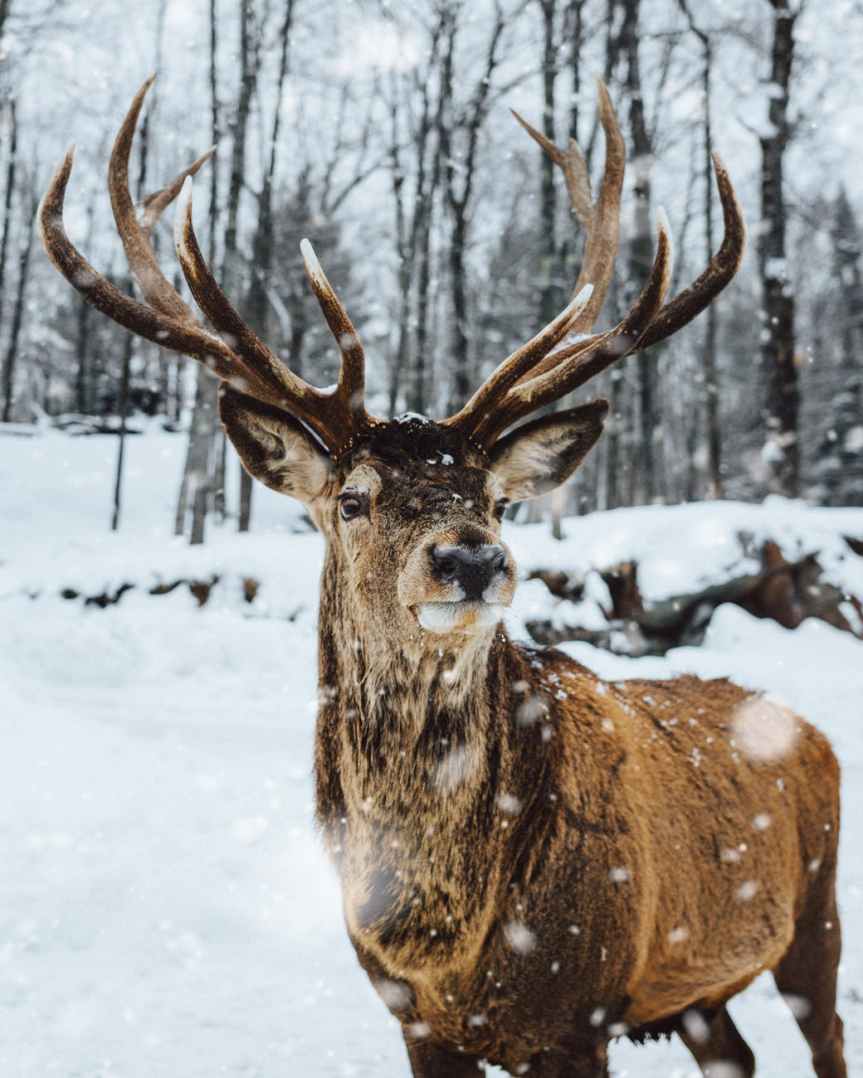
Photo by Blue Bird on Pexels.com

In the forest there is a large number of terrible and violent organisms. Elephants are the forest and the largest creature of land but it is vegetarian. Animals like Tiger, Tiger, Bear, Cheetah, Fox, Python etc are non-vegetarians. The lion is considered to be the king of the jungle because it is very powerful and its move is very robust.

Elephant is the only organism in the forest that has the ability to withstand it. That is why the man rides on an elephant and walks on the jungle. Seeing elephants, the lion does not come near them.

Some greedy people kill rare wild creatures for their immediate benefit. For the tigers their skins, the elephants are slaughtered for their teeth, musk dung to the kites and some animals are sleeping for the flesh.

When some wild creatures wander out of the forest of nature and wander in the fields then the rural people kill them. There is a need to strictly stop such activities.

The best way to protect wildlife is to increase the area of forests. Wild animals can live happily in it if there are wide forest areas. Hence there is a need to act seriously in this direction.

Animals are an important part of the food cycle, and humans depend on them for a wide range of requirements.It is important to save animals from extinction and human predators who like to hunt them for their personal gains.

Human life has become supreme to all else with no respect left for nature. To keep the balance of nature in place we have to save animals, hence the motto. Here are the reasons.Why you should strive to save animalsAnimals are an integral part of the natural In fact, human beings are also a form of animals. Yet many animals are in the danger of disappearing from the earth.Every animal has a place in the ecosystem in the food chain to keep life in balance. If the balance tilts disasters follow.Animals also have a role to play in our daily lives. They help in farming, transport or provide us food like milk, eggs, etc. We must protect them since they are dependent on usIn the past animals have had a greater role to play than now. Elephants, horses, and donkeys, etc. were commonly used to transport people or weights.Whether they are useful to humans or not, it is mandatory to respect that aspect of nature and to protect animals.There are many species of animals that are suffering from the aggressive actions and encroachments of human beings into the forests or other natural ecosystems.

Poaching in forests is another offense against wildlife.Tips to Save AnimalsIf you want to make a difference in the world and the lives of animals around the globe, here are some tips to get a jump-start on saving animals.You pledge not to wear anything that comes from animals such as leather. Just by this one step alone, you can save the lives of 100+ animals each year.You can also buy cruelty-free products such as soaps, lip balms, and shampoos where animals have not been poisoned, blinded or burned so that you can look more beautiful.You can also help save animals by not entertaining them in zoos, movies, and circus because in these places everything is denied to them and they are not in their natural habitat.ConclusionAfter the discussion, one must agree that ‘Save Animals’ must be a made into an awareness program for all to understand the value of animal life. Special reserve areas for protecting the endangered species where the human presence is controlled. They feel safe in their areas, and that is the only chance for them to breed and thrive. If you are really passionate about saving animals, you can even volunteer at the local animal shelter. You can help by walking dogs or cleaning out water bowls – anything that makes a difference in the lives of homeless animals.

Global Warming

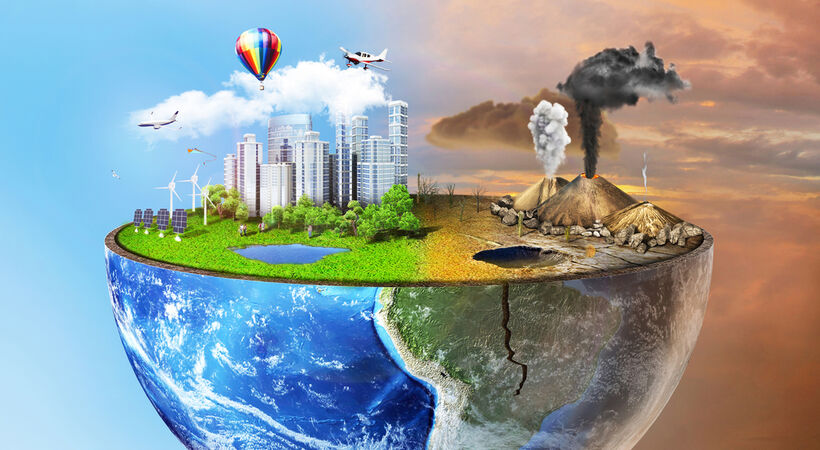
The global yearly temperature has risen by a little more than 1 degree Celsius, or roughly 2 degrees Fahrenheit, during the Industrial Revolution. It increased by 0.07 degrees Celsius (0.13 degrees Fahrenheit) every ten years between 1880 and 1980, when accurate recordkeeping began. However, the pace of rise has more than doubled since 1981: The worldwide yearly temperature has risen by 0.18 degrees Celsius (0.32 degrees Fahrenheit) every decade during the previous 40 years.

The world has never been hotter. After 1880, nine of the ten warmest years have occurred since 2005, with the five warmest years on record all occurring since 2015. Climate change doubters claim that rising global temperatures have slowed or stopped, however multiple studies, including one published in the journal Environmental Research Letters in 2018, have refuted this claim

Climate scientists have now concluded that we must limit global warming to 1.5 degrees Celsius by 2040 if we are to avoid a future in which the worst, most devastating effects of climate change: extreme droughts, wildfires, floods, tropical storms, and other disasters that we collectively refer to as climate change, will be part of everyday life around the world.

These effects are felt by all people in one way or another but are experienced by the underprivileged, the economically marginalized, and people of color, for whom climate change is often a key driver of poverty, displacement, hunger, and social unrest.

Photo by Andrea Schettino on Pexels.com

CAUSES FOR GLOBAL WARMING

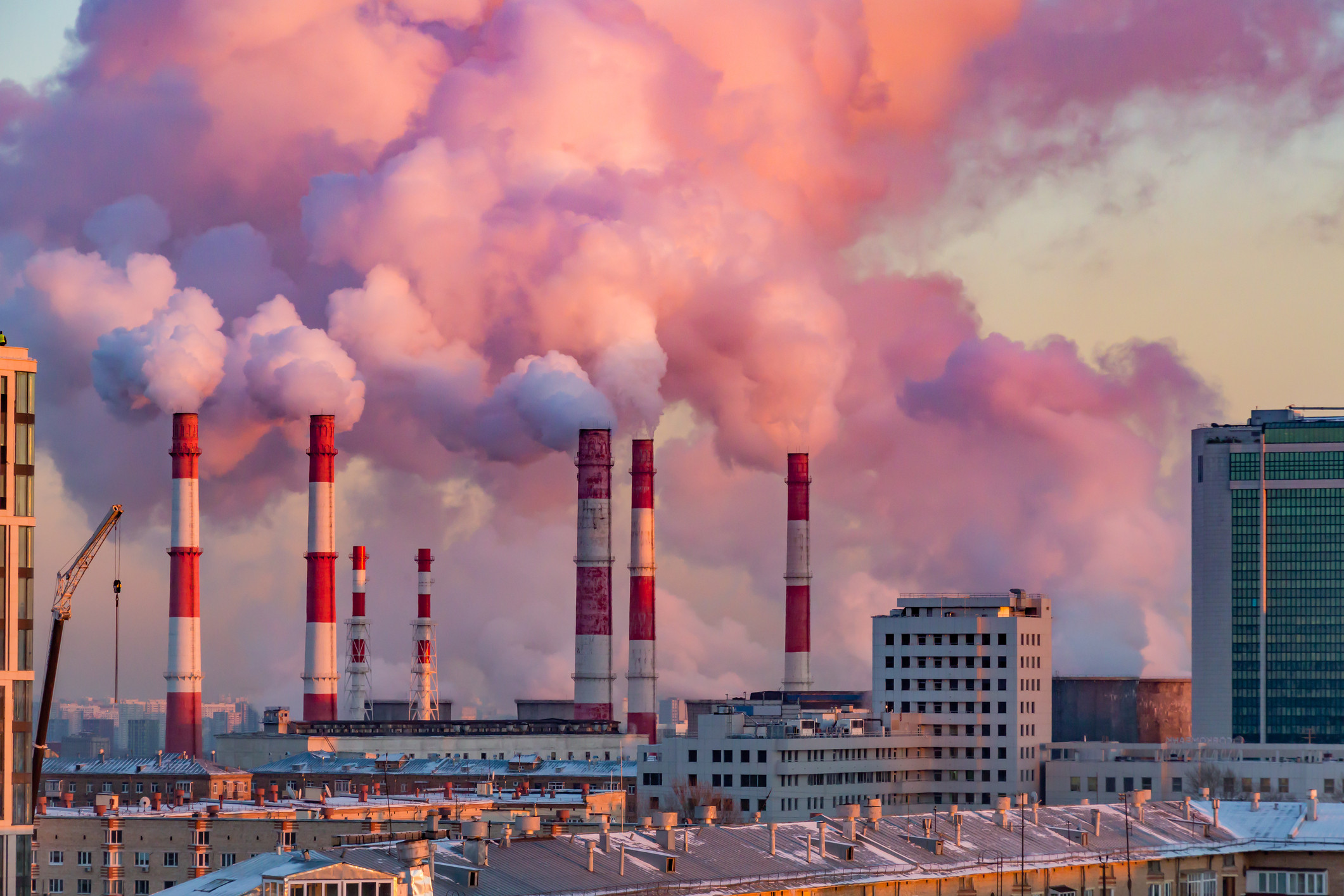
When carbon dioxide (CO2) and other air pollutants accumulate in the atmosphere, they absorb sunlight and solar radiation that has bounced off the earth’s surface, causing global warming. Normally, this radiation would escape into space, but these contaminants, which may persist in the atmosphere for years to centuries, trap the heat and cause the earth to warm.

Greenhouse gases are heat-trapping pollutants such as carbon dioxide, methane, nitrous oxide, water vapor, and synthetic fluorinated gases, and their impact is known as the greenhouse effect.

Though natural cycles and fluctuations have caused the earth’s climate to change several times over the last 800,000 years, our current era of global warming is due to human activity—specifically, our burning of fossil fuels like coal, oil, gasoline, and natural gas, which results in the greenhouse effect.

Transportation accounts for 29% of greenhouse gas emissions in the United States, followed by power production (28%), and industrial activities (28%). (22 percent).

To avert disastrous climate change, drastic reductions in emissions are required, as well as the widespread usage of alternatives to fossil fuels. The good news is that, as part of the 2015 Paris Climate Agreement, governments around the world have publicly pledged to reduce their emissions by setting new targets and developing new policies to meet or even exceed those standards.

The bad news is that we aren’t working quickly enough. According to scientists, we need to cut global carbon emissions by up to 40% by 2030 to prevent the worst effects of climate change. To achieve this, the international community must take quick and tangible efforts to decarbonize electricity generation by fairly transitioning from fossil fuel to renewable energy production.

Warming temperatures are generating longer and hotter heat waves, more frequent droughts, more rains, and more intense hurricanes, according to scientists.

The earth’s ocean temperatures are also rising, allowing tropical storms to pick up more energy. To put it another way, global warming has the potential to transform a category 3 storm into a more dangerous category 4. In reality, scientists have discovered that the frequency of North Atlantic hurricanes, as well as the number of storms that reach classifications 4 and 5, has increased since the early 1980s.

Photo by Pixabay on Pexels.com

Communities are suffering and death tolls are rising as heat waves, droughts, and floods linked to climate change grow more common and intense. Scientists think that if we don’t lower our emissions, climate change would kill over 250,000 people per year and push 100 million people into poverty by 2030.

Climate change affects everyone, yet not everyone is affected equally. Indigenous peoples, people of color, and those on the margins of society are often the hardest hit.

Even while these communities have done the least to contribute to climate change, inequities built into our housing, health-care, and labor systems render them more exposed to its worst effects.

As a major contributor to global warming, the US has a responsibility to assist the world in moving toward a cleaner, safer, and more equal future. Other countries care about our duty, and we should care about it as well.

Is love depleting from the world of humans?

Photo by Min An on Pexels.com

“Love will find a way through paths, where wolves fear to pray”, as beautifully quoted by Lord Byron. Indeed “Love”, is one of the purest elements in the whole universe, which makes our world more beautiful.

Why do we love? Is it important to love others? Should we love ourselves? There are endless unexplored questions that make us think about it. For a poet, love is like seeing those dazzling stars at night, for a painter, love is beauty gifted by nature, for a philosopher it is something beyond existence. But one common thought which provokes in every human is that love makes us unite, it gives us harmony and a sense of comfort towards each other.

Love is illusioned in our minds, in our hearts, but yet it is fading somewhere from the world of humans.  Somewhere, we humans have forgotten how to love each other.

 We are living in a generation where humans are rebellious and have detached from the emotional state of being. In the Contemporary world, people have forgotten about love and its profoundness. Whether it is self-love, to love others, Humans are having a neglecting behavior when it comes to love and gratitude.

This era is an era of remorse! An era where we are afraid of each other. Humans are toxic to each other. Where people don’t care for each other.

Gone are the days when the world was a beautiful place with all the precious jewels of mother nature. Now our world is a place filled with hatred, jealousy, evilness towards each other. Humans are in a motive to devastate each other for their desires and to let down other humans.

The love is no more the love that was there in the 18th century when Romeo loved Juliet had an eternal for each other. This was the time when love was the most prominent role for all humans to perform. Humans are the most threatening creature on our earth which is not only depleting love but also depleting humankind.

Love is no more than the love we had!

We have lost all our ethics and norms and living a misleading life. Often, we are living a life that has become a misfortune. We are living beings with shallow hearts. We have created a world where faith and trust no longer exist, and if it all is found we are burdened with societal pressure that we fall apart from our convictions.

Love is considered feeble, rather is one of the most vigorous things in the universe.

But as we say there is always hope for all. Love never dies and so we are alive till love exists. It all depends upon us and our convictions that how we perceive it.

In the end, to conclude we can say that why to deplete such a beautiful thing from the world. Let’s make a world more alluring than it is. Let’s make the world a paradise by loving and caring for each other.

Rags to riches

If there’s one dessert that every person on this planet loves, it’s an ice cream! But one Mumbai-based label is giving every ice cream company a run for its money. Naturals Ice Cream companywhich started with an investment of Rs 2 lakh, now has a turnover of Rs 300 crore. 

Renowned for its cafe-like ice cream parlors, Naturals has 129 stores in all major cities of India, including Mumbai, Bengaluru, Hyderabad, and Delhi

“You don’t have to wait for the ‘big idea’. It is important to start and build upon the small ideas to create the biggest wins,” very well said by Raghunandan Kamath, the Founder of Naturals Ice Cream, hails from Mangaluru. The boy of a fruit vendor, Raghunandan learnt to distinguish good fruits early on. Shortly, his eldest brother came to Mumbai to make it big. He unveiled a cafe in Santa Cruz, and put Raghunandan in charge of the ice cream counter.

Raghunandan soon understood that ice cream was a unique and exotic dessert that grabbed the fancy of the working class, and was a symbol of elitism

In 1983, after getting married, he decided to start something of his own, and thus, Naturals Ice Cream came into existence in 1984.

Today, Raghunandan’s sons, Srinivas Kamath and Siddhant Kamathare assisting him operate the enterprise across India. 

While ice cream comes across as the ultimate sweet-tooth experience, production it is not very tough. For the past 37 years, Kamath has been leveraging small ideas to build his empire. 

At a time when ice creams were a rare, albeit prized possession and only aristocratic families had access to them, Kamath sold Pav Bhaji with ice cream. This pioneering brand also refrained their brand from artificial colours, flavours and preservatives that its competitors were using. 

Kamath keenly observed his surroundings to make ‘Naturals’ a household name — whether it was learning to pick quality fruits like his father, using his mother’s traditional hacks or taking customer feedback seriously.  

Today, his wife, Annapurna and sons, Siddhant and Srinivas also serve on the management board. Their staff of 125 members produce close to 20 tonnes of ice creams daily.

Originally from Puttur taluka of Mangalore in Karnataka, Kamath was the youngest of seven siblings. His mother was a homemaker and his father was a fruit vendor. The family of eight also cultivated some fruits on their one-acre land but their monthly earnings were as low as Rs 100.

The prospect of education looked insubstantial. Students of Classes 1 to 5 in Kamath’s school were taught together and despite failing in his exams, he was promoted. However, it was the lessons outside the classroom that Kamath liked the most. 

The COVID-19 pandemic saw a dip in sales for the brand’s business, but Siddhant, his brother, and their father are not new to challenges. In 1993, an income tax query on the business turned out to be a big blow for the company. “We incurred several losses because my father was not aware of several taxation policies,” Siddhant adds.

However, the family started on its road to recovery by giving out five franchises of the business.

Similarly, in 1991, when the economy had just opened, allowing foreign companies to open a business in India, ice cream companies like Baskin Robbins and Haagen Dazs posed a lot of difficulties for Naturals. 

There were no ‘MBA-level’ tactics used by this courageous businessman who simply wanted to sell fruit-flavoured ice cream. By moving into a niche segment like the ice cream market, which was largely overshadowed by a handful of brands, Kamath took a huge risk and his courage paid off !

reference- https://www.thebetterindia.com/258947/naturals-icecream-order-online-fruit-vendor-raghunandan-kamath-success-story/

https://yourstory.com/smbstory/indian-ice-cream-brands-naturals-ice-cream-mumbai/amp

China’s three child policy

Earlier In china, one child policy was there which began in 1980 and was severely enforced until January 2016 when it was replaced by two-child policy. 

China’s Communist Party Politburo meeting, headed by President Xi Jinping, declared on May 31,2021 that each couple in the nation will be allowed to have up to three children, a significant increase from the previous two-child restriction.

It was in response to the findings of the 2020 census, after Chinese mothers gave birth to just 12 million kids in 2020 and the global population increased to 1.412 billion in 2020 from 1.4 billion the previous year. 

So therefore, As officials strive to resolve the country’s long-term demographic imbalances, Chinese couples will now be permitted to have up to three children. Supporting measures are also proposed which aims at easing the financial strain of raising children, including educational and housing expenditures. However, Existing exceptions to family planning, such as the lack of birth restrictions for some ethnic minority groups, remain in force. Couples that have more children than they are allowed risk significant fines, as well as unofficial consequences such as job loss, especially for those in the public sector.

Policymakers also stated that with addressing housing and school expenses they will also enhance maternity leave regulations, in order to reduce the costs of having children. But, administration made no specific promises on these topics, but did state that it would “protect the legitimate rights and interests of women in the workplace.” 

The question now is why did the government modify the regulations in the first place. So, the government did so because its census shows long-standing demographic imbalances that might jeopardize the country’s economic viability, forcing Party officials to take action. Furthermore, unlike industrialized countries with low fertility rates, China remains a growing middle-income country with a limited social safety net. The fact that China does not accept large numbers of immigrants, domestic reproduction is even more important in maintaining the size of its workforce. Demographers predict that by 2050, the people over 60 years old will account for a quarter of the population because of which China’s economic growth and social services would be hampered by a declining working-age population and an increasing senior population. According to a research issued in 2019 by the Chinese Academy of Social Sciences, urban pension funds might run out by 2035 owing to demographic issues. Also, The one-child policy also resulted in selective sex-based abortions, resulting in a long-term sex imbalance with 723.34 million males and 688.44 million women in 2020.

The reaction of people are very important on such issues. So Therefore, An online poll was taken shortly after the modification was revealed which showed that 90% of those polled stated they “would not contemplate” having three kids. In response to this, an independent political economist in Beijing said that The three-child policy may have limited appeal for China’s new ‘lying flat’ generation, but it may have some hold on others. He further added that to enhance people’s willingness to have more children, the government should work hard to reduce the burden of education, housing, and other things. However, young Chinese are unlikely to desire bigger families  

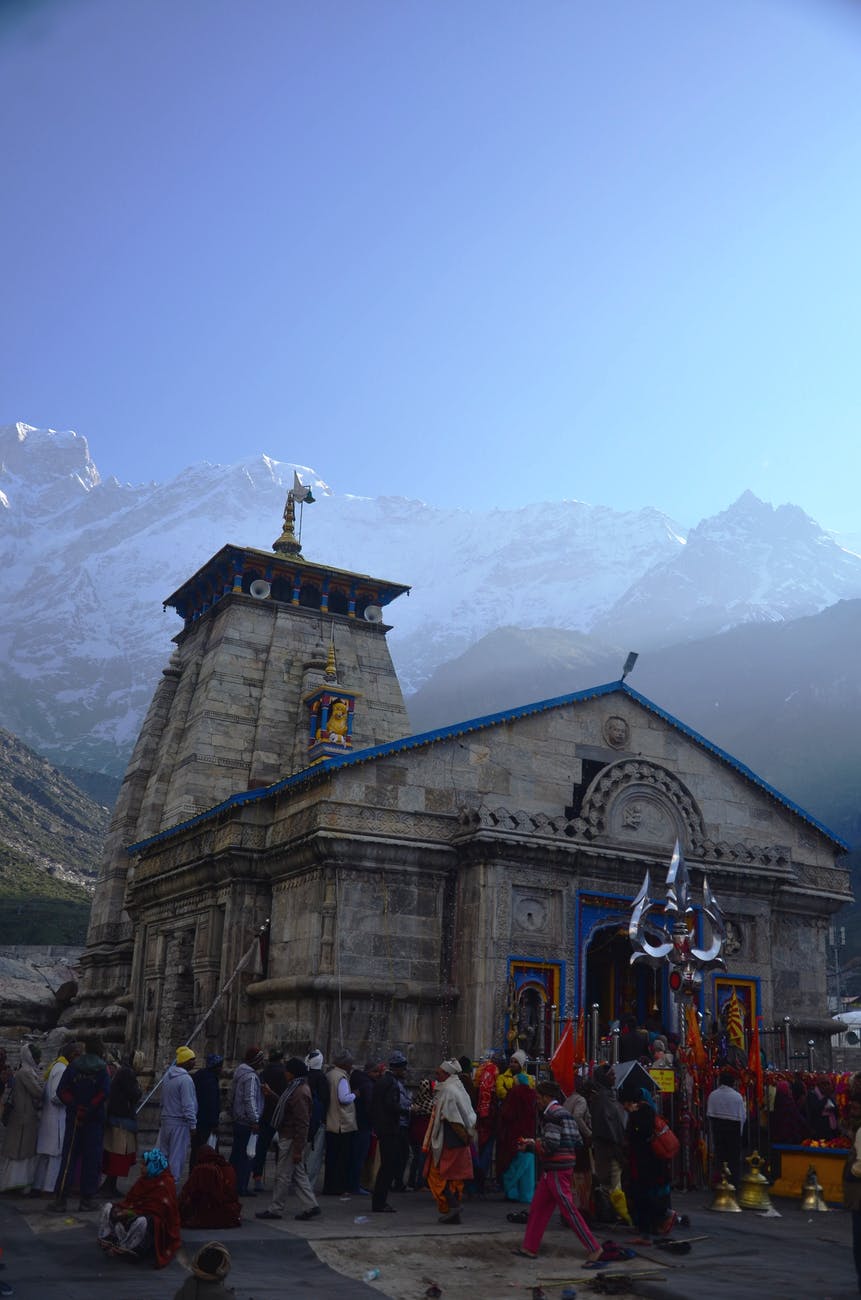
MUST VISIT PLACES NEAR KEDARNATH

  1. OMKARESHWAR TEMPLE

Located in Ukhimath this temple is the home of lord Kedarnath and Madhyamaheswar during winters.

2. BHAIRAVANATH TEMPLE

Bhairav Baba is known as ‘kshterapal’ the protector of Kedarnath Temple and kedar valley.

3. TRIYUGINARAYAN TEMPLE.

This is the place where Lord Shiva and GODDESS Parvati got married in presence of Lord Vishnu and Brahma.

4. VASUKI TAL

According to legends, Lord Vishnu had descended onto the earthly realm into this lake for a holy bath during the auspicious festival of Raksha Bnadhan.

5. RUDRA CAVE

Located one and half kilometers left from the Kedarnath Temple complex, Rudra Cave is an undergroung meditation cave.

6. SONPRAYAG

Soonprayag is a tiny hamlet on the confluence banks of river Mandakini and Basuki. Devotees take a dip in the holy waters with the faith to attain nirvana.

7. SHANKARACHARYA SAMADHI

It is believed that Sri Shankaracharya who propounded the adwaita Philosophy established this holy shrine and one of his four Mathas in the 8th century and attained Nirvana at age 32 here.

8. AGASTYAMUNI

Dedicated to Saint Agastya, the temple commemorates his one year tapas here. This ancient temple stands as an example of grand architecture and interiors with wall art adoring its wall.

The Geography of The Rugged Karakoram

The Karakoram is a mountain range traversing the borders of China, India and Pakistan, with the northwest extremity of the ranges even extending as far as Afghanistan and Tajikistan. The ranges begin in Afghanistan’s  Wakhan Corridor in the west, encompasses the majority of Gilgit-Baltistan, also known as PoK(Pakistan occupied Kashmir) and extends into Ladakh in India and the disputed Aksai Chin region(controlled by China). They are the second highest mountain range in the world.

Etymology

The name ‘Karakoram’, comes from the local Turkic language. ‘Kara’ meaning Black and ‘Koram’ meaning Gravel. The early European travellers also used the term ‘Muztagh’ which meant “Ice Mountain” for the range now known as Karakoram. The word is still used in the names of the peaks of the range. In traditional Indian geography the range was known as ‘Krishnagiri'(black mountains).

Geography

The range is about 500 km(311 miles) in length and is the most heavily glaciated part of the world outside the polar regions.

The Karakoram is bounded on the east by the Aksai Chin plateau, on the northeast by the edge of the Tibetan(Xizang) Plateau and on the north by the river valleys of the Yarkand and Karakash rivers of China’s Xinjiang Autonomous Region beyond which lie the Kunlun Mountains. At the northwest corner lie the Pamir Mountains

The southern boundary of the Karakoram is formed, west to east, by the Gilgit, Indus and the Shyok Rivers, which then separate the range from the northwestern end of the Himalayas proper. These rivers flow northwest before making an abrupt turn southwestward towards the plains of Pakistan. At the middle of the Karakoram range is the famous Karakoram Pass, which used to be a part of the historic trade route between Ladakh and Yarkand, which connected to the Silk Road from East Asia to Europe, that is now inactive.

Highest Peaks of the Range

  • K2
  • Gasherbrum I
  • Broad Peak
  • Gasherbrum II
  • Gasherbrum III
K2

Passes

  • Kilik Pass
  • Khunjerab Pass
  • Karakoram Pass
  • Shimshal Pass

https://www.britannica.com/place/Pakistan/The-Himalayan-and-Karakoram-ranges

SAROJINI NAIDU

Born on 13th February 1879, Sarojini Naidu was a Bengali. She was born in Hyderabad to a prosperous family. Since her young age, she showed exceptional skills that made her stand out from the crowd. She had beautiful skills of writing poems. Her marvellous writing skills offered her an opportunity to study in two of the best institutions, Girton College, University of Cambridge, and King’s College in England.

It was her family that instilled progressive thoughts and high values in her mind. She grew up in a very forward environment. This is the reason why she believed in equality and justice for all. With these excellent personality features, she grew up to be one of the best poetesses in India and an ardent political activist.

When the British Government implied the divide and rule policy to curb down the independence movement in Bengal by partitioning the state in 1905, she took it very seriously. She became a political activist and traveled a lot of places in India to deliver speeches. She wanted to see all the natives of contemporary India unite against the tyranny of the British colonial rule. All her speeches and lectures focused on nationalism and social welfare.

She took a step ahead and formed the Women’s Indian Association. This association was formed in the year 1917. She gathered many women activists like her. After three years, she then joined Mahatma Gandhi in the Satyagraha movement. She then carried her nationalistic deeds under the supervision of Mahatma Gandhi. She also took part in the 1930’s Salt March. The British police arrested the protesters and she was one of them.

She was on the frontline leading the Civil Disobedience Movement and Quit India Movement. Many significant nationalists and freedom fighters were present at that time. These two movements literally shook the pillars of British rule. She continued to fight for the independence of her country. After India got independence, she was appointed as the first governor of the United Provinces. She was also the first female governor of India.

She wrote excellent books on poetry. She had remarkable poetry skills. When she was in school, she wrote a Persian play named Maher Muneer. It was so good that she got praised by the contemporary Nizam of Hyderabad. In 1905, she published her first poetry collection with the name ‘The Golden Threshold’. She was a remarkable poetess who knew how to write poems for all. She has amazed children with her skills. She also instilled patriotism with her critical poems. Her tragic and comedic poems also have immense significance in Indian literature.

Industrial Revolution

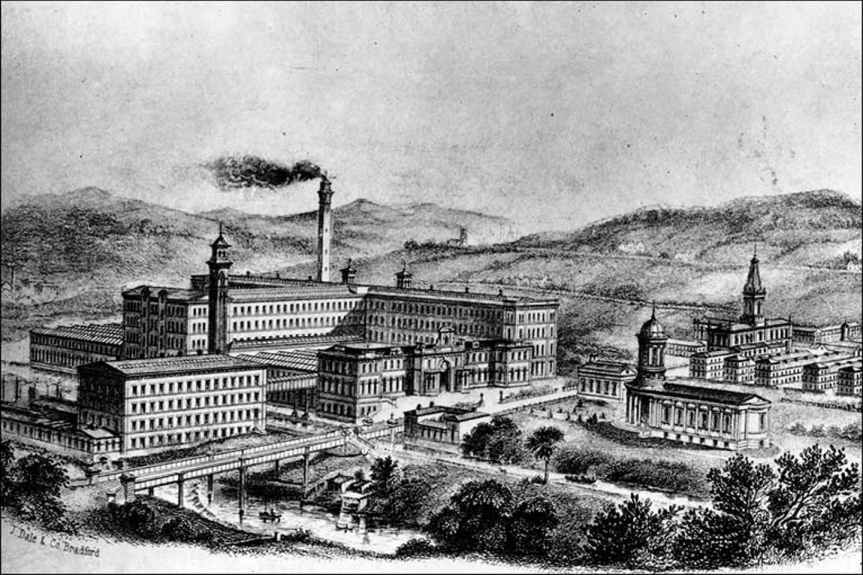
Industrial Revolution is the transition from agricultural economy to an economy dominated by industries and machines. Technology made it easier for people to work with modern approach to working and living. The concept of modern way of living with the help of machines first began in Britain and soon spread to different parts of the world.


The technological changes that were made consisted of – use of iron and steel; use of coal, electricity and petroleum as the new energy sources; new machines were invented like power loom and spinning jenny to increase production with minimum use of man energy; Factory system was adopted where labors were segregated according to their expertise; application of science. These technological advancements made it possible to manufacture more with maximum use of natural resources.


Other socio-economic changes were possible because of industry dominated economy like agricultural improvements, where food was available to people who belonged to non-agricultural society. Economic changed brought about better distribution of wealth among the people. It widely improved the growth of the cities that resulted in provision of better amenities and proper governance. State policies changed and were made more industry intensive. Art and culture had seen major transformation. With the use of machines, workers were more efficient in producing more modern and durable goods.


First Industrial Revolution began in Britain in 1760. Britain is the birthplace of industrial revolution. Britain were more aware of the need of industrial dominance with growing opportunities abroad. Britain had an astounding growth in textile industry. New inventions like power loom, spinning yarn helped weavers and spinners to build a massive industry in Britain and other countries. New techniques introduced were less expensive and highly productive.


Industrial Revolution gave birth to better ways of communication and transportation. Steam engine was the key invention in the revolution. These innovation widely spread across various industries like cotton mills, paper industry, iron industry.


Steam power in mining industries pumped water from deep mines. Factories were not the only result of this revolution, steam ships and railroads were invented too. Steam powered boats and ships were used by British to transport goods through rivers and canals.


Ways of communication had developed with the introduction of telegraphy system for effective communication over greater distances. Banks and financial institutions were significant during this time. Stock exchange was founded during 1770’s in London. British had created industrial dominance over a large part of Europe and other nations.


Belgium transformed economically when William and John Cockerill developed a machine. Resources like iron and coal were majorly used. Textile advancements were seen as well.


France were shifting to strategies to reach industrial revolution. Due to uncertain political situation, huge investments to grow industrial presence in France was not supported. Though, it stayed behind British in creating industrial power in Europe, it still was known to be a well-known revolution.

Germany’s industrial revolution did not start until 1870’s but when its revolution began it became the greatest producers of steel, leaving British behind and dominated chemical industry.

United States industrial revolution rose to power in 19th century. Mid-20th century was the period of industrial revolution in China and India.


Industrialization made transportation and communication simpler but worsened the working conditions of labors. Workers were forced to work for longer hours with lower wages. Small towns were transformed into cities and this transition gave rise to pollution and lack of sanitation. Thus, people opposed technological change in 19th century. To ensure workers interests are met, trade unions were formed and laws were passed to protect poor workers.

A Social Reformer : Bhaurao Patil

Bhaurao Patil we born at Kumbhaj, a village on the banks of the river Warna on 22 nd september, 1887. Though agriculture was the main occupation of his family, Bhaurao’s father, Paigonda Devgonda Patil, preferred to work as a clerk in the Renenue Department of the Government of Bombay.

Bhaurao patil came to Kolhapur after the latter completed his primary education. He was admitted in a Jain students hostel run by the orthodox Jain Community. It was during his stay at Kolhapur that Bhaurao came under the influence of the Satya Shodhak Samaj. In his own district, the heroes of the underground resistance movement of 1942-45 received considerable help form Bhaurao Patil. He urged that every village should have a school and every village school should have a trained teacher. For several years he concentrated more on the opening of teacher training colleges and primary schools rather than secondary schools. He wanted his students to be self-reliant, and they were expected to learn while they earned their bread.

Bhaurao lived long enough to see his Rayat Shikshan Sanstha grow like a banyan tree. He was widely acclaimed as a great educator of the masses. A few days before his death on 9th may 1959, in the University of Poona conferred on him an honorary degree of Doctor of letters. This was surely one of the glorious moment in his ardous life when he felt happy over the public recognition and appreciation of the noble cause which he upheld against all odds. Today Bhaurao Patil was not in our but he always remember to all peoples through his work.

Why Skyscrapers are not that great.

The story of early skyscrapers begins in the late 19th and early 20th century America. Between 1884 and 1945 numerous skyscrapers were built American cities of New York City and Chicago. The two cities competed with each other with many subsequent constructions surpassing the earlier one. The growth of the skyscrapers in the 20th century American cities were mainly fueled by dynamic economic growth as the demand for various new office spaces to hold America’s expanding workforce of white-collar employees continued to grow. With better engineering and construction methods it became easier to construct taller buildings.    

Flatiron Building in New York City finished its construction in June 1902. The 22 floors building was one of the first tallest skyscrapers and later in the subsequent decades even taller buildings were constructed.

But the developments of modern skyscrapers have many challenges and questions that need to be cleared. Though the growth of skyscrapers has not subsided, they are not the most ideal form of buildings. According to engineer Tim Snelson, of the design consultancy, a typical skyscraper will have at least double the carbon footprint of a 10-story building of the same floor area. This tells us that skyscrapers are not environmentally sustainable. Also, any additional methods to minimize the environmental impact will require overcoming the fight of the handicap of being a tall skyscraper in the first place. As the majority of the building is made with glass and steel frame, high-rise buildings are subject to the consequence of the substantial amount of sunlight and a lot of wind on their mostly glass skins. Glass is inherently inefficient in keeping excessive heat out of the buildings in summer or keep heat trapped in the colder months. This also leads to the reliance on continuous Air Conditioning.

The modern construction of skyscrapers in the cities of today is no longer driven purely by economic growth or the need for commercial office space, but instead, it is more driven by glamorous architecture construction and many times the dirty money gets funneled into the construction of Skyscrapers.  High rises also separate people from the street and people lose a connection to nature and the outdoors. The occupants in the tall buildings are often isolated from the street of the city and meaningful contact with ground-level events is often disconnected with taller buildings.  

High-rise buildings also lead to gentrification and inequality. It is no surprise that taller buildings often tend to be luxury units as the higher a building rises, it becomes more expensive to construct. This means that high rises also inflate the prices of the adjacent lands and driving out the affordable properties, thus increasing the inequality. The areas near the skyscrapers are often dark and swept under the shadow of these tall buildings.

Contrary to the popular notion, skyscrapers are not the only way to build high-density construction. The mid-rise buildings are often more able to house more amount of people per area compared to the high rises. Mid rises are also more flexible to affordable.  The mid-rises can work as a good middle ground between the taller buildings and low-density buildings. Instead of blindly building taller buildings we will have to look at the construction of our future buildings that are more sustainable, affordable, and efficient.

References:

AIR POLLUTION

Pollution

Any undesirable changes in the physical, chemical or biological characteristics of any component of environment i.e. air, water and soil – which can cause harmful effects on various form of life or property are called environmental pollution.

Any favorable unpolluted environment has pertains a specific composition in their component i.e. air, water and soil.

The problem like pollution come into existence due to short-term economic gain over long-term ecological benefits for humanity.

During last few decades we have contaminated badly on air, water and land on which life itself depends with a variety of waste products.

Be the part of Solution , not the part of Pollution…

We can survive without food for a few days, without water for few hours but without air it is impossible to survive for few min.

An average human require about 12 Kg of their each day which is nearly 12 – 15 times greater than the amount of food we eat.

Types

  1. Air pollution
  2. Water pollution
  3. Soil pollution
  4. Marine pollution
  5. Noise pollution
  6. Thermal pollution
  7. Nuclear hazard

Air pollution

Air pollution started from very beginning of human evolution. Hippocrates had mentioned air pollution in 400 BC.

  • Any undesirable changes in physical, chemical or biological characteristics of any component of the in air which can cause harmful effect on living things is called Air pollution.
  • Earlier the air pollution is caused only by burning of fire word as a means of cooking and heating.
  • With the industrial revolution the problem become more serious due to cold burning in the industries and development of Transportation system leads to large amount of petrol and diesel was started utilising in the beginning of 20th century.
  • Severe air quality problem due to diesel and petrol engines were felt for the first time in Los Angeles in1943.
  • The gaseous pollutants include oxides of sulphur, oxides of Nitrogen, carbon monoxide, volatile organic compound, Ozone etc.
  • Particulate pollutants includes smoke, soot, fumes, aerosoles, liquid droplets, Pollen Grain etc.
  • Radioactive pollutants include Radon222 , Iodine 131, Strontium 19 plutonium 239 etc.

Greatest industrial disaster leading to serious air pollution took place in Bhopal were extremely poisonous methyl isocyanide gas was accidentally released from union carbide pesticides manufacturing plant on the night of 3rd December 1984, the effect of this disaster on human health and the soil are felt even today.

Now we know this tragedy as Bhopal gas tragedy.

The London smog was the major disasters were recorded in 1952 which cause more than 8000 deaths due to accumulation of air pollutants over the city for 5 days.

Primary pollutants – primary pollutants are emitted directly from the point source (natural or human activities).

  • Five primary pollutants together constitute 90% of the Global air pollution
    • Carbon dioxide
    • Carbon monoxide
    • Sulphur oxide
    • volatile organic compound mostly hydrocarbon
    • suspended particulate matter

Secondary pollutants – secondary pollutants formed by the interaction of primary pollutants. example – peroxyacetyl nitrate, smog, Ozone, sulfuric acid, nitric acid, carbonic acid etc.

Indoor air pollution

Many people spend large portion of their time in inside the homes as much as 80% of their life.

We work study, eat, drink, sleep in enclosed environment whereas circulation may be restricted.

  • Children and Womens are more exposed to rest in indoor air pollution
  • Burning of dung cake , wood, kerosene for fuel.
  • Cigarette smoke
  • Incomplete combustion produce carbon monoxide that are injurious to health.
  • Chemical fumes from paint and solvents
  • Chemicals released from Modern building and Furnishing material

Effects of air pollution

  • Human health
  • Animals
  • plants
  • material
  • stratosphere
  • environment

Control of air pollution

  • Reduce energy uses
  • Remove pollutant generating stuff
  • Check the generation of pollutant where burned
    • Putting catalytic converter in automobiles.
  • Protect the object from pollutants
    • Coat statues with protective material.
  • Constructing walking and bicycle lanes
  • Encourage mass transportation

Should India have a national language?

A national language is the symbol of unity amongst the people of a nation and binds them together. It is what separates a nation from other nation’s. Amidst the sea of human beings of different race and culture having same facial features, it is a language which the person speaks that shows his/her identity(nation). It is a heritage of the entire nation which the people take pride in and it is what becomes their identity on the global platform. A person knowing many languages, connects them to many culture but there will be only one particular language in which they will take pride which is their national language.

Significance of national languages

History is evident of the statement that all the great leaders did their best to strengthen their national language to get an authority of power for their nation at the global platforms. One such example is of Zedong Mao, founding father of the People’s Republic of China ,who despite knowing many languages preferred to converse in Chinese at all global platforms . Today Mandarin Chinese, one of the thirteen Chinese languages is the official language of China and is the largest spoken language by the native speakers i.e. majority of the Chinese population prefer to converse in this single language which showcase their strength and unity.

Language Movement was one of the major cause of the start of civil disobedience movement in East Pakistan which led to the formation of an independent nation what we now call Bangladesh. During the partition of India , Pakistan got the western part as well as extreme eastern part of the former India which consisted majority of Bengali Muslims followed by Bengali Hindus and Christians. Though the religions were different it was the common term “Bengali” which is the language spoken by the natives of Bengal, which united the people there and thus put forth the pressure on the dominant Pakistan government to carry out all the official works in Bengali instead of Urdu. The clash of language and the reluctance of the latter to fulfill the demands of the inhabitants of West Pakistan was the reason for the formation of a new country.

What is the need of a National Language in India

India is a land inhabited by billions of people belonging to different culture practicing different customs and traditions but what unites us is the term “INDIANS” i.e. the nationality we share. There are 22 languages recognized by the Indian constitution which are mentioned in the eighth schedule. In the land of diversity while our nationality is the thing which bonds us, language sometime acts as a barrier to express oneself when a person is in a different part of the country.

If a north Indian from Punjab goes to South, trying to converse in their regional language ,their mother tongue which is Punjabi, the receipient may not understand the words. However, if there was a common language apart from the mother tongue which both the parties understand the act of expressing would have become more easier.

Should Hindi be recognized as a national language?

According to the CBSE curriculum, which have its school spread across almost every city of the country, Hindi is a compulsory language till class VIII.

Moreover, there are two main branches of languages in India which are Indo-Iranian and Dravidian languages. The INDO-IRANIAN BRANCH OF LANGUAGE is mainly spoken in the northern part of the country and various languages spoken in the northern part are derived from it like Hindi, English, Punjabi, Marathi, Bengali, Urdu. Being from the same branch of language they are more or less the same.

Whereas, the DRAVIDIAN branch of language is dominant in south taking regional languages such as Tamil, Telugu, Kannada and Malyalam under it wing.

Also, the north eastern languages are different from both of these.

Since majority of India speaks Hindi, it can be included as the national language not forgetting that it symbolizes the name of the nation in hindi which is HINDUSTAN.

SPARE TIME – NOT GADGETS TIME!!!

First, let me start my article with a question. What will you do in you spare time or free time these days? Everyone would answer that since it is pandemic time we are in home using gadgets in our free time right. Now, this has been the trend these days. Okay, let me put it this way. What will you do in your free time before pandemic. The answer is gadgets only. We have been immersed in the world of gadgets these days. What is a leisure time, guys? It is to make yourselves and your mind to set free of thoughts. But how can we say, using mobile phone in free time set your mind free? Just think about it. Now, let me tell you about the spare time these days and spare time during the late 20’s.

I think the 90’s kids and early 2k kids are the ones who enjoyed their spare time carefree even without a mobile phone. Because the environment and generation they grew up is like that. There will be only button phones those days. These kids in spare time, if they are farming family, those kids would do farming related works such as to feed the cattle, goats etc. If they have no work in their home, they would go out early and come home late in the evening. They would even be scolded those days. Do you have any idea how they spend their time?

Electronic Gadgets That Have No Further Use Stock Photo - Download Image  Now - iStock
Mobile phones those days

They spent their time by playing, cricket, kabbadi, etc., but most of them would play outdoor games. They used to swim in the well, catch fish and eat, roam around the area they live, and so on. Girls would spend their time by playing indoor games like dayam, chess, snake and ladders etc., because most of the girls are not allowed to go out too far. Parents those days never worried about them. But think about it now?

Kabaddi High Res Stock Images | Shutterstock

These 2k kids might not know the craze for icecream. Since, I’m an early 2k kid, I know how I waved for eating ice-cream. Also, the ice-cream van would come once or twice a week only. The kids would please their mom or dad, to buy that icecream. The taste in the icecream that we craved for is shown in everyone’s face. Then, if it’s some function or some ritual days, there will always a moving toy shop. The kids would torture their parents to buy them plastic mobile phone, balloon, remote control car etc., The happiness lies in these things. Sorry, 90’s kids, I think I have recalled your past beautiful memories, right? There won’t be private mobile phones for everyone. This is the major advantage I would say. Orelse, will you have those unforgettable memories? Let me ask you one thing. Those 90’s and early 2k kids, did you miss those days?

International Policy | USCCB

Now, when we come to talk about the life of children these days. Let me start my talk with a question. If your mom asks you to call neighbour aunt or uncle for something whose house is 200m away. What will you do? I would say you will definitely use your mobile phone to call them. But things aren’t like this those days. The kids now-a-days lives a sophisticated life since childhood so that they don’t know how to face a problem. The kids these days are very sensitive. When you parents say not to use mobile phone often, definitely you would scold them or pick a small fight with them. Parents now-a-days worry about their children so much. They fear what to do if you go in a wrong path. Most of the children won’t go out to play these days. If you ask them, they would say I have allergy or some other silly reasons. Because their entertainment lies in those gadgets like mobile phone, laptop, etc. I didn’t oppose the use of mobile phones but use it to a certain extent and don’t get addicted by that. There may be a chance that the children would go in wrong way while using these gadgets. There are negatives equal to the positives of the gadgets. The games that kids play now-a-days is free fire, pubg, ludo,etc. But they don’t know about indoor and outdoor games. I’m sure that the kids these days would definitely miss their childhood days and that would be the thing they regret in their life. So, kids make your childhood memorable dears!!

Use gadgets limitedly

Spare time is to relax yourselves and make you mind set free from other thoughts or continuous work. These facts fits for elders too! As I said, Since it is like a debate, I will stand on the side of spare time those days (late 20’s). This doesn’t mean that I am against gadgets, but they are just for need. Those gadgets are not life. Okay, we have gadgets now. What will you do one day without gadgets? Guys, you must also know to spend time without gadgets. I hope you will think better and will live a healthy and happy life. Spare time is relaxing yourself not engaging yourselves in gadgets!!!

Iam i your spare time quotes 11 reasons why you should schedule free time  for yourself | Dogtrainingobedienceschool.com
TOP 25 FREE TIME QUOTES (of 144) | A-Z Quotes