Mental Health

We human beings often tend to pay less attention to our mental health than our physical one, but we all should understand its heavy importance and admit the fact that they can be equally or even more dangerous than the physical issues so one should take immediate help of doctor or councilor in case some abnormalities or issues arises.

Importance of mental health :
Mental and physical health are equally important components of overall health. Mental illness, especially depression, increases the risk for many types of physical health problems, particularly long lasting conditions like stroke, type 2 diabetes and heart disease. Similarly, the presence of chronic conditions can increase the risk for mental illness.

Some mental illnesses :
Mental illnesses are among the most common health conditions in the united states.

* More than 50% will be diagnosed with a mental illness or disorder at some point in their lifetime.

* 1 in 5 children,either currently or at some point during their life, have had a seriously debilitating mental illness.

Causes of mental illness :
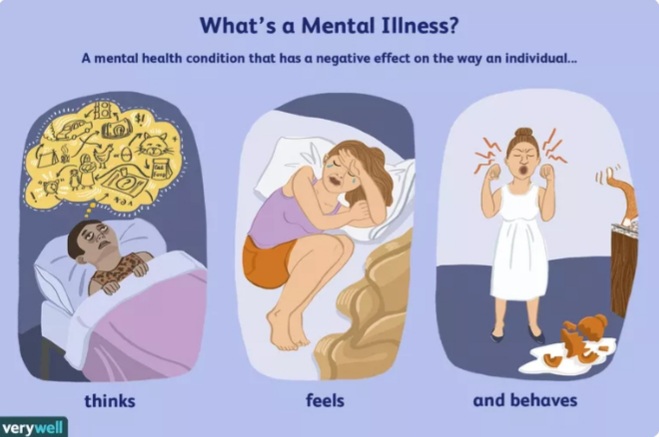
There is no single cause for mental illness. A number of factors can contribute to risk for mental illness, such as

* Early adverse life experiences such as trauma or a history of abuse.

* Experiences related to other ongoing medical condition, such as cancer or diabetes

* Biological factors, such as genes or chemical imbalances in the brain.

* use of alcohol or recreational drugs.

Types of mental illness :
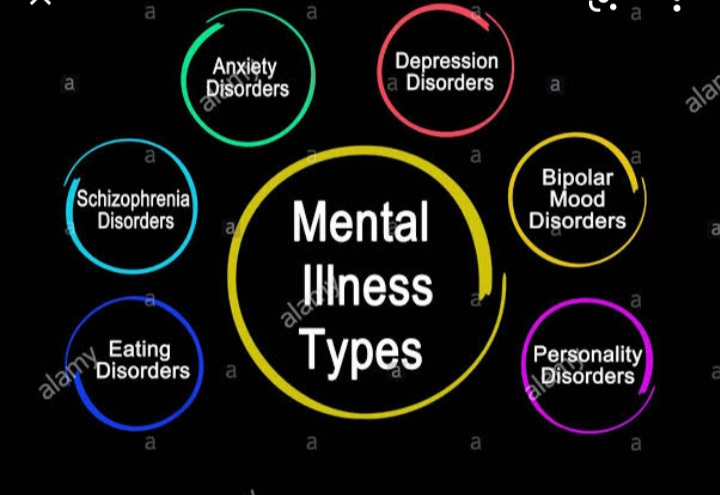
People can experience different types of mental illnesses or disorder and they can often occur at the same time.Mental illness can occur over a short period of time or be episodic. This means that the mental illness comes and goes with discrete beginnings and ends. Mental illness can also ongoing or long term.

There are more than 200 classified types of mental illness. Some of the main types of mental illness and disorders are listed below; however; this list is not exhaustive.

Anxiety Disorders :

People with anxiety disorders respond to certain objects or situations with fear and dread or terror. Anxiety disorders include generalized anxiety disorder, social anxiety, panic disorders and phobias.

Hyperactivity Disorder :

It is one of the most common childhood mental disorders. It can continue through adolescence and adulthood. People diagnosed with ADHD may have trouble paying attention, controlling impulsive behaviors or be overly active.

Disruptive Behavioral Disorders :

It involves a pattern of disruptive behaviors in children that last for atleast 6 months can cause problems in school, at home and in social sitauations.Behavioral symptoms can also continue into adulthood.

Depression and other mood disorders :

While bad moods are common and usually pass in a short period, people suffering from mood disorders live with more constant and severe symptoms. People living with this mental illness find that their mood impacts both mental and psychological well- being, nearly evry day and often for much of the day.

Eating Disorders :

Eating disorders involve obsessive and sometimes distressing thoughts and behaviors including

* Reduction of food intake

* overeating

* Feelings of depression or distress

* concern about weight, body shape, poor self image

Personality Disorders :

People with personality disorders have extreme and inflexible personality traits that cause problems in work, school or social realtionships. Personality disorders include antisocial personality disorder and borederline personality disorder

Substance use Disorders :

Substance use disorders occur when frequent or repeated use of alochol and or drugs causes significant impairment, such as health problems, disability, and failure to meet major responsibilities at work, school, or home. Substance use problems can be fatal to the user or others. Exsmples include drunk driving fatalities and drug overdoses.

In this busy world our brain gets a lot stressed and its very important that we should take due care of it, some of the practices which will help us to do better with our mental health are:
  1. Yoga plays a great role in keeping our mind calm and also helps us to focus and concentrate on things. It also helps us deal with tough situations and gives us the strength to stay away from negativity.
  2. Exercising regularly is a key to healthy body and we all know that a healthy body and a healthy mind goes hand in hand, so we must ensure that we exercise daily to keep ourselves fit.
  3. The environment that we stay in also the company with which we spend time also plays a major role we should be extremely aware while selecting our company and in case we are not able to adjust we should walk away.
  4. Food is the fuel and is of immense importance we should ensure that we are not nutrient deficient also we should ensure that we intake enough amount of water daily.
Self – confidence

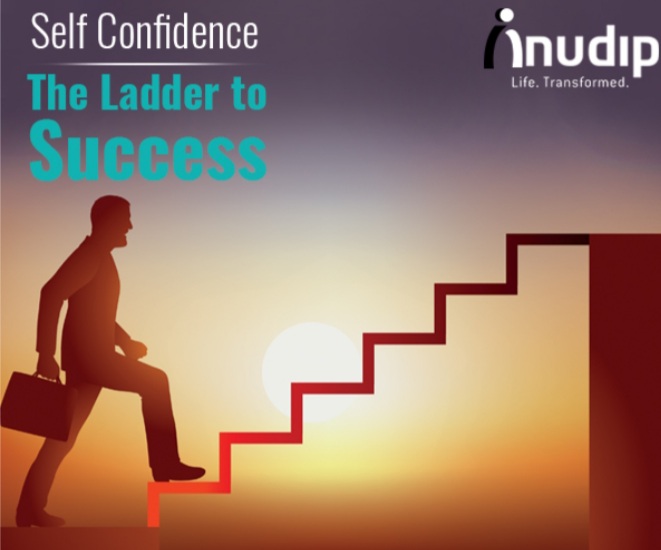
Self- confidence is a feelung of trust in one’s abilities, qualities, and judgment.children with a healthy sennsr of self-confidence are able to feel good about themselves and knoe that they deserve respect from others.
Confidence can be a tough thing to build up. We’ve put together some handy tips to help you put.


TIPS FOR BUILDING SELF – CONFIDENCE :


There are number of things you can do to build your confidence. Some of them arejust small changes to your frame of mind; others you’ ll have to work on fora big longer to make them familiar habits.


1.LOOK AT WHAT YOU’VE ALEADY ACHIEVED:


It is easy to lose confidence if you believe you haven’t achieved anythkng. Make a list of all the things you’ re proud of in your life, whegger it’s getting a good mark on an exam or learning to surf. Keep the list close by and add to it whenever you do something you’ re proud of. When you’re low in confidence,pull out the list a use it to remind yourself if all the awesome stuff you’ ve done.


2.SET SOME GOALS :


Set some goals and set out the steps you need to take to achieve them. They don’t have to be big goals; they can even be things like baking a cake or planning a nighy out with friends. Just aim for some achievements that you can tick off a list to hrlp you again confidence in your ability to get stuff done.


3.THINK OF THINGS YOU’RE GOOD AT :


Everyone has strengths and talents. What are yours? Recoginising what you’re good at,and trying to build on those things,will help you to build confidence in your own abilities.


4.TALK YOURSELF UP :


You’re never going to feel confident if you have negative commentary running through your mind telling you that you’re no good. Think about your self- talk and how that might be affecting your self- confidence. Treat yourself like would your bestfriend and cheer yourself on.


5.GET A HOBBY :


Try to find something that you’re really passionate about. It could be photography, sport, knitting or anything else! When you’ve workef out your passion, commit yourself to giving it a go.chances are, if you’re intetested or passionate about a certain activity, you’re more likely to be motivated and you’ll build skills more quickly.

Confidence helps us feel ready for life’s experiences. When we’re confident, we’re more likely to move forward with people and opportunities no back away from them. And if things don’t work out at fisrt , confidence helps us try again. It is the opposite when confidence is low.

Self- confidence is a feeling of trust in one’s abilities, qualities, and judgement. Some of the many causes of low self- esteem may include. Unhappy childhood where parents were extremly critical. Poor academic performance in school resulting in a lack of confidence.

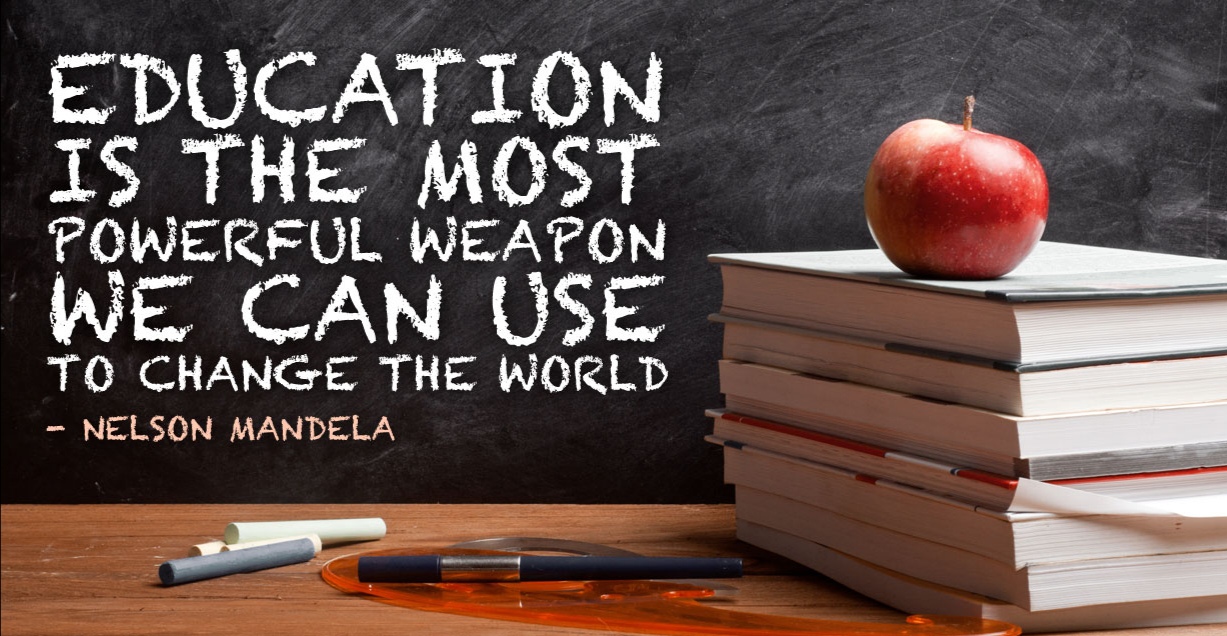
AIM OF EDUCATION IS TO BUILD CHARACTER

The aim of education should be building of character and not merely injecting of information.

– Pranab Mukherjee.

Education is a learning process that enables students and adults in a school community to understand, care about and act on core ethical values.

Learn the value of respect, justice, civic virtue and citizenship, and responsibility for not only themselves but also for others.

Education gives us the knowledge we need to know what dangers in society are and how to deal with them properly.
Intelligence plus character – that is the goal of true education. The complete education gives one not only power of concentration but worthy objectives upon which to concentrate.
– Martin Luther King Jr

Important aim of teaching should be producing students with good moral and skills for life.

Confidence and resilience are two character traits that are essential for success in the workplace.

As we all know, we faces various challenges after school life. We do not comfort with our good grade but we feel comfort with the character traits like confidence and resilience.

People with Confidence deals with well interview and prospect the more responsibility the within a job or any role.

People with resilience character, deals with failure rejection and various unseen obstacles in life. They face problems rather than wasting time on worrying about Minor failures. They always try to keep growing.

Education is the key to build characters

Producing students with good grades are not enough for them to face various kinds of challenges in their life. Good grapes are not going to help them for their fruitful life. But preparing students with good ethics, good Morals, social skills and life skills are really going to help them for their future challenges.

In today’s world the schools are focusing on student and forces them for good grades in academic. Parents also want their child to gain good grades in academics. but in future only good return are not going to work anymore. A person with with good grades and without any social or soft skills or ethics they faces competitions only.

Thus, focusing on building character is also very important for us.

To Grow Mentally and physically

Growing mentally and growing physically are two completely different things. Growing mentally refers to a person’s psychological growth the way we think and deal with different situations, and by what methods we develop and disseminate information. Growing up physically refers to a person’s physical growth like increased height, strength, and health. It can also refer to the development of your brain.
” The key to success is to keep growing in all areas of life mental emotional, spiritual as well as physical.” A healthy body can help your mind stay strong.when your body isn’t fit, it’s tougher to make challenging decisions.
Some of the tips will help you to improve both simultaneously.


ENRICH YOUR MIND :


keep challenging yourself to learn new things. By doing this, will gain more knowledge about things around you, and you will learn how to utilize things in a better way. Don’t let yourself get stuck in one place, either mentally or physically. Be proactive, curious, conscious and informed about the world.


Use your brain more often by doing brain exercises:


Exercising your brain means using it more. Generally the brain takes part in everything we do, but there are some types of activities which are specifically exercise our brains. Activities like doing puzzles, playing games like chess or scrabble, solving numerical problems, studying difficult topics and changing your dexterity, spatial reasoning and logic. Doing these mental exercises daily can sharpen your mind , and it can be an excellent way to strengthens neural links in your brain.


CONSUME NUTRIENTS THAT ARE GOOD FOR BRAIN:


Take in nutrients which are good for your brain. Foods that have antioxidants like vitamin c,e,b etc are good for the brain.consuming almonds and apple juice is also good for sharpening the brain.

THINK CRITICALLY :


when we hear, read or work on something, It is very important than we question everything and pay attention to details.such an approach can improve our thinking ability because it requires more brain work than mere observations.


DO PHYSICAL EXERCISES :


A healthy body means a healthy mind; regular exercise has a positive influence our brains function. The brain takes in nutrients from the blood, which makes the brain healthier. Physical exercise is essential for enhancing mental power .


EAT HEALTHY FOODS :


spend some time to examine which kinds of food bring you up and which foods bring down. Creating a diet plan can make you feel good, and gives you a sense of self-development. This will boost your sense of success.


GET BETTER SLEEP AND TAKE NAPS:


Get as much sleep as you need, around Seven or eight hours, every night. While sleeping well does not guarantee good health, it does help you to maintain many vital functions. Perhaps most importantly sleep helps you recover from the wear and tear of daily life. Major healing functions in the body such as tissue repair, music and mental growth occur almost exclusively during sleep.


SPEED TIME WITH PEOPLE :


Build a good support system with the people around you. Whether it’s your family, friends, or something else, find a group of people who are willing to support you in any circumstances. This increases flexibility and helps to provide perspective in the midst of stress and discomfort.


STAY AWAY FROM DRUGS AND ALCOHOL :
using cigarettes, alcohol, and illegal drugs damage your mental and physical health. Decreasing mental and physical stability produces” false” emotions.


FIND A GOOD LISTENER :


Find someone who is eager to listen to you, who you can talk to openly and freely. This can help you in relieving stress and anger and can heal you mentally, which ultimately has an impact on your physical health.


LAUGH MORE :


Laughter is the best medicine for human health. Human increases dopamine, and it improves memory and health.


GET RID OF BAD HABITS THAT HURT YOUR CONFIDENCE :


If you have a habit of smoking too much, drinking alcohol too much, spending too much time online, or a different habit that’s hurting your confidence, take steps to eradicate them. Study books, watch good films, play games, watch dances, and listen to songs; do the things that make you feel relaxed. Many studies suggest that watching TV and using a computer late at night is bad for your health.


STAR YOUR DAY BY THINKING ABOUT ONE GOOD THING YOU CAN DO :


Generally, it’s just a matter of deciding to do something good. Develop the habit of finding a good deed to do each day. Set aims and goals and follow through with them to attain them. By setting goals and gradually working to attain them , you will grow mentally.

International Chess Day 2021: Theme, History, significance and what to do?

Theme this year: “Teach someone how to play chess”

The idea to commemorate International Chess Day was proposed by UNESCO after it was established by FIDE in 1966. FIDE, the International Chess Federation has 181 chess federations as its members organize chess events and competitions across the globe on International Chess Day.

FIDE: Fédération Internationale des Échecs

-Chess was invented in India around 8th Century. It was known as chatrang-

Chess:

Chess is a board game played by two players. It is enjoyed all over the world. There have been many grandmasters and the records get tougher to hold the title. Chess is an abstract strategy game and involves no hidden information.

 It is played on a square chessboard with 64 squares arranged in an eight-by-eight grid. At the start, each player controls sixteen pieces: one king, one queen, two rooks, two knights, two bishops, and eight pawns. The main chessboard and pawns are black and white.

The goal of the game is to put the opponent’s king under immediate attack .i.e. in “check” and give no way for it to escape. There are also several ways a game can end in a draw. Each pawn has its own limitation of movements.

It is one of the most fun, intellectual, and brainy indoor games.

Players: 2

Abilities: Strategy, tactics

Fact: In 1997, Deep Blue became the first computer to beat the reigning World Champion in a match when it defeated Garry Kasparov.

History:

The origin of chess date around 7-8th century. Three are written in Pahlavi and one, the Harshacharita, is in Sanskrit. Chatrang was named shatranj, after the Islamic conquest of Persia. Xiangqi is the form of chess best-known in China

The modern piece movement rules began to appear in intellectual circles in Valencia, Spain around 1475. The queen replaced the vizier chess piece and by the 15th century had become the most powerful piece.

Prague-born Wilhelm Steinitz laid the foundations for a scientific approach to the game, the art of breaking a position down into components. In addition to his theoretical achievements, his triumph over the leading German master Johannes Zukertort in 1886 is regarded as the first official World Chess Championship.

Significance of chess:

“The United Nations recognizes that sports, the arts and physical activity have the power to change perceptions, prejudices and behaviours, as well as to inspire people, break down racial and political barriers, combat discrimination and defuse conflict, and therefore contrabute in promoting education, sustainable development, peace, cooperation, solidarity, social inclusion and health at the local, regional and international levels.

The designation of World Chess Day of the UN will not only recognize the important role of the FIDE in supporting international cooperation for chess activity and aiming to improve friendly harmony among all peoples of the world, but also to provide an important platform to foster, dialogue, solidarity and culture of peace”

-United Nations

Fact: The rules of chess are published by FIDE (Fédération Internationale des Échecs)

Notable Men and women in the world of chess:

  • Judit Polgár
  • Garry Kasparov
  • Vera Menchik
  • Magnus Carlsen
  • Rohini Khadilkar
  • Andrey Espienko
  • Nona GAprindashvili
  • Hou Yifan

Movies to watch:

  1. The Queen’s Gambit
  2. Queen of Katwe
  3. Pawn Sacrifice
  4. Searching for Bobby Fischer
  5. Brooklyn Castle
  6. Hikaru no Go

What to do?

LEARN CHESS!!

Cause why not? Learning moves or moving pieces entirely after thorough thought, being on your toes to find the easiest or quickest win to checkmate, and tricking someone to make the move you wanted them to do! It is a load of exercise for your brain.

Refernces:

https://en.wikipedia.org/wiki/Chess#1200%E2%80%931700:_Origins_of_the_modern_game

Bibliophilism: Throughout history till now

Photo by Karolina Grabowska on Pexels.com

Books are been our great friend for ages from Rome philosophers to modern novelists, comics, and manga or magazines! We as humans encounter so many changes with the evolution of books and their uses but what remains common in all of them is “books always feed us with information! Whether it is fun, important, tragic, or simply someone’s insights!”. Many people consider book their best friends (YES! we are bibliophiles . . . love for books called bibliophilism ) because it doesn’t behave different with others and always gives but never takes anything most importantly always be with you. Many fear what will happen with books as time goes and video and voice media starts replacing it in every zone books were used in profusion, but this fear is just a piece of fake news because now there is evident data on how books are more famous and popular than before! Thanks to e-books and these new video audio that are easily reachable to the masses and makes them curious so much so that they have to come to books at last resort to satisfy their curiosity, and there is no doubt books leave no stone unturned doing so!

So how does all this begins?

Photo by Alari Tammsalu on Pexels.com

Before the famous Gutenberg bible which is mass-produced by some metal type in Europe, each book used to be written by different people, and each book was uniquely written designed, and bound which used to give a lot more information about the ideological and religious beliefs of that period!

But this is the beginning of “what we call books” but to know how all this started we have to go back to clay tablet scrolls, and sheets of papyrus. Clay tablets were used by Mesopotamia back in the 3rd millennium BCE, they used to keep it very safe. To date, we have nearly found 20,000 such clay tablets. These tablets were used till the 19th century in some countries including Germany, Chile, the Philippines, and the Sahara Desert. From Egypt papyrus and clay tablets Romans used to write and erase through stylus !.in Asia people used to write on bones. Papermaking has traditionally been traced to China about 105 CE and traditional printing started in the 15th century. One thing which throughout the time stick with books are get “ban” as they are very influential, so authorities always wanted to control it.

Influence of books

Photo by Alejandro Avila on Pexels.com

Books have fascinating subject through time one who studies books is called bibliophile. It is known as former us president Roosevelt used to read one book a day !. most expensive book in history is the codex from Leonardo da Vinci which is bought by Bill Gates. According to a study book, readers have very fewer chances of Alzheimer’s than any other person in old age

Books in our modern world today expanded their reach and places from paperback to e-books are excellent for nature too as it is said from one tree we can make 50 books! And innovation in the field of books like digital book designing, 3d books, etc. is such an example. We are seeing nowadays it’s an affirming factor saying books not going anywhere any soon!

hey! how you guys think about your best friend .. BOOKS 🙂 pls comment down below and tell us which book you loved the most or reading RN ! till the next time , sayonara :).

SCIENCE AND TECHNOLOGY

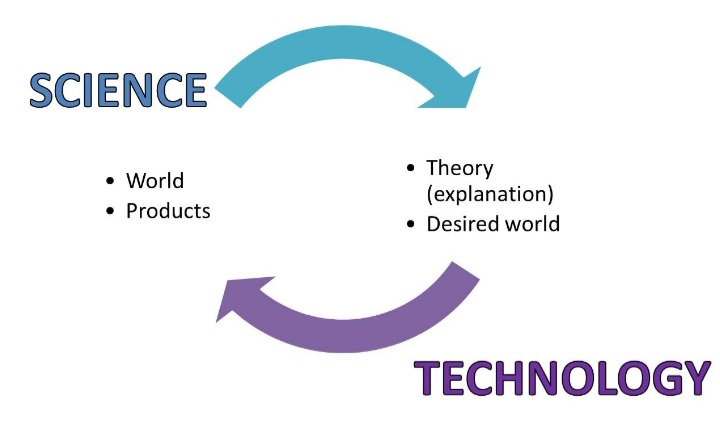
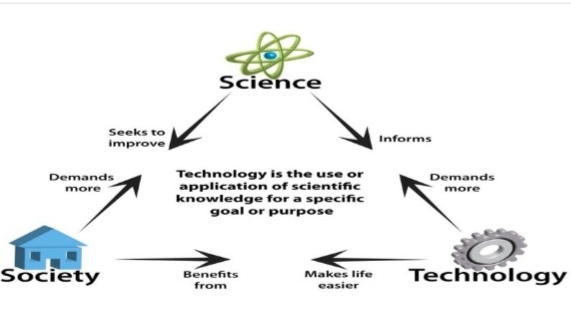
Science and technology play a huge role in our society as well as in our lives. Nowadays we all are surrounded by technology and are dependent on it for everything we do. Especially after this pandemic everything is in virtual mode and is completely based on technology. We live in the technological era where gadgets are of outmost importance to us. A gadget is simply a human made device which is programmed to reduce human effort and does a piece of job easily without any hassle.

In this fast-growing world we human beings are always surrounded by machines and gadgets for every need of ours starting from the time we get up in the morning till we again go to bed we even use gadgets while we are asleep such as air conditioner, insect repellent and many more. Science is a boon for us, but in the other hand as everything has its own merits and demerits there are also people who do use science for a bad cause. Technology is good but it is advisable to keep this technology out of the reach of children as otherwise they will not tend to learn things and will prefer to take the help of science to solve a particular existing problem this may affect their growth.

IMPORTANCE OF SCIENCE AND TECHNOLOGY :


Technology, science and knowledge are important in modern contemporary society. Essential questions include the following : How does science and technology produce new products, new ways of living and new nutritious? Why is new technology and knowledge so fundamental to us in the ways through which we imagine the future?


Technology, knowledge and science are fundamental in modern contemporary society. The understanding of how social, cultural and material elements influence the production of new practices, new ways of under of contemporary postmodern society. Studies of technology and science provides students with insight into how different processes of knowledge are initiated and progressed, and how innovative technological processes are developed employed and increase in importance.
In this manner, students will be provided with the academic basis for working with detailed analyses of different forms of technologies and process of knowledge within business life or industry and commerce, research work , political development, management of knowledge and innovation.


THE RELATIONSHIP BETWEEN SCIENCE AND TECHNOLOGY :


Science , technology and innovation each represent a successively larger category of activities which are highly interdependent but distinct. Science contributes to technology in at least six ways.

  1. New knowledge which serves as a direct source of ideas of new technological possibilities.
  2. Source from tools and techniques for more efficient engineering design and a knowledge based for evaluation of feasibility of designs
  3. Research instrumentation, laboratory techniques and analytical methods used in research that eventually find their way into design or industrial practices, often through intermediate disciplines.
  4. Practice of research as a source for development and assimilation of new human skill and capabilities eventually useful for technology.
  5. Creation of a knowledge base that becomes increasingly important in the assessment of technology in terms of its wider social and environmental impacts
  6. Knowledge base that enables more efficient strategies of applied research, development, and refinement of new technologies.

THe ROLE OF SCIENCE AND TECHNOLOGY


Teaching technological literacy, critical thinking and problem- solving through science education gives students the skills and knowledge they need to succeed in school and beyond.

SCIENCE AND TECHNOLOGY USED IN SOCIETY :


Science and technology have had a major impact on society, and their impact is growing. By making life easier, science has given an the chance to pursue societal concerns such as ethics, aesthetics, education and justice to create cultures, and to improve human conditions.

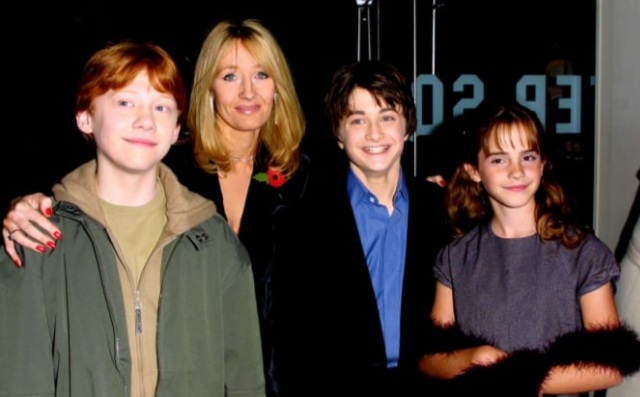
INSPIRATIONAL STORY OF J.K ROWLING

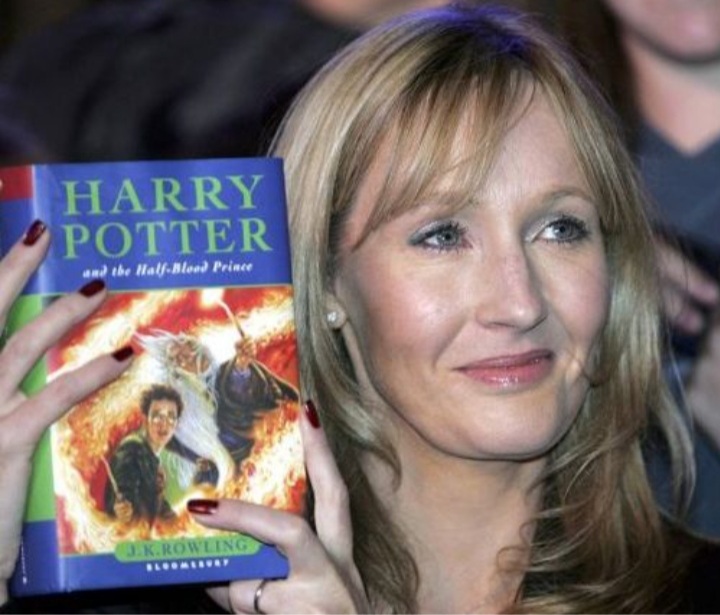
J.K Rowling’s story is one of the most famous insipirational failures to the success story of our time. She had failed in almost everything she attempted to do in her life and at one point she considers herself a major failure.


Most of the people only know her as a woman writer who created Harry Potter, but what people don’t know about the struggle she faces before reaching the stardom.


BIRTH AND CHILDHOOD :


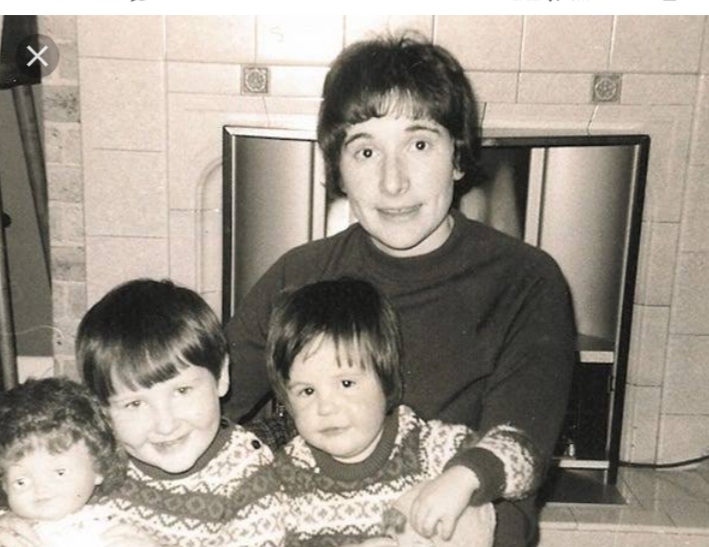
Joanne Rowling was born on 31st July 1965 in yate, Gloucestershire, England to Peter James Rowling and Anne Rowling. Her father was a Rolls- Royce aircraft engineer and mother was a science technician
She had one little sister, Dianne, as a child Rowling loves to write fantasy stories and read them to her younger sister. When she was a teenager she got a chance to read Jessica Mitford ‘s autobiography, from then on Mitford become her heroine and after that, she read all her books.


BOOK INSPIRATION AND MOTHER ‘S DEATH :


After working for Amnesty International as a researcher and bilingual secretary in London, Rowling moved to Manchester with her then- boyfriend where she worked at chamber of commerce. In1990, Rowling first had the idea for Harry Potter, a story of a young boy who attends a school of wizards, while she was on a 4 hour delayed train trip from Manchester to London.
While travelling the idea fully formed in her mind and when she reached her flat she began writing furiously. However, in December 1990 her mother died after 10 years of complications from Mutiplr sclerosis Mother’s death heavily affects Rowling and leave her extremely distraught and upset. Later she channelled her own feelings of her loss by writing about Harry’s feelings in her first book.


MARRIAGE, DIVORCE AND SINGLE MOTHER:


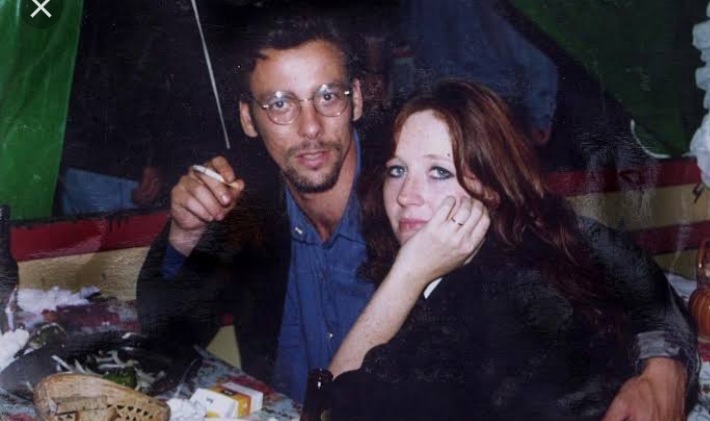
After a few months of her mother’s death, she moved to Portugal to teach the English language. There she met a man, fall in love with him, got married and gave birth to her daughter. In 1993 her marriage ended in Divorce and she with her infant daughter moved to Edinburgh Scotland to be closer to her sister.
This is the most struggling time for Rowling and she saw herself as a complete failure. She was divorced, jobless, no money and a dependent child. Because of all this, she suffered bouts of depression and contemplated suicide. Eventually, she signed for Government-assisted welfare describing her economic status as poor. It was a really difficult time in her life but she kept going on and put all her energy on completing her novel.


HARRY POTTER :


In 1995 Rowling completes her manuscript for Harry Potter and the philosopher’s stone on an old manual type writer. She was so poor at that time she could not afford a computer or even the cost of photocopying the novel, so she manually typed each copy and submitted to twelve publishing house in London.
The manuscript was rejected almost dozens time until she was finally given chance with £1,500 advance by a small London publisher, Bloomsbury after the company’s CEO little 8 years old daughter fell in love with it after reading the first chapter of the book.


In July 1997 Bloomsbury published first 1000 copies of Harry Potter series out of which 500 copies were distributed to libraries. Just five months later the book won Nestlé smarties Book prize it’s first award . In early 1998 an auction was held in America for the printing rights to publish the novel.
Scholastic INC won the auction for USB 105, 000, later Rowling said in a interview that she nearly died when she heard the news of this amount for printing her novel. Today Harry Potter is a global brand worth an estimated 15 billion dollars.
The last four Harry Potter books have set the records for the fastest selling books in history. The Harry Potter series to talking 4, 195 pages have been translated either in whole or in part into 65 languages. The Harry Potter books series have also gained recognition for creating an interest in reading among the children’s at a time when they were more inclined towards the Internet, computers and television.


FINANCIAL SUCCESS :


In 2001 J.K ROWLING purchased a 19th century killiechassie House, an estate house on the banks of the river tay in Perth. She also owns a £ 4.5 million Georgian house in West London. In 2004 , Forbes named Rowling as the first person to become a us dollar billionaire by only writing books.In 2017, according to Sunday times, Richard list Rowling net worth was approx. £ 650 million.


PERSONAL LIFE :


Rowling and her second husband Neil Murray were married on 26th December 2001. They live in Edinburgh with their 3 children. Rowling was a runner up in 2007. Time’s annual person of the year issue after Russia’s president Vladimir putin.


JK ROWLING’S RULES OF SUCCESS :

  • Failure helps you discovers yourself.
  • Take action on your ideas.
  • You will be criticised
  • Remember where you started
  • Truly Believe in yourself
  • learn from adversity.
    *Visualise to achieve
  • Persevere
  • Dreams can happen.
  • use your creativity.

Depression

Depression and anxiety are very common problem these days starting from teenager to elderly adults anyone and everyone can face this at any point in life and they equally affect us as any physical disease does, many people don’t take mental health seriously but it is outmost necessary to do so. Here are a few simple daily habits which will help you to deal with depression:

  1. Stay away from negative thoughts, and always try to focus on the filled part of the glass and try not to worry about the empty.
  2. Practice meditation regularly it helps to calm one’s mind and helps in relaxing the brain.
  3. Try to stay out from field where you feel irritated and also do try ignoring unnecessary mess.
  4. Physical exercising is a must for a healthy mind as it keeps the body fit and also helps keeping negativity away.
  5. The physical environment where one spends time and the company of people with which one spend time also plays a key role in determining the and dealing with depression issues.
  6. One must also take care of the diet, consuming fresh fruits and vegetables are highly recommended and one must take care that proper diet is consumed.

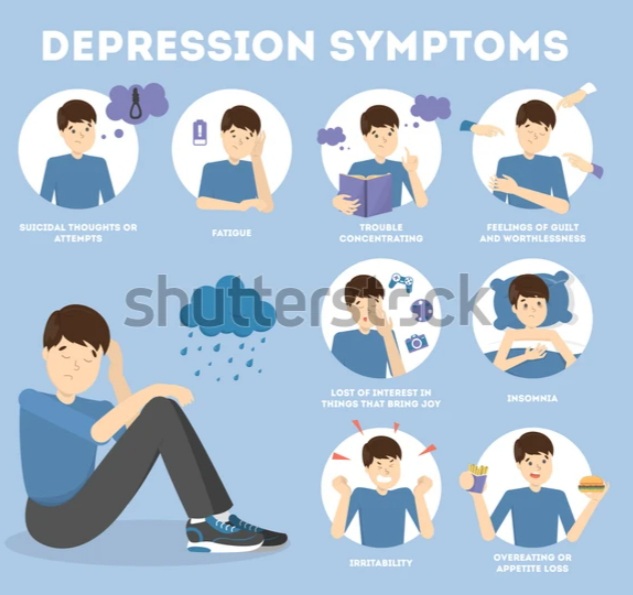
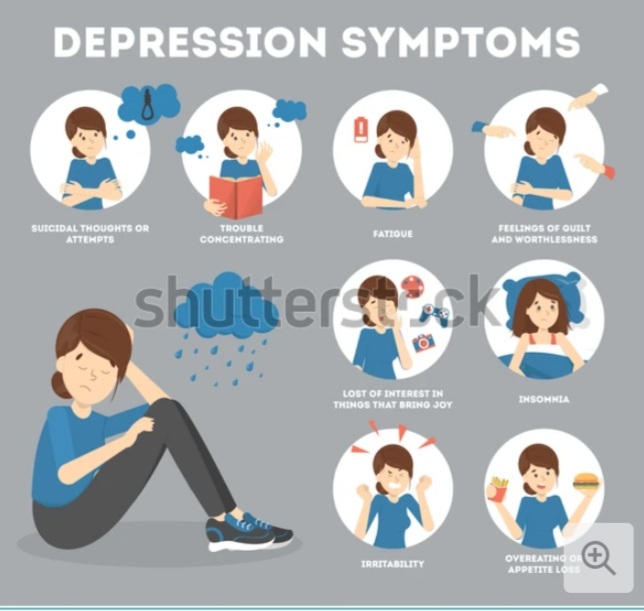
Depression symptoms :

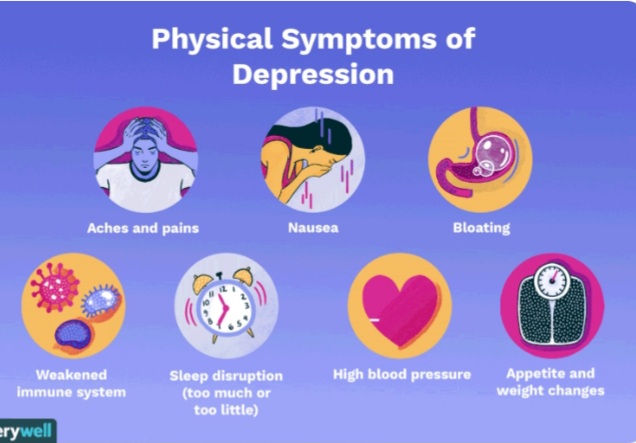
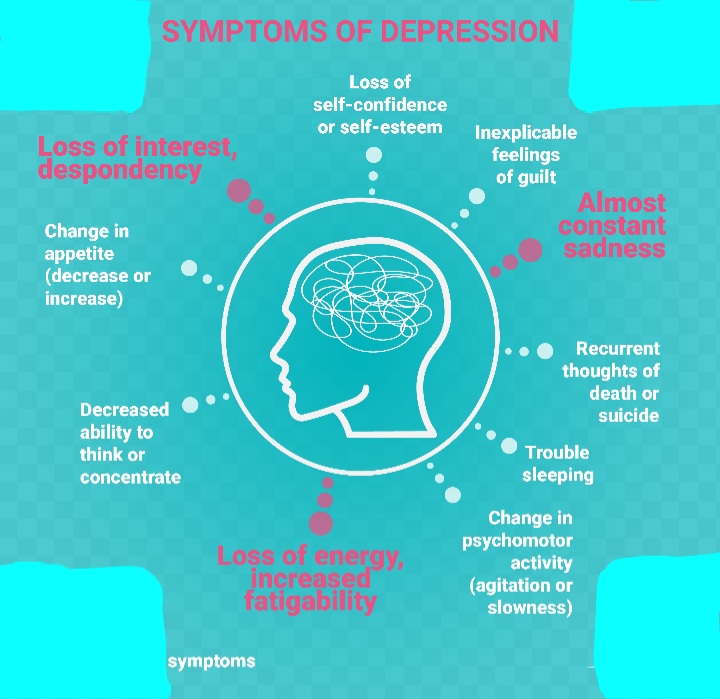
Depression can be more than a constant state of sadness or feeling ” blue”. Major depression cane cause a variety of symptoms. Some affect your mood, and others afect your body. Symptoms may also be onging or come and go. The symptoms of depression can be experienced differently among men, women and children differently.

Men may experience symptoms related to their:

* Mood, such as anger, aggressive, irritability, anxiousness, restlessness.

* Emotional well- being such as feeling empty, sad, hopeless.

* Behavior, such as loss of interest, no longer finding pleasure in favorite activites feeling tired easily , thiughts of suicide, drinking- execessively , using drugs, engaging in high- risk activities.

* sexual interest, such as reduced sexual desire, lack of sexual performance

* cognitive abilities , such as inability to concentrate, difficulty completeing tasks, delayed responses during- conversations.

* sleep patterns, such as insomina, restless slepp, excessive sleepiness, not sleeping through the night.

* physical well- being, such as fatigue, pains, headache, digestive problems.

Women may experience symptoms related to their:

* mood, such as irritability

* emotional well- being, such as feeling sad or empty, anxious or hopless.

* congnitive abilities,such asthinking or talking more slowly

* behavior, such as loss of interest in activities, withdrawing from social engagements, thoughts of suicide

* sleep patterns, such as difficultu sleeping through the night, waling early, sleeping too much.

* physical well- being, such as decreases energy, greater fatigue, changes in appetite, weight changes, aches,pain, headaches, increased cramps.

Children may dxperiences symptoms related to their :

* mood such as irritability, anger, mood swings, crying.

* emotional well- being, such as feelings of incompetence or despair, crying, intense sadness

* behavior, such as gettkng into trouble at school or refusing to go to school, avoiding friends or siblings thoughts of death or suicide.

* cognitive abilities, such as difficulty concentrating, decline in school performance, changes in grades.

* sleep patterns, such as difficulty sleeping or sleeping too much

*physical well- being, such as loss of energy digestive problems, changes in appetite, weight loss or gain.

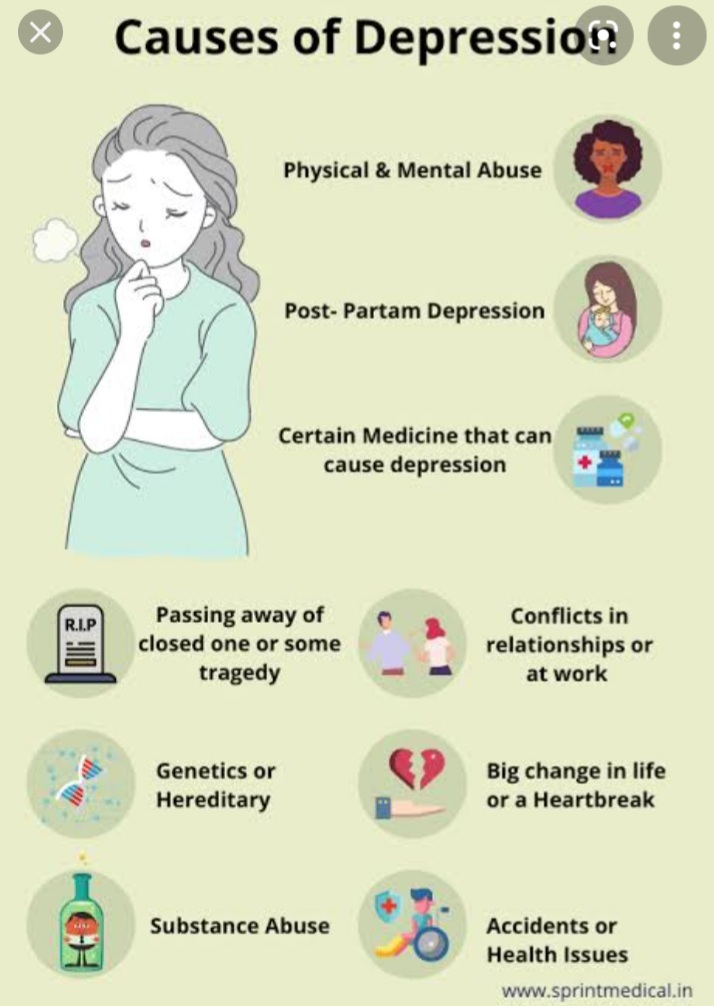
Depression causes :

There are several possible causes of depression. They can range from biological to circumstantial.

Common causes include ;

* Family history :

You’re at a higher risk for developing depression if you hace a family history of depression or another mood disorder.

* Early childhood trauma :

Some events affect the way your body reacts to fear and stressful situations

* Brain structure :

There’s a greater risk for depression if her frontal lobe of your brain is less active.

* Medical conditions :

Certain conditions may put you at higher risk, such as chronic illness, insomia, chroinc pain or attention- deficit hyperactivity disorder

* Drug use :

A history of drug or alcohol misuse can affect your risk.

Many factors can influence feelings of depression, as well as who develops the condition . The causes of depression are often tied to other elements of your health. Depression can be linked with to other health problems, your healthcare provider may also conduct a physical examination and order blood work.

Types of depression :

Depression can be broken into categories depending on the severity of symptoms. Some people experience mild and temporary episodes, whike other experience severs and ongoing depressive episodes.

There are two main types. Major depressive disorder and persistent depressive disorder .

Major depressive disorder :

Major depressive disorder is the more severe form of depression. It’s characterized by persistant feelings of sadness, hoplessness and worthlessness that dont’t go away on their own.

Persistent depressive disorder :

Persistent depressive disorder ( pDD) used to be called dysthymia. It is a milder, but chronic, form of depression.

It’s common for people with PDD to

* lose interest in normal daily activites.

* feel hopless

* lack productivity

* haveclow self- esteem

Depression can be treated successfully, but it’s important to stick your treatment plan.

Treatment for depression :

Living with depression can be difficult, but treatment can help improve your quality of life. Talk to your health care provider about possible options. You may successfully manage symptoms with one form of treatment ,or may find that a combinations of treatment works best.

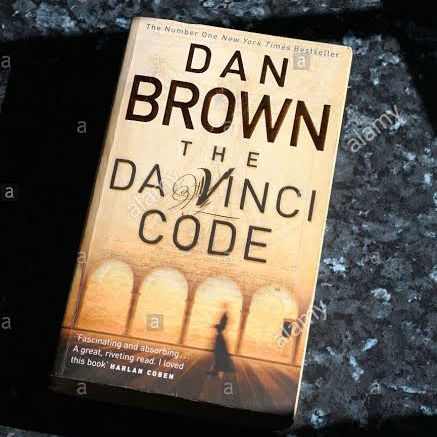
BOOK REVIEW: THE DA VINCI CODE

The Da Vinci Code is written by the famous author Dan Brown. He has a separate fan base who loves science fiction and thriller novels. He wrote many sci-fi books like Angels and Demon, The Deception point, Inferno, Origin, Digital fortress. All are well known among avid readers and some books are also adapted as movies too…

Book Plot:

Jaques saunière the curator of the Louvre has been murdered inside the museum. He wrote Robert Langdon’s name on the floor before he died. Harvard Professor Robert Langdon devoted himself to ancient histories, Languages, symbology, cultures as well as forbidden mysteries. He was falsely accused of murdering the curator, because, there is his name on the floor. So, the cops get him to investigate him.
Before Jaques saunière dies, he left a series of baffling codes. Which must be solved soon unless an ancient historical truth will be lost forever.
At that moment Sophie Neveu, a French cryptologist came to help Langdon from the situation. Robert Langdon and Sophie Neveu were stunned to find a trail that leads to the works of Da Vinci’s Monalisa and The Virgin Mary, the upcoming mysteries unfold an enormous history which Robert Langdon and Sophie Neveu have to find them. They both followed Jaques Saunière’s Clues closely and they started to reveal the mysteries one by one.
Why does Jaques Saunière have to write Robert Langdon’s name on the floor when he even doesn’t know him? Why Sophie Neveu has to help Robert Langdon and what are the mysteries that they need to hunt soon? Are the questions that the book contains.

About the book:

The plot and the Facts about the history and the ancient societies are beyond perfect…
In the beginning, I thought it’s the same thriller as every book. Yes, it is a thriller. it is the same with the cold-blooded murder, a mastermind villain and various right and left hands to help him, betrayal, false accusations, twists, and turns, etc… But, I loved the details about the ancient society, about the historical events and facts. I love hidden histories and if you too love them and didn’t yet read this one… Give it a try and you will never regret it.

Who can read it?

  • The language is legit. And the content of the book won’t be comfortable for children.
  • If you are a believer… I don’t recommend this to you. It has some breathtaking history about religionism.
  • If you are an adult and would love to read thrillers and mysteries. You must try this one it’s breathtaking.

Book Quotes:

Life is filled with secrets. You can’t learn them all at once.

Faith ― acceptance of which we imagine to be true, that which we cannot prove.

History is always written by the winners. When two cultures clash, the loser is obliterated, and the winner writes the history books-books which glorify their own cause and disparage the conquered foe. As Napoleon once said, ‘What is history, but a fable agreed upon?

Men go to far greater lengths to avoid what they fear than to obtain what they desire.

By its very nature, history is always a one-sided account.

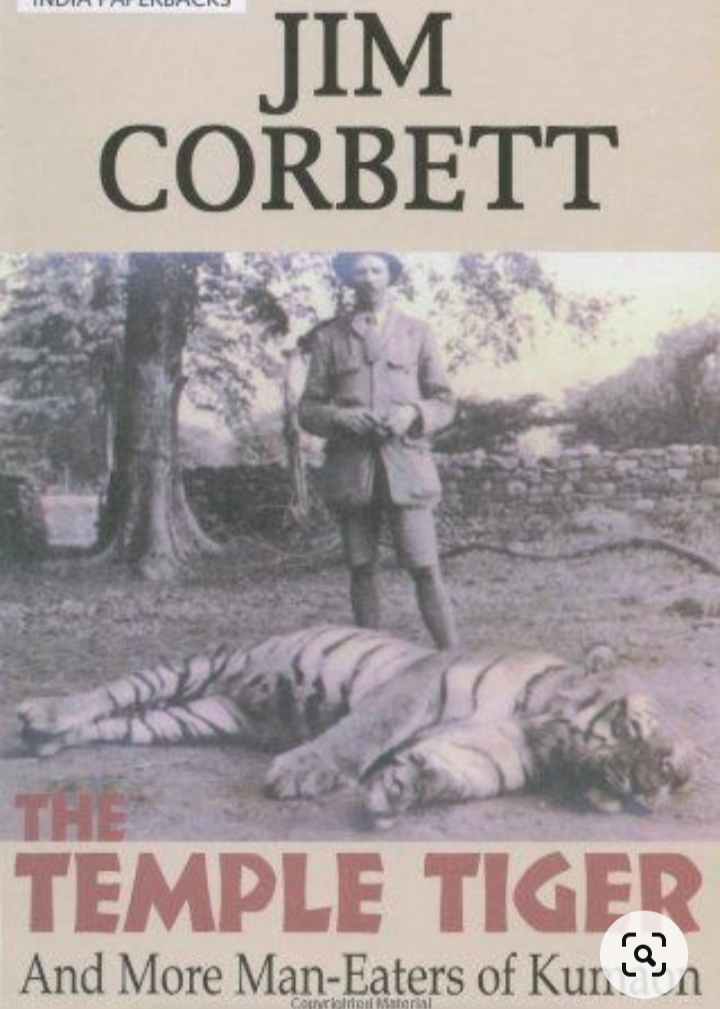
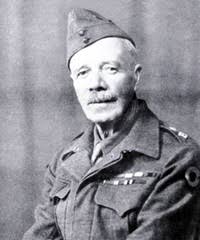
Jim Corbett’s Birth anniversary-“25 july”.


Full name – Edward James Corbett
Born – 25 July 1875 ,Nainital, (North-Western Provinces, British India
(now in Uttarakhand, India))
Died – 19 April 1955 (aged 79), Nyeri, Kenya
Nationality – Indian
Occupation – Hunter, naturalist, writer.

‘My India, about which these sketches of village life and work are written, refers to those portions of a vast land which I have known from my earliest days, and where I have worked; and the simple folk whose ways and characters I have tried to depict for you are those among whom I spent the great part of seventy years,’ -wrote Jim Corbett.

These words are not merely a description of a country by a man. These words reveal the life of a rare man who was British by blood but became an Indian at heart.

About Jim:

Edward James ‘Jim’ Corbett was born on 25 July 1875, at Nainital, United Province (now Uttarakhand) in British India. Corbett held the rank of Colonel in the British Indian Army, and worked for the Bengal and North Western Railway. Corbett was frequently called upon by the government of the United Provinces to slay man-eating tigers and leopards who had killed people in the villages of the Garhwal and Kumaon region. Corbett was able to succeed in many cases where numerous others had failed.

History:

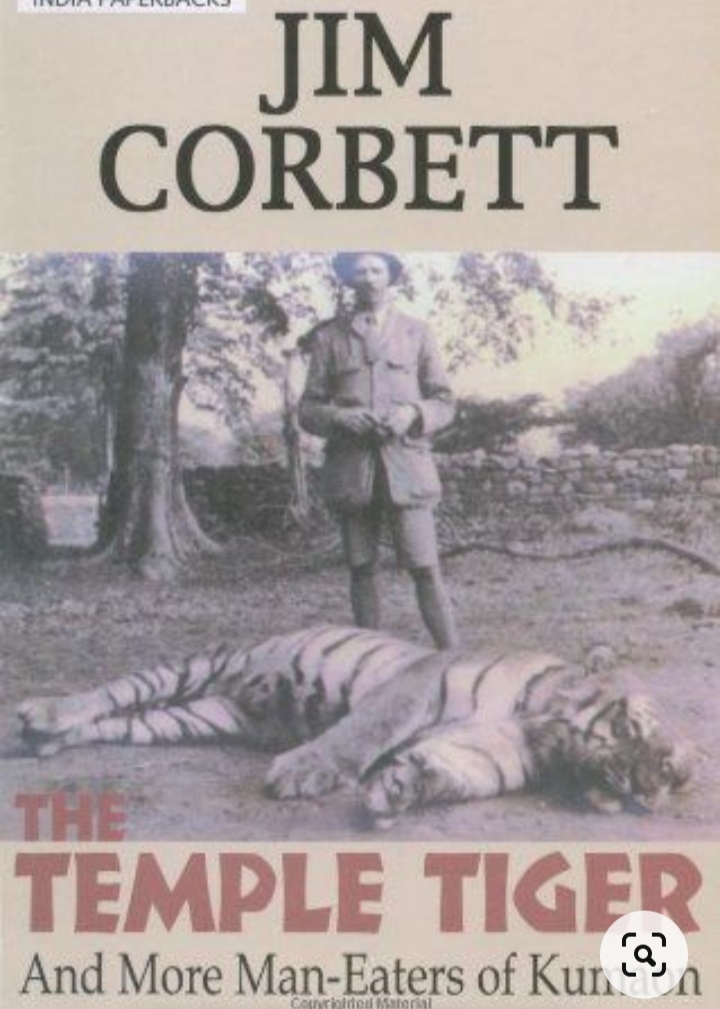
Between 1910 and 1938, Corbett shot much-feared man-eaters such as the Champawat Tiger, the Leopard of Rudraprayag, the Tigers of Chowgarh and the Panar Leopard, who had cumulatively killed over a thousand people. His success in slaying the man-eaters earned him much respect and fame amongst the people residing in the villages of Kumaon, many of whom considered him to be a saint or sadhu because of his simple, dedicated and honest lifestyle. After his retirement, he authored The Maneaters of Kumaon, Jungle Lore, and other books recounting his hunts and experiences. Corbett’s stories became best-sellers because he narrated tales bubbling with spine-chilling reality in simple and enjoyable language.

Corbett had great admiration for tigers and photographed them avidly in his later years. His attraction towards the uncorrupted beauty of nature in the wild started in his childhood. He could identify the call of most animals and birds from a very young age, owing to his frequent visits to the wild. He never shot a tiger or a leopard unless it turned a man-eater. Corbett was a pioneer conservationist and lectured at local schools and societies to create awareness about the need to respect the wild.

A great human being who would even risk his own life for saving somebody else’s, Corbett continued to write and sound the alarm about the declining numbers of jungle cats till the last days of his life at Nueri, Kenya. He was distressed when people described the tiger as a blood-thirsty’ and ‘cruel’ beast. He refers to his childhood when a child freely roaming about the forest often ended meeting a tiger, the latter giving him a clear, ‘Hello child, what the hell are you doing here?” look and walking away.

. “”a tiger is a large-hearted gentleman with boundless courage and that when he is exterminated-as exterminated he will be unless public opinion rallies to his support-India will be the poorer, having lost the finest of her fauna,””- Jim Corbett had written. This quotation also makes it very obvious that Corbett had great respect for India and Indians. When you read his description of his experiences with men like Bala Singh in his stories or read about the manner in which he could identify the distinct grieving of an Indian wife for her husband, you know why he is still so revered. Corbett passed away on 19 April 1955. The Jim Corbett National Park in Uttarakhand is named after him.

Life of Jim corbett:

In childhood, he has a deep fascination for the forests and wildlife, and due to his interest in wildlife, he became a good tracker and hunter with time. Due to his amazing skill of tracking and hunting, he was often sought after by the then government of the united province to track and kill the tiger and leopard who becomes a man-eater. Even though he was the skilled hunter, he never killed any wild animal other than man-eaters.After many years as a celebrated hunter, he then developed a hobby of wildlife photography, especially, recording films of tigers in their natural habitat. He also used to give lectures on the rich natural heritage of India and the importance of the conservation of forests and wildlife to the school students.

He also penned his experience as a hunter and written many books on wildlife and hunting experiences. His most famous book was Man-Eaters of Kumaon that intensely portrayed his own hunting adventures. Many movies, TV episodes and documentaries have been made that are based on this critically acclaimed book.Later in his life, Jim Corbett started a movement to conserve the wild animals and forests. He strongly supported the All-India Conference for the Preservation of Wildlife and promoted the foundation of the Association for the Preservation of Game in the United Provinces. He also used his influence over the provincial government and lead the path that cleared the establishment of the first national park in India, the Hailey National Park, named after the Lord Malcolm Hailey in 1930s. The name later changed to the Jim Corbett National Park after the independence of India in 1957 in the honor of the legendary Jim Corbett.

Vedic Literature

A few centuries after the decline of the Harappan civilization, a new culture flourished in
the same region and gradually spread across the Ganga-Yamuna plains. This culture came
to be known as the Aryan culture. There were significant differences between this culture
and the culture which preceded it.
Aryans settled on the banks of rivers Indus (Sindhu) and Saraswati (which is now non
existent). They composed many hymns in honour of the gods and goddesses they
worshipped. These were compiled in four Vedas – the Rig Veda, Sama Veda, Yajur Veda
and Atharva Veda. The word veda means knowledge of the sacred spiritual knowledge.
These vedas were considered infallible as they imparted the highest spiritual knowledge.
Initially the Vedas were transmitted orally. Since our knowledge of the early Aryans is
based on these Vedas, the culture of this period is referred to as the Vedic Culture. Scholars
divide the vedic period into the earlier and later Vedic period. The earlier is represented by
the Rig Veda while the latter by all other Vedic literature including the Brahmanas, Aranyakas
and Upanishads. Two epics, the Ramayana and the Mahabharata and the Puranas, though
compiled much later, also throw light on the life and society of an earlier period. For this
period archaeological evidence has also been found in some areas of Uttar Pradesh.

Society and religion
Though Aryan society was patriarchal, women were treated with dignity and honour. The family
was the smallest social unit; several families (kula) made a village (grama) and several
villages formed a vis. A number of villages formed a tribe or jana which was ruled by a
chief called rajan. His chief function was to protect the tribe from external attack and
maintain law and order. He was assisted by the members of two councils called sabha and
samiti. The Purohita performed religious functions while the senani looked after military
activities. There was no concept of the state or kingdom at this stage. Although the post of
Rajan had become hereditary, he could be removed from power if found weak and inefficient
or cruel.
Towards the later Vedic period, society was divided into four varnas – Brahamanas,
Kshatriyas, Vaishyas and Shudras. This was also called the Varna-Vyavastha. To begin
with it denoted categories of people doing different kinds of functions but with the passage
of time this division became hereditary and rigid. The teachers were called Brahmans, the
ruling class was called Kshatriyas, farmers, merchants and bankers were called Vaishyas
while the artisans, craftsmen, labourers were called Shudras. Moving from one occupation
to another became difficult. Simultaneously, the Brahmans also occupied a dominant position
in the society

KNOW YOUR CHOCOLATE – CACAO OR COCOA?

Cacao tree belongs to the family Malvaceae, native to the deep tropical regions of Mesoamerica. Its seeds and beans are used to make chocolate liquor, cocoa solids, cocoa butter and chocolate.


Yes, you heard me right. Cocoa are Cacao are different from one another. Though they start their journey from the same station i.e. the cacao plant, yet they end up to different final destinations with major differences in their nutritional values.
Theobroma cacao or the cacao tree, also known as the ‘food of the Gods’ produced many cocoa pods. These pods include beans (which are later converted into cocoa or cacao) and a white fleshy pulp called Baba (which is used in making white chocolate).


Cocoa starts its journey from cacao. Cacao seeds are raw beans from the cacao plant. They undergo fermentation process that develops their distinct chocolate flavour and aroma. The dried, roasted and crushed beans then form nibs that are used to make cocoa.

It is the roasting process that converts cacao to cocoa. Cacao is made from fermented, dried, unroasted cacao beans. Being unprocessed they contain a higher amount of nutritional values that the cocoa looses to the heat. The roasted beans are further treated with alkaline to reduce its bitterness. This makes them loose 60% of their flavanol.

Cacao contains flavanols, which have various antioxidant, heart-protective and anti-cancer properties. They are a good source of several minerals, including selenium, magnesium, chromium and manganese. They are rich in tryptophan, an amino acid our body uses to make serotonin (a brain chemical that helps the mind relax).
The polyphenols in cacao is linked to numerous health benefits, including reduced inflammation, better blood flow, lower blood pressure and improved cholesterol and blood sugar levels


Bottom line : Higher bitterness indicates higher content of cacao, and hence provides more nutritional benefits.

Central Vista Project

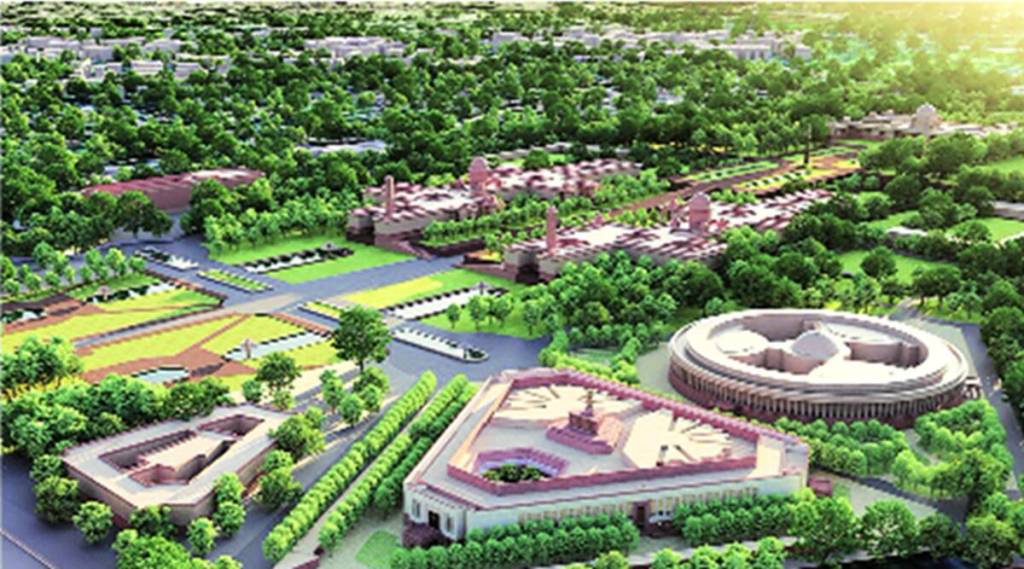
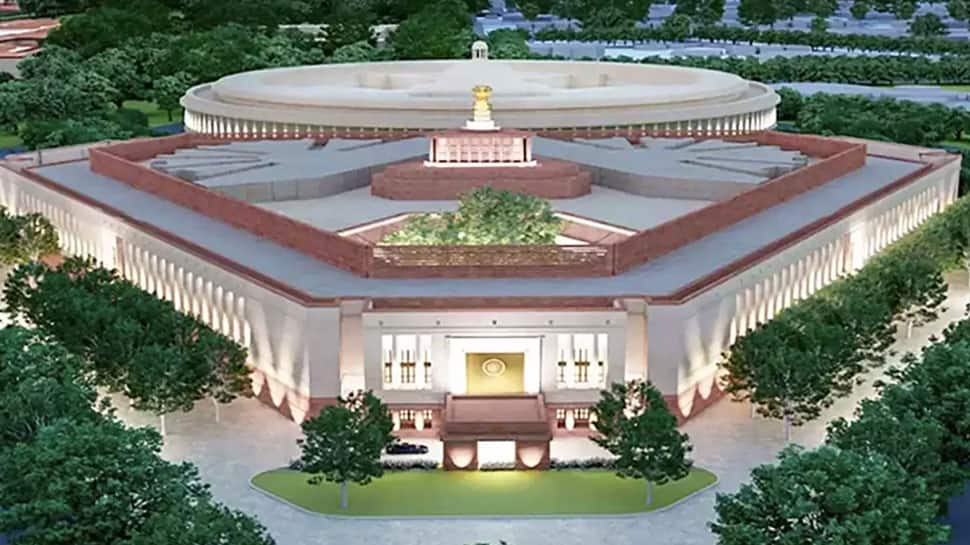
Central vista project is an ambitious initiative by the Narendra Modi-led NDA government at the Centre to reconstruct a 3.2-kilometer stretch known as the Central Vista in the heart of Lutyens Delhi, which was erected by the British in the 1930s. In 2019, The national government proposed this renovation project to give India’s “power corridor” a new identity. The Union Ministry of Housing and Urban Affairs is in charge of the project, which is expected to be finished by 2024 and its estimated cost is more than Rs. 20,000 crore. The main vision of this project is to symbolize India’s commitment to confront the tough challenges that have afflicted it for decades and it is relentlessly focused on modernizing in order to satisfy the needs and ambitions of its inhabitants. Tradition is respected, but it is not held captive by it. The project is environmentally conscious yet not paralyzed by it. 

This project which intends to renovate and enlarge India’s Parliament, Prime Minister’s home, and numerous other official buildings at a cost of Rs 20,000 crore, has been dubbed a sign of indifference and highlighted as an example of the administration’s misdirected priorities during the Covid-19 epidemic. The criticism to central vista project can be seen in various instances as follows:-

On July 12, a Maharashtra-based organization held a public gathering in the capital to protest the project, claiming that the country “needs hospitals, not a new Prime Minister’s home.” The Central Public Works Department restricted photography and video recording at the building site in May, when the project was attracting criticism for continuing despite the devastating second wave of Covid-19, allowing for even more severe criticism. 

Due to many criticisms and reacting to opposition’s objections the central government released a document busting all the myths related to this ongoing project to bring a reality amongst citizens of India.

According to the report and defining the current activity at the project site, the central ministry stated that suspending it at this point would result in the government incurring responsibilities under existing contracts and jeopardizing the interests of the employees. Inflation is also a major concern if the project is delayed. The government also stated that environmental sustainability is at the heart of the Central Vista project, dispelling the misconception that it will harm the environment. No heritage structures, including India Gate, Parliament, the North and South Blocks, the National Archives, and others, would be demolished, according to the administration. The center has also   rejected claims that the Prime Minister’s new home will cost Rs 13,450 crore. The estimate covers a number of projects, including ten structures, according to the ministry, which also stated that the construction work for the Prime Minister’s house has yet to be bid and that the government has given no approval. The major criticism of continuing the work amid covid 19 was also dismissed by the government by citing that the work comes under  Essential Services Act.  On May 31, the Delhi High Court also dismissed a petition challenging the Central Vista Redevelopment project’s ongoing construction operations, calling the Public Interest Litigation (PIL) a “illegal motivation” to halt the work.

THE PALACE OF ILLUSIONS (BOOK REVIEW)

Re-imagining the Epic with The Palace of Illusions by Chitra Banerjee  Divakaruni
Image source: Google

Mahabharata; as written by Vyasa, is heard and known by almost every person within and out of the community. All thanks to either the creators of the show or the story we heard from our grandparents back then. Mahabharata is historical fiction and the longest epic poem ever written revolving around the Kauravas and Pandavas, the brothers, the men of the story. Crux revolves around the battle and Victory of either of the two, the story of the brothers, the men in the house.

The women too had a shared part in it but what if I tell you the same story with the perspective of the women of their house? Perhaps, a story from the perspective of one woman in particular?

The Palace of illusions is all about itself.

Written by the award-winning poet and writer Chitra Banerjee Divakaruni, its first edition was released in 2008. 

The narrator and the protagonist is Draupadi herself.

Narrating all aspects of her life, from her unnatural birth to her lonely childhood, her bond with her brother, her marriage, her children, her death.

Every intricate detail is covered about her whole life

and the justice to the story is one hundred per cent done.

There are so many instances within the novel where you’ll feel too sympathetic with her character,story,struggles, and life.

Banerjee has not only laid emphasis on her but all the characters are defined and penned amazingly which makes its flow well. There are so many lines and dialogues within the novel that makes you ready to appreciate the writer for even thinking about that In all, the novel, the Mahabharata of this century, has something remarkable to it that there’s no way you can skip reading this one. It’s a kind of novel that maybe will make you think more of the role and the life of women involved in the world of men of Mahabharata with a whole new perspective.