Save a ‘GEOLOGICAL HERITAGE’ – Part 1.

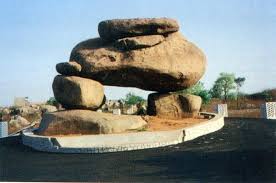
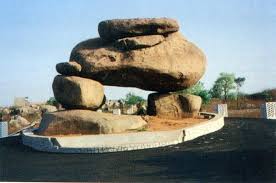
Look at the photograph given here. This is The Three Stooges, a bizarre rock formation that can be found in Goblin Valley. There are some exceptionally unique rock formations all over the world.

Vanishing Rocks of Hyderabad:

One of the most interesting facets of Hyderabad is the mammoth granite rocks in bewitching poses that capture one’s eye and imagination. Rocks large and small precariously balance on one another to form shapes that mesmerise the mind.These rocks, among the oldest in the world, are Hyderabad’s true heritage. Even the mighty Himalayas at 40-60 million years old are younger than these rocks!

Nature’s Sculptures:

The gigantic boulders inspire creativity and reverence in people, forcing them to look beyond the obvious shapes to create imaginary forms. These rocks seem to strike poses and imitate life-a puppy seated on its hind legs with its front legs raised in the air, a car-shaped formation, flying saucer resting on rocks, four chambers of the heart, and a woman standing with her face to the a woman standing with her face to the breeze; these are just a few shapes that tickle your imagination. It is no wonder then that people have taken to naming certain rocks after the shape they think they resemble or the idea they think they epitomise.

Some of these names have stuck on and the rocks have thus become landmarks in the city. And in some other places, rocks with their symbolic shapes have inspired the devout. Natural openings and cave like structures formed by the rocks have been used as temples by locals. Many people even consider them as symbols of the divine and worship these silent sentinels.

Tortoise Rock

Maintaining ecological balance:

Apart from being a visual treat for viewers, these rocks play an integral role in preserving and nurturing the ecological balance of the region. Lakes and ponds have always formed on adjoining rocky patches. This is a as rocks help natural occurrence create the natural drainage system of the area. Subterranean passages created by these rocks result in the natural flow of rain water to that area, aiding the formation of ponds and lakes and recharging ground water levels.

And where there is green, there are birds and bees. Rocky hills often act as the biodiversity hub for the area. Prickly thick shrubs and dry deciduous forests ensconce the rocks. Along the lakebeds, tall grass grows in wild abandon. Often even medicinal plants and aromatic herbs are found in the area. And hidden in this medley of plants are insects, birds and reptiles. So don’t be surprised if a Baya weaver flies by or a snake wiggles past you, when you are trekking about the rocks. Fauna and flora of varied kinds thrive in rocky eco-systems. Nature is at its best in these spots and here is where people can go to for a whiff of the wild, But today, such spots are disappearing with alarming alacrity. Rocks are being destroyed indiscriminately; the price the city is paying for growth.

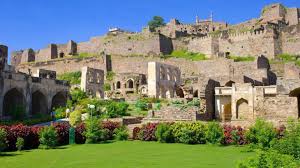
Image Source -google. Golconda fort of hyderabad.

Development at the cost of nature Part1:

It is easy to wonder why someone would destroy rocks that are billions of old. For centuries now these rocks have been the building material for the city. Even the famous Golconda fort of Hyderabad which sits atop a granite hill is made of the very same granite rock. The problem however lies at the speed and magnitude with which these rocks are now disappearing. Just consider the following statistics. The official 2001 census stated the Hyderabad population was around 3.7 million. But today the overflowing buses, traffic jammed streets, and expanding city borders tell a very different story. Today, this natural legacy is giving way to tall residential high-rises and software parks. Hills are being replaced with malls and buildings.

As the massive inflow of population continues, rocks are being quarried round- the-clock to cater to the exponential boom in the construction industry. Large tracts of land have been approved for residential or commercial use, without taking into consideration what actually lies on the land. The rocks are blown down, land is cleared and the hard crystalline rocks are used as construction material. In the past four years itself, vast stretches of hills around the city’s fringes have been turned to rubble or have completely disappeared. If you visit the places where the development is taking place your heart will bleed at the sight of the half quarried, half-eaten mountains…..

to be continued ……….,……..

Culture And Economics

Culture has been mainly studied as an aspect that determines individual and society’s beliefs. Influence culture has on a society has impacted economic and social outcomes. However, lack of research on this relation has provided with limited explanation on how it might have been interlinked for more than decades being oblivious. Upbringing of a child has a significant influence on economic decisions like education, health and job. The atmosphere or people you grow up with teach you to lead a certain a life and make decisions that are suitable to your culture. Academic researches are more based on popular factors such as income and employments; culture has not been been given equal salience. Culture and economics may not have a wide presence but it certainly has been influencing each other.

Social problems most of the countries grapple with are inequality and fragmentation. Inequality in terms of education has resulted in lack of skills and education among the poor. Income produced by uneducated has been very small than those who possess the necessary education. Again, this shapes a unique outcome for those struggling with these issues. Their economic choices are based on such factors. The outcomes of discriminated class are confined to the social issues they have been relentlessly facing. The gulf between the social classes causing an economic gap has been observed and this issue of social fragmentation has been influential. Social mobility varies from place to place. Every place has a specific culture determining its economic affairs. Social mobility is a not a consequence of the policies executed but has to do with the culture of a place. Culture of poor and racial difference has the maximum control on the economic condition than the policies.

Each community devotes itself to religious affirmations that dominates a person’s social beliefs. A loyal follower of religion has been termed as the happiest and morally sound due to its economic choices. Engagement of religion shapes economic well-being of people. The influence religious institutions have on the basic economics decisions related to food, clothing or shelter is deep.

Growing up in a poor family or rich family creates a gap that molds your economic outcomes. When being associated with poor culture during childhood where you closely see financial uncertainty or unforeseen circumstances as a result of uneducated family, you are less likely to engage with your family and fight to overcome poverty. Rich parents work for a better education and social experiences for their children that guarantees a better future.
Children of wealthier communities tend to have experienced mentors to guide them through. In the case of poor children, they do not have proper guidance or role models. Mentors shape a child’s performance and future that later provides better perspective towards economic decisions.

Your peers or colleagues influence you when you are in school. Having friends from a sophisticated culture or background influence you to be that person. The economic decisions you make are an outcome of the culture you are are around.

Economics is majorly influenced by culture and society. Social discrimination is prevalent in determining economic situations. Discriminated society is the most influenced by such factors. Socio-economic problems due to cultural influence are generating bigger economic problems for the poor.

THE JOURNEY OF PURI TOWARDS FIRST CITY TO PROVIDE 24 X 7 CLEAN WATER

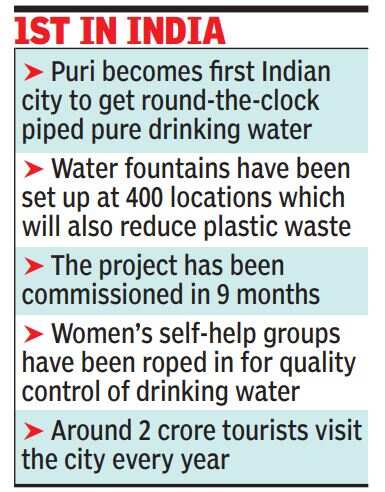
Puri is one of the major heritage cities of the country and every year more than 2 crore tourists visit every year. And this month the city earned an unique distinction of becoming the first Indian city to provide 24X7 pure drinking water. This is the landmark achievement for the city and state and is one of the major contributors for enhancing the status of sanitation and hygiene in Puri, Odisha. The city has become the first city to offer safe drinking water directly from taps to the residents and the tourists visiting the city every year and now has joined the group of global metropolitans like London and New York for providing safe drinking water.

The government launches “Sujal: Drink from Tap Mission” which has the goal of providing all time safe drinking water to all the residents and people visiting the cities directly through taps. The city has fulfilled and achieved the credentials of the ambitious mission and has achieved the goal of the mission. The 24 hour drink from tap facility provides water which can be used directly without filtration for different purposes such as drinking, cooking etc. This move is beneficial for the 2.5 lakh people residing in the city and the 2 crore tourists visiting the city every year. And the people don’t need to carry water bottles with them and can directly rely on the taps. This type of facility is present in very limited number of cities globally and Puri has established its place. Furthermore, the state government had installed 400 water fountains in different locations of the city with the aim of reducing the reliance and usage of plastic bottles in Puri. This will eventually reduce the amount of plastic wastes being can be reduced.

The government uses 5T initiative for increasing the efficiency and effectivity of the services being delivered across the city. The Chief Minister of the state emphasized on the linkage between safe drinking water with health, living standards and the economy, thereby, urging the people not to waste or pollute water. Transparency, teamwork, technology, time-frame and transformation form the 5Ts which has been adopted by the government for improving its governance. The budget for drinking water has been doubled in 5 years from Rs 200 crore to Rs 4000 crore thereby making the city the first heritage town in the country to get this facility. It is expected that the initiative will have great contribution in reducing the amount of plastic wastes generated. It is estimated that the amount of plastic waste being generated by the city will reduce by 400 tonne per annum. 1100 Stand posts were already present in the city and the state government has established additional 110 modern public stand posts along the Grand Road (Badadanda) and nine by the sea beach area have been installed. Old stand posts are being replaced with steel pipes and taps and at present 36 MLD clean water is being supplied everyday in the city. About 135 – 140 liters of drinking water per head per day is being provided to the residents everyday.

Drip Irrigation System

Micro Irrigation has gained attention during recent years because of its potential to increase yields and decrease water , fertilizer and labour requirements if managed properly.

Principal characteristics distinguishing the micro Irrigation with other pressurized technologies are:

  • Low flow rate
  • Localized , partial wetting of the soil volume
  • Frequent water application due to the limited wetted volume
  • Low operating pressure ,compared to sprinkler irrigation

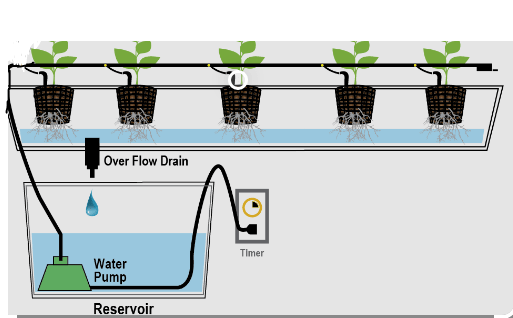
Drip Irrigation involves technology for irrigating plants at the root zone through emitters fitted on a network of pipes( mains ,sub-mains and laterals). The emitting devices could be drippers ,micro sprinklers, mini sprinklers ,micro jets, misters ,fan jets, micro sprayers, foggers and emitting pipes, which are designed upon specific requirements , which may vary from crop to crop . Water requirement, age of plant spacing ,soil type , water quality and availability are some of the factors which would decide the choice of the emitting system .

In cases where the water sources is an open well or tubewell / borewell , then for assessment of water availability and pumping power requirement it is necessary to compute the following:

  • Depth of the water table
  • Discharge of the well
  • Total pumping level
  1. The depth of water level below the ground level, before pumping begins ,is the depth of the water table . It can be measure by a simple procedure using a rope with a stone tied at one end .
  2. The discharge of the well / tubewell is measured after running the pump for a period of 30 minutes to 1 hour . It can be measure by adopting volumetric measure.Under this method , the discharge is emptied into a ditch of container of know dimensions for a certain length of time . the rate of discharge is calculated by dividing the total volume of water discharged by the time taken. This method works for low discharge say upto 5 litres per second. For higher discharges volumetric measurement may be difficult and therefore standard devices like water meter/c.notch/flume may be used.
  3. Total pumping level includes the depth of the water level, drawdown and height of the outlet above the ground level. To measure the drawdown the pump installed over the well/tubewell is run for a period of 30 minutes to one hour so that constant water level is attained in the well/tubewell. The new depth of the water level is measured. The difference between the depth and level above the ground level is also to be measured . Once the total pumping level is determined , the horsepower .

HP= Q*H/75*n

where Q = Discharge ,Ips

H=Total head ,m

n = Efficiency of the pump and motor

Depending up on the water availability and water requirement of the crop (as given in the table ) for the entire area in calculated .Then the piping network and number of sections will be decided accordingly.

The climate is changing , why aren’t we ?

Our climate is changing around us faster than predicted. From more frequent and extreme storms to unprecedented heatwaves, from landslides to earthquake , we’re feeling the impacts of human-caused global warming. Global warming is the long-term heating of Earth’s climate system observed since the pre-industrial period (between 1850 and 1900) due to human activities, primarily fossil fuel burning, which increases heat-trapping greenhouse gas levels in Earth’s atmosphere. Certain gases in the atmosphere block heat from escaping. Long-lived gases that remain semi-permanently in the atmosphere and do not respond physically or chemically to changes in temperature are described as “forcing” climate change. Gases, such as water vapor, which respond physically or chemically to changes in temperature are seen as “feedbacks.”

SOME OF THE GASSES THAT CONTRIBUTE TO CLIMATE CHANGE ARE :

  • Water vapor. The most abundant greenhouse gas, but importantly, it acts as a feedback to the climate. Water vapor increases as the Earth’s atmosphere warms, but so does the possibility of clouds and precipitation, making these some of the most important feedback mechanisms to the greenhouse effect.
  • Carbon dioxide (CO2). A minor but very important component of the atmosphere, carbon dioxide is released through natural processes such as respiration and volcano eruptions and through human activities such as deforestation, land use changes, and burning fossil fuels. Humans have increased atmospheric CO2 concentration by 48% since the Industrial Revolution began. This is the most important long-lived “forcing” of climate change.
  • Methane. A hydrocarbon gas produced both through natural sources and human activities, including the decomposition of wastes in landfills, agriculture, and especially rice cultivation, as well as ruminant digestion and manure management associated with domestic livestock. On a molecule-for-molecule basis, methane is a far more active greenhouse gas than carbon dioxide, but also one which is much less abundant in the atmosphere.
  • Nitrous oxide. A powerful greenhouse gas produced by soil cultivation practices, especially the use of commercial and organic fertilizers, fossil fuel combustion, nitric acid production, and biomass burning.
  • Chlorofluorocarbons (CFCs). Synthetic compounds entirely of industrial origin used in a number of applications, but now largely regulated in production and release to the atmosphere by international agreement for their ability to contribute to destruction of the ozone layer. They are also greenhouse gases.

The consequences of changing the natural atmospheric greenhouse are difficult to predict, but some effects seem likely:

  • Earth becomes warmer .
  • Stronger green house effect will warm the earth , melt the glaciers , increasing sea levels
  • Outside of a greenhouse, higher atmospheric carbon dioxide (CO2) levels can have both positive and negative effects on crop yields. Some laboratory experiments suggest that elevated CO2 levels can increase plant growth. However, other factors, such as changing temperatures, ozone, and water and nutrient constraints, may more than counteract any potential increase in yield. 

Corporate Governance in Indian Companies

Introduction

Corporate Governance refers to the framework in a company comprising the generally accepted practices, policies and processes according to which the firm operates and is managed.

Corporate governance has become an essential component in the functioning of a company, and it has the potential of causing an improved or enhanced market performance. Corporate governance primarily focusses on creating transparency, accountability, and disclosure in the corporate environment. In other words, it promotes ethical practices in the company, allows for efficient communication of information, and proper allocation of responsibility. Another important function of corporate governance is to maintain a judicious balance between the interests of the stakeholders and board of directors. The board of directors are primarily responsible for the operational decisions and processes of the company, and it is imperative to outline their authority with respect to the stakeholders to ensure mutual cooperation and corporate success.

With regard to India, corporate governance has been on the up rise mainly due to globalization and liberalization. The SEBI had made the first ever regulations on corporate governance in 2000, based on the recommendations of the Kumar Mangalam Birla Committee Report and Narayan Murthy Committee Report. With the many national and multinational corporations coming up in India in the face of globalization, there was a need to introduce corporate governance so as to confront the competition that has arisen. Therefore, it is apparent that good corporate governance ensures mutual cooperation and protects the long-term interests of the shareholders. The question then arises whether good corporate governance is also proactively helping companies in their regular financial performance.

The Effects of Corporate Governance on Financial Performance

The financial performance of a firm indicates how successful it has been in its business, and whether it has been able to effectively use its assets in generating revenue. The role that corporate governance plays in benefiting financial performance of Indian companies has been studied extensively over the past years, and varying conclusions can be derived from these studies. The many variables and principles of corporate governance have been studied in the Indian corporate environment so as to ascertain their impact on financial performance. These can be consolidated as such:

  • Board Size: A study conducted by researchers Kathuria and Dash observed the influence of the Board size on financial performance of Indian companies. The results showed that performance improved when the size of the board increased, and that a smaller board of directors was generally not influential in financial growth. Corporate governance principles necessitate that the board of directors collaborate with the other corporate entities so as to ensure better performance.
  • Board Independence: An independent director is one who does not have any vested interest in the company, and works solely to improve the corporate position and credibility of the firm. They also play a large role in enforcing corporate governance standards. Numerous studies conducted with regard to board independence in the Indian context have showed that a larger proportion of independent board directors is associated with improved financial performance.
  • Board Meetings and Committees: As corporate governance principles require the company to maintain transparency and disclosure, conduction of regular board meetings is required. It has been found that Indian companies conducting regular board meetings has caused a better financial performance, as there is constant discussion of the company’s operations and decisions are made that positively impact the company.

Therefore, from the research conducted, it is evident that sound corporate governance and its implementation in Indian companies has the potential of positively impacting financial performance and growth. Some of the more general reasons why corporate governance is seen as a stimulant of financial growth are:

  • Increased access to financing
  • Higher firm valuation
  • Improvement in operational performance
  • Reduced risk of financial crises

Conclusion

Ultimately, it can be inferred that the impact of corporate governance on Indian companies has been known to be favourable for the most part. However, it is important to highlight an important point here. It cannot be concluded that corporate governance has a positive effect on all Indian companies, or for all companies in general. For some there may be an insignificant impact, while for others there might be no impact at all. However, for most companies in most industries, corporate governance implies support in the financial position. Factors mentioned in this paper such as board size, independency, composition, meetings and committees mostly seem to show a positive relationship with financial performance of Indian companies.

The primary goal with which corporate governance is introduced into a company is to increase transparency, disclosure and accountability, which subsequently gives way to other long-term benefits including financial stability and growth. Therefore, many Indian companies are increasingly looking to practice corporate governance. In conclusion, despite the fact that there is no consensus on whether corporate governance has an undeniable positive impact on financial and firm performance, it can be said that it helps the company in many facets regardless.

Jobs for the Future

There are two reasons why students are interested in sustainable management studies.

Photo by Magnetme on Pexels.com

Youngsters are now facing the impact of climate change themselves. Many of them have experienced-led disasters such as floods and cyclones, more than their previous generation did.

Second, there is growing awareness on the regulatory requirement and the investor’s demand, said Jagdish Ratnani, a Professor.

Nevertheless, the fact is that many jobs of the future will require hordes of managerial talent who understand ESG. Its a great career opportunity, Aditya Shelar, a student at IIM Lucknow, thinks that business in future will think beyond numbers and they would need people who under- stand a range of issues.

The transition to electric vehicles, higher solar power adoption, green practices in real-estate as well as carbon neutral policies will all require manpower that drive these shifts.

Environment and sustainability will have to be embedded in both corporate thought and actions. Its a requirement for branding, for raising funds, and to capture young and aware consumers. Institutions will increasingly adopt that in the classroom and beyond. It was said by Gopal Sarangi of TERI Institute of Advance Studies.

Photo by Angela Roma on Pexels.com

Some firms want to evaluate if their manpower is conscious about ethical business strategies. Some firms want to evaluate if their manpower is conscious about ethical sourcing, environment reservation, SGD goals like equality at workspace, the side effects of child labour and fair wage.

All this will fuel demand for more courses in B- Schools.

Reference

http://www.intershala.com

http://www.timesofindia.com

Skills of the Future

The new world order, brought on by the fourth Industrial Revolution, demands that today’s children acquire skills that will serve them well in the future.
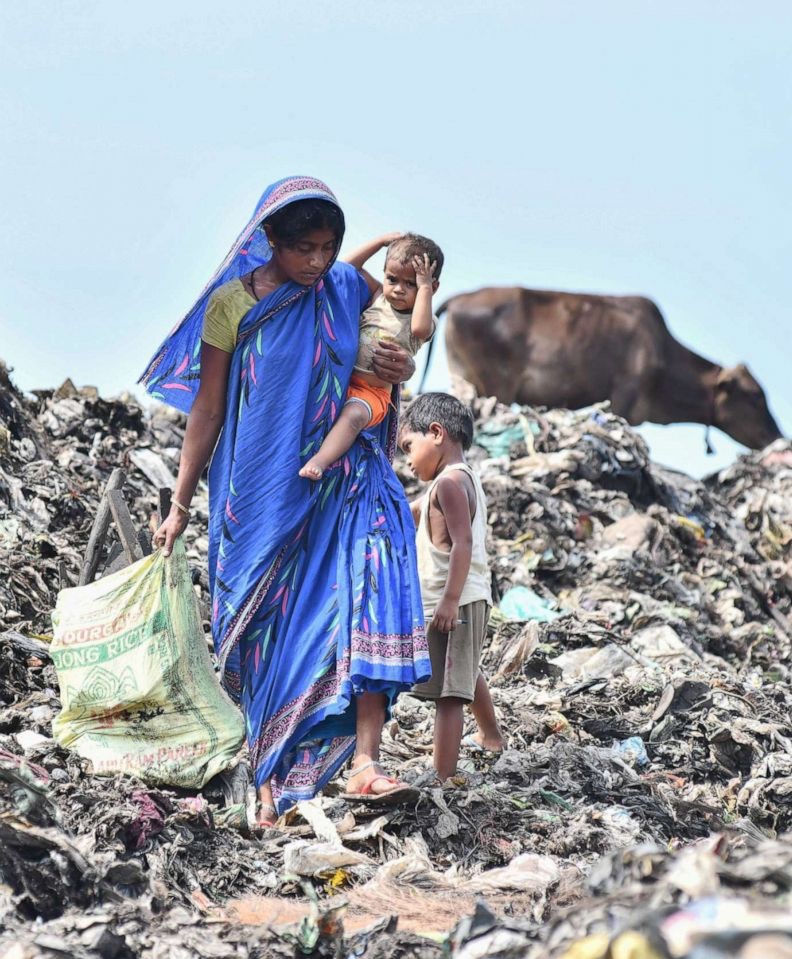
Photo by Andrea Piacquadio on Pexels.com

The world we live in will change so fundamentally that students who come out of school by 2030 will make careers in fields that we have no idea about in the present.

As all of these trends happen, the winners will be those who are able to participate fully in innovation-driven ecosystems by providing new ideas, business models, products, and services, rather than those who can offer only low-skilled labor or ordinary capital, points out Klaus Schwab, founder and executive chairman of the World Economic Forum, in his seminal work, the Fourth Industrial Revolution.

This view is supported by other experts.

According to David Deming, associate professor of education and economics at Harvard University, Soft Skills like sharing and negotiating will be crucial. Modern workplace, where people move different roles and projects, closely resembles pre- school classrooms where we learn social skills such as empathy and cooperation. =

In effect, the skills and traits that must be inculcated in our children include : Social Intelligence

Photo by Polina Zimmerman on Pexels.com

This set of skill include empathy or the awareness of self and others perspective collaboration, negotiations and conflicts resolution, persuasive communication that can change minds and hearts.

A sense of service mindedness, trustworthiness and transparency.

Reference

http://www.timesofindia.com

http://www.wikipedia.com

INDIA OVER CHINA IN 2024 , IN OVERPOPULATION

Whether you are in a metro station, airport, railway station, road, highway, bus stop, hospital, shopping mall, market, temple, or even in a social/ religious gathering, we see all these places are overcrowded at any time of the day. This is a clear indication of overpopulation in the country. This is the major issue of , India is facing right now. Food production is limited & population is unlimited , we can say wants are unlimited & resources are limited & population is unlimited hence can be concluded that the reason behind poverty in India is over population.

Some of the common effects of overpopulation are :

  1. Unemployment : Every body knows India’s state of employment , employment rate is decreasing & unemployment rate is increasing . Since their is no employment people are starving , their is no living , literacy rate is also decreasing . This one problem of over population is bringing so many more problems with it .
  2. Manpower utilization: The number of jobless people is on the rise in India due to economic depression and slow business development and expansion activities.
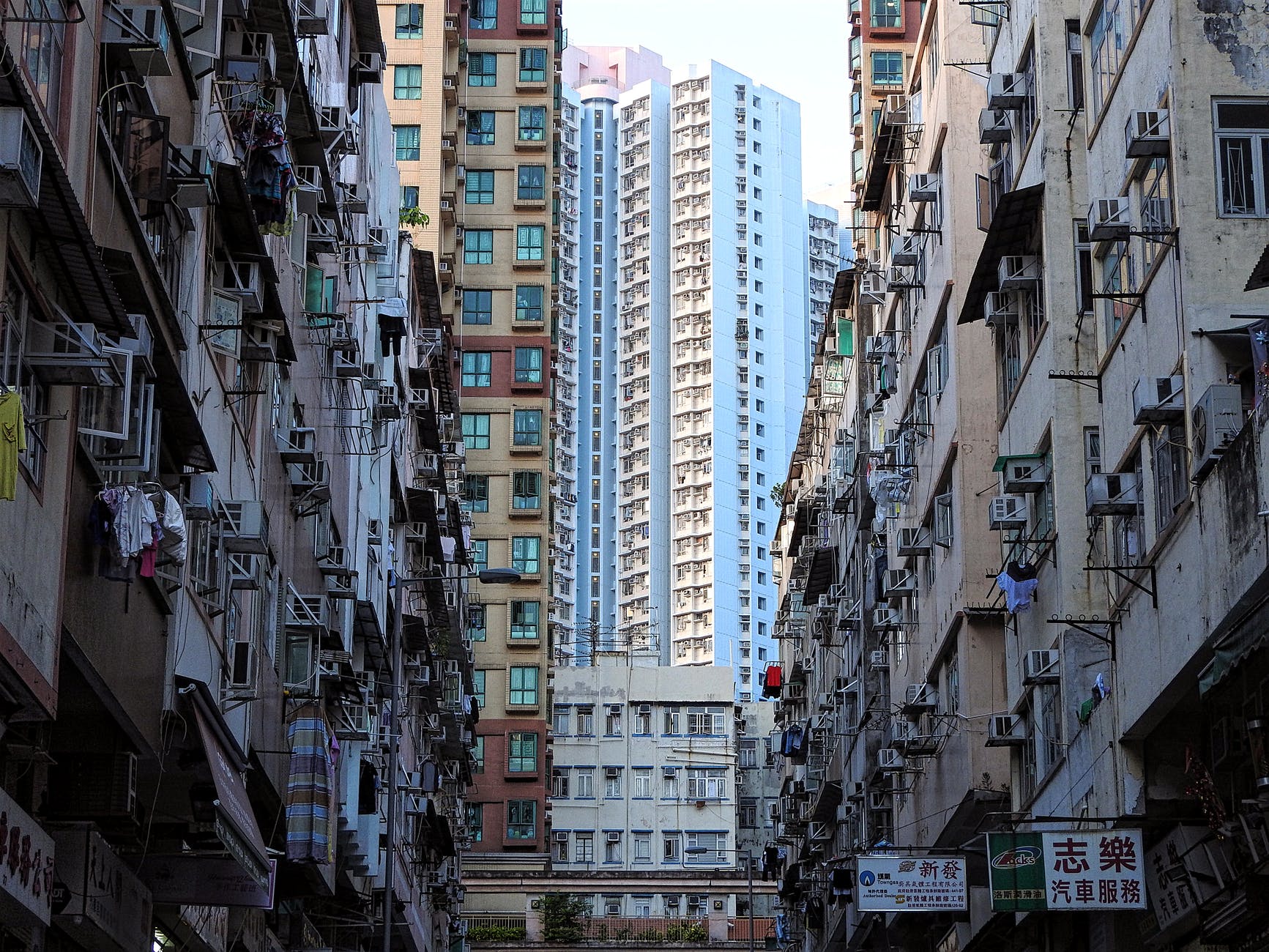
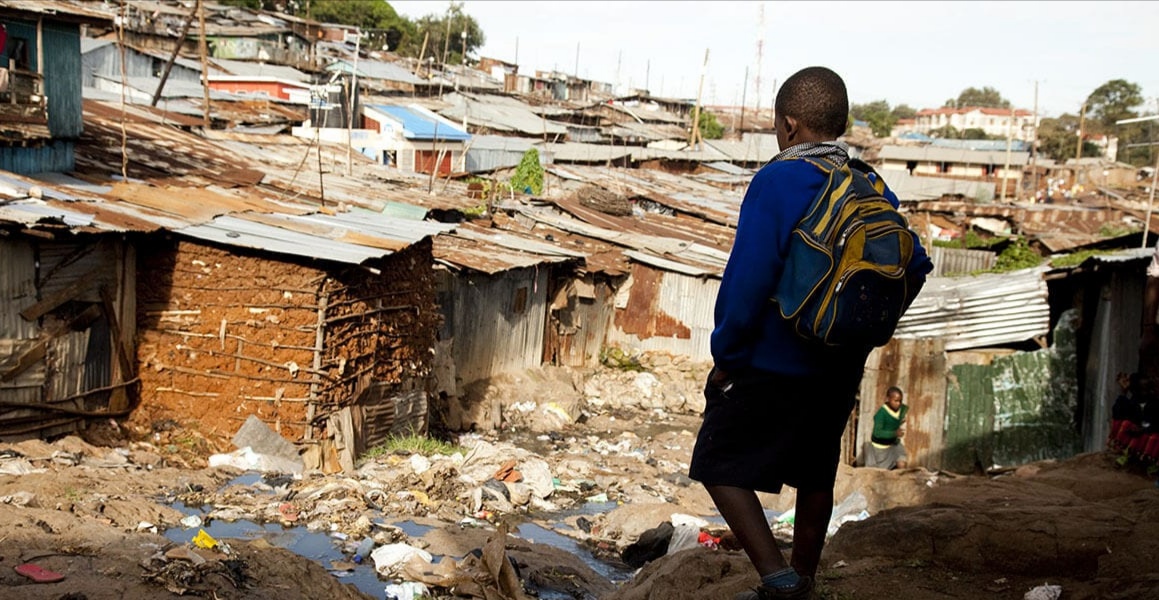
  3. Pressure on infrastructure: Development of infrastructural facilities is unfortunately not keeping pace with the growth of population. The result is lack of transportation, communication, housing, education, healthcare etc. There has been an increase in the number of slums, overcrowded houses, traffic congestion etc.
  4. Resource utilization: resource are already scare , & they are being exploited . Land areas , water , trees are being exploited due to overpopulation .
  5. Inequitable income distribution: In the face of an increasing population, there is an unequal distribution of income and inequalities within the country widen.

STEPS TO CONTROL OVER POPULATION

Indian government should take bold steps to control overpopulation because if they want to improve economic growth they should control overpopulation . Major steps which have been already implemented but still need to be emphasized more control population. Increasing the welfare and status of women and girls, spread of education, increasing awareness for the use of contraceptives and family planning methods, sex education, encouraging male sterilization and spacing births, free distribution of contraceptives and condoms among the poor, encouraging female empowerment, more health care centers for the poor, to name a few, can play a major role in controlling the population. India’s growth in the whole world cannot be ignored , whether it is in science & technology , medicine , health , communication , entertainment , literature or military . So experts believe that if people of India will follow the strict population control norms , it will be able to overcome this problem too .

School vs Workspace

Our children must learn how to acquire knowledge that can be applied across domains and situations.

Photo by samer daboul on Pexels.com

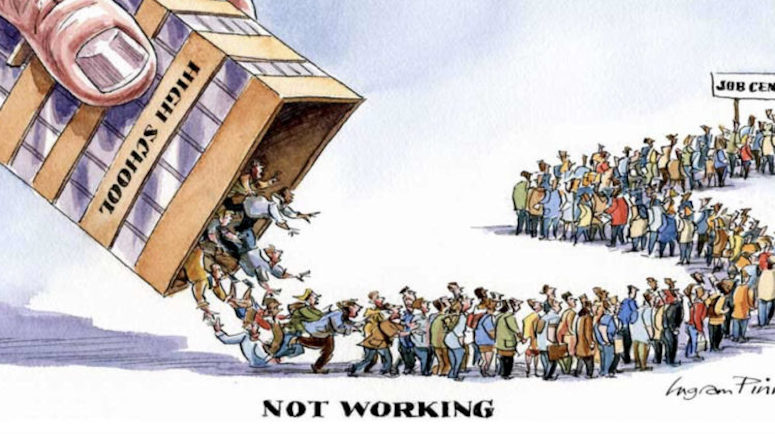
Traditionally, schools and colleges have been cloistered enrollments where students only acquire knowledge. They then move to the next stage of their lives – into work places – where they may or may not apply the knowlege they have.

This separation has ensured that young people who join the work force have no idea about the exigencies of the work environment and are completely unprepared to deal with this situation.

However, future workplaces are likely to be far removes from conventional or current experiences.

In fact, it is estimated that most of tomorrow’s workforce may be contractual. In fact, already many large organizations are tapping into on-demand talent of the gig economy.

Increasingly, these new economy workers will be required to rely on their own knowledge and the skills to provide services and produce products that solve businesses’ and society’s pressing problems.

Photo by Burst on Pexels.com

Our children, therefore, must learn how to acquire relevant knowledge that can be applied in different domains and circumstances. They must discover the joy learning so that they can become learners for life as well as independent learners, capable of handling uncertainty with flexibility.

Schools must therefore re-engineer their systems, curricular and pedagogies to ensure that students have agency over their own learning and lives and learn to learn, unlearn and re-learn with agility.

Schools, therefore, must teach children to be entrepreneurs, expose them to real life work and social environments through projects and experiences so that they know how to tackle challenges that lie ahead and are capable of solving problems independently.

Reference

http://www.timesofindia.com

http://www.wilipedia.com

http://www.hindustantimes.com

Foreign Aid and Economic Dependency

Introduction

Foreign aid is the voluntary transfer of money, resources, or services (in the form of a gift, grant, or loan) from one country to another, or from an international organization to a certain country, for the ultimate benefit of the recipient country. Hence, the implication here is that the recipient country is in a position of debt, shortage, or some economic strife, such that it requires the assistance of other countries or international organizations (UN, NGOs, and other foundations). It is commonly seen when the more developed countries of the world provide aid to the developing nations, especially after they have suffered from some natural disasters, economic crisis situations or serious conflicts that have caused widespread damage.

Foreign aid, however, is not a purely humanitarian practice, and many countries engage in it with varying objectives. Some countries provide foreign assistance with the objective of furthering the political agenda of a government, thereby allowing it to attain diplomatic recognition. Thus, apart from solely providing economic and social support to the country, many donors provide aid as a means to strengthen and consolidate their political and strategic interests in the country or region.

Many economists argue that foreign aid fosters dependency and corruption in recipient countries, while others argue that it fosters economic growth and helps countries in their development. It is thereby a two-handed conclusion that is arrived at here, where we can say that foreign aid can have strong positive effects, but it clearly depends on what it is used for by the recipient, and whether it is invested efficiently and effectively.

What is Foreign Economic Dependency?

Foreign economic dependency is an international power structure in which weaker countries end up relying on economically stronger countries for financial support, which thereby allows the stronger countries to exercise a certain degree of economic and political control over the weaker nation.

Foreign economic dependency is one of the most important ways in which a country can regrow and rebuild itself after a natural disaster. It does this by getting foreign medical aid and disaster aid, and it helps in rebuilding livelihoods by helping the victims of the calamity directly. Without foreign economic aid a country would definitely have a much more difficult time to rebuild itself. However, dependency on foreign aid also often plays a significant role in shaping the economic and political framework of the weaker nation. The donor countries often use the aid they provide to push forward the economic and political policies preferred by them in the target countries. The receiving nation cannot do much in this case as there is the threat of the powerful nation ending the aid if the receiving nation does not comply with them.

Foreign aid is not only from countries but also from international organizations like the World Bank, but these organizations also might force their economic policies on the receiving nation. For example, the country must agree to adjust its economic structure, liberalize and privatize its economy and also increase its financial accountability. Moreover, paying back these huge loans is a difficult task for the receiving nation while trying to maintain/build a healthy economy at the same time, which leads to their economy taking significant damage.

Hence, foreign dependency usually leads to lesser development in the economically dependent country because it has to tailor its policies to the interest of the stronger country, and this usually leads to the weaker country neglecting to do things which are best for its own development. This causes things like faster environmental destruction and creation of only temporary growth that prevents sustainable development and economic independence.

Conclusion

It can be concluded that the ultimate question about whether foreign aid is really effective or not has not yet been fully settled. This is due to the fact that there is enough evidence to convince a person of both sides of the argument. While there have been cases where foreign aid has done wonders, like in Ethiopia, there are also cases where foreign aid has worsened countries, like Somalia. It is essential for recipient countries to give due importance not only to their economic policies, but also in ensuring that foreign aid is directed towards productive and beneficial causes in the country.

The unfavorable result, as discussed in this article, is when foreign aid leads to economic dependency. In such cases, countries are left with little to no autonomy, and the stronger countries get a say in how to operate them for their own benefit. As long as such a situation is avoided, and foreign aid is mainly helpful for the purposes of resolving humanitarian crises and assisting underdeveloped countries, then it is a helpful practice.

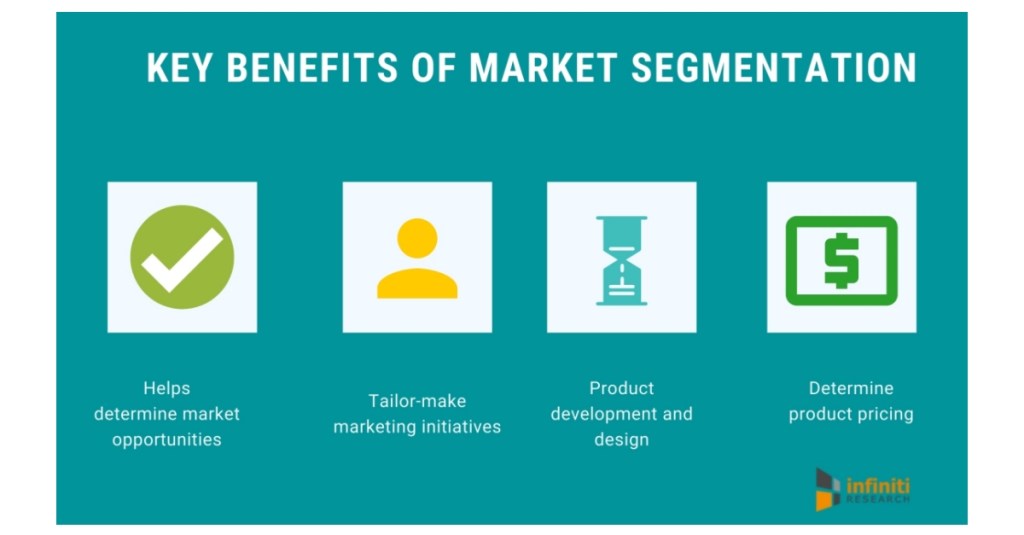
Segmenting a market?

See everybody has their own likes and dislikes right? It is always possible that my need and your need can be different or even similar also. Market segmentation is just the most useful aspect in which a marketer can divide the whole market into subgroups of people having the same needs and wants. Must be wondering why it is done? So by this concept marketer gets the clear idea of the group demanding the same products and can easily satisfy their demand on that basis. Suppose if their is a group of teenagers than obviously their demand and needs about a product will be different from that of old age group. Likewise we have many different basis for market segmentation let us just understand them one by one:

  • Geographic Segmentation: This is the most simple method of market segmentation as in this the people living in one region of the country have different buying behaviours from that of the people living in some other region and thus this becomes the base for dividing the market .
  • Demographic Segmentation: Demographic elements such as age(teenagers/adults/retired), occupation, education, sex and income are used here for Segmentation.
  • Psycho-graphic Segmentation: Under this basis the consumers are divided into subgroups on the basis of their psychological attitude and also includes their personality and lifestyle.
  • Behavioral Segmentation: Consumers are here divided on the basis of the knowledge , attitude and use of actual products.
  • Volume Segmentation: It is assumed that most of the product is sold to a certain percentage of people. There are light , medium and heavy users of products. It is important for the business to give due consideration to the heavy users so that they must not switch to some other brand and also along with that they are required to adopt various techniques to convert light , medium and non users into the heavy one.
Easy explaination of its benefits.

Why physical activity is important in this pandemic

Pandemic has changed our lifestyles , made us stuck in our phones & laptops , & left us with no physical activity .

The COVID-19 pandemic is an unprecedented time all across the world. Worldwide, extensive social distancing policies are put into place, restricting people’s daily activities and worldwide pleas from governments asking people to stay safe and stay at home. This of course means that most people will spend much of their time (if not all) at home.

These social distancing measures mean that people have far fewer opportunities to be physically active, especially if activities such as walking or cycling as transportation, or taking part in a leisurely activity (e.g. jogging, walking the dog, going to the gym) are being restricted. Furthermore, these drastic measures also make it so much easier to be sedentary at home for long periods of time. The impact of this physical inactivity may very likely be seen in many areas such as health and social care and the mental well-being of people all across the globe Though this social distancing is the need of now , but physical activities are also the need of now.

In light of the current situation worldwide, certain benefits of physical activity may be specifically pertinent to the COVID-19 Pandemic. These benefits are:

  • Physical activity enhances immune function and reduces inflammation therefore it could reduce the severity of infections which will automatically leads to good health.
  • Physical activity improves common chronic conditions that increase the risk for severe COVID-19 (i.e. Cardiovascular Disease, Diabetes) , but taking these physical activities in your daily lives , risk of death due to corona virus will reduce .
  • Physical activity is a great stress management tool by reducing symptoms of anxiety and depression.
  • Physical activity helps bring cortisol levels in balance. Stress and distress (such as during a pandemic) creates an imbalance in cortisol levels and this negatively influences immune function and inflammation.
  • Instead of always keeping an eye on your phone & laptops keeping an eye on your physical activities will leads to rest for your eyes, neck, & back.

We all know that this pandemic will stay with us for a long go , even if you are save with no corona virus symptoms , poor physical health will lead you to major heath issues . Instead of surrounding yourself with heath problems , indulge yourself into physical exercise, like yoga , meditation , exercise ,etc. ” STAK HOME , STAY SAFE , INDULGE YOUR SELF WITH INDOOR PHYSICAL ACTIVITES & HENCE SATY FIT”.

Poverty in India

Poverty one of the major problem in India. India is the second most populous country after China with 1.2 billion people and it is the seventh largest country in the world in terms of area.

Around ⅔rd of people in India live in poverty in which 68.9 % of Indian population lives on less than 2 dollar a day and over 30% even have less than 1.25 dollar per day. And thus they are considered extremely poor.

India subcontinent is one of the poorest country in the world.

The most poor section of our country is children and Womens. They are considered as the weakest member of Indian society and that’s why they suffer the most.

In India womens are not considered as the strongest member of the society because of a patriarchy.

Education and job for womens are not considered important in our society.

By preventing education for Childrens and womens leads to the poverty and poverty is also preventing children from getting an education

Poverty in India impacts children and families in a variety of different ways:-

  • High infant mortality
  • Child labour
  • Malnutrition
  • Lack of education
  • Child marriage

High infant mortality rate

  • India is one of the country with highest child mortality rate.
  • Around 1.4 million children die each year in India their fifth birthday.
  • Major causes of death are due to pneumonia, malaria, diarrhoeal diseases as well as chronic Malnutrition.

Child labour

  • Child labour for children under the age of 14 in India is prohibited by law.
  • According to official figures 12.5 nilganj children between the age of 5 to 14 are working.
  • It is believed that Indian children’s contribute to the living wood of their poor family.
  • Children’s work in the field in factories, in quarries, private households .

Malnutrition

  • India is one of the world’s top countries when it comes to Malnutrition.
  • 7.8 infants were found to have birth weight less than 2.5Kg
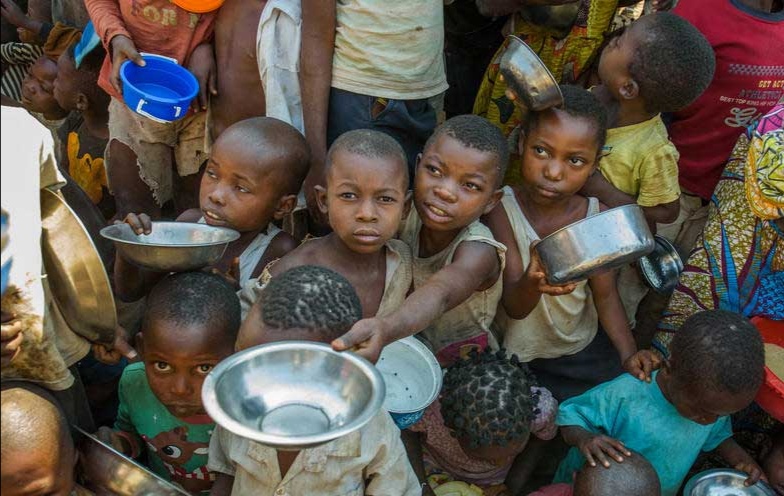
  • More than 200 million people don’t have sufficient access food.

Lack of Education

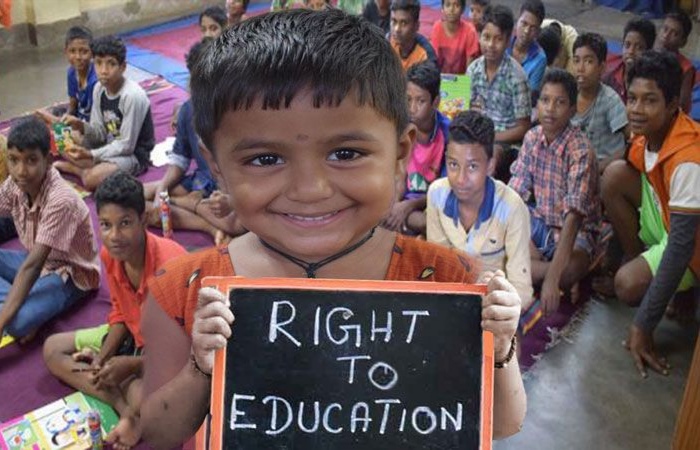
  • Most of childrens have no access to education in India.
  • Girls are excluded from the school in higher numbers with respect to boys.
  • We should have to treat them equally but it is believed to be inferior on lower caste.
  • Without education, chances of finding living from employment in India is impossible.
  • If educated peoples start teaching childrens at free of cost then it also be very useful in making a better world.
  • Like If 30 college students are studying in 1 course and they start teaching poor childrens only 1 day per month then the childrens study 1 month at free of costs.
  • We also have to put some efforts in making better world not for others, but for ourselves as well.

Child marriage

  • As we know Child marriage is crime according to Child marriage Restraint Act, 1929.
  • But it is still widespread in many regions of India.
  • Poverty is also the main reason behind this.

Overpopulation

  • Overpopulation leads to high competition in every aspects of life.
  • We see lack of job opportunities, education.
  • Food production is not as much to fulfill the need of this higher population.
  • Due to overpopulation, and not doing work after having such high population in India is main reason behind poverty.
  • If we utilise this overpopulation as the opportunity to increase country’s financial condition then it actually going to worth it.

Jobs For People Who Don’t Know What To Do.


First of all you need to evaluate what you love and what you want to do. Figure out your skills and interests and what you are good at. If you are not able to identify yourself then ask your friend or peers to help you out. Evaluating your past can also help you recall your critical moments you might have overlooked that would have made it clear you were not happy with your existing work. Also get in touch with personalities of the field in which you are interested and gain as much information as you can regarding demands from the job, their professional past and aspirations. Before actually pursuing that career you must attend workshops, take online classes, Read books and watch YouTube tutorials so that you may find out that you’re really into that career or not. Consider in which work environment you would like to work and which type of colleagues you want around, are you capable of cooperating with those people or not.
And in the end think, what is that one thing that you will love doing and willing to do it for free and then start connecting it to paid possibilities in the same field. A job must be something which you love to do and will also provide a great pay in return and let you lead a prestigious life. Below are some suggestions you are looking for.

First Step

There are times when one is not able to pursue career which they always wished to do. There could be many reasons behind this. Not getting successful, family issues, financial problem or any such circumstances. One should always be passionate about their career, as quoted by Australian leadership coach Simon Reynolds in his book Why People Fail, “We need to understand failure if we are ever to master success”. Sometimes youngsters get demotivated and don’t find future anymore in the career they wanted and wish to switch their career but have no clue about what to pursue next. Worry not! We are here to suggest you some amazing jobs that could do wonders in your career life. So let’s begin.

1) Medical and Health Services Manager

While they work in the Healthcare sector, Medical and Health Services managers don’t provide clinical care. Instead, they manage how Healthcare businesses are run. Their work is to prepare budgets, oversea stuffing decisions and develop strategic goals for a hospital clinic or a similar organisations they are also known as executives or administrators.
Medical and Health Services managers need a bachelor’s degree and largest organisations may prefer to hire someone with a masters degree. In some cases managers may begin in a clinical role such as nursing and later be promoted to an administrative position

2) Information Security Analyst
Median Salary : $99,730
Expected Job growth by 2029 : 31.2%

The technology industry is another sector that has many jobs with unfamiliar titles. They are specialised workers who design and implement security measures for computer systems and networks. They research the latest security technology and educate system users on security protocols.
Information Security analyst often have a bachelor’s degree in computer science or a similar field. Some companies may prefer to hire analysts who have a master’s degree.

3) Operations Research Analyst
Median Salary : $84,810
Expected Job growth by 2029 : 24.8%

Operations research analysts have a straightforward job. They are given a problem, such as how to reduce costs or improve efficiency and ask to solve it to do so they may need to conduct extensive research, use some software and run hypothetical models using a variety of scenarios. It can be a challenging job, and operations research analyst are paid well for their problem solving ability.
Workers in this occupation are expected to have at least a bachelor’s degree in a technical field such as engineering, analytics, computer science or mathematics. A few schools have dedicated degrees and operations research.

4) Computer System Analyst
Median Salary : $90,920
Expected Job Growth by 2029 : 7.4%

They are also known as System architects, computer systems analysts are responsible for ensuring a business or organisation’s technology is appropriate for its needs. They identify Technology requirements, configure Software and Hardware and make recommendations to help systems operate more efficiently and effectively.
A bachelor’s degree in a computer related field is the standard education for computer systems analyst. However, some employees may hire analyst with a variety of educational backgrounds.

5) Logistician
Median salary : $74,750
Expected Job Growth by 2029 : 4.4%

These professionals are experts in supply chains. In other words they are the people who make sure products move smoothly from suppliers to consumers. They can oversee all aspects of acquiring product materials, storing inventory and transporting it to buyers. Some logisticians may be responsible for moving people as well, such as military personnel.
Some people may become logisticians through work experience or by earning an associate degree. However, a bachelor’s degree is a more common entry point into this occupation.


6) Environmental science and protection technician
Median salary : $46,540
Expected Job Growth by 2029 : 8.4%

Environmental science and protection technicians may be employed by consulting firms, the government or testing laboratories. Technicians may collect air, soil and water samples for analysis and present their findings to verify a site’s compliance with environmental regulations.
To land one of these interesting jobs, workers typically need an associate degree or two years of post Secondary education. Majors in the field include environmental science environmental health and the public health.

7) Construction Managers
Medium annual pay : $93,370
Projected Job growth through 2026 : 11%
Also called general contractors or product managers these workers co-ordinate and supervise a wide variety of building projects from start to finish. the prepare cost estimates budgets and work time tables for the project collaborate with Architects engineers and other construction specialist select subcontractors and co-ordinate their activities in sure compliance with legal regulations and safety standards.
You can enter this occupation in a variety of ways but it is becoming increasingly important for construction managers to have a bachelor’s degree in construction science, construction management, architecture or engineering as construction processes become more Complex and employers plays greater importance on specialised education.

8) Detectives and criminal investigators
Median annual wage : $79.970
Projected job growth through 2026 : 5%

These types of law enforcement of officers collect evidence and gather facts for criminal cases. They conduct interviews, examine records, observe the activities of suspects and participate in raids and arrests. They typically specialize in one type of crime such as homicide or fraud and work on a case until an arrest and trial are completed or the cases is dropped.
To become a detective you will need at least a high school diploma, although many federal agencies and some police departments require collage coursework or a college degree.


9) Elevator installers and repairs
Median annual wage : $79,780
Projected job growth through 2026 : 12%
These workers install, fix and maintain elevators and escalators moving walkways, chairlift and other lift. Elevator repairers typically earn a little more as their job requires a greater knowledge of Electronics, hydraulics and electricity than do installers, since a large part of maintenance and repair work is troubleshooting.
Becoming an elevator installer or repairer starts with the four year apprenticeship program sponsored by union, industry association or individual contractor. To enter such a program, you will need a high school diploma, Even after the program, on-going training is required and 35 states, currently require an installer or repairer to be licensed.

10) First line supervisors of fire fighters
Median annual wage : $76,330
Projected job growth through 2026 : 7%

As the name suggests, these fire fighters are responsible for supervising and coordinating the actions of other fire fighters engaged in battling blazes for those working on the prevention measures. They may also need to oversee rescue operations. Enforcing correct departmental procedures fall to them as well.
To take this rank in a fire house, workers typically have attended some college but no degree is required and have done a fair bit of on-the-job training.

A LIST TO PREPARE

You must also know your skills and strengths, and not just the technical ones for that you must make a list as following:
•Great at leading others
•Organized
•Hard working
•Great at building new relationships
•Quick learner
•Excellent at multitasking
•Proficient at Excel
•Strong writing skills
•Public speaking
•Hard-working

Separating your career path from academics and identifying your key skills and positive past experiences will help you in exploring companies and reading through job descriptions. You might find yourself considering a role you did not even realise you were qualified for!

All the best for achieving great laurels in your near future.