If you’re reading this, then chances are that you are looking for some way to improve your life. Maybe you need help with personal development or maybe you’ve been thinking about starting a new job or volunteering at an organization. Whatever your reason for wanting to make changes in your life, it’s important that we keep our eyes open and try new things so we can be successful in achieving our goals.
Without encouragement, it is difficult to change.
Without encouragement, it is difficult to change. You need to believe in yourself and think that you can improve your life by making positive changes. The first step is believing that you can improve for the better—that’s because it will make all the difference. If you do not believe that things can get better, then no one else will either.
If someone says they are going through hard times or struggling with something difficult right now, try giving them some words of encouragement as a way of showing them how much strength there is inside themselves despite their circumstances (or lack thereof). This could mean saying something like “I know what it’s like when things keep getting worse instead of better.” Or maybe even just “I’m sorry about everything happening right now.” These small gestures go a long way towards helping those around us feel supported during times when we feel isolated from others’ understanding due to our own struggles.
You are most likely to succeed if you focus on one change at a time.
The key to success is to focus on one change at a time. This can be as easy as focusing on improving your diet, or it may be more complex—it depends on what you’re trying to accomplish and how long it will take for you to reach your goal.
For example: If you want to lose weight, then focus on eating healthier food and making more exercise a part of your daily routine. Once that’s accomplished and needs adjusting (such as adding more fruits or vegetables), move onto the next step by increasing the amount of exercise in your schedule again until all of these changes have been completed successfully.
Changing your life takes time and daily effort.
Changing your life takes time and daily effort. You can’t change a habit overnight, nor can you expect to change your lifestyle or attitude overnight.
You have to commit to making positive changes in the way you think and act for them to stick. This includes changing negative beliefs about yourself and others, as well as changing other people’s perceptions of you—for example, by doing something nice for someone else instead of taking advantage of them.
The changes you make will have an impact on other people, so talk to them about what you are doing.
Make sure you have a support network:
You can’t do it alone! You need people who believe in you and want to help support your goals.
Be honest with yourself:
Don’t let yourself get discouraged by results because they won’t always be immediate or easy to achieve; this is just another step in the process of self-improvement.
You are more likely to change your behavior if you write down your goals and track your progress toward them.
If you want to make changes in the way that you live your life, it’s important to write down your goals. The more specific and detailed they are, the easier it will be for you to stay focused on achieving them.
You can use a notebook or spreadsheet as a place where you put down all of the things that matter most to you—including what motivates each goal and any additional details about how long until completion or other deadlines associated with achieving each goal (if applicable). Then once per month or so (depending on how often progress is made toward those goals), go back through this list of ideas and see where there are still opportunities for improvement or new additions which may help bring about change faster than otherwise would be possible otherwise.”
Sometimes people need a second or third try before they can achieve their goals.
Change is a process that can happen gradually if we give ourselves permission to not be perfect.
It’s okay to fail. You don’t have to make every mistake in the world, but you do need to take risks and learn from them. If you’re going through a difficult time, it may feel like everything is stacked against you, but remember: You’re stronger than that! Don’t let anyone else dictate what your limits are; set boundaries for yourself so that everyone around you knows where they stand with respect toward how much weight/pressure/stressors they bring into your life (and vice versa).
You can’t change everything at once! Change takes time and effort—you might not see results right away on day one of starting something new at work; sometimes there are things we need practice doing before learning how good our new skills actually feel like coming out of our mouths (or fingers). Make sure whatever goal(s) this month has been focused on has been well-thought out beforehand so as not waste valuable resources unnecessarily trying out half-baked ideas prematurely – because even though change doesn’t happen overnight…it does happen eventually
Conclusion
If you are ready to start changing your life and make some changes in your life, then this is the right time. Start now.
Stress is a natural part of life, and like many things, it’s important to learn how to manage it. If you’re suffering from stress, here are some helpful tips for coping:
Find a hobby
If you’re looking for a way to manage stress and unwind, a hobby can be an excellent option. It doesn’t have to be something specific or intense; you could simply enjoy doing something that inspires you every day.
Whatever it is that makes your heart race with excitement, there’s probably an outlet for it in your life—if not now then at some point in the future. Taking up knitting or painting might seem like an odd choice when you’re stressed out by midterms and finals, but these activities can become routine sources of relaxation as well as hobbies!
When we were kids growing up, many of us were fond of playing sports: football or baseball games were favorite pastimes at our houses during the summer months because they gave us something physical (and occasionally competitive) to do together after school hours were over. Nowadays however there are plenty other ways for parents and kids alike alike enjoy getting involved together outside on weekends – whether through volunteering with community organizations like Habitat For Humanity; going camping together on family camping trips; taking part in organized activities such as dance lessons where everyone learns new moves together while having fun at once too 🙂
Build a daily routine
The first step to managing stress is building a daily routine. A morning routine, afternoon routine and evening routine are all good places to start.
Make sure you have your coffee (or tea) before 7:30 AM. This will help you get going in the morning and prevent late-night cram sessions later on in the day when you’re tired or distracted by something else that needs doing.
Get through at least one workout session per week—even if it’s just walking around campus for 30 minutes with friends or playing basketball with teammates after class! Exercise helps burn off energy so that mentally challenging tasks don’t seem insurmountable anymore; moreover, exercise has been shown to reduce anxiety levels as well as improve moods overall.* Go grocery shopping once per week rather than buying food from convenience stores because they tend to have higher prices than supermarkets do; however replacing fast food with healthy alternatives like salads instead of burgers will save money while still providing nutritious meals throughout each day.* Try not using social media sites like Facebook or Twitter too frequently either during lunch breaks at work because this causes users’ lives outside office hours become blurred together into one giant blur which makes everything seem more difficult than before since now there’s no separation between work life & personal life anymore.
Eat healthy food
Eating a balanced diet is key to managing stress. It helps you feel more energized and less tired, which can help you avoid getting sick or stressed out by hunger pangs. If possible, eat a healthy breakfast every morning—this will give you the energy boost that makes it easier for you to get through your day!
If eating junk food is something that stresses out your stomach (and let’s be honest here: who doesn’t love pizza?), try finding healthier snacks like fruit salad bites or even granola bars instead of sugary ones. The key here is moderation; no one should ever eat too much junk food because this will only make them feel worse afterwards.
Get in touch with your family
Stress is a normal part of life and as such, it’s important to find ways to manage your stress. One way you can do this is by talking with your family about how they can help.
Family members are a great source of support when it comes to helping you manage stress—and they may not even realize how much they’re helping! If you have parents or siblings who live nearby, consider asking them if they’d like some help managing their own lives and those around them. You could even offer up some of your time (or money) in exchange for their assistance so that everyone benefits from their efforts together.
Get enough sleep
Sleep is important for learning and memory.
It’s also linked to stress reduction.
Getting enough sleep can help reduce your stress levels, which will make you more productive at school or work.
Go for a walk
You can get away from the stress of school by going for a walk.
Go for a walk alone or with friends if you’d like, but don’t worry about being seen—the point of walking is just to move your body, not impress others. Listen to music while you walk (or listen in silence), and try to take in some fresh air too. Take your dog for a long walk around the neighborhood; they’ll love it! If possible, try walking at least 10,000 steps each day—that’s equivalent to running one mile per hour continuously for 30 minutes straight! When I was younger and had more energy than I do now as an adult who’s trying everything she can think of not only stay healthy but also keep fit at age 55+.
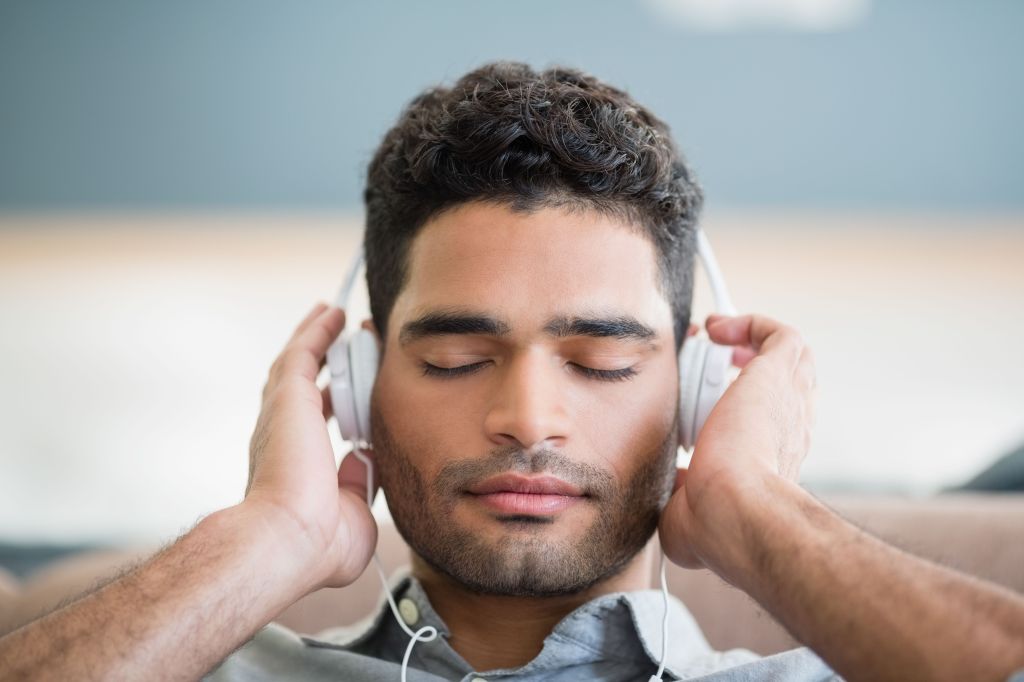
Listen to music
Music is a great way to relax and de-stress. You can listen to any music you like, but try not to choose something that’s too hard or fast. Music can also help you focus on what’s important in your life, which will help keep things in perspective when they get overwhelming.
Music can also help with sleep! I recommend listening before bed because it helps calm your mind enough so that it doesn’t keep tossing and turning at night because of all the stressors going through your head during the day (or even week).
Meditate
Meditating is a great way to relax and unwind. It can help you deal with stress, anxiety and depression, improve your memory and creativity, even slow down the aging process.
If you’re new to meditation or have never tried it before there are plenty of ways that beginners can begin:
Sit comfortably in a comfortable position (sitting or lying down).
Close your eyes if possible – this might help you focus better on what you are doing (most people choose not to cover their eyes).
Start by breathing normally through both nostrils for one minute without counting the breaths or trying anything else at first; this will help clear any thoughts from your mind so that when they come back again later on during meditation they won’t distract us from our task at hand which is meditating.
Talk to someone about your stressors
Talking to someone about your stressors is an important part of managing them. You can talk to your friends and family, but it’s also helpful to talk about the stressors with a therapist or counselor. If you feel comfortable talking about this issue with a doctor, go for it! The same goes for religious leaders, coaches and mentors who have experience dealing with similar issues in their own lives. And if none of these people are available yet, teachers are usually willing to listen when students come seeking guidance from them (or even just want advice on how they should handle their own problems).
Few more steps to encounter stress
Stress can be caused by a variety of factors including work-related issues, relationships with friends and family members or even just having too much on your plate at once. In order to manage stress effectively there are some steps that you can take:
Start taking breaks from time to time during the day (even if only for 5 minutes). This will help you relax and recharge so that when you return back into work mode again; everything feels fresh again.
Try getting outdoors more often during the day so that there’s less time spent indoors where all these feelings tend to accumulate over time because there isn’t much else going on besides watching TV shows while eating pizza as opposed being outside enjoying nature around us all… You get what I mean? 🙂
I hope this article has given you some useful tips for managing your stress. Remember that the best way to deal with a stressful situation is to stay calm and take action. Use our tips above and find something that helps you relax, like giving yourself time away from your responsibilities or getting some exercise – anything will do.
India is home to some of the most stunning natural attractions and historical sites in the world. With so many places to visit and things to do, it’s hard to know where to start. But if you want something off-the-beaten path, these 10 destinations are sure to satisfy your wanderlust.
1. Goa
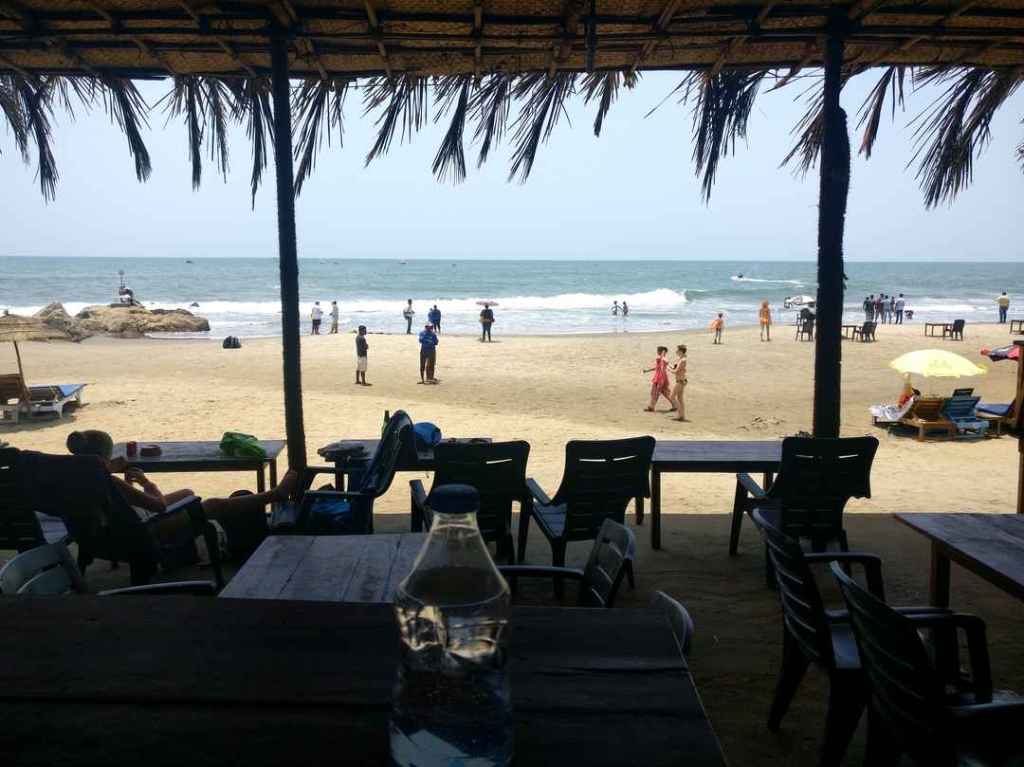
Vagator Beach, Goa
Goa is a popular tourist destination in India and has been attracting visitors for years. It’s known for its beaches, which are clean and have plenty of space to relax on them.
Goa also has great food, music and culture. The best way to experience all this is by staying at an airbnb or other bed & breakfast type place that hosts travelers from around the world!
2. Kerala
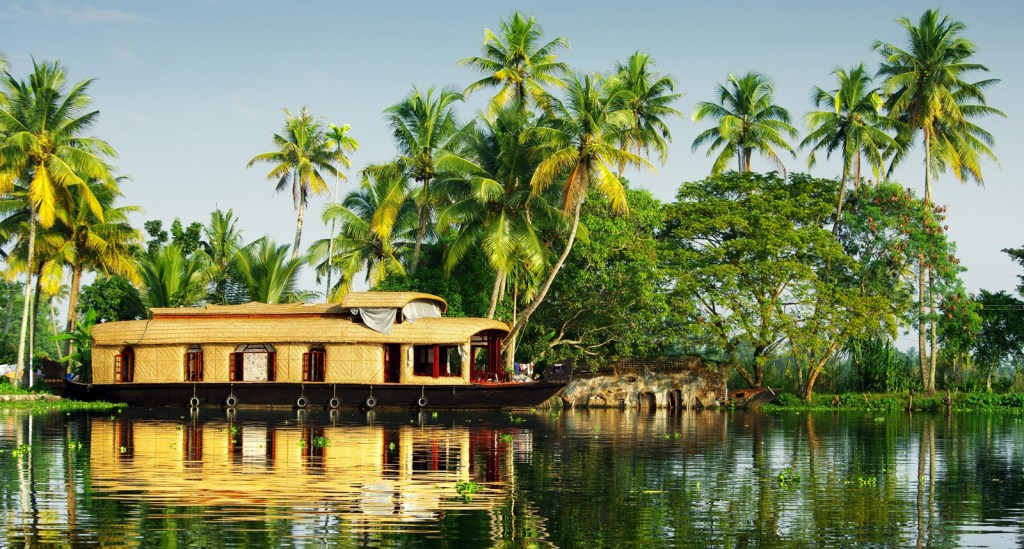
Kumarakom, Kerala
Kerala is a beautiful place to visit in India. It has many beaches, backwaters and historical sites. One of its most famous attractions is the backwaters of Alleppey that are home to some interesting wildlife sanctuaries. The state also has many temples which are a must-see during your trip here.
3. Andaman and Nicobar Islands
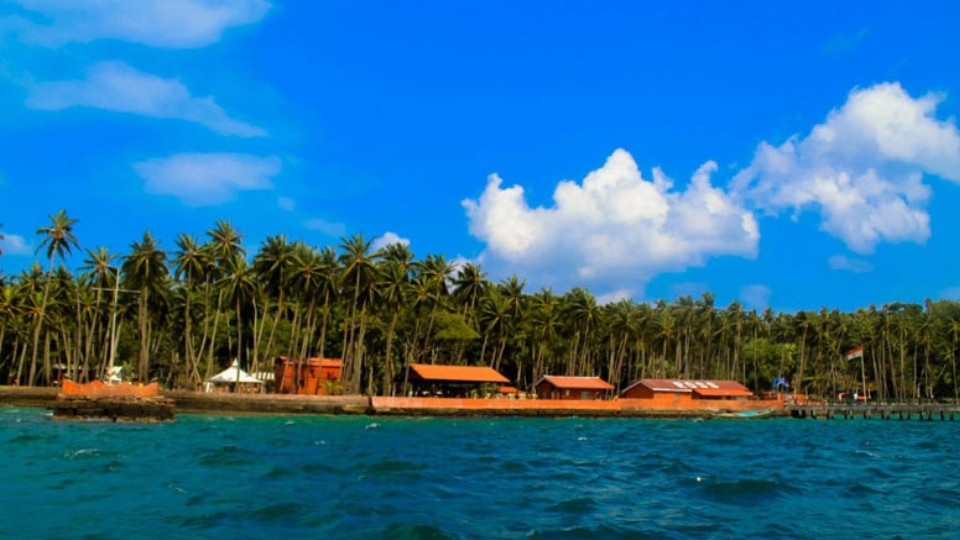
Andaman
The Andaman and Nicobar Islands are located in the Bay of Bengal, just off India’s coast. These islands are a part of India and home to many different tribes. The islands have a great climate for relaxation, as well as beaches with white sand.
4. Pondicherry
Serenity beach, Pondicherry
Pondicherry is a city in the union territory of Puducherry. It was formerly known as Pondicherry and it is located on the Coromandel Coast, India’s east coast, which is known for its beaches and resorts. The city has an old-world feel to it with buildings that date back to French rule over India during the 19th century.
Pondicherry has many beaches where you can go swimming or just relax on your day off from work.
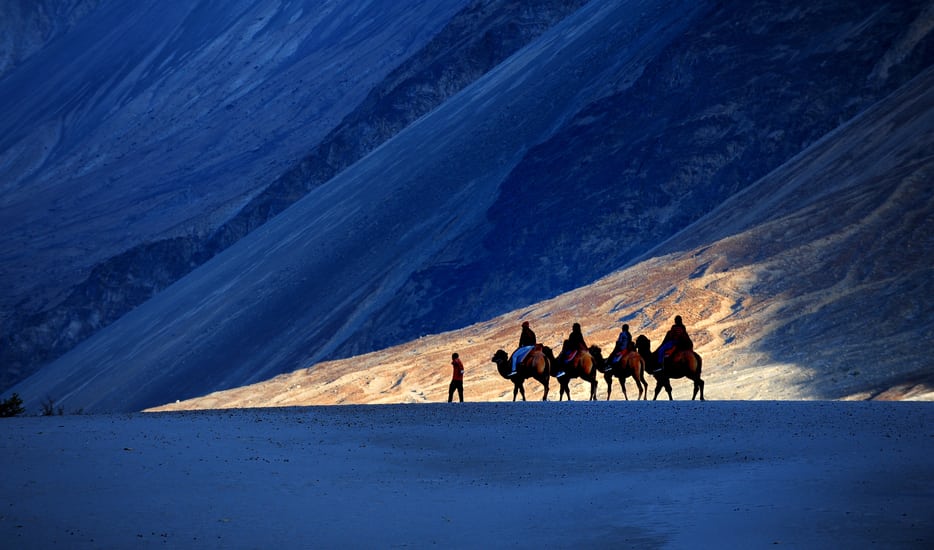
5. Leh Ladakh
Nubra Valley, Ladakh
Leh Ladakh is a cold desert in the Himalayas, close to the Chinese border. It’s a great place to visit if you want to see the mountains and enjoy some hiking or trekking. There are many places where you can go for this activity, but one of them is called “Nubra Valley”. In this valley there are many different things that you can do: horseback riding (on horses), skiing down from a mountain peak or just walking around looking at all those beautiful views.
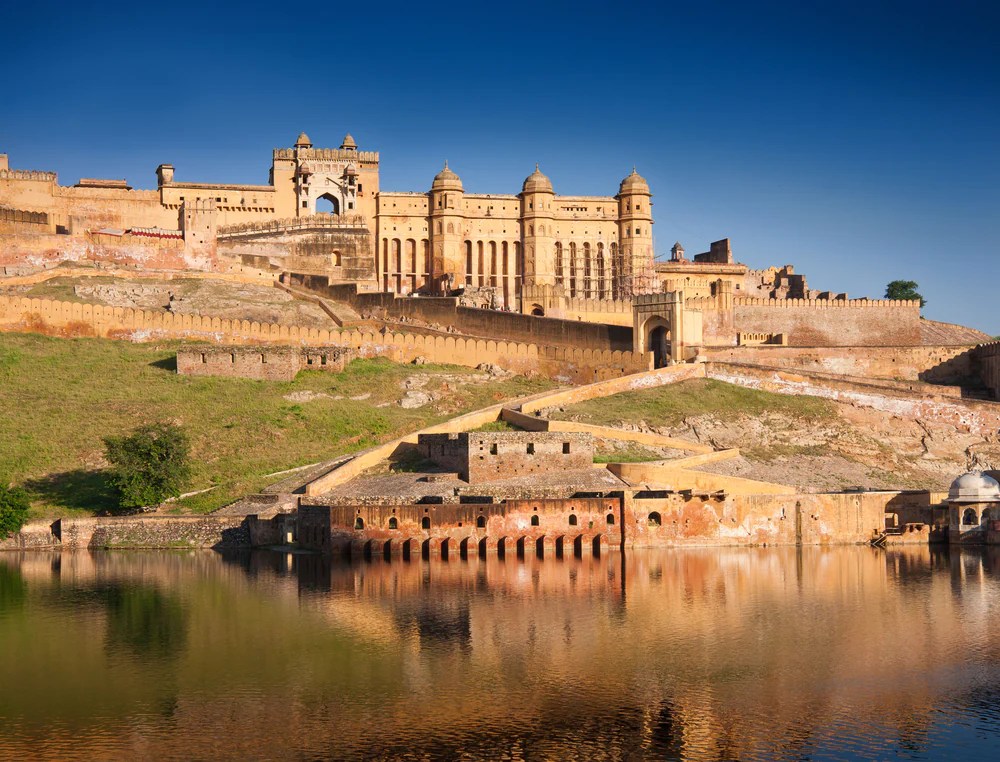
6. Rajasthan
Amer fort, jaipur
Rajasthan is a state in northern India. It has a desert climate, but it’s also known for its palaces and forts. The city of Jaipur is home to several of these attractions, including the Amber Fort and Jantar Mantar Observatory. It also has many lakes, some famous (Lake Pichola) and some not so much (Kumbhalgarh). Some people visit these lakes during wintertime because they’re warm then; others go there in summer because it looks like an ice skating rink. There are plenty of temples as well: we’re talking about hundreds of them.
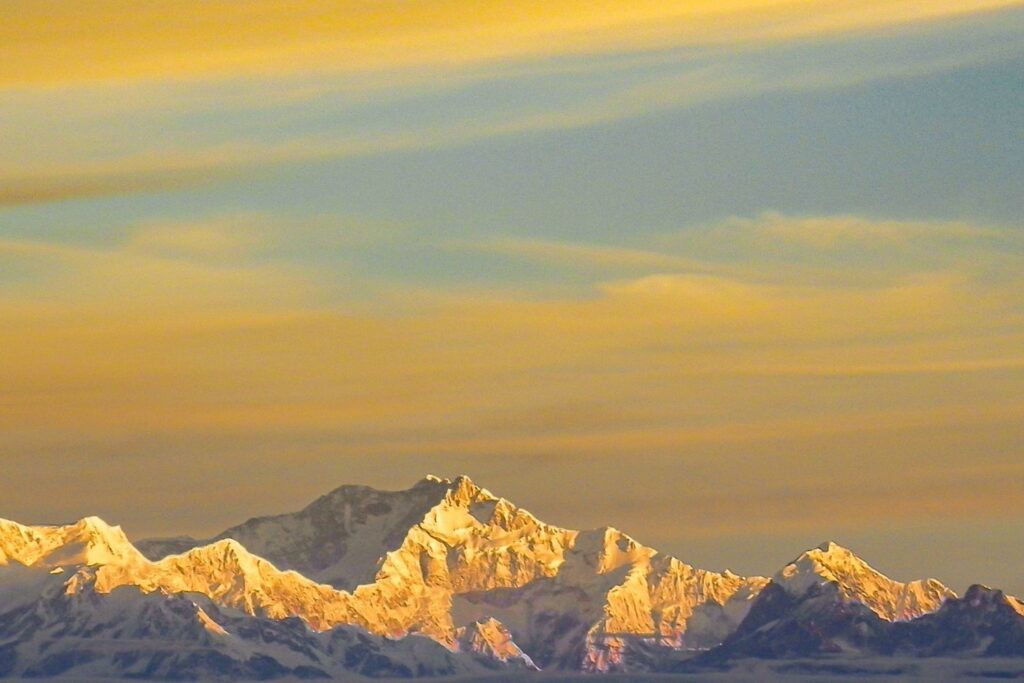
7. Darjeeling
The Kanchenjunga
Darjeeling is a hill station in West Bengal. The city is located on the foothills of the Himalayas and offers panoramic views of the plains below.
The town has been known for its tea plantations since 1834 when it was first discovered by British colonists. It’s also a popular destination for trekkers, who can choose from several trails to explore this beautiful area along with its rich history and natural beauty.
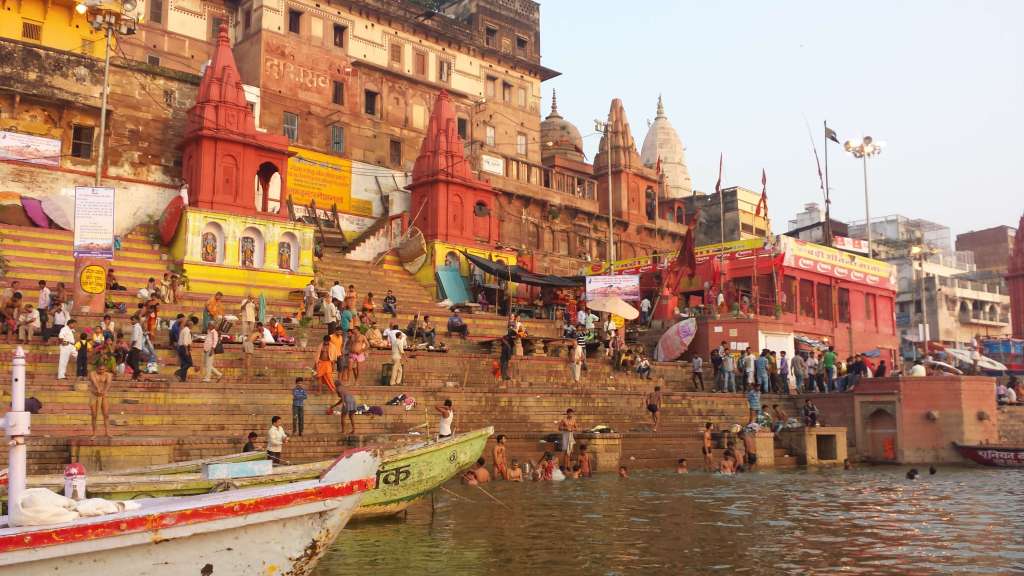
8. Varanasi
A ghat in varanasi
Varanasi is a religious, cultural and historical city located on the banks of River Ganges. It has been called one of the most sacred places in India as it’s believed that Lord Shiva resided here for some time before passing away.
The city is known for its ghats (steps leading down to the river), temples and food which are all part of its rich history. Varanasi offers tourists everything they need during their stay – from budget accommodation options to luxury hotels & resorts offering everything from pampering spa treatments to yoga classes at sunrise. Not only this but there are plenty of things to do when you visit Varanasi including visiting one or more ghat sites where pilgrims perform rituals during monsoon season when temperatures rise up high enough so visitors can bathe in freezing waters without getting cold feet.
9. Rishikesh
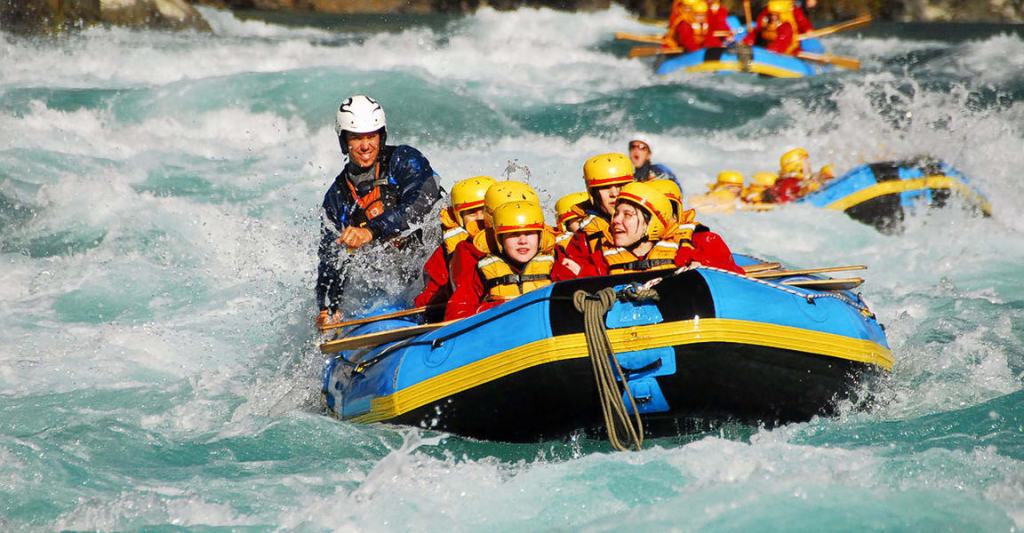
Rafting in Rishikesh
Rishikesh is full of amazing sights—from its spectacular natural surroundings to its historic temples and churches. Other sights include Lakshman Jhula Bridge built between 1822–1823 across River Ganges near Yamuna Sagar Lake during British rule; Vishwanath Temple dedicated specifically because he was considered Hindu god Vishnu’s favorite son; Kedarnath Temple built by King Bhagwan Nand Lal in memory of his father who died while building this temple during his lifetime. River rafting and other fun activities are organised here.
10. Gulmarg, Jammu and Kashmir
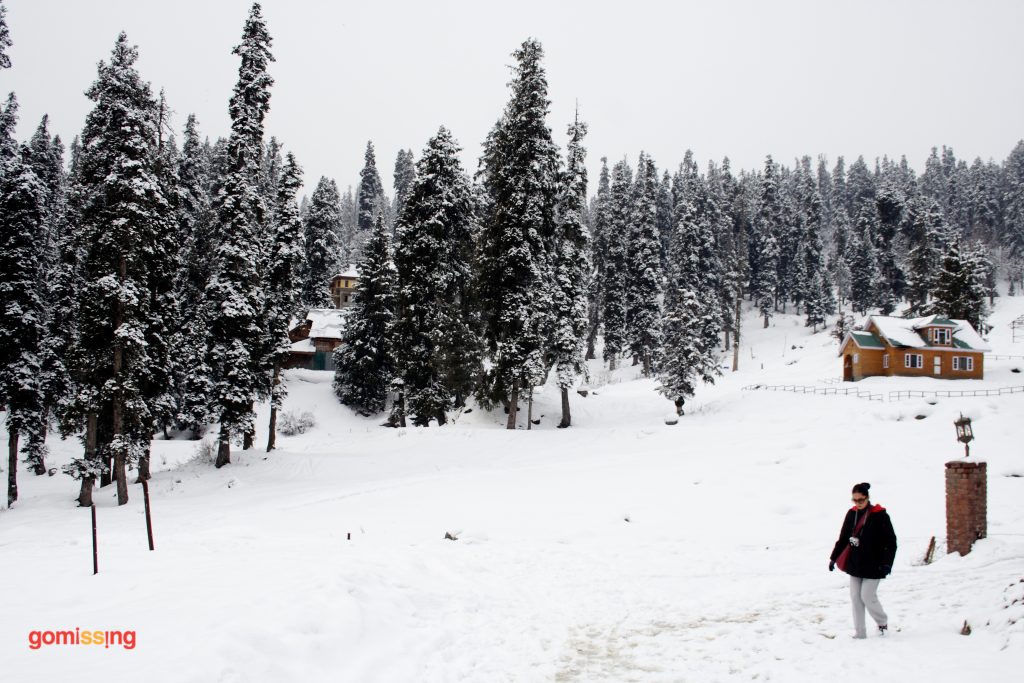
Gulmarg Golf Club area
Gulmarg is a ski resort in Kashmir, located at an altitude of 11,500 feet. It is one of the oldest and most popular tourist destinations in Jammu and Kashmir. The area has 300 km of pistes that can be reached by cable cars or snowshoes. Gulmarg also hosts many other activities like skiing, heli-skiing, snowboarding and more.
These are just a few of the travel destinations in India that you can experience and enjoy.
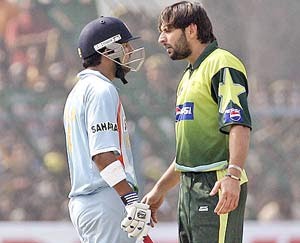
Pakistan’s Shahid Afridi and India’s Gautam Gambhir in an argument during a 2007 ODI in Kanpur
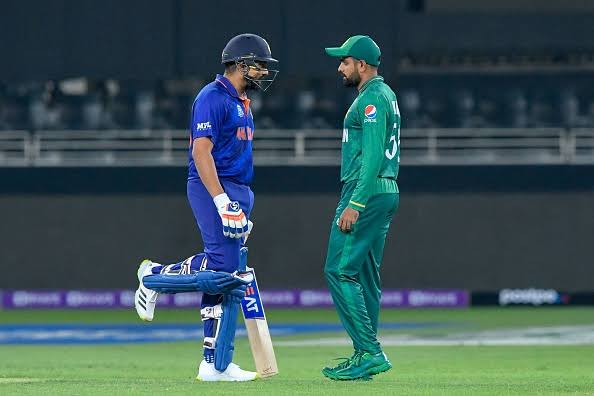
Sunday evening will be spiced up as the two arch-rivals India and Pakistan will lock horns in the T20 Asia cup match, to be played in the Dubai international stadium at 7:30 pm.
While India is Playing without Jasprit Bumrah and Harshal patel. Pakistan will have to carry on without the services of Shaheen afridi and Mohammad Wasim Jr.
Team India
Team india practice session
The revival of Indian batting has reached a turning point. Since the lethargic Tournament that occurred last October in the UAE, much exertion has been put into attaining a do-over. Commencing on Sunday, there seems to be an opportunity to try it for the very first time in a cross competition. India could use an adversary that regularly wins in the UAE as a beginning point to determine whether their 180 degree batting turnaround will break their 15-year T20 WC winless streak subsequently this year.
With such a decent top, India currently has the chance to adhere to this destruction strategy after improving their batting results over the past ten months in every part of the Twenty20 game by accepting the dangers and benefits about not performing cautiously. After their respective sabbatical, KL Rahul and Virat Kohli return, giving VVS Laxman and Rohit Sharma a crucial decision to make at the start of this campaign. Hardik Pandya, Dinesh Karthik, and Ravindra Jadeja make up India’s 5-6-7 finishing axis, with Suryakumar Yadav and Rishabh Pant acting as useful floaters. However, with their back to regular fortitude and as a sign of the batsman dominance hierarchy, this strategy may need to be adjusted.
Tactics: In this year’s T20Is, 12 of Bhuvneshwar Kumar’s Twenty strikes had arrive inside the PowerPlay. India will seek to utilise this skill against a team with a top-3 and middle-order batting average of 42.35 and 15.59, accordingly, since January 2021, which shows a noticeable talent gap amongst sides. Since January 2021, Babar Azam and Mohammad Rizwan have scored 1000 or more runs in T20I, therefore breaking that opening partnership should be India’s top bowling priority.
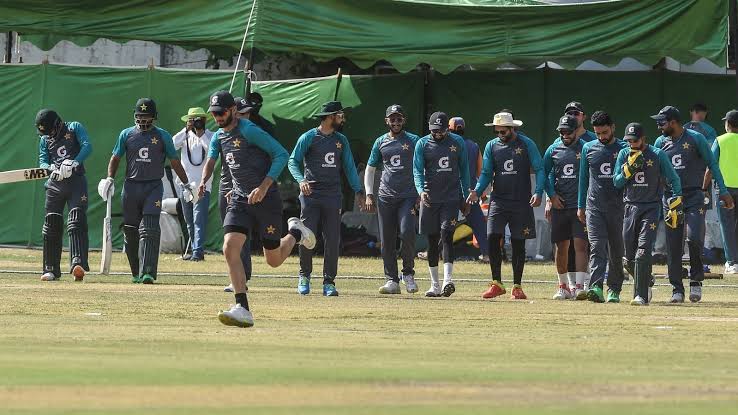
Team pakistan
Team pakistan practice session
All tempo issues and decision-making difficulties for Pakistan are related to its bowling. Due to Shaheen Afridi’s injuries, Pakistan has now been hindered vs an outfit that has had trouble handling the left-hander in previous matches. Mohammad Wasim Jr. is now unavailable due to injuries sustained during practise.
Shahnawaz Dahani and Naseem Shah are Pakistan’s two quick bowlers, and they have a cumulative total of two T20 Internationals of encounter. Hasan Ali, who had not been initially selected after a lacklustre year with ball, is now returned to the side. With his left-armer-free bowling options, Babar Azam must be precise, while leggie Shadab Khan, making his first Limited – overs match since December 2021, must also get going right away.
Tactics: Babar must use his skills wisely in Shaheen’s absence against an enthusiastic Indian batting lineup. It is important to wisely utilise the large sizes of the Dubai stadium, especially in the PowerPlay overs, when India has struck 71 sixes in 37 innings since January 2021. Pakistan has only hit 30 of them throughout this time period (in 10 less innings), which helps put the level of risk-taking into perspective. Timing the insertion of leggies Shadab and Usman Qadir will also be crucial, depending on where Rishabh Pant bats.
Head to head encounter
India has a better 8-5 win ratio over Pakistan at Asia Cups. Five of 6 Asia Cup competitions among the two teams since 2010 have been won by India.
Expectations
Dew’s effect causes problems for teams that bowl second. However, India has prepared for this possibility by electing to bat first if it is feasible since their last participated overseas. In 16 T20Is played following the 2021 World Cup, India has batted first 12 times and has lost just three of those contests.
Key players
Virat Kohli, Babar Azam,Rohit Sharma, Mohammad Rizwan,Bhuvneshwar Kumar and Haris Rauf.
What Captains have to say before match
Rohit Sharma (India): “The mood in the camp is buzzing. It will be a challenge to play against Pakistan without a doubt. We do talk about our losses, that’s how we improve as a team. That loss [in Dubai last year] did hurt us at that point, but I think it’s been a while since that game has been played. We learn from our mistakes. For now, it’s a fresh start for us and obviously, the team is coming out of playing a lot of T20 cricket. We will not think too much about what happened in October, that was a long time back.”
Babar Azam (Pakistan): “No heat at all [between the two sides]. It’s normal and we have to adjust to everything as a professional. Every match is important for me and it is my responsibility as captain that I give my 100 percent. Injuries are part of the team. We have a good bench strength and we have a young battery of fast bowlers who have performed well and I have belief in them.”
Pakistan : Babar Azam(c), Mohammad Rizwan(w), Fakhar Zaman, Iftikhar Ahmed, Khushdil Shah, Asif Ali, Mohammad Hasnain, Shadab Khan, Usman Qadir, Haris Rauf, Naseem Shah, Shahnawaz Dahani, Mohammad Nawaz, Hasan Ali, Haider Ali
Journalism is the profession and activity of investigating and reporting issues, events, current scenario, fashion and trends to the world audience in the form of writing for newspaper and magazines or broadcasting on television, radio and online media such as blogs and networking sites. This field or activity includes writing, designing, editing and photography. Journalists are the people who collect primary and secondary information and news and the product generated by such professionals are known as journalism. Journalism has played important and crucial role during elective democracies all over world and from there it has emerge as a professional identity which is called as journalists. Even today also journalists have unique status and role in the society. Journalism covers all information about individual, society, politics, organizations, government and business. News media are the source of information about public affairs.
Some of the aspects of journalism are:
Print Journalism
Print Journalism is the practice of investigating and reporting of events in newspaper, magazines or in printed form to a broad audience. Print journalism also covers cultural aspects of society such as arts and entertainment. Photojournalist often paired with a print journalist who takes photographs to tell the story using a medium of photographs.
Broadcast Journalism
Instead of printing the news, broadcast journalists report via television, digital videos, and radio. Broadcast journalism can be prerecorded or presented live.Broadcast journalists include news anchors, producers, correspondents, audio technicians, and more.
Investigative Journalism:
Investigative journalism aims to find out about the facts and presenting them in an unbiased form to the public. Many a time the investigators may find themselves in situations where the person is recalcitrant and not willing to share the information. These are the situations where investigators have to show their talents and gather the original information for the presentation of facts to the public.
Watchdog Journalism
Watchdog journalism refers to journalists gathering facts and using the information to expose the wrongdoings of people in power. Watchdog journalism is a key component of a democratic society. The journalists promote change and hold leaders accountable for their actions. Articles, documentaries, and radio shows shine a light on poor behavior to invoke positive change.
Reviews Journalism
Review writing is rather exciting, here the writer gets to state the facts about any event, object, happening or any person and then present his viewpoint on the same as a summary of his entire research or findings. It is based on research and experience of the writer.
Sports Journalism
Sports journalism is a specific segment that only covers sport-related news. It includes live sporting events, recaps, and stories about professional athletes. As the popularity of athletic competitions increased, journalists starting covering the events in newspaper columns. A sports journalist knows more than the average person about one or multiple sports. They can provide detailed insights and analyze sports-related data.
Political Journalism
Political journalists cover news related to politics, politicians, and political science. Political journalism is a key part of a democratic society. It aims to publish unbiased reports on government officials, policy changes, and supreme court cases. The goal of political journalism is to keep voters informed. Political journalists are experts in political science and strive to provide factual and honest information.
Trade Journalism
Trade journalism covers developments in the business world. These articles can be technical, analytical, or industry-specific. Publications by trade journalists often focus on commodities, like oil and gas. Or, they may report on specific sectors, like the finance industry.
Columns Journalism
Columns are like a personal blog where the writer gets to express his views on any subject of his choice. He can write humorous blogs or any type of area where he expertise. Columns are generally published on a weekly basis.
Feature Writing
Feature writing involves long blogs about the scope, depth or interpretation of any event, object or any subject of concern. It brings the topics and viewpoints to which were previously unseen to the limelight. The data is collected and the information is inferred by conducting interviews and consulting experts in the field. Feature writings are generally very useful and are award-winning blogs when the goals are achieved.
Recently, there has been addition of 5 more Indian sites in Ramsar list i.e. three from Tamil Nadu, one from Mizoram and one from Madhya Pradesh. Including these 5 recently added now makes the total of 54 such sites from the country.
Three wetlands in Tamil Nadu — Karikili Bird Sanctuary, Pallikaranai Marsh Reserve Forest and Pichavaram Mangrove ,Pala wetland in Mizoram and Sakhya Sagar in Madhya Pradesh are newly added to Ramsar list.
So, let’s know what is Ramsar site and it’s importance
Ramsar site is the wetland of international importance designated under the Ramsar Convention on Wetlands. These are unique rare wetlands and are rich in biolgical heritage and diversity.
The Ramsar Convention is an international treaty for the conservation and wise use of wetlands. It is named after the Iranian city of Ramsar, on the Caspian Sea, where the treaty was signed on February 2, 1971.
The aim is to develop and maintain an international network of wetlands which are important for the conservation of global biological diversity and for sustaining human life through the maintenance of their ecosystem components.
Wetlands play a crucial role in maintaining many natural cycles and supporting a wide range of biodiversity. They also purify and replenish the water. They serve as a natural sponge against flooding and drought, protect our coastlines and fight climate change.
Through Ramsar Convention we aim to save our wetlands and to conserve them and bring it to wise use efficiently.
Early times the Indian subcontinent appears to have provided an attractive habitat for human occupation. Toward the south it is effectively sheltered by wide expanses of ocean, which tended to isolate it culturally in ancient times, while to the north it is protected by the massive ranges of the Himalayas, which also sheltered it from the Arctic winds and the air currents of Central Asia. Only in the northwest and northeast is there easier access by land, and it was through those two sectors that most of the early contacts with the outside world took place.
Within the framework of hills and mountains represented by the Indo-Iranian borderlands on the west, the Indo-Myanmar borderlands in the east, and the Himalayas to the north, the subcontinent may in broadest terms be divided into two major divisions: in the north, the basins of the Indus and Ganges (Ganga) rivers (the Indo-Gangetic Plain) and, to the south, the block of Archean rocks that forms the Deccan plateau region. The expansive alluvial plain of the river basins provided the environment and focus for the rise of two great phases of city life: the civilization of the Indus valley, known as the Indus civilization, during the 3rd millennium BCE; and, during the 1st millennium BCE, that of the Ganges. To the south of this zone, and separating it from the peninsula proper, is a belt of hills and forests, running generally from west to east and to this day largely inhabited by tribal people. This belt has played mainly a negative role throughout Indian history in that it remained relatively thinly populated and did not form the focal point of any of the principal regional cultural developments of South Asia. However, it is traversed by various routes linking the more-attractive areas north and south of it. The Narmada (Narbada) River flows through this belt toward the west, mostly along the Vindhya Range, which has long been regarded as the symbolic boundary between northern and southern India.
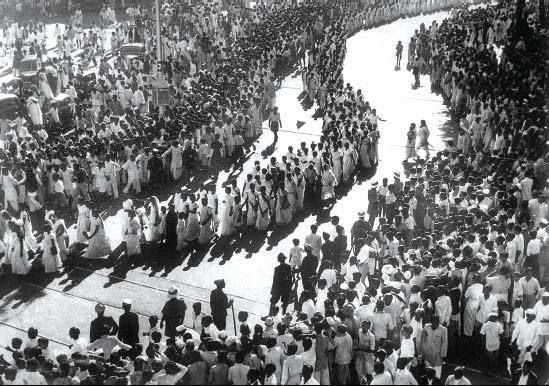
India’s movement for Independence occurred in stages elicit by the inflexibility of the Britishers and in various instances, their violent responses to non-violent protests. It was understood that the British were controlling the resources of India and the lives of its people, and as far as this control was ended India could not be for Indians.
On 28 December 1885 Indian National Congress (INC) was founded on the premises of Gokuldas Tejpal Sanskrit School at Bombay. It was presided over by W.C Banerjee and attended by 72 delegates. A.O Hume played an instrumental role in the foundation of INC with an aim to provide Safety Valve to the British Government. A.O Hume served as the first General Secretary of INC. The real Aim of Congress is to train the Indian youth in political agitation and to organise or to create public opinion in the country. For this, they use the method of an annual session where they discuss the problem and passed the resolution. The first or early phase of Indian Nationalism is also termed as Moderate Phase (1885-1905). Moderate leaders were W.C Banerjee, Gopal Krishna Gokhale, R.C Dutt, Ferozeshah Mehta, George Yule, etc. Moderates have full faith in British Government and adopted the PPP path i.e. Protest, Prayer, and Petition. Due to disillusionment from Moderates’ methods of work, extremism began to develop within the congress after 1892. The Extremist leaders were Lala Lajpat Rai, Bal Gangadhar Tilak, Bipin Chandra Pal, and Aurobindo Ghosh. Instead of the PPP path, they emphasise on self-reliance, constructive work, and swadeshi. With the announcement of the Partition of Bengal (1905) by Lord Curzon for administrative convenience, Swadeshi and Boycott resolution was passed in 1905.
ONE INDIVIDUAL MAY DIE; BUT THAT IDEA WILL, AFTER HIS DEATH, INCARNATE ITSELF IN A THOUSAND LIVES.
Recently, President election has been the talk of the town with Droupadi Murmu being elected as the India’s 15th President. Ms. Murmu becomes the second woman president and the first member of tribal community to do so as well as youngest president. She was the former Governor of Jharkhand and hails from the Santhal tribe and was born in Mayurbhanj in Odisha.
Coming to it lets know about how the election is conducted and it’s procedures:
The executive power of the Indian Union is vested with the President. The President is the head of the State and the supreme commander of the Defence Forces of India. The President exercises his powers on the advice of the Prime Minister and the Council of Ministers. According to the 42nd Amendment it is necessary for the President to exercise his/her functions with the advice of Council of Ministers.
Qualifications for Election:
A person shall be eligible for election as president if he/she :
is a citizen of India;
has completed the age of 35 years;
is qualified for election as a member of the Lok Sabha.
should not hold office of profit.
Whenever the office becomes vacant, the new president is chosen by an electoral college consisting of:
the elected members of both houses of Parliament , the elected members of the State Legislative Assemblies of all States and the elected members of the legislative assemblies of union territories with legislatures, i.e. National Capital Territory of Delhi, Jammu and Kashmir and the Union Territory of Puducherry.
The nomination of a candidate for election to the office of the president must be subscribed by at least 50 electors as proposers and 50 electors as seconders. Each candidate has to make a security deposit of ₹15,000 (US$190) in the Reserve bank of India. The security deposit is liable to be forfeited in case the candidate fails to secure one-sixth of the votes polled.
The election is held in accordance with the system of proportional representation (PR) by means of the instant runoff vote (IRV) method .The voting is done by secret ballot system. The manner of election of President is provided by Article 55 of the Constitution.
The actual calculation for votes cast by a particular state is calculated by dividing the state’s population by 1000, which is divided again by the number of legislators from the State voting in the electoral college. This number is the number of votes per legislator in a given state.
Travel across multiple countries brings a sense of freedom and discovery, but staying connected throughout the journey often requires careful planning. From navigating unfamiliar streets to accessing bookings and local updates, consistent internet access plays a key role in shaping a smooth travel experience. Without it, even simple tasks can become frustrating. Modern travellers now…
Citation Dutta, S., & Roy, M. (2026). A Systematic Literature Review on the Social, Economic, and Environmental Impact of Covid-19 Pandemic on Shopping Malls in India. Journal for Studies in Management and Planning, 12(2), 28–45. https://doi.org/10.26643/jsmap/8 Soumyadeep Dutta Doctoral ScholarDepartment of Architecture, Jadavpur UniversityAssistant ProfessorDepartment of Architecture and Planning,Sister Nivedita University Email: soumyadeep.d@snuniv.ac.in Prof. (Dr). Madhumita…
Citation Garba, A. G. (2026). Artificial Intelligence Skills Possessed by Office Technology and Management Professionals for Effective Records Management in Kano State Public Offices. International Journal of Research, 13(2), 254–266. https://doi.org/10.26643/edupub/1 Garba, Ado Gude Ph.D Department of Office Technology and Management Federal Polytechnic Kabo, Kano State. adogarba20@gmail.comhttps://orcid.org/0000-0002-6540-0887 Abstract The main focus of this study is…
Citation Chukwuka, E. J., & Amahi, F. U. (2026). Assessing the Modern Employee Management Strategies for Optimum Organizational Productivity in Nigeria. Journal for Studies in Management and Planning, 12(2), 1–27. https://doi.org/10.26643/jsmap/7 Ernest Jebolise Chukwuka (PhD) Department of Entrepreneurship and Business Innovation Faculty of Management Sciences University of Delta, Agbor ernest.chukwuka@unidel.edu.ng ORCID: 0000-0002-7876-9974 Fidelis U.…
Learn Home Cleaning 101 with beginner-friendly tips on daily resets, room-by-room routines, decluttering, and simple habits for a spotless, stress-free home.Keywords CleaNESTOR Text unique 99.9% Text of post Keeping your home clean doesn’t have to feel overwhelming, time-consuming, or complicated. For beginners, the biggest challenge is often knowing where to start, what to clean first, and…
Citation Mashrafi, M. (2026). Twin-Arch Crown High-Rise Towers: Geometry-Driven Structural Stability and Passive Environmental Performance in Coastal Urban Contexts. Journal for Studies in Management and Planning, 11(12), 58–78. https://doi.org/10.26643/jsmap/6 :Mokhdum Mashrafi (Mehadi Laja) Email: mehadilaja311@gmail.com Research Associate, Track2Training, India Researcher from Bangladesh Abstract High-rise development in coastal urban environments is governed by the combined challenges of…
Every elected member of the parliament enjoys the same number of votes, which may be obtained by dividing the total number of votes assigned to the members of legislative assemblies by the total number of elected representatives of the parliament.
Since ancient times, education has been a dominant force in society. The only change that has occurred is the substitution of teachers and schools with gurus and gurukuls. However, one crevice that is often overlooked is the true meaning of education in Indian society. We can see what perfect education is by breaking down this large issue into a few parts. The process of obtaining or imparting fundamental information, particularly at the school or university level, is characterized as education.
Education is a crucial aspect that contributes to the country’s improved literacy rate. The Indian government has primarily concentrated on providing education to all citizens since independence, and it has developed new initiatives to improve Indian education for many years.
The Indian education system is divided into four stages: lower primary, which is for children aged six to ten years, and upper primary, which is for children aged eleven to twelve years. High school, in which students begin school at the age of 13 and graduate at the age of 16, with the completion of upper secondary school occurring between the ages of 17 and 18. The Indian education system is regarded as the world’s oldest education system. It is not the greatest, despite being the oldest. The Indian education system is unproductive and inconvenient due to a lack of changes and improvements. Education, rather than being a formidable tool for shaping students into better beings with practical knowledge, has been reduced to an illusion of practicality due to several flaws. This eventually caused the system to fail, since it was no longer advantageous to pupils, eventually resulting to EXAM STRESS. Let’s see how things turn out.
The Indian education system has always been structured for a child to learn from a book and write tests in order to acquire excellent scores. While it aids in the development of children’s reading and writing skills, it does not aid in the acquisition of life skills. We frequently hear on the news that India’s unemployment rate is rising, and that many graduates with advanced degrees are unable to find work. So, what’s the deal with that? Our educational system is the answer. The Indian educational system was created to educate students how to achieve excellent grades and score high scores, but it was never intended to teach them how to live in this world. I completely agree that the education and information we gain from reading diverse books is unrivalled. However, while the Indian education system gives theoretical information to students, it is equally critical to educate them how to use that knowledge effectively, which many students fail to do, and this is one of the reasons why India’s unemployment rate is increasing at an exponential rate. Furthermore, the educational system is only a mirror of ideas, making it incredibly difficult for pupils to understand.
Failure to consider the balance in education, as well as how to deal with pressure, frequently leads to stress, with pupils becoming depressed as a result. It is the instructors’ obligation to allow pupils to think in new ways. Teachers should also instill in students the importance of classroom learning and teach them how to put it into practice. Furthermore, teachers must be open to the concept of learning new things from their students. If significant efforts are taken, our educational system may be improved. Instead than encouraging kids to prepare for exams by just mugging up textbooks for the goal of getting a good grade, more practical information should be imparted to them. The educational authority should provide pupils with opportunity to put what they’ve learned in the textbooks into practice. Our educational system should also provide opportunities for kids to gain financial skills that will assist them in surviving in this world. Education authorities should educate pupils how to budget money, save money, and invest it in various assets such as stocks, gold, silver, and other precious metals. This will aid pupils in their future preparation. According to the United Nations Organization (UNO), India is ranked 145th out of 191 countries in terms of educational provision. We aren’t even among the top 50 countries on the planet. It is not about comparison, it is about the quality education we are reciprocating to the youth. This demonstrates how much we need to improve in order to stay current. If we want our country to develop and progress, we must first improve the quality of education we offer to our youngsters. As the phrase goes, “Today’s children are tomorrow’s future,” thus we should begin by modernizing India’s educational system at the basic level. Rather of enabling students to study solely theoretical information, educational authorities should use practical approaches that allow students to apply what they have learned in the classroom. We must do it for the sake of a brighter future if we can bring a wave of revolution by moderating our educational system.
Social media is an plateform which is build that facilitates the users to create content and sharing of information, ideas, interests and different contents ,through virtual communities and networks technology.
Over the last two decades, social media has gained tremendous growth and fame. Despite the fact that almost everyone in the world is connected to at least one social media platform, youth and teens are the ones who who are using social media and are becoming so socially hampered that they even interfere their lives with social media. According to researchers, they have found that these different social media plateforms have a profound impact on the lives of our youth in society in terms of morality, behavior, and even education.
The use of social media has both negative and positive impacts on our youth today. The positive effects of social media on young people today is keeping up to date with what’s happening around the world and being able to network and stay connected with classmates and friends without physical meetings. For example, people in one city can connect and interact with friends in other cities and neighborhoods, bridging the gap between them. In addition, social media platforms allow young people to create pages and groups based on their profession, beliefs, and other aspects of life, creating more connections and more opportunities in their respective fields. This could even create more employment opportunities for unemployed youth.
According to a BBC News report, social media sites appear to continue to connect and inform more people, but it’s also causing social isolation among youths as it reduces the number of face-to-face interactions between young people, as they usually spend most of their time on these online social platforms. Analysis of many studies by various scientists has shown that social isolation can have a variety of effects on youth’s physical, emotional, mental and psychological estate which can create different problems in them. This, in turn, can lead to depression, anxiety, and many other problems. Also, using short forms and abbreviations can lead to misspellings and misuse of words and tenses. This has a direct impact on the student’s language skills and tends to adversely affect the student as it leads to poor language performance.
Also, young teens under the age of 18 can be exposed to online content that may not be appropriate for their age. Social media often introduce these teens to pornographic content which may be shared on online social groups and this may mislead them . The morals of these teenagers are also manipulated because they are granted access to immoral literature and video. This can harm their phycology of seeing things differently in life.
The social media can be used effectively by youth as long hours on social media can be devoted to productive activities that enable people to grow, earn a living, and be educated, such as using online tutorials and online research materials. Social media may harm ones creativity and also can reduces the productivity of teens by chatting for long periods on social media sites . This may cause young people to not be independent, and rely on the help from others . Social media also provides a great platform for cyber theft and bullying. This increases the chances of personal information theft and incidents. This poses a lot of risk to young people as their personal information can be stolen because they are stored in places they do not know or where security is unknown or suspicious.
At last, social media opens a communication channel for young people and has many benefits. This includes the development of oneself and opening to wide range of social networks that promote opportunities and cultural abilities. However, it is very important that youth should use different social platforms carefully to avoid being victimized by cybercriminals and using it in limit so that it may not harm their mental and phycology abilities.
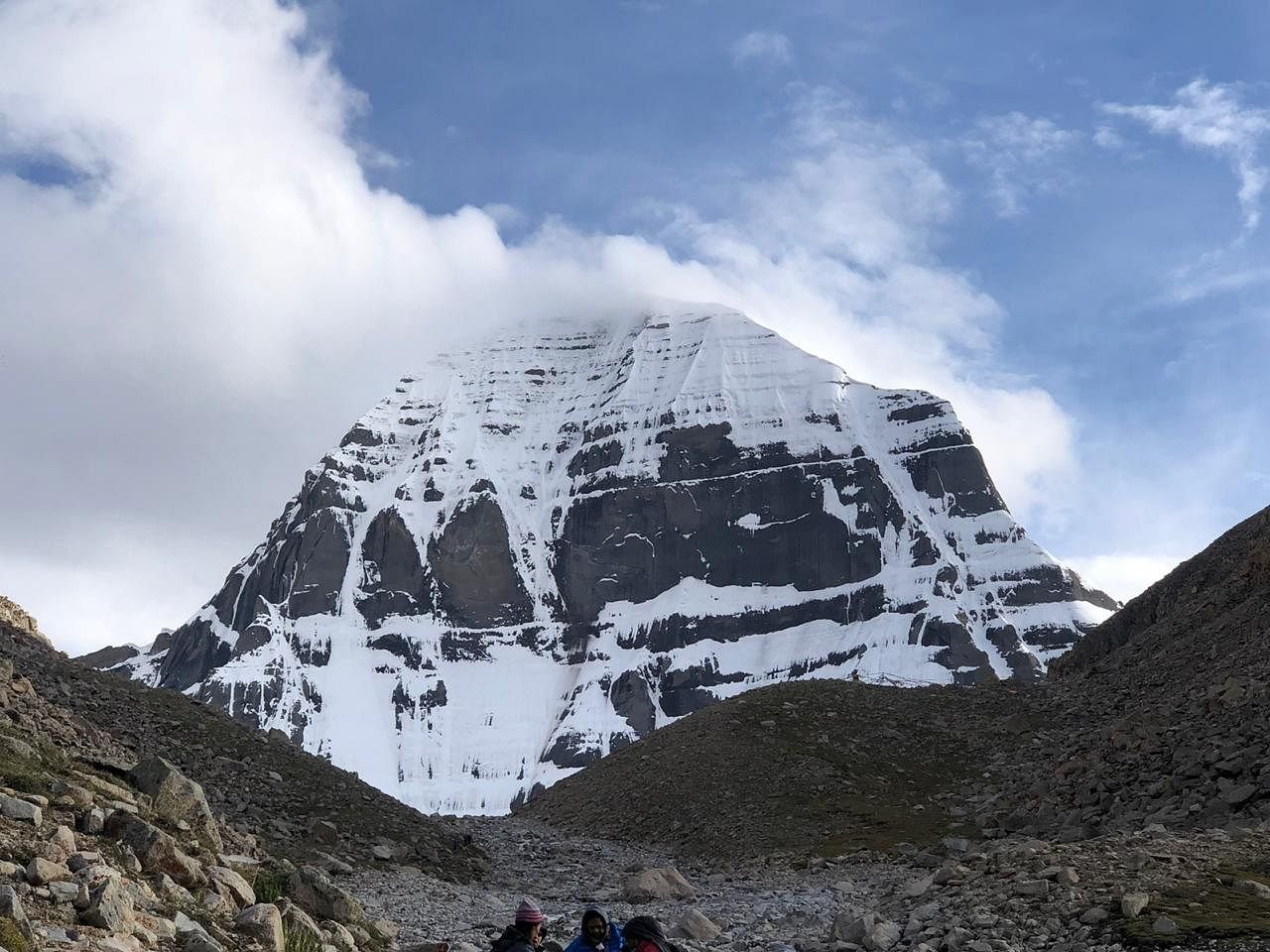
Mount Kailash is located near Lake Manasarover and Lake Rakshastal, near the Indus River, the headwaters of Asia’s longest river. Sutlej; Brahmaputra; Karnali also known as Ghaghara (a tributary of the Ganges) in India. Mount Kailash is considered to sacred in four religions. Receipts; Buddhism; and Jainism.
SOME INTRESTING FACTS ABOUT KAILASH MANASAROVAR
• Stairway to Heaven: Mount Kailash in Tibet is considered a “stairway to heaven”. According to Hindu mythology, it is the residence of Lord Shiva and Goddess Parvati. Climbing this sacred mountain peak is forbidden, as other religions also considered it sacred. •Sacred to different religions: Mount Kailash is sacred to four religions, including Hinduism, Jainism, Bonn, and Sikhism. Kailash Strange Structure:The strange pyramid shape of Kailash Manasarovar led to the theory that it was an artificial mountain. According to Russian researchers, Kailash is not a mountain because it is too perfect and symmetrical to be considered a natural event. According to scientists, it’s an artificial vacuum pyramid surrounded by hundreds of small pyramids. • Kailash cannot be conquered :Kailash, just 6,656 meters above sea level, is not the highest mountain in the world, but it is still unconquerable. There were several trekker trying to climb Mount Kaikash, but none reached the summit. It is believed that climbing this sacred summit will protect the gods. • Unexpected death of a climber: There are certain points in time when subsequent visits are prohibited. Siberian mountaineers visited once before this point and quickly aged decades earlier. Surprisingly, they died a year later at an old age. Divinity Dwelling: Mt. Kailash is a physical embodiment of Mt. Meru and is believed to have the technical expertise of the superhuman being of God. Earth’s Energy Center: This sacred mountain is considered the center of the universe. It is considered the axis of the universe, the center of the world, and the pillars of the world. It is the place where the earth and the sky meet. • Accelerating Aging Near Mt.Kailash: Scientists believed that the aging process would accelerate here. People who spend nearly 12 hours here have been shown to grow their hair and nails. This is equivalent to two weeks in normal life. • Kailash satellite view: The satellite view of Kailash shows that the shadow of Kailash represents the smile of Lord Shiva. • Kailash Mystery: You can see the Hindu symbol OM (ॐ) from the southern ridge of Kailash. The formation of a huge ice valley and horizontal rocks from the top of the mountain make up this symbol. Headwaters of the Great Rivers: There are four great rivers in Asia that spring from Kailash Manasarobar. Lake Mansarobar are the sources of the Indus, Sutlej, Brahmaputra and Karnali rivers, which form the main left tributaries of the Ganges. • Lakes of Good and Evil: The Kailas Himalayan region has two lakes, Lake Manasarovar and Lake Rakshastal. There are many myths surrounding these two lakes. They also show both the good and the bad of humanity. • Birthplace of Sir Ganesha: Gauri Kund is located near Lake Manasarovar, which is believed to be the birthplace of Lord Ganesha. This is the place where the goddess Parvati surrounded Sir Ganesha with bubbles while taking a bath. Mount Kailash is said to be non-flying area, you cannot fly over Mt. Kailash by helicopter or any other means.
” It’s pointless giving advice to people who will not listen. It only reduces the value of your words. “
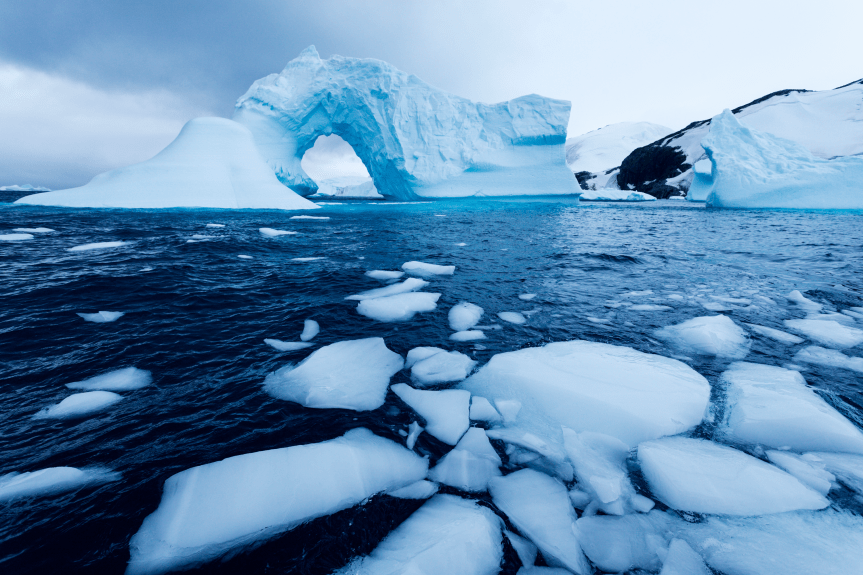
Glaciers are persistent chunks of dense ice that are constantly moving under their own weight. Glaciers are formed where snow accumulation exceeds its erosion over the years, and often centuries.
Rising global temperatures have undoubtedly been the cause of glacier melting throughout history. Due to the rate at which climate change is occurring today, it can become extinct at record rates.
Some of the other reasons: Carbon dioxide gases Emissions: Atmospheric concentrations of carbon dioxide and other greenhouse gases (GHGs) produced by human activities such as industry, transportation, deforestation, and burning fossil fuels warm the earth and melt glaciers. Glacier savings can be achieved if CO2 emissions can be reduced by 45% over the next decade before reaching zero by 2050. Ocean warming: The ocean absorbs 90% of the earth’s heat. This fact mainly affects the melting of sea glaciers near the poles and on the coast of Alaska (USA) and other heavy snow covered areas.
The main consequences of melting glaciers are: Sea Level Rising- Sea level is rising and covers most of the continental region. This means that which means within years most of the areas can be a complete flooded regions. Less freshwater – No glaciers also mean less water for population consumption, less hydropower capacity, and less water available for irrigation. Climate change-The balance between cyclone and anticyclone structure and meteorological patterns is deteriorating. Food Chain Imbalances-The habitats of some marine and terrestrial species are changing and they may harms to them in maintaining their natural circulation and habitat.
Temperature imbalances, extensive processes of deforestation, and rainfall can be other reasons for global warming that lead to glacier melting. Glaciologists believe that despite the massive ice loss, there is still time to save the glacier from the predicted disappearance. It can done through to curb climate change and save glaciers from getting extinct. Scientists believe that controlling climate change can prevent glaciers from melting and disappearing.
“The earth has a skin and that skin has diseases; one of its diseases is called man.”
National Integration is a process by which divisive people and culture are synthesized into a unified whole, along with higher levels of cooperation, mutual understanding, shared values, common identity and above all national consciousness. In the process of national integration, people of a nation develop the sense of we feeling and are unified. The broader objective of national integration has been the attainment of ideological goals such as secularism and democracy. But these are some negative forces lurking within the society which pose as a rising threat to the national integration of India in the form of communalism, regionalism, linguism, etc.
India represents a divirse religions and cultures. Hinduism, Islam, Sikhism, Christianity, Zoroastrianism, Buddhism, etc have flourished here. Whereas the Hindus constitute the major segment of India’s population, the Muslims constitute the largest minority. But the irony is that the adjustment between the Hindus and Muslims has been a failure several times, resulting in violent outbursts and communal riots. The inhuman behavior seen in the communal riots during the period of Independence of India, has no parallel instances in the entire history of the world. In fact, communalism is not a new phenomenon and has tended to exist since the times of the Muslim rule in the medieval period.
Communalism is described as a tool to mobilize people for or against, by raising an appeal on communal lines. Asghar Ali Engineer, Moin Shakir and Abdul Ahmed try to explain communalism as an ideological tool for propagation of economic and political interests. According, to them it I an instrument in the hands of the hands upper class to concentrate power by dividing people.
Communalism as an ideology may be perceived as:
A total commitment to a set of beliefs,
Far from rationality,
Commiting of self to the community alone,
Unwillingness to accept other belief patterns and faiths,
Closing of self and being highly emotional to it, to the extent of crossing the bounds of law at times.
It mostly rests on prejudices,
It causes rivalry and violence among masses,
It effects are disastrous,
It strikes at the roots of secularism and national integration.
There are many factors that lead to the emergence of communalism in the society. Some of these factors include provocation of enemy countries, negative effect of mass media, geographical causes, weak economic status of minorities, historical causes, organized and militant fundamentalist organization, orthodoxy and obscurantism and failure of government policies.
There stands an urgent need of eradication of communalism in our society. Some policies that can be undertaken in this regard include abolition of communal parties in our country, healthy public opinion, inter- religious marriages, declaration of national festivals, etc. These are few measures that may help in curbing communalism from causing any threat to the National integration of our country.
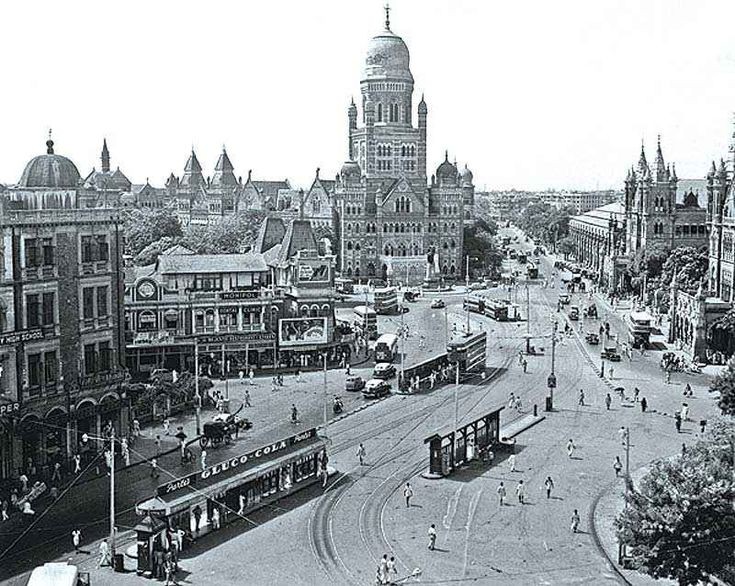
At the time of Independence from the British rule in 1947, there were many princely states. Sardar Vallabh Bhai Patel, the then home minister, played a stellar role in amalgamating these states into the union of India. The Constitution of India was adopted on 20th November 1949 and came into effect on 26th January 1950, which defined Union of India, comprising of different states and union territories. In 1956, the states were recognized on linguistic basis.
Language is a system of mutually intelligible vocal symbol by which the member of a society communicates. It serves as a medium of communication and expression of and for the masses, thereby instilling in them a sense of belongingness and warmness. In a broader sense, language plays an essential ROK in constructing a sense of identity.
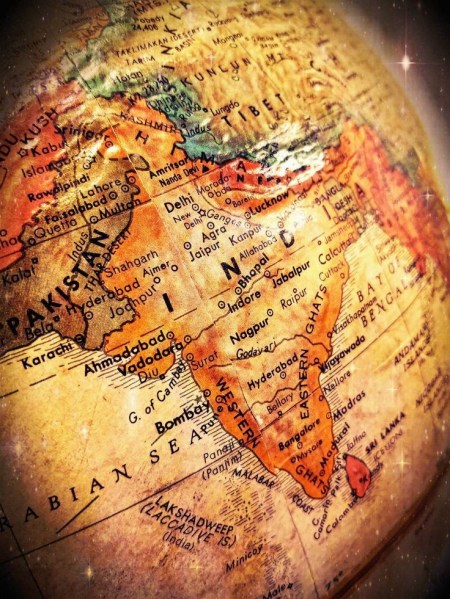
India is one such country which holds more than a billion population comprising of a vast communities having its own ethnocentric and distinctive profile of spoken and written languages. About 400 languages and 300 dialects spoken across 29 states and 7 Union Territories of India. According to 2011 linguistic survey, census at a reports there are a total of 121 languages and 270 mothertongues. There are 22 languages specified in the 8the constitution of India, of which Hindi is the predominant language spoken by about 43.63% of the population followed by Bengali (8.03%), Marathi (6.83%), Telugu (6.70%) and Tamil (5.70%).
The multilingual aspect of the country affects every aspect of its national life. At present the language problem has become so acute that it has posed a major threat to national integration. Most often linguistic tensions are being manifested in the borders which are bilingual.
Of course English is a great language, but the problem is that, no nation can grow great with the help of a foreign language, simply because a foreign language fails to represent the indigenous culture. In the past, India did not have the problem of languages, because Sanskrit and Prakrit served as link language. At present, although Hindi has been recognized as the official language of the Union, but his has promoted bitter hostilities, particularly in the South.
Development of one national language, that is, Sanskrit maybe keep the linguistic unrest under control as most of the languages owe their origin to the Sanskrit grammar and literature. States should be recognized as administrative unit rather than linguistic units. There should be ban on the political organizations which try to solidify linguism.
In conclusion, language is the most delicate part of the body of community. It should not ordinarily be disturbed in the process of national development or social regeneration.




















 Eduindex
You must be logged in to post a comment.