NUCLEAR DISARMAMENT: IS IT NECESSARY FOR WORLD PEACE?

Somehow we must transform the dynamics of the world power struggle from the negative nuclear arms race which no one can win to a positive contest to harness man’s creative genius for the purpose of making peace and prosperity a reality for all of the nations of the world”.
-Martin Luther King, Jr.

One fathomless longing of the human is for security, peace, and stability. And the possession of a nuclear weapon or other weapons of mass destruction is the greatest menace for humanity.

Nuclear weapons are the most lethal and indiscriminately inhumane weapons ever existed. It’s the only thing present on this planet to be capable of wiping out life.

We have already seen the catastrophic damage it brought upon Japan in 1945. And as time passed by we humans have found out other more deadly and fatal weapons.
Since the Japan bombings, we have not seen any other full-magnitude international war situations not just because there are no serious diplomatic tensions but because many of the nations possess nuclear weapons.

Nuclear disarmament and non-proliferation is not just a global security issue but one in a class of its own, having profound urgency.
The only other weighing global issue being climate change.

The gravest danger today is the existing stockpile of nuclear weaponry. There are at least 23,000 existing nuclear warheads with a combined destructive capability of around 150000 Hiroshima or Nagasaki-sized bombs.

YES, NUCLEAR DISARMAMENT IS NECESSARY


Experts have been urging continuously for complete disarmament, which is completely justified.

In 1963, Saint John XXIII urged the prohibition of an atomic weapon and stated that authentic and lasting international peace cannot rest on a balance of military power, but only upon mutual trust.

Experts say that when a nuclear bomb will explode the surface will become hotter than the sun causing mass destruction, thus bringing annihilation.
The Bulletin of the Atomic Scientists advanced the symbolic Doomsday Clock by 30 seconds in February, which indicates how the world leaders are failing in maintaining peace.

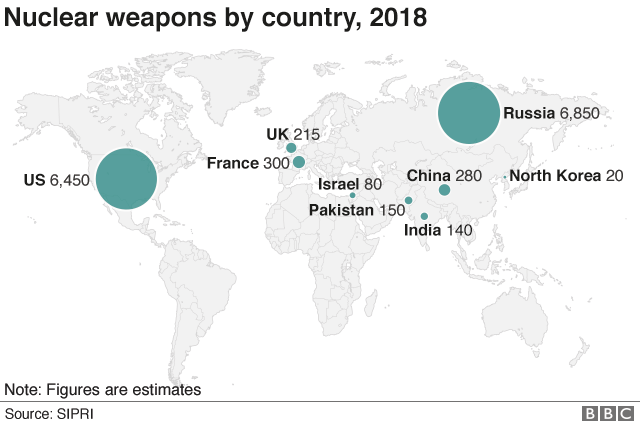
Countries like the USA and Russia have High-alert nuclear weapon(s) whose launch can be ordered (through the National Command Authority) and executed (via a nuclear command and control system) within 15 minutes or less. The USA has 6450 nuclear bombs in hand while Russia holds 6850 of them. With so high a degree of hazard in existence, the threat seems to be present above our head like a dangling sword.

Apart from this, Nuclear Terrorism is undeniable insecurity. Many terrorist organizations are trying hard to obtain nuclear weapons and THE BLACK MARKETING OF NUCLEAR WEAPON MATERIAL IS A GLOBAL THREAT. And if in unfortunate times they got hold of it, the holocaust it would create is beyond imagination.
Even if according to some experts the probability of terrorists having hold of a nuclear weapon is very small due to the weapon’s high security, we should not underestimate their capability as they have tried before and will try again in the future.

The Japanese terror cult Aum Shinrikyo, which used sarin gas in the 1995 Tokyo Metro attack, has also tried to acquire nuclear weapons.
In July 2014, after the fall of Mosul(a city in Iraq)
, ISIS militants captured nuclear materials from Mosul University. Later nuclear experts confirmed the material to be of “low grade”.
Till now terrorists are unsuccessful in acquiring nuclear materials but that does not mean they will not in the future.

Concludingly,

A world of peace, free from nuclear weapons, is the aspiration of millions of men and women everywhere. To make this ideal a reality calls for involvement on the part of all: individuals, religious communities and civil society, countries that possess nuclear weapons and those that do not, the military and private sectors, and international organizations” says Pope Francis in memory of the victims of the Hiroshima atomic bomb during his visit to the Peace Memorial Park on November 24, 2019.

Females in jobs(critical analysis)

How often do we see a woman on top official post? Women judges at the country courts?Women leaders of their countries?Female leads in movies?

You answer may be 1,10 or may be 100.

This proves exemptions cannot be treated as generalist examples.

Sustainable Goal by UN (goal-5)focuses   to Achieve gender equality and empower all women and girls..193 countries including India endorsed the goal.Still we witness a divide.

According to World Bank data (WB) women contributed 38.833% to the labor force in 2019.Less than 50%,not enough right? The same data shows that male labour force participation rate is 74.334%.

(As per ILO,Labour force participation rate is defined as the section of working population in the age group of 16-64 in the economy currently employed or seeking employment)

Where and why?

1.Judiciary

       Since Independence there have been only 8 female judges in the Supreme Court of India.While ,no Female CJI yet. High courts witness the same fate with 82 females as judges.In federal court of America,about 73% judges are male.UAE had their first female judge in 2019.Kenya recently appointed its first female Chief Justice

2. Films

There is a huge gender pay gal witnessed in film industry be it hollywood,bollywood.Many actors like Oscar winner Jennifer Lawrence,Emma watson have been vocal.National Award winner Priyanka Chopra said ,”Gender pay gap is a global problem”.

3. Private sector 

     Private sector particularly Service sector provides ample opportunity for women.Although they face problems as the employers want to avoid giving maternity benefits and leaves ,flexibility of night shifts ,transfers due to marriage etc.Women have proved their mettle by engaging in most challenging jobs in the modern times and broke the above myths.

4.Politics

 A 33% reservation for women in and legislative assembly and legislative council bill is still pending before the legislature. According to UN women Women serve as Heads of State or Government in only 22 countries, and 119 countries have never had a woman leader .

5.Education              

The literacy rate for females in India is 53.7% whereas in America it is 77%.No prizes for guessing,male literacy rate is higher in both the developing and developed country.

According to UIS data provided by UNESCO,only 30% women researchers in science.Still they have managed to fare well and won most noble prizes in physics,chemistry and medicine.

They are faced with societal,matrimonial,family pressure.Child marriage,trafficking undoubtedly illegal on paper but are still  practiced by villages.

6. Police

 According to data from Bureau of Police Research and Development (BPR&D) ,women constitute only 8.3% to the police personnel in India.It wasn’t until recently that women were allowed in territorial army.They are still not allowed in major combat roles.

Way forward:-

  1. Postive role of social media to spread awareness.
  2. Laying impetus on education,providing better research opportunities,creating more infrastructure in rural areas etc
  3. Employment generation for women,to make them better contributers in Country’s GDP.
  4. Support women entrepreneurs ,Shgs,make them aware about existing schemes and benefits.
  5. Increasing reservation of women wherever underrepresented,provision of training for required skills therein.
  6. Making workplace amicable by taking prompt action on their complaints.
  7. Creating avenues for her to explore,learn ,grow in any sector she desires.
  8. Ensuring no girl child suffers from child marriage,school drop outs,become victims of violence .
  9. Efforts to remove the taboo of menstrual cycle.

Dr.Ambedkar had once quoted,I measure the progress of any society by the condition of women in it.

Indeed ! Any country cannot flourish to it pinnacle by leaving the one gender behind.

How has the Pandemic affected the Education Sector?

The pandemic has brought with it nothing else but devastation and destruction. This destruction is not temporary, it will have an effect on the growth of our country in the upcoming years. One of the reasons would be the hardest hit education sector in our country.

The virtual mode of classes has gained the limelight but it has been very difficult for many children in rural areas to continue their studies without hurdles.

These virtual classes require an uninterrupted data connection and a gadget to attend classes on. They do not have access to these things, they might have sufficient data to access information from the web but to attend classes without network disturbance is not possible for them

Some of the government schools are not even holding virtual classes because they don’t have the resources and the teachers and students aren’t well equipped. The loss of these two academic years could have an adverse effect on the country’s future.

Teachers had to be trained to teach virtually and they tried their best to learn so that the studies do not get hampered but these teachers and students who have been teaching and learning in the physical mode for years can not suddenly transition to the digital mode. Children are better at adapting to new technologies but the teachers have had a hard time getting used to the digital mode and even then, the techniques and methods with which these experienced teachers used to teach couldn’t be implemented effectively through the screens.

The other problem faced by many school children is the lack of midday meal which was provided to them at their schools.Those children who benefitted from the Midday Meal Scheme are now deprived of nutrition although the government has now promised to give Rs.100 to each student of classes 1st to 8th who used to get the Midday meal but this is surely not enough to compensate the malnutrition faced by the students in the last year.

The unemployment rates have shot up and they have never been this bad. During the pandemic, many students are facing difficulties in getting placed into companies because many of them have initiated a hiring freeze for some time.

The fee has been a major issue during the lockdown period. Many schools and colleges are demanding the same amount of fees as during the regular classes but parents/guardians are not able to pay the fee of these educational institutions because many of them have lost their jobs. But it’s a loop because these educational institutions have also suffered due to the unpaid fees and hence considered lay off of teachers as an option.

All these issues have further increased the digital divide in our country. While many students are able to attend classes and continue the preparations for their exams, some of them are still struggling to get the uninterrupted data connection and many are devoid of online classes since the last year.

WhatsApp Versus Indian Government

The whole nation is in turmoil due to the provisions of the new Information Technology Rules, 2021. To understand the situation better, we will see what the rules are and why they are causing conflicts with the Government. 

New IT rules that undermine the power of social media

The proposed new rules will cover social media companies like Facebook and Twitter, OTT platforms such as Netflix, Amazon Prime, Hotstar, and digital news publishers like The News Minute, Scroll, Quint, The Wire, Newslaundry, The Cue. 

Indian Government revealed the new social media rules on February 25, 2021. As per the new rules, social media intermediaries will now come under a three-tier regulatory regime. In this context, “social media intermediary” refers to an intermediary which primarily enables interaction between two or more users and allows them to create, upload, share, disseminate, modify or access information using its services. 

  • The First Tier

The first tier follows a self-regulating mechanism. The social media intermediary is required to appoint a resident Chief Compliant Officer, nodal contact person, and a resident Grievance Officer. The Chief Compliant Officer shall ensure compliance with the Act and the rules thereunder. The nodal officers shall coordinate with the law enforcement agencies to ensure compliance with their orders. The Grievance Officer shall acknowledge the complaint of a user within 24 hours and dispose of such complaint within a period of fifteen days from the date of its receipt. 

  • The Second Tier

The second tier is self-regulated by a self-regulating body. This body consists of a retired judge or an eminent person from the department of media, entertainment, or any relevant field. It has the power to censure, modify or delete any content it deems a cognizable offense.

  • The Third Tier

The third tier follows an oversight mechanism. It establishes an Inter-Departmental Committee that mainly performs the functions of the self-regulatory bodies. 

Some of the chief issues that worry the social media companies

  • Privacy concerns

One of the provisions of the new rules requires that the social media intermediaries disclose the identity of the “first originator” of the information that threatens the sovereignty and integrity of India, the security of the state, or public order.

  • Usage of AI

The Indian Government also requires the social media intermediaries to deploy technology-based measures to identify information that depicts any act or simulation in any form depicting rape, child sexual abuse, or conduct, whether explicit or implicit. 

Reactions to the imposed IT rules:

Obtaining the identification of the first originator would break the end-to-end encryption. By breaking the encryption, users cannot safely exchange chats, photos, or information on social media platforms without them being open to access not just by bureaucrats and government bodies but also by hackers.

While it is necessary to deploy Artificial Intelligence (AI) to monitor objectionable content, there are certain limitations to implementing it. With the number of users increasing, it is laborious to moderate the amount of content generated every day. 

WhatsApp’s stand against the Government

While Facebook has complied with the new rules and Twitter has remained a silent bystander, WhatsApp has filed a lawsuit in India which seeks to block the new digital ethics code from coming into force. For WhatsApp to identify the first originator of even one message, it has to restructure the entire platform. This feature compromises the privacy of billions of people who communicate digitally. The other concern is that freedom of speech and any form of expression of dissent would be hampered. 

IT Minister Ravi Shankar Prasad has stated, “It is WhatsApp’s responsibility to find a technical solution, whether through encryption or otherwise.” It will be interesting to witness how far India would go to press WhatsApp to comply with the new rule.

WHY READING FICTION IS GOOD FOR YOU?

“Books are the quietest and most constant of friends; they are the most accessible and wisest of counselors, and the most patient of teachers.”
– Charles William Elliot

I’m certain that many of you will acknowledge what Charles William Elliot said. No one can deny the degree of power that books hold within itself and what lasting prints it leaves on us.
People usually pick up non-fiction books relating to- self-help, business, health, the lifestyle which are undoubtedly great to widen one’s horizons of knowledge. But fictions, on the other hand, are in a way an untapped reservoir of knowledge, wisdom, understanding, emotions, and countless other things.

If one wishes to develop an exceptional personality then he/she must inculcate the act of reading fiction. These are the most robust way of exercising your brain muscles and being more creative apart from developing a sense of understanding.

Reading fiction is like living many hundreds of life and experiencing all the heat and rain of it.

Ernest Hemingway said, “All good books have one thing in common — they are truer than if they had really happened, and after you’ve read one of them you will feel that all that happened, happened to you and then it belongs to you forever: the happiness and unhappiness, good and evil, ecstasy and sorrow, the food, wine, beds, people, and the weather.”
And only a fiction reader can relate to what Hemingway has said. While reading fiction the protagonist’s life gets affixed with the readers and whatever happens to him is experienced by the reader within himself and this is how the not-the-real story becomes an experience for the reader and it carries this experience throughout his life.

READING FICTION MAKES YOU MORE CREATIVE-


According to research conducted at the University of Toronto, it was found out that the students who read fiction experienced less need for “cognitive closure” (the human desire to eliminate ambiguity and arrive at definite conclusions ) than non-fiction readers.
Reading fiction novels makes the brain active and enables the reader to broaden his creativity and think of a situation or a thing from many different ways and angles.

FICTION HELPS UNDERSTAND OTHERS PERSPECTIVE-


You must have sensed while reading a fiction book a connection between you and the character. You see the situation through the character’s view and not from yours. That is where you blend yourself with the character and understand his perspectives, the way he opines, his actions, his arguments, and his justifications.

A good fiction runs deep in the dominion of psychology and philosophy. You start to accept and justify the other person’s viewpoint.

READING FICTION GIVES YOU WISDOM AND EXPERIENCE-


Many different books have many different stories. Each time you pick a book you are transported back to a completely different time and space. That is the power of reading fiction books.

You experience tragedies, happy endings, downfall, success, and whatnot. And while these experiences, you widen the realm of your wisdom. You clearly see the distinction between true and untrue, good and evil.
“You can never be wise unless you love reading”, says Samuel Johnson, an 18th CE English writer.

For instance, while reading a history academic textbook you just gulp down the fact and dates. But when you read historical fiction you walk down that path, experience the time and surrounding. And after you have put down your book you feel as if you are back in your time with a bagful of experiences and long-lasting impact.
“A good book is an event in my life.” is what Stendhal, a 19th-century French writer feels about reading.

FICTION HELPS YOU UNDERSTAND THE BIGGER PICTURE-


Fiction in its narration exhibits the bigger picture in a minuscule and detailed manner. It familiarises the readers with the ground situation and gives them a wholesome experience.

In the book “The Thousand Splendid Suns”, Khaled Hosseini portrays the life journey of a young girl to becoming an old woman in Afghanistan from the time of Soviet invasion to the reign of Taliban to post-Taliban rebuilding.
Through this deep-moving chronicle, the author teaches its reader about the life of common Afghanistani during the time, the hardships she goes through, and a beautiful, gripping description of her feelings and emotions.

Hosseini, through his book, tries to make his readers experience while sitting on their couch the turns and turmoils in the protagonist’s life and learn from the story the life morals, values, and virtues to hold on to.

All in all reading fiction gives you ‘EXPERIENCE’ of many lives and thus helps you in your overall personality.

LIVE-IN-RELATIONSHIP

The Invisible Parts of Your Relationship. - Kim CochraneKim Cochrane

INTRODUCTION

Live-in-relationship means where the partners live together as husband and wife without marriage. It involves continuous cohabitation between the partners without any responsibilities or obligations towards each other. It resembles like marriage but in actual it is little bit different as marriage is a sacred bond accepted by the society whereas on the other hand live-in-relationship is not accepted by the society at large till now.

Change is the law of nature and where right we should change ourselves a bit over time like we have started changing our perspective on live-in-relation. As we live in a society where our customs, rituals, ceremonies, traditions, etc. matter a lot so it will take some time to accept this emerging concept at large.


LAW IN INDIA ON LIVE-IN-RELATIONSHIPS

A BOND BY HEART OR BY KNOT” A COMPARATIVE ANALYSIS ON MARRIAGE AND LIVE IN  RELATIONSHIP | RACOLB LEGAL

Marriages are governed by the personal laws of the parties to which they belong but there is no uniform code for Live-In-Relationship. There is neither any law relating to Live-in-relationship nor any enactment which can determine the rights and obligations of the parties living as partners. It is nowhere defined in the law but if two major consenting adults are living together without marriage for a long span of time it is not illegal or unlawful. However, court has interpreted this concept in various judgements. By interpreting it, court ascertained certain rights and is amending the existing legislations so that misuse of such relations can be prevented.

VARIOUS LEGISLATIONS

  • DOMESTIC VIOLENCE ACT,2005 : The provisions of the act are now extended to those who are in live-in-relationships as well. The amendments intend to protect the victims of domestic abuse in live-in-relation. Legislature has given the rights and protection to the females not legally married but living with a male individual in a relationship having resemblance of marriage. A woman who is in live-in-relationship can now seek the legal remedy against her partner in case of abuse or harassment.

Section 2 (f) of the Domestic Violence Act, 2005 defines :

Domestic Relationship means a relationship between two persons who live or have, at any point of time, lived together in a shared household, when they are related by consanguinity, marriage, or through a relationship in the nature of marriage, adoption or are family members living together as a joint family.

Section 2 (g) of the Domestic Violence Act, 2005 provides :

A relationship between the two individuals who live together or have lived together in the past is considered as a domestic relationship.


EVIDENCE ACT,1872 : It raises the presumption of the existence of the fact.

Section 114 of the Evidence act,1872 says :

The court may presume the existence of any fact which it thinks likely to have happened, regard being given to the common course of natural events, human conduct and public and private business, in a relation as to the facts of the particular case. Therefore, where a man and a lady live respectively for a long time as a couple then there would be an assumption of marriage between the two.


CRIMINAL PROCEDURE CODE,1973 : 

The Supreme Court of India has confirmed the proposition in Velusamy vs. Patchaiammal case that a woman who was in a live-in-relationship with man not legally wedded is not entitled to claim maintenance under Section 125 of Criminal Procedure Code. However, if such a woman proves that she was in domestic relationship with the man in the nature of marriage would be entitled to claim maintenance under Section 20 (3) of Protection of Domestic Violence Act, 2005.


CHILDREN BORN OUT OF LIVE-IN-RELATIONSHIP :

Legal Rights of a Child Born in a Live-In Relationship

In January 2008, the Supreme Court held that children born out of live-in-relationships will not be considered as illegitimate.

In Vidyadhari v Sukhrana Bai, the Supreme Court passed a landmark judgement wherein the Court granted inheritance to the children born from the live in relationship in question and ascribed them the status of “legal heirs”.

  • Maintenance can also be claimed by a child born out of such live-in-relationship under section 125 of the Criminal Procedure Code,1973.


SUPREME COURT OBSERVATIONS AND JUDGEMENTS :

  • In the landmark case of S.Khushboo vs. Kanniammal (2010), the Supreme Court held that a live-in-relationship comes within the ambit of right to life under Article 21 of the Constitution of India. The court further held that live-in-relationships are permissible and the act of two major living together cannot be considered as illegal or unlawful.


  • In Lata Singh vs. State Of U.P & Anr., AIR 2006, the Supreme Court of India observed that live-in-relationship between two consenting adults of heterogenic sex does not amount to any offence (exception adultery which is decriminalized now) , even though it may be perceived as immoral.


  • In Indra Sarma vs. V.K.V.Sarma (2013), the Supreme Court observed that live-in-relationship like relations are neither a crime nor a sin though socially unacceptable in this country. The decision to marry or not to marry or to have a heterosexual relationship is intensely personal. 


  • In its recent judgement in the case of Pardeep Singh and Anr. vs. State Of Haryana

the Punjab & Haryana High Court : Live-In-Relationships not prohibited; such persons are entitled to equal protection of laws. 


CONCLUSION 

Live-in-relationships are not illegal or unlawful, if the two consenting adults are living together for a long period of time and that too without marriage.


Is coding an absolute necessity for kids starting from 1st grade?

The world is moving at a fast pace. And adults try their best to match the pace, but often they cannot because such is the development consuming the world. While 25 year olds are still trying to earn a place in this highly competitive salary race, what about 5 year olds? You would have seen many advertisements endorsed by popular celebrities saying that kids should start coding right from age 5. The tender age where they should be chasing a butterfly, they are to sit before computers. And not just learn coding, but also aim to be the stalwart that companies should be hounding after.

The biggest scam

Coding is an integral part of the digital world and of course, everything is done with the help of it. But that alone is not enough to incentivize parents into signing up their 5 and 6 year olds to coding classes. These ‘education’ platforms supposedly charge a hefty amount from parents just by some flashy marketing and advertising. You would’ve come across ads where a company allegedly claims that a 2nd grader bagged a 1.2-150 crore job from Google. It is definitely hard to believe(it has been proved that the claims are bogus) and at the same time, saddening that kids are now forced to enter the salary race.

Why coding isn’t the only thing in picture

child in front of laptop

The deeper unsettling fact is that parents are put up in such a situation where they feel bad for not signing up their kids. Think about what any parent would do if they hear that any child has the capability to design an app and can bag a place in top firms. They will readily sign up their kids, thinking they are going to secure their child’s life. But, what they don’t know is that, there is time. 1st grade or even 8th grade is not the age for children to learn the fundamentals of a for loop construct. It is the age where they are to learn the world, the surroundings, and their presence.

It is when languages should be given importance to. No, not programming languages, but the languages which lets them express their opinion to the world and which lets them explore the richness of their culture. It is when social and democratic sciences should be learnt, letting them know about their ancestral world.

It is also when values and ethics should be imparted into them, not by texts, but by making them experience it in a situation where it is put into test. While there is so much to learn about, forcing them to create a video game application not only burdens them with unnecessary information, but it also limits their creativity by directing it into one field only.

A note to parents

One thing parents must hardwire into their mind is that, coding alone cannot land you a job in Google or Microsoft. It is just another tool to put an idea into implementation. By introducing kids to coding at an early age, the ‘idea’ part gets subdued. There is no particular age to start coding. It is a gradual process.

We may not be aware, but every individual is already coding, no matter their knowledge in computer science. The literal meaning of coding is: to use a particular system for identifying things. As kids, as adults we already incorporate it in daily life when a kid arranges his play blocks in a certain manner or when adults have a particular system of doing their chores.

creativity
Let children explore their creativity. Source: Deposit Photos

Hence everyone can code if they have the interest to do so. The reason kids shouldn’t be obliged to learn coding at an early age is to allow them to have the time to identify their interests. So as parents, the least you can do is by providing them that right. The right to choose things that delight them. The right to choose it for themselves instead of pushing it down their throats at an age where they don’t even recognize it. Do not let falsified ads ruin childhood. Let them decide for themselves who they want to be. Until then, enjoy their transition. Because they are going to be kids only once.

You have a lifetime to work. But children are only young once.

How to plan career after 12th

Once class 12th results are out and the school is over, it is time to make the strategies for higher education and think over what to do next. With numerous options available today, students often get confused in choosing a relevant career path for them. Many of the students might have already had plans for their future in place but for some the confusion still persists.

Here are some tips to keep in mind while choosing the most relevant career path.

>Know your interests

Before jumping on to look for the available options in the science, commerce or humanities stream, it is extremely important to consider your interests. If you don’t want to spend your time at job/work counting your days then look for the career which best suits and aligns with your interests and abilities. Deciding out of peer pressure or family pressure might not turn out to be beneficial in long run.

>Choose the right course

These days there are a number of ways to pursue the same course such as degree course, diploma course, correspondence mode, online mode and distance mode of education. By getting to know about the course structure, syllabus and methodology of teaching you can pick up the course which suits your needs.

>Look out for future scope and opportunities

It might happen that your interests direct you to your preferred career path but not a viable career. In order to overcome this major hurdle, you need to search for and know about the future scope and opportunities available for that particular field in your country and abroad.

>Maintain a balance between college preference and course of study

A college preference might be as important as the preferred course but a balance between the two is more important. A good college offering your preferred course is a steal deal. However, if things don’t go as per your will, consider the course above the college brand. Because it is only the course that is going to decide your future prospects and not the college’s brand value.

>Have a plan B

Just in case you doubt losing the opportunity to grab your preference of course or college always have a plan B. It would not only save your time from being wasted but also let you to explore other options. Who knows the unexplored opportunities come with hidden but favourable outcomes for you.

National Educational policy -2020

The National Educational policy is to promote the standards of Indian education system.This policy was approved by the Union cabinet minister of India on 29th, July 2020. This policy replaces the policy of 1986. A committee was formed under the former cabinet secretary T.S.R Subramanian to consult the process of new National Educational policy . New draft NEP was submitted in 2019 by ISRO former chief krishnaswamy katurirangan which was later released by minister of Human Resources Department. There were over 2 lakhs of suggestions about the new National Educational policy from the people. The main vision is to provide high quality of education to all the people. It’s main aim is to increase the state expenditure on education from 3% to 6% of GDP.

          Now we will see what is New Education policy and it’s main objectives.

School Education:

   1.  This policy gives importance to the regional languages and mother tongue by making it compulsory till class 5 . Sanskrit and other foreign languages  will also be given emphasis.

There will be few changes in the curriculum structure. The 10+2 model will be replaced as 5+3+3+4 . The new policy has categorized the curriculum based on their age .

       The students from the age 3 to 5 will be categorised under the foundational stage in which it is further divided into two classes; the pre-school which is followed by the primary school where the method of learning will be activity learning.

classes from 3 to 5 will come under preparatory stage. Here they will get basic knowledge about the subjects like maths, science, social science and they will start to learn, write and read.

In the middle stage (class 6 to 8) the will read indepth concepts in the basic subjects like maths , science and social science.

       In the secondary stage (class 9 to 12)where they will start studying the multidisciplinary study and start to think critically.

     3. Instead of conducting academic exams for all the classes,there will be exams only for classes 2,5 and 8 .

    4. For the secondary classes , the board exams will be conducted on the basis of PARAKH ( performance, Assessment, Review and Analysis of knowledge for Holistic Development). The exams will be conducted twice in a year and both objective and descriptive type questions will be asked.

  5. Coding will be introduced in class 6 and along with midday meals breakfast also will be provided.

Higher Education:

      1.There will be 4 years of multidisciplinary bachelor degree in UG and one can discontinue whenever they needed and they will be provided with the degree certificate based on their qualification.

     2. The PG degree should not be discontinued to align the degree education.

     3.This policy proposes an internationalise education in India .

     4. All the institutions will be governed by single regulatory except medical and law colleges.

    5. The fees structure for both private and government universities will be fixed by the government.

     6. All the entrance exams for getting admissions in college including NEET, JEE will be conducted by NTA.

Teachers qualification:

     The minimum qualification for the teachers must be the completion of 4 years bachelor degree. The National Council for Teachers Education will frame a new curriculum for teachers education by 2021. This policy is to provide good education to the students by the highly knowledged and qualified teachers.

     These are all the policies that comes under the NEP 2020.Now you all can understand easily what is meant by NEP 2020 and why people are against this new policy.

Is There Life Outside Earth?

This is a question that has perturbed humanity for decades now. From the start of the early space age during the Cold War, where asserting dominance in space was given the first importance, unknowingly, the USSR and the USA shaped the future. They made the then-present generation more involved with things regarding space. Many movies and TV Shows like Star Trek and others that focused on space travel and aliens came into being. They all portrayed Earth as just one planet among many in the universe. Movies also portrayed the Moon, Mars, and Venus all to the harbor with life. They were said to be aliens over there and that the government is just covering it all up. This led to a rise in a sort of cultist movement in the 70s, where people spread propaganda regarding the existence of “little green men” across the solar system.

But this is all just fanciful imagination. None of this is actually true as far as science is concerned with the present knowledge we hold. From the missions we have sent to the Moon, Venus, and Mars, there seems to be no sign of life. Moon and Venus are completely devoid of any signs of a life-supporting system, and it is theorized that Moon and Venus cannot have supported life anytime in the past. However, as for Mars, there is proof suggesting that water may have flowed on the surface of Mars sometime in the past. This is because Mars has canyons and shorelines, which are being mapped, and simulations have shown that there was a high possibility that water may have once flowed on Mars. But this doesn’t necessarily mean that life is still there now. They may or may not have been life forms on Mars. But, if we find any one of them now, it would be in the form of microbes, not fully evolved conscious beings like us. Some missions are ongoing to find out if there are any fossils of Martian microorganisms. If there are, that would be the first sign that we are not ( at least, were not ) alone in this universe.

There have also been speculations that there is a very high possibility that alien life forms exist in the very galaxy that is much more advanced than us but does not interfere with us mainly because we are not worth noticing. A suitable analogy would be a man not noticing the worms or ants beneath him when walking through a forest. ( We are the ants! ) We are just not worthy of any form of attention from these alien civilizations.

The Drake Equation states that there are probably 1000 to 100,000,000 planets in our very galaxy that can harbor alien civilizations. But even with so many planets, the only thing we are receiving from outer space is dead silence. There has been a separate organization called SETI ( Search for Extraterrestrial Intelligence ) which searches the sky for any signals which are out of the ordinary. There has been only one such signal called the WOW signal, which was way out of the ordinary, but scientists have ruled it out as a piece of signal from Earth that was bounced back from space debris. There has been nothing that even shows the slightest hint of an extraterrestrial civilization.

This has been really dreadful to scientists. There is a high probability that humankind is well and truly alone in this entire vast universe. That we are the last ones left alive here. There is no one beside us. If there were, then they are truly gone. Even knowing that this is the highest possibility we live in fills me, the author, with some sense of extreme loneliness. Are we really the last living thing in this entire vast universe? If so, then the best we can do is to survive and thrive. Regardless, the search for extraterrestrial life will never stop. Even if all other life is dead, we will still try to find out what they were and how they vanished.

ALL ABOUT HINDU MARRIAGE IN BRIEF

How to explain 'The Hindu Marriage act 1955' to common citizen in  comprehensive way - Quora


Introduction

According to Hindu Law, Marriage is a sacrament or a religious ceremony that creates a relation between two families. It is a sacred tie between husband and wife which can not be broken. It is believed that Marriage is the purest form of bond which is for seven lives that is birth to birth. According to Vedas, a man is considered incomplete until he gets married. It is the last tenth sacrament.

Who are Hindus?

A person who :

  • Is a Hindu by religion in any of its forms.
  • Is born from Hindu parents.
  • Is a Buddhist, Jain, Sikh by religion.
  • Is not Muslim, Christian, Parsi or Jews and are not governed under Hindu Law.
  • Hindus by Conversion or Reconversion.

Conditions for a Hindu Marriage :

Section 5 of the Hindu Marriage Act,1955 lays down the following conditions for a valid Hindu Marriage :

i) neither party has the spouse living at the time of the marriage;

ii) at the time of the marriage, neither party-

  • is incapable of giving a valid consent to it in consequence of unsoundness of mind; or
  • though capable of giving valid consent, has been suffering from mental disorder of such a kind or to such an extent as to be unfit for marriage and the procreation of children; or
  • has been subject to recurrent attacks of insanity

iii) the bridegroom has completed the age of twenty-one years and the bride the age of eighteen years at the time of marriage;

iv) the parties are not within the degrees of prohibited relationship unless the custom or usage governing each of them permits of a marriage between the two;

v) the parties are not sapindas of each other unless the custom or usage governing each of them permits marriage between the two.

Ceremonies for a Hindu Marriage :

  • Marriage must be performed by the customary rites and ceremonies of either party thereto and where such ceremonies include the taking of seven steps by the bridegroom and the bride jointly before the sacred fire, the marriage becomes complete and binding when the seventh step is taken.


Registration of Marriage : As per section 8 of the act, provisions have been made to register the marriage under the act.


Types of Marriage :

i) Valid Marriage: if the marriage has been performed in followance of the essentials or conditions provided then it will be a perfectly valid marriage and is binding on the parties to it.

ii) Void Marriage: marriage shall be null and void and have no legal effect in the following cases if-

  •  either party has a spouse living at the time of the Marriage; or
  •  the marriage has been performed within the degrees of prohibited relationship unless the custom or usage governing each of them permits a marriage; or
  • the parties to a marriage are sapindas off each other unless the custom or usage permits it.

Marriage can be declared as void on the petition of either of the party to a marriage.

iii) Voidable Marriage: marriage is perfectly valid until or unless it is annulled by a decree of nullity and it can be avoided at the option of one of the parties to the marriage. Following are the grounds on which a marriage can be annulled-

a) marriage has not consummated owing to the impotence of the respondent; or

b) marriage violates clause (ii) of section 5; or

c) where the consent of the petitioner, or where the consent is given by the guardian, the consent is obtained by force or by fraud as to the nature of ceremony or as to any material fact or circumstances concerning the respondent. But this will not be a ground for annulment if-

  • the petition has been presented after one month of the cessation of force or fraud discovered; or
  • the petitioner has lived with the other party to a marriage with his or her full consent after the force has ceased or fraud has discovered.

d) the respondent was pregnant by another person at the time of marriage. But this ground shall not be entertained unless the court is satisfied that-

  • the petitioner was ignorant of this fact at the time of marriage;
  • proceedings have been instituted in the case of a marriage solemnized before the commencement of this act within one year of such commitment and in the case of marriages solemnised after commencement within one year from the date of such marriage; and
  • the marital intercourse with the consent of the petitioner has not taken place since the discovery by the petitioner of the existence of the said ground.

Punishments for contravention of conditions for Hindu marriage :

  •  any marriage between two Hindus solemnized after the commencement of the Hindu Marriage Act 1955 is void if at the date of such marriage either party had a  husband or wife living, and the provisions of section 494 and 495 of the IPC shall apply accordingly. This is a punishment for bigamy.
  • if there is a contravention of the condition of the age of marriage then will be punished with rigorous imprisonment which may extend to two years or with a fine which may extend to one lakh rupees or with both
  •  in the case of a contravention of the condition of sapinda relationship or prohibited degree then the punishment will be simple imprisonment which may extend to one month or with fine which may extend to one thousand rupees or with both. 


Conclusion 

After the commencement of the Hindu Marriage Act,1955 every marriage between the two adult Hindus should be performed in accordance with the rules and regulations made under the act for this purpose.


Cholera the infection and related pandemics.

Cholera is considered as a gastro-intestinal disease. An acute, secretory diarrhea caused by infection with Vibrio cholerae of the O1 and O139 serogroups. This bacterium is transmitted via contaminated food or water that has come in contact with fecal matter of the infected person. In some severe form, cholera can be a very terrifying illness in which profuse painless watery diarrhea and copious effortless vomiting may lead to hypovolemic shock and death in less than 24 hours, if untreated. Management of patient with cholera include aggressive fluid replacement, antibiotics. Prevention include safe water and good sanitary conditions. Two oral vaccines are available. Researchers have estimated that each year there are approximately 1.3 million to 4.0 million cases of cholera, and 21 000 to 143 000 deaths occurring in world due to cholera. Total of seven cholera pandemics have occurred in the past 200 years. The first pandemic originated in India.

Morphology and Identification

A. Typical Organisms V.cholerae is a gram negative, comma-shaped, curved rod 2–4 μm long. It is actively motile shows presence of polar flagellum.

(Vibrio cholerae, the bacterium that causes cholera)

B. Cultural characteristics and Plating media.

V.cholera are strongly aerobic. They grow well at 37°C on many kinds of media, including defined media containing mineral salts and asparagine as sources of carbon and nitrogen. On Mac Conkeys agar the colonies are colorless at first then become pink on prolonged incubation due to slow fermentation of lactose. V.cholerae grows on thiosulfate-citrate-bile-sucrose (TCBS) agar, a media selective for vibrio’s, on which it gives yellow-colored colonies that are readily visible against the dark-green background of the agar. Monsur’s gelatin taurocholate trypticase tellurite agar (GTTA) medium is also used. They produce small, translucent colonies with a greyish black Centre and a turbid halo. Most Vibrio species are halotolerant, and NaCl often enhances their growth. Some vibrios are halophilic, requiring the presence of high concentration of NaCl to grow. Vibrio species are susceptible to the compound O/129 (2,4-diamino-6,7di-isopropylpteridine phosphate)

C. Holding or Transport Media. Cary-Blair medium is used as a transport medium, it is a buffered solution of sodium chloride, calcium chloride, sodium thioglycolate, disodium phosphate at pH 8.4. Venkatraman-Ramakrishnan (VR) medium, in this the organisms do not multiply but remain viable for few weeks. It is dispended in screw capped bottles in 10-15 ml amounts. About 1-3 ml of stool is added to each bottle. Autoclaved sea water can also be used as a holding medium.

D. Biochemical Reactions. V.cholerae shows following features: It is catalase positive and oxidase positive. V.cholerae ferments sugars with production of acid only no gas formation. It ferments glucose, sucrose, maltose, mannitol, and mannose. It is a late lactose fermenter ferments lactose on incubation for several days. It does not ferment arabinose, inositol, and dulcitol. It forms indole and reduces nitrates to nitrites. It gives methyl red positive and urease test negative. It liquefies gelatin and decarboxylates lysine and ornithine, but not arginine. A positive oxidase test is a basic step in the identification of V.cholerae and other vibrios.

E. Antigenic Structure and Biologic Classification. Many vibrio’s possess a single heat-labile flagellar H antigen. They are classified as Group A vibrio’s, and the rest as Group B. Based on major somatic O antigen, Group A vibrio were further classified into subgroups or serovars also called as serogroups. Antibodies to the H antigen are not involved in the protection of susceptible hosts. V.cholerae contain an O lipopolysaccharide that confer serologic specificity. There is a minimum of 206 O antigen groups. V.cholerae strains of O group 1 and O group 139 that cause classic cholera; non-O1/non-O139 V.cholerae causes cholera-like disease. The V.cholerae serogroup O1 antigen has determinants that make further typing possible; the serotypes are Ogawa, Inaba, and Hikojima. V. cholerae O139 is similar to V.cholerae O1 El Tor biotype. V.cholerae O139 does not produce the O1 lipopolysaccharide and is incapable of making this antigen. V.cholerae O139 produce a polysaccharide capsule, but V.cholerae O1 does not produce a capsule.

Virulence factor and Resistance. Virulence factor of V.cholerae include cholera toxin, adhesin factor, toxin regulated pilus, siderophores, hemagglutination-protease, neurotransmidase and some others also. They produce a heat labile enterotoxin. Which consists of subunits A and B. Ganglioside GM1 act as the mucosal receptor for subunit B, which promotes entry of subunit A inside the cell. Activation of subunit A1 yields increased levels of intracellular cyclic adenosine monophosphate (cAMP) and results in hypersecretion of water and electrolytes. Electrolyte-rich diarrhea occurs—as much as 20–30 L/day—which results in dehydration, shock, acidosis, and death. The genes for V.cholerae enterotoxin are present on the bacterial chromosome. Cholera enterotoxin can stimulate the production of neutralizing antibodies. Toxin regulated pilus, helps in adherence to mucosal cells of intestine. Hemagglutination- protease, splits mucus and fibronectin and cholera toxin. Thereby inducing intestinal inflammation and helps in releasing free vibrios from bound mucosa to the intestinal lumen. Neuraminidase, destroys muramic acid and increases toxin receptors for V. cholerae. Siderophores is responsible for sequestration of iron. These organisms are susceptible to heat, drying and acids, but resist high alkalinity. Survival in water is influenced by pH, temperature, salinity and organic pollutants.

Immunity and Pathogenesis. After ingestion of V.cholerae, the majority are killed by gastric acid. Specific IgA antibodies are found in the lumen of the intestine. Similar antibodies in serum develop after infection but last only for few months. Vibriocidal antibodies in serum are associated with protection against colonization.

The pathogenesis of cholera and of diarrhea caused by enterotoxigenic bacteria other than V.cholerae 01 comprises three main stages: (1) bacterial colonization; (2) production and delivery of enterotoxins; and (3) toxin action and intestinal fluid secretion. (Ananthanarayan and Paniker, 1948;)

The structure and function of cholera toxin (CT) and its effects on fluid transport processes have been particularly well elucidated. It is believed that colonization may involve, sequentially: (1) chemotactic attraction of the bacteria to the surface of the mucus gel; (2) penetration of the mucus gel;'(3) adhesion to the epithelial cell surface; and (4) multiplication of mucus gel- and mucosa-associated bacteria. The bacterial cell surface receptor for CTXφ is the toxin-co-regulated pilus, which is itself encoded within a genomic island, vibrio pathogenicity island (VPI-1). Evolution of virulence in V.cholerae involves sequential acquisition of VPI-1 followed by CTXφ. Under normal conditions, V.cholerae is pathogenic only for humans. A person with normal gastric acid secretion may have to ingest as many as 1010 or more V.cholerae to become infected. When the medium is food, as few as 102–104 organisms are necessary because of the buffering capacity of food. Any medication that decreases stomach acidity makes a person more susceptible to infection with V cholerae. The organisms do not invade the bloodstream but remain within the intestinal tract. Pathogenic V cholerae organisms attach to the microvilli of epithelial cells. They multiply and secrete cholera toxin and also mucinases and endotoxin.

Laboratory Diagnosis.

  1. Specimens

Fresh stool specimen collected before administration of antibiotics is the specimen of choice. 

  1. Microscopy 

Dark field microscopy and phase contrast microscopy is preferred to check out motility and inhibition by antisera. Direct immunofluorescence is another rapid method used for detection of vibrios in the stool sample. 

  1. Culture 

The specimen collected in holding media is inoculated in enrichment media for 6-8 hrs., before inoculating on selective and general-purpose media. The specimen collected in transport media are incubated for 6-8 hrs. The inoculated plates are incubated at 37oC for a period of 24 hrs.

4. Specific Tests

V.cholerae organisms are also identified by slide agglutination tests using anti-O group 1 or group 139 antisera and also by biochemical reaction patterns. The diagnosis of cholera under field conditions has been reported to be facilitated by a sensitive and specific immunochromatographic dipstick test.

(Antisera to the O1 serogroup of V. cholerae will agglutinate homologous organisms (left). A normal serum or saline control (right) does not show agglutination)

Transmission.

Both contaminated water and contaminated food can serve as medium for the transmission of cholera. In Bangladesh and India, water appears to play a major role. In other areas, such as the South Pacific islands, foodborne outbreaks have occurred. In situations where water is the medium, it need not only be drinking-water that is responsible, since contaminated water may be consumed in other forms. In addition, contaminated water may inoculate food, leading to foodborne cholera. The role of fomites, fingers, bed linen, or other soiled objects in the transmission of cholera remains unclear. Type of transmission more often when there is overcrowding and hygiene is very poor. Children who acquire nosocomial cholera may be more susceptible than normal children because of their underlying illness.

Diagnosis and Treatment.

Physicians in endemic areas diagnose cholera based on its manifestations, particularly so-called “rice-water stool,” which is watery, colorless, odorless, and flecked with mucus, which looks like bits of rice. The necessary and immediate part of therapy consists of water and electrolyte replacement to correct the severe dehydration and salt depletion. Oral tetracycline and doxycycline tend to decrease stool output in cholera and shorten the period of excretion of vibrios. In some areas, tetracycline resistance of V.cholerae has emerged; the genes are carried by plasmids. In children and pregnant women, alternatives to the tetracyclines are erythromycin and furazolidone.

Epidemiology, Prevention and control. 

In endemic regions, the major cases occur among children below 5 years of age and in reproductive-age women. In some countries like Bangladesh and India, cholera infections occur every year. It is found that environmental factors such as climate, temperature, and salinity play a major role in cholera transmission. Reoccurrence of epidemic cholera has also been related to population density, urbanization, and overcrowding. For the prevention and control of cholera, it is necessary to understand the factors that are responsible for initiation and transmission of cholera in a community. Measures for the preventing cholera include provision of clean water, hygienic food and proper sanitary conditions to the cholera-endemic communities. Health education regarding personal hygiene and food safety should be provided. Media, community leaders, and religious leaders should participate in health education and social mobilization campaigns. Today, there are two oral cholera vaccines, namely Dukoral and Shanchol. Dukoral is made up of killed whole cell vaccine including V. cholerae O1 serogroup and recombinant B subunit of cholera toxin. This vaccine can be given to children above 2 years and to adults. Shanchol is a killed bivalent whole‐cell vaccine suspension. It can be dosed to 1 year of age and above. he primary methodologies for cholera control are suitable administration of cholera cases; fortifying research centers; preparing and limit working of medical care laborers; and accessibility of sufficient clinical supplies for the executives. Likewise, admittance to safe water, legitimate disinfection, suitable waste administration; individual cleanliness and food cleanliness rehearses; improved correspondence and public data are required for the control of cholera episodes.

Pandemics. 

Despite the fact that cholera has been around for a long time, the illness came to conspicuousness in the nineteenth century, when a deadly flare-up happened in India. There have since been various flare-ups and seven worldwide pandemics of cholera. Every year, cholera taints 1.3 to 4 million individuals around the globe, slaughtering 21,000 to 143,000 individuals. The primary cholera pandemic rose out of the Ganges Delta with a flare-up in Jessore, India, in 1817, coming from polluted rice. The infection immediately spread all through the majority of India. The pandemic ceased to exist 6 years after it started. The second cholera pandemic started around 1829. The pandemic would vanish and reappear all through various nations for almost twenty years until it died down around 1851. Six resulting pandemics executed huge number of individuals over all mainland. The seventh pandemic began in South Asia in 1961, and arrived at Africa in 1971 and the Americas in 1991. Cholera is presently endemic in numerous nations.

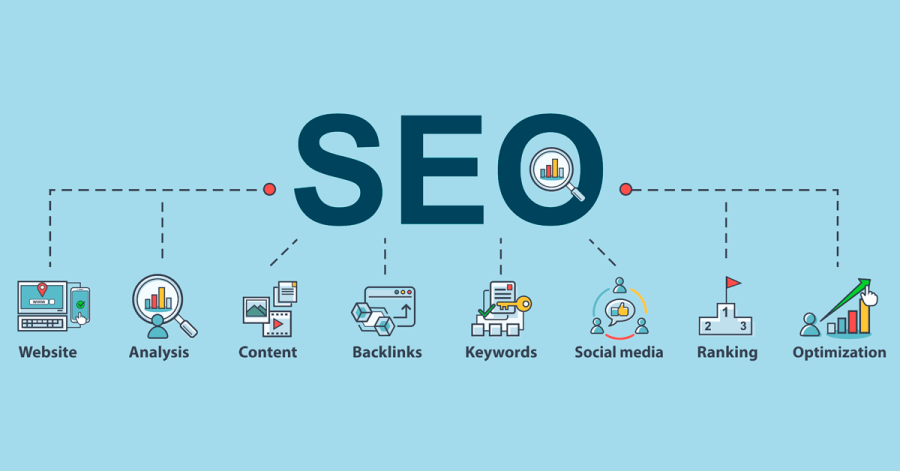
How to Optimize your blog content through SEO strategy (SEO content marketing)?

SEO: Search Engine Optimization is used to fetch top rank in the results of searches that people do. It can be achieved by using some definitive keywords in your blog. These keywords should be suitable for the content you develop for the target audience.

SEO can be classified into two techniques namely White hat and Black hat.

The White hat SEO is the technique that is accepted by search engines and the Black hat technique is the one that is not accepted.

The Black hat SEO uses some malicious ways like using keywords as hidden text or using the text of the same color as that of the background.

You should always use the white hat technique in your blogs as the search engines might penalize and reduce its ranking if they find out that you are using the black hat SEO.

Content marketing is writing and distributing relevant content to a specific audience online. 

When the SEO strategy and content marketing are applied together, your blog can appear in the top search results. SEO content marketing is a great way to attract more leads and to get your content a great deal of exposure and make it discoverable to a larger audience.

These are some few tips to boost your rank in search results:

1)Figure out the Keyword game: Research on what words the audience is using to search for content similar to yours. Now, use these keywords very judiciously and effectively in your content.

2)Keep your content updated: The information that your content contains should be updated regularly. This would make your content more reliable and hence it would get more reach among the audience.

3)Know your audience: Figure out what type of audience you want to write for and then develop content that they are looking for. Remember your content should be at par with their needs.

4)Make your content user friendly: Write in such a way that appeals audience but at the same time it should be easy to read

5) Effective Blog title: Using keywords in the blog title would be very effective in increasing your blog’s ranking as the search engines use the blog’s title and the metadata to rank the content.

Thus, a meticulously planned SEO content marketing strategy could help in fetching your blog a good ranking in the search results, and eventually, it will lead the target audience to your blog.

Covid-19: impact on Small Scale Industries

It has been over a year since the Covid-19 pandemic came to India and caused widespread havoc. The virus got noxious day by day even after the implementation of a nationwide lockdown.

This catastrophe was and is still so devastating that it has latched itself on to the economy of the country like a deadly sting of a bee. Though no sector has been left untouched by the pandemic’s spell, the small-scale industries have been hit very hard.

Indian small-scale industries play a key role in India’s export business. 45% to 50% of the Indian export is being contributed by Small Scale Industry sector. Unfortunately, this key business sector has been blown severely by the situation.

More than 80% of the small-scale businesses have suffered a negative impact due to Covid-19 and 70% expect that would take a year for their demands to recover to the pre-pandemic times, as observed by the survey of Dun & Bradstreet, a provider of commercial data, for businesses.

The survey also found out that 60% of the small business would require more support including initiatives by the government to stand up to the ill effects of the pandemic.
It further pointed out the 3 top challenges that might hinder these small businesses to expand, which are- market access (42%), improving the overall productivity (37%), and having access to more finance (34%).

During this time digitization in various sectors and even small businesses have earned them cost reduction and productivity. Small scale businesses have cut their costs by 54% during the time.
The Managing Director of Dun & Bradstreet India says “globally, digital adoption has been accelerated by 7 years due to the covid-19 crisis”.

The pandemic has aggravated the problems of credit facility, market support, and technological advancement that already persisted in pre-covid times.
“Given the intensity and duration of Covid-19, these problems will continue to exist in near future,” says Arun Singh, Global Chief Economist, Dun & Bradstreet, India.

STEPS TO TACKLE THE SITUATION:

  1. Government should allocate funds to these small businesses through financial institutions. These institutions must provide loans at low rates.
    2. These banks must provide loans after obtaining minimum security.
    3.The gap between the customer and producer must be bridged through effective marketing, by organizing fairs and exhibitions.
    4.The licensing procedure must be simple and at ease.
    5.Technological support must be provided to these businesses for their modernization.
    6.Training must be provided to entrepreneurs in technological, managerial, financial, and marketing areas.

We as the citizens of our country and potential customers of the small businesses must also contribute to uplifting them.
After all, what is more, heartwarming than lighting someone’s home and life?

WHAT WE CAN DO FROM OUR SIDE?

There are many small small steps that we can take, for instance,
instead of buying packed flour, we can purchase grains and get them ground from the small local mills.
We can privately fund small incense stick manufacturers and help them in their progress.
We can buy dry snacks from local bakery shops.
Likewise, we can support many other small businesses in our everyday life and bring a difference to them.

After all, helping others is not just a responsibility but it gives real meaning to our lives.

HOW WELL ARE STUDENTS TAKING ONLINE EDUCATION?

The outbreak of the COVID-19 pandemic in 2020 brought many dramatic changes in our social as well as personal lives. Our routines are changed, our habits and majorly our system of education.

Source: Google

Though the work from home culture is in its second year, the schools and universities are still trying to adapt themselves to the online mode of education. The introduction to digital classes was first seen as a major setback for the aged teachers who are not gadget-friendly or prefers an interactive physical class as the sole place for good teaching.

Over the course of time, these teachers have become quite familiar with the online teachings, yet, that special gap that will always tend to loom and show the differences of physical classes over the virtual ones.

Yes, it is quite true and agreeable that digital classrooms pave the way for the education of the future when most of the world has turned online in every sphere. But, how truly does it help students, especially the pre-primary or the primary ones? They are the ones who are most dependent on the ‘touches’ of the teachers, or be in a classroom- their first step to the world beyond home, socializing with others.

Major drawbacks online education brings:

Not affordable for all families in India:

Money stands a major factor here, in India. It is not a hidden fact to us that India is home to people of different social strata and financial standing. A handful of people across the nation cannot afford schools for their children. The Hindu in 2019 reported that 30 out of 100 children complete their school. The reasons may vary but we can’t deny the reality. The monetary conditions of families can be counted as a major reason. Well, this is the calculation done before the pandemic happened. As we see many children cannot afford proper schooling, we can predict how tough would it be for them to do classes “online”.

Online education could not serve to educate a major part of India because the poor folks cannot afford a smartphone in many parts of the country- leave alone a laptop or personal computer.

Network Accessibility:

India is a country of diversities, even geographically. Thus some groups of the population tend to live in extremely remote places like forests, or foothills of the Himalayas, or deltas of the Sundarbans. Such remote villages lack basic amenities to survive like proper water supply or electricity. To make a phone call one has to travel miles. So, this leaves us with the question, how can the children attend online classes?

This makes us think, is education moving from a basic right to a privilege?

Less personal interaction:

The virtual classes, how much fun it seemed at the beginning, could not hide its one of the major drawback for long. The lack of personal touch makes us the students detached from the school/ university vibe.

Yes, we hated the monotony of attending regular classes, but can’t deny the fact the monotony, the disciplined life, the constant monitoring of our mentors helped us in our studies. Secondly, school/university isn’t only about what we learn from books, we met real people, made friends and learn to live. But, beginning a session with online classes has made this quite impossible, we are making friends, but a part of the puzzle is missing.

Practicals:

Some of the subjects of the curriculum cannot be done with the help of online classes. In schools, physics, chemistry, biology practicals, or when we move up to the higher education subjects which require the teaching of gadget handlings like cinematography, engineering, or medical field is quite difficult on the students’ part.

The strain on eyes:

Since childhood, we came across our parents warning us not to watch too much television or going close to it, as it would harm our eyes. So, 2020 brought us to the days where most of our time is being spent staring at our mobile or laptop screens, not just adults but nursery children as well. This extended screen-time is causing eye strains, headaches and sometimes migraines to many.


Though throughout our school and college lives, we used to brood, What if we can attend our classes staying at home and not miss the attendance( tbh after passing school, it’s the attendance we mostly care about). But now, the one year of being in a virtual class, a part of us do miss the hustle and bustle of college life. We crave being back in those classrooms, feel those benches, or plan mass bunking our classes. Yes, though being a necessity now, online classes seem to take away a major part of our student life.