THE SCIENCE FICTION

With the rapid development of science and technology, science fiction has became popular in the modern times. The essence of fiction is the presentation of conflict in the human drama. Science fiction deals with conflict that arises out of the impact of scientific discoveries on the future life of humanity.

The writer of science fiction must be well-versed in the modern scientific knowledge to enable him to create a credible science story. Through in science fiction the element of fantasy dominates, the science fiction writers do not commit errors regarding scientific discoveries, facts and possibilities.

Types of science fiction:

There are two types of science fiction.

  • The first type is based on known facts of science leading to the development of new possiblities as in Arthur C. Clarke’s ‘The Sands of Mars’ which deals with the conditions encountered by the explorers on Mars.
  • The second type is science fantasy which is very popular today. It introduces any kind of assumptions, realistic or imaginary, which are necessary for the story. The strongest element in science fiction is imagination which often goes beyond credibility or rational understanding as in Bradbury’s ‘Martian Chronicles’.

Modern science fiction combines elements of scientific facts with fantasy. Most common themes in modern science fiction are the following:

  1. Space Travel, journey to other worlds and encounter with extra-terrestrial beings.
  2. Travelling in time past or future.
  3. Biological and psychological changes brought about by the appreciation of science in human beings and other species of life.
  4. Extraordinary powers acquired by man through the use of technology or abnormal mental powers possessed by some persons.

Science fiction began to acquire importance in the latter part of the 19th century with the fictional writings of Jules Verne and H.G Wells. Some of the stories of Edgar Allen Poe and Mary Shelley’s novel ‘Frankenstein’ had anticipated the coming of science fiction. However, it was Jules Verne’s novels such as ‘Journey to the Centre of the Earth’ and ‘Around the World in Eighty Days’ that set the trend. Science fiction achieved greater popularity with the writings of H.G Wells who wrote such classics as ‘The War of the Worlds’ and ‘The Time Machine’.

Modern science fiction presents most of the important technological achievements of the age — radar, rockets, medicines and robots, electronic brain, space vehicle, satellites, medicines and drugs with fantastic effects etc. Such materials are used with great imagination to create an exotic and weird effect.

The most outstanding science fiction writers since the sixties have been Isaac Asimov and Arthur C. Clarke. Asimov was a prolific writer of science fiction. His novels of the Foundation Saga and the series of ‘Robot’ novels have become classics. Two other outstanding novels of Asimov are ‘Extra-Terrastrials’ and ‘The Gods Themselves’.

The science fiction presents not only a fantastic world of wonders but, also a world more or less scientifically accurate. Most science fiction writings conform to the general principles of novel writing. They stimulate our imagination, satisfy our curiosity and lift us to a world of intense make-believe.

BOOKISH TERMS https://eduindex.org/2021/07/17/bookish-terms/

BOOK REVIEW: 1984 BY GEORGE ORWELL https://eduindex.org/2021/07/18/book-review-1984-by-george-orwell/

Self-Defense

We’ve all heard about self-defense since we were young, and living in the terrible world of the twenty-first century, when no one is entirely safe, it’s a responsibility to recognize that we are the only ones who can protect ourselves.
If we look at the most fundamental definition, it is the act of defending oneself from external danger.

Photo by cottonbro on Pexels.com

The “right to self-defense” is a legal term that refers to the use of self-defense in legal jurisdictions. It is critical to know how to defend yourself in today’s environment.

According to statistics, one out of every three women will be the victim of a violent attack at some point in her life. It is taught in training to block an assault, but it is much better if one can escape it!

As a result, the training should also cover how to avoid an attack in the first place. Which form of karate do you want to learn to defend yourself?

Knowing something as powerful as Karate gives you the confidence and strength to believe that you are not weak and that you have the ability to achieve your goals.

Self-defense techniques


1)Jujutsu\sTaekwondo

2)Krav Maga is a martial art that was developed in Israel.

3)Aikido

4)Wing Chun is a martial art that originated in China.

5)Brazilian Jiu-Jitsu is a martial art that originated in Brazil.

6)Muay Thai is a type of Thai boxing.

You may wish to learn self-defense for a variety of reasons. The most obvious reason is that you want to be able to protect yourself or your family if you ever find yourself in a dangerous situation. It is extremely rare to come across someone who wishes to hurt you. You are extremely vulnerable if you have no preparation for dealing with such issue.

According to the Department of Justice and the Centers for Disease Control and Prevention, one out of every six women has been sexually assaulted or attempted sexually assaulted.

The odds were 1 in 33 for men. No attack is ever the fault of the victim, and not all attacks can be prevented. However, we do know that mastering self-defense can assist victims in stopping or escaping their abusers. Self-defense training is required in a variety of situations, including rape.

A mugging or a house invasion are both circumstances in which self-defense training may help you better deal with the threat, defend yourself and your family, and find strategies to limit the harm the criminal can cause. It’s all about how to protect oneself and think effectively in high-pressure situations. It’s all about developing the confidence to better control situations that would otherwise be utterly out of your control.

Slowly, over time, the corporation became aware of the problem and began holding workshops for women working in the same industry. In fact, we now believe that every parent should include self-defense lessons in their child’s education. Self-defense has become a need for every growing child and individual today, alongside school, art programmed, and swimming sessions.

  1. Suitable for children
    It instils discipline in youngsters, provides a pleasurable pastime, and aids in the development of confidence. Children who acquire self-defense skills are more alert of their surroundings and are taught how to defend themselves against assailants of all ages, including adults and children. It teaches students how to deal with regular bully scenarios without turning become bullies.

2. Women will love it.
Self-defense can be beneficial to women and young girls for a variety of reasons. It boosts self-assurance. It also aids them in levelling the playing field with an assailant who may be far larger than they are. It’s also beneficial for any lady looking for a physical, hands-on workout.

3. Men will love it.
For the same reasons as women, males can benefit from this training. The training plan is a wonderful all-around workout that complements any other sports activity.

4. Excellent for the Elderly
We all know that age has little to do with learning new things. Older people can learn new practices, which will help them improve their health.

Photo by Anton Belitskiy on Pexels.com

Advantages of Self-Defense

Self-defense provides you the tools and abilities you need to analyze a dangerous situation with confidence and manage it successfully. Nothing could be more powerful than that. It aids in the development of confidence and control over your anxieties, and confidence is a superpower in and of itself.

Self-defense enhances your concentration and focus. As a result, you will learn to concentrate under stressful situations.

It allows you to learn simple maneuvers as well as more complex skills to defend oneself during an attack. Knowing how to defend oneself can make you feel less worried in public or afraid when you’re out late at night alone.


Self-defense is a fun and effective method to strengthen your body, burn calories, and enhance your overall health. Exercise also improves your mood, which is beneficial to persons who are suffering from depression.

One must be both physically and emotionally prepared for an attack. By learning self-defense, you will maintain your muscle and endurance through practicing along with other exercise activities. Thus improving your overall fitness will improve.

Your awareness of your surroundings will improve as a result of self-defense. You never know when you’ll be attacked; no one anticipates being attacked, so we must always be aware of our surroundings.

Improving balance not only includes the physical balance of your core muscles but also a mental balance for improving your focus. Self-defense teaches you how to focus on your target while you control your body. Not having balance, it is almost impossible to fight. Body control and balance help in protecting ourselves mentally and physically.

If you get into a battle, movement is crucial. You can’t just stand there and wait for your adversary to strike again; you have to move and react instinctively. It will aid in the development of your reflexes and the acquisition of a fighter’s reflex, allowing you to move fast and strategically in a situation like this.

.

How To Be A Customer Pleaser?

“Business is all about putting oneself in the customer’s shoes!”

The Laconic Writer

A New Customer is like an Angel who visits you with Nectar (Money) 😉 However, these Angels lend you their time when they consider the conditions with you and your company as comfortable and trustworthy. In short, these Angels need to be pleased just as we devote our time in prayers pleasing the lord so that he would fetch us some customers. Your prayers are answered because we will be revealing the ways of pleasing your customers and making them approach you. After reading this, you should gain some confidence in effective customer satisfaction services.

Customers approach you through two possible ways: Either they read about your services and felt tempted to try you out or they were told about your impeccable quality of services and thus, this good feedback made them trust you. The former case needs more creativity because in that vast section of content, you want your advertisement to be noticed, either through digital or print medium. Thus, you may have to work on uniqueness to stand out. The way you present your ad matters a lot. Use beautiful and stunning colours in case of print medium while digital medium would demand creativity in the message imparted. The latter case however, includes good customer service and high quality delivery of the same which would incline the customer towards you and force them to generate sweet words regarding your services to others. In the process, you not only get a regular customer but also an appreciating puppet! In short, customer pleasing is all about standing out and being on top of the competition. This is the first stage of customer pleasing before they enter and alight on this journey with you.

Moving to, after they get aboard and select you as their messiah over all other brands. An important point here is, that a business owner mustn’t take regular customers for granted. Just because they visit you almost every time, their importance in your company shouldn’t diminish. Most of the times, people tend to pay more attention to the newly arriving set of customers instead of the regular ones and thus, lose them in the process which isn’t a smart move. Also, since they are your family customers by now, make sure that you treat them with discounts and interesting attractions in an attempt to show that they matter. It is because these regular customers can scatter golden gossiping words that could uphold your company and its services. Regular customers should be your priority because they are responsible in fetching you a fresh set of customers. Attend them first and be extremely courteous to them so that they can, with the power of words, fetch you more regular customers. Of course, making regular customers requires that perfect attitude which should pass right through their hearts.

Interact more with customers so that they don’t feel left out and ignored. However, interact with patience and love so that they don’t get offended with your remarks while leaving with a bad impression which too, with the power of feedbacks, could ruin your business. So, remember to take careful steps in business.

Business is all about being friendly and honey coated! Dip your words in honey and sugar syrup before opening your mouth. Be lenient and patient when it comes to disclosing your services because customers sometimes tend to simply inquire without purchasing. However, a businessman shouldn’t have that myopic perspective of entertaining customers who would make a purchase and ignoring the ones who won’t. As stated earlier, every type of customer is important and shouldn’t be taken for granted because the customer may be testing your patience and estimating the quality of your services through your behavior. At times during such, patience is the key to success.

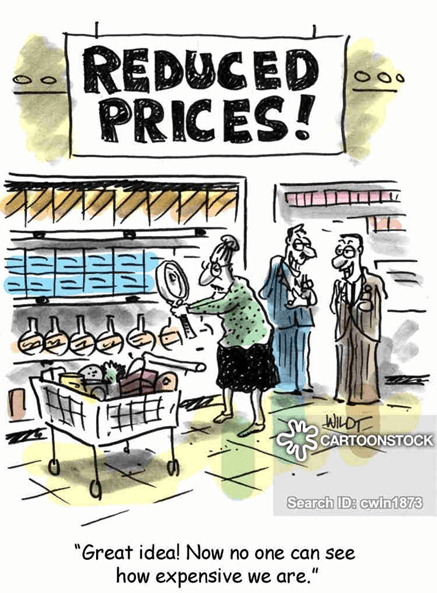
Introduce attractions like giveaways, buy 1 get 1 free offers, sales, discount coupons, lucky draw competitions, limited period offers etc. to grab attention of your customers. However, remember to set a reasonable rate of your products and services when pricing so as to make it seem appealing. When beginning your business, remember to have economical pricing since you need customers to start with, and after gradually experiencing a hike in the same, slowly but steadily increase the prices at a turtle’s pace. You don’t want to annoy your regular customers with inflation! 50 pounds shouldn’t escalate to 60 pounds in one go! 50 pounds should be increased to 52 pounds in two months and then gradually reach 60 till the end of the year. In fact, that’s what I would do. This is a great strategy to avoid terrified and annoyed customers whom we don’t intend to lose. Nobody wants a downfall after all and the customers too would understand that a hike in prices is obvious by the end of the year! So, be strategic and smart working when it comes to business.

In short, Business is all about honey coated words, excellent customer service, using attractions and benefits to show that customers matter, maintaining good interaction, and possessing the uniqueness to stand out!

Thank You For Reading!

Entrepreneur

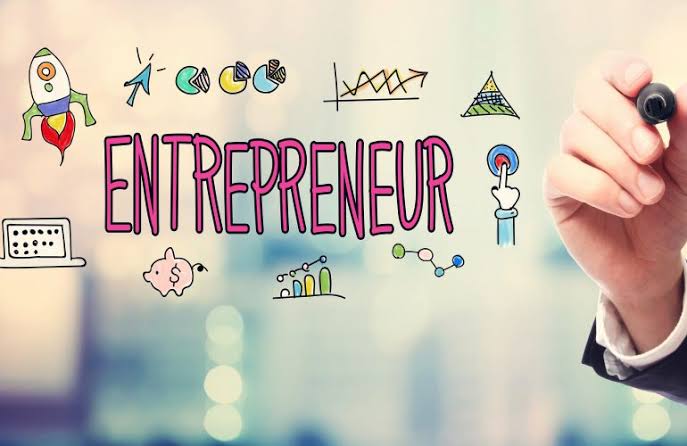
The word entrepreneur has its origin in the French language. It refers to the organiser of musical or other entertainments. An entrepreneur is one who organises, manages, and assumes the risks of an enterprise. An entrepreneur visualises a business, takes bold steps to establish undertaking, coordinates the various factors of production and gives it a start.Entrepreneurs are the owners of the business Who Contribute the capital and bear the risk of uncertainties in business life. Entrepreneur is action – oriented and highly motivated. He has the ability to evaluate business opportunities, to gather the necessary resources to take advantage of them and to initiate appropriate action to ensure success. Entrepreneur is associated with innovations.He is the main factor of production. Entrepreneur takes decision regarding what to produce, how to produce, where to produce and for whom to produce. He mobilises other factors of production namely, land, labour, capital, organisation and initiates production process. He is responsible for both the profit or the loss. In India, Birla, Tata, Modi are big entrepreneurs.

Many people dream of becoming entrepreneurs someday. But it made me realize that there other factors that needs to be taken into consideration. We need to ask ourselves are we ready to take the challenge to the outside world. Not everyone have the vision, innovation and creativity to become an entrepreneur. The individual must have a positive attitude and accept the responsibility, have discipline to meet their goals, and take action when the opportunity presents itself. Many prefer a job security and rely on a weekly paycheck, while entrepreneurs will take risks and doesn ‘t have that luxury to know the amount of their income.

Starting your own business can be exciting and it can become a well- rewarded experience. Being your own business includes great benefits,
Businesses trying to survive the current economic crisis need to pursue competitive advantages and empower them. Competitive advantage results from matching core competencies to the opportunities. The entrepreneur that I interviewed uses her experience, quality, consistency and overall learned what the customers really need and demand. Jane’s skills and experience enable her to respond faster to market changes. Jane has remarkable negotiation and sales skills that make her a most competitive in the market. There are also questions that you need to ask yourself to determine if you are ready to take the next step. Are you able to think of new ideas? Can you imagine new ways of solving problems? Entrepreneurs should think creatively. If you have ideas learn how take advantage of new opportunities. Be your own boss also means that you are responsible for making difficult decisions. The business world involves uncertainty. Do you avoid the uncertainty in life at all costs? If so, owning your own business is not the best.

What is Eco-tourism

Definition

Ecotourism is now described as “responsible travel to natural regions that conserves the environment, supports local people’s well-being, and includes interpretation and education” (TIES, 2015).

Both staff and visitors are expected to participate in education.

Ecotourism has been hailed as a panacea around the world: a way to fund conservation and scientific research, benefit rural communities, promote development in poor countries, improve ecological and cultural sensitivity, instill environmental awareness and social conscience in the travel industry, satisfy and educate discriminating tourists, and some claim and bring world peace

Photo by Maria Orlova on Pexels.com

Ecotourism is a type of tourism that aims to have a low environmental impact, is environmentally friendly, and avoids the negative consequences of many large-scale tourism projects in previously undeveloped areas.

History of eco-tourism

Although the origins of the term “ecotourism” are unknown, Heizer (1965) appears to be one of the first to use it, identifying four “pillars” or principles of responsible tourism: minimizing environmental impacts, respecting host cultures, maximizing local benefits, and maximizing tourist satisfaction.

In the 1970s and 1980s, ecotourism grew out of the environmental movement’s womb. Growing environmental concerns, along with a growing discontent with mass tourism, resulted in a surge in demand for alternative outdoor experiences.

At the same time, developing countries came to recognize that nature-based tourism may be a source of foreign cash while also being a less resource-intensive alternative to forestry and agriculture.

Many Definitions of Eco-Tourism

Ecotourism, according to Ceballos-Lascurain, is “travelling to relatively undisturbed or uncontaminated natural areas with the specific goal of studying, admiring, and enjoying the scenery and its wild plants and animals, as well as any existing cultural manifestation (both past and present) found in these areas.”

Ecotourism is defined as “responsible travel to natural regions that conserves the environment and improves the well-being of local people,” according to the Ecotourism Society.

“Ecotourism is nature-based tourism that combines teaching and interpretation of the natural environment and is managed to be environmentally sustainable,” according to the Ecotourism Association of Australia.

This definition emphasises that the word “natural environment” encompasses cultural elements, and that “ecologically sustainable” refers to a fair return to the local people as well as long-term resource conservation.

Ecotourism, according to Tickell, is “travel to appreciate the world’s wonderful diversity of natural life and human culture without harming either.”

Ecotourism is a type of environmentally friendly tourism that promotes environmental and cultural awareness, appreciation, and conservation.

Photo by Mateusz Sau0142aciak on Pexels.com

Types of Eco-Tourism

We defined mass tourism as a more traditional kind of tourism development in which short-term, free-market principles predominate and profit maximization is the primary goal. Tourism development was once thought to be a desirable and generally “clean” business for nations and regions to pursue.

This was especially true in terms of gains in foreign exchange profits, job creation, and infrastructure development, such as transportation networks.

We are more prone these days to demonize or portray traditional mass tourism as a beast; a creature with few redeeming features for the destination place, its people, and its natural resource base.

This isn’t to say that “mass tourism” hasn’t generated issues; it has. There has been a legitimate need to establish an alternative way to tourism growth that mitigates the harmful effects of mass tourism.

As a result, the concept of “alternative tourism” has gained popularity. This alternate strategy has been referred to as a “competing paradigm” to mass tourism, but it may also be seen as a complimentary approach. That is, there is no such thing as “alternative tourism.”

As a result, the dispute devolves into a semantic one. It may be best to recognize that alternative tourism is a natural result of a growing awareness of tourist development and its strengths and weaknesses.

Alternative tourism is a broad phrase that refers to a variety of tourist tactics (e.g., suitable, eco, soft, responsible, people to people, and green tourism), all of which claim to provide a more environmentally friendly alternative to traditional mass tourism in specific areas.

However, as Weaver correctly points out, alternative tourism is not without its detractors. It is apparent that just because alternative tourism arose in response to mass tourism’s negative repercussions does not mean it is less destructive or better than its alternatives.

Nature of Ecotourism

Between 2008 and 2017, tourism is predicted to rise at a rate of 4.3 percent per year in real terms. Ecotourism, often known as nature-based tourism, is the fastest-growing segment of the tourism business, increasing three times faster than the overall industry.

There can be little doubt that rising environmental concerns, along with the historically common habit of travel as a means of escape to nature, are encouraging people to seek solitude with nature, resulting in an increase in the number of visitors to national parks and other protected places.

Nature-based tourism encompasses a variety of aspects. Although not all forms of travel to natural places are necessarily ecotourism, this is an important step in distinguishing nature-based tourism from ecotourism and provides us with a number of levels at which to differentiate the link between certain tourism activities and nature:

Those activities or experiences that rely on the natural world.
Those activities or experiences that are made better by the presence of nature.
Those activities or experiences that happen to take place in a natural context.
Nature-based tourism is divided into numerous categories, each of which employs a combination of these dimensions.

Camping, too, is an activity/experience that is frequently enhanced by nature. Most people would rather camp in a natural area than along the side of a busy highway.

As a result, while nature is an important aspect of these experiences, it is not the driving force behind them.

WHAT ARE VOWELS ?

Vowels are sounds in which there is no obstruction to the flow of air as it passes from the larynx to lips . Vowels are thus produced with a stricture of ‘open approximation ‘, that is the tongue (active articulator ), is raised towards , the roof of the mouth (passive articulator),so that there is enough gap between them for the air to flow out freely and continuously , without friction . Vowels are essentially a ‘tone’ or ‘hum’ issuing from the glottis with the vocal cords vibrating . Hence all vowels are voiced sounds .The quality of a vowel depends on the shape of the cavities of the pharynx ,the mouth and the nose , which in turn depend on the position of the soft palate , the tongue and the lips during its articulation .

CLASSIFICATION OF VOWELS

Vowels may be either long or short ./I/ for example ,is short while /i:/ is long Usually vowels from the ‘nucleus’ in a syllable . They are soft , voiced and musical .Vowels can be classified on the basis of

  • THE HEIGHT TO WHICH THE TONGUE IS RAISED
  • THE PART OF THE TONGUE THAT IS RAISED
  • THE POSITION OF THE LIPS

CARDINAL VOWELS

For the proper study of vowel sounds ,we need a set of fixed vowel points as references .The vowel sounds specially selected for this purpose are called Cardinal vowels .They are used as references to describe , classify and compare the the vowels of any language . If we learn them we are learning about the range of vowels that human vocal organs can make.

Health Effectiveness of Mushroom

Mushrooms are one of the most used vegetables .It is very delicious & nutritious .Mushrooms are also called toadstools . A mushroom is a body of fungus which is able to bear spores . Here we are talking about some edible mushrooms .Mushrooms are usually born above the soil or rotten dead waste & Their growth rate is very rapid .

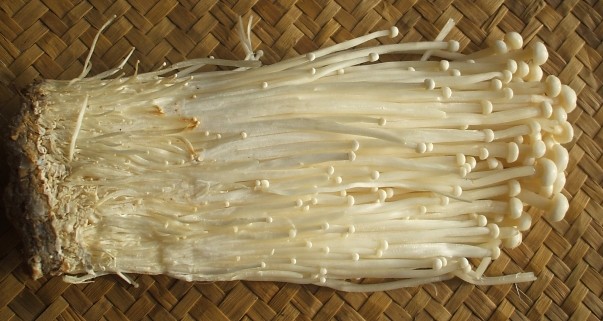
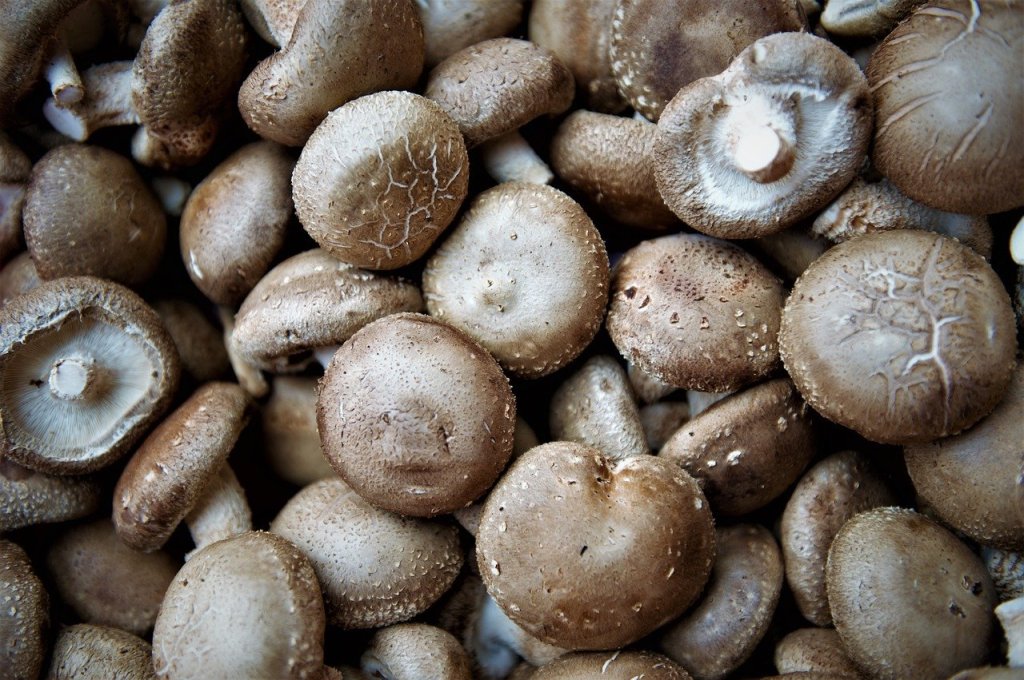
Mushrooms are from the kingdom of ‘Fungi’ & Under ‘Basidiomycota’ phylum . Mushrooms are divided into 3 body parts — 1) Stem or, Stipe ; 2) Cap or, Pileus ; 3) Gills or Lamellae (It generates microspore & stores them) .The most popular & edible mushroom is Agaricus bisporus .Mushrooms can be edible and non-edible. Non-edibles are poisonous & it harms our body . Some well known edible mushroom species are —  Portobello ,Button ,Shiitake(It is also called as “King of Mushrooms”) ,Oyster ,Maitake ,Enoki ,white mushroom & many others .Now, let’s talk about their nutritional value  .

Agaricus bisporus
Enoki Mushroom
Shiitake Mushroom

Nutritional value : nutritional value per 100g raw and uncooked mushrooms are given below —– 

1) 4.3 gram carbohydrate 

2) 0.1 gram fat

3) 2.5 gram protein

4) Many types of Vitamin B are available ~~ a) 0.1 milligram of Vitamin B1 ;b) 0.5 mg of vitamin B2 ; c) 3.8 mg of vitamin B3 ; d) 1.5 mg of vitamin B5 ; e) 0.11 mg of Vitamin B6 ; f) 25 microgram of Vitamin B9 , g) no amount of Vitamin C .Vitamin  B2 ,vitamin B5 and vitamin B3 are in a lots of amount in a mushroom .

5)Various minerals are also presents ~~ a) 18 mg of calcium ;b) 0.4 mg of iron ;c) 9 mg of magnesium ;d) 0.14 mg of Manganese ;e) 120 mg of phosphorus ;f) 448 mg of potassium ; g) 6 mg of sodium ;h) 1.1 mg of zinc .

6) Mushroom body contains 92% water 

7) Mushrooms contain a very high amount of 2 important antioxidants — Ergothioneine & Glutathione .

8) It also has lots of folate .

9) Mushrooms give away 94 KJ or 22 Kcal energy .

Effect on Health : 

1) Mushrooms contain a lot of calcium which is a main component of our bones . That’s why mushrooms are beneficial for our bone health. It prevents osteoporosis and joint pain problems . 

2) It also fights against cancer as mushrooms have Vitamin D and antioxidants .Folate which is also present in mushrooms, helps in the synthesis process of DNA .

3) Mushrooms have a lot of fibre. fibre helps to control the Glucose level of blood. In that way the blood sugar level remains at a safe margin .

4) Potassium, Vitamin C and fibre are good for the cardiovascular system, especially for the heart .Mushrooms have all these elements so it also prevents the risk of heart diseases .

5) Selenium, which is available in mushrooms, increases the immune power of our body and helps to prevent flu and common cold .

6) Mushrooms are a very good diet vegetable .

7) Mushrooms give a lot of energy to our body as it has lots of protein .

8)  Folate is present in mushrooms and It helps in the fetal health for any pregnant women .

9) Mushrooms contain two important antioxidants (Ergothioneine & Glutathione) that work against aging of our skin and body .

10) Mushrooms prevent the aging of our brain .

5 IITians who excelled in different field .

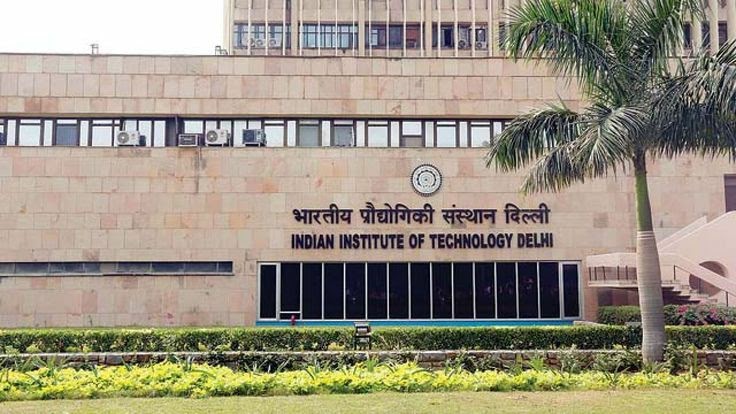
Indian institute of technology (iits) are the most prestigious institution in india. The IITs are autonomous public technical universities located across India students are mostly attached towards iits because of the High package offered in these institutions. It’s quite obvious that the enterance in theses institute need a lot of Hard work and perseverance. The Institutes of Technology Act, 1961 lists twenty-three institutes. Each IIT is autonomous, linked to the others through a common council, which oversees their administration. So here is the list of IITians who excelled in different field like arts, science & technology.

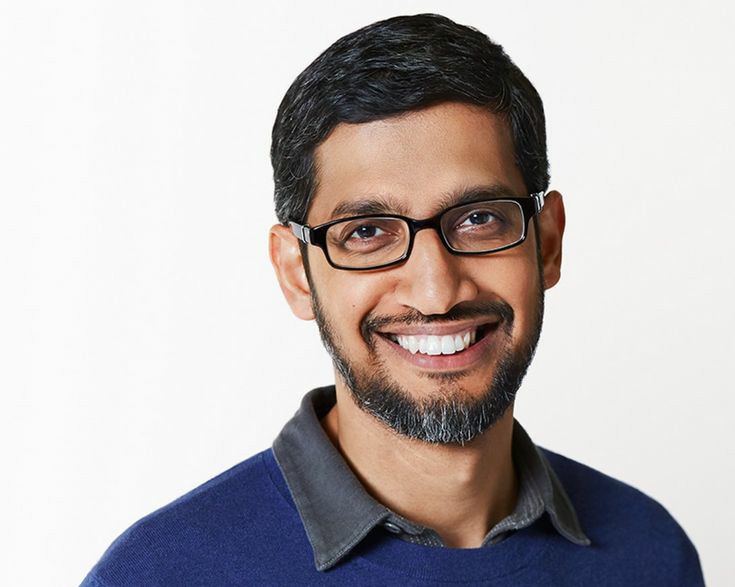
1.Sundar Pichai

Born in Madras, India, Pichai earned his degree from IIT Kharagpur in metallurgical engineering. Moving to the United States, he attained an M.S. from Stanford University in materials science and engineering and further attained an MBA from the Wharton School of the University of Pennsylvania, where he was named a Siebel Scholar and a Palmer Scholar, respectively. Pichai was selected to become the next CEO of Google on August 10, 2015, after previously being appointed Product Chief by CEO, Larry Page. On October 24, 2015, he stepped into the new position at the completion of the formation of Alphabet Inc., the new holding company for the Google company family. He was appointed to the Alphabet Board of Directors in 2017.

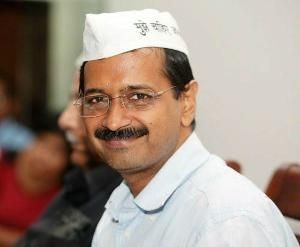
2.Arvind Kejriwal

Arvind Kejriwal is the founder of Aam Admi Party (AAP), and Convenor of the same. He is a politician and a former bureaucrat who is the current and 7th Chief Minister of Delhi since February 2015.In 2006, Kejriwal was awarded the Ramon Magsaysay Award for Emergent Leadership in recognition of his involvement in the grassroots level movement Parivartan using right to information legislation in a campaign against government corruption. The same year, after resigning from Government service, he donated his Magsaysay award money as a corpus fund to found the Public Cause Research Foundation, a non-governmental organization (NGO). He was educated at Campus School in Hisar and at Holy Child School at Sonipat.In 1985, he took the IIT-JEE exam and scored All India Rank of 563.He graduated from Indian Institute of Technology Kharagpur, majoring in mechanical engineering.

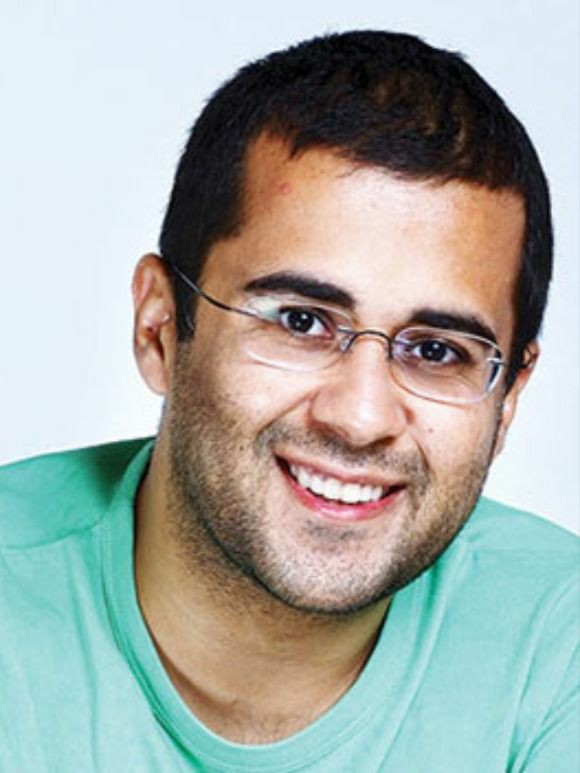
3.chetan Bhagat

Chetan Bhagat is an Indian author and columnist. He was included in Time magazine’s list of World’s 100 Most Influential People in 2010. grew up in Naraina Vihar, West Delhi in a traditional middle-class Punjabi Hindu family. Bhagat graduated with a BTech degree in Mechanical Engineering from the Indian Institute of Technology, Delhi in 1995. Bhagat then went on to do an master’s of business administration degree in marketing from the Indian Institute of Management, Ahmedabad (IIMA) and graduated in 1997.

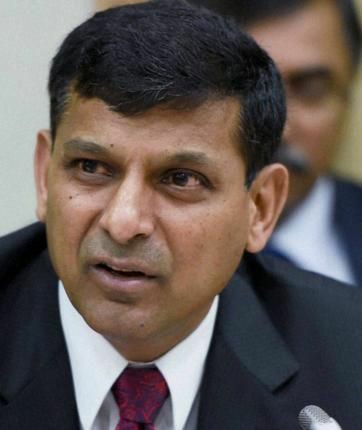
4.raghuram Rajan

Raghuram Govinda Rajan  is a indian economist & former governor of the Reserve Bank of India.Between 2003 and 2006 he was Chief Economist and Director of Research at the International Monetary Fund. From September 2013 through September 2016 he was the 23rd Governor of the Reserve Bank of India; in 2015, during his tenure at the RBI, he became the Vice-Chairman of the Bank for International Settlements. In 1981 he enrolled at Indian Institute of Technology Delhi for a bachelor’s degree in electrical engineering. In the final year of his four-year degree, he headed the Student Affairs Council. He graduated in 1985 and was awarded the Director’s Gold Medal as the best all-round student. In 1987, he earned a Master of Business Administration from the Indian Institute of Management Ahmedabad, graduating with a gold medal for academic performance.

5.Jitendra Kumar

Jitendra is one actor who makes it a point to play relatable characters that we just can’t forget. From Jeetu to Gittu, he has starred in series/movies like Kota Factory, Panchayat, Shubh Mangal Zyada Saavdhan. He has won a Filmfare OTT award in the category of “Best Actor Comedy Series (Male) for portraying Abhishek Tripathi in Amazon Prime’s Panchayat. He did his bachelor’s in civil engineering from IIT Kharagpur .While studying civil engineering at IIT Kharagpur Jitendra kumar started liking acting. Kumar has done many stage plays as the Governor of the Hindi Technology Dramatics Society at IIT KGP where he met Biswapati Sarkar who eventually invited him to join TVF in 2012.

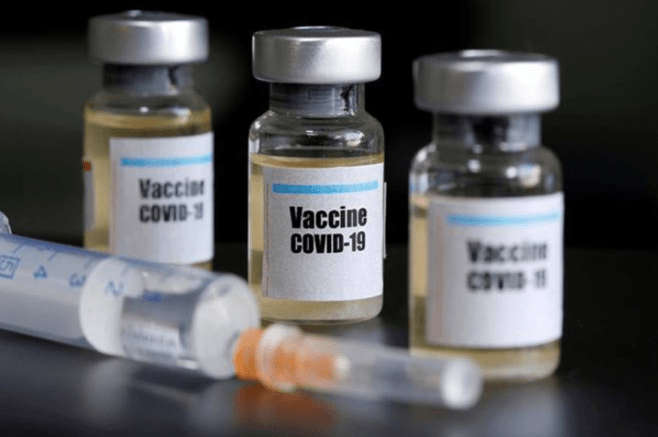
Vaccine Development against COVID-19

A novel coronavirus (CoV) named ‘2019 novel coronavirus ’by the World Health Organization (WHO) is responsible of this outbreak of pneumonia that began at the mid of November 2019 near in Wuhan City, Hubei Province, China. The SARS-CoV-2 is a pathogenic virus. Coronaviruses are enveloped viruses with a large, single-stranded, positive-sense RNA genome, which are about 120 nanometers in diameter. They are vulnerable to mutation and recombination and are therefore highly diverse. There are about 40 different varieties which they mainly infect human and non-human mammals and birds. They reside in bats and wild birds, and will spread to other animals and hence to humans. The virus that causes COVID-19 is assumed to possess originated in bats then spread to snakes and pangolins and hence to humans, perhaps by contamination of meat from wild animals, as sold in China’s meat markets.
The corona-like appearance of coronaviruses is due to the presence of spike glycoproteins, or peplomers, which are necessary for the viruses to enter host cells. The spike has two subunits, one subunit is S1 which binds to a receptor on the surface of the host cell and the opposite subunit which is S2 fuses with the cell wall. The cell wall receptor for both SARS-CoV-1 and SARS-CoV-2 could even be a sort of angiotensin converting enzyme, ACE-2, different from the enzyme that’s inhibited by conventional ACE-1 inhibitors, like enalapril and ramipril.
Viral RNA can be detected by polymerase chain reaction which is sometimes referred to as RT-PCR or real time PCR. In this test, the virus’s single-stranded RNA is converted to its complementary DNA by reverse transcriptase; specific regions of the DNA are marked by primers, are then amplified. This is done by synthesizing new DNA strands from deoxy-nucleoside triphosphates using DNA polymerase.

COVID-19 DRUG DEVELOPMENT

COVID19 drug development is basically a research process to develop preventative therapeutic prescription drugs which may lower the severity of coronavirus disease 2019 (COVID19). Internationally, by November 2020, several hundred drug companies, biotechnology firms, university research groups, and health organizations are trying to develop over 500 potential therapies for COVID19 disease in various stages of preclinical or clinical research.
The World Health Organization (WHO), European Medicines Agency (EMA), US Food and Drug Administration (FDA), and therefore, the Chinese government and drug manufacturers were coordinating with academic and industry researchers to hurry development of vaccines, antiviral drugs, and post-infection therapies.
Drug development may be a multistep process, typically requiring five years to assure safety and assurance of the new compound. Several national regulatory agencies, like the EMA and the FDA, have approved procedures to expedite clinical testing. Chloroquine is an anti-malarial medication that is also used against some auto-immune diseases. Hydroxy-chloroquine is more commonly available than chloroquine in the United States. Although several countries initially used chloroquine or hydroxy-chloroquine for treatment of people hospitalised with COVID19, the drug has not been formally approved through clinical trials.

VACCINE DEVELOPMENT

A vaccine for a communicable and pathogenous disease which has never before been produced in several years, and also no vaccine exists for preventing a coronavirus infection in humans. After the coronavirus was detected, the genetic sequence of COVID‐19 was published on 11 January 2020, triggering an urgent international response towards organize for an epidemic and hasten development of a preventive vaccine.

In February 2020, the World Health Organization (WHO) said it didn’t expect a vaccine against severe acute respiratory syndrome coronavirus or the SARS-CoV-2 which is the causative virus, to become available in 18 months.
Their development had previously been considered as low priority because the coronaviruses that were circulating in humans caused relatively mild disease. Most coronaviruses encode only one large surface protein, the spike protein, which is responsible for receptor binding and membrane fusion. In the case of SARS-CoV-2 (and SARS-CoV), the spike protein binds to angiotensin- converting enzyme 2 (ACE2) on host cells and is then endocytosed. This step is followed by fusion of viral and endosomal membranes and release of the viral genome into the cytoplasm. Antibodies that bind to the spike protein, especially to its receptor-binding domain (RBD), prevent its attachment to the host cell and neutralize the virus. On the basis of this knowledge, and information gained from preclinical studies with SARS-CoV and MERS-CoV, the spike protein was identified as an antigenic target for the development of a vaccine against SARS-CoV-2 at a very early stage. It has been demonstrated that the spike protein is a strong target of CD4+ T cells, whereas fewer CD8+ T cells are induced by natural infection with SARS-CoV-2 in general. It is important to note that natural infection induces both mucosal intramuscularly or intradermally induce mainly IgG, and no secretory IgA. It is therefore possible that most vaccines currently in development induce disease-preventing or disease-attenuating immunity, but not necessarily sterilizing immunity.

This pandemic which is due the coronavirus requires a rapid and fast action in the field of vaccines and biology and in a short amount of time as the original vaccine making process for any disease requires at least 15 years for the whole procedure and testing trials antibody responses (secretory immunoglobulin A (IgA)) and systemic antibody responses (IgG). The upper respiratory tract is thought to be mainly protected by secretory IgA, whereas the lower respiratory tract is thought to be mainly protected by IgG. Vaccines that are administered and therefore, is a very tedious and lengthy process and work. As this disease requires a very fast process so the first clinical trial of a vaccine candidate for SARS-CoV-2 began in March 2020. Trials were designed in such a manner that clinical phases are overlapping and trial starts are staggered, with initial phase I/II trials followed by rapid progression to phase III trials after interim analysis of the phase I/II data. Currently, several manufacturers have already started the commercial production of vaccines at risk without any results from phase III trials. Although the licensure pathways are not yet completely clear, it is possible that reviews could be expedited and that vaccines could even be approved through an emergency use authorization. The FDA has released a guidance document for the development and licensure of SARS-CoV-2 vaccines, which as well as providing additional details states that an efficacy of at least 50% will be required. It is very important to point out that moving forward at financial risk is the main factor that has enabled the accelerated development of SARS-CoV-2 vaccine candidates, and no corners have been or should be cut in terms of safety evaluation.

Bioavailability of Nutrients

As with protein, the contents of other nutrients in foods determined by chemical or physical analysis may be quite misleading in terms of the nutrient status of a food. Apart from amount, what is important is whether the nutrient is in a form that can be utilized in metabolism; that is, whether the nutrient is bioavailable. For example, adding small iron pellets to cereals would increase their iron content, but the iron would not be very available to people eating the cereal and, therefore, be of little value.

Many factors influence a nutrient’s bioavailability, including the food’s digestibility and the nutrient’s absorbability from the intestinal tract, which are affected by nutrient binding to indigestible constituents and nutrient-nutrient interactions in food raw materials. Processing and cooking procedures also can influence nutrient bioavailability. Apart from the food itself, different animal species exhibit variations in bioavailability of specific nutrients from a particular food. The age, sex, physiological health, consumption of drugs, general nutritional status, combinations of foods eaten together, and other factors all influence the ability of an individual to make use of a particular nutrient.

Bioavailability of carbohydrates, proteins, fats, vitamins, and minerals may be in- creased or decreased since all nutrients are reactive and generally present in varying amounts in food systems. There are many examples of how food composition, processing, and storage affect nutrient bioavailability. One example is the essential mineral iron. Under practical conditions its bioavailability from foods may be only 1-10% of its total level determined by chemical analysis. The recommended dietary allowances for nutrients in the United States and other countries attempt to take bioavailability into account. However, the many factors influencing nutrient bioavailability and the difficulties inherent in meaningful evaluation procedures leave much research in this area still to be done.

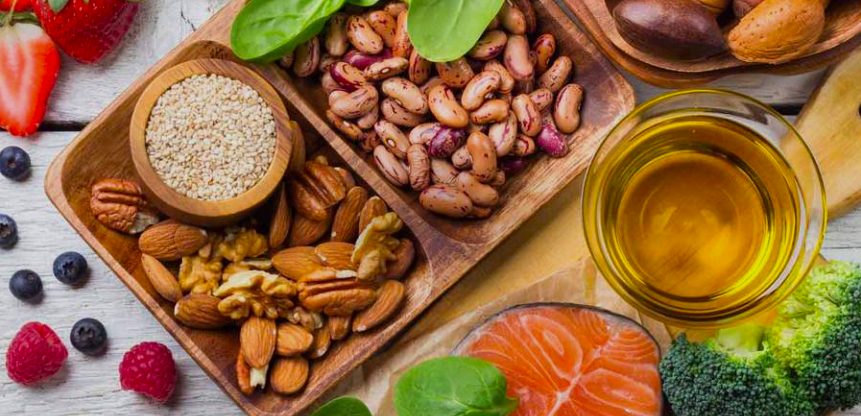
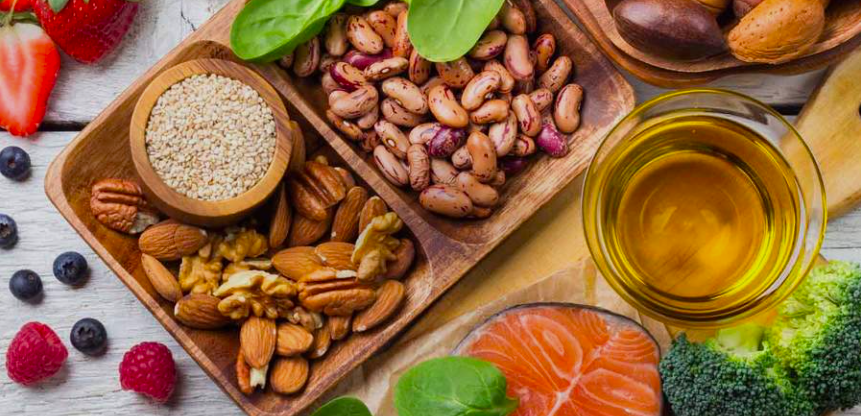
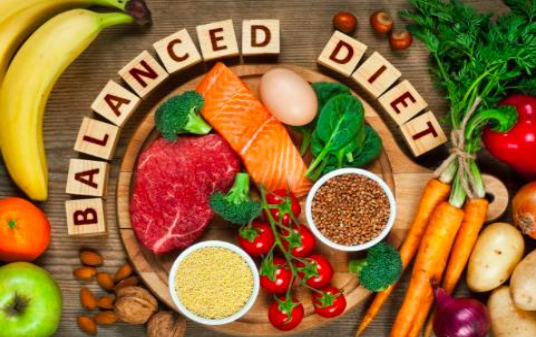
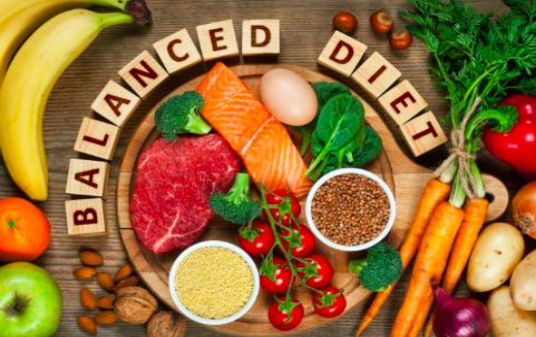
Balanced Diet and Nutrients

A balanced diet is a diet that contains differing kinds of foods in certain quantities and proportions so that the requirement for calories, proteins, minerals, vitamins and alternative nutrients is adequate and a small provision is reserved for additional nutrients to endure the short length of leanness. In addition, a balanced diet ought to offer bioactive phyto-chemicals like dietary fibre, antioxidants and nutraceuticals that have positive health advantages.

A balanced diet should offer around 60-70% of total calories from carbohydrates, 10-12% from proteins and 20-25% of total calories from fat.

A balanced diet will not be the same for everyone. We’re all different and often, individuals will require different amounts and types of nutrients. What you need will depend on age, gender, lifestyle, health and the rate at which your body works. Eating a balanced diet is key in maintaining good health and keeping your body in optimum condition. A balanced diet doesn’t cut out food groups; it consists of a wide variety of foods to support your body and keep you energised, motivated and healthy. Most nutritionists recommend a diet that is balanced for anyone to remain fit and healthy. The exact meaning of a balanced diet, however, is not very clear in everybody’s mind. A balanced diet is not like a crash diet as it allows you to eat everything that an average adult should, but in optimum proportions. Moreover, to maintain a proper balance, you cannot indulge in only one type of food. This would result in you missing out on essential nutrition that comes from comprehensive meals. A ‘balanced diet’ is complete only when you have a variety of food from all food groups contributing to your nutrition intake.

Good nutritional habits and a balanced diet aren’t developed in one day, nor are they destroyed in one unbalanced meal. Healthful eating means a lifestyle of making choices and decisions, planning, and knowing how to make quick and wise choices when you haven’t planned. What you learn about eating in these first years on your own will help establish good dietary patterns for the rest of your life. Making the break from home cooking and becoming responsible for choosing the foods you eat is part of the challenge of becoming a mature and an independent adult. It is a challenge that should not be taken lightly. The nutritional habits you develop now will be difficult to change in the coming years when your body stops growing and your lifestyle may become more sedentary. Learning to make sensible choices from a confusing array of options is not easy, but the rewards are great. Eating nutritious and healthful food while maintaining your proper body weight will contribute to a better performance in the classroom, in the gym, and on the dance floor. You will feel and look your best. In contrast, a poor diet can lead to insidious health problems that can interfere with success in academic and social performance and may eventually mean confronting a serious long-term illness, such as heart disease or diabetes. Knowing how much and what to eat is important knowledge.

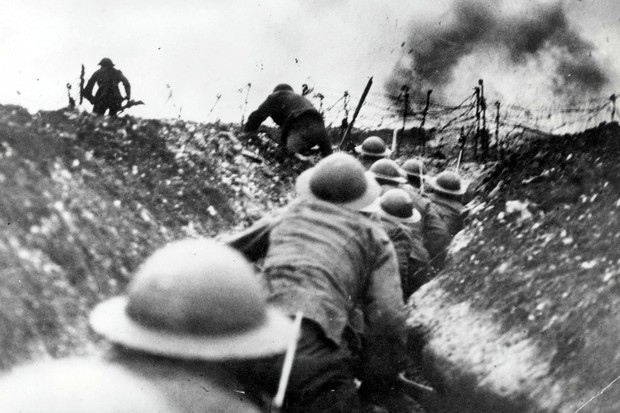
The First World War

World war 1 was a global war that Started from Europe. World war 1 began in 1914 and lasted till 1918.it was the one of the deadliest and destructive war in history, with an estimated death of 8.5 million soldiers and 13 million civilian.

The major European states were divided into 2 blocks through treaties .Britain, France and Russia had formed one block that was called Triple Entene while Germany, Hungary-Austria and Italy had formed another block that was called Triple Alliance. a mutual hatred was created between these two alliances by secret alliances that ultimately led to the first world war.

During the 19th and early 20th centuries, European countries had come to dominate rest of the world either through conquest or unequal treaties. with backward countries. then the world war was started in 1914. it involved rest of the world also that is why it is called First world war.

Causes of World war 1

1. Rivalries of colonies: colonial power of Europe controlled vast overseas territories in south America, south Asia and many areas. Britain had the largest colonial empire. By the begining of 20th century, Germany had emerged as one of the most advanced Countries of Europe, however they lagged behind Britain and France. Germany was looking for a share in colonial markets. On the other hand Britain and France were following some policies to avoid Germany to achieve their goals. War was the only way for Germany to achieve their target.

2. Armament race:- All developed countries were busy making weapons for defence of their respective countries, but it led to fear and hatred among the various nations. they did not realize the outcome of growing their armaments.

3. Militant nationalism:-Nationalism became a very hot topic in Europe in 19th century. Each country wanted to become free from dominance of any other country. They wanted to be free. During this wave, Greece, Romania ,Bulgaria and Serbia became independent nations.

4. Territorial conflicts:-There were many conflicts between Turkey and some eastern European states due to territory issue. just before the start of first world war. the other European countries tried to solve the matter but Serbia was not happy and decided to start war. the France people wanted to get back Alsace-Lorraine which was taken away from them in 1870 by Germany.

5.Germany dream of becoming Superpower :-Germany always wanted to become a world leader but after 1890, the state of affairs was passed to a aggressive ang highly ambitious Emperor Kaiser Wilhelm. . he wanted to take a strong position in Europe. One by one each of the European countries became Germany’s enemy. slowly alliances were made to opposed Germany’s dominance and aggression.

Participation in war

The Russians declared support for Serbia that provoked Germany. On 4th of August ,Britain declared war against Germany. .Austria-Hungary declared war on Russia on 6th August. Turkey and Bulgaria joined war on Austria -Hungary side. Japan also joined war on the side of Britain. Later USA also joined war on the side of Britain.

result

it was the one of the deadliest and destructive war in history. Russia was badly defeated by Germany. The combined forces of USA, Britain and France were defeated Austria, Hungary and Germans .on the other hand, Turkey lost the territories to Palestine, Iraq, Syria and others. Germany lost many island in the east. The war came to an end in 11th of November 1918. and Treaty of Versailles was signed later.

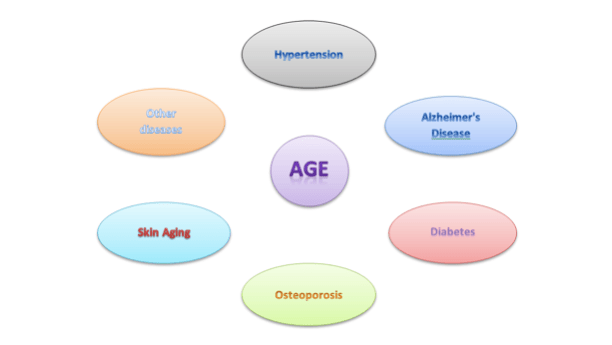
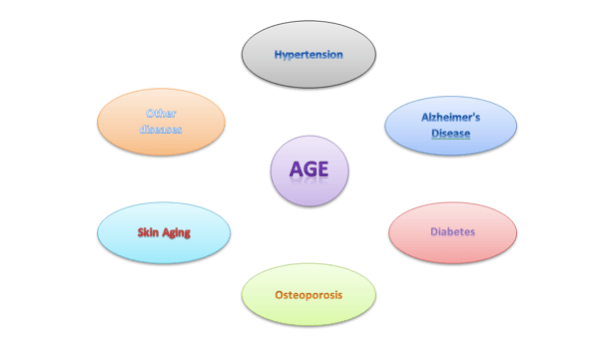
Ageing and Age-related Diseases

Age-related diseases are the leading cause of death worldwide, and they are also the leading source of concern for people concerned with global healthcare spending, both now and in the future. The CNS, vascular structures, joints, bones, the renal system, and other systems and tissues will be the focus of the special issue on age-related disease. The disorders must all be age-related, and the papers must seek to explain how the ageing process contributes to the pathology. Innovative articles that suggest basic interventions in the ageing process with either therapeutic potential or clinical trial results will be given high priority. Prospective publications may alternatively or in addition, address broader geriatric concerns, such as symptomatic care, diagnostic procedures, and funding for age-related disease treatment on a local, national, or global basis. Relevant dementias (such as Alzheimer’s, Parkinson’s, FTD, etc.), cardiovascular diseases (such as myocardial infarction, coronary artery disease, aneurysm, stroke, peripheral vascular disease, congestive heart failure, etc.), osteoarthritis, osteoporosis, renal failure, skin ageing, immunosenescence, or other age-related diseases may be among the specific age-related diseases.

Diabetes Mellitus

Diabetes involves the dysfunction of pancreatic ß-cells which leads to the development of diabetes. Aging of β cells in islets is mainly manifested as a decrease in the number of ß-cells and reduction in their secretion capacity. The mechanisms between islet cell failure in diabetes and aging are complex. The main interventions for diabetes include diet control, exercise, weight loss, and combination of hypoglycemic drugs.

Skin Ageing

Skin ageing is the overall part of the aging of the body and basically effects the appearance and makes body functioning difficult. This can lead to various diseases like anxiety, depression and self- abasement. Treatment for skin ageing mainly includes oral antioxidant drugs, topical anti-aging agents, and photoelectric and acoustic physical technology.

Alzheimer’s Disease

It is a neurodegenerative disease that occurs in old age and pre old age. It is basically brain aging. This disease involves nerve cell injury or apoptosis of brain nerve cells. Currently, drugs used in the clinical treatment of Alzheimer’s Disease are mainly noncompetitive N-methyl-D-aspartic acid receptor antagonists (such as memantine) and cholinesterase inhibitors (such as donepezil and galantamine).

The process of aging is universal but not uniform. Aging and age-related diseases pose a serious threat to human health and reduce the quality of life of elderly people. Awareness of age-related physiological changes, such as reduced acuity of vision and hearing, slow reaction time, and impaired balance, will prepare patients and caregivers to manage risks, make informed decisions, and perhaps prevent falls and medication adverse effects. The molecular basis of aging has various mechanisms and cells and different systems involved in it, which contribute to the process of aging and show the life span of a person and how healthy his life can be according to his inner systems. Stem cells have their own role to play and have a very important part in every single mechanism of aging. Basically, aging is a process which will happen no matter what the circumstances are and defines the life span of a person.

Cell based Therapy in Human Regenerative Therapy

CELL BASED THERAPY AND XENOGENEIC ACELLULAR NERVE MATRICES

Adipose cell transplantation is an option for reconstructing peripheral nerves. The cells may be administered systematically via intravenous, sub-cuticular or intramuscular routes as used for traditional drug therapy. When adipose derived stem cells (ADSC) have been introduced intravenously, they spread throughout the body and locate to damage tissue. In the context of traumatic brain injury, these cells spread via the reticuloendothelial system directly into the diseased brain tissue. The observed benefits of human ADSC injection were largely dependent on the recipient rat’s age. In the older rats, fewer cells transited though the spleen. This subsequently led to differences in cell distribution within injured parts of the rat’s brains. In other studies when ADSCs were administered via the intravenous route they were also shown to improve neuropathic pin in rats which had the ill effects of chronic pain stimulated.

CURRENT THERAPIES AND FUTURE DIRECTIONS

Organ and tissue loss through disease and injury motivate the development of therapies that can regenerate tissues and decrease reliance on transplantations. Regenerative medicine, an interdisciplinary field that applies engineering and life science principles to promote regeneration, can potentially restore diseased and injured tissues and whole organs. Since the inception of the field several decades ago, a number of regenerative medicine therapies, including those designed for wound healing and orthopedic applications, have received Food and Drug Administration (FDA) approval and are now commercially available. These therapies and other regenerative medicine approaches currently being studied in preclinical and clinical settings will be covered in this review. Regenerative medicine has the potential to heal or replace tissues and organs damaged by age, disease, or trauma, as well as to normalise congenital defects. Promising preclinical and clinical data to date support the possibility for treating both chronic diseases and acute insults, and for regenerative medicine to abet maladies occurring across a wide array of organ systems and contexts, including dermal wounds, cardiovascular diseases and traumas, treatments for certain types of cancer, and more. The current therapy of transplantation of intact organs and tissues to treat organ and tissue failures and loss suffers from limited donor supply and often severe immune complications, but these obstacles may potentially be bypassed through the use of regenerative medicine strategies.

Regenerative Medicine opened new avenues for curing patients with difficult to treat diseases and physically impaired tissues. Despite many successes, regenerative medicine is still unfamiliar to many scientists and clinicians. This poses a great limit, as tissue engineering and regenerative medicine could overcome the unsolvable problems of the current medical treatments. The creation and use of cloned pigs have made a significant contribution to various fields in basic and applied research for regenerative medicine such as for treatment for intractable diseases, stem cell therapy and organ or tissue transplantation. It is important to verify the findings obtained from the in vitro studies in a complex system of individual animals. The role of research that uses cloned pigs as a platform isn terms of producing findings truly useful for clinical application. The crucial point of this revolution is transforming the current numerous scientific discoveries into novel and viable therapies from bench and bedside. The unique benefits of animal modelling techniques will continue to be used in the future to promote experimental endeavours in this field of study.

Philosophy of the Indian Constitution

Every Constitution has a philosophy of its own. For the philosophy under our Constitution, we must look back into history.

The Objective Resolution:

• This Constitution Assembly declares, it’s firm and solemn resolve to proclaim India as the Independent Sovereign Republic and to compose for her future Constitution.

• WHEREIN the territories that now comprise British India, the territories that now form the Indian States, and such other parts of India as are outside British India and the States as well as such other territories as are willing to be constituted into Independent Sovereign India, shall be a Union of all; and

•WHEREIN the said territories, whether with their present boundaries or such with others as may be determined by the Constituent Assembly and subsequently by accordance with the law of the Constitution, shall possess and retains the status of autonomous units, together with residual powers and exercise all powers and functions of Government and administration, save and except such powers and functions as are vested in or assigned to the Union, or as are inherent or implied in the Union or resulting therefrom; and

•WHEREIN all powers and authority of Sovereign Independent india, its constituent parts, and organs of government are derived from the people; and

•WHEREIN shall be guaranteed and secured to all people of India justice, social, economic, and political; equality of status, of opportunity, and before the law; freedom of thoughts, expression, belief, faith, worship, vocation, association, and action, subject to the law and public morality; and

• WHEREIN adequate safeguards shall be provided for minorities, backward and tribal areas, and depressed and other backward classes; and

• WHEREIN shall be maintained the integrity of the territory of the Republic and its sovereign rights on the land, sea, and air according to justice and the law of civilized nations; and

• The ancient land attains its rightful and honored place in the world and make its full and willing contribution to the addition of world peace and the welfare of mankind.

The Preamble:

WE, THE PEOPLE OF INDIA, having solemnly resolved to constitute India into a SOVEREIGN SOCIALIST SECULAR DEMOCRATIC REPUBLIC and to secure to all its citizens;

JUSTICE, social, economic, and political;

LIBERTY of thoughts, expression, belief, faith, and worship;

EQUALITY of status and opportunity; and to promote among them all;

FRATERNITY assuring the dignity of the individual and the unity and the unity and integrity of the Nation;

IN OUR CONSTITUTION ASSEMBLY this twenty-sixth day of November 1949, do HEREBY ADOPT, ENACT AND GIVE TO OURSELVES THIS CONSTITUTION.

The Preamble to our Constitution serves, two purposes –

(a) it indicates the source from which the Constitution derives its authority;

(b) it also states the objects which the Constitution seeks to establish and promote.

Important Amendment: 42nd Amendment, 1976 that the goal of the Indian polity is socialism was ensured by inserting the word “socialist” in the Preamble, by the Constitution Act, 1976. The secular objective of the States has been specifically expressed by inserting the word “secular” in the Preamble by the Constitution Act, 1976.