Start-up to Success: Ola Cabs

Gone are the days when commuting without a personal vehicle, used to be an issue for city dwellers. Either they had to resort to public transport which is not always the safest option, or book rental car services way before the trip for enormous amounts. Now with the coming up of app based cab riding services, voyaging has become easier for city dwellers.

And Ola is one of the key players in the market in regard to cab services. It is the first Indian cab aggregator company. Ola has made it much easier for the public to book cab at their own convenience. The company started in 2010 by Bhavish Aggarwal and Ankit Bhatia, and since then it has been bridging the gap between cabs and commuters.

Ola partners with a number of taxi drivers and owners, and with the help of their app they allows people to book cabs by entering their pick up location and destination. Ola has users in over 250 Indian cities and employs more than 2.5 million driver-partners.

How did it start ?

It all started when Bhavish Aggarwal while journeying from Bandipur to Bangalore, was left abandoned in his journey by his driver. This was because the driver was renegotiating the already decided payment. This unfortunate incident lead him to come up with a economical and satisfying cab service. And thus, Ola cabs was born.

The founders of Ola, Bhavish Aggarwal and Ankit Bhatia are both IIT Mumbai graduates, and launched Ola in December 2010. Both of them became the youngest billionaires of India, at the age of 25 and 26.

The name of the company is driven from the Spanish word ‘Hola’ that translates to ‘Hello’. The name ‘Ola’ probably indicates their services as easy and simple to use. Their logo is simple yet elegant and has the ‘O’ in the shape of a tyre.

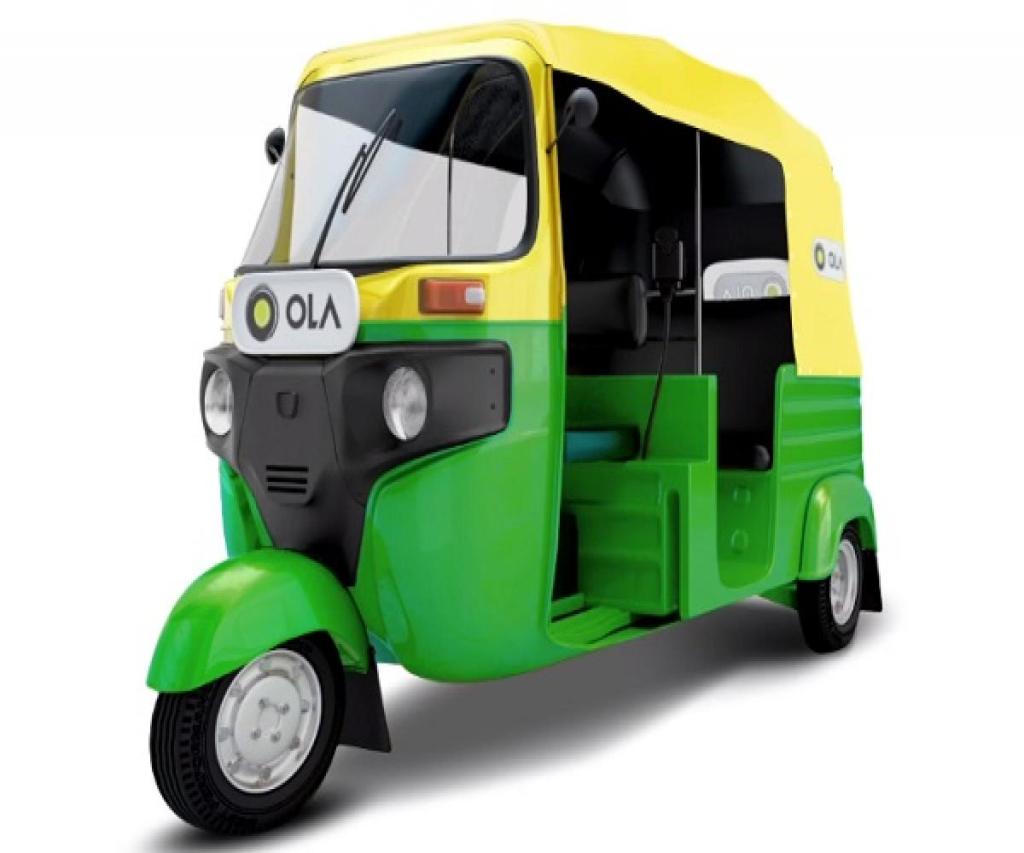
Ola has a wide range of car categories to choose from, such as hatchback, sedan, SUV and more. Travellers choose them depending on their budget and number of people travelling. For travelling within the city, people can hire cabs, bikes, autos and even e-rickshaws through Ola.

Challenges and Competitors

In the initial day of the start up they had to code for long hours and sometimes 48 hours straight. They even had to drive customers to their desired locations at times because the drivers did not show up. As much as Ola wanted to spread their services across India, they faced the issue of internet connectivity in smaller town. Thus, they designed the app so that I could accommodate network connectivity in smaller towns. However, after bagging an investment worth 2 crores, things were finally in track and there was no looking back.  

Every business has its fair share of competitors and so does Ola. Uber is Ola’s biggest competitor. There are other players in the Indian market such as, Meru Cabs, Zoomcars, PeIndia Cabs, Carzonerent and more. Rapido is increasing taking over the bike taxi segment as well, which is the competitor to Ola’s bike services.

Needless to say, just like most businesses, Ola too had to bear the burnt of the COVID-19 pandemic. The travel and transport sector was hit severely with the pandemic as there were repeated lockdowns and curfews affecting its revenue generation. However, with the upliftment of lockdowns and curfews, it is believed that Ola will regain its revenue generation soon.  
Addition and Expansions

In spite of facing ups and downs through out the years Ola manages to sail through smoothly. Over the years Ola introduced new services in ‘Ola pedal’, which is a huge success in IIT Kanpur and IIT Madras campuses. They have also introduced the option to book cabs on an hourly basis to travel out of the city and have named the segment ‘Ola outstation’.

‘Ola money’ was also introduced and the product includes Ola money credit card, Ola money post-paid, Ola money mobile wallet and Ola money hospicash. Ola launched ‘Ola corporates’ in 2016, where employees book their rides through Ola, and the fare is deducted from the company’s Ola corporate prepaid account.

In March 2015 Ola acquired ‘TaxiForSure’, another taxi aggregator for $200 million, and maintained its stand in the country’s cab hailing market. Another impressive deal was when Ola acquired Foodpanda-India, an food delivery aggregator in 2017 at a valuation of $40-$50 million. In 2018 onwards, Ola expanded its services overseas in countries of New Zealand, Australia and United Kingdom.

                     Clocking more than 150,000 bookings per day, Ola holds a little less than half of the Indian market (as of the Uber’s 2020 report). The CEO of Ola Bhavish Aggarwal has disclosed that the company is planning on initiating an IPO in the coming years. Ola plans on further expanding their services in remote areas, making India travel luxuriously on a budget.  

Contemporary Fashion: The Minimalist’s Coverbook

Models walk the runway at the 3.1 Phillip Lim Fashion Show during Mercedes-Benz Fashion Week Fall 2015 at Skylight Clarkson SQ. on February 16, 2015 in the Brooklyn borough of New York City.

Introduction

The sense of fashion never goes out-of-date for a true fashionista. Among the Millions of fashion lingos in today’s market , one that often dominantly buzzes around, is the term “Contemporary Fashion”.Meant to describe labels with a designer aesthetic and more accessible price points and we use the term “accessible” loosely, with most pieces averaging out around $500 , the term means big bucks where the fashion industry’s concerned, having become one of the biggest areas people spend their money in the last few years.

What Contemporary Fashion Is

Contemporary apparel is clothing that is accessible, in price and in terms of the way people wear it. The contemporary category often contains more modern-style clothes compared to the higher end luxury market. The voice of the contemporary industry is a bit more modern and a tad younger. Contemporary brands appeal to both the luxury shopper and the new breed of aspirational shopper.  This tier has become a go-to for women who can no longer justify shelling out huge amounts of cash on designer garb. It is also appealing to people bored of regular fashion and who are prepared to spend that little bit extra for something that will last.

A great contemporary brand is one with a unique look and feel. Garments and accessories will have interesting construction details and a good-quality finish. The collections are in line with seasonal trends but also incorporate signature items that consumers immediately recognize and associate with the designer brand.

A Harpen Fashion Show

Is It Futurist: The Sustainability Question

In fashion, the term ‘futuristic’ is often used to describe avant-garde clothing designs. It could refer to several things, such as the clothing’s method of production, the materials used, or the garment’s design. Futurism can even refer to the 20th century Italian art movement, and indeed, this movement addressed the problem of designing fashion for the 20th century. We would learn much by examining Futurist fashions in order to understand its legacy in relation to contemporary fashion designers viewed as futuristic today. This paper will review this legacy by looking at five specific examples—Italian Futurists and their contribution to classless and genderless fashion; French designer Yves Saint Laurent’s iconic minidress inspired by the De Stijl art movement; fashion designed specifically for women with active lifestyles; technological advancement and space exploration seen in the designs of André Courrèges and Pierre Cardin; and advancements in textile manufacturing during the late 20th and early 21st century in relation to Karl Lagerfeld, Donatella Versace, and Hussein Chalayan. This leads to the primary analysis of Iris van Herpen and other contemporary designers including Noa Raviv and Neri Oxman. Their designs will be discussed in relation to the problem of labelling fashion as futuristic.

A Paris Georgia Apparel

Challenges of Contemporary Fashion

The contemporary brands fashion market is clearly brimming with a high level of competition. The up-and-coming contemporary designers are forced to continuously compete with older, established luxury brands in the targeting of the younger generation of consumers. The contemporary market began out of consumers’ need and want to own versatile clothing that could be worn on a daily basis.  Stylish consumers were hungry for locating a head-to-toe outfit that luxury brands create, but could be sold at a more reasonable tag.

Simone Racha Catwalk Show at London Fashion Week

Scopes of Contemporary Fashion

Due to the fact that contemporary brands appeal to several groups of consumers, this industry will continue to see global opportunities. Fashion editors and industry insiders agree that contemporary brands have stolen the limelight and are helping to bridge the gap between luxury brands and main street.

Not only will contemporary labels allow you to up your designer arsenal without forcing you to exist on an exclusively Kraft Dinner diet, but the pieces are also constructed with everyday wear in mind (no couture-like assembly required). Not to mention that contemporary lines still boast that oh-so-coveted designer aesthetic and quality craftsmanship—perfect if you’re looking to break away from the usual suspects in fast fashion retail.

Famous Contemporary Fashion Designers and Their Works

Carven: Founded in 1945 in Paris, Carven has enjoyed a resurgence since the hiring of designer Guillaume Henry in 2009, who transformed the house from old-school couturier into the cool girl’s label du jour.

Carven Spring 2014 ready-to-wear collection
Carven Fall-Winter 2015-16 collection

N°21:  Started in 2010 in Milan by designer Alessandro Dell’Acqua, the brand offers a smorgasbord of whimsical designs that can be effortless.

N°21 Spring- Summer 2018 collection
N°21 Spring-Summer 2021 collection

Jonathan Simkhai: Starting from NYC His first womenswear collection was shown in 2010, where Simkhai debuted his take on dressing for today’s cosmopolitan woman. A master at tailoring oversized pieces to flatter the female form, his designs run the gamut from exaggerated boxer shorts to basketball jerseys.

Simkhai Fall 2017 collection
Simkhai Fall 2020 ready-to-wear collection

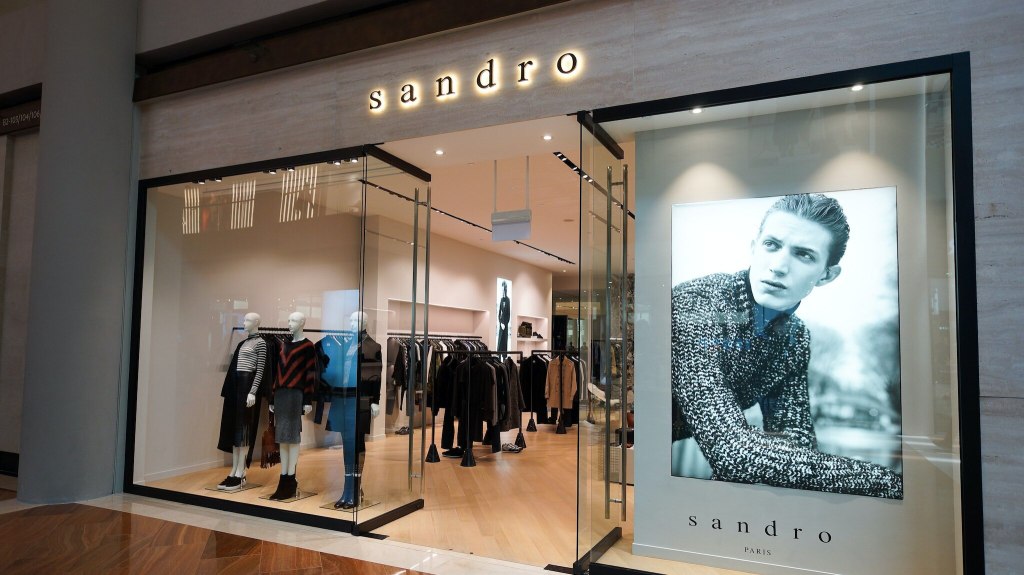
Sandro : Launched by husband-and-wife duo Didier and Evelyne Chétrite, Sandro is a well-known and popular brand in the contemporary market.  Since its launch in 1984 (in the Marais district of Paris), the label has gathered a cult following with women charmed by its insouciant, season less separates and rock’n’roll aesthetic. Sandro has stores worldwide in places such as New York and Japan, and a flagship store based in Covent Garden, central London.

A Sandro Store
Sandro Spring-Summer 2021 Menswear Collection

Conclusion

Consumers want to feel like they own something special and unique. They want exclusive quality labels that are not mass produced, yet are still affordable.  It is important to keep in mind that this category is less expensive then higher tiers such as Haute Couture, but the prices are clearly higher than budget collections.The changing demographic of fashion consumers and the rise of contemporary brands. To stay in the game, luxury fashion marketers must compete on a global scale.

Start-up to Success: Nykaa

The cosmetic market is a 1.3 billion dollar industry in FY2020, and the growth is only expected to be double in the future. The amazing growth of the industry, along with rapid digitization, led its way to the establishment of the e-commerce giant, Nykaa.

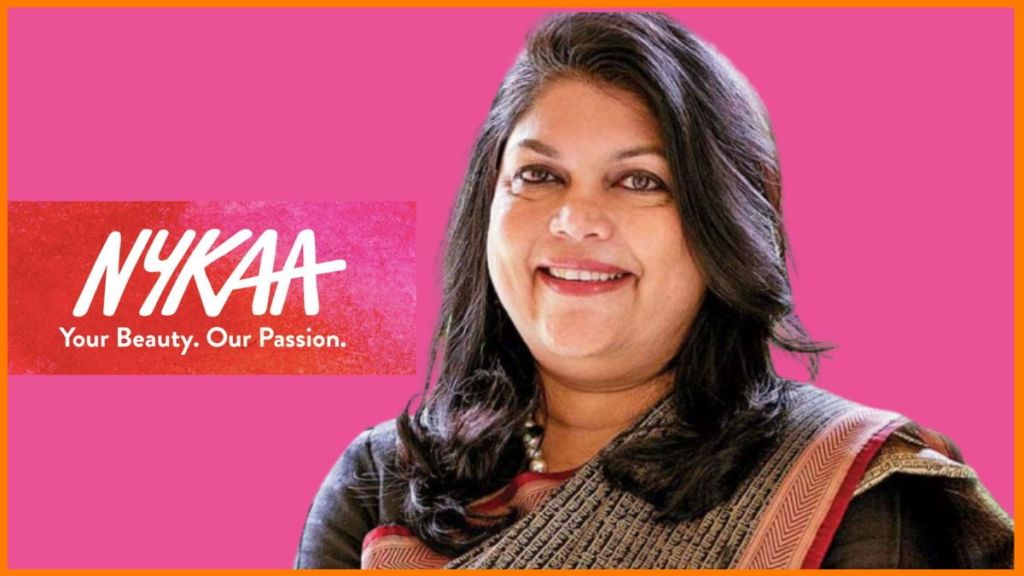
Nykaa was established by Falguni Nayar in 2021, as a retail company that sells cosmetic commodities online. However, after its enormous growth Nykaa also offers offline stores all across India. The company also offers comprehensive content that includes product reviews, beauty how-to videos, expert written articles, and even an e-magazine.

Origin of Nykaa

Prior to the coming of Nykaa, there was a huge discrepancy in regard to the beauty market. Falguni Nayar, the founder of the company, noticed the inconsistencies in the market of beauty products, and thus came the idea of the beauty e-commerce. ‘Nykaa’, the name comes from the Sanskrit word ‘nayaka’ which means actress or ‘one in the spotlight’.

Nykaa initially started as an online corporation and eventually turned to be an omnichannel strategy. Nykaa has its base in Mumbai, and showcases a wide variety of beauty and cosmetic products for all genders. Other than beauty and cosmetics, Nykaa is also a retailer for intimate wear, garments, jewellery, home décor and more. Nykaa also sells luxury brands such as Estee Lauder, Dior, Chanel, Gucci to name a few.

Soon after its success, Nykaa also launched its line of in-house products, under the same name. The products include a wide range of products from cosmetic to skin care to bath and body products and more.

About the founder

Falguni Nayar was a student at IIM Ahmedabad, where she pursued her MBA in Finance. She then joined Kodak Mahindra Capital Company, as an investment banker. She worked in Kodak Mahindra for 18 years, amidst which she decided to pursue her entrepreneurial venture, and resigned from the bank. And today, she is India’s first self-made billionaire.

The beauty and cosmetic products market in India was not at par with that of other countries like France and South Korea, despite of having a high demand market. She had the vision to see India in par with these countries in terms of catering to the beauty industry. And she thus, fulfilled her desire to established the online beauty sector a reliable source for consumers to confidently purchase authentic products.

Being passionate about beauty herself, she wished Nykaa to be a one stop solution for a Indian woman’s selfcare need, and change their grooming experience for the better. Nykaa’s motto Your beauty, Our passion, truly justifies their claim.

Future of Nykaa

Nykaa claims to make 5 million per month as revenue across India, and the numbers are only expected to grow. During the pandemic, online sector grew exponentially, and Nykaa shined exceptionally, helping India with delivering essentials during the lockdown.

Along with online deliveries, Nykaa has 80 plus stores all across India, and they are planning on growing 180 stores all over India by the year 2024. And they are further planning on expanding internationally.

Nykaa came into the spotlight when it launched IPO for subscription during the October 28 to November 1 2021, and fixed a price band of Rs 1085-1125 apiece for maidan offer. Nykaa was offered 81.78 times over the 2.64 crore shares that were being offered. Nykaa had a dream debut in its IPO where the market cap of the company crossed Rs 1 lakh crore. The valuation of Nykaa surged almost to $13 billion in its Indian market debut. And the valuation of Nykaa is only expected to grow further in the coming years.  

                    Falguni Nayar started Nykaa at the of 50 with no prior experience, and changed the fate of Indian beauty industry. The biggest take away from this journey is that, age is just a number, and you can turn your dreams and passion into a billion dollar industry when you have an entrepreneurial mindset. Falguni Nayar will be an inspiration for the generations to come.  

Shark Tank: India

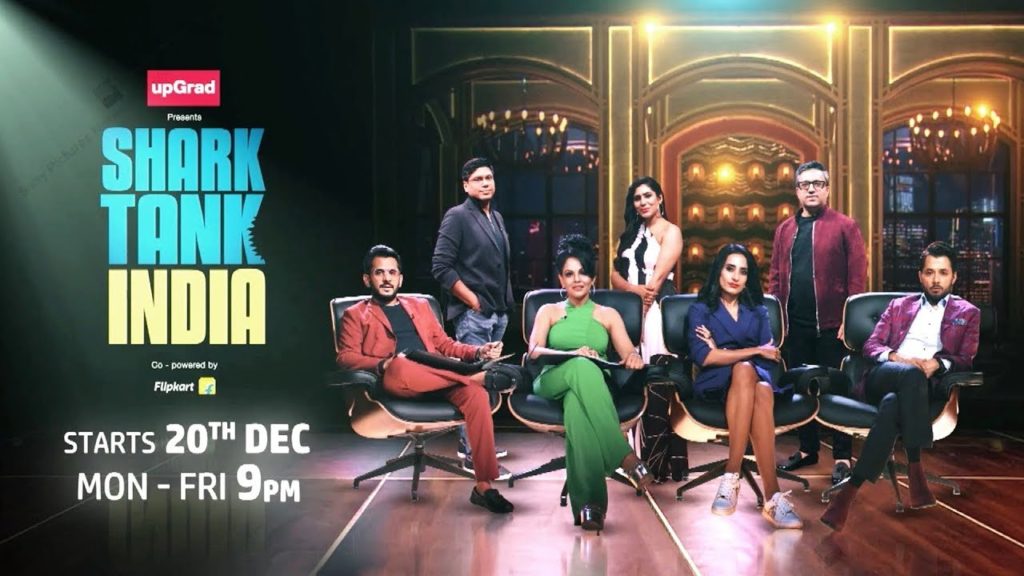
A one of a kind business reality TV series that has got India hooked is Shark Tank, India. Shark Tank is a series were aspiring entrepreneurs pitch in their business models to a panel of investors whom they refer to as Sharks, and persuade them to invest in their ideas. Shark tanks provides budding entrepreneurs the opportunity to secure the deals that would make them successful businesses.

This reality show is the Indian franchise of the American business reality show of the same name, which first aired in 2009. The Indian version is broadcasted on Sony Entertainment Television (SET), and is available online on its respected OTT platform and YouTube.

About the Sharks

The Indian version has seven panellist on board. All the panellists are giants in their respective area of business and hence, Sharks. The list includes:

  • Ashneer Grover- founder and Co-founder of BharatPe
  • Anupam Mittal- founder and CEO of People Group Shaddi.com
  • Aman Gupta- Co-founder and CMO of boat
  • Vineeta Singh- Co-founder and CEO of Sugar Cosmetics
  • Namita Thapar- Executive Director of Emcure Pharmaceuticals
  • Ghazal Alagh- Co-founder and CIO of Mama Earth
  • Peyush Bansal-  Founder and CEO of Lenskart

All the Sharks brought on the table their area of expertise to help the entrepreneurs with their venture along with investment for a reasonable percentage of equity.

The investments

The show helped 67 start-ups bag funding for their venture which is estimated to be at 41.98 crores in total. The highest investments were made for 1 crore to 10 start-ups. The start-ups that bagged the investment were genuine problem solvers whose product or service could help the nation along with generating enough revenue and profit.

The investments ranged from ice popsicles, sugar free ice creams, Ed tech apps, textiles, braille literacy device, canned cocktail, lounge wears, and more. The Sharks invested in a wide variety of start ups in exchange for reasonable, and sometimes negotiable equity.

However, there were instances were participants had to head back with no investment, nevertheless the participants received constructive criticism from the Sharks for their start up, and to further establish it.

Success of the Show

The show has been a massive success and there are possible rumours of a second season. The show has 9 point rating on IMDB, and a substantially good TRP ratings. The show first aired from 21st December 2021, and has 35 episodes.

There were 50,000 plus applicants out of which 198 candidates for selected for the show. And after the massive success of the first season, the application number is only expected to increase in the possible next season.

The presence and popularity of the show was also felt on social media, as feeds  and homepages were flooded with relevant and funny memes made from Shark Tank India. This is one of the reason the show gained a massive audience, and helped connect with the youth on a closer level and inspired more entrepreneurs to follow their entrepreneurial venture.

                     Shark Thank India not only entertained but also provided crucial business advice to entrepreneurs both on the show and the ones outside who just started with their entrepreneurial journey. Such reality shows truly justify entertainment with a purpose.

Start-up to success: OYO

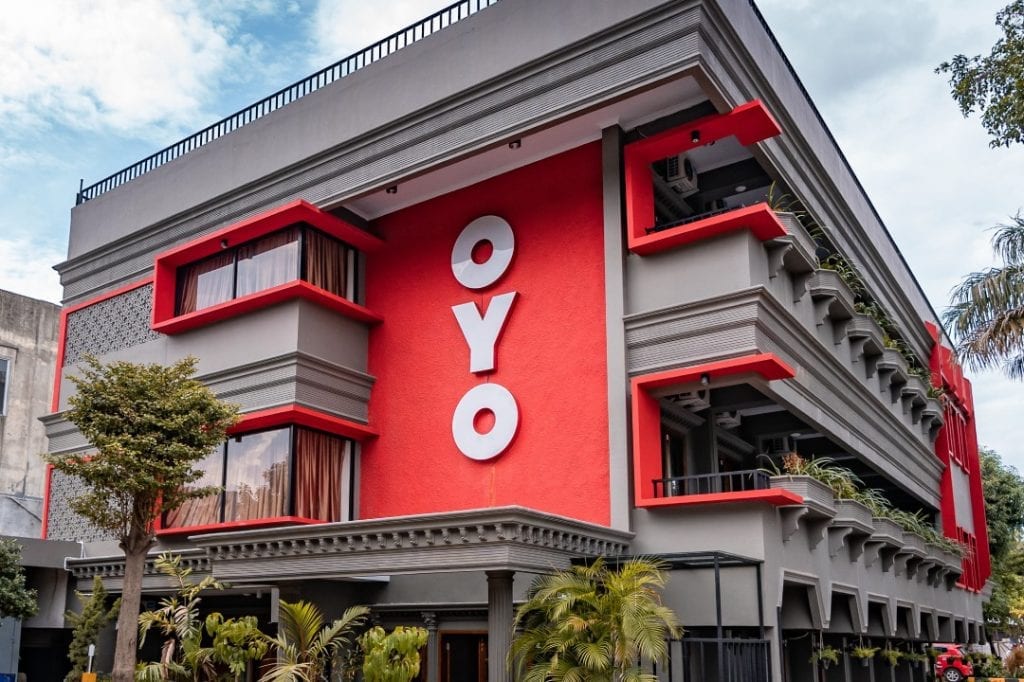
OYO Hotels and Homes is one of the first choices that comes to our mind when we think of affordable and comfortable accommodation while on a vacation. The success of OYO as a hospitability empire has been enormous, and it has been growing ever since the inception of the company in 2013 by Ritesh Agarwal.

OYO stands for ‘On Your Own’. And OYO has been a leading venture in the avenue of budget-friendly rooms along with offering commendable hospitability services. The company has been adding ways to improve its quality and services for the consumers over the years.

The origin of OYO

Ritesh Agarwal aspired to be a coder, and left for Kota in 2009. However he later realised that coding was not for him. Meanwhile he wrote and published his book ‘Indian Engineering Colleges: A Complete Encyclopaedia of Top 100 Engineering Colleges’, which turned out to be a hit. He was then selected for Asian Science Camp held at Tat Institute of Fundamental Research, Mumbai. Later he was among 20 students under 20 who received Thiel Fellowship with a sum of $100.000 for two years. Thus providing him with the resources to drop out of college to start something of his own.

Since Ritesh Agrawal travelled a lot and stayed in different hotels, he realised the poor condition of the hospitality sector, and was motivated to start Oravel Stays in 2011, which was later relaunched as OYO Hotels and Homes in 2013. He envisioned OYO as the all-encompassing accommodation system where people could enjoy all the best facilities of hospitality sector in a budget.

Eventually OYO spread all over India, generating revenue of 51 lacs in 2013-14 and 2.4 Crores in 2014-15. OYO also bagged investment from big shot companies like Lightspeed India, Sequoia, Softback and most recently Microsoft in 2021.

The Struggles of OYO

OYO did not become a success overnight. It had to endure its fair share of struggles and setbacks on its way to success. OYO was surrounded with allegations of cheating and fraud. In 2019, a Bengaluru hotelier accused OYO for not paying his dues. However, OYO rejected such claims.

Other instances includes the death of a national level shooter in an OYO hotel due to electrocution, and an OYO employee raping a women, and a few more. In all these cases OYO clarified its stand and coped with authorities to help with the investigations.  

Other then such instances of setbacks, OYO also had to deal with the obstacles of COVID-19. Like all businesses, the hospitality sector was also hit severely with the pandemic. The hospitality sector revenue generation was down by 50-60% in 2020, as a result the OYO employees had to go through a pay cut of 25%.

Success of OYO

After dealing with its fair share of struggles and shortcomings, OYO has established itself as the World’s third largest and fastest growing hotel chains and home and living spaces. After 8 years of business OYO operates in 800 cities in more than 80 countries. It has 23,000 hotels under, 850,000 rooms and 46,000 vacation homes worldwide.  

In 2019, OYO generated a revenue of $951 million, and is believed to revive itself from the effects of pandemic in the coming years. Ritesh Agarwal was declared the youngest CEO at 17, he was also declared the world’s youngest self-made Billionaire after Kylie Jenner in 2020. And he has a number of other titles to his name such as Forbes 30 under 30 and much more.

                      Nonetheless, the biggest takeaway is that, a teenager with an entrepreneurial mindset manifested his dreams into reality and made it big to a billion dollar industry. Ritesh Agarwal has an inspiring story that can surely encourage other young minds.

Khadi: The Sustainable Fashion of India

Khadi, India‘s own versatile clothing material for ages

Introduction

Khadi, also known as Khaddar ,which started as a symbol of the Swadeshi Movement led by Mahatma Gandhi 100 years ago, is now a fashion statement in India and is gradually getting popular across the globe. Not only as an affordable and comfortable fabric for daily-wears, but also Khadi is now being considered as a Style Statement for its sustainability and eco-friendliness.

Khadi production

Nature of The Khadi Material

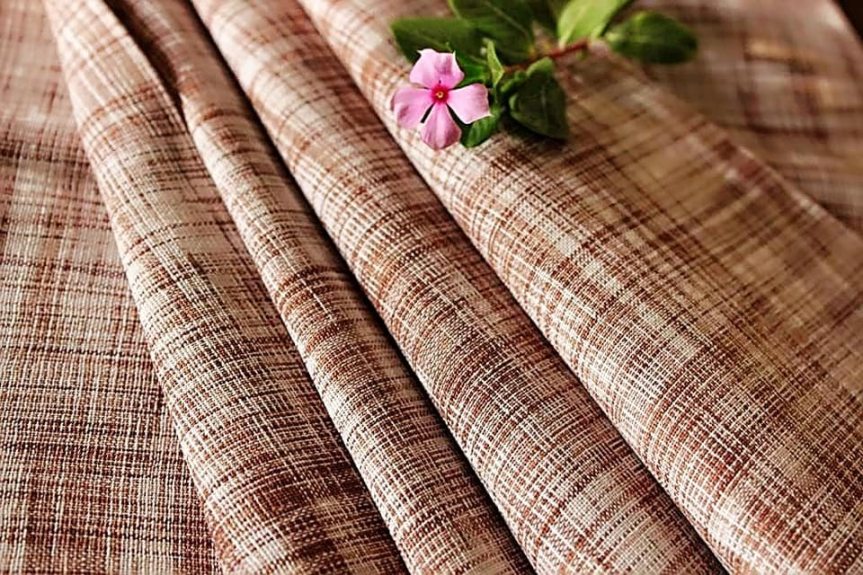
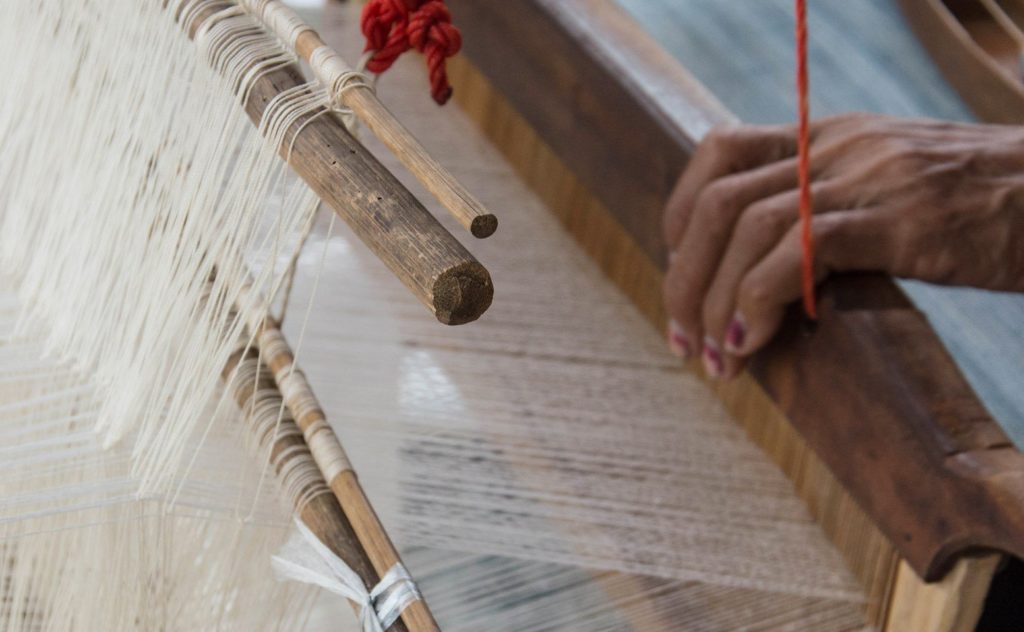
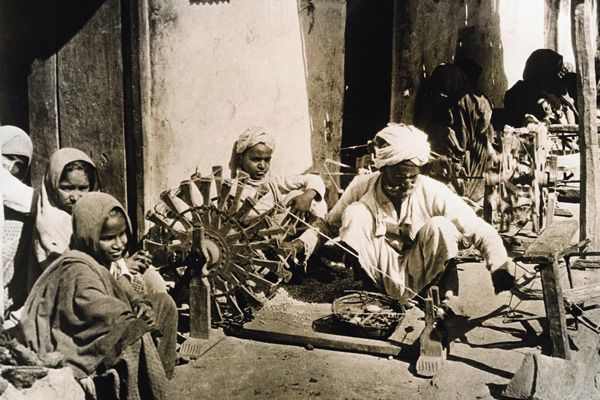
Khadi is a textile fabric made by hand-spun and hand-woven cotton, silk, wool or a mixture of these fibres. It is a traditional way of textile manufacturing and is generally produced by rural artisans. The method of manual spinning and weaving makes the fabric structure somewhat rugged and imparts a unique appearance and makes it soft and comfortable to wear. The spinning is carried out on a traditional wooden frame called charkha, while the weaving is done on a handloom. The specific fabric construction helps in circulation of air within the threads and imparts unique property of keeping the wearer warm in winter as well as cool in summer.

Weaving of Khadi

History of Khadi : Role in India’s Freedom Movement

India has an ancient heritage of cloth making based on the availability of natural fibrous raw material such as -agricultural cotton owing to the clement climatic conditions and fertile land, varieties of silk from different sericulture and wool from domestically reared sheep. The textile coloration was carried out using abundantly available natural dyes, derived from various plant and animal extracts. Such flourishing textile base was one of the major attractions for the Western world. After mechanised industrialisation, the situation changed and the basic raw material was exported from India, converted into mill-processed finished cloth and the imported fabric was brought back. This led to the demolition of traditional textile manufacturing in India and eventually the art and craft of fabric making diminished.

During the initial phase of the freedom movement, national leaders like Dadabhai Naoroji and Lokmanya Tilak initiated the Swadeshi Movement to promote Indian-made products. However, it was Mahatma Gandhi who in 1918 brought the focus of India’s freedom struggle to khadi by promoting that as a Swadeshi symbol.

Under the leadership of Mahatma Gandhi, khadi-making regained momentum and became a symbol of revolution and resistance. It also provided employment to the vast rural population of India and achieved distinct identity as a common man’s cloth. As everybody could wear the same form of clothing without any distinctions of class, creed or religion, they could demonstrate solidarity in freedom struggle. Wearing khadi became a matter of national pride and united the population of India by surpassing the divisive system of the region, language, religion, caste, age and gender. It reflected our country’s legacy of sustainable living and self-reliance. The Indian national flag is also made from khadi material.

Khadi making with Charkha, during India‘s Freedom Movement

Government Initiatives After India’s Independence

The Khadi and Village Industries Commission (KVIC) is the Indian government body that promotes khadi, whose production and sale comes under the small scale industry sector. KVIC was created by a parliament act after which many KVIC outlets were opened across the country. These shops sell khadi fabrics and apparel. Every year between October to January, all Khadi Gramodyog Bhavans offer discounts on their products. KVIC also organises exhibitions and trade fairs in the country and abroad to promote khadi.

An estimated 15 lakh people are now engaged in producing over 12 crore metres of khadi. KVIC is taking further steps to enhance its production as the market demand for such products is much more than the supply. A new programme is expected to establish the ‘Khadi Mark’ and a logo to indicate the genuineness of the product. The financial support provided and the political will exerted by the present government and the special emphasis from Prime Minister Narendra Modi has helped boost employment in the manufacturing and promotion of khadi products. Leading film artists, sports personalities and fashion designers have come forward to promote this unique ‘Made in India’ fabric in the global arena.

Khadi used in sustainable fashion

Contribution of Khadi in World Fashion

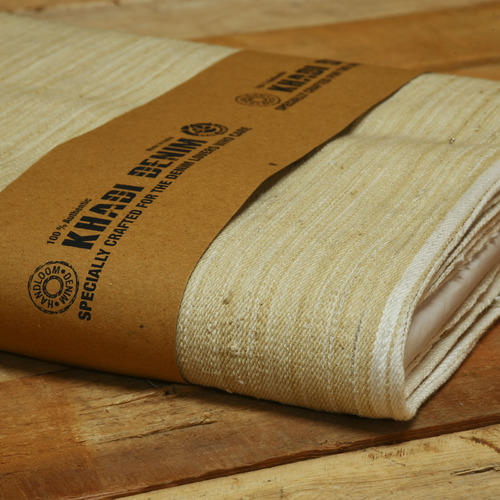
Considering khadi‘s eco-friendly and natural origin, it has become a focal point of global fashion owing to growing consumer awareness and the consistent demand for sustainability. Fashion designers have acknowledged the aesthetic appeal and comfort attributes of khadi and experimented it in blending with many other stuff to synergistically enhance the fashion appeal and outlook of products. Khadi is now used in denims, jackets, shirts, dress material, stoles, home furnishings and apparel accessories like handbags. Khadi, once considered as the fabric for political leaders and the rural folk, has entered the wardrobe of the fashion-conscious urban population. Wearing khadi now symbolises affluence as it offers a distinguished look. The ecological aspect and ethnic looks of khadi have caught the fancy of global brands and leading fashion designers have started including khadi material in their collections.

Global acceptance of the Khadi in fashion

Conclusion

Incorporating Khadi in our daily life may also pave the way for a simple spiritual living exuded by our clothing and home décor items. Khadi being such a versatile fabric can be easily incorporated, by changing the warp and weft, in a home decor and clothing lines. This will make us come closer to nature and add a touch of earthiness in our lifestyle.

Women Entrepreneurship in India

Confucius once said ‘Choose a job you like , and you will never have to work a single day in your life’, and this stands true for all the entrepreneurs out there, who are following their passion, and dedicating their time, sweat and blood for the creation of their product or service. Entrepreneurship is a field which requires the individual to accept ambiguity and challenge despite being exposed to uncertainties and criticisms.

We all have heard and know of male entrepreneurs who envision their dreams into reality. However, this is not the case for the female counterpart. Female entrepreneurs have to break through centuries old conventions and take a stand for themselves to venture into the business world.

According to Forbes India, Women make up to 13.76 percent of entrepreneurs in India, this is fairly less than its male counterpart. However, it can be seen that the numbers are accelerating at an impressive rate.

Need of the Hour

According to an article by Times of India, Women owned business in India are likely to rise 90 percent in the next five years, as compared to the US (50%) and UK (24%). Such statistics are clearly impressive as it not only established the potential Indian women entrepreneur possess, but also encourages the younger generation to propagate venture on their own and not just depend on employers.  

The urge to have women entrepreneurs onboard will not only benefit to boast the economy of the country but also help to manifest the socio-political and economic development of women.

Government schemes for women entrepreneurs

The Government of India has launched substantial number of programs and schemes, that would benefit women entrepreneurs in India. According to an article by Indifi, GOI launches 9 such schemes that empowers women entrepreneurs. Few of the schemes are:

  1. Annapurna Scheme- this scheme provides loans to women in food catering industries who are still establishing their small scale business.  
  2. Dena Sakti Scheme- this scheme is for women entrepreneurs in the field of agriculture, retail, manufacturing or micro-credit business.
  3. Mudra Yojana Scheme- this scheme tries to improve the status of women by providing them loans to make them self-reliant and financially independent.

There are more such schemes that are especially catered to help empower women entrepreneurs coming from all walk of lives.

Pandemic and women entrepreneurs

The pandemic has affected employment all over the world, and women employees are no exception to it. With the on-going lockdowns many lot their jobs, and thus in order to make their living we could see a number of small women entrepreneurs trying to make their living by selling handmade masks, jewellery, embroidery, selling home cooked food on the streets and much more. This provided them the opportunity to be financially independent and make a living for themselves in their own terms. Although the sales and profit are not guaranteed, it at least helps them feed themselves, which is a better alternative to unemployment.

The pandemic also saw the rise of small urban-women owned businesses such as selling handmade crochets, macramé, resin products and much more, whose primary medium of marketing are through social networking sites. These are mainly owned by the young women who are treating it as a side hustle, along with focusing on their respective careers and educations. Thus, being self-reliant along with having a career alternative.

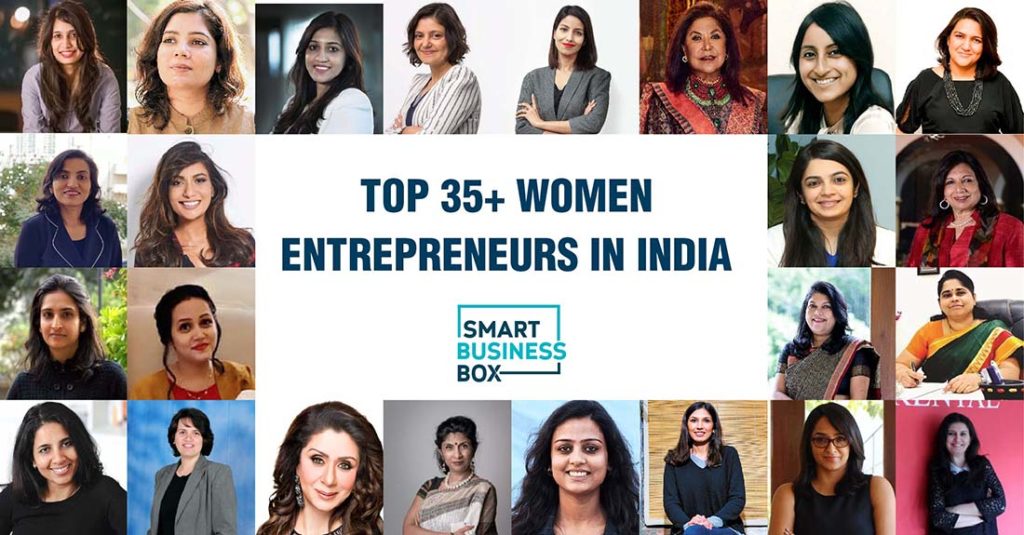
                   Being an entrepreneur requires a vision and dedication to achieve this goal. Falguni Nayyar started her entrepreneurship journey with Nykaa at the age of 50 and now she is one of the first two women self-made billionaires in India. Its never too late to start a venture of your own.

IMPORTANT BOOKS TO READ IN YOUR 20’S

Reading is good for you because it improves your focus, memory, empathy, and communication skills. It can reduce stress, improve your mental health, and help you live longer. Reading also allows you to learn new things to help you succeed in your work and relationships.Reading has been proven to keep our minds young, healthy and sharp, with studies showing that reading can even help prevent alzheimer’s disease. Reading also develops the imagination and allows us to dream and think in ways that we would have never been able to before.

1) How to win friends and influence the people

How to Win Friends and Influence People is a self-help book written by Dale Carnegie, published in 1936. Over 30 million copies have been sold worldwide, making it one of the best-selling books of all time. Carnegie had been conducting business education courses in New York since 1912. The book is very easy to read and provides great examples and stories which makes it 10x easier to relate to and remember. I highly recommend this book, it has helped me improve certain aspects of my relationships and interactions with others.The core idea is that you can change other people’s behavior simply by changing your own. It teaches you the principles to better understand people, become a more likable person, improve relationships, win others over, and influence behavior through leadership.https://en.m.wikipedia.org/wiki/How_to_Win_Friends_and_Influence_People

2) Think and Grow Rich

Think and Grow Rich was written by Napoleon Hill in 1937 and promoted as a personal development and self-improvement book. He claimed to be inspired by a suggestion from business magnate and later-philanthropist Andrew Carnegie. https://en.m.wikipedia.org/wiki/Think_and_Grow_Rich The “secret” of Think and Grow Rich is to place yourself within the overall scheme of creation, obeying natural laws that inevitably and invariably beget growth, expansion, renewal, and generativity.

3) The Power of your subconscious mind

The Power of Your Subconscious Mind has been a bestseller since its first publication in 1963, selling many millions of copies since its original publication. It is one of the most brilliant and beloved spiritual self-help works of all time which can help you heal yourself, banish your fears, sleep better, enjoy better relationships and just feel happier. The techniques are simple and results come quickly. You can improve your relationships, your finances, your physical well-being. Your subconscious mind is a powerful force to be reckoned with. It makes up around 95% of your brain power and handles everything your body needs to function properly, from eating and breathing to digesting and making memories.

4) The Richest Man in Babylon

The Richest Man in Babylon is a 1926 book by George S. Clason that dispenses financial advice through a collection of parables set 4,000 years ago in ancient Babylon. The book remains in print almost a century after the parables were originally published, and is regarded as a classic of personal financial advice.This point is actually the crux of the book: the classic principle of paying yourself first. Clason recommends saving at least 10% of all income earned. Even in his example of those who are paying off debt, he still advocates setting aside this one-tenth. https://en.m.wikipedia.org/wiki/The_Richest_Man_in_Babylon#:~:text=The%20Richest%20Man%20in%20Babylon%20is%20a%201926%20book%20by,classic%20of%20personal%20financial%20advice.

5) Atomic Habits

An atomic habit is a regular practice or routine that is not only small and easy to do but is also the source of incredible power; a component of the system of compound growth. Bad habits repeat themselves again and again not because you don’t want to change, but because you have the wrong system for change. While it is well worth reading cover-to-cover as it is chock full of useful and actionable information about habits, from how and why we form them to how to break them and make them, I’ve decided to highlight my top takeaways and share with you the lessons I felt were the most profound. https://medium.com/tom-thoughts/i-finally-read-atomic-habits-here-are-my-top-5-takeaways-57dd6f904ab4

How is digital marketing important for business?

With the skewing needs of consumers, every field is customizing according to their needs. Whether it is the education system, health care facilities or our cravings for cars, everything has evolved. The businesses and marketing field is not behind! They have adapted to the changing times and needs of the consumers with the tool “Digital Marketing”.

The unseen, boring pamphlets strewn across the alleys have been replaced with compelling, interactive ads all across the online platforms. The Internet played a vital role in bringing evolution. The shift from traditional marketing techniques to digital marketing has helped many established as well as emerging businesses.

Digital marketing ensures the advertisement of the product or service in a cost-effective and time-saving manner along with building the trust between the customers and marketers.

Still, wondering? How digital marketing is important for your business? What does it really do?

What should digital marketing be used for?

  • Know your customers: The most crucial part and the first step of digital marketing is to have a deep understanding of your customers to know their needs. “Stop selling. Start helping.” – Zig Ziglar
  • Hunt customers: With the advancement of internet technologies, we can find almost everything online, even voracious customers. Your potential customers are online, just one click away! It is quite likely that they are looking for a product or service just like yours, but due to your absence, they might choose someone else. Make your web presence significant with digital marketing tools and ace the marketing field.
  • Keep your competitors closer: You might have heard, “Keep your friends close, and enemies closer”, it’s time you stick to the phrase in order to survive the cut-throat world of marketing. Learn from their mistakes and modify your strategy. ” In the world of Internet Customer Service, it’s important to remember your competitor is only one mouse click away.” – Doug Hammer

Let’s have a look at some of the innumerable benefits provided by digital marketing to businessess.

Benefits of Digital Marketing

  1. Real-time interaction with customers: The world of digital marketing allows the interaction between the customers and marketers in real-time. For any business or deal to take place, it is essential to have an interaction between the two parties in order to establish a bond of trust. No business deal or purchase can be made without the factor of trust.
  2. Affordable: It is undeniable that Digital Marketing is a cost-effective way to reach the desired audience. Social media campaigns, email marketing content marketing, etc. are some highly effective yet cheap methods of digital marketing.
  3. Better ROI: The use of digital marketing provides better ROI, reaching targeted customers.
  4. Increase brand awareness: The trust-building approach of digital marketing also helps in creating brand awareness among consumers. It reflects the ideals and aspirations of the brand strategy and explicitly represents the brand.
  5. Keeping up with the trends: Digital marketing tools help you to keep up with the changing trends and adapt to the present needs of the consumers. It analyses consumer behaviour and engagement.

For sure, Digital Marketing is the canopy of businesses, especially during today’s time. It is up to the efficiency of its usage and strategies.

Mcaffeine Neem Face Wash

Mcaffeine Neem Face Wash Cleanser With Argan Oil & Vitamin E For Men And Women – 150 ml https://www.amazon.in/dp/B071X49GR9/ref=cm_sw_r_apan_glt_fabc_9B6RQWH965EW0W12D2T2

Factors used in this face wash are Caffeine, Neem, Argan Painting and Vitamin E. These all factor are skin-friendly. They not only clean your skin but also secure your skin. It’s extremely delicate to the skin, makes the skin smoother and vigour.

Greenberry Organics Detox activated Charcoal Face Wash

Greenberry Organics Detox activated Charcoal face wash for anti-pollution Oil control and anti-acne with the goodness of Tea tree, Mulberry and Grapefruit combo with Bio active Intense Night cream Unisex (100ml + 50ml) https://www.amazon.in/dp/B076PG55CF/ref=cm_sw_r_apan_glt_fabc_SFDCQPP9A8T30JCWP80Q

 Factors used in this face wash are Tea trees & fruits, charcoal and Vitamin c helps in keeping the skin healthy and soft. Makes the skin acne-prone and keeps it hydrated. Suitable for all types of skin.

Lotus Herbal Tea & Tree Anti Acne Face Wash

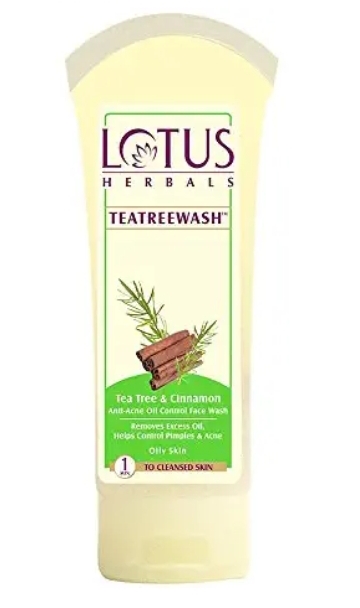
Lotus Herbals Tea Tree And Cinnamon Anti Acne Oil Control Face Wash, 80g https://www.amazon.in/dp/B0079Z7N3G/ref=cm_sw_r_apan_glt_fabc_D8N53Y620HHW1X1KDEBG

Lotus Herbals Tea Tree And CinnamonAnti-Acne Oil-control face Wash controls skin break out and lessens plenitude canvas without deserting any cleft- clogging buildup. It further controls sebum creation, lessens dry patches, and hydrates your skin. The cinnamon in it goes about as a natural constituent that evacuates dead skin cells and enhances blood income to make you look replenished and immature.

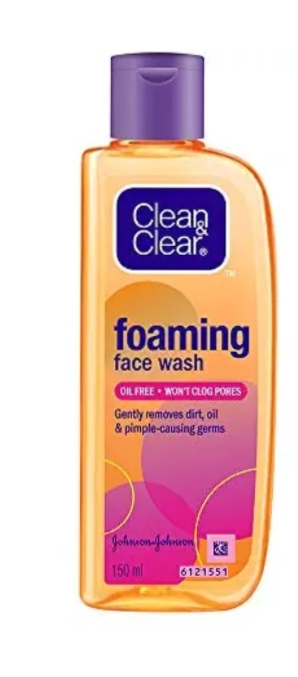
Clean & Clear Foaming Face Wash

Clean & Clear Foaming Face Wash For Oily Skin, 150ml https://www.amazon.in/dp/B00CI3HDMU/ref=cm_sw_r_apan_glt_fabc_HKAP31DH2V0G6FYKDJP1

A pomade-free facial cleanser that removes extra slick to help heal and avert boils. Formulated specially for gushy and combination skin types, this detergent flushes supererogatory canvas and contaminations. It helps combat papules and prevents them from returning. The detergent has a gentle formula suitable for everyday use.

Mama Earth Charcoal Face Wash

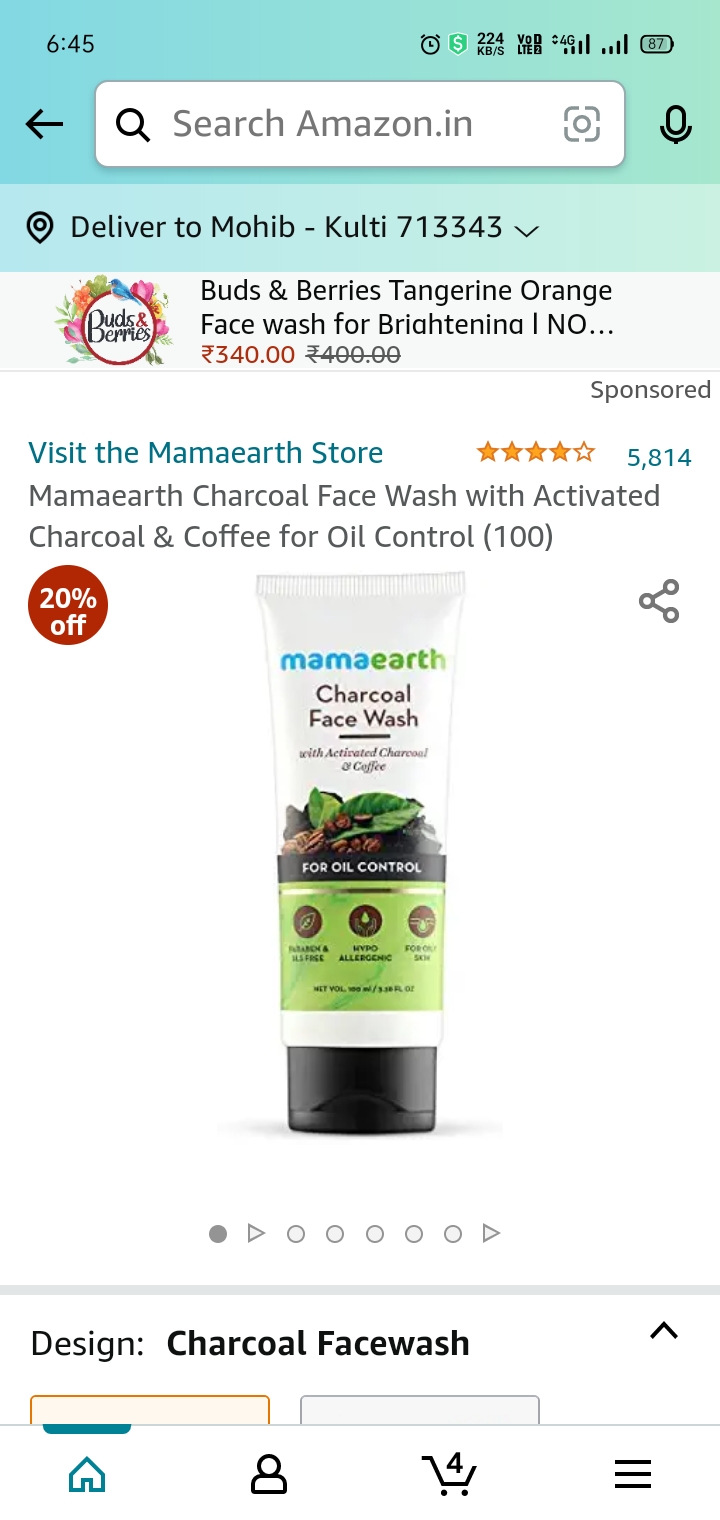
Mamaearth Charcoal Face Wash with Activated Charcoal & Coffee for Oil Control (100) https://www.amazon.in/dp/B07FPNW916/ref=cm_sw_r_apan_glt_fabc_dl_YSBZ7WZ30HTZNWR5C6K8?_encoding=UTF8&psc=1

Tired of the day-to-day struggle with gushing skin, choked pores, and dull skin? Bring back immaculate skin that looks immature and canvas-free with the power of Cranked Charcoal &Coffee.Crafted with the integrity of nature, Mamaearth Charcoal Face Wash pulls out poisons and contaminants from deep within the pores. The integrity of Coffee tightens skin pores and promotes yea skin tone to give you an canvas-free glowing complexion.

Neutrogena Deep Clean face wash

Neutrogena Deep Clean Facial Cleanser For Normal To Oily Skin, 200ml https://www.amazon.in/dp/B006LXDQRY/ref=cm_sw_r_apan_glt_fabc_dl_0F1YKXWWE1NGE0KQYS20

 Neutrogena is notable for making face fens for fulsome, acne-prone skin. This is your most solid option in the event that you have fulsome, and acne-prone skin. Delicate on your skin yet extreme on skin inflammation, the specific canvas-free equation tenderly purifies your skin from deep out. This face fen for fulsome skin contains Salicylic acid which is known to dispose of skin break out and reduces coming bunks.