World Hepatitis Day 2021

Introduction

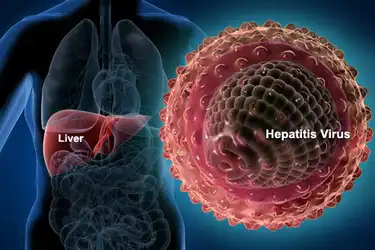
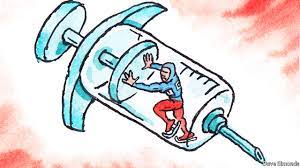
Every year on July 28th, World Hepatitis Day is observed. The goal is to raise awareness about viral hepatitis. Hepatitis is a medical condition in which the liver is in an inflammatory condition. The theme for this year is “Hepatitis Can’t Wait”, magnifying the urgency of putting efforts to eliminate hepatitis as a public health threat by 2030.

History

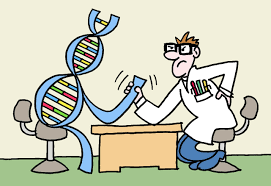
July 28th was chosen as the date for World Hepatitis Day because it is the birthday of Nobel-prize-winning scientist Dr. Baruch Blumberg, the scientist who discovered the Hepatitis B virus (HBV) and also developed a diagnostic test and vaccine for the same virus.

Dr. Baruch Samuel Blumberg was born on July 28, 1925, and died on April 5, 2011. He was an American physician, geneticist, and co-recipient of the 1976 Nobel Prize in Physiology or Medicine with Daniel Carleton Gajdusek. He was president of the American Philosophical Society from 2005 to his death. He served as a U.S. Navy deck officer during World War 2. He received his MD in 1951 from Columbia University and his D. Phil in 1957 from the University of Oxford. While studying yellow jaundice in 1964, he discovered a surface antigen for hepatitis B in the blood of an Australian aborigine, which is the reason it was initially called “Australian antigen”.

About Hepatitis

It is referred to as an inflammatory condition of the liver. It is usually caused by a viral infection but it can also be caused by other things. It can include autoimmune hepatitis and also hepatitis which can occur because of medication, drugs, toxins, and alcohol. There are five types of hepatitis based on different viruses. 

Hepatitis A is caused by an infection with hepatitis A virus (HAV), this is mostly transmitted by consuming food or water which is contaminated by feces from a person infected by HAV. 

Hepatitis B is transmitted through contact with infectious body fluids like blood, vaginal secretions, or semen. It can be transmitted by injection drug use, having sex with an infected partner, or sharing razors with an infected person. 

Hepatitis C is caused by the hepatitis C virus (HCV). It can also be transmitted through direct contact with infected body fluids, especially through used injections and sexual contact. 

Hepatitis D is also known as delta hepatitis, it causes a serious liver disease by hepatitis D virus (HDV). It is caused by coming in direct contact with infected blood, it is rare as it only occurs with hepatitis B because it cannot multiply without the presence of hepatitis B. 

Hepatitis E is waterborne and is caused by hepatitis E virus (HEV), it can usually be found in areas with poor sanitation and from ingesting fecal matter that has contaminated the water supply. 

Facts and Figures

  • 1,100,000 deaths per year are caused by Hepatitis B and C.
  • 9,400,000 people are receiving treatment for chronic HCV.
  • 10% of people with chronic HBV are diagnosed and 22% of those receive treatment.
  • 42% of children have access to the birth dose of HBV vaccine.
  • According to WHO, 325 million people around the world have HBV or HCV.
  • Hepatitis isn’t just an STD, there are other ways of getting it as well.

Conclusion

With the figures of infection and death around the world, it is clear that we can’t just sit and wait around for them to decrease. It is important to make people aware of it, teach them the way to avoid it, and reach a stage where the vaccine can be provided to everyone. As common citizens, we can’t help in the production and reach of the vaccine but we can help in raising awareness and taking steps towards sanitation.

References

FAD DIETS

There is no single definition of what FAD DIET is. A fad diet is a diet that becomes popular for a short time, similar to fads in fashion, without being a standard dietary recommendation, and often making unreasonable claims for fast weight loss or health improvements. It is also called as “popular diet” or “diet cult”.

Some of the fad diet involve eliminating necessary nutrients that your body needs. While other involve eliminating dairy. Some eliminate certain foods at specific times of the day. It consists of unusual, expensive and unnecessary food products and ingredients. Fad diets are often highly restrictive. Often these diets aren’t well researched.

TYPES OF FAD DIET:

  • THE PALEO DIET:

It revolves around the food that our ancestors are thought to have hunted. It emphasizes on natural and not processed foods which involves meat, poultry, seafood, fruit, vegetables and nuts.

  • THE FLEITARIAN DIET:

A flexitarian follow a plant based diet but occasional eats meat when the heart urges.

  • KETOGENIC DIET:

It is a low carb, moderate protein, very high fat diet plan which involves cutting out key food groups. Some people have a medical need for a ketogenic diet to control epilepsy or other long-term conditions.

  • THE RAW FOOD DIET:

This involves consuming unprocessed plant-based foods in their raw state to retain the enzymes and vitamins that can be destroyed through cooking.

PROS OF FAD DIET:

  • It is effective in losing weight. As per research done by scientists from Tufts-New England Medical Center, fad diets can lead to a weight loss between 4.6 to 7.3 pounds within a year.
  • Fad diet comprises of plenty of fruits and vegetable in a range of meal plans.
  • Fad diet improves not only physical health but also one’s emotional health.

CONS OF FAD DIET:

  • Fad diet users lose weight very quickly. Losing weight healthy but if it happens too quickly, it may lead to various side effects.
  • It puts one’s health at risk as the amount of nutrients and calories to be consumed is restricted.
  • Fad diet have low adherence.

ONE COMMON THING ABOUT FAD DIET:

All fad diets have one thing in common: They propose a temporary solution for many people’s lifelong problem. Once the diet is stopped, the lost weight is usually regained quickly. Fad diets does not focus on lifestyle modification and these diets aren’t sustainable throughout ones life.

Even losing weight has to be done in the right way. The meal plans incorporated in fad diets are good. But, the goal of losing weight will be done better if it is combined with total lifestyle change.

Being happy is a need or a purpose??

Whatever we are doing in our life at this time is directly or indirectly related to only one ultimate goal and that is we all want to be happy in our life. But, are we really happy? Or why we are not happy? And how to become happy?? There are so many lots of questions that are searched on the internet related to happiness? Funny thing is that we are asking from the machines that how we become happy in our life?

We are the people of the generation that are unhappy so that they become happy. Everyone in one of his/ her childhood faces a question from someone that what do you want to become? And we gave so many options like maybe this or that but neither of us told us nor we realized that before become specialist in a different field first we become happy in our life. After reading this I am sure a question arises in your mind that before achieved financial independence how do we become happy? for one moment think that how you perform well when you are so much depressed? First, you should understand that being successful or being happy is two different goals so don’t mix two in one. Success is a goal but happiness is the thing that you need in this process.

People thought that if they become happy all the time, are they achieve success or not, so I think till now I have not read anywhere or heard from anyone that if you are happy you are not eligible for attaining success. So please don’t become so serious be punctual, be dedicated towards your goal.

And there are so many people in this world that are already trapped in the web of complex things and become unhappy so don’t try to become one of them, be happy for yourself, this is one of the best gifts that you give yourself. Whatever the situation of life is be happy and face that like a warrior,

If you are struggling in your life currently, please don’t become depressed, be happy because this happiness add some power to your confidence so that you face your struggle more valiantly,

There are lots of people in your nearby area they say that when this or that thing will complete they become so much happy, and after that, you saw that after goal achieved they become so much depressed and after asking they say that, this is not that thing what they want in their life, so don’t to be happy it is free of cost in every country. So please be happy,
Because this is a chain reaction when one person is happy, he/ she will never make someone’s life unhappy. So ultimately if you are happy you not only uplift your life you also provide little contributions towards the world’s happiness.

Life is a struggle, so accept it and enjoy your single moment on this planet. And before becoming anyone in any field, become happy in your life. And don’t depend on anyone for your happiness.

Being happy is a need that is required to achieve all the purposes of our life.

WORLD NATURE CONSERVATION DAY – JULY 28

“Earth provides enough to satisfy every man’s needs, but not every man’s greed.” ― Mahatma Gandhi

July 28 is celebrated as “World’s Nature Conservation Day” and reminds us that healthy environment is the foundation of a stable and productive society. This day is observed every year and is celebrated to educate people about the best techniques and practices adopted in different areas of the world to protect and preserve our natural resources as our planet has limited amount of resources left but the reliance on these resources is increasing day by day. This day aims to create and increase the awareness about the importance of natural resources and environment. It shows how we can live sustainably. This day encourages the people to save and protect the natural resources of earth because they are depleting in a rapid rate and are getting exploited and even misused.

This day recognizes that a healthy environment is the most vital part of stable and productive society. And sustainable practices are important for maintaining this stability and this environment for the future generations as well. The day reminds us about our responsibility as the child of the planet and urges us to be responsible and practice sustainable living practices and bring small changes in our lifestyle which can bring sustainability in our life style and lives. This day motivates us to find alternatives which could decrease our dependency on the natural resources.

This day ensures sustainability of present and future generation. How can we help in conserving the nature ? Lets have a look!

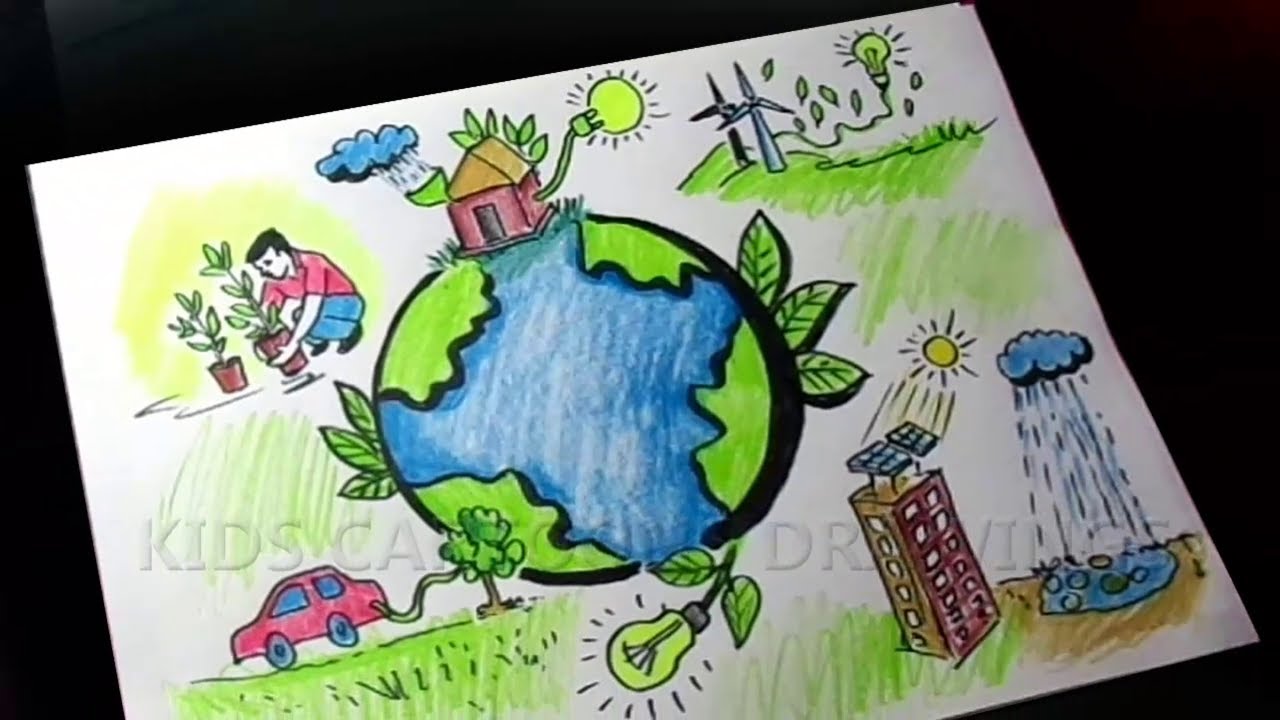
  1. WATER CONSERVATION: Everything starts from home and can be done by using less water while showering and bathing. By practicing Rain water harvesting methods in home to reduce our dependency on other water sources and rely on rain water without wasting it. It is important to conserve water because it is estimated that 2050 we may run out of water.
  2. PLANTING OF TREES : This helps in preventing soil erosion and promoting greenery. Home gardening, kitchen garden etc. can be practiced at home and at any scale for planting trees. Green roof is also one such initiative which helps in promoting greenery at homes. Spending few minutes in planting and amid nature can greatly promote mental well being too.
  3. WASTE MANAGEMENT : Reduce, reuse and recycle waste. Practice rainwater harvesting and using wastewater treatment plants for treating the waste water. This waste water when treated can be used in landscaping purpose. Organics can also be used.
  4. SUSTAINABLE COMMUNICATION : Sustainable communication can help in reducing the carbon footprint and lessen the pollution. It is good if people use public transport and sustainable modes of transport while commuting to different places as fewer vehicles will ensure lesser pollution.
  5. Reduce your electricity consumption; switch off electrical appliances when not in use, or every time you walk out of a room.
  6. REDUCE PAPER USE : Saving papers means saving trees and in todays digital age, all the devices are capable of taking notes which saves the need of print outs.
  7. AVOID SINGLE USE OF PLASTIC : The plastics which we are using are getting discharged into the oceans and grasslands or forests etc. which is destroying the lifeforms, ecosystem as well as the natural resources. Single use plastic consumption has increased during the pandemic and the amount of gloves and face masks being used is also increasing. Landfills are getting filled with the large amount of plastics which is polluting the environment.

The main objective of the day is to be live, promotive consciousness and mindful living. The aim is reduce overexploitation of resources and reduce the non-essential travel and play our part of role in building a sustainable future.

Reproductive Health

Total well being in all aspects of the reproduction such as physically mentally and emotionally is called Reproductive health.

All the reproductive organs should be healthy with normal function.

Major problems associated with reproductive health

Overpopulation

  • Overpopulation causes a scarcity of every basic need.
  • It affect the well-being of reproductive health also.
  • To overcome the problem of overpopulation India started family planning program in 1951.
  • Later it was changed to reproductive and Child Health Care program in 1997.
  • A rapid decline in death rate, maternal mortality rate and infant mortality rate leads to overpopulation.

Small family, happy family

Steps to control population explosion

  • People should be educated about the advantages of smaller family.
  • Raising the marriageable age of male and female is an effective way to control the population.
  • Couples should be motivated to family planning by adopting birth control measures.

Step under reproductive and Child Health Care program

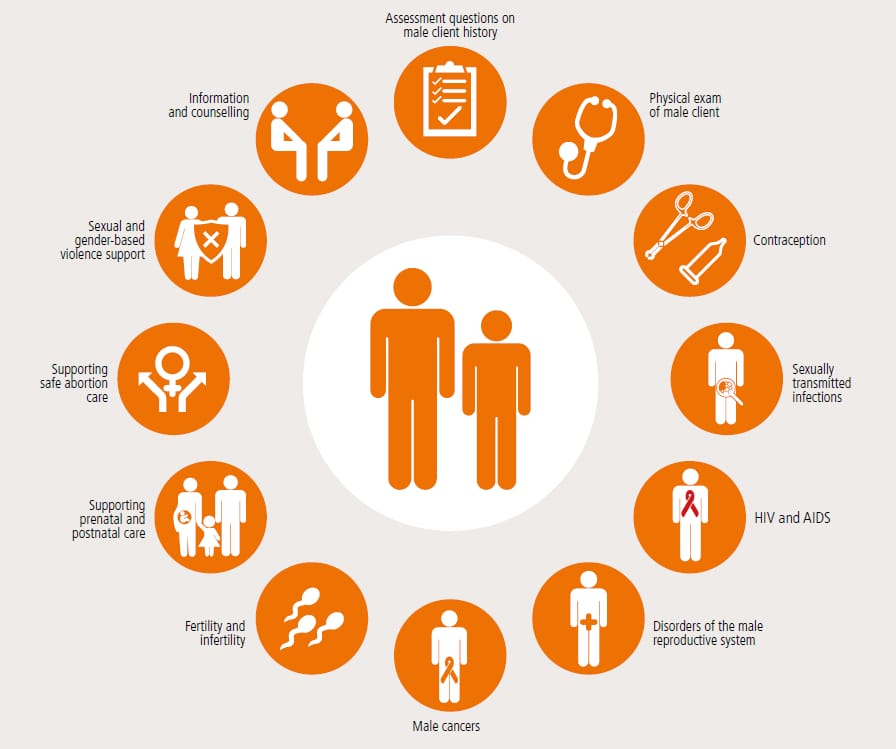
  • Increase in awareness about disease related to reproductive system example – sexual transmitted disease (STDs).
  • Increase in awareness through the audio visual media.
  • Increase in awareness about different contraceptive methods.
  • Increase awareness about sex education.

Female foeticide

  • Female foeticide can affect reproductive and sexual health of a Woman.
  • Due to the use of amniocentesis cases of female foeticide increases.
  • Amniocentesis is the technique in which amniotic fluid is studied for any type of enzyme disorder, chromosomal disorder or other bio-chemical disorder.
  • Amniocentesis method is misused to know the sex of an Unborn baby.

Sex education

  • Due to lack of education, people are not concerned about safe and hygienic sexual practice.
  • Introduction of the education in school and colleges its another step to provide right information to the youth.
  • Sex education can save the young youth people from myths and misconceptions about sex related issues.
  • Should provide knowledge about birth control methods and care of mother and child.

Our health is in our own hand…

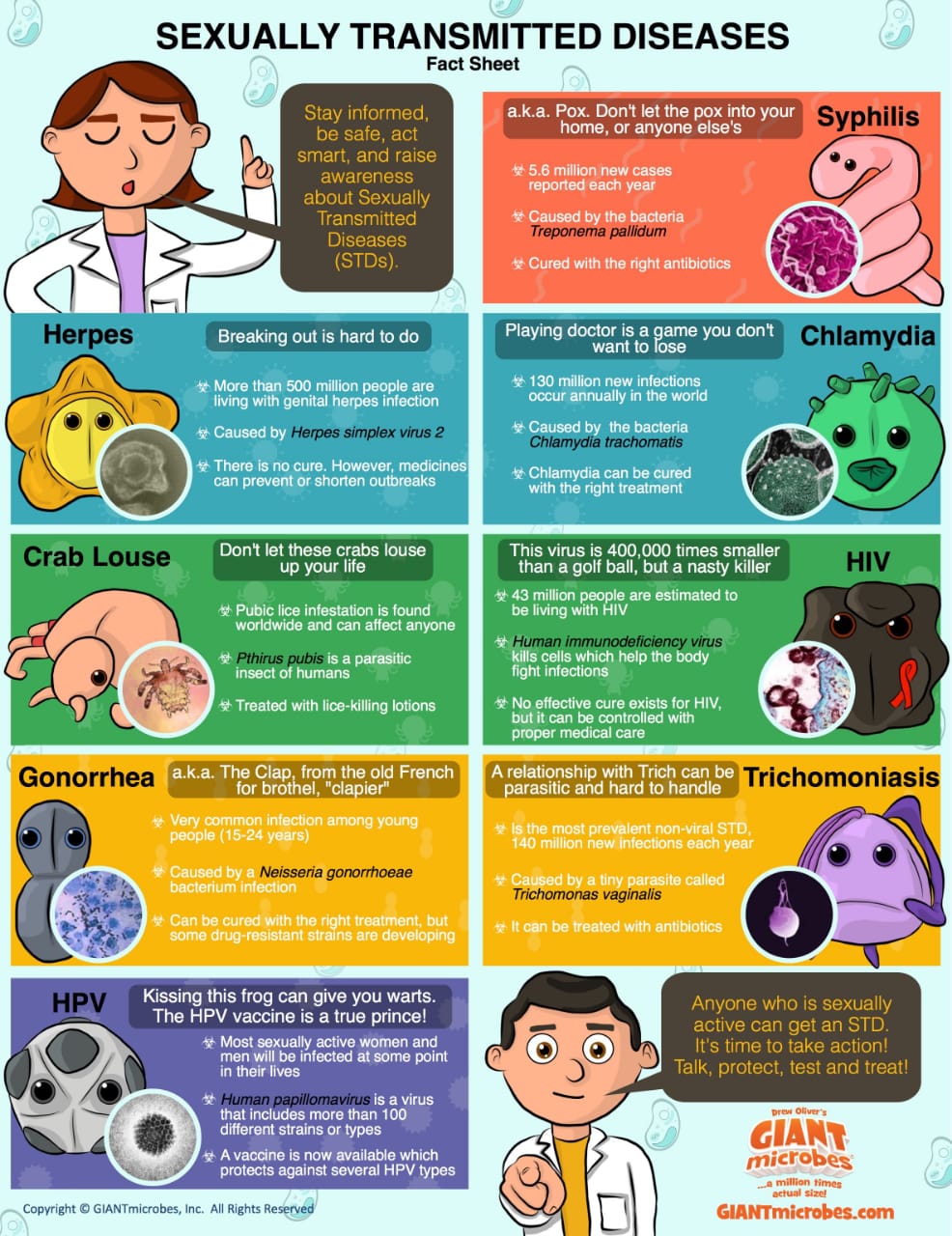
Sexually transmitted disease

Chlamydiasis

  • Caused by Gram Negative bacteria Chlamydia trachomatis.
  • Causes urethritis which result in painful urination and pus discharge.
  • In male, it causes infertility by causing oligospermia.
  • It increases the chance of ectopic pregnancy.
  • Treatment
    • Treated by antibiotics.

Gonorrhea

  • Causes by negative bacteria Neisseria Gonorrhea.
  • Causes inflammation of reproductive tract, urinary tract infection, and urethritis.
  • Treatment
    • Newly born child is given 1% AGNO3 dose to prevent eye. infection

Genital herpes

  • Causes by herpes simplex virus
  • Causes painful blisters
    • In male – glans penis and foreskin
    • In female – external genitalia
  • There is no proper treatment
  • Treatment is only to extend life.

Genital warts

  • Caused by human papiloma virus.
  • Causes Cancer of different organs such as-
    • cervical cancer
    • penile cancer
    • vaginal cancer
    • vulvar cancer
    • anal cancer
  • Treatment
    • Alpha interferon
    • cryotherapy
    • electrocautery

It is very important to provide information to the couple or who are in marriageable age group about birth control methods, care of pregnant women, important of breastfeeding, equality to the gender and equal opportunity to the male and female child, reproductive tract infections etc.

The education of reproductive health should be provided to all

INTERESTING FACTS ABOUT GIRLS:YOU SHOULD KNOW.

  • Girls like guys with a sense of humor and hate guys who always brag about themselves. 
  • Girls can either jokingly or seriously get jealous over your pubg game. 
  • It is really hard to trace why girls are unpredictable.
  • Girls spend one year of their lifetime just in deciding what to wear. 
  • A girl cannot keep a secret for more than 47 hours. 
  • Instead of a girl telling her feelings to a guy, her favorite song would convey it better. 
  • Girls usually compete unconsciously among themselves especially when it comes to beauty.
  • A woman can tolerate double the pain compared to a man.
  • Girls spend 120 hours in a year looking at themselves in the mirror.
  • In every 100 girls, only one would become the wife of her lover, remaining 99 would remain as passwords for Gmail and Facebook accounts of their lovers.
  • You should let her cool first before you say sorry, otherwise, she won’t accept your apology. 
  • Girls like guys who can protect and defend them.
  • If a girl says “no” believe her. She wouldn’t give you a no if she likes you.
  • Girls love receiving letters and surprises. 
  • When a girl is talking and if a boy says ”OK bye”, they hate him a lot. 
  • Girls like boys who ask for advice.
  • Girls hate it when you make them wait. 
  • If you’re thinking that girls are very particular with a guy’s looks, then its time for you to make a shift. It’s the attitude that they fall for
  • There is no guarantee that a girl would get impressed however we respect her, praise her, love her and care for her, but in the case of guys sly leer and a smile would suffice.
  • There would be a dark secret in every girl’s life which is not even shared with her best friend. 
  • Girls don’t enjoy talking dirty as much guys do.
  • Girls love to feel special even though they might not show it.
  • Being serious can turn a girl off.
  • When a guy says something really sentimental, a girl will remember it forever and ever.
  • Girls know how to control their emotions.
  • Girls daydream about their Crushs all the time even though they don’t show it.
  • Girls like to hear compliments, but usually not have to react to them.
  • Don’t try to guess girls feeling, Ask her.
  • If a girl calls you or expect a call from you stay with her.
  • Hearing the words “I love you” to a girl is great expression to agirl that she is beautiful.
  • Girls want nothing more than to feel love.

As humans, Women’s are beautiful, incredible, and powerful in their own right. They can achieve anything they set their minds to. Having to deal with oppression and inequality for centuries, there have been a ton of things women have had to fight for and change the future for succeeding generations of equally amazing women. therefore we should respect women.

MAGIC IN A CUP OF TEA!!!

Every morning won’t be complete without a cup tea right? Many people can’t do their work without a cup pf tea. Tea gives us refreshness and make us active. Though many like coffee, there are people who love tea too. The reason for me to talk about tea is nothing but today’s topic revolves around tea. Let me tell you an essay written by Eric Arthur Blair about a cup of tea.

Eric Arthur Blair, known by his pename George Orwell, was an English Novelist, journalist and a critic. He opposed totalitarianism and supported democratic socialism. He is best known for the Allegorical novella ‘Animal farm” and the dystopian novel “Nineteen Eighty Four”. He wrote an essay about ‘A nice cup of tea’ and it was published in London Evening Standards in 1946. It is about the discussion of the art of making tea. He states ten rules to be followed while making tea. Let me tell you about his essay.

Eric Arthur Blair (George Orwell)

The author said that there are no cookery books that has the preparation of tea as a recepie. Countries like Eire, NewZealand and Australia which has tea as a part of civilization. He says that Chinese tea has virtues but there is no much stimulation in it. So the author prefers Indian or Ceylonese tea.

  • The first rule is that one should prefer Indian or Ceylonese tea. One does not feel wiser or more optimistic after drinking it. ‘A nice cup of tea’ literally means Indian tea.
  • Second rule is that tea should be made in small quantities in a tea pot. The teapot should be made of China or earthenware. Silver and birtannia ware tea pots produce inferior tea and enamel parts are worse. In the army, the tea is made in a big cauldron, tastes of grease and whitewash.
  • Thirdly, the pot should be warmed beforehand rather than placing it with water in it.
  • Fourthly, the tea should be strong. He states that one strong cup of tea is better than twenty weak ones. All tea lovers not only love a strong tea but like it a little longer with each year that passes.
  • Fifthly, the tea should be put straight into the pot. Don’t use strainers or muslin bags to imprison the tea. One can swallow tea-leaves in considerable quantities without ill effect and if the tea is not loose in the pot it never infuses properly.
  • Sixthly, one should take teapot to the kettle and no other way about. The water should be boiling at the time, one should keep it on the flame while pouring it.
  • Seventhly, after making the tea, one should stir it, or better give it a good shake allowing the leaves to settle.
  • Eighthly, one should drink it out in a cylindrical type of cup rather than a shallow type of cup. The shallow cup will have the tea half cold before one starts, drinking it.
  • Ninthly, one should pour the cream off the milk before using it for tea. Milk with cream gives a sickly taste.
  • Tenthly, one should pour tea into the cup first and then add milk. By pouring the tea first, one can regulate the amount of milk to be added to the tea. He also says that one should drink tea without adding sugar. Adding sugar, destroys the taste of the tea. He also asks the question to the tea lovers, How can you call yourself a tea lover if you destroy the flavour of your tea by adding sugar into it? He also says that adding sugar is similar to drinking a hot water.

The points said by him are quite controversiable. But try to drink a cup of tea without sugar for a fortnight, and you will never ruin your tea by adding sugar to it. Think about yourself guys. This essay is quite interesting. I like this essay and how about you guys?

Read more;

Cabbage for Our Health

Cabbage is one of the common vegetables. It is a leafy vegetable. It is usually of color green, but it also comes in white, red, purple and deep green. Cabbage comes from Brassica oleracea or wild cabbage species. Like other vegetable it also has many nutrients and very good for our health. Cabbage are very closely related to cauliflower broccoli.

Some Types of Cabbage from All Around the World:
Cabbage comes with different color, sizes and different types leaf. Let’s discuss about them ––

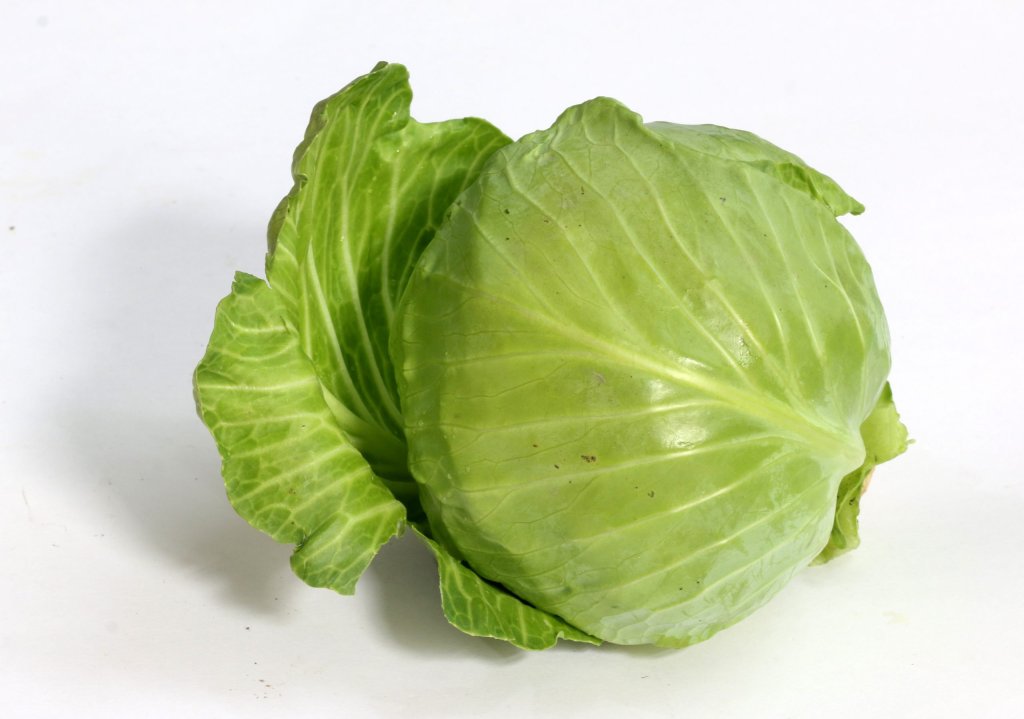
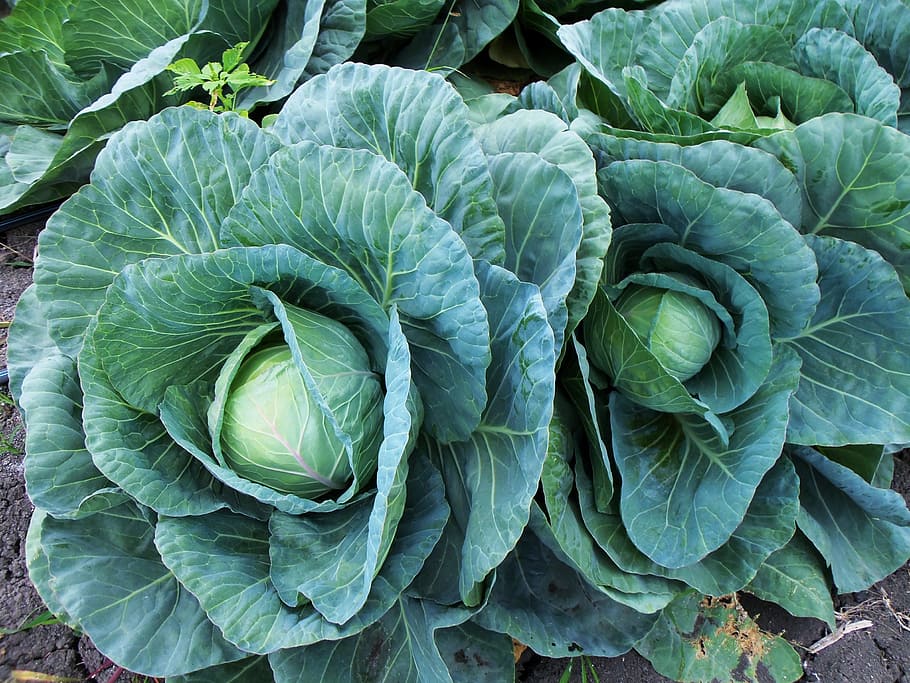
1)Common green cabbage: Scientific name — Brassica oleracea .It is the most commonly used head cabbage and it is available everywhere in world. The leaves of this cabbage are medium green. They are round shaped and thickly packed by leaves in a layer. The medium green color leaves are eaten cooked and the young and light white green color leaves can be eaten either cooked or uncooked as salad.

Common green cabbage

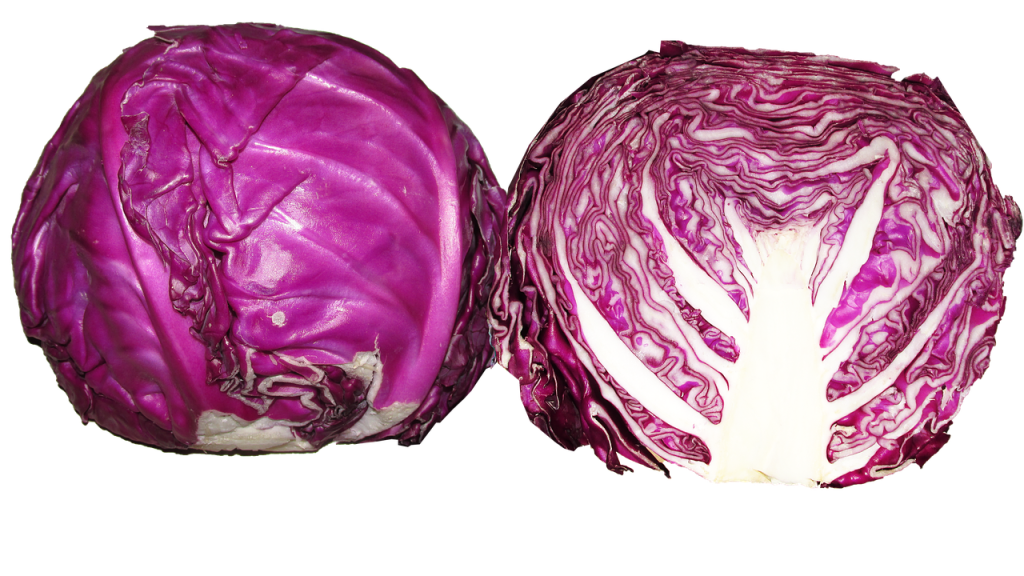
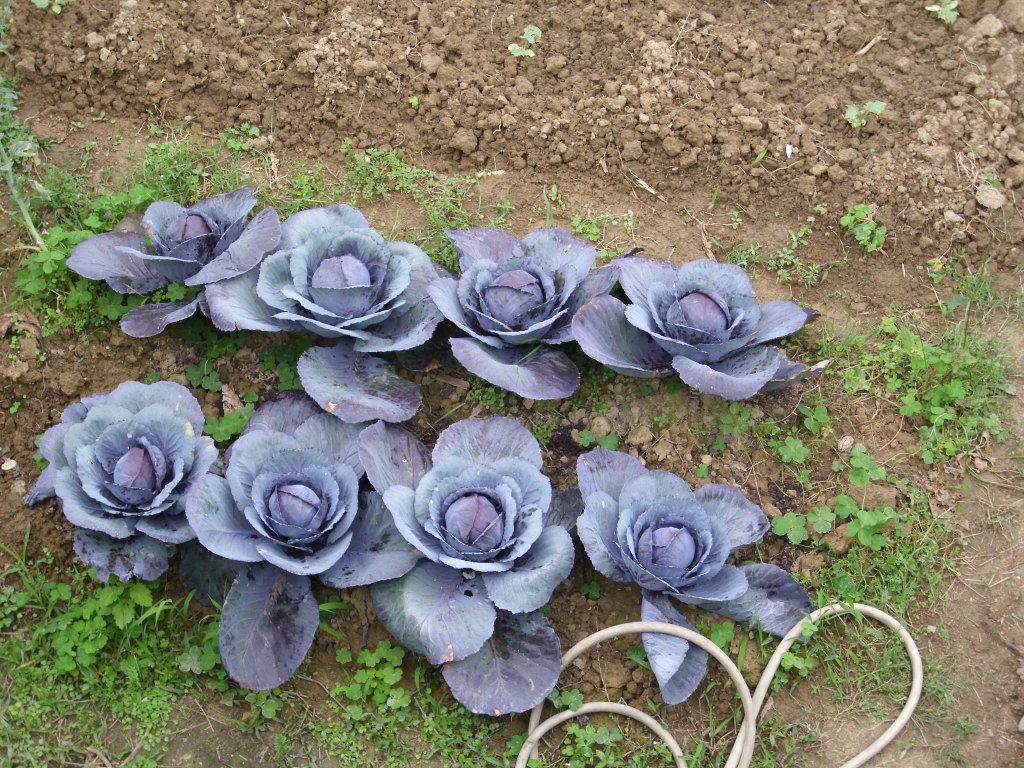
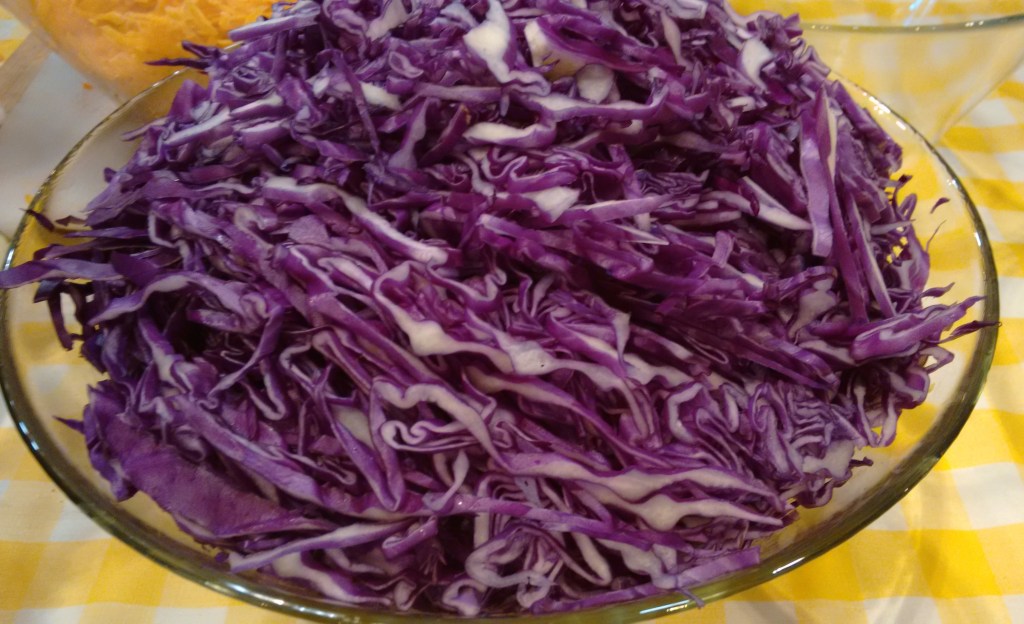
2)Red cabbage: Scientific name — Brassica oleracea . It is a same as common green cabbage, but the color is red purple or magenta. It is very similar to common cabbage. It is usually eaten as salad or with tacos. It has anthocyanins antioxidants in a huge amount.

Red Cabbage
Red Cabbage Plantation
Red Cabbage Salad

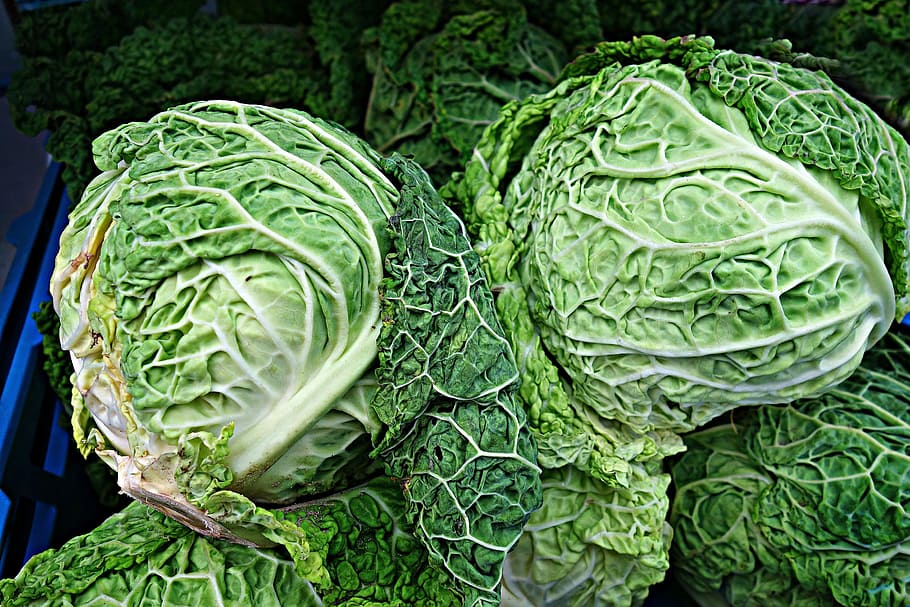
3)Savoy cabbage: scientific name – Brassica oleracea var. sabanda L. It is same as the common cabbage except the leaves of these cabbage is very curly and wrinkly not like the smooth leaves of a common cabbage. It is eaten as salad or stir-fried .

Savoy Cabbage Plant
Savoy Cabbage

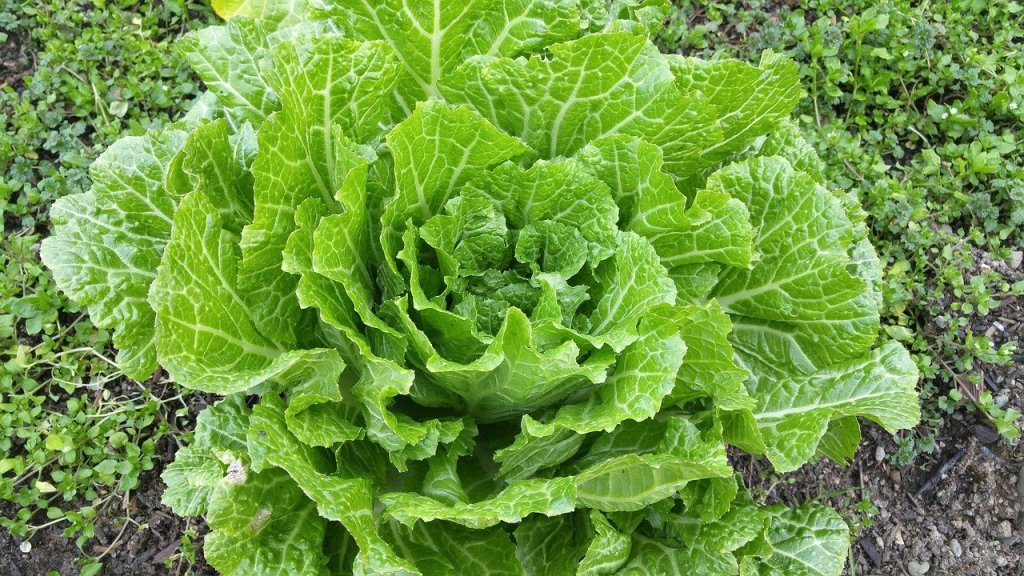
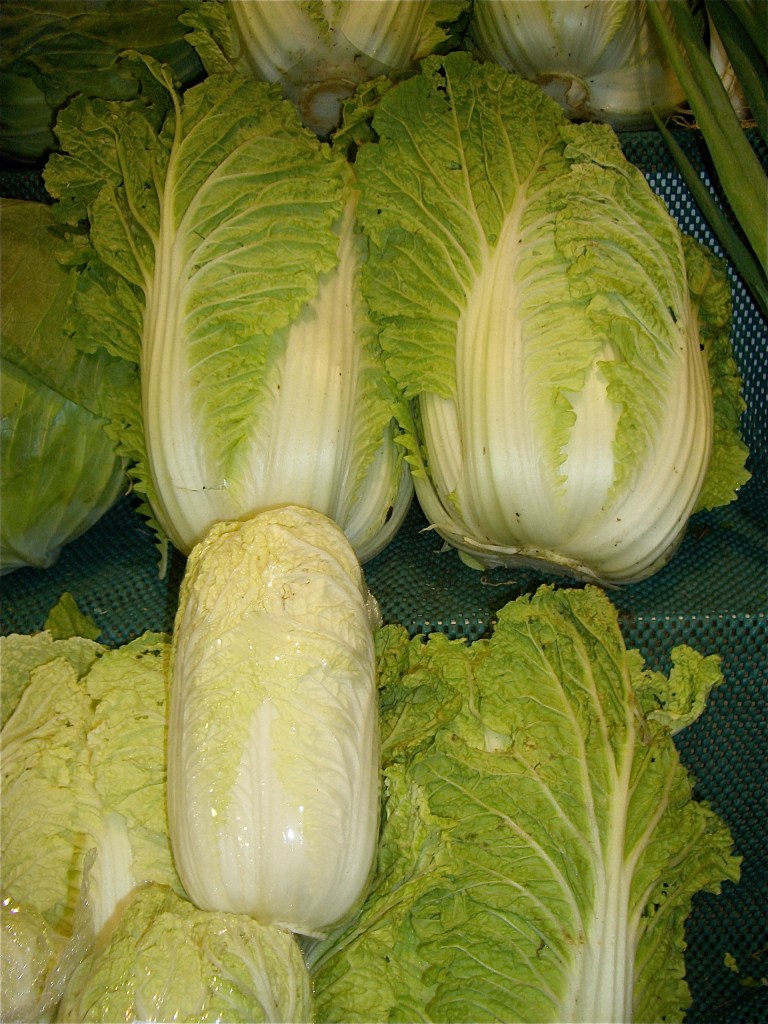
4)Nape or Chinese cabbage: It is cabbage, but it is quite long like not as round as a common cabbage. It is famous for Korean traditional Spicy dish kimchi. Scientific name – Brassica Rapa ‘perkinensis’.

Nape Cabbage Plant
Korean Traditional Spicy Dish — Kimchi

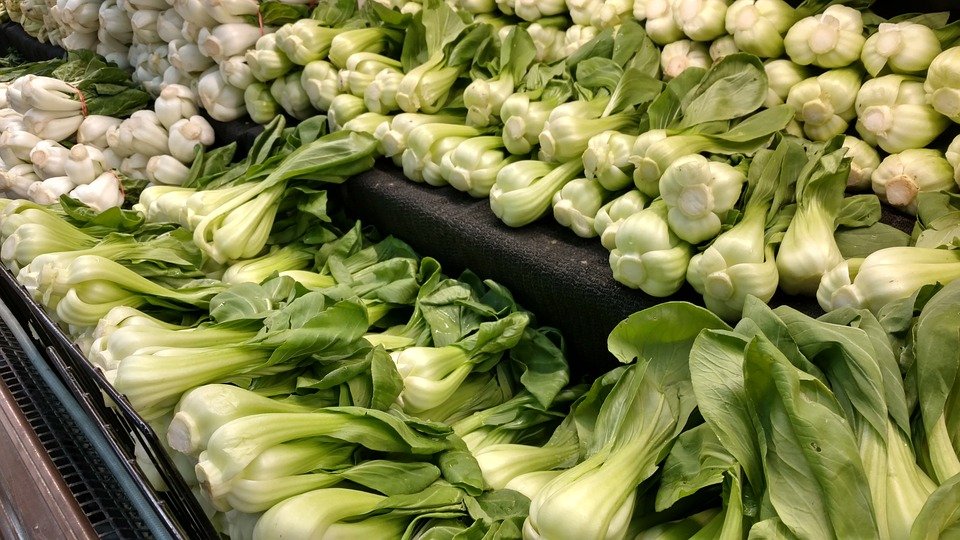
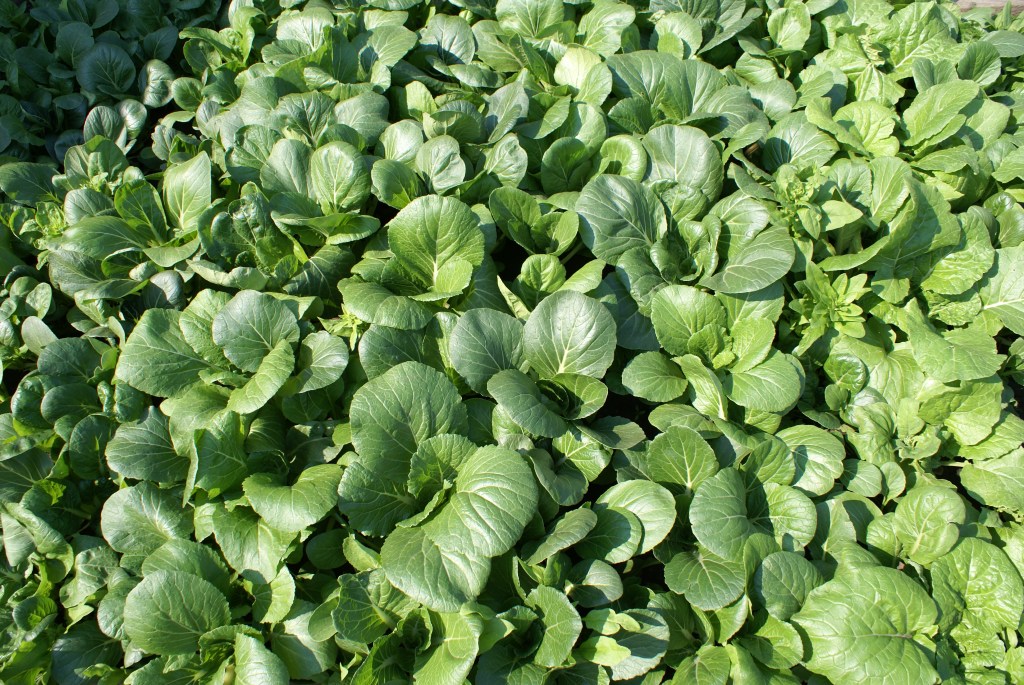
5)Bok choy: Scientific name –Brassica rapa chinensis. It is also one type of Chinese cabbage, but it is quite different. It has long green leaves and this cabbage is not round shaped. These leaves have excellent amount of Vitamin A, vitamin k and Vitamin C and some amount of Vitamin B6.

Bok Choy in Market
Bok Choy
Bok Choy Plantation

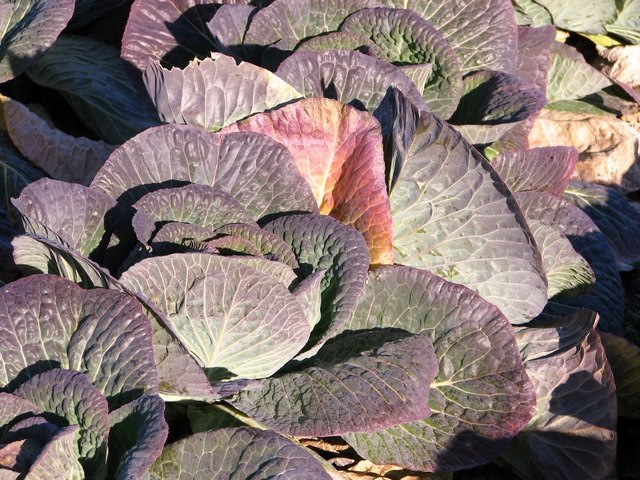
6)January King cabbage: It is a head cabbage like common cabbage, but has unique color. The leaves of these cabbage are purple and green. Scientific name –Brassica oleracea Sabuda.

January King cabbage Plantation
January King cabbage

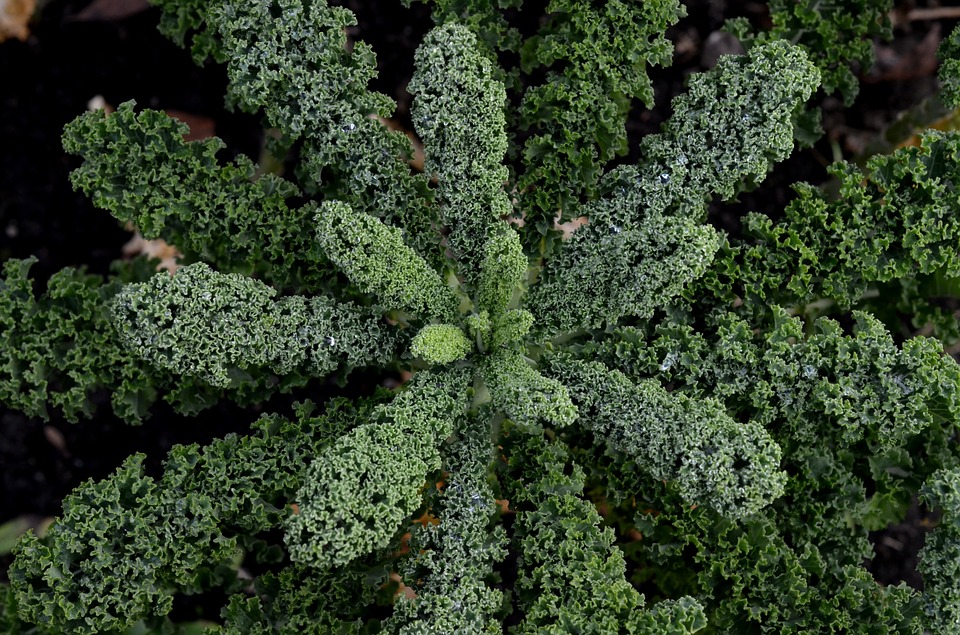
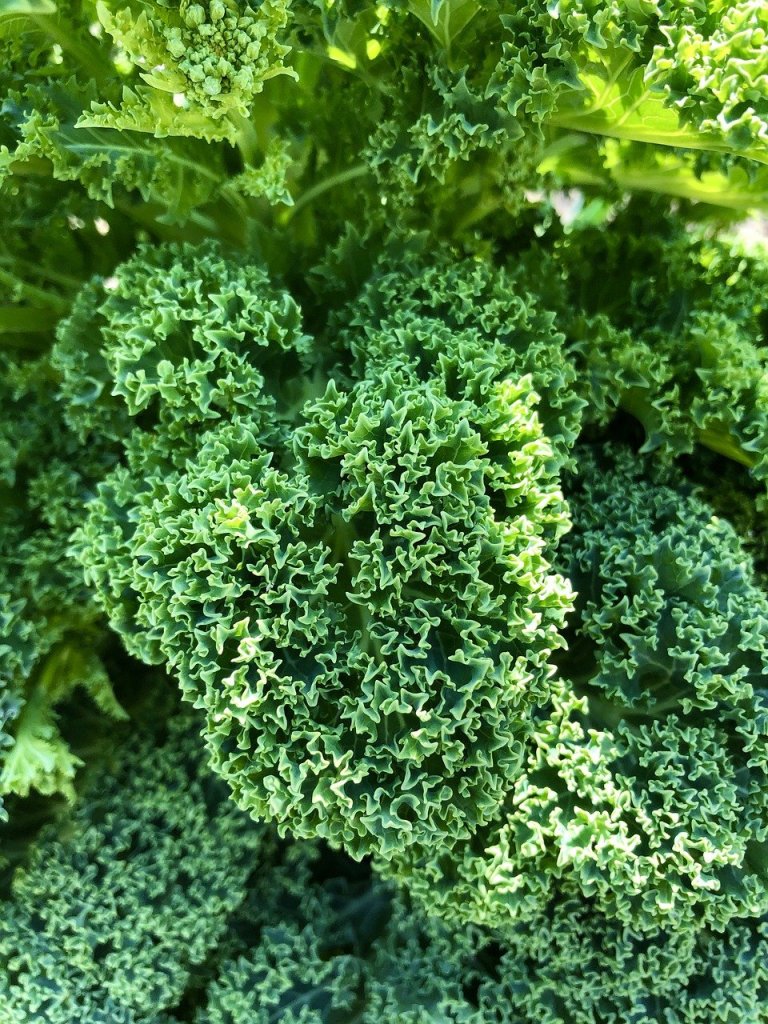
Apart from these there are white cabbage or Dutch cabbage, Kale or Leaf cabbage, Tuscan cabbage, Portuguese cabbage, Cannonball cabbage, Gonzales cabbage, Brussels sprouts, pointed cabbage. Cauliflower and broccoli are the also sometime considered as cabbage.

Kale
Kale Leaves
White Cabbages
Tuscan cabbage

Present nutrients:

100-gram raw common cabbage has flowing nutrients –

  1. It contains 5.8 gm of carbohydrates.
  2.  3.2 gm Sugars.
  3.  2.5g dietary fibers.
  4.  0.1g fat.
  5. 1.28 gm protein.
  6. Vitamin containing –— 1)0.2 mg vitamin B3. ; 2)36.6 mg Vitamin C. ; 3)76 microgram vitamin K. ; 4)0.2 mg of vitamin B5. ; 5)0.04 mg of vitamin B2. ; 6)0.12 mg of Vitamin B6.
  7. Minerals containing —- 40 mg calcium. ; 0.18 mg zinc. ;170mg potassium. ;26mgphosphorus. ;12 mg magnesium. ; 0.4mg iron. ;0.1mgmanganese. ;18mg sodium.
  8. It contains almost 92 gram water.
  9. It gives us 103 kilojoule or 25 Kcal energy.
  10. It has antioxidants in high amount.
  11. Various types of cabbage contain these nutrients in various amount but the nutrient elements are same for every cabbage .
Healthy Cabbage Salad

Benefits for health:

  1. Vitamin C is a major nutrient in cabbage which prevent common cold, cough and other ordinary health symptoms.
  2. Cabbage also fight against some chronicle disease like cancer.
  3. It also prevents the risk of inflammation due to containing of Vitamin C.
  4. Cabbage have lots of isolable fiber which is good for our digestive and our health and improve our digestion power.
  5.  It also helps to maintain the level of blood pressure and blood sugar in our body and prevent the heart problems.

Health Benefits Of Natural Medicines.

NATURE’S MEDICINES.

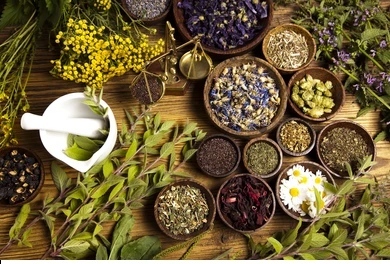
The plant world is an immense store of active chemical compounds. Nearly half = the medicines we use today are herbal in origin, and a quarter contains plant extracts or active chemicals taken directly from plants. Many more are yet to be discovered, recorded and researched; only a few thousand have been studied. Across the globe, the hunt will always be on to find species that could form the bases of new medicines. Humans have always used plants to ease their pains. They imbued them with magical powers and then gradually learnt to identify their properties. We can now enjoy the benefits of herbal medicines because, over thousands of years, our ancestors discovered which plants were medicinally beneficial and which were highly toxic.

Thousands of years ago, the ancient Egyptians discovered simple ways to extract and use the active ingredients within plants. Egyptian papyrus manuscripts from 2000 B.C. record the use of perfumes and fine oils, and aromatic oils and gums in the embalming process.

In ancient Greece in the 5th and the 4th centuries BC, Hippocrates, the father of medicine, was already recommending asparagus and garlic for their diuretic qualities, poppy as a way of inducing sleep and willow leaves to relieve pain and fever. In the 1st century AD, another Greek doctor, Dioscorides, established the first collection of medicinal plants. His treatise on the subject was translated into Arabic and Persian. Centuries later, his work was also used by the Muslim scholars who influenced great universities of the period, particularly at Montpellier, Europe’s most famous centre for the study of botany.

As a result of trade with Africa and Asia, the Western world’s store of herbal medicines was enriched by the inclusion of camphor, cinnamon, ginger, ginseng, nutmeg, sandalwood, turmeric and henna. For a long time, however, the use of both local plants and those with more distant origins was based on more or less fanciful beliefs. Throughout the Middle Ages herbal medicine consisted of a mixture of magic, superstition and empirical observation. From the Renaissance onwards, scientists and their scientific studies, discoveries and inventions came to the fore, rejecting alchemists’ elixirs and other magical remedies. Local plants were carefully collected and widely used to make infusions, decoctions and ointments. These plants make up the major part of the traditional cures that we have inherited.

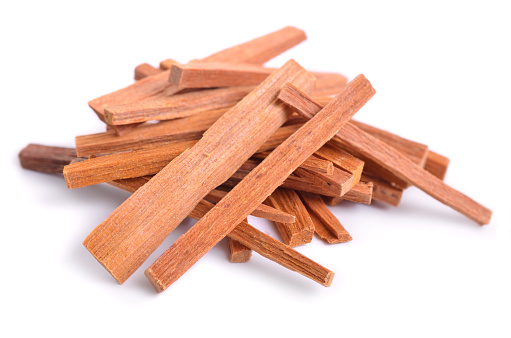
Chandan or sandalwood sticks.

History behind Nature’s Medicines:

In the late 1700s, Carl Wilheim Scheele, a gifted Swedish chemist, obtained tartaric acid from grapes, citric acid from lemons and malic acid from apples. The techniques that he and his contemporaries used led to the isolation of the first purified compounds from plants that could be used as drugs. First came the isolation of morphine from the opium poppy in 1803, then caffeine from coffee beans in 1819, quinine from cinchona bark and colchicines from meadow saffron both in 1820 and atropine from deadly nightshade in 1835.

Image Source -google.

One tree that generated considerable interest among scientists was the willow. In the early 1800s, chemists from Germany, Italy and France began the search for the compounds responsible for the acclaimed pain-relieving effects of its bark. In 1828, the German pharmacist, Johann Buchner, was the first to obtain salicin, the major compound in a pure form. In 1838, the Italian chemist, Raffaele Piria also obtained salicylic acid from the bark by various chemical processes. But these early compounds caused blisters in the mouth, and stomach upsets when ingested. In 1853, a French chemist, Charles Frederic Gerhardt, synthesised a modified form of salicylic acid-acetylsalicylic acid. But still it wasn’t further modified form developed for more than 40 years until a German chemist, Felix Hoffman, working for Bayer, rediscovered Gerhardt’s compound. Hoffman gave it to his father who suffered from arthritis and reported the beneficial effects.

Bayer decided to market the acetylsalicylic acid as a new drug for pain relief and patented the compound acetylsalicylic acid in 1899. At last from the willow, the first modern drug was born and, with 12000 tons of aspirin sold every year throughout the world, it has kept its number one position.

From the 1930s onwards, advances in chemistry have made it much easier to reproduce the active ingredients in plants. But plants will continue to have a medicinal importance in their own right. Their active constituents may be slightly modified to improve their efficiency or to reduce their undesirable effects, but they are still vital for the treatment of disorders such as cancers and heart diseases or as a means of combating malaria. And they remain the essence of herbal medicine-an area that has still not been fully understood and explored.

What Are The Five Love Language?

You might be showing affection to your partner on a daily basis, but do you take a moment to ensure that you’re conveying it in the manner that your spouse prefers to accept it? Whenever two couples have differing love languages, even love can be lost in translation.

Words of affirmation, quality time, receiving presents, acts of service, and physical contact are the five love languages, or means of expressing and receiving love. Not everybody expresses love in the same manner, and not everyone likes to accept love in the same way.

Gary Chapman, Ph.D., created the notion of love languages in his book The 5 Love Languages: The Secret to Lasting Love, in which he explains these five distinct methods of conveying love, categories he condensed from his expertise in marriage therapy and linguistics.

Here’s a rundown of each one of Chapman’s five love languages:

Words of affirmation

Those who use words of affirmation as a love language appreciate verbal expressions of affection, such as constant “I love yous,” praises, expressions of gratitude, vocal support, and often constant digital contact such as messages and social media involvement. These individuals value written and verbal expressions of love the most. They feel understood and valued when they hear these words.

Quality time

Those who have quality time as their love language feel the most appreciated when their spouse genuinely wants to spend more time with them and is always willing to hang out. They are especially fond of it when active listening, eye contact, and complete presence are stressed as relationship characteristics. 

This love language is all about providing your entire focus to that one particular person, without any of the distractions of television, phone displays, or any other outside interference. Individuals have a great desire to constantly spend some time with their loved one, holding deep talks or participating in leisure pastimes.

Acts of services

If acts of service are your love language, you appreciate it whenever your spouse goes out of their way to make your life simpler. It’s little gestures like getting you food when you’re ill, preparing your morning coffee, or going to pick up your laundry after a hard day at work.

This is the love language of those who think that gestures speak louder than words. People on this list, unlike those who want to hear how much they are cared for, desire to be shown how they’re being cherished. Such people value doing minor and large duties to make their life simpler or perhaps more pleasant.

Gifts

Gifts are a simple love language: you feel appreciated when others offer you “visual expressions of affection,” as Chapman puts it. It’s not so much about the monetary worth as it is about the emotional significance behind the gift. Those with this personality appreciate as well as acknowledge the gift-giving process: the thorough contemplation, the intentional selection of the gift to symbolize the connection, and the emotional rewards of getting the gift.

Individuals whose language of love involves getting presents like obtaining something both tangible and meaningful. The idea is to offer thoughtful gifts that are significant to them and represent their beliefs, rather than yours.

Physical touch

Physical touch as a love language makes a person feel cherished when they receive physical indications of love such as kissing, holding hands, snuggling on the sofa, and intimacy. For persons who use this love language, physical closeness and touch may be extremely encouraging and serve as a powerful emotional bond.

When they are hugged, kissed, or snuggled, those who convey their thanks in this language feel valued. They enjoy the sensations of warmth and protection that come from physical contact.

We all show and experience love in various ways. As a result, recognising such differences may have a significant influence on our relationships. Indeed, it is one of the easiest methods to strengthen your relationships.

World Hepatitis Day 2021: Theme, Hep types, and Significance.

What is hepatitis? Theme this year, few symptoms, about types of Hep, and how to contribute?

THEME 2021 : “Hepatitis Can’t Wait”

What is Hepatitis:

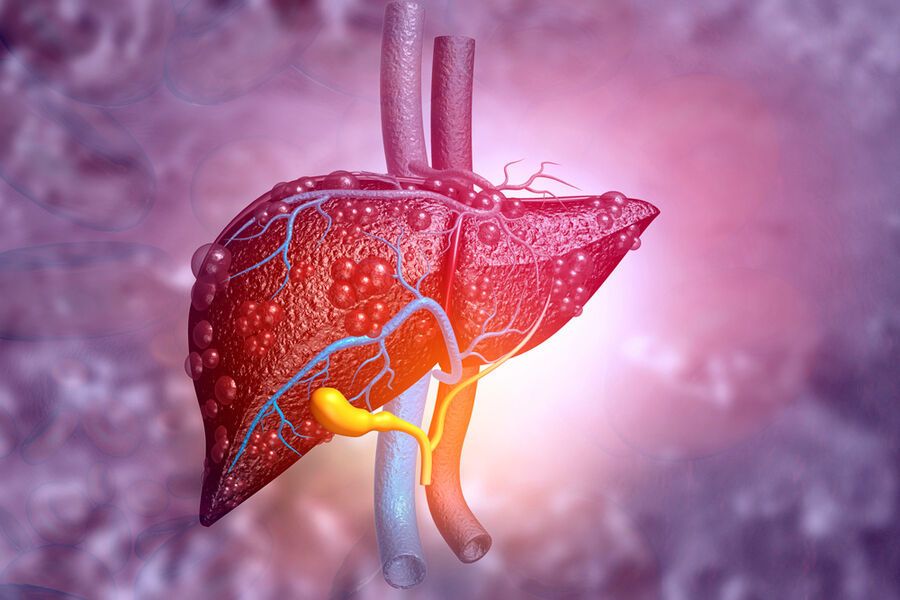
Hepatitis means inflammation of the liver. It can lead to scarring, cirrhosis, and liver cancer. There are 5 main hepatitis viruses: –

Types A, B, C, D and E. These 5 types are very serious since they cause severe illness, even leading to death. They can also cause outbreaks and spread of epidemic.

 A person dying every 30 seconds from a hepatitis related illness 

Causes :

Heavy alcohol use, toxins, some medications, autoimmune diseases can cause hepatitis

Ways of transmission: Have contact or receiving of contaminated blood or blood products, invasive medical procedures using contaminated equipment. Hepatitis B can transfer from mother to baby at birth, from family member to child, and by sexual contact.

Main symptoms:

  • Jaundice (yellowing of the skin and eyes)
  • Dark urine,
  • Extreme fatigue
  • Nausea
  • Vomiting
  • Abdominal pain. 

Types of hepatitis:

1 Hepatitis A Virus (HAV) :

Transmitted through consumption of contaminated water, food; sometimes sexual contact. It’s trace is present in faeces. In most of the cases, it is usually mild and when treated properly it can make one immune from further infections. But, left untreated it can turn life threatening.

Additional symptoms :

  • Abdominal pain or discomfort, (by your liver)
  • Clay-colored bowel movements
  • Severe itching

Safe, effective vaccines are available to prevent HAV.

2 Hepatitis B Virus (HBV): –

Transmitted through exposure to infective blood, semen, and other body fluids, mother to baby, family member to a child during early childhood, transfusions of HBV-contaminated blood and blood products, contaminated injections during medical procedures, and through injection drug use. Medical workers have a greater chance of exposure.

Add Symptoms:

  • Fever
  • Joint pain
  • Loss of appetite

Safe, effective vaccines are available to prevent HAV.

IT HAS NO CURE, BUT JUST CAN BE PREVENTED

3 Hepatitis C Virus :-

Transmitted through exposure to infective blood, instruments during surgeries; even though the chance is low, sexual transmission is possible. If detected soon it can be treated. But, most of them have no idea they have Hep C starts with it’s acute form which rarely shows symptoms.

Add. symptoms:

  • Bleeding easily
  • Bruising easily
  • Itchy skin
  • Fluid buildup in your abdomen (ascites)
  • Swelling in your legs
  • Spiderlike blood vessels on your skin

NO Vaccine yet

4 Hepatitis D Virus : –

It can transmit through blood and body fluids but it only occurs when the person is already affected with Hepatitis B. IT IS MOST SEVERE FORM OF HEPATITIS. It can lead to lifelong liver damage and even death. HBV vaccine gives protection from Hepatitis D virus. If you have HBV, haven’t taken HBV vaccine and live where HDV is more prevalent; the chance of contracting HDV is higher.

Add. Symptoms:

  • Not feeling hungry
  • Joint pain
  • Dark urine
  • Light-colored stool

NO CURE

5 Hepatitis E Virus (HEV): –

Transmission through contaminated food like undercooked meat from infected animals, such as pigs or deer, or water. The one that causes most outbreaks. It can get better by practicing hygiene, but pregnant women and people with weak immune system are at a risk.

Add. symptoms:

  • Light-colored poop
  • Skin rash or itching
  • Joint pain
  • Less hunger and throwing up

Safe and effective vaccines to prevent HEV infection have been developed but are not widely available.

Why 28th July?

It is the birthday of Dr Baruch Blumberg, the Nobel-laurate scientist discovered the Hepatitis B virus (HBV), diagnostic tests and vaccine for Hep B.

How to contribute:

  • Practice hygiene for yourself and encourage those around you.
  • Join drives which support sanitation of unhygienic, neglected areas.
  • Educate yourself and people around you.
  • Donate to legit Hep donations.
  • Before travelling to areas where Hep prevails, get yourself vaccinated against Hep.
  • Spread awareness, because it might help someone one day. (Learning about symptoms encourages one to go to Doctor)
  • Join the campaigns by WHO.

REF:

https://www.who.int/news-room/events/detail/2021/07/28/default-calendar/world-hepatitis-day-2021

Health & Ginger

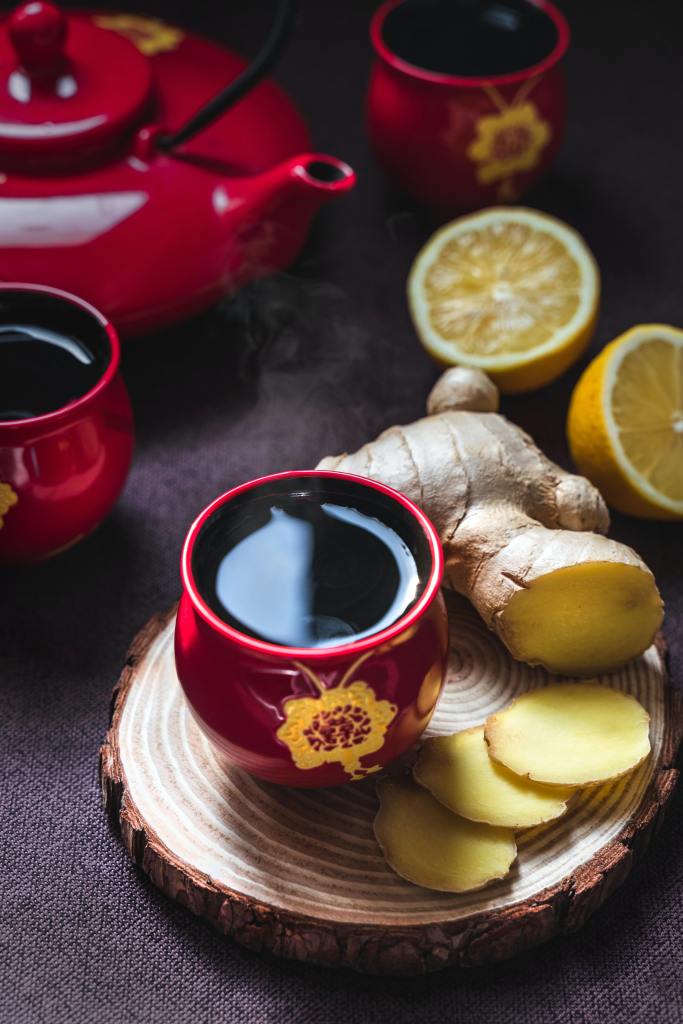
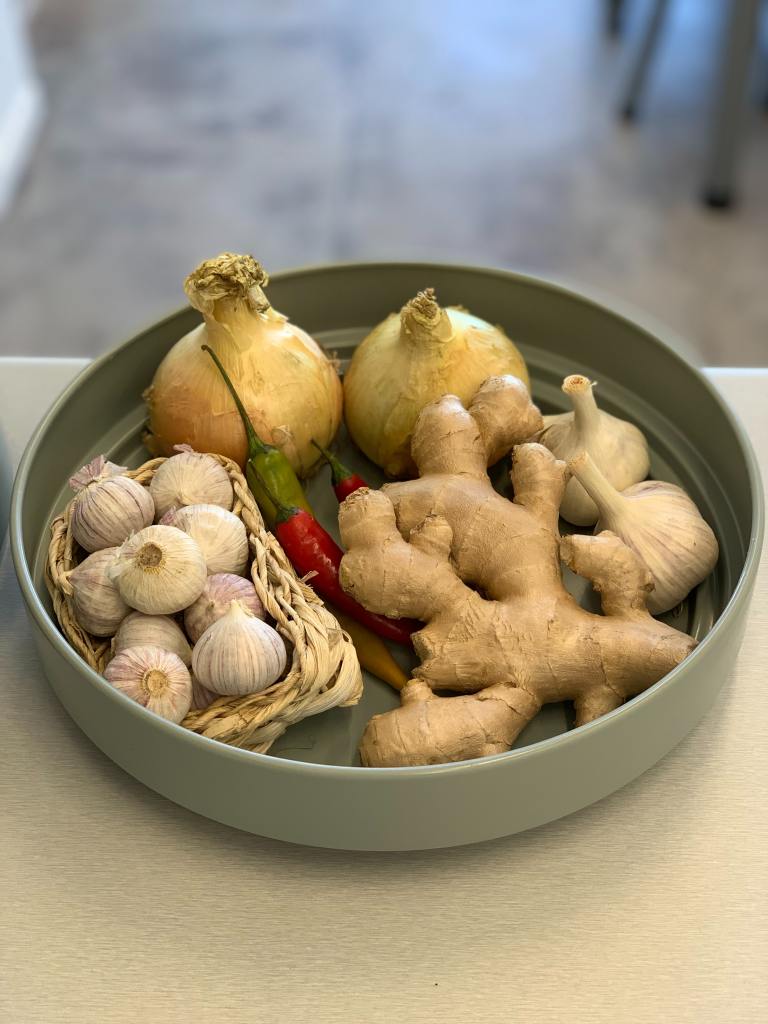
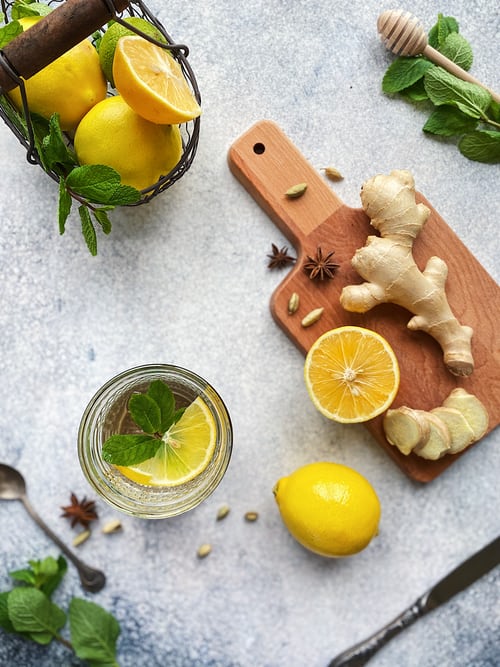
Ginger is one of the common spices which is used all over the world .It is a very ordinary Spice which can be found in any kitchen . But did you know that it has extraordinary medicinal power? Yes ! Ginger is not only a spice but it is also an organic & aromatic medicine .Ginger is an important compound for making herbal tea which is used for various health purposes .Ginger is the important spice for Asian foods. Come and let’s talk about ginger .

Herbal tea
Ginger Powder as Spice

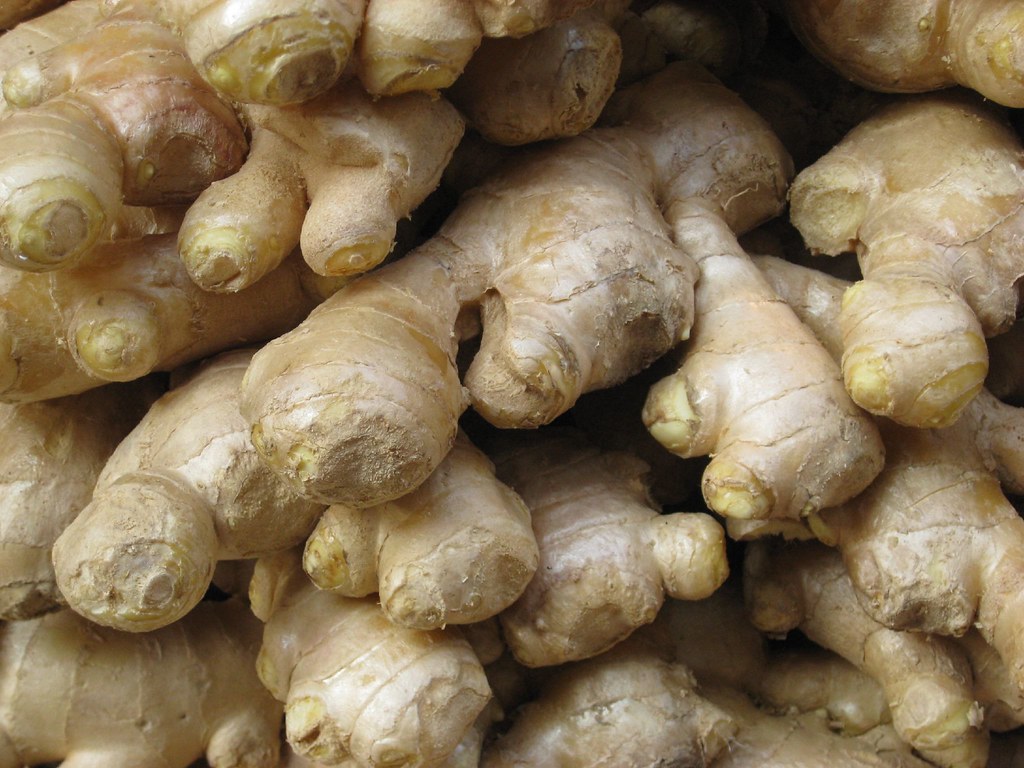
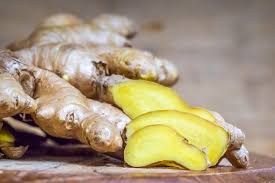
Ginger is the rooting part of a flowering Ginger plant . So obviously  we collect Ginger under soil .The binomial name of Ginger is Zingiber officinale . Ginger is closely connected to turmeric cardamom and some other spices .There are many types of Ginger all over the world .  The taste of the Ginger is very strong  & has a pungent smell .

Young ginger

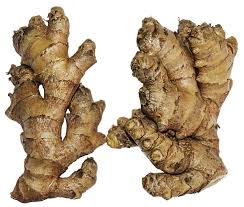
Various Types of Ginger :   1) COMMON GINGER ( Its Scientific name is Zingiber Officinale . It is the most popular ginger in the world .)

COMMON GINGER

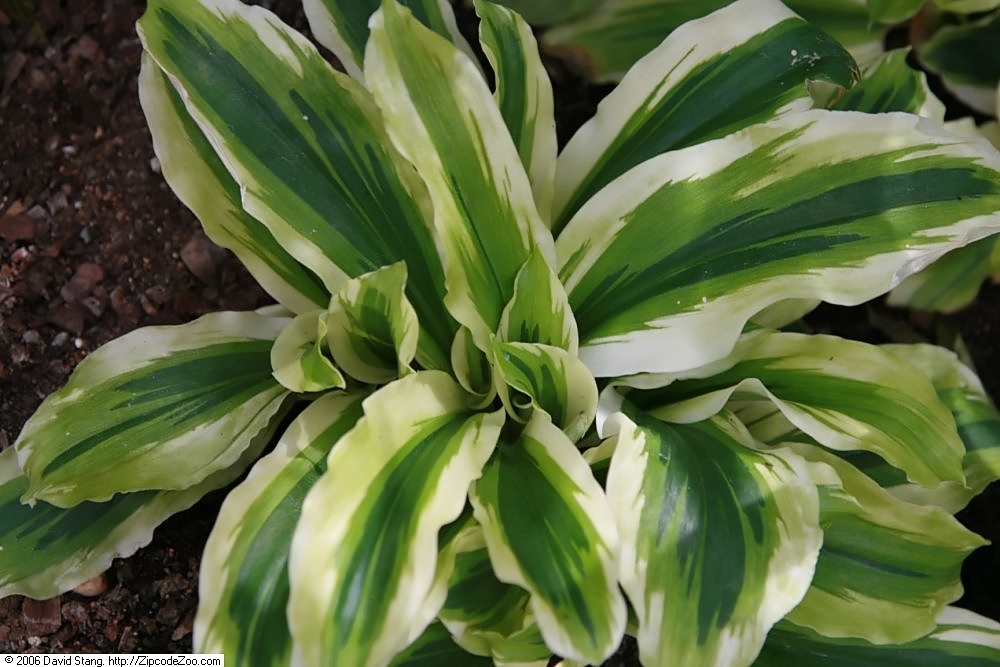
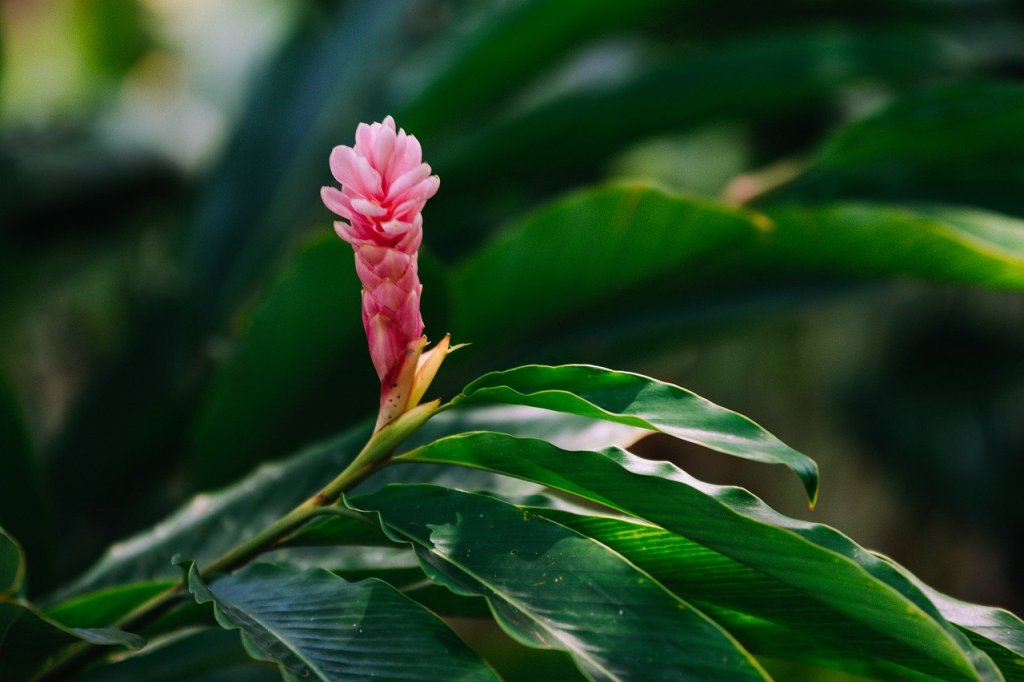
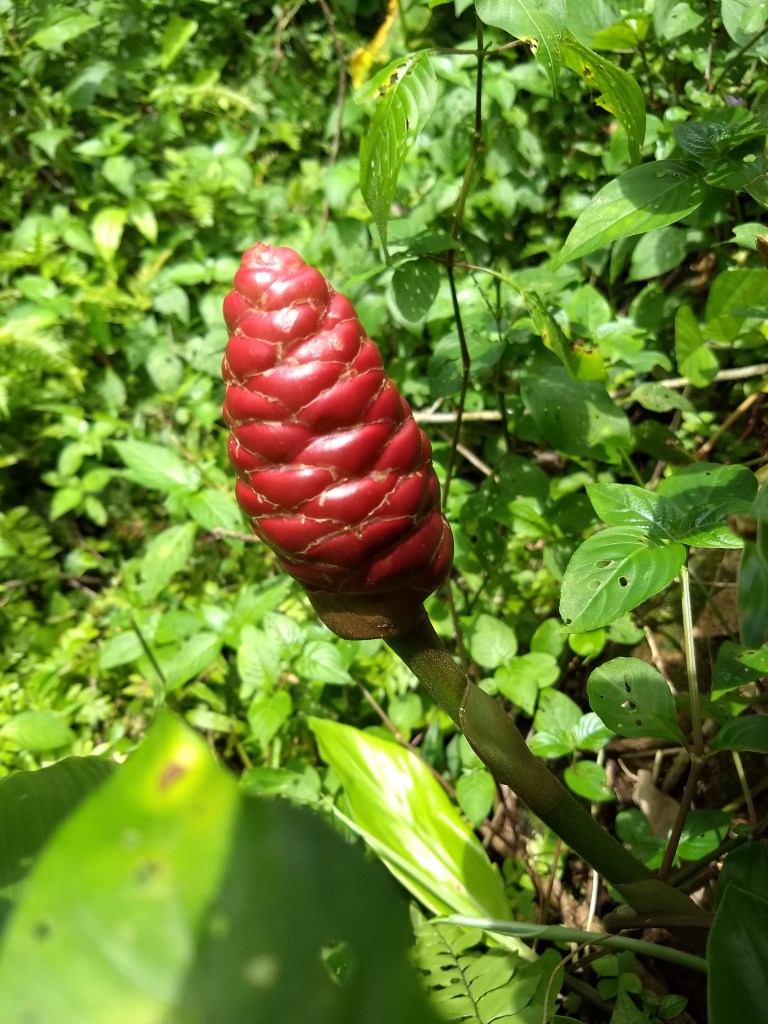
2) PEACOCK GINGER

PEACOCK GINGER Plant

3)MANGO GINGER (Its biological name is Curcuma amada .This type of Ginger has the taste and smell of raw sweet mango . )

Mango Ginger & its Paste

4)GINGER LILY

GINGER LILY Plant & Flower

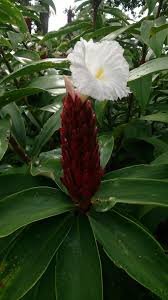
5)CREPE GINGER ( Cheilocostus speciosus is its scientific name & grow in a white crepe paper flowering plant ) 

CREPE GINGER Plant & Flower

6)BUTTERFLY LILY GINGER (  Hedychium coronarium is its botanical name)

BUTTERFLY LILY GINGER Plant & Flower

7)DANCING LILY GINGER ( Scientific name is Globba winitii & have honey sweet smelling unique structural flower)

8)YELLOW GINGER (Its botanical name is  Hedychium flavescens )

YELLOW GINGER

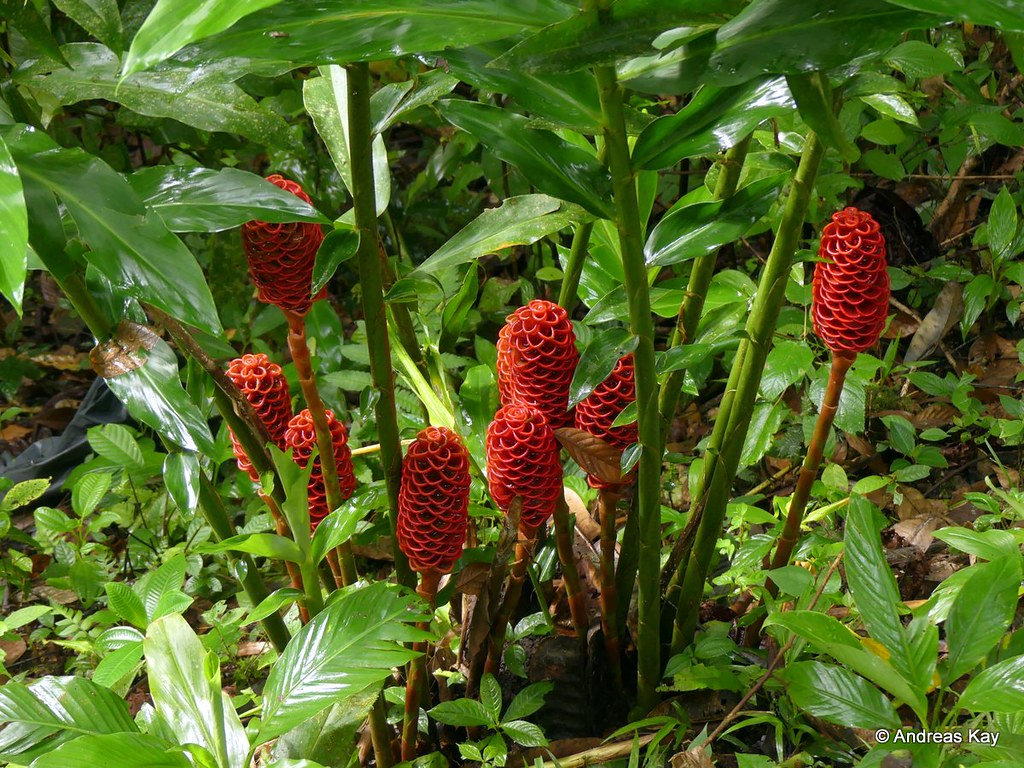
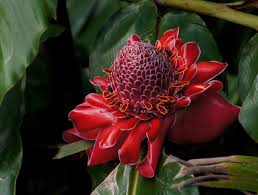
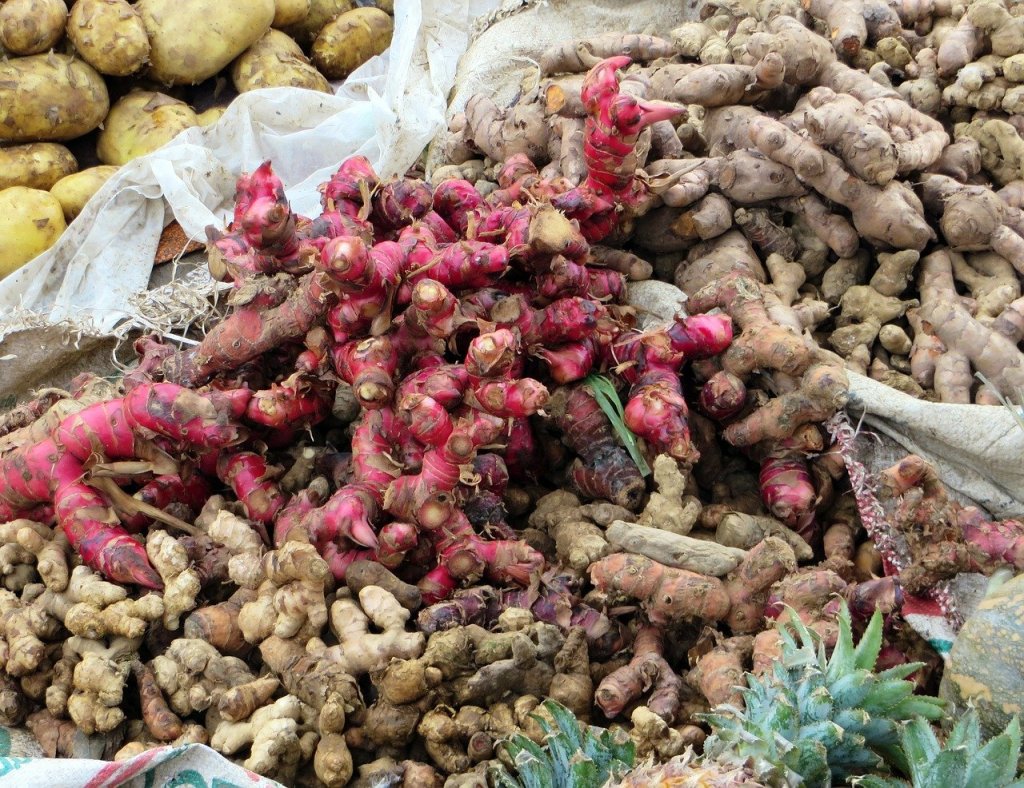
 Apart from this type of these Gingers there are many more  Red Ginger ,Thai Ginger, Japanese Ginger ,Torch Ginger ,Shell Ginger ,Blue Hawaiian Ginger ,Beehive Ginger ,Bitter Ginger , Culinary Ginger ,Spring Ginger , Red Ginger etc.

Beehive Ginger Flowering Plant
Bitter Ginger Flower
Culinary Ginger
Flower of Torch Ginger Flower
Red Ginger
Ginger as common kitchen ingredient

Nutrients of Ginger :100 gm of ginger contain 

a)17.7 gram carbohydrate 

b) 1.7 gm sugar

c) 2 gram dietary fibre

d) 1.8 gram protein

e) 0.7 gram fat

f)  Some vitamins like – 0.7 mg vitamin B3 ,0.2 mg vitamin B5 ,0.16 mg Vitamin B6 ,5 mg Vitamin C ,0.26 mg Vitamin E                                                                                                                                        g) Some minerals – 16 mg calcium ,43 mg magnesium ,34 mg phosphorus ,415 mg potassium ,13 mg sodium ,0.6 mg iron ,0.2 mg manganese ,0.3 mg zinc .

h)Ginger also contains 79 gm water .

i) Ginger gives us 80 kilo cal energy .

j) Ginger also contains Vitamin B1 ,vitamin B2 ,folate . 

k)Ginger has excellent amount of Gingerol which is a powerful antioxidant

Effectiveness : 

1)Gingerol is a very strong and effective antioxidant ,which is found in Ginger in high amounts . It prevents the free radicals from damaging our body cells  by oxidation .

2)Ginger is very effective for pregnant women in the time of morning sickness . Ginger fights back the symptoms of nuisance .It is also helpful for nuisance created by chemical therapy for digestive nuisance and others .

3)Research in 2019 shows that Ginger has a low amount of fat so it is very good for a weight loss diet . 

4)Ginger is also helpful for osteoarthritis, joint pain and other bone problems . 

5)Ginger is able to act as a very powerful anti diabetic medicine which helps to decrease the amount of blood sugar in blood and protect our heart from any heart problems .

6)Menstrual pain during the monthly cycle is a very common problem for girls . This menstrual cramps is called Dysmenorrhea & Ginger is a very good pain reliever for Dysmenorrhea .

7)Some research  shows that Ginger has anticancer properties. It specially helps to prevent colorectal cancer .

8)Gingerol antioxidant which is present in Ginger , can ward off the infection problems .

9)Ginger is also good for an upset stomach ,indigestion and other digestion problems .

10)Ginger also prevents common cold and other symptoms of cold & cough .

Allergies

Health is something that we cannot avoid. We need to take good care of ourselves so that we can stay healthy. But what if I say, that there are still a lot of criteria of health that we avoid. There is nothing wrong in saying that sometime, even when the situations are not really good we do not seem to pay much attention to the measures that may keep us healthy. During this current pandemic w have seen a lot of people who are wondering around like its nothing.

One more thing that we avoid like Covid-19 Guidelines are Allergies. Allergies are the conditions caused by hypersensitivity of the immune system to typically a harmless substance in the environment. It can be caused by any normal object and can result in fever, Food allergies, Sneezing, Rashes, Allergic Asthma, shortness of breathe, swelling and many more.

Most of us have some kind of Allergy but most of the people either avoid it or don’t know about it at all. Those who know about it, don’t consider an allergy more than a flu. But we need to know that there are different effects of different allergies. Some of which can lead to person’s death.

I am saying this cause I am allergic to Strong Smells. Whenever I am around someone who is wearing perfume even an hair oil with a strong smell. I get the headache that does not go away for weeks and results in flu and fever. Whenever I tell y family members to not to bring or use any perfume in the house, It’s just a topic for how is that even possible.

But it is possible. People suffer  lot from allergies and it causes a lot a trouble for them. 

Symptoms:

Many allergies give symptoms like, fever, irritation, itchiness, sneezing, redness in the eyes, shortness of breath, coughing and wheezing. Aside from these some of the allergies can lead to Swelling of the skin, Swelling in the eyes and Abdominal Pain, Bloating, Vomiting, Itchy skin and so much more. So, next time you get any of these symptoms do not ignore it. And try to figure out the what it is that you are allergic to. The chances of having a serious allergic reactions are rare but we still need to take care of ourselves.

Prevention:

In order to prevent the allergy you need to know about the cause of it and try not to get around that particular substance. And to get medication accordingly. You may get the medication for the allergy.

Tell us if you have any allergies and how do you deal with them.

DOPING IN SPORTS

Do athletes always abide to the “spirit of the sport”?. While most of them do, there are some who go against it and fall as a prey to some unethical and wicked act such as doping.

“Doping” refers to the use of prohibited medications, drugs, or treatments by athletes with the intension of improving the athlete’s performance. The idea of doping has been in practice by athlete’s centuries ago but recently its rate has been increased due to the wide variety of potential in upcoming athletes. It has found to be unethical and banned by most of the sports organization.

HISTORY:

Doping was first noted at the Olympic Games, in 1904, in a runner who was injected with strychnine to assist with speed and therefore giving him the strength to finish the race. It adverse outcomes and effects lead to the first ban on doping by the International Association of Athletics Federation in 1928.Later in 1967 the International Olympic Committee (IOC) banned doping, and in 1999 the IOC led the initiative to form the World Anti-Doping Agency (WADA).

SUBSTANCES USED FOR DOPING:

Doping substances are used to increase muscle mass, decrease recovery time, increase energy and endurance, and also mask the presence of other drug. Some of the drugs used for doping are

  • ERYTHROPOIETIN (EPO)
  • SYNTHETIC OXYGEN CARRIERS
  • CERA
  • DIURETICS

WHY IS DOPING SUCH A BIG DEAL?

It is indeed a big deal because it has many substances that can be harmful and has a long lasting effects on health of the person who uses it. It can also put an individual’s life at risk. Doping leads to several issues in human health such as

  • Abnormal growth
  • Diabetes
  • Blood cancers
  • Arthritis
  • Enlarged heart and

In the worst case it also leads to premature death.

TESTING:

A urine and/or blood sample will be collected from an athlete. In case of urine sample, the athlete will collect the sample himself/herself. However, to ensure that the sample has been provided from the athlete’s body and that no other dishonest practice has been committed, a specialist of the same gender as the athlete will be present during the sample collection. These samples will be collected and tested to find out if any doping substances are used.

WADA and the IOC aim to decrease the incidence of doping and eliminate its use in sport. But its not all about it. Its also in the hands of the individual and the athletes taking part in sports and promise an oath to themselves not to involve in unethical and immoral activities that goes against the spirit of the game.

NOTE: In Tokyo Olympics 2020, INDIAN player MIRABAI CHANU stands chance to get gold if Chinese weightlifter fails in dope test.

Why We Need A Worldwide Plan for Corona Virus.

The second important choice we confront is between nationalist isolation and global solidarity. Both the epidemic itself and therefore the resulting depression are global problems. they will be solved effectively only by global cooperation. First and foremost, so as to defeat the virus we’d like to share information globally. That’s the large advantage of humans over viruses. A coronavirus in China and a coronavirus within the US cannot swap recommendations on the way to infect humans. But China can teach the US many valuable lessons about coronavirus and the way to affect it. What an Italian doctor discovers in Milan within the early morning might well save lives in Tehran by evening. When the United Kingdom government hesitates between several policies, it can get advice from the Koreans who have already faced an identical dilemma a month ago. except for this to happen, we’d like a spirit of worldwide co-operation and trust. Countries should be willing to share information openly and humbly seek advice, and will be ready to trust the info and therefore the insights they receive. We also need a worldwide effort to supply and distribute medical equipment, most notably testing kits and respiratory machines. Rather than every country trying to try it locally and hoarding whatever equipment it can get, a coordinated global effort could greatly accelerate production and confirm life-saving equipment is distributed more fairly. Even as countries nationalize key industries during a war, the human war against coronavirus may require us to “humanize” the crucial production lines. an upscale country with few coronavirus cases should be willing to send precious equipment to a poorer country with many cases, trusting that if and when it subsequently needs help, other countries will come to its assistance. We might consider an identical global effort to pool medical personnel. Countries currently less affected could send medical staff to the worst-hit regions of the planet, both so as to assist them in their hour of need, and so as to realize valuable experience. If afterward the main target of the epidemic shifts, help could start flowing within the other way. Global cooperation is vitally needed on the economic front too. Given the worldwide nature of the economy and of supply chains, if each government does its own thing in complete disregard of the others, the result is going to be chaos and a deepening crisis. we’d like a worldwide plan of action, and that we need it fast. Another requirement is reaching a worldwide agreement on travel. Suspending all international travel for months will cause tremendous hardships, and hamper the war against coronavirus. Countries got to cooperate so as to permit a minimum of a trickle of essential travelers to continue crossing borders: scientists, doctors, journalists, politicians, businesspeople. This will be done by reaching a worldwide agreement on the pre-screening of travelers by their home country. If you recognize that only carefully screened travelers were allowed on a plane, you’d be more willing to simply accept them into your country. Unfortunately, at the present countries hardly do any of those things. A collective paralysis has gripped the international community. There seem to be no adults within the room. One would have expected to ascertain already weeks ago an emergency meeting of worldwide leaders to return up with a standard plan of action. The G7 leaders managed to organize a videoconference only in the week, and it didn’t end in any such plan. In previous global crises — like the 2008 financial crisis and therefore the 2014 Ebola epidemic — the US assumed the role of worldwide leader. But the present US administration has abdicated the work of its leader. it’s made it very clear that it cares about the greatness of America much more than about the longer term of humanity. This administration has abandoned even its closest allies. When it banned all travel from the EU, it didn’t bother to offer the EU such a lot as an advance notice — including consult the EU that drastic measure. it’s scandalized Germany by allegedly offering $1bn to a German drug company to shop for monopoly rights to a replacement Covid-19 vaccine. albeit the present administration eventually changes tack and comes up with a worldwide plan of action, few would follow a pacesetter who never takes responsibility, who never admits mistakes, and who routinely takes all the credit for himself while leaving all the blame to others. If the void left by the US isn’t filled by other countries, not only will it’s much harder to prevent the present epidemic, but its legacy will still poison diplomacy for years to return. Yet every crisis is additionally a chance. We must hope that the present epidemic will help humankind realize the acute danger posed by global disunity. Humanity must make a choice. Will we travel down the route of disunity, or will we adopt the trail of worldwide solidarity? If we elect disunity, this may not only prolong the crisis, but will probably end in even worse catastrophes within the future. If we elect global solidarity, it’ll be a victory not only against the coronavirus, but against all future epidemics and crises which may assault humankind within the 21st century