It is one of the inevitable topics of the millennial generation and that is, “Mental Illness”. It has become one of the terminal topics of all yet it’s high time to focus on our young minds!
So the question here is, why every fourth out of seven has a mental illness? Is it due to a new way of living life? Or is it the society? Well, we can’t blame society for every cause, right? Instead of living in a society, it is us who should be blamed. Yes, the destruction is due to unawareness which we didn’t appreciate.
These young minds are an asset to our bright future, but what they are suffering from is the worst disease of all. Medically, there is a cure to all sorts of diseases but the question is, where is the essence of this disease? Why is this happening in excess amount to our young buds? Here are some of the elements which can be the reasons for the illness present in our young minds :
Giving more priority to the unrealistic world of social media: Teenagers are the most popular groups of all ages who dedicate most of their time to social media and thus, for them, it’s ‘The second home’. They dwell so much in these media platforms that the unrealistic world makes them feel like it is reality.
Specially they tend to create fake personalities in front of their friends and colleagues and when they are avoided or not popular then they think of themselves as ‘worthless’.
It is highly observed that teenagers are dwelling so much into the ocean of social media life that; they start to judge themselves based on; number of likes they got, followers, and people’s comments. This makes them feel depressed and their minds start to break down in this fake world.
Many times, these youngsters are targeted and bullied on social media through certain comments and unknown threats that they don’t even communicate with their parents to provide no harm to their parents.
Fractured child-parent relationship: Contemporary parenting can be one of the elements which lead to their child to depression. Since parents are working 24/7, they don’t give much emphasis on their children and often there is a barrier of communication between the parent and child. Due to the unavailability of the parent’s presence, the child feels more ignorance and often lives in his/her thoughts which leads them to have a mental illness.
We can also see that; these ignorant kids are often lured to follow the wrong path which leads them to devastation as a result.
Academic pressures and Moral dilemmas: Kids these days are often pressurised by their parents to score high marks, study in a decent university, and earn pounds which will raise their status in society.
Often, due to this academic pressure children don’t feel themselves and rather they are distracted and even take difficult steps at a tender age. As we can see those suicides are due to academic pressures is in high rates which are also one of the common factors on the mental health in millennials.
Pandemic – A Misery to the Millennial generation: This is one of the latest reasons why kids these days feel depressed about the new normal. The social interactions which made them feel positive are gone in the realms of social distancing and quarantine.
Attending online classes is one of the tiring jobs also several factors for them not being productive and lack in the concentration of academia. This leads to a very high amount of stress as we are humans and when we are clutched or burdened in result we act opposite to it, so the impact of online classes makes them vulnerable when they are facing so many pressures at the same time.
Addiction leads to depression among youngsters: It is very unfortunate but a fact that the present generation youngsters face different types of addiction in different platforms and therefore they tag themselves as ‘FREAKS’; notably, these addictions vary from one kid to another, some are addictive to social media, some with games, some mislead their minds to pornography world and some are highly addictive towards drugs and sedatives, etc.
There are endless reasons why kids are being addictive but one of the central reasons is due to the exposure to technology at a very tender age. Often, they are misled by their friends and colleagues and due to fewer interactions with elders, they indulge themselves in these forms of bad impact on themselves.
The cure to the sickness among youngsters:
Every disease has a cure at its end and to find this cure is that we should look into the core or the root of the disease. As rightly said, love and acceptance is a human need. The kids these days need parent’s support and guidance and a sense of belongingness so that they wouldn’t feel they are alone.
To bring them to their right place it is the elders who can try some old traditions to introduce among the young minds and let them know about the authenticity of their predecessors. As being together, loving each other and living in harmony can make youngsters feel accepted and so the cause of this disease can soon end.
Youngsters on the other side can also sense their responsibility by being positive and having a good relationship with their family and creating kindness more instead of hatred.
According to United Nations, about 1 billion people all over the world come under the category of “disabled” and that is 15% of the global population. Now, the question is, shall we as a society neglect 15% people in the world just because they happen to be in minority?
Media being one of the crucial facets of society has a major role to play when it comes to disseminating information and making people aware about significant and ignored issues. Now, let us go through what media has done to represent people with disabilities and their issue since the beginning of the pandemic.
1) Disability and Broadcast Media
A Look: Public Broadcasters of various countries
In 2020, the World Federation of the Deaf noted that 80 governments in the world have been providing sign language interpretations while Covid-19 press briefings.
For example, in order to curb Covid-19 pandemic, South Korean government aimed to strengthen the ways disabled people could be informed during the pandemic and other related disasters. The country’s public broadcaster KBS during the pandemic announced that it would work to expand the reach of information in its disaster countries. During the pandemic, the public radio in the country had continued to provide programmes dedicated to disabled community with daily news and health updates and general life advice.
When it comes to India’s public television broadcaster Doordarshan and public radio-All India Radio, very minimal representation of disabled community took place during the pandemic. Even though the objective of the these broadcasters is social welfare, disabled community was one of the most ignored ones as “no special programmes” were held for this community, nor was their issue highlighted specifically anywhere. News Bulletins with sign language were held for the disabled community though. More has to be done to ensure social inclusion of all communities including the disabled ones.
Private Broadcasters: nothing matters, but profits!
Media all over the world, including the Indian ones either portray disabled people as “nothing” or “everything” and both of them are dangerous. In 2019, Ministry of Information and Broadcasting in India directed the private channels to include special schemes for disabled community. Although some channels have started news bulletins for disable people but there was almost equal to zero representation of the disabled community during the pandemic.
There should be open space for the disabled community such as they should be invited for panel discussions and debates relating to different happenings in the world from politics to entertainment and like.
Digital Media: A hope in every way!
This is probably the best when it comes to serving and representing the disabled community during the pandemic. Digital and online media were the perfect mediums through which disabled people got proper spaces to talk about the issues they were facing during the pandemic.
One of the online apps called “News Hook” became increasingly popular among the disabled audience which used sign language specifically for the audience with hearing impairment. It covered headlines relating to technology, politics, entertainment, business and sports during the pandemic. It should also be noted that 65% of the staff here were from the disabled community.
Moreover, web portals of Indian Newspapers like The Indian Express and The Business Standards and many more gave enough of space to the disabled people so that they can talk freely about the issues they faced during the lockdowns.
The same above mentioned media channels also used platforms like YouTube to sensitise the audiences regarding the hindrances faced by the disabled community. Some reporters and even famous YouTube personalities covered the terrible times disabled people in India went through during the pandemic.
It should also be noted that online media was comfortable for disabled people as well as the medium is now more easily accessible with good quality content and also because of its low price rates.
Media, especially the mainstream media should be more responsible and sensitive in dealing with issues relating to the disabled community. More representation about the disabled community should take place in the mainstream media. Disabled people “aren’t incapable” and therefore they should be given proper employment in the media. They should be engaged and involved in live discussions and debates. Together, as society which includes the media we should create an environment which is inclusive, anti- discriminatory and diverse.
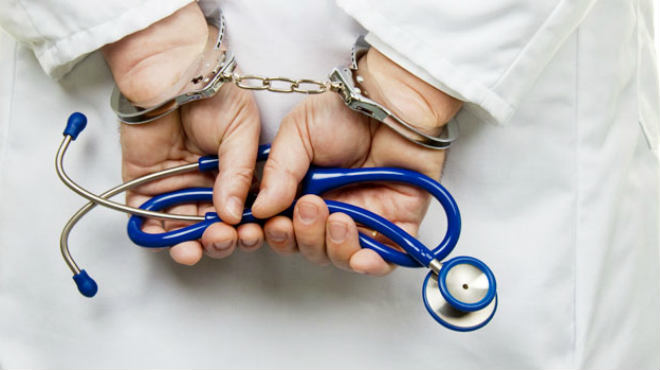
With the COVID 19 pandemic surrounding the globe and in excess of 2 million active instances of the same, the caring administrations by the medical experts is the main redeeming quality going with the careful steps that are the duty of the considerable number of citizens. Be that as it may, the security of the residents is being taken consideration by the clinical organization yet what it involves for the clinical clique who is over and over being blamed for negligence in discharge of average duty. On one hand the medical practitioners are being hailed as ‘Corona warriors’ but on the other hand, with the increase in cases wouldn’t there be a increase in negligence?
India had only 111 Covid-19 testing centers to deal with a population of 1.35 billion people. This accounts to the medical negligence of the practitioners along with the hospital administrations especially at a time when every state is trying to reduce the number of cases. The number of beds available in the hospitals is comparatively less and as a result the citizens are dependent on understaffed and under-funded state run health facilities for COVID 19 diagnosis and treatment. This is a serious issue as people do not believe on the state authorities. A lady who was quarantined after her Spain visit states that there is a lack of basic amenities in the hospitals. People fear to come forward as they doubt the skills of the administration to treat their disease. Global health experts claimed that India does not have enough infrastructure and other facilities to face the pandemic. The claim nearly became evident with the increasing number of cases in India. Not only hospital authorities but the government has been lacking service, testing is another major concern. India has performed a little over 100,000 tests — a rate of nearly 47 tests per million people compared with 4,572 tests per million in the U.S., 2,753 tests per million in the U.K, and 8,800 per million in South Korea[1]. At present, India is not adequately testing to identify new cases, which might be hiding the true number of cases. An incident of severe medical negligence was noted when the Patna All India Institute of Medical Sciences (AIIMS-P) handed over the body of a COVID-19 positive patient to his family members.
In the midst of the vulnerability made by the COVID-19 pandemic, the judiciary remains the sole symbol of would like to review the worries of residents oppressed by the absence of satisfactory medical framework and the rising occasions of clinical negligence. There is trust that vital estimates will be taken by the Supreme Court, to safeguard the confidence and any expectation of the individuals.
VIEWS
Medical Negligence is, by and by, a hard issue to set up. On the off chance that negligence cases result from the current emergency, they will be tried comparable to target norms of care. The courts will think about the real factors and conditions of the case, including that the medicinal services staff were acting in an emergency. Considering past cases and the law’s methodology, the significance of clinical rules, conventions, staff preparing, ability appraisal, and enlistment expect a fundamental centrality, and all means should be completely reported. Documentation of steps taken in every one of these issues will demonstrate pivotal in safeguarding any cases brought. In any case, the COVID 19 is a phenomenal occasion and the relevance of the above laws in such conditions of most extreme criticality and affectability stays to be questionable. After the lockdown ends it would be unmistakable component of the lawful framework to observe such case emerging out of clinical carelessness in taking care of crown positive patients.
It isn’t expressed that specialists (doctors) are careless or reckless, however while carrying out a duty which requires a great deal of knowledge and care, regularly numerous experts fail to perform their duty towards the patient. Medication which is perhaps the noblest profession requires setting a domain which can profit the victims of different diseases. Numerous specialists even the expert in some cases dismisses little things to be dealt with while practicing which may bring about harms to the patients that could have been maintained with a permanent disability from that time or even the demise of the patients.
This type of negligence makes patients more prone to harm than to heal. And to avoid these sorts of accidents, prevention and careful behavior of doctors is important. The most prevalent way of doing this is relevant laws and statutes to ensure a patients well being. In a case where a US-based doctor who was Indian from origin lost his 29-year-old wife who was a child psychologist during their visit to India fifteen years ago. The Supreme Court asked the Kolkata-based hospital and three doctors to pay over Rs 11.41 crore[2]. “A bench of justices C K Prasad and V Gopala Gowda arrived at a figure of Rs 6.08 crore as compensation after considering aspects such as loss of consortium, pain and suffering and the cost of litigation.”
Another such case was noted where the Apex Court awarded a compensation of 1.8 crores to a women who had lost her eyes in 1996.[3] Cases like this are evidence of the medical malpractice in India. The government requires making strict rules to prevent the same, so that the justice prevails. People of India should be provided with adequate medical facilities, hygiene and sanitation. Laws should be strict for not only medicine but for all such professions to maintain a certain standard of care and prevent breach of duty.
In India, 23 million girls drop out of school early when they start menstruating and many of them end up facing acute health problems
1.71% adolescent girls in India remain unaware of menstruation .
2.Menstruation is a rarely discussed topic in homes and schools in India.
3.Since 2010, the government has stepped up to address menstrual hygiene.
It was the occasion of an annual function at a secondary school in Rajasthan’s Dholpur district in May 2017. Manoj Kumar, the district health officer was one of the dignitaries invited to the function. While giving a short speech on the importance of education, Mr Kumar noticed the alarmingly low number of girls present in the crowd of school students. On enquiring further, he was told that many girls drop out of school on reaching the sixth or seventh standard as they reach puberty. In a remote district like Dholpur, a primary school is barely equipped with a functional toilet, let alone something as essential as sanitary napkin dispensers. But more than the infrastructure for young girls in Dholpur, like millions of others in districts, towns and cities across India, menstruation remains a biological event shrouded in mystery and taboo, not to be spoken about openly.
355 million is the number of menstruating women in India, accounting for nearly 30 per cent of the country’s population. Menstruation continues to be a subject of gender disparity in India. Myths about menstruation are largely prevalent, forcing many girls to drop out of school early or be ostracised for the duration of their menstrual cycle every month. A 2014 report by the NGO Dasra titled Spot On! found that nearly 23 million girls drop out of school annually due to lack of proper menstrual hygiene management facilities, which include availability of sanitary napkins and logical awareness of menstruation. The report also came up with some startling numbers. 70 per cent of mothers with menstruating daughters considered menstruation as dirty and 71 per cent adolescent girls remained unaware of menstruation till menarche. A 2014 UNICEF report pointed out that in Tamil Nadu, 79 per cent girls and women were unaware of menstrual hygiene practices. The percentage was 66% in Uttar Pradesh, 56% in Rajasthan and 51% in West Bengal.
Lack of Awareness
Lack of awareness makes for a major problem in India’s menstrual hygiene scenario. Indian Council for Medical Research’s 2011-12 report stated that only 38 per cent menstruating girls in India spoke to their mothers about menstruation. Many mothers were themselves unaware what menstruation was, how it was to be explained to a teenager and what practices could be considered as menstrual hygiene management. Schools were not very helpful either as schools in rural areas refrained from discussing menstrual hygiene. A 2015 survey by the Ministry of Education found that in 63% schools in villages, teachers never discussed menstruation and how to deal with it in a hygienic manner.
Lack of Sanitary Napkins and Adequate Facilities
In a city, availing a sanitary napkin for a woman aware of menstrual hygiene is a normalised process. Not only are sanitary napkins available in pharmacies and grocery stores in cities, they are commercialised via advertisements so that they are treated as any other product. In rural areas, sanitary napkins are found with difficulty. Most girls rely on home-grown or other readily available material, the latter often being unhygienic and unsanitary. Only 2 to 3 per cent women in rural India are estimated to use sanitary napkins. The lack of demand results in storekeepers not stocking up on sanitary pads. This results in women resorting to unhygienic practices during their menstrual cycle, such as filling up old socks with sand and tying them around waists to absorb menstrual blood, or taking up old pieces of cloth and using them to absorb blood. Such methods increase chances of infection and hinder the day-to-day task of a woman on her period.
Impact on Women’s Health
Surveys by the Ministry of Health in 2002, 2005, 2008 and 2012 found out that most problems related to menstrual hygiene in India are preventable, but are not due to low awareness and poor menstrual hygiene management. This resulted in development of some serious ailments for adolescent girls. Roughly 120 million menstruating adolescents in India experience menstrual dysfunctions, affecting their normal daily chores. Nearly 60,000 cases of cervical cancer deaths are reported every year from India, two-third of which are due to poor menstrual hygiene.
Other health problems associated with menstrual hygiene like anaemia, prolonged or short periods, infections of reproductive tracts, as well as psychological problems such as anxiety, embarrassment and shame.
Government Schemes On Menstrual Hygiene
From a ban on advertisements on sanitary napkins in 1990, to a full-fledged feature film, PadMan, on a low-cost sanitary napkin entrepreneur in 2018, India has indeed come a long way. It was eight years back in 2010, when the Ministry of Health and Family Welfare launched the Freeday Pad Scheme, a pilot project to provide sanitary napkins at subsidised rates for rural girls. The scheme was launched in 152 districts across 20 states and sanitary napkins were sold to adolescent girls at the rate of Rs. 6 per pack of six napkins by Accredited Social Health Activists (ASHAs). The estimated cost for the entire scheme was Rs 70 crore.
A year later, the Union government launched the SABLA scheme across 2015 districts in the country. The scheme aimed at improving health conditions for adolescent girls with menstrual hygiene as an important component. Two years later, under the then ongoing Nirmal Bharat Abhiyan, focus on menstrual hygiene was added as a key component of the sanitation mission. In 2014, the Union government launched the Rashtriya Kishor Swashthya Karyakram, aimed at improving the health and hygiene of an estimated 243 million adolescents. Menstrual hygiene was also included as an integral part of the programme.
Under the ongoing Swachh Bharat Abhiyan, menstrual hygiene has been given high importance. The Swachh Bharat (Gramin) guidelines explicitly state that funds allocated for information, education and communication (IEC) maybe spent on bettering awareness on menstrual hygiene in villages. Adequate knowledge of menstrual hygiene and development of local sanitary napkin manufacturing units is encouraged by Swachh Bharat Mission (rural) and self-help groups are to help in propagating such efforts.
Recently, Union Minister for Drinking Water and Sanitation Uma Bharti said that sanitary napkin, similar to a toilet, is a right of every woman. Reiterating that menstrual hygiene was a key concern for the ministry, Ms Bharti at a recent press conference said that she spoke to Union Minister for Textile Smriti Irani and Union Minister for Woman and Child Development Maneka Gandhi on making affordable sanitary napkins available to women in rural areas.
Looking Ahead: An India With Proper Menstrual Hygiene
“The myths and taboos surrounding menstruation need to be broken down effectively before schemes and incentives make their way to make life better for menstruating women,” said a WaterAid India official.
Conditions for menstruating women in India can only improve when awareness on menstrual hygiene is spread. IEC on menstrual hygiene, under Swachh Bharat Abhiyan or any other state scheme must educate women across all ages on what menstruation is and why the taboos surrounding it do tremendous harm. Simultaneously, sanitary napkins must be provided to menstruating women to ensure that they do not fall prey to age old unhygienic traditions of using cloth, soil or sand. It must be remembered that 88% of India’s menstruating women do not use sanitary napkins. Making sanitary napkins available to over 300 million women and ensuring that they do use these will be a herculean task, and can only be achieved with due cooperation all stakeholders and proper coordination between them to improve the status menstrual hygiene in India.
“Depression is living in a body that fights to survive, with a mind that tries to die.”
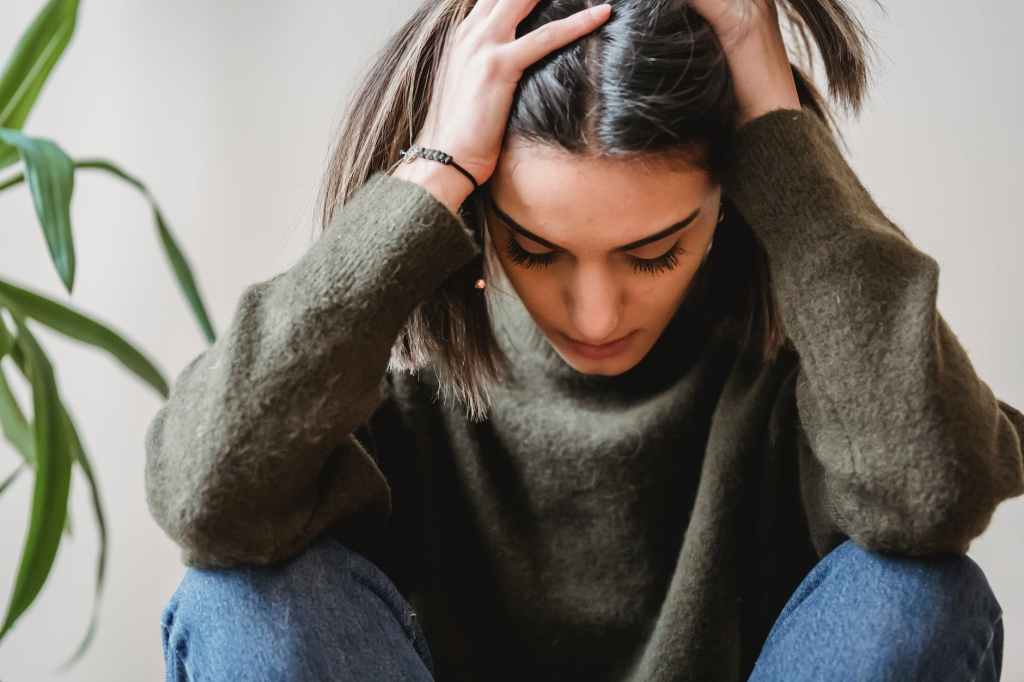
Depression (major depressive disorder) is a common and serious medical illness that negatively affects how you feel, the way you think and how you act. Fortunately, it is also treatable. Depression causes feelings of sadness and/or a loss of interest in activities you once enjoyed.
There are many possible causes of depression, including faulty mood regulation by the brain, genetic vulnerability, stressful life events, medications, and medical problems.
Depression can affect a person psychologically, it also has the potential to affect physical structures in the brain. These physical changes range from inflammation and oxygen restriction, to actual shrinking. In short, depression can impact the central control center of your nervous system
Research has found that stress caused by sleep deprivation increases signs of aging, such as fine lines, reduced elasticity, and uneven pigmentation. The loss of skin elasticity may also contribute to the formation of bags under your eyes
Depression doesn’t just get in the way of being happy. It can also interrupt your ability to think. It hampers your attention, memory and decision-making abilities. You may find that your executive functions are limited, so you begin having trouble seeing your way through issues.
“The sun is a daily reminder that we too can rise again from the darkness, that we too can shine our own light.”
“Nothing in life is to be feared. It is only to be understood.’
–Marie Curie
A phobia is a persistent, excessive, unrealistic fear of an object, person, animal, activity or situation. It is a type of anxiety disorder. A person with a phobia either tries to avoid the thing that triggers the fear, or endures it with great anxiety and distress. Some phobias are very specific and limited
There are three types of phobia: social phobia, agoraphobia, and specific phobia. Symptoms, or phobic reactions, may be psychological, such as an intense feeling of unease or foreboding; physical, such as crying or gastrointestinal distress; or behavioral, which includes a wide variety of avoidance tactics
Some of humanity’s most common fears are well known, like fear of heights or the dark. Others, however, are less talked-about, like the fear of speaking to strangers due to thoughts of what they might think of you. To free yourself of these fears, it’s not enough to change the channel or end the conversation.
Fear is a natural emotion that protects people from harm when they face real and imminent danger. A phobia is an excessive fear or anxiety related to specific objects or situations that are out of proportion to the actual danger they present.
“The brave man is not he who does not feel afraid, but he who conquers that fear.”
Dreams are hallucinations that occur during certain stages of sleep. They’re strongest during paradoxical sleep, or the rapid eye movement stage, once you could also be less likely to recall your dream. Much is understood about the role of sleep in regulating our metabolism, vital sign, brain function, and other aspects of health. But it’s been harder for researchers to elucidate the role of dreams.
When you’re awake, your thoughts have a particular logic to them. once you sleep, your brain remains active, but your thoughts or dreams often make little or no sense. this might be because the emotional centers of the brain trigger dreams, instead of the logical regions.
Though there’s no definitive proof, dreams are usually autobiographical thoughts that supported your recent activities, conversations, or other issues in your life. However, there are some popular theories on the role of dreams.
The role of dreams – Researchers still don’t entirely agree on the aim of dreams. There are, however, some widely held beliefs and theories.
Dreams as therapists – Your dreams could also be ways of confronting emotional dramas in your life. and since your brain is working at a way more emotional level than when you’re awake, your brain may make connections regarding your feelings that your conscious self wouldn’t make.
Dreams as fight-or-flight training – One of the areas of the brain that’s most active during dreaming is that the amygdala. The amygdala is that a part of the brain related to the survival instinct and therefore the fight-or-flight response.
One theory suggests that because the amygdala is more active during sleep than in your waking life, it’s going to be the brain’s way of getting you able to affect a threat.
Fortunately, the brainstem sends out nerve signals during paradoxical sleep that relax your muscles. That way you don’t attempt to run or clock in your sleep.
Dreams as your muse – One theory for why we dream is that it helps facilitate our creative tendencies. Artists of all types credit dreams with inspiring a number of their most creative works. you’ll have awakened sometimes in your life with an excellent idea for a movie or a song, too.
Without the logic filter, you would possibly normally use in your waking life which will restrict your creative flow, your thoughts and concepts haven’t any restrictions when you’re sleeping.
Dreams as memory aides – One widely held theory about the aim of dreams is that they assist you to store important memories and things you’ve learned, get obviate unimportant memories and type through complicated thoughts and feelings.
Research showsTrusted Source that sleep helps store memories. If you learn new information and sleep thereon, you’ll be ready to remember it better than if asked to recollect that information without the advantage of sleep.
How dreams affect memory storage and recall isn’t clearly understood yet. But dreams may help the brain more efficiently store important information while blocking out stimuli that would interfere with memory and learning.
Why can we have nightmares?
Dreams that assist you deal productively with emotions, memories, and other information could seem very helpful. The occasional nightmare is taken into account by a dream that’s simply more frightening or upsetting. Nightmares tend to be caused by stress, anxiety, or sometimes as a reaction to certain medications.
However, if you’ve got nightmares frequently, you’ll have a sleeping disorder. Regularly occurring scary dreams are often labeled a sleeping disorder if the nightmares:
cause you to worry about getting to sleep
lead to frequent disruptions of your sleep
bring about other sleeping or psychological problems
Many people experience occasional nightmares throughout their lives. However, the American Sleep Association estimates only about 5 percent of the population experiences persistent nightmares as a sleeping disorder.
What influences dreams?
Some factors that affect us when we’re awake also can influence our dreams.
Health conditions – One of the most important influences on dreams is what proportion or how little you’re sleeping. Being sleep-deprived for an evening or two (or more) can make parts of your brain far more active once you finally do slip into paradoxical sleep. You’re likely to possess more vivid dreams if you’ve had some restless nights. You’re also more likely to recall those dreams, too.
Being pregnant is additionally a catalyst for vivid dreaming. Increased hormone production affects the way your brain processes thoughts and emotions. This often results in some intense dreams.
Mental health disorders like depression and anxiety, also as manic depression and other mood-related conditions, can trigger intense and sometimes disturbing or negative dreams and nightmares. The medications for these conditions, including antidepressants and antipsychotics, also are related to a better risk of nightmares.
Foods – There isn’t indisputable evidence that certain foods cause wilder or better dreams. But it’s clear that some foods may set the stage for you to recollect your dreams better.
High-carb foods, for instance, can offer you quick energy. But after a short time, they will leave you feeling down. Anything that affects your waking mood is probably going to affect your unconscious mood, too. So, if a sugar crash has you moping around during the day, those feelings could carry over into your sleep.
Also, food that causes you to awaken throughout the night may end in you awakening more frequently within the REM stage. When that happens, you’ll probably remember more of your dreams.
Daily activities – Just as little or interrupted sleep often leads to more vivid dreaming, an honest night’s sleep will hamper the extreme dreams you’ll recall.
A small study trusted Source found that one great way to sleep more soundly is to exercise within the morning. an honest run or other cardio workouts before noon helps set your clock in order that you’re more inclined to nod off faster and spend longer in deep sleep than if you didn’t exercise or if you exercised late in the dark.
Runners and other serious fitness enthusiasts tend to spend less time in dreamy paradoxical sleep, which is one among the lightest stages of sleep. Also, the more effectively you’ll de-stress during the day, the less likely you’ll be to bring stress and anxiety to bed. Which ought to help hamper nightmares and interrupted sleep each night.
How to remember your dreams – One of the explanations dreams are often difficult to recollect is that the brain chemical related to memory — norepinephrine — and therefore the brain’s electrical activity that helps with recall are at their lowest levels when you’re dreaming. In fact, if you’ve got a dream but don’t awaken during the dream, you won’t be ready to commit it to memory. The dreams you remember are those that are ongoing once you awaken.
Two ways to assist recall your dreams is to inform yourself as you’re falling asleep that you simply want to recollect your dream. If that’s your last thought, you’ll be more likely to awaken with a dream still somewhat fresh in your memory.
Since dream recall is often easily interrupted by even the slightest distraction, you ought to attempt to remember the maximum amount of your dream as soon as you awaken. Don’t get out of bed or believe anything. attempt to grasp whatever images or memories you’ve got of your dream and write them down on a pad next to your bed or on your smartphone.
Turmeric or Haldi is a herb that is so commonly used in Indian households that it is taken for granted that no home in India lacks it. It is used as a spice in food, as a home remedy for an injury or cough cold etc in milk or for application on wounds
The active constituent of turmeric is curcumin which has several medicinal properties. According to research done in USA, it is found that turmeric has antibacterial, antiviral, antifungal, antioxidant, and anticancer activities and also has a potential to reduce the risk of various malignant disease, arthritis, Alzheimer’s disease, and other chronic illness including rheumatoid arthritis.
There are several benefits of the super food, turmeric –
1. PREVENTS HEART DISEASE: Curcumin improves endothelial function that covers the inside of the heart and blood vessels, protects age-related loss of function, and reduces your likelihood of developing heart disease.
2. PREVENTS DIABETES: Curcumin contains anti-inflammatory and antioxidant properties that lead to a significant decrease in blood sugar, prevent diabetic nephropathy, as well as increase plasma insulin.
3. TREATS DEPRESSION: Researchers suggest that curcumin boost levels of a brain-derived neurotrophic factor (BDNF) and shows greater antidepressant effects and is an effective treatment for major depressive disorder.
4. SUPPORTS SKIN HEALTH: Curcumin contains antimicrobial and antioxidant properties that help to treat a variety of skin conditions like acne, atopic dermatitis, photoaging, and psoriasis.
5. PROTECTS FROM FREE RADICALS: Curcumin protects your body against damage caused by free radicals that are generated in our bodies caused by environmental pollutants like cigarette smoke, liquors, and industrial chemicals.
6.BOOSTS IMMUNITY: Turmeric is anti-bacterial, anti-viral, and anti-fungal properties that protect the human body from a variety of infections and boosts immunity.
7. TREATS ARTHRITIS: Curcumin contains inflammatory properties that are an effective treatment for rheumatoid arthritis (RA) disease, which spreads to the eyes, lungs, skin, heart, and blood vessels and ultimately lead to physical disabilities.
How to extract maximum benefits from turmeric –
1. Curcumin is also fat-soluble, which means it breaks down and dissolves in fat or oil. No wonder then, it was added to a meal being cooked with ghee and fats. Also, it is often used as a drink in milk at night.
2. Turmeric tea, brewed using grated turmeric root or pure powder, is considered one of the most effective ways to consume the spice.
3. Since, curcumin is poorly absorbed in bloodstream, it is when taken with pepper enhances the absorbtion of curcumin by 2000 percent while making it more effective.
4. To prepare Haldi Chai or Turmeric Tea, you can use 2 teaspoons of ground Haldi powder in about four cups of water – boiling for about 10 minutes before straining it. You can flavor it with honey and whole milk, or cream, coconut oil or ghee to dissolve curcumin and make it available for absorption by the body.
5. Now various supplements of turmeric are also available in the market but it is advisable to consult with the doctor for the same.
Personal Boundaries are important because they set the basic guidelines on how you want to be treated. It is essential to have personal boundaries in order to have healthy relationships. A healthy personal boundary is when you’re confident enough to say no to others when it is necessary, but it also means that you’re comfortable enough to open up to someone you’re close with.
Listed below are a few types of important personal boundaries:
1. Material Boundaries
Material boundaries refer to setting limits on lending or borrowing material possessions like money, clothes and other personal belongings. Healthy Material Boundaries involves setting limits to what you will share and with whom.
Material boundaries look like:
Being careful of whom you lend money to
Limiting sharing personal hygiene items like lip balm, clothes, etc.
Not spending time with people who do not respect your time
Material boundaries are violatedwhen:
your things are destroyed or stolen or when they are “borrowed” too frequently.
Another material violation is the use of materials to manipulate and control relationships.
2. Emotional Boundaries
Emotional boundaries deals with people’s feelings and energy. It refers to how much emotional energy you can take in at a moment. A healthy emotional boundary involves knowing when to share and not share personal information and feelings and limiting sharing it with people who respond poorly.
Emotional boundaries look like:
Needing time to cool off after an argument
Not allowing people to shame or belittle you
Being honest to others about your emotional state
Emotional boundaries are violated when:
Your feelings are dismissed and criticized
Not respecting your personal space
asking people to justify their feelings
emotionally dumping on people without their permission
Telling other people how they feel
3. Physical Boundaries
Personal physical boundaries refers to the area immediately surrounding the body. A healthy physical boundaries refers to an understanding of who is allowed to come near our personal space. Physical boundary ranges from public space, social space, personal space to intimate space where nobody should be allowed without your consent.
Physical boundaries look like:
Choosing your comfortable level of physical intimacy (hugging, shaking hands
Setting a boundary of space with the people you live with
Asking people to respect your privacy
Physical boundaries are violated when:
Strangers initiate physical contact
Not knocking your room before they enter
Ridicule you for setting your boundaries
4. Sexual Boundaries
Sexual boundaries are very important in one’s life and are constantly under the threat of being violated. A healthy sexual boundary can be set by understanding the difference between ‘good touch’ and ‘bad touch’. Violation of this boundary can gravely affect someone’s life.
Sexual boundaries look like:
Always ensuring that both parties consent to the act
understanding that it is okay to say ‘no’ at any given time
Knowing whom to share intimate personal information with
Sexual boundaries are violated when:
Someone forces themselves onto you without consent
asking intrusive questions about your sexuality
sharing your intimate information about you without your consent
5. Spiritual Boundaries
We live in a society where many different religions are beliefs are followed. Spiritual boundaries refer to understanding that everyone has right to choose and believe in a religion. A healthy spiritual boundary involves respecting each other’s beliefs and their methods of portraying it.
Spiritual Boundaries look like:
Choosing whom to share your beliefs with
Following your own teachings and traditions
Not allowing people to abuse you for your beliefs
Spiritual Boundaries are violated when:
Going to a place of worship against your consent
Being forced into someone else’s beliefs
Being ridiculed for your beliefs
Setting up personal boundaries should be a priority in our lives as it plays an important role in coexisting harmoniously within the society.
India is fast transitioning from a developing to a developed country as a result of growing industrialization and globalization. Wherever there is progress, though, there will be disagreements. Increased competition, industrial growth, modernization, and technological advancements accompany increased growth and development, paving the way for more conflicts and cases to be heard by our country’s already overburdened courts and tribunals. With so many cases built up and waiting in the courts, the costs of litigation, and the unreasonable delays in redressing grievances, countless people are now driven to use Alternative Dispute Resolution (ADR) techniques to resolve their disagreements.
Physical harm or mental agony are the causes of personal injury cases, which are caused by the actions or negligence of another party. Auto accidents, defamation of character, product defects, and medical malpractice are just a few examples of personal injury claims. Contact a legal practitioner in your state to determine whether your personal injury case is valid in the eyes of the law. If you are injured or incur losses as a result of someone else’s negligence, that person or corporation is legally responsible (liable) and may be obliged to compensate you. The court looks for negligence—carelessness on the part of one of the parties involved—to assess liability.
Whoever is found to have been less cautious is legally liable for at least a portion of the damages. Compensation is usually determined by the quality of your evidence and the severity of your injuries. In Personal Injury cases, a legal specialist is suggested above all others in order to maximize your compensation in the face of insurance companies, which typically defend such cases. Personal injury situations are extremely serious. They frequently end in serious injury, long-term impairment, and even death.
Victims rely on a personal injury lawyer to get the financial damages they need to pay for medical treatment, replace lost income forever, and recompense them for their pain and suffering. They have a far lower chance of securing reasonable compensation if they are doing not hire a trained, experienced personal injury lawyer. That’s why, if you’ve been injured in a car accident, it’s critical that you hire the best personal injury lawyer to defend you. Here are some factors to believe when making your decision: Choose a personal injury lawyer who specializes in this type of case. Your personal injury lawyer should be ready to objectively assess a case’s merits, estimate its price , and identify the simplest approach for pursuing it. In addition, he or she should have a lot of experience in the field. Your personal injury lawyer should also stay up to date on the latest advances in the field. Choose a private injury attorney who has addressed insurance companies before. The majority of defendants in personal injury cases are represented by insurance company lawyers. Because these corporate lawyers want to disburse as little as possible, a novice personal injury lawyer may find himself at an obstacle in these talks. As a result, finding a private injury lawyer with a diary of successful settlements is critical. Choose a personal injury attorney who has handled cases in court. Despite the fact that the majority of personal injury claims are handled out of court, personal injury lawyers can sometimes achieve favorable settlements by threatening to go to trial.
To avoid costly trials, unfavorable publicity, and the possibility of a court awarding the plaintiffs more money, defendants are frequently eager to pay more money to the plaintiffs.
The social issue is a problem that influences by many citizens within a society.
Social issue be a group of common problem in present society and one that many people struggle to solve. Social issues are distinguished from economic issues. Some issues have both social and economic aspects, such as immigration. There are also issues that don’t fall into either category, such as wars.
The definition of a social problem has both an objective component and a subjective component. The objective component involves empirical evidence of the negative consequences of a social condition or behavior, while the subjective component involves the perception that the condition or behavior is indeed a problem that needs to be addressed.
social issues influence society
Slow social change is desirable, but rapid social change threatens social order. Social problems weaken a society’s stability but do not reflect fundamental faults in how the society is structured. Solutions to social problems should take the form of gradual social reform rather than sudden and far-reaching change.
COVID-19 from 2020 is the hell of the year for all of us . the world facing many issues in this pandemic situation . many of people lose thire dear and nears ones and many of finacial supports many of the people become homeless, they don’t have proper food to continue thire lifes
In every conntry thire many of issues facing in society , in this pandemic the people facing issues are:
Suicide Prevention
With so many people forced into lockdown and isolation over the last year, many people have suffered from poor mental health. In Victoria alone, there has been a 40% spike in calls to various mental health hotlines as a consequence of COVID-19, and it is now more important than it ever has been to pay attention to the struggles of millions of people around the world
Family Violence
Another victim of the pandemic are families who are in dangerous situations due to loss of work, lockdowns and being isolated from the public. Record rates of family violence were recorded in 2020, and cases have increased dramatically, resulting in many support services struggling to help those in need
The Rise In Homelessness
Over the last year, the number of people who have been forced into homelessness has surged as short-term coronavirus and housing protections have phased down. Due to loss of income, many families have had to bear the burden of being kicked out of housing due to an inability to pay rent.
Our Ecological Crisis
Poverty and pandemic aside, another issue we are facing is the ecological crisis due to the collapse of ecosystems and troubling disappearance of biodiversity. Although the slowdown in economic activity due to COVID-19 created a very brief reduction in global carbon emissions, it is impossible to ignore the mounting effects of unchecked human activity over the last decade or so
Speeding Up The Vaccine Rollout
Last but certainly by no means the least, 2021 will see the COVID-19 vaccines being rolled out in most countries around the world. Although more than 360 million vaccine doses have been administered, there is a troubling gap between vaccination programmes in various countries, with many yet to report even a single dose.
Common of Social Issues
Poverty and Homelessness. Poverty and homelessness are worldwide problems. …
Climate Change. A warmer, changing climate is a threat to the entire world. …
Overpopulation. …
Immigration Stresses. …
Civil Rights and Racial Discrimination. …
Gender Inequality. …
Health Care Availability. …
Childhood Obesity.
Poverty and Homelessness
Poverty and homelessness are worldwide problems. According to Habitat for Humanity, one-quarter of the world’s population lives in conditions that harm their health and safety. Many do not have shelter, a basic human need for survival.
This social issue also goes beyond the 25% of the population directly affected. Because of the lack of shelter for this vulnerable population, there is greater stress on government and social programs, including schools and healthcare systems.
Climate Change
A warmer, changing climate is a threat to the entire world. Climate change affects the entire world population, and the Union of Concerned Scientists calls this social issue “one of the most devastating problems humanity has ever faced.”
The 800 million people already living in extreme poverty will be impacted most severely. Around the world, people are already noticing warmer winters, more severe storms and rainfall events, and more frequent wildfires. These issues already put stress on governments and systems in many countries.
Overpopulation
As the population of the world grows, resources become scarcer. The United Nations reports that the current population of 7.7 billion people is expected to grow in coming decades, with a projection of 8.5 billion people by 2030.
The fastest growing areas of the world, such as sub-Saharan Africa, often face already scarce resources like land for farming. As the population becomes more than the country can sustain, people will need to move elsewhere to avoid starvation and homelessness.
Immigration Stresses
People move from one country to another, and in itself, this isn’t a social problem. However, immigration can place stress on government programs and social systems within a country, and it can be a divisive topic in a society. These immigration-related stresses affect many people.
Civil Rights and Racial Discrimination
Civil rights, or the rights of citizens in a country to have equal treatment socially and politically, is another one of the most significant social issues in America and around the world. More than 40 years after the Civil Rights Act passed, almost 60% of African Americans still live in segregated neighborhoods and 90% of African Americans report that racial discrimination is still a major problem.
Gender Inequality
A report from the Pew Research Center Fact Tank indicates that about 50% of Americans feel the country needs to do more to address the income gap between men and women. Women still lag behind men in wages and top leadership positions held, although they are now more likely to attain a college degree.
Worldwide, the situation is even more extreme. UNICEF reports that 12 million girls are married before they reach adulthood, and 98 million high school-aged girls do not attend school.
Health Care Availability
When people are sick or hurt, they need access to medical care to get better. According to the Centers for Disease Control and Prevention (CDC), almost one in 20 U.S. citizens do not obtain needed medical care because of the cost. Worldwide, 97 million people become impoverished by seeking needed medical care, as reported by the World Health Organization (WHO). Governments around the world are working on this problem, as are nonprofit organizations.
Childhood Obesity
Some types of social problems are health-based, but they also have an impact on socio-economic issues. For instance, the CDC reports that 18.5% of U.S. children are considered obese, having a body mass index at or above the 95th percentile.
However, the childhood obesity epidemic doesn’t affect all children equally. Children in families where the parents have more education and higher incomes are far less likely to be obese than those in families with less education and lower incomes.
Poor Leadership
Many of the social problems in society are connected in subtle ways, but all social problems are connected to the leadership of countries, corporations, and other groups. An ongoing Gallup poll asks Americans to rate the most important problems and social issues facing the country. By far, the most significant issue was poor leadership; 28% of respondents list it as the number one problem.
Social Issues Teens facing
Advances in technology mean today’s teens are facing issues that no previous generation has ever seen. While some issues are not exactly new, electronic media has changed or amplified some of the struggles young people face.
Depression
According to The National Institute of Mental Health, an estimated 3.2 million adolescents in the United States had at least one major depressive episode in 2017. That means about 13% of teenagers may experience depression before reaching adulthood.
Depressive disorders are treatable, but it’s important to seek professional help. If your teen seems withdrawn, experiences a change in his sleep patterns, or starts to perform badly in school, schedule an appointment with your teen’s physician or contact a mental health professional. Do not delay getting help for your teen if you notice these symptoms
Bullying
It’s also important to talk to your child about when and how to get help from an adult. Remind them that asking for help is not a sign of weakness, but instead a show of courage. Talking about how someone has humiliated them is never an easy topic.
Sexual Activity
Of the 20 million new sexually transmitted diseases each year, more than half were among young people between the ages of 15 and 24.
Parents may not be aware that their children are sexually active, however. Talk to your teen about sex, even if you don’t think your child is engaging in sexual activity.
Drug an Alcohol use
Make sure you have regular conversations with your teen about the dangers of drugs. And don’t forget to mention the dangers of prescription drugs, too. Many teens do not recognize the dangers of taking a friend’s prescription or popping a few pills that are not prescribed to them.
Unfortunately, teens often underestimate how easy it is to develop an addiction. And they don’t understand the risks associated with overdosing. Be sure you are talking about these risks on a consistent basis.
Fixing Social Issues
Although many Americans feel their leaders are the biggest problem they face, governments, corporations, and communities are working to fix some of the top social issues. These are just a few of the actions they are taking:
Schools are implementing anti-bullying programs, which the PACER National Bullying Preventions Center says can decrease bullying by up to 25%.
Community efforts to help reduce childhood obesity include adding salad bars to school lunches, focusing on physical fitness, and adding obesity prevention initiatives to hospitals.
The U.S. enacted the Affordable Care Act (ACA) to begin addressing the challenges in health care availability, and it remains an important political issue.
The European Union is on track to meet its goals for reducing carbon emissions and helping mitigate the effects of climate change. Other countries are also working hard to make progress.
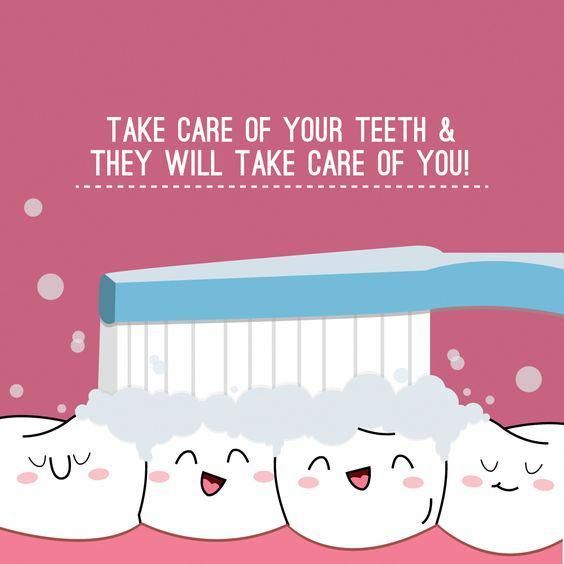
Now that we have known the major dental health problems we must also know that apart from brushing teeth twice daily, there are other rituals that need to be followed for a healthy oral space. Because many a time it happens that despite brushing teeth diligently, some food debris gets left behind which gives the bad bacterias a chance to harm our tooth.
All the times we remind ourselves that a healthy body leads to a healthy mind. But, unfortunately, we forget that a healthy oral space leads to a healthy body.
Maintaining healthy and shining teeth is crucial because our mouth is the threshold of our body. Most of the things that enter our body comes through this space. So, looking after its health and hygiene is necessary. Hence, I am illuminating you with some of the dental care regimes that you need to give attention to for clear, healthy teeth.
SOURCE- PINTEREST
FLOSSING:
Flossing is a dominant method for protecting teeth from decaying. Cut 18 inches of floss and wind it around the middle finger of each hand. Insert the floss between your tooth and gently slide it up into the space between the gum and the tooth. It will slide down all the trapped debris down. Hold the floss tightly against the tooth. Gently rub the side of the tooth, moving the floss away from the gum with up-and-down motions. Repeat this method on the rest of your teeth.
CHOOSING THE RIGHT BRUSH:
Always look for a brush whose head and bristles are small enough to reach into the tiny spaces between your teeth. According to the International Dental Health Association, most adults require a small or medium-sized toothbrush for this purpose.
SOURCE- PINTEREST
GARGLE WITH MOUTHWASH:
Add mouthwash to your dental care regime. A mouthwash goes to all those pockets of spaces where bristles and floss cannot reach. It helps in hunting down the plaque-causing bacteria and gives your mouth a fresh odor. All you need to do is to gurgle mouthwash 3- 4 times a day, after every meal.
CHANGE BRUSH FREQUENTLY:
Brushes tend to worsen after a while. Their bristles get disjoined, gets detached, or become blunt. These types of brushes don’t clean the teeth properly. So if you’re using the same toothbrush for a long time, you may not be getting the best clean anymore. Hence, change your brush within three to four months or when the bristles start to tear apart.
EAT HEALTHY:
The greatest and most important part of all the oral care regime is eating healthy. Consume calcium-rich food for strong teeth and gum. Drink plenty of water in a day. It helps wash away food particles and keeps your saliva levels high. Water also washes away the bad bacterias and gives you a fresh odor. Apart from milk, cheese, and yogurt, celery, carrots, and crunch veggies are other healthy foods for strong teeth. Also, have a check your drinking habits and discard smoking cigarettes.
So, bring down all the habits into your dental care regime and you would be able to have a clean and healthy set of teeth.
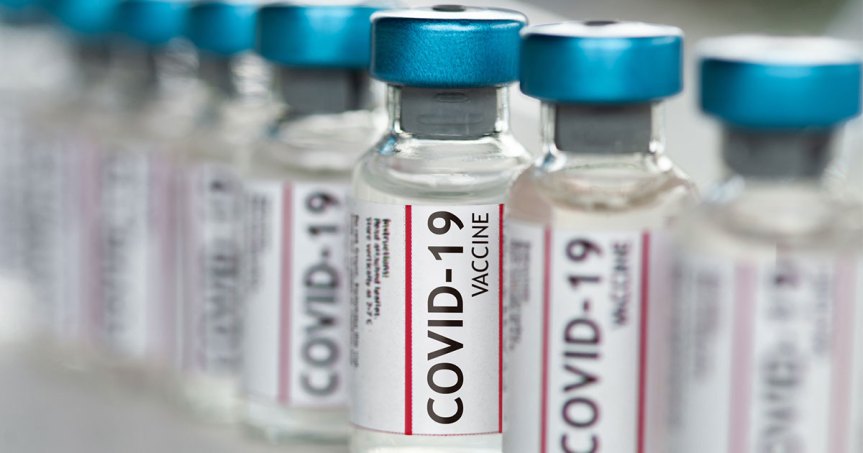
This pandemic has taught us many things, and right now in India as well as in World every other person is talking about vaccines, what are vaccines, how much time is require for development of vaccine including all trails , and how do they work ?
So, for now I would like to answer one of most frequently asked question HOW VACCINE WORKS ? well, for understanding the working of vaccine we must know what is vaccine ?
A vaccine is part of a germ that is exposed to your immune system in a safe way so that it can learn how to fight off that harmful pathogen and protect your body from it in the future. Basically it provides us immunity.
Well let’s see what exactly happens when you get vaccinated
When you get a vaccine, your immune system responds to the vaccine just like real germs.
i. The germs contained in the vaccine are identified as foreign.
ii. The vaccine produces and reacts with antibodies similar to real germs.
iii. Remembering how to destroy germs. If you come in contact with pathogenic germs at any time in the future, your immune system can quickly destroy it before it has a chance to make you sick. This is how you get immunity from vaccines
HOW VACCINE WORKS ?
A vaccine works by training the immune system to detect and protect against viruses or bacteria. To do this, certain molecules from the pathogen must enter the body to boost the immunesystem. These molecules are called antigens and are found in all viruses and bacteria. If a bacterium or virus reappears, the immune system immediately recognizes the antigen and attacks the disease well before the pathogen spreads.
Vaccines don’t just work on an individual level, they protect entire populations. Once enough people are immunized, opportunities for an outbreak of disease become so low even people who aren’t immunized benefit. Essentially, a bacteria or virus simply won’t have enough eligible hosts to establish a foothold and will eventually die out entirely. This phenomenon is called “herd immunity” or “community immunity,” and it has allowed once-devastating diseases to be eliminated entirely, without needing to vaccinate every individual.
So, for now I have only one request that is ”PLEASE GET VACCINATED”, it’s totally safe.
Bioremediation is a process of clean up of waste from environment, basically it is a type of waste management technique which involves the use of organisms to remove or utilize the pollutants from a polluted area. Microorganisms like Bacteria and Fungi are the main role player when it comes to executing the process of Bioremediation. Bacteria are the most crucial microbes in this process as they break down the waste into nutrients and organic matter. Even though this is an efficient process of waste management but bioremediation cannot destroy 100% contaminants. Bacteria can easily digest contaminants like chlorinated pesticides or clean oil spills but microorganisms fail to destroy heavy metals like lead and cadmium. It’s great isn’t it.
Here arises a question why is it so important ?
It is important mainly because of two factors
1. It uses no harsh chemicals.
2. It can allow waste to be recycled.
Basically there are two main classes of bioremediation that are in-situ and ex-situ.
In-situ – In situ refers to when contaminated waste is treated right at its point of origin. For example, there may be soil that is contaminated. Rather than remove the soil from its point of origin, it is treated right where it is.
Ex-situ – Ex situ refers to treatment that occurs after the contaminated waste has been removed to a treatment area. To use soil as the example again, the soil may be removed and transported to an area where the bioremediation may be applied.
Bioremediation can be carried out by bacteria that is naturally present in the environment or adding nutrients, this process is called biostimulation.
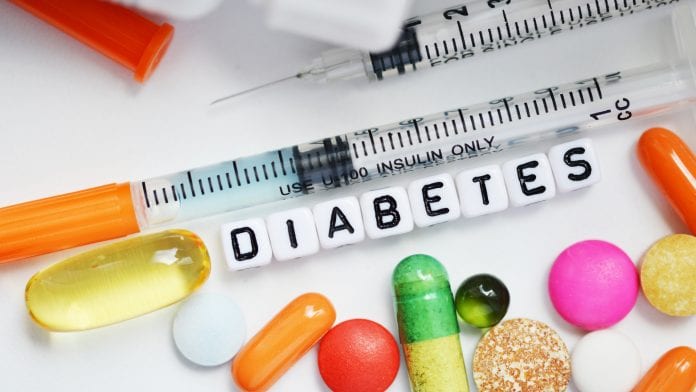
Type 2 diabetes is kind of a metabolic disorder which causes the sugar to accumulate in blood rather than getting used as a body fuel
Yes, you read me right. It is absolutely possible to cure all the health problem associated with your body with the aid of correct lifestyle modifications.
Before understanding what needs to be done we shall preface our readers about what exactly is Type 2 diabetes.
Type 2 diabetes is kind of a metabolic disorder which causes the sugar to accumulate in blood rather than getting used as a body fuel. When we consume any sort of carbohydrate rich foods it enters the digestive tract and gets broken down to glucose. A hormone named as Insulin is released from pancreas and facilitates the entry of glucose into the cell. In case of Type 2 diabetes, cells become resistant to insulin and ignore it’s message to absorb glucose which is also called as Insulin-resistant. Additionally pancreas fails to secrete enough insulin required to trigger these insulin sensitive cells. The major cause of this disease is unhealthy eating habits, no physical movements, hypertension etc. In these circumstances, it is highly beneficial for a person to take charge of their health.
Following are the 5 best proven lifestyle modifications which are found to be effective –
Eating healthy foods – There are few things which needs to be taken care of – firstly, cutting down your carb is important. What we generally consume is simple carbohydrate . Instead we can replace simple carbohydrate foods with complex carbohydrate which includes barley, non starchy vegetables and legumes. Adding them to your diet can also give a boost to your fiber intake.
Reduction in sugar intake– Sugary items, aerated drinks, packaged sugar bars, cakes, wheat bread should be strictly avoided for a better health. Instead, opting for jiggery powder, stevia can serve as a good replacement of sugar. Opting for foods which has low glycemic index and low carbs are important for the long run.
Loosing weight and increase protein intake – The primary goal for a person should be to maintain a proper BMI, anything above your normal BMI is harmful. For that cutting down processed foods, excessive oil and taking protein is the key. Not necessary one needs a whey protein isolate or any nutritional supplements which is used by youngsters or gym- goers these days. Look for natural protein like eggs, fish, soya beans, pulses instead which can help to enhance your lifestyle immensely and promotes a lean body mass.
Diets which are important for diabetes patients-
Green leafy vegetables- Having this in your diet is essential as it is not only a good source of fiber but also have low carbs in it. They are assosciated with loads of essential phytonutrients, mineralsand vitamins. Adding salad to your diet at the beginning of the meal provides a balanced diet to your body.
Nuts- Nuts like almonds, pistachios and walnuts can reduce the blood sugar level as well as risk of diabetes effectively.
Apple cider vinegar – It is made from fermented apple juice and can effectively reduce the blood glucose levels after meals. Additionally it contains certain minerals as well as vitamins and acetic acid which becomes beneficial for them who are suffering from Type 2 diabetes.
Berries- Berries are powerful anti-oxidants along with vitamin C and fiber. They are also essential in regulating the blood glucose levels and are proven effective in diabetes patients.
4. Doing some physical activity– Not necessary you need to join a gym but you can try home workout or yoga. Yoga is very helpful which can strike a balance between your mind and physical strength. Doing physical activities helps to improve metabolism. While you become more active, the muscles in your body takes up all the excess blood sugar as a result it helps in weight loss.
5. Managing stress– When you start taking too much stress you blood sugar level increases which causes your health to detoriate. Each and every things mentioned above are connected to stress. If you’re stressed then you may forget to eat properly or exercise which can do no good to your body. Hence, meditation plays an important role here. Once you start meditating you’ll be able to strike a balance between your stress and personal life. It is the need of the hour to start focusing more on your health rather than paying your bills later to your physicians.








 Eduindex News
You must be logged in to post a comment.