NATIONAL mean a person owing allegiance to and entitled to the protection of a sovereign state. CITIZEN is preferred for one owing allegiance to a state in which sovereign power is retained by the people and sharing in the political rights of those people. the rights of a free citizen SUBJECT implies allegiance to a personal sovereign such as a monarch. the king’s subjects NATIONAL designates one who may claim the protection of a state and applies especially to one living or traveling outside that state.
The environment plays a significant role to support life on earth. But there are some issues that are causing damages to life and the ecosystem of the earth. It is related to the not only environment but with everyone that lives on the planet. Besides, its main source is pollution, global warming, greenhouse gas, and many others. The everyday activities of human are constantly degrading the quality of the environment which ultimately results in the loss of survival condition from the earth.There are hundreds of issue that causing damage to the environment. But in this, we are going to discuss the main causes of environmental issues because they are very dangerous to life and the ecosystem.
Pollution – It is one of the main causes of an environmental issue because it poisons the air, water, soil, and noise. As we know that in the past few decades the numbers of industries have rapidly increased. Moreover, these industries discharge their untreated waste into the water bodies, on soil, and in air. Most of these wastes contain harmful and poisonous materials that spread very easily because of the movement of water bodies and wind. Greenhouse Gases – These are the gases which are responsible for the increase in the temperature of the earth surface. This gases directly relates to air pollution because of the pollution produced by the vehicle and factories which contains a toxic chemical that harms the life and environment of earth. Climate Changes – Due to environmental issue the climate is changing rapidly and things like smog, acid rains are getting common. Also, the number of natural calamities is also increasing and almost every year there is flood, famine, drought, landslides, earthquakes, and many more calamities are increasing.
Development recognises that social, economic and environmental issues are interconnected, and that decisions must incorporate each of these aspects if there are to be good decisions in the longer term.For sustainable development, accurate environment forecasts and warnings with effective information on pollution which are essential for planning and for ensuring safe and environmentally sound socio-economic activities should be made known.
Early times the Indian subcontinent appears to have provided an attractive habitat for human occupation. Toward the south it is effectively sheltered by wide expanses of ocean, which tended to isolate it culturally in ancient times, while to the north it is protected by the massive ranges of the Himalayas, which also sheltered it from the Arctic winds and the air currents of Central Asia. Only in the northwest and northeast is there easier access by land, and it was through those two sectors that most of the early contacts with the outside world took place.
Within the framework of hills and mountains represented by the Indo-Iranian borderlands on the west, the Indo-Myanmar borderlands in the east, and the Himalayas to the north, the subcontinent may in broadest terms be divided into two major divisions: in the north, the basins of the Indus and Ganges (Ganga) rivers (the Indo-Gangetic Plain) and, to the south, the block of Archean rocks that forms the Deccan plateau region. The expansive alluvial plain of the river basins provided the environment and focus for the rise of two great phases of city life: the civilization of the Indus valley, known as the Indus civilization, during the 3rd millennium BCE; and, during the 1st millennium BCE, that of the Ganges. To the south of this zone, and separating it from the peninsula proper, is a belt of hills and forests, running generally from west to east and to this day largely inhabited by tribal people. This belt has played mainly a negative role throughout Indian history in that it remained relatively thinly populated and did not form the focal point of any of the principal regional cultural developments of South Asia. However, it is traversed by various routes linking the more-attractive areas north and south of it. The Narmada (Narbada) River flows through this belt toward the west, mostly along the Vindhya Range, which has long been regarded as the symbolic boundary between northern and southern India.
India’s movement for Independence occurred in stages elicit by the inflexibility of the Britishers and in various instances, their violent responses to non-violent protests. It was understood that the British were controlling the resources of India and the lives of its people, and as far as this control was ended India could not be for Indians.
On 28 December 1885 Indian National Congress (INC) was founded on the premises of Gokuldas Tejpal Sanskrit School at Bombay. It was presided over by W.C Banerjee and attended by 72 delegates. A.O Hume played an instrumental role in the foundation of INC with an aim to provide Safety Valve to the British Government. A.O Hume served as the first General Secretary of INC. The real Aim of Congress is to train the Indian youth in political agitation and to organise or to create public opinion in the country. For this, they use the method of an annual session where they discuss the problem and passed the resolution. The first or early phase of Indian Nationalism is also termed as Moderate Phase (1885-1905). Moderate leaders were W.C Banerjee, Gopal Krishna Gokhale, R.C Dutt, Ferozeshah Mehta, George Yule, etc. Moderates have full faith in British Government and adopted the PPP path i.e. Protest, Prayer, and Petition. Due to disillusionment from Moderates’ methods of work, extremism began to develop within the congress after 1892. The Extremist leaders were Lala Lajpat Rai, Bal Gangadhar Tilak, Bipin Chandra Pal, and Aurobindo Ghosh. Instead of the PPP path, they emphasise on self-reliance, constructive work, and swadeshi. With the announcement of the Partition of Bengal (1905) by Lord Curzon for administrative convenience, Swadeshi and Boycott resolution was passed in 1905.
ONE INDIVIDUAL MAY DIE; BUT THAT IDEA WILL, AFTER HIS DEATH, INCARNATE ITSELF IN A THOUSAND LIVES.
Recently, President election has been the talk of the town with Droupadi Murmu being elected as the India’s 15th President. Ms. Murmu becomes the second woman president and the first member of tribal community to do so as well as youngest president. She was the former Governor of Jharkhand and hails from the Santhal tribe and was born in Mayurbhanj in Odisha.
Coming to it lets know about how the election is conducted and it’s procedures:
The executive power of the Indian Union is vested with the President. The President is the head of the State and the supreme commander of the Defence Forces of India. The President exercises his powers on the advice of the Prime Minister and the Council of Ministers. According to the 42nd Amendment it is necessary for the President to exercise his/her functions with the advice of Council of Ministers.
Qualifications for Election:
A person shall be eligible for election as president if he/she :
is a citizen of India;
has completed the age of 35 years;
is qualified for election as a member of the Lok Sabha.
should not hold office of profit.
Whenever the office becomes vacant, the new president is chosen by an electoral college consisting of:
the elected members of both houses of Parliament , the elected members of the State Legislative Assemblies of all States and the elected members of the legislative assemblies of union territories with legislatures, i.e. National Capital Territory of Delhi, Jammu and Kashmir and the Union Territory of Puducherry.
The nomination of a candidate for election to the office of the president must be subscribed by at least 50 electors as proposers and 50 electors as seconders. Each candidate has to make a security deposit of ₹15,000 (US$190) in the Reserve bank of India. The security deposit is liable to be forfeited in case the candidate fails to secure one-sixth of the votes polled.
The election is held in accordance with the system of proportional representation (PR) by means of the instant runoff vote (IRV) method .The voting is done by secret ballot system. The manner of election of President is provided by Article 55 of the Constitution.
The actual calculation for votes cast by a particular state is calculated by dividing the state’s population by 1000, which is divided again by the number of legislators from the State voting in the electoral college. This number is the number of votes per legislator in a given state.
Travel across multiple countries brings a sense of freedom and discovery, but staying connected throughout the journey often requires careful planning. From navigating unfamiliar streets to accessing bookings and local updates, consistent internet access plays a key role in shaping a smooth travel experience. Without it, even simple tasks can become frustrating. Modern travellers now…
Citation Dutta, S., & Roy, M. (2026). A Systematic Literature Review on the Social, Economic, and Environmental Impact of Covid-19 Pandemic on Shopping Malls in India. Journal for Studies in Management and Planning, 12(2), 28–45. https://doi.org/10.26643/jsmap/8 Soumyadeep Dutta Doctoral ScholarDepartment of Architecture, Jadavpur UniversityAssistant ProfessorDepartment of Architecture and Planning,Sister Nivedita University Email: soumyadeep.d@snuniv.ac.in Prof. (Dr). Madhumita…
Citation Garba, A. G. (2026). Artificial Intelligence Skills Possessed by Office Technology and Management Professionals for Effective Records Management in Kano State Public Offices. International Journal of Research, 13(2), 254–266. https://doi.org/10.26643/edupub/1 Garba, Ado Gude Ph.D Department of Office Technology and Management Federal Polytechnic Kabo, Kano State. adogarba20@gmail.comhttps://orcid.org/0000-0002-6540-0887 Abstract The main focus of this study is…
Citation Chukwuka, E. J., & Amahi, F. U. (2026). Assessing the Modern Employee Management Strategies for Optimum Organizational Productivity in Nigeria. Journal for Studies in Management and Planning, 12(2), 1–27. https://doi.org/10.26643/jsmap/7 Ernest Jebolise Chukwuka (PhD) Department of Entrepreneurship and Business Innovation Faculty of Management Sciences University of Delta, Agbor ernest.chukwuka@unidel.edu.ng ORCID: 0000-0002-7876-9974 Fidelis U.…
Learn Home Cleaning 101 with beginner-friendly tips on daily resets, room-by-room routines, decluttering, and simple habits for a spotless, stress-free home.Keywords CleaNESTOR Text unique 99.9% Text of post Keeping your home clean doesn’t have to feel overwhelming, time-consuming, or complicated. For beginners, the biggest challenge is often knowing where to start, what to clean first, and…
Citation Mashrafi, M. (2026). Twin-Arch Crown High-Rise Towers: Geometry-Driven Structural Stability and Passive Environmental Performance in Coastal Urban Contexts. Journal for Studies in Management and Planning, 11(12), 58–78. https://doi.org/10.26643/jsmap/6 :Mokhdum Mashrafi (Mehadi Laja) Email: mehadilaja311@gmail.com Research Associate, Track2Training, India Researcher from Bangladesh Abstract High-rise development in coastal urban environments is governed by the combined challenges of…
Every elected member of the parliament enjoys the same number of votes, which may be obtained by dividing the total number of votes assigned to the members of legislative assemblies by the total number of elected representatives of the parliament.
Women’s Organisations emerged in India as a result of the spread of education and the establishment of the notion of the new woman. There was an improved level of communication among women which made them aware of the different problems that they faced and their rights and accountabilities in society. This awareness led to the upsurge of women’s organizations that fought for and signified women’s causes
An exclusive feature of the Indian women’s crusade is the fact that early efforts at women’s liberation were set in motion by men. Social reformers such as Raja Ram Mohan Roy, Maharishi Karve, and Swami Dayanand Saraswati challenged the conventional subservience of women, stimulated widow remarriage, and supported female education and impartiality in matters of religion, among other issues. Mahila mandals organized by Hindu reformist organizations such as the Arya Samaj and Brahmo Samaj encouraged women to go out of the boundaries of their homes and interact with other members of society. Pandita Ramabai, who was considered as one of the innovators of the feminist movement, with the help of Justice Ranade established the Arya Mahila Samaj in 1882. She envisioned creating a support network for newly educated women through weekly lectures and lessons at homes, where women could learn and gain confidence through interactions.
Women’s auxiliaries of general reform associations also served as a ground for women to deliberate social issues, express opinions, and share experiences. The Bharata Mahila Parishad of the National Social Conference was the most protruding among such opportunities. Though the National Social Conference was formed at the third meeting of the Indian National Congress in 1887, the Mahila Parishad was launched only in 1905.
These initiatives greatly influenced the social status of women. Early attempts at encouraging women to converse outside their families and local committees thus, stemmed from the broader social reform movement and efforts to upgrade the conditions of women.
The pre‐Independence period saw women’s issues related to the nationalist agenda at various junctures. In this period, a major enhancement of women was in terms of political participation of women, calling for a redefinition of conventional gender roles. Women began openly demonstrating their opposition to foreign control by supporting civil disobedience actions and other forms of protest against the British. Opportunities to organize and participate in agitations gave women much‐needed confidence and a chance to develop their leadership skills. Cutting across communal and religious barriers, women associated themselves with larger problems of society and opposed sectarian issues such as communal electorates. Political awareness among women grew, owing to a general understanding that women’s issues could not be separated from the political environment of the country. During this period, the initial women’s organizations formed within the historical background of the social reform movement and the nationalist movement were as follows.
•The Women’s India Association (WIA). National Council of Women in India (NCWI). •The All India Women’s Conference (AIWC) in 1917, 1925, and 1927 correspondingly. Each of these organizations emphasized the importance of education in women’s progress. •The WIA, created by Margaret Cousins in Madras, worked widely for the social and educational emancipation of women. •Associated with the Theosophical Society, it encouraged non‐sectarian religious activity and did creditable work in promoting literacy, setting up shelters for widows, and providing relief for disaster victims. •Women in Mumbai, Chennai, and Kolkata through networks developed during World War I work, allied their associations together, and created the NCWI in 1925. A national branch of the International Council of Women, its most prominent member was Mehribai Tata, who aggressively campaigned against inert charity and advised men to support female education. •The most important of the women’s organizations of the time was the All India Women’s Conference. Though its initial efforts were directed towards improving female education, its scope later extended to include a host of women’s issues such as women’s franchise, inheritance rights.
The Constitution of India enlisted in 1950 which permitted equal rights to men and women. Rights such as the right to vote, right to education, right to enter into public service, and political offices brought in satisfaction among women’s groups. In this period, there was limited activity in the area of women’s rights. Many women’s organizations such as the National Federation of Indian Women (1954) the Samajwadi Mahila Sabha (1559) were formed to work for supporting the cause of Indian women. Since the country was facing a social, political crisis after British rule, many demands of the women activists were not supported by the Government. But during this period from 1945, the Indian women got an opportunity to participate in confrontational politics.
In post-independent India, the women’s crusade was divided, as the common opponent, foreign rule, was no longer there. Some of the women leaders formally joined the Indian National Congress and took a powerful position as Ministers, Governors, and Ambassadors. Free India’s Constitution gave universal adult franchise and by the mid-fifties, India had fairly liberal laws concerning women. Most of the demands of the women’s movement had been met and there seemed few issues left to organize around. Women’s organizations now observed that there was an issue of implementation and consequently there was a pause in the women’s movement.
Some women organizations such as the Banga Mahila Samaj, and the Ladies Theosophical Society functioned at local levels to promote contemporary ideas for women. These organizations deal with issues like women’s education, abolition of social evils like purdah and Child marriage, Hindu law reform, moral and material progress of women, equality of rights and opportunities.
It can be believed that the Indian women’s movement worked for two goals.
•Uplift of women. •Equal rights for both men and women.
Currently, there are many women organizations in India:
•All India Federation of Women Lawyers •All India Women’s Conference •Appan Samachar •Association of Theologically Trained •Women of India •Bharatiya Grameen Mahila Sangh •Bharatiya Mahila Bank •Confederation of Women Entrepreneurs •Durga Vahini •Friends of Women’s World Banking •Krantikari Adivasi Mahila Sangathan
The major objective of this organization is:
•Strengthening and building new initiatives, networks, forums, etc., for protecting women’s rights •Monitoring the Government of India’s commitments, implementing the Platform for Action with special focus on the eight-point agenda discussed at the Conference of Commitment, CEDAW, the Human Rights, and other United Nations Convention. •Advocacy, lobbying, and campaigning on women-related issues. •Information Dissemination and Documentation. •Solidarity and linkages with other regional and global forums.
Another women organization in India is Swadhina (Self-esteemed Women) which was formed in 1986. It is principally a civil society organization focused on the Empowerment of women and Child Development based on Sustainable Development and Right Lively hood. At Swadhina, it is believed that positive social change has a direct effect on the lives of women and that change is possible only through equal and spontaneous participation of Women. Organization members are active in five states across the country in remote tribal districts of Singbhums in Jharkhand, Purulia, and West Midnapur in West Bengal, Kanya Kumari in Tamil Nadu, Mayurbhanj in Orissa, and East Champaran in Bihar.
Due to the women’s movement, several legislations were passed like the Equal Remuneration Act, Minimum Wage Act, Maternity Benefit Act, etc. to ensure equal status to women in society & more importantly at work. However, illiteracy amongst the major women workforce (87% of women are employed in the unorganized sector), fear of losing employment & lack of awareness of the laws enacted to protect them, make it difficult for women to benefit from them.
Since ancient times, education has been a dominant force in society. The only change that has occurred is the substitution of teachers and schools with gurus and gurukuls. However, one crevice that is often overlooked is the true meaning of education in Indian society. We can see what perfect education is by breaking down this large issue into a few parts. The process of obtaining or imparting fundamental information, particularly at the school or university level, is characterized as education.
Education is a crucial aspect that contributes to the country’s improved literacy rate. The Indian government has primarily concentrated on providing education to all citizens since independence, and it has developed new initiatives to improve Indian education for many years.
The Indian education system is divided into four stages: lower primary, which is for children aged six to ten years, and upper primary, which is for children aged eleven to twelve years. High school, in which students begin school at the age of 13 and graduate at the age of 16, with the completion of upper secondary school occurring between the ages of 17 and 18. The Indian education system is regarded as the world’s oldest education system. It is not the greatest, despite being the oldest. The Indian education system is unproductive and inconvenient due to a lack of changes and improvements. Education, rather than being a formidable tool for shaping students into better beings with practical knowledge, has been reduced to an illusion of practicality due to several flaws. This eventually caused the system to fail, since it was no longer advantageous to pupils, eventually resulting to EXAM STRESS. Let’s see how things turn out.
The Indian education system has always been structured for a child to learn from a book and write tests in order to acquire excellent scores. While it aids in the development of children’s reading and writing skills, it does not aid in the acquisition of life skills. We frequently hear on the news that India’s unemployment rate is rising, and that many graduates with advanced degrees are unable to find work. So, what’s the deal with that? Our educational system is the answer. The Indian educational system was created to educate students how to achieve excellent grades and score high scores, but it was never intended to teach them how to live in this world. I completely agree that the education and information we gain from reading diverse books is unrivalled. However, while the Indian education system gives theoretical information to students, it is equally critical to educate them how to use that knowledge effectively, which many students fail to do, and this is one of the reasons why India’s unemployment rate is increasing at an exponential rate. Furthermore, the educational system is only a mirror of ideas, making it incredibly difficult for pupils to understand.
Failure to consider the balance in education, as well as how to deal with pressure, frequently leads to stress, with pupils becoming depressed as a result. It is the instructors’ obligation to allow pupils to think in new ways. Teachers should also instill in students the importance of classroom learning and teach them how to put it into practice. Furthermore, teachers must be open to the concept of learning new things from their students. If significant efforts are taken, our educational system may be improved. Instead than encouraging kids to prepare for exams by just mugging up textbooks for the goal of getting a good grade, more practical information should be imparted to them. The educational authority should provide pupils with opportunity to put what they’ve learned in the textbooks into practice. Our educational system should also provide opportunities for kids to gain financial skills that will assist them in surviving in this world. Education authorities should educate pupils how to budget money, save money, and invest it in various assets such as stocks, gold, silver, and other precious metals. This will aid pupils in their future preparation. According to the United Nations Organization (UNO), India is ranked 145th out of 191 countries in terms of educational provision. We aren’t even among the top 50 countries on the planet. It is not about comparison, it is about the quality education we are reciprocating to the youth. This demonstrates how much we need to improve in order to stay current. If we want our country to develop and progress, we must first improve the quality of education we offer to our youngsters. As the phrase goes, “Today’s children are tomorrow’s future,” thus we should begin by modernizing India’s educational system at the basic level. Rather of enabling students to study solely theoretical information, educational authorities should use practical approaches that allow students to apply what they have learned in the classroom. We must do it for the sake of a brighter future if we can bring a wave of revolution by moderating our educational system.
How would it feel when a person you know apologizes for something which isn’t their fault? If someone dashed into him, he would apologize saying, “ I am sorry, I didn’t see you coming my way.” There is a limit for everything and after a while it feels weird to hear them say sorry for so many things.
There are so many factors that lead you to apologize for things. It could be how you have been raised or it’s something you have seen your family do, maybe it’s how you see the world. Apologizing is good for finding peace in conflicts or relationships. You say sorry for the mistake you have made so you don’t repeat it again. It reassures a person that you genuinely didn’t expect the outcome that has come and you want to amend your mistake.
You should not apologize for something you have not done or you have done for something that needed help. When you dash into someone, you apologize because you should have seen him coming, but you shouldn’t apologize for someone who dashed into you when you have been standing quietly.
A lot of people apologize for the reason of avoiding conflict or because they feel that they made the other person feel bad. It usually is either of them. Sometimes, it’s guilt that drives them. Guilty for joking/pranking, guilty for ignoring them, guilty for not asking them or the feeling of guilt for putting themselves first.
Reasons why you feel like apologizing:
You were taught to put others first: When you were a kid, you saw someone fall down. You rush to their aid and lift them up with your itty-bitty strength, and they thank you for helping them. You are praised by your family and the incident’s talked about at various family gatherings. It gives you the feeling of responsibility and makes you feel that you have to put others first and it should be your priority over anything. Fast forward to now, your friends ask for your help on their project, and you rush. You complete their project but yours gets delayed. Your sir calls you out in front of the class saying that you delay your work because of your laziness and your friend doesn’t stand up. Neither do they tell the sir after nor give you credit. You don’t say anything because your friend was first even if you were called out. You apologize to sir because you couldn’t finish it and not for helping your friend before yourself.
Truth: By putting others first, you don’t gain much but you do lose out on time that you could have used for yourself. If you had taken time to complete yours along with theirs, the work would have been completed quickly and efficiently with time to go over errors.
You were taught to help others without seeing what you need: You always gave your grandpa medicine on time, you helped your mother in cooking, you would take the newspaper to your dad along with his morning tea/coffee, and you were always told to help people. Today, you help someone, no matter how much stress/workload you have. They ask for anything and you help them out. Sometimes, it’s just a text to their crush on how to ask out and you help them, despite the deadline of your project. So you apologize when you can’t help them because you are placing yourself first.
Truth: You need to see what help you need first so you can complete the necessary task at hand. The text can be sent anytime but your deadline can only be given once. You need to help others but you need to see if it is something that actually needs help.
Scolded when you placed more importance on yourself: A lot of children are told to share and to not be selfish. If you have 2 chocolates, give it to your friend because you are a “good boy/girl”. After growing up, whenever you need new shoes or your family needs a new appliance, you choose the second option because it feels like a need but yours feels selfish.
*Appliance is used twice and placed for “Future Use”*
Truth: Sometimes, being selfish is good. You need new shoes and your home has enough appliances. By getting new shoes, you will stop getting the foot ache that you have been facing for the past 2 months. If you get new shoes, then you can work with more focus and more energy.
Avoiding Conflict: In most cases, when you were a kid, your tantrums would cause your parents to scold you and you would face punishment, or your friends would distance you because you get angry frequently. The last one pushes a child to socializing issues and causes anxiety on how others perceive them for every single action they take. So, they apologize whenever someone raises their voice a little bit, no matter what the conversation is about. They want to avoid the conflict because they don’t want to face what happened earlier and become outcasted.
Truth: You will face conflicts in future, either in relationships or friendships, you need to understand why you should apologize and for what you should stand your ground. Conflicts are what brings people closer to understand the other person better by learning their needs. If you never have a fight, how will you know what the other person actually feels?
Harmed someone in childhood: When a kid unknowingly harms someone, they get scared and cannot move because they don’t know what to do. Their mind goes blank and they freeze because this feeling is new to their system and it’s hard to know what to do next. The kid is then scolded and constantly lectured over and over again to the point the kid feels anxious to touch a person. When they grow, the anxiety grows with them and it constantly pricks them. What if the casual punch hit harder than it should? What should I do if I dash into someone a little too hard? Should I give them a handshake or fist bump? What if I punch them too hard? Let’s go with the handshake so I don’t hit them too hard.
Truth: It’s okay to give a fist bump or handshake or high-five to a person whom you know. You just need to relax your mind. If you want to touch the person but are scared of the force you put into it, then show a sign of initiation. For a handshake, raise your hand out in the form of a handshake, and wait for them to accept it. By showing initiation, you let the other person engage and guide you through the conversation.
Saying sorry is well and good but exceeding it drains you of your self-confidence. You are a person at the end of the day and you need to stop saying sorry for that. You are existing which means that you will make mistakes and you will learn, but saying sorry for things that don’t require an apology then it will just drain you. It’s not going to get fixed overnight because you have taken years to build this habit. It will be fixed if you work on it every time you notice it happening.
Thank you for reading this article. It is something I have faced and I have learnt how to overcome it. Leave a comment on how has overaplogizing affected your life and how have you overcome it or trying to overcome it.
The origin of the word ‘karma’ maybe traced back to the Sanskrit root ‘kru’ meaning activity. The ‘karma’ is essential for the attainment of moksha. The basic philosophy of karma relates to the performer of karma, the circumstances under which action is done, the results or reaction of karma and inspirations lasing to karma. The references about karma theory are found in our Upanishads.
The doctrine of Karma is so deeply rooted in Hindu social setup that it is considered the ethical background of Hindu social organization. Every action of human beings enetes some results which affects and influences the course of his future life. This is known as karmaphal. The philosophy of karma establishes a close relationship between karma and soul on one hand and soul and re- birth on the other. As long as the accumulated effect, the good deeds and the bad deeds of a person, does not lead to purification and the karmas of a person are not up to the expectation of Dharma, the soul will continue to take pain and rebirth. The good deeds of the man will get him moksha or nirvana whereas his bad deeds will not enable him to attain moksha.
The doctrine of Karma is based on the following beliefs and assumptions:
Definite Result: Every action has some reactions in one way or the other. Every good action will be rewarded and the bad action will never go unpunished.
Indestructibility: The results of karma can never be destructed. The present life is the result of punishments and rewards of the past life. No one can destroy the effects of action because these are immortal.
Necessity of Rebirth: Man cannot free himself from the consequences of his actions. Such consequences of his karma do not leave him even after his death. It is his past deeds that necessitates him to take birth again and again.
Belief in immortality of self: The doctrine believes that the soul is immortal. The body may decay and turn the soul into ashes, but the soul survives. As destined to face the consequences of his deeds, the self or jiva enters a new body, after the death of the previous one.
Determination of general condition of life: The difference with respect to prosperity and poverty, success and failure, happiness and grief and various amenities of people in the present life are believed to be the results of their good or bad performances in the past.
Supremacy of Karma: The doctrine considers man as the maker of is own destiny. Theory of Karmaphal believes that every karma (action) has its own results (phal). Thus, there is no action which goes without its results.
Karma Vipak: Karma is unlimited. It always moves in circular path. Therefore, it is continuous and never ending. It survives not only after death but even after the death of this universe.
The doctrine is karma is viewed as an important part of Hindu social setup. The doctrine inspires the good actions of the people in form of rewards in this as well as the afterlife. It also gives inspiration to man to attain a moral life and preaches self control.
Social media is an plateform which is build that facilitates the users to create content and sharing of information, ideas, interests and different contents ,through virtual communities and networks technology.
Over the last two decades, social media has gained tremendous growth and fame. Despite the fact that almost everyone in the world is connected to at least one social media platform, youth and teens are the ones who who are using social media and are becoming so socially hampered that they even interfere their lives with social media. According to researchers, they have found that these different social media plateforms have a profound impact on the lives of our youth in society in terms of morality, behavior, and even education.
The use of social media has both negative and positive impacts on our youth today. The positive effects of social media on young people today is keeping up to date with what’s happening around the world and being able to network and stay connected with classmates and friends without physical meetings. For example, people in one city can connect and interact with friends in other cities and neighborhoods, bridging the gap between them. In addition, social media platforms allow young people to create pages and groups based on their profession, beliefs, and other aspects of life, creating more connections and more opportunities in their respective fields. This could even create more employment opportunities for unemployed youth.
According to a BBC News report, social media sites appear to continue to connect and inform more people, but it’s also causing social isolation among youths as it reduces the number of face-to-face interactions between young people, as they usually spend most of their time on these online social platforms. Analysis of many studies by various scientists has shown that social isolation can have a variety of effects on youth’s physical, emotional, mental and psychological estate which can create different problems in them. This, in turn, can lead to depression, anxiety, and many other problems. Also, using short forms and abbreviations can lead to misspellings and misuse of words and tenses. This has a direct impact on the student’s language skills and tends to adversely affect the student as it leads to poor language performance.
Also, young teens under the age of 18 can be exposed to online content that may not be appropriate for their age. Social media often introduce these teens to pornographic content which may be shared on online social groups and this may mislead them . The morals of these teenagers are also manipulated because they are granted access to immoral literature and video. This can harm their phycology of seeing things differently in life.
The social media can be used effectively by youth as long hours on social media can be devoted to productive activities that enable people to grow, earn a living, and be educated, such as using online tutorials and online research materials. Social media may harm ones creativity and also can reduces the productivity of teens by chatting for long periods on social media sites . This may cause young people to not be independent, and rely on the help from others . Social media also provides a great platform for cyber theft and bullying. This increases the chances of personal information theft and incidents. This poses a lot of risk to young people as their personal information can be stolen because they are stored in places they do not know or where security is unknown or suspicious.
At last, social media opens a communication channel for young people and has many benefits. This includes the development of oneself and opening to wide range of social networks that promote opportunities and cultural abilities. However, it is very important that youth should use different social platforms carefully to avoid being victimized by cybercriminals and using it in limit so that it may not harm their mental and phycology abilities.
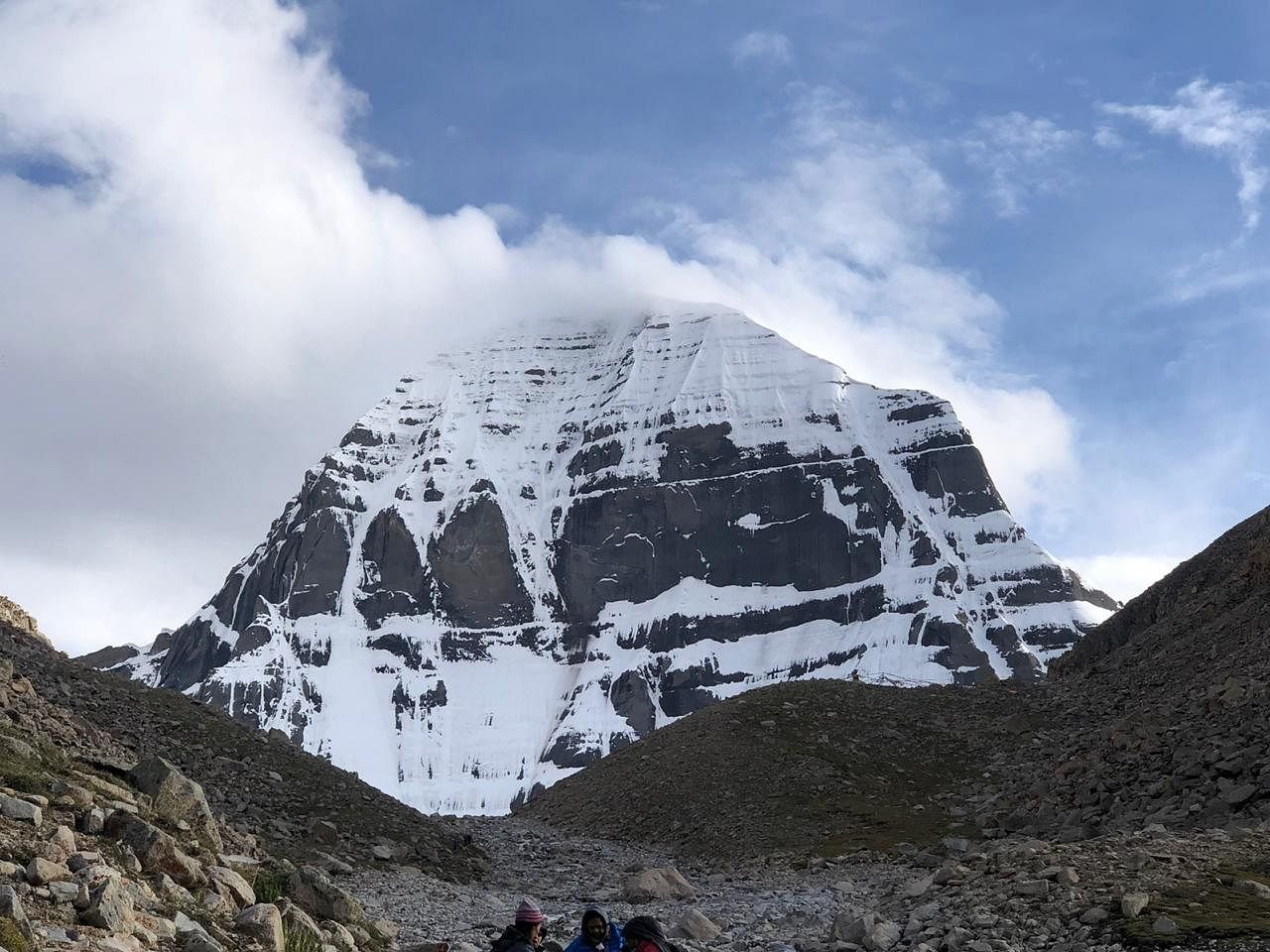
Mount Kailash is located near Lake Manasarover and Lake Rakshastal, near the Indus River, the headwaters of Asia’s longest river. Sutlej; Brahmaputra; Karnali also known as Ghaghara (a tributary of the Ganges) in India. Mount Kailash is considered to sacred in four religions. Receipts; Buddhism; and Jainism.
SOME INTRESTING FACTS ABOUT KAILASH MANASAROVAR
• Stairway to Heaven: Mount Kailash in Tibet is considered a “stairway to heaven”. According to Hindu mythology, it is the residence of Lord Shiva and Goddess Parvati. Climbing this sacred mountain peak is forbidden, as other religions also considered it sacred. •Sacred to different religions: Mount Kailash is sacred to four religions, including Hinduism, Jainism, Bonn, and Sikhism. Kailash Strange Structure:The strange pyramid shape of Kailash Manasarovar led to the theory that it was an artificial mountain. According to Russian researchers, Kailash is not a mountain because it is too perfect and symmetrical to be considered a natural event. According to scientists, it’s an artificial vacuum pyramid surrounded by hundreds of small pyramids. • Kailash cannot be conquered :Kailash, just 6,656 meters above sea level, is not the highest mountain in the world, but it is still unconquerable. There were several trekker trying to climb Mount Kaikash, but none reached the summit. It is believed that climbing this sacred summit will protect the gods. • Unexpected death of a climber: There are certain points in time when subsequent visits are prohibited. Siberian mountaineers visited once before this point and quickly aged decades earlier. Surprisingly, they died a year later at an old age. Divinity Dwelling: Mt. Kailash is a physical embodiment of Mt. Meru and is believed to have the technical expertise of the superhuman being of God. Earth’s Energy Center: This sacred mountain is considered the center of the universe. It is considered the axis of the universe, the center of the world, and the pillars of the world. It is the place where the earth and the sky meet. • Accelerating Aging Near Mt.Kailash: Scientists believed that the aging process would accelerate here. People who spend nearly 12 hours here have been shown to grow their hair and nails. This is equivalent to two weeks in normal life. • Kailash satellite view: The satellite view of Kailash shows that the shadow of Kailash represents the smile of Lord Shiva. • Kailash Mystery: You can see the Hindu symbol OM (ॐ) from the southern ridge of Kailash. The formation of a huge ice valley and horizontal rocks from the top of the mountain make up this symbol. Headwaters of the Great Rivers: There are four great rivers in Asia that spring from Kailash Manasarobar. Lake Mansarobar are the sources of the Indus, Sutlej, Brahmaputra and Karnali rivers, which form the main left tributaries of the Ganges. • Lakes of Good and Evil: The Kailas Himalayan region has two lakes, Lake Manasarovar and Lake Rakshastal. There are many myths surrounding these two lakes. They also show both the good and the bad of humanity. • Birthplace of Sir Ganesha: Gauri Kund is located near Lake Manasarovar, which is believed to be the birthplace of Lord Ganesha. This is the place where the goddess Parvati surrounded Sir Ganesha with bubbles while taking a bath. Mount Kailash is said to be non-flying area, you cannot fly over Mt. Kailash by helicopter or any other means.
” It’s pointless giving advice to people who will not listen. It only reduces the value of your words. “
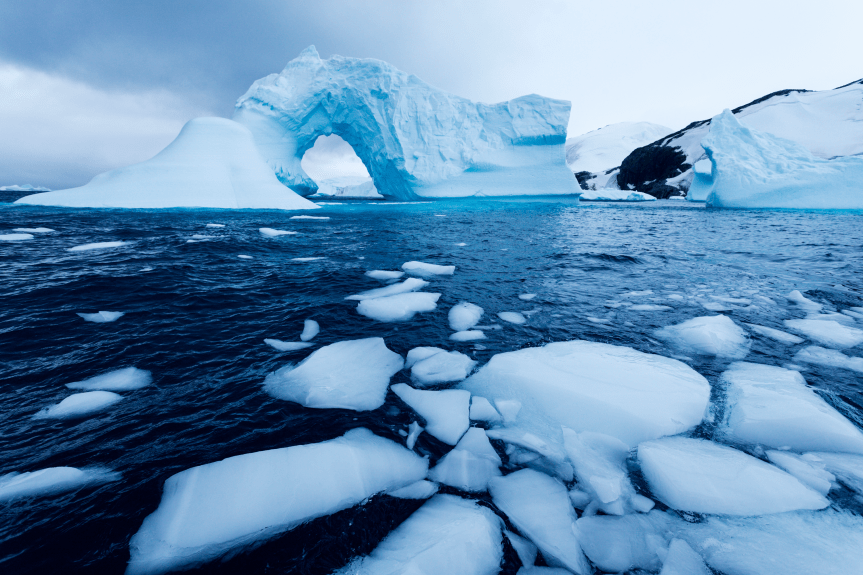
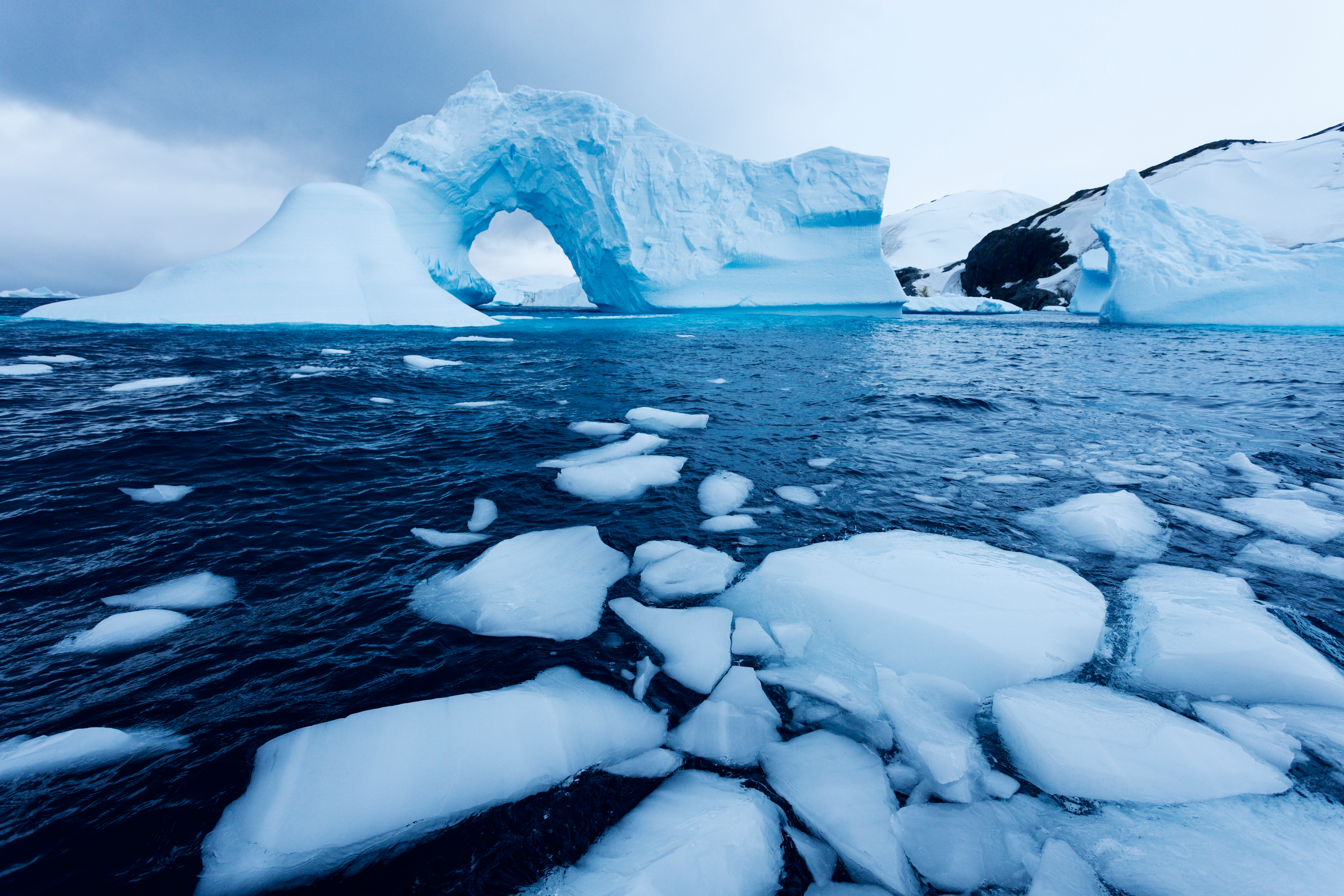
Glaciers are persistent chunks of dense ice that are constantly moving under their own weight. Glaciers are formed where snow accumulation exceeds its erosion over the years, and often centuries.
Rising global temperatures have undoubtedly been the cause of glacier melting throughout history. Due to the rate at which climate change is occurring today, it can become extinct at record rates.
Some of the other reasons: Carbon dioxide gases Emissions: Atmospheric concentrations of carbon dioxide and other greenhouse gases (GHGs) produced by human activities such as industry, transportation, deforestation, and burning fossil fuels warm the earth and melt glaciers. Glacier savings can be achieved if CO2 emissions can be reduced by 45% over the next decade before reaching zero by 2050. Ocean warming: The ocean absorbs 90% of the earth’s heat. This fact mainly affects the melting of sea glaciers near the poles and on the coast of Alaska (USA) and other heavy snow covered areas.
The main consequences of melting glaciers are: Sea Level Rising- Sea level is rising and covers most of the continental region. This means that which means within years most of the areas can be a complete flooded regions. Less freshwater – No glaciers also mean less water for population consumption, less hydropower capacity, and less water available for irrigation. Climate change-The balance between cyclone and anticyclone structure and meteorological patterns is deteriorating. Food Chain Imbalances-The habitats of some marine and terrestrial species are changing and they may harms to them in maintaining their natural circulation and habitat.
Temperature imbalances, extensive processes of deforestation, and rainfall can be other reasons for global warming that lead to glacier melting. Glaciologists believe that despite the massive ice loss, there is still time to save the glacier from the predicted disappearance. It can done through to curb climate change and save glaciers from getting extinct. Scientists believe that controlling climate change can prevent glaciers from melting and disappearing.
“The earth has a skin and that skin has diseases; one of its diseases is called man.”
National Integration is a process by which divisive people and culture are synthesized into a unified whole, along with higher levels of cooperation, mutual understanding, shared values, common identity and above all national consciousness. In the process of national integration, people of a nation develop the sense of we feeling and are unified. The broader objective of national integration has been the attainment of ideological goals such as secularism and democracy. But these are some negative forces lurking within the society which pose as a rising threat to the national integration of India in the form of communalism, regionalism, linguism, etc.
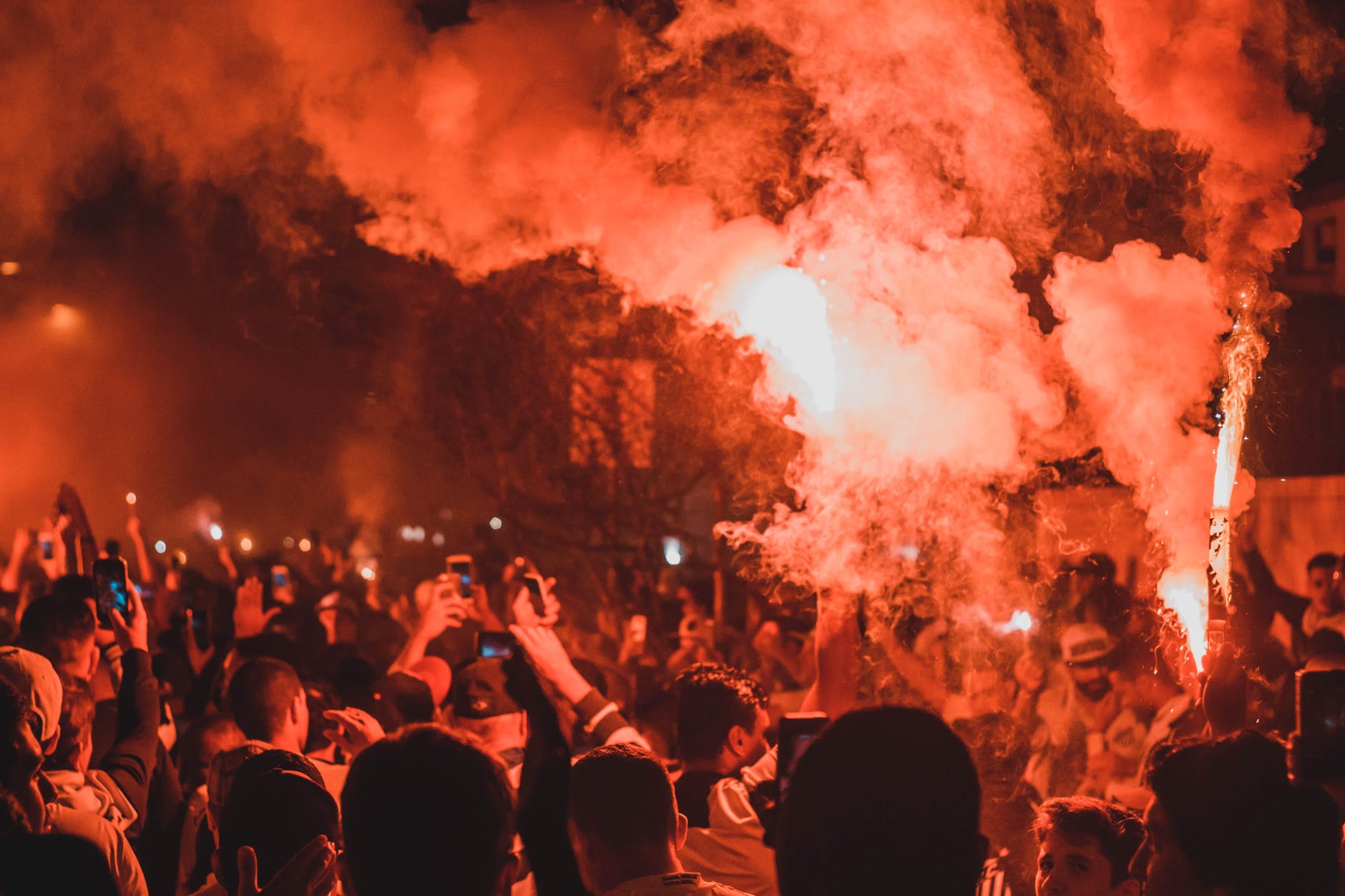
India represents a divirse religions and cultures. Hinduism, Islam, Sikhism, Christianity, Zoroastrianism, Buddhism, etc have flourished here. Whereas the Hindus constitute the major segment of India’s population, the Muslims constitute the largest minority. But the irony is that the adjustment between the Hindus and Muslims has been a failure several times, resulting in violent outbursts and communal riots. The inhuman behavior seen in the communal riots during the period of Independence of India, has no parallel instances in the entire history of the world. In fact, communalism is not a new phenomenon and has tended to exist since the times of the Muslim rule in the medieval period.
Communalism is described as a tool to mobilize people for or against, by raising an appeal on communal lines. Asghar Ali Engineer, Moin Shakir and Abdul Ahmed try to explain communalism as an ideological tool for propagation of economic and political interests. According, to them it I an instrument in the hands of the hands upper class to concentrate power by dividing people.
Communalism as an ideology may be perceived as:
A total commitment to a set of beliefs,
Far from rationality,
Commiting of self to the community alone,
Unwillingness to accept other belief patterns and faiths,
Closing of self and being highly emotional to it, to the extent of crossing the bounds of law at times.
It mostly rests on prejudices,
It causes rivalry and violence among masses,
It effects are disastrous,
It strikes at the roots of secularism and national integration.
There are many factors that lead to the emergence of communalism in the society. Some of these factors include provocation of enemy countries, negative effect of mass media, geographical causes, weak economic status of minorities, historical causes, organized and militant fundamentalist organization, orthodoxy and obscurantism and failure of government policies.
There stands an urgent need of eradication of communalism in our society. Some policies that can be undertaken in this regard include abolition of communal parties in our country, healthy public opinion, inter- religious marriages, declaration of national festivals, etc. These are few measures that may help in curbing communalism from causing any threat to the National integration of our country.
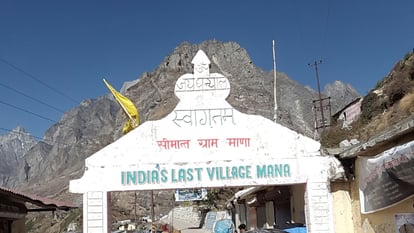
Mana Village is located in the Chamoli district of Uttarakhand, at an altitude of 3200 m , on the banks of the Saraswati River, about 5 km from the famous Hindu pilgrimage site Badrinath. This beautiful place is located 26 km from the border between India and Tibet and is the last village of India. According to the 2011 census, the village was home to about 558 households and with population of about 1214 people . Most of the population here belong to Marchhas and Jads or Bhotias. During the winter, the area is covered with snow, so the entire population moves to lower altitudes. Many cafes here tell people that their store is the last cafe on the Indian border. Most of the people here speaks Garhwali Or Hindi languages. If you visit this place, you will notice that the shopkeepers in the area sell their products under the title “Last Village”, such as “The Last Tea and Coffee Corner in India”.
Religious importance of mana village:
The village of Mana is of great religious importance to Hindus as it is associated with the Mahabharata era. Pandavas, the five mythical figures of the epic Mahabharata, is believed to have passed through the village of Mana on his final journey to heaven. There is also a stone bridge called “Bheempul” near the Saraswati River. It is believed to have been created by Bheem, one of the Pandava’s .
How do you get to Mana village? You can reach Mana village easily as it is easily accessible from Rishikesh / Haridwar/Dehradun and situated just 5 km from Badrinath Temple. The nearest train station is located in Haridwar, about 275 km away, and you can reach the village by bus / taxi from outside this station. Mana is just 315 km from Dehradun and there is a regular bus in front of the train station.
Mana attractions :
Neelkanth Peak: At an altitude of 6597 feet above sea level, Neelkanth Peak is one of the region’s main attractions. Also known as the “Queen of Garhwal”, this snow-capped peak rises beautifully above the Badrinath Temple and is a must-see for adventure and trekking lovers.
Tapt Kund: According to Hindu mythology, Tapt Kund is the Sanctuary of the Lord of Agni (Fire). This natural hot spring is thought to have medicinal properties, and it is said that soaking in Tapt Kund water will cure skin diseases.
Vasudhara: This is a scenic waterfall about 9km from Badrinath Temple. According to Legend it is the place where Pandavas stayed for some time during their exile.
Vyas Gufa: As the name implies, Ved Vyas, a famous scholar and author of the epic Mahabharata, lived in this cave while writing the four famous vedas. What makes this cave interesting is a small shrine dedicated to him, which is said to be over 5,000 years old.
Beehma Pul: One of Mana Village’s main attractions is Beehma Pul. Beehma is said to have built this Bheem Pul, a stone bridge to allow his wife Draupadi to cross the Saraswati River on a journey to heaven.
Race remains one of the most complex concepts in sociology. In popular usage, race maybe human race, car race, etc., but in this context it refers to any category or group of people who have similar physical traits. Race according to some is a group of people who maybe separated from other groups by repeating physical features like color of skin, hair, stricture of jaw, structure of eyes, etc.
Race, as a term, gained usage around 16th century and it began being referred to family, village and breed. It was in the 18th century period, especially during the enlightenment,i.e., age of reason, that the idea of race began to be restored more systematically. Ethnic groups in Indian society have a complex history of more than 5000 years. It is a history of series of migration, accommodation, assimilation, invasions and wars.
According to Dubey, it can stipulate about the original people of India on the basis of information provided by physical anthropology regarding the racial groups in the composition of India. The most authoritative and widely accepted classification is by Dr. B.S.Guha who identified six major racial types, namely:
The Negrito: People belonging to this racial group are characterized by black skin color, frizzly hair, thick lips, etc. The prevelance of a Negrito segment in the Indian population is a matter of controversy for the anthropologists and as such they are divided into two groups:
The protagonists, who believe in the existence of the Negritos in India.
The antagonists, who do not find any conclusive evidence of the existence of Negrito racial stock in Indian population.
The Proto- Austroloid: This racial stock consists of an ethnic group comprising of the Australians aborigines and other people of the Southern Asia and Pacific Islands. The aborigines are also considered the pre- Dravidian race and the Indian tribal population in general, is dominated by this racial element.
The Mongoloid: The Mongoloids, as a major racial stock, are native to Asia. This race entered India from the Western China through The Tibet, The Chinese, The Japanese, The Burmese, The Eskimos and also the American Indians are covered within this strain.
The Mediterranean: This racial stock may be related to the Caucasian physical type i.e., the white race. It is one of the dominant races in India.
The Western Brachycephals: It is believed that this racial group have entered India from the West. This race is divided into three sub- groups:
The Alpinoid
The Dinaric
The Armenoid
The Nordic: People belonging to this racial stock are characterized by tall stature, long head, light skin and hair and blue eyes. Tho physical stock has come to India from the North East Asia, South West Siberia through Central Asia and spread all over the Northern part of our country during the second millennium B.C.
At the time of Independence from the British rule in 1947, there were many princely states. Sardar Vallabh Bhai Patel, the then home minister, played a stellar role in amalgamating these states into the union of India. The Constitution of India was adopted on 20th November 1949 and came into effect on 26th January 1950, which defined Union of India, comprising of different states and union territories. In 1956, the states were recognized on linguistic basis.
Language is a system of mutually intelligible vocal symbol by which the member of a society communicates. It serves as a medium of communication and expression of and for the masses, thereby instilling in them a sense of belongingness and warmness. In a broader sense, language plays an essential ROK in constructing a sense of identity.
India is one such country which holds more than a billion population comprising of a vast communities having its own ethnocentric and distinctive profile of spoken and written languages. About 400 languages and 300 dialects spoken across 29 states and 7 Union Territories of India. According to 2011 linguistic survey, census at a reports there are a total of 121 languages and 270 mothertongues. There are 22 languages specified in the 8the constitution of India, of which Hindi is the predominant language spoken by about 43.63% of the population followed by Bengali (8.03%), Marathi (6.83%), Telugu (6.70%) and Tamil (5.70%).
The multilingual aspect of the country affects every aspect of its national life. At present the language problem has become so acute that it has posed a major threat to national integration. Most often linguistic tensions are being manifested in the borders which are bilingual.
Of course English is a great language, but the problem is that, no nation can grow great with the help of a foreign language, simply because a foreign language fails to represent the indigenous culture. In the past, India did not have the problem of languages, because Sanskrit and Prakrit served as link language. At present, although Hindi has been recognized as the official language of the Union, but his has promoted bitter hostilities, particularly in the South.
Development of one national language, that is, Sanskrit maybe keep the linguistic unrest under control as most of the languages owe their origin to the Sanskrit grammar and literature. States should be recognized as administrative unit rather than linguistic units. There should be ban on the political organizations which try to solidify linguism.
In conclusion, language is the most delicate part of the body of community. It should not ordinarily be disturbed in the process of national development or social regeneration.
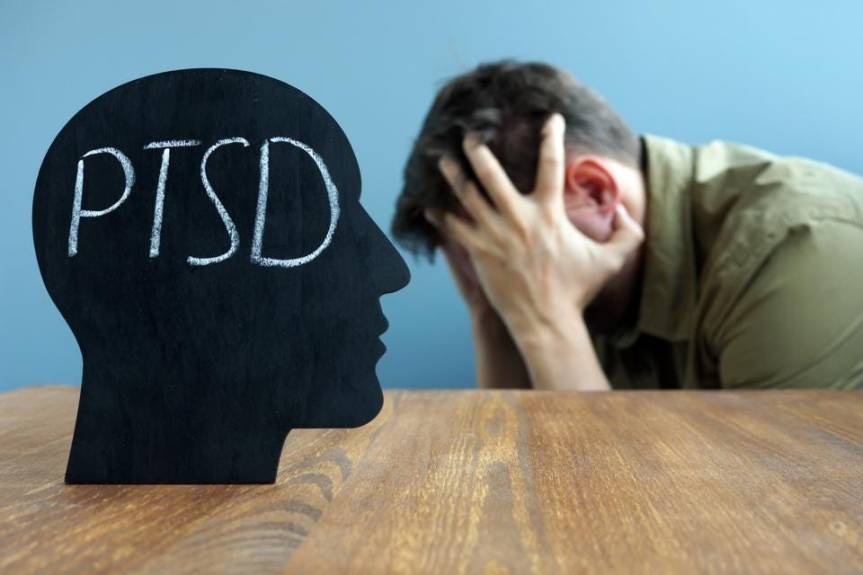
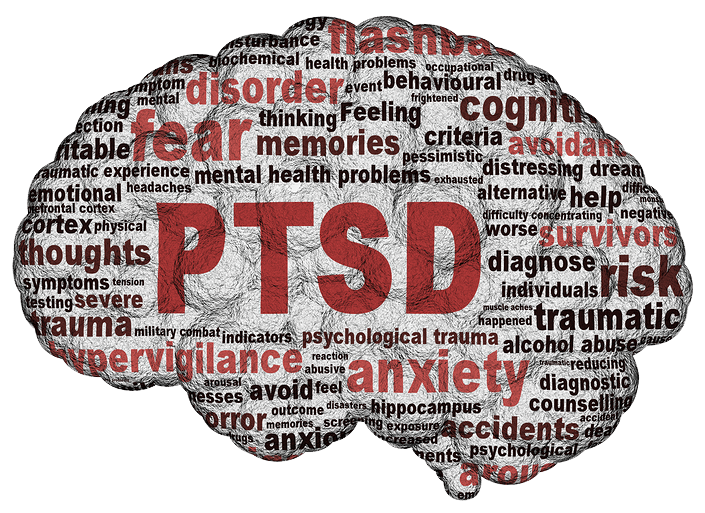
Post-traumatic stress disorder (PTSD) is an phychological disorder that a person can face who has experienced or witnessed a traumatic event such as a natural disaster, terrorist attack, war/combat, rape, or death, sexual violence or serious injury.
People with PTSD have intense and annoying thoughts and feelings associated with their experience that last long after the traumatic event is over. One may relive the event through flashbacks and nightmares. They may feel sad, afraid, or angry. And they may feel separated or alienated from others. People with PTSD can avoid situations and people that are reminiscent of traumatic events and have a strong negative reaction to mundane things such as loud noises and accidental contact.
According to reports in context to United States, about 3.6% of people about 5.2 million adults develop PTSD in time of last year , and an estimated 7.8 million Americans will develop Women are more likely to develop PTSD than men. This may be because their are high chances that women are more likely to be victims of domestic violence, abuse and rape.
Symptoms: • Intrusive thought: Intrusive thoughts such as repeated involuntary reminders. A miserable dream; or a flashback of a traumatic event. Flashbacks are so vivid that people feel like they are remembering or seeing the traumatic experience in front of them. • Avoidance: Avoiding the memory of traumatic events may include avoiding people, places, activities, objects, and situations that can cause disastrous memory. People may try not to remember or think about traumatic events. They may resist talking about what happened and how it makes them feel. • Mood changes and Behaviour : Negative thoughts and feelings that lead to persistent and distorted beliefs about oneself and others, such as not being able to remember important aspects of traumatic events. Distorted thoughts about the cause or effect of an event can lead to false accusations of yourself or others. Persistent fear, fear, anger, guilt, or shame. There is much less interest in the activities that I enjoyed before. Feeling alienated or alienated from others; or unable to experience positive emotions (lack of happiness or satisfaction).
Treatment: It is important to note that not everyone who experiences trauma develops PTSD, and not everyone who develops PTSD requires psychiatric treatment. For some people, the symptoms of PTSD disappear over time. Others are better with the help of their support system (family, friends,etc) . However, many people with PTSD need specialized medical treatment to help recover from psychological stress. It is important to remember that trauma which causes the PTSD can lead to serious distress. The sooner a person is treated, the more likely one can recover fast from PTSD. Psychiatrists and other mental health professionals use several effective ( authorized and proven) methods to help people recover from PTSD. Both talk therapy and medical dosage provide effective evidence-based treatment for PTSD.














 Eduindex
You must be logged in to post a comment.