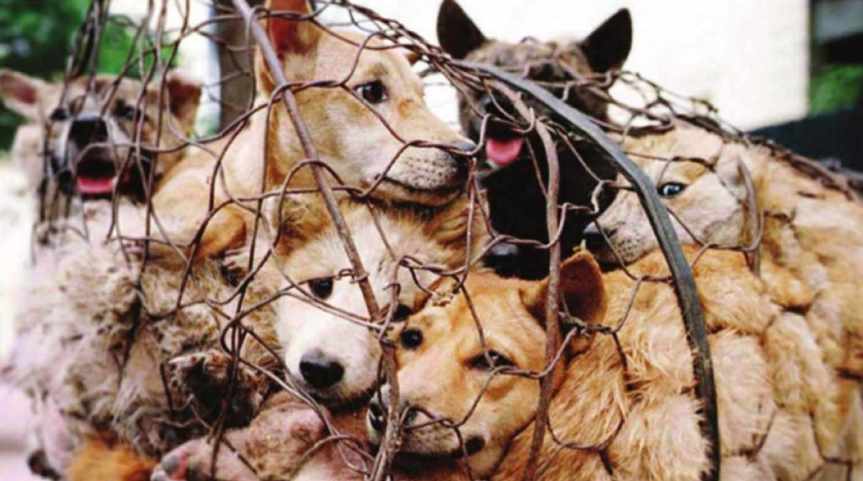
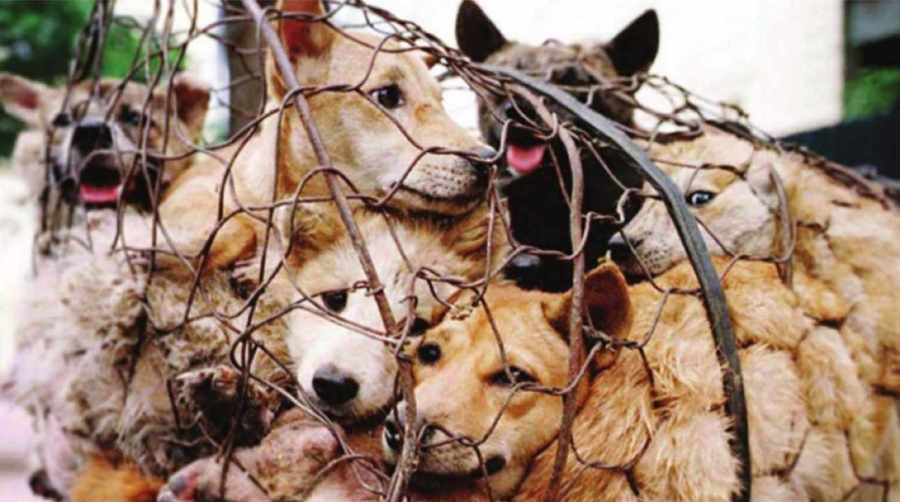
Animal Cruelty is a heinous crime which should be stop .

Animal Cruelty :
Simply put, animal cruelty harms animals, whether intentional or negligent. While certain activities  such as animal cruelty are generally perceived as cruel, the specific actions that make up animal cruelty vary from person to person and from places to places or different countries. Many  argue that docking a piglet’s tail without anesthesia is cruel, while others say it is common in meat production to prevent injuries later  in the pig’s life.  Animal cruelty defination is different in different areas due to countries laws.
Animal abuse is an pervasive problem which often  is difficult to detect. No species or community is spared from experiencing animal cruelty and neglect. Understanding what animal cruelty means and what it doesn’t mean is one of the first steps to  prevent it from happening again. Animals, whether it’s the food, cosmetics, entertainment, or  pet industry, don’t deserve to suffer.

Is Animal Cruelty Illegal:
The legality of  animal cruelty depends largely  on where the activity takes place . For example,  cruelty to farms and laboratory animals that is illegal in some countries may not be considered banned animal cruelty in some countries, due to differences in national law. In the United States, the best-known legislation to prevent animal cruelty excludes both livestock and laboratory animals from registration.

Animal cruelty in India:
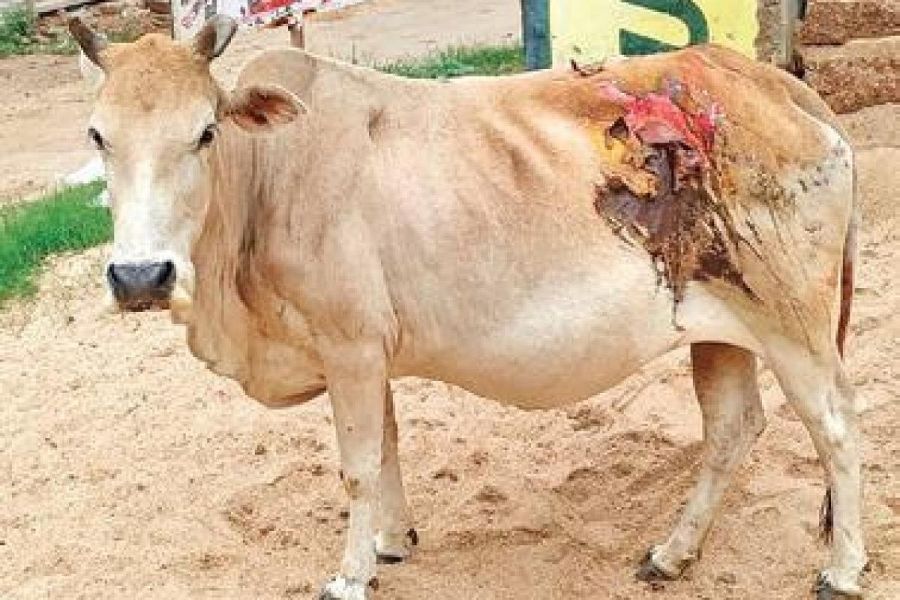
Recently, cases of animal cruelty are increasing in India. The same began to discuss animal rights and the extent of legal protection that  current law provides to animals. The problem is that most of these crimes are either unreported or face disappointing legal responses, as some of the 1960 Animal Cruelty Prevention  Act  and  the Indian Criminal Code are obsolete.
SS Rithika an social activist in context to animal writes about common scenarios of animal cruelty and current laws, procedures, and court decisions dealing with animal cruelty in India. Rithika is also pushing for amendments to these laws to curb the rise in atrocities against animals.

Law related to animal cruelty in India:
The Animal Cruelty Prevention Act of  1960 was amended in 1982. Under India’s newly amended 2011 Animal Welfare Act, animal abuse is a criminal offense  with a fine of at least 10,000 rupees, a fine of up to 25,000 rupees for the first violation, or upto two years of imprisonment. For the second and subsequent violations, a fine of 50,000 rupees or more  and imprisonment of 1 year or more upto 3 years or less. This amendment is currently awaiting approval by the Government of India.  The 1962 law is the law currently in force. The maximum fine under the 1962 Act is  50 rupees (less than $ 1). Many organizations, including  local SPCA, PF, A, Fosterdopt, etc., are actively involved in reporting cases of atrocities to police and assisting the general public in bringing perpetrators to justice. For this reason, there are many changes in the subcontinent.
Under IPC sections 428 and 429, causing mischief by killing or amputating an animal worth more than 10 rupees  is a recognizable crime punishable by two years’ imprisonment, a fine, or both.

Some of the campaign toward animal cruelty:#NoMore50 , #RespectForAnimals , #FarmedAnimals etc.

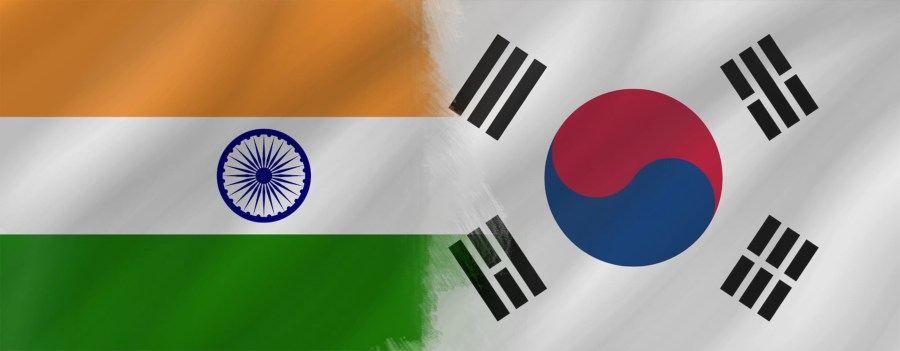
Korean wave in India.

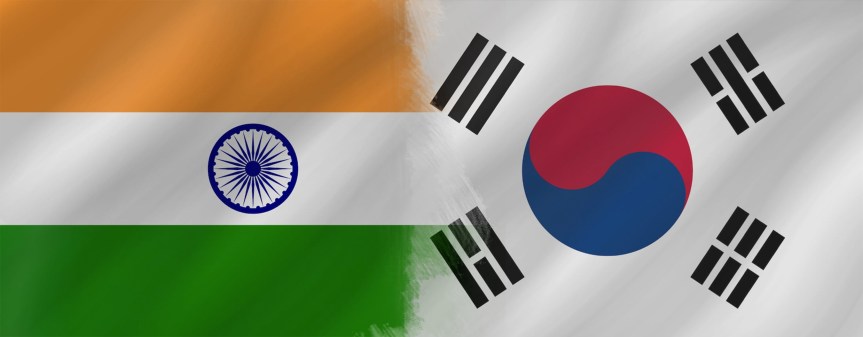
The  Korean wave has certainly seen a significant  rise in India during the pandemic, and K-Drama and K-Pop are seeing massive demand from fans and new followers as well. In response to the growing popularity of the Korean wave in the country, many  online and offline events are held to show people  what they are consuming online. And these extend not only  to K-Drama and K-Pop, but also  to food, beauty and culture in general.
Korean singer PSY’s 2012 viral hit “Gangnam Style” may have started the Korean wave in India, but it certainly wasn’t the origin. The existence of K-POP in India dates back to the late 90’s when in Northeastern part  in Manipur Bollywood films were not allowed to watch because law imposed by the Separatist group Revolutionary Peoples Front to make Manipur independent.Not so much offered, the locals turned to Korean content and it got it’s popularity from their on.

Increasing demand for Korean content is fueling competition between India’s Amazon Prime Video and Netflix. Amazon Prime Video is the first company to launch Parasite and Minari in the country. Hotstar, MX Player, Viki and Viu are also involved in the Korean wave effect. Discovery + launched the “Star vs Food” series featuring the Korea Tourism Organization (KTO) and K-POP idols to introduce Korean food to India. Some prominent dramas are: Crash Landing on You, Squid Games, Descendants of the Sun and many more more , the reason of these Korean content popularity is that as an audiance, Indian’s  find Korean content relatable to them.

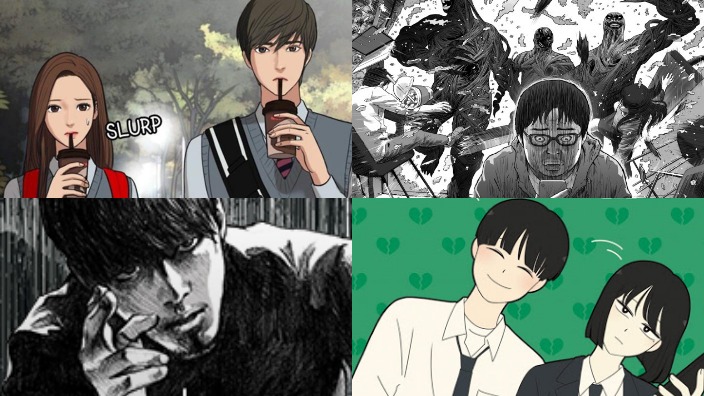
According to Hyun Woo, Kross Komix co-founder, president and CEO Thomas Kim predicts that South Korea’s webtoon, or digital comics, will be the next big thing.Kross Komics is India’s only webtoon platform  launched in December 2019. In just about 1.5 years of operation, the app has been downloaded more than 4.5 million times, about half of which are women. “With the numerous webtoons in the romance / romantic comedy category and the world’s best-selling stories, this new format of content has become a very interesting alternative to the dramas and movies”.

“In 2020, the blockade caused by Covid-19 is said to be one of the reason to the popularity and acceptance of Korean culture in India through dramas available on multiple video streaming platforms and the different Korean music band whose craze is extraordinary. South Korea’s food exports hit a record high,  boosted by social media posts from Asian celebrities and the popularity of the movie like “Parasite” and drama like”Crash Landing on You”. The widespread  of k-pop, k-movies, and k-drama has evolved into a  fan culture, especially among the  urban youth of the country. Following k-pop music and movies, K-Food and cooking have undergone a major makeover to reach the larger Indian market. K-cuisine is all the rage, especially on social media, in the form of food challenges like Mukbang, “said Hwang Il-young, director of the Korean Culture Center India .

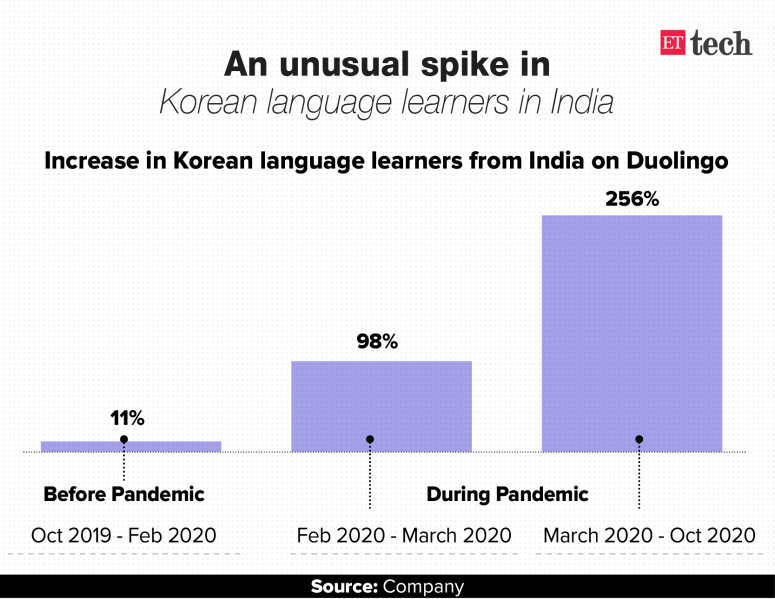
The Korean wave,  the growing global popularity of  Korean culture, swept India a few years ago, but  exploded during a pandemic. Supported by the OTT platform, which has a large investment in Korean programs, the number of people who started watching K-Drama and listening to K-Pop has skyrocketed. Recently, the language learning app Duolingo surveyed 1,013 people in 10  cities in India and found that Korean is  the fastest growing language in India. It was the 7th most popular language for Indians in 2020, but it has risen to the 5th in 2021 and will  continue to rise. Duolingo’s 2021 audio report attributed this primarily to the release of Squid Game in 2021.

Caste in the Modern Age

Caste system is an extreme form of stratification peculiar to India and is hereditary in nature. The above stated system of stratification offers no vertical mobility. One is ascribed his caste from his/her birth and does not have the liberty to choose his/her caste.

Characteristics of Caste System:

  1. Caste: As a hierarchical division of society: The Hindu society is a gradational one. It is divided into several castes and subcastes. A sense of ‘highness’ and ‘lowness’ or ‘superiority’ and ‘inferiority’ is associated with this gradation.
  2. Restrictions on food habits: The restrictions on food habits of the members differ from caste to caste. “Who should accept what kind of food from whom?” is often decided by the caste.
  3. Restrictions on social relations: The idea of ‘pollution’ makes this point clear. It means a touch of a lower caste man would pollute or defile a man of higher caste. Even his shadow is considered enough to pollute a higher caste man.
  4. Social and religious disabilities of certain castes: In the traditional caste society, some lower caste people [particularly, the Harijans] suffered from certain civil or social and religious disabilities. Generally, the impure castes are made to live on the outskirts of the city or the village. Educational facilities, legal rights and political representation were denied to them for a long time.
  5. The civil and religious privileges of certain castes: If the lower caste people suffer from certain disabilities, some higher caste people enjoy certain privileges.
  6. Restrictions on occupational choice: In a caste ridden society, there is a gradation of occupations also. Each caste has its own specific occupation and these were almost hereditary.
  7. Restrictions on marriage: Caste is an endogamous group. Endogamy is a rule of marriage wherein a person has to marry within his or her own caste group.

Changes in the caste system:

The caste system which is an integral part of the Indian system, prior to the coming of the British, had grown into a powerful social institution, with the dominance of Brahmins at the top of the hierarchy. The modern period saw some major developments taking place in the caste system during the two stages:

  1. Caste during the British rule
  2. Caste in Independent India

Caste during the British rule:

  1. Declining hold of Caste Panchayats: The British introduced throughout India uniform legal, legislative and judicial systems. They transferred the judicial powers of the caste councils to the civil and criminal courts which affected the authority which the caste panchayats held on its members.
  2. Influence of social legislation: Some legislations which the British introduced shook the integrity of the caste system. A few of the legislations are as follows:
    1. The Caste Disabilities Removal Act of 1850.
    2. The Special Marriage Act of 1872
    3. The Hindu Widows Remarriage Act of 1856
  3. Impact of social reform movements: The social reforms launched by social reformers during the British rule attacked the caste system and its inequalities. The Brahma Samaj, The Prarthana Samaj, The Arya Samaj, etc focused on condemning and iradicating some stern beliefs related to the Caste system.
  4. Spread of english education and influence of western Ideas: With the establishment of British rule in India came the inflow of many western ideologies such as equality, liberty, democracy, etc.
  5. Influence Of Industrialization: The growth of industries destroyed the old crafts and household industries and provided for countless ways of earning livelihood. People of all castes started making use of new economic opportunities.
  6. Impact of urbanization: In order to reap the benefits of the new opportunities, people started moving towards towns and cities in large numbers.
  7. Influence of freedom struggle and Gandhiji: The freedom struggle organized by the Indian National Congress brought together people of different castes, classes and religions under one banner.

Caste in Independent India:

The political independence of the country brought in a series of changes in the caste system.

  1. The religious beliefs of the caste has been attacked. Caste is no more believed to be divinely ordained.
  2. The restrictions on food habits have been relaxed.
  3. Caste is not very much associated with hereditary occupations.
  4. Endogamy, although still prevails, is not seen as an obligation to all.
  5. The special civil and religious privileges which the Brahmins enjoyed are no more being enjoyed by them.

Although caste still continues to be a segmental division of Hindu society, it is not as much strict as it was before th modern era. There have been certain changes in the role of caste as well in the independent India. Caste has now become an inseparable part of politics. The caste- consciousness of the members has been increasing making every caste wanting to safeguard its interests. The constitution of India has made enough provisions to protect the interests of the Scheduled Castes and the Scheduled Tribes. Caste has its roots embedded deep within the social structure of India and it is next to impossible to completely eradicate it from the social structure of India.

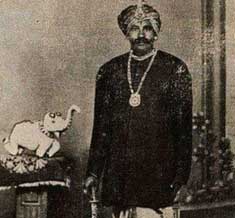
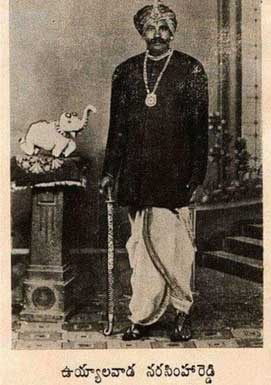
India’s first freedom fighter Narasimha Reddy.

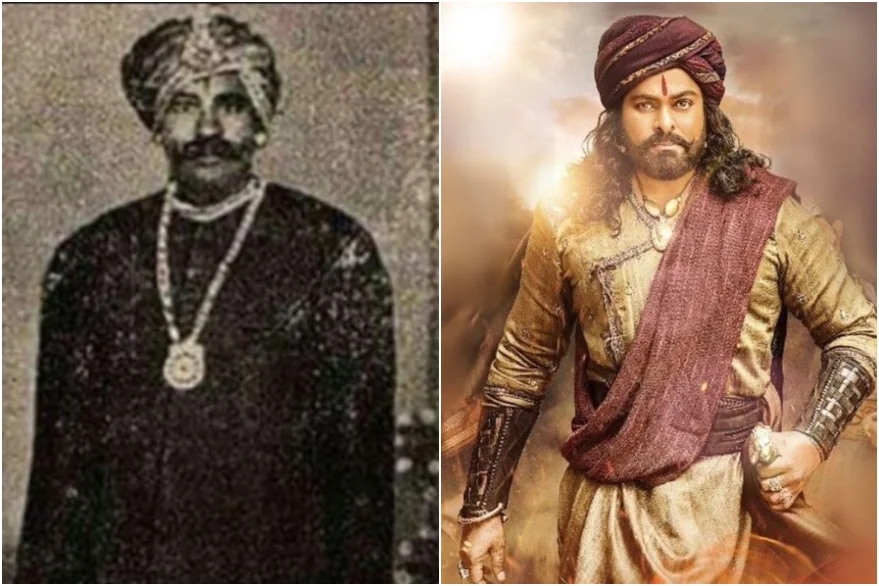
Uyyalawada Narasimha Reddy was an Indian freedom fighter and he was born in Rupanagudi village, on 24 November 1806.

The father of Narasimha Reddy was related to the Palegar family of Uyyalawada in Koilakuntla taluk who had married two daughters of the Palegar of Nossam. He had three sons, of whom Narasimha was the youngest son of the Palegar of Nossam, Seethamma. He married a woman named Siddhamma at the age of 6 .
The British East India Company’s preface to the Chennai Presidency of the 1803 endless agreement, which had first been legislated in Bengal Presidency ten times preliminarily, replaced the agricultural socio- profitable status quo with a further egalitarian arrangement where anyone could cultivate handed that they paid a fixed sum to the East India Company for the honor of doing so.
The Palegars and other advanced- status people who preferred the old agricultural system” represented the decadent social order”, were in numerous cases” arrivistes” and” were also the heirs at law of a social system in which colorful orders of Hindu society were integrated through periods”. These people were ousted of their lands, which were also redistributed, but the primary purpose of the changes was to increase product rather than to restructure the social order. In some cases, it coincided with a discipline because among the dispossessed were those who had lately been involved in fighting the East India Company in the Palegar Wars. Some entered pensions in lieu of the lost lands but at inconsistent rates.


The changes, which included the preface of the ryotwari system and other attempts to maximize profit, deprived vill helmsmen and other advanced- status people of their part as profit collectors and position as lodgers, while also impacting on lower- status tillers by depleting their crops and leaving them impoverished. The East India Company were economically exploiting the people and that those who were dependent on the traditional work were no longer had a means of making a living. As the old order collapsed into disarray, the formerly-authoritative Palegars, including Narasimha Reddy, came the focus of attention from victims, whose pleas fell on deaf cognizance. The Palegars saw a chance to rally peasant opposition both for genuine social reasons.
Narasimha Reddy’s own expostulations too was grounded on their issues. Compared to the Palegar of Nossam, the pension awarded to his family upon their acquisition was paltry and the authorities refused to increase it by redistributing some of the Nossam moneybags when that ultimate family came defunct in 1821. At the same time, some of his cousins were facing proffers for farther reductions in their land rights, including by a reform of the vill policing system.


WAR AGAINT BRITISH EMPIRE
Effects came to a head in 1846 when the Company authorities assumed land rights preliminarily held by colorful people who had failed in the townlets of Goodladurty, Koilakuntla and Nossum. Encouraged by the disgruntlement of others, Reddy came the statuette for an insurrection.
An fortified group, originally comprising those ousted of inam lands around Koilakuntla, was led by Reddy’s Right- hand man Vadde Obanna in July 1846. The Amusement Collector for the area Lord Cochrane, believed that Reddy had material support from fellow pensioners in Bhagyanagar and Kurnool, whose land rights had also been appropriated. The group soon attracted support from the peasantry and was reported by Company authorities to have rampaged in Koilkuntla, taking back the pillaged storeroom there and escaping the police before killing several officers at Mittapally. They also despoiled Rudravaram before moving to an area near to Almore, pursued by the East India Company forces who also girdled them.
A battle between Obanna’s 5000-strong band of revolutionists and a much lower British contingent also took place, with around 200 of the revolutionary being killed and others captured before they were suitable to break out in the direction of Kothakota, Giddalur where Reddy’s family were positioned. He with his family moved to Nallamala Hills . The British offered impulses for information regarding the whereabouts of the revolutionists, who were again girdled amidst reports that uneasiness was now growing in other townlets of the area. In a farther skirmish between the revolutionists and the British, who had transferred for mounts, 40 – 50 revolutionists were killed and 90 were captured, including Reddy. Although there was no substantiation of Obanna’s prisoner, he most conceivably was also a interned along with his leader.
clearances were issued for the arrest of nearly,000 of the revolutionists, of which 412 were released without charge. A farther 273 were bailed and 112 were condemned. Reddy, too, was condemned and in his case entered the death penalty. On 22 February 1847, he was executed in Koilkuntla in front of a crowd of over 2000 people. Reddy’s head on the stronghold wall in public view until 1877.


LEGACY
On 2 October 2019 , a film based on the life of Narsimha Reddy’s life named Sye Raa Narasimha Reddy was released . On 25 March 2021 Kurnool Airport at Orvakal was named as Uyyalawada Reddy Airport .

Ipl revenue more than Epl?

After the 15th edition of IPL concluded in 2022 with the recently formed Gujarat elephants, led by Hardik Pandya, securing palm, the Board of Control for Cricket in India( BCCI) chairman Sourav Ganguly has said, “ The IPL generates further profit than the English Premier League”.


The English Premiere League or the Premiere League is considered the most viewed football event in the world. The Premier League, is the top position of the English football league system. queried by 20 clubs, it operates on a system of creation and deportation with the English Football League.
still, Ganguly’s statement comes at a time when media companies are are fighting for the elusive media rights to the IPL, the world’s richest sports league, anticipated to cost up to$ 6 billion. Ganguly further stated that he feels proud to see that the game of justice has been evolving in India. He also comment “ I have seen the game evolve, where players like me earned a many hundreds and now have the eventuality of earning crores. This game is run by the suckers, by the people of this country, and by the BCCI, which was formed by justice suckers. This sport is strong and will continue to evolve.”
The IPL generates further profit than the English Premier League. It makes me feel happy and proud that the sport I love has evolved to come so strong,” Ganguly said at India Leadership Council Event while speaking to Deepak Lamba, CEO, Worldwide Media, President, Times Strategic results Limited. The IPL 2022 was held in a much larger scale than the former seasons.

How IPL made cricketers and BCCI one of the richest in global sport ?
The Indian Premier League( IPL) in a span of just 15 times has managed to come one of the biggest sporting leagues in the world. The initial edition of the IPL was played in 2008 and there has been no looking back ever since as the T20 league continues to witness a massive growth in its fashionability across the globe. IPL is arguably the biggest T20 league in the world and has the stylish players from across the globe playing their trade in the competition.
The Indian Premiere league has created millionaires out of youthful cricketers and made BCCI as one of the richest governing bodies in the world of global sport.
Aruguably, the high- octane, big- hitting carnivalesque event provides a must- see product, driving broadcast subscriptions by the millions and pulling in huge advertising profit.
IPL brigades admit a share of the TV rights and backing plutocrat, and around 10 to 15 percent of ticket deals.
They can also induce their own profit through economic shirt or other auspices.

Profit Creators
The BCCI earned$ 533 million from the IPL in 2020, treasurer Arun Dhumal told Indian media, but its finances are marked in secretiveness.
In its 15th time, the BCCI is anticipated to earn fresh profit of ₹ crore per time( ₹,715 crore for 10 times) from the new brigades besides ₹ 444 crore which it has entered from VIVO as a reassessment figure.
When the event expanded to 10 brigades this time from the original eight, the transaction for the rights to enjoy the new votes drew transnational stab including the Glazer family, who enjoy Manchester United.
They were eventually beaten out by Indian mogul Sanjiv Goenka’s RPSG empire, who paid the BCCI$ 930 million to form the Lucknow Super Giants.
The alternate new ballot, the Gujarat Titans, bring the global adventure fund CVC Capital$ 690 million. The brigades spent nearly$ 75 million in the February player transaction, with Mumbai Indians retaining gate- keeper- batsman Ishan Kishan for$ 2 million and Punjab lords paying England’s Liam Livingstone$1.52 million for his services.

Broadcast rights are the BCCI’s biggest plutocrat- incentive. Star India, possessed by Disney, paid$2.55 billion for a five- time TV and digital rights deal that expires at the end of this season.

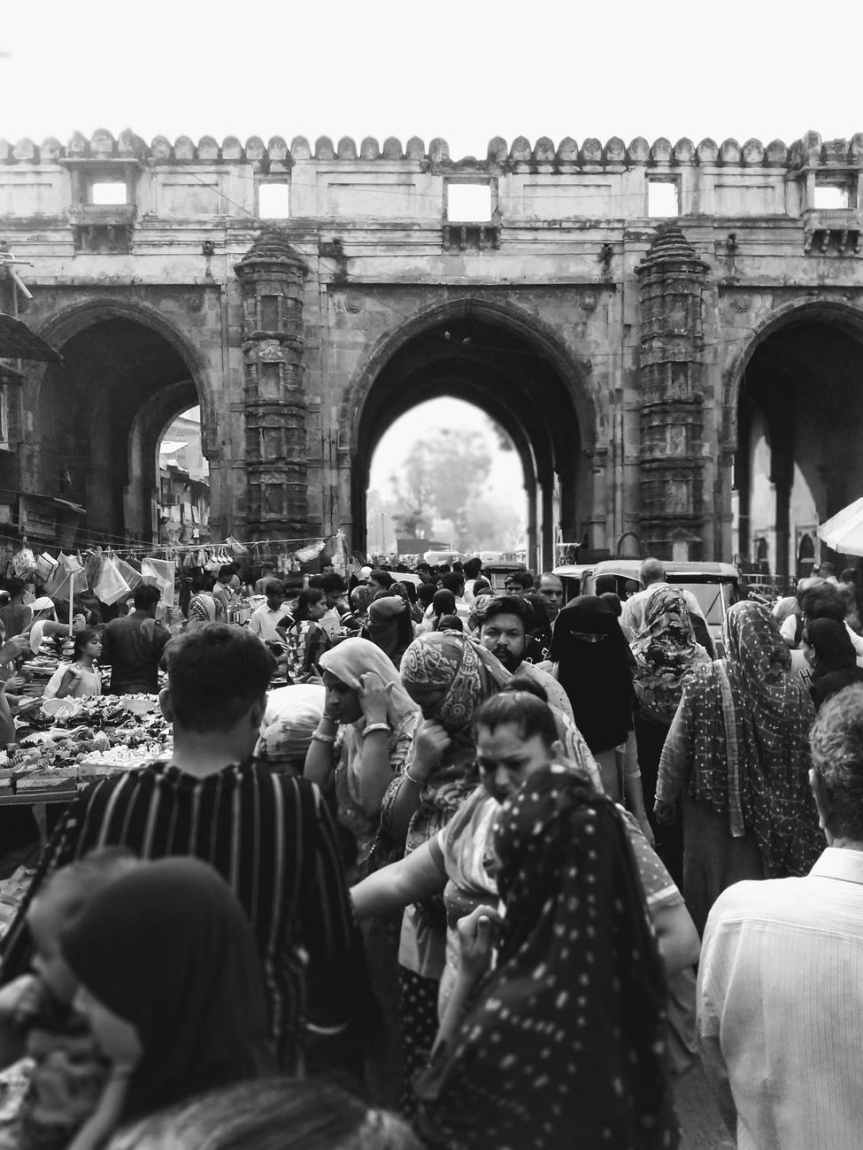
Caste: the historical facet peculiar to India

The caste system, the joint family system and the village system of life are often regarded as the three basic pillars of the historical Indian social system. The caste system as a form of stratification is peculiar to India. The caste system is an inseparable aspect of the Indian society. It is peculiarly Indian in origin and development. Caste is closely connected to Hindu philosophy and religion, customs and traditions, marriage and family, morals and manners, food and dress habits, occupations and hobbies. The caste system is believed to have divine origin and sanctions. The caste stratification of the Indian society has had its origin in the Chaturvarna system. According to the Chaturvana doctrine, the Hindu society was divided into four main varnas namely: the Brahmins, the Kshatriyas, the Vaishyas and the Shudras. The caste system owes its origin to the varna system.

Definition of Caste as given by some prominent sociologists:

MacIver and Page: “When status is wholly predetermined so that men are born to their lot without any hope of changing it, then the class takes the extreme form of caste.”

C. H. Cooley: “When a class is somewhat strictly hereditary, we may call it caste.”

D. N. Majumdar and T. N. Madan have said that caste is a ‘closed group’.

Perspectives on caste system in India:

The perspectives on the study of caste system include Indological or ideological, social anthropological and sociological perspectives. The Indological or ideological perspective takes its cue from the scriptures about the origin, purpose and future of the caste system, whereas the cultural perspective of the social anthropologist looks the origin and growth of caste system, its development, and the process of change in its structure or social structural arrangements as well as in the cultural system also view caste system not only as unique phenomenon found in India, but also in ancient Egypt, medieval Europe, etc. But the sociological perspective views caste system as a phenomenon of social inequality. Society, especially, Hindu social system has certain structural aspects, which distribute members in different social positions. It shows concerns with growth of the caste system. Many sociologists put forward their theory of caste with respect to Indian society. Some prominent sociologists in this regard are, G. H. Ghurye, Louis Dumont and M. N. Srinivas.

G. H. Ghurye theory of caste:

G. H. Ghurye is regarded as the father of Indian sociology. His understanding of caste in India can be considered historical, Indological as well as comparative. In his book, “Caste and race in India” he agrees with Sir Herbert Risley that “Caste is a product of race that came to India along with the Aryans”. According to him caste originated from race and occupation stabilized it. Ghurye explains caste system in India based on six distinctive characteristics:

1. Segmental division of society: Under caste system, society is divided into several small social groups called castes. Additionally, there are multiple divisions and subdivisions of caste system.

2. Hierarchy: According to Ghurye, caste is hierarchical. Theoretically, Brahmins occupy the top position ad Shudras occupy the bottom. The castes can be graded and arranged into a hierarchy on the basis of their social precedence.

3. Civil and religious disabilities and privileges: This reflects the rigidity of the caste system. In a caste system, there is an unequal distribution of disabilities and privileges among its members. While the higher castes enjoy all the privileges, the lower castes suffer from various types of disabilities.

4. Lack of unrestricted choice of occupation: The occupations in caste system are fixed by heredity and generally members are not allowed to change their traditional occupations. The higher caste members maintain their supremacy in their jobs and do not allow other caste group to join in the same occupation.

5. Restriction on food, drinks and social intercourse: Restriction on feeding and social intercourse are still prevalent in Indian society. There are two types of food I.e., Kacha (cooked) food and Pakka (raw) food upon which certain restrictions are imposed with regard to sharing.

6. Endogamy: Every caste insists that its members should marry within their own caste group.

Louis Dumont theory of caste:

Louis Dumont was a French Sociologist and Indologist. His understanding of caste lays emphasis on attributes of caste that is why; he is put in the category of those following the attributional approach to the caste system. Dumont says that caste is not a form of stratification but a special form of inequality, whose essence has to be deciphered by sociologists. Dumont identifies hierarchy as the essence of caste system. According to Dumont, Caste divides the whole Indian society into a larger number of hereditary groups, distinguished from each other and connected through three characteristics:

1. Separation on the basis of rules of caste and marriage,

2. Division of labor, and

3. Gradation of status.

He also put forward the concept of ‘pure’ and ‘impure’ which was widely seen in the Caste ridden society. The Brahmins were assigned with priestly functions, occupied the top rank in the social hierarchy and were considered “pure” as compared to other castes. The untouchables being “impure”, were segregated outside the village and were not allowed to drink water from the same wells from which the Brahmins did so. Besides this, they did not have any access to Hindu temples and suffered from various disabilities.

M. N. Srinivas theory of caste:

M. N. Srinivas was one of the first-generation Indian sociologists in post-Independence period. Srinivas approach to study of caste is attributional I.e., analyses caste through its attributes. He assigned certain attributes to the caste system. These are:

1. Hierarchy

2. Occupational differentiation

3. Pollution and Purity

4. Caste Panchayats and assemblies

5. Endogamy

Besides caste, Srinivas looks for yet another source or manifestation of tradition. He found it in the notion of ‘dominant caste’. He had defined dominant caste in terms of six attributes placed in conjunction:

Sizeable amount of arable land,

Strength of numbers,

High place in the local hierarchy,

Western education,

Urban sources of income and

Jobs in the administration

Of the above attributes of the dominant caste, the following two are important:

Numerical strength, and

Economic power through ownership of land

He also introduced the concept of “Brahmanisation” wherein the lower caste people imitate the lifestyle and habits of the Brahmins. This concept was further changed to “Sanskritisation”.

These are a few theories of caste system that prevailed before the rise of modern India owing to the revolutions undergone during the British rule.


The Green Revolution in India

Photo by Pixabay on Pexels.com

The great increase in production of food grains(like rice and wheat) due to the introduction of high yielding varieties,to the use of pesticides, and to bettter management techniques is known as the Green Revolution in India.
A part of a larger initiative by Norman Borlaug, green revolution in India was founded by M.S Swaminathan. The aim was to increase agricultural productivity in the developing world with the use of technology and agricultural research. The Green Revolution started in 1965 with the first introduction of High yielding variety(HYV)seeds in Indian agriculture. The end result of the Green Revolution was to make India self sufficient when it came to food grains. The Green Revolution in India was first introduced in Punjab in the late 1960s as a part of a development program issued by international donor agencies and the government of India. During the British Raj, India’s grain economy hinged on a unilateral relation of exploitation. The Green Revolution resulted in increased production of food grains (especially wheatand rice) and was in large part due to the introduction into developing countries of new, high-yielding varieties, beginning in the mid-20th century with Borlaug’s work. Borlaug developed a short-stemmed (“dwarf”) strain of wheat that increased crop yields. Previously, taller wheat varieties would break under the weight of the heads if production was increased by chemical fertilizers. Borlaug’s short-stemmed wheat could withstand the increased weight of fertilized heads.Wheat production in Mexico multiplied threefold owing to this and other varieties.Following Borlaug’s success in Mexico, the Indian and Pakistani goverments requested his assistance. Borlaug began his agricultural revolution in Asia. With India and Pakistan facing food shortages due to rapid population growth, the importation of Borlaug’s dwarf wheat in the mid-1960s was a key element if Green Revolution in India and helped the country to become agriculturally self sufficient.

What are the main features of Green Revolution?
1) Introduction of new and high yielding variety of seeds
2) Increased use of fertilizers, pesticides and weedicides to reduce agricultural losses.
3) Increased application of fertilisers to enhance agricultural productivity.
4) Use of latest agricultural machinery like tractors, threshers and harvesters etc.
5) Use of disease resistant varieties so that production will enhance.

Pros and cons of Green Revolution
Pros:
1) increase in agricultural production
2) reduction in import of food grains
3) increase quality of food
4) increase tolerance to pests, diseases and weeds
5) prosperity of farmers and helps in rural employment
Cons:
1) expensive seeds
2) ecological problems like soil erosion, waterlogging, desertification etc.
3) creates lack of biodiversity
4) health impacts from increased pesticides and fertilisers
5) deforestation

The White Revolution in India

Photo by Engin Akyurt on Pexels.com

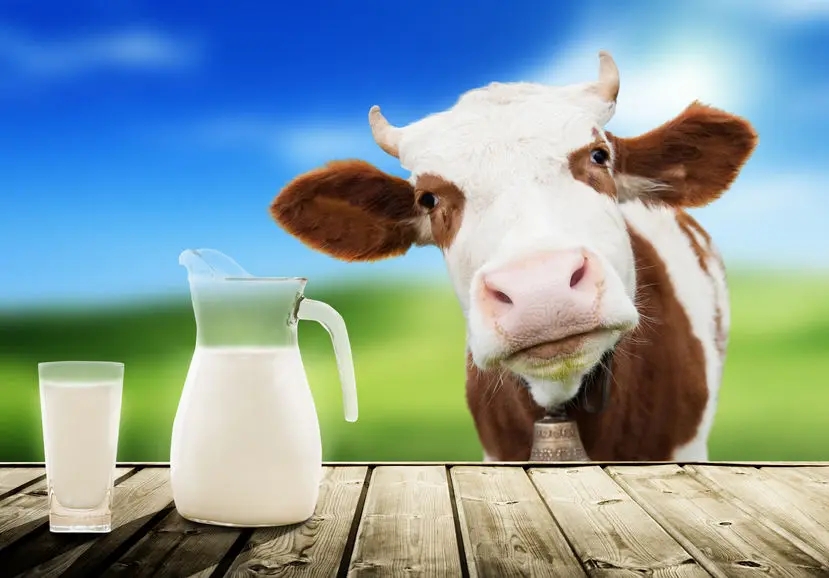
The revolution associated with a sharp increase in milk production in the country is called the White Revolution in India also known as Operation Flood. White revolution period intended to make India a self-dependent nation in milk production.
Verghese Kurien ,the founder of Amul introduced White revolution in India. He is known as the father of white revolution in India.
Operation Flood started the White Revolution in India and made our country self-sufficient in milk and this was achieved entirely through the cooperative structure.One of the largest of its kind, the programme objective was to create a nationwide milk grid. It resulted in making India one of the largest producers of milk and milk products, and hence is also called the White Revolution of India. It also helped reduce malpractices by milk traders and merchants. The White Revolution in India was successful in transforming the country from a milk deficient nation to a world leader in milk production. It helped dairy-farming become India’s largest self-sustaining industry and also, India’s largest rural employment provider.

Advantages and disadvantages of white revolution
Advantage:
1) ended imports of milk solids in India.
2) India started exporting milk powder to many foreign nations.
3) dairy industries and infrastructures modernised and expanded.
4) more employment in the field of dairy farming.
5) dairy needs are met locally.
Disadvantage:
1) since livestock are prone to many diseases, milk obtained from them during such conditions leads to disease spreading.
2) adulteration of milk and dairy products.

Bangladesh War 1971- One of the shortest wars in History

In 1971, India won the war against Pakistan that resulted in the birth of Bangladesh (then East Pakistan).
Pakistan lost half its country, its forces in the East, and had to publicly surrender to India. It was also the largest military surrender after World War II. 

So what happened during 1970s an internal crisis occured in Pakistan. So what happwned is when the 1st general elections took place a split occured between West Pakistan and East Pakistan. In West Pakistan , Zulfikar Ali Bhutto won the elections and in East Pakistan, the Awami league leaded by Sheikh Mujibur Rehman won . Now the bengali population that was in east Pakistan, they voted for Awami league because they were protesting against the dominance of West Pakistan and they were being treated as 3rd class citizens. But the Pakistan rulers in West and East Pakistan were not ready to accept this demovratic verdict.In 1971, Pakistani Army began to commit the genocide on innocent Bengali population, particularly in East Pakistan. So former Prime Minister Indira Gandhi decided to take action against Pakistan at the same time by give refuge to civilians from other side of the border. Throughout 1971, India had to bear the burden of some 80 lakh refugees who fled from East Pakistan and took shelter in India. After months of diplomatic tension and military build up a full scale war broke out between India and Pakistan on dec 1971. The war lasted 13 days and was one of shortest wars in history. The war ended after the Chief of Pakistani forces general AAK Niazi along with his troopes surrendered to Indian Army and Bangladesh’s Mukti Bahini.
General AAK Niazi signed the instrument of surrender in Dhaka marking the formation of East Pakistan as new nation of Bangladesh. Pakistan also lost half its territory after formation of Bangladesh.  On august 1972 India signed Shimla agreement with Pakistan under which the former agreed to release all the 93,000 Pakistani prisoners of war.

The 4 phases in Bollywood Cinema

Photo by Tima Miroshnichenko on Pexels.com

Bollywood, or the Hindi film industry of India which produces almost 1000 films every year is the world’s largest film industry. From the time the first Indian sound film, Alam Ara was produced in 1931 till the present decade, this industry has a remarkably rich history of producing a variety of movies, showcasing different spheres of Indian life, in myriad themes, be it comedy, romance, thriller, horror or drama. However, there has been a changing trend in the representation of Indian films through the years. The way movies were made in the 1950s is completely different from the way it is done in the twenty first century.
In this presentation I would like to share the changes that the Indian film industry has seen over the decades.

In order to understand the trends better let us divide it into 4 phases!
The first phase would consist of the movies made from the 1940s till the early 1960s. This phase is called the “Golden Era of the India cinema” where critically acclaimed movies like Awaara(1951), Shree 420(1955) and Mother India(1957) to name a few were made. These movies revolved around the common man, who faced various struggles in life, which the audience could relate to and would finally come out as a man with the right morals. These stories showed the protagonist to be poor who even though wavered from his path (mainly due to greed and success) would finally realize his mistakes and be a better person in the end and overcome his troubles in a just manner.

The second phase is the phase from late 1960s to the early 1980s. This phase saw a distinctive shift in the general storyline of the movies. Movies like Aradhana( 1969) , Anand (1970) , Bobby (1973) and Sholay(1975) mark this period.  These movies were more action based and romantic in nature. Violence became an integral part of the movies, and a lot of emphasis was given on villains, who were basically underworld mafias. The image of the “angry young man” was introduced here, a brooding hero who was very good at delivering his punches and kicks, would destroy the villains and win the lady’s heart in the end. A lot of films during this time revolved around this basic theme.

The third phase is from the late 1980s till early 2000s. This phase saw the most diverse shifts in the movie-making procedure in India. Advanced technology was introduced in the country. The first Indian sci-fi movie Mr. India was released in 1987 which was a runaway hit. Romance was still the main theme. Romance films have been popular with the masses in India. The target audience in the romance genre is youth. As urban populations grew in the 80s, the number of youth-centric romantic comedies increased considerably.The new wave of romance movies had situational comedy that became a hit with audiences. 
A lot of movies were shot abroad in this phase. Some of the best Bollywood romance movies and romantic comedies from late 1980s to early 2000s are – Qayamat Se Qayamat Tak- 1988, Andaz Apna Apna- 1994  Dilwale Dulhania Le Jayenge- 1995, Jab we met (2007) , Dostana(2008) and others.


The last and the ongoing phase started in late 2000s. This phase introduced a lot of technical advancements in the ways movies are made. From Koi Mil Gaya(2003) Ra.One(2011) to Mission Mangal (2019) movies put a greater emphasis on the visual effects rather than the story. A lot of movies have been shot abroad, with only the mention of India.

A state in India that is free of patriarchy

Photo by Angshu Purkait on Pexels.com

Meghalaya – a state in northeastern India has always been a far cry from the rest of India.The state is home to the Khasi and the Garo people, two of the few tribes to follow a matriarchal structure of society.

In a country like India, where the status of women is considered to be lower to that of men, where daughters of the household are treated as paraya dhan who are supposed to get married one day and go to her husband’s family , and the patriarchal system that subjugates women, oppresses women and tells them that they are not up to the mark and not as important as men,the fact that there are societies with a culture of dominant women is a wonder in itself! Unlike many places in India, where the birth of a girl is accompanied by reactions ranging from subdued acceptance to outright rage, the birth of a girl in places like Shillong is celebrated with mirth and laughter.There is no disparity in the treatment of women in urban and rural households of the Khasis and the Garos.In Khasi marriages, the men go and live with the wife and her family which is in stark contrast to most other communities in India, which see tearful goodbyes between the woman’s family.
An interesting and little known fact is that Khasi children take the title of their mother and her clan. This effectively means there are no illegitimate children among them.
It is refreshing to know that such a rare scene exists in our own country. For a nation plagued by a mindset of misogyny, the culture and traditions found in Meghalaya serves as a beacon of hope and change.

UPSC CSE PRELIMS 2022 Paper Analysis

UPSC successfully conducted the Prelims stage for Civil Services Examination 2022 on 5th June 2022 (sunday). Paper 1 was conducted from 9:30 am to 11:30 am. Paper 2 CSAT was from 2:30 pm to 4:30 pm.

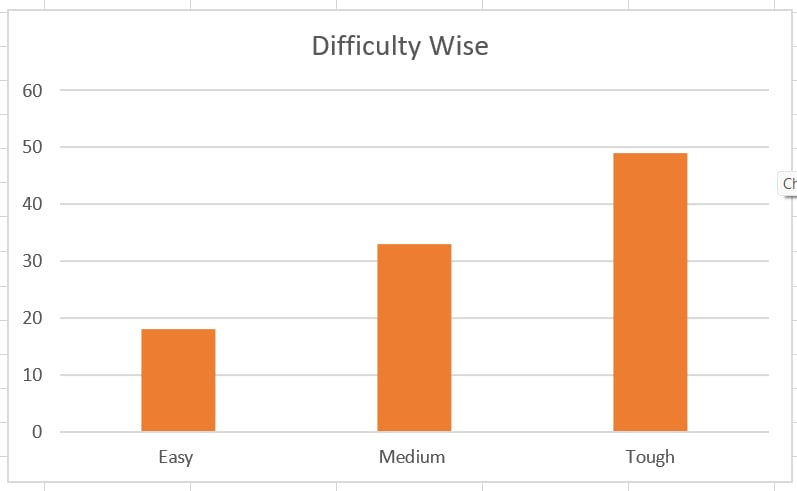
Many aspirants and coaching Institutes will be analysing the question paper for quiet a few days. Many professionals and teachers will be engaged in preparing answer key. Candidates have rated this year’s question as moderate to difficult (GS – Paper 1).

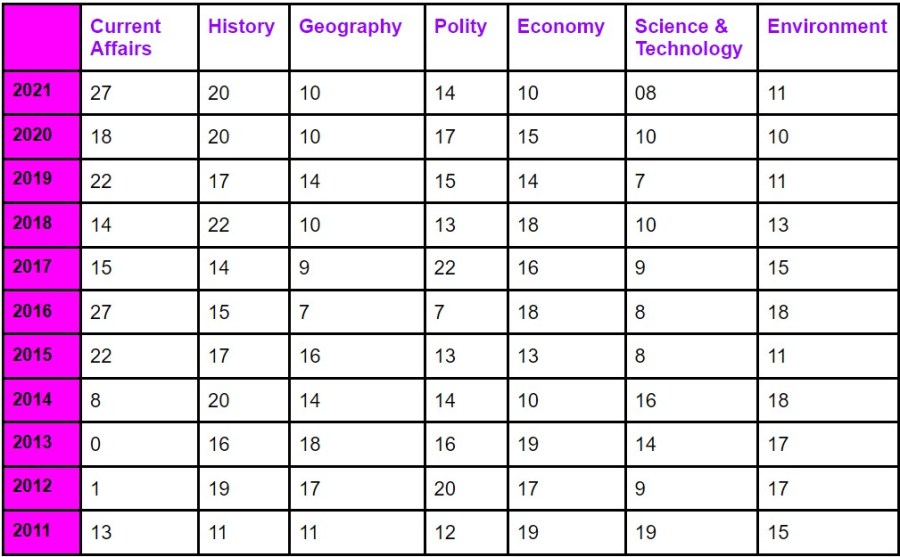
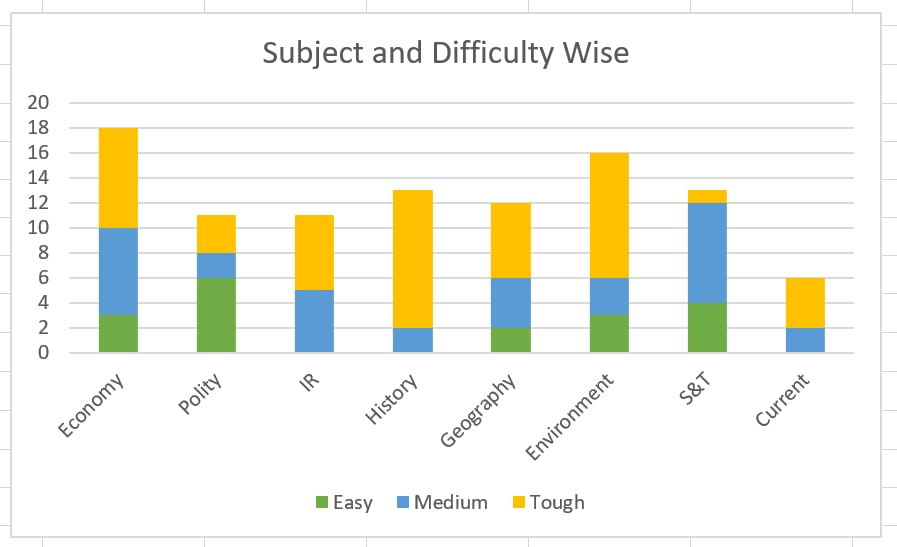
Here is the analysis of number of questions coming from each section for past 10 years.

As evident from the data above, the composition of question paper is very dynamic in nature. No one can predict which section is more/less important than others.

Below is the cut-off of prelims for general category.

2015107.34/20053.67
2016116.00/20058.00
2017105.34/20052.67
201898/20049.00
201998/20049.00
202092.5 /20046.61
202187.5 /20043.77

This year the number of vacancies have also increased so aspirants are quiet positive and filled with enthusiasm.

Prelims paper 1 analysis (2022)

Prelims paper 1 analysis

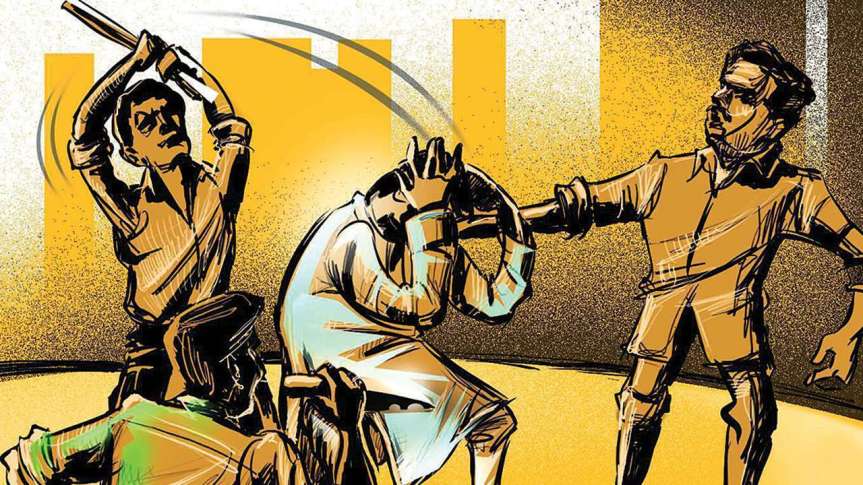
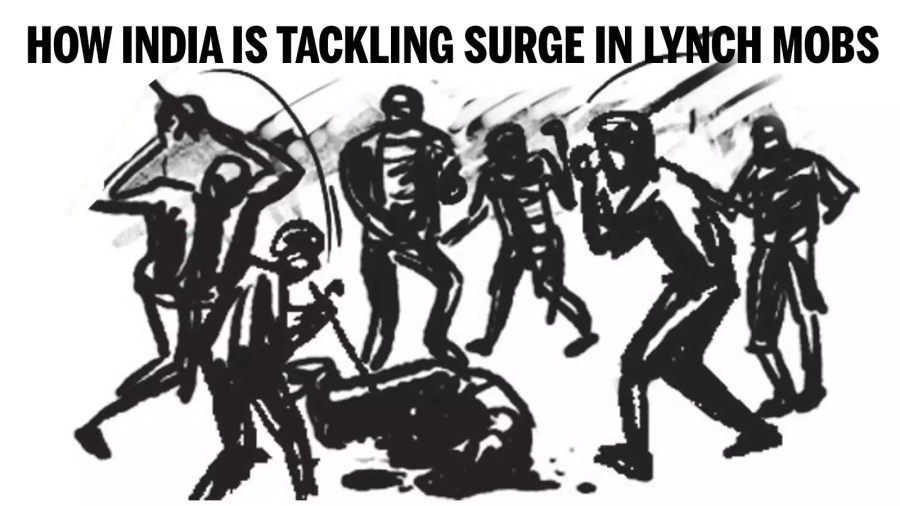
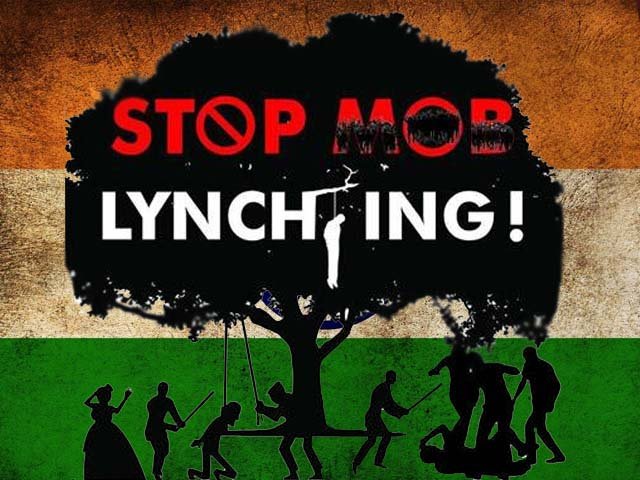
MOB VIOLENCE AND LYNCHING

Mob Violence or Lynching is one of the major challenges to State authority. Though it can be done by group of people in rage, typically it involves vigilante group, i.e. self-appointed doer of justice, who keep watch over people and punish them in their own way (Vigilantism). In both forms, it goes against the rule of law and notion of a civilized society due to the destructive expression of emotions in it for immediate gratification.

About Mob Violence/lynching 

Mob Violence or Mob Lynching is defined as targeted homicidal aggression, including killing, against a person/s by a group of people or mob to Punish for a crime actually committed or mere suspicion based on allegations or misinformation.

Fundamentally, it is seen in two ways as- 

  • Defence of society, i.e. protest against anarchy, due to failure of law enforcement agencies in curbing the issues of cow theft, kidnapping, crimes etc. or 
  • Offence against society, i.e. return of anarchy, as it goes against the fundamental principle of law, i.e. what the law provides must be taken by lawful means. Self-appointed people holds no right to undertake law enforcement 

Ethically, it goes against the moral principles like fairness and reasonableness. If it is not controlled, it may give rise to social hatred with increased tendency of mass criminal outburst, ultimately leading to a state of anarchy.

Reasons behind Lynching

  • Religious Beliefs or Principles: Being a multi-religious society, the religious beliefs or principles play an important role with imposition of one’s beliefs on others.
  • Socio-cultural Influences: This includes the historical socio-cultural norms or moral principles which govern a person’s behaviour or attitude towards an action. E.g. From 2000-2012, nearly 2,097 lynching due to witchcraft were reported from 12 states of India. 
  • Feelings of Fear or Hate: Often, the rumours of being kidnappers or actual action of person/s give rise to lynching. E.g. the killing of Sadhus in Palghar on rumour.
  • Lack of trust in the efficacy of laws: Either due to dissatisfaction from implementation of laws or judicial delays, mob justice is seen by non-state actors as a discharge of public duty.

Solution to Lynching 

In Tehseen Poonawalla vs UOI (2018), Supreme Court issued preventive, remedial and punitive guidelines to deal with mob violence and lynching . Calling it a “horrendous act of mobocracy”, the Supreme Court also asked Parliament to establish lynching as a separate offence with punishment. Presently, it is mainly dealt under various sections of IPC with a handful of states taking legal initiatives.

  • Societal Approach: Regulation of social behavior is the first step to stop mob violence and protect rights conferred to the citizens.
  • Governmental Approach: Apart from bringing laws and guiding society on social behaviour, the government should apply emotional intelligence to handle conflicts with equal condemnation of social and political violence to avoid revenge tendencies. 
  • People-centric Approach: As the people make society and government, people must seek true freedom through a life based on reason (objectivity or rational will), self-control and virtues of empathy, compassion, and humanity.

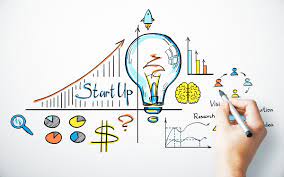
India’s Start up Ecosystem

Recently, the number of unicorns in India reached the 100-mark. One unicorn means a startup of at least Rs 7,500 crore turnover. The total valuation of these unicorns is USD 330 billion, that is over Rs 25 lakh crore. The average annual growth rate of Indian unicorns is more than that of the U.S., the U.K. and many other countries.

  • A unicorn is any privately owned firm with a market capitalization of more than USD 1 billion.
  • It denotes new entities dedicated to offering creative solutions and new business models, among other things.
  • There are several categories like fintechEdtechs, B2B (Business-to-Business) companies, etc.

India has become the 3rd largest start-up ecosystem in the world after the US and China. 44 Indian start-ups have achieved unicorn status in 2021 taking the overall tally of unicorns to 83, most of which are in the services sector. India has seen such rapid growth in unicorns due to several strategic as well as conditional reasons.

Government of India is understanding the value of working with disruptive innovators across the value chain and using their innovations to improve public service delivery. The pandemic accelerated the adoption of digital services by consumers helping start-ups and new-age ventures build tech-focused businesses for customers. Many Indians moved to online services exploring a host of services ranging from food delivery and Edu-tech to e-grocery. he growth of Digital Payments is another aspect that aided the unicorn the most.

Challenges:

Increasing Investments Do Not Ensure Success of a Startup: Amid the Covid-19 crisis, when the central banks have released a global glut of liquidity, money is no more a difficult task to raise.

The billions of dollars being invested in startups represent the large bets on distant outcomes, and not value generation by way of revenues. Plus, one cannot assume the high rate of survival of these startups with such investments, as it can be assured by profits.

India, still a Marginal Player in the Space Sector: While India’s startups in the fintech and e-commerce sector are doing exceptionally well, the space startup sector remains an outlier.

This is despite the fact that India is a leading space-faring country with end-to-end capabilities to make satellites, develop augmented launch vehicles and deploy interplanetary missions.

The reason for the lack of independent private participation in space includes the absence of a framework to provide transparency and clarity in laws.

Indian Investors Unwilling to Take Risks: The big investors in India’s startup sector are from overseas, Japan’s SoftBank, China’s Alibaba, and Sequoia from the US.

That’s because India does not have a serious venture capital industry with an appetite for risk. The country’s established conglomerates have mostly stuck to traditional businesses.

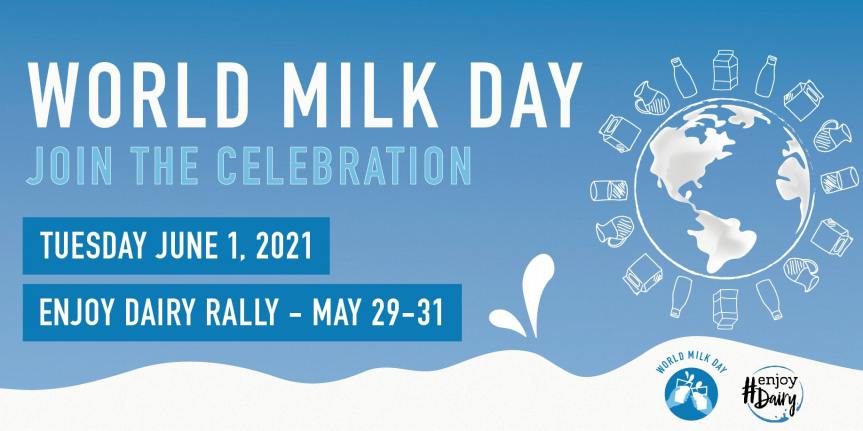
World Milk Day

June 1 is observed as World Milk Day every year. World Milk Day is a day established by the Food and Agriculture Organization (FAO) of the United Nations in 2001 to recognize the importance of milk as a global food.

The day is intended to provide an opportunity to bring attention to activities that are connected with the dairy sector. This year’s theme will highlight the work already being done to accelerate climate action and help reduce the dairy sector’s impact on the planet.

Using the World Milk Day platform, awareness of the messaging and action will be raised towards Dairy Net Zero.

Indian Dairy Sector: 

  • India is the world’s largest milk producer, with 22% of global production, followed by the United States of America, China, Pakistan and Brazil.
  • Milk production in the country has grown at a compound annual growth rate of about 6.2% to reach 209.96 mn tonnes in 2020-21 from 146.31 mn tonnes in 2014
  • The top 5 milk-producing states are: Uttar Pradesh (14.9%), Rajasthan (14.6%), Madhya Pradesh (8.6%), Gujarat (7.6%) and Andhra Pradesh (7.0%).

What are the Initiatives of the Government of India related to Dairy Sector?

  • Rashtriya Gokul Mission: This mission is launched to improve productivity and enhance milk production through genetic upgradation of bovine population and development and conservation of indigenous bovine breeds.
  • Gopal Ratna Award 2021: Gopal Ratna Award is given to encourage all individual farmers, artificial insemination technicians and Dairy cooperative societies working in this sector.
  • Nationwide Artificial Insemination Programme: Under this programme, Artificial Insemination services delivered free of cost at farmers’ doorstep.
  • e-GOPALA app: A comprehensive breed improvement marketplace and information portal for direct use of farmers in the form of the e-GOPALA app (Generation of Wealth through Productive Livestock)
  • National Programme for Dairy Development (NPDD): It is launched across the country since 2014 with an objective of strengthening of infrastructure for Production of quality milk, Procurement, Processing and Marketing of Milk & Milk Products through State Implementing Agency (SIA) i.e State Cooperative Dairy Federation.
  • Kisan Credit Card (KCC) for Animal Husbandry & Dairying Farmers: Through Kisan Credit Cards, farmers are enabled to gain access to institutional credit at concessional interest rate for working capital expenditure.