HONOR KILLINGS -not so honorable!

For ages the Indian society has been embroiled down by many social evils and many of them were pertaining to woman. Women have always been on the target ranging from female infanticide, dowry, domestic violence, prostitution, rape  etc. although with changing times people have been educated and changed their perception and these practices have been reduced in some places but till date there are certain social evils  prevalent in not only our country but many other countries , one such act is of HONOR KILLING.

According to a survey there are more than 300 cases of honor killing in last 3 years in India. It is one of the most tenacious forms of gender violence – and also the least acknowledged.

In India, women are not considered individual entity  with lives and choices of their own. Instead, they are seen as the torchbearers of family ‘honor’. The “honor (ijjat)” of a family,society or the community is so called the ‘purity of women. Hence, instead of being considered as independent individuals with their own choices, women’s lives are controlled by an honor code.

Human Rights Watch defines “honor killings” as, Honor crimes are acts of violence, usually murder, committed by male members of family against females of the family who are seemed to have brought dishonor upon the family. The mere perception that a woman has acted in a manner to bring “dishonor” to the family is enough to trigger an attack. Sometimes men can also be the victims of honor killings by members of the family of a woman with whom they are considered to have an inappropriate relationship, or by partaking in homosexual activities.

Honor killings are often a result of strongly misogynistic views towards women, and also  the position of women in society. In these traditionally patriarchal  societies women are dependent first on their father and then on their husband, whom they are expected to obey. Women are contemplated  as property and not as individuals with their own agency. Violence is seen as a way of ensuring compliance and to avert the rebellion.

The concept of ownership has turned women into a commodity that can be exchanged, bought and sold”.In such cultures, women are restricted to take control over their bodies and sexuality: these are the properties of the males of the family, the father (and other male relatives) who must ensure virginity until marriage; and then the husband to whom his wife’s sexuality is subordinated—a woman must not sabotage the ownership rights of her guardian by engaging in premarital sex or adultery.

The occurrences of honor killings are extremely  difficult to determine and estimates vary widely. In most countries data on honor killings isn’t collected systematically, and most of those killings are reported by the families as suicides or accidents.  Murder is not the only form of honor crime, other crimes such as acid attacks, abduction, mutilations, and domestic violence occur too.  The cultures in which honor killings take place are usually considered “collectivist cultures”, where the family’s pride is more important than the individuals life.
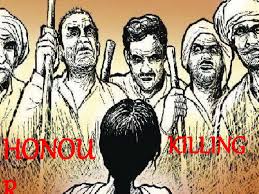
LETS TAKE FEW RECENT EXAMPLES OF THESE HIDEOUS KILLINGS IN INDIA

Couple killed in Tamil Nadu

25-year-old Nandhish from the Dalit community fell in love with Swathi, an upper caste woman. The couple got married and lived together for a few months before they were both murdered by the couple’s father. Swathi’s father has confessed to murdering them and throwing the bodies into a river in Tamil Nadu’s Krishnagiri district.

Honour killing caught on CCTV

Amrutha, who belongs to a wealthy upper caste family, fell in love with Pranay from the Dalit community and the couple got married. In September 2018, while returning after a medical check-up, Pranay was hacked to death in broad daylight in front of his pregnant wife. The gruesome murder that shook south India was caught on CCTV. Amrutha’s father confessed to have plotted the murder as he did not approve of Pranay’s caste and lack of wealth.

Minor killed allegedly by father 

In Chandigarh, a 16-year-old girl was found dead in mysterious circumstances in October. Why ??? only because The girl was reported to be in love with a 19-year-old from her village. The girl’s parents had earlier filed a rape case against him.

And recently on 6 may 2020 in Hisar, a woman died at a village near Uklana town of Hisar district on Monday. Her live in partner alleged an honour killing. The Village sarpanch said she died of electric shocks sustained while ironing clothes, in his police complaint, The man had an affair with the deceased for last 3years and said that her family was against their marriage.

Although honor killings are often linked with the Asian continent, especially the middle east  and South Asia. In 2000, the United Nations estimated that 5,000 women were victims of honor killings each year . The existence of ‘honor killings’ all over the world puts universal human rights under severe threat . It puts the agency of “individualism” and “choice” against the notion of collective social agency and strict norms. The right to marry comes under “right to life” enshrined by Article 21 of the Constitution of India. However, In India, the concept of free will in exercising the right to marry is considered more as a duty or social in nature, rather than an individual choice or opinion.


The term “honor” crime is somewhat misleading because it implicit that such crimes are “honorable”. These acts of violence, attack something more than women’s bodies: they additionally strike their challenge to oppressive patriarchy. By adding the word “honor” to killing, we use the language of those who rationalize  this loathsome crime on the basis of “honorable” motives. We use the language of their excuse. We must stop doing this. The term “honor killing” not only gives too much power to the culprit, but is offensive to survivors and women. Instead, we need to see the crime through the eyes of those assaulted.

It is true that these culprits invariably invoke their slighted “honor”. But there is a further common feature: this violence seeks to punish women for seeking to exercise independent choice, and to flout not only the wishes of their families and societal  expectation – for daring to be free. That’s the heart of the matter, and that’s the right lens to view the problem through.
How Tea drinking has evolved around the world

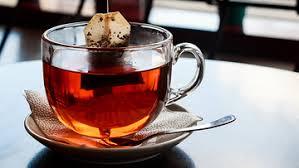
When you get up early in the morning and start your day the first thing you aspire for is tea. Tea is refreshing, energetic drink that sets up your day. we get to know about the popularity of tea from the fact that it is 2nd most consumed drink after water all around the globe. Tea is an aromatic beverage commonly prepared by pouring hot or boiling water over tea powder prepared by crushing leaves of the Camellia sinensis , an evergreen shrub (bush) usually found in East Asia . Tea is very ancient drink as its origin dates back to around 3rd century AD which is mentioned in medical records of Hua Tuo in the regions of today’s worlds North Burma and southwestern China.

Tea: history and origin

Tea has been in use as energetic and recreational drink since ancient time. During 18th-19th century tea had become very popular among Britishers who were using it as recreational drink. They were so much addicted to tea that they had started trading Opium drug derived from the seed capsules of the opium poppy Papaver somniferum grown in mostly Northeast part of India for the miraculous plant leaves Camellia sinensis from plantations of China. Later the Chinese liberals started fights against this conspiracy of western countries against Asian countries especially against East Asia. This led to famous Opium wars between two countries.

Tea and Health

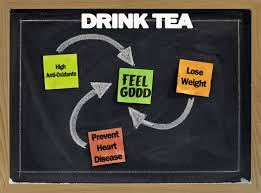
Tea has many positive effects on health.If you are up to lose your weight then tea can be your best partner.Many researchers have stated that consumption of Tea helps in reducing risk of heart attacks as it lowers cholesterol level,it also helps in maintaining blood pressure.Green tea drinking is very effective to reduce risk against cancer and also it improves brain functioning.

Though it has many good health effects but its over consumption can lead to caffeine overload leading to dizziness,nervousness and disturb in sleep. It can also cause muscle pain , heartburn etc. It is recommended that daily intake of caffeine should not exceed 40 milligrams.

Tea: beverage of the world

Tea has gained popularity in almost over 100 countries where people enjoy this drink in various forms. A balanced consumption of tea is like boon to us.Tea has evolved over the centuries from native to only China and east Asia in 3rd century AD to almost in every household of the world in this 21st century.

How news isn’t what we think it is

In todays age, we live in a techno-savvy generation from where we get our every information. And with all that has been happening throughout the world, I think we can all agree that it has been really hard to watch the news. Whenever we open our phones, we go through various apps that provide us with information, such as twitter, Facebook, Instagram etc. But are they really a source of reliable news?

Photo by Danya Gutan on Pexels.com

Think about it whenever one opens their device, they think they are in the know. But are they really, coz these days all news is various people shouting at each other, Trump calling various people bad names and the latest “trends” that modern day celebrities are following. That’s not news, its gossip. While we get a feel that we are up to date with various events that are happening, all that we are taking in is high-fructose bullshit. Because of the competition between various news channels, all they think about these days is TRP. So, the question arises where can we get a nutrient dense news supplement. The answer is local news, be it newspapers, sites or radio. They can be trusted because usually they do not have the funding of a political party or a politically affiliated person. Taking the example of Republic TV, the main anchor Arnab Goswami used to be a major news anchor who got famous due to his unique “style” of handling debates. He was often seen screaming at various correspondents who were called in however, he did that without an inherent bias. As soon as he was scooped up by Republic TV, his entire display of news changed. These days he can be seen showing only the stuff that seems to benefit PM Modi. This was inevitable due to them getting funding from BJP affiliated people. We can see major similarities between fox news and republic tv, both functioning with a mostly right-wing bias. So, one might wonder, if not right-wing, tuning into media houses owned by the left wing should do the trick. But that too is not the case as various reporters within to so called “secular” spectrum have skeletons of their own. One such example is Barkha Dutt, who has often been targeted by people due to her Anti-India ties. She was a reporter during the Kargil war and was responsible for the death of various jawans due to her reprehensible reporting of the locations of Indian troops. She also used the same tactics during the Pathankot and 26/11 attack. She has also been seen supporting Pakistan on various occasion. She has gone so far as to lament the death of terrorist Burhan Wani, calling him the son of a school headmaster. She has shown her true colours on various occasions such as siphoning money through ndtv and commit tax fraud. However due to her political backing and friends in high places where anti-india sentiments are shared, she is often left unscathed from her blatant misuse of power to undermine India.

So, as we can see neither of such channels and media outlets can be trusted. hence the call for unbiased news sources is the need of the hour.

12 July :- New conversations day

“Many are so in the habit of making lazy conversation about weather & sport that we don’t take the opportunity to ask interesting questions and have rewarding conversations” .

Awkward Silence are suggesting a number of alternative conversation starters that people can use including ‘Which birthday tradition should change?’, ‘How would you feel about your partner doing kissing scenes in a film?”, and ‘What do you want to achieve with your life?’. “Conversation is extremely powerful. It’s the where ideas blossom, it’s where connections are made, it’s the life-blood of relationships”

Yet despite how impactful it is, people tend to under-value its worth.” “This is why New Conversations Day is so important, it’s to help people wake up to how rewarding new conversations can be.”

New Conversations Day is about not waiting until tomorrow to have the conversations we could be having.Like asking each other what we should be doing with our lives & making decisions, or talking to our parents & discovering their stories, or simply sharing the big ideas on our hearts” said Mr Benbow.

We want people on 12 July to not be content with dull conversation, we want them having genuinely interesting conversations. We have hundreds of suggestions to get them started, but each conversation is unique.

Ask someone what they would have said if they were the first person on the moon, or whether it’s OK for couples to have secrets from each other. Ask someone what they would teach their children about alcohol, or whether they think animal have morals. Ask someone what their idea would be for a TV show, or about the last time they cried.

HEMATOLOGY

Hematology is a branch of medicine concerned with the cause, prognosis, treatment, and prevention of diseases related to blood. Some of the tests carried out in this section are PCV, CBC, ESR, ABO blood grouping, Antigen typing, Cross Matching etc..

MATERIALS USED IN HEMATOLOGY
Pipette, Haematocrit centrifuge machine for PCV, Haematocrit reader for PCV, Hematology analyzer for CBC, Microscope, Glass Slides, Electrophoresis Machine, Cover slips, Bunsen Burner, Capillary Tubes, Test Tubes, EDTA, Scissors, Normal Saline, Immersion Oil etc…

COMPLETE BLOOD COUNT (CBC) TEST
Complete Blood Count, CBC is a very common and easy test to determine the total number of different cells present in the patient’s blood. A doctor may order CBC as a normal routine test or if you have an unexplained symptoms of bleeding.
For the test, Blood Sample is collected in the EDTA bottle and is mixed properly with the anticoagulant.
The main equipment used for the CBC test is HEMATOLOGY ANALYZER. The EDTA bottles are put under the hematology analyzer sensitive probe so that the machine can analyze the samples and give the appropriate results.

PACKED VOLUME (PCV) TEST
It is also known as Hematocrit Test. PCV test is a measurement of percentage of blood that is made up of cells. The test value is expressed in percentage. For eg, if the PCV value comes out to be 30% then it means that there are 30ml of cells present in 100ml of blood. The doctor may order for the test if he finds the symptoms related to Anaemia, Polycythaemia or dehydration. The value of PCV rises when the number of RBCs increases or when the total blood volume is reduced.
Reference values:
Newborn infants – 50 – 70%,
Newborn at one week of age – 37 – 49%,
Infant at three month of age – 30 – 36%,
Infant at one year of age – 28 – 45%,
Child at ten years of age – 36 – 40%,
Adult female – 36 – 46%,
Adult male – 38 – 50%

ERYTHROCYTE SEDIMENTATION RATE (ESR)

It is a test that directly or indirectly tests the inflammation in the body. It also measures the rate at which erythrocytes present in the blood sediments. In the test, blood sample is collected by the patient in the EDTA tube and the rate at which RBCs settle down at bottom is measured.
The followings are considered normal ESR test results:
• Women under age 50 : >20mm/hr
• Men under age 50 : >15mm/hr
• Women over age 50 : >30mm/hr
• Men over age 50 : >20mm/hr
• Newborns : >2mm/hr

BLOOD GROUPING TEST
Blood Grouping, generally known as ABO Blood grouping is a test which can determine the patient’s blood group. The blood group of a patient may be A, B, O or AB type. Three different types of serum are used in this test i.e. Anti-A, Anti-B, Anti-D.
In the test, Blood samples are collected from the patient in the EDTA bottle. A sterile glass slide is taken and was labeled as A,B and D. Blood drops were put on the slide in the three different regions. Anti-A , Anti-B and Anti-D serums were added to the blood on the slide at the respective regions and mixed with a toothpick. Agglutination was observed after some time and results were recorded.

Block chain Technology- Implementations

You must have heard a lot about the emergence of blockchain, isin’t? But here in this article, we will focus on the practical issues for blockchain implementation.

Introduction

In the tech world, blockchain technology is still the leading buzzword. Its ability to work in a distributed environment without getting tampered is the core source behind all the hypes.

As the technology is still in its developing phase, despite various possibilities in almost every sector, it will still take some course of time to get over all the challenges it is facing right now. Let’s explore what the practical blockchain implementation issues are.

As blockchain is revolutionizing rapidly, its scope and career opportunities are beyond imagination. If you are looking to start a profession in blockchain space and want to become a blockchain expert or a blockchain developer, favorable chances are on its way.

Practical Blockchain Implementation Issues

Blockchain technology is an algorithmic immutable ledger that presents a future-ready architecture for organizations to transact and exchange business-related information securely.

Does it mean it has no challenges? Of course not. There are various challenges associated when it comes to implementation. So let’s get started.

Lack of Internal Blockchain Knowledge

The first and foremost challenge while implementing blockchain is that most organizations have insufficient knowledge about technology. Companies do not have Blockchain experts and professionals who clearly understand the core concept of technology.

Thus organizations find it challenging to choose and adopt the best enterprise blockchain platform. Moreover, the companies are not aware of blockchain implementation steps that should guarantee the best outcome.

High Implementation Cost

Although popular enterprise blockchain platforms such as Hyperledger Fabric have made great strides in terms of the transaction speeds( just about twice the rate over VISA platform), most of the existing platforms such as Bitcoin(transacts 3 to 5 transactions per second ) and Ethereum (up to 15 transactions per second ) are inefficient in terms of speed of transactions and the energy consumption. Thus we can infer that the most convenient blockchain platforms come at a vast implementation and energy costs.

Backup and Recovery

Backup and recovery of data for blockchain networks are also one of the significant implementation issues. Although theoretically, creating a new node is easy, but it’s not practical spending several hours for a new node to sync with existing blockchain nodes and transfer configuration metadata. The recovery becomes even more critical when there is a requirement to migrate a node across datacenters.

Data privacy

Data privacy is a crucial bottleneck problem in blockchain as most enterprises do not appreciate the case where anyone can view their sensitive data, which might be delicate to their core business. Those who plan to share confidential business data are worried about confidentiality between several participants and shielding this data from access by other companions.

But, when blockchain nodes are run as a managed cloud service with users only able to access them through the APIs and event subscriptions, data privacy can be maintained to a great extend.

Blockchain Interoperability

Although they are various enterprise blockchain platforms, interoperability is a pertinent issue to which Blockchain developers are looking for mass adoption. The basic idea is to join one particular platform and to utilize the service on another enterprise platform if required without any severe compatibility problems.

Therefore, developers are finding a way through which users of different software can interact and conduct meaningful business.

Performance

In the blockchain network, the performance requirement is never the same. It varies from one scenario to the other. Like for example, the performance metrics include throughput and latency, and outcomes will vary in terms of network size and hardware configurations, and the tradeoffs between higher throughput versus lower latency.

Thus, based on the deep understanding of the business demands and platform architecture, a reasonable performance optimization solution needs to be adopted.

This is not the end of the list. Moreover, a lack of regulatory clarity is one of the significant implementation issues. Many governments are still unsure about how they consider this technology from a legal standpoint, and this leads to complexity.

Conclusion

Enterprise blockchain is gaining popularity and adoption in almost all sectors and for different use cases. Although blockchain might seem to be offering several advantages to the industries, it needs to be re-architected depending on various use cases for greater acceptance of enterprise blockchain in the mainstream.

The buzz around blockchain probably won’t subside, so hurry up and upgrade your skills now with the best online Blockchain certification courses.

To get instant updates about Blockchain Technology and to learn more about online blockchain certifications and become a blockchain expert, check the online opportunities which deals with all levels – beginner, intermediate and professional learning.

Benefits of Digital Learning.

Digital Learning.

Digital learning is the future platform for the students to learn and grow effectively having access to the digital world. It is an opportunity for every student to learn at his own pace and path and cover all the required information according to his/her need. It gives access to a lot of learning opportunities at just one click. There are many educational platforms which can guide one thoughtful student to become a Genius and climb the stepping stones to success. There are alot of ED tech companies which provide educational products for the students both online and offline. The study material is prepared by the experts in their fields so the students are in safe pair of hands. They also have their own applications to bring both the teachers and students on the same platform. eLearning has all sorts of quality education products which can very well provide the best digital learning experience for the students and make them excel in their fields. Digital learning will help the students to enable self learning skills,they will identify what they need to learn and which topic they need to more focus on. Digital learning platform will provide all the essential products for a student to excel In his field and strengthen his weakness. With eLearning along with the will to learn and succeed helps the student to reach greater heights. Also to maintain social distance, review the students performance and provide feedback the digital learning platform is the perfect place to learn. This is how Digital learning has a great impact on majority of students.

Easing out the lockdown

The World Health Organization (WHO) has declared that the rate of infection of coronavirus has increased in those countries that relaxed the lockdown at once. They have indicated that underestimating the challenges that may arise in the future needs to be taken into consideration by the stakeholders.

WHO Director-General Tedros Adhanom Ghebreyesus has said that China and Germany have reported an increase in cases after a lockdown was relaxed. Any lifting of restrictions imposed for safeguarding the people be done with proper planning and catering for the contingencies, which includes testing on priority and vigilance of the government on every development.

The country lifting the lockdown should possess enough medical potential to deal with the development of new clusters of the coronavirus. Easing out the pressure on medical fraternity is the need for time as they are under stress for the last couple of months. A gradual and firm approach in lifting the restrictions is required. Indian public health system has been doing well when we think of coping up with the coronavirus pandemic.

India needs to facilitate investment in the health system to cope with any development of the second wave. The limitations of testing can be addressed by the government on top priority to avoid any resurgence going unnoticed for a longer period. A steep rise in the infected coronavirus cases can be seen for the last three days, India is about to touch the figure of the daily rise of coronavirus infected cases to ten thousand which is a matter of concern.

Rolling out of effective plans to revive the economy amidst the spread of coronavirus after keeping a lockdown for a considerable period is understood. However, hurried opening or relaxing the restrictions may boomerang on society and can cause a huge spread of coronavirus. Social distancing measures can be converted to the law for a certain period and people breaking the same can be imposed a penalty to stay in quarantine etc. this will reduce the unnecessary burden of movement of people.

Health and survival of the people be given the topmost priority over giving impetus to economics. A steep rise in the coronavirus cases during the past week in India is a sign to the government to monitor the cases more closely. The government needs to plan an effective exit strategy for a smooth transition from a complete halt.

Workplaces that require less manpower and contribute more to the development of the economy can be opened by the government on priority rather than the opening of malls and educational institutes that may become a hub of the spread of the infection. India has succeeded in keeping the mortality rate low due to coronavirus at a bare minimum in comparison with the developed countries of the world who delayed the lockdown and suffered the loss of lives.

Migrant workers moved to their native place causing economic loss to the place from where they moved and adding to the burden of accommodating them to their native place. Unemployment is increasing in urban areas and the migration of people has carried the infection to rural areas too. Unambiguous guidelines of the government are required and center-state face-off must be avoided on political grounds by both, rather the states should support the central government in dealing with the entire scenario diligently.

Worst incidents of 2020 till date!!!

2020 is probably the year of histories to be created and to taught in the coming decades that how intelligent and cruel are the humans!!!

There is the series of bad events on it self starting of the year…again and again humans are proved that the level of damage can be upmost by them. We are taking ourselves to the path of destruction which might not have any end. Let us see what are the events that give us hint that 2020 will be written in history.

1- Australian forest fire

Australia encounters fires almost every year but this time it gave a new signal. Over 1 billion animals are believed to be dead and an estimated 2,000 homes were lost, the overall damage and economic losses would reach 100 billion US$.

brown open field
Photo by Matthis Volquardsen on Pexels.com

2- Flood in Jakarta- Indonesia

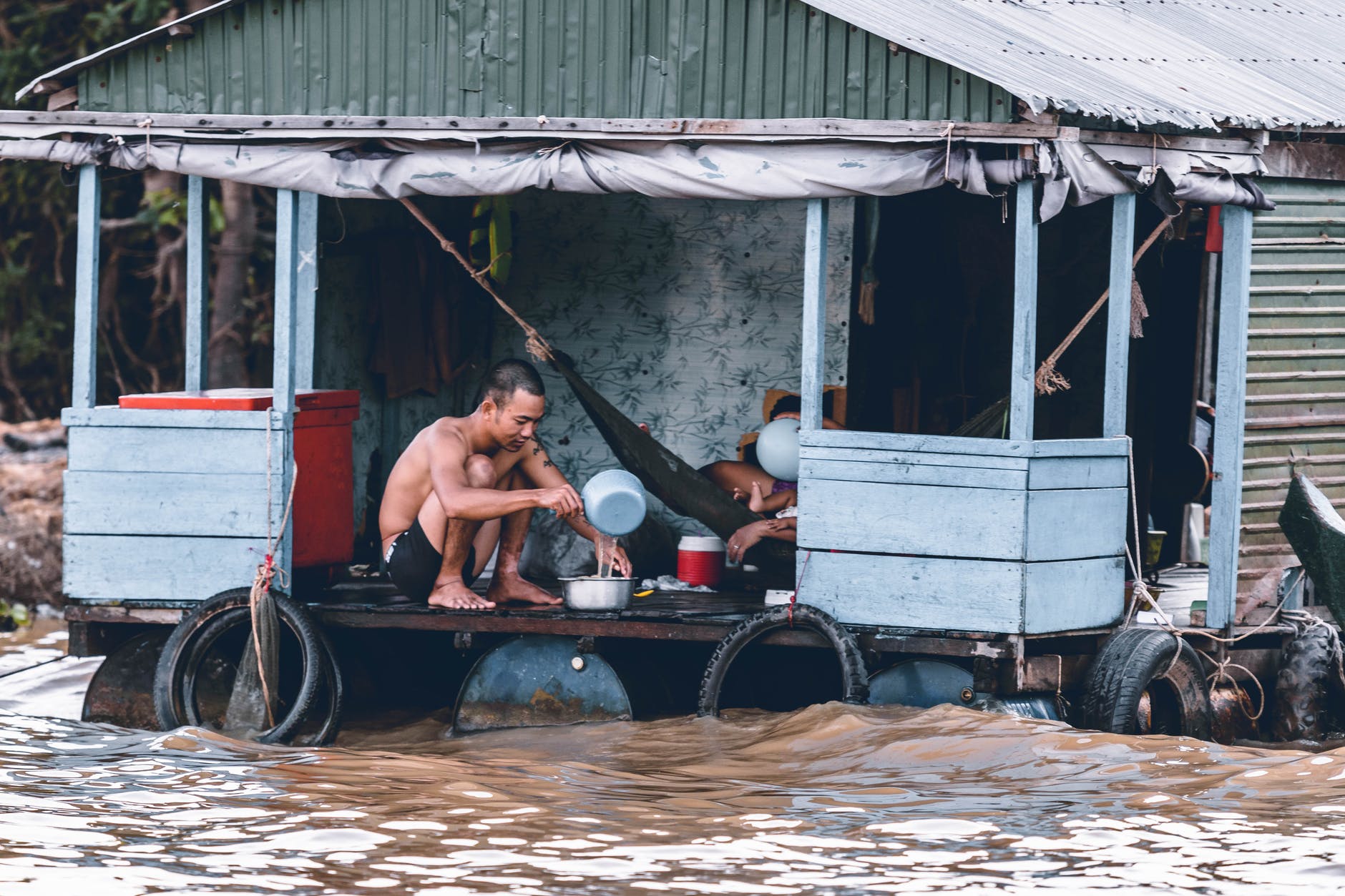
In Indonesia, flooding is common particularly during the rainy season of October-April, but this particular flood occurred in January and killed almost 70 people on Sulawesi Island and hundreds of people were displaced by heavy rain in West Java.

man pouring water from dipper on blue and grey house
Photo by hitesh choudhary on Pexels.com


3- Riots in Delhi

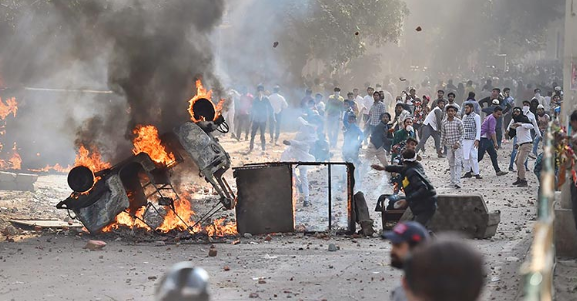
Riots in Delhi was based on anti-CAA protest in which violence, property destruction and also rioting that killed 53 people, most of whom were Muslims shot, slashed with kicks and set on fire by Hindu mobs in North East Delhi.

image-75

Image source: This week

4- The Pandemic- COVID-19

This is the worst situation till date of 2020 a 2 gm virus( research says that total molecules of corona virus from all over the world would weigh 2 gm i.e. equal to a coin weigh) it almost broke the economic condition of every country in the world.

pexels-photo-4031867.jpeg
Photo by Edward Jenner on Pexels.com

5- Olympics & IPL- 2 biggest event of world brought to halt.

Due to COVID-19 outbreak 2 most popular event were called off which was very disappointing for the players as well as their supporter.


6- Brutal killing of Saints

This incident took place in Palghar were people of village mysteriously attacked the van on saints which was heading towards their senior saints funeral program. People on investigation said that they were informed that this van contain corona virus patient, it was more worse when police also joined people in this attack.

Man-Lynched

Image source: Siasat.com

7- Gas leakage- Visakhapatnam

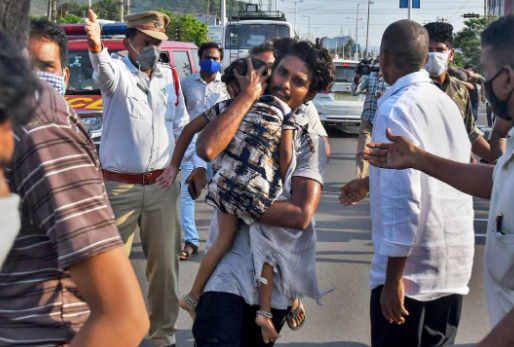
This was a major gas leak in LG polymers chemical plant in Visakhapatnam which killed 11 people, 800 were hospitalized and many more faced issues like headache, ill, vomiting etc.

image-4

Image source: The Hindu

8- Justice for Blacks

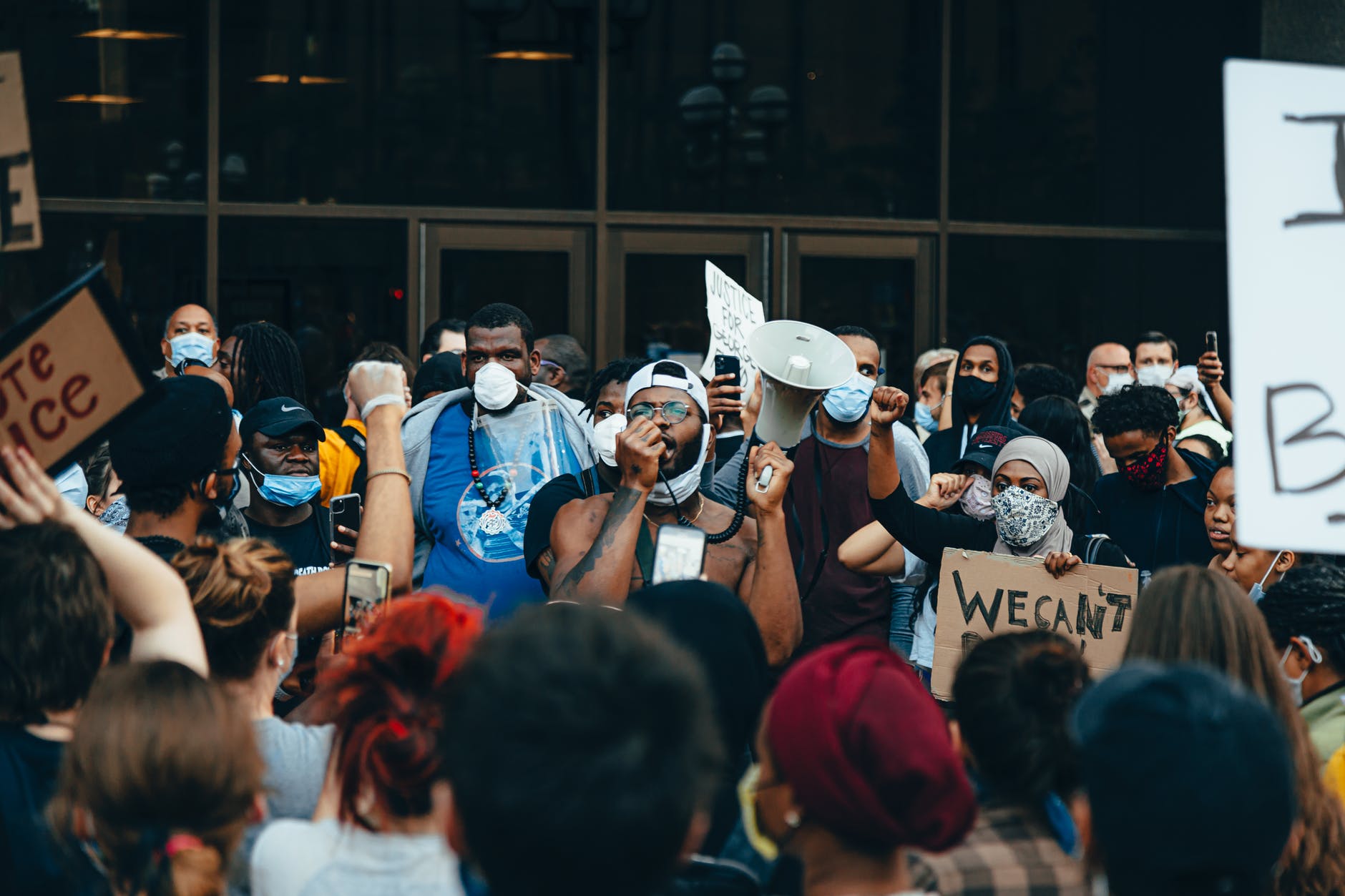
The conflict raised when George Floyd, 46, died on May 25, after a video showing a white Minneapolis police officer kneeling on his neck for almost 9 minutes.

crowd of protesters holding signs
Photo by Josh Hild on Pexels.com

9- Indian cinema lost 2 gems

Bollywood lost 2 precious gems Irfan Khan an Rishi Kapoor. Actor Irfan Khan were facing problem related to Neuroendocrine tumor which became the reason for his death where as on the other hand actor Rishi Kapoor died by Leukemia.

10- Brutal death of a pregnant Elephant- Kerala

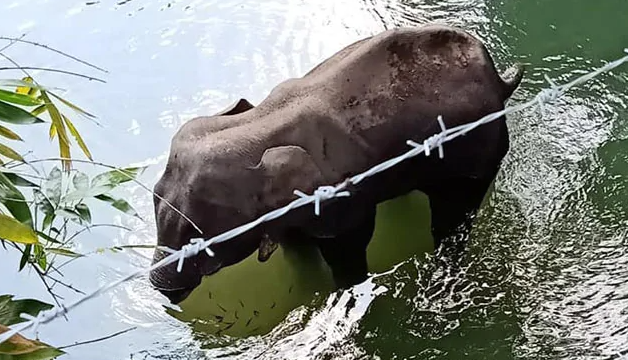
This incident took place in Velliyar River in Kerela where a pregnant elephant came in search of food where local offered a pineapple loaded with fire cracker which exploded in her mouth, doctors tried to save her but unfortunately couldn’t save. Suspect was arrested by forest officials and was interrogated. This shows how cruel has mankind became over the years.

image-5

Image source: Facebook


Like, Comment and Share the post if you agree.

The Mc Mahon line: a continuing problem that defies a solution still

At the advent of the 20th century, in the “Great Game” between Russian and British empires, Tibet became a strategic chessboard. Russia aspired to expand its influence across Central Asia. The Manchu empire was diminishing and waning. Britain was afraid that the Russians would come to a weakened China and cause problems to British India. This perception led to the invasion of Tibet in 1903 by British troops headed by Colonel F.E.younghusband. The idea and aim behind this move were to establish a buffer between China and India, secure a border between Tibet and India and gain favourable trade deals with Tibet. The Younghusband expedition spawned a chain of events in the Eastern Himalayan region, the effects of which are still felt in Indo-China relations.

While the Great Game is quite well known, the Mc Mahon line is a less talked about story, that had an impact in East Asia. Immediately after the Younghusband mission, China was alarmed and sent troops to Tibet to occupy the region. While Britan accepted the de facto Chinese control of Tibet, it wanted Indo-Tibetan border demarcated and Tibet to remain a buffer. In 1914 a conference was arranged by Britain in Shimla in which British, Tibetan and Chinese officials were to take part. Sir Vincent Arthur Henry McMahon, a secretary in the foreign department of the British Indian Government represented India in the conference. After a lengthy and prolonged discussion that stretched across months, India and Tibet signed a convention that demarcated the Indo-Tibetan boundary but unfortunately, this convention could not get the signature from the Chinese side, despite the convention’s promise to respect China’s suzerainty over Tibet but not sovereignty. This boundary, the red line drawn by Mc Mahon on the map came to be known as the Mc Mahon linen which is also internationally accepted as a border between India and China in the Eastern sector. However, it happens to be the zone of contention between the two countries. But it must be noted that the Shimla convention, though not signed by China it had not opposed the Mc Mahon line initially. Tibet also witnessed and enjoyed decades of independent rule after the Shimla conference. But the Chinese kept changing their stance very often.

J.J.Singh, the former army chief, Arunachal Pradesh governor and the author of the book the Mc Mahon line: a century discord, happens to be highly critical of the way Nehru handled China’s reoccupation of Tibet in 1950. But china called this liberation of Tibet. Nehru an ardent idealist failed to foresee China’s evil strategy. The author J.J.Singh observes: ” The British strategy of over a century, of having an autonomous as a buffer was put to rest as India looked on passively”. The Chinese take over of Tibet by force exposed the northern borders of India to potential Chinese threat for the first time, highlighting our dangerous vulnerability.

In retrospect, one could debate that India could have done something effectively to prevent China from taking over Tibet. It was a time when one should not forget India had its own problems in Kashmir that was attacked by the Pakistan army, unification of princely states were still underway and Tibet itself had signed an agreement with China after its troops reached Lhasa. India was only a fledgeling democracy encountering multifarious economic, social and political problems. India’s resources were meagre and its army was no match to the Chinese army. Nehru, despite his emphasis on friendly relations with China, had told his ambassador to Peking( Beijing) in 1958 that he didn’t trust ” The Chinese one bit….they are an arrogant, untrustworthy, devious and hegemonic lot.” But Nehru never imagined Chinese aggression on India in 1962 that inflicted a humiliating defeat upon India that also hastened the demise of Nehru, a disheartened leader.

Both India and China have come along way since the 1962 war in spite of several peace talks between the two, the border dispute remains unsolved. However, there have been marked improvements in its bilateral relationship, punctuated by border skirmishes and violations very often. The Chinese after opening up their economy from the early 1980s has become an economic behemoth and militarily modernised with their phenomenal advancement in technology. It has become a superpower next only to the USA. A country whose geographical area, economic and military power that are far greater and beyond the reach of India will have an unquenchable urge to assert itself internationally in an arrogant and immoral manner. However, there are limits to China’s LAC adventurism. The boundary between India and China runs to several thousand kilometres in this there are several places along this border where PLA ( people’s liberation army) is militarily weak while the Indian army has an upper hand so that India could also play mischief. China is also mindful of India’s nuclear capability. The maritime domain of China is its weak spot. And most importantly China will be least inclined to seriously damage the close to $100 billion trade with India with its military adventurism on the LAC. Also, China is fully aware of a close relationship with the US economically and militarily.

The time has come to checkmate Beiing’s military aggression. India should deepen and expand its defensive, offensive and deterrent capabilities. The situation is also a stark reminder for us to get more serious about finalising a border agreement with China. The political leadership of both countries should exhibit more will power to resolve the dispute to establish a stable, political and economic environment over East Asia. India should engage in deepening its engagements with world powers including the USA and Russia. While the avowed goal is the peaceful resolution of the long dispute India should build up it’s economy powerful and militarily strong and formidable. But one should not forget the geopolitical axiom: ” the unilateral desire of a nation to live in peace cannot be a guarantee of its peaceful existence”.

Impact of COVID-19 on undergraduate education

COVID-19 has hit India with its absolute force and has put the entire nation under lockdown. This nationwide pandemic has tested various systems of India. The medical sector has suffered the most under its wrath due to the unavailability of staff and equipment. Furthermore, due to lockdown, various business activities have been shut down, this has also taken a toll on India’s economy. While sectors like these are facing issues as of now, the educational sector of India is also under crisis. Colleges/ universities have been shut for over 2 months as it would be unsafe for the students and faculty to attend college at the time of lockdown, while coronavirus continues to spread at a massive rate. Coping with COVID-19 is difficult for everyone including universities, because they serve such an extensive variety of purposes. First and the most significant, they are educational institutions, where undergraduate and postgraduate students acquire skills, knowledge and education and where faculty educate and conduct research. Furthermore, they additionally work as small cities, complete with police forces, energy plants, sports offices, and other civic institutions. They are likewise significant local employers and important drivers of nearby and regional economies. Lastly, many manage hospitals, setting them at the front line of the local healthcare system. Maulana Azad National Institute of Technology (MANIT) has made the students hostel  into a quarantine center as they have more than 300 rooms. Students are in panic as their belongings are still there. 

Despite the fact that most understudies have left grounds, the issues created by COVID-19 have not. Everyone from the workforce to office staff are stressed over their future. Research projects, semester exams and practicals are postponed. Admissions for new courses and staff recruitment are disrupted. Everything is in disorder. Undergraduate and postgraduate students have many questions like: How will their academic credit be determined? Will they be reimbursed for the unused room and lodging? Will there be a farewell ceremony for last year students? Will this affect their athletic scholarship? Would they be able to stay in the country if their student visa is revoked? Would the final year students get their degree this year or not? In short, universities still have various important decisions to make, and to convey to the students and faculty. 

Making an organization that gives a framework to these decisions can help—and is preferable done sooner rather than later. In working with higher-education institutions as well as businesses and public-sector agencies, we have perceived how integrated nerve centers can assist these institutions and organisations with setting a course and follow up. 

COVID-19 has drastically reshaped the manner in which worldwide higher education is taught. Lectures are being conducted online. Examinations and their conduct is uncertain since most of the universities have cancelled exams for now,  as all the education institutions have become virtual. Therefore, higher education institutions are quickly shifting how they impart and operate to meet the advancing needs of students and faculty. And they have successfully met the requirements of the students to a large extent. 


WORLD BRAIN TUMOR DAY

Every year World Tumor Day is observed on 8 JuneWorld Brain Tumor Day was first marked by Deutsche Hirntumorhilfe, a Non-Profit, German Brain Tumor Association. Deutsche Hirntumorhilfe declared the World Brain Tumor Day in the year 2000 to spread the awareness about the brain tumor among the people and tribute to all brain tumor patients and their families.

What is a Brain tumor?
Unnecessary growth of cells that are either within or around the structure of the brain is known as a Brain tumor. This abnormal collection of cells in your brain or central nervous system can disrupt brain function. Brain tumors are mainly of two types:

  • Malignant Tumors
  • Benign Tumor

Malignant primary brain tumors are cancerous and Benign brain tumors are non-cancerous.

Symptoms of Brain Tumor


•Changes in personality and behavior
•Double vision and blurred vision
•Severe headache
•Memory loss and confusion
•Nausea and vomiting
•Drowsiness
•Sleep problems
•seizures

Causes of Brain tumor

Age- with increase age risk of a brain tumor increases.

Chemical exposure- Being exposed to certain chemicals, such as pesticides, herbicides, and fertilizers that may find in a work environment can increase your risk for brain cancer. 


Exposure to ionizing radiation- People who have been exposed to high-radiation cancer therapies or radiation from nuclear fallout are on the increased risk of brain tumors.

Frequent use of cellphones: the radiofrequency energy from cellphones is capable of causing brain tumors.

Family History- brain tumors may be genetically inherited. If your family member is diagnosed with a brain tumor than consult your doctor immediately.

Endless blues: World’s Ocean Day.

What is it About?

World Oceans Day is a worldwide initiative by the United Nations to spread knowledge and awareness about the vast expanse of oceans on Earth. It is based on the idea of preserving the infinite number of life forms and coral reefs that are a part of the ocean and being aware of how human actions can harm their natural habitat. The principal focus of this initiative is to bring the oceans at the forefront of global environmental discussions, and plan and execute a sustainable method to save our oceans and the planet at large.

When is World Oceans Day?

We celebrate World Oceans Day on June 8, and a lot of activities at global, national and community levels are organised worldwide to observe this event.

What is the History of World Ocean Day?

World Oceans Day was first proposed by Canada’s International Centre for Ocean Development and the Ocean Institute of Canada in 1992, at the Earth Summit in Rio de Janeiro. Since 2002, the World Ocean Network has been instrumental in garnering support and organising worldwide activities on June 8. A huge network of more than 2000 organisations worldwide are invested in making sure that the ocean is protected from any damage due to technology or other human actions.

Why is World Oceans Day Important?

The composition, temperature, currents and life in the oceans drive every natural system that makes Earth habitable for humankind. Even the balance of oxygen that we breathe is primarily dependent on the ocean. The health of our oceans has become a matter of grave concern, due to the damage they have endured.

Dedicating a particular day to this cause not only helps in spreading awareness among people, but also in mobilising conscientious civic and political efforts towards addressing this global problem. Though spending just one day celebrating the oceans is not enough to bring about the changes required to conserve marine ecology, it works wonders as a starting point for people, especially young minds, to come together to take action against any damage done to ocean.

Other Important Facts About World Oceans Day

Knowing about World Oceans Day is not enough for your children to be able to grasp the whole concept of how important the ocean is for human survival. To encourage your children to celebrate our oceans and strive to make a difference, you could share some fun facts on World Oceans Day and how important the oceans are:

• 97% of Earth’s water is in the oceans, which is home to more than 200, 000 known species and millions of unidentified organisms.

• The oceans purify the air we breathe by absorbing 30% of the carbon dioxide in the air, which also helps in reducing the effects of global warming and climate change.

• Oceans are the world’s largest source of protein, and more than 2.6 billion people depend on the oceans as their primary source of protein.

• 40% of the oceans of the world are today affected by human actions causing pollution, depletion of fisheries, loss of coral reefs and endangerment of marine species. Seven out of the 13 great whale species are endangered today.

•13, 000, 000 tonnes of plastic leak into the ocean water each year. It has been predicted that there will be more plastic than fish in the ocean by 2050. Over 100, 000 marine wildlife animals are killed each year due to plastic contamination of the oceans.

• Each year a new theme is assigned to this day to cover different aspects of marine life and human dependency on oceans. In 2020, the celebratory theme on World Oceans Day is “Gender and The Ocean”, which emphasises the harm that gender disparity can bring to our oceans.

• The President of UN General Assembly has launched a global campaign “Play It Out”, against the use of plastic.

• Marine Protected Areas have been chalked out as an initiative to protect the oceans from illegal fishing.

• Jellyfish as a species is older than dinosaurs and has been on this earth for more than 650, 000 years.

• 75% of the world’s volcanoes are located under the Pacific Ocean around Ring of Fire, the largest zone of active volcanoes.

World Ocean Days Activities for Kids

It doesn’t matter how small their hands are, children can drive this movement and even inspire adults to participate. Here are a few activities that your kids can organise on World Oceans Day:

  1. Clean-up Drive

Invite all the children in the neighbourhood to the beach or any water body close by to clean the area. This will help them to understand how much litter ends up in the oceans through different waterways polluting the habitat of marine life.

  1. Ocean Themed Programme

An ocean theme-based arts and crafts competition can attract a lot of attention from children of all ages. You can engage kids in a drawing competition and then display their creative works. You can even inspire a few young writers to submit stories and poems based on marine life.

  1. Ocean Hunt

Treasure hunts are an intriguing way to engage children. Keeping the spirit of World Oceans Day, you can organise an ocean hunt by creating puzzles around facts from the oceanic world, leading to prizes like ornaments made out of sea-shells, passes to any nearby aquarium, books with interesting facts about the ocean, etc.

  1. Storytelling Competition

It is safe to say that all kids love stories, especially when they get to be the judge of who is the best storyteller. Engage the adults around and encourage them to bring in their theatrical talents to entice the kids with amazing storytelling skills. You can always use the sounds of the waves or wild animals from the ocean to enhance your performance.

5.Let the Kids Instruct

No child will say no to an opportunity to give some sound advice to his/her parents. Ask the children to make a list of human actions that harm our oceans and come up with instructional ideas to preserve them. Organise a session with all the adults, where the kids present their points of view on how to keep our oceans and planet safe.

Indian Navy Commences evacuation of citizens from Islamic Republic of Iran – “SAMUDRA SETU”

Indian Navy had launched Operation Samudra Setu to repatriate Indian citizens commencing 08 May 2020. Indian Naval ships Jalashwa and Magar have already evacuated 2874 personnel from Maldives and Sri Lanka to ports of Kochi and Tuticorin.

In the next phase of Samudra Setu, Indian Naval Ship Shardul will evacuate Indian citizens on 08 June 2020 from the port of Bandar Abbas, Islamic Republic of Iran, to Porbandar, Gujarat. The Indian Mission in Islamic Republic of Iran is preparing a list of Indian citizens to be evacuated and will facilitate their embarkation after requisite medical screening.

COVID-related social distancing norms have been catered onboard INS Shardul and the ship has been specially provisioned for the evacuation operation, including embarkation of additional medical staff, doctors, hygienists, nutritionists, medical stores, rations, personal protective equipment, face-masks, lifesaving gear etc. In addition to authorised medical outfit, medical equipment specific to dealing with COVID-19 including innovative products developed by the Indian Navy during the ongoing COVID-19 crisis is also being carried onboard.

The evacuated personnel would be provided the basic amenities and medical facilities whilst undertaking the sea-passage to Porbandar. Special isolation compartments have also been earmarked for any contingencies. In view of the unique challenges associated with COVID-19 including asymptomatic carriers, stringent protocols are being stipulated during the passage.

After disembarkation at Porbandar, the evacuated personnel will be entrusted to the care of State authorities.

Clarity in confusion

If there is no clarity in confusion then there should be no confusion in clarity. If it is not clear that doesn’t mean it is not clear that meant to confuse you to make it appear as a confusion.If you think it as a confusion it definitely becomes as a confusion because they make it appear look like confusion and tend to make you confuse the clarity that you have about the confusion.There should be clarity in confusion which no longer makes confusion as confusion and make us clear about the confusion.

“Confuse the confusion so that the confusion becomes clarity.” If confusion can no longer confuse your confusion then there will be a chance to clear the confusion. If we aren’t clear about something there will be a large chance to be confused because there is no clarity. If we have a clarity then there will be no chance to get confused. If we get confused then there are chances to get clarity. If we don’t confuse over confusion,we can get clarity over confusion and can make confusion in clarity into clarity of confusion.

Confusion of confusion will definitely confuse the confusion and make us path of clarity disappear. The confusion replicates before the clarity comes into play. That makes clarity to get confused and try to make confusion as clarity and clarity as confusion and make confusion look so confused to know what confusion is. In order to stop it we need to get clarity before the confusion turns into confusion of confusion. For that try to confuse the confusion so that it gets confused and gets clarity because the confusion is in confusion and gets clarity over confusion by thinking clarity as confusion.

If we are clear about confusion then we can clear the confusion with the confusion itself. For that we should get clarity about confusion. To get clarity about confusion we should know about confusion and become confusion. If we try to confuse the confusion by becoming confusion it definitely doubts about confusion and try to get the clarity about it and in order to make it happen, it becomes as a clarity in the process. This is how we turn confusion into clarity by having clarity in confusion.

Confusion appears to confuse you and when we realise the fact that it just appears to do so and when we try to make what it is making us to feel then we can create the appearance of confusion. No one can create the confusion because it is not real. Confusion is just an illusion of clarity.No one gets confused, it’s only the lack of clariry which makes confusion. If confusion is clear then there is no confusion. If we have clarity over clarity then there is no need to have clarity over confusion because confusion never comes into the play.

If you are confused with the clarity that I gave on confusion then definitely you should follow the steps that I mentioned in order to get clarity in confusion.