

Expanding your vocabulary is one of the most essential—and often most challenging—aspects of learning a new language. Whether you’re just starting or aiming to sound more fluent, knowing the right words can make a world of difference. Fortunately, with the right techniques and tools like a language learning app, you can make this process faster, more effective, and even enjoyable.

Use Context Instead of Isolated Words
Learning words in isolation might help in the short term, but you’re more likely to forget them. Instead, try to learn new vocabulary within context. For example, instead of memorizing the word “recommend,” learn it as part of a sentence like, “I recommend this book.” This approach helps you understand how words function in real situations, making it easier to recall them later.
Reading books, watching shows, or listening to podcasts in your target language are great ways to pick up words in context. Whenever you hear or see a new word, write down the full sentence it appeared in—this deepens retention.
Practice Active Recall and Spaced Repetition
One of the fastest ways to build long-term vocabulary is through active recall—trying to remember a word without looking at it first. Combine this with spaced repetition, a system that reminds you of words just before you’re likely to forget them.
Many language learning apps, like Anki or Quizlet, use these scientifically proven methods to help you remember vocabulary efficiently. You can even create your own flashcards based on words you’ve read or heard recently, ensuring the content is relevant to you.
Group Words by Themes or Categories
Our brains are better at remembering when information is organized. Try learning words in groups—such as “kitchen items,” “transportation,” or “emotions”—instead of random vocabulary. This mental association helps you recall multiple related terms at once.
Thematic learning also mirrors how we use language in real life. If you’re traveling, learning words related to directions, restaurants, or hotels will be far more useful than memorizing abstract terms.
Use a Language Learning App with Smart Features
Modern apps go far beyond simple flashcards. A good language learning app can help you track your progress, suggest words based on your current level, and integrate vocabulary into real-life conversations or reading.
Some apps let you read articles or short stories with built-in vocabulary tools. You can tap a word for instant translation, hear native pronunciation, and even save it for later review. These features make it easier to learn new words during your daily routine.
Write and Speak with New Words
The more you use new vocabulary, the faster you’ll learn it. Try writing a short story, diary entry, or even social media post using recently learned words. If you’re comfortable, use the words in conversation with a language partner or tutor.
By actively using the vocabulary, you reinforce memory through practical application. Don’t worry about making mistakes—each attempt helps move the words from passive recognition to active mastery.
Make Vocabulary Learning a Daily Habit
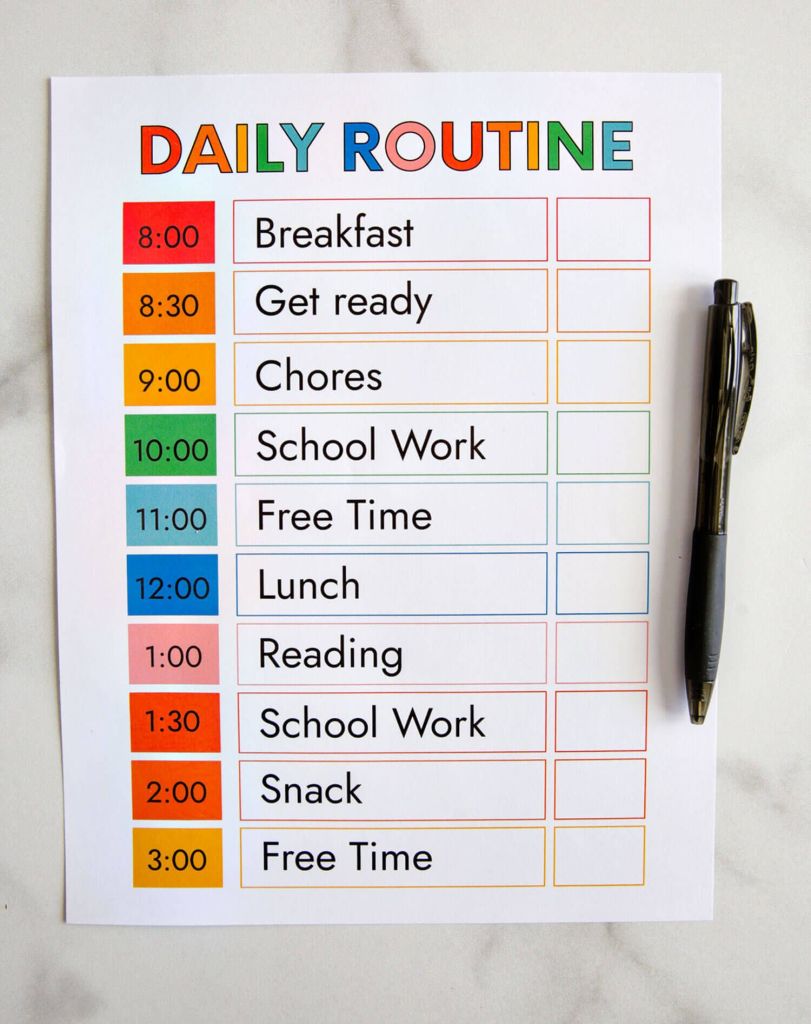
Consistency beats cramming. Set a goal to learn 5–10 new words a day, and review previous words regularly. Create a routine that combines reading, listening, and app-based practice. Even 15 minutes a day can lead to noticeable improvement over time.
You might pair morning coffee with flashcards, or read an article with your app during a lunch break. Making vocabulary learning part of your lifestyle ensures steady and lasting progress.
Final Thoughts
Learning vocabulary faster doesn’t mean rushing through lists—it means using smart techniques that make words stick. By using context, repetition, thematic grouping, and a reliable language learning app, you can build a strong and lasting vocabulary foundation.
The key is balance: read widely, review regularly, and use new words often. With these strategies, you’ll notice your vocabulary growing—and your confidence in English rising—with every passing day.





























 Eduindex
You must be logged in to post a comment.