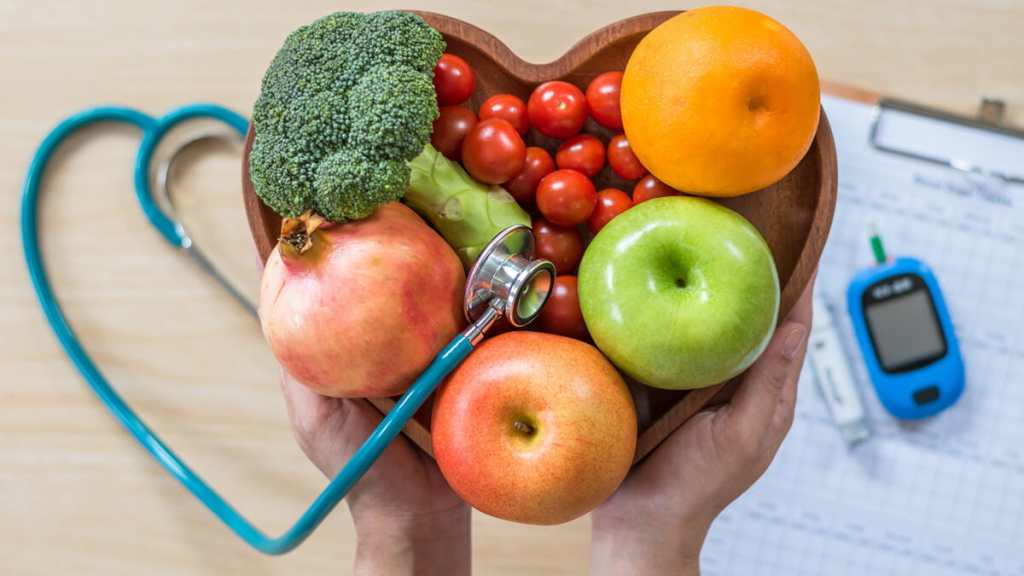
Health is a state of complete well being both physically and mentally. A healthy person is one whose mind and body are completely fit. Hygiene refers to habits or practices that ensure good health and a clean environment. We consume a variety of foods everyday.
Health refers to a healthy state of mind and a body physically fit to have no disorder, illness or disease. … Hygiene refers to good practices that prevent disease and lead to good health, especially cleanliness, proper disposal of wastewater and drinking water supply.
Good personal hygiene is one of the best ways to protect yourself from getting illnesses such as gastroenteritis and the common cold. Washing your hands with soap removes germs that can make you ill. Maintaining good personal hygiene will also help prevent you from spreading diseases to other people.
Healthy Habits for a Healthy Life
• Regular exercise
• Always eat breakfast.
• Practice healthy eating throughout the day.
• Stay hydrated.
• Don’t neglect dental hygiene.
• Get your sleep.
Personal hygiene is how you take care of your body. Maintaining hygiene practices reduces the spread of illness and risk of medical conditions caused by not taking care of yourself. It also increases self-confidence and positively impacts personal relationships.
ALL OF US HAVE STUDIED ABOUT LOUIS XVI FAMOUS STORY. AND THE SAGA OF NAPOLEAN BONAPARTE.LETS HAVE A FLASHBACK TO THE HISTORY
French Revolution
Paragraph 1
Women’s participation in the revolutionary events in France between 1789 and 1795 has only recently been given nuanced treatment. Early twentieth- century historians of the French Revolution are typified by Jaures, who, though sympathetic to the women’s movement of his own time, never even mentions its antecedents in revolutionary France. Even today most general histories treat only cursorily a few individual women, like Marie Antoinette. The recent studies by Landes, Badinter, Godineau, and Roudinesco, however, should signal a much-needed reassessment of women’s participation.
Paragraph 2
Godineau and Roudinesco point to three significant phases in that participation. The first, up to mid-1792, involved those women who wrote political tracts. Typical of their orientation to theoretical issues—in Godineau’s view, without practical effect—is Marie Gouze’s Declaration of the Rights of Women. The emergence of vocal middle- class women’s political clubs marks the second phase. Formed in 1791 as adjuncts of middle-class male political clubs, and originally philanthropic in function, by late 1792 independent clubs of women began to advocate military participation for women. In the final phase, the famine of 1795 occasioned a mass women’s movement: women seized food supplies, held officials hostage, and argued for the implementation of democratic politics. This phase ended in May of 1795 with the military suppression of this multiclass movement. In all three phases women’s participation in politics contrasted markedly with their participation before 1789. Before that date some noblewomen participated indirectly in elections, but such participation by more than a narrow range of the population—women or men—came only with the Revolution.
Paragraph 3
What makes the recent studies particularly compelling, however, is not so much their organization of chronology as their unflinching willingness to confront the reasons for the collapse of the women’s movement. For Landes and Badinter, the necessity of women’s having to speak in the established vocabularies of certain intellectual and political traditions diminished the ability of the women’s movement to resist suppression. Many women, and many men, they argue, located their vision within the confining tradition of Jean-Jacques Rousseau, who linked male and female roles with public and private spheres respectively. But, when women went on to make political alliances with radical Jacobin men, Badinter asserts, they adopted a vocabulary and a violently extremist viewpoint that unfortunately was even more damaging to their political interests.
Paragraph 4
Each of these scholars has a different political agenda and takes a different approach—Godineau, for example, works with police archives while Roudinesco uses explanatory schema from modern psychology. Yet, admirably, each gives center stage to a group that previously has been marginalized, or at best undifferentiated, by historians. And in the case of Landes and Badinter, the reader is left with a sobering awareness of the cost to the women of the Revolution of speaking in borrowed voices.
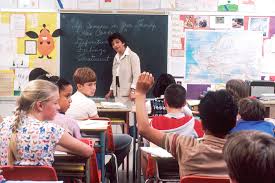
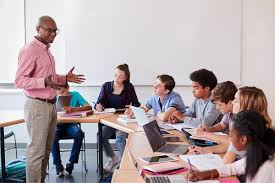
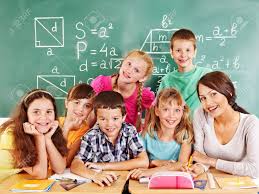
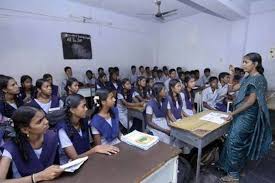
The picture presents before us the familiar sight of a teacher teaching in the classroom. The first bench is paying attention to her. The second bench is busy having fun and so is the third bench. This is my classroom, and that is my class teacher, Mrs Aarti Mishra. She teaches us History and indeed, we are all ears when we listen to her, but some of my classmates do not respect her presence the way they should. Madam tries her best to get them involved in the classroom activities but they usually ignore her. Madam is tremendously talented and goes out of her way to make the class interesting, but more often than not, some students miss out on the solid content that they can learn from her. Ours is a small school where the facilities are limited. For example, we do not have internet in our school, and very few computers. Under these circumstances, the work involved in getting printouts and interesting literature from the Net from a cyber café speaks volumes about our teacher’s dedication.
History can be a very interesting subject when the teacher transforms the classroom into a storehouse of unknown and intriguing facts from the past. This is what Mishra Madam does. The most charming thing about Madam is that she never loses her temper, be it when the backbenchers in the class misbehave or when the Principal simply walks into the classroom ,and starts pulling up students for their indiscipline interrupting an interesting class being given by our teacher. We wish he had the courtesy of respecting the teacher’s presence in the class. But everything changed on that fateful day.
I remember the day clearly. Mishra Madam lost her temper a spoiled brat in our class continuously disturbed the class by whispering, laughing etc. She went and gave the menace a slap on his face and asked him to leave the class. The next day the boy’s influential father came and created a huge scene in front of the classroom. The Principal supported the father instead of our teacher. What was amazing was that the man was abusing the dignity of our school and teacher in public, and he was being allowed to get away with it! Madam left the school premises that very day, never to come back again. Our Principal was nothing more than a servile flatterer. As a peace offering he invited the man to be Chief Guest at our annual function that year. We lost a fantastic teacher, but the school gained a generous ‘friend’ who donated lavishly towards the ‘infrastructural’ development of our school.
At the end of the session, we met Madam Mishra at a neighbourhood library. She smiled cheerfully and welcomed us when we rushed towards her to explain how much we missed her and her wonderful classes. I told her that I wanted to be a teacher like her. She smiled and replied that India is no longer the land where a teacher is treated like God and teaching a religion. She added that my desire to be a teacher would make me swim against the tide. She walked with a pat of encouragement, but to this day I remember her away as a lady who stood apart as a teacher and a human being.
My school is big and has a lot of classrooms. Each classroom is different and special in its own way. For example, we have special classrooms for art, music, history and geography, chemistry, physics and biology, and history and geography. In addition to all this, we have a cabinet of Informational material and gyms.
The largest of all the classrooms for art. It is spacious and transparent and has large windows to make it anything more natural light and walls are white. Benches are placed on the circle so that all of us are sitting next to each other. In the middle of hundreds of teachers of art, as well as her easel, when it from time to time some paint or a draft to show us. On the walls of our work with classes. On Saturdays in the classroom and held an art section in which talented students are leaving and those who love to draw.
Right next to the classrooms for art’s classrooms for music. There is no dock, but only chairs with pads for writing. On the board are drawn lines and it reminds of our sheet music. In the classroom, we also have a grand piano, for which the teacher sits and plays while we sing. There are two speakers, as well as a tape recorder, through which our teacher let various compositions. On the walls are portraits of great artists, such as Mozart, Beethoven, and Vivaldi. Before or after hours, members of the choir of our school here hold their rehearsals with the teacher
In addition to this special classroom, each class has its own, but they are all quite similar. In each of the walls, bright blue curtains are white, almost translucent. Large neon lights, huge green blackboard with chalk and sponges, chair of the teacher and the bench where we sit two by two. In our classroom, we have always Serbian, math and English, and sometimes other items, especially when they are on the wrong control tasks if they have special classrooms occupied. And finally, a favorite place of all the students, room for a physical in which we play volleyball, basketball or football, gymnastics train, and sometimes table tennis.
From the previous article, we learned about how important passion and profession are. What are the simplest ways to earn money from some of the businesses and most probably with the lowest investments. In this part, we will uproot some more businesses which can give you a stable income and highly demanded fields.
BAKING BUSINESS:
Baking business is one of the simplest ways to earn money. If you are great at cooking and love to bake this will be the best way for you to follow your passion. You can bake different types of delicious cakes. People always would love to have homemade foods and things. Thus, they will crave cakes too… You can even start this in your kitchen with a regular oven and other materials. You can even do chocolates, cookies. Sweets are the best to gift someone. Thus, there will be no negative statements to this idea. If you are also a creative person you can decorate and wrap them beautifully to attract the audience.
BOOK MERCHES:
Book merches are none other than book-related things and products. for Example, If you are a fan of The Chronicles of Narnia books or movies You can create some bookish merch which is related to the theme of NARNIA. Like, A printed coffee mug with a book theme (A famous quote or picture of the characters in the mug), enamel pins with the image of The Lion Aslan. Badges with the images or the quotes from the books. Postcards stamps, T-shirts even you can do a scarf with the quotes like a newspaper look. Most of the readers would love to have them in their showcase as well as in their Book photographs. And you can sell, key chains, bookmarks, bags, wallets, book sleeves, tote bags, Polaroids photos, watches necklace rings anything and everything related to books. There is a huge demand for these things among book bloggers and collectors. Especially, if you did customized products.
WORKSHOPS:
Conducting workshops is merely like teaching online or offline. It depends on your comfort zone. If you know any of the passions that are mentioned above or upcoming ideas or even any other related ideas you can do them to start your own workshop. For example, If you know mandala artworks you can teach them online or offline and for teaching them you can collect some amount as tuition fees. Remember, teaching is one of the precious Jobs in the whole world knowledge is not free. Even though if it comes free it’s not easy to teach someone. You should have some passion for teaching. And you should provide notes instructions videos and other requirements about the Art that you want to teach. Some of the ideas that you can carry out, if you know any of examples like, Journal makings, skincare products making, baking, Fashion designings, paper making, language skills if you have any bilingual skills like, German, French, Spanish, English, and Japanese, etc You can teach them and can get loads of money. Because students love learning new languages and there is a huge demand for bilingual People.
If you have passion for anything from the above… Start to develop the skill to take up as a passionate business. Most of the billionaires started from nothing. If they can why you can’t? If you can’t then who can? Let’s make our passions into actions.
Tourism is one of the main sources of economic strength in any country . Everyone loves visiting new places . People are usually attracted to historical tourist places for their rich history, beautiful stories and unsolved mystery . India also has a very eventful history which is till now remembered as there are many living proofs left behind of time . there are many archaeological sites, monument, buildings in India which holds this historical events in bright light in front of our eyes .Let’s talk about some of them —
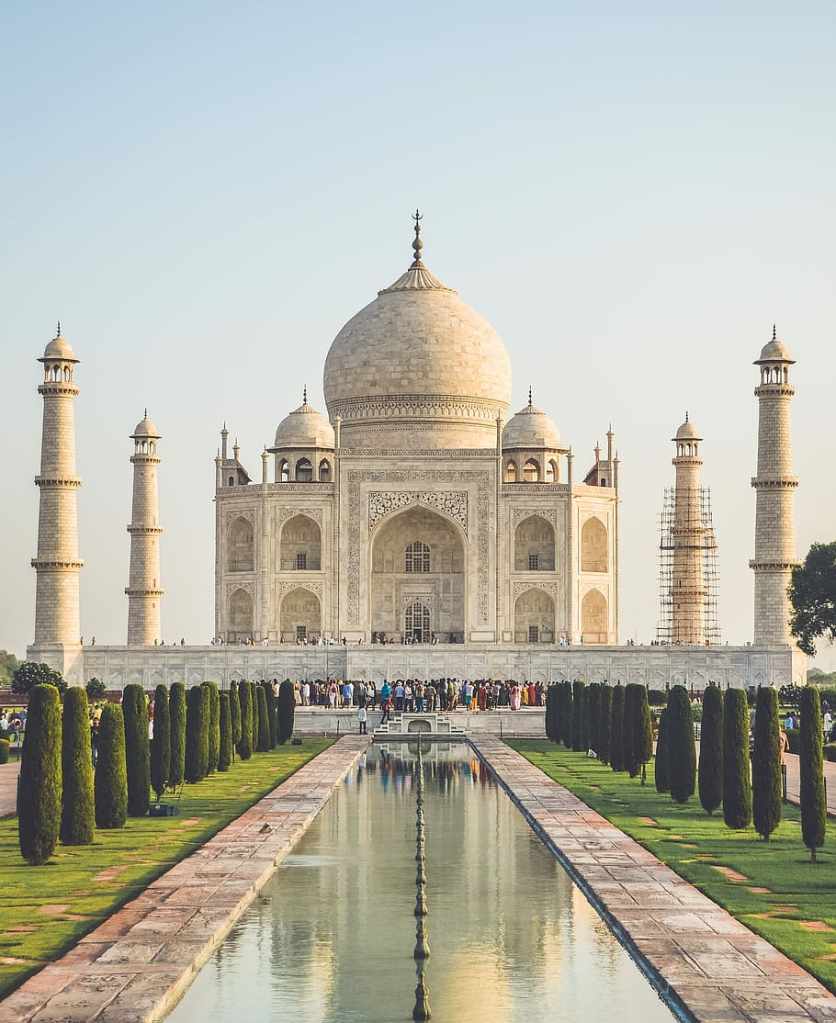
TAJ MAHAL : It is situated in Agra in New Delhi . It is one of the seven wonders of the world .It was acknowledged as a World Heritage site by UNESCO in 1883 . Mughal emperor Shah Jahan built it for the memory of his lovable wife Mumtaz Begum . It is built at the bank of the Jamuna river . Its construction started in 1632 and the whole Taj Mahal Complex was completed in 1653 .The architect of this Majestic Mahal is Ustad Ahmad Lahauri . The measurement of the whole complex is 17 hectares .In the current Indian currency It is 70 billion rupees to build the whole Taj Mahal . Shah Jahan tomb and Mumtaz tomb , both are inside a beautiful chamber of Taj Mahal .
Taj Mahal
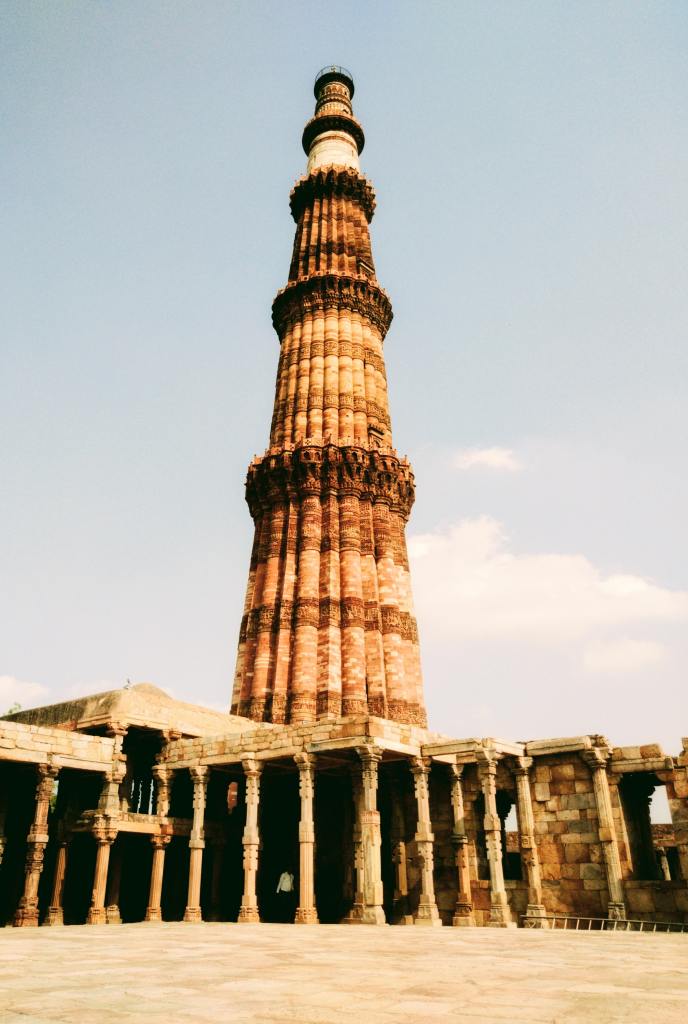
2. KUTUB MINNAR : It is situated in Mehrauli of New Delhi . It is also accepted as a World Heritage site by UNESCO . Its total height is 72.5 and it is the tallest brick made minar in the whole world .Its construction was started in 1199 by the founder of Delhi Sultanate , Sultan Qutb Ud-Din Aibak & was finished by his son-in-law Iltutmish in 1220 by adding the upper three additional stories in the minar .It was founded and the victory min for foundation of Delhi Sultanate .
Kutub Minar
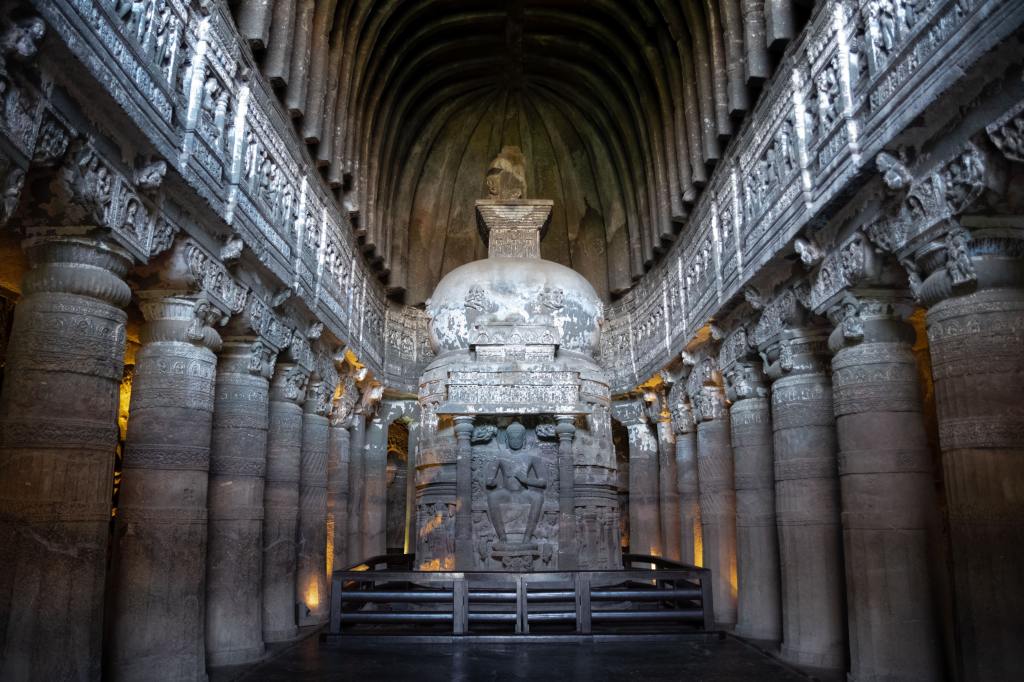
3. AJANTA CAVES: It is situated in Aurangabad, Maharashtra.It is the mixture of Buddhist, Jain and Hindu religion.Mainly Buddhist monuments can be found here. It is also acknowledged by UNESCO as a World Heritage site and now under the surveillance of the Archaeological Survey of India. It was founded in two parts in between the time of 2ndbeforeChrist (BC) to 6th AD. It has more than 29 caves.It depicts the finest art culture of ancient Indian civilization. There are lots of wall paintings and stone sculptures which show important historical events or common daily life events.
Ajanta Caves
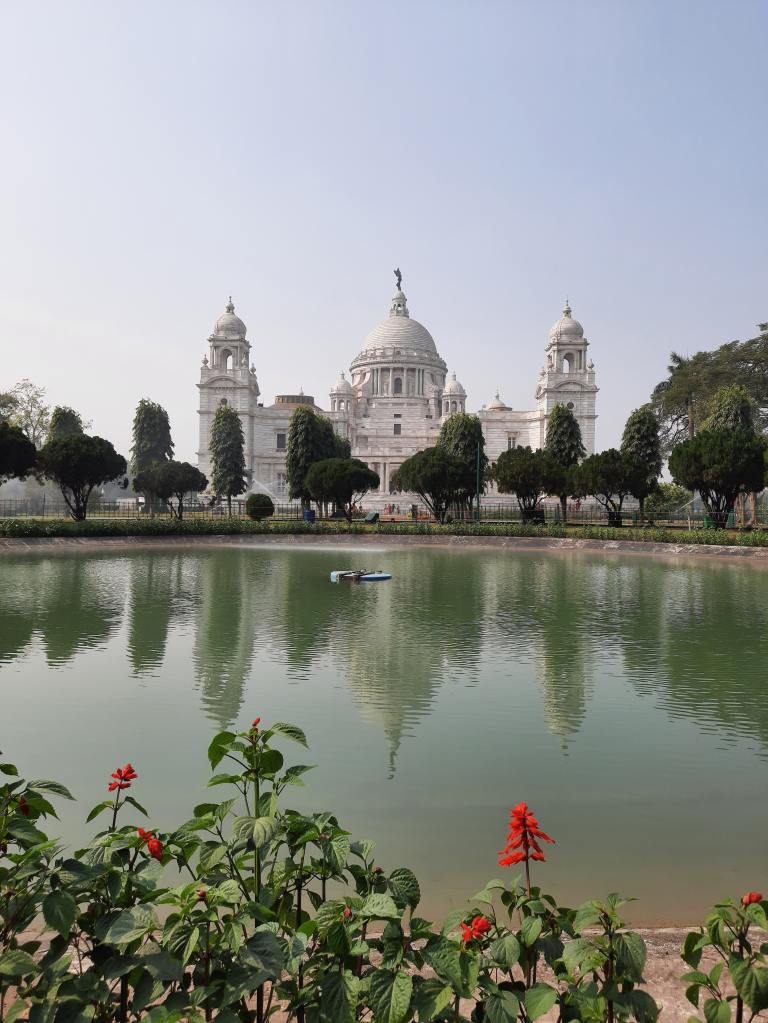
4. VICTORIA MEMORIAL HALL: It is situated at Jawaharlal Nehru road in Kolkata.It is under the survey of ministry of culture. It was built between 1906 to 1621.The architect of Victoria Memorial Hall or William Emerson and Vincent Esch.This Museum is made entirely by white marble. This was founded on the occasion of 25 years rule by a British Queen Victoria all over India.It consists of a beautiful garden and 25 galleries like Royal galleries, portrait gallery,sculpture gallery, which have collections of many antique books,work collections of famous peoples and portraits etc.
Victoria Memorial Hall
5. GATEWAY OF INDIA: It is situated in Mumbai renowned architect George Wiffet had made the Gateway of India.It was constructed for commemorating the visiting of welling for Pier by Emperor George V and his Emperie Mary in 1911. They were the first British Monarch who visited India.The construction of it finished in 1924 and now owned by Archaeological Survey of India.It is the symbol of Mumbai city.
The Government of India recognising the importance of disaster management as a national priority had set up a High powered committee in 1999 and a Nationals Committee in 2001 after the Gujarat earthquake to make recommendations on the preparation of disaster management plans and suggest effective mitigation mechanisms.
However, after the Indian Ocean Tsunami of 2004, the Government of India took a defining step in the legislative history of the country by enacting the Disaster Management Act 2005. The act provided for the creation of National Disaster Management Authority to spearhead and implement a holistic and integrated approach to disaster management in the country
Objectives of the NDMA:
To promote a culture of prevention preparedness and resilience at all levels for knowledge, innovation and education.
To encourage mitigation measures based on technology, traditional wisdom and environmental sustainability.
To mainstream disaster management into the developmental planning process.
To ensure efficient mechanism for identification assessment and monitoring of disaster risks
To establish institutional and techno-legal frameworks to create an enabling regulatory environment and a compliance regime and so on.
Functions of the NDMA:
To lay down policies on disaster management.
To approve the national plan.
To approve plans prepared by Ministries and departments of the Government of India in accordance with the national plan.
To laid out guidelines to be followed by the state disaster management authority is in drawing of the state plan.
To co-ordinate the enforcement and implementation of the policy and planning for disaster management.
To recommend provision of funds for the purpose of mitigation.
To provide such support to other countries affected by major disasters as may be determined by the central government.
To lay down broad policies and guidelines for the functioning of the National Institute of disaster management.
Many birds that form flocks compete through aggressive interaction for priority of access to resources such as food and shelter. The result of repeated interactions between flock members is that each bird gains a particular social status related to its fighting ability, with priority of access to resources increasing with higher status. As the number and intensity of interactions between birds increase, however, so increase the costs to each birds in terms of energy expenditure, time, and risk of injury. Thus, birds possessing attributes that reduce the number of costly interactions in which they must be involved, without leading to a reduction in status, are at an advantage. An external signal, such as a plumage type, announcing fighting ability and thereby obviating the actual need to fight, could be one such attribute.
Paragraph 2
The zoologist Rohwer assented that plumage variations in “Harris sparrows” support the status signaling hypothesis (SSH). He reported that almost without exception birds with darker throats win conflicts with individuals having lighter plumage. He claimed that even among birds of the same age and sex the amount of dark plumage predicts relative dominance status.
Paragraph 3
However, Rohwer’s data do not support his assertions: in one of his studies darker birds won only 57 out of 75 conflicts; within another, focusing on conflicts between birds of the same age group or sex, darker birds won 63 and lost 62. There are indications that plumage probably does signal broad age-related differences in status among Harris sparrows: adults, usually dark throated, have higher status than juveniles, who are usually light throated; moreover, juveniles dyed to resemble adults are dominant over undyed juveniles. However, the Harris sparrows’ age-related plumage differences do not signal the status of individual birds within an age class, and thus cannot properly be included under the term “status signaling.”
Unemployment has become one of the biggest problems around the world. When an individual is an implied, he or she will know very less about the mankind. It is so difficult to face situation and handle situations when the individual is unemployed. Unemployment leads to many silly mistakes. And an unemployed person cannot take over the family and lead the family as well. There is a huge competition in highly populated countries like India. In order to be employed, the only method is to study hard and improve the skills and score better. Basically, the students are not showing good amount of interest towards the studies. Let us now see how to motivate them.
Covid crisis has made many people unemployed. It has taken away the basic need of living. Many people are left with the unfilled stomachs. Some people are dead about by not finding a way to live.
Types of unemployment :
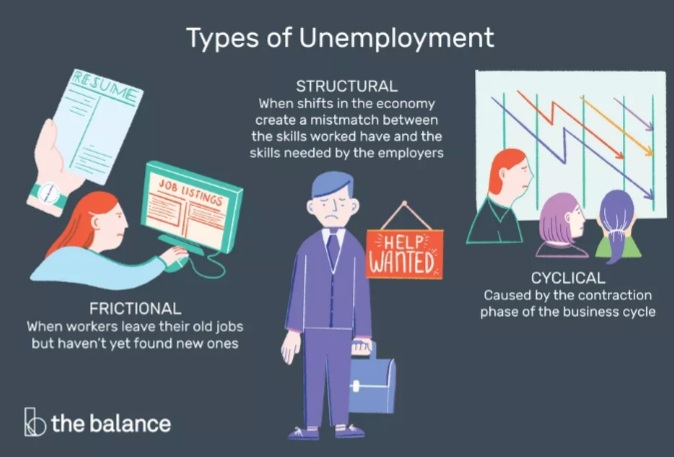
There are four main types of unemployment in an economy frictional, structural, cyclical, and seasonal and each has a different cause.
1. Frictional unemployment :
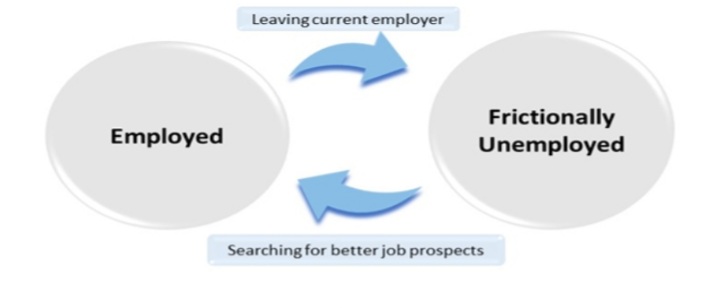
Frictional unemployment is caused by temporary transitions in workers lives, such as when a worker moves to a new city and has to find a new job. Frictional unemployment also includes people just entering the labor force, such as freshly graduated college students. It is the most common cause of unemployment, and it is always in effect in an economy.
2. Structural unemployment :
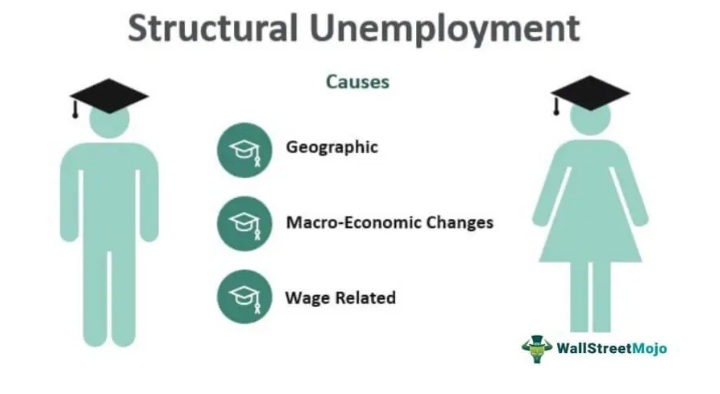
Structural unemployment is caused by a mismatch in the demographics of workers and the types of jobs available, either when there are jobs available that workers don’t have the skills for, or when there are workers availabes but no jobs to fill. Structural unemployment is most obvious in industries undergoing technological advancements.
3. Cyclical unemployment :
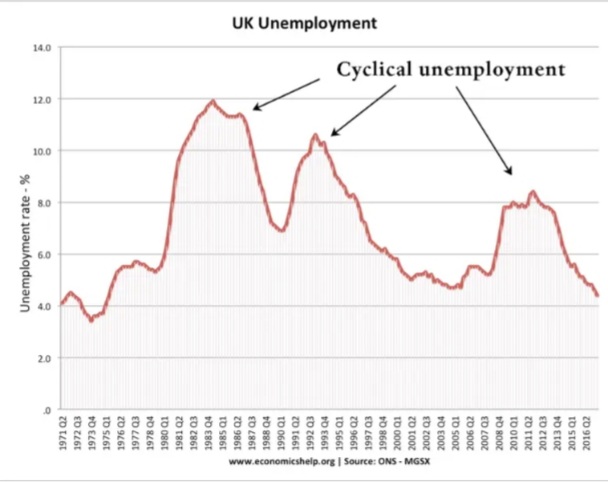
Cyclical unemployment is caused by declining demand. When there is not enough demand in an economy for goods and services, businesses cannot offer jobs . According to keynesian economics , cyclical unemployment is a natural result of the business cycle in times of recession: if all consumers become fearful at once, consumers will attempt to increase their saving at the same time, which means there will be a decrease in spending, and businesses will not be able to employ all employable workers.
4. Seasonal unemployment :
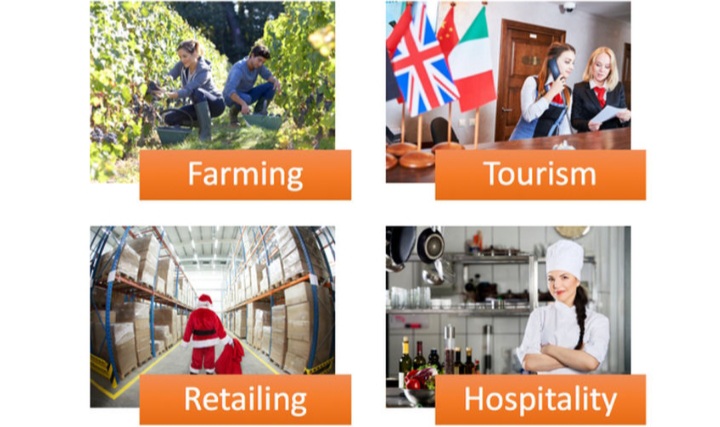
Seasonal unemployment is caused by different industries or parts of the labor market being available during different seasons. Fot instance, unemployment goes up in the winter months, because many agricultural jobs end oncr crops are have harvested in the fall, and those wotkers are left to find new jobs.
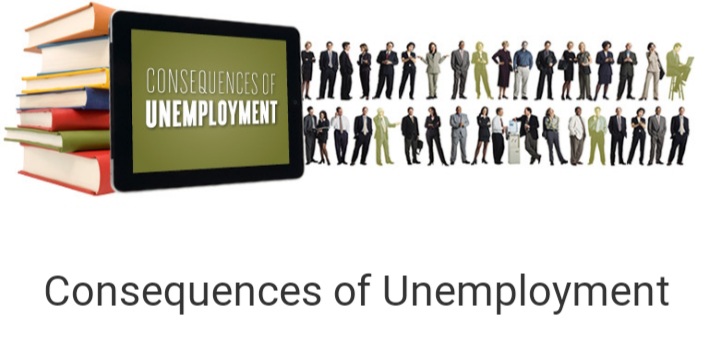
Consequences of unemployment in an Economy :
Low unemployment is key to economic stability High and long- term unemployment can cause significant stress on a nation in three key areas.
* Individuals :
Unemployed people have no ability to fulfill their financial obligations and can become mentally stressed, ill, and even homeless.
* Economic efficiency :
During times of high unemployment many job seekers will accept new jobs below their skill level, a situation called “underemployment ” which translates to a loss of human capital for an economys labor market. Unemployed workers will also significantly decreases their consumer spending, which is one of the driving forces of economic growth. Without consumer spending, the economy will slow dramatically.
* socio- political stability :
If unemployment remains high, citizen dissatisfaction can rise to the point of widespread civil unrest.
Possible solutions for Unemployment :
Solving unemployment is a hotly debated topic, and no economists agree on one simple way to do it. However, in the U.S ,if unemployment rises noticeably, the government usually steps in with specific policies designed to lower the total number of unemployed people.
1. Monetary policy :
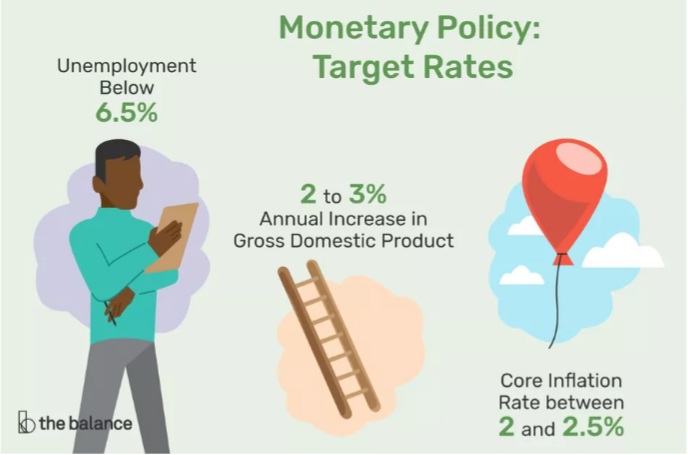
Monetary policy is financial influence implemented by a central bank . Monetary policies usually come in the form of lower interest rates, which increase the total money supply within an economy by allowing banks and businesses more access to loans and therefore, more accessible spending power.
2. Fiscal policy :
If expansionary monetary policy doesn’t adequately lower the unemployment rate government agencies will turn to fiscal policy. Fiscal policy is fiscal stimulus implemented by the national government and fiscal policies include spending on infrastructure, proposingtax cuts , increasing the minimum wage, or implementing unemployment benefits. These methods are designed to inject more demand into private economy and strengthen economic activity.
Let us now see some of the ways to motivate the students to study and get employeed.
• Make things easier :
Showing the things easier and explaining them with clarity helps the students to show better interest on the subject and makes them to pay more attention on what the teacher is trying to convey. When the topics are shown easier for the students, they start learning them and they feel achieved and they pay more attention to study. When a student learns a particular topic or a question, he/she feels comfortable and happy for getting it. Once if they start reading, they develop the interest in them and they continue to read more and more.
• Tell the importance :
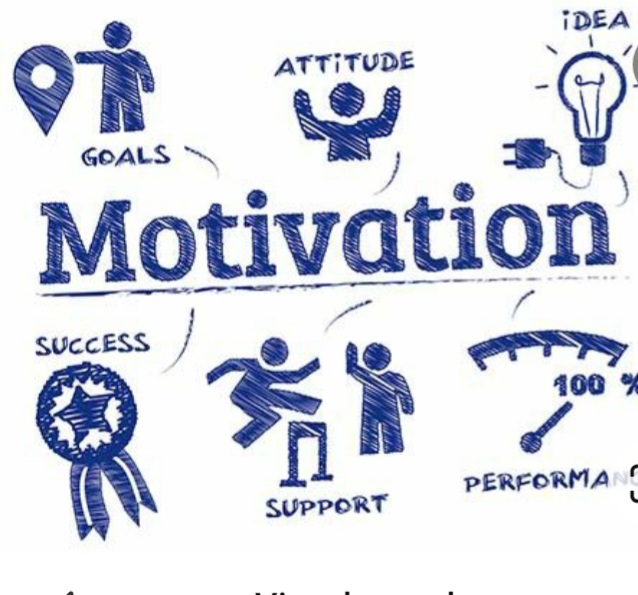
The students must be motivated with good number of words to understand the need of studying and what happens if they don’t study. A student is like a bird without the wings when they don’t study. So, it is very important to motivate students to study and to make them understand the need of the situation. Motivation brings the right change in the students who are not interested in learning. It develops the interest in them to study.
It seems good if the government provides good number of jobs.
What it means to “explain” something in science often comes down to the application of mathematics. Some thinkers hold that mathematics is a kind of language–a systematic contrivance of signs, the criteria for the authority of which are internal coherence, elegance, and depth. The application of such a highly artificial system to the physical world, they claim, results in the creation of a kind of statement about the world. Accordingly, what matters in the sciences is finding a mathematical concept that attempts, as other language does, to accurately describe the functioning of some aspect of the world
At the center of the issue of scientific knowledge can thus be found questions about the relationship between language and what it refers to. A discussion about the role played by language in the pursuit of knowledge has been going on among linguists for several decades. The debate centers around whether language corresponds in some essential way to objects and behaviors, making knowledge a solid and reliable commodity; or, on the other hand, whether the relationship between language and things is purely a matter of agreed-upon conventions, making knowledge tenuous, relative, and inexact.
Lately the latter theory has been gaining wider acceptance. According to linguists who support this theory, the way language is used varies depending upon changes in accepted practices and theories among those who work in particular discipline. These linguists argue that, in the pursuit of knowledge, a statement is true only when there are no promising alternatives that might lead one to question it. Certainly this characterization would seem to be applicable to the sciences. In science, a mathematical statement may be taken to account for every aspect of a phenomenon it is applied to, but, some would argue, there is nothing inherent in mathematical language that guarantees such a correspondence. Under this view, acceptance of a mathematical statement by the scientific community–by virtue of the statement’s predictive power or methodological efficiency–transforms what is basically an analogy or metaphor into an explanation of the physical process in question, to be held as true until another, more compelling analogy takes its place.
Health education is a profession of educating people about health. Areas within this profession encompass environmental health, physical health, social health, emotional health, intellectual health, and spiritual health, as well as sexual and reproductive health education.
Health education teaches about physical, mental, emotional and social health. It motivates students to improve and maintain their health, prevent disease, and reduce risky behaviours. It also focuses on emotional, mental and social health too. Educating students on the importance of health builds their motivation.
Health education is one strategy for implementing health promotion and disease prevention programs. Health education provides learning experiences on health topics. Health education strategies are tailored for their target population. Health education presents information to target populations on particular health topics, including the health benefits/threats they face, and provides tools to build capacity and support behavior change in an appropriate setting.
History
From the late nineteenth to the mid-twentieth century, the aim of public health was controlling the harm from infectious diseases, which were largely under control by the 1950s. By the mid 1970s it was clear that reducing illness, death, and rising health care costs could best be achieved through a focus on health promotion and disease prevention. At the heart of the new approach was the role of a health educator.
Code of ethics
The Health Education Code of Ethics has been a work in progress since approximately 1976, begun by the Society for Public Health Education (SOPHE).
“The Code of Ethics that has evolved from this long and arduous process is not seen as a completed project. Rather, it is envisioned as a living document that will continue to evolve as the practice of Health Education changes to meet the challenges of the new millennium.”
Importance of Health Education .
Health education builds student’s knowledge, skills, and positive attitudes about health. Health education teaches about physical, mental, emotional and social health. It motivates students to improve and maintain their health, prevent disease, and reduce risky behaviours.
Health education curricula and instruction help students to learn skills so that they will use to make healthy choices throughout their lifetime.
Health education teaches people of all ages about how diet and exercise contribute to a healthy lifestyle. It also encourages positive changes in behaviour and lowers the risk of addiction to drugs, alcohol and unsafe sexual practices. The majority of schools around the country have courses aimed at teaching health education to students. These courses often revolve around the body, healthy eating, sex and exercising. Some students are taught basic health and physical fitness early on. More in-depth courses are designed for middle and high school students.
Health education encourages a person to make healthy choices. They are instructed to avoid unhealthy habits. ‘A sound mind lives in a sound body’. Rabindranath Tagore and C.V. Raman, if they were confined to sick bed, could not have won the Nobel Prize. In fact, a sickly student with all his talents and abilities lags behind in the race of life.
Health education also teaches about the emotional and mental health of the student. A healthy person is the happiest person in the world.
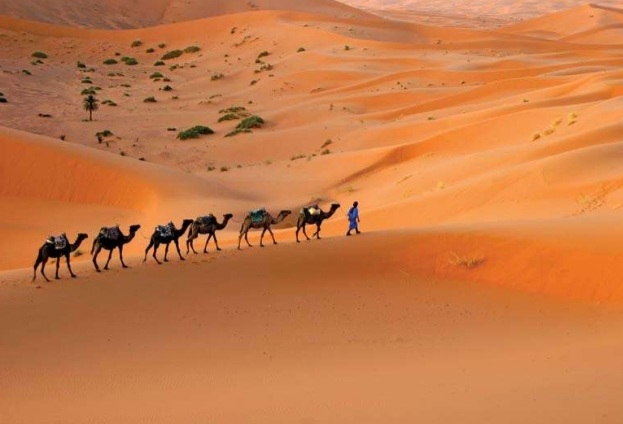
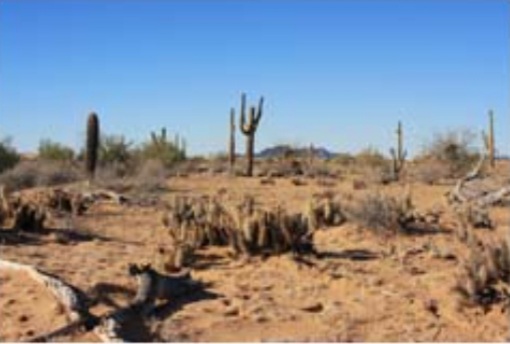
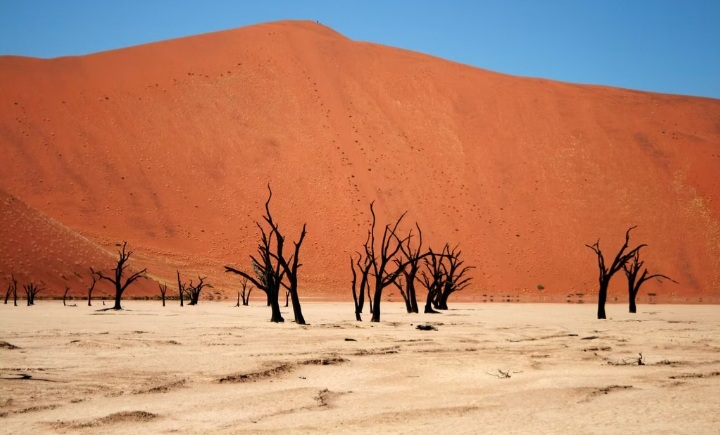
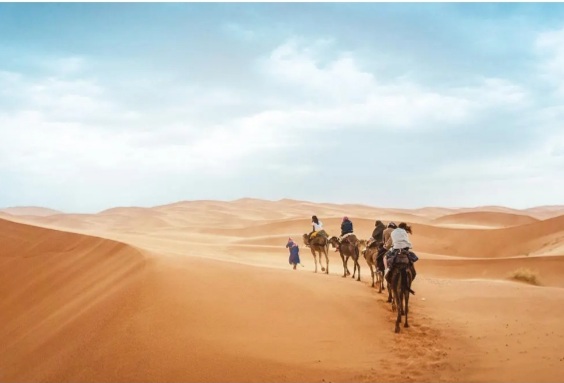
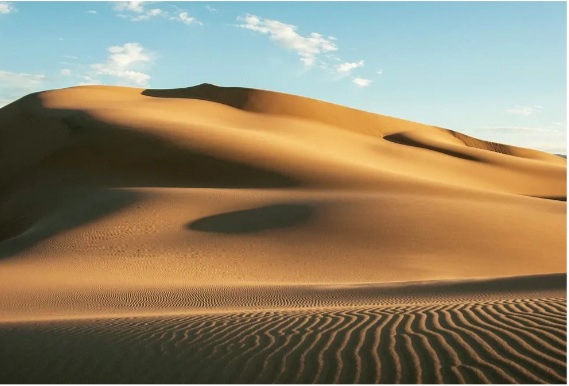
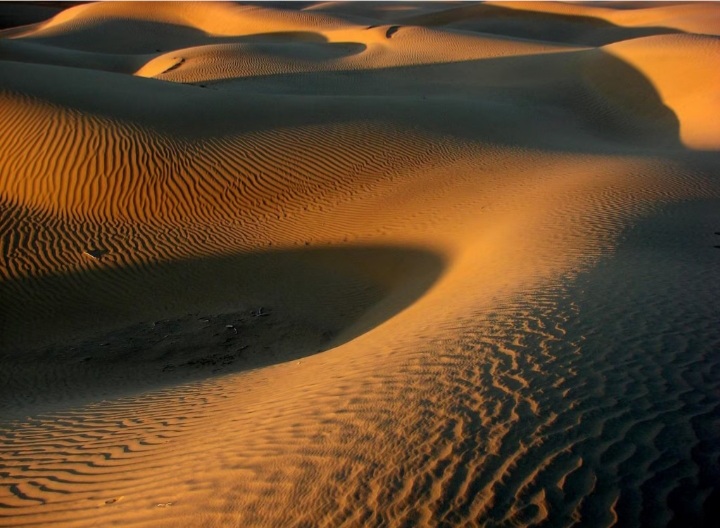
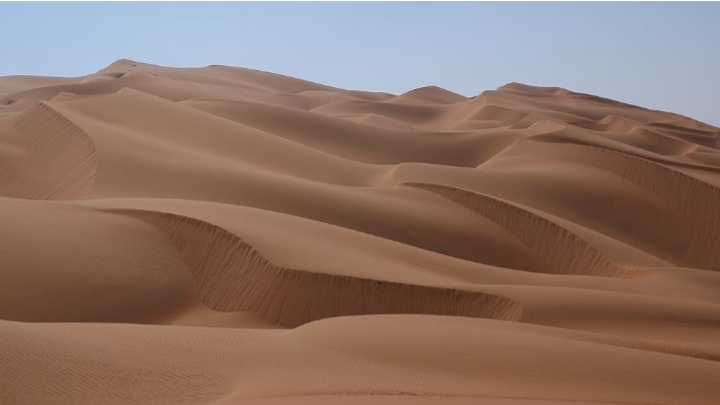
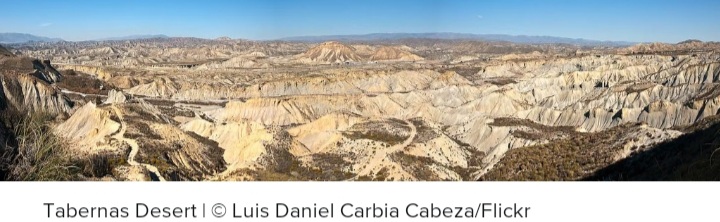
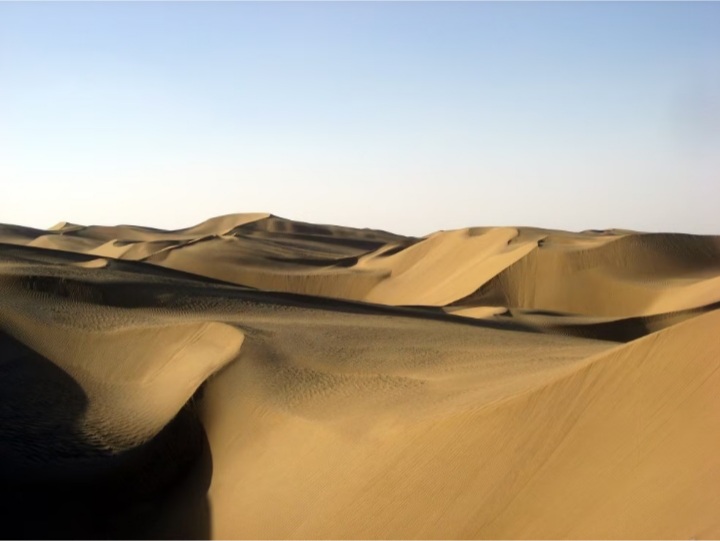
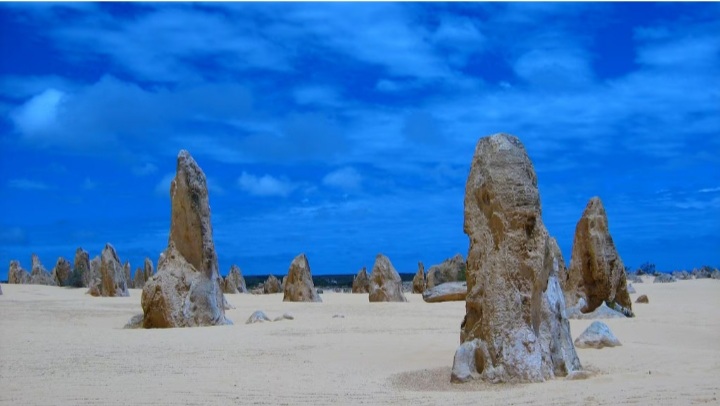
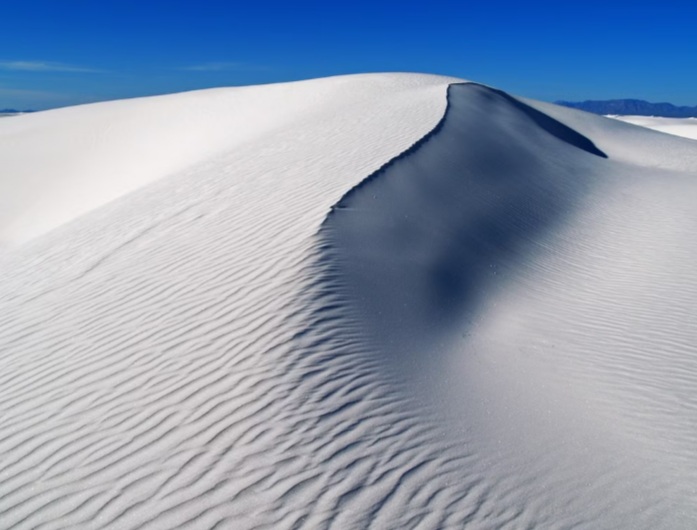
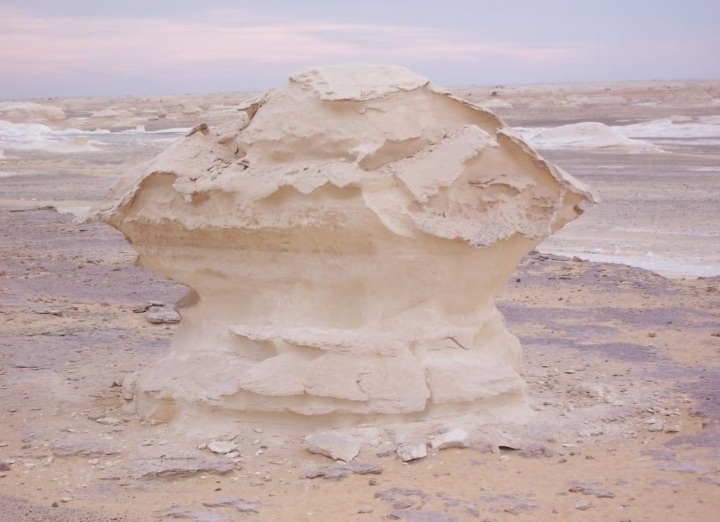
In the world we find varied geographical regions which includes mountains, plains, deserts, plateaus all with their own physical features. Desert is basically a piece of barren land which is filled with sand and lacks water bodies and have dry weather all along. In day time deserts are extremely heated up and at night it becomes chilling cold at the same place. In the Indian subcontinent we find desert in the western part of the subcontinent in the state of Rajasthan.
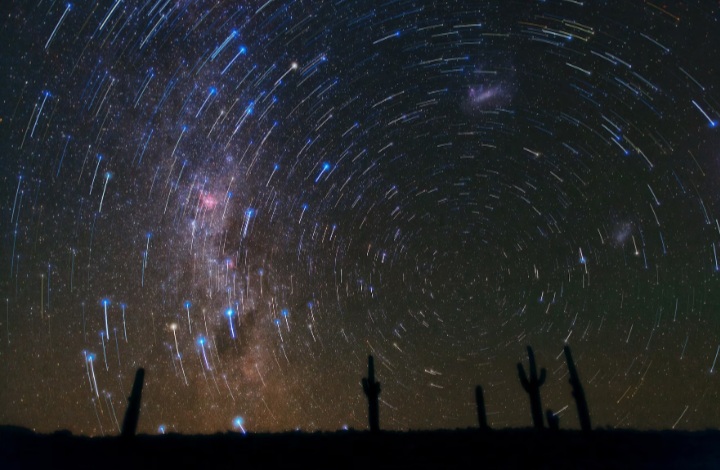
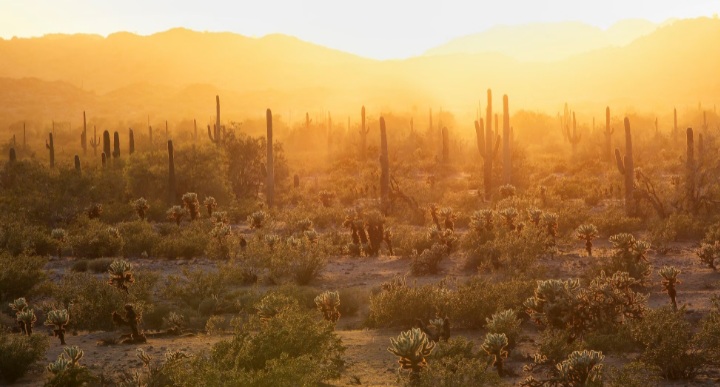
The animals and plants in the deserts have their own adaptations, among plants we find a variety of cactus, cactus plants have special adaptations to survive in the desert, they have fleshy stem which holds water in them which turns out to be useful when there is scarcity of water also they have very long roots which can penetrate deep inside the soil in search of water also they don’t have leaves and have thorns in place of them in cactus the food is prepared in the step as it contains chlorophyll and is green in color. Also, we find camel in desert their feet have adaptation to walk on the sand also they can survive with less water and they have long eyelashes to protect their eyes from dust storms.
Types of Deserts :
1. Coastal Deserts :
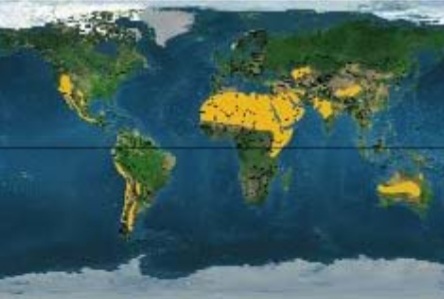
Coastal deserts occur in cool to warm areas along the coast. They have cool winters and long, warm summers. Coastal deserts are located on the west coasts of continents between 20° to 30° lattitude. Winds off the coast blows in an easterly pattern and prevents the moisture from moving onto the land. The Namib desert in Africa and the Atacama desert in chile are coastal deserts.
2. Subtropical Deserts :
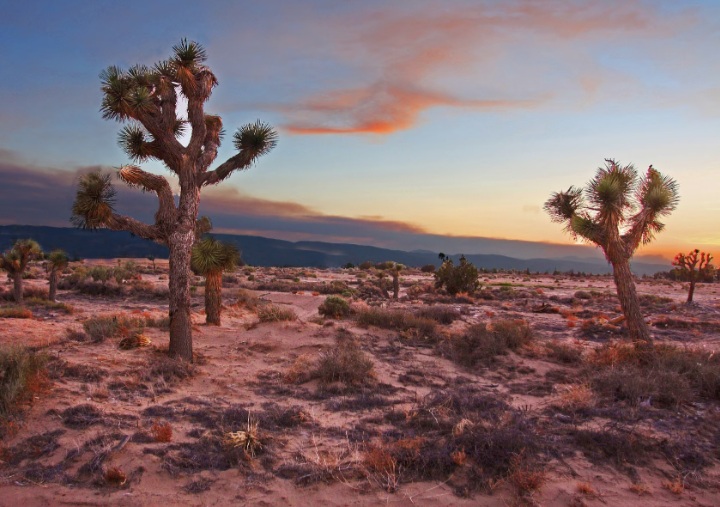
Subtropical deserts the hottest deserts. They are found in Asia, Australia, Africa and North and south America. In the united states, the chilhuahuan, sonoran and Mojave are all subtropical deserts. Subtropical deserts are very hot and dry in the summner and cooler but still dry in the winter. Rainfall happens in short bursts. The air is so hot and dry in these deserts that sometimes rain evaportaes before it even has a chance to hit the ground. The soil in subtropical deserts is usually either sandy or coarse and rocky.
Plants and animals in subtropical deserts must be able to withstand the hot temperatures and lack of moisture. Shrubs and small trees in the subtropical desert usually have leaves adapted to retain moisture. Animals in sbtropical deserts are usually active at night, when it is cooler.
3. Cold wintet Deserts :
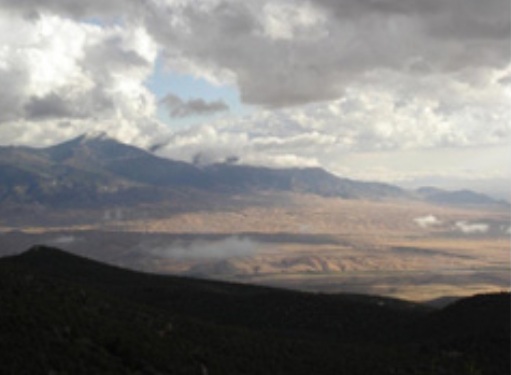
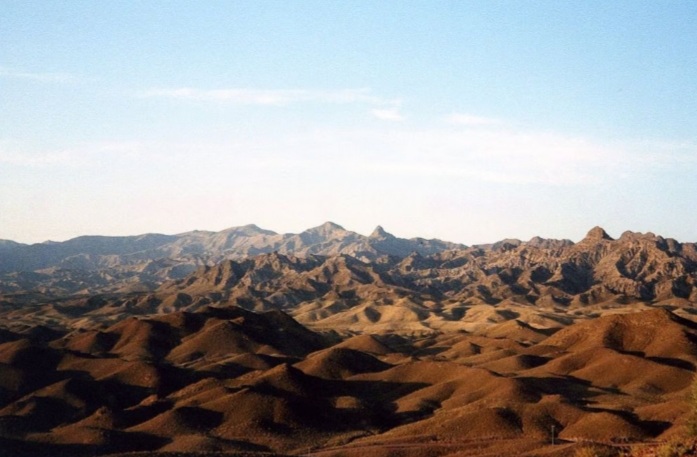
Cold winter deserts are also known as semiarid deserts . They have long, dry summers and cold winters with low rain or snowfall. In the united states the Great basin, the colorado plateau and the Red Desert are all cold winter deserts. Other cold winter deserts include the Gobi desert in china and Mongolia and the patagonian desert in Argentina. The lack of rainfall in cloud winter deserts is often caused by the rainshadow effect. The rainshadow effect happens when a high mountain range stops moisture from reaching an area. The Himalayan Mountain prevent rainfall from reaching the Gobi desert.
4. Ploar Deserts :
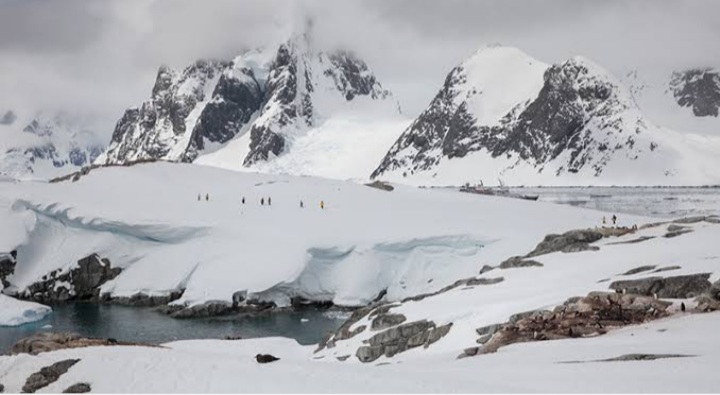
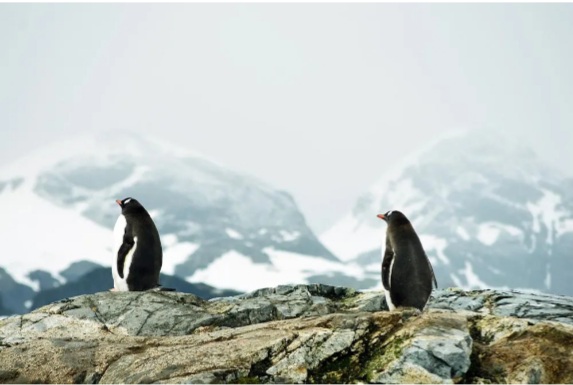
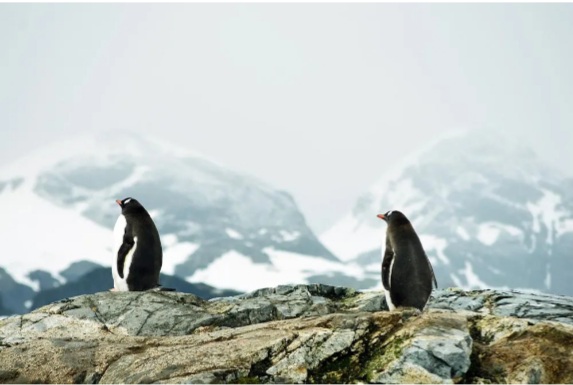
Polar deserts are found in the Arctic and Antarctic regions. Like warmer deserts, they also get very little precipitation.polar deserts are cold year- round.
Largest Desert in the world :
The antarctic polar Desert, which makes up the vast majority of Antarctica, is the largest desert in the world. In fact this single desert is larger than the combined size of the Gobi Desert, the Arabian Desert, and the sahara Desert.
* The driest desert of the world Atacama is surely the most dangerous desert of all.
The strongest animal in the Desert :
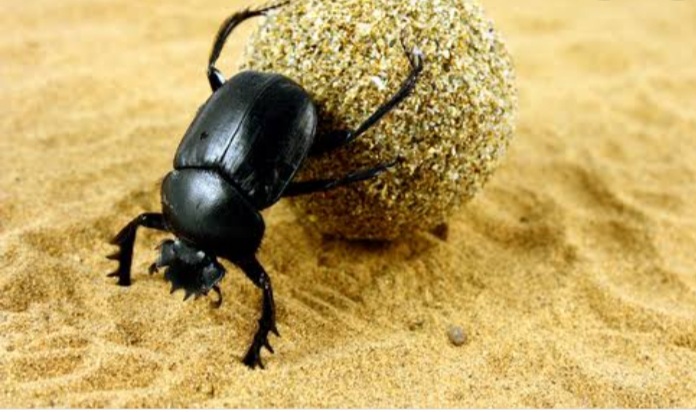
Based on strength to weight ratio, the dung beetle of the scarab is the strongest creature on earth. They can lift 1141 times their own body weight. It helps them a lot in finding the mate and food. The dung beetles also constitute a large percentage of scarab family.
The 7 hardest Animals to Hunt :
* Leopards
* Mountain Goats.
* Elk
* Eland.
* cape Buffalo
* Roan and sable
* Bears.
what can kill you in the Desert?
Aside from the oppressive heat and lack of water, the desert is also full of critters that can bite and sting. Some of these guys can even kill you if you aren’t able to find medical help. Spiders, scorpions, centipedes, and snakes are all found in dark places , abandoned builidings and under rocks.
In today’s world, regardless of the field we’re currently working in, everyone should learn these 5 skills listed below or atleast have a basic understanding of each of them. And one of the best ways to leverage your spare time is by trying on new things. At the current rate downfall of economy, unemployment is also increasing rapidly. As learning skills are undoubtedly helpful to all of us, and we should always keep on learning new skills.
What can be a better way to celebrate World youth skills day other than learning new skills?
So, here’s a list of 5 new skills to learn this 2021
Basic Writing
This includes all kind of writing like : Creative writing, email writing, Research papers, or be it Personal Bio No doubt, one of the most significant skill among all. Take one step at a time. Start with journaling and maybe then push your creative standards to higher levels. This skill improves not only communication but also thinking skills. Also, the creativity helps in academic and professional life. The resources that’ll help you in your this journey are :
Grammarly
Read
Thesaurus
Data Management & Analytics
This skill helps you analyse, interpret and communicate data with confidence and can be done by visualization, business analysis, reading trends or sorting & management. Anyway recognizing patterns, collecting, sorting, & data visualization skills always come in handy. The resources where you’ll find more about it :
Google Analytics
Google Trends
Excel
Youtube
Tech Fundamentals
This includes basic knowledge of Cloud computing, AI, Machine learning, Block chain, Virtual and Augmented reality, Big data, etc. Even if you’re not in the IT field, it is good to know the basics of these fundamentals. The resources are as follows:
Coursera
MOOC.org
Udacity
edX
YouTube
Editing
This includes basic video editing, Video and audio production and basic presentation skills. Creative exercises like editing help build our problem-solving skills and finding a new method of completing an old task is generating something new. The resources are as follows:
iMovie
Openshot
Canva
GarbageBand
YouTube
Foreign Language
Practise the 4 core skills – Reading, Writing, Speaking and Listening This helps us to get a better concept formation, mental flexibility, multitasking, listening skills, problem-solving skills, and also improves our social interaction. The resources to learn from are as follows:
YouTube/ Podcast
Alliance François
Coursera
Max Muller
By this, I don’t mean you have to expertise any of them, just have a basic understanding.
Job roles and responsibilities are ever- changing and becoming interdependent. Knowing these skills will make your future employer know that you can help with other tasks rather then the ones mentioned in your profile.
Learning and living go hand in hand. So the more you learn, the better you live
PSP (Personal Software Process) provide a standard personal process structure for software developers. PSP consists of a set of methods, tables, scripts etc. that serve as a guideline for software developers to plan, measure and manage their work, including how to define their processes and measure quality and productivity. PSP provides software engineers disciplined methods for improving personal software development process.
PSP helps software engineers to –
Improve their estimating and planning skill. Make commitment they can keep. Manage the quality of their product. Reduce the number of defects in their work. PSP represents metrics based approach to software engineering. PSP deals with software engineers to identify the errors early and to understand the types of errors.
PSP Activities
Planning: This activity isolates requirements and specifications to be decided prior to the development and estimates the size and the cost of the project. Defect estimation is also made. Development tasks are identified and scheduled is created.
High-Level Design: External specifications and requirements for each component to be constructed and developed. Component design is also created. Prototypes are developed if requirements are complex.
High Level Design Review: Formal verification methods are applied to uncover errors in the design.
Development: The component level design is reviewed and refined. The code is generated, reviewed, compiled and tested.
Postmortem: Using Metrics and measures the effectiveness of the process is determined. It provides guidance for modification of process and its improvement.
2. Goal of PSP
The goal of PSP is to provide software engineers with disciplined methods for improving personal software development.
3. Advantages of PSP
PSP represents a disciplined, metrics-based approach to software engineering.
PSP resulting improvement in software engineering productivity and software quality are significant.
It helps the software engineers in developing high quality software products.
It guides the engineer for personal improvement.
It gives the confidence to do the job the way you know you should.
The PSP gives the command over your work.
4. Disadvantages of PSP
PSP is intellectually challenging and demands a level of commitment which is always not possible to obtain.
Training for PSP is lengthy and costs for the training are high.
Required level of measurement is culturally difficult.
We human beings are the one who is responsible for polluting our nature and thus in turn nature also takes its revenge through various calamities, diseases, pandemic and so on. We all know that pollution is mainly caused by non-biodegradable wastes and plastic is such a non-biodegradable product which we human beings use very frequently in our everyday life, starting from plastic bags to toys, containers, food packaging almost everything has the use of plastic in it and thus is also generates a lot of waste daily. Plastic being a non-biodegradable waste stays into the soil or water for years and does not decompose rather they choke animal and water creatures also restricts plant growth and leads even to their death sometimes when the roots get entangled into them. Non-biodegradable plastic waste if burnt emits toxic fumes which in turn causes severe air pollution and is extremely harmful for living beings. We have got so much use of plastic that we cannot completely stop the use of plastic we can reduce it to some extent. To save the nature and environment from pollution we can follow the 3R’s i.e., Reduce, Reuse and Recycle. Recycling plastic is a great method which is even sustainable and can help us save our nature.
Package :
Several design options and features are available. Some bags have gussets to allow a higher volume of contents, special standup pouches have the ability to stand up on a shelf or a refrigerator, and some have easy opening or reclosable options. Handles are cut into or added into some. Bags can be made with a variety of plastics films. Polyethylene is the most common. Other forms, including laminates and co- extrusions can be used when the physical properties are needed. Plastics to create single use bags are primarly made with Fossil fuels. International plastic bag free day is celebrated on july 3.
Medical uses :
Plastic bags are used for many medical purposes. The non purpose quality of plastic film means that they are usefu for isolating infections body fluids ; other porous bags made of nonwoven plastics can be sterilized by gas and maintain this sterility. Bags can be made under regulated sterile manufactoring conditions ,so they can be used when the infection is a health risk. They are lightweight and flexiblr, so they can be carried by or laid next to patients without making the patients as uncomfortable as a heavy glass bottle would be. They are less expensive than re- usable options, such as glass bottles.
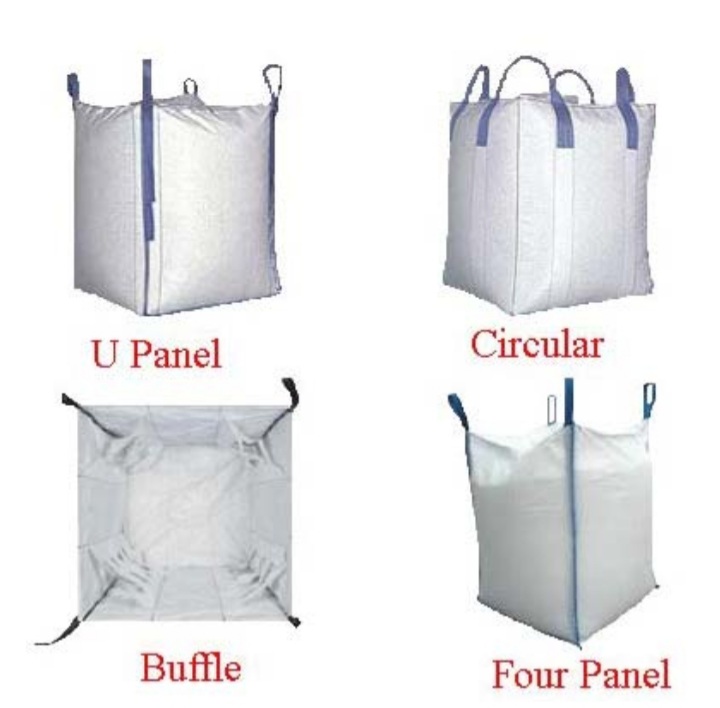
Flexible intermediate bulk container :
Flexible intermediate bulk containers are large industrial containers, usually used for bulk powders or flwables. They are usually constructed of women heavy-duty plastic fibers.
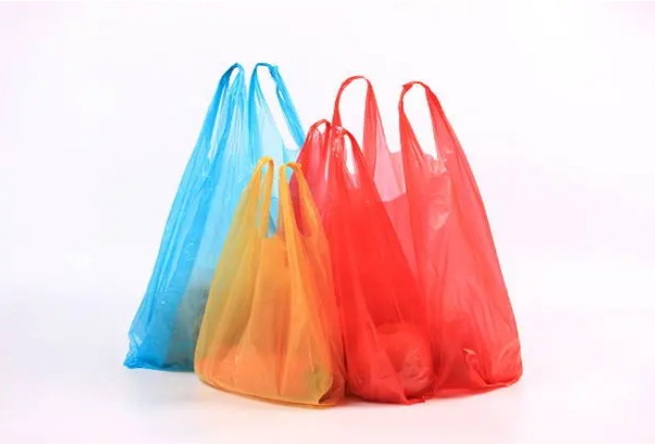
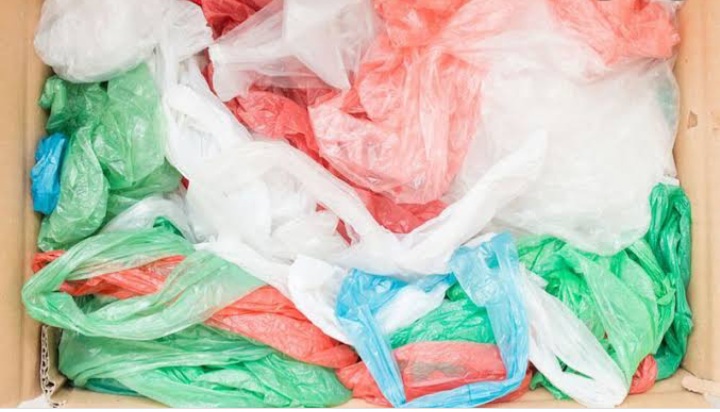
Plastic shopping bags :
Open bags with carrying handles are used in large numbers. Stores often provide them as a convience to shoppers. Some stores charge a nominal fee for a bag. Heavy duty reuseable shopping bags are often considered environmentally better than single use paper or plastic shopping bags. Because of envirpnmental a little problems, some locations are working toward a phase- out of lightweight plastic bags.
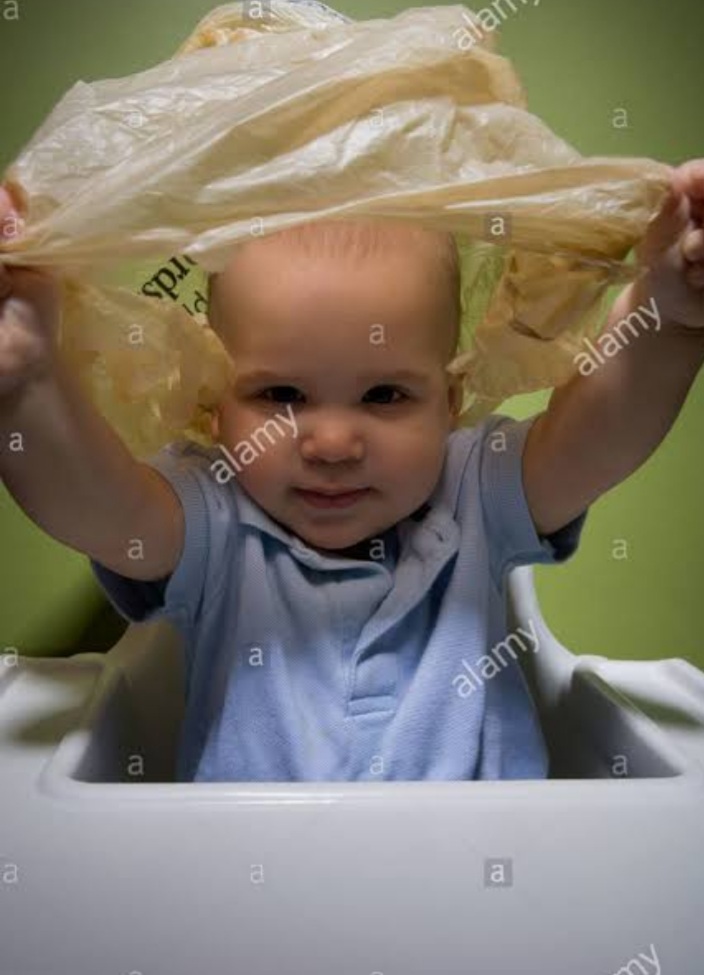
Danger to children :
Thin, comfortable plastic bags, especially dry cleaning bags, have the potential to cause suffocation. Because of this about 25 children in the united states suffocate each year due to plastic bags, almost nine- tenth of whom are under the age of one. This had led to voluntary warning lables on some bags posing a hazard to small children.
Uses :
Plastic bags are used for diverse applications. Bags of crisps, gardening supplies, bagging vegetables, blood platelets, inner bladder for bag-in – box , pastry bag with convenience closure, ostomy bag, bin bag, string bag made of plastic fibers, porous bag for cooking rice, Intravenous therapy, evidence bag, travel toiletries in a reclosable plastic bag, woven plastic fiber bags used for sand, A plastic body bag.
Different Types of plastic Bags :
* High Density polyethylene (HDPE)
* Low Density polyethylene ( LDPE)
* Linear Low Density Polyethylene ( LLDPE)
* Medium Density polyethylene (MDPE)
* polypropylene ( pp)
* The problem with plastic bags. Plastic bags start out as fossil fuels and end up as deadly waste in landfills and the ocean. Birds often mistakes shredded plastic bags for food, filling their stomachs with toxic debris.

























 Eduindex
You must be logged in to post a comment.