COMMUNICATION IN RELATIONSHIPS

Wondering about the secret to a Healthy Relationship?

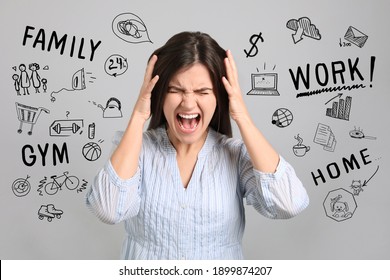
Good communication is an integral part of every relationship and is an essential part of every partnership. In times of distress or ups and downs or a conflict, communication can always be helpful towards building a strong relationship.

We often hear a lot about how good communication is. I think it’s high time we look deeper to understand its meaning and value in our relationships and how we can improve our communication with our partners.

The flow of communication not only is about speaking your thoughts but also about listening to your partners thoughts and being empathetic towards it. We need to talk openly and be good listeners. At times it gets difficult for one to communicate effectively. It could be something that is painful or is hurting us but its often the things that we can’t talk about that hurt the most. There are times when certain topics turn into conflicts but one needs to manage them through the right way of communication.

Conflict Management with Communication

Here are some tips:

  • Try not giving silent treatments
  • Do not assume things
  • Don’t judge
  • Learn to understand each other and not defeat each other
  • Stick to the important problem
  • Be respectful towards each others feelings

When you are more aware of the kind of communication you all have it always makes things easier and to have more control over whatever is happening.

Listening and Communication

Listening is one of the major parts of communication. When you listen with utmost interest and empathy, your partner tends to be honest and open.

Here are some tips to effective listening:

  • Keep comfortable eye contact
  • sit or stand at the same level
  • Avoid distractions
  • Face the person you are listening to
  • Do not interrupt while they speak
  • Be aware of your tone
  • Be interested and show proper attention

Communication Improvements

There are always ways to communicate appropriately and two people need to rightly figure it out. One may need sometime to communicate and express their views. People who need encouragement in speaking their mind out need people who can be good listeners and who’s actions speak louder than words.

Ways of improving your communication:

  • Building companionship: When you share your thoughts, ideas, experiences and concerns with your partner it binds you all with companionship which is also very important in every relationship.
  • Sharing Intimacy: Intimacy is not only a sexual concept, Intimacy is built on the basis of feeling attached to your partner or by having moments which make you feel close. Its a feeling of being comfortable and be comforted where two people can be honest and open.
  • Find a common ground: Try to reach conclusions which are feasible to both of you all whether in parenting style or how finances are distributed.
  • Ask questions: Ask questions about your partners happiness and what’s causing them the pain or the disappointment. One should also assess the things which lead to conflict and work on it.

In todays world, people find it quite difficult to communicate their thoughts and feelings which leads to several misunderstandings and assumptions and create cracks in relationship. But the most effective way to keep a relationship healthy is to communicate and listen to your significant other with utmost empathy. Communicating could take a while for some people but that’s the best way out through all your relationships.

Role of media in protecting democratic values in India: Success and Failure

In relation to society, media plays an important role in the life of human beings. In the contemporary period, media in form of radio videos, television has become a dependable factor for people in order to get information related to national as well as international interests. Media has also become a source for people to stay connected with their family members, friends and colleagues and assist them to keep themselves updated with the ongoing social trends.

Today, under the basic idea of freedom of speech and expression, media has invaded almost all elements of an individual’s life and thus can be considered universal. In India, there are different categories of media such as mass media which is further of various types like cinema, television, radio, magazines, newspaper and many active sites based on internet. At present, the media power has reached upto such great height that a body of government can be formed or shattered, simply by the positive and negative determination of the people.

In the public domain, the Indian media functions as a mediator between the citizens and the government, bringing up problems of serious concern and also acts as an agenda setter. The citizens must be protected by media in the first place in order to preserve the democratic values of the nation. This role is rightly acted by the media socially by aiding governmental programs such as Beti Bachao Beti Padhao, Swach Bharat Abhiyan, water and fuel saving initiatives etc. The media also helps the underprivileged people. The crimes related to women such as violence and gender discrimination and the practice of considering women weaker both physically and mentally prevailing in Indian society has been brought into light by the media. The people of the society are communicated and made aware of various other gruesome crimes via television, effective films, influential radio documentary, drama and animation. The social evils are terminated by bringing about positive change by the government by the help of the media. Therefore, free participation of people is involved in media and it acts as an unbiased mentor, this aids in encouraging the state of being equal in status, opportunities or rights which fortify the democracy. The country is also shaped economically and politically by the media apart from the social change. The media at times derive secret information related to corruption and make is accessible to the public making the life of officials and corrupt bodies of government difficult. In the nation, a great number of people are not aware of the political parties or the political activities. As a result of which many do not vote or vote in darkness. The media helps in making the public aware of the clear picture of the political parties, leaders and their agenda. Therefore, it plays a significant role in the turnout of a voter which is beneficial for the democracy’s strengthening. The media contributes greatly by providing accountability, publicity and transparency.

The current role of the media in the system of Parliament is a matter of debate along with criticism for ignoring its responsibilities towards the society. Certain practices of the media commercially has affected the Indian democracy recently. In the Indian market, truth and the quality or state of being correct is almost lost at the expense of interest of the world in media. In the recent years, the media somewhat seem to be navigated towards the dark. Today, the media acts as mouthpiece of the political parties and the agencies are under the control of some political leader. The rising communal riots due to coverage of sensitive propaganda news might prove threat to the democracy.

Thus, it is the duty of the media to act in a more responsible way and be accountable for presenting any information or news to the public. There is lot of scope for media to rise up to the people’s expectations and refine its standard. Freedom of press is a blessing in India but at times it may turn out to be alarming.

Beti Bachao Beti Padhao

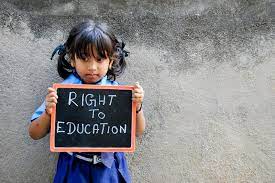
Beti Bachao, Beti Padhao (Save the girl child, educate the girl child) is a campaign of the Government of India that aims to generate awareness and improve the efficiency of welfare services intended for girls in India. The scheme was launched in 2015 at Panipat,Haryana with an initial funding of ₹100 crore. It mainly targets the clusters in Uttar Pradesh, Haryana, Uttarakhand, Punjab, Bihar and Delhi.

Country-India

Prime Minister(s)Narendra Modi

Ministry-A joint initiative of MoWCD, MoHFW and MoE

Launched22 January 2015; 6 years agoStatusActive

Reasons For This Initiative ⭕

Sex selective abortion or female foeticide has led to a sharp drop in the ratio of girls born in contrast to boy infants in some states in India. Ultrasound technology has made it possible for pregnant women and their families to learn the sex of a foetus early in a pregnancy. Discrimination against girl infants, for several reasons, has combined with the technology to result in a rise in abortions of foetuses identified as female during ultrasonic testing.

The trend was first noticed when results of the 1991 national census were released, and was confirmed to be a worsening problem when results of the 2001 national census were released. The reduction in the female population of certain Indian states continues to worsen, as results of the 2011 national census have shown. It has been observed that the trend is most pronounced in relatively prosperous regions of India.The dowry system in India is often blamed; the expectation that a large dowry must be provided for daughters in order for them to marry is frequently cited as a major cause for the problem.] Pressure for parents to provide large dowries for their daughters is most intense in prosperous states where high standards of living, and modern consumerism, are more prevalent in Indian society.

Rates of female foeticide in Madhya Pradesh are increasing; the rate of live births was 932 girls per 1000 boys in 2001, which dropped to 918 by 2011. It is expected that if this trend continues, by 2021 the number of girls will drop below 900 per 1000 boys.

The Govt of India has formed a National Executive Committee to promote Beti Bachao Beti Padhao (BBBP) across the country. The committee is organising a number of programs to promote “Save Girl Child” and “to Educate Girl Child” since January 2015. Dr. Rajendra Phadke is the National Convener of BBBP Abhiyan.The Beti Bachao campaign is also supported by the Indian Medical Association.

Aim of Beti Bachao Beti Padhao SchemeThe aim of Beti Bachao Beti Padhao scheme is to stop the drop in girl child sex ratio. Therefore, it will encourage women’s empowerment in order to improve women status in the country. It is a tri-ministerial initiative of the following ministries:Women and Child DevelopmentHealth and Family WelfareHuman Resource Development

⭕Interpersonal Communication ⭕

Interpersonal communication is an exchange of information between two or more people.It is also an area of research that seeks to understand how humans use verbal and nonverbal cues to accomplish a number of personal and relational goals..2021Interpersonal communication research addresses at least six categories of inquiry:

1) how humans adjust and adapt their verbal communication and nonverbal communication during face-to-face communication;

2) how messages are produced;

3) how uncertainty influences behavior and information-management strategies;

4) deceptive communication;

5) relational dialectics; and

6) social interactions that are mediated by technology.

A large number of scholars have described their work as research into interpersonal communication. There is considerable variety in how this area of study is conceptually and operationally defined.Researchers in interpersonal communication come from many different research paradigms and theoretical traditions, adding to the complexity of the field.Interpersonal communication is often defined as communication that takes place between people who are interdependent and have some knowledge of each other: for example, communication between a son and his father, an employer and an employee, two sisters, a teacher and a student, two lovers, two friends, and so on.Although interpersonal communication is most often between pairs of individuals, it can also be extended to include small intimate groups such as the family. Interpersonal communication can take place in face-to-face settings, as well as through platforms such as social media.The study of interpersonal communication addresses a variety of elements and uses both quantitative/social scientific methods and qualitative methods.There is growing interest in biological and physiological perspectives on interpersonal communication. Some of the concepts explored are personality, knowledge structures and social interaction, language, nonverbal signals, emotional experience and expression, supportive communication, social networks and the life of relationships, influence, conflict, computer-mediated communication, interpersonal skills, interpersonal communication in the workplace, intercultural perspectives on interpersonal communication, escalation and de-escalation of romantic or platonic relationships, interpersonal communication and healthcare, family relationships, and communication across the life span.

What Are the 4 Types of Interpersonal Communication and Interpersonal Skills?

When it comes to basic elements of interpersonal communication, the various types of possible communication will cluster under four basic categories: verbal, listening, written, and non-verbal communication

.1. Verbal 

Whenever you talk or even make an audible sound (like “hmm” of “Ahh!” for example), you’re creating verbal communication. Beyond the content of what you’re saying and the context in which it’s being said, verbal communication also includes additional auditory factors like intonation. This refers to how your voice rises and falls in tone as you speak and can shade how the words are meant to be interpreted. For example, the phrase “Have a nice day” can take on a number of different meanings when you imagine it said in a friendly way, sarcastically, or even ominously. 

 2. Listening 

Chances are that some point in your life you’ve been accused of “hearing but not listening” to what someone was saying to you. The distinction between the two concepts might have seemed nuanced at first until the message became clear: hearing is involuntary and effortless whereas listening is focused and intentional. Hearing is an automatic response that is the result of having working ears. Listening takes more effort. It’s purposeful and requires concentration to understand what the speaker is sharing.

3Written Communication 

When information that is complex or lengthy needs to be shared, it’s usually conveyed through written communication. To that end, written communication is often considered more legally valid than spoken words are. That’s why it often serves as an “official” mode of communication. Written communication can also include emoji, which can help convey more emotional information and context that can be hard to deduce from the words themselves. 

When you convey a message via written symbols, you’re practicing written communication. From emails and text messages to more formal memoranda and reports, written communication is the cornerstone of most information sharing in business. 

. Non-Verbal Communication

 Getting meaning across without using words either written or spoken is the essence of non-verbal communication. This can be achieved through everything from facial expressions, to specific gestures (“jazz hands,” anyone?) to body language and certain postures. To get a sense of how much can be communicated through non+verbal communication, consider that mimes are able to tell entire stories without uttering a word. Moreover, non-verbal communication often complements spoken communication. Gestures like ‘air quotes” or shoulder shrugging add additional if not entirely different meanings to what’s being said. 

Personality Development

Personality is something that people tend to think a lot about. When we meet new people, whether through work, school, or social events, it is often their personality on which we immediately focus. Whether they are nice, helpful, outgoing, or shy are just a few of the things that we assess as we evaluate the people around us.

What Is Personality Development?

It is our personality that makes us who we are, but how exactly do our personalities form? Personality development has been a major topic of interest for some of the most prominent thinkers in psychology. Since the inception of psychology as a separate science, researchers have proposed a variety of ideas to explain how and why personality develops.

Personality development refers to how the organized patterns of behavior that make up each person’s unique personality emerge over time. Many factors go into influencing personality, including genetics, environment, parenting, and societal variables. Perhaps most importantly, it is the ongoing interaction of all of these influences that continue to shape personality over time.

Personality involves not only inborn traits but also the development of cognitive and behavioral patterns that influence how people think and act. Temperament is a key part of the personality that is determined by inherited traits.

Character is an aspect of personality influenced by experience that continues to grow and change throughout life. While personality continues to evolve over time and respond to the influences and experiences of life, much of personality is determined by inborn traits and early childhood experiences.

⭕⭕HOW TO DEVELOP PERSONALITY?⭕⭕

1️⃣Evaluating Yourself

2️⃣Focusing on Positive Personality Traits

3️⃣Avoid Negative Personality Traits

4️⃣Speak Up More

5️⃣Believing in yourself

There are three main influences on personality development that we are going to look at in this lesson. Those are heredity, environment, and situation.

Empathy, compassion, and helping others: People with a strong personality believe that they are free and do not owe people around them any favours, and in return they respect the fact that others do not owe them. Preferring being alone and silence over mingling with those who do not understand them.

Here I have got some simple yet crucial tips over how you can acquire a well-meaning personality.

⭕Know yourself. …

⭕Bring positivity in your outlook. …

⭕ Have an opinion. ..

⭕. Meet new people.

⭕ … Read more often and develop new interests.

⭕… Be a good listener. .

⭕.. Be courteous. .

⭕.. Work on your Body Language

Reflexology

What Is Reflexology?

Reflexology is a type of therapy that uses gentle pressure on specific points along your feet (and possibly on your hands or ears as well) to help you feel better. The theory is that this eases stress, and that helps your body work better. It’s also known as zone therapy.

The way reflexology connects spots on the outside of your body to the inside is a bit like acupuncture and acupressure. But those therapies use points all over your body, not just on your feet, hands, and ears. And while reflexologists do use their hands, it isn’t a form of massage.

Like those other therapies, though, reflexology is complementary to medical treatments. It can be done alongside traditional care, but it’s not an alternative to it, and reflexologists don’t diagnose or treat illnesses.

Different types of reflexology

There are many types of reflexology. The common types of reflexology are:

  • Standard Reflexology
  • Zone Therapy – developed by Eunice Ingham in the 1930’s
  • Vertical Reflex Therapy (VRT)
  • The Reflex Meridian Therapy
  • 5 Elements Reflexology
  • The Morell Technique

Reflexology Benefits

Reflexology may help you feel less stressed, more relaxed, and more energized. But the benefits might go deeper if you have certain health issues.

Some people with medical conditions find that they feel less pain and discomfort if they have less stress, and reflexology may help with that. Researchers reviewed 17 studies of the psychological benefits of the therapy and found that it boosted feelings of well-being and made it easier for people to manage their conditions.

More research is needed to see if reflexology can have a direct effect on specific conditions, but based on what we know so far, it may ease:

  • Anxiety among people who’ve had heart surgery.
  • Pain during labour.
  • Arthritis pain.
  • Some symptoms of multiple sclerosis, like fatigue, and uncomfortable skin sensations.
  • Emotional and physical pain caused by cancer.
  • back pain and muscle strain
  • sports injuries
  • stress
  • anxiety and depression
  • sleep and eating disorders
  • poor circulation
  • irritable bowel syndrome
  • migraine or sinus problems
  • pre-menstrual tension
  • symptoms of the menopause
  • breathing difficulties such as asthma
  • balancing the central nervouse system 

It may also

  • Improve sinus issues.
  • Relieve back pain.
  • Ease constipation.

How Does Reflexology Work?

There are different theories about the exact way that reflexology works, but the main concept of all is that different areas of the feet are linked to specific body parts, and that putting pressure on one area of the foot can have an effect on the organ that it corresponds with.

According to zone theory, a foot is divided into five zones that run from toe to heel: The big toe is zone 1, and the pinky toe is zone 5. The body is divided into 10 zones that run from head to foot. Zone 1 aligns with the left and right center of the body, and zone 5 aligns with the left and right sides of the body. When you place pressure on zone 1 in the foot, it can relieve pain in the part of the body that’s linked to that area.

A theory that dates back to the 19th century suggests that reflexology works by stimulating the nervous system. Pressing on areas of the feet in a calming way stimulates the nerves there, which sends a message to the central nervous system. This helps to relax the body and has positive effects on your breathing, blood flow, immune response, and more.

Another theory suggests that reflexology helps offset the way that your brain registers pain. When your feet are massaged, the relaxing sensations may help relieve stress and improve your mood, which may make you less inclined to perceive pain as deeply.

Still another theory suggests that your body contains “vital energy” that is affected by stress. If you don’t work to relieve the stress, your body may not work as well as it should, which may lead to aches or illness. Reflexology is thought to help you maintain the flow of vital energy through your body.

When You Should Avoid Reflexology

Most people, even those in the hospital, can benefit from reflexology. A study on women with advanced breast cancer found it was safe even for people who are very ill.

But you shouldn’t have reflexology if you’re recovering from an injured foot or have gout. Because it may affect blood flow, it’s not for people with blood clots or women who are pregnant.

If you have a chronic condition, a disease that affects your feet or legs, or arthritis in your feet or ankles, ask your doctor first. If your feet are off-limits, you may still be able to have reflexology on your hands or ears.

If you have recently had an operation or surgery, if you have had any injuries that might affect your treatment – such as a recently healed broken ankle avoid reflexology.

Indira Gandhi-First Woman Prime Minister Of India

Indira Gandhi, in full Indira Priyadarshini Gandhi, née Nehru, (born November 19, 1917, Allahabad, India—died October 31, 1984, New Delhi), Indian politician who was the first female prime minister of India, serving for three consecutive terms (1966–77) and a fourth term from 1980 until she was assassinated in 1984.

Indira Nehru was the only child of Jawaharlal Nehru, who was one of the chief figures in India’s struggle to achieve independence from Britain, was a top leader of the powerful and long-dominant Indian National Congress (Congress Party), and was the first prime minister (1947–64) of independent India. Her grandfather Motilal Nehru was one of the pioneers of the independence movement and was a close associate of Mohandas (“Mahatma”) Gandhi. She attended, for one year each, Visva-Bharati University in Shantiniketan (now in Bolpur, West Bengal state) and then the University of Oxford in England. She joined the Congress Party in 1938.

Gandhi’s biggest achievement following the 1971 election came in December 1971 with India’s decisive victory over Pakistan in the Indo-Pakistani War that occurred in the last two weeks of the Bangladesh Liberation War, which led to the formation of independent Bangladesh.

She married Feroze Gandhi at the age of 25, in 1942. Their marriage lasted 18 years until he died of a heart attack in 1960.[218] They had two sons—Rajiv (b. 1944) and Sanjay (b. 1946). Initially, her younger son Sanjay had been her chosen heir, but after his death in a flying accident in June 1980, Gandhi persuaded her reluctant elder son Rajiv to quit his job as a pilot and enter politics in February 1981. Rajiv took office as prime minister following his mother’s assassination in 1984; he served until December 1989. Rajiv Gandhi himself was assassinated by a suicide bomber working on behalf of LTTE on 21 May 1991.[219]Gandhi’s yoga guru, Dhirendra Brahmachari, helped her in making certain decisions and also executed certain top level political tasks on her behalf, especially from 1975 to 1977 when Gandhi “declared a state of emergency and suspended civil liberties.

Garibi Hatao Desh Bachao (“Remove poverty, rescue the country”) was the theme and slogan of Indira Gandhi’s 1971 election campaign.It was a famous slogan given by her.

she died on 31 October, 1984.Indian Prime Minister Indira Gandhi was assassinated at 9:29 a.m. on 31 October 1984 at her residence in Safdarjung Road, New Delhi. She was killed by her Sikh bodyguards Satwant Singh and Beant Singh in the aftermath of Operation Blue Star.She was attacked by a gun..38 (9.1mm) revolver and Sterling submachine gun

Salma Sultan gave the first news of the assassination of Gandhi on Doordarshan’s evening news on 31 October 1984, more than ten hours after she was killed.It is alleged by the Indian government that Gandhi’s secretary R. K. Dhawan overruled intelligence and security officials who had ordered the removal of policemen as a security threat, including her assassins.

Pandit Jawahar Lal Nehru- The First Prime Minister Of India

Pandit Jawaharlal Nehru was a leading figure in the Indian Independence struggle. He was the first Prime Minister of Independent India. He had initiated socio-economic policies of the idealistic socialist kind. He was a prolific writer and authored books such as ‘The Discovery of India’ and ‘Glimpses of the World History’

Quick Facts⭕

⭕Born on: 14 November, 1889

⭕Place of Birth: Allahabad, Uttar Pradesh

⭕ IndiaFather’s Name: Motilal Nehru

⭕Mother’s Name: Swarup Rani Nehru

⭕Spouse: Kamala NehruChildren: Indira Gandhi

⭕Education: Harrow School, London; Trinity College, Cambridge; Inns of Court School of Law, London

⭕Occupation: Barrister, Writer, and PoliticianPolitical party:

⭕ Indian National CongressPolitical Ideology: Nationalism, Socialism, Democracy

⭕Award: Bharat RatnaPublications/

⭕Works: The Discovery of India, Glimpses of World History, Jawaharlal Nehru’s Autobiography, Letters from a Father to his Daughter, etc

⭕.Died: 27 May 1964

⭕Place of Death: New Delhi

Children’s Day 2021: It is also known as ‘Bal Diwas’. It is celebrated on November 14, 2021, to commemorate the birth anniversary of India’s first Prime Minister Pandit Jawaharlal Nehru.The day is also recognised across the country to raise awareness about the rights, care, and education of children.

Since 1956, India has been celebrating Children’s Day on November 20. Originally, on November 20, Children’s Day was observed as Universal Children’s Day by the United Nations.After the death of Chacha Nehru in 1964, his birth anniversary began to be celebrated as Children’s Day in the country. His popularity among children was considered and a resolution was passed in parliament to celebrate National Children’s Day in his honour on November 14.

Chacha Nehru was a strong advocate for children’s education and always believed that a newly independent country could only flourish alongside the prosperity of its children. He believed that children were the real strength of a nation and the foundation of society.

APJ ABDUL KALAM – The Missile Man Of India

APJ Abdul Kalam Biography, Early Life, Achievements, Quotes will be discussed here. Avul Pakir Jainulabdeen Abdul Kalam, often known as APJ Abdul Kalam, was an outstanding scientist who rose to become India’s 11th President from 2002 to 2007. Kalam worked as a scientific administrator and scientist for over four decades, mainly at the Indian Space Research Organization (ISRO) and the Defence Research and Development Organization (DRDO). He was deeply involved in India’s military missile development activities as well as its civilian space program.

⭕APJ Abdul Kalam Biography⭕

He was given the moniker ‘The Missile Man of India’ to launch technology and ballistic missile development. APJ Abdul Kalam was a key figure in the Pokhran-II Nuclear Tests in 1998. On October 15, 1931, APJ Abdul Kalam was born into an impoverished Tamil Muslim family in the pilgrimage town of Rameswaram, Tamil Nadu. Ashiamma was a homemaker, while his father, Jainulabdeen, was a boat owner and an imam at a local mosque.

⭕APJ Abdul Kalam Early Life⭕

He was an average student at school, but he had a tremendous desire to study and work hard. He loved mathematics and would spend hours studying it. In 1954, he graduated from ‘Saint Joseph’s College, Tiruchirappalli,’ after attending ‘Schwartz Higher Secondary School.’He aspired to be a fighter pilot, but his ambition was dashed when the IAF only had eight seats available, and he was assigned to the ninth.

⭕APJ Abdul Kalam Career⭕

As a researcher, While on the ‘INCOSPAR’ committee, Kalam worked under the great space scientist Vikram Sarabhai. After joining the ‘Defence Research and Development Service,’ he graduated from the ‘Madras Institute of Technology in 1960 and worked as a scientist at the ‘Aeronautical Development Establishment.’ In 1969, Kalam was sent to the Indian Space Research Organization (ISRO). He rose to the project manager position for the country’s most advanced satellite launch vehicle (SLV-III). Under Kalam’s direction, SLV-III successfully launched the ‘Rohini’ satellite into near-Earth orbit in July 1980.In 1970, Kalam took part in a variety of initiatives, including ‘Project Devil.’ He was also a part of the ‘Project Valiant’ group. Despite the project’s failure, it established the groundwork for creating the ‘Prithvi Missile’ in 1980.

⭕APJ Abdul Kalam Achievements⭕

He was a crucial figure in India’s ‘Porkhran-II’ nuclear tests, which took place in May 1998. Kalam became a national hero due to the success of these nuclear tests, and his popularity skyrocketed.He provided various proposals to make India a developed country by 2020 as a technical visionary in technology advancements, agriculture, and nuclear energy.As President, The governing National Democratic Alliance (NDA) nominated Kalam for President in 2002, and he was elected President. On July 25, 2002, he became India’s 11th President, a post he held until July 25, 2007. He was also the third President of India to be awarded the ‘Bharat Ratna’ before taking office.He was popularly known as ‘The People’s President’ because of his working manner and interactions with ordinary people, particularly the young. The signing of the ‘Office of Profit Bill,’ according to Dr. Kalam, was the most difficult choice he made during his presidency.During his presidency, he was chastised for his lack of action in deciding on the fate of mercy petitions that were sent to him. Only one of the 21 mercy requests received his attention. He advocated President’s rule in Bihar in 2005, which was also a contentious choice.

What Is Journalism And Mass Communication ?

Journalism is the activity of gathering, assessing, creating, and presenting news and information. Basically, writing about recent developments. Mass communication is the study of spreading information to a large audience through various means of communication.If mass communication is the activity of dispersing news, journalism is concerned with collection and dissemination of news through the print media as well as the electronic media. This involves various areas of works like reporting, writing, editing, photographing, broadcasting or cable casting news items.  Journalism includes investigating, analysing and reporting local as well as world events, trends, current affairs, and so on. In recent years, the field of mass media and communication has evolved into a partially interactive concept that touches almost every aspect of human life. And, with the sheer proliferation of media into our lives through newspaper, television, and the internet the field of mass communication is gaining popularity like never.

*Why should you pursue a degree in Journalism and Mass Communication?*

📍A degree in Journalism and Mass Communication brings an opportunity to work under/with creative, well-educated people who inspire you to do well. The scope of mass media as a field is increasing and there is never a dearth of job opportunities. One gets the taste of name, fame & money and also travel while working.

⭕Rewarding career

⭕Broaden your network

⭕Social prestige

⭕Travel and gain new experiences

⭕Ample career opportunities

⭕Social networking

⭕Glamour

⭕Brings creativity

⭕Gain skills

⭕Freelancing

*List of Top 10 career options in Journalism and Communication:* *1️⃣Television* *

2️⃣Journalist* *

3️⃣. Digital Marketing Expert* *

4️⃣Radio Jockey(Rj)* *

5️⃣Social Media Executive* *

6️⃣Content Creator/Developer* *

7️⃣Publicity/Advertising Industry* *

8️⃣Public Relations Professionals*

*9️⃣Event Manager*

🔟 *Broadcasting and Production*

 A degree in mass communication opens doors of opportunities in Journalism, Public Relations, Reporting, News Analysis and Advertising.

⭕Teacher’s Day⭕

TEACHER: Talented Educated Adorable Charming Helpful Encouraging Responsible📍Every year on September 5, the birth anniversary of Dr Sarvepalli Radhakrishnan is being celebrated as Teachers’ Day across the country. Radhakrishnan was born in a poor Brahmin family in Andhra Pradesh’s Tiruttani in 1888. He was a bright student and through scholarships completed his studies. A great scholar, philosopher and a Bharat Ratna recipient, Radhakrishnan was the first Vice President and second President of independent India.During his tenure as a President of India (from 1962-67), his students and friends requested him to celebrate his birthday. He replied, “Instead of celebrating my birthday, it would be my proud privilege if September 5 is observed as Teachers’ Day.” Since then, his birthday has been observed as Teachers’ Day. *Fun Games And Activities To Celebrate Teacher’s Day This Year* Teachers play very important roles in shaping the future of your child. Activities for Teacher’s day celebrations are a way to celebrate the unparalleled contribution of the teachers in your child’s life. Teachers love the activities performed and the fun games hosted by students on this day. It gives an opportunity to your child to come closer to her teacher and develop a strong bonding.

⚫ “`Stage Performances“`

⚫Teacher’s Day Games

⚫Arrange Informal Chatting Sessions

⚫ “` “`Thanking The Teachers“`

⚫Arrange A Picnic

⚫ “`Decorate“`

⭕GIFT ITMES To Teachers

1️⃣ Books

2️⃣A Pack of Chocolates

3️⃣Diary

4️⃣Pen Stand

5️⃣Greetings Card

6️⃣A Hand-written Note

7️⃣Cake

8️⃣Perfume And many more.

This is why and how we celebrate teachers day.

New Delhi World Book Fair 2021 – Virtual Edition

 Union Education Minister Shri Ramesh Pokhriyal ‘Nishank’ inaugurated the New Delhi World Book Fair 2021 – Virtual Edition today.


Addressing on the occasion, the Minister appreciated that ‘National Education Policy-2020’ is the theme of New Delhi World Book Fair 2021. Speaking on NEP, the Minister said, it has emerged as world’s biggest reform, which will develop India not only as the Knowledge hub but will also help in making learners ideal and global citizens.  Recalling Prime Minister Shri Narendra Modi’s quote, ‘the one who reads, leads the nation’, the Minister said that the one who has the capability to read, write and think, can lead in any field.

Shri Pokhriyal congratulated National Book Trust and its entire team for holding the Virtual Edition of Book Fair. He also commended NBT efforts towards providing quality content to the nation and for working towards promoting regional Indian languages.

Minister also launched 17 bilingual titles published by NBT under the implementation policy of the NEP-2020. These titles have been published in Bilingual format under the Bilingual Editions series for Children as per the guidelines of the NEP 2020 with the objective to create supplementary reading materials for children to help them adapt suitably to the multilingual fabric of the country.

Prof. Govind Prasad Sharma, in his address said that India is the world’s third largest publisher of books and it is thus our prerogative that through these books we produce such content that takes forward our rich culture and traditions. He further said that the theme for this year’s NDWBF 2021 is the National Education Policy to discuss the dynamics of its implementation through publishing for various age-groups.

Shri Yuvraj Malik Director, NBT in his address said that the theme of NDWBF-2021 as the National Education Policy-2020 is dedicated to the symbiosis of book reading culture with the vision of the new education policy. He further said that through NDWBF-2021, NBT will host a multitude of authors, writers and educationists, over 20+ webinars, seminars and conclaves to discuss the new education policy. He also said that as the Knowledge Partner of the nation, it is NBT’s responsibility to take steps for knowledge dissemination along with knowledge creation.

The New Delhi World Book Fair 2021-Virtual Edition (6-9 March 2021) will be accessible 24×7 on the virtual platform www.nbtindia.gov.in/ndwbf21

**********


MC/KP/AK

Draft UGC (Academic Collaboration between Indian and Foreign Higher Education Institutions to offer Joint Degree, Dual Degree and Twinning Programmes) Regulations, 2021

 Union Minister of Education Shri Ramesh Pokhriyal ‘Nishank’ today informed that the UGC has placed the draft Regulations on Academic Collaboration between Indian and Foreign Higher Education Institutions to offer Joint Degree, Dual Degree and Twinning Programmes, in the public domain and invited suggestions from all the stakeholders. The Minister sought insights and feedback from the public including the academia and all other stakeholders to enable the Ministry of Education to bring about effective implementation of this aspect of NEP. The Minister also informed that the last date of receiving suggestions/feedback has now been extended to 15th March. Feedback may be sent to ugcforeigncollaboration@gmail.com.

The Government of India is taking a number of initiatives for the implementation of the National Education Policy-2020. The NEP-2020 calls for permitting credits acquired in foreign countries to be counted for the award of a degree. Furthermore, the budget announcement of 2021 proposed regulatory mechanism to permit dual degrees, joint degrees and twinning arrangements. Accordingly, UGC has framed the draft UGC (Academic collaboration between Indian and foreign Higher Education Institutions to offer Joint Degree, Dual Degree and Twinning Programme) Regulations, 2O21.

These Regulations shall apply to Indian Higher Education Institutions intending to collaborate with Foreign Higher Education Institutions leading to award of diploma(s) and degree(s) including Post Graduate and Doctoral programmes, and Foreign Higher Education Institution intending to collaborate with Indian Higher Education Institutions. Academic Collaboration between Indian and foreign higher education institutions under these Regulations shall facilitate Credit Recognition and Transfer, Twinning Arrangement, Joint Degree Programme and Dual Degree Programme.

Under “Twinning Arrangement”, students enrolled with an Indian higher education institution shall be able to undertake their programme of study partly in India, complying with relevant UGC regulations, and partly in the foreign higher education institution. Moreover, credits earned by the students at a foreign education institution shall be counted towards the degree/diploma awarded by the Indian higher education institution. In case of “Joint Degree programme”, the curriculum shall be designed jointly by the collaborating Indian and foreign higher educational institutions and the degree shall be awarded by both the collaborating institutions with a single Certificate bearing the crests and logo of both collaborating institutions, upon completion of the programme. “Dual Degree Programme” under these Regulations shall be conferred by the Indian and foreign higher education institutions, separately and simultaneously, upon completion of degree requirements of both the institutions.

Promotion of foreign academic collaboration shall be strengthened through the introduction of the provisions of joint degree, dual degree and twinning arrangement. This initiative will provide global exposure to the students, multidisciplinary and interdisciplinary education with internationally relevant curriculum, improve employability, attract foreign students to study in India and improve the standing of the Indian universities in international rankings as internationalization is an important parameter.

Click below to see Draft UGC (Academic Collaboration between Indian and Foreign Higher Education Institutions to offer Joint Degree, Dual Degree and Twinning Programmes) Regulations, 2021:

ugc.ac.in/pdfnews/4258186_Draft-UGC-Academic-Collaboration-with-Foreign-HEIs-Regulations-2021.pdf

*****

Unveiling of QS World University Rankings by Subject

 Union Education Minister Shri Ramesh Pokhriyal ‘Nishank’ today addressed at the unveiling of QS World University Rankings by Subject 2021. Shri Amitabh Kant, CEO, NITI Aayog; Chairman, UGC, Prof Dhirendra P Singh; Chairman, NAAC, Dr Virendar S Chauhan, Chairman, AICTE, Dr Anil D Sahasrabudhe; Vice President, QS Rankings, Mr Ben Sowter, Head of Evaluation, QS Rankings, Leigh Kamolins, Head of Institutions being felicitated today and other dignitaries were also virtually present on the occasion.

Addressing on the occasion, the Minister expressed his happiness and congratulated 12 Indian Institutions on securing position in top 100 in the QS Subject Rankings for the year 2021. He said, over the last few years the Government’s continuous focus on improvement and reform in Indian higher education has resulted in significant improvement in the representation of Indian institutions in globally acclaimed and reputed rankings like QS. These rankings and ratings have fostered healthy competition amongst Indian Institutions motivating them towards global excellence, he added.

12 Indian institutions have made it to the top 100 of the world – IIT Bombay, IIT Delhi, IIT Madras, IIT Kharagpur, IISC Bangalore, IIT Guwahati,, IIM Bangalore, IIM Ahmedabad, JNU, Anna University, University of Delhi, and O.P Jindal University .

Amongst these top 100 ranked institutions, IIT Madras has been ranked 30th in the world for Petroleum Engineering, IIT Bombay has been ranked 41st and IIT Kharagpur has been ranked 44th in the world for Minerals and Mining Engineering, and University of Delhi has been ranked 50th in the world for Development Studies.

Union Minister said India’s higher education system plays a vital role in driving the nation’s competitiveness. Today, India is a leading nation with the highest number of higher education institutions across the globe with significant progress in the last few years in terms of enrolment in higher education which now stands at 37.4 million. He also highlighted the achievements of the Government in addressing the gender gap in higher education, wherein now women constitute 48.6% of the total enrolment.

Shri Pokhriyal said new reforms have been brought through NEP 2020 in the Indian Education system under the able leadership of Prime Minister Shri Narendra Modi. Speaking on NEP, he said it stresses on transforming Indian Higher Education into a knowledge superpower in the 21st century. It also has a forward-looking vision for holistic and multidisciplinary education, eliminating the rigid separation of streams. It paves the way towards internationalisation of education and encourages top world-ranked universities to open campuses in India. The future roadmap for the implementation of the policy needs active participation of all stakeholders, he added.


*****

‘Harnessing Education, Research and Skill Development for an Atmanirbhar Bharat’

 The Prime Minister, Shri Narendra Modi addressed the Inaugural session of Webinar on ‘Harnessing Education, Research and Skill Development for an Atmanirbhar Bharat’. The webinar was organized jointly by the Ministries/ Departments of Education, Science & Technology, Biotechnology, Earth Sciences, Skill Development, Space, Pharmaceuticals and Chemicals & Petrochemicals, with the department of Higher Education as the nodal Ministry.  The objective was to brainstorm and discuss ways for effective implementation of Budget provisions regarding education sector, with experts and industry representatives.

Union Education Minister Shri Ramesh Pokhriyal ‘Nishank’, Union Minister for Skill Development and Entrepreneurship Dr. Mahendra Nath Pandey, Union Minister for Chemicals & Fertilizers Shri Sadananda Gowda, MoS Education, Communications, Electronics & IT Shri Sanjay Dhotre, MoS Ports, Shipping & Waterways (IC), Chemicals & Fertilizers Shri Mansukh Mandviya graced the occasion. Principal Scientific Adviser Dr. K. Vijay Raghavan, Former Chairman, ISRO and Chairman, drafting committee of NEP Dr. K. Kasturirangan, Chairman ISRO Dr. K Sivan, Chairman AICTE Prof. Anil Sahasrabudhe and Secretaries to the Government of India including other dignitaries participated in the Webinar virtually.  Secretary, HE Shri Amit Khare and Secretary, DoSEL also attended the meeting.

https://twitter.com/DrRPNishank/status/1366973223695310848?s=20

In the Inaugural address, the Prime Minister, Shri Narendra Modi pointed out that to build a self-reliant India, confidence of the youth of the country is equally important. Confidence comes only when the youth has complete faith in their education and knowledge. Confidence comes only when they realize that their studies are giving them the opportunity to do their work and also the necessary skills. He said that the new National Education Policy has been made with this thinking. He stressed the need to implement all the provisions of the National Education Policy from pre-nursery to PhD quickly and said that the Budget will be of immense help in this regard.

The Prime Minister said the second biggest focus after health in this year’s budget is on education, skill, research and innovation. He called for a better synergy between Colleges and Universities of the country. He said the emphasis placed in this budget on skill development, upgradation and apprenticeship is unprecedented. This budget has further expanded the efforts made to link Education with Employability and Entrepreneurial Capabilities over the years. As a result of these efforts, he said, today India has come in the top three countries in terms of scientific publications, number of PhD scholars and start-up ecosystem. He said India has joined the top 50 ranks in Global Innovation Index and is continuously improving. He said new opportunities are growing for the students and young scientists with the constant focus on higher education, research and innovation.

The Prime Minister said for the first time, the focus is on issues ranging from Atal Tinkering Labs in schools to Atal Incubation Centers in higher institutions. A new tradition of Hackathons for start ups has been created in the country, which is becoming a huge force for both the youth and industry of the country. He further informed that through the National Initiative for Developing and Harnessing Innovation, more than 3500 start ups are being nurtured. Similarly, under the National Super Computing Mission, three supercomputers: Param Shivay, Param Shakti and Param Bramha have been established in IIT BHU, IIT-Kharagpur and IISER, Pune. He informed that more than a dozen institutes in the country are proposed to get such supercomputers. Three Sophisticated Analytical and Technical Help Institutes (SATHI) are serving from IIT Kharagpur, IIT Delhi and BHU, he said.

The Prime Minister said with the thinking that restricting knowledge and research is a great injustice to the country’s potential, many avenues in sectors like space, atomic energy, DRDO and agriculture are being opened for talented youth. He said for the first time, the country has met the international standards related to Metrology which leads to R&D and improving our Global Competency a lot. Geo-spatial data has been opened up recently and this would lead to immense opportunity for the space sector and the youth of the country. The entire ecosystem will benefit immensely. He said the National Research Foundation is being built for the first time in the country. 50 thousand crore rupees have been allocated for this. This will strengthen the governance structure of the research related institutions and will improve linkages between R&D, academia and industry. The Prime Minister said, more than 100 per cent increase in Biotechnology research is indicative of the Government’s priorities. He called for increasing the scope of Biotechnology research in the service of food security, nutrition and agriculture.

Noting the demand for Indian talent, the Prime Minister emphasized the need for mapping of skill sets and preparing the youth accordingly through adoption of best practices, inviting international campuses and industry ready skill upgradation. Ease of Doing Apprenticeship Program envisaged in this Budget will be of great benefit for the youth of the country, The Prime Minister said.

Shri Modi said Future Fuel and Green Energy are essential for our self reliance on Energy. For this Hydrogen Mission announced in the Budget is a serious pledge. He informed that India has tested Hydrogen vehicle and called for concerted efforts for making hydrogen as a fuel for transport and to make ourselves industry ready for this.

The Prime Minister said the new National Education Policy has encouraged the use of more and more local language. He added now it is the responsibility of all the academics, experts of every language, how the best content of the country and the world should be prepared in Indian languages. This is completely possible in this era of technology. National Language Translation Mission proposed in the Budget will go a long way in this regard, he asserted.

The Webinar included following 6 parallel Break away sessions:

  • Promoting Research & Innovation in a multidisciplinary Environment
  • Using Glue Grant to Develop Education Hubs
  • Deep Ocean Mission
  • Making India Skill Capital of The World
  • Reinvigorating Human Capital Through Excellence In Education And Multilingualism
  • Augmenting Learning Through Digital Education


Union Education Minister Shri Ramesh Pokhriyal ‘Nishank’ chaired the Valedictory Session of webinar on ‘Harnessing Education, Research and Skill Development for an Atmanirbhar Bharat’ Union Minister for Skill Development and Entrepreneurship Dr. Mahendra Nath Pandey, MoS Education, Communications, Electronics & IT Shri Sanjay Dhotre, including other dignitaries participated in the Webinar virtually. 

Addressing the Valedictory Session Shri Pokhriyal said that Prime Minister Shri Narendra Modi has laid the foundation of AtmaNirbhar Bharat. As envisioned by the Prime Minister the idea of “Jai Anusandhan” will lead to a Shresth, Swasth and Saksham Bharat. The Minister stressed on the need to encourage the initiatives of ‘vocal for local’ and ‘local to global’. The idea behind these initiatives is to promote local culture, languages and nurture skills of people at a local level and to take it the global platform. He called for concerted and collaborative effort of all the ministries, universities, faculty and students for the smooth implementation of New Education Policy.


Dr Mahendra Nath Pandey said that strengthening Skill development will empower the youth of the country. Skilling, reskilling and upskilling will help in realizing the vision of an Atmanirbhar Bharat. The Minister informed that Skill Development Centres are actively working in 69 districts. This network of skill development centres will be further extended nationwide, he added. He further stated that Skill Development Ministry and Ministry of Education will collaborate for successful implementation of NEP 2020.


Shri Sanjay Dhotre expressed his gratitude to the Prime Minister for sharing his vision on holistic transformation of education sector. He said that the NEP 2020 encourages use of local languages on a larger scale. It is the responsibility of educationists and language experts to ensure that the best educational content is available for our students and technology can make this happen, he added.


                                                                       ****