God resides in the heart of a child. Child is as pure as water. When dirt enters in water it becomes impure. When a child is married the child loses the inner purity. To fulfill some “so called” rituals and respect their tradition people get ready to tie their children’s knot with someone even before the appropriate age. To prove our traditions, to respect them do we really need sin like child marriage? On one hand we talk about children and on the other hand we talk about marriage, how come we are living with this contradiction? We are living in a society where a separate section of society feels marrying their children after 18 is as dangerous as nuclear bomb. The actual nuclear bomb is child marriage. Because of this many children have died or let me say they have martyred. And here we are crying over GST; high price of tomatoes. This is the culture we are living with, this is the nation we are residing in.
The Middle
What actually child marriage is? Child marriage is a human rights violation. Despite laws against it, the practice remains widespread, in part because of persistent poverty and gender inequality. In developing countries, one in every three girls is married before reaching age 18. Child marriage is related to child espousal and court approved early marriages after teenage pregnancy. In many cases, only one marriage-partner is a child, usually the female. Child marriages were common throughout history for a variety of reasons, including poverty, insecurity, as well as for political and financial reasons. Today, child marriage is still fairly widespread in developing countries, such as parts of Africa, South Asia and Latin America. The incidence of child marriage has been falling in most parts of the world. Somewhere child marriage has given rise to teenage pregnancy. In poor countries, early pregnancy limits or can even eliminate their education options. This affects their economic independence. This makes girls more vulnerable to persistent poverty if their spouses die, abandon, or divorce them. Girls in child marriages are more likely to suffer from domestic violence, child sexual abuse, and marital rape.
The United Nations, through a series of conventions has declared child marriage a violation of human rights. Child marriages violates a range of women’s interconnected rights such as equality on grounds of sex and age, to receive the highest attainable standard of health, access to education and freedom from violence. The society is interlinked with each other. If one factor gets effected the whole system is disturbed. Then in which world we thought that child marriage would not create any change in our surroundings? Or the objects encircling us wouldn’t have any effect on child marriage? Factors that impact child marriage include poverty, gender inequality, protecting family honor; tradition and culture; and insecurity, particularly during war, famine or epidemics. Other factors include family ties in which marriage is a means of consolidating powerful relations between families. Why have we made marriage a form of business? Why always dowry has to be included in marriage? Why bride’s price is to be paid? Providing a girl with a dowry at her marriage is an ancient practice which continues in some parts of the world. These difficulties pressed families to betroth their girl, irrespective of her age, as soon as they had the resources to pay the dowry. A bride price is the amount paid by the groom to the parents of a bride for them to consent to him marrying their daughter. In some countries, the younger the bride, the higher the price she may fetch. Hence, the rise of the menace like child has become so popular all around the globe.
The End
Some of these marriages could have been stopped, in fact they should have been prevented only if people were well aware? No, only if we were all aware. We as a society need to come together to stop this gruesome crime. We need to stand against such traditional practices that endanger the lives of young kids, which lead to the creation of a dark cloud over these kids’ future. We just don’t need an end to this practice but we need an end to the thought process that lead people to think crimes like this to be okay in the name of traditions, we need an end to this totally aggravated legacy of ruining children’s life.
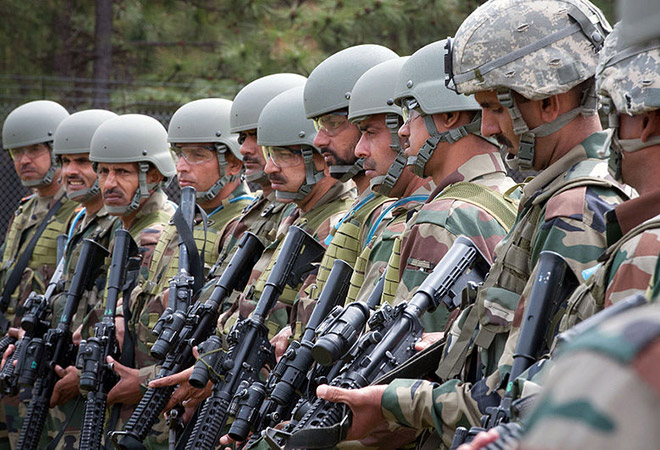
Today 28th September, we are celebrating the anniversary of surgical Strike. It was the first operation in which the Indian army’s para special forces has crossed the Line of Control to destroy terrorists camps and launch pads.
Reason for conducting surgical Strike
The Indian Army conducted the surgical Strike in response to the Uri attack on September 18, 2006, which was conducted by a Pakistani base terror group jaish-e-mohammed. The Attack aimed Indian army camp killings 19 soldiers. Similar attacks where done in Gurdaspur and Pathankot, so this was an alarming security alert for the Indian armed forces.
How it was conducted
Indian Army Army conducted this operation In the Midnight of 28 and 29 September 2016. There were 70 to 80 soldiers involved in teams a team of the forces crossed LOC in Kupwara district while, another group cross LOC from poonch district. They destroyed terrorist camp using granites and rockets, there were no casualties and no commoner was harmed during this mission. A soldier was injured due to tripping landmine.
New India
This was a moment the whole Nation was celebrating as we got our revenge of Uri attack and other previous attacks. Nations security is atmost priority and Indian Army Soldiers showed the whole world that this is New India, which knows how to enter in enemy’s land and finish them off ( Bhart dushmano ke ghar me ghusega bhi aur marega bhi).
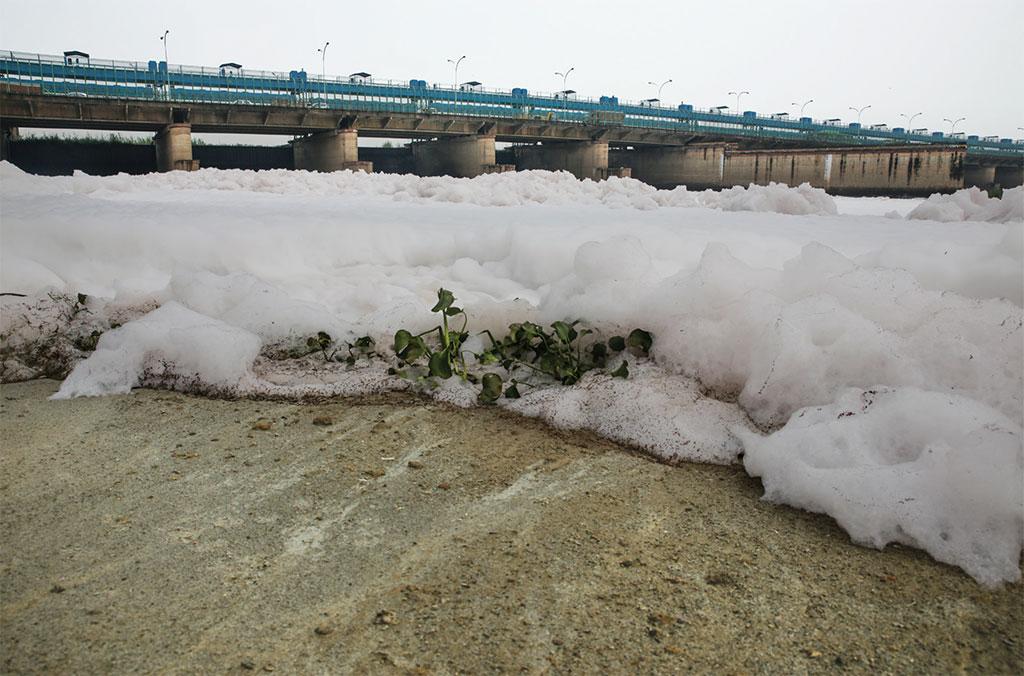
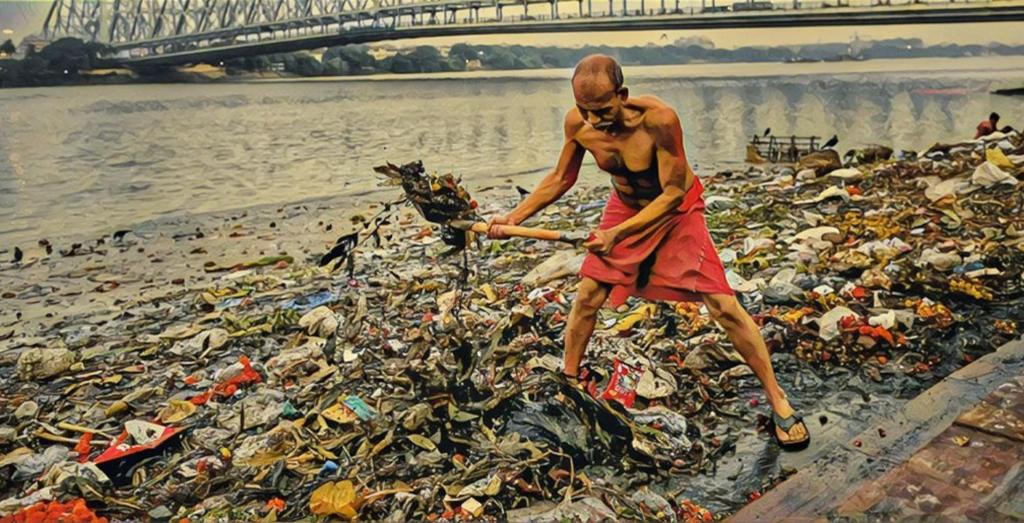
A Central Pollution Control Board (CPCB) report of 2015 brought out the fact that 61,948 million liters of urban sewage is generated on a daily basis in India. But the cities have an installed sewage treatment capacity of only 38 per cent of this. In reality more than this amount goes untreated into the rivers or water bodies as the treatment capacity of major sewage treatment plants (STPs) in the country is around 66 per cent of the installed capacity as per CPCB findings of 2013. As a result, more than 38,000 million liters of waste water goes into the major rivers, water bodies and even percolates into the ground every day. Over and above this there is industrial effluent. The data on the raw sewage from rural areas is not available.
In April 2015, CPCB issued directions to all the state pollution control boards/pollution control committees in the country for setting up of STPs in their respective states so that untreated sewage does not enter the rivers. The same directions were also issued by CPCB to all 69 municipal authorities of metropolitan towns and capital cities in October 2015.
Crores of rupees have been pumped in for cleaning rivers under the Centre’s National River Conservation Plan (NRCP), Atal Mission for Rejuvenation and Urban Transformation (AMRUT), Smart Cities Mission programmers of the Ministry of Urban Development and the “Namami Gange” under Ministry of Water Resources, River Development and Ganga Rejuvenation (MOWR). Ministry of Drinking Water and Sanitation (MDWS) is taking care of the sanitation projects for villages near Ganga along with MOWR. The Ministry of Environment, Forest and Climate Change has so far released Rs 2,066.98 crores for implementation of various pollution abatement projects and STPs of capacity 2,446.24 million liters per day (MLD) under NRCP. Till March 2017, around Rs 7,000 crores was spent only for cleaning the Ganga, as noted in an order of the National Green Tribunal (NGT). The states are also getting financial assistance in the form of loans and grants that are sanctioned by foreign agencies. The concerned citizens and civil societies have moved the courts time and again to save rivers from pollution. In March 2017, Uttarakhand declared Ganga and Yamuna as living entities thinking that this will conserve and rejuvenate the rivers faster. But in July, the Supreme Court stayed the order taking note of its legal and administrative ramifications.
Pollution levels
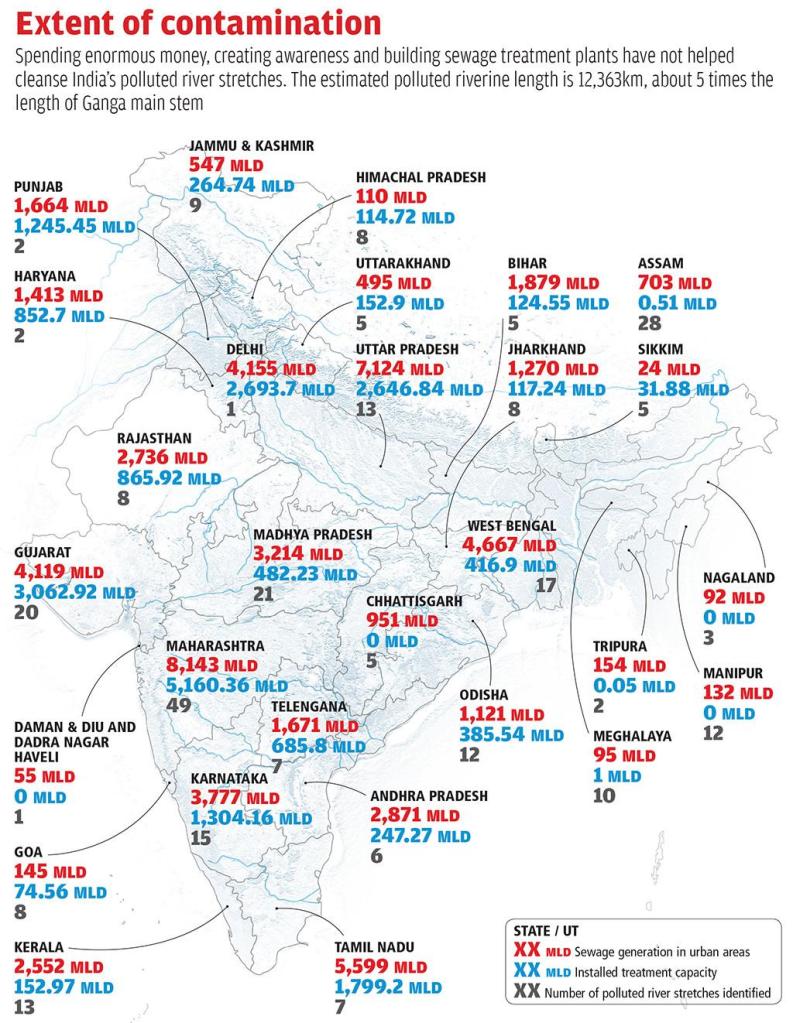
Still pollution level in rivers of India has not shown any sign of improvement. Around 302 polluted stretches on 275 rivers have been reported recently (See ‘Extent of contamination’,). The top five states showing maximum number of polluted stretches are Maharashtra, Assam, Madhya Pradesh, Gujarat and West Bengal. Estimated polluted riverine length is 12,363 km, which is almost five times the length of Ganga main stem.
The Central Water Commission (CWC) report gives the maximum and minimum Biochemical Oxygen Demand (BOD) of river water between 2012-13 and 2016-17—hence a conclusion whether there is any change in pollution trend across 4-5 years due to implementation of different sewerage systems is difficult to draw. Data of total 222 CWC water quality sites was analysed and it was found that water quality at 67 locations is beyond the permissible limit. Out of the 67 sites, 14 sites show BOD more than 30 mg/l, falling under severely polluted, 12 sites show BOD between 10-30 mg/l and 30 sites show BOD 3-10 mg/l which are also substantially polluted. Other 11 sites are also polluted showing BOD range above the permissible level.
Since cleaning Ganga and its tributaries has always been the priority for the Central government, hence the monitoring of the pollution of the rivers and availability of data in the public domain is accessible.
Namami Gange projects
When the National Democratic Alliance (NDA) came to power at the Centre in 2014, cleaning of the Ganga was declared a priority. An umbrella programme Namami Gange was created in 2015 and a budget of Rs 20,000 crore was allocated for 2015-2020 and the cleaning of the river and its tributaries started. Namami Gange was even given a status of an authority in 2016.
In August 2017, data from MOWR shows that around 163 projects were sanctioned under Namami Gange, to cover all the ongoing and new initiatives. Out of 163 projects, 41 projects have been completed so far. In these completed projects 223.13 MLD of sewage capacity have been created along with 1,339 km of sewer network. The ministry’s website says that around 46 sewage treatment projects were launched under Namami Gange (May 14, 2015 to September, 2017). These sanctioned projects will create sewage capacity of 760 MLD in river Ganga. The details of this document show that none of these projects were completed till October 2017.
This means that whatever projects were claimed to be completed by MOWR were sanctioned pre-Namami Gange. However, in an announcement made by MOWR in October 2017, when Namami Gange completed one year as an authority, it was seen that 44 STPs were sanctioned under Namami Gange with a sewage capacity of 1,402.25 MLD. Nothing really moved on STPs under Namami Gange. The only projects perceived and started on the ground under Namami Gange were that of surface cleaning. Around 11 trash skimmers had been deployed at Haridwar, Garhmukteshwar, Kanpur, Varanasi, Allahabad, Patna, Sahibganj, Nabadwip, Kolkata, Delhi and Mathura Vrindavan. Around 1.3 million toilets were also constructed in rural areas near Ganga to reduce sewage inflow into Ganga and latest figure from MDWS show that the coverage of household toilets in these villages was 99 per cent. But no improvement was observed in the river water quality in the whole Ganga basin. This was because solid and liquid wastes are not managed in a planned and scientific way.
Quality of river still poor
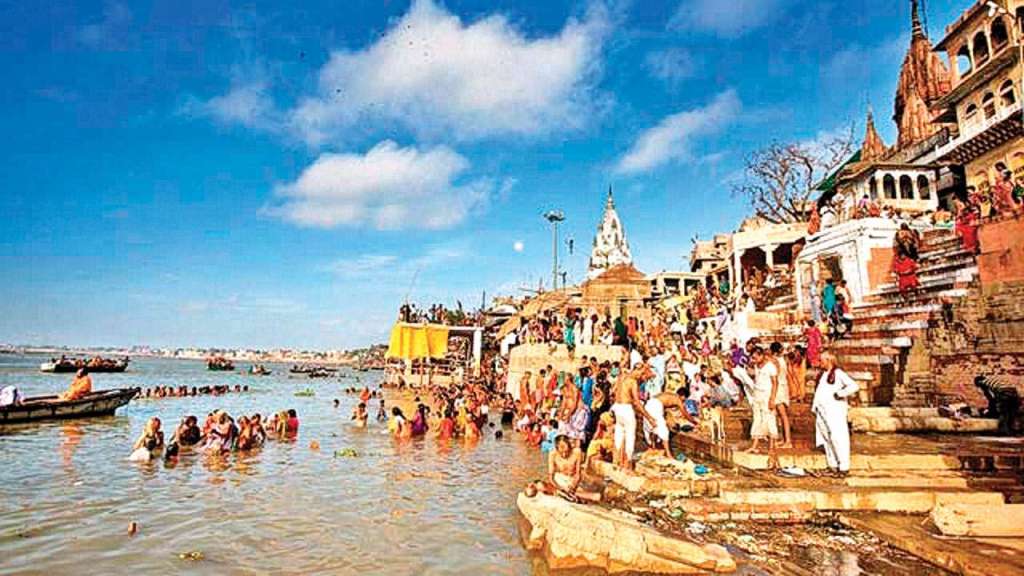
Between 2014-15 to 2017-18, around Rs 1,942 crore has been spent against the allocated amount of Rs 3,633 crore. This means that only 10 per cent of Rs 20,000 crores allocated by the Union government has been spent till June 2017 and by 2020 the rest needs to be spent. In March this year, the Central government justified that the causes of the delay in implementation of the projects were tendering process, retendering, non-availability of land, legal issues, natural calamities like flood and earthquakes and delay in permission from local authorities on road cutting/crossing. The data of CWC (collected between May 2016-June 2017) shows that the average BOD value (a parameter to measure the pollution level) of Ganga between Garhmukteshwar and Shahzadpur was not even suitable for outdoor bathing.
Between 2006 and 2016, if the quality of Ganga is analysed for two major hotspots— Kanpur and Varanasi during the monsoon period when there is dissolution of contaminants—it is found that quality of river never dropped below 3 mg/l (CPCB standard for outdoor bathing) for Kanpur whereas there has been slight improvement in the quality of river at Varanasi. But at the same time the entry of raw sewage in the river at Varanasi did not stop between 2006 and 2016; this is indicated by high faecal colliform levels in the river water (higher than 2,500 mpn/100 ml).
But the Central government denied any such increase in the pollution trend in the monsoon session of Lok Sabha in 2017 although they agreed that there has been continuous entry of wastewater from the human settlements and industries. In 2017, when NGT gave an order in response to M C Mehta’s petition on Ganga pollution, the order document clearly showed that there has been a continuous increase in sewage and industrial effluent entering the river since 2008-09.
Yamuna also did not show any improvement during the monsoon. The quality of river is not even fit for outdoor bathing. The quality of river is poorer in 2017 in comparison to 2014 and 2016. Since 1993, the cleaning of Yamuna is being done under the Yamuna Action Plan (YAP). The Central government is supplementing the efforts of the states to reduce pollution in Yamuna by providing financial assistance to Haryana, Delhi and Uttar Pradesh in a phased manner. The total expenditure incurred on conservation of river Yamuna under the YAP Phase I & II is Rs 1,515 crore. Under Phase III, the Japan International Cooperation Agency assisted project is under implementation at an estimated cost of Rs 1,656 crore for rehabilitation and up-gradation of existing STPs (950 MLD) and trunk sewers (43 kms) in Delhi. In 2016, NGT had given directions to take up cleaning of the Yamuna under Maily Se Nirmal Yamuna Revitalisation Plan, 2017. Accordingly, the Delhi Jal Board that looks after water and sanitation of the city, has submitted a priority list of projects amounting to Rs 1,969 crore to be taken up under Phase I of Maily Se Nirmal Yamuna Revitalisation Plan, 2017.
The results of all these projects to clean Ganga and its tributaries were not satisfactory according to the experts and in September 2017, the Prime Minister handed over the gigantic task of cleaning Ganga to the Minister for Road Transport & Highways, Shipping and Water Resources, River Development & Ganga Rejuvenation Nitin Gadkari. Soon after Gadkari was entrusted with the Ministry, two STPs—one in Haridwar and another in Varanasi—were approved in a public private partnership (PPP) mode at a combined cost of Rs 325 crore. These were the first two agreements with private sector companies to build STPs under an innovative PPP called hybrid-annuity payment model that the government formulated with the help of the International Finance Corporation. Few more constructions of STPs in Uttar Pradesh, Bihar and West Bengal were announced under hybrid annuity.
Need of the hour
Only having a large number of sewerage projects and STPs will not clean the rivers. An analysis of 71 cities by Centre for Science and Environment (seventh State of India’s Environment report – Excreta Matters) has shown that sewerage systems are not seen as connected to rivers. The analysis says that a piece of “hardware” is installed and if the water utility does not have money, the hardware does not run.
In any case incomplete sewage networks, designed without a specific plan for pollution control, do not clean rivers. Most of the sewerage projects are centralized systems conveyed through pipelines and pumping stations to an STP, where it is supposed to be treated and disposed off. Very little thought is given to the re-use of treated effluents from these STPs. Most of it mixes with untreated effluents from colonies not connected to the sewerage network. The root problems are both programmers—river-cleaning and city infrastructure—remain hardware-driven and marked by poor understanding of the water-sewage situation. In October 2017, the Centre planned to move from hardware focus to bioremediation technologies for cleaning Ganga at 54 new sites. In-situ treatment is simple and easy-to-operate and does not require major modification of the drain, said a note from MOWR. Hence, the Centre understood that the centralized system is not the only solution and it can be supplemented by decentralized techniques. Looking at the long time period of implementation of STPs and their development, the ministry is interested now in such decentralized innovative technologies from different parts of the world.
In the early models of the atom were simple, with protons and neutrons forming a nucleus and negatively charged electrons orbiting it, it seemed like a tiny solar system. In the early 1930s, however, analysis of cosmic rays and experiments with particle acceleration showed the existence of new particles by the dozen. In the early of 1960s American physicist Murray Gell-Mann and George Zweig independently conjectured that protons and neutrons were made of even more fundamental particles. They named the subatomic particles as Quark in 1964. The word quark came from James Joyce’s novel “Finnegan’s Wake” in which it is a nonsense word made by Joyce. He key evidence for their existence came from a series of inelastic electron-nucleon scattering experiments conducted between 1967 and 1973 at the Stanford linear accelerator center. Other theoretical and experimental advances of the 1970s confirmed this discovery, leading to the standard model of elementary particle physics currently in force.
Properties of Quarks
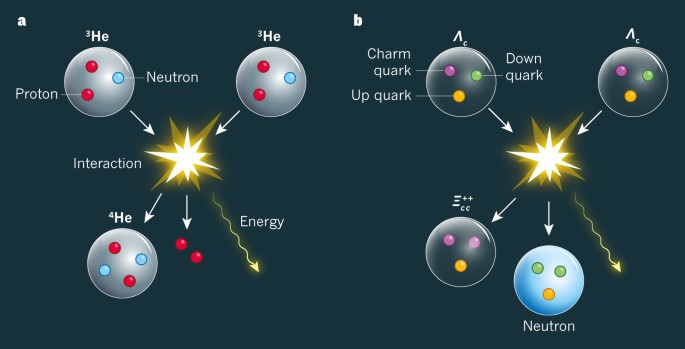
Quarks are most commonly found inside protons and neutrons. They have many properties including mass, electric, charge, and color. There are six types of quarks, up quark, down quark, top quark, bottom quark, strange quark, charm quark. They can have positive (+) or negative (-) electric charge. Up, charm and top quarks have a positive 2/3 charge. Down, strange, bottom quarks have a negative 1/3 charge. So protons are positive because there are two quarks (+2/3) ups and one down quark (-1/3), giving a net positive charge (+2/3+2/3-1/3 =1). These three quarks are known as valence quarks, but the proton could have an additional up quark and anti-up quark pair.
An anti-quark is the anti-particle of a quark and it could have other types of quarks. It includes pairs of strange quarks and anti-strange quarks, charm quarks, and anti-charm quarks. In fact, the proton has tons of quarks, anti-quarks pairs. The quarks are held together by the strong force which is carried by particles called gluons. So inside the proton, there are zillions of gluons and quarks all moving around close to the speed of light. The quarks that comprise a proton only make of 1% of the mass of that proton. A neutron consist two down quarks and one up quark which gave it an overall charge of 0. The quarks have a property called color change. It includes three color, red, blue, green and each of them is complemented with an anti-color. When we mix these three colors, we get white, that’s why proton is called colorless. The quarks change their colors constantly but, In order to maintain colorless state, the ant-color mix into it.The interaction between quarks and gluons is responsible for almost all the perceived mass of protons and neutrons and is therefore where we get our mass.
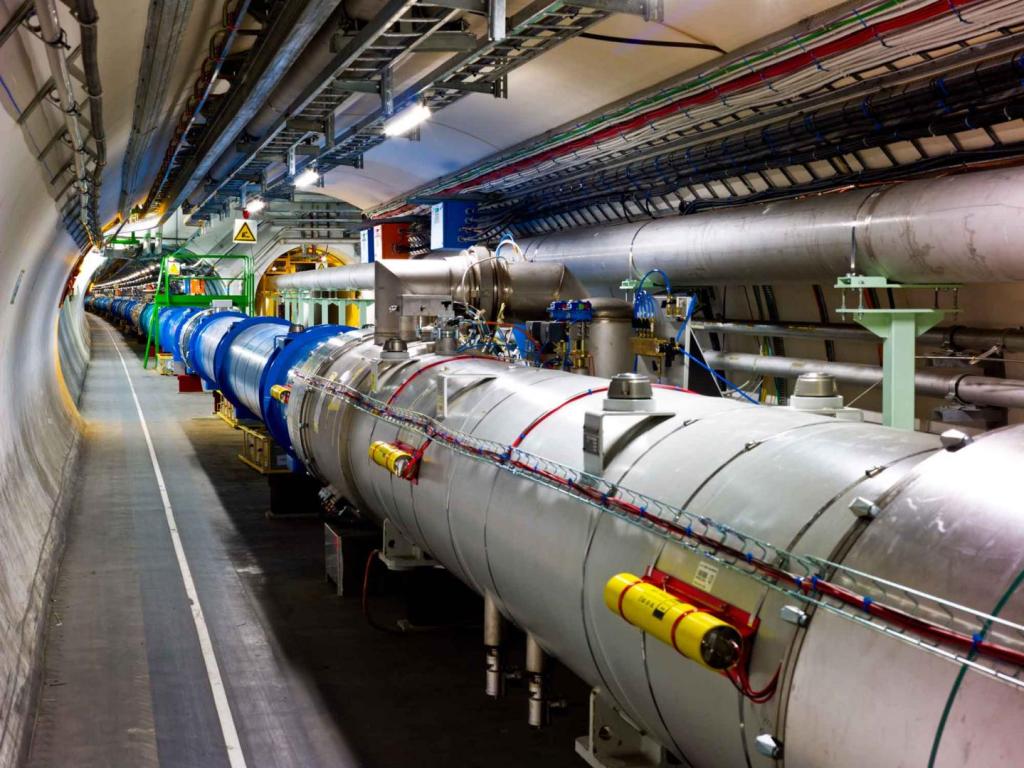
The Large Hadron Collider (LHC)- the world’s largest particle accelerator (27 kilometres).
Conclusion
The discovery of quarks was a gradual process that took over a decade for the entire sequence of events to unfold. A variety of theoretical insights and experimental results contributed to this discovery, but the MIT-SLAC deep inelastic electron scattering experiments plays a vital role. The existence of quarks is recognized today as a cornerstone of the standard model. I numerous experiments at CERN including those at the Large Hadron Collider (LHC), physicists are measuring the properties of Gell-Mann and Zweig’s particles with ever-greater precision.
“Three quarks for muster mark!” – Author James Joyce
It is no denying now that the world is shifting towards digital platform. All the businesses, companies and oraganisations have their own consumer friendly websites so that their audience’s experience can be better. This digital transformation has encouraged every businessman to rapidly change their ways of trade and cope up with the dynamic environment. It is very well said that “to improve is to change, to be perfect is to change often.”
Although this digital transformation came in the picture a few years ago, the global pandemic has given it an accelerating push and every digitalization is the most common option people choose to promote out themselves. One thing to learn from this is that nothing is constant or predictable.
According to EY Future Consumer Index, 43% of the consumers, post pandemic, prefer to shop online rather than buying using their previous method of going to the store themselves. This only represents that geographical location is not as important as it used to be in an era.
COVID-19 has had a tremendously negative impact on almost all businesses especially the retail business since the production of consumer goods was stopped to the extent where the shops were seen completely empty a lot of times. In such a situation, many retailers questioned their ability to create a new customer base according to the new consumption habit. They wondered if their selling method is still efficient enough to keep their customer’s trust in their brand.
Two of the great examples of this would be Lululemon and Nike. With the world being put to lockdown, the demand for athleisure increased remarkably mainly because athleisure was a great choice for majority of the people to wear during lockdown. They handled their business during such a crisis because of their digital expertise and resources. Also, Lululemon diversified its products to meet people’s changing demands.
A brand that faced extreme loss due to COVID was Under Armour and Uniqlo. Its majority of the sales was based on distributing their products amongst other retailers which faced a drastic drop in its sales due to physical shops being shut. Uniqlo is basically focused on football which also had to face a sharp downfall because it couldn’t keep the interest of its consumers online as much as it could in their physical stores.
The world’s leading digital platforms have gained the most benefit due to the global pandemic and majority of these large companies are based in USA and China. It makes it difficult for some smaller companies or organizations to compete against them and a make a known place of their own.
In order to work swiftly with e-commerce, better understanding, skills and collaboration is required. Post pandemic, more than 30 e-trade companies have partnered together to acquire more opportunities and gain awareness regarding the risks that raises due to COVID. Also, to identify the ways in which businesses in less developed and developing countries can work their way out through these risks. This step must be taken into consideration by all business men in order to flaunt their business.
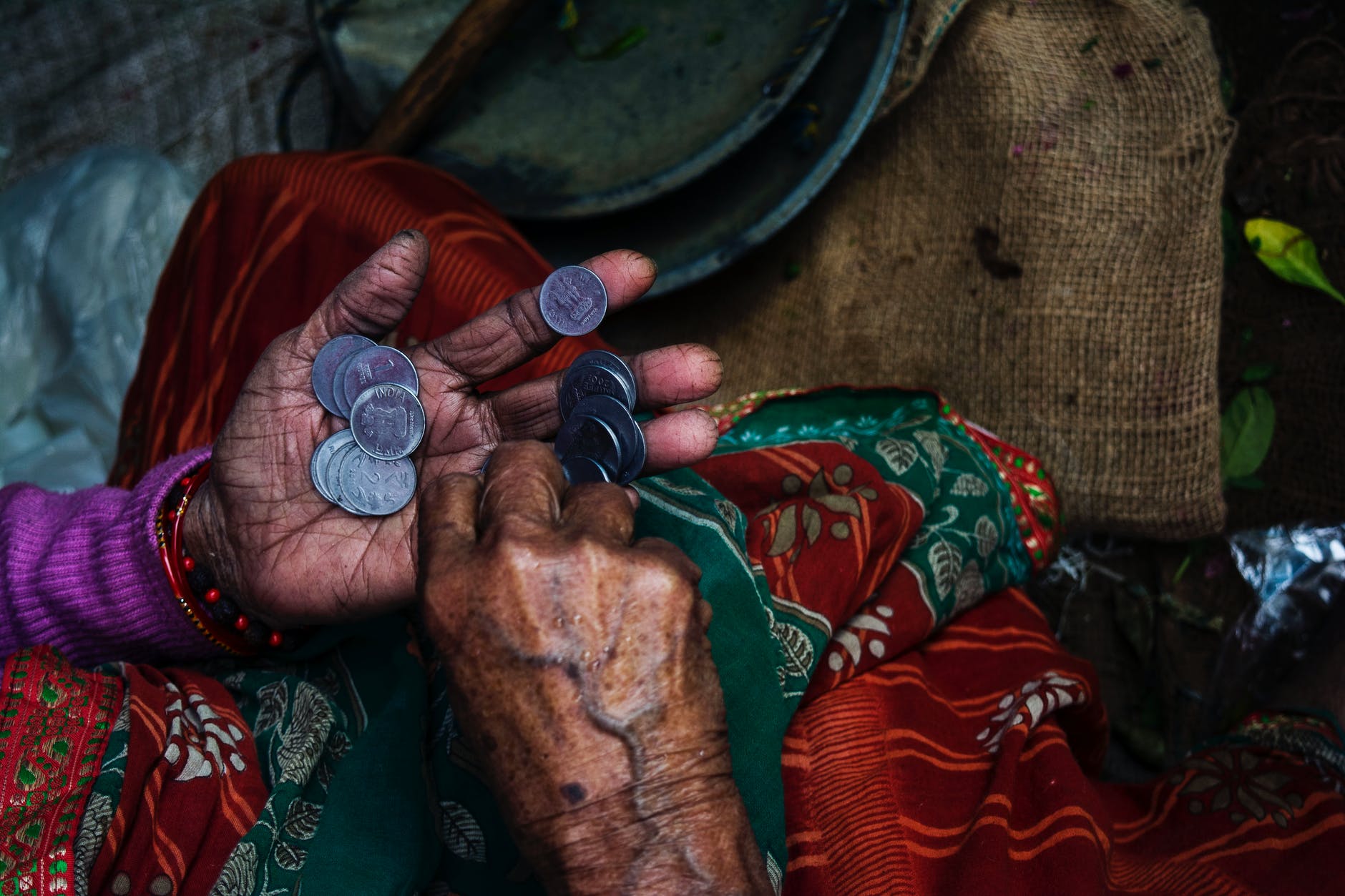
In India, poverty is presently estimated by fixing a poverty line based on a differentiated calorie-norm. This means that the level of poverty depends upon the capacity of a person to purchase food and a person who can buy specific amount of food to cross the poverty line margin for nutrients and calorie intake is above the poverty line. Whereas, the person who cannot buy enough food to meet the required nutrition value of calories and carbohydrates is below the poverty line. This level is not the correct parameter to check the level of poverty.
A task force of the Planning Commission in 1979 defined the poverty line as that per capita expenditure at which the average per capita per day calorie intake was 2400 calories in rural areas and 2100 calories in urban areas. Average per capita expenditures incurred by that population group in each State which consumed these quantities of calories, as per the 1973-74 survey of NSSO, were used as the poverty lines.
The debate on the extent of poverty in India has been a matter of global interest in the recent years. The primary reason for the global interest in the debate is that the levels of poverty in India and China have come to exert significant influence over the trends in world poverty itself.
Within India too, there has been growing contestation around poverty estimates, particularly in the period of economic reforms. First, there are persistent disagreements among economists on whether the rate of poverty decline after economic reforms was slower than in the preceding period. Secondly, the shift to targeted, rather than universal, welfare schemes has witnessed the use of poverty estimates to decide on the number of households eligible to access these schemes. The report of the Expert Group on the estimation of poverty, chaired by Suresh Tendulkar, is the latest input to the “Great Indian Poverty Debate.”
It is to be noted here that many subsidies and programs are launched by the government but these additional increments do not reach the actual people that are in need of them. Instead it is sent back to the businessman and thus a lot of profit is earned on these subsidized goods. Thus, to lower the level of poverty in India, schemes have to be launched in order to directly benefit the people in need.
The Hindu states that, “A final issue with the report, of much long-term consequence, relates to the wisdom of abandoning the calorie norm. It is indeed true that the levels of calorie intakes are not well correlated with nutritional outcomes. However, abandoning the calorie norm altogether and taking solace from the fortuitous fact that calorie intakes appear adequate at the new poverty lines is an arbitrary proposition. It is unclear whether there is any basis, theoretical or empirical, for this relationship to hold true across time.”
The Tendulkar Committee has pitched for a policy position that is stranded between the harsh realities of poverty in India and the fiscal conservativeness of a neo-liberal framework. The real challenge lies in preserving the positives from the report, and strongly persisting with the demand for a universal social security system.
India with a population of about 950 million (in 1997) accounts for 16 per cent of the world population, as compared to about 15 per cent a decade and a half ago. It is the second largest country in the world, next only to China with a population of about 1200 million (in 1995). Five countries (China with 21.7%, India with 16.0%, US with 5%, Brazil with 3.5% and Russia with 3%) account for nearly half (49.2%) of the world population.
The scale at which India’s population is increasing is simply mind- boggling. While the total population of our country in 1941 was 31.86 crore, it increased to 36.10 crore in 1951, 43.92 crore in 1961, 54.81 crore in 1971, 68.33 crore in 1981, and 84.43 crore in 1991 (India, 1992:9). It is expected to reach 103 crore by 2,001, 126 crore by 2016 and 140 crore by 2,030 according to estimates of the Registrar General as well as according to a World Bank study.
While between 1921 and 1951 the percentage of increase was 43.65, between 1961 and 1991 it was 92.2. The addition of 16 crore people in the 1981-91 decade means an addition of little less than 2 crore persons every year, or about 17 lakh persons every month, or about 74 thousand persons every day, or about 52 persons every minute. In comparison to this, the increase in number of persons per minute was 21 in the 1961-71 decade, 15 in the 1951-61 decade, and 8 in the 1941-51 decade. The essence of the date is that whereas the rate of growth of population during the middle decades of the present century was moderate, now it is faster as well as alarming.
The disaster of galloping population in India is that:
1. Every sixth person on the globe today is an Indian, and by the turn of the century, every fifth living person will be an Indian.
2. India adds about 10 lakh persons to its population every fortnight.
3. Addition to India’s population is an equivalent of a Chandigarh a week, two Bhopal a month, and an Australia every eight months. During 1981-91, addition to the population was to the tune of 113 million, equaling the combined population of France, the UK and Italy.
4. By 2035, India would overtake China as the world’s most populous nation. While the rate of annual population growth in India is 1.9 per cent, in China it is 1.2 per cent. Thus, while China’s population would double in 60 years, India’s population would double in 34 years.
5. Around 49 per cent of the increase in India’s population in one decade is from four states of Bihar, Madhya Pradesh, Rajasthan and Uttar Pradesh (known as BIMARU states).
6. More than three times as many couples enter the reproductive span than those leaving it, with the fertility rate of the younger group being three times higher than that of those passing out of the reproductive range.
7. At the present rate of growth, life for most Indians would be unbearable—medical facilities would be difficult to provide, expenses on education, housing, etc. would be exorbitant, technical and professional education would become the exclusive prerogative of the elite, and the scarcity of food would once again plunge more than half of the nation below the poverty line.
The goals of containing India’s population at the level of 1,000 million by the turn of the century and that the population growth rate would decrease to 1.2 per cent per annum by 2000 A.D. have receded beyond redemption. No amount of jugglery with statistics, particularly in relation to the acceptance of contraception by couples, can wish away the harsh reality that India’s population would reach 101 crore by 2000 A.D.
Global Citizen Live is a charity concert organized by the Global Citizen Organization founded in 2008. It hosts an annual music festival, one of the main objectives of the event is to raise awareness of global poverty and climate change.
Broadcasting from sites on six continents, including New York’s Central Park and in front of the Eiffel Tower in Paris, Global Citizen also secured pledges from France for 60 million COVID-19 vaccine doses for developing countries and corporate pledges for planting 157 million trees around the world.
This year’s festival held across six continents, was the largest, part of global citizen’s 2021 Recovery Plan For The World Program. Added to the festival mission was an aim to help bring an end to the COVID-19 pandemic. The main focus was on equity.
Artists and politicians alike from around the world had converged for the cause of the festival. International artists like Shawn and Camilla Mendes, Ed Sheeran, Doja Cat, Billie Eilish, BTS, Metallika, Coldplay, Lizzo, One Republic, Jennifer Lopez, Paul Simon, Demi Lovato, H.E.R., among many others.
Personalities from India included Priyanka Chopra as the host. Others like Amitabh Bacchan, Anil Kapoor, Amit Trivedi, Farhan Akhtar, Badshah, Tanishk Bagchi, Ayushmann Khuranna, Dia Mirza, Hritik Roshan, Sonakshi Sinha also played their considerable part in the event.
Vaccine pledges, which also came from the governments of Croatia and Ireland, followed numerous pleas, including from Prince Harry and Meghan, the Duke and Duchess of Sussex, onstage at Central Park on Saturday afternoon.
“This year, the world is expected to produce enough doses to meet the target of vaccinating 70per cent of people in every single country,” Meghan, the Duchess of Sussex, said to cheers from the Central Park crowd. “But it is wrong that so much of the vaccine supply has only gone to just 10 wealthy nations so far, and not everyone else.”
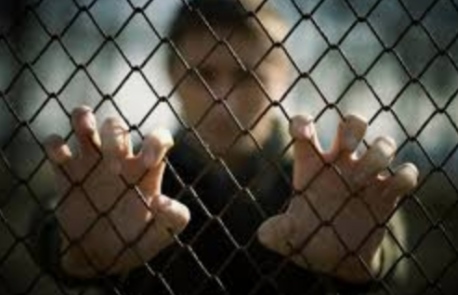
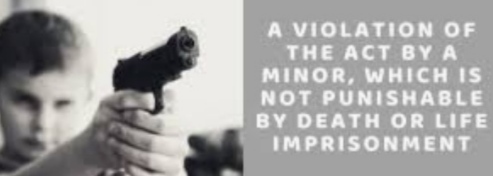
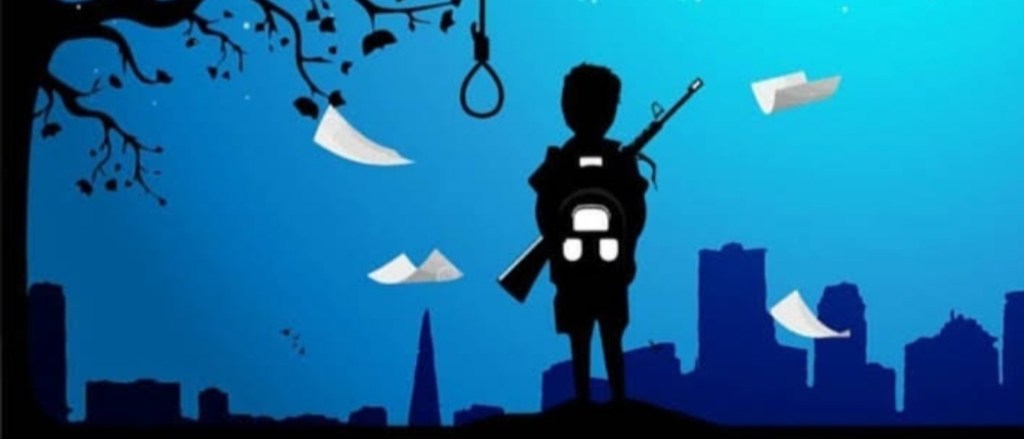
In ordinary terms, a child roughly between the age of 7 to 16 or 18 years who is involved in some kind of a ‘status offence’ such as vagrancy , immortality, truancy and ungovernability is a juvenile delinquent . Thus, juvenile delinquency is not just about under-aged criminals who get involved in criminal activities. In fact, the term ‘ juvenile delinquency ‘ refers to the violation of a code of conduct or a regular occurrence of certain patterns of disapproved behaviour of children and adolescents . The well accepted age at present for juvenile delinquents is 16 years for boys and 18 years for girls. Juvenile delinquents are mainly classified on the basis of their behavioural patterns. They range from the incorrigible truants who keep away from school to larcenies who are involved in petty thefts and armed robberies to destruction of property , violence and sexual offences. They are also classified according to the type of violation they commit. Thus psychologists have grouped juvenile delinquents on the basis of their personality traits as mentally defective , psychotic , neurotic, situational and cultural delinquents. According to the National Crime Records Bureau (NCRB) report, the trend of children committed by minors was 1.7% of total crimes in the country, and in 2006 and 2007 it increased by 1.9% and 2%, respectively.It is extremely hard to trace and keep a check on juvenile delinquency as of all the delinquencies committed by juveniles, only 2% or so come to the notice of the police and the courts. Traditionally, surveys suggest that delinquencies like theft, burglary, robbery, dacoity and other such offences are most commonly committed by juveniles.But recent statistics reveal that juveniles have also been found actively involved in riots, murder, rape, kidnapping and abduction as well. The delinquency rates are comparatively much higher among boys than in girls. Children from broken homes or disturbed families who are either homeless or living with guardians or parents are more likely to indulge in criminal activities. Low education or illiteracy and poor economic background are major features of juvenile delinquents. But nowadays, it’s not only street children who take to crime.Even children from well-off middle and upper middle class families are turning to crime due to peer pressure and crime thrill the hunger of adolescents to be heroes among their friends, the need to portray class and style, effect of Television and Cinema have propelled the rate of juvenile delinquency in the society. The media plays a major role in creating bogus desires and images of success in the minds of the youth, for which they are willing to do anything. Moreover, unmonitored access to the internet is another reason for growth in these crimes, as many are caught swindling money from bank accounts. Children belonging to the elite class,who are either sons or daughters of politicians , businessmrn are also found involved in criminal cases , so the fear barrier no longer exists. Increased exposure combined with isolation is the root cause of these behavioural issues. Children are growing up much faster, but their conscience and ability to distinguish right and wrong isn’t developing at the same rate and they don’t feel the need to think things through.In most cases, the cause behind juvenile delinquency is defective upbringing or no upbringing , faulty or no family interaction. Children either then suffer from inferiority complex, jealousy or mental conflict and they many a times try to seek attention desperately, which results in some kind of an offence. Lack of good role models, unhappy or angry parents and even extra- discipline and sternness also pushes children over to the edge . Often, faulty companionship too drags children into unacceptable child – behaviour. Children are not born criminals. It’s the situations and circumstances that lead them into delinquencies. Mostly all juvenile offences have deeper roots and serious situational factors are responsible for a child behaving in a particular way.Family plays a vital role in structuring the mental, emotional and behavioral patterns of a child. Broken homes, parents with no time for children, strained relations between the spouses , are all the factors which distort a child’s thought process and if not checked in time,these result in serious consequences.Other factors that are responsible for the rise in juvenile delinquency are unhealthy neighborhood, cinema , pornographic literature and bad company.
These days we have Observation Homes , Reformatory Schools, Custody Institution , Probation Homes etc to help juvenile delinquents reform themselves so that they can be gradually absorbed into mainstream of the society. Moreover, we need to pay greater attention to improve the average conditions in a society so that no child confronts such situations that force him to adopt unacceptable behavioural patterns. We need to find ways and means to pool upon the youthful energy of the children in a constructive and desired direction.
It’s no shame that so many people see relationships as the best part of their lives. Finding a boo for yourself and swinging to the tunes of romance is magical and mesmerising.
You must have friends who are obsessed with crawling bars and clubs in search of their significant other stating that everything will be alright when they have one. But certainly, being single has its own significant identity to treasure.
1. You Are 100% Yourself
Being single provides you with a great opportunity to be and feel yourself as you are. You save yourself from an identity crisis, which is mostly seen in a relationship in order to make the other person happy or satisfied or modifying yourself so that your partner can easily accept you. You can expose your weaknesses, strengths, insecurities that help you to find who you really are.
2. You Breathe Freedom
Being single doesn’t mean no one wants you; it’s about loving and finding yourself enough for you. It can be a choice to give yourself time to decide who you really want to be with. Singlehood is about having the freedom to explore what you really want and expect from your life. In singlehood, you are accountable to just yourself and you need no permissions or think of the repercussions before leading the journey of self-discovery.
3. You Are Your Own Master
Your single years can be the most liberating and productive days of your life. You are the boss of your own life, the whole and sole commander of your own actions. You need not to answer anyone where you were, why you were late, not to worry about what the other person will think about you, your outfits, the mistakes you make, the food you eat, the way you sit, blah blah… You are your own boss!
4. No Bars On Your Friendships
To your significant other, your friends are mostly the ‘snakes’ and you are the ‘ innocent admirer’. According to them, they are behind all your fights, silly arguments, parallel decisions etc. to your girlfriend your female friends are the troublemakers and vice-versa. Hence, in singlehood, you can do what your heart desires and be friends with anyone whom you like without always being conscious about the boundaries drawn by your bae.
5. Less Of Silly Quarrels/ Disagreements
While most people around the world feel that they are strong enough to take on anything, when it comes to conversations or the dreaded “we-need-to-talk”, they are the foremost customer of escapism. Those silly arguments presented in a PDF file by your partner, including facts and figures like the exact date, time and dialogues you spoke, are no less than mental torture, as half of the time it’s illogical. Being single saves you from all those emotional traumas and additional baggage.
Singlehood has perks exotic enough to applaud your decision or condition of not being in a relationship or be under any emotional commitments and attachments. Hope the above-mentioned list helps you to make better decisions in life and be happy with what you are surrounded with.
The availability of smartphones have made the price range significantly lower than what it would have cost a decade ago. This is due to competitions amongst the best selling companies where affordability and specifications played an important role.
POCOX3
POCOX3,withonly₹13,999comeswith6GBRAMand64GBROMwhichisexpandableupto 512 GB. It is 6.7 inch with Full HD Display. Not only that the camera( Rear-64MP+13MP+2MP+2MP,Front–20MP)isexcellent,italsocomeswitha6000mAhLi–Pobattery which is exceptionally good for gaming and that the battery could last up to 2days withoutcharging.ItcontainsQualcommSnapdragon732GProcessorwhichworkssuperduperfast.
The reason why I kept this on top list is because I have experience using the smartphone and I love the fact that it does not hang ornheat up like most phone does. I highly recommend customers to buy this because with that amount, there is no other smartphone better than this.
SamsungGalaxyF22
SamsungGalaxyF22isasgoodasPOCOX3incomparisonwiththebatteryoffering6000mAhand 15W charger. The smartphone ranging ₹14,999-15,999 comes with 6GB RAM | 64GB ROMwithAMOLEDDisplayand90Hzrefreshrate.Itis6.4inchandhas48MPQuadCamera.
I recommend the smartphone to all the camera lovers who consume hours taking selfies and videos.
RedmiNote10S
RedmiNote10SislaunchedrecentlycontainingAndroid11,MIUI12.5andOctaCoreProcessor. It is 6.23 inches with AMOLED Display and has 13MP Front Camera. Although the battery is5000mAh Li-Po l, it is still better than most smartphones under ₹15,000. The price of thissmartphoneis₹14,999andcomeswith64GMRAM|128GBROM
With the price, smartphones like this is rare to find. Many smartphone users face difficulties because of the storage and this perfectly fits the position.
The bright side of the smartphone is that it contains features that other normal smartphone doesn’t.
Realme 7i
Realme 7i comes with 6.5inch and HD+LCD Display which gives a better resolution. The processor is Qualcomm Snapdragon 662Octa Core and the battery is 5000mAh with the camera 64Mp+8MP+2MP+2MP- Rear, 14MP Front. In just ₹14,999, one can get up to 4GB RAM | 128GB ROM. It is exceptionally good for gaming because it does not lag.
Oneplus5T
Oneplus 5T is a 6.1 inch smartphone and comes with 3300mAh, Qualcomm Snapdragon 835Processorand16MPRearandFrontcamera.Onecanget6GBRAM|64GBROMinjust₹14,999.
Oneplus being one of the best smartphone brands, I highly recommend the smartphone to customers who are indulge in doing projects and works.
Talking about a mental disorder is like speaking about sexuality. Not that the latter is less important but the fact that both the subjects are hardly acknowledged is dangerous. Attention Deficit Hyperactivity Disorder is a common disorder found amongst all age groups. Especially children and young adults. Most probably, half of the population having this disorder are not even aware of its existence and effects.
What is ADHD?
It is Attention Deficit Hyperactivity Disorder. The name itself reveals a lot about.
In children it is often quite visible. The symptoms range from doing too much activities, not being able to be still for a time span and lacking focus. With regard to this age group, the symptoms are clearly visible and may hamper the child’s education and causes many more distress in home and school. Many children outgrow ADHD but others may be effected in their adolescence and adulthood. In such scenarios, the teachers and the school should look after the learning impairment by introducing the child new teaching techniques, learning skills and modified curriculum
In teens the Symptoms may get worse due to the hormonal changes of adolescence and the sudden increase of academic pressure on them Symptoms include forgetting dates of assignments, may interrupt their classmates and teachers, rush in assignments. The teens may often do a number of tasks while forgetting the primary tasks to be completed. Their lack of focus extends to peer relationships. This may lead to the teen securing bad grades in the school.
ADHD in adults is common. However, many adults are unaware about it. Anxiety and panic attacks have become so common in the generation that differentiating them from ADHD,especially in absence of knowledge about mental health, is too long a process for the face paced world. . A comprehensive evaluation including review of their past and present symptoms, medical history and examination. Medications and psychotherapy is given to adults diagnosed with ADHD. Behaviour management strategies involving minimization of disruption and increase structure and organization and involving family members can be helpful
The Three Types Of ADHD
•ADHD, predominantly impulsive/hyperactive: The most least common type of ADHD. Symptoms include: Not being able to sit still, talking too much, always on the go as if driven by a motor, has difficulty waiting for his or her turn, Interrupts conversation
•Inattentive Type: Doesn’t pay close attention to details and makes careless mistakes in schools or workplace, does not seem to listen when spoken to (lost in some other thoughts),lacks focus, has problem organizing tasks, avoids and dislikes tasks requiring mental efforts, looses things of daily use
•ADHD Combined Type: The most common type of ADHD which is a combination of the above two types.
What Causes ADHD
ADHD is mostly hereditary.However,premature birth and the consumption of alcohol and cigarettes during pregnancy can also lead to ADHD developing in the child.
Can ADHD Be Cured?
ADHD has no permanent cure. However,it can be managed through a number of medications and therapies. In many cases medications alone is an effective treatment. However, in other cases therapies such as cognitive behavioral therapy, support groups, anger management and counselling psychology are effective.
The psychological phobia which is characterized by abnormal,
persistent, unwarranted fear of time or passing of time is known as chronophobia.
Chronomentrophobia, is another relate and rare phobia where people have
irrational fear of clocks and watches.
Symptoms
People suffering from chronophobia experience from anxiousness,
depression, uneasiness, panic attacks, and may often feel claustrophobic. People
suffering from claustrophobia feel that they are being closed in where escaping
is impossible.
In some more genuine cases, people might encounter shaking, breathlessness,
exorbitant perspiration, sporadic pulses, nauseating perspectives,
powerlessness to express words, tormenting thoughts etc.
Victims might have an uneasy feeling that events are unfolding
speedily and they might feel and fear that time is fleeing with themselves. For
them, it is hard to figure out the manner in which situations are developing.
Chronophobia makes people experience a sense of derealization.
People suffering from this phobia fear and feel racing thoughts or they might
fear that time is either moving and speeding too quickly or they might feel that
time suddenly slowing down. Patients of chronophobia might also inculcate
symptoms of obsessive-compulsive disorder.
Victims of Chronophobia
The
victims of chronophobia are generally older people or prisoners in jail (where
it otherwise called prison neurosis). The older people will in general have a
ton of inactive free time, and might feel frequently that time is moving or
passing very slowly.
It is normal for elderly folks’, especially
those confronting terminal sicknesses, to be hyper-mindful of their inevitable
demise (death anxiety), and this consistent danger of death can create a
mind-boggling uproar of chronophobia. As time passes by and people start to age
more, the functioning of their digestion system and mind slows down, making
them considerably more vulnerable to chronophobia.
Jail detainees additionally will in general have broad times of
unstructured time, which might lead them to exorbitant thought of the
progression of time, the timeframe of their sentence, the quantity of days
staying until their delivery, and so on. They likewise ordinarily experience
undeniable degrees of uneasiness and stress because of their conditions, which
puts them particularly in danger.
Survivors from shipwreck, natural disasters, and others who
suffer from high anxiety may also suffer from chronophobia.
Traumatic childhood experiences and some genetic
disorders (such as inadequacy of adrenal, where the adrenal glands produce
inadequate quantity of hormones such as cortisol or aldosterone, which is
responsible for making a person more prone to anxiety and fear), may be
responsible for development of the mentioned phobia. Chronophobia is a relatively
rare disease and the exact reason which causes this phobia still remains a
mystery.
Are any treatments possible?
Chronophobia
can’t actually be forestalled all things considered, however stress help
strategies, (for example, staying away from upsetting or nervousness creating
circumstances, taking part in meditation, yoga, etc) may mitigate the
indications to an extent.
Intellectual
conduct treatment, hypnotherapy or needle therapy might be some viable options.
Strategy for psychotherapy known as neuro-linguistic programming has
additionally shown some guarantee.
Medicines to quiet the nerves might have some transient worth,
yet they regularly have unsavoury incidental effects, and don’t really delete
the dread yet simply stifle the indications.
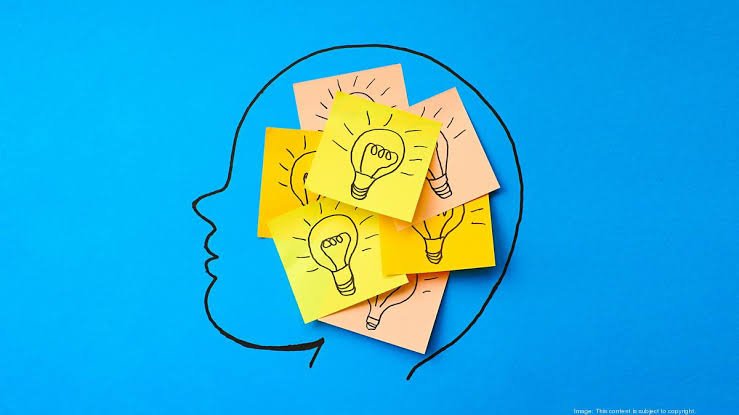
We all standed in the situation where we are thought about whether we will succeed in the life or not. To overcome this situation we need the tool called self-confidence. Some people think self-confidence is an natural born talent, but in reality ‘self-confidence’ is one of the skill in the human life which can got by doing practice and consistently. Here are I came with four habits that will improve you in daily life to boost confidence.
1) PRACTICE AND REPEATION
In life, every human being is starting their life with zero knowledge. They even don’t know how to talk , how to eat, how to walk etc. In initial life we speak with unknown way and get practice so we speak in acceptable way. Even many legends are suggested in at first but they overcome this situation by doing “PRACTICE AND REPEATION”. In initial everybody make mistakes so you don’t be affair of mistakes and failures. By doing practice and consistently, it will become easy and make you confident. https://youtu.be/LiNdUXhGeX4
2) RECALL YOUR ACHIEVEMENTS
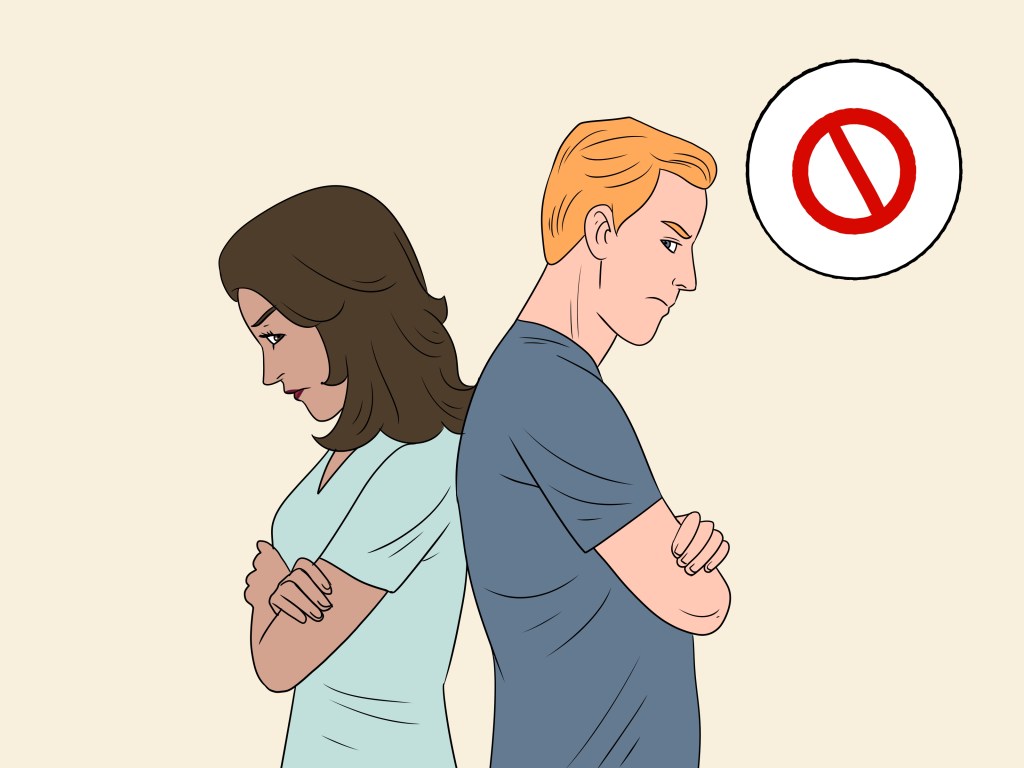
In world we have seen some people who always spread negativism and aslo they disagree for your optimistic growth. So don’t feel low to this negatives it will waste your time and wealth. At this time, you should remember some small achievements and note it down in the small notebook it will boost your brain and confidence. And aslo write even small achievements that will help you in daily activities and aslo for building new habits.
3) POSITIVE SELF TALKING
We all everyone speak ourself everyday however it’s a common habit for everyone. But how we speak ourself is matters whether we speaking positively or negatively. Because of matter, our self talk will target about our self-confidence. If we talk about negative we attached by negative. If we talk about positive we attached by positive. Speak yourself daily mirror like:
I am wealthy
I am rich
I am smart
I am confident
ALWAYS CULTIVATE GOOD THOUGHTS AND REMAIN POSITIVE
4) FOCUS ON POSITIVE THINGS
In the life we all have both positive and negative effects. As we running our life with happiness, sadness, relaxation , many of us always attached by the negatives. This negatives are attached by themselves in the way of thinking. So the importance of thinking is attracted when you’re thinking in positive.



















You must be logged in to post a comment.