

Your life is your life
don’t let it be clubbed into dank submission.
be on the watch.
there are ways out.
there is light somewhere.
it may not be much light but
it beats the darkness.
be on the watch.
the gods will offer you chances.
know them.
take them.
you can’t beat death but
you can beat death in life, sometimes.
and the more often you learn to do it,
the more light there will be.
your life is your life.
know it while you have it.
you are marvelous
the gods wait to delight
in you.
Category: Personality and Self Help
12 Inspiring Quotes by George Eliot
- Wear a smile and have friends; wear a scowl and have wrinkles.
- Hold up your head! You were not made for failure; you were made for victory. Go forward with joyful confidence.
- Keep true. Never be ashamed of doing right. Decide what you think is right and stick to it.
- One must be poor to know the luxury of giving.
- Pride helps, and pride is not a bad thing when it only urges us to hide our hurts — not to hurt others.
- The strongest principle of growth lies in human choice.
- It seems to me we can never give up longing and wishing while we are thoroughly alive. There are certain things we feel to be beautiful and good, and we must hunger after them.
- Adventure is not outside man; it is within.
- It is good to be unselfish and generous, but don’t carry that too far. It will not do to give yourself to be melted down for the benefit of the tallow-trade; you must know where to find yourself.
- Be courteous, be obliging, but don’t give yourself over to be melted down for the benefit of the tallow trade.
- Don’t judge a book by its cover.
- Our deeds determine us, as much as we determine our deeds.
BEST OSCAR WILDE QUOTES
- Be yourself; everyone else is taken.
- We are all in the gutter, but some of us are looking at the stars.
- The only difference between the saint and sinners that every saint has a past and every sinner has a future.
- The books that the world calls immoral are books that show the world its own shame.
- You can never be overdressed or overeducated.
- Most people are other people. Their thoughts are someone else’s opinion, their lives a mimicry, their passions a quotation.
- Some cause happiness wherever they go; others whenever they go.
- A cynic is a man who knows the price of everything and the value of nothing.
- You will always be fond of me. I represent to you all the sins you never had the courage to commit.
- Experience is merely the name men gave to their mistakes.
10 BEAUTIFUL MOTIVATIONAL QUOTES
- The pessimist sees difficulty in every opportunity. The optimist sees the opportunity in every difficult situation.
- People who are crazy enough to think they can change the world, are the ones who do.
- Failure will never overtake me if my determination to succeed is strong enough.
- Love yourself first, everything else fall in line. You really have to love yourself to get anything done in this world.
- Breathe. Let go. And remind yourself that this very moment is the only one you know you have for sure.
- Be who you are and say how you feel, because those who mind don’t matter, and those who matter don’t mind.
- Strength does not come from physical capacity; it comes from an indomitable will.
- When you recover or discover something that nourishes your soul and brings joy, care enough about yourself to make room for it in your life.
- Knowing how to be solitary is central to the art of loving. When we can be alone, we can be with others without using them as a means of escape.
- Invent your world. Surround yourself with people, color, sounds and work that nourish you.
Real key to success- High IQ or High EQ?
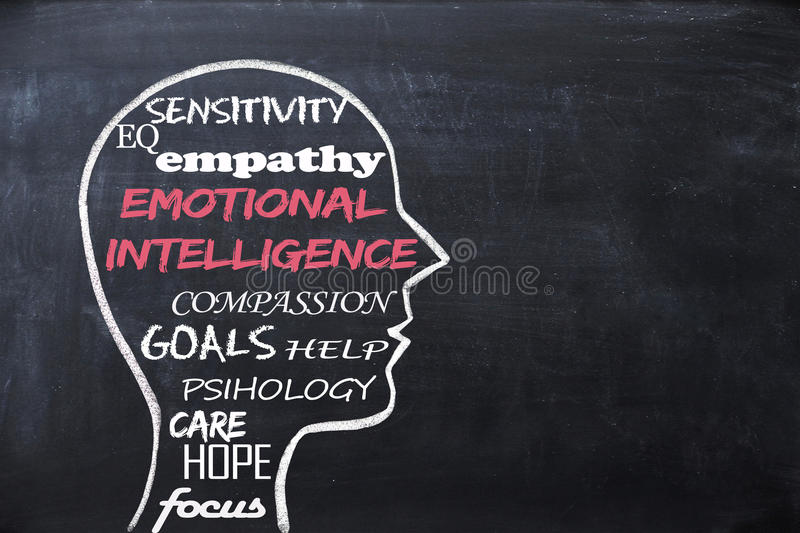
Most of the people believe that high IQ is really important to be successful in life and we also had evidence to prove the fact. Just look at some of the most famous people in the history like Shakespeare, Leonardo Da Vinci, Albert Einstein, Isaac Newton, Stephen Hawkins or Marie Curie; they all something in common and that is high IQ.
And it is only recently that scientists have started realizing the importance of emotional intelligence and its contribution in our journey to be successful.
Emotional intelligence is a form of intelligence that is required to function effectively in a workplace. A good IQ is not enough to be successful in life. You may find many people who are academically talented, but are unsuccessful in their own life. They experience problems in family, workplace and interpersonal relationships.
Emotional intelligence is defined as “the ability to monitor one’s own and other’s emotions, to discriminate among them, and to use the information to guide one’s thinking and actions”. Emotional Quotient (EQ) is used to express emotional intelligence in the same way as IQ is used to express intelligence. A person with high EQ is able to express empathy and is able to cooperate and work effectively with colleagues.
Emotional intelligence is receiving increasing attention by schools and employers. Many programmes are being made for improving emotional intelligence as they encourage cooperative behavior, develop better teamwork and are very useful in preparing students to face the challenges of life outside the classroom.
It helps to manage your emotions in stressful situations and encourages positive thinking. It helps us in handling criticism better and instead of getting offended, work on self improvement.
Glassophobia 🎤🤐😰
Glassophobia & shyness are two different things. But people often misunderstood themselves as shy.If you also think that you are just shy of speaking in public, then you need to rethink if it’s just shyness or something worser than this, a phobia of public speaking.
Shyness when crosses the limits then turns to the glassophobia.Sometimes the past negative experiences cause or intensify the fear. It all starts with the thoughts like what will people think about me ? what if I will stumble over my words ? what if I will forget what to say ? what if people start laughing at me ? With time these thoughts intensify and may cause physical and mental problems. Sometimes it may cause the person to suffer from inferiority complex.
Glossophobia is the medical term for the fear of public speaking. It isn’t a dangerous disease but yes it can lead to stress in the extreme cases. It may be due to lack of preparation , & in this case it doesn’t cause that much harm. It’s cause may be one of the most common psychiatric disorders, . Social anxiety disorder.
Anxiety due to lack of preparation or due to amaturity is common to many.In fact, some experts estimate that as much as 77% of the population has some level of anxiety regarding public speaking.Of course many people are able to manage the fear.
But about 10 percent are genuinely terrified and are physically debilitated by even the thought of public speaking. True glossophobics will go to great lengths to avoid speaking in a group situation.If you are the one who faces problems in work,school or in social life due to this anxiety, then it’s possible that you suffer from a phobia of speaking out.
Even the thought of presentations, group activites & answering a question can cause the anxiety.Such people start thinking of excuses to avoid the events where they are going to be the centre of attention.
Physical symptoms of glassophobia may include – Sweating , Increased heart rate , Raise in blood pressure ,Dry mouth , Difficult breathing , Nausea or vomiting in extreme cases, Headache, Muscle tension, Dizziness, Dilation of pupils, need to urinate, vocalised pauses , Shaking or quivering voice , weakened voice tone , Trembling , Panic attack , Feeling lack of energy.
Of course it’s difficult to overcome the fear , but it’s not impossible. Psychotherapy, medication,exposure therapy and herbal remedies , different ones can be applied , depending on the severity of fear. Many people are able to overcome their glossophobia with cognitive behavioural therapy(CBT). There are other ways one can try at home. Like practicing in front of mirror , talking with close ones & then asking them to analyze you , focusing on your way of speaking. According to me , Meditation is the best way to overcome any fear.
Remember , everything you want is on the other side of fear. Choose fight instead of flight.
Happy Public Speaking…🙂
In a world full of speakers, be a listener

Listening is an important skill that we use daily. You might not give it much thought but it does have a huge impact on your academics, job success and even personal relationships and happiness. Even though it might seem to you that it is a passive behavior as it involves silence, but it is not true.
Sometimes when you’re distressed because of a problem be it work related or a personal issue you just dial your best friend without giving it much thought, have you ever thought why? Most of the times we just want someone to listen to our side of the story patiently without being judgmental. We are not looking a solution for our problems but sometimes it just feels good to vent out that stuff. Everybody has a person to whom they can confide in about anything, for most people it’s their best friend, it’s because they feel understood and not judged.
Good listening is an important skill required in many professions these days. It is one of the main skills required by the people working as counselors and therapists. Because the person feels heard by the counselor, they find it easier to confide into them.
In some cultures, it is taught to emphasize on listening by being a silent communicator when receiving messages from elders or seniors. Buddhism, for instance, has a concept of mindfulness which means devoting your complete attention to the task you’re doing at the moment. It helps in developing longer attention span and good listening skill.
Listening requires a person to be attentive and therefore it is an active skill. Hearing and listening are not the same. Hearing is only a part of listening. When a person actually listens, he/she pays attention to what is being said and if required respond to it. Being a good listener means you listen to others without getting distracted and with their full attention and have the capacity to analyze and then respond.
Now there are many people out there who listen just to respond without understanding completely the context of what is being said. We must be a patient listener and not be in a hurry to respond. We should refrain from forming an early judgement, prejudices and be open to all ideas.
When in doubt about the meaning of what is being said we should paraphrase it and check with the speaker whether or not they have been clearly understood by you. In the long run, developing active listening skills is sure to help you in various areas of your life.
Exams coming up? Here’s how to battle examination anxiety
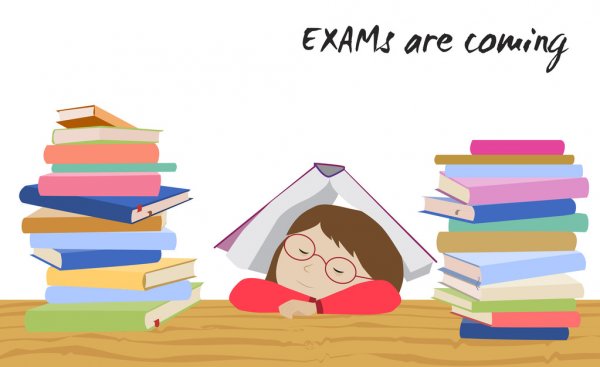
With the examination schedules being declared its hard not to get anxious about our exams. Examination anxiety is a fairly common among students of all age groups, you would think a grown-up would know how to prepare for exams without being stressed out given all their previous experiences but that’s not the case. It is the uneasiness that occurs before, during, or after an examination and is not age-restricted.
Many people experience feelings of anxiety around examinations and find it helpful in some ways, as it can be motivating and create the pressure that is needed to stay focused on one’s performance. Examination nerves or fear of failure are normal for even the most talented student.
However, stress of examination results in such high degrees of anxiety in some students that they are unable to perform at their full potential, like they have shown in less stressful situations.
Sometimes it can result from the pressure to perform well in examination so that they don’t get judged by others (relatives, classmates, teachers), which is often the root cause for their negative thoughts about themselves, feelings of inadequacy, helplessness, and loss of status and self-esteem.
High stress can interfere with the student’s preparation, concentration, and performance so it is very important to manage it effectively so that it doesn’t get in the way of you giving your best performance in the exams. Just like other stressful situations, it is very easy to cope with examination anxiety and here are some ways to do so-
- Prepare well– Plan it out and give yourself enough time to familiarize yourself with the content and the pattern of the question papers.
- Multiple rehearsals- Practice as many mock papers as possible, when you are with your friends’ test each other by asking each other questions on the examination topics.
- Inoculation- When practicing for examinations try to do so in an environment that is similar to the examination hall to prepare yourselves physically and mentally.
- Think positive- Have faith in your abilities and emphasize on your strengths and try to think positively to motivate yourself.
- Seek help- When facing a problem, do not hesitate to ask for help from your friends, seniors, teachers or parents. It will help you to feel stress-free and also give you an insight into the problem.
While preparing for examinations, exercising regularly even if a little bit and resting properly before the exam will be really helpful. Overview and weigh one’s strengths and weaknesses, plan a revision timetable, space out revision periods, and most importantly on the examination day concentrate on staying calm.
Science > Commerce >>> Arts ? ( A typical Indian society’s thinking )
Do you know approximately 16 lakhs people apply for the NEET every year and more than 9 lakhs apply for the JEE ?
Well , this huge amount shows the craziness of Indian teens for the two prestigious exams of the country .
But do you know that India has a huge amount of unemployed engineers ? Or do you know that India has lack of specialized doctors ?
Why the things are like that ?
Ohk, let’s not talk about these things now. Let me ask you a simple question,”What subject did you opt in 11th & Why ?” Just try to find out the reason behind this “Why”. Was it because you wanted to be ‘something’ or because you liked ‘the subject’ or was it because others gave you the suggestion to opt ‘ that subject ‘ ? Or was it because you wanted to prove someone your intelligence or brilliance ? Or because of the reason that you scored the percentage of marks that fall in the category of the subject ?
Well , as much I observed ; I think most of you must have opted ‘the subject ‘ because of the reasons other than the first two.
Normally , high secondary students aren’t mature enough to decide what they actually want from the life. So they may ended up opting a subject , they don’t like.
In most of the cases , students opt for the science , not because they love it , but because they fall in the so called ” category of 90+”. Many students opt for science because of the respect the science students get. Ohk ohk , before you think more about this ‘ respect portion ‘, I think I should explain it to you.
Just observe the facial expressions of people , when you tell them that you belong to the arts stream.
Well , exceptions are always there. But it’s a typical Indian society’s thinking that arts students aren’t intelligent or science students are among the most intelligent creatures of the Earth. Well , commerce students act as the bridge between the two streams.
Ohk , let’s not talk about other categories. Let me pay my all attention to that typical “90+ or 10 cgpa” student. Students from this category get a lot of respect after their so called achievement in class 10th. So they can’t compromise with that ‘respect portion’. And the parents or relatives of these achievement holders have lot of expectations from them. And as everyone knows these ’90+’ students are made up for the science stream. They may or may not interested in science. They may or may not want to become a doctor or an engineer. But off course they don’t have any other option. Believe me , respect matters a lot. So these students ended up opting the pcm/pcb.
And then these students pack their luggage for the Kota or they enroll themselves in a local coaching. These ’90+’ are confident enough and see the dreams from the eyes of society. They prepare for the NEET or for the JEE. Many out of these get selected in first attempt , many require more than one attempt. Many of these don’t get selected , so they ended up choosing a private college or many decide to go with the BSc. Degree. Many out of these just realise at this moment about their dreams & change their graduation stream to Arts or Commerce.
But sadly , a lot of students commit suicide after not getting selected in these exams.
And a lot more who get selected in a government college or those who decide to graduate in technical field from private colleges ended up regretting. Well , such things are also valid for the ‘MBBS’ students. But let me talk about engineering students.
Just ask this question to an engineering student , that how much she/he is interested in her/his branch or field. You”ll get the answer, “why so many of them are unemployed.” And that’s the reason why you”ll find most of them engaged in non-technical activites. Off course there’re other reasons behind the ‘unemployment in engineering’. But , yes this is one out of those reasons.
Off course you”ll find this ’90+’ category students among the toppers in many prestigious exams , like CAT , or CSE. And most of them are from engineering background.
And off course many people blame them, ” why they did engineering if they don’t want to pursue it as a career.” If you’re also one of these people , then blame the society , not the students.
The society needs to restructure its thinking about science>commerce>>>arts
There should be stream counselling & career counselling sessions for the high school students.
Never opt for the subject or degree you don’t like. Choose your subjects wisely.
SLEEP DEPRIVATION CAUSED BY THE UNHEALTHY USE OF GADGETS
It is said that “Sleep deprivation will kill you more quickly than food deprivation.” A good night’s sleep is one of the basic necessities of the human body for its active metabolism and better productivity. An average adult human requires 8 hours of continuous sleep each day. Any interference in the natural regular sleeping patterns can have a tremendous impact on one’s health: mentally as well as physically. Nowadays, people tend to sleep less than they did in the past and their quality of sleep has also faced a downturn.
We live in the middle of a world full of technologies and are surrounded by screens of smartphones, laptops, tablets, e.t.c. Though these gadgets make our lives easy and fast, we are least bothered about its negative effects on our lives. The overuse of technology causes eye strain, musculoskeletal health issues, sleep deprivation, etc. not only in adults but also in teens and kids. According to the American Optometric Association (AOA), prolonged use of computers, tablets, and cellphones can lead to digital eye strain which results in blurred vision, dry eyes, headaches, due to screen glare, bad lighting, and improper viewing distance. The unnatural way of holding the smartphones induces a lot of stress on the neck, shoulder and spine. Initially, these physical strains might seem negligible but can cause severe health impacts in the long run.
Technology in the bedroom can interfere with sleep in a number of ways. Studies have found that 90% of US citizens use screening devices in the hour before going to bed, which can cause immense psychological and physiological impacts, capable enough to disrupt one’s sleep. Scientifically speaking, the blue light emitted from the gadgets suppress the sleep-inducing hormones like melatonin disturbing the biological clock. Lack of sleep causes stress, increased blood pressure, memory issues, weakened immunity, increased risk of heart diseases etc, thus dramatically decreasing our quality of life. Studies reveal that the increasing number of depression and anxiety among people, especially youth, has a correlation with the overuse of gadgets and social networks. Kids who are exposed to television, video games, mobile phones, and tech toys beyond the recommended time limit is seen to have retarded brain growth than other kids. They too experience sleep problems in addition to behavioural and social problems.
From buying groceries to attending online classes, from consulting a distant doctor virtually to paying bills and dues, technology and gadgets plays an intangible role in making our lives smooth and less hectic. The technologies which we depend on for our comforts should never be the reason for our own distress. For that, we should always make sure to keep a balance between technology and healthy lifestyle.
Ways to Be a True Friend

“Don’t wait for people to be friendly. Show them how. ”~ Unknown
One night I called my old friend with whom I had spoken for a while. While we were catching up, sharing stories, and laughing at secret jokes that might sound silly when the phone rang, I wondered why I was letting so much time go by because I had last called him.
We don’t live close to each other, so taking a drink or hitting a yoga class is not an option. But really communicating with him, sharing the pieces of my life and accepting the pieces he wants to give, does not require a certain geography.
We can become close friends with each other, no matter how far away, if we choose to put forth effort. If we remember to be punctual, we can have such wholesome, satisfying conversations that make us feel recognized, understood, appreciated, and supported.
Then I started to think about all the times I had been busy and lost contact with friends who lived right on the street – times when I was caught up in everything that happened in my life and forgot to grow my relationships.
We need meaningful communication with other people.
Not everyone should be a close friend, but it is associated with our happiness that we show people who we really are, let ourselves know them, and remind each other of actions — small or large — that we care about them.
We do not have to be alone or feel alone in this world, but it is up to us to create and allow opportunities to be together, enjoy each other, and consult one another. It is up to us to make our relationship better.
With this in mind, I recently asked on Facebook, “What does it mean to be a true friend?”
I have included some ideas that have touched me deeply (some of which have been described in detail or slightly modified to make it easier to read).
Here is what some young Buddhist scholars say:
- Stay calm, even in peace.
- Be kind and listen. Be fun and simple. Be serious, loving, and forgiving.
- Don’t be afraid to tell the truth, no matter how difficult it may be.
- Communicate to each other in times of need with your honest opinions.
- A true friend is one who is always listening and genuinely interested in right and wrong, and someone who calls or just writes a greeting.
- Be honest and ethical, stay open and invite you to share your concerns, and be honest even if you don’t agree with it.
- A true friend will do his best to please you when you are upset and make you feel special.
- Try and improve their health despite your friendship.
- Be what you really are, be at risk, give someone else space, security and the choice to do the same.
- Be truly happy when they find, discover, or accomplish something that they truly desire. (Heather Tucker)
- Share the truth in your heart, without fear of disagreement.
- Be honest and forgiving but above all: love and respect.
- Accept the person as he or she is, as an individual, unconditionally. And, since it is important that you are there to help them, sometimes you have to be willing to make them available for you.
- Stay with friends despite a person’s choices in life and do not bail them out if they are not what you want them to be.
- A true friend always supports the person but does not feel compelled to support the situation. A true friend knows how and how to say company, “No.”
- Help yourself and your loved ones grow. Life means growing up, and a true friend is someone who can honestly say that he helped you to describe himself as a person.
- Celebrate the win and be there to support the loss. Keep your word and admit it if you don’t.
- Go to a friend’s help when others are out.
- Do not hold a grudge against a minor disagreement.
- Veza! You can pretend to be tired but you can’t pretend to appear.
And I will add the last one: share with honesty every opportunity you get.
I don’t know you all, but I know very few. To all the wonderful, inspiring people who come here and share their pieces, thank you for being you and for taking me, as I am.
Social media and Eating Disorders- does it have a connection?
Eating disorder describes conditions in which individuals engage in disordered eating. Eating disorders are not simply poor eating habits but are recognized mental health disorders in which emotional issues manifest in harmful eating habits. Eating problems in childhood and adolescence are very common.
It usually starts to be a problem in teenage years. It is not known for certain what causes them, but many factors could play a part such as Social pressure, particularly caused by the social media idealizing being thin, losing weight can make us feel good and in control, others include puberty, family problems, trauma, bullying, depression and low self-esteem.
The messages people get from society about how they should look, how much they should weigh especially western culture (particularly, the social media) promotes extreme thinness as the epitome of body perfection, success and happiness. Bullying others when they fail to be perfect since bullying others over the internet is easier due to anonymity so people do it without feeling guilty without worrying about the consequences. This leads people to become dissatisfied with their own bodies, their self-esteem suffers and they turn to dieting as they feel the pressure to be thin.
Our generation has become so obsessed with taking picture perfect selfies, having the perfect body and weight just like they see on the internet and thinking a person can only be happy if they have large number of followers and likes on social media that they fail to realize that social media only shows the good side of a person’s life and nobody knows what goes on the inside.
A lot of effort goes into becoming like those people or what we call “influencers” and not everything we see or hear on the internet is the truth and as the saying goes “comparison kills the joy” we see them and get disappointed with what we have when we compare ourselves to them. A lot of people start taking shortcuts just achieve those unrealistic goals like excessive dieting or starving and in turn ruining their overall health. Sometimes it leads into developing an eating disorder.
Eating disorders can develop from the desperation to live up to unrealistic cultural expectations, strained relationships within the family, other pressures arising from school or in the work place. Some people eat to curb their loneliness, anxieties and sometimes even to pass the time. A lot of people with eating disorders do not have other effective coping strategies, so, they turn to their eating disorder to help them cope and without even realizing it, many of these individuals actually end up harming their health and the quality of their lives.
The most common types of eating disorders are anorexia nervosa, bulimia nervosa, and binge eating disorder.
There are a lot of causes of eating disorders including stress from a variety of external factors such as some sort of crisis or disappointment to the individual. The loss of a loved one or life changes, lack of communication as people who are unable to communicate clearly and effectively often prefer to hold in their emotions, sometimes described as “swallowing” their emotions, many individuals choose to remain silent but express their feelings and frustrations in other ways, including through abnormal eating disorders.
Signs of Eating Disorders vary, but here are some of the signs and symptoms to look out for an eating disorder are only eating certain types of food, using the bathroom immediately after eating, making excuses not to eat at meal times, obsession with body weight/being overweight.
Anorexia Nervosa–
Anorexia nervosa is an eating disorder in which an individual becomes so afraid of gaining weight and/or having body fat that they severely limit the amount of food that they eat or they exercise excessively in an attempt to burn off the calories that they do eat so that they will not gain any extra weight. Self-induced vomiting, the misuse of diet pills, diuretics, or laxatives is often found in them.
There are many health risks of Anorexia such as if weight becomes dangerously low, there is the risk of vital organs shutting down and anorexia nervosa has the highest death rate. Others include malnutrition and dehydration, anemia, amenorrhea.
Bulimia Nervosa
Bulimia nervosa, which is more commonly known as bulimia, is an eating disorder marked by binges and then purges. During a binge a bulimic will eat a great amount of food in one sitting, then purge by either inducing vomiting or taking a laxative or diuretic to expel the food. For bulimics, bingeing and purging becomes a cycle but they may never lose or gain enough weight to make it obvious that they have an eating disorder.
Damage to the digestive tract, mouth, teeth, and salivary glands is common among bulimics and the constant bingeing and purging mean that bulimics rarely keep in enough vitamins and minerals to remain healthy. Others include changes in body chemistry, erosion of tooth enamel due to vomiting and, in extreme cases, stomach rupture and death.
People suffering with bulimia are often of a normal weight so it may go undetected for many years, with those close to them often having no idea they have the disease or that their health is suffering.
Binge Eating Disorder
Binge eating disorder is a common eating disorder in which an individual regularly consumes a large amount of food in one sitting, or “grazes” constantly even when they are not hungry or become physically uncomfortable from consuming so much food.
Binge eaters do not purge after over-eating, nor do they routinely exercise excessively in an attempt to burn off the calories.
Binge eating disorder can occur in individuals of any gender, race, age and because binge eaters often become overweight or clinically obese, they put themselves at risk for a wide variety of health conditions such as high blood pressure, diabetes, heart disease, gallbladder disease, kidney disease, fertility problems, high cholesterol, and some types of cancer.
Treatment for Eating Disorders
The type of eating disorder treatment that is most appropriate will depend on the severity and type of eating disorder and the length of time it has continued, as well as, the patient’s individual preferences about the type of treatment they would like.
Getting professional help is a good idea. Various therapies are available, including psychotherapy, family counselling, group therapy, and self-help groups, in which patients can explore their issues with food and learn to develop healthy eating habits. They might suffer relapses once eating disorder treatment has begun, but early treatment makes a far greater chance of recovering successfully.
Coping with Stress
Developing efficient coping skills may prevent the development of an eating disorder. Some of the simple coping skills include:
-Accepting that life brings disappointments
-Avoiding stressful situations. If reading fashion magazines makes people feel bad about themselves, then, they should stop looking at them and focus on another activity instead.
-Scheduling time for hobbies that are enjoyable and relaxing.
-Building a support system of friends and family who support their hopes and dreams, and accept them for who they are.
Family and friends can help individuals stay strong and prevent an eating disorder by praising an individual’s talents and strengths, listening to and discussing an individual’s thoughts, feelings, and fears, supporting an individual’s hopes and dreams, reminding an individual that a healthy body, not necessarily a slim body, is most important, barring unrealistic and unhealthy diets and excessive exercise regimes.
Overuse of social media can become an addiction which might lead to anxieties, damage to eyesight after staring at the screen for long periods of time, unhealthy sleep patterns leading to insomnia and other health problems so we should always keep a check on the content and the amount of our usage of social media. If it goes out of hand and you feel like its impacting you negatively you can always quit it, since you are in control of what should be a part of your life, take a social media detox. And always know that in whatever form and whenever you need help it is always available.
Setting Goals
Setting realistic goals can help you to improve your skills and achieve your goals. You can use it to set goals when you are given a specific task or project, or to improve in some way. You can set goals in terms of promotion, intelligence, education and many other ways to improve your health and career.
Let’s take a look at why setting goals can help improve your career, what kinds of goals you can set and how you can set goals.
Why setting goals is important
Setting goals is important because it gives you a framework for achieving long distances. Wanting to do or complete certain things in life is a good start. Setting goals provides a way for you to actually do it. There are two types of goals to consider: short-term and long-term.
What are the short-term goals?
Short-term goals are immediate goals that you set for yourself to achieve your larger, long-term goals. You can think of short-term goals like big steps or stepping stones. Short-term goals usually cover a set period of time, anywhere from days or months to one or two years. Examples of short-term goals could include completing small tasks or projects, gaining information or learning. You will use your short-term goals to achieve your long-term goals.
What are long-term goals?
Long-term goals are usually the ones that you want to reach in a few years. You will use several lines to achieve long-term goals, setting short-term goals to achieve them. Long-term goals could include finding a job, promoting a career, or completing a long, complicated project.
Setting personal goals
Setting goals for yourself will help you to achieve your goals. You can set personal goals for a number of areas of life, such as recreation, health, or education. Setting personal goals can help you to succeed in your endeavor.
Advancing your interests by building knowledge on your hobbies or skills that you want to improve can easily transfer to your professional life. These are just some of the goal setting shareware that you can use with your resume. Spending time developing the things you want in your personal life can also help you stay focused and energized at work by paying attention to the balance of your work life.
Here are a few examples of personal goals:
Promoting hobbies such as playing a musical instrument or playing a game
Improving skills such as graphic design or public speaking
Extending your knowledge of a particular topic or study area
Focus on building or improving relationships
Financial goals such as saving for a purchase
Physical objectives such as marathon training or completing a certain fitness challenge
Setting professional goals
Setting professional goals can help you both accomplish specific tasks or projects and achieve any career goals you may have. If your company or manager does not have a specific set of goals for your work, you may consider setting your own career goals. You can also set your goals if you are self-employed. Your career goals should address your current situation and your long-term career aspirations.
While there are a number of ways to set goals, there are a few steps you can take to ensure success. Your goals should include at least five essential elements in order to achieve them. These five elements form what is known as the “SMART goal” framework. SMART stands for precision, measurement, accessibility, timeliness and timeliness. Let’s take a look at how to set a goal for SMART:
- Make your goal as clear and detailed as possible
For example, instead of saying, “I want to be better at speaking in public,” you could say, “I want to give a 10-15 minute presentation to an audience of 50 or more.” - Explain how you will measure success
For example, if you want to switch from sales to marketing to marketing work, you can set up highways that will address how you can develop the skills and knowledge that marketing owners want. To do this, you can set your rate as a reading and focus on one skill per month. - Examine whether your goals are achievable
Setting realistic goals will help you to stay motivated and focused. You should work on understanding the full scope of your goal ahead of time to ensure that it is achievable.
For example, if you are in your first professional engineering career and your goal is to become a professional engineer. If you find that the goal is not achievable because you do not have enough experience, one of your new goals should be to get more information.
- Make sure your goal is right
You need to set goals that are consistent with your values and contribute toward achieving your long-term goals. Each goal you set should be consistent and meaningful to you, bringing you closer to where you want to be. To make sure you set the right goals, you might ask yourself, “How will achieving this goal help me?” “Does achieving this goal contribute to achieving my big, long-term goals? Why is this goal important to me?” - Set start and end date
Setting a timetable to achieve your goal can help you stay motivated and up-to-date. Before setting a deadline for goals, be sure to research all the major stages and roadblocks you may encounter along the way.
Communication Barriers

At work, you will use a variety of word-for-word communication tools to share information and keep track of business operations.
As an employee, you may sometimes face obstacles that make communication difficult. When communication barriers arise, it can be difficult to maintain and develop relationships with partners, leaders or clients. This often leads to confusion and can make your daily activities very difficult. By seeing these barriers and knowing your communication habits, you will be better able to solve these problems when they arise.
A pot is used
Every industry has its own collection of unique words and phrases. While the use of these terms may seem effective at times, it is often confusing for those who are outside the field or have little or no experience. Using jargon or very technical language can elicit your messages and make it a great challenge for people to understand important details.
Instead, try and avoid jargon and separate the abbreviations. For example, while someone in marketing or sales may be familiar with the term “KPI,” an employee development product may not know what it stands for “key performance indicator” or how much an organization is trying to determine how well an business is performing to achieve a business objective. By taking the time to explain the word, you can ensure that everyone understands your message. Doing so also helps people feel included, confident and able to be present and productive.
Providing more information at once
Whether you give a presentation during a team meeting, train a new employee or explain a product to customers, it is easy to share too much information. Sometimes you may feel that the information you provide, clarifies your message. However, providing too much information can confuse your message and make it difficult for your audience to understand.
To make it easier for people to understand your message, keep your description short and share only the most relevant to them. If you are sharing an introduction or using a written link, be sure to use a dotted list instead of large text blocks. Give your audience time to ask questions, either at the end or during the interview – this is a good time to share more details they are ready to eat.
Different communication methods
Everyone has their own unique style of communication. Some people express themselves outdoors while others maintain a more neutral tone. Some people use gestures when speaking in front of an audience while others avoid them. Sometimes, these differences can be barriers to communication. For example, a person who is very detailed and clear in his messages may have trouble understanding the contact you choose to use.
Here are a few things you can do to help get your point across to people with different communication styles:
Use a confident tone
No matter what your method of communication is, stay positive and confident. When speaking, speak clearly and clearly. When writing, try to avoid phrases like “I think” or “I hope” or “I think.”
Include examples
When you explain something, it is very helpful to illustrate your point with examples. For example, if you are training a job with a tool, show it. Be aware of potential learning styles for your audience.
Ask if anyone needs clarification
When you have finished sharing a point, ask your audience if they need clarification and make yourself available for follow-up questions to make sure they understand your meaning. You can do this by asking, “Does anyone have any of the following questions?” or “Is that clear to everyone?”
Mirror other communication styles
When you are in a face-to-face meeting, try to model your communication style behind the person you are talking to.
Barriers to language and hearing
If someone has a hearing problem or does not speak your language well, they may have a hard time understanding what you are saying. Even if you did understand some of your message, there is a good chance that they will not miss out on sensitive information.
In these cases, it is important to make all the necessary arrangements to ensure that you are able to communicate effectively with each other. For example, you may need to request the services of a translator or sign language translator.
Physical barriers
One of the most common communication barriers is physical boundaries. While face-to-face contact is often very effective, it is not always the case – especially businesses with multiple locations or remote employees.
When dealing with physical barriers, it is important to change your communication skills. For example, when you are talking to someone on the phone, you cannot rely on non-verbal communication such as hand gestures, facial expressions and other gestures, so you will need to make sure that all conversations are spoken orally. When speaking primarily by email or chat, it is important to use the same tactics that you will use in oral conversations, such as starting exchanging messages with greetings, so that you do not come together as rude or disrespectful.
Clear and direct communication is essential to maintaining a productive and safe working environment. In addition, well-developed communication skills are essential for success in any endeavor. By giving yourself time to understand and identify barriers to communication, and work to solve these challenges, you can ensure good information for your colleagues and any clients you work for.
Improve Time-Management Skills
Time management skills enable the technician to fulfill his day-to-day responsibilities quickly and effectively. If a professional who finds time management is challenging, it may be helpful to know the various strategies you can use to improve your time management skills. In this article, we will consider 10 ways to manage your time effectively.
Why is time management important?
Time management skills are a comprehensive set of skills that help you manage the time you spend during the working day and ensure that you use them as effectively as possible. A few important time management skills include:
Priority
This is an act of giving value to the various tasks and ensuring that the most important tasks are completed before the less important tasks. Successfully prioritizing your tasks requires that you have a clear understanding of how long each task will take you. Having the ability to prioritize your responsibilities will also allow you to complete your important tasks effectively.
Planning
Being able to analyze a task or a set of tasks and create a schedule for their completion is essential. Effective time management requires strong planning skills to ensure that you can develop and apply a clear understanding of your responsibilities when creating your work schedules.
Stress management
The ability to see your own stress levels and create a living space within your work can keep your stress level low. Self-improvement, delegating and taking breaks where needed allow you to stay focused and motivated as you carry out each of the daily tasks in your system. Understanding your stress levels will also help you to make the most of your day-to-day breaks and know when to say no to tasks that will overwhelm you.
Setting goals for yourself
Setting defined goals for all of your work, such as accomplishing a task or part of a task, is an important part of time management. Setting a series of realistic goals and a series of relevant goals allows you to feel each accomplishment in your day as a source of inspiration and inspiration. Setting goals can work in conjunction with stress management to help you increase your efficiency every hour and every day.
Communication
This ability represents your ability to express your goals, plans and needs in words and in written form. Well-developed communication skills allow you to create efficient schedules and programs. It also helps you to accomplish your tasks more efficiently and collaboratively.
- Start your activities early
If you have the opportunity, starting a project before you are scheduled to start working on it can help you win the first stages of preparation for assignment. This allows you to start building your own volunteer strategy, which can also help you overcome procrastination. - Set boundaries to say yes
Most people will accept many responsibilities as some ask them to make a good impression and show their commitment to their work. However, taking on more responsibilities can make the system that embraces all your tasks a big challenge. Setting limits on how much work you are willing to do for others can help you to avoid becoming a burden to others. - Take breaks
Dedicating your day to a short cut in your work will allow you to slow down and get back to your active activities with a new perspective. Learning when to take time off for the rest of your day will help you to develop effective stress management habits. - Put your tasks first
Find out how important your work is to each other. Giving priority to specific tasks can help you focus your efforts on things that require the most time. Practicing prioritizing your tasks allows you to better understand how to better create your own schedules and determine which tasks should be assigned. - Schedule your activities and deadlines
Take the time to write out a detailed schedule for each of your tasks and set a time limit. Doing this can help you to visualize what tasks will require a lot of effort and will help you to understand better how quickly you can complete your task. Make it a practice to keep your schedule up-to-date, as a comprehensive plan can serve as a basis to help you improve your planning and prioritization skills. - Plan your work environment
A good work environment can save you time in the middle of your day by preventing you from finding the things you need to complete each task. In addition, developing organizational skills will help you improve your planning skills. Not worrying about getting certain documents or work items will help reduce daily stress. - Learn your production methods
Everyone has different patterns of production throughout the day. Some people work very well in the earlier hours of the day, while others may not get their product up until after lunch. Finding out which times of the day are most productive for you can help you use each part of the day more effectively. By organizing quick or easy tasks during your less productive times, you ensure that your high quality product is delivered to long, very important tasks.
 Eduindex
You must be logged in to post a comment.