TIPS FOR STUDYING EFFECTIVELY ONLINE

How many times have we opened our books to study, only to discover that even sitting for hours, we are still unable to grasp the material? Because of our sub-conscious mentality, we sometimes attend class yet don’t understand anything. We are physically there in class, but not psychologically.

Here are some study suggestions to help you get the most out of your time:

1.Select a study location that has reliable Internet access.

Making a Good Study Place For Board Exam : Good environment highly..

When studying, you will most likely need to refer to online lectures and notes. As a result, you’ll need a study location where your Internet connection won’t be disrupted. Internet access will be especially vital for things like class study sessions.

2.Make a schedule for studying.

How to Create a Study Schedule: 14 Steps (with Pictures) - wikiHow


In order to succeed in an online course, you must stick to a rigid timetable. You must keep up with the course material on your own time even if you are not expected to attend courses or lectures at specific times. As a result, self-discipline is critical. Make a weekly schedule for logging into the class and studying the information.

3. Be disciplined.

Becoming a Disciplined Person | Little Things Matter

It can be hard to stick to a schedule for an online course. However, be strict with yourself about adhering to your schedule. Self-discipline is vital to your success in an online course.

It can be difficult to focus on your online course if you have a social media account open in another tab on your computer. When you’re doing classwork, avoid browsing the Internet, checking your email, and other distractions.

4.Actively learn

When the neurons in your brain are active, you can learn. You must engage your intellect in order to learn properly. Write notes in your own words, recollect knowledge, and speak about what you know about a subject without referring to notes.

5.Staying Motivate

How to stay motivated on We Heart It


To achieve your goals, employ motivational techniques. You may study while listening to music you enjoy, or imagine yourself finishing the assignment in an hour and taking a well-deserved vacation.

6.Any materials should be printed.


The internet or your computer can be a source of distraction at times. When you’re studying, it’s a good idea to switch your laptop off. You should also print out course materials such as the curriculum and timetable.

7.Test yourself

Test Yourself: Psychology Cheats For PlayStation 3 - GameSpot

Even if you don’t have access to practice tests, you can still test yourself by writing down everything you remember after each new chapter or frequently asking yourself questions about what you’re learning.

We can’t completely grasp Google’s time crystal discovery since it is so large.

Forget about Fuchsia and Google Search. Researchers from Google, Stanford, Princeton and other institutions could have discovered a computer breakthrough so significant we can’t completely grasp it yet. Even Google scientists aren’t convinced whether their time crystal finding is correct. However, if the report is correct, Google may be one of the first corporations to provide the globe with a critical technical improvement in the future. Quantum computers, which can tackle difficult problems with amazing speed and power using technologies that have yet to be created, will require time crystals as a building component.

What is a quantum computer?

Google isn’t the only business working on quantum computers, and these devices continue to make headlines daily. Quantum computers won’t be able to reach your phone, and they won’t be able to play games with you. Even if they did, Nintendo’s future systems will be completely devoid of the latest computing technologies.

According to The Next Web, we intend to use quantum computers to solve difficult issues. Warp drives, for example, might allow for rapid interstellar travel. And medical technologies capable of curing almost every ailment.

Earlier this year, Google teamed up with Michael Pea for a quantum computing demonstration at I/O 2021:

Quantum computers, on the other hand, are extremely difficult to create, maintain, and even operate. That’s where Google’s time crystals may be useful. Qubits, or quantum computer bits, are now used in quantum computers. When these qubits are seen, they behave differently than when they are left alone. It’s because of this that measuring qubit states is challenging. Because of this instability, using a quantum computer is difficult. That’s when time crystals enter the picture.

Google’s time crystals

The time crystal idea, first proposed in 2012, is a new phase of matter. According to The Next Web, time crystals defy one of Sir Isaac Newton’s renowned principles. “An object at rest tends to stay at rest, and an object in motion tends to stay in motion,” according to Newton’s first law of motion.

There’s something called high entropy in our cosmos (disorder). Energy transfers constantly cause something to happen. When there are no processes, entropy is constant, but it increases when they are present. However, this is not the case with time crystals. Even when employed in a process, they can preserve entropy.

The Next Web gives a fantastic analogy with snowflakes to explain Google’s time crystals. Because the atoms are organized in precise ways, they have distinct patterns. Snow falls, melts, water evaporates, and ultimately turns back as snow. All of these processes entail energy transfers. A time crystal is analogous to a snowflake that can switch between two configurations without consuming or wasting energy. Time crystals can have their cake and eat it too, and they can do it indefinitely.

What does it mean for you and me?

The time crystals that Google uses do not belong to Google. Even the Google crew is unsure if they were developed by them. The study is only available in pre-print form while it is being peer-reviewed.

However, if Google can figure out how to build them, next-generation quantum computers may include time crystals. These computers might be built by anyone. They’d also bring quantum coherence to a region where there’s a lot of decoherence — the restless qubits we talked about before.

Even yet, the development of quantum computers based on time crystals is still in its infancy. Google may have demonstrated that time crystals aren’t simply a theory, but it hasn’t built any.

To develop warp drives or uncover “universally effective cancer therapies,” we may require decades of quantum computing research to produce quantum computers with time crystals. And it will take decades to fully comprehend quantum computers and time crystals. This is the URL to Google’s paper. Furthermore, Quanta Magazine provides a comprehensive overview of Google’s findings, replete with a time crystal animation.

3 R’s of Waste Management

Waste is one of the biggest problems for humans in today’s world. Whether it be of any kind ,(solid or liquid) it can cause a lot of health damage and many other problems. Basically, waste is any material that is discarded because it has serves its purpose and is no longer useful for us. waste is anything that occupies space, produces odour and smell, and has some weight.

But management of this waste is very difficult and important step to manage it. we know that nature recycles a lot of waste through many processes but due to increasing population , nature cannot manage all waste and this is where humans have to step up because if we will not be look into this it will gradually destroy our environment, cause harmful diseases and many other serious problems.

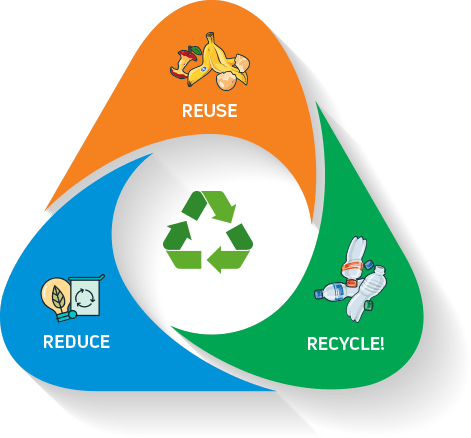
one of the easiest and popular way to do management of waste is 3 R’s( Reuse, Reduce and Recycle ) let us discuss these 3 R’s in detail :-

  1. Reduce: reducing the waste is the very good way to manage the waste in environment . As more we will reduce the waste more , the less waste will be in environment .some efforts that we can do to reduce waste are:-

we should try to use disposals as minimum as possible, we should buy less products with packaging as it is a very big reason of waste, we always see food packages in streets and roads. This is a major reason of waste. we should either avoid packaging food or manage it properly by keeping it in dustbin. some more methods are:-

  • we should change our old processes for best use of raw material , through which we will be able to reduce waste in industries.
  • the liquid waste can be reduced by many scientific techniques such as precipitation etc.
  • we should try to use segregation of waste method to manage the waste .

2. Reuse: This method is becoming popular day by day. because if we reuse any particular material rather than throwing it away after just 1 use, definitely we will be able to reduce waste in pour area or environment .

we should not throw any material or product just due to a small defect or something else we can do something out of it. it can be reused in a different manner. we should only throw it if we realize that it cannot be reused anymore.

In countries like India, some waste materials like glass, bottles rubber etc. are placed casually in streets, these materials’ can be reused if we use them properly. Although many waste collectors in areas collect these wastes and supply them in useful areas helping in reducing the waste.

3. Recycle : the best R of waste management is recycling the waste. it is a processing of remanufacturing a product to make it useful again. some materials that can be recycled are such as plastic, rubber , glass etc. In India, we have tonnes of waste that is recycled . Plastic is one of the most recyled material that is recycled in tonnes. Recycling helps in reducing the consumption of fresh materials .it is one of the most important process of waste management .

FLOATING NEIGHBORHOODS OF AMSTERDAM: A STEP TO COMBAT SEA LEVEL RISE

“Floating Neighborhood” is a water-based solution for the problem for Holland’s housing needs. This neighborhood floats, freezes, tilts on the water of Lake Eimer. The goal is to “make a circular, resilient, floating neighborhood”. The floating houses have similar architecture to that of the land homes and each house is connected to the floor of Lake Eimer. The building elements of the houses are: wood, plastic and glass. The architecture of the neighborhood is based on water environment and each house have individual water jetties for getting connected with land. Running below the jetties, cables and pipes generate gas, electricity, water, cable, and provide a sewage drainage system for each floating home. The community of the water dwellers have the facility where when one resident is short on electrical power, another neighbor can offer some of theirs if they’ve got any leftover current. The Municipal Authority along with other innovators, planners and architects developed a draft for sustainability master plan for the floating development with maximum priority on sustainability.

Floating House

The main aim of “Floating Neighborhood” is to build sustainable neighborhood capable of addressing the challenges of an aquatic environment and harness the unique synergies it offers to residents. The neighborhood has adopted many approaches for solving environmental issues and rising sea level.

Adopted Approaches:

Sustainability of Floating Neighborhoods
  • Sustainable Solutions: The neighborhood relies on carbon intensive gas heating, well-insulated homes and passive solar heating through designs which make maximum utilization of natural sunlight, along with pumps which harvest warmth from the canal water even in winter. Solar boilers provide hot water, and water-recycling showers are equipped with technologies that recover heat that would otherwise go down the drain.
  • Harvesting waste water: The wastewater is transported to a nearby floating biorefinery which recovers nutrients and energy from the organic waste streams. Houses have vacuum toilets which are linked with decentralized sanitation facility and use anaerobic digester for producing energy using biogas, phosphorous and nitrates.
  • Usage of Sustainable Building Materials: The neighborhood uses sustainable building materials only which are light in weight and buoyant (bamboo is mostly preferred). The neighborhood has a community center which serves as a hub of neighborhood wide sustainability initiatives.
  • Smart Microgrid on Water: With the help of smart microgrid system on water, the residents have special permission that provides them the ownership of their own grid as well as energy sourcing and billing. Each house as installed large solar PV array and heat which with battery storage systems. The households have connections with energy management system which intelligently coordinates supply and demand of power within the community and allows the residents to trade energy with each other.
  • Replicable Blueprint for Green Building: The homes have green roofs where the residents can grow foods and plants. They can also collect rainwater and use it for different purposes. The rainwater can also be used for flushing the ultra-efficient toilets. The homes have solar hot water collector which connects to fixtures like recirculating shower, which cleans water in a water loop and saves both water and energy.
Floating House of Amsterdam

5 true stories prove multiple universes do exist!

Would you believe me if I say parallel universes exist and are a ‘real’ thing? Well if no, I would request you to continue reading ahead. We have all come across the terms like parallel universes/ multiple universes several times in the fictional books that we read. But who knew that those stories weren’t just a myth or an old-wives’ tale. Here are 5 more real-life stories that will leave you dumbstruck.

1. A guy at Tokyo International Airport who was supposed to be from a non-existing country

Allegedly, this man told customs he was in Japan for business, and had legitimate visa stamps, currency from multiple European countries, cheques from an unknown bank, and a driver’s license issued in Taured. They sent him to a hotel while things were sorted out, while two immigration officers stood outside of his hotel door. But when they went to check on him in the morning, he’d vanished. This was from 15 stories up, above a busy street, so escaping through a window was unlikely, if not impossible. The Tokyo Metropolitan Police Department searched, but never located the man from Taured again.

2. The green-skinned children who simply just appeared in Woolpit

Back in the 12th century, two children, a brother and sister, allegedly popped up in the village of Woolpit, in Suffolk, England. Both had greenish-colored skin, spoke an unknown language, wore bizarre clothing, and initially refused to eat any food other than raw beans. They were taken in, cared for, and eventually they adapted, developing a taste for food and losing the green hue in their skin. Shortly after, the boy became sick and died, but after learning to speak English, the girl explained that she and her brother were from a place where the sun didn’t shine bright, and it was perpetual twilight. She and her brother were there, herding their dad’s cattle, when they heard some loud noise, and were suddenly in a new place where they were eventually discovered, in Woolpit. The girl grew up and integrated herself into her new surroundings. Though it remained unknown how she and her brother got there, the girl went on to get married and live her life here, in a dimension that might not actually be her place of origin.

3. The cabin in the Markawasi Stone Forest that leads to a parallel dimension

One day, a woman and her friends were camping at a site near the mysterious forest, when they heard music coming from a small, stone cabin that was lit up by torches. They claimed to see people wearing 17th-century fashion dancing inside, and the curious woman was drawn to it, so she headed over and tried to enter. Before she could get inside, a friend pulled her away, and half of her body immediately became paralyzed — the half that had entered the cabin.

Some believe that the woman partially entered a dimensional gateway, and when she was pulled out, she experienced a shift that threw off her nervous system, resulting in her partial paralyzation.

4. The strange man who wound up shipwrecked in Germany from an unknown world

So this story goes, a peculiar guy popped up in a village, where he was picked up and questioned by authorities. The only comprehensible language he spoke was a broken variation of German, but he said his name was Jophar Vorin, and claimed to come from a part of the world known as Sakria. He conveyed that he was searching for his long-lost brother, whom he’d been separated from during a shipwreck. While he had geographical information regarding his home planet, such as five compartments known as Sakria, Aflar, Aslar, Auslar, and Euplar, he couldn’t trace his route on shore, and he would wind up living in Berlin, where he was a topic of discussion amongst the scientific, and simply curious, communities.

5. The universe in which the Beatles never broke up

In 2009, a man named James Richards was in Livermore California driving home from Turlock with his dog. He claims that when he pulled over to let the pup empty her bladder; she sprinted after a rabbit, and he followed her, but tripped, knocking himself unconscious. When James came to, he was next to an odd machine, in the company of a man named Jonas who claimed to have found his unconscious body while on a work trip for an interdimensional travel agency.

While they were together, Jonas and Richards wound up chatting about the pop culture in their respective universes, and discovered that not only did the Beatles also exist in this dimension, but they were all still alive and actively making music. Richards gained a cassette tape labeled “Everyday Chemistry,” which contained Beatles songs that never existed in our dimension. He even uploaded the songs to a website and called it TheBeatlesNeverBrokeUp.com

How to Reduce Melanin Pigment to enhance skin tone.

Melanin is a pigment that’s responsible for your skin tone. Generally, having more melanin means that you have darker skin and if you want to reduce your melanin content, then you’re essentially lightening your skin tone. There are many options to lighten your skin tone like the safest and most effective method is laser treatment from a dermatologist. You can also try some approved skin creams to bleach the affected area. But keep in mind that you always do this under the supervision of a dermatologist to experience the best results. Some methods to enhance your skin tone and reduce melanin pigment are:-

Method-1

Laser Treatment

Consult your dermatologist about laser treatment-

Targeted laser treatment is the most common and effective procedure to reduce melanin. It’s especially useful because a dermatologist can specifically focus on dark patches without bleaching all your skin. If you’d like this treatment, then contact a professional dermatologist for a consultation. The dermatologist will then bring you in to determine if you’re a good candidate for laser treatment.

Dermatologists typically use lasers on people with dark patches or blotches on their skin. If you want to lighten larger areas, then they’ll probably use a cream or peel instead.

Only visit a licensed and certified dermatologist for laser treatment. Some cosmetic clinics might offer the treatment, but they may not use the best techniques or equipment.

Your insurance may or may not cover the treatment, so keep the cost in mind.

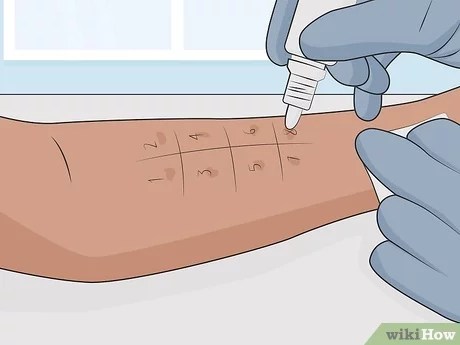
Let the dermatologist test your skin to ensure a laser treatment is safe for your skin or not-

Before the procedure, the dermatologist will probably do a test to make sure you aren’t overly sensitive to the laser. This involves focusing on a small patch of your skin for a short period of time. The dermatologist will then send you home to see if you have any reactions over the next few days, then schedule your laser treatment if all looks good.

Signs of a negative reaction include excessive redness, swelling, burning, and itching. Let your dermatologist know right away if you experience these side effects.

If you do have a negative reaction to the laser, then your dermatologist can recommend other lightning techniques.

Undergo a 30-60-minute laser treatment-

During the procedure, the dermatologist will give you eye protection to guard against the laser. They’ll then rub a laser device onto the affected area, and possibly blow cool air onto your skin to prevent the laser from overheating you. The treatment lasts 30-60 minutes and you can go home after it is done.

The treatment might feel a bit prickly or hot, but you shouldn’t feel pain. Let the dermatologist know right away if the treatment hurts you.

If you’re having treatment on just a few spots, then the session will probably be shorter. If you’re treating a large area, then it will be longer.

Return for repeat sessions if necessary

Whether or not you need more sessions depends on how large of an area you treated. Listen to your dermatologist’s instructions and schedule follow-up treatments if necessary.

The dermatologist will probably want to examine your skin in a week or 2 regardless to see how you’re healing and if everything looks good then treatment is successfully done.

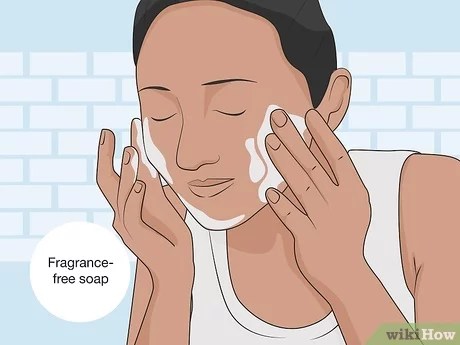
Wash the area with fragrance-free soap every day

Keeping the area clean helps prevent infections and complications. Wet it with clean, warm water and then gently rub some fragrance-free soap onto it. Rinse the area off and pat it dry with a towel.

The area will probably be sensitive for a few days, so don’t scrub it hard or use a washcloth. This will be painful if the area isn’t healed yet.

Don’t pick at any scabs that form. This could cause a scar.

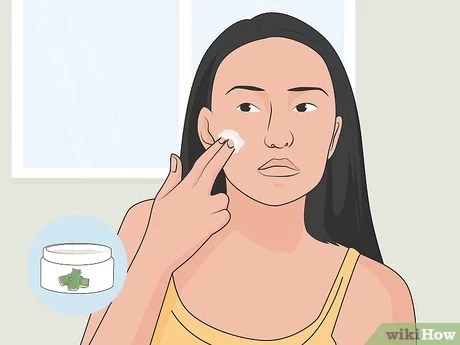
Apply aloe vera gel or cream to soothe the area until it heals-

 You might have some minor burns or irritation after the procedure. You could soothe the area with aloe vera gel or cream to reduce burning and discomfort. Try applying it once or twice a day as needed. Make sure any crams you use are fragrance-free to avoid irritation.

Follow all of your dermatologist’s instructions. If they tell you that putting any cream on the area isn’t safe, then listen to them.

You could also use a cold compress to relieve the pain if the dermatologist says you can’t use aloe cream.

Protect the area with sunscreen for at least 6 months after the treatment-

The area will be more sensitive to sunlight since the melanin has been removed. Make sure you protect it for at least 6 months after the procedure. Apply sunscreen regularly with at least 30 SPF whenever you go outside to avoid sunburns.

If the spot is in an area you can cover with your clothes, then you don’t need sunscreen.

Method-2

Using Skin-Lightening Products

Use a chemical peel to remove surface melanin-

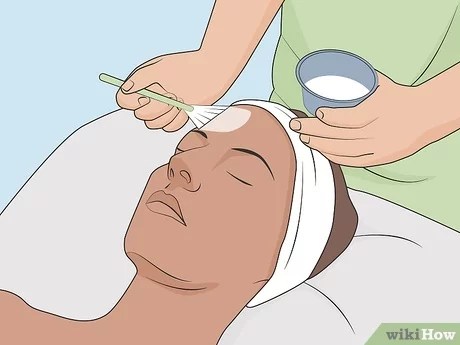
If you want to lighten large patches of skin instead of a few spots, then your dermatologist may try a chemical peel to reduce melanin pigmentation. They will rub an acid agent onto your skin and let it sit for about 25-30 minutes. During this time, it dissolves the surface skin layers. Then, the dermatologist will wash the mask off.

Your dermatologist will probably use light to medium-depth peel to start out with. In general, the lighter you want your skin, the deeper the peel has to be.

If you have sensitive skin, your dermatologist may not use a chemical peel. Placing acid on sensitive skin could cause a lot of irritation and cause burning of the skin.

You may need multiple chemical peels to remove excess melanin.

Non-prescription and store-bought chemical peels are not recommended and could be harmful. Only have a chemical peel treatment under a dermatologist’s supervision.

You can visit your dermatologist for a microdermabrasion treatment-

This treatment involves using fine crystals to sand away the top skin layers and reveal fresh skin underneath. This is usually used to remove scars, but could also lighten your skin. The dermatologist will numb your skin, then spend a few minutes grinding at the dark spot. After the treatment is finished, you’ll be sent home to recover.

Your skin will be irritated and red for a few days after the treatment. Your dermatologist might tell you to take pain relievers and provide you with washing instructions to help you heal faster.

Microdermabrasion is usually only used on small patches, so your dermatologist may use a cream or peel if you want a large area lightened.

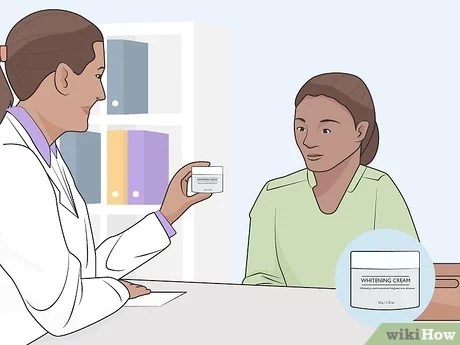
Ask your dermatologist for a prescription whitening cream-

If you don’t want to have an in-office procedure, you could also get a prescription product to apply at home. Most of these creams contain retinoids or hydroquinone, both of which can lighten skin. Apply the cream onto your skin exactly as directed by your derma. In most cases, you’ll have to use prescription creams for about 3 months to complete the treatment.

The application instructions vary with different products, but in most cases, you’ll apply the cream 1 or 2 times per day. Rub it in completely and then wash your hands thoroughly.

Keep the cream away from your mouth or eyes.

Don’t get the cream on anyone else, or it could bleach their skin. Keep the cream away from children’s.

Those with darker skin tones should exercise caution if considering using a product that contains hydroquinone, as it can cause irreversible discolouration and skin darkening.

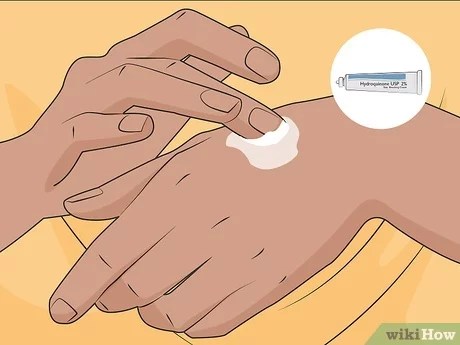
Apply an over-the-counter 2% hydroquinone cream-

Hydroquinone is a common bleaching product that’s effective for lightening skin. Low concentrations are available from pharmacies without a prescription. Check the application instructions and apply the cream to the affected area exactly as directed and don’t go out in sun.

OTC creams should produce results within 4 months. If you don’t notice any change, contact your dermatologist.

Products with a hydroquinone concentration higher than 2% are usually not available without a prescription. This is because hydroquinone could cause health problems in high concentrations and with long-term use.

Some countries have banned hydroquinone without a prescription or altogether because of potential health risks. However, studies demonstrate that concentrations between 2-4% are not dangerous.

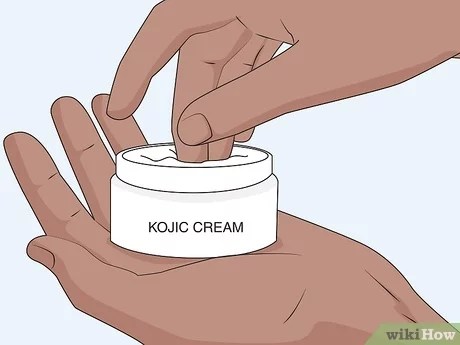
Get a skin cream that contains kojic acid-

This is another common ingredient that’s used in many skin-lightening products. This is because it can reduce the amount of melanin in your skin and prevent the formation of new melanin cells. Check the pharmacy or shop online for a kojic acid cream and apply it exactly as directed.

Kojic acid doesn’t have the potential health risks of hydroquinone, so you can use it if your country has banned hydroquinone. You could also ask your dermatologist for a prescription to buy kojic acid cream.


FEVER

Fever is the sudden rise in body temperature. It is a signal that our body gives us that something bad is happening inside our body. It is a normal reaction or response of our immune system. Whenever a foreign particle enters our body and infects the cells, our antibodies fight against it. It is our body’s way of giving alerts by increasing the normal temperature. Fever is also called Pyrexia or Controlled Hyperthermia. When the body temperature goes to 100o F (38o C) or more, we consider it as a significant temperature rise. If it persists for more than 24 hours, the causes of it should be suspected, diagnosed, and treated. 
WHEN SHOULD WE TAKE IT SERIOUSLY?

Fever is just a normal function of our body that lets us know the correct response against an infection. But it should be taken care of especially in children or infants if there are symptoms like

  • Temperature is 102o F or more and if it continues for more than 36 hours.
  • Cold, cough, and loss of appetite.
  • Chills and night sweats.
  • Fever accompanied by vomiting and diarrhea.
  • Weakness, dizziness, body ache, or fatigue.
  • Having seizures or fits with high temperature.
  • Cough, sore throat, mucus accumulation, and chest tightness.
  • Inability to swallow foods even liquids.
  • Fever recurring after particular hours.

TYPES OF FEVER AND VARIATIONS

There are many kinds and causes of fever. Most commonly it may be due to viral or bacterial infections. Viral fevers usually stay for 1-3 days but the recurrent fever may persist for almost 14 days or more. A person with viral infections may experience nausea, coughing, running nose, body pain, etc. Not all viral fevers are contagious but most of them appear to be contagious. For example, common cold, influenza, malaria, dengue, HIV, covid-19, etc. are contagious and may spread from person to person by various means. Bacterial infections are similar to viral infections and there is no major difference in symptoms. It persists for few days or until treated with an antibiotic. Bacterial fever does not subside by itself and it is higher than a viral fever. It worsens day after day instead of showing better improvement.

Other than the common infections, fever may occur also due to other less common causes like hepatitis, sinusitis, gastroenteritis, tuberculosis, urinary tract infections, etc. Body temperature also varies with age and physical activities. It may be lower in the mornings and higher in late noon or after heavy workout sessions and hot showers.

WHERE TO TAKE THE TEMPERATURE?

There are four ways to measure the rise in body temperature.

  1. Rectal method – It is the most accurate way of measuring temperature, especially for children. It is taken by inserting the thermometer in the rectum or bum.
  2. Tympanic method – It is the next accurate method where the temperature is taken by keeping the thermometer into the ear canal.
  3. Axillary method – This temperature which is taken from the underarms is considered to be less accurate when compared with tympanic and rectal methods.
  4. Oral method – It is the least accurate method of all where the temperature is taken by keeping the thermometer under the tongue. But it is the most common method of reading the temperature.

THE BOTTOM LINE

Fever can be controlled by following some home remedies or by taking antipyretics which can only reduce the temperature but doesn’t treat the reasons. Few antipyretics or fever-reducing drugs are paracetamol, aspirin, or Anacin. These drugs can be taken rarely, however consuming them too often may cause unwanted side effects.

WATER POLLUTION

Water pollution is a global problem, affecting every continent and occurring in every type of ecosystem. It can be caused by industrial, agricultural and sewage systems, as well as by natural processes.

Water pollution does not respect political boundaries (or rivers), and can be managed at the international, national and local level. Water pollution occurs when harmful substances—often chemicals or microorganisms that contaminate a stream, river, lake, ocean, aquifer, or other body of water, degrading water quality and rendering it toxic to humans or the environment. Water pollution can come from a number of different sources. If the pollution comes from a single source, such as an oil spill, it is called point-source pollution. If the pollution comes from many sources, it is called nonpoint-source pollution. Most types of pollution affect the immediate area surrounding the source. Sometimes the pollution may affect the environment hundreds of miles away from the source, such as nuclear waste, this is called transboundary pollution.

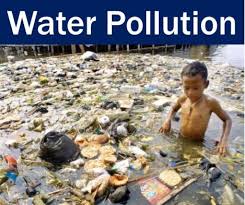
550+ Water Pollution Pictures | Download Free Images on Unsplash

Water pollution is estimated to cause over 4 billion lost human lives per year. The global costs of water pollution exceed more than $1 trillion per year, making it the most costly environmental health hazard.Globally more than 2.5 billion people lack adequate drinking water, and another 1.8 billion lack adequate sanitation. More than 40% of the world’s population lives in water-stressed areas. The majority of this population lives in developing countries. In developing countries, water pollution is almost wholly due to point source pollution. The majority of the global burden of disease, injury, and premature mortality is estimated to be due to diseases caused by contaminated drinking water, sanitation, and unsafe sewage. Such major pollution events account for about 40 percent of the world’s total estimated disease burden.

It is well known that there are a number of ways in which water pollution can occur.

TYPES OF WATER POLLUTION

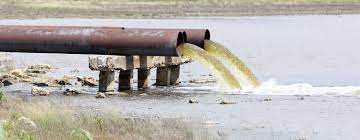
  • Industrial water pollution results when materials that are harmful to humans or the environment are dumped into water. Often industry will be negligent in ensuring that harmful wastes are managed safely.
  • Agricultural pollution derives from the discharge of chemicals to increase crop yields, or pesticides, herbicides, and fertilizers to grow food.
  • Wastewater pollution results from the discharge of human waste, sewage and industrial wastewater.
  • Nonpoint or diffuse pollution is pollution that occurs when substances diffuse into the water from a variety of sources.
  • Point source pollution is the damaging flow of a substance that originates from a single location that can be easily identified, contained or cleaned up.
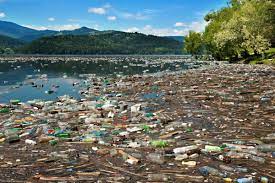
Water Pollution: The Invisible Threat The World Is Ignoring

EFFECTS OF WATER POLLUTION

  • Virtually all types of water pollution are harmful to the health of humans and animals. Water pollution may not damage our health immediately but can be harmful after long term exposure.
  •  Heavy metals from industrial processes are toxic to marine life such as fish and subsequently to the humans who eat them.They can cause immune suppression, reproductive failure or acute poisoning.
  • Microbial water pollution is a major problem in the developing world, with diseases such as cholera and typhoid fever being the primary cause of infant mortality.
Water pollution - latest news, breaking stories and comment - The  Independent

These are just few effects of water pollution. If you wanna know more do research and know about it.

There are many ways to prevent water pollution and to avoid contaminating the water. Yes, there are various treatment plans to treat polluted water. For example, Sewage treatment plans, denitrification etc. The one thing we can do with the waste water is, Kitchen water can be directed to garden to save water as well as pollution. The things I said today are limited but there are many meaning in it. Hope you know more about it.

Top 6 Causes of Water Pollution and How to Reduce the Risks
SAVE WATER; SAVE LIFE

Read more;

WBYR- White, Black, Yellow, Red

Photo by Daniel Spase on Pexels.com

The names of the colors seemed strange, didn’t they? And I bet the picture above makes it all a lot more bizarre. But here’s the thing, all those colors above are names of lakes, well seas actually, that are spread all over the world. For those who knew we were gonna talk about seas, I bet you don’t know what gives them this distinctive name. Do you? Well, if you do know where they are located and why they are named so, you can skip the article. Or, you can read it, you know. It can be a wonderful revision and you can let me know if I miss something.

Well let’s start with black lake, shall we? The black lake helps the Urals, the Caspian sea and the Caucasus define the boundary between Europe and Asia. It shares its boundary with Ukraine to the north, Russia and Georgia to the east, Turkey to the south, and Bulgaria and Romania to the west. The black sea is connected to the small sea of Marmara (via the Bosporus strait) which is connected to Aegean sea via the strait of Dardanelles Well, this is something about the geography of the black sea. Now, to why it is known as the black sea. In earlier times, sailors and pirates saw the sea’s blue-green water appear all dark and black, especially during severe storms. Black sea has high concentration of hydrogen sulfide. When metal objects, dead plants and animal matter sunk deeper into the sea, they get covered with black sludge due to the hydrogen sulfide.

The next is Yellow sea. A marginal sea(sea bordering continents, separated from open ocean by island arcs and land ridges) of Pacific ocean, located between mainland China and Korean peninsula, the northwest part of East China sea. The sea becomes golden-yellow due to the yellow colored sand particles that flow in from the Gobi desert (located in Northern China and southern Mongolia).

The third is the red sea. It is located between the Arabian peninsula and the African peninsula. To the south lies the gulf of Aden and to the north lies the Sinai peninsula, the gulf of Suez and the gulf of Aqaba. Its name is a direct translation of its ancient Greek name, Erythra Thalassa, and many people believe that it derives its name because its normally blue-green water occasionally turns reddish-brown in the presence of a cyanobacteria called Trichodesmium erythraeum.

The last is the white sea. It is located in the North-west coast of Russia(in Europe) and is the southern inlet of Barents sea . It is covered with ice for 6-7 months every year. The covering of ice gives it a white color and hence the name.

This is all for the day. See you tomorrow with some more interesting phenomenon happening all around us.

What Is Fast Fashion?

Clothes shopping used to be an occasional event—something that happened a few times a year when the seasons changed or when we outgrew what we had. But about 20 years ago, something changed. Clothes became cheaper, trend cycles sped up, and shopping became a hobby. Enter fast fashion and the global chains that now dominate our high streets and online shopping. But what is fast fashion? And how does it impact people, the planet, and animals?

It was all too good to be true. All these stores selling cool, trendy clothing you could buy with your loose change, wear a handful of times, and then throw away. Suddenly everyone could afford to dress like their favourite celebrity or wear the latest trends fresh from the catwalk.

Then in 2013, the world had a reality check when the Rana Plaza clothing manufacturing complex in Bangladesh collapsed, killing over 1,000 workers. That’s when consumers really started questioning fast fashion and wondering at the true cost of those affordable t-shirts. If you’re reading this article, you might already be aware of fast fashion’s dark side, but it’s worth exploring how the industry got to this point—and how we can help to change it.

What is fast fashion?

Fast fashion can be defined as cheap, trendy clothing that samples ideas from the catwalk or celebrity culture and turns them into garments in high street stores at breakneck speed to meet consumer demand. The idea is to get the newest styles on the market as fast as possible, so shoppers can snap them up while they are still at the height of their popularity and then, sadly, discard them after a few wears. It plays into the idea that outfit repeating is a fashion faux pas and that if you want to stay relevant, you have to sport the latest looks as they happen. It forms a key part of the toxic system of overproduction and consumption that has made fashion one of the world’s largest polluters. Before we can go about changing it, let’s take a look at the history.

How did fast fashion happen?

To understand how fast fashion came to be, we need to rewind a bit. Before the 1800s, fashion was slow. You had to source your own materials like wool or leather, prepare them, weave them, and then make the clothes.The Industrial Revolution introduced new technology—like the sewing machine. Clothes became easier, quicker, and cheaper to make. Dressmaking shops emerged to cater to the middle classes.

Many of these dressmaking shops used teams of garment workers or home workers. Around this time, sweatshops emerged, along with some familiar safety issues. The first significant garment factory disaster was when a fire broke out in New York’s Triangle Shirtwaist Factory in 1911. It claimed the lives of 146 garment workers, many of whom were young female immigrants. By the 1960s and 70s, young people were creating new trends, and clothing became a form of personal expression, but there was still a distinction between high fashion and high street.

In the late 1990s and 2000s, low-cost fashion reached its zenith. Online shopping took off, and fast-fashion retailers like H&M, Zara, and Topshop took over the high street. These brands took the looks and design elements from the top fashion houses and reproduced them quickly and cheaply. With everyone now able to shop for on-trend clothes whenever they wanted, it’s easy to understand how the phenomenon caught on.

How to spot a fast fashion brand

Some key factors are common to fast fashion brands:

  • Thousands of styles, which touch on all the latest trends.
  • Extremely short turnaround time between when a trend or garment is seen on the catwalk or in celebrity media and when it hits the shelves.
  • Offshore manufacturing where labour is the cheapest, with the use of workers on low wages without adequate rights or safety and complex supply chains with poor visibility beyond the first tier.
  • A limited quantity of a particular garment—this is an idea pioneered by Zara. With new stock arriving in store every few days, shoppers know if they don’t buy something they like, they’ll probably miss their chance.
  • Cheap, low quality materials like polyester, causing clothes to degrade after just a few wears and get thrown away.

What’s the impact of fast fashion?

On the planet: Fast fashion’s impact on the planet is immense. The pressure to reduce costs and speed up production time means that environmental corners are more likely to be cut. Fast fashion’s negative impact includes its use of cheap, toxic textile dyes—making the fashion industry the second largest polluter of clean water globally after agriculture. That’s why Greenpeace has been pressuring brands to remove dangerous chemicals from their supply chains through its detoxing fashion campaigns through the years.

Cheap textiles also increase fast fashion’s impact. Polyester is one of the most popular fabrics. It is derived from fossil fuels, contributes to global warming, and can shed microfibers that add to the increasing levels of plastic in our oceans when washed. But even ‘natural fabrics’ can be a problem at the scale fast fashion demands. Conventional cotton requires enormous quantities of water and pesticides in developing countries. This results in drought risks and creates extreme stress on water basins and competition for resources between companies and local communities.

The constant speed and demand mean increased stress on other environmental areas such as land clearing, biodiversity, and soil quality. The processing of leather also impacts the environment, with 300kg of cehmicals added to every 900kg of animal hides tanned. The speed at which garments are produced also means that more and more clothes are disposed of by consumers, creating massive textile waste. In Australia alone, more than 500 million kilos of unwanted clothing ends up in landfill every year.

On workers: As well as the environmental cost of fast fashion, there’s a human cost. Fast fashion impacts garments workers who work in dangerous environments, for low wages, and without fundamental human rights. Further down the supply chain, the farmers may work with toxic chemicals and brutal practices that can have devastating impacts on their physical and mental health, a plight highlighted by the documentary The True Cost.

On animals: Animals are also impacted by fast fashion. In the wild, the toxic dyes and microfibres released in waterways are ingested by land and marine life alike through the food chain to devastating effect. And when animal products such as leather, fur, and even wool are used in fashion directly, animal welfare is put at risk. As an example, numerous scandals reveal that real fur, including cat and dog fur, is often being passed off as a faux fur to unknowing shoppers. The truth is that there is so much real fur being produced under terrible conditions in fur farms that it’s become cheaper to produce and buy than faux fur!

On consumers: Finally, fast fashion can impact consumers themselves, encouraging a ‘throw-away’ culture because of both the built-in obsolescence of the products and the speed at which trends emerge. Fast fashion makes us believe we need to shop more and more to stay on top of trends, creating a constant sense of need and ultimate dissatisfaction. The trend has also been criticized on intellectual property grounds, with some designers alleging that retailers have illegally mass-produced their designs.

SCIENCE AND TECHNOLOGY

Science and Technology have now become crucial parts of our life and our life has many luxuries and we are able to utilize them because of science and technology. It has helped us to do all these in short time because of the advancement in science and technology. Every day new technologies get introduced in the field of science and technology which makes human life easier and comfortable. And now it is difficult to imagine our loves without science and technology. Because of this we are now living in modern civilization and our evolution has occurred. This development in the field of Science and Technology is present in every aspect of our life and has great contributions in it.

There have been many new inventions in the field of Science and Technology which has changed the overall perspective of humans towards life and helps in modernizing the human civilization. Hence, people get the chance to enjoy the lives more comfortably and make it more pleasurable. In other days, humans now have a simple life because of science and technology. It has now expanded its wings into the fields of medical, education, manufacturing and many other areas.

WHAT IS SCIENCE ?

Science is the consists of systematic study of the behavior and structure of physical and natural world through observation, experiment and technology with the application of scientific knowledge for practical purposes. And Like everything, Science also has a journey and it has long lasting impact on the humans. Science has large contributions in the evolution of human.

WHAT IS TECHNOLOGY ?

“Technology” is the application of this scientific knowledge for practical purposes. Thee mobile, laptop etc. have now become the essential parts of our life and make use of connectivity or communication or smart technology for doing our activities. From the machines used in industries to the robots created, all fall under technological invention. So, in simpler words we can say that technology has made our lives comfortable.

Science and Technology: India

Ever since British rule, India was famous for many things and after gaining independence, science and technology, played a great role in shaping the present and future of India. Now, it has emerged as an essential source of creative and scientific developments all over the worlds. All these advancements have led to the improvement of Indian economy and assisted development in various fields including Space Technology, Mathematics, Space Technology and many more. Some of the prominent examples of these developments are railway system, smart phones etc. Such advancements only helped in launching Chadrayaan 2 and helped India earn critical acclaim from all over the world.

In conclusion, we must admit that science and technology have led human civilization to achieve perfection in living. However, we must utilize everything in wise perspectives and to limited extents. Misuse of science and technology can produce harmful consequences. Therefore, we must monitor the use and be wise in our actions.

Advancement in science and technology has changed the modern culture and the way we live our daily life.

Communicable Diseases

These are the diseases that may pass or carry from one human or animal to other. Communicable diseases are illnesses caused by grams such as bacteria, viruses, and spread by an infected person, animal, or object to other person.

Viral Diseases: The virus is parasitic which causes several diseases like:

(1) Bird Flu (H5 N1)- Bird Flu (Avian influenza) is a disease caused by an influenza virus-A, that primarily affects birds. The following persons who may be at higher risk for developing the bird flu are—

• Travellers, visiting affected countries.

• Farmers and others, who work with poultry.

• Those who have touched an infected bird.

• Those who eat raw or undercooked poultry meat, eggs, from infected birds.

Symptoms- Fever, cough, sore throat, muscle aches, and eye infection (conjunctivitis).

Treatment- Treatment with the anti-viral medication oseltamivir (Tamiflu), or zanamivir (Relena) may make the disease less severe. Oseltamivir may also be prescribed for persons, who live in the same house as those diagnosed with Avian flu.

Severe Acute Respiratory Syndrome (SARS): It is a serious form of pneumonia. It is caused by a virus that was first identified in 2003. Infection with the SARS virus causes acute respiratory distress( severe breathing difficulty) and sometimes death.

Symptoms- Cough usually starts 2-3 days after other symptoms like fever, headache, and muscle aches.

Treatment- Antibiotics to treat bacteria that cause pneumonia. Anti-viral medications. High dose of steroids to reduce swelling in the lungs. Oxygen, breathing support (mechanical ventilation), or cheat therapy.

Hepatitis: Hepatitis is swelling and inflammation of the liver. It is not a condition but is often used to refer to a viral infection of the liver. Hepatitis can be caused by—

• Immune cells in the body attacking the liver and causing autoimmune hepatitis. Infections from viruses such as hepatitis A, B, or C, bacteria, or parasites. Liver damage from alcohol, poisonous mushrooms, or other poisons.

• Medication such as an overdose of acetaminophen can cause harm or even death.

Symptoms- Abdominal pain or distention. Breasts development in males. Dark urine and pale or clay-colored stools. Fatigue, general itching, fever, usually low-grade jaundice(yellowing of the skin or eyes), and loss of appetite, nausea, vomiting, and weight loss.

(2) AIDS: Acquired Immuno Deficiency Syndrome(AIDS) is a disease of the human immune system caused by the Human Immunodeficiency Virus (HIV). AIDS was first recognized by the Centers for Disease Control and Prevention(CDC) in 1981.

HIV Infection: AIDS is a condition caused by HIV infection. The condition gradually destroys the immune system, which makes it harder for the body to fight infections.

Transmission- HIV can be spread by the following :

• Through sexual contact i.e. oral, vaginal, and anal sex.

• Through blood transfusions, accidental needle sticks, or needle sharing.

• From mother to child: A pregnant woman can transmit the virus to her fetus through their shared blood circulation or a nursing mother can pass it to her baby through breastfeeding.

Test for AIDS-

• Enzyme-Linked Immunosorbent Assay/ Enzyme Immuno Assay (ELISA/EIA).

• Radio Immuno Precipitation Assay/ Indirect Fluorescent Antibody Assay (RIP/IFA).

• Polymerase Chain Reaction(PCR)

• Western Bolt Confirmatory Test.

LEARNING FROM THE CLEANEST CITY OF INDIA: INDORE

“A journey of a thousand miles begins with a single step. “

Indore has been awarded as the “Cleanest City” of India for fourth time in a row and the most important reason behind this success is the combined efforts of the public, public representatives, government officials and other stakeholders engaged in this process. The journey made by the city is inspiring and as of now there are many other cities of the country and globe who are following the strategies for becoming cleanest city.

INDIAN SCENARIO: TRASH EMERGENCY

According to the Annual Report of the Ministry of Housing and Urban Affairs, in year 2016-17, India generated approximately 1,50,000 tones of solid waste per day. According to World Bank by 2050, it is estimated that India will generate nearly 3.5 times (over 5,43,200 tones) of solid waste per day. It has also been estimated that local bodies collect nearly 90% of this waste, out of which nearly 80% is dumped in dumping sites or landfill site without getting treated. Under Article 21, it is provided that Clean Environment is (the) Fundamental Right of every citizen and it is the responsibility of the urban local bodies and the State to ensure that clean and hygienic environment is provided to the citizens which preserves their health. In case of Indian cities, it is very important to learn from the best practices and techniques applied in different urban areas for efficiently dealing with the solid wastes.

THE JOURNEY TO CLEANEST CITY

HOW IT STARTED

The journey of Indore for becoming the cleanest city started from 2016 and it faced many challenges.

Some of technical challenges were:

  1. Inefficient infrastructures, systems and processes for Municipal Waste Management.
  2. Absence of infrastructures for material recovery, transfer stations and processing unites and non – operational composting facilities.
  3. Inefficient door to door waste collection system with no scope of source segregation practice.
  4. Unorganized trenching grounds with nearly 13 lakh tons of waste which caused methane induced fire, bad odor and increased the chances of diseases.
  5. Unorganized and inefficient waste collection, transportation and dumping.

In addition to all these technical issues, there were various non – technical challenges like:

  1. Cooperation and support of citizens,
  2. Unorganized municipal workers
  3. Lack of mechanism to monitor and reviews all the processes being involved
  4. Inefficient citizen grievance redressal system.
  5. Lack of political awareness to achieve the cleanliness goals
  6. Lack of awareness about solid waste management process among citizens, local media, administrations and Resident Welfare Associations (RWA).

THE PROCESS

Indore had to implement many strategies in each and every step associated with solid waste management. Along with these strategies the Indore Municipal Corporation (IMC) had partnered with private bodies, NGOs etc. for boosting the entire [process and empowered the citizens regarding their roles and responsibilities as citizens of the city for making Indore a clean city.

Waste Collection, Segregation and Transportation :

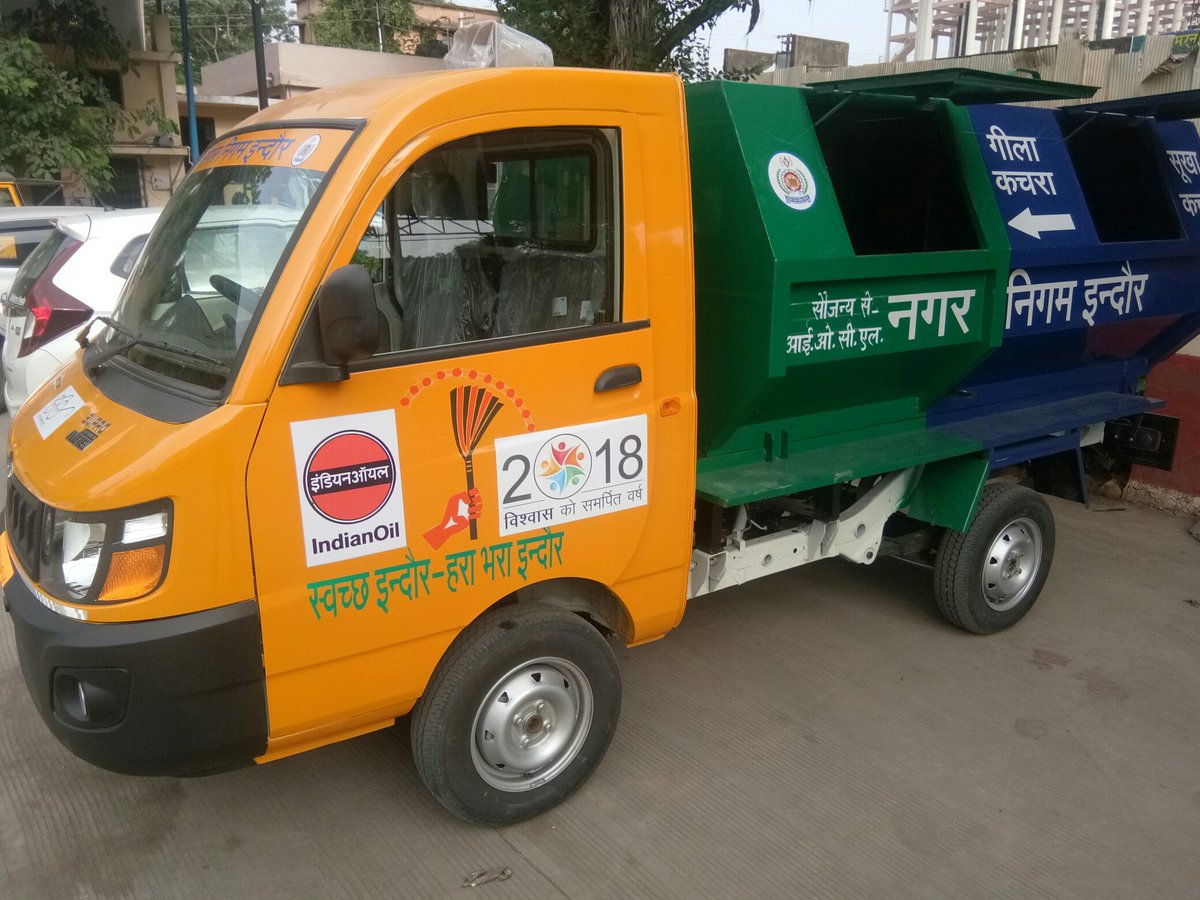
Vehicles having different compartments for waste collection

IMC started the process of waste collection from households on daily basis from 2016 and at the same time it also started asking and motivating the citizens to segregate their waste. Some of the strategies undertaken for increasing the efficiency of waste collection were :

  1. Collecting the wastes from household on regular basis and studying the lifestyle of different localities to finding the most suitable for waste collection.
  2. Explaining the people about the need of waste segregation and on repeated disposal of unsegregated wastes, households had to pay the fine as decided by the Supervisors of IMC.
  3. Tracking the routes of the garbage vans and vehicles that collect the wastes from door to door and monitoring it.

Some of the steps undertaken for creating awareness among citizens were :

  • Visiting of different localities and colonies by Municipal officials to persuade and create awareness among citizens regarding waste segregation.
  • Providing common platforms were religious leaders created awareness among people, on the basis of importance of cleanliness as mentioned in the religious texts, schools etc. and organizing oath taking ceremonies for children pledging a clean city and conduction of mass road sweeping exercise at different areas of the city.
  • Involving 850 Self Help Groups, comprising almost 8500 women for spreading awareness for waste segregation and conducting mass campaigns.
  • Campaigns for zero waste localities and markets.
  • Creating awareness regarding home composting, as a result of which nearly 50,000 households started doing home composting.

Involvement of Private Bodies and NGOs for Boosting the process

The IMC partnered with non-governmental organizations for creating awareness campaigns to change the attitude and behavior of citizens, to facilitate the functioning of solid waste management systems, use of proper technologies for increasing efficiency and improved capacity for ensuring proper implementation of all strategies and actions decided for being clean.

Waste Management System

The city adopted the strategy of processing the waste near the source. For example: All food outlets separate food waste and transport it to the small garden inside a traffic triangle at one end of the street. This strategy is more cheaper, hygienic and sustainable way for processing the wastes. The responsibility of waste composting is given to an NGO named Swaha and this organization uses a machine which simple and easy to handle. Most the waste generated from Indian cities contain higher proportion of organic wastes and are generally wet, which makes the waste more difficult to handle. These machines work efficiently even if the material is not organic with minimum spillage, minimum human contact with waste and has mechanism which can easily lift heavy trash cans.

Waste to Fuel

For processing of organic wastes, a Biomethanation facility is provided which converts the organic waste into methane. The city produces nearly 20 tones of waste everyday and this waste is converted into 750 – 800 kg of bio compressed natural gas (bioCNG). This task is assigned Mahindra Waste to Energy Solutions Ltd. The gas produced is used to run city buses, and sold as cooking fuel to hotels and the Indian Institute of Management, at a subsidized rate. Waste from the flower market is kept separately (1-2 tons a day), and mixed with slurry to produce compost.

Street Sweeping

For the purpose of street sweeping machines are used. Every night 800 km of main roads are swept using machines and water mist are used for cleaning footpaths and road dividers. For the cleanliness of roads nearly 400 liters of water is used every night and most of these are recycled water which are derived from the three sewage treatment plants. In case of internal roads which are 2200 km, the wastes are swept and are collected in gunny bags, collected by vans and transported to waste processing facility.

Clean Streets of Indore

CURRENT SCENARIO

Before and After images of Indore

As of now, 100% of household wastes are segregated at source and are processed. Ten ultra modern mechanized transfer stations are used for final processing and disposal. The city makes use of ICT based devices and Weighbridge mechanism for sustainable integrated solid waste management systems. For road sweeping purpose, Ultra modern mechanized road sweeping machines are used, which clean the bypasses, super corridors and bridges.

The city uses a collection and transportation app which is fully digital in nature for monitoring entire process, from door to door segregation to final disposal of waste. The wat wastes are processed and are used in public transports and today 15 city buses operate on this bioCNG gas. Similarly, construction and demolition wastes are reused for making non-structural concrete, paving blocks, lower layers of road pavements etc.

Through the process of bio-remediation, 100% of wastes has been remediated and 100 acres of land has been reclaimed. The dumping yard or landfill site had been converted into green belt. There is a proposal to develop this land into a golf course and city forest.

The entire journey of Indore has been based on more that 3Rs- reduce, reuse and recycle. These include Food Bank, disposable free events, Bartan Bank, art and crafts made out of wastes etc. All these initiative have ensured sustainability of the city.

Other than all these technical strategies, the city also took many social media initiatives and Information, Education and Communication (IEC) techniques for ensuring community Engagement. The song, “HO Halla” by Indian singer Shann became the Swachhta Anthem of the city in 2017 and motivated the citizens to keep doing their part of work towards this Swacchta mission. The song also has many new versions.

CONCLUSION

Since 2016, Indore went through a commendable journey for providing its citizen the urban environment which will protect their health. The IMC took strategies which are the most efficient and using them, it eliminated garbage dumps, 100% household waste collection and segregation, reusing all the wastes etc. The success of Indore’s solid waste management shows that other Indian cities can also clean the entire area and make it more hygienic and sanitized for the people by engaging NGOs, private bodies and citizens.

Thus, trust between all the stakeholders being involved in the process is the major pre-requisite for achieving the goal.

Nanoparticles – the future?

A nanoparticle (NP) is an ultrafine unit with dimensions measured in nanometres (nm; 1 nm = 10−9 metre). Nanoparticles exist in the natural world and are also created as a result of human activities. Because of their sub-microscopic size, they have unique material characteristics, and manufactured nanoparticles may find practical applications in a variety of areas. The small size of nanoparticles is especially advantageous in medicine; nanoparticles can not only circulate widely throughout the body but also enter cells or be designed to bind to specific cells. Those properties have enabled new ways of enhancing images of organs as well as tumours and other diseased tissues in the body. Some examples of NP used for medical purposes are metallic NP, carbon nanotube, liposome, gold NP, silica NP and many more. 

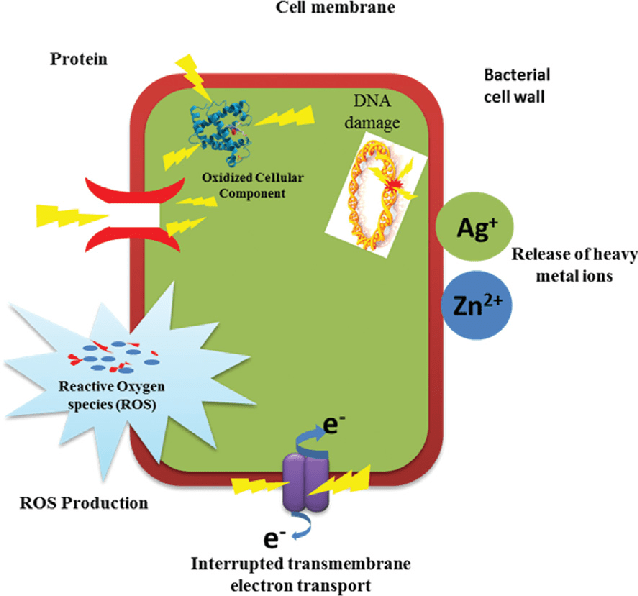
The massive use of nanomaterials in biomedical applications enhanced research interest to explore the antibacterial mechanisms of NPs. NPs can alter the metabolic activity of bacteria by maintaining contact with bacterial cells via electrostatic interaction, Van der Waals forces, receptor-ligand and hydrophobic interactions. Further, these NPs can cross the bacterial membrane and assemble along the metabolic pathway influencing the shape and functioning of the cell membrane. Finally, NPs interact with the bacterial cell basic components causing oxidative stress, permeability and gene expression changes, diverse alterations, electrolyte balance disorders, protein deactivation, and enzyme inhibition 

These NPs work on a bacterial cell in three ways, they are as follows:

 Dissolved metal ions: Metal oxide NPs release metal ions and these metal ions are absorbed through the cell membrane. Each metal ion has its sensitivity to different microorganisms. For instance, Ag+ ions react with the sulfhydryl group in enzymes and other cellular constituents leading to cellular dysfunction. Ag+ also prevents cell wall synthesis in Gram-positive bacteria. Ag+ ions can also interact with DNA inhibiting the growth by obstructing DNA replication and cell division.

 Reactive oxygen species: The toxicity of nanomaterial can be mainly attributed to the production of reactive oxygen species ROS that inhibits bacterial growth by restricting amino acid synthesis, lipid peroxidation and DNA replication. The presence of NPS excessive production of ROS leads to an unbalanced state, which results in oxidative stress, creating damage to the basic individual components of bacterial cells. ROS namely Superoxide radical, hydroxyl radical, hydrogen peroxide that is generated by different levels of activity and toxicity.

 Direct contact / Non-oxidative mechanism: The non-oxidative mechanism involves direct interaction on NPs with the cell wall. Direct contact is often but not in all cases a necessary mechanism of toxicity. Direct contact inhibits enzymes and proteins involved in cell metabolism, thus disrupting the normal functioning of the bacterial cell.

(Nanotechnology for Diagnosis and Treatment of Infectious Diseases – Scientific Figure on ResearchGate. Available from: https://www.researchgate.net/figure/Mechanisms-by-which-nanoparticles-kill-bacteria-cells-Notes-Certain-NPs-and-their-ions_fig3_262116106)

Nanoparticles can be used as tags or labels, which will help us in the detection of infectious agents even in small sample volumes directly in a very specific, sensitive and rapid format with lower costs than current in-use technologies. Also, the earlier detections will help in accurate and prompt treatment of the disease. however, nanoparticles that are used in nanomedicines can travel through a mother’s placenta and can assist in the formation of free radicals. 


•Asian Journal of Pharmaceutical Sciences, Vol. 15,  Issue 1, January 2020, pages 42-59https://doi.org/10.1016/j.ajps.2019.03.002

Ashish Ranjan, Nikorn Pothayee, Mohamed N. Seleem, Stephen M. Boyle, Ramanathan Kasimanickam, Judy S. Riffle, Nammalwar Sriranganathan, Nanomedicine for intracellular therapy, FEMS Microbiology Letters, Volume 332, Issue 1, July 2012, Pages 1–9, https://doi.org/10.1111/j.1574-6968.2012.02566.x

https://www.microscopemaster.com/nanotechnology.htmlhttps://www.ncbi.nlm.nih.gov/pmc/articles/PMC7148861/

https://www.nanowerk.com/spotlight/spotid=23695.phphttps://www.sciencedirect.com/science/article/pii/S1818087618309103#fig0005

How Do I Choose Between Medication and Therapy?

In the last couple of weeks, there have been some big announcements from the medical and mental health communities about the wisdom of using drugs over behavioral methods for various disorders. The meds vs. therapy debate has been an active one for a number of years.But these days, some experts and organizations are questioning, more and more, whether popping pills should really be our go-to treatment, based on the literature. And it seems that for some that have historically used meds as the first line of treatment, the evidence for behavioral methods has mounted to the point where recommendations have shifted in their favor. At least for some things.

Photo by Anna Tarazevich on Pexels.com

Whether you’re leaning toward therapy, medication, or a combination, knowing that a reliable pharmacy partner is part of the care network can bring added reassurance. Many people now use online tools to locate a specialty pharmacy near me, ensuring they can quickly connect with professionals who understand their unique health needs. Therapy or medication? In both children and adults, evidence-based psychosocial therapies have been shown to work for a broad range of mental health disorders, as well as for many life problems. The same can be said for the effectiveness of some medications. The information below is intended to help parents/caregivers choose between treatment options for their child or adolescent, and to decide whether therapy and medication should be combined for the most effective treatment.Medications, psychotherapy and their combination have been shown to help people with emotional or behavioral problems. Different kinds of problems, however, will respond differently to various treatments; therefore, choosing the right treatment can be complicated. Your choice of treatment should be based on the best available scientific evidence, as well as your own willingness to try these treatments and to stick with them. Whatever the choice, these discussions should be reviewed with your physician, psychologist or mental health professional. Here are some things to consider:

Best Evidence

  • For depression, two kinds of psychotherapy called cognitive-behavioral therapy and interpersonal psychotherapy, as well as antidepressant medications, have been shown to be helpful. There is some evidence that combining psychotherapy and medications may be more effective than either treatment alone. People who are suicidal may need to be treated in a hospital.
  • For anxiety disorders, cognitive-behavioral therapy, antidepressant medications and anti-anxiety medications have all been shown to be helpful. Research generally shows that psychotherapy is more effective than medications, and that adding medications does not significantly improve outcomes from psychotherapy alone.
  • For alcohol and drug use disorders, cognitive-behavioral therapy and environment-based therapies, as well as 12-step support programs, have been shown to be helpful. People with severe substance use problems may also benefit from the addition of certain medications that reduce cravings or intoxication effects.
  • For eating disorders, medical management may be necessary to maintain physical safety. Cognitive-behavioral therapy, interpersonal psychotherapy and antidepressant medications have all been shown to be helpful, and some evidence suggests that combining psychotherapy and medications may be more effective than either treatment alone.
  • For schizophrenia or bipolar disorder, most people will require treatment with antipsychotic or mood-stabilizing medications. Research suggests that adding cognitive-behavioral or family psychotherapy to the treatment can improve functional outcomes.
  • For problems with parenting, marriage or adjustment, psychotherapy is usually the first recommendation. This treatment can help you build skills and respond more appropriately to stressors.

Personalizing Your Treatment

  • Different people respond to treatments differently. Therefore, if one treatment does not help, try adding the other. Research shows that psychotherapy can be helpful even for people who do not respond well to medications.
  • Psychotherapy and medications both require that you stick with the treatment. Results usually do not happen overnight. Therefore, only start a treatment if you are willing to continue it long enough for it to help you.
  • You will be most likely to stick with a treatment if it makes sense to you. Therefore, it’s important that you discuss the treatment thoroughly with your doctor, and that the treatment is explained in a way that you can understand.
  • When in doubt, ask your doctor. He/she can inform you of the best evidence and make a specific recommendation for your condition.