Plastic bags

We human beings are the one who is responsible for polluting our nature and thus in turn nature also takes its revenge through various calamities, diseases, pandemic and so on. We all know that pollution is mainly caused by non-biodegradable wastes and plastic is such a non-biodegradable product which we human beings use very frequently in our everyday life, starting from plastic bags to toys, containers, food packaging almost everything has the use of plastic in it and thus is also generates a lot of waste daily. Plastic being a non-biodegradable waste stays into the soil or water for years and does not decompose rather they choke animal and water creatures also restricts plant growth and leads even to their death sometimes when the roots get entangled into them. Non-biodegradable plastic waste if burnt emits toxic fumes which in turn causes severe air pollution and is extremely harmful for living beings. We have got so much use of plastic that we cannot completely stop the use of plastic we can reduce it to some extent. To save the nature and environment from pollution we can follow the 3R’s i.e., Reduce, Reuse and Recycle. Recycling plastic is a great method which is even sustainable and can help us save our nature.

Package :

Several design options and features are available. Some bags have gussets to allow a higher volume of contents, special standup pouches have the ability to stand up on a shelf or a refrigerator, and some have easy opening or reclosable options. Handles are cut into or added into some. Bags can be made with a variety of plastics films. Polyethylene is the most common. Other forms, including laminates and co- extrusions can be used when the physical properties are needed. Plastics to create single use bags are primarly made with Fossil fuels. International plastic bag free day is celebrated on july 3.

Medical uses :

Plastic bags are used for many medical purposes. The non purpose quality of plastic film means that they are usefu for isolating infections body fluids ; other porous bags made of nonwoven plastics can be sterilized by gas and maintain this sterility. Bags can be made under regulated sterile manufactoring conditions ,so they can be used when the infection is a health risk. They are lightweight and flexiblr, so they can be carried by or laid next to patients without making the patients as uncomfortable as a heavy glass bottle would be. They are less expensive than re- usable options, such as glass bottles.

Flexible intermediate bulk container :
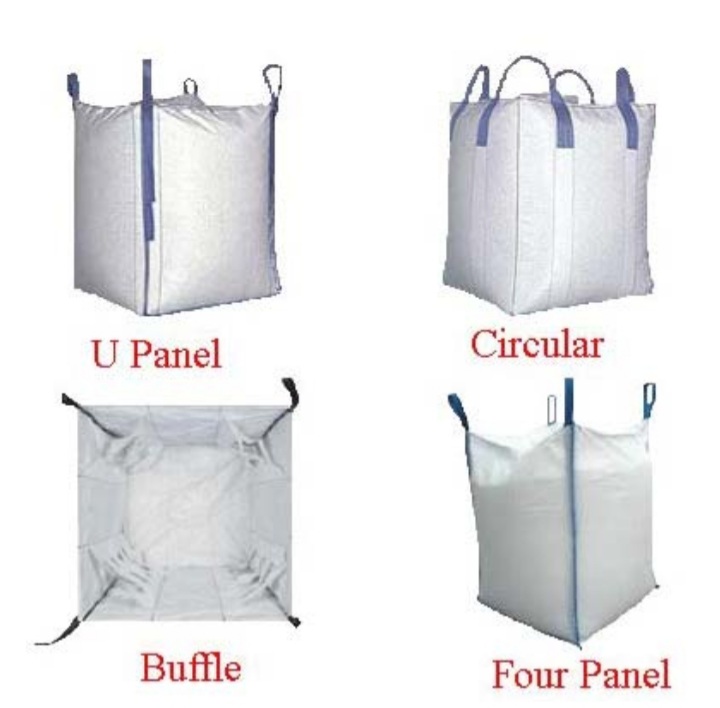
Flexible intermediate bulk containers are large industrial containers, usually used for bulk powders or flwables. They are usually constructed of women heavy-duty plastic fibers.

Plastic shopping bags :

Open bags with carrying handles are used in large numbers. Stores often provide them as a convience to shoppers. Some stores charge a nominal fee for a bag. Heavy duty reuseable shopping bags are often considered environmentally better than single use paper or plastic shopping bags. Because of envirpnmental a little problems, some locations are working toward a phase- out of lightweight plastic bags.

Danger to children :

Thin, comfortable plastic bags, especially dry cleaning bags, have the potential to cause suffocation. Because of this about 25 children in the united states suffocate each year due to plastic bags, almost nine- tenth of whom are under the age of one. This had led to voluntary warning lables on some bags posing a hazard to small children.

Uses :
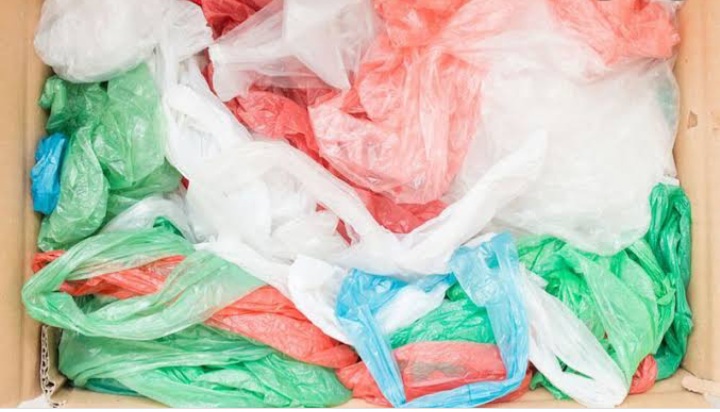
Plastic bags are used for diverse applications. Bags of crisps, gardening supplies, bagging vegetables, blood platelets, inner bladder for bag-in – box , pastry bag with convenience closure, ostomy bag, bin bag, string bag made of plastic fibers, porous bag for cooking rice, Intravenous therapy, evidence bag, travel toiletries in a reclosable plastic bag, woven plastic fiber bags used for sand, A plastic body bag.

Different Types of plastic Bags :

* High Density polyethylene (HDPE)

* Low Density polyethylene ( LDPE)

* Linear Low Density Polyethylene ( LLDPE)

* Medium Density polyethylene (MDPE)

* polypropylene ( pp)

* The problem with plastic bags. Plastic bags start out as fossil fuels and end up as deadly waste in landfills and the ocean. Birds often mistakes shredded plastic bags for food, filling their stomachs with toxic debris.


Health and Fitness

Staying healthy and fit are directly proportional to each other. In order to lead a healthy and fit life we need to focus on some prime practices which will not only make us physically fit but will also provide us with peace of mind. Staying heathy and fit keeps us away from diseases and thus its medications and side effects. A healthy body homes a healthy mind, and a healthy mind boosts the productive thoughts help us to deal life with positivity in a healthy way. But staying healthy and fit requires discipline, one must have a balanced diet, eating less never makes someone healthy and fit whereas eating the right nutritious food in the right quantity does so. A healthy diet must constitute of all the five nutrients as well as water and roughage. Starving is highly not recommended, giving the body the required nutrients is important. In order to stay fit and healthy one must also regularly practice yoga and physical exercise; these enables movement of each and every part of the body and thus ensures its flexibility also ensures growth and increases stamina. Staying away from negative environment and people is another major practice which is encouraged in order to ensure a healthy and fit body.

If you want to start your journey a having a better body to feel great, here are some tips :

* Exercise daily for at least an hour

* Eat the Right foods and portion each meal.

* keep track of calories and food intake per day.

* Be sure to get sleep.

* Stay motivated.

5 components of physical Fitness :

* cardiovascular Endurance.

* Musular strength.

* Muscular endurance.

* Flexibility

* Body composition.

* The difference between fitness and health is Health is defined as a state of complete mental, physical and social well- being, not merely the absence of illness or infirmity. Fitness is the ability to meet the demands of the environment.

* The connection between health and fitness is physical fitness, by its very nature, significantly strengthens the bod’s immune system. Therefore, it may substantially reduce the likelihood of liness and disesase, and well as improve the way the body copes with illnesses when they occur.

* The three categories of health fitness and wellbeing is physical, emotional and social wellbeing.

Why is health and fitness so important?

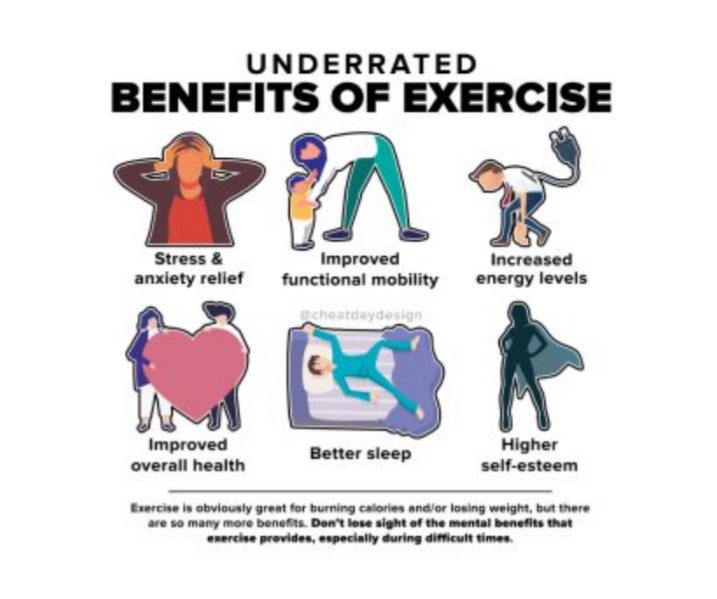
Regular exercise and physical activity promotes strong muscles and bones. It improves respiratory, cardiovascular health, and overall health. Staying active can also help you maintain a healthy weight reduce your risk for type 2 diabetes heart disease and reduce your risk for some cancers.

* There are six skill- related fitness components: agility, balance, coordination speed, power and reaction time. skilled athletes typically excel in all six areas. Agility is the ability to rapidly and accurately change the direction of the body

* The principles of specificity, progression, overload, adaption, and reversibility are why practising frequently and consistenly are so important if you want to improve your performance.

The health benifits of exercise :

* helps you contro your weight.

* Reduce your risk of heart disease.

* Help your body manage blood sugar and insulin levels.

* Help you quiet smoking

* Improve your mental helath and mood.

* Help keep your thinking , learning and judgement skills sharp as your age.

* Exercise prescription is based on 5 priniciples are type, duration, frequency, intensity and volume.

So stay healthy and stay safe . This pandemic days wants more food to our bodies to get more immunity. Be fit and Be happy . We fight with this covid with our lifes . Be strong these are all will helps to us.

Ethics

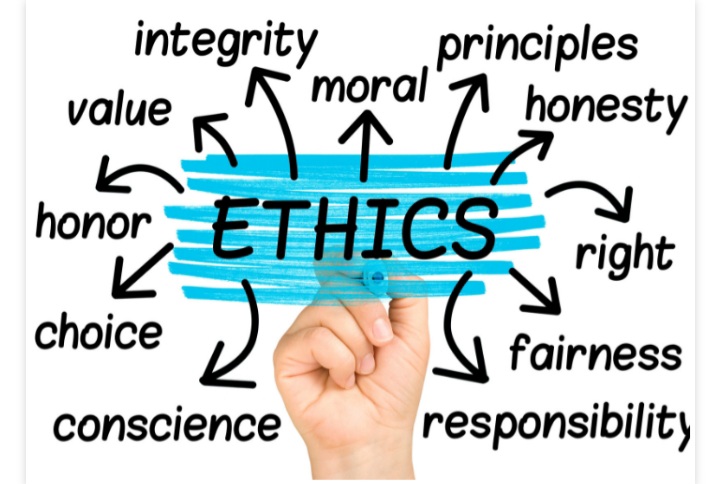
Ethics is a branch of philosophy dealing with the issue of morality. It implies the concepts of what right and wrong conducts are. Ethics define how a person should act in some specific situations. It is not a new term, but it has been there since the Stone Age. Different religions and many philosophers have also made a substantial contribution to ethics.

There are different branches of ethics. First of all, comes descriptive ethics. Descriptive ethics include what people actually consider right and wrong. Accordingly, laws are made regarding that and if they are even acceptable or not. The moral principles of society keep on changing from time to time. However, the basic ethics remain the same. Descriptive ethics are also called comparative ethics. They are given the name comparative ethics as they are used to compare the ethics of past and present scenarios. Also, they are used to compare the ethics of different societies as well.

Then comes the next branch of ethics- Normative Ethics. Normative Ethics deals with some specific norms or a set of considerations. These norms indicate how people should act in some given situations. These ethics set out the rightness or wrongness of people’s actions. Normative Ethics are also known as prescriptive ethics. This name is given as there are principles involved with these ethics and those principles determine whether the actions of people are right or wrong in different situations.

Types of ethics :

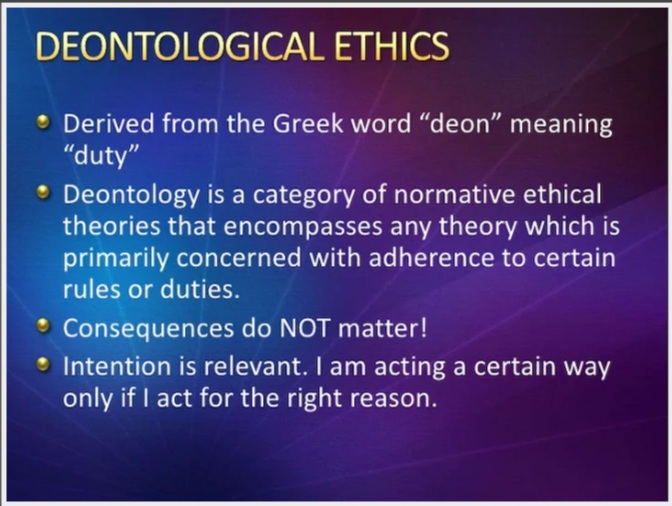
1. Deontological Ethics :

* In moral philosophy, deontological ethics or deontology is the normative ethical theory that the morality of an action should be based on whether that action itself

* Deontology is an ethical theory that uses rules to discern the moral course of action. Diffusion of responsibility. Diffusion of responsibility occurs when people fail

* Deontology morality is about following a system of rules, like ” Do Not Lie ” or ” Do Not Steal” .

* Ethics or moral philosophy is a branch of philosophy that involves systematizing, defending Deontological ethics.

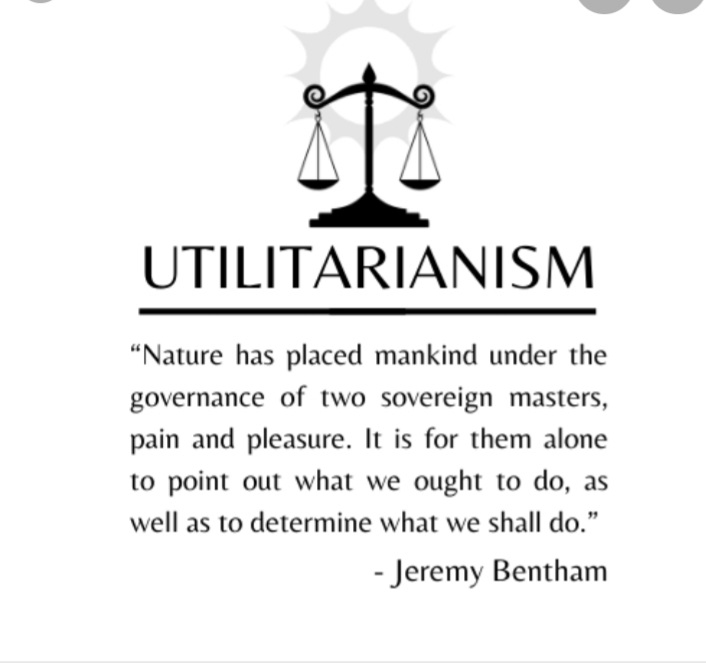
2. Utilitarianism :

* The most common example of normative ethical theories are utilitarianism, kantian duty- based ethics and divine command theory.

* utilitarianism means, act in your own self- interest. Utilitarianism is that which is moral only if the act produces the greatest.

* Utilitarianism is a moral theory that implements fair choices is an effort to ensure the least amount of harm is done to all parties involved.

* However, some contemporary utilitarians , such as peter singer, are concerned with maximizing the satisfaction of preferences, hence prefernce utilitarianism.

* utilitarianism is an ethical theory that asserts that right and wrong are best determined by focusing on outcomes.

3. Consequentialism :

* consequentialism refers to moral theories that hold the consequences of a particular action form the basis for any valid moral judgment about that action.

* consequentialism is a class of normative, teleological ethical theories that holds that the consequences of one’s conduct are the ultimate basis for any judgment.

* consequentialism is an ethical theory that judges an action’s moral correctness by its consequenes. Corporate social Responsibility.

* on our definition of consequentialism, only the direct view is a genuinely consequentialist position, and rule consequentialism.

4. Professional Ethics :

* Rules imposed on an employee in a company, or as member of a profession. For instance, journalists, doctors, lawyers. Etc.

* professional ethics encompass the personal and corporate standards of behavior expected by professionals.

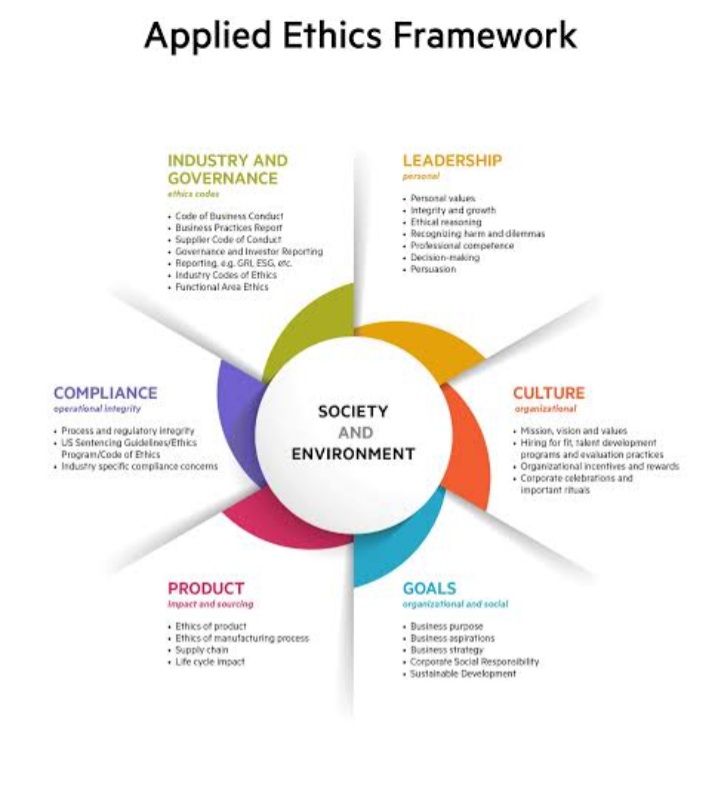
5. Applied ethics :

* Applied ethics is the branch of ethics which consists of the analysis od specific, controversial moral issues such ad abortion, animal rights, or euthanasia.

*Applied Ethics includes a philosophical examination of certain public and private life problems. The examination of those issues generally takes place from a moral standpoint. This branch of ethics is generally used by professions like doctors, teachers, etc.

* Applied ethics which deals with the actual application of ethical priniciples to a particular situation. While it is helpful to approach the field of ethics.

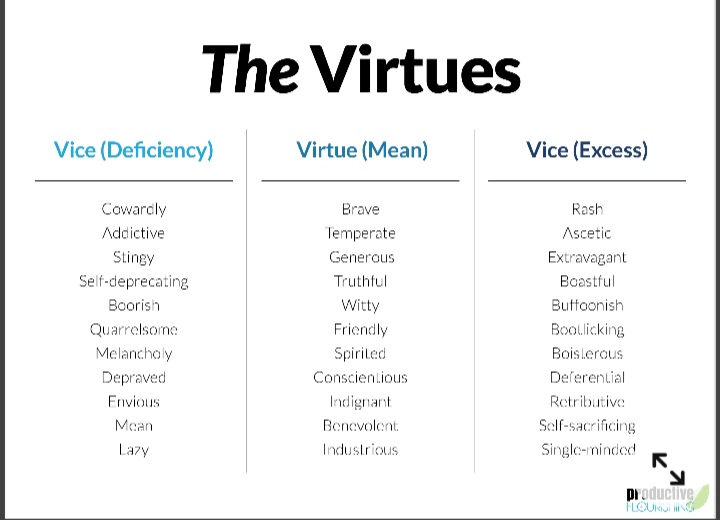
6. Virtue Ethics :

* virtue ethics is an approach to ethics that emphasizes an individual’s character as the key element of ethical thinking, rather than rules about the acts themselves.

* virtue ethics not only idea deals with the rightness or wrongness of individual actions, it provides guidenece as to the sort of characteristics and behaviour a good person will seek to achieve.

An abstract way of analyzing ethics is called Meta-Ethics. They do not deal with whether the actions are right or wrong, rather they question what morality is.

Biodiversity In India

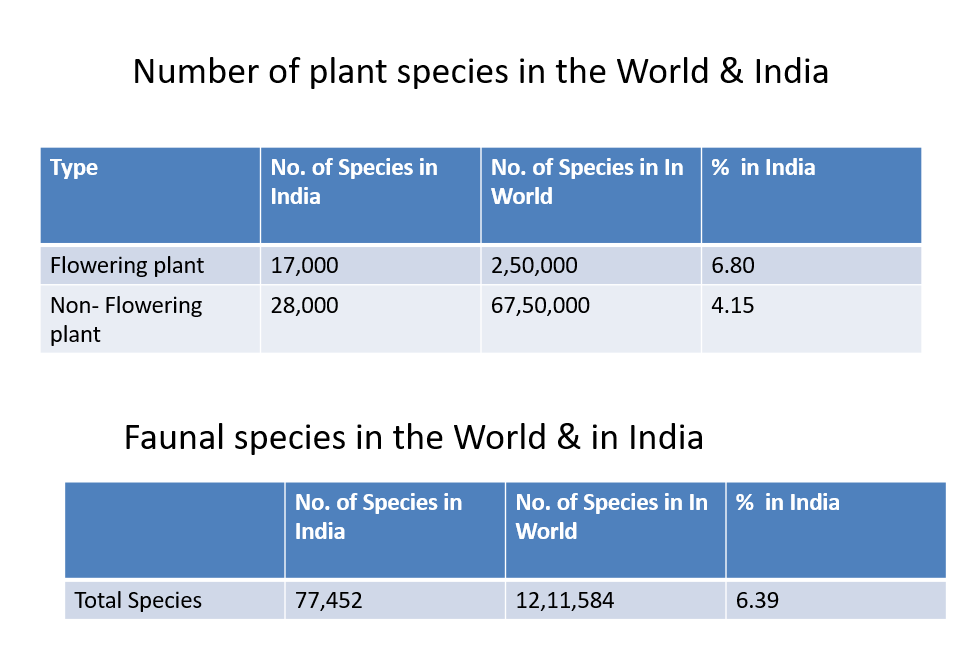
Biological diversity’ means the variability among living organisms from all sources including, inter alia, terrestrial, marine and other aquatic ecosystems and the ecological complexes of which they are a part; this includes diversity within species, between species and of ecosystems. The word Biodiversity means Gk. Bios- Life, diversity- forms. The occurrence of difference species of organisms with the whole range of their variants (Biotypes) & genes adapted to different climates, environments along with their interactions & processes. This term was coined by Walter G. Rosen- 1985. Biodiversity refers to the numbers, variety and variability of living organisms and ecosystem. It includes all terrestrial, marine and other aquatic organisms. Also covers diversity within species, between species as well as variations among ecosystems.

Biodiversity has contributed in many ways to the development of human culture, and, in turn, human communities have played a major role in shaping the diversity of nature at the genetic, species, and ecological levels.

Types of Biodiversity

  • Genetic diversity – Diversity of genes within a species. i.e. genetic variability among the populations and the individuals of the same species. Genetic diversity is the total number of genetic characteristics in the genetic makeup of a species. Ex. Domestic Dogs. Humans have created distinct breeds of dogs within the species by selectively breeding individuals.
  • Species diversity – Diversity among species in an ecosystem. “Biodiversity hotspots” are excellent examples of species diversity. Species diversity is defined as the number of species and abundance of each species that live in a particular location. Each species is distinct from other species in form & character such as cow & goat. Species diversity is the most common level to describe biodiversity of any area.
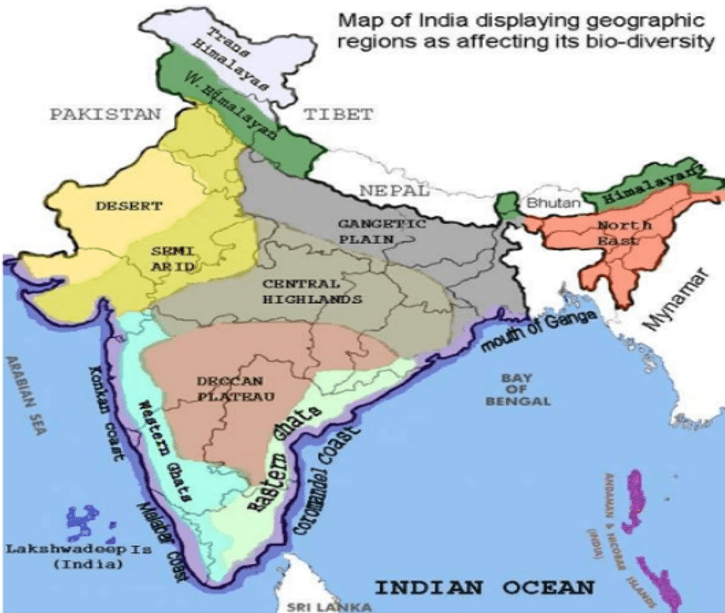
  • Ecosystem diversity – Diversity at a higher level of organization, the ecosystem. To do with the variety of ecosystems on Earth. Ecosystem diversity deals with the variations in ecosystems within a geographical location and its overall impact on human existence and the environment. EX. deserts, forests, grasslands, wetlands and oceans. Ecological diversity is the largest scale of biodiversity, and within each ecosystem, there is a great deal of both species and genetic diversity.

VALUES OF BIODIVERSITY

1. Consumptive value : The most important point of consumptive use is that some rural communities closets to the forests or other natural areas can prosper through the sustainable harvesting of wildlife species. Hunting, Direct consumption-herbs, plants, mushrooms are all consumptive uses.

2. Productive Value : Products that are commercially harvested for exchange in formal markets. Each species is valuable to human. The global collection of genes, species, habitat & ecosystems is a resource that provides for human needs. It is also essential for human survival in the future. This is often then only value of biological resources that is reflected in the income accounts.

3. Social Value : Social value of biodiversity refers to religious and cultural importance. Trees are worshiped as God. ex. Banyan tree, Peepal Tree. Flowers, Tulsi leaves are offered during pooja.

4. Ethical Value : ‘All life must be preserved’ based on ‘Live & let live’. This means we don’t use the species directly or indirectly, but we feel sorry about the loss of species. They have a existence value.

5. Aesthetic Value : It is related to the beauty of biodiversity. The pleasure, excitement & visual peace of any area. Concept of Eco- tourism & willingness to pay are gaining grounds, leading to monetary estimate for aesthetic value of biodiversity.

6. Option Value : The option values of biodiversity suggests that any species may be proved to be a valuable after someday. At present the potentials/ uses/ values are unknown. Ex. Growing technology field is searching new species for causing the diseases of cancer & AIDS.

HOT SPOTS OF BIODIVERSITY

biodiversity hotspot is a bio-geographic region that is both a significant reservoir of biodiversity and is threatened with destruction. The term biodiversity hotspot specifically refers to 25 biologically rich areas around the world that have lost at least 70 percent of their original habitat. The original 25 hotspots covered 11.8% of the land surface area of the Earth.

MISSION MARS BY INDIA

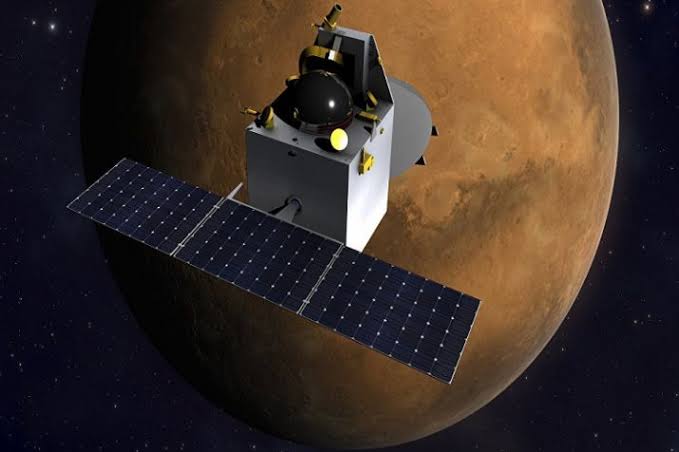
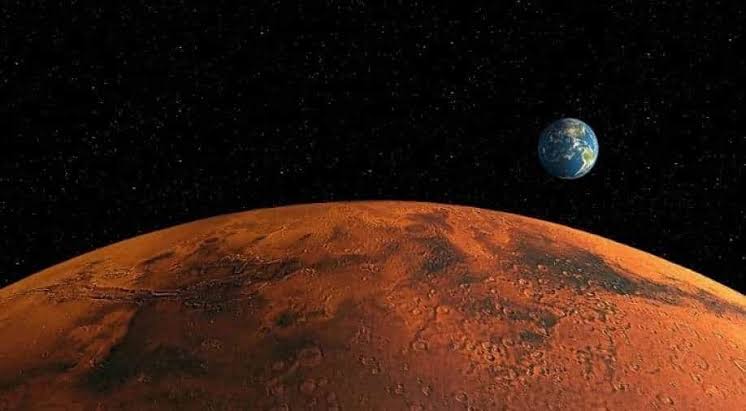
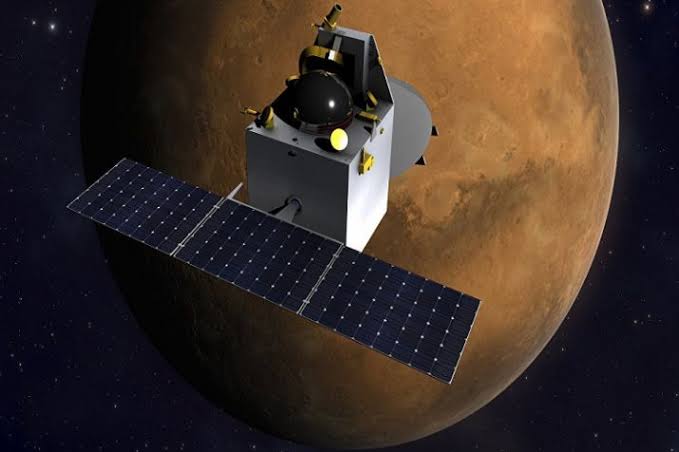
The Mars Orbiter Mission (MOM), also called Mangalyaan is a space probe orbiting Mars since 24 September 2014. It was launched on 5 November 2013 by the Indian Space Research Organisation (ISRO).It is India’s first interplanetary mission and it made it the fourth space agency to achieve Mars orbit, after Roscosmos, NASA, and the European Space Agency. It made India the first Asian nation to reach Martian orbit and the first nation in the world to do so on its maiden attempt.

Names
Mangalyaan
Mission type
Mars orbiter
Operator
ISRO
COSPAR ID
2013-060A
SATCAT no.
39370
Website
http://www.isro.gov.in/pslv-c25-mars-orbiter-mission
Mission duration
Planned: 6 months
Elapsed: 6 years, 9 months, 19 days

Start of mission

Start of mission
Launch date
5 November 2013, 09:08 UTC
Rocket
PSLV-XL C25
Launch site
Satish Dhawan FLP
Contractor
ISRO

Orbital Parameter

Apoareon altitude
76,993.6 km (47,841.6 mi)
Inclination
150.0°. pariareon altitude : 421.7km(262miles)

Timeline of Operations
Phase Date Event Detail Result References
Geocentric phase 5 November 2013 09:08 UTC Launch Burn time: 15:35 min in 5 stages Apogee: 23,550 km (14,630 mi)
6 November 2013 19:47 UTC Orbit raising manoeuvre Burn time: 416 sec Apogee: 28,825 km (17,911 mi)
7 November 2013 20:48 UTC Orbit raising manoeuvre Burn time: 570.6 sec Apogee: 40,186 km (24,970 mi)
8 November 2013 20:40 UTC Orbit raising manoeuvre Burn time: 707 sec Apogee: 71,636 km (44,513 mi)
10 November 2013 20:36 UTC Orbit raising manoeuvre Incomplete burn Apogee: 78,276 km (48,638 mi)
11 November 2013 23:33 UTC Orbit raising manoeuvre (supplementary) Burn time: 303.8 sec Apogee: 118,642 km (73,721 mi)
15 November 2013 19:57 UTC Orbit raising manoeuvre Burn time: 243.5 sec Apogee: 192,874 km (119,846 mi)
30 November 2013 19:19 UTC Trans-Mars injection Burn time: 1328.89 sec Heliocentric insertion
Heliocentric phase December 2013 – September 2014 En route to Mars – The probe travelled a distance of 780,000,000 kilometres (480,000,000 mi) in a Hohmann transfer orbit around the Sun to reach Mars. This phase plan included up to four trajectory corrections if needed.
11 December 2013 01:00 UTC 1st Trajectory correction Burn time: 40.5 sec Success
9 April 2014 2nd Trajectory correction (planned) Not required Rescheduled for 11 June 2014
11 June 2014 11:00 UTC 2nd Trajectory correction Burn time: 16 sec Success
August 2014 3rd Trajectory correction (planned) Not required
22 September 2014 3rd Trajectory correction Burn time: 4 sec Success
Areocentric phase 24 September 2014 Mars orbit insertion

Recognition

In 2014, China referred to India’s successful Mars Orbiter Mission as the “Pride of Asia”. The Mars Orbiter Mission team won US-based National Space Society’s 2015 Space Pioneer Award in the science and engineering category. NSS said the award was given as the Indian agency successfully executed a Mars mission in its first attempt; and the spacecraft is in an elliptical orbit with a high apoapsis where, with its high resolution camera, it is taking full-disk colour imagery of Mars. Very few full disk images have ever been taken in the past, mostly on approach to the planet, as most imaging is done looking straight down in mapping mode.

: 5 Nutritious Vegetable :

Nutritious vegetables

Vegetables are the part of plants which are edible and very nutritious to our body. As we all are aware  that vegetables happen to have very good effects on our body.  Almost every vegetable has fibres, vitamins, minerals and other important healthy ingredients in them , but some of them have some exceptional qualities which make them stand out from the rest of the others .Nutritional value of vegetables is undeniable . Here I have talked about some of them which have more  nutritional value than the others .They are written below .

Various types of carrots
  1. CARROT — It is a root vegetable. It’s common colour is orange but it happens to also be yellow,white and purple . While eating them you will be able to feel the crunchiness of it . It has high nutritional value . It has lots of beta-carotene ,fiber ,vitamin K ,vitamin A ,potassium & antioxidants ,biotin carotenoids and lutein . It also has 90-95% water & almost 7% carbohydrates .

Carotenoids reduce the chances of cancer & improve the blood by lowering bad cholesterol in the blood . Vitamin A helps to improve the eye sight & eye health .Carrot is also used as a weight-loss diet vegetable .It improves our immune system .

Carrots
Kale
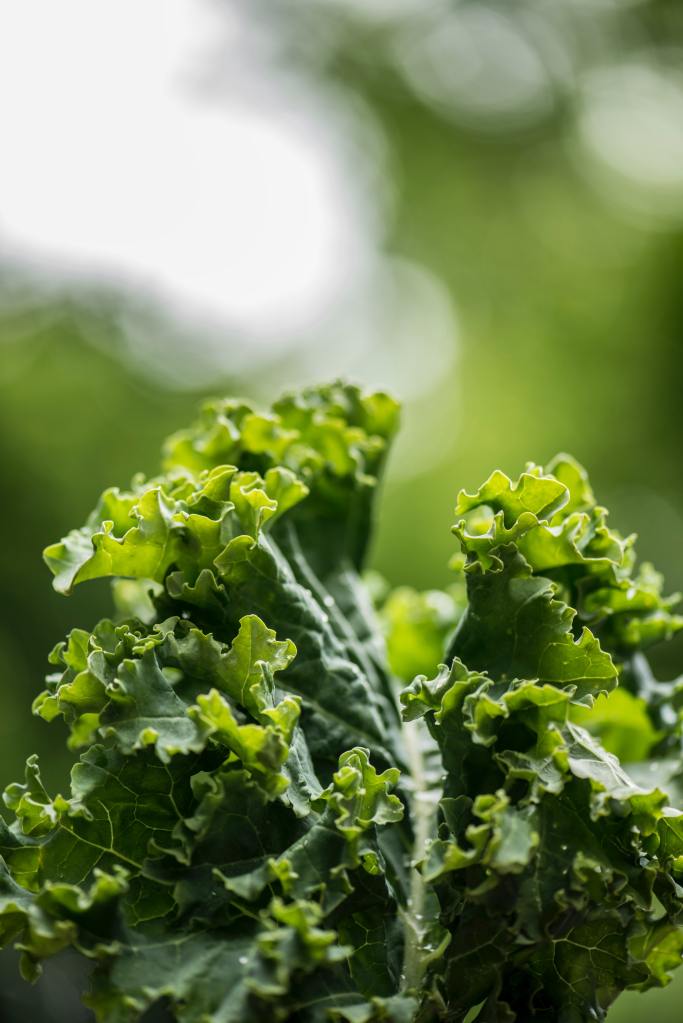
  1. KALE — It is a green leafy vegetable . This vegetable belongs to the Cruciferous plant family .It has a lot of calories , protein  & carbohydrates .High amount of flavonoids ,45 types of carotenoids , Vitamin K ,Vitamin A ,Vitamin C are also found in kale .

Kale works as a very good antioxidant & anti-inflammatory in our body .It prevents the chances of cancer ,It fights against macular degeneration , Alzheimer ,arthritis with the help of containing antioxidants .

Kale Leaf
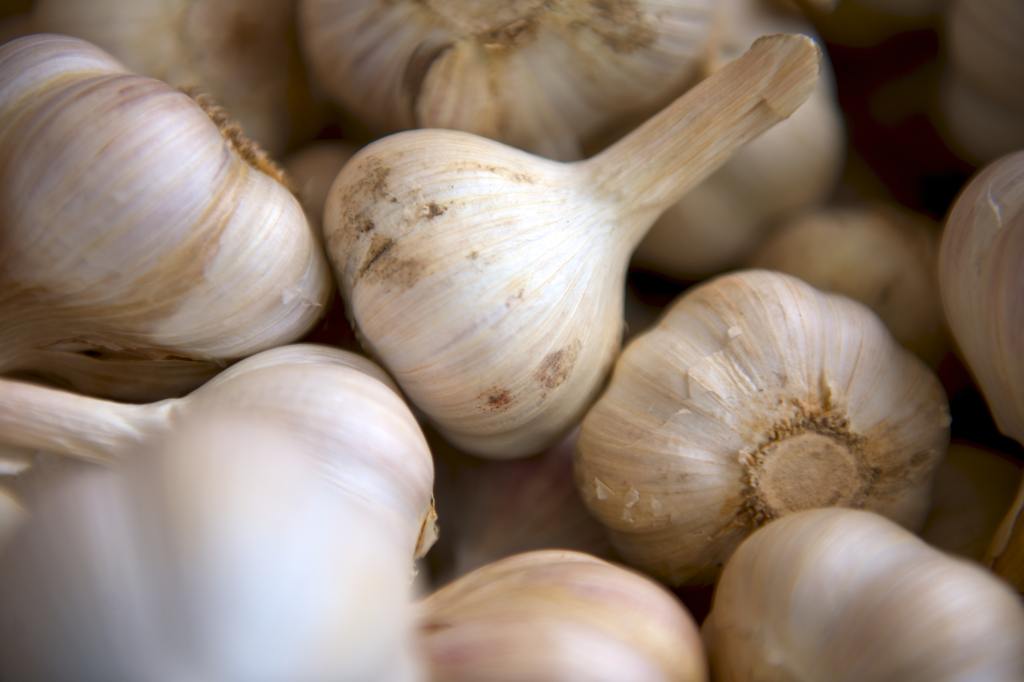
Garlic Bulbs

      3)GARLIC — It is one type of stem of a bulbous plant . Garlic is naturally of white colour but black garlic also exists .Garlic plant belongs from Allium ,a onion species .It is widely used as a seasoning or as a spice . It has a high amount of Vitamin B6 ,manganese ,selenium , Vitamin C and allician . It also has a good amount  of phosphorus , calcium ,potassium ,iron ,copper etc.

It is a very good vegetable for the heart & blood system . It also fights against high blood pressure or BP & lowers the bad blood cholesterol to cure the heart condition . It increases the blood oxidation power . It also works for skin infections & hypertension .

Garlic
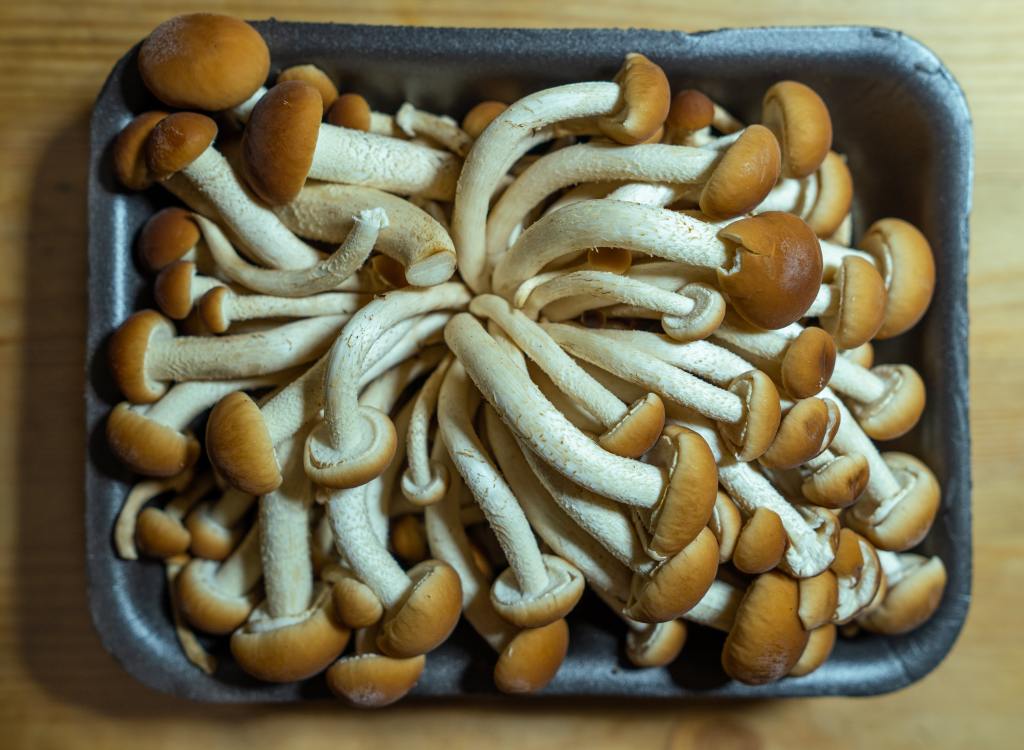
Various edible mushrooms

     4) MUSHROOM — It belongs to a fungus group & is edible in nature . It has various sizes ,colours ,and strictures .It has a lot of protein , minerals ,antioxidants ,selenium ,Vitamin C ,choline ,and fibre . It is especially rich in vitamin B & protein .

It fights against lung & breast cancer & prevents them .It works very well on diabetes patients & helps to cure diabetes . It gives a lot of energy for containing lots of protein .It is one of the most healthy foods .

Mushrooms
Asparagus

5) ASPARAGUS — It belongs to the lily plant family . Its scientific name is Asparagus officinalis . It is usually a green colour vegetable but it also exists in purple colour & white colour .It has low calories , lots of vitamin C , Vitamin A , Vitamin K , antioxidants , phosphorus , fiber , protein . It has a high amount of Vitamin K .

Anthocyanin is responsible for the colour of the purple asparagus and it lowers the blood pressure in our body . Asparagus also helps to increase the power of our digestive system . It has a very good effect on pregnant ladies during their pregnancy period .It is a healthy & delicious vegetable .

Asparagus

What if we are living in a Video Game?

Kids these days are so head over heels into video games, do you ever think what if we are pawns in a video games ourselves, some alien species with the controller?

Rizwan Virk, a computer scientist and video game designer, published a 2019 book, The Simulation Hypothesis, that traces the path from today’s technology to what he calls the “Simulation Point,” the moment at which we could realistically build a Matrix-like simulation.

I know nothing about computer science, but this idea that we’re all characters in an advanced civilization’s video game is, well, kind of awesome.

Pretend I know absolutely nothing about the “simulation hypothesis.” What is the simulation hypothesis?

The simulation hypothesis is the modern equivalent of an idea that’s been around for a while, and it is the idea that the physical world that we live in, including the Earth and the rest of the physical universe, is actually part of a computer simulation.

You can think of it like a high resolution or high-fidelity video game in which we are all characters, and the best way to understand it within Western culture is the movie The Matrix, it’s become a cultural phenomenon now beyond the film industry.

In that movie, Keanu Reeves plays the character Neo, who meets a guy names Morpheus, who is aptly named after the Greek god of dreams, and Morpheus gives him a choice of taking a red pill or a blue pill. And if he takes the red pill, he wakes up and realizes that his entire life, including his job, the building he lived in, and everything else, was part of this elaborate video game, and he wakes up in a world outside of the game, which he did. That is the basic version of the simulation hypothesis.

Are we living in a simulated universe right now?

There are lots of mysteries in physics that are better explained by the simulation hypothesis than by what would be a material hypothesis.

The truth is that there’s much we simply don’t understand about our reality, and I think it’s more likely than not that we are in some kind of a simulated universe. Now, it’s a much more sophisticated video game than the games we produce, just like today World of Warcraft and Fortnite are way more sophisticated than Pac-Man or Space Invaders. They took a couple of decades of figuring out how to model physical objects using 3D models and then how to render them with limited computing power, which eventually led to this spate of shared online video games.

I think there’s a very good chance we are, in fact, living in a simulation, though we can’t say that with 100 percent confidence. But there is plenty of evidence that points in that direction.

Watch season 18, episode 7 of South Park if you haven’t gotten the hint already!

Think of how sometimes when you walk into a room with a purpose but the moment you enter, you forget the reason you walked in for? Who knows some work might have come up so the gamer playing you had to leave? So, you go blank for a few seconds, but when the gamer comes back, you are back on track as well.

Think of how every time you fell down. Who knows that isn’t because the controller from the gamer’s hand maybe because he was balancing his plate of food in his hand while playing?

What if the old people are being played by the gamers with low frame rate and bad internet connectivity?

When I say there are aspects of our world that would make more sense if they were part of a simulation, I mean there are a few different aspects, one of which is quantum indeterminacy, which is the idea that a particle is in one of multiple states and you don’t know that unless you observe the particle.

Probably a better way to understand it is the now-infamous example of Schrödinger’s cat, which is a cat that the physicist Erwin Schrödinger theorized would be in a box with some radioactive material and there was a 50 percent chance the cat is dead and a 50 percent chance the cat is alive. Now, common sense would tell us that the cat is already either alive or it’s dead. We just don’t know because we haven’t looked in the box. We open the box and it’ll be revealed to us whether the cat is alive or dead. But quantum physics tells us that the cat is both alive and dead at the same time until somebody opens up the box to observe it. The cardinal rule is the universe renders only that which needs to be observed.

Isn’t the hypothesis that we’re living in a flesh-and-blood physical world the simpler explanation?

A very famous physicist, John Wheeler, was one of the last physicists who worked with Albert Einstein and many of the great physicists of the 20th century. He said that physics was initially thought to be about the study of physical objects, that everything was reducible to particles. This is what’s often called the Newtonian model.

But then we discovered quantum physics and we realized that everything was a field of probabilities and it wasn’t actually physical objects. That was the second wave in Wheeler’s career.

The third wave in his career was the discovery that at the core level, everything is information, everything is based on bits. So Wheeler came up with a famous phrase called “it from bit,” which is the idea that anything we see as physical is really the result of bits of information. He didn’t live to see quantum computers come into reality, but it’s looking more like that.

So I would say that if the world isn’t really physical, if it’s based on information, then a simpler explanation might in fact be that we are in a simulation that is generated based on computer science and information.

How close are we to having the technological capacity to build an artificial world that’s as realistic and plausible as The Matrix?

There are 10 stages of technology development that a civilization would have to go through to create a hyper realistic simulation. We’re at about stage five, which is around virtual reality and augmented reality. Stage six is about learning to render these things without us having to put on glasses, and the fact that 3D printers now can print 3D pixels of objects shows us that most objects can be broken down as information.

But the really difficult part — and this is something not a lot of technologists have talked about — is in The Matrix, the reason they thought they were fully immersed was they had this cord going into the cerebral cortex, and that’s where the signal was beamed. This brain-computer interface is the area that we haven’t yet made that much progress in, but we are making progress in it. It’s in the early stages.

So my guess is within a few decades to 100 years from now, we will reach the simulation point.

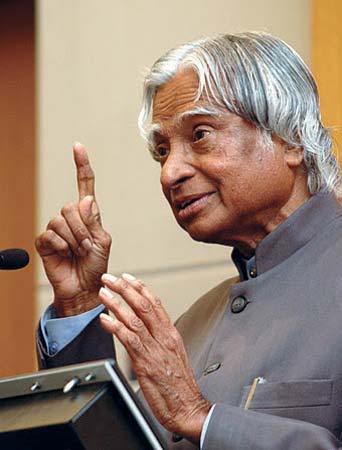
APJ ABDUL KALAM

Dr APJ Abdul Kalam was a scientist who later became the 11th President of India and served the country from 2002 to 2007.

He was the most respected person in the country, as he contributed a lot to the country as a scientist and a president.

His contribution to the Indian Space Research Organization is unforgettable.

There were many projects under his leadership such as Rohini-1, Project Devil and the launch of Project Valent, missiles (under Mission Agni and Prithvi), etc.

For his great contribution in increasing India’s nuclear power, he is popularly known as “Missile Man of India”. He has been awarded the highest civilian awards for his dedicated work.

After completing his service to the Government of India as President, he served the country as a visiting professor at various valuable institutions and universities.

HIS CAREER AND CONTRIBUTION:

He was born on 15 October 1931 to Zainuldeben and Aashiyamma. His family’s financial situation was a bit bad, so he started supporting his family financially at an early age.

He started earning money to support his family but never gave up his education.

He completed his graduation from Madras Institute of Technology in 1954 from St. Joseph’s College, Tiruchirapalli and Aerospace Engineering.

After completing his graduation, he joined the Aeronautical Development Foundation of the Defense Research and Development Organization (DRDO) as a leading scientist.

Soon he moved to the Indian Space Research Organization as the Project Director of India’s first indigenous satellite launch vehicle.

He also served as the Chief Executive of the Integrated Guided Missile Development Program, which is involved in the simultaneous development of missiles.

He had also become the Chief Scientific Adviser of the Prime Minister and Secretary of the Defense Research and Development Organization from the year 1992 to 1999.

He was called the “Missile Man of India” after his successful contribution as the Chief Project Coordinator for Pokhran II nuclear tests.

A LETTER TO THE MOTHERLAND

Hello motherland, I hope you are fine, I can only hope this because your children living here are not completely loyal to you.

Since long time you have been through many things and faced a lots of challenges. You have seen people changing, their changing lifestyles and even their behaviour towards you. During ancient times people used to discover things from you, they only used natural things like branches of trees to cook food, stones to setup fire and made tools from them. People at that time were totally dependent on you for everything from eating to wearing to shelter. As the time passes, in the medieval time people were more developed and found ways to rule over you. Different communities were made and people got divided according to their power and started making policies and planning to rule over a large piece of land this way you got divided into several religion and genders. Coming to the Modern Times now no one is afraid of you, everyone is seeking their benefit and doing whatever they wish to do without taking any precautions. Use of plastic bags, burning of crackers on festivals, wastage of water, deforestation etc all are leading to the serious conditions of the health of the motherland. Today’s society is always busy on technology and this too is creating a lot of junk on land and in people’s mind. They are harming the land as well as their health conditions. Due to huge amount of pollution, Ozone Layer has got a black hole in it and still people are not aware that it can cause serious skin problem like skin cancer.

As human beings have troubled you so much, the day will come when you will trouble us and I think the day has arrived, that is why in many parts of the world people are facing floods and even drought, heavy rainfall and even areas with graphic heat. You have suffered a lot and now that one day is very close when everybody will suffer and realise that what you have gone through.

Nowadays oxygen is free of cost and is God gifted but that day is very near when people will have pay for it. Everyone on the streets would walk by carrying oxygen cylinders on their back and masks on their face due to pollution and harmful waves. The harmful rays or pollution are not only affecting the life of people but also affecting the biodiversity. India, which is famous for its Bengal tiger is now found very rarely, butterflies which were in large quantities are now decreasing rapidly. Many of the birds and animals have been extinct because of unnecessary hunting in past and present by various kings and famous personalities in order to outshine others. Due to the overuse of the resources the time will come when the rivers will dry up and nothing will be left for the future, due to the present scenario it seems that the only thing we can leave for future generations are the photographs and paintings of the wildlife resources.

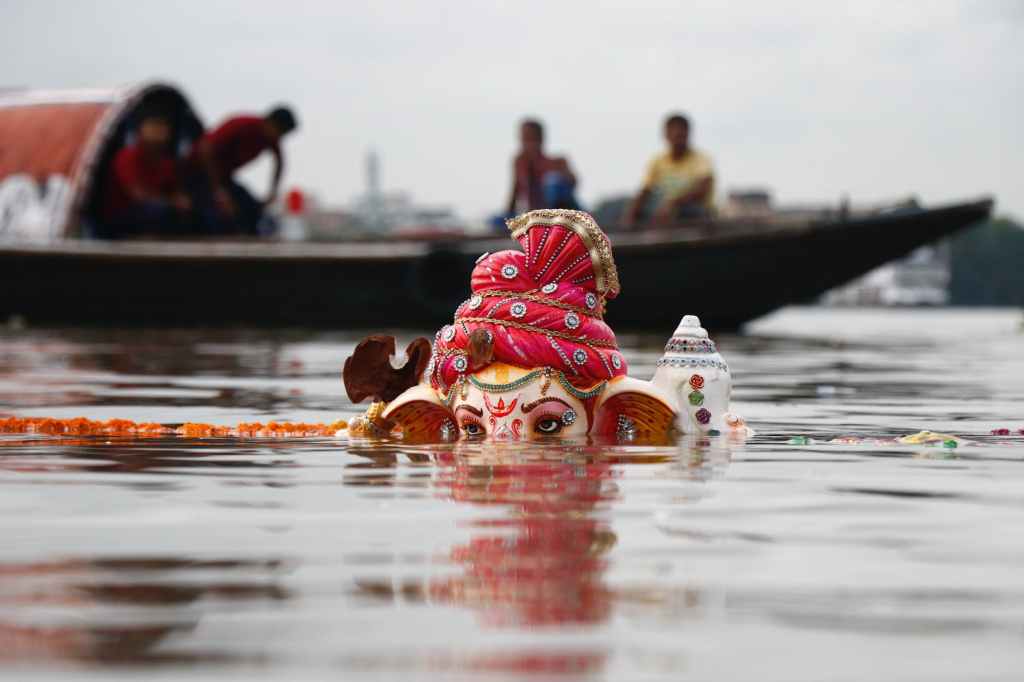
Human beings are not respecting their God then how can you expect that they will give you that respect which you deserve. It can be concluded by example of Ganesh Visarjan when tons of Ganesh idols are been sank in the rivers and later these were all collected by cleaners to take them to the safer place. The idols seems half dissolved in water and some even didn’t desolved because they are usually made of Plaster of Paris (POP). Government had insisted the public to buy idols made of mud instead of POP but for the beauty of the home they are destroying the beauty of nature.

There are very few helping hands which are not enough to protect you or conserve you. But we need more human efforts to protect you from big natural calamities.

To prevent the motherland from being old and unhealthy everyone should stop using plastic and start using alternative methods like paper bags, cloth bags, bamboo bottles, etc. Use of less pollutants should be encouraged and bicycle should be used for smaller distances to prevent the atmosphere from harmful chemicals. Candles and earthen lamps should be lighten up on festivals instead of firing crackers. These little steps by everyone can bring greater changes and will improve your health. If we talk about last year then due to covid-19 when the whole world was locked and everyone stayed at their homes, the ozone layer healed itself and pollution started to decrease.

I hope that my letter to motherland will somehow influence and aware people and hope that they will gain some more respect towards our motherland and I thank you to all those citizens who are engaged directly or indirectly in conserving it and contributing their bit for the world.

This is Ifrah Javed signing off.

OXYGEN DEBT

Exercise and Oxygen Deficit vs. Oxygen Debt - Oxygen Plus

Oxygen debt means when the demand for oxygen is greater than the supply. It means that when your body works hard you breathe a lot of oxygen but you can not absorb enough oxygen to cope with the level of activity. It is the stage of oxygen debt. As a matter of fact, ATP (or adinosine triphosphate) is the source of energy for muscular contraction . There are three main sources , which provide a continual supply of ATP.

  • Creatine phosphate.
  • Glycolysis
  • Oxidative phosphorylation ( critic acid )

When our muscles remain in resting position, these contain large amount of ATP and creatine phosphate . But, when we start exercise during the first few seconds of muscular contraction, the reserved ATP is used up immediately. During this period , ADP ( or adinosine diphosphate ) levels increase. Creatine phosphate rapidly supplies ATP for the contraction of muscles. The molecule of creatine phosphate contains both energy and phosphate , which are transferred to a molecule of ADP to form ATP and creatine. If the contraction is short , the muscle can drive all its ATP from creatine phosphate. If light exercise is to be done for longer period, other sources of ATP must be available . Glycolysis is the process by which glycogen ( stored from of glucose in muscles ) or glucose from the blood is broken down to  CO2 and H2O by oxidative phosphorylation in the citric acid cycle to produce more ATP . The breakdown of ATP , the combination of creatine phosphate with ADP , and glycolysis can occur both aerobically (in the presence of oxygen ) and anaerobically ( in the absence of oxygen ) . Oxidative phosphorylation is an aerobic process . It means it requires the presence of oxygen . If oxygen supplied to muscles gets exhausted ( during heavy muscular activity ) , the pyruvic acid formed in glycolysis is converted to lactic acid . The accumulation of lactic acid in the muscle causes fatigue. At this stage ,m muscle is in oxygen debt . If exercise is continued , then there will be more debt of oxygen . In oxygen debt , lactic acid diffuses out into the blood and is carried to the liver, where it is reoxidised to pyruvic acid. In the liver , pyruvic acid can enter the citric acid cycle and can be broken down to CO2 and H2O . It can be said that it is reconverted to glycogen . It has been observed that up to the deficit of 2.3 litres oxygen , the lactic acid is not produced in muscles but , after that , if the amount of lactic acid goes on increasing , the deficit of O2 will be increased at the same rate .A complete rest helps in removing oxygen debt . During the rest , ATP is again stored in the muscles for activities . Generally , lactic acid is removed approximately in one hour if cooling down is performed properly . It may also take 2 hours or more if cooling down is not done with gentle exercise .

JEE mains 4 attempt postponed

In order provide the gap between JEE mains 3 and JEE mains 4 , NTA has announced to postponed the JEE mains 4 ( may session) .Now Jee mains 4 will be conducted on August 26,27 ,31 , September 1 and 2 ,2021.

The Hon’ble education minister Pradhan says “In view of the persistent demand from the student community and to enable the candidates to maximize their performance, the NTA has been advised to provide a gap of four weeks between session 3 and session 4 of the JEE(Main) 2021 Exam.”

Now the application will be accepted till 20th july 2021.Students whose who have not applied at can do so before 20th july 2021.

The NTA releases official notice stating “With a view to remove hardships caused to candidates and to ensure larger participation of candidates, it has been decided to extend the last date further for: submission of online application form by new candidates and withdrawal/ correction by the existing/ interested candidates for the exam,”

Sleep-the need

One of the important part of your daily routine, which helps to do all other tasks of the day perfectly is a good sleep. Or we can say quality sleep. Every animals without any discrimination need sleep. It is as essential as food and water. Without sleep it becomes harder to concentrate on the tasks. It is basically essential to keep human being sane. Sleep is also important to functioning of brain. It also influences the communication of nerve cells. Many unwanted things your brain built during the day are removed while you are sleeping. Lack of sleep increases the chances of getting affected by different disorders.

how much a person sleep?

Need for sleep and pattern of sleep differ with age. A newborn sleeps almost 16-18 hours, while a grownup may sleep only for 8 hours. Even sleep pattern differs between individuals of same age group. But an average time is decided by surveys and studies. This not a prescription, but a result of a study. Average school student may need 9 hours sleep. Adults sleep for 7-8 hours. Older people normally sleep less. Children sleep very deep and their sleep will not get disturbed easily. But older people tend to get disturbed and awakened easily.

mechanism of sleep

Two things maintain your sleep mechanism. You may have heard of circadian rhythm. This directs different functions of the body like metabolism, body temperature, alertness, hormone release etc. This rhythm also controls sleep. This rhythm decides when you should be awake and when you should sleep. This rhythm makes you sleepy at night and makes you alert during the day time. This circadian rhythm gets synchronized with your surrounding environment. This may include your habits or weather around you like temperature or intensity of light. But they will work in the absence of these little information.

The other thing is the homeostasis. This keeps a track of your need of sleep. This works as a reminder telling your body to sleep at a certain time. This is the thing that maintains hoe intense your sleep is going to be. If you are deprived of sleep, this makes you sleep longer when you get to sleep.

There are many factors that influence your sleep mechanism. The medications if you are on any, your medical condition, The place where you sleep and your food habits. Exposure to light makes it difficult to sleep because some special cells in the eyes process the light and instructs the brain whether it is daytime or night. The Jet lag people face after a long flight is because of the disturbances in the circadian rhythm. people face problems when there is imbalance between the body clock and the actual clock.

some tips to sleep well
  • Try maximum to be in sync with the natural clock.
  • Try to sleep and getup everyday at same time.
  • Take care about your food habit and eat healthy.
  • Try to make your room completely dark while sleeping but be in bright light in the day time when you are fully awake.
  • Stay away from mobile or television at least 1 hour prior to your sleep.
  • Include exercise in your daily routine.
  • Avoid caffeine or nicotine as the sleep time is approaching near to you.
  • Be as much stress-less as you can.
  • Keep your room quiet.

a good sleep is everyone’s need and don’t allow your busy life to take a toll on your sleep. Sleep well and be healthy and be productive.

DEFORESTATION – A REAL DANGER TO ENVIRONMENT

Deforestation

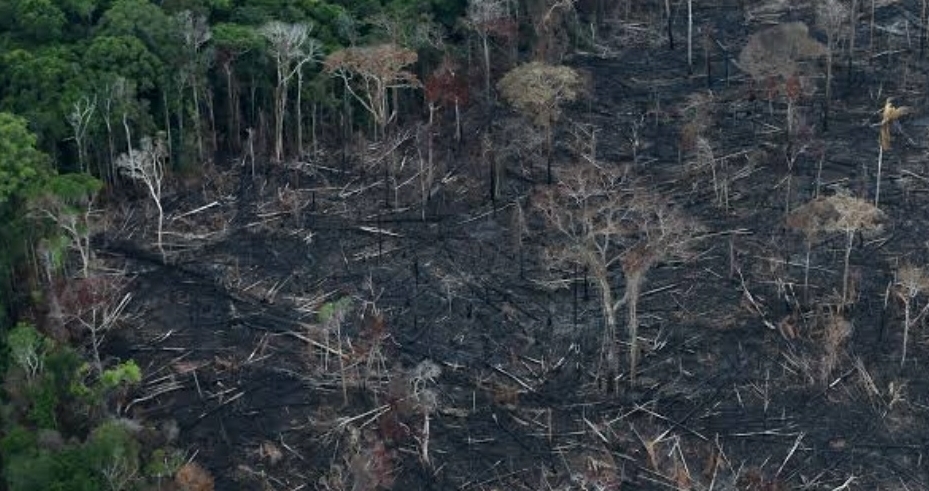
Deforestation is the permanent removal of trees to make room for something besides forest. This can include clearing the land for agriculture or grazing, or using the timber for fuel, construction or manufacturing. 

Deforestation occurs for a number of reasons, including farming, with 80% of deforestation resulting from extensive cattle ranching and logging for materials and development. It has been happening for thousands of years, arguably since man began converting from hunter/gatherer to agricultural based societies, and required larger, unobstructed tracks of land to accommodate cattle, crops, and housing. It was only after the onset of the modern era that it became an epidemic.

Increased Greenhouse Gases

In addition to the loss of habitat, the lack of trees also allows a greater amount of greenhouse gases to be released into the atmosphere. Healthy forests absorb carbon dioxide from the atmosphere, acting as valuable carbon sinks. Deforested areas lose that ability and release more carbon.

Soil Erosion and Flooding

Further effects of deforestation include soil erosion and coastal flooding. Trees help the land to retain water and topsoil, which provides the rich nutrients to sustain additional forest life.

Without forests, the soil erodes and washes away, causing farmers to move on and perpetuate the cycle. The barren land which is left behind in the wake of these unsustainable agricultural practices is then more susceptible to flooding, specifically in coastal regions.

Here are some basic facts about deforestation. These facts are explored in greater depth below.

  • Forests are cut down to clear land for agriculture, livestock grazing, and settlement; for timber; to produce charcoal; and to establish tree plantations.
  • Deforestation occurs across all forest types, but is concentrated in the tropics and boreal regions. Temperate regions are experiencing a net increase in forest cover due to natural regeneration.
  • While deforestation produces food, fiber, and fuel, it can also pose risks to climate, biodiversity, and food security by degrading the ecosystem services normally afforded by healthy and productive forests
  • Scientists estimate that 80% of the planet’s terrestrial species live in forests. Deforestation is therefore one of the biggest extinction risks to many species.

Types of deforestation

The “causes of deforestation” section above focuses on direct drivers of deforestation, but indirect drivers are also important to consider. For example, logging is a major indirect driver of deforestation in the tropics. Logging in tropical rainforests is typically selective, meaning only a few trees are harvested per hectare. But successive logging cycles degrade the perceived economic value of the forest, increasing pressure to convert the forest for intensive use, like agricultural or an industrial plantation (e.g. oil palm, wood pulp, or timber are the most common tropical tree plantations). Logging also usually involves road construction, which facilitates access to remote areas, greatly boosting the likelihood that an area of forest will eventually be cleared or burned.

Drivers of deforestation can be even farther removed however. For example, corruption, governance, and land rights can all be important factors in whether a forest gets destroyed. Corruption can enable companies to circumvent environmental regulations, while poor governance can allow illegal actors to clear forests with impunity since there isn’t any law enforcement. Insecure land rights can spur a free-for-all where forests get cleared because no one has clear stake to maintain them for the public good. Research has shown that forests are more likely to be maintained in indigenous communities that have secure land titles.

Trials of a more precise and comfortable MRI to identify early breast cancer begins in the United Kingdom.

A new, more convenient method of detecting breast cancer has begun testing in the United Kingdom, with the potential to identify tumors at an earlier stage.

At some time in their life, one in every eight British women will be diagnosed with breast cancer. Because malignancies and fibrous tissue both show up as solid white regions on X-ray, mammograms are less effective in younger women whose breasts contain denser, fibrous tissue and less fat because cancers and fibrous tissue both appear as solid white areas on X-ray.

Mammograms may miss malignancies in postmenopausal women with thick breast tissue, who are also more likely to acquire breast cancer in the first place.

Women with a dubious lump may be given an ultrasound scan or a biopsy, and if the diagnosis is still unclear, they may be directed for DCE-MRI, which detects the development of new blood vessels supporting tumors. However, in women with early-stage malignancies, they may not be visible, leading to false comfort.

Multiparametric MRI was first created to evaluate liver disorders without the need for a painful biopsy, and it is now widely utilized in Europe and the United States.

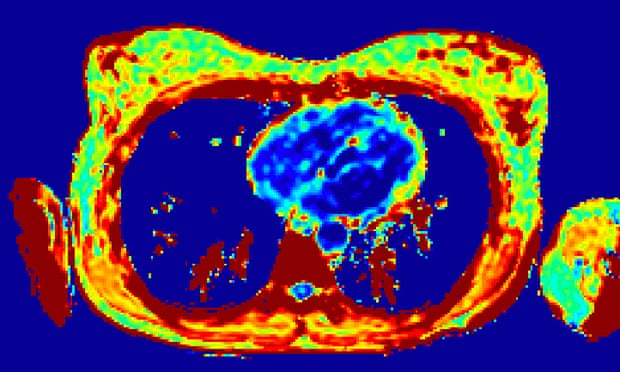
It works similarly to traditional MRI in that it utilizes high magnetic fields and radio waves to excite protons in the tissue, then exploits variations in the time it takes for them to settle to generate a “map” of the various tissues in the breast. Multiparametric MRI, on the other hand, allows an even more comprehensive map to be generated by merging pictures created by multiple MR pulses and sequences.

A scan of healthy breasts with multiparametric MRI. Photograph courtesy of Perspectum Diagnostics

“We believe that if we differentiate the tissue rather than looking at the blood vessels around the tumor, we should be able to spot not only tumors in dense breasts but potentially tumors that aren’t seen on mammograms,” said Prof Sally Collins, a consultant obstetrician and medical lead for women’s health at Oxford-based Perspectum Diagnostics, who herself recently received treatment for breast cancer.

“We’re also working to improve the scanning experience for patients. “Mammograms are awful because they squish your breast on this plate, which is undignified and unpleasant, and MRIs are much worse because you have to lie face down with your boobs dangling in this coil and your arms raised over your head for ages,” Collins added.

“We’re attempting to make it such that women may be fully dressed, respectable, and comfortable while being scanned, which is critical for the patient journey to cancer diagnosis.”

The prospectus has received ethical clearance to enroll 1,030 women in the study, including 10 women who have been diagnosed with breast cancer and 30 to 40 healthy women who are presently being scanned, to see if the technology can properly map their breast tissue while laying on their backs. It is estimated that the study would take two years to complete.

“It will never replace regular mammography screening for postmenopausal women, but we think it will enhance the diagnosis route for women with thick breasts or premenopausal women who are at extremely high risk of breast cancer, eliminating the need for repeated tests,” Collins said.

17 Sustainable Goals by United Nations.

Sustainable development is development that meets the needs of the present without compromising the ability of future generations to meet their own needs. Sustainable development has continued to evolve as that of protecting the world’s resources while its true agenda is to control the world’s resources. Environmentally sustainable economic growth refers to economic development that meets the needs of all without leaving future generations with fewer natural resources than those we enjoy today. Let us know 17 Sustainable Goals set by UN and their progress by now.

1) Poverty Eradication:

The 2030 Agenda acknowledges that eradicating poverty in all its forms and dimensions, including extreme poverty, is the greatest global challenge and an indispensable requirement for sustainable development.

2) ENDING HUNGER:

The total number of persons suffering from severe food insecurity has been on the rise since 2015, and there are still millions of malnourished children. The economic slowdown and the disruption of food value chains caused by the pandemic are exacerbating hunger and food insecurity.

3) Ensure healthy lives and promote well- being for all at all ages

Progress in many health areas continues, but the rate of improvement has slowed and will not be sufficient to meet most of the Goal 3 targets. Globally, an estimated 295,000 maternal deaths occurred in 2017, resulting in an overall maternal mortality ratio of 211 maternal deaths per 100,000 live births, a 4 per cent reduction compared with 2015 and a 38 per cent reduction compared with 2000. The majority of the deaths occurred in low- and lower-middle-income countries, and roughly 66 per cent of them occurred in sub-Saharan Africa. At the current pace of progress, the world will fall short of the target of the Goal.

4) Ensure inclusive and equitable quality education and promote lifelong learning opportunities for all:

At the end of 2019, millions of children and young people were still out of school, and more than half of those in school were not meeting minimum proficiency standards in reading and numeracy.

5)Achieve gender equality and empower all women and girls

The commitment to advancing gender equality has brought about improvements in some areas, but the promise of a world in which every woman and girl enjoy full gender equality and all legal, social and economic barriers to their empowerment have been removed remains unfulfilled.

6)Ensure availability and sustainable management of water and sanitation for all

In 2017, 3 billion persons lacked soap and water at home. In 2016, 47 per cent of schools worldwide lacked handwashing facilities with available soap and water, and 40 per cent of health-care facilities were not equipped to practise hand hygiene at points of care.

7) Ensure access to affordable, reliable, sustainable and modern energy for all

The world is making good progress on increasing access to electricity and improving energy efficiency. However, millions of people throughout the world still lack such access, and progress on facilitating access to clean cooking fuels and technologies is too slow.

8) Promote sustained, inclusive and sustainable economic growth, full and productive employment and decent work for all:

In 2018, the rate of growth of global real GDP per capita was 2 per cent. In addition, the rate for least developed countries was 4.5 per cent in 2018, less than the 7 per cent growth rate targeted in the 2030 Agenda.

9) Build resilient infrastructure, promote inclusive and sustainable industrialization and foster innovation:

In 2019, 14 per cent of the world’s workers were employed in manufacturing activities, a figure that has not changed much since 2000. The share of manufacturing employment was the largest in Eastern and South-Eastern Asia (18 per cent) and the smallest in sub- Saharan Africa (6 per cent).

10)Reduce inequality within and among countries

In 73 of the 90 countries with comparable data during the period 2012–2017, the bottom 40 per cent of the population saw its incomes grow. Moreover, in slightly more than half of those countries, the bottom 40 per cent experienced a growth rate in income that was higher than the overall national average.

11) Make cities and human settlements inclusive, safe, resilient and sustainable:

Rapid urbanization has resulted in a growing number of slum dwellers, inadequate and overburdened infrastructure and services and worsening air pollution.

12) Ensure sustainable consumption and production patterns:

As at 2019, 79 countries and the European Union reported on at least one national policy instrument that contributed to sustainable consumption and production in their efforts towards the implementation of the 10-Year Framework of Programmes on Sustainable Consumption and Production Patterns.

13) Take urgent action to combat climate change and its impacts.

The year 2019 was the second warmest on record and the end of the warmest decade, 2010 to 2019. In addition, with a global average temperature of 1.1°C above estimated pre-industrial levels, the global community is far off track to meet either the 1.5 or 2°C targets called for in the Paris Agreement.

14. Conserve and sustainably use the oceans, seas and marine resources for sustainable development:

Oceans and fisheries continued to support the global population’s economic, social and environmental needs while suffering unsustainable depletion, environmental deterioration and carbon dioxide saturation and acidification.

15) Protect, restore and promote sustainable use of terrestrial ecosystems, sustainably manage forests, combat desertification, and halt and reverse land degradation and halt biodiversity loss:

Forest areas continued to decline, protected areas were not concentrated in areas of key biodiversity and species remained threatened with extinction.

16) Promote peaceful and inclusive societies for sustainable development, provide access to justice for all and build effective, accountable and inclusive institutions at all levels:

Conflict, insecurity, weak institutions and limited access to justice remain a great threat to sustainable development. Millions of people have been deprived of their security, human rights and access to justice.

17) Strengthen the means of implementation and revitalize the global partnership for sustainable development:

Strengthening multilateralism and global partnerships is more important than ever before. The global nature of the pandemic requires the participation of all governments, the private sector, civil society organizations and people throughout the world.