SPACE DEBRIS

Space debris is the combination of natural(meteoroid) and artificial(man-made) particles. Natural debris orbits around the sun and artificial debris orbits around the earth. Hence they are called Orbital Debris. This can be any man-made object in the orbit moving in the earth’s orbit. Such debris includes nonfunctional spacecraft, abandoned launch vehicle stages, mission-related debris, and fragmentation debris.

In this article, we are going to focus on Artificial Debris, the Reason for its cause, and its prevention.
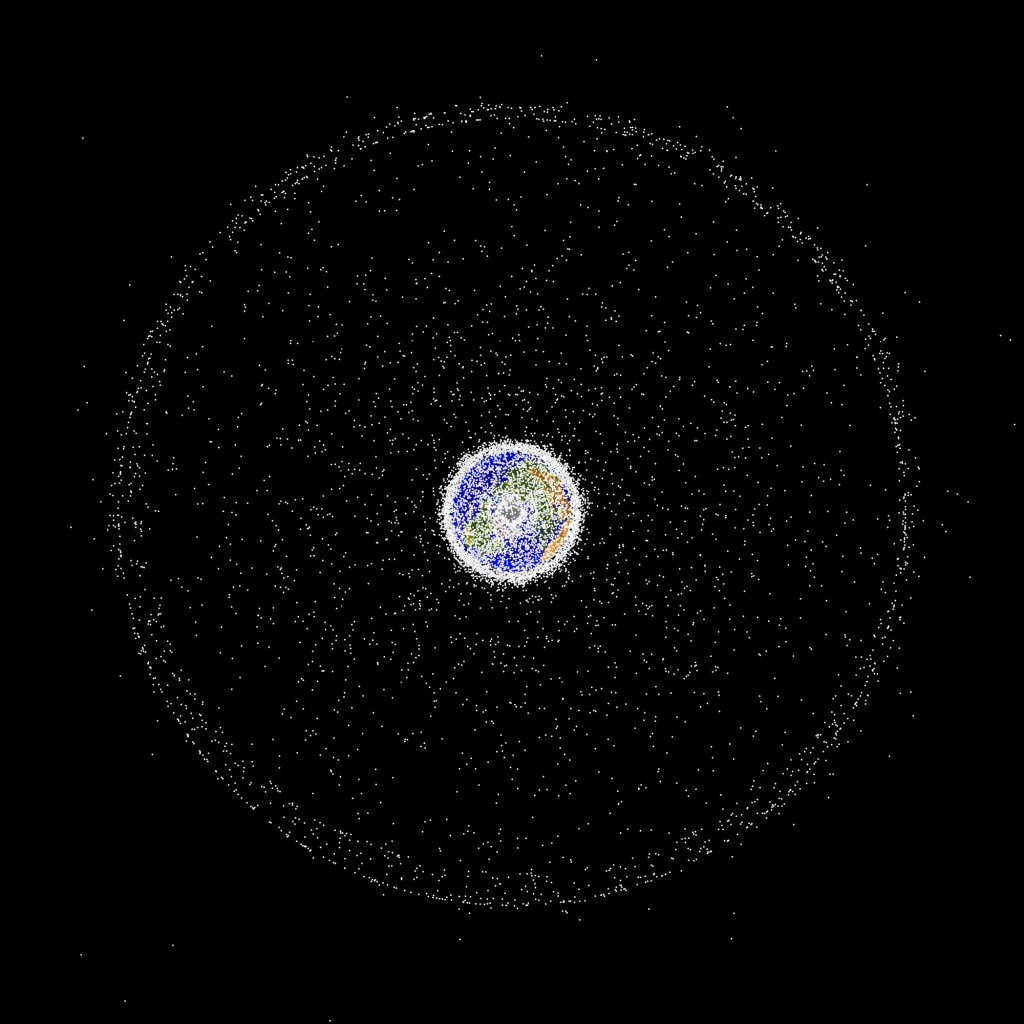
Space debris

What is Artificial space debris?

Any non-functional man-made object in space is called Artificial debris. 

They come from 

  • Satellites and spacecraft which are failed.
  • Satellites whose life has ended.
  • Rocket dismantle stages during the launch.
  • Hardware like nuts, bolts, payload covers, etc.
  • Solid propellant slag.
  • Cast aways during space activities like human wastes.
  • Fragments due to battery explosions, collisions, etc.

When two satellites collide they produce thousands of particles that are dangerous and can cause further destruction which makes Earth’s orbit unfit for satellite launches.
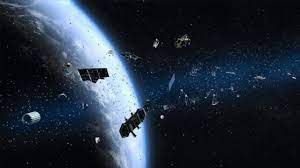
Artificial means man-made satellites

The number of satellite and rocket launches as of April 2021 is given below:

Number of rockets launched(excluding failures) since 19575560
Number of satellites carried by rockets launched11139
Number of satellites still in space7389
Number of satellites still functioning3170

Let’s have a look at the number of satellites launched only in 2020 and 2021(April)

Satellites launched in 20201283
Satellites launched in 2021 (April)853(65% of 2020)

History

In the year 2009, 19,000 debris over 5 cm in size were tracked. 

In July 2013, more than 170 million debris smaller than 1 cm(0.4), around 670,000 debris of 1 to 10 cm in size, and approximately 29,000 larger debris were detected.

By July 2016, nearly 18,000 artificial debris were orbiting the earth.

In October 2019, nearly 20,000 artificial objects including 2,218 were tracked.

The speed with which the debris travel is more than 28,000 kph(23 times the speed of sound).
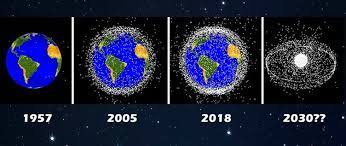
Have you heard of Kessler syndrome?

NASA scientist Donald Kessler in 1978, proposed that more launches could increase the junk around the earth which results in the chain reaction of collision of objects in space and further making the earth’s orbit unfit for satellites.

This situation would be extreme, but some experts worry that a variant of this could be a problem one day, and precautionary steps should be taken to avoid the problem.

How do they track space debris?

The USA and Russia have set up tracking networks to monitor the orbital space object population. The European Union is also starting to develop its ways to track debris.

Powerful lasers are used to measure the distance of these objects, like radar or sonar. When a laser beam hits the debris and bounces back to Earth, ground crews can measure how long it takes to figure out where they are and where they are going it alerts the ground stations in case of collisions. But usually, laser technology is used to detect the movement of satellites and if the same technique is used to detect the debris then continuous monitoring should be there since debris are found randomly in space.

Detection of objects through laser technology

India’s status on tracking debris

NETRA(Network for space Objects, Tracking, and Analysis)

Till now, ISRO was dependent on NORAD(North America Aerospace Defense Command) data,

which is available in the public domain, to keep track of space debris and monitor our active and passive satellites. However, this global data is not accurate but NORAD keeps accurate data available for those who are members of its network. Therefore, ISRO cannot access the data.

But now, ISRO has decided to set up telescopes and radars in four corners of the country to get accurate data and avoid unwanted collisions of the satellites.

In September 2019, India launched the early warning system NETRA to secure satellites and other assets in space.

Can satellites be protected from space debris?

There are two ways in which the satellites and spacecraft can be protected:

  • Computer programs can search for possible collisions between large debris. This system is used in the International Space Station to detect. These operations are expensive and can disturb delicate experiments. Space tracking networks can only track objects more than 100 mm in size. Even a 10 mm object can cause big trouble this cannot be called 100% effective.
  • A debris shield can be designed to provide additional protection for a spacecraft. One way is to increase the thickness of the craft but that can increase the mass of the craft/satellite. Hence, a specially designed shield called the Wipple shield was used. It was made of two thin walls separated by some space. It was observed that this wall was more resistant to debris. The outer layer absorbs a lot of debris energy so that the inner wall is not punctured.
Protection of satellites through shields

Space debris Removal

Removing space junk, especially larger pieces before they fragment is not easy. The best way to do this is retarding the force and deorbiting the junk. When it drops in altitude less than 400 km above the earth it is burnt.

For years NASA, ESA, and other space agencies are studying debris removal technologies. Some of the ideas include the usage of nets to gather junk and robotic arm. Japanese are now developing a type of satellite that uses magnets to catch and destroy the debris. Last year, UK has successfully cast a net around a dummy satellite.

Clearspace one

Clearspace-1 will be the first space mission to remove debris from the Earth orbit, it was planned to launch in 2025. The technology demonstration satellite was first developed by the Swiss Federal Institute of Technology in Lausanne. 

Clearspace one

Many countries are trying to invent new technologies to reduce the threat of debris. Russia invented a Self Destroying Satellite. Australian researchers are developing the Hunter-Killer satellite to neutralize space junk. Finland has developed a Wooden Satellite and planning to launch this year.

credits to the right owners of the pictures used.

Wireless Energy Transfer-Tesla’s Dream

WPT- Wireless Power Transmission
Wireless Power Transfer holds the promise of freeing us from the tyranny of power cords. This technology is being incorporated into all kinds of devices and systems.

Wireless Power Transfer holds the promise of freeing us from the tyranny of power cords. This technology is being incorporated into all kinds of devices and systems. Let’s take a look!
The Wired Way
The majority of today’s residences and commercial buildings are powered by alternating current (AC) from the power grid. Electrical stations generate AC electricity that is delivered to homes and businesses via high-voltage transmission lines and step-down transformers.
Electricity enters at the breaker box, and then electrical wiring delivers current to the AC equipment and devices that we use every day—lights, kitchen appliances, chargers, and so forth.
All components are standardized and in agreement with the electrical code. Any device rated for standard current and voltage will work in any of the millions of outlets throughout the country. While standards differ between countries and continents, within a given electrical system, any appropriately rated device will work.
Here a cord, there a cord. . . . Most of our electrical devices have AC power cords.


Wireless Power Technology
Wireless Power Transfer (WPT) makes it possible to supply power through an air gap, without the need for current-carrying wires. WPT can provide power from an AC source to compatible batteries or devices without physical connectors or wires. WPT can recharge mobile phones and tablets, drones, cars, even transportation equipment. It may even be possible to wirelessly transmit power gathered by solar-panel arrays in space.
WPT has been an exciting development in consumer electronics, replacing wired chargers. The 2017 Consumer Electronics Show will have many devices offering WPT.
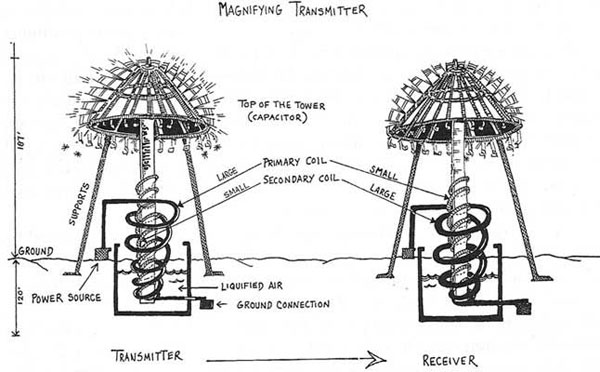
The concept of transferring power without wires, however, has been around since the late 1890s. Nikola Tesla was able to light electric bulbs wirelessly at his Colorado Springs Lab using electrodynamic induction (aka resonant inductive coupling).
 

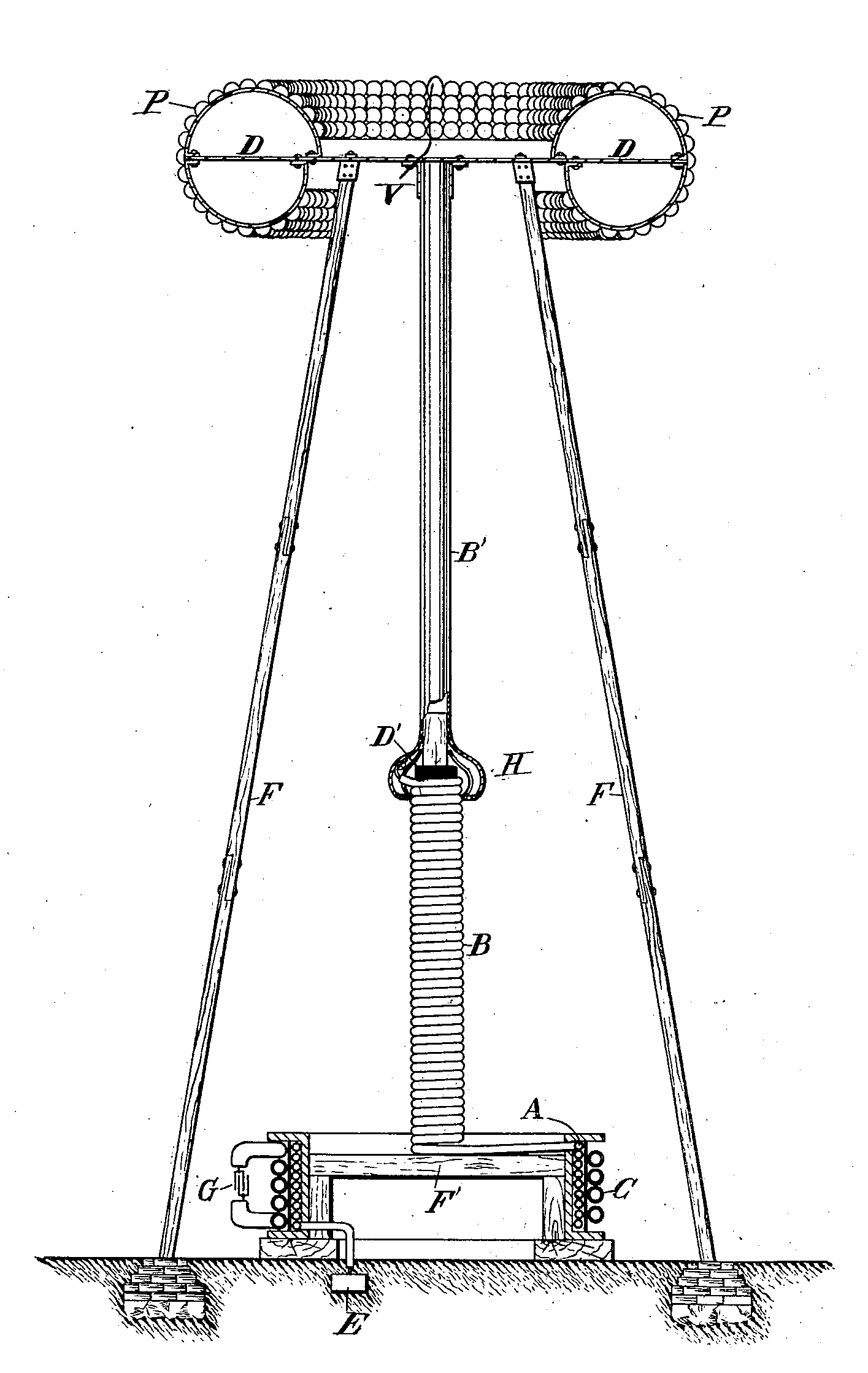
An image from Tesla’s patent for an “apparatus for transmitting electrical energy,” 1907.
 
Three light bulbs placed 60 feet (18m) from the power source were lit, and the demonstration was documented. Tesla had big plans and hoped that his Long Island-based Wardenclyffe Tower would transmit electrical energy wirelessly across the Atlantic Ocean. That never happened owing to various difficulties, including funding and timing.
WPT uses fields created by charged particles to carry energy between transmitters and receivers over an air gap. The air gap is bridged by converting the energy into a form that can travel through the air. The energy is converted to an oscillating field, transmitted over the air, and then converted into usable electrical current by a receiver. Depending on the power and distance, energy can be effectively transferred via an electric field, a magnetic field, or electromagnetic (EM) waves such as radio waves, microwaves, or even light.

 
Qi Charging, an Open Standard for Wireless Charging
While some of the companies promising WPT are still working to deliver products, Qi (pronounced “chee”) charging is standardized, and devices are currently available. The Wireless Power Consortium (WPC), established in 2008, developed the Qi standard for battery charging. The standard supports both inductive and resonant charging technologies.
Inductive charging has the energy passing between a transmitter and receiver coil at close range. Inductive systems require the coils to be in close proximity and in alignment with each other; usually the devices are in direct contact with the charging pad. Resonant charging does not require careful alignment, and chargers can detect and charge a device at distances up to 45mm; thus, resonant chargers can be embedded in furniture or mounted in shelving.
 

The Qi logo displayed on the Qimini wireless charging plate. Image courtesy of Tektos.
 
The presence of a Qi logo means the device is registered and certified by the Wireless Power Consortium.
When first introduced, Qi charging was low power, about 5W. The first smartphones using Qi charging were introduced in 2011. In 2015, Qi was expanded to include 15W, which allows for quick charging.
Only devices listed in the Qi Registration Database are guaranteed to provide Qi compatibility. There are currently over 700 products listed. It is important to recognize that products with the Qi logo have been tested and certified; the magnetic fields they use will not cause problems for sensitive devices such as mobile phones or electronic passports. Registered devices are guaranteed to work with all registered chargers.  
For more information on Qi wireless charging, check out this article, and for an introduction to and technical evaluation of Qi-compatible transmitter/receiver WPT evaluation boards, click here and here.
 
The Physics of WPT
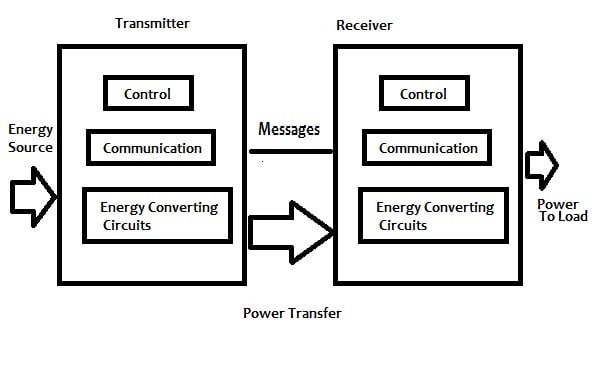
WPT for consumer devices is an emerging technology, but the underlying principles and components are not new. Maxwell’s Equations still rule wherever electricity and magnetism are involved, and transmitters send energy to receivers just as in other forms of wireless communication. WPT is different, though, in that the primary goal is transferring the energy itself, rather than information encoded in the energy.


WPT transmitter/receiver block diagram.
The electromagnetic fields involved in WPT can be quite strong, and human safety has to be taken into account. Exposure to electromagnetic radiation can be a concern, and there is also the possibility that the fields generated by WPT transmitters could interfere with wearable or implanted medical devices.
The transmitters and receivers are embedded within WPT devices, as are the batteries to be charged. The actual conversion circuitry will depend on the technology used. In addition to the actual transfer of energy, the WPT system must allow the transmitter and receiver to communicate. This ensures that a receiver can notify the charging device when a battery is fully charged. Communication also allows a transmitter to detect and identify a receiver, to adjust the amount of power transmitted to the load, and to monitor conditions such as battery temperature.
The concept of near-field vs. far-field radiation is relevant to WPT. Transmission techniques, the amount of power that can be transferred, and proximity requirements are influenced by whether the system is utilizing near-field or far-field radiation.
Locations for which the distance from the antenna is much less than one wavelength are in the near field. The energy in the near field is nonradiative, and the oscillating magnetic and electric fields are independent of each other. Capacitive (electric) and inductive (magnetic) coupling can be used to transfer power to a receiver located in the transmitter’s near field.
Locations for which the distance from the antenna is greater than approximately two wavelengths are in the far field. (A transition region exists between the near field and far field.) Energy in the far field is in the form of typical electromagnetic radiation. Far-field power transfer is also referred to as power beaming. Examples of far-field transfer are systems that use high-power lasers or microwave radiation to transfer energy over long distances.
 
Where WPT Works
All WPT technologies are currently under active research, much of it focused on maximizing power transfer efficiency (PDF) and investigating techniques for magnetic resonant coupling (PDF). In addition to the idea of walking into a room equipped for WPT and having your devices charge automatically, much more ambitious projects are in place.
Across the globe, electric buses are becoming the norm; London’s iconic double-decker buses are planning for wireless charging, as are bus systems in South KoreaUtah, and Germany.
Using WiTricity, invented by MIT scientists, electric cars can be charged wirelessly, and those cars can wirelessly charge your mobiles! (Using Qi charging, of course!) This wireless technology is convenient, to be sure, but it may also charge cars faster than plug-in charging can.
 

Graphic of a wireless parking charge setup built into a parking space. Image courtesy of Toyota.
 
An experimental system for wirelessly powering drones has already been demonstrated. And as mentioned above, ongoing research and development is focused on the prospect of supplying some of Earth’s energy needs using WPT in conjunction with space-based solar panels.
WPT works everywhere!
 
Conclusion
While Tesla’s dream of having power delivered wirelessly for everyone’s use is still far from feasible, many devices and systems are using some form of wireless power transfer right now. From toothbrushes to mobile phones, from cars to public transportation, there are many applications for wireless power transfer.

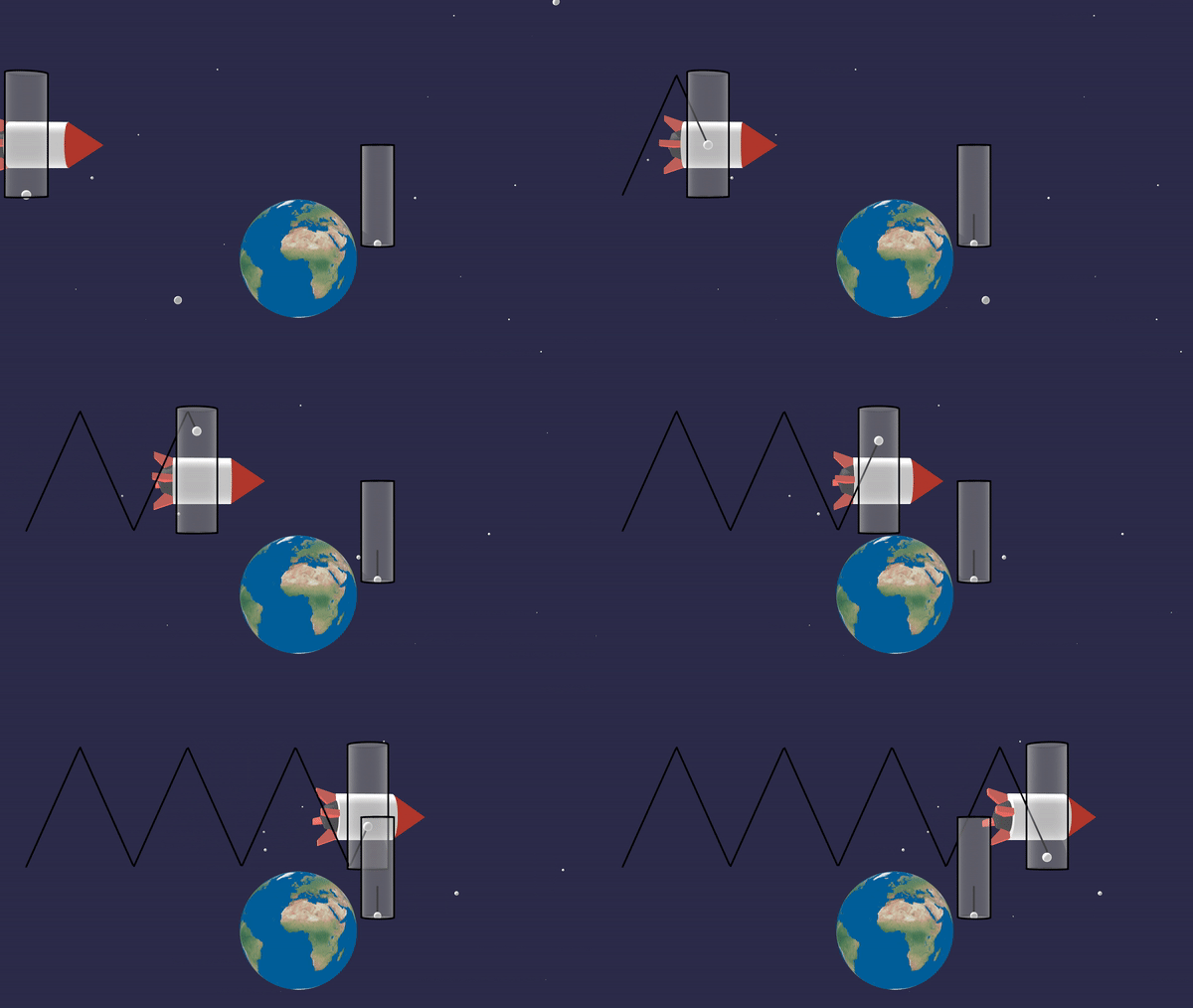
TIME DILATION-That makes you age faster

Dark energy explained by relativistic time dilation? – Astronomy Now

Time Dilation

It turns out that as an object moves with relativistic speeds a “strange” thing seems to happen to its time as observed by “us” the stationary observer (observer in an inertial reference frame). What we see happen is that the “clock” in motion slows down according to our clock, therefore we read two different times. Which time is correct??? well they both are because time is not absolute but is relative, it depends on the reference frame. Let’s look at the following classic example. There is a set of twins, one an astronaut, the other works for mission control of NASA. The astronaut leaves on a deep space trip traveling at 95% the speed of light. Upon returning the astronauts clock has measured ten years, so yhe astronaut has aged 10 years. However, when the astronaut reunites with his earth bound twin, the astronauthe sees that the twin has aged 32 years! This is explained due to the fact that the astronaut’s twin is traveling at relativistic speeds and therefore his “clock” is slowed down.

Let’s see how we can calculate the time “difference”. The equation for calculating time dilation is as follows:

t = t0/(1-v2/c2)1/2

where: t = time observed in the other reference frame

t0 = time in observers own frame of reference (rest time)

v = the speed of the moving object

c = the speed of light in a vacuum

so in our problem we will let v = .95c, t0 = 10 years and we will solve for t which is the time that the earth bound brother measures.

t = 10/(1- (.95c)2/c2)1/2

t = 10/(1- .952)1/2

t = 10/ .312

t = 32 years
(the time the earth bound brother measures)

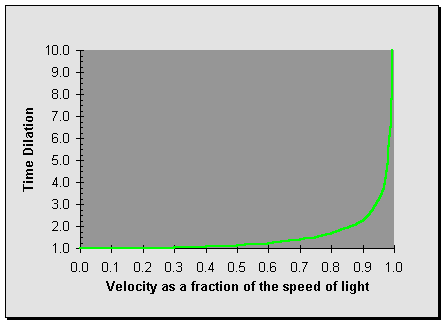
Now let’s have a closer look at the equation and determine just what impact the speed of the object has on time dilation. We can see that is the velocity is small compared to the speed of light the quantity v2/c2 approaches 0 and the equation simplifies t0: t = t0/1 which is simply t. So at relatively slow speeds (our everyday speeds) time dilation is not a factor and Newton’s Laws are still applicable. Now let’s look at high speeds (close to the speed of light), from the equation that as velocity increases the quantity v2/c2 approaches 1 (but will never quit reach it), causing the quantity(1-v2/c2)1/2 t0 become smaller and smaller….therefore causing the time measured by the other observer t0 become greater thus making our time appear slower (refer back to the example). I know its so confusing!!! read it again, think about it, then study the graph below. As one can see in the graph time dilation starts t0 “show up” between .4c and .5c. Also notice that the closer one gets to the speed of light the greater impact speed has on time dilation (notice how steep the curve gets towards the end)..

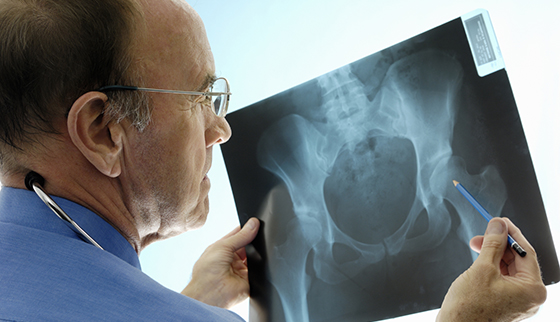
Avascular necrosis seen in patients recovered from COVID-19 after black fungus

Three cases of avascular necrosis in COVID- recovered patients were found in a Mumbai hospital

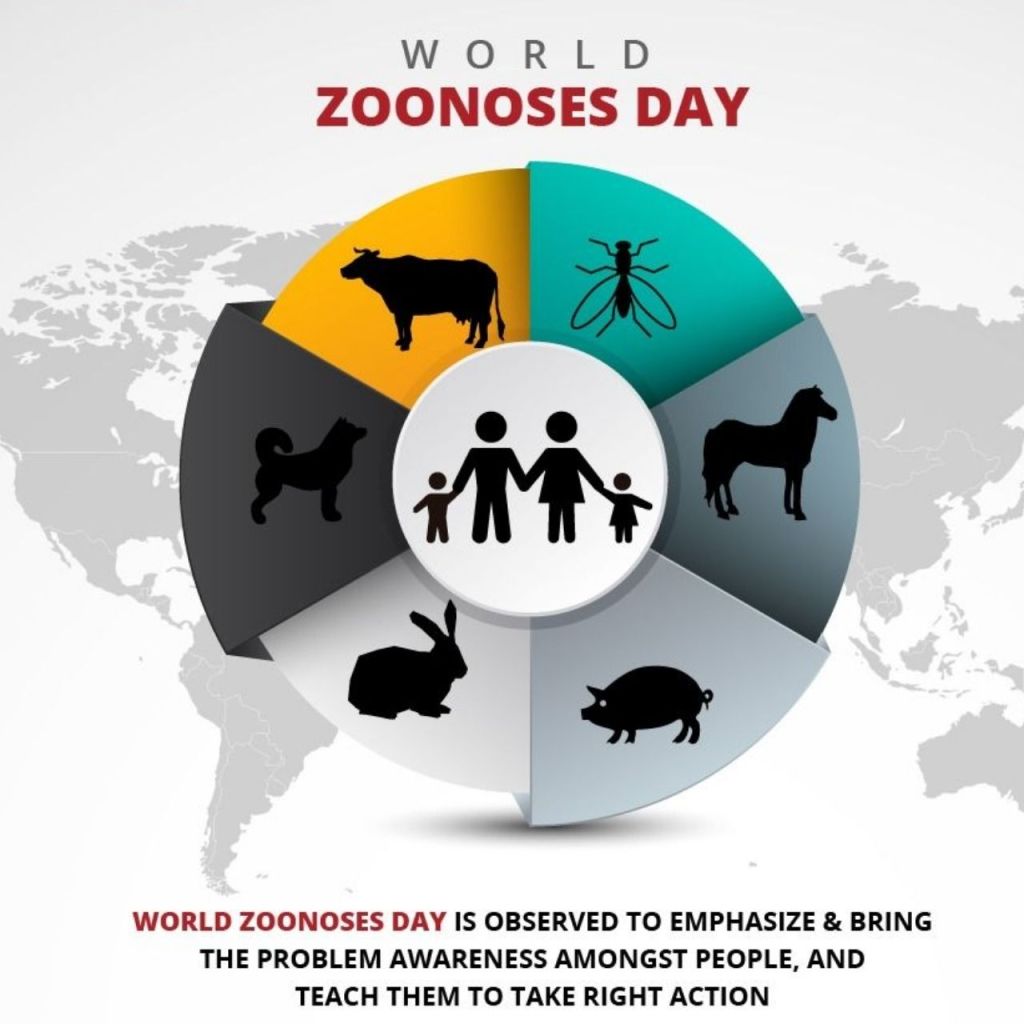
World Zoonoses Day 2021- July 6

Introduction

The World Health Organization (WHO) defines zoonosis as an infectious disease that has jumped from a non-human animal to humans. These zoonotic pathogens can be bacterial, viral, or parasitic and they can be spread to humans through direct contact or food, water, or the environment. World Zoonoses Day was first celebrated on July 6, 1885, in honour of the French biologist Louis Pasteur who managed to administer the first vaccination against a zoonotic disease on the very day, this vaccine was for rabies. The theme for World Zoonoses Day 2021 is “Let’s Break the Chain of Zoonotic Transmission” and it holds more importance in light of COVID-19.

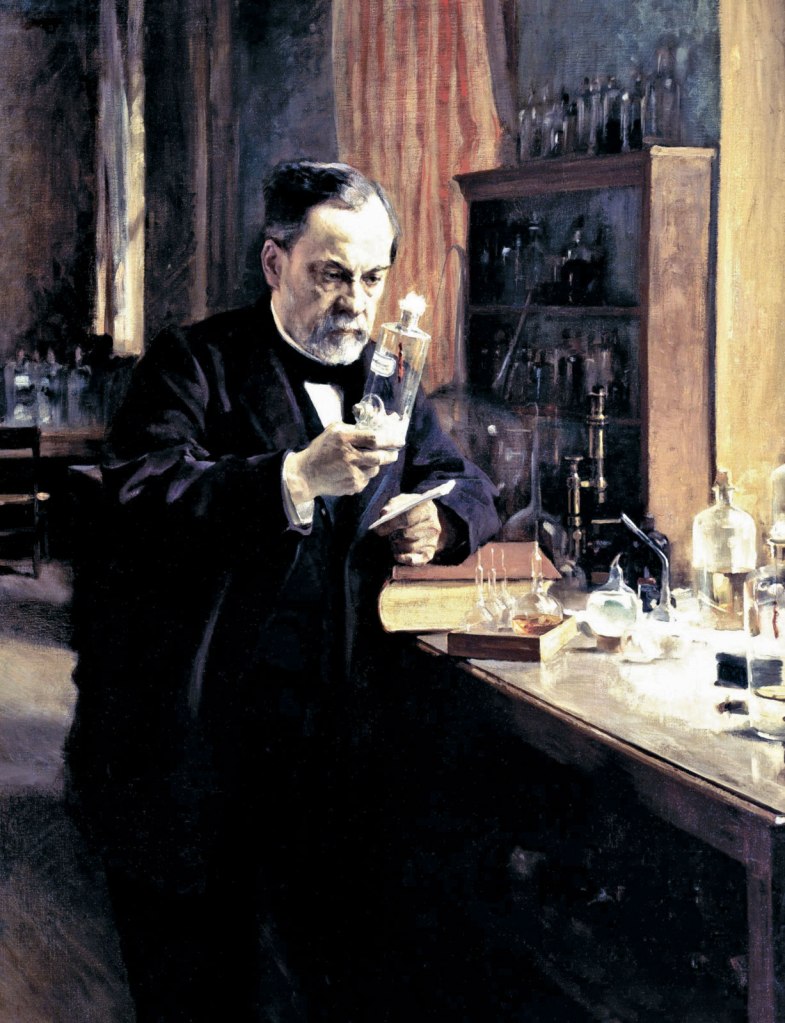
About Louis Pasteur

Scientific Identity, Portrait of Louis Pasteur

Louis Pasteur was born on 27th December 1822 in France and died on 28th September 1895. He was a French chemist and microbiologist who is known to be one of the most important founders of medical microbiology. He introduced the study of molecular asymmetry; originated the process of pasteurization; discovered that microorganisms cause fermentation and disease; saved the beer, wine, and silk industries in France; and developed vaccines against anthrax and rabies. He earned France’s highest award of the Legion of Honour. He was also gifted in drawing and painting. He had a bachelor in arts degree and a bachelor in science degree from the Royal College of Besancon.

Vaccine Development

Pasteur’s first discovery in the study of vaccination was in 1879 which was for the disease named chicken cholera. He then started working on anthrax in 1879 also because of the anthrax epidemic in France at that time. Pasteur had also unknowingly created a second class of vaccines known as an inactivated vaccine by accidentally creating a neutralized version of rabies. On July 6, 1885, he vaccinated a nine-year-old boy named Joseph Meister who was bit by a rabid dog and the vaccine was a huge success.

Relevance Today

This day should raise more awareness now as it is said that COVID-19 originated from the bats and then entered the human circle through the wet markets of Wuhan, China. The Center for Disease Control and Prevention (CDC) says that almost 75% of new zoonotic diseases originate from animals that can be transmitted to humans by the act of consuming meat or even by coming in contact with the animal which is affected. WHO has said that poultry farmers, meat sellers, and the people living near the forest region have a higher chance of risk of being affected by these diseases. Some of such diseases are HIV (started as zoonosis but later mutated into a human-only strain), Ebola virus, salmonellosis. Some of these zoonoses have the potential of causing recurring disease outbreaks like Ebola and as we have seen, different waves of COVID-19.

Prevention

The method of prevention for zoonotic diseases differs for different pathogens. But some general practices are seen as effective. A safe and appropriate guideline for animal care in the agricultural sector would help in reducing foodborne zoonotic disease outbreak through meat, eggs, dairy, and vegetables. There should be a set standard for drinking water and waste removal. Education campaigns should be promoted all across the world related to awareness of the diseases and handwashing after coming in contact with an animal.

Conclusion

It is important to learn the history of zoonotic diseases and learning the precautions for them and how to prevent them. With the recent developments of the COVID-19, we know more about how bad the impact of these diseases can be, and it is now more important than ever to learn more about it.

References

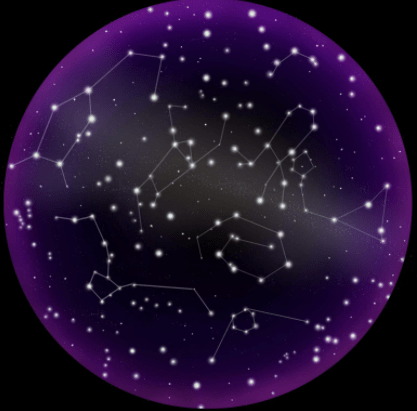
Top 10 Largest Constellations

A constellation is an area on the celestial sphere in which a group of visible stars forms a perceived outline or pattern, typically representing an animal, mythological person or creature, or an inanimate object. In 1922, the International Astronomical Union (IAU) formally accepted the modern list of 88 constellations, and in 1928 adopted official constellation boundaries that together cover the entire celestial sphere. Any given point in a celestial coordinate system lies in one of the modern constellations. 

Top 10 Largest Constellations

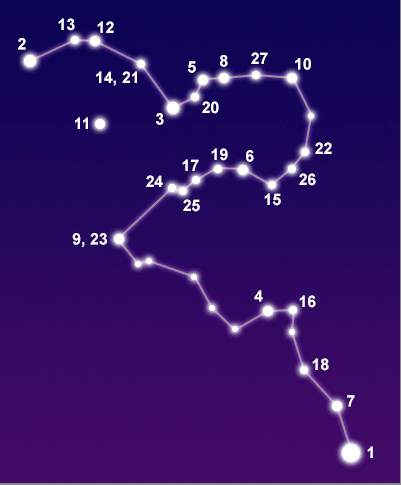
Hydra

1]Hydra(Water Snake)– Hydra, the water snake, is the largest constellation in the sky. It lies in the southern celestial hemisphere, stretched across 102.5°. It occupies an area of 1303 square degrees in the night sky. The constellation lies in the second quadrant of the southern hemisphere (SQ2) and can be seen at latitudes between +54° and -83°. 

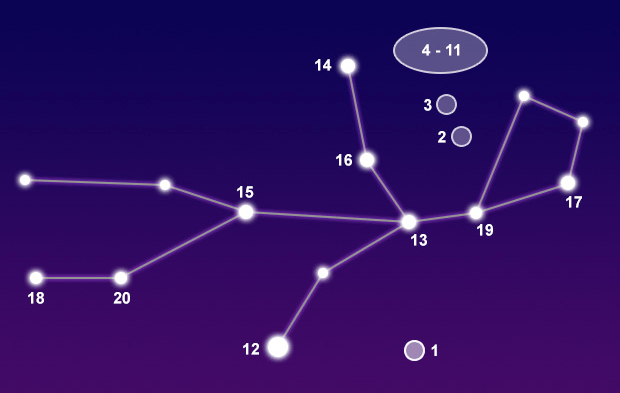
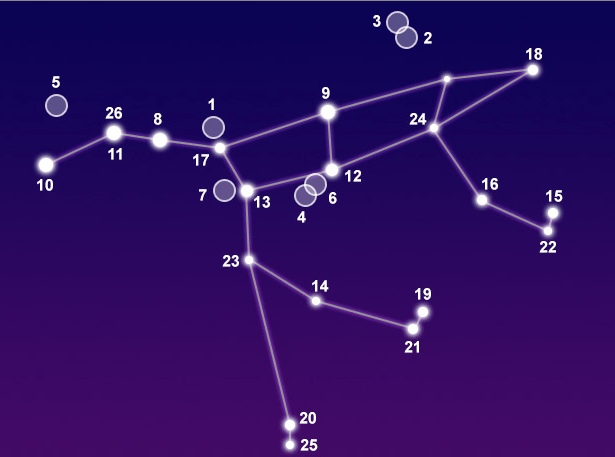
Virgo

2]Virgo(Virgin)– Virgo constellation lies in the southern sky. Its name means “virgin” in Latin. The constellation is represented by the symbol ♍. Virgo is the second largest constellation in the sky, occupying an area of 1294 square degrees. It is located in the third quadrant of the southern hemisphere (SQ3) and can be seen at latitudes between +80° and -80°. . The brightest star in the constellation is Spica, Alpha Virginis, with an apparent magnitude of 0.98.

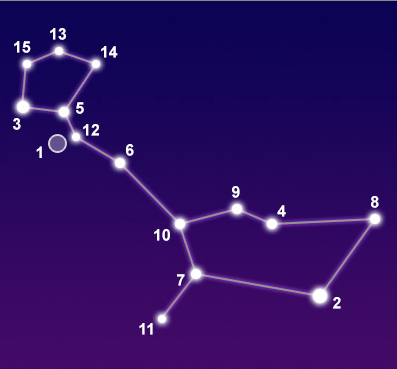
Ursa Major

3]Ursa Major(Big Bear)– Ursa Major constellation lies in the northern sky. Its name means “the great bear,” or “the larger bear,” in Latin. Ursa Major is the largest northern constellation and third largest constellation in the sky, occupying an area of 1280 square degrees. It is located in the second quadrant of the northern hemisphere (NQ2) and can be seen at latitudes between +90° and -30°.

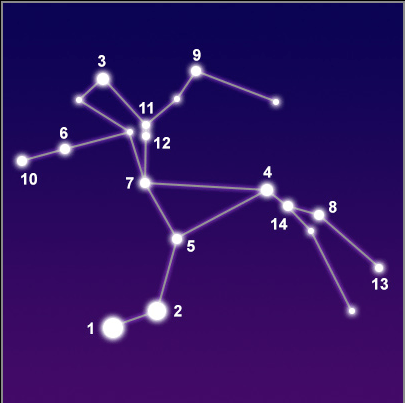
Cetus

4]Cetus(The Whale)- Cetus constellation is located in the northern sky. The constellation was named after Cetus, the sea monster from the Greek myth about Andromeda. In the myth, the princess was sacrificed to the monster as punishment for her mother Cassiopeia’s boastfulness. Cetus is the fourth largest constellation in the sky, occupying an area of 1231 square degrees. It lies in the first quadrant of the southern hemisphere (SQ1) and can be seen at latitudes between +70° and -90°. 

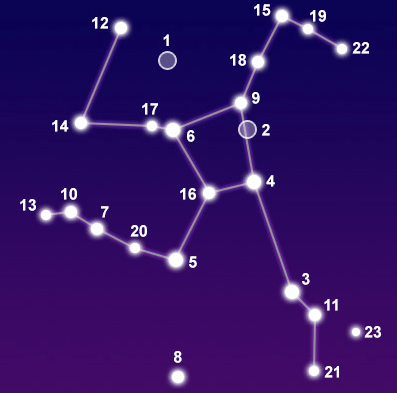
Hercules

5]Hercules- Hercules constellation is located in the northern sky. It was named after Hercules, the Roman version of the Greek hero Heracles. Hercules is the fifth largest constellation in the sky, but has no first magnitude stars. It occupies an area of 1225 square degrees in the sky. The constellation lies in the third quadrant of the northern hemisphere (NQ3) and can be seen at latitudes between +90° and -50°. 

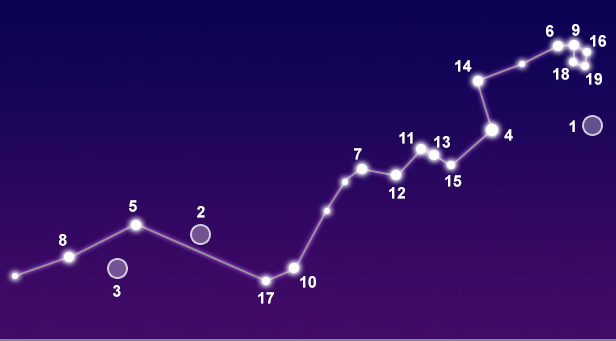
Eridanus

6]Eridanus (River)- Eridanus constellation lies in the southern hemisphere. It represents the celestial river that runs from Cursa (Beta Eridani) near Rigel in Orion all the way to Achernar (Alpha Eridani) in the far southern sky. Eridanus is the sixth largest constellation in the night sky, occupying an area of 1138 square degrees. It is located in the first quadrant of the southern hemisphere (SQ1) and can be seen at latitudes between +32° and -90°.Achernar, the constellation’s brightest star, is the ninth brightest star in the sky. 

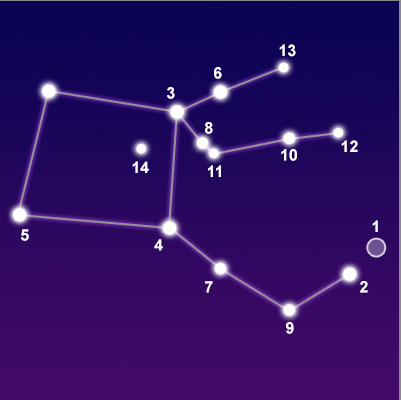
Pegasus

7]Pegasus – The Pegasus constellation lies in the northern hemisphere. Pegasus is the seventh largest constellation in the sky, occupying an area of 1121 square degrees. It is located in the fourth quadrant of the northern hemisphere (NQ4) and can be seen at latitudes between +90° and -60°. 

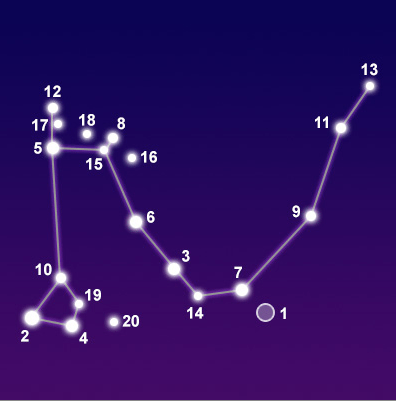
Draco

8]Draco (Dragon) – Located in the northern celestial hemisphere, the constellation represents Ladon, the dragon that guarded the gardens of the Hesperides in Greek mythology. The name Draco means “the dragon” in Latin. Draco is the eighth largest constellation in the night sky, occupying an area of 1083 square degrees. It lies in the third quadrant of the northern hemisphere (NQ3) and can be seen at latitudes between +90° and -15°.

Centaurus

9]Centaurus (Centaur)–  Centaurus constellation is located in the southern hemisphere.  It represents the centaur, the half man, half horse creature in Greek mythology. Centaurus contains two of the top ten brightest stars in the sky: Alpha Centauri and Beta Centauri. Centaurus is the ninth largest constellation in the sky, occupying an area of 1060 square degrees. It lies in the third quadrant of the southern hemisphere (SQ3) and can be seen at latitudes between +25° and -90°.

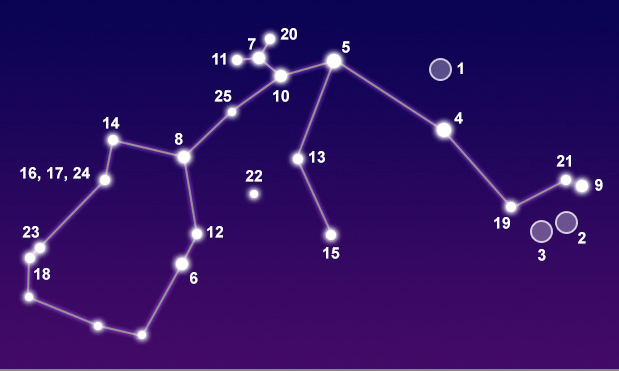
Aquarius

10]Aquarius (Water Bearer)– Aquarius constellation is located in the southern hemisphere. It is one of the 12 zodiac constellations. The constellation’s name means “the water-bearer” (or “cup-bearer”) in Latin and its symbol is ♒, which represents water. Aquarius is the 10th largest constellation in the sky, occupying an area of 980 square degrees. It is located in the fourth quadrant of the southern hemisphere (SQ4) and can be seen at latitudes between +65° and -90° The brightest star in the constellation is Beta Aquarii, also known as Sadalsuud, with an apparent magnitude of 2.87. 

http://en.wikipedia.org/wiki/Constellation  https://www.go-astronomy.com/constellations.htm  https://www.constellation-guide.com/constellation-map/largest-constellations/

5G Networking Technology

What is 5G Network?

In Telecommunications, 5G is the fifth generation technology standard for broadband cellular networks, which cellular phone companies began deploying worldwide in 2019, and is the planned successor to the 4G networks which provide connectivity to most current cell phones. 5G networks are predicted to have more than 1.7 billion subscribers worldwide by 2025, according to the GSM Association. Like its predecessors, 5G networks are cellular networks, in which the service area is divided into small geographical areas called cells. All 5G wireless devices in a cell are connected to the Internet and telephone network by radio waves through a local antenna in the cell.

In telecommunications, 5G is the fifth generation technology standard for broadband cellular networks, which cellular phone companies began deploying worldwide in 2019, and is the planned successor to the 4G networks which provide connectivity to most current cell phones. 5G networks are predicted to have more than 1.7 billion subscribers worldwide by 2025, according to the GSM Association. Like its predecessors, 5G networks are cellular networks, in which the service area is divided into small geographical areas called cells. All 5G wireless devices in a cell are connected to the Internet and telephone network by radio waves through a local antenna in the cell.

HOW DOES 5G WORK?

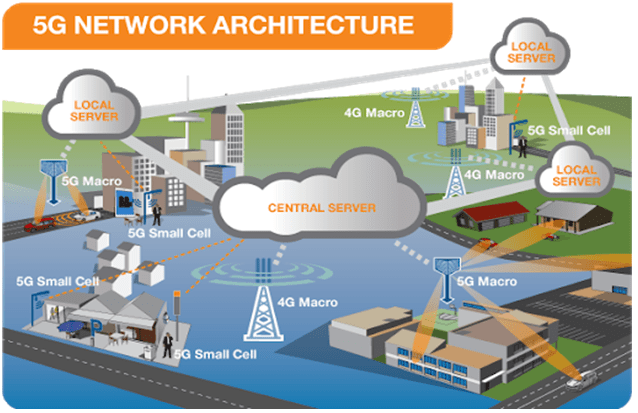
5G network architecture illustrating 5G and 4G working together, with central and local servers providing faster content to users and low latency applications.

A mobile network has two main components, the ‘Radio Access Network’ and the ‘Core Network’.

The Radio Access Network – consists of various types of facilities including small cells, towers, masts and dedicated in-building and home systems that connect mobile users and wireless devices to the main core network.

Small cells will be a major feature of 5G networks particularly at the new millimetre wave (mmWave) frequencies where the connection range is very short. To provide a continuous connection, small cells will be distributed in clusters depending on where users require connection which will complement the macro network that provides wide-area coverage.

5G Macro Cells will use MIMO (multiple input, multiple output) antennas that have multiple elements or connections to send and receive more data simultaneously. The benefit to users is that more people can simultaneously connect to the network and maintain high throughput.  Where MIMO antennas use very large numbers of antenna elements they are often referred to as ‘massive MIMO’, however, the physical size is similar to existing 3G and 4G base station antennas.

The Core Network – is the mobile exchange and data network that manages all of the mobile voice, data and internet connections. For 5G, the ‘core network’ is being redesigned to better integrate with the internet and cloud based services and also includes distributed servers across the network improving response times (reducing latency).

Many of the advanced features of 5G including network function virtualization and network slicing for different applications and services, will be managed in the core. The following illustration shows examples of local cloud servers providing faster content to users (movie streaming) and low latency applications for vehicle collision avoidance systems.

Example of a local server in a 5G network providing faster connection and lower response times

Network Slicing – enables a smart way to segment the network for a particular industry, business or application. For example emergency services could operate on a network slice independently from other users.

Network Function Virtualization (NVF) – is the ability to instantiate network functions in real time at any desired location within the operator’s cloud platform. Network functions that used to run on dedicated hardware for example a firewall and encryption at business premises can now operate on software on a virtual machine. NVF is crucial to enable the speed efficiency and agility to support new business applications and is an important technology for a 5G ready core.

When a 5G connection is established, the User Equipment (or device) will connect to both the 4G network to provide the control signalling and to the 5G network to help provide the fast data connection by adding to the existing 4G capacity.


Where there is limited 5G coverage, the data is carried on the 4G network providing the continuous connection. Essentially with this design, the 5G network is complementing the existing 4G network

5G Configuration:-

Advantages of 5G Networking:-

High resolution and bi-directional large bandwidth shaping.

Technology to gather all networks on one platform.

More effective and efficient.

Technology to facilitate subscriber supervision tools for the quick action.

Most likely, will provide a huge broadcasting data (in Gigabit), which will support more than 60,000 connections.

Easily manageable with the previous generations.

Technological sound to support heterogeneous services (including private network).

Possible to provide uniform, uninterrupted, and consistent connectivity across the world.

Disadvantages of 5G Networking:-

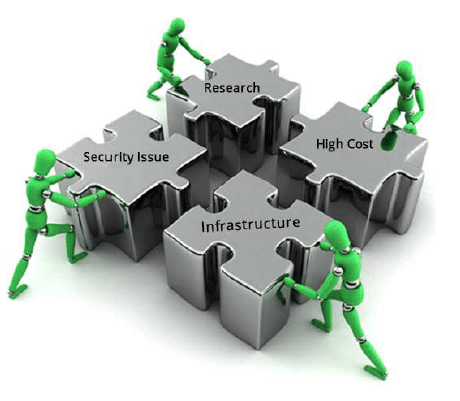
Technology is still under process and research on its viability is going on.

The speed, this technology is claiming seems difficult to achieve (in future, it might be) because of the incompetent technological support in most parts of the world.

Many of the old devices would not be competent to 5G, hence, all of them need to be replaced with new one expensive deal.

Developing infrastructure needs high cost.

Security and privacy issue yet to be solved.

Conclusion

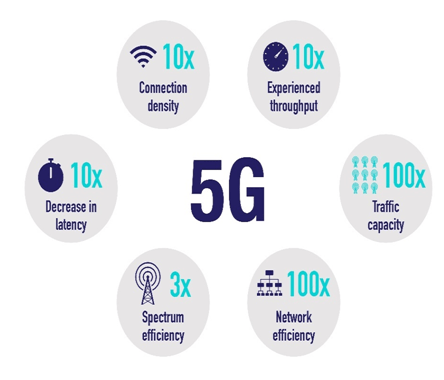
5G will be able to sustainably satisfy the requirement of the 1000-time traffic growth. 5G will provide users with fiber-like access data rate and “zero” latency user experience. 5G will be capable of connecting 100 billion devices.

Antikythera-The Modern Invention in the Past.

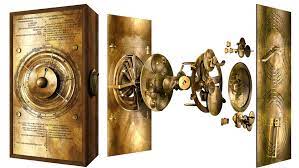
After 2,000 years under thesea, three flat, misshapen pieces of bronze at the National Archaeological Museum in Athens are all shades of green, from emerald to forest. From a distance, they look like rocks with patches of mold. Get closer, though, and the sight is stunning. Crammed inside, obscured by corrosion, are traces of technology that appear utterly modern: gears with neat triangular teeth (just like the inside of a clock) and a ring divided into degrees (like the protractor you used in school). Nothing else like this has ever been discovered from antiquity. Nothing as sophisticated, or even close, appears again for more than a thousand years.

For decades after divers retrieved these scraps from the Antikythera wreck from 1900 to 1901, scholars were unable to make sense of them. X-ray imaging in the 1970s and 1990s revealed that the device must have replicated the motions of the heavens. Holding it in your hands, you could track the paths of the Sun, Moon and planets with impressive accuracy. One investigator dubbed it “an ancient Greek computer.” But the X-ray images were difficult to interpret, so mainstream historians ignored the artifact even as it was championed by fringe writers such as Erich von Däniken, who claimed it came from an alien spaceship. It wasn’t until 2006 that the Antikythera mechanism captured broader attention. That year, Mike Edmunds of Cardiff University in Wales and his team published CT scans of the fragments, revealing more details of the inner workings, as well as hidden inscriptions—and triggering a burst of scholarly research. 

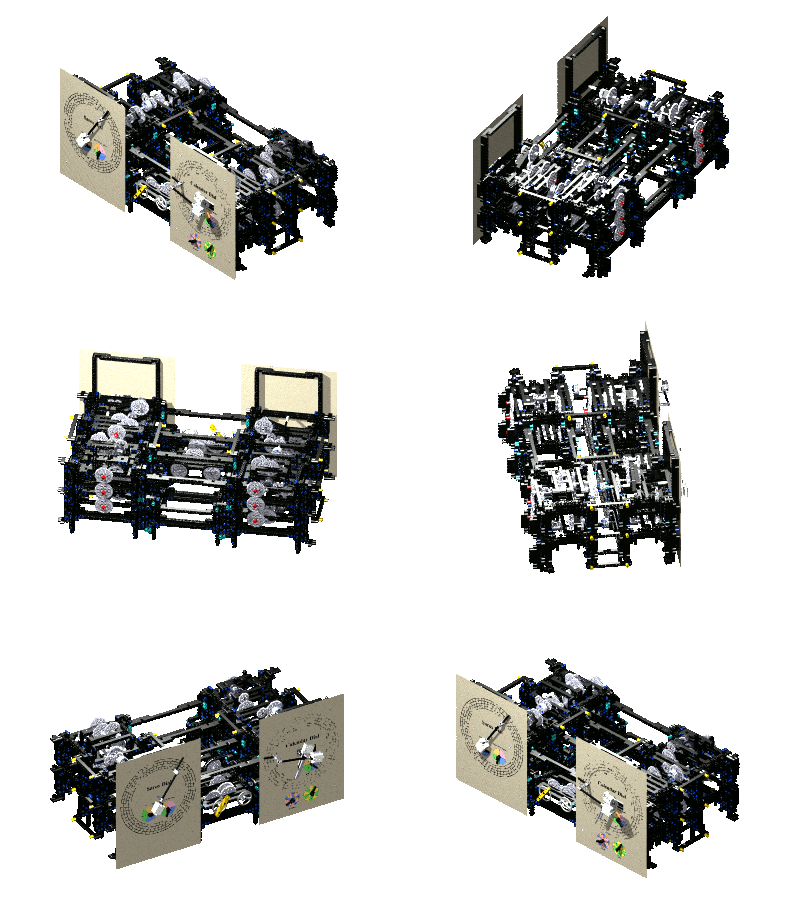
The Antikythera mechanism was similar in size to a mantel clock, and bits of wood found on the fragments suggest it was housed in a wooden case. Like a clock, the case would’ve had a large circular face with rotating hands. There was a knob or handle on the side, for winding the mechanism forward or backward. And as the knob turned, trains of interlocking gearwheels drove at least seven hands at various speeds. Instead of hours and minutes, the hands displayed celestial time: one hand for the Sun, one for the Moon and one for each of the five planets visible to the naked eye—Mercury, Venus, Mars, Jupiter and Saturn. A rotating black and silver ball showed the phase of the Moon. Inscriptions explained which stars rose and set on any particular date. There were also two dial systems on the back of the case, each with a pin that followed its own spiral groove, like the needle on a record player. One of these dials was a calendar. The other showed the timing of lunar and solar eclipses.

Experts have been working to decipher inscriptions hidden inside the mechanism, in particular to understand the mechanism’s missing pieces, some destroyed, some probably still at the bottom of the sea. Though the pointers on the front face don’t survive, Alexander Jones, a historian at the Institute for the Study of the Ancient World in New York, says an inscription reveals that they carried colored balls: fiery red for Mars, gold for the Sun. 

Also missing are the parts that drove the planetary pointers, leading to debate about exactly how they moved. Because planets orbit the Sun, when viewed from Earth they appear to wander back and forth in the sky. The Greeks explained this motion with “epicycles”: small circles superimposed on a larger orbit. According to Michael Wright, a former curator at London’s Science Museum who has studied the mechanism longer than anyone, it modeled epicycles with trains of small gears riding around larger ones. Though some experts have dismissed this as beyond the Greeks’ abilities, Jones says he will publish evidence supporting the idea later this year.

Other inscriptions hint at where the mechanism was made. Paul Iversen, a classicist at Case Western Reserve University in Cleveland, reports that the calendar includes month names used in Corinth and its colonies in northwest Greece. A dial that displayed the timing of major athletic festivals, including the Olympics, lists Naa, a festival held in northwest Greece, and Halieia, held to the south on the island of Rhodes. Perhaps the mechanism hailed from Rhodes and was being shipped north. The ancient philosopher Posidonius had a workshop in Rhodes that could have been the source; according to Cicero, Posidonius made a similar model of the heavens in the first century B.C.

The tradition of making such mechanisms could be much older. Cicero wrote of a bronze device made by Archimedes in the third century B.C. And James Evans, a historian of astronomy at the University of Puget Sound in Tacoma, Washington, thinks that the eclipse cycle represented is Babylonian in origin and begins in 205 B.C. Maybe it was Hipparchus, an astronomer in Rhodes around that time, who worked out the math behind the device. He is known for having blended the arithmetic-based predictions of Babylonians with geometric theories favored by the Greeks. 

Regardless, the Antikythera mechanism proves that the ancient Greeks used complex arrangements of precisely cut wheels to represent the latest in scientific understanding. It’s also a window into how the Greeks saw their universe. They came to believe that nature worked according to predefined rules, like a machine—an approach that forms the basis of our modern scientific views. Edmunds argues that this “mechanical philosophy” must have developed as a two-way process. The ancient mechanics who captured the cosmos in bronze weren’t just modeling astronomical theories but were also inspiring them.

FEB15_J03_Antikythera.jpg

OSTEOARTHRITIS


Arthritis is joint inflammation ,which is most common in older adults .There are 2 types of Arthritis which are most common in adults (1) Osteoarthritis (2) rheumatoid arthritis. Osteoarthritis (OA) is the most frequent cause of disability among older adults. According to UN ,by 2050 around 130 million people around the world will suffer from OA and around 40 million will be severely disabled by this disease. Osteoarthritis is related to ageing but there are other factors like obesity ,lack of exercise ,gender etc which effect the condition.The best way to trackle with such diesease is by taking care of yourself take health diet,do yoga , meditation ,and avoid stress .

Why do Volcanoes Erupt?

You may have heard about the eruptions of volcanoes like Mount Vesuvius and Mount Tambora that devastated the land surrounding them and killed thousands of people living in their vicinity. However, not many of us stop to question why or how a volcano erupts in the first place. It is indeed not only an interesting, but also a useful bit of knowledge to have about one of the most fascinating natural phenomena that occur in our world.

What is the process?

We know that deep within the earth, the temperatures are extremely high. In fact, it is so hot that some rocks gradually start melting and become a thick flowing substance called magma. This melting takes place in the layer of the earth’s interior called the ‘mantle’. The mantle is the layer between the dense, superheated core and thin outer crust of the earth. The immense heat from the core melts the earth’s mantle and this melted rock (magma) begins its journey to the surface. The melting may happen where tectonic plates are pulling apart or when one plate is pushed down under another.

Magma being a lighter and more viscous substance than the rock surrounding it, starts rising to the top and collecting in areas known as magma chambers. As the magma rises, bubbles of gas also form inside it. Eventually, some of the runnier magma charges through any vents or fissures in the earth’s crust and gets released onto the surface as lava. Hence, magma that is released through volcanoes are then called lava, which flow in every direction away from the volcano to surrounding areas.

For the magma that is thicker in nature, the gas bubbles are not able to escape easily and the pressure starts building as the magma rises. When the pressure that is building reaches a point where it is too high for the earth’s surface to handle, an explosive eruption happens from the volcano. Such eruptions may also occur suddenly if the rocky surface above the magma has eroded over time, allowing the pressurized magma to easily burst through. Explosive eruptions are what often cause mass death and destruction, as the lava flows with much greater force and heat intensity. It can melt anything in its path, and most human creations will succumb to its natural power. The aforementioned bubbles, which are of undissolved water and sulphur, then burst with the intensity of a gunshot and release plumes of ash into the atmosphere. This ash can suffocate plants, animals and humans.

Another way eruptions happen is when water underneath the earth’s surface happens to come in contact with hot magma and creates steam. This may happen when ocean water is able to slip into the earth’s mantle and mingle with the magma. Over time, the rock strength of earth’s surface decreases as the pressure builds, and the steam can gradually build enough pressure to cause an explosion through the volcano.

It is important to highlight that some volcanic eruptions are explosive while others are not. As explained, it depends on the composition of the magma. If it is runny and gas is able to escape easily, lava will simply flow out. This is easy for people to avoid as it flows slowly and gives them time to move away. However, if magma is thick and gas cannot escape easily, pressure builds up until there is a violent explosion for it to escape. Magma blasts into the air, and lava flows at a greater speed for a greater distance. This is often unexpected and harder to escape from.

What is the role of Climate Change?

Geological studies have shown that human-induced climate change will most likely cause an increase in volcanic activity around the world. This is primarily because climate change has caused melting of glaciers in the earth’s crust. These glaciers have an impact on the flow of magma to the surface, and so melting glaciers may cause more magma eruptions. Basically, after glaciers are removed, the surface pressure decreases and the magma can more easily propagate to the surface and thereby erupt.

A team of researchers in the UK found that with the advancement of glaciers over time, there was diminishing volcanic activity. In turn, the team found that as the climate warmed up due to global warming and glaciers melted, there were more frequent and bigger eruptions. It has been found that even relatively minor climate changes may have an influence on this. Hence, it can be concluded that today’s global warming could mean more frequent, and even greater volcanic eruptions.

What is Web Hosting? And its Types

Web hosting is an online service that enables you to publish your website or web application on the Internet. When you sign up for a web hosting service, you basically rent some space on a physical server where you can store all the files and data necessary for your website to work properly.

A server is a physical computer that runs without any interruption so that your website is available all the time for anyone who wants to see it. Your web host is responsible for keeping that server up and running, protecting it from malicious attacks, and transferring your content — such as text, images, files, etc. — from the server to your visitors’ browsers.

Types of Web Hosting Packages

  1. Shared Hosting

This type of hosting is the most common answer for most web hosting needs and it’s an excellent solution for most small businesses and personal blogs. With this type of hosting, you’re sharing one server with other clients. Websites hosted on the same server share all its resources, such as memory, computing power, disk space, and others.

  • Pros :
  • Low cost, excellent for small online business websites
  • No need for specific technical knowledge
  • Pre-configured server options
  • User-friendly control panel — hPanel
  • Maintenance and server administration is taken cared for you
  • Cons :
  • Little or no control over server configuration
  • Traffic surges on other websites can slow down your website

2. VPS Hosting

When you’re using a Virtual Private Server — or VPS for short — you’re still sharing a server with other users. However, your web host allocates an entirely separate partition for you on that server. This means you get a dedicated server space and a reserved amount of resources and memory. In fact, VPS hosting can be great for medium-sized businesses with a rapidly growing number of websites and traffic.

  • Pros :
  • Dedicated server space
  • Traffic surges on other websites have no effect on your performance
  • Root access to the server
  • Easy scalability and high customizability
  • Cons :
  • More expensive than other types of hosting
  • Technical and server management knowledge is a must

3. Cloud Hosting

Cloud hosting is currently the most reliable solution on the market. With cloud hosting, your host provides you with a cluster of servers — your files and resources are replicated on each server. When one of the cloud servers is busy or encounters a problem, your traffic is automatically routed to another server in the cluster. This results in little to no downtime, which is excellent if you own a very busy website.

  • Pros :
  • Little to no downtime
  • Server failures have no effect on your website
  • Allocates resources on demand
  • Pay-as-you-pricing strategy — you only pay for what you use
  • More scalable than other web hosting types
  • Cons :
  • Hard to estimate the actual costs
  • Root access is not always provided.

4. WordPress Hosting

WordPress hosting is a particular form of shared hosting, created for WordPress site owners. Your server is configured specifically for WordPress and your site comes with pre-installed plugins for crucial tasks, such as caching and security.

  • Pros :
  • Low cost and beginner-friendly
  • One-click WordPress installation
  • Good performance for WordPress sites
  • Customer support team trained in WordPress issues
  • Pre-installed WordPress plugins and themes
  • Cons :
  • Recommended only for WordPress sites, which can be a problem if you want to host more than one website on your server

5. Dedicated Hosting

Dedicated hosting means that you have your own physical server that’s dedicated solely to your website. Therefore, you’re given incredible flexibility over how you want to manage your website. You can configure your server as you wish, choose the operating system and software you want to use, and set up the whole hosting environment according to your own needs.

  • Pros :
  • Full control over server configuration
  • High reliability and security options
  • Root access to your server
  • Cons :
  • High cost, more oriented towards larger businesses
  • Technical and server management knowledge is a must

How crocodiles survived mass extinction ?

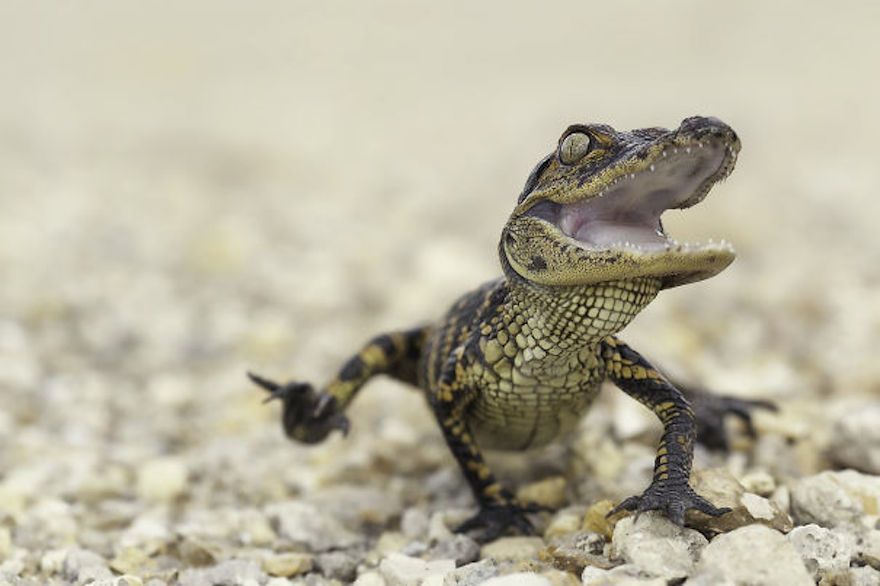
Crocodiles,by reading the name you would have picturised a massive creature with pointed teeth and a thick skin. The very appearance of them would terrify anyone. We can also call them as living relatives of dinosaurs but still it has always been a mystery on how crocodiles survived the extinction which wept out the entire dinosaurs. Crocodiles shares many common features with dinosaurs but they are different from one another and they have a distinct feature which allowed them to survive the mass extinction of dinosaurs.Though we can’t come up with a perfect conclusion still there are few amazing theories which leaves us wondering.


Crocodile show a slow metabolism which allows them to survive for months without food. They being cold blooded cannot generate own heat due to which they hibernate during colder periods. While hibernating they dig burrows in the side of river banks and go for a long sleep. This particular habit of them would have enabled them to withstand the climatic condition prevailed during the mass extinction. The period that followed the event of mass extinction brought a radical weather change which would have wiped of the remaining dinosaurs whereas crocodiles on the other hand had the ability to hibernate or go dormant adopted to the changes and survived the condition.


Another important characteristics of survival is in the process of reproduction. In this case the crocodiles gave rise to a large number of offsprings at a time whose young one takes quicker time to grow mature thus increases the possibility of survival.


They also have a strong immune system which enable them to fight against deadly diseases thus providing more anchorage to the survival process. They grow slowly and steadily in size adapting to the surrounding and availability of food which was not characteristic of the other creatures that lived during that age. Apart from all others features, crocodiles are smarter creatures which can be seen through the fact on how easily they can be tamed and trained. They understand the changing around them clearly and tend to adapt to it. All these factors together has assisted crocodiles to escape and thrive through the mass extinction.

HOW TO REDUCE HAIR FALL WITH 5 HOME REMEDIES !!!

Causes of hair fall in females | Apollo Spectra

Imagine you are preparing for an outing with your friends. Your dress is perfect, you didn’t mess up your eyeliner, are way ahead of your schedule and, just when you decide to style your hair and comb it, a bunch of your locks come out with the comb!!

But it cannot happen!! You’ve been using anti-hair fall shampoo and conditioner for months! and just like that, your day becomes sour. 

Now, it’s a type of problem that everyone has suffered from more than once in their life. 

I understand that the stress and anxiety over hair fall are more than that one time you were worried about the results of your paper you never studied for. But you should know one thing before burdening yourself that, hair fall is actually quite common!

Sometimes, even after using the best types of hair products and hair treatments, the problem of hair fall never goes away. Even if that flashy hair product ad might convince you to buy the product to reduce hair fall, chances are, they might not produce any results. 

So, now you may be thinking, even after wasting thousands and thousands of rupees on hair treatments and products, it produces no result. Then what should I do about my hair fall? And you’ll find the answer to your question, right here, in this article!

Yes, you figured it out. Today, I will share some home remedies to reduce your hair fall situation without any side effects!!

In this article, we will discuss five different types of home remedies used to reduce hair fall. 

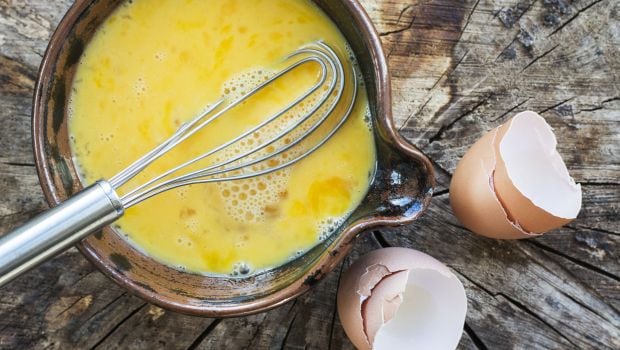
1. Egg Mask

5 Amazing Ways To Use Eggs For Strong And Shiny Hair

One of the most common and highly recommended procedures for reducing hair fall is using an egg mask. 

Now I know you must be thinking, ew egg on hair? That’s disgusting! It’s going to smell so bad!!

Yes, it will smell bad, but the advantages far exceed such disadvantages. It contains nutrients such as calcium, magnesium, selenium, protein, phosphorous, potassium, biotin, lecithin, and folate. It also contains vitamins A, D, E, and K, which promotes hair growth and helps reduce hair fall.

Procedure to make the mask:

  • Crack an egg in a bowl and add 1 tbs of honey and olive oil to it.
  • Beat the components until it mixes well.
  • Use a brush and apply the mixture to your hair, starting from the roots till the tip thoroughly.
  • Keep it as it is for approximately 20-25 minutes.
  • Rinse your hair using a mild shampoo.

NOTE: For better results, follow this procedure once a week.

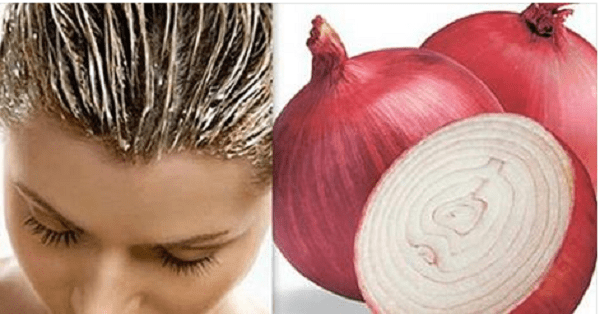
2. Onion Juice

Ginger And Onion Juice For Hair Growth - Khushi Hamesha

Don’t be fooled by its awful smell; while it may seem so, the onion juice contains nutrients rich enough to promote hair growth!

Onion contains sulfur within its contents which is helpful in collagen production. When there is an increase in collagen production, the production level of new and healthy skin cells increases which reduces hair fall and promotes hair growth.  

Procedure to make the onion juice:

  • Take a couple of onions and grind them thoroughly.
  • Collect the solution produced by grinding in a bowl.
  • Take a ball of cotton and dip it in the juice produced.
  • Dab the moist ball over your scalp.
  • Leave it as it is for 20-30 minutes.
  • Wash it off with mild shampoo.
  • Repeat the procedure once every week.

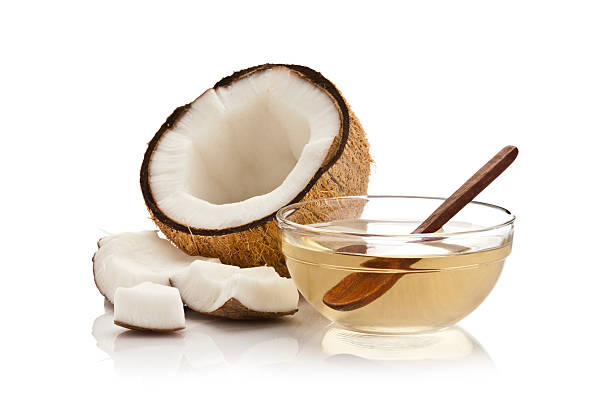
3. Coconut Oil

4,702 Coconut Oil Stock Photos, Pictures & Royalty-Free Images - iStock

A method used for generations, coconut oil, has been used for hair nourishment for a very long time. 

Remember those days when our mother and grandmother used to forcefully apply coconut oil before going to school? Well, it was never for nought. 

Coconut oil contains various vitamins and fatty acids which, helps by providing nourishment to the scalp for faster hair growth. The lauric acid present in coconut oil helps to moisturize the hair and prevents it from split ends and breakage.

And the best part of using this is that it can be used for all age groups and skin types, be it sensitive or rough or dry!

4. Lemon

Benefits and How to Use Lemon for Hair | Be Beautiful India

I know you must be shocked to see this ingredient on the list. You must be thinking, why is lemon here? Wait, lemon can prevent hair fall? Since when? 

This may seem a little confusing, but trust me, it’s not. Not everyone is aware of this, but lemon contains some properties which help in reducing hair fall. 

They provide nutrients such as calcium, magnesium, Vitamin C, citric acid, flavonoids and pectin which, is very helpful for hair growth. 

While Vitamin C helps in hair growth, citric acid reduces hair fall by preventing the loosening of hair follicles.

Procedure to use lemon for reducing hair fall:

  • Pick a lemon and wash it thoroughly with water to remove all the harmful chemicals like pesticides.
  • Cut it in half and squeeze it to collect the juice in a bowl.
  • Use it to thoroughly massage the scalp with the fingertips.
  • Leave it as it is only for 10 minutes, don’t extend the duration.
  • Wash it off in lukewarm water using a mild shampoo and conditioner.

NOTE: To see the result, repeat this process once a week for at least 4-6 weeks. 

5. Fenugreek Seeds

Are Fenugreek Seeds Good for Your Hair?

Fenugreek seeds, known as ‘methi seeds’, is used as a home remedy to promote hair growth and increase scalp health.

It contains an ample amount of iron and protein that repairs the damaged hair follicles and promotes hair growth. Due to their anti-inflammatory and anti-fungal effects, these nutrients can provide the necessary nourishments.

Procedure to use Fenugreek seeds for reducing hair fall:

  • Soak two teaspoons of fenugreek seeds in water and leave it overnight.
  • The next morning grind it into a fine paste.
  • Apply the paste thoroughly on your scalp and hair.
  • Cover your hair with a shower cap (mostly preferable), and leave it for 30 minutes.
  • After 30-40 minutes, rinse your hair with cold water without using any shampoo.
  • Use this method once a week for better results.

So, that’s it with this article! I hope you found these procedures easy and helpful. But remember one thing, even these remedies won’t work if they aren’t followed thoroughly! 

So, share with us about your favorite remedy and how it helped you with your hair fall problem in the comments section below!

MIMO

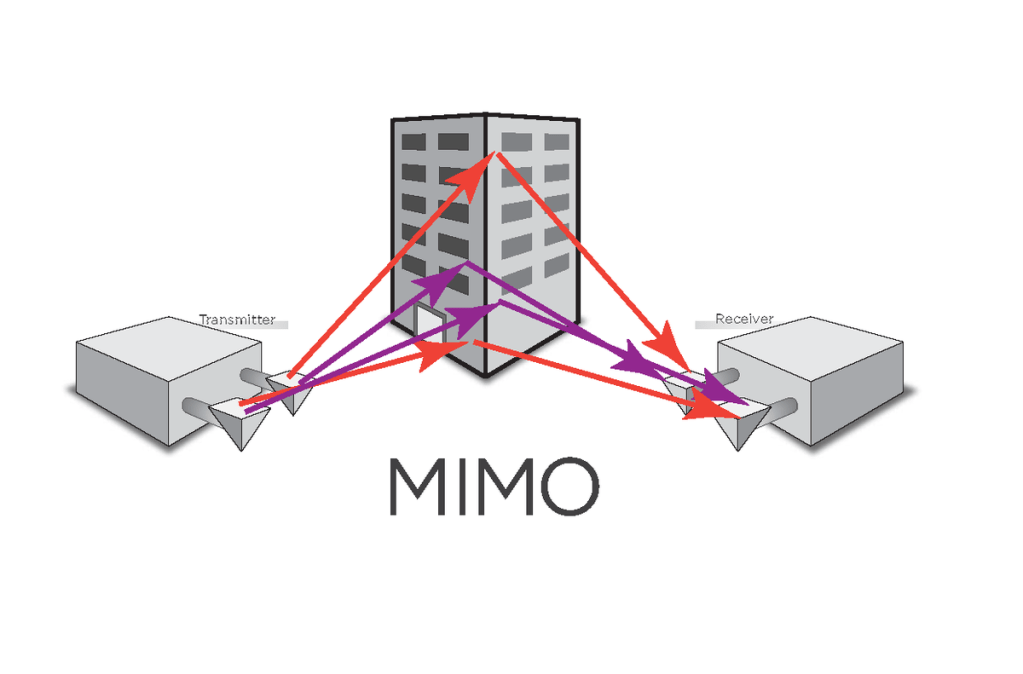
MIMO (multiple input, multiple output) is a wireless communications antenna technique that employs multiple antennas at both the source (transmitter) and the destination (receiver).

The same data is broadcast by many antennas along the same route in the same bandwidth in a MIMO system. As a result, each signal travels a different path to the receiving antenna, resulting in more dependable data. The number of sending and receiving antennas also affects the data rate.

It’s a radio communications technology, also known as RF technology.

The new MIMO wireless technology is used in Wi-Fi, LTE (Long Term Evolution), and many other radios, wireless, and RF technologies to deliver higher connection capacity and spectrum efficiency, as well as better link stability.

To reduce mistakes and increase data speed, the antennas at either end of the communications circuit are merged. MIMO is one of many smart antenna technologies, the others being MISO (multiple input, single output) and SIMO (single input, multiple output) (single input, multiple output).

Why we are using MIMO?

A single antenna is used at the source in traditional wireless communications, and another single antenna is used at the destination. This can lead to issues with multipath effects in some situations. When an electromagnetic field (EM field) collides with obstacles like hills, canyons, buildings, and utility lines, the wavefronts disperse and take many pathways to reach their target. Fading, cut-out (cliff effect), and intermittent reception are all difficulties caused by the late arrival of dispersed sections of the signal (picket fencing).

It can slow down data transmission and increase the frequency of mistakes in digital communications systems like wireless Internet. The use of two or more antennas at the source and destination, as well as the transmission of multiple signals (one for each antenna), overcomes the problems caused by multipath wave propagation and can even take advantage of it.

Advantages of MIMO

  • Improved Signal Strength: Because MIMO systems use bounced and reflected RF signals, they give better signal strength even when there is no clear line-of-site.
  • Higher Throughput: A higher throughput enables higher quality and quantity of video to be transmitted across the network.
  • Improved Video or Audio Quality: Using several data streams reduces the number of lost data packets, resulting in improved video or audio quality.
  • Increasing Data Rate: The increased number of antennas enables a higher number of routes to be utilized, allowing for considerably more data to be delivered in a shorter amount of time.
  • Increasing Basic Link Signal-to-Noise Ratio: One of the major advantages of MIMO systems is that they may be utilized to increase the entire system’s signal-to-noise ratio. This may be pushed to a new level with the usage of massive MIMO.

Disadvantages of MIMO

  • Higher Level of Signal Processing: At the transmitter and receiver end, the system needs a higher amount of signal processing.
  • Battery Limitation: The increased power consumption is due to the hardware resources. Due to the execution of complex and computationally demanding signal processing algorithms, the battery drains faster. MIMO-based devices’ battery life is reduced as a result.
  • Costly: Due to extra hardware and complex software requirements, MIMO-based systems are more expensive than single antenna-based systems.

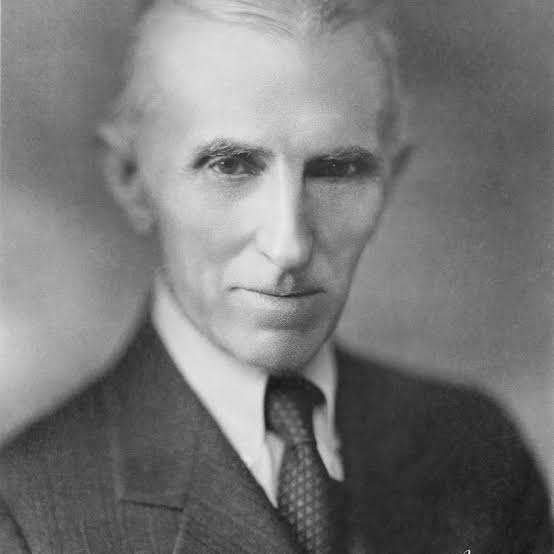
NIKOLA TESLA

Serbian-American engineer and physicist Nikola Tesla (1856-1943) made dozens of breakthroughs in the production, transmission and application of electric power. He invented the first alternating current (AC) motor and developed AC generation and transmission technology. Though he was famous and respected, he was never able to translate his copious inventions into long-term financial success—unlike his early employer and chief rival, Thomas Edison.

Nikola Tesla’s Early Years:

Nikola Tesla was born in 1856 in Smiljan, Croatia, then part of the Austro-Hungarian Empire. His father was a priest in the Serbian Orthodox church and his mother managed the family’s farm. In 1863 Tesla’s brother Daniel was killed in a riding accident. The shock of the loss unsettled the 7-year-old Tesla, who reported seeing visions—the first signs of his lifelong mental illnesses.

Did you know? During the 1890s Mark Twain struck up a friendship with inventor Nikola Tesla. Twain often visited him in his lab, where in 1894 Tesla photographed the great American writer in one of the first pictures ever lit by phosphorescent light.

Tesla studied math and physics at the Technical University of Graz and philosophy at the University of Prague. In 1882, while on a walk, he came up with the idea for a brushless AC motor, making the first sketches of its rotating electromagnets in the sand of the path. Later that year he moved to Paris and got a job repairing direct current (DC) power plants with the Continental Edison Company. Two years later he immigrated to the United States.

Nikola Tesla and Thomas Edison:

Tesla arrived in new york in 1884 and was hired as an engineer at Thomas Edison’s Manhattan headquarters. He worked there for a year, impressing Edison with his diligence and ingenuity. At one point Edison told Tesla he would pay $50,000 for an improved design for his DC dynamos. After months of experimentation, Tesla presented a solution and asked for the money. Edison demurred, saying, “Tesla, you don’t understand our American humor.” Tesla quit soon after.

Nikola Tesla and Westinghouse:

After an unsuccessful attempt to start his own Tesla Electric Light Company and a stint digging ditches for $2 a day, Tesla found backers to support his research into alternating current. In 1887 and 1888 he was granted more than 30 patents for his inventions and invited to address the American Institute of Electrical Engineers on his work. His lecture caught the attention of George Westinghouse, the inventor who had launched the first AC power system near Boston and was Edison’s major competitor in the “Battle of the Currents.”

Westinghouse hired Tesla, licensed the patents for his AC motor and gave him his own lab. In 1890 Edison arranged for a convicted New York murderer to be put to death in an AC-powered electric chair—a stunt designed to show how dangerous the Westinghouse standard could be.

Buoyed by Westinghouse’s royalties, Tesla struck out on his own again. But Westinghouse was soon forced by his backers to renegotiate their contract, with Tesla relinquishing his royalty rights.

In the 1890s Tesla invented electric oscillators, meters, improved lights and the high-voltage transformer known as the Tesla coil. He also experimented with X-rays, gave short-range demonstrations of radio communication two years before guglielmo marconi and piloted a radio-controlled boat around a pool in Madison Square Garden. Together, Tesla and Westinghouse lit the 1891 World’s Columbian Exposition in chicago and partnered with General Electric to install AC generators at niagara falls, creating the first modern power station.

Nikola Tesla’s Failures, Death and Legacy:

In 1895 Tesla’s New York lab burned, destroying years’ worth of notes and equipment. Tesla relocated to colorado Springs for two years, returning to New York in 1900. He secured backing from financier J.P morgon and began building a global communications network centered on a giant tower at Wardenclyffe, on Long Island. But funds ran out and Morgan balked at Tesla’s grandiose schemes.

Tesla lived his last decades in a New York hotel, working on new inventions even as his energy and mental health faded. His obsession with the number three and fastidious washing were dismissed as the eccentricities of genius. He spent his final years feeding—and, he claimed, communicating with—the city’s pigeons.

Tesla died in his room on January 7, 1943. Later that year the U.S. supreme court voided four of Marconi’s key patents, belatedly acknowledging Tesla’s innovations in radio. The AC system he championed and improved remains the global standard for power transmission.