IMMUNE DYSFUNCTION AND ITS CONSEQUENCES

 The evolution of immune system.

It can be defined as a complex evolutionary unit and it can be said that the immune system of primitive organisms is also primitive. The immune system involves numerous elements, which have undergone many evolutionary changes, some which are neutral, some are selected, to form the basis of modified organisms that live among us in the 20th century and whose immune systems have adapted to the damaging environment humans have created in this era. All these different species including, humans themselves, have perhaps evolved beyond their apparent primitive state into something more realistic to survive in today’s world. The immune systems have been modified by factors linked not only to the internal evolution of their elementary genes but also by coevolution with factors in the internal environment, such as cellular constraints, metabolism, mode of reproduction and progeny size. It is significant to learn and understand our immune system because increasing our knowledge in this area could help suggest solutions to clinicians when they are faced with deficiencies and anomalies in the immune system of man.

The outline of innate and adaptive immunity portrays an interactive system that defends the host from transferrable diseases and from cancer. This would not be comprehensive without stating that the resistant of our body can function indecorously. Occasionally the immune system fails to defend the host effectively or misdirects its activities to inflict uneasiness, incapacitating illness, or even death. There are numerous communal appearances of immune dysfunction:

■ Allergy and asthma

■ Graft rejection and graft-versus-host disease

■ Autoimmune disease

■ Immunodeficiency

Allergy and asthma are results of unsuitable immune responses, often to shared antigens such as plant pollen, food, or animal dander. The likelihood that certain substances amplified sensitivity rather than protection was documented in about 1902 by Charles Richet, who attempted to immunize dogs compared to the toxins of a kind of jellyfish, Physalia. He and his associate Paul Portier detected that dogs exposed to sublethal dosages of the toxin reacted almost suddenly, and fatally, to subsequent challenge with tiny amounts of the toxin. Richet decided that a successful injection or vaccination results in phylaxis, or defense, and that an contrary result may occur. Anaphylaxis in which contact to antigen can result in a possibly lethal sensitivity to the antigen if the contact is recurrent. Richet received the Nobel Prize in for his detection of the ana-phylactic response.

Providentially, most allergic reactions in humans are not quickly fatal. A specific allergic or anaphylactic response typically involves one antibody type, named IgE. Binding of IgE to its specific antigen (allergen) releases constituents that cause irritation and swelling. When an allergic individual is exposed to an allergen, signs may include sneezing, wheezing, and struggle in breathing (asthma); dermatitis or skin eruptions (hives); and, in more dangerous cases, asphyxiation due to blockage of airways by swelling. An important fraction of our health resources is used to care for those suffering from allergy and asthma. The occurrence of allergy and asthma in the United States place these grievances among the most shared reasons for a visit to the doctor’s dispensary or to the hospital emergency room.

When the immune system come across foreign cells or tissue, it responds sturdily to rid the host of the invaders. Nevertheless, in some cases, the transplantation of cells or an organ from additional individual, although observed by the immune system as a foreign assault, may be the only possible action for disease. For instance, it is projected that more than 60,000 persons in the United States alone could profit from a kidney transplant. Since the immune system will attack and reject any relocated organ that it does not identify as self, it is a serious blockade to this possibly life-saving treatment. An added hazard in transplantation is that any relocated cells with immune function may sight the new host as nonself and respond against it. This reaction, which is called graft-versus-host disease, can be lethal. The rejection reaction and graft-versus-host disease can be repressed by drugs, but this kind of treatment overpowers all immune function, so that the host is not threatened by its immune system and develops susceptible to infectious diseases. Transplantation educations have played a main role in the growth of immunology. A Nobel prize was presented to Karl Landsteiner, for the detection of human blood groups, a discovery that permitted blood transfusions to be carried out securely. , G. Snell, J. Dausset, scientists and B. Benacerraf were known for discovery of the major histocompatibility complex, in 1991, E. D. Thomas & J. Murray were prearranged Nobel Prizes for developments in transplantation immunity. To allow a foreign organ to be recognized without overpowering immunity to all antigens remains a test for immunologists today.

In many individuals, the immune system breakdowns by losing its sense of self and nonself, which allows an immune attack upon the host. This disorder, autoimmunity, can root a number of chronic incapacitating diseases. The indications of autoimmunity vary depending on which tissues and organs are under a threat. For instance, multiple sclerosis is caused by autoimmune dysfunction on the brain and CNS, Crohn’s disease affects the tissues of the gut, & rheumatoid arthritis is characterized by its affect on the joints of the arms and legs. The genetic and ecological factors that cause and sustain autoimmune disease are very dynamic areas of immunologic research, as is the hunt for improved treatments.

If any of the many mechanisms of innate or specific immunity is faulty because of genetic irregularity, or if any immune function is lost due to damage by chemical, physical, or biotic agents, the person suffers from immunodeficiency. The austerity of immunodeficiency disease

Allergy and Asthma

Even though the immune system serves to defend the host from infection and cancer, unsuitable responses of this organization can lead to disease. Common amid the consequences of immune dysfunction are allergies and asthma, together they are serious public health problems. Particulars of the mechanisms that cause allergic and asthmatic retorts to environmental antigens. Merely specified, allergic reactions are responses to antigenic impetuses that outcome in immunity based chiefly on the IgE class of immunoglobulin. Contact to the antigen

(or allergen) activates an IgE-mediated release of particles that cause symptoms extending from sneezing and dermatitis to swelling of the lungs in an asthmatic attack. The order of events in an allergic reply is portrayed in the reaction.

The uneasiness from common allergies like plant pollen allergy (ragweed allergy) contains a week or two of whooping and runny nose, which may seem minor compared with health complications such as cancer, cardiac arrest, or life-endangering infections. A grave allergic reaction is asthma.

Allergy and Asthma as Public Health issues a chronic illness of the lungs in which swelling, arbitrated by ecological antigens or infections, causes severe trouble in breathing. Roughly 15 million people in the US have asthma, and it causes about 5000 deaths in a single year. In the past twenty years, the occurrence of asthma in the Western World has folded.

AUTOIMMUNE DISORDERS

The device by which the huge diversity of B and T cells is generated is a haphazard process that unavoidably gives rise to some receptors that identify the body’s own elements as foreign. Lymphocytes having such self-reactive receptors, though, are eliminated or reduced impotent by numerous diverse mechanisms, so that the immune system does not usually make significant amounts of antibodies or T cells that are sensitive with the body’s mechanisms (self antigens). Yet, an immune response to self, termed autoimmunity, can happen, and some of the conducts that self-directed immune responses reason damage causes Allergies.

Knowing and classifying autoimmune disorders is hard given that all humans have numerous self-reactive antibodies in the blood but most of them show no sign of disease. Subsequently, the credential of autoantibodies is not a adequate diagnostic tool for defining the presence of an autoimmune disorder. There is a modification between an autoimmune response and disease: in the prior case the autoantibodies do not inflict dysfunction, but in the latter they do.

EXAMPLES OF AUTOIMMUNE DISORDERS

The range of autoimmune disorders is extensive, ranging from those that contain a single organ to others that mark several different organs as a secondary result of the presence of immune complexes in the gesticulation. Some of these autoimmune syndromes are discussed and causes are given. The subsequent disorders have been selected to illustrate some of the very different complications that can arise from autoimmunity.

Hashimoto disease, graves disease are 2 common autoimmune disorders in the thyroid gland

Autoimmune hemolytic anemia resultant from the formation of autoantibodies against the RBCS

Pernicious anemia, autoimmune gastritis occurs when there is a failure to absorb vitamin B12 that is essential for proper maturations of the RBCs

Rheumatoid arthritis is also a chronic swelling that affects connective tissues and the synovial membrane lining the peripheral joints.
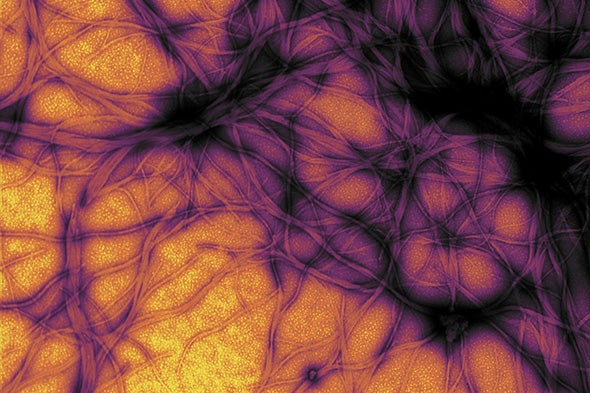

Prions: The most fatal disease-causing agent of all.

What Is a Prion? - Scientific American

We have all heard of viruses, bacteria, fungal and protozoan induced infection. Most of them curable under proper diagnosis, some very common to us and while others are more feared diseases like AIDS and cancer. However, these diseases also have some sort of medication and care which can be given to patients for their recovery. But today let’s talk about the lesser known but most dangerous kind of infectious particle known to humans. Its name is prions and scientists hardly know anything about it.

It all started in 1982, when Stanley Prusiner discovered a particle which had no DNA or RNA, the basis of every living organism in the world. These particles were just proteins and couldn’t even be classed as living or dead. The particles were infectious agents and were given the name prions. Some scientist resisted the fact that prions exists because it disrupts the universal rule that proteins are formed from transcription and translation of nucleic acid.

Our brain is the most complex organ of our body. Much of things about the functions of the brain is unknow to us till now. There is a protein present in the cytoplasmic membrane of the cells in our brain, known as prp. The exact functionality of the protein is unknown to us but is speculated that it’s associated with then normal functioning of the brain. The sequence of amino acid in PrP allows the protein to fold into two stable tertiary structures: The typical cellular PrP (C-PrP) functional structure has multiple α-helices, whereas β-pleated sheets are the disease-causing forms of prion prp (P-PrP). Just like the saying goes: one rotten apple spoils the lot, in the same way one disease causing prp causes the other normally functioning prp to transform into its disease-causing form, in a process known as templating. The neurons stop functioning correctly and finally die as prion prP aggregates spread all over the brain. This gives rise to a disease known as bovine spongiform encephalopathy. The disease causes degenerate a person’s life within months. It causes amnesia, mental retardation, paralysis and death. The zoonotic epidemic in Europe which caused the cows to behave unusually, and die was also cause by prions and is known as the mad cow disease. It affects a variety of animals, and its form of transmission is through foods which have been infected with prions. It causes scrapie in sheep, and chronic wasting disease in deer. Prions are associated with Alzheimer’s, Parkinson’s, Creutzfeldt–Jakob disease and even cancer.

The thing that makes prions most dangerous is the fact that once you have been infected with a prion disease, it is 99% of the times, going to kill you. There are no cures for prion diseases. Cooking doesn’t kill prions, nor does our standard sterilization method, practised worldwide. In other words, alcohol, soaps, detergents, acid, even fire does not kill it. After a number of research, we found that it takes much more than rapid and intense heat treatment, at 482 degrees Celsius continuously for 4 hours to finally deactivate it.

So why isn’t prion, which is such a dangerous particle, not the leading cause of disease in the world? Well, lucky for us there are number of reasons why prions aren’t seen that commonly in the world. Firstly, its primary mode of transmission through different species is through ingestion. Food can be retracted from the market in case of an outbreak and food transmission is not as dangerous as airborne transmission of other diseases. Secondly, Human PrP only mishaps if it contains 129th amino acid as methionine. About 40% of human beings are now prion sensitive leaving 60% of the population immune to prions. This disease is mostly seen in tribal people who have the tradition of cannibalism, and in families which have had a history of prion diseases in their ancestry. The sporadic form of the disease is seen rarely.   Prion problems are enigmatic as always as it is not known that the specific physicochemical nature of the agent is essentially a black box. It is also necessary to understand the exact mechanisms driving the transmissible protein states. The origin of different prion strains complicates the treatment. There is hence a need for more study to create adequate diagnostic tools to help create new therapy strategies to treat prion illnesses.

Is There Life Outside Earth?

This is a question that has perturbed humanity for decades now. From the start of the early space age during the Cold War, where asserting dominance in space was given the first importance, unknowingly, the USSR and the USA shaped the future. They made the then-present generation more involved with things regarding space. Many movies and TV Shows like Star Trek and others that focused on space travel and aliens came into being. They all portrayed Earth as just one planet among many in the universe. Movies also portrayed the Moon, Mars, and Venus all to the harbor with life. They were said to be aliens over there and that the government is just covering it all up. This led to a rise in a sort of cultist movement in the 70s, where people spread propaganda regarding the existence of “little green men” across the solar system.

But this is all just fanciful imagination. None of this is actually true as far as science is concerned with the present knowledge we hold. From the missions we have sent to the Moon, Venus, and Mars, there seems to be no sign of life. Moon and Venus are completely devoid of any signs of a life-supporting system, and it is theorized that Moon and Venus cannot have supported life anytime in the past. However, as for Mars, there is proof suggesting that water may have flowed on the surface of Mars sometime in the past. This is because Mars has canyons and shorelines, which are being mapped, and simulations have shown that there was a high possibility that water may have once flowed on Mars. But this doesn’t necessarily mean that life is still there now. They may or may not have been life forms on Mars. But, if we find any one of them now, it would be in the form of microbes, not fully evolved conscious beings like us. Some missions are ongoing to find out if there are any fossils of Martian microorganisms. If there are, that would be the first sign that we are not ( at least, were not ) alone in this universe.

There have also been speculations that there is a very high possibility that alien life forms exist in the very galaxy that is much more advanced than us but does not interfere with us mainly because we are not worth noticing. A suitable analogy would be a man not noticing the worms or ants beneath him when walking through a forest. ( We are the ants! ) We are just not worthy of any form of attention from these alien civilizations.

The Drake Equation states that there are probably 1000 to 100,000,000 planets in our very galaxy that can harbor alien civilizations. But even with so many planets, the only thing we are receiving from outer space is dead silence. There has been a separate organization called SETI ( Search for Extraterrestrial Intelligence ) which searches the sky for any signals which are out of the ordinary. There has been only one such signal called the WOW signal, which was way out of the ordinary, but scientists have ruled it out as a piece of signal from Earth that was bounced back from space debris. There has been nothing that even shows the slightest hint of an extraterrestrial civilization.

This has been really dreadful to scientists. There is a high probability that humankind is well and truly alone in this entire vast universe. That we are the last ones left alive here. There is no one beside us. If there were, then they are truly gone. Even knowing that this is the highest possibility we live in fills me, the author, with some sense of extreme loneliness. Are we really the last living thing in this entire vast universe? If so, then the best we can do is to survive and thrive. Regardless, the search for extraterrestrial life will never stop. Even if all other life is dead, we will still try to find out what they were and how they vanished.

Cholera the infection and related pandemics.

Cholera is considered as a gastro-intestinal disease. An acute, secretory diarrhea caused by infection with Vibrio cholerae of the O1 and O139 serogroups. This bacterium is transmitted via contaminated food or water that has come in contact with fecal matter of the infected person. In some severe form, cholera can be a very terrifying illness in which profuse painless watery diarrhea and copious effortless vomiting may lead to hypovolemic shock and death in less than 24 hours, if untreated. Management of patient with cholera include aggressive fluid replacement, antibiotics. Prevention include safe water and good sanitary conditions. Two oral vaccines are available. Researchers have estimated that each year there are approximately 1.3 million to 4.0 million cases of cholera, and 21 000 to 143 000 deaths occurring in world due to cholera. Total of seven cholera pandemics have occurred in the past 200 years. The first pandemic originated in India.

Morphology and Identification

A. Typical Organisms V.cholerae is a gram negative, comma-shaped, curved rod 2–4 μm long. It is actively motile shows presence of polar flagellum.

(Vibrio cholerae, the bacterium that causes cholera)

B. Cultural characteristics and Plating media.

V.cholera are strongly aerobic. They grow well at 37°C on many kinds of media, including defined media containing mineral salts and asparagine as sources of carbon and nitrogen. On Mac Conkeys agar the colonies are colorless at first then become pink on prolonged incubation due to slow fermentation of lactose. V.cholerae grows on thiosulfate-citrate-bile-sucrose (TCBS) agar, a media selective for vibrio’s, on which it gives yellow-colored colonies that are readily visible against the dark-green background of the agar. Monsur’s gelatin taurocholate trypticase tellurite agar (GTTA) medium is also used. They produce small, translucent colonies with a greyish black Centre and a turbid halo. Most Vibrio species are halotolerant, and NaCl often enhances their growth. Some vibrios are halophilic, requiring the presence of high concentration of NaCl to grow. Vibrio species are susceptible to the compound O/129 (2,4-diamino-6,7di-isopropylpteridine phosphate)

C. Holding or Transport Media. Cary-Blair medium is used as a transport medium, it is a buffered solution of sodium chloride, calcium chloride, sodium thioglycolate, disodium phosphate at pH 8.4. Venkatraman-Ramakrishnan (VR) medium, in this the organisms do not multiply but remain viable for few weeks. It is dispended in screw capped bottles in 10-15 ml amounts. About 1-3 ml of stool is added to each bottle. Autoclaved sea water can also be used as a holding medium.

D. Biochemical Reactions. V.cholerae shows following features: It is catalase positive and oxidase positive. V.cholerae ferments sugars with production of acid only no gas formation. It ferments glucose, sucrose, maltose, mannitol, and mannose. It is a late lactose fermenter ferments lactose on incubation for several days. It does not ferment arabinose, inositol, and dulcitol. It forms indole and reduces nitrates to nitrites. It gives methyl red positive and urease test negative. It liquefies gelatin and decarboxylates lysine and ornithine, but not arginine. A positive oxidase test is a basic step in the identification of V.cholerae and other vibrios.

E. Antigenic Structure and Biologic Classification. Many vibrio’s possess a single heat-labile flagellar H antigen. They are classified as Group A vibrio’s, and the rest as Group B. Based on major somatic O antigen, Group A vibrio were further classified into subgroups or serovars also called as serogroups. Antibodies to the H antigen are not involved in the protection of susceptible hosts. V.cholerae contain an O lipopolysaccharide that confer serologic specificity. There is a minimum of 206 O antigen groups. V.cholerae strains of O group 1 and O group 139 that cause classic cholera; non-O1/non-O139 V.cholerae causes cholera-like disease. The V.cholerae serogroup O1 antigen has determinants that make further typing possible; the serotypes are Ogawa, Inaba, and Hikojima. V. cholerae O139 is similar to V.cholerae O1 El Tor biotype. V.cholerae O139 does not produce the O1 lipopolysaccharide and is incapable of making this antigen. V.cholerae O139 produce a polysaccharide capsule, but V.cholerae O1 does not produce a capsule.

Virulence factor and Resistance. Virulence factor of V.cholerae include cholera toxin, adhesin factor, toxin regulated pilus, siderophores, hemagglutination-protease, neurotransmidase and some others also. They produce a heat labile enterotoxin. Which consists of subunits A and B. Ganglioside GM1 act as the mucosal receptor for subunit B, which promotes entry of subunit A inside the cell. Activation of subunit A1 yields increased levels of intracellular cyclic adenosine monophosphate (cAMP) and results in hypersecretion of water and electrolytes. Electrolyte-rich diarrhea occurs—as much as 20–30 L/day—which results in dehydration, shock, acidosis, and death. The genes for V.cholerae enterotoxin are present on the bacterial chromosome. Cholera enterotoxin can stimulate the production of neutralizing antibodies. Toxin regulated pilus, helps in adherence to mucosal cells of intestine. Hemagglutination- protease, splits mucus and fibronectin and cholera toxin. Thereby inducing intestinal inflammation and helps in releasing free vibrios from bound mucosa to the intestinal lumen. Neuraminidase, destroys muramic acid and increases toxin receptors for V. cholerae. Siderophores is responsible for sequestration of iron. These organisms are susceptible to heat, drying and acids, but resist high alkalinity. Survival in water is influenced by pH, temperature, salinity and organic pollutants.

Immunity and Pathogenesis. After ingestion of V.cholerae, the majority are killed by gastric acid. Specific IgA antibodies are found in the lumen of the intestine. Similar antibodies in serum develop after infection but last only for few months. Vibriocidal antibodies in serum are associated with protection against colonization.

The pathogenesis of cholera and of diarrhea caused by enterotoxigenic bacteria other than V.cholerae 01 comprises three main stages: (1) bacterial colonization; (2) production and delivery of enterotoxins; and (3) toxin action and intestinal fluid secretion. (Ananthanarayan and Paniker, 1948;)

The structure and function of cholera toxin (CT) and its effects on fluid transport processes have been particularly well elucidated. It is believed that colonization may involve, sequentially: (1) chemotactic attraction of the bacteria to the surface of the mucus gel; (2) penetration of the mucus gel;'(3) adhesion to the epithelial cell surface; and (4) multiplication of mucus gel- and mucosa-associated bacteria. The bacterial cell surface receptor for CTXφ is the toxin-co-regulated pilus, which is itself encoded within a genomic island, vibrio pathogenicity island (VPI-1). Evolution of virulence in V.cholerae involves sequential acquisition of VPI-1 followed by CTXφ. Under normal conditions, V.cholerae is pathogenic only for humans. A person with normal gastric acid secretion may have to ingest as many as 1010 or more V.cholerae to become infected. When the medium is food, as few as 102–104 organisms are necessary because of the buffering capacity of food. Any medication that decreases stomach acidity makes a person more susceptible to infection with V cholerae. The organisms do not invade the bloodstream but remain within the intestinal tract. Pathogenic V cholerae organisms attach to the microvilli of epithelial cells. They multiply and secrete cholera toxin and also mucinases and endotoxin.

Laboratory Diagnosis.

  1. Specimens

Fresh stool specimen collected before administration of antibiotics is the specimen of choice. 

  1. Microscopy 

Dark field microscopy and phase contrast microscopy is preferred to check out motility and inhibition by antisera. Direct immunofluorescence is another rapid method used for detection of vibrios in the stool sample. 

  1. Culture 

The specimen collected in holding media is inoculated in enrichment media for 6-8 hrs., before inoculating on selective and general-purpose media. The specimen collected in transport media are incubated for 6-8 hrs. The inoculated plates are incubated at 37oC for a period of 24 hrs.

4. Specific Tests

V.cholerae organisms are also identified by slide agglutination tests using anti-O group 1 or group 139 antisera and also by biochemical reaction patterns. The diagnosis of cholera under field conditions has been reported to be facilitated by a sensitive and specific immunochromatographic dipstick test.

(Antisera to the O1 serogroup of V. cholerae will agglutinate homologous organisms (left). A normal serum or saline control (right) does not show agglutination)

Transmission.

Both contaminated water and contaminated food can serve as medium for the transmission of cholera. In Bangladesh and India, water appears to play a major role. In other areas, such as the South Pacific islands, foodborne outbreaks have occurred. In situations where water is the medium, it need not only be drinking-water that is responsible, since contaminated water may be consumed in other forms. In addition, contaminated water may inoculate food, leading to foodborne cholera. The role of fomites, fingers, bed linen, or other soiled objects in the transmission of cholera remains unclear. Type of transmission more often when there is overcrowding and hygiene is very poor. Children who acquire nosocomial cholera may be more susceptible than normal children because of their underlying illness.

Diagnosis and Treatment.

Physicians in endemic areas diagnose cholera based on its manifestations, particularly so-called “rice-water stool,” which is watery, colorless, odorless, and flecked with mucus, which looks like bits of rice. The necessary and immediate part of therapy consists of water and electrolyte replacement to correct the severe dehydration and salt depletion. Oral tetracycline and doxycycline tend to decrease stool output in cholera and shorten the period of excretion of vibrios. In some areas, tetracycline resistance of V.cholerae has emerged; the genes are carried by plasmids. In children and pregnant women, alternatives to the tetracyclines are erythromycin and furazolidone.

Epidemiology, Prevention and control. 

In endemic regions, the major cases occur among children below 5 years of age and in reproductive-age women. In some countries like Bangladesh and India, cholera infections occur every year. It is found that environmental factors such as climate, temperature, and salinity play a major role in cholera transmission. Reoccurrence of epidemic cholera has also been related to population density, urbanization, and overcrowding. For the prevention and control of cholera, it is necessary to understand the factors that are responsible for initiation and transmission of cholera in a community. Measures for the preventing cholera include provision of clean water, hygienic food and proper sanitary conditions to the cholera-endemic communities. Health education regarding personal hygiene and food safety should be provided. Media, community leaders, and religious leaders should participate in health education and social mobilization campaigns. Today, there are two oral cholera vaccines, namely Dukoral and Shanchol. Dukoral is made up of killed whole cell vaccine including V. cholerae O1 serogroup and recombinant B subunit of cholera toxin. This vaccine can be given to children above 2 years and to adults. Shanchol is a killed bivalent whole‐cell vaccine suspension. It can be dosed to 1 year of age and above. he primary methodologies for cholera control are suitable administration of cholera cases; fortifying research centers; preparing and limit working of medical care laborers; and accessibility of sufficient clinical supplies for the executives. Likewise, admittance to safe water, legitimate disinfection, suitable waste administration; individual cleanliness and food cleanliness rehearses; improved correspondence and public data are required for the control of cholera episodes.

Pandemics. 

Despite the fact that cholera has been around for a long time, the illness came to conspicuousness in the nineteenth century, when a deadly flare-up happened in India. There have since been various flare-ups and seven worldwide pandemics of cholera. Every year, cholera taints 1.3 to 4 million individuals around the globe, slaughtering 21,000 to 143,000 individuals. The primary cholera pandemic rose out of the Ganges Delta with a flare-up in Jessore, India, in 1817, coming from polluted rice. The infection immediately spread all through the majority of India. The pandemic ceased to exist 6 years after it started. The second cholera pandemic started around 1829. The pandemic would vanish and reappear all through various nations for almost twenty years until it died down around 1851. Six resulting pandemics executed huge number of individuals over all mainland. The seventh pandemic began in South Asia in 1961, and arrived at Africa in 1971 and the Americas in 1991. Cholera is presently endemic in numerous nations.

Bioweapons

War have been a part of human history since the beginning of time. However, the agents used to carry out warfare have changed and evolved just like humans did over time. First people use to hurt each other with their bare hands and sharp nails or throw stones or sticks at each other. Then someone thought, lets join the stone and stick, which led to the development of spheres and other things specially designed to kill. With the discovery of fire came a new way to cause mass destruction over a large scale. As science evolved, so did the weapons used in wars. From swords, crossbows and canons to guns, bombs, and tanks. But then came the era of nuclear warfare, things so powerful that it could destroy the entire world as we know it. However, an agent of war many people don’t know about and whose use has increased with the advancements of biotechnology and microbiology are bioweapons. Bioterrorism technically is defined as the violent use (by a person or group of individuals) of biological substance or toxins to injure. For example, this covid-19 pandemic which could be a form of bioterrorism, killing millions. But lets start from the first advent of the use of bioweapons.

Throughout human history, bioterrorism has been an issue. The Assyrians poisoned their enemies’ wells with ergot, a toxin-producing fungus typically found in Rye. This is one of the first stories of the use of bioterrorism and goes back to the 600 BC. In a more recently published account, Pizarro delivered the native Indians clothing tainted with smallpox in the 1500s when he conquered South America. Another similar report claims that Britain may have utilised diseases to undermine its adversaries during North American colonisation. The country could intentionally have sent Native Americans blankets tainted with pox. Bioweapons spread fast and cause mass destruction. The Convention against biologic weapons, which forbids the manufacturing, development, stockpiling and use of biological weapons was signed by 103 states under the guidance of the United Nations in 1972. Its however, well established that even superpowers of this world are not ready for an attack or outbreak of a bioweapon like smallpox and ebola. The high fatality rate among infected people is attributed to the possibility of aerosol transmission and the relative simplicity of large-scale manufacturing. Anthrax and especially smallpox are regarded the most significant threats of bioterrorism.

During world war 2 extensive research was carried out and many bioweapons were stockpiled by various countries from both the allied and axis powers. In an attack performed by religious-cult Aum Shinrikyo in a Tokyo metro station in 1995 using sarin, a chemical affecting the nervous system, resulted in the revelation of the risk of bioterrorism. Pathogens can also be engineered in the lab to give antibiotic resistance and higher virulence factor for the use of bioweapons. But science can also be used to create defences against these pathogens. Vaccination therapies, genome sequencing of the organism and drug designing are just among the wide biodefense’s science has to offer.

Some of common bioweapons used are:

  • Anthrax: Highly infectious and deadly, caused by bacterium bacillus anthrax. Having an incubation period of 7 days it can affect animals, humans, and children. It can be clinical diagnosed as either cutaneous, gastrointestinal, or inhaled. Its however, difficult to diagnose as it mimics the symptoms of a common cold.
  • Smallpox: Highly contagious and deadly, smallpox has been eradicated from the world thanks to vaccines, however smallpox vials had been stored in US and Russia in the name of research and these vials have been reportedly stolen, leaving the entire world population which is mostly not vaccinated against smallpox due to its eradication, at a high risk. If there is a smallpox attack, there aren’t enough vaccines for most of the people.
  • Cholera: Bacterium caused disease which was endemic in many parts of the world a few decades ago, cholera is transmitted through water ways and can be used as a bioweapon.
  • Salmonella: It’s a species of bacterium which infects the food you eat. Mixed with any food, it could cause gastrointestinal problems. However, it’s not considered that dangerous as food can be removed from the market.
  • Botulism: Produced by clostridium botulism its one of the most fatal toxins in the world. It can be inhaled or be present in your food, mostly canned food. Causing paralysis, vision problems suffocation within days or hours depending on the amount consumed, this bioweapon is highly dangerous and just need a few micrograms to kill millions. Once a person inhales it, its most certain death because an antidote does not exist for the toxin.
  • Ebola: Causing death in 90% of the people infected, Ebola is a much-feared virus that can be used as a bioweapon.
  • Ricin: Another toxin which is famous for being the bioweapon in the “umbrella murder case” its found in castor beans.

Although diseases are genetically modifiable, there is no evidence of virulence increase and the ability to promote an epidemic. This is no guarantee, however, that this risk is gone from the world. Because bioterrorism is a problem of global security, intelligence agencies have the responsibility to verify their actual potential and expansion. Some military specialists think Iraq still has an active bio war programme. A few years ago, a rare disease triggered an epidemic in Iraqi wheat fields, suspected of escaping a pathogenic infection from bioterrorism investigative facilities. Intelligence, constant monitoring, early warning systems, information sharing between agencies and cooperation should be part of any preventive programme in bioterrorism. Legislation should be in place that allows the government to apply quarantines to suspected people or items infected with infection, confiscate property and use hospitals for the benefit of the public. Finally, nobody should presume that biology and biotechnology science are always used for good. Biotechnology could be used in states that sponsor terrorism in the development of mass destruction pathogens and pests. Recent events have made us conscious of the worldwide community, and local events often have an impact around the world. It is crucial that one must be aware that science with all its benefit can also cause bioterrorism.

Plant tissue culture and related opportunities

Introduction

Plant tissue culture (PTC) is a bunch of procedures for the aseptic culture of cells, tissues, organs and their parts under characterized physical and chemical conditions in-vitro and controlled climate. It likewise investigates conditions that advance cell division and hereditary re-programming in-vitro conditions and it is viewed as a significant instrument in both fundamental and applied examinations, just as in business application. It is a territory of applied science that gives a wide stage to the aseptic culture of cells, tissues, organs, and their segments under characterized substance and physical in-vitro conditions. This science follows an essential idea where the plant body or organ or any tissue can be dismembered into more modest parts called “explants” and any explants can be additionally formed into an entire plant. Plant recovery shapes the premise of in-vitro engendering. There are different ideas and strategies that are as often as possible rehearsed in plant tissue culture science. In current biotechnology, the greater part of the ideas and procedures manage the hereditary investigation of plants. In present day plant biotechnology, the quality of interest is removed from the genome with the assistance of a limitation catalyst. The quantity of plants developing wild increasingly more decreases, as a result of the aimless assortment, in this manner numerous species are vanishing quick and those current are frequently unusable because of unequivocally dirtied regions. In such circumstance the presentation of types specifically compelling in development and training, can be entirely beneficial and the mechanical control on their spread can ensure a consistent biomass accessibility. These cycles incorporate different fundamental ideas and procedures that lead to the progressive improvement of callus lastly foundation of the ideal full cell line of the plant, which could be probed again for different exploration purposes.

General steps of plant tissue culture

1. Micropropagation 

Micropropagation begins with the choice of plant tissues from a solid, vivacious mother plant. Any piece of the plant can be utilized as explant. 

2. Preparation of donor plant

Any plant tissue can be presented in-vitro. To improve the likelihood of achievement, the mother plant should be ex-vitro developed under ideal conditions to limit defilement in the in vitro culture. 

3. Initiation stage 

In this stage an explant is surface sanitized and moved into supplement medium. For the most part, the joined utilization of bactericide and fungicide items is recommended. The determination of items relies upon the kind of explant to be presented. The surface cleansing of explant in synthetic arrangements is a significant advance to eliminate foreign substances with insignificant harm to plant cells. The most regularly utilized disinfectants are sodium hypochlorite, calcium hypochlorite, ethanol and mercuric chloride (HgCl2). The way of life is hatched in development chamber either under light or dim conditions as per the technique for spread. 

4. Duplication stage 

The point of this stage is to build the quantity of propagules. The quantity of propagules is duplicated by rehashed subcultures until the ideal number of plants is achieved. 

5. Rooting stage 

The establishing stage may happen at the same time in a similar culture media utilized for increase of the explants. Nonetheless, now and again it is important to change media, including dietary adjustment and development controller arrangement to incite establishing and the improvement of solid root development. 

 6. Acclimatization Stage 

At this stage, the in-vitro plants are weaned and solidified. Solidifying is done step by step from high to low dampness and from low light power to high light force. The plants are then moved to a suitable substrate and continuously solidified under nursery. .

General requirements for plant tissue culture

  • Instruments. 
  1. Filter sterilization units. 
  2. Osmometer. 
  •  Transfer and Culture 
  1. Laminar flow cabinet, for all controls requiring sterility. 
  2. Culture room or incubator.
  3. Orbital shaker, for cell suspension. 
  4. Low-speed bench centrifuge, for example, the Hettich Universal. 38-, 50-, and 280~pm mesh hardened steel strainers. 
  • Media 

Numerous media details have been concocted to help the development of refined plant cells. The most generally utilized media, MS, was created by Murashige and Skoog, other media incorporate B5 

  • Ultrafiltration 

Media containing heat labile parts e.g., indole acidic corrosive, gibberellic corrosive, zeatin, glutamine or complex combination of sugars e.g., KMSP should be channel cleaned by pull of the medium through a 0.2~pm breadth pore size channel. On the off chance that agar media are required, they can be channel sanitized at double the last fixation, and blended in with an equivalent volume of autoclaved twofold quality agar that has been permitted to cool to about 60°C. 

  • Growth Regulators 
  1.  Water-solvent: ABA (abscisic acid), GA, (gibberellic acid). 
  2. Dil. HCl-solvent: BAP (benzyl amino purine), kinetin, zeatin. 
  3. Ethanol solvent: 2,4-D (2,4-dichlorophenoxy acidic corrosive), IAA (indole3-yl-acetic acid), NAA (a-naphthalene acetic acid).

Types of technique for culturing plant tissue culture

  • Callus culture: Callus culture might be characterized as creation and upkeep of a chaotic mass of proliferative cell from disconnected plant cell, by developing them on counterfeit supplement medium in glass vials under controlled aseptic conditions. 
  • Single cell culture: Single cell culture is a technique for developing disengaged single cell aseptically on supplement medium under controlled condition. 
  • Suspension culture: Suspension culture is a kind of culture where single cell or little totals of cell duplicate while suspended in fomented fluid medium. Suspension culture are utilized in enlistment of shoots, creation of optional metabolites, in vitro mutagenesis, choice of freaks and hereditary change considers. 
  • Embryo culture: Embryo culture might be characterized as aseptic detachment of undeveloped organism from the greater part of maternal tissue of develop seed and in vitro culture under aseptic and controlled state of being in glass vials containing supplement semisolid or fluid medium to develop straightforwardly into plantlet 
  • Anther culture: Androgenesis is the in vitro advancement of haploid plants starting from strong dust grains through a progression of cell division and separation. 
  • Pollen culture: Pollen culture is the in vitro method by which the dust grains are crushed from the unblemished anther and afterward refined on supplement medium where the microspores without delivering male gametes. 
  • Somatic Embryogenesis: Somatic embryogenesis is the cycle of a solitary or gathering of cells starting the improvement pathway that prompts reproducible recovery of non-zygotic incipient organisms fit for developing to shape total plants. 
  • Protoplast Culture: It is the way of life of disengaged protoplasts which are exposed plant cells encompassed by plasma layer which is possibly equipped for cell divider recovery, cell division, development and plant recovery on reasonable medium under aseptic condition 
  • Shoot tip and Meristem culture: The tips of shoot can be refined in vitro creating bunches of shoots from either axillary or unusual buds. This strategy can, be utilized for clonal spread. 
  • Explant Culture: There are assortment of types of seed plants viz., trees, spices, grasses, which show the essential morphological units i.e., root, stem and leaves. Parenchyma is the most adaptable of a wide range of tissues. They are equipped for division and development 

 Application 

  1. In a generally brief timeframe and space, countless plantlets can be delivered beginning from the single explants. 
  2. In the living plant the conduct of each piece of tissue is unequivocally impacted by correlative controls forced by the remainder of the plant by disengaging it in vitro, the idea of a portion of these correlative controls can be resolved. 
  3. The creation of precise of plants that produce especially great blossoms, organic products, or have other alluring attributes. 
  4. To rapidly deliver develop plants. 
  5. The creation of products of plants without seeds or fundamental pollinators to deliver seeds. 
  6. The recovery of entire plants from plant cells that have been hereditarily altered. 
  7. The creation of plants in sterile compartments that permits them to be moved with extraordinarily decreased odds of sending infections, irritations, and microorganisms. 
  8. The creation of plants from seeds that in any case have extremely low odds of developing and growing, i.e.: orchids and nepenthes. 
  9. Used to preserve uncommon or imperiled plant species. 
  10. A plant reproducer may utilize tissue culture to screen cells instead of plants for worthwhile characters, e.g., herbicide opposition/resistance. 
  11. Enormous scope development of plant cells in fluid culture inside bioreactors as a wellspring of auxiliary items, similar to recombinant proteins utilized as bio-drugs. 
  12. To cross indirectly related species by protoplast combination and recovery of the novel half and half. 
  13. To cross-fertilize indirectly related species and afterward tissue culture the subsequent undeveloped organism this would somehow typically pass on .

Opportunities. 

Plant cell cultures have become a significant device to plant researchers, cell cultures have stayed a significant tool in the investigation of plant science, and today in vitro culture methods are standard methodology in the vast majority of the plant science’s labs. Cell cultures will stay as a significant device in the investigation of morphogenesis. Sub-atomic, physiological, and biochemical examinations on physical embryogenesis and plant recovery cycles will keep helping the manner in which cells pick any morphogenetic pathway. Notwithstanding Arabidopsis model, the disconnection of new mutants from PTC will help in this assignment. Cell cultures have remained, and will proceed, a critical tool in the investigation of primary metabolism, e.g., the utilization of protoplasts and vacuoles for the investigation of the components of poisonousness of hefty metals, just as the creation of safe plants situated in PTC innovation. The advancement of restorative plant cell culture procedures has prompted the ID of complete pathways of alkaloid biosynthesis. Comparative data emerging from the utilization of cell cultures for atomic and biochemical examinations is creating research action on metabolic designing of plant secondary metabolite production. The support of this information goes past essential examination. Huge spread of plants speaks to now a financially compensating undertaking and this will increment in the next years by consolidating new plants into the market, basically intriguing plants with new bloom tones and scents. On account of the improvement of genomics, proteomics, and metabolomics, plant. biotechnology is testing new and energizing advances. These “omics” approaches, with no uncertainty, will quicken the disclosure, disconnection and portrayal of qualities giving new agronomic characteristics to crops. Effective hereditary designing projects will be centered in the improvement of new plant assortments with attributes that expansion the nature of the harvests to battle undernourishment and in this manner the increment in the yields without the utilization of synthetic compounds in the field will stay a significant assignment. The new plant assortments should likewise give an expansion access the utilization of the land for horticultural point by beating issues, for example, saltiness, dry season and desertification. PTC strategy will likewise permit the creation of roots for food in bioreactors, under controlled conditions. Innovations for cell culture in enormous volumes for the creation of fine synthetic substances in hereditarily changed cells refined ought to be set up. This method presents points of interest over their creation in field developed plants that ordinarily possess significant expansions of land. The utilization of in vitro strategies in undeveloped organism salvage during plant reproducing, to spare hazardous annihilation plants, and the development of germplasm banks to safeguard plants with important attributes will help the consistent need of hereditary improvement programs 

Conclusion  

Plant tissue culture have caused critical commitments to the development of agrarian sciences as of late and today. They comprise a basic device in current horticulture. The admittance to innovation is not, at this point the selective of developed nations thus it is fundamental that we as a whole perceive the possibilities and that we use the innovation in the entirety of its measurements. The advantages as of now have moved from being viewed as simply part of the farming creation. The plants and the beneficial frameworks dependent on current horticulture are rapidly turning out to be significant income workers, and yet: ensuring food security worldwide and giving a superior way of life for every last one of the occupants of the planet. The innovation has exhibited its value and is accessible, presently it’s our chance to utilize it on a large however responsibly.

CRISPR the genetic scissor: Alluring or repelling?

The marvels of human discovery has no bounds. From reaching the moon to creating vaccines, man has always been on the lookout for creating an impact, be it influential or destructive. CRISPR is one such discovery which can revolutionize treatment of diseases. When man landed on moon, people talked about how we may corrupt it. When he created vaccines, people talked about how it may kill instead of curing. Discoveries are followed by heavy criticism. Sometimes, these can be ignorant ramblings. Sometimes, a warning of the inevitable. So, when CRISPR was discovered, critics implied that it may lead to the extinction of an entire species! Is it a useless rambling or a warning?

What is CRISPR?

CRISPR is a gene editing technique which allows us to edit our very origin, the DNA. In simple words, just like using a CTRL C, CTRL V and DEL on our computers, CRISPR allows to us to delete defective gene, copy a good gene and allows us to paste it in place of the mutated gene. Instead of taking care of the aftermaths of a disease causing mutated gene, we now cut it altogether and thus eliminate the disease altogether. Indeed a genetic scissor.

The silver lining of all this is that, it is extremely efficient, fast and cost conservative. Yes, hearing about gene cutting and editing, you could’ve been convinced that it isn’t for the common man. But no, you are gravely mistaken. In fact the reason some people consider it a curse is because of its affordability and efficiency, which when misused, can cause some serious irrevocable damage to the chain of lives.

The science behind

If you do not want to get into the details, then you may very well skip this heading and move onto to the next. But let me tell you, devil’s in the details! Much like a coded computer program our genes are essentially coded patterns of chemicals: adenosine(A), cytosine(C), guanine(G) and thymine(T). Our DNA is a specific arrangement of 6 billion of these chemical building blocks. Just like how a single error in the computer program can disrupt its functionalities, a single error in arrangement of A,C,G,T results in genetic diseases. 1 error among 6 billion and everything breaks into chaos. Read more here.

For instance, lets consider sickle cell anemia where our body doesn’t have enough healthy red blood cells as some of the cells become ‘sickle’ shaped leading to shortage of blood flow. The sickle shape is occurs when A is replaced with T. Without CRISPR, a person suffering from sickle cell anemia has a 15% chance of curing it by bone marrow transplantation, a costly solution. With CRISPR, all we have to do is correct the error. Cut the additional T, prepare a healthy A, and insert it in the place of the second T. Voila, you are now free of sickle cell anemia with your pockets not emptied!

The ethical concerns

The major concern revolving around CRISPR is the aftermaths it may cause. While trying it rectify a genetic error, we may by mistake create a new one by cutting excessive DNA, or pasting a different one. An individual impaired with such unintended consequences of CRISPR, not only suffers himself, but can also pass it to his/her generations due to gene-drive. Gene drive is preferentially inherited by all offspring which in turn can pass it on to their offspring.

CRISPR is actively being used to modify genes of animals and insects. We can now design plants with higher yields and with higher nutritional content, animals which are susceptible to diseases, and even mosquitoes which are rendered sterile. This can lead to the extinction of the entire mosquito species. This can disrupt the entire food chain as a species whose food source was the extinct species, will now be endangered too, setting off a chain reaction.

Designer Babies?

With CRISPR science fiction can come to reality. CRISPR allows us to modify our genes. Genes are who we are. So it literally allows us to modify who we are! Genetically editing human embryo instead of kids or adults, can result in creating the ‘ideal’ baby. Genes which promote increased muscle strength, brain activity can be pasted which allows babies born to be more healthy and intelligent.

You know where this can lead to and the increased concern this can provide. With CRISPR additionally being cost effective, who is to say no to a healthier intelligent baby? This leads to unnatural selection, defying Darwin’s evolutionary natural selection model, producing a race of superhumans. Even though the CRISPR on human embryos is highly disallowed, some may try to misuse it, causing devastating effects.

Concluding remarks

The world is moving at an alarming pace. Who knew 20 years ago that you can communicate across seas with just one click on the phone. While as alarming as it maybe, it has also lifted people up, proving that advancements do more good than bad, forcing us to go with the flow. It is up to the ethics of humankind to keep the good-bad balance and make sure that advancements not only improve the lifestyles of humans, but also the compassion in our hearts, for we are nothing but borrowed fragments of compassion, left by our ancestors.


Compassion isn’t about giving solutions, it is about giving all the love you’ve got.

-Cheryl Strayed

Space – The Final Frontier And The Future Of Humankind

The future of humankind lies in the stars above. Humankind was born 3 million years ago. So 3 million years evolve from wood tools to stone and then to iron and then to the age we live in right now. Technology, however, is progressing at a breakneck pace. The technological developments we are making now are comparable to thousands of years of evolution across the eons.
In 1969, humankind first lay its feet on another extraterrestrial object, the Moon. It was the single greatest achievement of humankind across the ages, and that day will forever revolutionize humankind and technology. Now, we have a thousand times the technology we had when we went to the moon. And in another 10 years, the scientific development will exponentially shoot up so that we would soon be able to travel to the nearby planets in our solar system like its neighboring city.
So, what can we see in the future in our generation? In the next 100 years, we could expect a city on Mars, on the moon, and factories all across the solar system. Asteroids are a big source of precious metals which are rare on Earth. This will mean there would be many mining companies that would employ people to travel to the asteroid belts to mine for these minerals. Engineers, manual laborers, and scientists would be hired by the masses at a very young age to feed minerals into these companies.
A new career altogether in itself will arise. They will be the Astro-charters who will design the course for the spaceships to travel throughout the solar system. Traveling in space requires a lot of hard calculations, which not everyone is sought out for. This will be like the sailors in the sea. There will also be a boom in space tourism where tourism companies will pop up like weeds which will offer people to the deepest reaches of the solar system to show them the beauty of the universe. There will also be many colonies on the moons of various gas giants like Jupiter and Neptune. These will be the centers of research and outposts for refueling for further deep space missions.
Scientists who specialize in physics and chemistry will be in the utmost demand by most of these companies. They will hire them because they will be able to chart courses for the spaceships and know where to mine what. They will have a deep understanding of space and where asteroids are to be found. They will also be used to develop better materials and faster engines to travel safer and faster. Material scientists will also be employed in the masses to develop safer equipment for the people who travel in deep space. There will be a lot of cosmic radiation in space. This will means that the human body will be exposed to cancer-causing radiation. It is, thus, necessary to protect against these harmful radiations.
Space laborers will also be a common thing in the future. Laborers will be needed to control the spaceships and manage equipment and minerals’ movement from one place to another. In addition, they will be educated on the basics of physics, electronics, and the physical sciences.
Science will get a huge boost because of the plentiful funding which many companies will provide to venture even deeper into space. Astrobiology and astrochemistry will also gain more importance than it has now. In addition, they will be needed to develop better farms that can function in deep space to provide food for the travelers.
Astronomy would be a prevalent subject that even small children will know about as that would be the most important part of the future. No job would function without astronomy in the future.
A bright and adventurous future is expected for humankind. Humankind will then venture off into other extrasolar systems to make colonies and further the reaches on humanity’s touch.

Apoptosis- A potential target for cancer therapy

Introduction

The avoidance of apoptosis by cancer cells is a prominent characteristic of cancer. Since apoptosis inhibition is at the heart of tumour growth, the clearing of malignant cells and retaining a definite number of healthy cells involves tumour-cell death. Cellular death pathway targeting provides some possible therapeutic targets for all cancers. The most obvious strategy for cancer treatment is to concentrate on lesions, particularly apoptosis in tumour cells, which eliminate cell death.

Apoptosis is an essential component of normal development. For keeping normal physiological processes between cell proliferation and cell deaths, homeostatic balance is essential. Aberrant control of apoptotic mechanisms is one of the main characteristics of cancer growth and development. Apoptosis can be activated by triggering two different molecular pathways, a pathway of the extrinsic, a death receptor or a mitochondrial pathway, intrinsic pathway also called apoptotic cascade. Extrinsic pathways from outside the cells are activated by pro-apoptotic receptors, such as CD95 and TNF-related ligands inducing apoptosis (TRAIL) interacting with specialised cell surface death receptors. Mitochondrial (intrinsic) pathways induce the transcription of or the post-translational activation of BH3 proapoptotic B-cell leukaemia / lymphoma 2 (Bcl-2) family proteins from the inside of the cell, as a result of extreme cell pressure such as DNA or cytoskeleton damaging apoptotic protease-activating factor-1 (Apaf-1) and assemblies of Cytochrome c  activate caspase 9. This caspase activates the effector 3, 6 and 7 caspases, which perform apoptosis. Latest development of different therapeutic methods that interfere with apoptosis and are commonly used or studied for cancer treatment are becoming popular. It induces cancer cell death or enhances the response to certain cytotoxic medicines of cancer cells and CCs. Some of them are still in preclinical and clinical trials such as caspase activators, apoptosis modulators or agents targeting apoptosis-related proteins. Future methods for targeting apoptotic pathways in cancer patients with promising application are also seen.

Therapeutically inducing apoptosis strategies

The progressive pre-clinical or early clinical development of many therapeutic approaches inducing apoptosis are seen. The research processes two styles from a mechanical perspective of separate approach: (a) specifically separating tactics induce apoptosis, which is here called pro-apoptotic; and (b) survival-signalling techniques that modulate this to promote apoptosis, which is called permissive approach.

Proapoptotic approach:

Apoptin. A promising tumour killing technique

Apoptin (VP3) is a cell used when sparing normal cells and killing only tumour cells. The chicken anaemia virus is a source of 14,000 proteins. Latest evidence shows that this molecule induces apoptosis in which Caspases are included. Apoptin is very much shown, in vitro findings, that it is active against cancer cells without induction of natural toxicity Cells. The basic effect of it being this tumour killing only could be clarified by nuclear tumour cell location of the protein, activity requirement, whereas the protein in normal cells are Cytoplasm localised. In addition, apoptin is also active and potentially chemo resistant in genetically disrupted cells such as p53, Bcl-2 or tumour cells that express BCR-ABL. Apoptin is under progress in tumour cells in vivo in gene therapy strategies. Multiple injections of adenovirus into healthy rats or nude mouse have not been found toxic in preclinical studies. Furthermore, antitumor effects in the nude s.c. mouse were observed, hepatoma in human beings. These findings, however, remain preliminary and more preclinical work is needed with human cells to ensure safety and evaluate apoptin ‘s potential as an anti-cancer compound better.

Apoptosis was examined for the development and treatment of cancer by attempting to determine its function in chemotherapy cytotoxicity caused by agents. Cytotoxic agents frequently lead to apoptotic by only a fraction of the cells. A significant portion of cells must be recruited into apoptosis to allow maximum use of apoptosis as a mechanism for anti-neoplastic agent response. The only regularly used cytotoxic agents that have been shown to induce apoptosis in breast cancer cells are paclitaxel (Taxol ®). Another of such cytotoxic agents is cyclophosphamide, and furthermore cytosine arabinoside is also used. Quantitative measurements of apoptotic cells were performed by controlling the binding of the phosphatidylserine-binding protein (FITC)-labelled annexin V into cellular cells.

Inhibitor of apoptosis protein (IAP)

The genome of baculoviruses was the original founder of IAPs because of their capacity in infected host cells to inhibit apoptosis. Re-based on the survival and XIAP of recent attempts to use IAPs to obtain anti-cancer treatment. In vitro experiments showed that the anti-apoptotic function of the proteins was inhibited by caspases-3, -7, and -9. As these cases have shown to be important in vitro for chemical apoptosis aimed at its natural inhibitors, the IAPs have been identified as a possible means of increasing chemosensitivity. In fact, NSCLC cells inhibited up to 70 per cent of surviving mRNA expression with the use of the oligonucleotide 4003, resulting in etoposide sensitization of cancer cells. Additionally, the downregulation of XIAP in ovarian cancer cells with wild type p53 by adenoviral antisense expression has caused apoptosis. These promising findings have led to clinical trials using anti-sense IAPs being mapped. The IAPs’ function may be more complex than the in vitro data initially suggested. Indeed, in NSCLC patients c-IAP1, c-IAP2, and XIAP had no precedented response to chemotherapy responses, unlike most of the expected multiple in vitro trials. Moreover, in patients with non-Hodgkin’s lymphoma and AML, there were no variations in reaction to chemical therapy between survivin-positive and negative instances. Furthermore, XIAP expression was not associated and did not have any relation with the apoptotic index of NSCLC patients but was inversely related to tumour growth. In this group of patients, higher XIAP expression has been predictively converted into a considerably longer overall survival. In addition, the nuclear localisation of survivor has shown positive effects on prognosis in a recent study of gastric cancer patients. These findings verified that it may mean that limitless ODN survival inhibition may not be desirable both within the cytoplasm and the nucleus. It is possible that the IAPs are engaged in apoptosis inhibition by the blocking of caspase but also other essential functions including proliferating. These conflicting results can be clarified. In addition, the net effect of IAPs can depend on their interaction with the control molecules Smac / DIABLO, HtrA2 and Factor1 associated with XIAP, an antagonist of the XIAP apoptotic operation. Therefore, while it is potentially promising, additional functional research and IAP interactions are required to better utilise them as goals for anti-cancer therapy.

BH3 Mimetics

There is a common consensus that BH3-only proteins are essential for apoptosis, promulgating inherent and extrinsic pathways of cell death. Based on the blocks of the sequence homology called BH domains, proapoptotic members from the BCL-2 family may be further identified. Only one domain, in general called the α-helical BH3 region is available for all BH3 protein. This preserved BH3 domain played a key role in the treatment of cancer. Three BCL-2 protein subgroups: BH3 (BCL-2 homology 3), BCL-2, BCL-2-associated X-protein (BAX), and the BCL-2 antagonist-killer (BAK), interacting on one another on the mitochondrial membrane, activate the pathway. This is the basis of three distinct groups. BH3-only proteins have been shown to achieve two mechanisms by transmitting signals to induce apoptosis, and only BH3-proteins inducted by transcriptional or post-translational cytotoxic stress. The neutralisation of antiapoptotic BCL-2 proteins or direct activation of BAK and BAX 47 is a clear way to understand the previous mode of action, both structurally and functionally, and hence the goal for production of pharmaceuticals. By attaching its hydrophobic groove by adding four hydrophobe residues it antagonises the BCL-2 antiapoptotic protein family members. Members such as cell-death antagonist BCL-2 and NOxa bind to their anti-apoptotic brothers, while other proteins such as BIM, tBID and PUMA only neutralise other anti-apoptotic agents.

miRNA

The miRNAs (MiRNAs) is a small endogenous class of 18 to 25 nucleotide length non-encoding RNAs which modify gene expression by mRNA degradation or mRNA deletion. The mature-miRNA products are produced by sequential processing by the ribonucleases Drosha and Dicer1 from a longer primary miRNA (pri-miRNA) transcript. miRNAs are known to inhibit thousands of target genes, since the objective mRNA needs only partial complementarity. Thus, one miRNA can target at the same time to a complexity of mRNAs, and several miRNAs can control the expression of one particular mRNA. The alteration of miRNAs includes a varying variety of human diseases, including cancer, by natural mechanisms miRNA are involved in number of process, including cell growth, differentiating, proliferating, apoptosis, and stem cells self-renovation. The de-regulation of miRNA also induces apoptosis avoidance, involving tumorigenesis and pharmaceutical resistance. The functioning of aberrated miRNAs, which are closely linked to the apoptosis mechanism, will act as oncogenes (OncomiRs) or tumour suppressors (TSmiRs) during tumour induction and progression. Manipulation of the levels of miRNA expression affecting apoptosis genes and pathways may also be a clinical approach to develop successful cancer treatment. Furthermore, because cancer cells frequently display a distinct trend for miRNA expression, novel profiles of altered miRNA expression may be useful for tumour-diagnosed molecular biomarkers, disease-specific outcome predictions and tumour-aggression evaluations. Therefore, numerous anti-cancer therapies are being designed to recover miRNA behaviours and rebuild gene regulation networks or drug sensitivity. A number of miRNAs were associated with drug resistance, some of them linked to apoptosis. Deregulation of miR-214 is a frequent phenomenon in ovarian cancer in human beings and it has been shown that miR-214 mainly targets PTEN / Akt pathways and promotes cell survival and cisplatin tolerance. It’s also recognised that the let-7 miR family plays an essential part in a number of cellular functions including opioid sensitivity modulation. The miRNA let-7a, aimed at caspase-3 in human cancers, was over-expressed and demonstrated resistance to a range of drugs, including doxorubicin, paclitaxel and interferon-gamma, which are caspase-3-dependent. Let-7e was up-regulated with improved tolerance to doxorubicin in some ovary cancer cell lines. Conversely, let-7i has been documented as uncontrolled in ovarian cancer resistant to chemotherapy, and the reintroduction of let-7i could sensitise ovarian resistant cell line to platinum-based chemotherapy. The cause of apoptosis induced by the chemo preventive agent curcumin has been shown to be the downregulation of miR-185 in a non-small cell-lung cancer cell line which increased its direct target expression, Caspase-10. The effect on miRNA expression profiles was thus studied by anti-cancer drugs that modulate apoptosis cell proliferation and could help predict the resistance to apoptosis. This will help prevent needless morbidity and represent a new class of biomarks to allow customised care through the awareness of possible miRNAs involved in apoptosis resistance.

Blebbishield Formation

The development of blebbishields is one method used by cancer stem cells to resist apoptosis. The emergency system is enabled to rescue the stem cells in apoptotic cancer. The apoptotic blebs merge together into a formed sphere called blebbishields. Cells undergoing blebbishield development display visual symptoms of apoptosis, but the reaction is prevented and ends in cells living. Serpentine filopodia formation due to endocytosis are involved in blebbishield formation to avoid complete apoptotic reaction. Apoptosis normally results in secondary necrosis from a lack of ATP, blebbishields by activating glycolysis are able to prevent secondary necrosis. In order to ensure clinical effectiveness, cancer stem cells must be blocked to survive in parallel to treatments by apoptosis. A variety of possible candidates were identified including inhibitors of caspase, Smac mimetics and inhibitors of the translation at an internal ribosome entrance site (IRES). IRES translation is regulated by antiapoptotic proteins, such as cIAP-2, and XIAP. IRES translation facilitates survival by converting the cIAP-2, which enflames the mechanism and moves the antiapoptotic to the proapoptotic equilibrium towards antiapoptotic survival. Hemming IRES translation will prevent blebbishield formation from being started. N-Myc is an IRES translation goal intended to avoid the development of blebbishield.

Conclusion

Apoptotic approach to seeking alternative anti-cancer drugs is intriguing, since it is not unique to the form of cancer. In both the extrinsic and intrinsic pathways of cancer there are various mutations that cause cells to evade apoptosis, which is a distinctive characteristic of cancer. A more general cancer cure will also include the opportunity to target and activate apoptotic tract. Many compounds extracted from plants that are not toxic to healthy cells are particularly promising compounds to cause apoptosis.

Prophylactic use of antimicrobials – a debatable issue

An ancient and quiet honourable practise has been the use of preventive medicine. For example, the ancient Chinese use to pay their doctors while they remained healthy, however as soon as they felt sick this payment would not be given. The effectiveness of antibiotics as a prophylactic means for protecting healthy individuals exposed to pathogenic bacteria, preventing the development of an infection in chronically ill patients and preventing an infection in patients who undergo surgery is a debatable issue. Many surgeons reported significant reductions in post-operative infection following antibiotic use, and a few did not even reported infections for a period of twenty years. Despite this success, prophylaxis presents certain hazards, including the evolution of antibiotic resistance, superinfections and drug side effects, for the individual patient and for the general public. Therefore, physicians have broad views on the responsible preventive use of antibiotics. However, antimicrobial prophylaxis (AP) should be confined to specific well-accepted evidence for the prevention of excess costs, toxicity and antimicrobial resistance in order to effectively prevent infections. Initial or secondary (recurring prevention or reactivating infections) prophylaxis may also be regarded as primary (prevention of initial infections) or may be administered to prevent infection by killing a colonising organism. Patients should know in detail the potential risks and benefits of AP. The potential risks are allergic reactions with the use of antibacterial agents that can be serious or life-threatening, and clostridium difficile colitis. The risk of tendinitis, including the rupture of the tendon of Achilles should be alerted to patients taking fluoroquinolones.

The pros and cons of using antimicrobials as a prophylactic.

  1. THE PROS: In the diagnosis of life-threatening acute bacterial infections, surgical infectious diseases and if there is an effective use of antimicrobials as prophylaxis, antibiotics can have many benefits.

In bacterial infections: In acute bacterial infections, which were highly mortal before introduction of antibiotics, the benefits of antibiotics as prophylactics is most clearly indicated. Mortality in endocarditis was about 100% prior to 1990 and about 20% total in 2010 although the death rate is usually caused not by unsuccessful antibiotic therapy but by cardiac failure or embolic complications. In bacterial meningitis in 1990, the mortality rate was reduced to 8% to 20% in 2010 and acute osteomyelitis mortality decreased from 50% to less than 1%. Many other infections, in both individual patients and others within the community, have significantly reduced morbidity and serious effects of spraying. In high-risk patients, this included the use of antibiotic prophylaxis for bacterial meningitis. During the systemic inflammatory response (SIR) stage of the infection, the early initiation of broad- spectrum antibiotics was proved critical for preventing the development of sepsis. When appropriate antibiotics are prescribed early in the surgical sepsis, mortality is significantly reduced.

In surgical site infections: Although the technique is still less than good surgical and aseptic technique, the risk of surgical site infection is considerably decreased by antibiotic prophylaxis in high-risk surgical patients such as operations over 2 hours, abdominal procedures, endogenous or exogenous contamination and co-morbidity. The choice of antibiotics depends on the organisms that are most likely to be affected; the kind of operation; the probability of resistance development and the financial cost involved. In felines, the rate of postoperative infections was reduced in the course of the optional orthopaedic surgery by preoperative antibiotic prophylaxis. Therefore, it is usually advisable to treat routine perioperative prophylactic antibiotics, even if numerous orthopaedic operations are categorised as clean. Orthopaedic procedures normally last longer than 90 minutes and the potential infection may be influenced by local wound factors like implants and tissue trauma. In the presence of implants, bone and joint infections are very difficult to treat, increase morbidity and may adversely affect the result. Cefazolin is currently seen as a choice antibiotic because of its outstanding effectiveness, low toxicity and reasonable costs against most surgical wound pathogens. The first dose should be given at a concentration of 22 mg/kg 30–60 minutes before surgery. The dose is usually recommended to be repeated every 90–120 minutes, but there is evidence that the frequency is enough every three hours.

The selection criteria of the antibiotic are:

  • The most prone bacteria that could cause infection should be identified. A prophylactic against frequently found skin bacteria (skin flora) is used when only an incision in the skin is made. An antibiotic is chosen to treat both the skin and the mucosal flora if the mucosal incision is involved.
  • Chemical and drug toxicity characteristics.
  • The least likely antibiotic that is required for serious infections is chosen if different antibiotics are equally helpful for prophylaxis. This helps prevent antibiotic resistance from developing.
  • Sensitivities specific to the environment of the specific hospital. Some hospitals may be very frequent with methicillin-resistant infections, while vancomycin or clindamycin-resistant infections in other hospitals may be more frequent.
  • CONS: The drawbacks of prophylactic antimicrobials are shown by side effects, resistance development and opportunistic pathogens.

Side effects: Their ability to cause serious or fatal adverse reactions sometimes provides a reason to limit the use of antibiotic agents for true therapeutic indications. For example, the most commonly used antibiotics for UTI prevention are nitrofurantoin, trimethoprim/sulfamethoxazole (TMP / SMX), but these drugs have negative reactions in children. Gastrointestinal disturbance, skin reactions such as urticaria, maculopapular rash are the common adverse reactions to nitrofurantoin. Almost exclusively because of sulfamethoxazole, most commonly dermal, adverse events related to trimethoprim/sulfamethoxazole. Serious side effects are extremely rare and mostly reversible when treatment is discontinued but they do exist. The long-term use of low-dose urinary prophylaxis antibiotics is therefore not completely safe. While adverse reactions existed in children to these medications, the lower dose of prevention and the lack of significant co-morbidities and medicinal interactions in children are much less common in children than in adults. In 1% of patients, penicillin causes death from type I anaphylactic shock in sensitive allergic patients and have other harmful consequences. High dose of penicillin may be associated with serum sickness (type III reaction), penicillin, thrombocytopenia, and haemolytic anaemia from cytotoxic antibodies. There is 10 percent cross-sensitivity between the derivatives of penicillin, cephalosporin and carbapenems because they share a similarity between the side chain rather than the beta-lactam structure. Therefore, the same or closely related drug must be avoided to which the patient has shown sensitivity in the past. In certain circumstances, certain drugs are more likely to be toxic. Ampicillin and amoxicillin rash are more common when lymphoid tissue is ebullient, in the case of lymphomas or glandular fever. The following are commonly used antimicrobials for prophylaxis along with their side effects:

  • Penicillin: side effects are reactions of hypersensitivity, renal damage, low potassium (hypokalemia)
  • Cephalosporin: side effects are reactions of hypersensitivity, reduction of blood cell levels such as: neutrophils, leucocytes (leucopoenia) and thrombocytopenia, nausea and vomiting, gastrointestinal problems diarrhoea, anorexia.
  • Metronidazole: side effects are toxicity of the CNS, problems in gastrointestinal tract, neutropenia, blood clotting problems, and alcohol reactions
  • Antibiotic resistant: The bacterial resistance mechanisms are known to include genetic changes, antibiotic metabolism by bacteria, like beta lactamase (beta lactamases), altered receptor site affinity, cell wall permeability alterations (antibiotic efflux pump) and the environmental influence at infection sites. In pus, most bacteria are relatively resistant in the dormant phase. The slow cellular immune mechanism does not affect the intracellular microbes such as tubercle bacillus, Brucella abortus, and Salmonella typhi. This partly explains the slowness of antibiotics in these infections. Infections on heart valves and the meninges, for example, are more resistant to antibiotics than infections elsewhere because the concentrations of polymorphs and macrophages are low. Inappropriate antibiotic treatment facilitates the spread of resistance. In many countries, UTI-associated antibiotic resistance has become widespread. Previous studies showed an increased rate of antibiotic resistance. Antimicrobial resistance in enteric and oropharyngeal flora may be developed through the use of antibiotics for prophylaxis. A recent study has reported a high rate of resistance against third generation cephalosporins in children who received prophylactic antibiotics. Clinicians are advised to carefully use prophylactic antibiotics. Additional hazards are present in antibiotics that inhibit the growth of a range of different types of bacteria. These medications also eliminate benign bacteria that help protect us from diseases by competing with pathogenic bacteria and limiting their propagation. Wide ranging antibiotics may produce deep changes in bacterial population composition and lead to the outgrowth and invasion of so-called superinfections of antibiotic-resistant strains.

Since the V. Cholerae infection dose is high, proper hygiene generally makes immunisation and prophylaxis unnecessary, hence antimicrobial prophylaxis in endemic areas has not proved effective. In the prevention of sexually transmitted diseases, chemical prophylaxis is ineffective. The use of antimicrobials to prevent genital diseases may, indeed, deteriorate the situation by selecting harder resistant strains. Antibiotic products, especially those of a wide activity range, alter the normal flora of the body, allowing resistant and opportunistic pathogens to colonise and multiply. These could cause secondary infections in a healthy female, such as candida vaginitis, or fungal and systemic infection in a highly susceptible patient, such as an immunosuppressive treatment. Clostridium difficile, anaerobic bacterium which can multiply after normal flora is suppressed and is relatively resistant to many commonly employed antibiotics but metronidazole or vanzomycin, causes the severe complication of pseudomembraneous colitis. Between 2000 and 2007, 400 percent of the increased mortality from Clostridium difficile infection was partially due to the emergence of the insusceptible C. fluoroquinolone strain. When pseudomembraneous colitis is developed in transplant patient, it is impaired to absorb the immunosuppressive medications which increase allograft-rejection susceptibility.

Other disadvantages of prophylactic use of antimicrobials are:

  • More expensive treatment: Antibiotics are costly and shouldn’t be used inappropriately. However, the cost of the antibiotics is negligible compared to the cost of hospitalisation for a long stay due to a wound infection in patients at clearly reduced risk of wound infections which were found by prophylaxis. The least cost-effective agent for a short period of time is selected if antibiotic prophylaxis is used.
  • Allergies and toxic reactions: When antibiotics are used, toxic or allergic reactions may occur. These can be reduced for brief periods by using safe agents.
  • The use of antibiotics can lead to a false sense of safety. Careful surgery and precautionary and postoperative care are essential if wound infections are to be minimised.
  • Infection due to side effects by drugs, especially clindamycin, with bacteria such as the Clostridium difficile.

Conclusion:

The use of antimicrobial prophylaxis has led to a large number of infections being prevented and significant declines in surgical infections at the site. Specific, accepted indications should be limited to antimicrobial prophylaxis to avoid excess cost, toxicity and resistance to antimicrobials. The potential risks and benefits of any antimicrobial prophylaxis system should be understood by patients. Although there is evidence based antimicrobial prophylaxis practises, many are based on low evidence or expert advice. Additional antimicrobial prophylaxis studies are necessary. There remain significant controversies in antimicrobial prophylaxis, with many opportunities to practise improvement through rigorous studies. More antibiotics do not always reduce surgical site infection more effectively. There are significant gaps between directives and practises, mainly over the current guidelines on antibiotic prophylaxis.

China Issues Total Ban On Synthetic Cannabinoids

China will proudly become the world’s first nation to ban all synthetic cannabinoid substances, the country’s National Narcotics Control Commission declared. This endeavour is liable to come into effect on July 1. It echoes China’s continued efforts to crack down on new psychoactive substances. Xi Jinping, existing President of China, aims to advance China to its glory through his grand strategy of “National Rejuvenation”. 

 According to Chinese councils, more than eight thousand variations of synthetic cannabinoids are manufactured worldwide. While some are being produced domestically, others are being smuggled from abroad. As it is becoming one of the most abused new psychoactive substances it spawns severe health risks. It is also highly cloaked and camouflaged. Some are detected in e-cigarette oil and some in cut tobacco formulated from leaves, flower petals etc. The former U.S. President Trump irritatedly criticised China for shipping synthetic opioids into the U.S. Cannabinoid substances stance a severe threat to society and its use and abuse increased alarmingly in the last few years. Hence, it is arising as a public health problem. Many of these drugs create enormous threats for abuse, addiction or overdose than the remaining drugs of abuse that they replace. One of the primary concerns about the widespread usage of these dopes is that their properties are unpredictable, hence the degree of threat they pose is unlikely. 

Synthetic cannabinoids represent the largest group of drugs detected and reported worldwide to the United Nations Office on Drugs and Crime. Sprayed on natural herb mixtures, it is often sold as “herbal smoking blends” or “herbal scent” under several brand names. Synthetic cannabinoids have been linked with deaths and acute intoxications in Europe and many other areas. In addition to being more powerful than natural cannabis, it may also have long half-lives, dangerously leading to a prolonged psychoactive effect. These are human-made chemicals and it alters your mind too. These chemicals are labelled cannabinoids because of their similarity to marijuana plant chemicals. Because of this resemblance, synthetic cannabinoids are often misleadingly titled synthetic marijuana or fake weed. Hence they are traded as safe and legal. In fact, they are not at all safe and may harm the brain much more intensely than marijuana and in some cases, it may even be life-threatening.


Health effects of synthetic cannabinoids

• Violent behaviour 

• Heightened moods

• Severe anxiety

• Confusion

• Paranoia

• Hallucinations

• Rapid heart rates

• Vomiting

• Gloomy thoughts

How do people take synthetic cannabinoids
The most common way of using this synthetic cannabinoid is by smoking the dried plant material. Users also buy synthetic cannabinoid products as liquids to try them in e-cigarettes.
Its overdose may result in kidney damage and seizures.


Thus, China added synthetic cannabinoids to its list of banned drugs. It is the second time that the Chinese government imposed a class-wide ban on a substance after it controlled all fentanyl-related drugs in 2019. The changes may take effect on July 1. It is a new situation and a new challenge for China. China knows and they stood up for themselves, creating a new world, new life for its people. They are saving their people from the nightmares of chemical slavery. Let us all hope for the best.


Zombie Apocalypse | What are zombies?

Zombie Apocalypse

What are zombies?

To know about the zombie apocalypse, first of all, we need to know what are zombies? They have many definitions one of them is that they are corpses said to be revived by witchcraft, especially in certain African and Caribbean religions. Others say that these are humans whose brain is totally damaged except for a small part which helps them to control their limbs. Presently, zombies are fictional but as we can see many harmful viruses are affecting the world, maybe zombies would also come into existence.

zombie


What is a zombie apocalypse?

Apocalypse is the complete destruction of the world. The zombie apocalypse is a genre of fiction in which civilization collapses due to the overwhelming swarms of zombies. Typically, only a few individuals or small bands of survivors are left living. It is something that is the worst of all kinds of the apocalypse. Zombie virus can be something that can’t be destroyed because it can make us the most violent biological weapon!


Origin of zombies:

In movies, shows, and literature zombies are often depicted as being created by an infectious virus, which is passed on via bites and contact with bodily fluids. The Zombie Survival Guide identifies the cause of zombies as a virus called solanum. Other zombie origins shown in films include radiation from a destroyed NASA Venus probe (as in Night of the Living Dead), as well as mutations of existing conditions such as prions, mad-cow disease, measles, and rabies. Movies like World war Z, The Walking Dead, Resident Evil, and many more movies introduced us to zombies.

How to survive a zombie apocalypse?

To survive in such a situation, first of all, we should have an emergency kit in our houses including food, drink, and other supplies that will keep you alive for the first couple of days, until you find some zombie refugee camps to protect yourself.


Items in your emergency kit:

  • Water (1 gallon per person per day)
  • Food
  • Medications
  • Tools and Supplies (utility knife, Radio/Mobile Phone)
  • Sanitation and hygiene (Soap, towels, shampoo, etc.)
  • Clothing and bedding
  • Important documents (Driving License and other id proofs)
  • First-aid supplies


After preparing an emergency kit, next, your need to do is make is a surviving plan. Some possible ideas could be:

  • Identify the types of emergencies that are possible in your area.
  • Pick a meeting place for your family to regroup in case of zombies invade your home
  • Identify your emergency contacts. Make a list of local contacts like the police, fire department, and your local zombie response team.
  • Plan your evacuation route. When zombies are hungry, they won’t stop until they get food (i.e., brains), which means you need to get out of town fast!

Plans of CDC for the zombie apocalypse:

The centers for disease control and prevention (CDC) are already prepared for dealing with the Zombie apocalypse. If zombies start attacking in the streets, CDC would conduct an investigation and will try to investigate the number of zombies and their types. They will also provide technical assistance to cities, states, or international partners. This assistance might include consultation, lab testing and analysis, patient management and care, tracking of contacts, and infection control (including isolation and quarantine).

How can we prevent the occurrence of Zombie apocalypse:

As per the theories mentioned above, there are many measures that we can take to prevent the occurrence of this Apocalypse. The very first measure is to quarantine (remain isolated) the infected person until the discovery of the vaccine. Even the addiction to drugs can harm our brain’s nervous system causing the behavior of humans like a ZOMBIE so beware of drugs.

STAY HAPPY STAY SAFE!

STOCKDALE PARADOX- NEVER LOSING FAITH HEREAFTER ?

“You must never confuse faith that you will prevail in the end- which you can never afford to lose- with discipline to confront the most brutal facts of your current reality, whatever they might be.” –                                       Admiral James Stockdale


No one knows when the current situation will get over, but everyone needs a 360 degree approach in life now. From facing the harshness to sometimes dealing with stress and pessimism a lot has changed since the pandemic arrived at out doorstep. We have lost interest in everything we used to do, surely this pandemic has taught us to deal with our own selves, to not lose hope and be optimistic till the end. But is being optimistic good enough ? Being pessimistic without doing anything is the same as being optimistic without taking a course of action.


The answer surely lies in what we call Stockdale paradox.


Stockdale paradox is a concept which was used by Jim Collins in his book ‘Good to Great’. He ones met a renowned Admiral James Stockdale who was a highest ranking US military officer on Hanoi camp, Prisoner of war during Vietnam war.  He was held for 8 years in the camp from 1965 to 1973 and tortured several times. In his interview with Jim Collins he recounted his experiences of sheer brutality with which he was treated, without any rights of prisoners, with no release date and uncertainty of getting out. 

 When he was asked how he lived with the hope of not getting out, his answer was very different from the optimists who always proposed a date of their release and were very confident and positive about their freedom, but in the end died. He said he never lost faith in the end of the story. Have faith but be ready to face the brutalities that life has imposed on you. He didn’t depend on blind optimism alone but did what was required to improve his chances of survival. He raised morale of his fellow mates, helped them in every way possible and exchanged secret information with his wife through letters. 


The present times demand us to be positive and hopeful that everything will become normal in the coming days. But sitting at our comfort zones and just waiting for time to turn in our favor is folly. We can instead spend this time on productive activities which can help us fulfill our goals. We can take efforts to heal ourselves by finding ways to reduce mental agonies, helping and supporting others, comforting and giving hopes to those who have faced uncertainties.

How can we apply Stockdale paradox in our life –


  1. We all want to be successful, happy and fulfill all our wishes, but reaching this state won’t come simply by being positive. We feel good about this attitude and that’s why love the way motivational speakers influence our minds by changing our life simply by changing our mindset from negative to positive. That is well and good but that is not the only thing required. There must be a sense of self-awareness about the realities and action towards something that moves you in the first place. Confronting situation is fundamental to success along with a bit of positive attitude.
  2. Applying this paradox in business- Optimism drives innovation and can lead to growth but one needs to check whether you are playing in reality and not heading towards something that can’t happen.
  3. The Stockdale paradox can help any leader to improve leadership and plan for forthcoming challenges. It makes us resilient through idea of positivity and confrontation of unpleasant facts of the current situation. 

So, try applying this principle in your life and make things work out for yourselves. 

Signing off 

Janhavi Thakre


3 great ways AI will enrich our society

AI ( Artificial Intelligence ) is basically a computer program that is designed to automate processes that are generally to be done by humans. It is very closely related to Machine Learning which is a program that evolves itself with time. These are implemented from everyday mundane tasks such as showing daily news on your news app based on your previous likes and dislikes to show ads on YouTube or Google are targeted specifically to you based on your recent searches. This may look like a breach of privacy, but this is the world we live in.

This is just a small preview of what AI is capable of now. AI runs a lot of servers and computational things that humans are not physically capable of. In addition, AI-assisted software runs many necessary informational and logistical programs necessary for the running of our society. AI basically uses programming structures called neural networks which basically change and evolve with time to learn new things. It is even used in camera face recognition technology.

Whenever you open your phone using your face, the AI program in your phone can do that. It recognizes small things unique only to your face like the cheekbone structure, the width of your forehead, the breadth of your nose, the distance between your chin and lip, and so on to recognize it is you and then allows you to open the phone.

Now, the question which has taken over the pioneers in this field is whether AI can be given more autonomy in other sensitive fields like finance. AI can be evolved into such a program where it can be seen as a completely different human in and off of itself. A program that has attained consciousness, a program that can control any device linked to the internet. That is the future of AI. Here I will tell you 3 ways that it will be useful to us.

AI-assisted protocols in surgery and science ( Useful ):

In such places, AI will provide a useful tool to assist humans in surgery wherein a human hand cannot be steady enough to go through with the procedure. It can also help humans find patterns in medicine and molecules which are not perceivable by the human mind. Thus, it can help to develop medicine much beyond what is capable now. It can also help in fields of sciences in various ways, from developing complex algorithms for sorting data to giving the best possible course of action.

AI-Assisted decision-making processes:

Decision-making processes are prevalent in a lot of places. Knowingly or unknowingly, we make a lot of decisions every single day. It would be so much better if AI-assisted us in deciding to get only the best result out of it. Decision-making plays a vital role in finance, where the goal is to make a profit. Wrong decisions may ruin someone’s entire life in a matter of seconds. Hence, it would be very vital for those to make wise choices.

AI-assisted automation:

Automating many tasks won’t make them lose their jobs; it will only divert them elsewhere where it is more important. Diverting engineers from manufacturing cars to manufacturing delicate space parts would help humanity advance much farther in space technology. Space is the final frontier. Humanity is not destined to live on earth. Having AI assist us in our mundane day-to-day tasks, much of the human resources can be diverted towards making our society a space-age one.

Hence, when AI assists us in our day-to-day lives, it will drastically improve our quality of living. Society will evolve towards a utopic. AI-assisted technology and society are something to really look forward to.

Indian Superstitions with their facts | Myths in India

Indian Superstitions with their facts

Myths in India

1.  Do not cut nails after sunset:

This has been a famous superstition in almost every home in India. But yes, it is just a myth we can definitely cut nails on any day, whether it is sunset or not. This myth was generated by our ancestors and it is believed that if we cut our nails before sunset then it will be hygienic and the particles you cut won’t get stuck to your feet. Also in the daylight, we can easily cut the nails, but if we do the same at night we may get some cut, to avoid that we must cut before sunset.

2.  Take a bath after attending the funeral:

After the death of the person, the bacteria can easily flow in the air and can stick to the person attending the funeral, to avoid such conditions it is advised to take bath as soon as you come after attending the funeral to get bacteria to wash off.

3.  The mourning family of a dead person should not cook food until shraddha :

This ritual is almost followed by every Indian house after the death of their loved one. The reason for following this is just to give rest to the family. Obviously, family members are very sad during the interval some crying, some arranging and calling people to meet. So this practice of not cooking food for around 14 days (Hindu religion) until shraddha is to provide rest to the family helping them to cope with the death of their loved one.

4.   Swallow Tulsi leaves, never chew:

Tulsi is considered to have powerful medicinal properties and is worshipped by Hindu devotees. It is also believed that Tulsi is Lakshmi’s avatar. It is suggested to swallow Tulsi leaves and not to chew them, the main reason for this is Tulsi contains some amount of mercury which is harmful to our teeth. mercury is considered harmful for teeth which can degrade the enamel and make your teeth yellow. When you chew the tulsi leaves then mercury content can get dissolved in your teeth and can harm them.

5.    Eat curd and sugar before heading out:

Curd contains calcium and proteins and is also easy on the stomach and the digestive system, whereas sugar provides instant glucose, making them good options for consumption before stepping out. Curd has a cooling effect on the stomach and is highly recommended to have it in regions like India. Curd also has some unique health properties which distinguish it from any other milk product, it contains calcium and protein which is easy to digest and provides cooling, and therefore it is considered to have curd before you step out as good luck.

6.    Crush the head of a snake after killing it:

“Snakes, in general, are well known for retaining reflexes after death,” said Steven Beaupré, a biology professor at the University of Arkansas. The Head of the snake should be crushed, burned, or buried after killing it. A snake can bite a person with a detached head. Snake is a cold-blooded organism, and all the cold-blooded organisms have this property as snakes do. So it is advised to crush its head before it harms any person.

7.    Lemon and green used chilies to avert Buri-Nazar :

This is almost seen in every shop in the market and also in many Indian homes. Nimbu-Mirchi totka is a well-known superstition. The main reason for this is lemon and chilies are rich in nutrients like vitamins and absorb the bacteria not allowing them to enter inside your home or the place you tie them out. Chilies also have several medicinal strengths. Lemon and green chilies have pesticide properties killing germs keeping insects and pests away and used by farmers.