MENSTRUATION!!!

Menstruation, when we say this word some people will feel awkard or uncomfortable in their point of view. This is a God given gift to every women. They carry a life within them. This cannot be felt by men. But I don’t know why men feel uncomfortable when we talk about Menstruation in front of them. In early days, our grandmother used to say not to talk about this mentruation in front of everyone. In girls life, if the menstrual cycle starts, they are abide by many rules by the elderly. I am happy that mentruation has became a common thing now-a-days. Men also understand women’s pain and feeling during this mentruation. Now, let’s see about menstruation and menstrual hygiene.

During menstrual period, girls will have back pain, periodical cramps, mood swings etc. The child birth pain and periodical pain cannot be explained in words. Understand the pain of your mother or sister or wife and be helpful to them during these menstrual days.

Menstrual Cycle

Menstrual Cycle

The cyclic events that occurs during the reproductive phase of every women’s life is called Menstrual cycle or period. The menstrual cycle starts at the age of 11-13 which is the onset of puberty that is called, menarche and this menstrual cycle stops around the age of 48-50 years and this is called menopause. This reproductive period is marked by series of events repeated almost every month in physiologically normal women in the form of menstrual flow. This menstrual flows occurs once in 28 days with slight variation.

This menstrual cycle consists 4 phases;

  1. Menstrual phase
  2. Follicular phase
  3. Ovulatory phase
  4. Luteal phase

These phases shows simultaneous synchorny of events in both ovary and uterus. The changes in ovary and uterus are due to induced pituitary hormones and ovarian hormones. Let’s see about each phase of the menstrual cycle.

MENSTRUAL PHASE

This phase is also called destructive phase. The cycle starts with menstrual flow and occurs upto 4-5 days. Menstrual flow is nothing but the breaking of the endometrial lining of the uterus and its blood vessels due to the decreased level of progesterone and estrogen.

FOLLICULAR PHASE

The follicular phase extends from 5th day of the cycke until ovulation. During this phase, the primary follicle in the ovary matures and the endometrium regenerates through proliferation. As said earlier, these changes are due the hormones induced by the secretion of gonadotropins. It stimulates follicular development and secretion of estrogen.

OVULATORY PHASE

The induced hormones like Follicular Stimulating Hormone and Lutenizing Hormone attain its peak level in the 14th day of the menstrual cycle. In this phase ovum is released into the peritoneal cavity.

LUTEAL PHASE

During luteal phase, the remaining part of the Graafian follicle is transformed into a transitory endocrine gland called corpus luteum. The corpus luteum secretes large amount of progesterone which is essential for the maintenance of the endometrium.

If fertilization takes place, it gives way to the implantation of the fertilized ovum. Menstruation occurs only if the released ovum is not fertilized. The absence of menstruation maybe an indicator of pregnancy. This could be also due to stress and anaemia. If you have irregular or absence of period, consult a doctor immediately.

World Menstrual Hygiene Day 2018. Good menstrual hygiene management (MHM)…  | by International Med. Corps | International Medical Corps | Medium

MENSTRUAL HYGIENE

The health of every individual depends on the cleanliness of oneself. However, women should be hygienic in order to be healthy. This hygiene keep them free from skin and genitourinatory tract infection. It is vital for good health, well-being, dignity, empowerment and productivity of women. The impact of poor menstrual hygiene on girls is increased stress levels, fear and embarrassment during menstruation. This can keep girls inactive during such periods leading to absenteeism from school.

The basic menstrual hygiene ways are

  1. Sanitary pads should be changed regularly, to avoid infections due to microbes from vagina and sweat from genitals.
  2. Use of warm water to clean genitals helps to get rid of menstrual cramps.
  3. Wearing loose clothing rather than tight fitting clothes will ensure the airflow around the genitals and prevent sweating.

NAPKIN HYGIENE

  1. The sanitary pad and tampons should be wrapped properly and discarded because they can spread infections.
  2. Sanitary pad or tampon should not be flushed down the toilet.
  3. Napkin incinerators are to be used properly for disposal of used napkins.

I hope you would have some basic knowledge about menstruation and its hygiene. There are still people who don’t have menstrual education and awareness about the infections caused without menstrual and napkin hygiene.
Creating awareness on menstrual hygiene through pictures - The Week

Harmful Effects of Junk Food

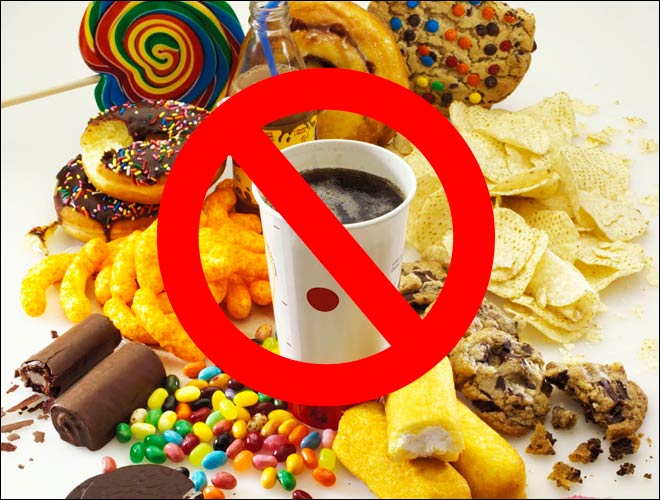
The term “junk” refers to something that should be discarded due to its negative consequences. Despite its negative consequences and low nutritional value, it is quite popular among the urban population. Junk food’s huge appeal is purely due to its flavour. Because the flavour is addicting, individuals consume it on a daily basis without recognising that these forms of junk food are destroying their health. We shall examine the impact of junk food and strategies to reduce it in this essay about the detrimental consequences of junk food in English.

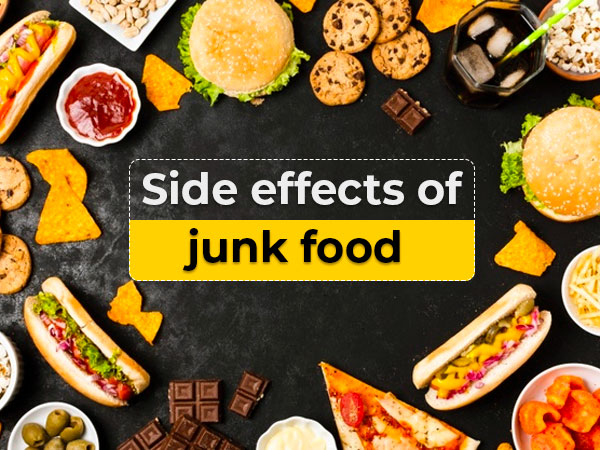
13 Disadvantages Of Junk Foods - Boldsky.com

Below is a long article on the negative effects of junk food and a short essay on the bad effects of junk food to help you grasp the topic. You can compose an essay on this topic after going over the issues mentioned in the following essays and rephrasing them in your own words.

Short Harmful Effects of Junk Food Essay

In this short essay on harmful effects of junk food, a brief account of the impact of junk food on our health and how important it is to avoid junk food are discussed.

We are all aware that how we treat our bodies reflects the state of our minds and the way we live our lives. The food we eat has a direct impact on our mental state, therefore when we eat good and nutritious foods, we are happier, more happy, and more positive in life. Despite this, we do not take care of our bodies and eat junk food that damages them. Unfortunately, nowadays, children want everything to be provided promptly, and fast food meets this goal admirably.

Junk and fast food manufacturing is at an all-time high. The increased demand has resulted in an increase in supply. It contains very few nutrients and has little nutritional value. It’s oily, greasy, and high in fats and carbohydrates. Obesity and high blood pressure have increased as a result of the high calorie intake. It has also made the digestive system and appetite worse. When this is paired with today’s comfortable and sluggish lifestyle. It also leads to children’s insufficient growth and development. They are also more vulnerable to mental health disorders such as depression at a young age. Such intake has only negative consequences. When the world is trying to normalize conversations about such problems we should also be doing our bit in taking care of our health and life.

Long Harmful Effects of Junk Food Essay

It is critical to care for one’s body since it is our vehicle, the most crucial instrument that allows us to navigate through life and accomplish our everyday tasks. When we treat our bodies well, they respond with the same enthusiasm and resolve that we demand.

The first and most essential method to take care of our bodies is to exercise or work out in any manner, whether it’s yoga, pilates, functional training, or weight training. All of this will help us stay in shape. Even if we work out every day, we will not achieve our fitness goals if we do not eat correctly. The most essential trigger for living a healthy life is a decent diet.

A healthy diet comprises a decent mix of calories, fats, proteins, fibres, and nutritionally dense foods. All of these nutritional qualities may be found in foods such as green leafy vegetables, fruits, and rice for carbs. It is beneficial to both the body and the psyche.

Fast meals such as french fries, fried foods such as churros, pastries, pizzas, cookies, sweets, burgers, and chips are examples of junk foods. All of this has a high salt level, as well as cheese, sugar, and oils with little nutritious benefit. It is not a healthy source of nourishment and does not benefit our bodies in any manner.

It only satisfies our taste buds because all junk foods taste good. But we must realize, in order to satisfy the cravings of our tongue we are ruining our body and depriving it of a healthy lifestyle. This short-term fulfillment of mere cravings can have long-term impacts on our health, with life-threatening diseases that will leave a lasting negative impact on our bodies. It results in the following:-

  1. On the Brain and Mental Health – the sodium content in junk food leads to headaches which will help lose focus and motivation even for mundane tasks. The risk of depression and other mental illnesses increases with increased consumption of processed foods.
  2. On the Respiratory System – due to heavy and oily foods the children are consuming these days and leading a lazy lifestyle they are at high risks of shortness of breath and according to the studies it is also found that such children also suffer from asthma even to their adult and old age.
  3. On the Cardiovascular System – Cholesterol consumption blocks the blood flow to and from the heart because of the deposition of fats and leads to blood pressure-related issues. There is also the risk of premature heart diseases like heart failure, arrhythmia, etc. A weak heart results in many other bodily diseases due to improper and inadequate supply of blood to others.
  4. On the Digestive Tract – When such processed food is consumed it is very difficult to digest because our bodies are not designed to do so. When digestion is slowed, the metabolism also becomes slower and it results in weight gain and obesity. Other such problems are food poisoning, acid reflux, constipation, and indigestion and in severe cases may also lead to kidney failure.
  5. On the Skin – Processed food contains very high levels of sugar eventually leading to obesity. In such conditions, the blood sugar level also sees a spike and this causes the outbreak of acne in the skin and face.

Curbing the intake of Junk food:- It is important to have healthy food due to the aforementioned reasons but surely one is attracted to junk food regardless. In such a case we must reduce the intake of junk and processed foods and have it less often rather than making it a habit. Incorporating healthy food will allow you to have an active lifestyle and lead a fulfilling life. It will keep the heart in check, and energy levels will always soar high which is the optimal way of living.

Conclusion

Being mindful of your own health and the potentially negative effects that junk foods may have on our bodies can be quite beneficial. This insight will assist one in making healthier choices. A healthy workout is incomplete without a balanced meal, therefore it is critical to attend to the body’s demands while also satisfying your desires and taste preferences. Long-term consequences endure a lifetime and rob you of your childhood and youth, therefore it is never too late to begin a healthy diet for a better living.

DOES TECHNOLOGY PLAY A ROLE IN MAKING PEOPLE MORE ISOLATED ?

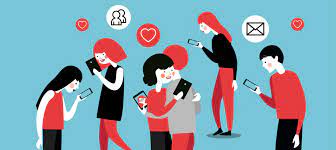
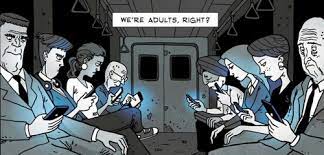
Do you remember the days when you want to go out or converse with your friends so bad but because of your sluggishness you wind up looking over your social media ? In this cutting edge period of innovation we are practically becoming captives of it. We can abandon our companions yet not our cell phone. Looking through Instagram or Twitter have become the piece of our every day schedule.

Effects of social media on us

Yet, do we understand that we are turning out to be more isolated by doing this. Particularly, subsequent to getting quarantined. Since, we invested the vast majority of our energy in our phone during quarantine. We have gotten far off from our friends. Despite the fact that we live with our families we don’t talk much with one another in light of the fact that we as a whole are on mobile phones.

Influence of technology on kids

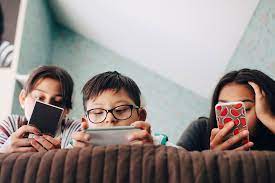
Kids as well as managing a similar issue. They have restricted their physical activities like playing around with friends or spending time with friends. The only game in which they are engaged are video games. A portion of the children play vicious computer games which can influence their creating cerebrum. Also it can likewise influence their eyes.

Children are fate of a nation on the off chance that they will stay isolated nation won’t advance. They will need fundamental human manners like correspondence and meeting behavior. So it is necessary for us to distanced from this world of technology for sometime and live in a real world.

HARYANA

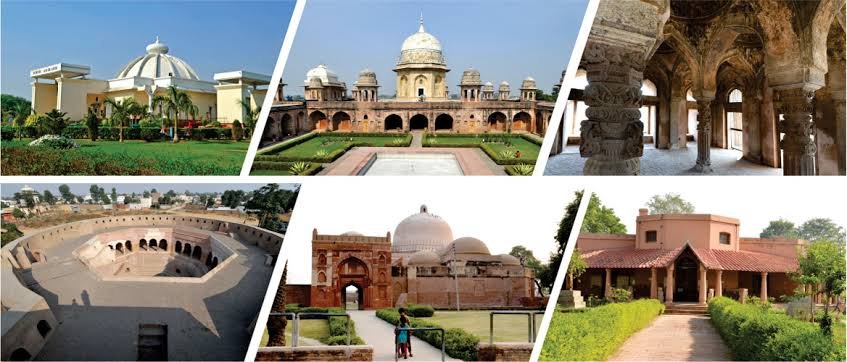
Haryana is a state in India located in the northern part of the country. It was carved out of the former state of East Punjab on 1 November 1966 on a linguistic basis. It is ranked 22nd in terms of area, with less than 1.4% of India’s land area. Chandigarh is the state capital, Faridabad in National Capital Region (NCR) is the most populous city of the state, and Gurgaon is a leading financial hub of the NCR, with major Fortune 500 companies located in it. Haryana has 6 administrative divisions, 22 districts, 72 sub-divisions, 93 revenue tehsils, 50 sub-tehsils, 140 community development blocks, 154 cities and towns, 6,848 villages, and 6,222 villages panchayats.

Music Edit
Main article: Music of Haryana
Haryana has its own unique traditional folk music, folk dances, saang (folk theatre), cinema, belief system such as Jathera (ancestral worship), and arts such as Phulkari and Shisha embroidery.

Folk theatre and dances Edit
Folk music and dances of Haryana are based on satisfying cultural needs of primarily agrarian and martial natures of Haryanavi tribes.

Haryanvi musical folk theatre main types are Saang, Rasa lila and Ragini. The Saang and Ragini form of theatre was popularised by Lakhmi Chand.

Haryanvi folk dances and music have fast energetic movements. Three popular categories of dance are: festive-seasonal, devotional, and ceremonial-recreational. The festive-seasonal dances and songs are Gogaji/Gugga, Holi, Phaag, Sawan, Teej. The devotional dances and songs are Chaupaiya, Holi, Manjira, Ras Leela, Raginis). The ceremonial-recreational dances and songs are of following types: legendary bravery (Kissa and Ragini of male warriors and female Satis), love and romance (Been and its variant Nāginī dance, and Ragini), ceremonial (Dhamal Dance, Ghoomar, Jhoomar (male), Khoria, Loor, and Ragini).

Folk music and songs Edit
Haryanvi folk music is based on day to day themes and injecting earthly humour enlivens the feel of the songs. Haryanvi music takes two main forms: “Classical folk music” and “Desi Folk music” (Country Music of Haryana), and sung in the form of ballads and love, valor and bravery, harvest, happiness and pangs of parting of lovers.

Classical Haryanvi folk music Edit
Classical Haryanvi folk music is based on Indian classical music. Hindustani classical ragas, learnt in gharana parampara of guru–shishya tradition, are used to sing songs of heroic bravery about the bravery of Alha and Udal, Jaimal and Patta of Maharana Udai Singh II), Brahmas worship and festive seasonal songs (such as Teej, Holi and Phaag songs of Phalgun month near Holi). Bravery songs are sung in high pitch.

Gen Alpha

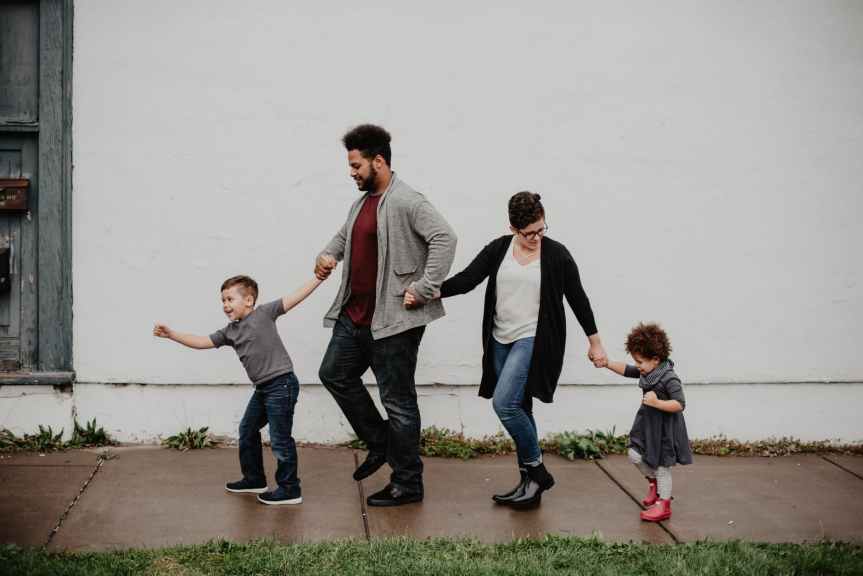
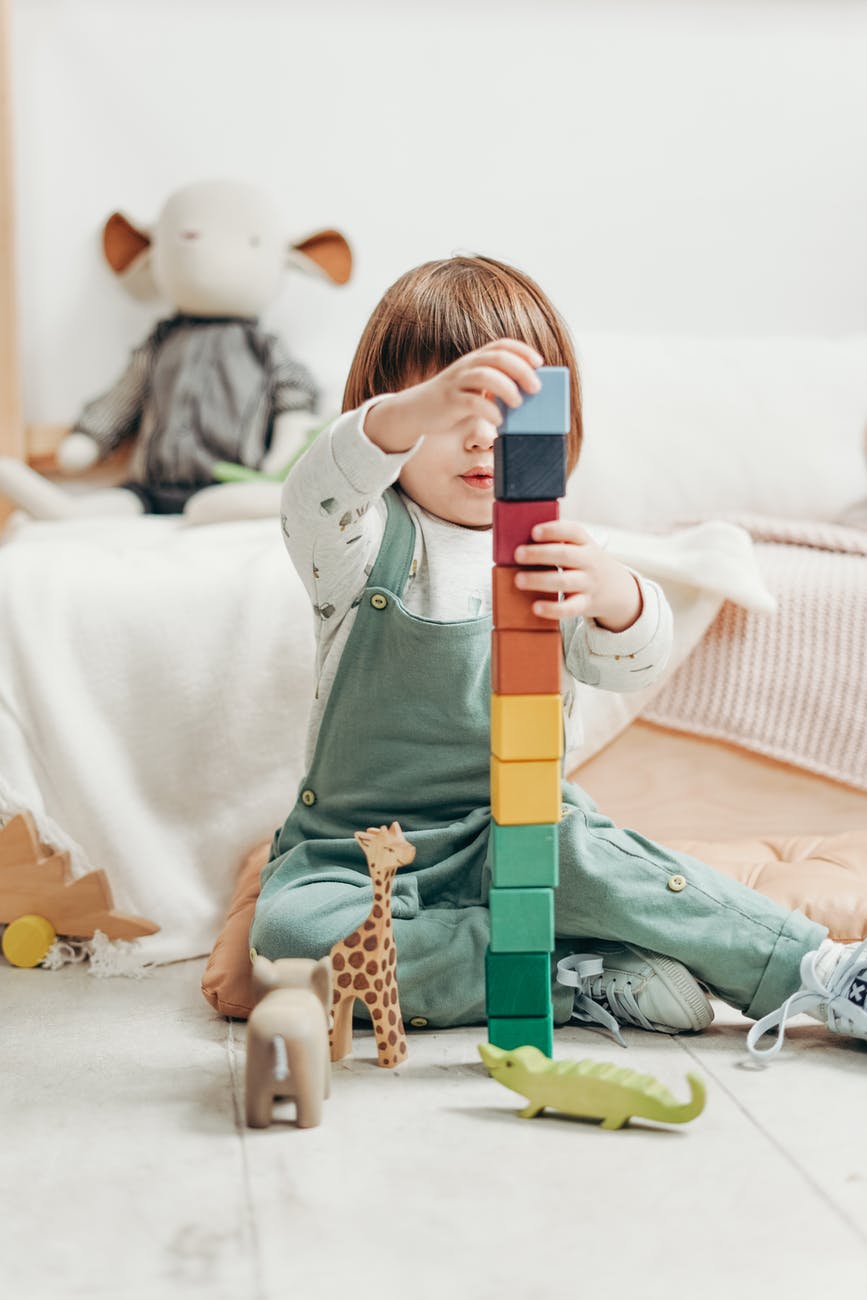
The successors of Gen Z (1997-2012), the youngest adults currently, the gen Alpha were welcomed to the earth about a decade ago. The gen Alpha (or the gen A) comprises of all the people born after 2012 to maybe, around 2025. These people are the future of the world and though currently, all those reading this article might belong to Gen Z or Gen Y, (or millennials as you all like to call yourselves), knowing about our successors won’t hurt.

Photo by cottonbro on Pexels.com

Let us first begin with why are the generations named after alphabets.

It all started post World War-2. Americans at that time enjoyed a new found prosperity which resulted in a lot of children being born. The children in this era came to be known as ‘baby boomers’. Well, the name here is self explanatory though, so no issue. The children born after this era, didn’t have any special cultural identifier that made them different. And so here, the name ‘Gen X’ originated, illustrating the diminishes characteristics that would later be known. The generations next was by default known as ‘Gen-y’, though they later adopted a new name- ‘the Millennials’, when the impending turn of the millennium began to feature heavily in the cultural consciousness.

It is now assumed, though, that both the ‘gen-Z’ and the ‘gen-A’, will later adopt a new name that suits their interests. Some potential names for ‘gen-z’ include Gen Tech, post-Millennials, iGeneration, Gen Y-Fi, and Zoomers.

Gen-A is the first generation to be born completely in the 21st century and most off them are the children of millennials. Generation Alpha is expected to reach two billion by 2025. Many members of Generation Alpha have and will grow up using smartphones and tablets as part of their childhood entertainment as well as education with many being exposed to devices as a soothing distraction or educational aids, especially now with the global pandemic. Generation Alpha have also been surrounded by adult Internet use from the beginning of their lives, much more even when compared to gen-x (whose parents are primarily gen-x). Their parents, primarily Millennials, are heavy social media users and rely heavily on gadgets for work and even entertainment (Alexaaa!). Broadcast television viewing among children has declined during the early lives of Generation Alpha. Statistics from the United States suggested that viewing of children’s cable networks among American 2- to 11-year-olds were falling sharply in early 2020 and continued to do so even after them being at home due to pandemic(source: Wikipedia). After some time, we might not even see cartoon channels in the wake of the children belonging entirely to Gen-Alpha or Gen-Beta .

The first wave of Generation Alpha will venture into adulthoods in 2030s. By that time, the human population is estimated to be just under nine billion, and the world will have the highest ever proportion of people aged over 60. Gen Alpha has a huge burden waiting for them.

INDIA’S OBSESSION WITH LONG HAIR

INTRODUCTION

In India, long hair and femininity are synonymous with each other. The television and film industries are the trendsetters in our country. Their activities play a significant role in the trending fashion from clothes to hairstyles to everything. Unfortunately, these role models are still stuck up in the conventional long hair fashion. Sadly, they haven’t made many efforts to broaden this understanding of femininity. The fashion collections of famous designers usually feature women in long, demure hairstyles. This cements the obsession for long hair harder.

A LOOK AT THE STEREOTYPES

Society has a wide range of stereotypes associated with hair. These stereotypes are prevalent across the countries. Since ancient times goddesses are always portrayed with extra-long hair. Bengali culture has many references to feminine beauty ideals in literature, song, and poetry. Long hair has been hyped up so much as if it is a certification of femininity. Curly brides seldom wear their natural hair at their weddings. They are forced to adhere to a stereotypical beauty standard of long straight hair. The brides often have to adhere to the; mainstream bridal fashions that simply don’t factor in curls. All of this highlights a cultural obsession with long, straight, “proper” hair.

Society often tends to have a really narrow view of beauty. Fair skin, tall height, and long hair are often seen as the yardsticks of beauty. People usually link femininity to having long hair and beauty. Surprisingly women themselves are quick to judge other women based on hair stereotypes. A bizarre assumption in society is that you will not take your work seriously if your hair is fun. Another funny assumption is that you’re aggressive, butch, unfeminine if you have short hair. Besides curly or short hair, colored hair hurt society’s eyes even more. Coloring hair is often seen as the characteristic of an irresponsible or selfish girl. Surprisingly a girl still has to seek permission from her parents or her husband to color her hair. Colored hair is looked upon as highly unprofessional. Especially when women have short colored hair, they often fall victim to the judgmental behavior of society. Sadly this behavior often comes from their own family and friends. Other women themselves are the forerunners in this series of comments and judgments.

WHY DO THE STEREOTYPES GET STRONGER?

The television and film industry tends to stick to them and make them even more prevalent. Advertisements, movies, and daily soaps further cement these stereotypes. Short-haired women are cinematized as mouthy tomboys, athletes, or staunch careerists. They are never picturized as affectionate mothers or wives. Short or colored hair is stereotyped as a shrill, cold archetype devoid of softness and femininity. Long straight hair is shown as the typical main lead thing. Big banner movies and commercials usually feature the heroine with super long hair. They rarely feature curly-haired leads. 

In hair oil or shampoo advertisements, super long straight hair is always glorified. These advertisements mislead us that long straight hair is a beauty standard or that every girl wants them. Even songs celebrate long hair only. We can never think of a song that praises a woman’s short hair, but we can remember hundreds that do this for long hair. The obsession is deeply rooted in the country, especially in the visual profession. Visual professions like modeling or acting expect people to adhere to their usual beauty standards, long hair being one of them. 

Sadly workplaces aren’t hair-inclusive. Surprisingly many companies have a policy about the types of colors allowed on women’s hair. Straight long hair that is not frizzy or colored is considered professional. A majority of Indian corporations believe buzz cuts as unprofessional.

THE CURRENT SCENARIO

Women are trying to free themselves of these suffocating beauty standards. But sadly, due to this, they often face trolling and lose comments from society. From being compared to noodles or broom, their hair often becomes a subject of words. Some women have even decided to go bald. Although we very conveniently say that “bald is beautiful,” but we fail to believe that. If a woman goes bald, she is assumed to be diseased or mourning for someone’s death. Society must stop weaponizing hair to judge women. 

The scenario is undoubtedly changing. Women have become more accepting of themselves. They are making efforts to free themselves of the societal shackles associated with beauty and femininity. We have Indian actors like Kangana Ranaut and Tapsee Pannu, breaking stereotypes related to curly hair. Change is visible in animated children’s heroines as well. Earlier, we had Disney princesses with super long hair. But now we have famous characters like Merida and Moana with curly hair. Women must have the right to decide how they want to look. This decision is a matter of personal choice. It should not be a consequence of societal pressure or stereotypes. Beauty is indeed not derived from skin or hair. There is no benchmark for beauty as “Beauty lies in the eyes of the beholder.”

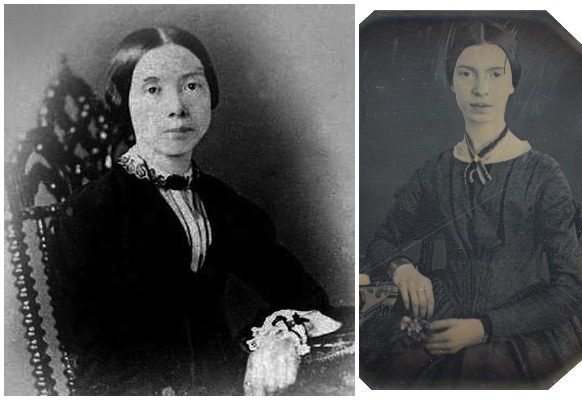
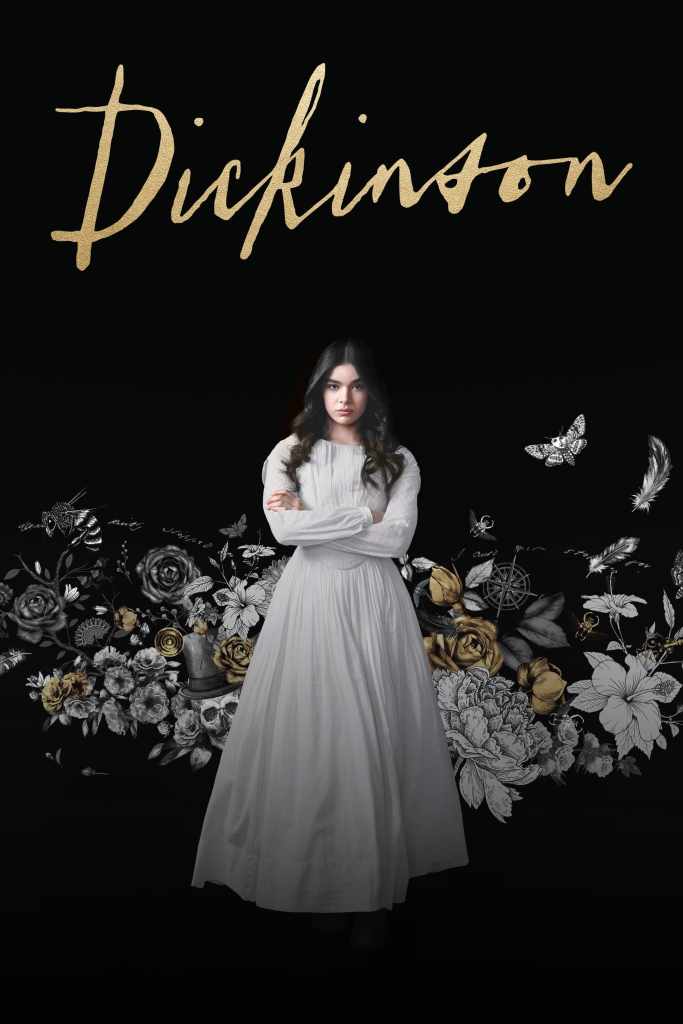
Emily Dickinson – An intellectually Rebellious and the most memorable poet of all time.

About Emily Dickinson, her writing style, favorite works and Amazing facts about her. Dickinson Series- Apple TV

Emily DIckinson

Birth, inspirations, and how her works were saved.

Emily Dickinson was born on December 10, 1830, in Amherst, Massachusetts. She attended Mount Holyoke Female Seminary in South Hadley for one year. Dickinson’s poetry was influenced by the Metaphysical poets of seventeenth-century England. She also read Book of Revelation, admired the poetry of Robert and Elizabeth Barrett Browning, and John Keats. She was dissuaded from reading the verses of Walt Whitman (Due to his daring writeups). Yet Walt Whitman and Emily Dickinson ending up being two of the most famous poets from the time period who revolutionized both the subject and style of American poetry. The first volume of her work was published posthumously in 1890 and the last in 1955. She died in Amherst in 1886. Dickinson’s family found forty volumes of nearly 1,800 poems (or “fascicles”).

Dickinson assembled these booklets by folding and sewing five or six sheets of stationery paper, what seem to be final versions of poems. The original order of the poems was not restored until 1981, when Ralph W. Franklin used the physical evidence of the paper itself to restore her intended order. He relied on smudge marks, needle punctures, and other clues to reassemble the packets.

The Manuscript Books of Emily Dickinson (Belknap Press, 1981) is the only volume that keeps the order intact.

Her Writing Style:

Her features were of verse forms suggesting hymns and ballads, with lines of three or four stresses. Her unusual off-rhymes have been seen as influenced by the 18th-century hymnist Isaac Watts. The intellectual content of her work amazed many and her writings were exceptionally and beautifully bold and original. Her verses has distinct quality by their epigrammatic compression, haunting personal voice, enigmatic brilliance, and lack of high polish.

Her major themes include nature, law, music, commerce, medicine, fashion, finding oneself, death and immortality, and love. She had a unique usage of Capitalization. She is best known for her use of slant rhyme.

Facts:

  • Unconventional approach to poetry, she interspersed her writing with many dashes of varying lengths and orientations (horizontal and vertical)
  • She could play piano.
  • She called herself a pagan.
  • She had an older brother named William Austin and a younger sister called Lavinia.
  • She wrote about the benefits of science over religion.
  • She lived with her family throughout her life. She shared her poems via letters to Susan, her alleged love interest. Who became her sister-in-law later.
  • She sent 250 poems.
  • Dickinson was a fan of the book ‘Jane Eyre’.
  • Her sister and Mabel Loomis Todd (An alleged mistress) published her works after Dickinson’s death.
  • Her second Tombstone reads “Called Back”, reference to an 1880 novel by Hugh Conway called “Called Back” that Dickinson enjoyed loved. This was the idea of Martha Dickinson Bianchi, her niece. The reason could be that she wrote a letter to her cousins before her death to her cousins which had only “Called Back” written.

Emily Dickinson’s well-known must-reads!!

  1. I’m Nobody! Who are you?
  2. Because I could not stop for Death
  3. Success is Counted sweetest
  4. Wild nights – Wild nights!
  5. I taste a liquor never brewed
  6. I Felt a Funeral, in my Brain
  7. Hope” is the thing with feather
  8. Tell all the truth but tell it slant
  9. My Life had stood – a Loaded Gun
  10. ‘Hope’ is the thing with feathers

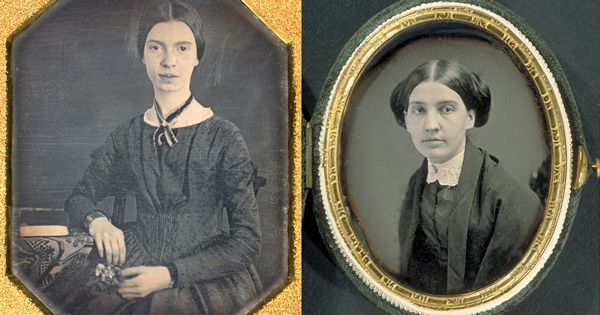
Emily Dickinson and Susan Gilbert

Ps… Dickinson is believed to have a lifelong love affair with her childhood friend Susan Gilbert, who agonizingly became her sister-in-law. Emily had written many letters to Susan till the end. The letters are believed to be indirect confession and expression of love. Austin’s mistress Mabel Loomis Todd -Editor and publisher- erased references to Susan from Emily’s letter, but the fact that the Mysterious “Master” poem – letters (Alleged love interest of Emily) were sent to Susan, doesn’t hide much. But, well historians will still call them “Best Friends”, right?

There’s a book called “Emily Dickinson’s Intimate Letters to Susan Huntington Dickinson”

Summary: For the first time, selections from Emily Dickinson’s thirty-six year correspondence to her neighbor and sister-in-law, Susan Huntington Dickinson, are compiled in a single volume. Open Me Carefully invites a dramatic new understanding of Emily Dickinson’s life and work, overcoming a century of censorship and misinterpretation.

MY FOREVER FAVOURITE FAVOURITE POTRAYAL OF EMILY DICKINSON.

Dickinson (2019) : SEASON 1 AND 2!!

An American comedy streaming television series about Emily Dickinson, created by Alena Smith and produced for Apple TV+.

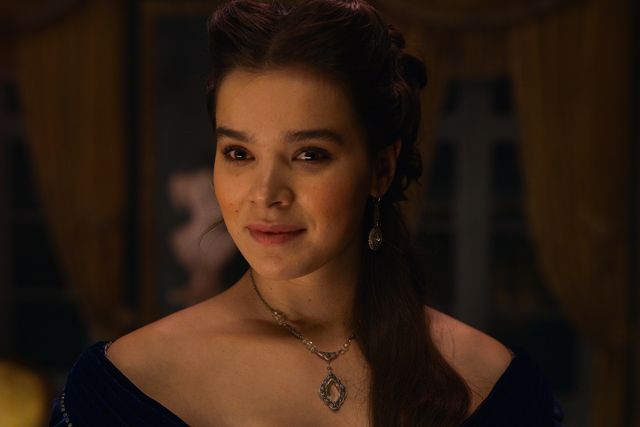
Hailee Steinfeld as Emily Dickinson and Ella Hunt as Susan and many more !! Their acting is top-notch and the series will hold you till the end and leave you wanting for more.

It is a must-watch.

References:

https://poets.org/poet/emily-dickinson

ARUNACHAL PRADESH

The land of dawn-lit mountains

Arunachal Pradesh is an Indian state in Northeast India. It was formed from the erstwhile North-East Frontier Agency (NEFA) region, and became a state on 20 February 1987. It borders the states of Assam and Nagaland to the south. It shares international borders with Bhutan in the west, Myanmar in the east, and a disputed border with China in the north at the McMahon Line. Itanagar is the state capital of Arunachal Pradesh. Arunachal Pradesh is the largest of the Seven Sister States of Northeast India by area. Arunachal Pradesh shares a 1,129 km border with China’s Tibet Autonomous Region.

Arunachal Pradesh, meaning ‘the land of the rising sun’ is a state comprising of 24 districts with 26 major tribes including various sub tribes. It is equally rich and diverse in both cultural and ecological aspects, however for a long time much of the world remained elusive to this richness because of the state’s remote location.
An exploration of the cultural roots of Arunachal Pradesh therefore, takes us on a fascinating anthropological journey.

PEOPLE –
A place brimming with tremendous anthropological richness, Arunachal Pradesh is home to several groups of indigenous people. Broadly speaking there are three cultural groups; first being Monpas and Sherdukpen of Tawang and West Kameng districts who are followers of the tradition of Mahayana Buddhism. The second group comprising of Apatanis, Adis, Galos, Mishmis, Nyishis, Tagins, Akas etc worship the Sun and Moon God while the third group including Noctes, Wanchos and Khampti (tribal communities of TLCN – Tirap, Longding, Changlang, Namsai) follow basic Vaishnavism and Buddhism respectively and are ruled by a hereditary chief. Additionally there are the Galo, Nyishi, Tagin, Apatani and Adi communities who are commonly known as Tani clans due to their connection with Abotani (abu/abo-father, tani-tribes) – from whom the mythical heritage of mankind’s origin is associated.

LANGUAGE –
The people’s languages are mostly derived from Tibeto-Burman language with more than 50 dialects spoken by specific tribes. The Tani clans have similarities within each other’s social languages. Assamese is spoken by most people since prolonged influence of the Ahom dynasty era. Hindi and English are currently the most widely spoken languages for people across the state, besides their own tribe’s language.

CULTURE AND TRADITION –
living in close proximity with nature since centuries, people were depended on Mother Nature for everything. From traditional handicrafts, fishing and hunting tools etc – the people developed many unique skills over the years and even today many of these skills are passed down. Apong (rice/millet wine) is the prominent drink induced by the people, especially in festivals. People used to drink it to honor the spirit guardians. Dance is an important element of the people’s heritage and traditional dancing along with priest/priestess chants, war dance and ritual dance with Buddhist connection etc are mostly performed by men. Ponu is performed in groups by both men and women for the celebration of joyous and fortunate events in the future. A rich oral collection of folklores and chants, usually in a ballad tone, have been passed down from centuries about the historical events, myths, power of spirits and calling of deities.

DOMESTIC VIOLENCE TOWARDS MEN: THE IGNORED SUFFERING

INTRODUCTION 

The term “domestic violence” refers to all the violent acts coming from one family member against another.Besides physical abuse, its ambit also extends to verbal, psychological, and sexual abuse. A huge misconception that prevails in India is that domestic violence is always directed towards women. However, men also suffer from domestic violence. Due to gender-stereotypical assumptions, society is unable to believe that a woman can inflict violence on a man. Suffocated by the socio-cultural norms, men are unable to speak of this violence against them.

A GLANCE AT THE PROBLEM

According to the latest Indian study, almost 51.5% of couples have been into domestic violence. Society always thinks of domestic violence against women. Scarce research data on domestic violence against men are available in the scientific literature. Men are always believed to be the perpetrators. However, domestic violence is not limited to women only. Men are also subject to verbal, physical, emotional, psychological and sexual abuse. Usually, men do not raise their voices against this abuse and are silent victims of the torture.

According to a recent study, 51.5% of men have experienced domestic violence at least once in their lifetime and 10.5% in the last 12 months. Considering physical violence and threats against men by wife’s relatives almost 30 million Indian men face domestic violence. The laws in our society usually see women as victims. In such a case, men become helpless and do not get justice easily. Men are declared as culprits even before the actual decision. In the past, society has been male-dominated and we have seen heinous crimes against women. However, that does not entitle us to perceive that men can never be sufferers. 

WHAT ARE THE TYPES OF DOMESTIC VIOLENCE?

Domestic violence can affect a person’s life physically, mentally, emotionally, and psychologically. It violates basic human rights. There are many types of domestic violence.

Physical Violence

Physical violence refers to physical torture leading to bodily harm or injury. It includes slapping, pushing, hitting or throwing objects. In physical violence, slapping was identified as the most common form (98.3%). Physical violence is the most common type of violence after emotional violence. Society often pictures men to have physical strength and women to be physically weaker. Therefore it is a common misbelief that men never face physical violence.

Psychological Violence

Psychological violence exerts adverse effects on mental health. It causes emotional harm to the person. A recent study reported 85% abuse against the men by criticism, 29.7% by insult, and 3.5% by threats. It can also be exerted through constant threats to the husband under false allegations of dowry, marital rape or domestic violence.

WHY DON’T MEN RAISE VOICE?

In a patriarchal society, men are often ashamed to be beaten by a woman. Family pressure also prevents men to report the torture. The reasons for this are societal status and the fear of false accusations of dowry or marital. Also even when men report domestic abuse, people do not believe them. Additionally, when they try to complain, no one takes them seriously. Majorly men are ashamed of saying that they are beaten by their wives. A false hope that things would get better, fear of losing social respect, love toward their children stop men from raising voices. Also the fear of false accusations scares men to the core. Unfortunately, even when men complain it is perceived as “feminine behaviour” in the patriarchal society.

THE ADVERSE IMPACT OF DOMESTIC VIOLENCE ON MEN

Violence adversely affects life physically, mentally, emotionally, and psychologically. Violence is a violation of human rights. Unreported and unnoticed violence against men deteriorates mental health, can cause depression, anxiety or even suicide in extreme cases. It has been observed that suicide rates were more in married men as compared to separated or unmarried men. Besides depression men also have to live in constant fear of false allegations against them and their families. According to World Health Organisation (WHO), violence can increase the risk of getting addicted to smoking, alcohol, and drug abuse; it can also cause mental illness and suicidal tendencies. It can also cause chronic diseases like heart diseases, diabetes, and cancer; and social problems such as crime and further violence.

GENDER NEUTRAL LAWS

Adultery sees man as the ultimate culprit. We don’t have a law where a man can complain to his wife or in-laws. Divorce and child custody laws, look at women with a more sympathetic vision and consider them as a victim. The same is true in the case of maintenance after divorce. The number of false allegations on men regarding marital rape is also increasing.

We need gender-neutral laws that address the issue of false allegations. Human rights and gender equality ought to include both men and women. Domestic violence should be seen as spousal violence. It shall not be differentiated due to gender stereotypes. The domestic violence act in India pertains to women only. Studies clearly show that men are also the victims of domestic violence at the hand of women. Hence, necessary amendments addressing violence against men are required.

CONCLUSION

Society is changing, and so are the norms and values regarding domestic violence. We need to understand that men can also be physically and mentally harassed by their spouses and in-laws. Hence, their problems must be recognized and appropriate strategies and interventions should be implemented. We cannot deny that the society that we are inhabiting is male-dominated and patriarchal. However, this does not mean that every time a man is wrong and a woman is right. Real equality does not see women as the weaker sex. Rather it recognises domestic violence as spousal violence. It gives men the courage to raise their voice against violence and society, the humility to understand it.

 Laws and legislation must include domestic violence against men as a punishable offence. If we need men who understand and respect women then we also need women who do the same for men. In the end, we need to be more considerate towards both men and women. Like all women are not victims similarly all men are also not the perpetrators. Men and women are the pillars of both society and their families. Hence, laws are needed to protect both. We can flourish only when we understand gender equality in the true sense.

A PEEP INTO PRO-SOCIAL BEHAVIOUR

INTRODUCTION

Pro-social behavior refers to behavior intended to help others. The term had originated during the 1970s. This behavior is characterized by a concern for the emotions, feelings, and welfare of others. Pro-social behavior comprises a wide variety of actions like helping, sharing, comforting, and cooperating. Besides benefitting the recipients of help, pro-social behavior benefits the helper as well.

BENEFITS ACCRUING TO THE HELPER

MOOD BOOSTER

Several kinds of research have shown that people engaging in pro-social behaviors usually experience better moods. Additionally, people who help and care for others experience negative attitudes less frequently. So besides increasing positivity, pro-social behavior also reduces negativity.

REDUCES STRESS

Several researchers have found that pro-social behavior combats the adverse effects of stress. This is because it boosts positive emotions and helps the person get out of negative feelings. Helping others is undoubtedly a great way to reduce stress.

BETTER SOCIAL RELATIONS

Better social support definitely helps get through tough times. Several pieces of research have shown that social support has a powerful impact on the well-being of a person. Better social relations also reduce the chances of getting into depression.

WHAT ARE THE TYPES OF PRO-SOCIAL BEHAVIOUR?

The different types are distinguished based on why they are produced.

Proactive: These are pro-social actions that are done for generating benefits for one’s own self. These actions are mainly motivated by status-linked goals. 

Reactive: These actions are performed in response to individual needs, which vary from person to person.

Altruistic: These include actions to help and care for others without any expectation of personal benefit. These actions are linked to being liked and praised by the community.

There is a misconception that altruism is the same as pro-social behavior, but they are different concepts in reality. Pro-social behavior ultimately confers some benefits to the self. At the same time, altruism is motivated purely out of concern for the individual.

WHAT INDUCES PRO-SOCIAL BEHAVIOUR IN A PERSON?

In some cases, people even put their own lives at risk to help others, sometimes even complete strangers. Social scientists have tried for a long to know what exactly induces this behavior. The question is indeed fascinating: why would people do something that benefits others but offers no immediate benefit to them. There are numerous reasons why people engage in pro-social behavior.

PERSONAL BENEFITS

Pro-social behaviors are often compelled by factors like self-gratification like doing things to improve one’s self-image, reciprocal benefits like doing something nice for a return favor, and altruistic reasons like performing actions purely out of empathy.

RECIPROCAL BENEFITS

The norm of reciprocity suggests that when people help someone, the person feels compelled to help in return. When a person gets help from another, he automatically assumes a duty to return that favor as and when possible. This encourages pro-social behavior in the helper as well.

SOCIALISATION

Pro-social behavior is usually fostered in the early years of life, that is, during childhood itself. Parents teach values of sharing, caring, and empathy to their children. If these values are fostered in youth and adolescence, then it promotes pro-social behavior in adults.

WHAT IS THE BYSTANDER EFFECT?

Characteristics of the situation have a powerful impact on whether or not people engage in pro-social actions. The bystander effect is one of the best examples of how circumstances can impact helping behaviors. The bystander effect is a fascinating psychological theory. According to this effect, the tendency to help the other person reduces when many other people are present. The bystander effect can be clearly seen in the case of road accidents.

Interestingly, witnesses assume that since so many other people are present, someone else will automatically help them. So even if a person wants to help the other, the thought that someone else would do it stops the person from helping. Sadly, these assumptions run through all the people present, and none of them actually helps the individual in need. 

FACTORS INFLUENCING PRO-SOCIAL BEHAVIOUR

Several pieces of research on the bystander effect gave a better understanding of why people help in some situations but not in others. Experts have discovered many different situational variables that influence and sometimes interfere with pro-social behaviors.

JUDGEMENT

Many times people are afraid of helping only to discover that their help was unwanted or unwarranted. To avoid being judged by other bystanders, people prefer to take no action. This fear of judgment or embarrassment actually stops them from helping others even if they really want to.

RESPONSE FROM OTHER INDIVIDUALS

People also tend to look to others for their response in such situations, mainly if the event contains some level of ambiguity or confusion. If no one else seems to be reacting, then individuals also become less likely to respond. Basically, they look upon others for their behavior and try to act on similar lines.

NUMBER OF BYSTANDERS

The bystander effect has well-illustrated that when more people are present, the tendency of a particular individual to help the one need reduces significantly. Also more the people around, the less personal responsibility people assume in a situation. This is popularly known as diffusion of responsibility.

TOWARDS THE END

Besides benefitting the recipient of the help, pro-social behavior also benefits the doer. In this way, both persons receive support in separate ways. If pro-social behavior is taught in early childhood and nurtured in adolescence, it would bloom in adulthood.

WHAT WILL LIFE BE LIKE IN 2050 ?

After 29 years from now we will sore new heights in technology and medical science. Try not to get befuddled on the off chance that you see robots and distinctive A.I machines at your work place. Possibly we could go to Mars and different planets. 4G and 5G will turn out to be exceptionally normal and think about what perhaps it would not be being used around then.

Yet, not to fail to remember that now our mother earth is confronting such a lot of a global warming, contamination, deforestation, ozone layer depletion and the list goes on. A few specialists accept that a large number of the cities or nation will get vanished in next 10 to 20 years. These generally incorporates cities close to seaside area on the grounds that the degree of ocean water is rising step by step. Because of global warming polar caps are melting and colder areas are becoming hotter.

We may likewise confront water shortage in 2050 in light of the fact that fresh water is just 2.5% on earth and we are not conserving our natural resources. Not notice that oxygen that we inhale will likewise be exceptionally less in 2050 in light of the fact that now additionally because of contamination air we inhale is becoming poisonous step by step which can influence our lungs gravely. The measure of harmful gases like Sulfur dioxide, nitrogen dioxide and carbon monoxide are influencing air quality index(AQI) gravely. A few specialists say that we may have to convey our own oxygen cylinder in 2050.

Regardless of the amount we dominate in our innovation however we will require these regular assets to live healthy. What will be the reason behind living in such developed society in the event that we can’t be healthy. So we need to save our natural resources and limit contamination assuming we need to live heathy in 2050.

Custody of Children to Grandparents

Custody is included within the notion of Guardianship, and it happens as a result of the parents’ divorce. Divorce may be harmful to both parents and children, and children are often subjected to significant emotional trauma as a result of their parents’ divorce. The question of custody comes after the divorce is finalised, and it is a pertinent subject that must be resolved by the court. Custody refers to the privilege granted by the court to either of the parents in favour of the kid who is under the age of eighteen. The parent who is given the custodial right has to look after the financial, emotional, medical, and all other necessary needs of the child.

Custody of Children to Grandparents

Types of Custody in India

Physical Custody-

The kid will be under the guardianship of one of the parents in this custody, and the other parent will have the ability to visit the child from time to time. This is the most common type of custody, and it ensures that the kid receives all of the advantages of the family as well as the finest possible upbringing. Both parents’ love and devotion are intended for the kid.

Joint Custody- 

In this custody, both parents are allowed the right to keep their kid with them, but only in turn. Joint custody is one of the greatest alternatives to the post-divorce custody struggle. No parent feels deprived under this custody arrangement since both parents have the opportunity to be with the kid and have a major role in their upbringing. The major advantage of this custody arrangement is that the kid receives the love, care, and attention of both parents equally, and both parents have the right to make decisions about the child’s future.

Third-Party Custody-

In this custody, neither of the parents gets the custodial right. This is because the court believes that both parents are incapable of parenting a child and that granting the child’s rights to any of them would be detrimental to the child. In such cases, a third party is appointed and the custody of the child is given in his favor for the benefit of the child. This is mainly done in cases when both the parents re-marry after divorce then the custody of the child is given to grandparents. 

Sole Custody-

In this case, the custody of the child is given to either mother or father and the other parent has no right over the child. This is usually done because of the abusive or immoral nature of the non-custodial parent. Under such cases, the court passes an order that non-custodian parents will not be granted the right to visit or meet the child once in a while.

Custody of Children to Grandparents

In some circumstances, the court may give grandparents custody of the kid. When giving custody of a child, the court takes various factors into account. The minor’s well-being takes precedence over a specific party’s legal rights. If the youngster is mature enough to choose who he wants to live with, the court will take it into account while deciding on final custody. The court must consider the following Acid test while determining custodial rights:

  • Education, health, and maintenance of the child are the relevant factors while determining the custody of the child.
  • The priority of the custody of the child is given to their biological parents. However, if they do not promote the welfare of the child, custody can be granted to the grandparents.
  • Financial stability cannot be the sole ground for deciding the custody of the child, the welfare of the child is of paramount consideration. 
  • The child’s moral and ethical well-being, as well as its bodily well-being, must be considered by the Court.
  • Love of the parents towards their children cannot be a ground for deciding the custody in their favor. 
  • The physical and mental conditions of the parents along with their professional life are taken into consideration while deciding the custody. In such cases in which both the parents are professionally working and are not able to look after the child properly, custody will be granted to the grandparents. 
  • The wish of the child with whom he/she wants to stay is of utmost importance while deciding the custody.
  • The ‘character’ of the proposed guardian is one of the issues that must be examined by a court of law.
  • When dealing with custody disputes, a court is not bound by legislation, rigorous standards of evidence or process, or precedents. When choosing a competent guardian for a minor, the most important factor should be the child’s welfare and well-being.
  • Custody disputes cannot be determined only based on papers, oral evidence, or precedents; the human touch is the most important factor for the minor’s wellbeing, since the other materials may be generated by the parties themselves or on the advice of counsel to fit their needs.

In Jai Prakash Khadria v. Shyan Sunder Agarwalla and Anr, the appellant was the child’s maternal grandfather, while the respondent was the child’s paternal grandparents. Because the kid’s school was close to their house, the court gave paternal grandparents custody of the youngster. The paternal grandpa became overly close to the youngster and gave all of his property to him. The court also argued that because the maternal grandfather was living alone and there was no one at his house to care for the kid, custody would be given to the paternal grandparents.

Conclusion 

Child custody is one of the most sensitive and difficult problems that arises following a parent’s divorce. Custody of the kid is always granted to the person considered by the court to be the best alternative for the child. The welfare of the children is the most important consideration when determining custody. Courts will award custody of the kid to the party who can demonstrate that the child’s best interests are served by them. In some instances, if the court deems it appropriate, custody of the children might be assigned to grandparents.

Benefits of Travelling

The benefits of traveling are not just a one-time thing: traveling changes you physically and psychologically. Having little time or money isn’t a valid excuse.

Here are some of the main benefits of traveling, in case you need convincing. And I’m sure that once you get started, you’ll find some more yourself!

1. Traveling Improves Your Health!

From cutting down on stress, to lowering your chances of developing a heart disease, the health benefits of traveling are huge.

2.Traveling Makes You Smarter!

Even more than just languages, traveling helps you learn about yourself. You might run into challenging situations where you need to be resourceful and think differently.

3.Traveling Improves Your Understanding Of Other Cultures!

Travelling always develop empathy and a deeper understanding of other cultures.
Being more understanding and tolerant about a culture different than ours is part of being smarter.

4.Traveling Makes You More Interesting!

Mentioning something that most people aren’t familiar with or bring a new perspective is always a good way to shine in a social situation.

5.Travel Makes You Happier!

Sure, a travel experience easily makes you happier by getting you away from your daily grind.

6.Travel Lets You Disconnect & Recharge!

One of the best things you can do for your mental health every now and again

7.Travel Makes You Physically Healthier!

If you’re an active individual and asking why is travel important, there are some great benefits of traveling in store for you!

8.Traveling Can Boost Your Creativity!

Traveling can help! If you’re looking to reignite your creativity,

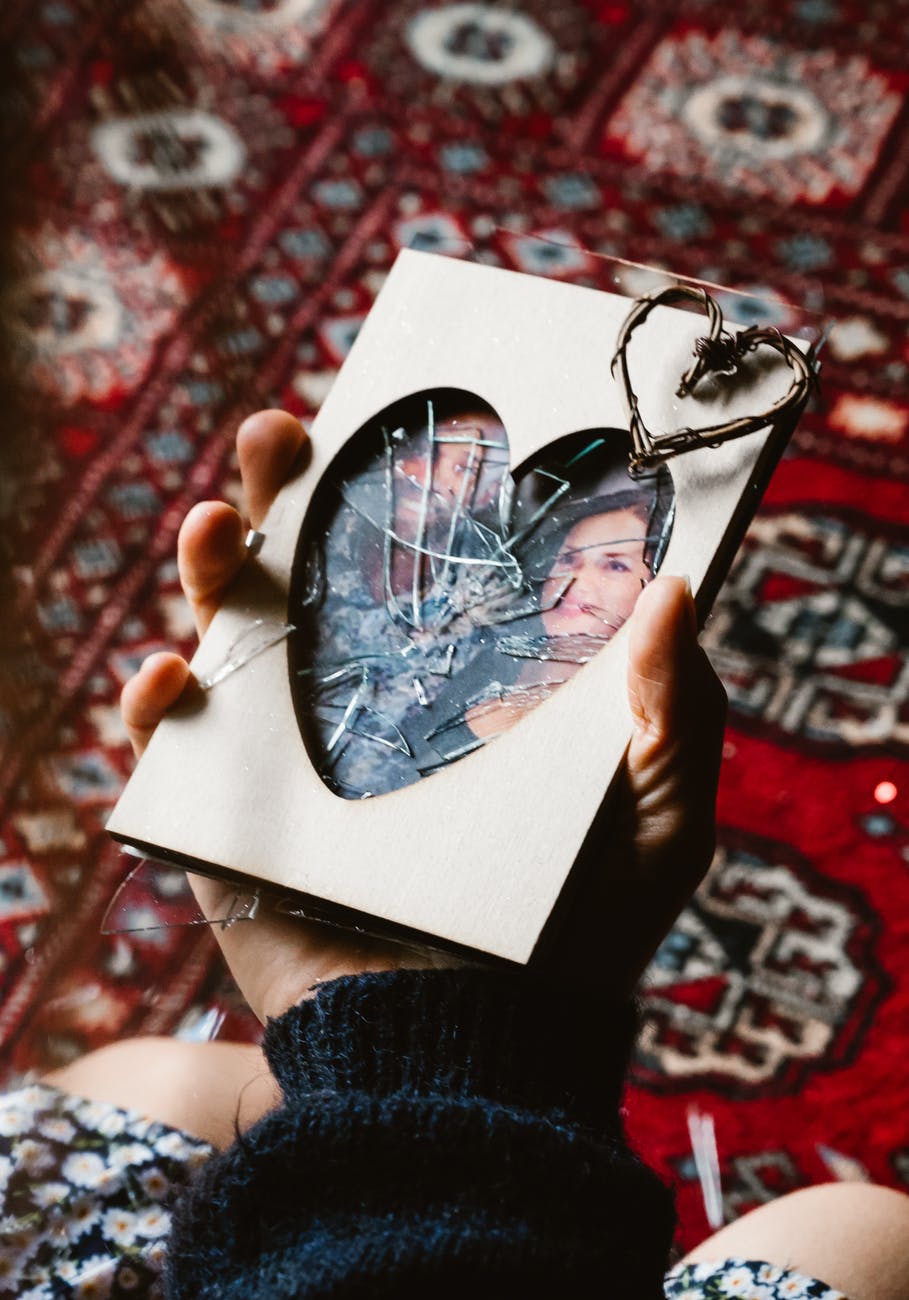
Heart break

we hear about this heart breaks everyday it maybe our friend or family member or it can be self experienced but is it common to get heart breaks ?. Mostly teenagers goes through this stuff a lot and do many bad decisions during this period even they show their emotion by taking their own life away but is it really worth it. Its not only teenagers goes through this stuff even aged person gets divorce or breakup which is worse but they handle the situation better so this is only to know about teenage heart breaks.

Before finding the reason we can see some facts about these Only 12% say they never think about it and 20% say they rarely do. Not surprisingly, the number is much higher among unhappy couples, where 87% of partners contemplate leaving their relationships. But even 34% of extremely happy partners think about breaking up from time to time. I cant totally agree with is because there will still a part of everyone looking forward to meet his long gone girl friend if the breakup is all about misunderstanding and situation. There are some breakups which happens when he/she cheats which makes us more broken.

A study say women is the one who are more likely to do more breakups but they are the one who feels more broken after the breakup but the thing is a majority of people move in relationship without having a idea of it a relationship its not just a thing which you can go through easily but no one realizes that but the worst case is they do this again and again even though it hurts.

So is it okay to be broken ?. yeah you can be broken its completely normal but we have to handle the situation better without making he/she suffer we hear many things about a boy killing a girl for not accepting his love its not healthy for this society. Each and every parents has a responsibility of avoiding this situation by talking about this with their childerns who is going through a rough phase

The ESSENCE OF INCREDIBLE INDIA

Andhra Pradesh is a state in the south-eastern coastal region of India. It is the seventh-largest state by area covering an area of 162,975 km^2 and tenth-most populous state with 49,386,799 inhabitants. It is bordered by Telangana to the north-west, Chhattisgarh to the north, Odisha to the north-east, Tamil Nadu to the south, Karnataka to the west and the Bay of Bengal to the east. It has the second longest coastline in India after Gujarat, of about 974 km. Andhra Pradesh is the first state to be formed on a linguistic basis in India on 1 October 1953. The state was once a major Buddhist pilgrimage site in the country and a Buddhist learning center which can be seen in many sites in the state in the form of ruins, chaityas and stupas. It is also known as the land of the world-famous diamond Koh-i-Noor and many other globally known diamonds due to their source in its Kollur Mine. It is also known as the “rice bowl of India” for being a major producer of rice in India. Its official language is Telugu; one of the classical languages of India, the fourth most spoken language in India and the 11th-most spoken language in the world.

CULTURE –


Kuchipudi, the cultural dance recognized as the official dance form of the state of Andhra Pradesh, originated in the village of Kuchipudi in Krishna district. It entered the Guinness World Records for performing Mahabrinda Natyam with a total of 6,117 dancers in Vijayawada.

Andhra Pradesh has thirteen geographical indications in categories of agricultural handicrafts, foodstuff and textiles as per Geographical Indications of Goods (Registration and Protection) Act, 1999. It increased to fifteen with the addition of Banaganapalle Mangoes and Bandar laddu. The other GI tagged goods are, Bobbili Veena, Budithi Bell and Brass Craft, Dharmavaram Handloom Pattu Sarees and Paavadas, Guntur Sannam, Kondapalli Toys, Machilipatnam Kalamkari, Mangalagiri Sarees and Fabrics, Srikalahasti Kalamkari, Tirupati Laddu, Uppada Jamdani Sari and Venkatagiri Sari.

ARTS AND CRAFTS –
Kondapalli Toys at a house in Vijayawada
Machilipatnam and Srikalahasti Kalamkari are the two unique textile art forms practised in India. There are also other notable handicrafts present in the state, like the soft limestone idol carvings of Durgi. Etikoppaka in Visakhapatnam district is notable for its lac industry, producing lacquered wooden.

The state has many museums, which features a varied collection of ancient sculptures, paintings, idols, weapons, cutlery, and inscriptions, and religious artifacts such as the Amaravati Archaeological Museum, Visakha Museum and Telugu Cultural Museum in Visakhapatnam displays the history of the pre-independence and the Victoria Jubilee Museum in Vijayawada with a large collection of artifacts.

CUISINE –
Telugu people’s traditional sweet Pootharekulu originated from Atreyapuram village of East Godavari district.

TOURISM –
Undavalli Caves, is a monolithic example of Indian rock-cut architecture and one of the finest testimonials to ancient viswakarma sthapathis.
The state has several beaches in its coastal districts such as Rushikonda, Mypadu, Suryalanka etc.; caves such as, Borra Caves, Indian rock-cut architecture depicting Undavalli Caves and the country’s second longest caves- the Belum Caves. The valleys and hills include, Araku Valley, Horsley Hills, Papi Hills etc. Arma Konda peak located in Visakhapatnam district is the highest peak in Eastern Ghats.

The state is home to various religious pilgrim destinations such as, Tirumala Temple, Simhachalam Temple, Annavaram temple, Srisailam temple, Kanaka Durga Temple, Amaravati, Srikalahasti, Shahi Jamia Masjid in Adoni, Gunadala Church in Vijayawada, Buddhist centres at Amaravati, and Nagarjuna Konda.