CULTURE AND TRADITION OF WEST BENGAL

The culture of West Bengal is an Indian culture which has its roots in the Bengali literature, music, fine arts, drama and cinema. Different geographic regions of West Bengal have subtle as well as more pronounced variations between each other, with Darjeeling Himalayan hill region and Duars showing particularly different socio-cultural aspects.

West Bengal’s capital Kolkata—as the former capital of India—was the birthplace of modern Indian literary and artistic thought, and is referred to as the “cultural [or literary] capital of India”. The presence of paras, which are cluster of neighbourhoods that possess a strong sense of community, is characteristic of West Bengal. Typically, each para has its own community club and, on occasion, a playing field. Residents engage in addas, or leisurely chats, that often take the form of freestyle intellectual conversation. However, with the growth of apartments, expansion of neighbourhoods and rapid urbanization, this culture is on decline.

LITERATURE –

The Bengali language boasts a rich literary heritage, shared with neighbouring Bangladesh. West Bengal has a long tradition in folk literature, evidenced by the Charyapada, Mangalkavya, Shreekrishna Kirtana, Thakurmar Jhuli, and stories related to Gopal Bhar. In the nineteenth and twentieth century, Bengali literature was modernized in the works of authors such as Bankim Chandra Chattopadhyay, Michael Madhusudan Dutt, Rabindranath Tagore, Kazi Nazrul Islam, and Sharat Chandra Chattopadhyay. Coupled with social reforms led by Ram Mohan Roy, Swami Vivekananda, and others, this constituted a major part of the Bengal Renaissance. The middle and latter parts of the 20th century witnessed the arrival of post-modernism, as well as literary movements such as those espoused by the Kallol movement, hungryalists and the little magazines.

THEATRE AND FILMS –

West Bengal has a tradition of folk drama known as jatra. Kolkata is the home of the Bengali cinema industry, dubbed “Tollywood” for Tollygunj, where most of the state’s film studios are located. Its long tradition of art films includes globally acclaimed film directors such as Academy Award-winning director Satyajit Ray, Ritwik Ghatak, Mrinal Sen, Tapan Sinha, and contemporary directors such as Aparna Sen, Buddhadeb Dasgupta, Goutam Ghose, Koushik Ganguly, Rituparno Ghosh, Anjan Dutt, Kamaleswar Mukherjee, Sandip Ray.

MUSIC –

The Baul tradition is a unique heritage of Bengali folk music, which has also been influenced by regional music traditions. Other folk music forms include Kabigaan, Gombhira, Bhawaiya, kirtans, and Gajan festival music. Folk music in West Bengal is often accompanied by the ektara, a one-stringed instrument. West Bengal also has a heritage in North Indian classical music. The state is recognised for its appreciation of rabindrasangeet (songs written by Rabindranath Tagore) and Indian classical music. Nazrul Geeti is another classical music of Bengal, which is written and composed by poet Kazi Nazrul Islam. He was person in Bengal music who created the first Bengali ghazals.

Popular music genres include adhunik songs. Since the early 1990s, new genres have emerged, including one comprising alternative folk–rock Bengali bands. Another new style, jibonmukhi gaan (“songs about life”), is based on realism.[16] UNESCO selected The Rural Craft Hub of Bengal to showcase their artwork in Paris in 2015.

FESTIVAL AND CELEBRATIONS –

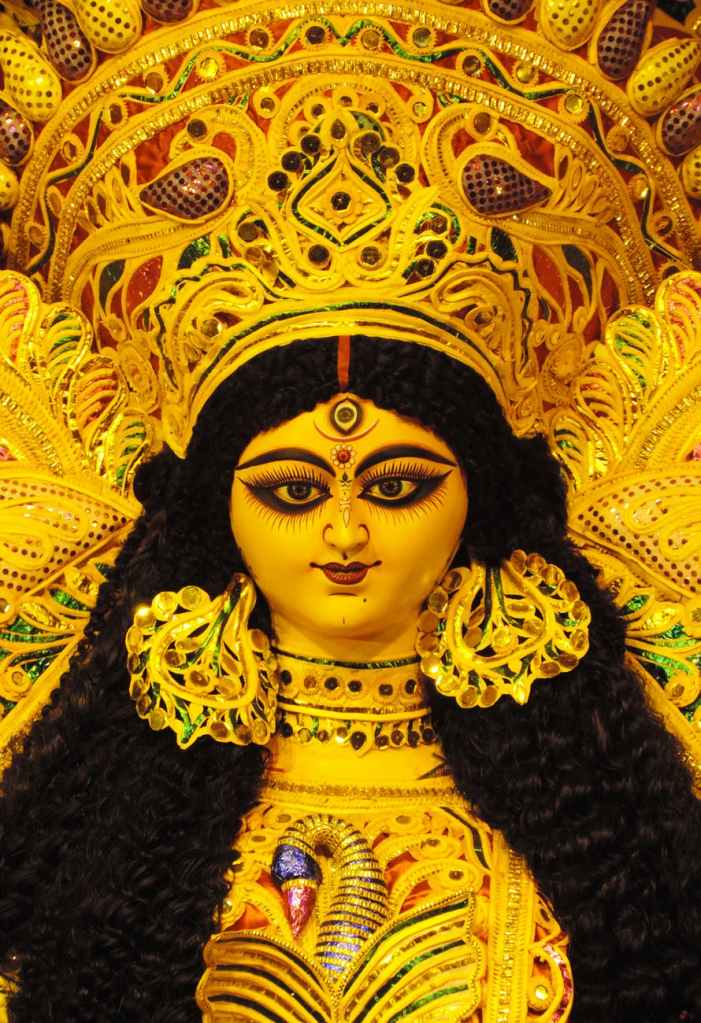
West Bengal is famous for its culture and festivals are an inevitable part of this culture. Some festivals are celebrated statewide, while others are local in nature. There are also various other village fairs and seasonal tribal festivals. Durga Puja is the biggest and most important festival of West Bengal, and it features colourful pandals, decorative idols of Hindu goddess Durga and her family, lighting decoration and immersion processions. Other major festivals are Kali Puja, Diwali, Holi, Saraswati Puja, Jagaddhatri Puja, Rath Jatra, Kojagori Lakshmi Puja, Vishwakarma Puja, Poush Parbon, Poila Boishakh, Christmas. Kolkata Book Fair, Kolkata International Film Festival and Dover Lane Music Festival are major annual cultural events of Kolkata, whereas Poush Mela, Ganga Sagar Mela, Jhapan are some of the major annual fairs of the state.


Common Mistakes to Avoid on Your Resume


Saying YES to the mess

An unprofessional resume screams SKIP! Remember to keep it sleek and professional with proper highlighting, bullets, and minimal colours. Don’t make it fancy or too simple, don’t use any kind of word or sentence, which will look like a command or too unprofessional, make it professional.
Ensure that it isn’t too busy, too colourful or has illegible fancy font styles.

Check out my posts, ‘Tools to enhance your resume’ for more on this.

Not linking your portfolios, and recommendation

One of the most common mistakes that are made while creating a holistic resume is not providing links to these. Ensure you add a hyperlink to your port folio and recommendation. Also, ensure it is accessible to the employer to view!
Recommendations are like a golden star on your resume. Keep it short, but do provide a contact that they can reach out to, for verification.
Never forgot to add this!!

Not highlighting well enough

Sure, we did tell you what to highlight. But what do you not highlight? Unnecessary minor details, especially in a stretched – out manner. Just add what is important, that will make it look good but if you add small things, it will make your resume look bad. So just remember that you have added things which are important and don’t make it too long.
Use action verbs to describe your daily responsibilities and experience.

Sorry, they can’t come to the phone right now

Why? Because they listed an incorrect contact details on their resume or didn’t list one at all.
So many times we never check our personal information and because of this even if you got the job you will miss it.
Be careful to double and triple check your contact information. E-mail addresses and phone numbers should be highlighted for easier identification.

Too long to read

Keep it short. Your ideal resume should not exceed 2 pages. Employers usually have to go through several resumes in a single day. A super lengthy resume, just make it easier for them to glance and skip.
Make it effective and short.

Grammatical or spelling error

Not only is it extremely unprofessional, but it also implies to the employer that you are not very interested in the position. Use tools like Grammarly to run spelling and grammar checks. Additionally, you could also run it by a friend, just in case you missed something. It’s that easy!

The ode

Introduction:

The Ode may be defined as a ‘rhymed lyric often in the form of an address, generally dignified or exalted in the subject, feeling and style’. It is also defined as any ‘strain of enthusiastic or exalted lyrical verse directed to fixed purpose and dealing progressively with a dignified theme’. An ode is noted for its logical evolution of thoughts and it has a certain amount of complexity and elaboration, unlike a simple lyric.

An ode usually begins with an address to somebody or something. Sometimes the opening line or lines may contain an apostrophe as in the case of Shelley’s ‘Ode to the west wind’ or Tennyson’s ‘To Virgil’s. An ode may be written on an important public event or the death of a distinguished person. Marvell’s ‘Ode upon Cromwell’s Return from Ireland’ belongs to the first category and Tennyson’s ‘Ode on the Death of Duke of Wellington’ belongs to the second category.

Origin of Ode:

The ode is of Greek origin. There were two traditions of odes in Greece. The first type of the Dorian mode was so called from the district and dialect in which it arose. It is also called the Pindaric ode because Pindar, the ancient Greek poet, was its greatest exponent. The second type of ode is the lesbian old so-called because it flourished at first on the island of lesbos. It is also called the horatian ode because the great Latin poet Horace was its best practitioner. Thomas Gray’s odes ‘The progress of Poesy” and “The Bard” belong to the Dorian or Pindaric school. Marvell’s ‘Ode upon Cromwell’s Return from Ireland’ is the best example of a Horatian ode in English.

A pindaric or Dorian ade consists of three parts:

The strophe, the anti-strophe, and the epode. they correspond to the three stages of the recital of an ode during a dance. The Horatian ode consists of several short stanzas similar in length and arrangement.

In the early stages, the English ode was influenced by the two Greek models. But gradually the English ode begins to pursue a course of its own. There are two types of odes in English, the regular and the regular.

Regular odes:

The regular odes have a series of exactly similar stanzas as in the odes of Keats. Other examples of regular verbs are Collin’s ‘ode to evening’ and Shelley’s ‘ode to the west wind’.

Irregular odes:

Irregular odes have tons of different lengths and arrangements. There are sudden changes in versification, meter, and mood. Wordsworth’s Ode on Intimations of Immortality from recollections of early childhood and Coleridge’s ‘Dejection: An Ode’ are good examples of irregular odes.

Some famous odes:

  • Ode To A Nightingale John Keats. My heart aches, and a drowsy numbness pains.
  • Ode On A Grecian Urn John Keats.
  • Ode To Autumn John Keats.
  • Ode To The West Wind Percy Bysshe Shelley.
  • Ode To Wine Pablo Neruda.
  • Ode To Sadness Pablo Neruda.
  • Ode On Solitude Alexander Pope.
  • Ode To The Book Pablo Neruda.

Conclusion:

In English Ben Jonson, Milton and Gray wrote Pindaric Odes. Marvell road Horatian odes. Other important poets who wrote odes were Spenser, Collins, Keats, Shelley, and Tennyson. Perhaps the ode is the most popular lyrics form except the Sonnet.

The Lyric

The Science Fiction

The Quit India Movement Day

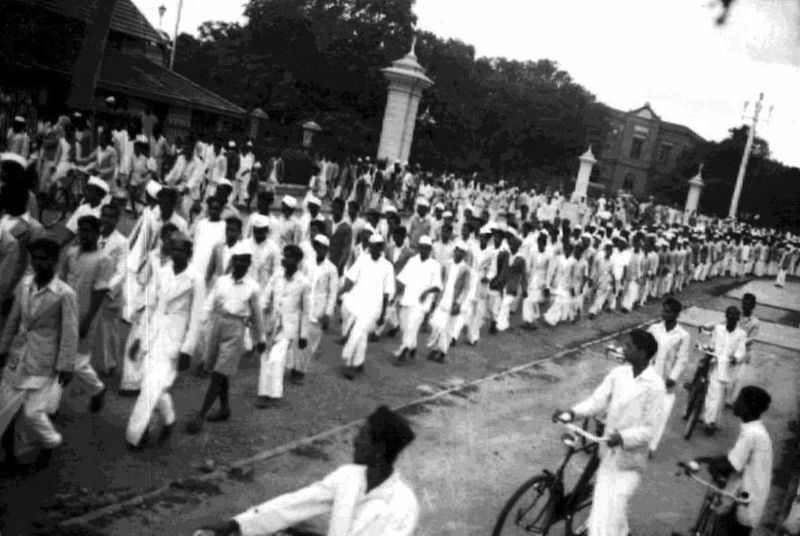
August 8th marks a very iconic day in Indian history. The Indian National Congress declared its ultimatum for the British to leave India. This movement in itself had contested set of consequences – the strengthening of the Muslim League, the rise of freedom struggle motivated Subash Chandra Bose to invade the British camps in Noth East and Gandhi, for the fist time in his career was willing to go agressive even if he had his own definitions of the word – when he announced, “karo ya maro” (Do or Die).

Quit India Movement: Who gave the slogan 'Do or Die' - Oneindia News

The Quit India movement came up at the heels of the failure of the Cripps Mission that was sent by the Raj to secure Indian cooperation towards the British war efforts in the second world war. The leader of the mission, Sir S. Cripps was left wing British statesman who was sympathetic to the cause of Indian self rule but was also a member of the war cabinet of 1942.

The proposals of the mission were refused by the Congress which had seen similar proposals in the first world war where the Raj had promised more autonomy but ended up imposing harsher taxes that resulted in the Non-Cooperation movement, the Rowlatt and Jalia Walah Bagh massacres. The Indian National Congress resigned from its positions in all provincial governments and announced the Quit India Resolution that led a national movement that was difficult for the British to look after in the face of the then ongoing second world war. Virtually all of the INC leaders were jailed for the next three years and the Muslim league got enough time to build itself a support that shook the years Gandhi had spent projecting himself and his colleagues as leaders of a secular, united state of India. To add to it was the vehement opposition Hindu nationalists showed to the movement where many, including the Hindu Mahasabha and Veer Savarakar denounced the movement pointing out to the power vacuum it might cause and quite correctly predicitng the Muslim League partially filling the same.

The British soon left the subcontinent – too weak due to the war to control a population that was showing both civil disobedience and had an army of its own – a reference to the insurgency and attacks the INA had started in the Raj’s territories.

The Quit India movement – with all its pros and cons and consequences formed a very important phase in the history of modern India.

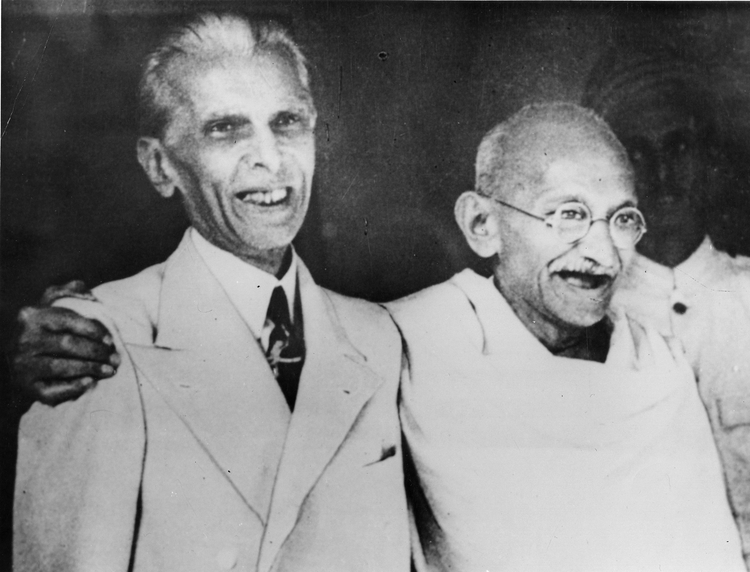
Jinnah expected India and Pakistan to be best of friends - Telegraph India
Jinnah and Gandhi had quite different outlook and faced different consequences due to the Quit India Movement – one failed in his projection of a secular and inclusive India, the other successfully used it to campaign for Pakistan

HERITAGE OF UTTAR PRADESH

The Culture of Uttar Pradesh is an Indian Culture which has its roots in the Hindi and Urdu literature, music, fine arts, drama and cinema. Lucknow, the capital of Uttar Pradesh, has several beautiful historical monuments such as Bara Imambara and Chhota Imambara. It has also preserved the damaged complex of the Oudh-period British Resident’s quarters, which are being restored.

Uttar Pradesh attracts large number of visitors, both national and international; with more than 71 million domestic tourists (in 2003) and almost 25% of the All-India foreign tourists visiting Uttar Pradesh, it is one of the top tourist destinations in India. There are two regions in the state where a majority of the tourists go, viz. the Hindu pilgrimage circuit and the Agra circuit.

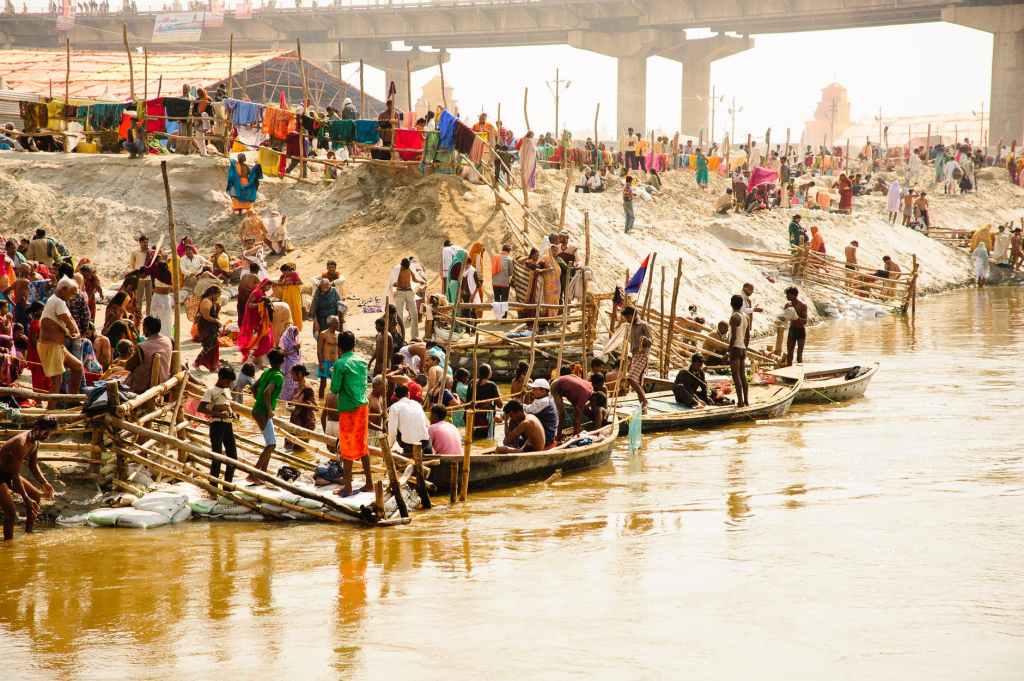
The pilgrimage circuit includes the holiest of the Hindu holy cities on the banks of sacred rivers Ganges and the Yamuna: Varanasi (also considered world’s oldest city), Ayodhya (birthplace of Lord Rama), Mathura (birthplace of Lord Krishna), Vrindavan (the village where Lord Krishna spent his childhood), and Allahabad (Prayagraj) (the confluence or ‘holy-sangam’ of the sacred Ganges-Yamuna rivers).

The city of Agra, gives access to three World Heritage Sites: Taj Mahal, Agra Fort and the nearby Fatehpur Sikri. Taj Mahal is a mausoleum built by Mughal Emperor Shah Jahan in memory of his beloved wife, Mumtaz Mahal. It is cited as “the jewel of Muslim art in India and one of the universally admired masterpieces of the world’s heritage”. Agra Fort is about 2.5 km northwest of its much more famous sister monument, the Taj Mahal. The fort can be more accurately described as a walled palatial city. Fatehpur Sikri was the world-famous 16th-century capital city near Agra, built by the Mughal emperor Akbar the Great, whose mausoleum in Agra is also worth a visit. Dayal Bagh in Agra is a modern-day temple and popular tourist sight. Its lifelike sculptures in marble are unique in India.


MUSIC AND DANCE –
The state is home to a very old tradition in dance and music. During the eras of Guptas and Harsh Vardhan, Uttar Pradesh was a major centre for musical innovation. Swami Haridas was a great saint-musician who championed Hindustani Classical Music. Tansen, the great musician in Mughal Emperor Akbar’s court, was a disciple of Swami Haridas.

Kathak, a classical dance form, involving gracefully coordinated movements of feet along with entire body, grew and flourished in Uttar Pradesh. Wajid Ali Shah, the last Nawab of Awadh, was a great patron and a passionate champion of Kathak. Today, the state is home to two prominent schools of this dance form, namely, Lucknow Gharana and Banaras Gharana.


LANGUAGE –
The common state-language of Uttar Pradesh is standard Hindi. While standard Hindi (Khari boli) is the official language, several important regional Hindi ‘dialects’ are spoken in the state and among these are: Awadhi, Bhojpuri, Braj, Kannauji, Kaurvi, Gurjari, Bagheli and Bundeli, besides several local dialects that do not have a formal name. Urdu is prominent in Uttar Pradesh as Lucknow was once the centre of Indo-Persianate culture in north India.

Knowing the Pacific

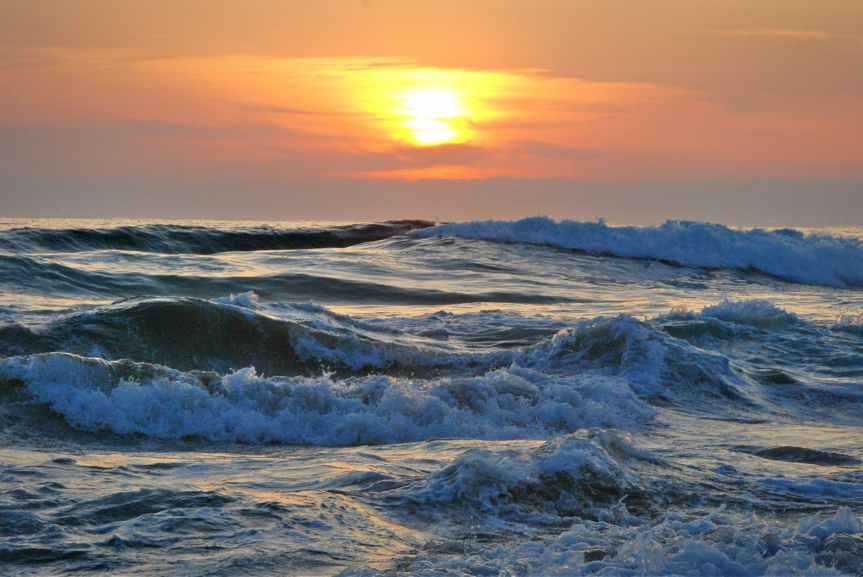
Photo by Daria Shevtsova on Pexels.com

Pacific ocean is the largest ocean in the whole world, covering 32 % of the Earth’s total surface area and about 46% of the Earth’s water. It also has the largest number of coral species. It stretches to the Bering Sea in the north and the Southern ocean to the South, in the west are the continents of Australia and Asia and on the east the Americas. The world’s deepest point, The Challenger deep in the Mariana Trench (eastern boundary of the Filipine tectonic plate), reaching a depth of 35,850 feet is located in the Pacific ocean. It also has the southern hemisphere’s deepest point- The Horizon deep in the Tonga Trench at a depth of 35,509 feet. It also has many marginal seas-

  1. South China sea
  2. East China sea
  3. Sea of Japan
  4. Sea of Okhotsk
  5. The Philippine sea
  6. Coral sea
  7. Solomon sea
  8. Tasman sea
  9. Yellow sea

The word Pacific means ‘Peaceful’ though the ocean is anything but peaceful. The Pacific ocean has the ‘Pacific Ring of fire’, the largest ring of active volcanoes and earthquake zone in the world. The Japanese Islands and The Philippines islands are a result of volcanic activity. The Pacific ocean has the largest number of islands (around 25,000) including the island groups of Micronesia, Melanesia and Polynesia (he largest- stretching from Hawaii to New Zealand) and the world’s largest archipalego- The Indonesian islands, an island groups of around 17,500 islands. It also has the Great Barrier Reef, the largest coral reef(2,300 km) along the eastern coast of Australia and The Coral Sea islands, atolls present to the west of the barrier reef. The temperature decreases longitudinally going towards the poles, though the temperate region has the highest temperature. There also exist latitudinal variations depending upon the oceanic currents. Salinity also varies latitudinally as well as longitudinally with temperature. High temperature zone have high salinity. Addition of fresh water lowers the salinity. The ocean currents also lead to intermixing of currents thereby lowering the salinity. The highest surface salinity occurs in the southeastern zone and the lowest salinity occurs in the extreme northern zone of the Pacific.

This is something about the largest and one of the most majestic oceans in the world.

Kindly note: Use the acronym PAISA to remember names of the 5 type of oceans:

  1. Pacific
  2. Atlantic
  3. Indian
  4. Southern/Antarctic
  5. Arctic

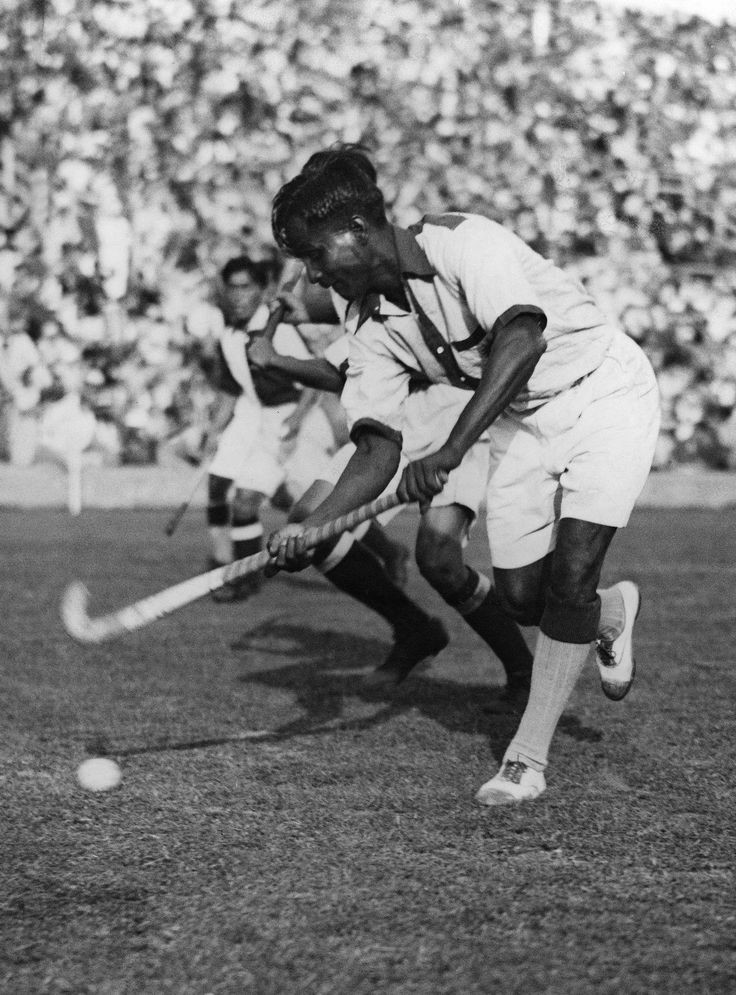
The legacy of Indian hockey

One of the most ancient games in the world — a crude form of the sport was played in Egypt some 4,000 years ago — the history of hockey can be traced back to 1527 in Scotland. Back then, it was called ‘hokie’ – where players hit around a small ball with sticks.However, the first version of modern-day field hockey was developed by the British sometime between the late 18th and early 19th century. It was introduced as a popular school game then and made its way to the Indian army during British rule in the 1850s.In the next few decades, national competitions like the Beighton Cup in Calcutta and Aga Khan tournament in Bombay (now Mumbai) popularised the sport further, especially in erstwhile provinces of Bombay and Punjab.

Ask any sportsperson, the pinnacle of sporting success for them is to stand on the Olympic podium and see their country’s national flag rise in that hallowed arena. It is that dream that pushes them into making sacrifices as they chase Olympic glory.The London Olympics saw India finally take steps towards realising its true potential at the Olympics. Abhinav Bindra had raised the bar in Beijing with a first ever individual Gold medal.Just one individual Gold in a country of a billion plus people. Even the six medals at London 2012 were nowhere close to the tally India should be aspiring for. But at least it was a start.

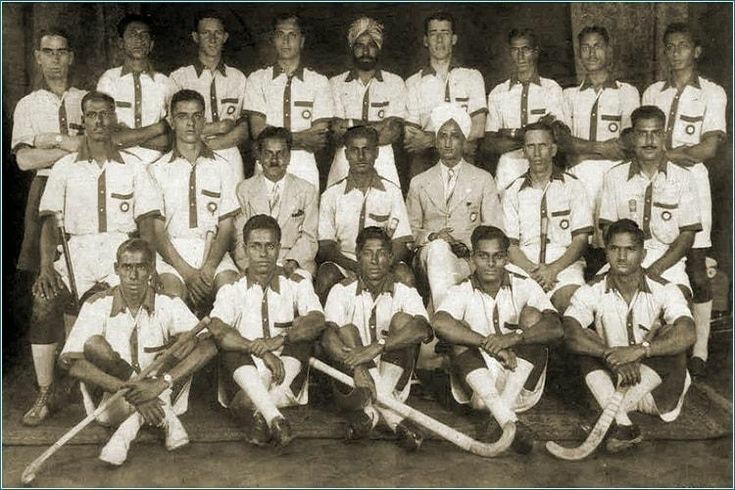
However no story of Indian sport is complete without a look back at a rich legacy. The Champions of today are inspired by past generations who have coveted Olympic glory. Only a handful have managed to attain the ultimate glory in world sport, an Olympic medal.Yet the story of India at the Olympics begins with Hockey. Very rarely has a sport been as synonymous with a country than India and Hockey. It is a rich legacy, 8 gold medals, six of those consecutive wins across four decades.

Dominance in the world of hockey

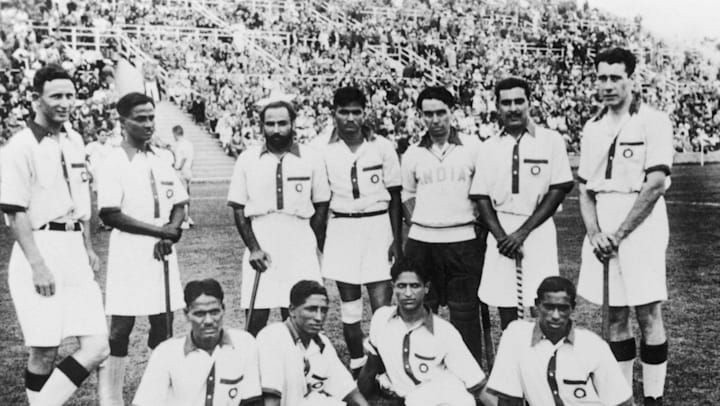
After a rocky relationship with the Olympic Games until 1924 — hockey was only played in 1908 and 1920 and dropped for the other editions — the presence of a global sports body (FIH) ensured that hockey gained permanent Olympic status starting Amsterdam 1928. The Indian Hockey Federation applied and earned an FIH membership in 1927, thus ensuring that the Indian hockey team would play its first Olympics in 1928.It was the beginning of a legacy – decorated with eight gold medals – a record till today.

The Indian hockey team clinched the Olympic gold medal in its first attempt in 1928. India played five matches, scoring 29 goals and conceding none, with Dhyan Chand scoring 14 of them.The hockey wizard became the cornerstone of the Indian hockey team as it won two more gold medals in 1932 and 1936, completing a hat-trick of Olympic hockey golds. Dhyan Chand was made captain in 1936 in what would prove to be his final Olympic Games.

Unfortunately there were no Olympics in 1940 and 1944 due to the Second World War and that was the last the Olympics saw of Dhyan Chand. In 1948 a newly independent India had to battle not just strong teams but also cope with the exodus of players to Pakistan.When the Olympics returned after World War II in 1948, India found a new genius in the legendary Balbir Singh Sr. as he steered them to a second hat-trick of Olympic gold medals in 1948, 1952, and 1956, this time as an independent nation. The period was one of the most significant in the history of hockey in India. While Pakistan halted the gold run in the final at the 1960 Rome Olympics, India would ascend to the top step at Tokyo 1964. However, it was apparent that India’s domination of the sport was weakening. The Indian hockey team had won silver at the 1958 and 1962 Asian Games, before finally winning gold in the 1966 edition. However, India only managed a bronze at Mexico 1968, in what was then their lowest finish in the Olympics.

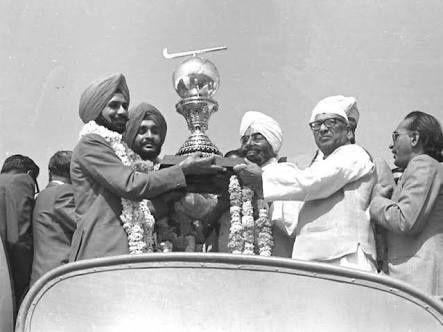
In 1968 and 1972 the team returned with a Bronze medal while Montreal saw the team draw a blank, unable to adjust to a change from grass to artificial turf. The pain of those campaigns is expressed by 3-time medallist Harbinder Singh, Ashok Kumar, Aslam Sher Khan and Dr Vece Paes. Hockey expanded its reach beyond the Olympics with the first Hockey World Cup held in 1971 in Spain. Though Pakistan beat Spain to win the title and India finished third, the sport was steadily gaining popularity in Europe, and innovations were underway.

While India’s representation in global hockey was largely restricted to the men, the women’s team made its first appearance in international competition at the inaugural women’s Hockey World Cup in 1974, finishing a creditable fourth.There seemed to be an upturn when the men’s team won its only World Cup title in 1975.

1980s-2008: A period of declination of performance

The 1980s actually began well for the Indian hockey teams.The men’s team took advantage of a depleted field to win their eighth Olympic gold at Moscow 1980 while the women’s team finished fourth in what was the first edition of women’s hockey at the Olympics.At the 1982 Asian Games in New Delhi, where women’s hockey was played for the first time, the women’s Indian hockey team clinched a historic gold at home while the men’s team won silver.

The introduction of hockey at the Commonwealth Games in 1998 provided another platform for global hockey. The Indian men’s and women’s teams finished fourth in the inaugural edition.The decline of Indian hockey hit rock bottom in 2008 when the men’s team, for the first time since 1928, failed to qualify for the Beijing Olympics.

Revival of Indian hockey

After the disappointment of 2008, the men’s Indian hockey team responded by returning to the podium at the 2010 Commonwealth Games, winning silver and the 2010 Asian Games, where they won bronze.The men’s Indian hockey team qualified for the 2012 London Olympics. Though India ended last, it represented a small bit of progress.

In the years since, Indian hockey seems to have found its feet again.The women’s team, led by Rani Rampal, won silver at the 2018 Asian Games, achieving their best ranking of ninth in the world the same year and qualified for a second-consecutive Olympics in Tokyo the following year.The men’s Indian hockey team has imbibed an attacking philosophy under new head coach Graham Reid and young captain Manpreet Singh.India played their first FIH Pro League campaign in 2020, winning games against the best in the world like Belgium, Australia and the Netherlands and rising to fourth in the world rankings, their best in history.

Indian men’s hockey team today displayed a great game of counter-attacking play as it won defeated Germany 5-4 in the bronze medal play-offs at the Tokyo Olympics today. Indian men’s hockey team won an Olympic medal after a gap of 41 years. India’s last of the eight Olympic golds came way back in the 1980 Moscow Games.The eight-time former gold-winners, who battled a heartbreaking slump in the last four decades, made the resurgence of the last couple of years count in the best way possible with an Olympic medal.

Adult lifestyles

Introduction:
Adult lifestyle symbolises the way an adult prefers to the lead the rest of their life. Adults have the choice to do whatever they want. It’s up to them to make the right choice and to choose the right person they want to spend their time with. Society has come a long way in terms of adult relationships and ways of expressing them. In earlier times, the only relationship between people were marriages but these days, things have changed or been revised. Every adult would pick a choice that is healthy and comfortable for them such as being single, hooking up, being friends with benefits, co habilitation or marriage.


• Single hood:
Single hood was popularized in the early 20’s as many people had many reasons to not want to be with someone else or wanting to be a part of somebody else’s life. They could have made the choice due to numerous reasons. Some could be the fact that they haven’t found anybody they liked or anybody compatible with them or somebody who understands them better than others. This is very common nowadays in young adults as this give some more space and time to learn about themselves and focus on their career and learn to grow.


• Hooking up:
Hooking up also popularised in the late 20s. This was not a thing back in the day as many people believed in pure relations and marriages being the ultimate goal. People probably hook up because they do not want to commit to a relationship or they are just looking for a way to destress.


• Friends with benefits:
Friends with benefits is when both the parties exchange mutual pleasure. This is where none of them have committed to relationship but still spend time with each other having sexual relations. But that is where it stops. At times, it could also grow into something else or it could end, as one person might catch feelings for the other and it might make things uncomfortable and awkward.


• Co habilitation:
Cohabitation is 2 people lived together under the same roof. This is very common in American societies but not outside America as the parents don’t approve of this as it is not conventional and appropriate. The penis my be worried about what other people might have to say. Sometimes it is not ideal for couples as they might grow to dislike each other and some of their habits while living together which might cause a breakup.

• Marriage:
Marriages have always been the trend since ancient times. According to parents and the society this is the most appropriate relation for a man and a woman to be in. Some people might even like marriages, getting married and having a family of their on, etc. But some people might have different ideas about this. Adults have their own choices and they might not want to get married. The types of marriages are arranged marriages, love marriages and marriages where the couple elopes.


Conclusion:
Every person has their own thoughts and abilities to make decisions for themselves and therefore nobody should be judged for what ever they choose. It should be their choice and their choice only as they are the ones living the life and not anybody else so it’s important to respect the others opinion.

URBAN FARMING: AN INITIATIVE FOR FOOD SECURITY

Even after living or residing in a city, a person can start his or her business in agriculture industry and it is sustainable also. The business will provide food into the busy and populated areas and cities. Urban Farming.

WHAT IS URBAN FARMING?

In simple terms Urban farming is the process of producing or cultivating food inside the city limits. This business has both pros and cons. This business faces challenges but it also offers many benefits to the city, like increased food security, decreased waste, community involvement and many more. Urban Farming is also known as Urban Gardening or Urban Agriculture and it means the practice of cultivating, processing and distributing food in and around cities or towns or urban areas. It involves animal husbandry. bee keeping, horticulture, aquaculture etc.

NEED OF URBAN FARMING:

  • Provide Food to the growing population
  • Reduce pressure on the traditional methods of cultivation
  • Help improve Quality of Life
  • Reduce Food Security
  • Reduce Environmental Impact
  • Help improve the landscape of the city

TYPES OF URBAN FARMING

Urban Farming is of many types, like: Street Landscaping, Tactical Gardening, Backyard Gardens etc.

VERTICAL FARMING
  1. Backyard Gardens: It generally means growing food in the property of a home and sharing it with family, friends or neighbors.
  2. Street Landscaping: Improving the landscape of the streets with the help of living street design or community gardens etc.
  3. Tactical Gardens: Utilizing small spaces available in a practical way (that doesn’t involve much expenses). Ex: Keyhole Garden which replace parking spot in streets.
  4. Forest Gardening: Gardens in urban forests including crops, fruits or herbs or nuts and even vegetables.
  5. ROOFTOP GARDENS: Using spaces of roof for growing food. This method helps in reducing Urban Heat Island effect and help in improving the quality of air.
  6. Green Walls : Using the space on internal and external walls to grow food.
  7. Vertical Farms: Planting or cultivating vertically for reducing the usage of land and land footprint of agriculture.
  8. Animal Husbandry: Raising animals for food and cities also allow residents to raise a limited number of such animals.
  9. Urban Beekeeping: It is a very common hobby and has many benefits for the local environment.
  10. Aquaponics: Raising aquatic animals such as fish etc. and in urban areas this can be done by capturing storm water and creating self sustaining system.
ROOFTOP FARMING

IMPORTANCE OF URBAN FARMING:

Urban Farming is an essential part of urban ecological and urban ecosystem and helps in improving the sustainability of the area. It plays an important role in Urban management system . A growing city will produce large number and amount of waste and urban agriculture acts like a solution for solving this issues by turning urban wastes into productive resource system. It helps in bringing original and nurtitious food to the local communities which has many direct health benefits. It reduces the risk of harmful conditions and vulnerability to get exposed to different chemicals used for increasing the longevity of the food and fruits.

10 REASONS WHY YOU SHOULD TRAVEL TO THE MOUNTAINS

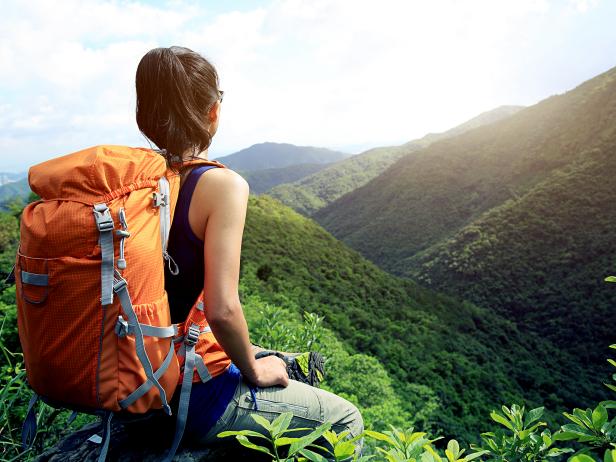
The mountains show the raw beauty of nature, extreme calmness and offer so much more than you can imagine. Feel the sun on your face and back and enjoy the cast number of activities provided by the mountains…. It can be canoeing or hiking or climbing or fishing etc. which will never make you regret your decision to travel the mountains. Go and Retreat on your next vacation.

REASONS TO TRAVEL MOUNTAINS :

  1. Health Benefits: Travel to mountains can be very therapeutic with the miles stretching greenery and beautiful sounds of birds.
  2. Finding Peace: Mountains help you find your inner peace in life and give the opportunity to discover and explore the beauty of nature.
  3. Mesmerizing Beauty: The terrain is rough and reaching some places can be tough but you will get to feel that because you will be mesmerized with the beauty of the mountains. This beauty helps in healing, giving peace and a whole pure feeling.
  4. Tranquility and Peace: People head to mountains when they need some peace and space. The mountains take you to a uncomplicated lifestyle. 10 minutes of meditation can heal your soul and give the peace that you want.
  5. Pure Air: One of the best things about mountains is the pure air which you won’t find anywhere else. Take a deep breathe and feel it immediately. You will get to know and feel the difference. You will surely miss this fresh air once you return to the city life.
  6. Adventures: Mountains offer a range of adventures which will add better experiences to your trip. And hiking is one of the best and most amazing adventures to do in mountains.
  7. Welcoming Nature of the People: The people of the mountains welcome you with a warm smile and everyone you meet in the mountains will be very polite and helpful. You will not feel like a stranger there.
  8. Disconnect: Mountains give you the perfect chance to escape from the chaotic lifestyle and everyday rush. It is important for everyone to take a break and enjoy their life with a free time.
  9. Build Relationships: Travelling to mountains give a great time to spend with your family and friends. Mountains offer many activities and adventures which can be done in groups and here you can do them with your family and friends and even other travelers which gives you an opportunity to build relationships.
  10. Not a Sight but an Experience: The best thing about the mountains is the experience that you will get and not just the scenes. You will understand and explore nature; come across different people and welcoming locals; adventures and events; fresh air and purity and peace. You will be disconnected from the entire chaos and hectic lifestyle and will get a perfect vacation filled with purity, tranquility and adventures.

The adrenaline rush from the peaks, the serene tranquility and the heights of mountains will fill your heart with happiness and joy. Mountains really bring out the best from you, set your soul free and happy. The tall peaks, the misty environment, the warm locals- a retreat to the mountains brings you back to the city with a clearer mind and a happier heart.

TOP 5 MAHARASTRIAN FOOD YOU MUST TRY

You haven’t tried any Maharashtrian dish till now? Ohh you must! What are you waiting for, here are some Maharashtrian foods for you, try these absolutely delicious Maharashtrian dishes and experience the cuisine in all its glory!

What comes in your mind when you think about Maharashtrian food, Mumbai’s famous Vadapao, Misal Pav from Pune, Kolhapur’s Tambda Rassa and many more. From Misal pav to Aamti to Bhelpuri, each one of them is a gem. So here are some famous and extremely tasty Maharashtrian foods for you.

1. Zunka Bhakar

Zunka Bhakar is a traditional meal of Maharashtrian people. It’s a meal of poor, who can’t afford any food, Zunka Bhakar is like a blessing for them. Every Maharashtrian loves Zunka Bhakar. Zunka is made with besan paste and served with bajra or jwari roti which is called as Bhakar.

2. Puran Poli

Puran Poli is like festival food for all Maharashtrian out there, its specifically made during all festivals like Diwali, Gudi Padwa even on birthdays Maharashtrians made Puran Poli. Made with gram flour and stuffed with sweet mixture of dal, this Maharashtrian bread is a sweet delight for your taste buds.

If you love sweets you should definitely try Puran Poli!

3. Misal Pav

Misal Pav is basically for breakfast but, you can had it anytime it’s a meal that can be had at any time of the day. If you are living in a Pune and you still haven’t tried Misal Pav then, what are you waiting for, you must try this out today!!

Misal Pav is made with potatoes, hot masalas and team up with bread to create a perfect, Maharashtrian meal.

4. Kandepohe

A famous Maharashtrian breakfast. For Maharashtrians Kandepohe with Chaha (tea) is like heaven. If we have any guests or any marriage proposal meeting exists, we Maharashtrians first made kandepohe, it’s like compulsory.

5. Modak

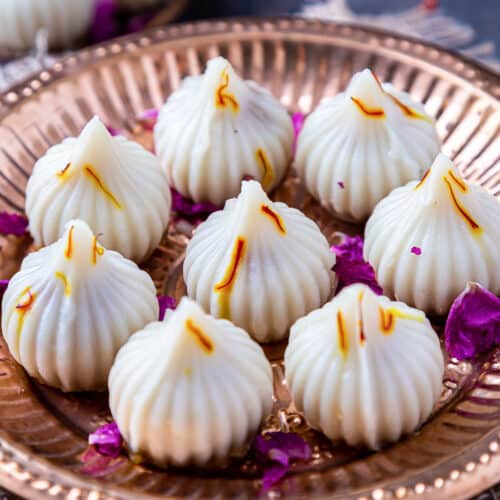
Modak, the favourite meal of Ganeshji, it’s specially made on Ganesh Chaturthi, Modaks are now made in many parts of the country as well. Sweet flour dumplings stuffed with coconut, jaggery, nutmeg and saffron.

CHHICHHORE

THE MOVIE WITH BEST MESSAGE : NEVER QUIT

Chhichhore, the movie which taught us that, suicide is not right option, movies which taught us “ NEVER GIVE UP”, we just have to keep going, doing our best just keep going and enjoy your life cause these moments are never gonna come back.

In life things we love the most always disappears quickly and its life.

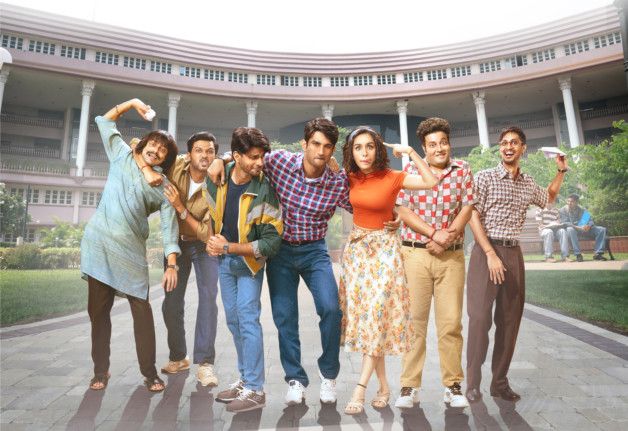
The film tells the story of Aniruddha “Anni” Pathak, a middle-aged divorcee whose son Raghav tries to commit suicide but survives, though he is in a critical condition for his unwillingness to live out of fear he would be called a “loser”. Desperate, he goes against the wishes of his former girlfriend turned ex-wife Maya’s wishes to recount his own journey in 1992 as a “loser” in a gang of six; as he continues along to convince Raghav, the other five receive news of the tragedy and decide to join their friend in his pain to complete a story they never fail to cherish as a lesson in their life.

Since childhood we are listening this, from our parents, family members and relatives, if you win this competition, I’ll buy you your fav dress or I’ll buy you motorcycle, if you get first rank in your school or college test, I’ll buy you smartphone, if you got selected or if you pass the test I’ll give you this or that or whatever you want I’ll give you, blab blah. But no one told us that if you didn’t won or if you got second rank or if you failed the test, it’s okay, it’s completely okay, atleast you have tried and worked very hard for this. What’s big deal if you didn’t got selected, the most important thing is, you tried and didn’t give up easily. Life is all about second change for them who don’t give up easily and try until they give their best. Let’s say that, it wasn’t your best and promise yourself that you will try very hard to give your best and trust yourself, if you think you can do it then you definitely can and one day you will definitely became successful and will achieve your dream.

Its human nature that we got disappointed very soon, we think like we did so much hard work for this and after all this what we got is failure.

Its life and in life things always don’t go as we planned, just trust yourself and try harder, you may struggle but it won’t matter anymore. If you feel like quitting, think about the reason why you started.

NEVER QUIT. NEVER GIVE UP. FLY IT TO THE END.

Here are some memorable dialogues from Chhichore we will always remember

1. “Tumhara result decide nahi karta hai ki tum loser ho ki nahi… Tumhari koshish decide karti hai!”

2. “Success ke baad ka plan sabke paas hai… lekin agar, galti se fail ho gaye… toh failure se kaise deal karna hai… Koi baat hi nahi karna chahta.”

3. “Hum haar jeet, success failure mein itna ulajh gaye hai… ki, zindagi jeena bhool gaye hai… Zindagi mein agar kuch sabse zyada important hai… toh woh hai khud ZINDAGI.”

4. “Doosron se haarke loser kehlane se kahin zyada bura hai…khud se haarke loser kehlana.”

5. “I am a failure, mera kuchh nhi ho sakta… But we forgot success doesn’t come at once.”

6. “Dost jinke sath hum haste hai, rote hai Par zindagi jeena sikhte hai.”

TOOLS TO HELP ENHANCE YOUR RESUME

1. KICKRESUME

Kickresume is a resume builder tool that lets you choose from pre- designed resume and cover letter templates. Kickresume is by far the most easy to use and effective resume website which will help to make your resume look more elegant, well designed and impressive. Kickresume gives you amillion design combinations to improve your resume. Whether you are nurse or an engineer it doesn’t matter with kickresume your resume will always stand out.

“Being a college student who is transitioning to the work life, I consider Kickresume the most helpful tool available. It is very user-friendly with a variety of designs tailored to your personal preferences and profession. It doesn’t get any better than this!!!“

It offers templates for various professional arenas. Simply choose your profession and further customize it according to your needs!

2. READABLE

While creating your resume it is extremely necessary to view it from an employer’s perspective. Is the format clear? Does it hold attention? Is it easy to read and understand? Readable can help. The tools scores your content based on various aspect such as sentence construction, structure and more!

Readability is about making content clear and easy to understand for the largest audience possible. Focusing on readability increases the chance that your target audience will actually read and interact with the content you publish. For this reason, readability should be a natural part of your content management.

3. CANVA

Of course, you’ve heard of Canva choose from a plethora of templates to add that touch of finesse to your own resume. Customize your resume by changing elements, colour, and style. While it can be a lot of fun customizing your resume remember to it professional, sleek, and clean.

4. GRAMMERLY

Yes, this tool is nothing short of a lifesaver when it comes to assignments. But guess what? You can also use Grammarly to create grammatically flawless application and resumes. it will make sure that everything you type is effective and mistake-free, it will help you write mistake-free in not only resume but also in Gmail, Facebook, Twitter, LinkedIn and many other app you use. Even the text messages also!

It also check the tone of your application, making it suitable for professional and formal use . No silly spelling errors anymore, yay!

Grammarly isn’t just a safety net. You’ll get detailed explanations for all your mistakes to help you avoid making them again in the future.

Planting trees!!!!

We all know that the world is heading towards deforestation, global warming, drought etc., What is the major cause of this global changes? It is us. We humans are quite selfish when it comes our own deeds. We keep on cutting the trees, increasing pollution, high useage of plastic etc. What can we do to make our earth lively and healthy? There is no other remedy than planting trees. Yes, there reason we live is the trees. Without them we won’t be alive. Let’s see about planting trees and its importance.

Planting trees will not solve the issue of climate change • Earth.com

Why trees are important to us?!?!

Trees are important to the environment because they provide oxygen and they act as carbon sinks. A carbon sink is a natural or artificial body that stores carbon dioxide. The more trees you have, the more carbon dioxide that you can store. This is because they take in carbon dioxide and then release oxygen, which allows them to store more carbon dioxide.

Importance of Planting more Trees. — Steemit

Planting trees has several benefits, including the fact that they help to reduce greenhouse gases (GHGs). They also help to reduce the amount of carbon dioxide in the atmosphere. As a result, planting trees can help to mitigate the effects of climate change.

Trees are also important for the environment because they provide a habitat for wildlife. They also help to improve the quality of air and water, and they provide a home for birds, insects, and other small animals.

When you plant a tree, you are helping to reduce the amount of carbon dioxide in the atmosphere. So, it is important that you plant a tree. The more trees you plant, the more you will be helping the environment.

What are the trees can be planted??

There are several different types of trees that can be planted. Some of these include the following:

Oak trees, Redwood trees, Pine trees, Alder trees, Fir trees,Bamboo trees,Evergreen trees, Deciduous trees.

METHOD OF PLANTING TREES:

  • Dig a big hole, put the rootball in, cover with dirt.

This is probably the most common method. It’s simple and easy, but it’s not the best. The tree will grow fine if you fill the hole with a small amount of compost. This will help the tree get established quicker and, in the long term, will make the tree more resilient to drought. But it’s harder to dig a big hole, and it’s hard to get the compost in there without disturbing the rootball. It’s also worth noting that the tree is going to be much happier if you can put the hole in a slightly damp area.

Do water the plant regularly until its becomes a tree. You may plant whatever tree you like and the most important thing is to maintain them in a good condition. Everybody says plant trees, save earth, save water. But in reality, how many of us has really planted trees? Think about it and find the best answer yourself!!

TOP 25 TREE PLANTING QUOTES | A-Z Quotes

Read more;

Metamorphosis – Book Review

Buy Metamorphosis Book Online at Low Prices in India | Metamorphosis  Reviews & Ratings - Amazon.in

Gregor Samsa is a salesman who wakes up to find himself transformed into a monstrous vermin. Lying on his bed, he worries about himself and while he has time, contemplates upon the consequences of his metamorphosis. He wonders about his life, his family and the way in which his life and career has turned out to be. He thinks about he is struck with his job only because of his father’s debt and that no relationship in his life ever came from heart.

His family is horrified when they learn of this transformation when the office clerk pushes his way into Gregor’s room. The family, no longer financially stable decide to get jobs and when they do, they start neglecting Gregor more and more only to end up using his room as a store room and giving away a room in their house on rent. Gregor’s sister is the only one willing to give him food in all this while. One day, when Gregor’s sister accidentally breaks a bottle of medicine, his father hurls an apple on him, which gets struck in a sensitive spot on his back and he lies in his room in agony. And one day, he scares the tenants who threaten legal action over the unhygienic conditions of the house.

Grete, Gregor’s sister realises that Gregor is but a liability and asks her parents to get rid of “it”. Hearing the conversation, Gregor goes into his room and dies before sunsrise. The family rejoices his death by taking a day off and ride on a ferry down the countryside. Gregor’s mother exclaims that Grete has grown beautiful despite all problems and they must find her a good husband.

Kafka’s metamorphosis is considered to be a classic in literature. It is a story of a changing society and how necessities cause a metamorphosis in households and in society in general.

When are you reading this tale of humanity?