Grant opportunities of up to $3,000 are available to support research projects or internships related to Africa through the ASC. The ASC is dedicated to assisting students, regardless of their citizenship or academic level, in pursuing research, internships, or training activities in or on the continent. Project durations are flexible, and they should commence between May 1 in the calendar year of application submission and April 30 of the following year.
Given the challenges posed by the ongoing Covid-19 pandemic, physical travel to Africa may or may not be feasible. In response to this, the ASC encourages alternative approaches, such as virtual internships. Grant funds can also be utilized for hiring local research assistants, scanning archival materials, or supporting internet-based or app-based research plans.
Applicants seeking research grants may be at varying stages of their research, from preliminary to advanced. Internship applicants should specify a particular venue for their internship, such as a governmental agency, business, or non-governmental institution engaged in Africa-focused work. It’s important to note that students graduating in the current Winter Term will not be considered for grants. Additionally, preference will be given to applicants who have not previously received ASC Summer Research and Internship funding. This initiative aims to foster a diverse range of projects and experiences contributing to a deeper understanding of Africa.
Deadline: The application deadline is 11:59 pm on February 15.
Note: All travel must follow current guidelines, which are detailed in the International Institute Travel Policy. Please note that additional travel restrictions are in place because of the ongoing Covid-19 pandemic. Applicants must also meet all of the requirements of the Institutional Review Board and provide documentation of IRB approval or exemption should funding be awarded.
A written project report will be required at the conclusion of the grant.
The LSA African Study Centre (ASC) stands as a beacon for academic exploration and cultural understanding, focusing on the diverse and rich tapestry of Africa. At the heart of its mission is the commitment to supporting students across all academic levels and fields, irrespective of their citizenship, in pursuing research, internships, or other training activities related to Africa.
One noteworthy avenue for students to engage with the ASC is through its scholarship opportunities. Generous grants, with amounts reaching up to $3,000, are made available to assist students in funding their research projects or internships. These grants are not only a financial boost but also a testament to the ASC’s dedication to fostering educational experiences that contribute to a broader and nuanced understanding of the African continent.
The ASC recognizes the dynamic challenges posed by the Covid-19 pandemic, and in response, it encourages flexibility in project execution. Acknowledging potential limitations on physical travel, the ASC welcomes alternative approaches, such as virtual internships. This adaptability showcases the center’s commitment to ensuring that students can still engage meaningfully with African-focused projects despite external constraints.
Applicants for these scholarships may find a range of possibilities to explore. Whether at the preliminary stages or with more advanced research, the ASC provides a platform for students to pursue their academic interests. Internship applicants are encouraged to identify specific venues, be it governmental agencies, businesses, or non-governmental institutions, to enhance their practical experiences in the region or within the realm of Africa-focused work.
To maintain a diverse pool of participants, the ASC has set preferences in the selection process. Applicants who have not previously received ASC Summer Research and Internship funding are given priority. This prioritization aims to broaden the reach of opportunities, ensuring that a variety of students can benefit from the resources and support provided by the ASC.
In essence, the LSA African Study Centre and its scholarship opportunities serve as catalysts for academic growth, fostering a community of scholars and researchers dedicated to unraveling the complexities of Africa. Through these initiatives, the ASC plays a pivotal role in shaping the next generation of individuals passionate about contributing to a deeper and more informed global understanding of the African continent.
he ‘MYSTERIES OF THE WILDERNESS’ is a book intended for anyone willing to experience greatness, bumper rich harvest in life, jumbo wealth creation, rich successful life and not afraid to go through the hustles, torchers and agonies in life called wilderness to accomplish it. The book explores the various kinds of people on earth, the deep secrets and mysteries associated with greatness such as troubles and problems, test for and towards greatness and the mysteries about creation by the divine creator. How the divine creator created the Heaven and Earth and placed man in the Garden of Eden and asked him to have dominion and nurture the Garden. It explains how man lost control over the Garden and lost dominion to the enemy and found himself in the wilderness – sin. The torcher, hustles and problems he and his wife have to face on the other side of the beautiful garden in catering for their family.
This is comparable to the problems and issues of life faced on daily basis on our persue towards greatness, wealth creation and enrichment in life. It explains all kinds of tools and opportunities made available unto us by divine creation as we seek divine encounter and daily walk with Christ and towards self – enrichment and wealth creation in life. It explains how to have dominion and total control over once creation towards a wealthy life and living to impact now and future generations. And finally, how the divine creator is willing to hold our hands and leads us through the wilderness in our persue of wealth creation and enrichment in life and carry us to a successful end. And to a place we love and dream to be most.
BJP President Ravinder Raina and BJYM President Arun Prabhat Commend and Honor Sahaj Sabharwal for His Third Published Book – ANECDOTE
JAMMU, January 9, 2024 – BJP President Ravinder Raina and BJYM President Arun Prabhat extended their heartfelt appreciation to the young budding writer and author Sahaj Sabharwal for his latest (third) published book, “ANECDOTE.”
In a special ceremony, both leaders had the opportunity to explore the diverse contents of Sahaj’s book, including titles such as “Maharaja Hari Singh – Personality of Jammu,” “The Man Who Carries Plate In Bag,” “Drug Destroyed Decent,” “Teacher-Our Future Maker,” “Ideal Positivity Prayer,” and several others. They were particularly impressed with Sahaj’s earlier works, “Poems by Sahaj Sabharwal” written at the age of 17, “Pedagogical Thoughts Made Facts” written at the age of 19, and “ANECDOTE” written at the age of 21, considering them informative and motivational for the youth and society.
BJP President Ravinder Raina and BJYM President Arun Prabhat were impressed that Sahaj is an Aeronautical Engineer, and along with studies, he excels in literary passion too. They highlighted Sahaj Sabharwal’s significant contributions to social awareness through his writings on various topics such as success, failure, motivation, affirmation, and positivity. The leaders expressed their support for Sahaj’s literary endeavors and recommended his books to a wider audience.
“ANECDOTE” marks Sahaj Sabharwal’s third literary endeavor, encapsulating a diverse range of content, including poems, thoughts, quotes, articles, stories, lyrics, non-fiction, scripts, and anecdotes. The book aims to combat stress, demotivation, negativity, and depression while addressing important social issues.
Both leaders emphasized that Sahaj Sabharwal is a source of inspiration for many and expressed hope for continued success in his future literary pursuits. The support from BJP President Ravinder Raina and BJYM President Arun Prabhat underscores the positive impact Sahaj’s writings aim to have on society.
BJP and BJYM leaders assured Sahaj Sabharwal of their ongoing support, acknowledging his efforts in creating valuable and meaningful literary works. They congratulated Sahaj Sabharwal’s parents and ensured that such a bright youth of Jammu and Kashmir will make the whole Nation proud in the future.
Music is one of the entertainment areas which almost all the people in the world like. The music of India includes multiple varieties of classical music, folk music, film, and Indian pop. It is noteworthy to mention that Indian classical music is divided into two main traditions: Carnatic and Hindustani. Folk music is an important part of India’s musical heritage and is characterized by its unique rhythms, melodies, and lyrics. One of the famous names in classical music is Ustad Rashid Khan. The great classical singer Ustad Rashid Khan, who was undergoing treatment at a Kolkata hospital for prostate cancer, died on January 9, 2024. The classical singer was 55 years old. He is survived by his wife, two sons, and a daughter. The singer was born on July 1, 1968, at Badayun, Uttar Pradesh. He received his initial training from his maternal grand-uncle, Ustad Nissar Hussain Khan. Rashid Khan was also the nephew of Ustad Ghulam Mustafa Khan. The singer, who belongs to the Rampur-Sahaswan Gharana, is the great-grandson of Gharana founder Inayat Hussain Khan. All these reveal the fact that Ustad Rashid Khan’s family members were associated with music generation after generation. It is pertinent to mention that Rashid Khan performed his first concert at the age of eleven years, and in 1978, he performed at an ITC concert in New Delhi. In April 1980, when Nissar Hussain Khan moved to the ITC Sangeet Research Academy (SRA), Calcutta/Kolkata, Rashid Khan also joined the academy at the age of 14 years. Thus, throughout his life, he was a popular classical singer. Rashid Khan is best known for the Kareena Kapoor-Shahid Kapoor film Jab We Met’s superhit song Aaoge Jab Tum. Also, he has sung in many films, and I have listened to his Rabindra Sangeet (songs written by Rabindranath Tagore), which is excellent. The sudden demise of great classical singer Ustad Rashid Khan is a great loss in the music world of the country as he passed away only at the age of 55 years. Rashid Khan was awarded the Padma Bhushan. He received the Padma Shri and the Sangeet Natak Akademi Award in 2006. As per the latest news, his last rites will be performed in his native village of Uttar Pradesh, where his mortal remains will be buried.
Women Empowerment is a multifaceted concept consists of social, economic, political dimensions. Since last years women have faced multiple challenges like they had no rights to do anything except household work. However, when women empowerment concept came into women’s life we can see some changes in their life. Many girls would motivated by this concept and now they are fighting for their rights.
Every women should be self independent. Education is must for every girl. So, they can do anything in their life. They can be financially independent. Providing quality education equip women with the knowledge and skills needed to break free from so called traditional rules and also decision-making capabilities. Everyone should learn some skills which will help them to go ahead in their life. When they learn about education, they will have equal opportunities to pursue high degree of education and the chances will increase to get hired by the companies.
If we talk about social dimension, then yes women empowerment also plays a crucial role in society. Women can do anything….but when it comes to women there are lot of barriers which they have to face especially in society. Everytime a woman have to face discrimination in some areas including in the home and in the work place. Many people used to say that women can’t work like a man, women should know their limits, they have no rights to make a decision, they don’t know about world, they can’t go without their brother, father or husband. WHYY??????? Because she is a woman. This type of mindset could destroy our society and also lost their women rights. But because of women empowerment every woman is trying to go ahead in their lives. They are contributing towards society. From many years , Indian women have eventuated as strongest pillars in nation building and again proved that whenever given a chance they can be the best decision makers for themselves, their family as well as the nation.
Example of Greatest Women Responsibilities:
Anandi Gopal Joshi: First Female Doctor in India
Anansuya Sarabhai: Social Worker and Trade Union Leader
Asima Chatterjee: Scientist
Begum Akhtar: Classical Singer
Dr. Rakhambai: Physician and Feminist
Economic empowerment plays a crucial role in the women lives. When women work, economies grow. It’s hard to believe that in today’s modern world there are still 18 economies where husbands can legally prevent their wives for working. Investing in women’s economic empowerment is intrinsic to achieving the Sustainable Development Goals. It sets a direct path towards the gender equality, poverty and inclusive economic growth. Yet despite the important progress that has been made in these areas, large gender gaps in economic opportunities and outcomes still remain across all countries and regions. By addressing gender-based economic disparities, we have the way for financial independence and reduced vulnerability. Success stories of women entrepreneurs serve as beacons. illustrating the transformative impact of economic empowerment on communities and economies.
Leadership and representation remain critical components of women’s empowerment. Increasing the presence of women in leadership positions fosters diverse perspectives and dismanties entrenched gender blases. Acknowledging the achievements of woman leaders encourages aspiring individuals and challenges existing norms.
The 2024 Entrepreneurs for Resilience Award aims to support social entrepreneurs enhancing access to quality primary healthcare for low-income individuals in low- and middle-income countries (LMICs) through innovative hybrid delivery models. The initiative collaborates with the Digital Connected Care Coalition and the UBS Optimus Foundation to combine expertise, networks, solutions, and funding for social entrepreneurs in the healthcare sector. Applications are invited from those proposing hybrid models that integrate physical point of care with digital tools.
Scope
Addressing challenges in providing quality primary healthcare, especially for low-income and rural populations, the award focuses on hybrid care models combining “brick” (in-person care) and “click” (digital tools) elements. The goal is to scale existing models that facilitate healthcare delivery, potentially offering financing solutions to make healthcare more affordable. These models should have linkages or the potential to integrate into government efforts and existing public health systems.
Award Benefits
– Total grant of USD 700,000 divided among the winning initiative (up to USD 350,000) and two runners-up, paid in instalments over two years.
– People’s Choice Award winner, determined by public online vote, gets the opportunity to connect with potential investors at an event hosted by Sankalp Forum.
– Tailored non-financial support for finalists, including technical advice, training, advisory services, data-gathering, and potential follow-up funding from the UBS Optimus Foundation.
– Access to a network of like-minded peers and opportunities to share knowledge.
Eligibility Criteria
– Social enterprises must align with the award’s scope, demonstrating high social impact with measurable outcomes.
– At least 30% of the customer base should be low-income populations, and enterprises should prioritize gender inclusivity.
– Operations must be in countries defined as low-income or lower middle-income by the World Bank.
– Ventures must operate on a market basis, showing potential for growth and scalability through earned revenue.
– Established by 2021, serving at least 20,000 people, and with the potential to reach at least 100,000 people in the next two years.
– Solid management team, well-defined responsibilities, and a diverse, well-structured workforce. Preference for ventures with at least one female founder or at least 30% women in the management team.
– Legal compliance with the operational country’s legal framework, allowing for grant funding from Swiss non-governmental organizations such as the Swiss Re Foundation.
Search Engine Optimization (SEO) stands as a cornerstone in the digital marketing landscape, influencing the visibility and success of online businesses. Given the constantly evolving nature of search engine algorithms and digital marketing strategies, internships in SEO are pivotal in preparing individuals for the intricacies of this dynamic field. Internships provide a unique opportunity for aspiring digital marketers to gain hands-on experience, apply theoretical knowledge, and cultivate the skills necessary for success in the competitive realm of SEO.
Practical Application of Theoretical Concepts:
SEO involves a multifaceted approach that requires a blend of technical knowledge, analytical skills, and creative thinking. While academic programs provide a theoretical foundation, internships offer a platform to apply this knowledge in real-world scenarios. Interns get the chance to implement SEO strategies, analyze data, and witness the impact of their efforts, thereby solidifying their understanding of SEO principles.
Adaptation to Evolving Industry Trends:
The digital landscape is marked by rapid changes, with search engines continually updating algorithms and introducing new features. Internships expose individuals to the latest trends and technologies in SEO, allowing them to stay abreast of industry changes. This adaptability is crucial in a field where strategies that were effective yesterday may become obsolete tomorrow, making internships a vital component of continuous learning in SEO.
Development of Analytical and Technical Skills:
SEO requires a keen analytical mindset and proficiency in various tools and technologies. Internships provide a hands-on environment for interns to enhance their analytical skills by interpreting data, identifying trends, and making informed decisions. Additionally, interns often gain practical experience with SEO tools such as Google Analytics, keyword research tools, and SEO audit platforms, strengthening their technical prowess in the process.
Exposure to Content Creation and Optimization:
Content is a fundamental aspect of SEO, and internships provide an avenue for individuals to understand the nuances of content creation and optimization. Interns may be involved in crafting SEO-friendly content, optimizing existing content for search engines, and learning how content strategy aligns with SEO goals. This exposure ensures that interns develop a holistic understanding of the symbiotic relationship between content and SEO.
Networking Opportunities and Industry Insights:
Internships in SEO open doors to valuable networking opportunities within the digital marketing realm. Interns may interact with seasoned professionals, attend industry events, and gain insights into the broader landscape of digital marketing. Networking during internships can lead to mentorship possibilities, job opportunities, and a deeper understanding of the diverse career paths within the SEO and digital marketing field.
Conclusion:
Internships in SEO serve as a launchpad for individuals aspiring to thrive in the ever-evolving digital marketing landscape. By providing a platform for practical application of theoretical knowledge, exposure to industry trends, development of analytical and technical skills, and opportunities for networking and mentorship, SEO internships play a crucial role in shaping well-rounded and competent digital marketers. Aspiring SEO professionals should actively seek out internships to harness the practical experiences and insights that will set them apart in this dynamic and competitive field.
Internships play a crucial role in shaping the careers of individuals, especially in creative fields like design and graphics. The dynamic nature of these industries demands a blend of theoretical knowledge and practical skills. Internships serve as a bridge between academic learning and real-world application, providing invaluable experiences that contribute significantly to professional development. In the realm of design and graphics, internships are particularly vital as they offer hands-on opportunities to apply theoretical concepts, foster creativity, and cultivate essential skills.
Bridging the Gap between Theory and Practice:
Design and graphics are disciplines where practical skills are as important as theoretical knowledge. While academic programs provide a foundation of principles and concepts, internships allow individuals to translate this knowledge into tangible projects. Working in a real-world environment exposes interns to challenges they might not encounter in the classroom, helping them bridge the gap between theory and practice.
Building a Professional Portfolio:
One of the key benefits of internships in design and graphics is the chance to build a robust professional portfolio. In a competitive job market, a portfolio is often the first thing employers review when considering potential candidates. Internships provide the opportunity to work on actual projects, allowing interns to showcase their skills and creativity through tangible examples. A well-rounded portfolio becomes a powerful tool for landing a job or securing freelance opportunities.
Gaining Practical Experience with Design Tools:
Design and graphics involve the use of various software tools and technologies. Internships provide hands-on experience with industry-standard software, enhancing proficiency and familiarity with tools such as Adobe Creative Suite, Sketch, or 3D modeling software. Mastering these tools is essential for success in the field, and internships offer a practical learning environment to become adept at their use.
Understanding Industry Dynamics:
Every industry has its unique dynamics, and design and graphics are no exception. Internships expose individuals to the intricacies of the professional world, helping them understand client expectations, project timelines, and collaborative workflows. This exposure is invaluable in preparing interns for the realities of the workplace, fostering adaptability and enhancing their ability to navigate complex professional scenarios.
Networking and Mentorship Opportunities:
Internships provide a chance to establish meaningful connections within the industry. Networking with professionals, peers, and mentors opens doors to future collaboration, job opportunities, and a deeper understanding of the industry landscape. Establishing mentor-mentee relationships during internships can offer guidance, advice, and a support system as individuals embark on their professional journeys.
Conclusion:
In the ever-evolving fields of design and graphics, internships serve as a cornerstone for professional growth. By bridging the gap between theory and practice, building portfolios, honing practical skills, understanding industry dynamics, and fostering valuable connections, internships play a pivotal role in shaping successful careers in design and graphics. Aspiring designers and graphic artists should actively seek out internships to gain the hands-on experience and insights necessary to thrive in this dynamic and competitive field.
Traveling is one of the most enriching experiences anyone can have in life. Discovering new cultures, trying different cuisines and exploring stunning landscapes are just some of the rewards that travel can offer. When it comes to traveling to an English-speaking country, the experience becomes even more fascinating, as English is one of the most widely spoken and influential languages in the world. In this article, we’ll explore the benefits and challenges of traveling to an English-speaking country, as well as practical tips to make your trip unforgettable.
The importance of English in the world
Before delving into the experience of traveling to an English-speaking country, it is essential to understand the global relevance of English as a lingua franca. English is the most widely used language in the world of business, science, technology and international communication. It is spoken as a native language in countries such as the United States, the United Kingdom, Canada, Australia and New Zealand, as well as being the second official language in many other countries around the globe.
Fluency in English opens doors to educational, professional and cultural opportunities. Therefore, traveling to an English-speaking country not only provides an exciting experience, but can also be beneficial for personal and professional development.
Choosing the destination
When you decide to travel to an English-speaking country, the first decision to be made is choosing the destination. There are several incredible options, each with its own unique culture, landscapes and attractions. Here are some of the most popular destinations:
U.S
The United States is a vast and diverse country, offering a wide range of experiences for visitors. From New York to Los Angeles, Miami to Chicago, each city has its own personality and attractions. Furthermore, the United States is famous for its stunning national parks such as the Grand Canyon and Yellowstone National Park.
UK
The UK is rich in history and culture. London, the capital, is a global cultural and financial center, with renowned museums, world-class theaters and a vibrant food scene. Furthermore, the country’s interior offers stunning landscapes, such as the Scottish Highlands and the green fields of England.
Canada
Canada is known for its lush nature, with majestic mountains, crystal-clear lakes and vast forests. Cities like Vancouver, Toronto and Montreal are vibrant and multicultural, providing a unique experience for visitors.
Australia
Australia is home to unique wildlife and stunning white sand beaches. Cities like Sydney, Melbourne and Brisbane offer a mix of culture, adventure and natural beauty.
New Zealand
New Zealand is a nature lover’s paradise, with stunning landscapes that include mountains, fjords and pristine beaches. It is also an ideal place for practicing outdoor sports, such as trekking and water sports.
Learning English at your destination
One of the best ways to improve your English language skills while traveling is to take part in language courses or immersion programs. Many English-speaking countries offer language schools that cater to foreigners. These schools typically offer a variety of courses, from general English classes to preparation for proficiency exams such as the TOEFL or IELTS.
Language immersion is an effective way to speed up the learning process. By being surrounded by native English speakers, you will have the opportunity to practice your language skills in real-world situations. Furthermore, interacting with local people allows you to absorb the culture and customs in a deeper way.
Exploring Local Culture
One of the most exciting parts of traveling to an English-speaking country is exploring the local culture. Each country has its own traditions, art, music and cuisine. Here are some ways to immerse yourself in culture while traveling:
Gastronomy
Trying local food is an essential part of any trip. In English-speaking countries, you will find a variety of delicious dishes. In the United States, try juicy burgers, pizza in New York or barbecue in the South. In the United Kingdom, try the famous fish and chips or try an authentic afternoon tea. In Canada, be sure to try poutine, a local delicacy.
Cultural events
Check to see if there are cultural events happening during your stay. Concerts, festivals, plays and art exhibitions offer a unique insight into local culture. Many cities have vibrant cultural programs throughout the year.
Museums and tourist attractions
Visiting famous museums and landmarks is an excellent way to learn about the country’s history and cultural heritage. In the United States, the Museum of Natural History in Washington, D.C., and the Museum of Modern Art in New York are unmissable. In the United Kingdom, the British Museum in London and the Liverpool Museum are renowned cultural destinations.
Outdoor Activities
Take advantage of the outdoor activities that each country offers. Hiking nature trails, swimming on stunning beaches or skiing on snow-capped mountains are unique experiences in each English-speaking country. In the United States, you can explore national parks like Yosemite, hike the Grand Canyon or do winter sports in the Rocky Mountains. In Canada, you can enjoy activities like canoeing on the crystal-clear lakes of the Rocky Mountains or skiing in the mountains of Whistler, British Columbia.
Local festivals
Discover local festivals that may be taking place during your stay. English-speaking countries are known for their diverse festivals, which celebrate everything from music and art to food and culture. For example, the Coachella music festival in California, the Edinburgh Festival in Scotland and the Montreal Jazz Festival in Canada are just a few exciting examples.
Interaction with the local population
One of the most authentic ways to experience a country’s culture is to interact with locals. Talk to people, ask questions, attend local events and be open to new friendships. Locals can provide valuable insights into their culture and traditions.
Challenges and advantages of traveling to an English-speaking country
Traveling to an English-speaking country presents a number of advantages, but also challenges that travelers may face. Let’s analyze both:
Benefits:
Ease of communication: The English language is widely spoken around the world, making communication easier for travelers.
Wide range of attractions: English-speaking countries offer a wide range of attractions, from cosmopolitan cities to stunning natural landscapes.
Language courses: The opportunity to improve your English language skills through language courses or cultural immersion.
Globally recognized culture: The culture, music, cinema and literature of English-speaking countries are widely known and influential throughout the world.
Challenges:
Cost of living: In some cities, the cost of living can be high, which can be a challenge for travelers on a budget.
Cultural differences: Cultural norms can vary significantly from one country to another, and travelers need to be aware of these differences to avoid misunderstandings.
Time of travel: Depending on where you are traveling, the trip can be long and tiring.
Visas and documentation: It is important to check the visa and documentation requirements for entering an English-speaking country before traveling.
Tips for a successful trip
Here are some practical tips to make your trip to an English-speaking country more pleasant and peaceful:
Plan ahead
Before embarking on your journey, plan carefully. Research the destination, book accommodation in advance, and check visa and documentation requirements.
Learn the basics of the language
Even if you are not fluent in English, learning some basic words and phrases can be very helpful. This will show locals that you are making an effort to communicate in their language.
Be open to learning
Be open to new experiences and cultures. Try local foods, attend cultural events and chat with locals. Curiosity and respect for local culture will enrich your trip.
Take care of your security
Stay safe while traveling. Be aware of your belongings, follow local guidelines and avoid dangerous areas, especially at night.
Document your experiences
Bring a camera or use your smartphone to document your experiences. Take photos and take notes to create lasting memories of your trip.
Mantenha contato
Keep in touch with friends and family while traveling. Communicating regularly with loved ones can provide comfort and reassurance.
Be aware of the environment
Respect the environment and conservation policies of the place you are visiting. Leave the places you visit as you found them, preserving local nature and culture.
Conclusion
Traveling to an English-speaking country is an exciting and enriching experience that offers unique opportunities for learning and discovery. In addition to improving your English language skills, you’ll have the chance to explore rich cultures, taste delicious local foods, and create lasting memories. With proper planning and an open attitude, your trip to an English-speaking country can become one of the best experiences of your life. So don’t hesitate to embark on this journey and explore everything these incredible destinations have to offer.
Super Fluency Online: The best English school for your success
If you’re looking for an exceptional online English learning experience, look no further: Super Fluency Online is the right choice for you. With an unwavering commitment to educational excellence and an innovative approach, we are determined to help you achieve fluency in the English language in an effective and exciting way. Our online learning platform offers a host of unparalleled benefits, from scheduling flexibility to interaction with highly qualified instructors and a variety of engaging resources. At Super Fluency Online, we believe that learning English should not just be a chore, but an exciting journey towards personal and professional success.
When you join Super Fluency Online, you will have access to a wide range of educational resources carefully designed to meet your specific learning needs. Our highly experienced instructors are committed to helping you achieve your language goals by providing personalized guidance and valuable feedback. Whether you are a beginner looking for a solid foundation in English or an advanced student looking to improve your skills, Super Fluency Online is here to support you at every stage of your learning. Join us and embark on an exciting journey towards English fluency. Your success starts here at Super Fluency Online!
Title: Top ten Company which provide Paid Internship
Article:
Several prominent companies offer paid internship programs, providing valuable experiences and compensating interns for their contributions. Here are ten companies known for their paid internship opportunities:
Google: Known for its robust internship programs across various departments, Google offers paid internships globally. It provides exposure to innovative projects and mentorship from industry experts.
Facebook: Facebook’s internship programs offer hands-on experience in areas like engineering, marketing, data analysis, and more. Interns receive competitive compensation and exposure to cutting-edge technologies.
Microsoft: Microsoft’s internships cater to different disciplines, including software engineering, research, design, and business development. Interns work on real projects and receive mentorship from experienced professionals.
Apple: Apple offers paid internships in areas such as engineering, design, marketing, and finance. Interns get the chance to work on impactful projects and gain insight into Apple’s innovative culture.
Amazon: Amazon’s internship programs cover a wide range of fields, from technology and operations to marketing and finance. Interns receive competitive pay and opportunities for professional growth.
IBM: IBM provides internships in areas like software development, consulting, marketing, and research. Interns work on projects aligned with IBM’s initiatives and gain exposure to cutting-edge technologies.
Goldman Sachs: Known for its finance and banking internships, Goldman Sachs offers paid internships that provide valuable insights into the finance industry and professional development opportunities.
Disney: Disney offers internships in entertainment, media, marketing, and more. Interns get hands-on experience in their chosen field and exposure to Disney’s creative environment.
Intel: Intel’s internships focus on technology, engineering, and research. Interns work on challenging projects and receive mentorship from industry professionals.
Salesforce: Salesforce offers internships in software engineering, sales, marketing, and other areas. Interns gain practical experience and exposure to Salesforce’s cloud-based technologies.
These companies often have competitive internship programs, but the specifics can vary based on location, department, and timing. Students should explore each company’s official internship pages for updated information on opportunities, application deadlines, and eligibility criteria.
; widows: 2; word-spacing: 0px; -webkit-text-stroke-width: 0px; white-space: pre-wrap; text-decoration-thickness: initial; text-decoration-style: initial; text-decoration-color: initial;”>Several prominent companies offer paid internship programs, providing valuable experiences and compensating interns for their contributions. Here are ten companies known for their paid internship opportunities:
: 0 0 transparent; –tw-shadow-colored: 0 0 transparent; font-weight: 600; color: var(–tw-prose-bold);”>Google: Known for its robust internship programs across various departments, Google offers paid internships globally. It provides exposure to innovative projects and mentorship from industry experts.
: 0 0 transparent; –tw-shadow-colored: 0 0 transparent; font-weight: 600; color: var(–tw-prose-bold);”>Facebook: Facebook's internship programs offer hands-on experience in areas like engineering, marketing, data analysis, and more. Interns receive competitive compensation and exposure to cutting-edge technologies.
: 0 0 transparent; –tw-shadow-colored: 0 0 transparent; font-weight: 600; color: var(–tw-prose-bold);”>Microsoft: Microsoft's internships cater to different disciplines, including software engineering, research, design, and business development. Interns work on real projects and receive mentorship from experienced professionals.
: 0 0 transparent; –tw-shadow-colored: 0 0 transparent; font-weight: 600; color: var(–tw-prose-bold);”>Apple: Apple offers paid internships in areas such as engineering, design, marketing, and finance. Interns get the chance to work on impactful projects and gain insight into Apple's innovative culture.
: 0 0 transparent; –tw-shadow-colored: 0 0 transparent; font-weight: 600; color: var(–tw-prose-bold);”>Amazon: Amazon's internship programs cover a wide range of fields, from technology and operations to marketing and finance. Interns receive competitive pay and opportunities for professional growth.
: 0 0 transparent; –tw-shadow-colored: 0 0 transparent; font-weight: 600; color: var(–tw-prose-bold);”>IBM: IBM provides internships in areas like software development, consulting, marketing, and research. Interns work on projects aligned with IBM's initiatives and gain exposure to cutting-edge technologies.
: 0 0 transparent; –tw-shadow-colored: 0 0 transparent; font-weight: 600; color: var(–tw-prose-bold);”>Goldman Sachs: Known for its finance and banking internships, Goldman Sachs offers paid internships that provide valuable insights into the finance industry and professional development opportunities.
: 0 0 transparent; –tw-shadow-colored: 0 0 transparent; font-weight: 600; color: var(–tw-prose-bold);”>Disney: Disney offers internships in entertainment, media, marketing, and more. Interns get hands-on experience in their chosen field and exposure to Disney's creative environment.
: 0 0 transparent; –tw-shadow-colored: 0 0 transparent; font-weight: 600; color: var(–tw-prose-bold);”>Intel: Intel's internships focus on technology, engineering, and research. Interns work on challenging projects and receive mentorship from industry professionals.
; widows: 2; word-spacing: 0px; -webkit-text-stroke-width: 0px; white-space: pre-wrap; text-decoration-thickness: initial; text-decoration-style: initial; text-decoration-color: initial;”>These companies often have competitive internship programs, but the specifics can vary based on location, department, and timing. Students should explore each company's official internship pages for updated information on opportunities, application deadlines, and eligibility criteria.
In an era where information is vast and attention spans fleeting, the skill of content writing stands as an essential tool. Content, whether in the form of articles, blogs, essays, or social media posts, has become the cornerstone of communication. For students navigating this digital landscape, mastering the art of content writing isn’t just about putting words on a page; it’s about creating a bridge between information and its audience.
At its core, content writing is a creative endeavor. It involves the art of storytelling, painting vivid pictures with words that resonate with readers. It’s about using language as a tool to evoke emotions, spark curiosity, and drive action. Students exploring this craft find themselves wearing multiple hats – that of a storyteller, educator, and persuader.
One fundamental aspect of great content writing is understanding the audience. Whether addressing peers, educators, or a wider community, the writer must grasp the audience’s preferences, interests, and pain points. It’s akin to creating a tailored suit; one size does not fit all. Effective content speaks directly to its audience, addressing their needs and offering solutions.
Moreover, the structure plays a pivotal role. A well-organized piece of content flows seamlessly, guiding readers from introduction to conclusion. Students are encouraged to embrace clarity, employing headings, subheadings, bullet points, and paragraphs that enhance readability. The art lies in structuring the content so that it’s easily digestible and impactful.
However, the allure of content writing isn’t solely in its ability to captivate but also in its potential to educate. Students wielding the pen, or rather the keyboard, possess the power to disseminate knowledge, challenge perspectives, and ignite conversations. It’s a responsibility intertwined with the freedom to express thoughts, backed by research and critical thinking.
In the realm of content writing, versatility is key. Students are encouraged to explore diverse writing styles, experiment with different tones, and adapt their language to suit various platforms. Whether it’s the concise nature of social media posts or the in-depth analysis of academic papers, versatility empowers writers to engage with varied audiences effectively.
Finally, with content being a ubiquitous presence in the digital world, ethical considerations come into play. Students are taught the importance of authenticity, fact-checking, and integrity in their writing. The artistry of content creation doesn’t thrive on deception but rather on credibility and trustworthiness.
In conclusion, the art of content writing stands as a skillset that transcends academic boundaries. For students, it’s a dynamic space where creativity meets education, where words become instruments to inform, inspire, and connect. Mastering this art requires dedication, practice, and an insatiable curiosity to learn, making it an invaluable asset in the journey of lifelong learning.
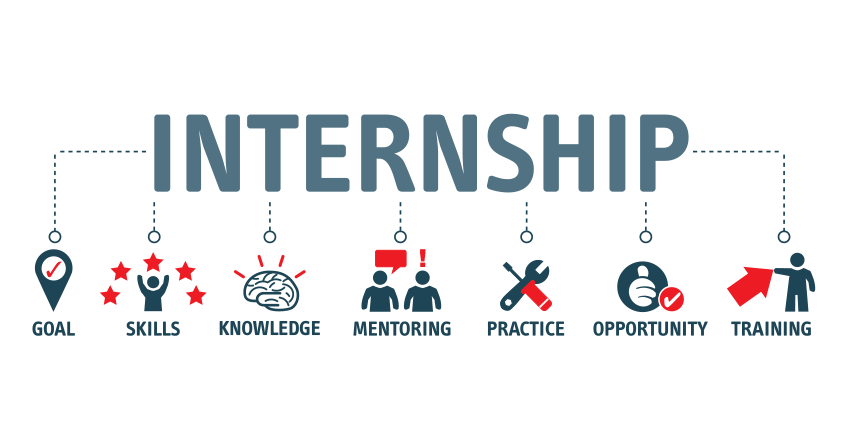
Here are several benefits of participating in an internship with Track2Training:
1. Hands-On Learning:
Internships offer practical, hands-on experience that allows individuals to apply theoretical knowledge in real-world scenarios. It’s an opportunity to gain practical skills relevant to a specific industry or field.
2. Skill Development:
Internships provide a platform to develop and enhance various skills, including technical, communication, problem-solving, and teamwork skills. Participants often learn new software, tools, and methodologies relevant to their field of interest.
3. Industry Exposure:
Working in a professional setting exposes interns to the industry’s culture, work environment, and dynamics. This exposure helps in understanding the industry’s expectations, trends, and best practices.
4. Networking Opportunities:
Internships enable individuals to connect with professionals, mentors, and peers within the industry. Building a network during an internship can lead to future job opportunities, references, and valuable connections.
5. Resume Building:
Internship experiences add credibility to a resume. They demonstrate practical experience, dedication, and a willingness to learn, making candidates more attractive to potential employers.
6. Clarifying Career Goals:
Internships allow individuals to explore different roles within a specific field. It helps in clarifying career interests, allowing participants to make informed decisions about their future career paths.
7. Potential Employment:
Successful internships often lead to job offers. Employers often prefer hiring individuals with prior internship experience as they have already familiarized themselves with the company’s operations.
8. Personal Growth:
Internships foster personal growth by challenging individuals to adapt, learn, and grow in a professional environment. It helps in building confidence, adaptability, and resilience.
9. Academic Credit:
Some educational institutions offer academic credits for internships, integrating practical work experience into the academic curriculum.
Internships under Track2Training provide a structured learning environment that not only enhances technical skills but also fosters personal and professional growth, preparing individuals for future career success.
Here are several benefits of participating in an internship with Track2Training:
1. Hands-On Learning:
Internships offer practical, hands-on experience that allows individuals to apply theoretical knowledge in real-world scenarios. It’s an opportunity to gain practical skills relevant to a specific industry or field.
2. Skill Development:
Internships provide a platform to develop and enhance various skills, including technical, communication, problem-solving, and teamwork skills. Participants often learn new software, tools, and methodologies relevant to their field of interest.
3. Industry Exposure:
Working in a professional setting exposes interns to the industry’s culture, work environment, and dynamics. This exposure helps in understanding the industry’s expectations, trends, and best practices.
4. Networking Opportunities:
Internships enable individuals to connect with professionals, mentors, and peers within the industry. Building a network during an internship can lead to future job opportunities, references, and valuable connections.
5. Resume Building:
Internship experiences add credibility to a resume. They demonstrate practical experience, dedication, and a willingness to learn, making candidates more attractive to potential employers.
6. Clarifying Career Goals:
Internships allow individuals to explore different roles within a specific field. It helps in clarifying career interests, allowing participants to make informed decisions about their future career paths.
7. Potential Employment:
Successful internships often lead to job offers. Employers often prefer hiring individuals with prior internship experience as they have already familiarized themselves with the company’s operations.
8. Personal Growth:
Internships foster personal growth by challenging individuals to adapt, learn, and grow in a professional environment. It helps in building confidence, adaptability, and resilience.
9. Academic Credit:
Some educational institutions offer academic credits for internships, integrating practical work experience into the academic curriculum.
Internships under Track2Training provide a structured learning environment that not only enhances technical skills but also fosters personal and professional growth, preparing individuals for future career success.
Select a topic that interests your audience and aligns with your expertise. Ensure it’s relevant, timely, and addresses a particular need or question.
2. Research and Outline:
Conduct thorough research on the chosen topic. Gather reliable sources, statistics, and examples. Create an outline to organize your thoughts, ensuring a logical flow from introduction to conclusion.
3. Craft a Compelling Introduction:
Hook your readers with a captivating introduction. Use a powerful opening statement, a thought-provoking question, or a relevant anecdote to grab attention and set the tone for the article.
4. Write Clear and Engaging Content:
Use simple language, avoid jargon, and maintain clarity throughout the article. Break down complex concepts into digestible chunks. Use headings, subheadings, and bullet points to improve readability.
5. Conclude Effectively:
Summarize the key points discussed in the article. Provide a clear and impactful conclusion that reinforces the main message or call-to-action. Encourage readers to engage further or take action if applicable.
By following these steps, you can create informative, engaging, and valuable articles that resonate with your audience and effectively convey your message.

















You must be logged in to post a comment.