CBSE Evaluation Criteria for 10th 12th Result 2020 released – Explained, how marks would be calculated

CBSE Evaluation Criteria has been released for CBSE 10th 12th Results 2020. Result for all students would be released. Here is how the marks would be calculated for the papers that were cancelled.

Central Board of Secondary Education, CBSE has submitted the assessment and evaluation criteria for the cancelled 10th 12h board examinations. The board would be awarding the students based on the papers they have attempted. For the students who have not attempted a minimum of 3 papers (especially students of North East Delhi) the results would be based on internal evaluation. Check complete notice and details here.

For students whose all papers were complete, the marks would be declared basis the performance in the examination For students of classes 10 and 12 who have appeared in more than 3 subjects, the marks for the pending subject would be based on the average marks obtained in the best three subjects For students who have appeared only for 3 subjects, average marks on the basis of the three attempted subjects would be used for determining the marks of the pending exams that were cancelled For the Class 12 students whose only 1 or 2 papers could be conducted (true for students from North East Delhi), their results would be declared basis the performance in the appeared subjects as well as the performance in the internal/practical/project assignment. These students would have an option to appear for the examination at a later date. The results of all such students, however, would be announced along with the results of all the students.

For CBSE Class 10 students (barring students from North East Delhi), all core exams of 5 subjects were completed. The CBSE Class 10 results of the students, hence would be basis the performance in the examinations attempted. All the other examinations were cancelled this year and as such the board would not be grading students on those papers.

Results would be declared by the board by July 15, 2020 for all CBSE Class 12 students, irrespective of the number of subjects students had appeared for, so as to facilitate the admissions to higher educational instituted. Marks and option to appear for the examinations at the later date would depend on the way their result is calculated.

Students who appeared for all their papers

Most of the students of CBSE Class 12 had already appeared for the papers they had opted for. For all such students, the marks would be awarded basis the performance in the examinations attempted. All such students would not get an option to appear for the examination at a later date. Their results would be binding.

Students who appeared three or more papers and 1 or 2 subjects were pending

For such students, the board would be awarding students as per the average of the best three performed subjects. For instance, say a student appeared for English, Maths, Accountancy and Economics and the Business Studies paper was pending. Now, the student scored (out of 100), 75 in English, 45 in Maths, 85 in Accountancy and 90 in Economics, then the student’s marks in English, Accountancy and Economics would be considered for calculating the average marks in Business Studies. All such students would have an option of appearing for the board exam for the subject that was cancelled when it is conducted by CBSE at a later date. Students can also choose to accept the average marks awarded by the board. However, should the student choose to opt for and appear in the examination at the later date, the marks thus obtained by the students in the examination would be considered final (even if they are less than the average score that was awarded).

Students who appeared for only three other papers

For all such students, the marks would be awarded on the basis of the average score of the three subjects appeared for by the student. For example, say the students appeared for English, Physics and Chemistry and secured (out of 100) 75, 80 and 80 marks respectively, the marks for the remaining two subjects would be given on the basis of the average of these three subjects. All such students too would have an option of appearing for the cancelled papers at the later date. Again, should the students opt to appear for the examination at the later date, the marks thus obtained would be considered final – irrespective.

Students who appeared for only 1 or 2 papers (Students from North East Delhi)

For such students, the marks would be a combination of the average of the performance in the subjects the students appeared in as well as their performance in internal assessment (practical, project, etc.). These students too would be allowed to appear for the examination at a later date to improve their performance.

IMPORTANT TO NOTE

No exams for Class 10 students would be conducted. The results thus calculated and released would be finale. CBSE Class 12 students would have an option to appear for the exams whose marks were awarded based on averages as detailed above. In such a case, the performance in the paper appeared would be considered. CBSE has not shared when the students need to share their choice for optional.It can be assumed the CBSE may provide the students the option to appear for the examination once the results are declared.

CBSE Class 10, 12 Board Exams 2020 which were scheduled for July have been cancelled. The board presented the evaluation criteria to the Supreme Court, which has in turn accepted and allowed CBSE to release the same. The notification detailed above would be released on cbse.nic.in by end of day today. ICSE Board, too, decided to cancel the pending exams. The evaluation criteria, as per CISCE Counsel, would be slightly difference from CBSE and students may be given an option too. The evaluation criteria of ICSE board would be released in a weeks’ time.

By :- Kanika
CBSE 2020 results date: CBSE class 10 and Class 12 board exam results announced; read here

The Central government on Friday told the Supreme Court that the results of CBSE and ICSE board exams of Class X and XII will be declared around mid July

The Centre on Friday told the Supreme Court that the results of CBSE and ICSE board exams of Class X and XII will be declared by July 15. The Top court also permitted CBSE to go ahead with its assessment scheme to award marks to students for cancelled exams.

Solicitor General Tushar Mehta, appearing for the Centre and the CBSE, said that the assessment scheme will consider marks achieved by students in last three papers of board exams.

According to Exam Controller Sanyam Bhardwaj, the exams which were pending due to the COVID-19 situation have been cancelled.

‘Class 12 students will get an option’

“Results will now be declared following an alternate assessment scheme. Class 12 students will get an option to appear for exams later to improve their score. However, for students who chose for sit for exams, their marks in the exams will be treated as the final score,” Bhardwaj said in an official notification.

“Class 10 students will not get the chance to appear for improvement exam. Their result declared by the board shall be treated final,” he added.

The CBSE on Thursday had informed the top court that the Board has decided to cancel the remaining Class X and XII board examinations in light of the rising number of COVID cases across the country.

‘Conducive time’ will be decided by the Centre General Tushar Mehta told the Supreme Court that for now, the exams that were scheduled from July 1 to July 15 have been cancelled and will be conducted at a conducive time for Class XII students. The ‘conducive time’ will be decided by the Centre’

ICSE board told the Supreme Court that they too were agreeable with the CBSE decision to cancel the board exams for students of Classes X and XII. The state of Maharashtra, on behalf of ICSE, had earlier informed the Bombay HC that they will be unable to conduct the exams for the students this year.

ICSE has however clarified to the Supreme Court that they will not be providing any student with an option to appear for the exam at a later date and the results for all students in Class X and XII for the ICSE board will be declared on the basis of their marks in the internal assessment.

The CBSE class XII exams had started on February 15 and were to conclude on April 3. The class X exams had started on February 21 and were to end on March 29. However, the nationwide lockdown to contain the spread of the coronavirus (COIVD-19) pandemic came into force from March 25.

No exams for students of all UNIVERSITIES


Union HRD Minister Ramesh Pokhriyal ‘Nishank’ has asked the University Grants Commission (UGC) to revisit the guidelines issued earlier for intermediate and terminal semester examination, and the academic calendar

Exams for final year students in universities and higher education institutions which were to be held in July are likely to be cancelled in view of the spike in COVID-19 cases, and the commencement of the new session is likely to be deferred to October, according to officials.

Union HRD Minister Ramesh Pokhriyal ‘Nishank’ has asked the University Grants Commission (UGC) to revisit the guidelines issued earlier for intermediate and terminal semester examination, and the academic calendar.

According to officials, a panel, set up by UGC and headed by Haryana University vice-chancellor R C Kuhad, has been asked to revisit the guidelines and come up with alternative options. The revised guidelines are expected to be announced by the higher education regulator within a week’s time.

“The ministry has made it clear that the foundation for revisited guidelines shall be the health and safety of students, teachers staff. The expert committee is of the view that the examinations due in July in most universities as per the revised academic calendar be cancelled and marks for final examination be awarded based on the past performance of each student.

“Students who are not happy with the final marks being given to them based on previous examinations, can be given a chance to improvise their scores by taking examinations later when the pandemic subsides,” a senior official said.

“Similarly, the commencement of the new academic session, which was earlier planned for already enrolled students from August and freshers from September, is also likely to be deferred to October. The deliberations are on and final guidelines in this regard will be announced soon. However, any guidelines framed will be subject to review depending upon the COVID-19 situation,” the official added.

Universities and schools across the country have been closed since March 16 when the central government announced a countrywide classroom shutdown as one of the measures to contain the COVID-19 outbreak.

A nationwide lockdown was announced on March 24, which came into effect the next day. While the government has eased several restrictions, schools and colleges continue to remain closed.

The UGC had in April formed two committees to deliberate on issues arising due to the lockdown to avoid academic loss and take appropriate measures for the future of students.

One of the committees, led by Haryana University Vice-Chancellor R C Kuhad, was tasked with looking into ways of conducting exams in universities amid the lockdown and work on an alternate academic calendar.

The second committee, formed to suggest measures to improve online education, was led by Indira Gandhi National Open University (IGNOU) Vice-Chancellor Nageshwar Rao.

Based on the recommendations of the two panels, the HRD Ministry had on April 29 announced the guidelines recommending the exams for final semester students be conducted in July.

The commission had said that the universities may decide whether to conduct exams online or offline keeping in view the support system available with them and ensuring a fair opportunity to all students.

The UGC had recommended that intermediate semester students may either be evaluated on the basis of internal assessment or in states where the COVID-19 situation has normalised, exams be conducted in July only.

The commission had also said the new academic session for freshers may begin in universities from September and for already enrolled students in August while the admission process may begin in universities from August 1

However, due to spike in coronavirus cases, various states recommended cancellation of final year exams. A few states like Maharashtra and Madhya Pradesh have already announced their plans in this regard.

The cancellation is also likely to put to rest the standoff between DU administration and students and a section of teachers over the university’s decision to conduct Open Book Examination (OBE) online for final year students. PTI GJS GJS NSD NSD


Space Race vs Space Rage : What is the Reality of World’s Space Exploration Program ???????

Unbeknownst to a world still reeling from the atomic catastrophe of Hiroshima, and under the crafty guise of a “peaceful nuclear explosion”, India detonated it’s first Weapon of Mass Destruction at the infamous Pokhran test range in 1974, carving for itself an irrevocable position in a community of toffee-nosed, nuclear-armed governments. The diplomatic furore that followed this tectonic shift would resound in the international nuclear coterie for decades to come, and incense totalitarian American administrations committed to crippling India’s self-defence programmes. Even the most imperious sanctions and underhanded espionage, however, could not muffle a nation of determined democracy, that tested it’s most triumphant space-technology yesterday – The GSLV Mk-III.

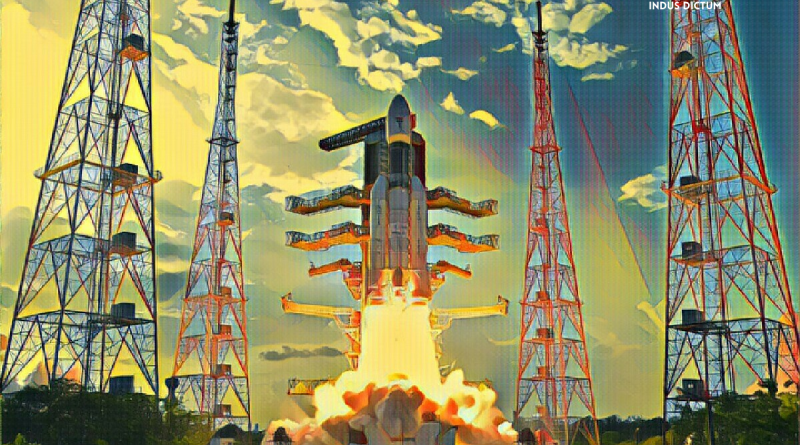
On June 5th, 2017, after more than 200 tests in 2 years, the Indian Space Research Organisation (ISRO) launched into orbit a three-tonne payload on a home-grown rocket of the class developed by only 5 others – Russia, China, Japan, the European Space Agency, and the United States. The Geosynchronous Satellite Launch Vehicle Mark-III (GSLV Mk-III) weighs 640 tonnes – as much as 200 fully grown elephants – and carries upto 10 tonnes to be delivered into orbit. It is a 140 foot-tall, three-stage, game-changing Launch Vehicle with a cryogenic engine, developed almost entirely using Indian components, and capable at long last of sending manned crews into space.

Credit : Third Party Reference

The Command Centre and Launchpad at Sriharikota, Andhra Pradesh, witnessed a turning point in the global space-race yesterday with the success of India’s GSLV Mk-III, placing the country at the heart of a space-industry valued at nearly $350 billion. Dependent on foreign agencies to launch satellites over 2,300 kilograms, India was confined to under 1 percent of this burgeoning market. Today, India has made “quantum leaps” in the words of P. V. Krishnan, Director of the ISRO Propulsion Complex, and is well on the way to launching Chandrayaan-II, slated for next year, and Aditya-I, a satellite mission designed to study the sun.

This jumbo-jet of the rocket-world, however, has a dramatic history riddled with international outrage and sabotage spanning nearly three decades. Beginning at the height of the Soviet era, India’s space and nuclear programmes have been the subject of gory eco-political power-plays between the two superpowers of our time – Russia and the United States. Yet, against all odds, and the express actions and sanctions of the US Government, Indian scientists designed by themselves a heavy-weight carrier of not only 10-tonne satellites, but also national pride and international glory.

Credit : Third Party Reference

After the successful Smiling Buddha nuclear tests at Pokhran, ISRO made enormous strides in space technology with the aid of it’s Russian counterparts, leading up to a $120 million contract in 1991 with the Soviet Space Agency Glavkosmos for seven cryogenic rocket engines, along with a complete transfer of technology. Cryogenic engines use super-cooled liquid fuels to produce massive amounts of thrust in order to lift heavy payloads into space, and the Russians were offering a secret engine, the RD-56 or KVD-1 – originally designed by the Isayev Design Bureau as part of the Soviet manned moon-landing programme of 1964 – with unparalleled thrust and capabilities that NASA could not match for years. Apprehensive of competition in the highly-lucrative commercial space industry, the US descended into a dirty game of geopolitical sanctions and espionage to disable this agreement.

Invoking the Missile Technology Control Regime (MTCR), the United States stalled the engine supply by sanctioning both ISRO and Glavkosmos. The American administration claimed that the issue was not India importing engine components from Russia, but that India was importing engines at all. The idea being that if India were forced to make those developments on their own instead of simply buying engines and the technology driving them, it would slow India’s rocket program and keep them from becoming a potential military threat.

The two-faced Americans, however, continued to import engines from Russia, simultaneously strong-arming India to sign the Non-Proliferation Treaty. India refused on the grounds that all signatories – except members of the UN Security Council – are required to unilaterally destroy their nuclear weapons, and could not afford to oblige given that the country is neighboured by two nuclear armed states, both of whom are hostile. Crippled but not killed, ISRO began the formidable task of developing indigenously a cryogenic rocket.

Credit : Third Party Reference

America views launch vehicles as weapons and components of ballistic missiles, as opposed to a commercial service. That is why it is acceptable when European nations, America, or other such countries purchase engines from each other, because they are allies and have advanced propulsion capabilities of their own, but a less developed, non-allied nation buying the same engines is not. This is, however, a remarkably flawed perspective.

In fact, there are no ballistic missiles in the world that use cryogenic engines. Because it takes several critical hours to fuel up a cryogenic rocket, such an engine could never be used in a ballistic missile. The fear mongering about using or selling these engines, then, is an outright farce and strawman fallacy.

Unblushing and wholly devoid of shame, the Machiavellian Americans turned around to sell banned WMD technologies to Pakistan, disobeying both US as well as international non-proliferation protocols. When US aid to Pakistan tapered off after the withdrawal of the Soviet Union from Afghanistan, the unscrupulous and impoverished Pakistani military responded in 1987 by selling it’s nuclear hardware and know-how for cash, pitching south Asia into three near-nuclear conflagrations, and enabling the nuclear weapons programmes of Iran, Libya and North Korea, which might never have got off the ground were it not for the duplicitous Americans. This hypocritical subterfuge is detailed in the account of CIA Agent and Pakistan-specialist Rich Barlow, reported by the Guardian almost a decade ago.

In defiance of ruthless international oppression and embargo, ISRO advanced swiftly and surely to counter America’s tyrannical throttling of the industry and reserve a seat at the space-table. Earlier this year, the triumphant ISRO launched a record 104 satellites on a single rocket. And now, having spurned the Non-Proliferation Treaty, this historic moment is an open-handed smack in the face of US monopoly.

India has overcome cumbrous obstacles and staunch opposition to design and launch it’s own cryogenic rocket. The GSLV Mk-III is a true testament to the ingenuity of an intrepid democracy. Resolute is the country we live in today.

Reference – divyanshspacetech.wordpress.com

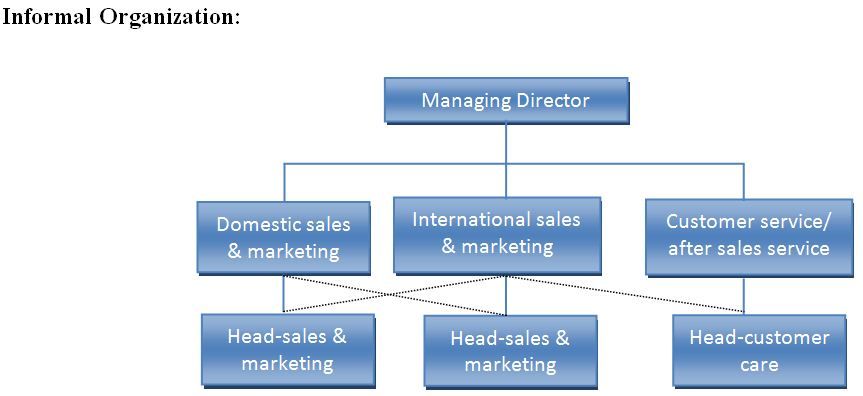
INFORMAL ORGANIZATION

Informal organization refers to relationships between individuals in the organization based on interest, personal attitudes, emotions, prejudices, likes, dislikes, physical location, the similarity of work et. The informal organization comes into existence because of the limitations of the formal structure and it represents a natural grouping of people in working situations and the birth of small groups in an organization is a natural phenomenon. The informal group may overlap because an individual may be a member of more than one informal group. Informal groups come into being to support and supplement the formal organization. The formal and informal organization are inextricably interlinked. As Joseph L. Massie said, “Informal organization has been defined as any human interactions that occur spontaneously and naturally over long periods of time”.

CHARACTERISTICS OF INFORMAL ORGANIZATION

The main characteristics of informal organization are:

  1. It has no place in the formal chart.
  2. It is definite and has no structure.
  3. It is a network of personal and social relations.
  4. It has its own rules and traditions.
  5. It provides for social satisfaction to its members.
  6. An informal organization arises spontaneously.
  7. It is an integral part of a total organization and management cannot eliminate it.
  8. It is based on personal attitudes, emotions likes and dislikes etc.

  ADVANTAGES OF INFORMAL ORGANIZATION

The informal organization is a psycho-social system and the main advantages of an informal organization are:

  1. Informal organization evolve short cuts and eliminate various individuals and departments.
  2. Informal organizations help in solving work problems of members.
  3. Informal groups recognise talented workers as their leaders.
  4. A manager can build better relations with his subordinates through informal contacts.
  5. Informal groups do not allow managers to cross the limits of authority.
  6. Informal groups often fill up the communication gaps which might arise in the organization.
  7. The informal organization may fill in gaps, if any, in the abilities of managers.
  8. Informal groups develop certain norms of behaviour which differentiate between good and bad conduct and between legitimate and illegitimate activities.

LIMITATIONS OF INFORMAL ORGANIZATION

Informal groups have negative aspects too. They may create problems for the organization as mentioned below:

  1. Informal groups generally tend to resist change and change requires new skills but informal groups want to maintain the status quo and this creates obstructions in implementing new ideas and thus organization’s growth.
  2. An informal leader may turn out to be a troublemaker for the organisation and to increase his influence, he may work against the policies of management, and try to manipulate the behaviour of his followers.
  3. Every member of an informal group is also a member of the formal organization and sometimes role conflict may arise because the ideas, expectations and requirements of both the organizations may be opposite to each other.
  4. An informal group exerts strong pressure on its members for conformity and the members may become so loyal to their group that following the group norms may become a part of their life.
  5. Informal communications may give rise to rumours which may create conflict and misunderstanding among the people and rumours may prove dangerous for the organization. 

Why Should You Become a Medical Assistant?

With such promising occupation projections from the United States Bureau of Labor Statistics, it’s no surprise for many individuals to be interested in a new career in the healthcare industry. But where do you start, what career path is right for you? As you do your research to help you decide your next educational journey, it might be worth your while to check out the role of a medical assistaning.  

What is a medical assistant?

Medical assistants are caring, competent and committed providers who fill a vital need in the healthcare industry. Medical assistants are trained in both clinical and administrative duties and work alongside physicians and registered nurses (RNs). They are a huge help to doctors and nurses and can improve the quality of a hospital’s patient care.
Here are three reasons why you should consider becoming a medical assistant:

 1. High demand

Medical assisting is one of the nation’s fastest-growing careers. According to the United States Bureau of Labor Statistics (BLS), job growth is expected to be 23 percent from now until 2024. As the baby boomer population continues to age, there are significantly more elderly Americans in need of medical treatment.

How much can I make?

According to 2018 data from the BLS, medical assistants earn an average salary of $34,540 per year ($16.61 per hour). Graduates right out of school will need to gain experience to work their way towards earning a salary in this range. What you can make depends largely on your level of experience and state in which you practice. Learn more about the average medical assistant salary and find an estimate from the BLS in your state.

 2. Hands-on role in patient care

Medical assistants are an important liaison between the physician and the patient. Sometimes, medical jargon can be difficult for a patient to interpret. As a medical assistant, you help a patient understand the physician’s instructions. Medical assistants also help prepare patients for examination, administer medication and treatment and assist the physician during exams. Licensed practical nurses (LPNs) play a similar role in patient care, but they typically work in nursing homes or long-term care facilities. Medical assistants play a supporting role to physicians and RNs in medical offices, clinics and hospitals. They are often the ones who have the most direct contact with a patient and the ones who help patients feel at ease.

 3. The fast-track to a career in healthcare

While doctors and RNs have to spend years in school before they are certified, medical assistants may be able to receive their diploma (DMAS) in as little as 12 months. Students may also choose to pursue their associates in medical assisting (AAMAS); receiving your degree in as little as 16-20 months. If you’re looking for a faster entry point to a career in healthcare, a diploma medical assisting program might be the right path for you.

The cat families… part 2

this is the continuation article of part 1

26.Maine Coon cat:

undefined
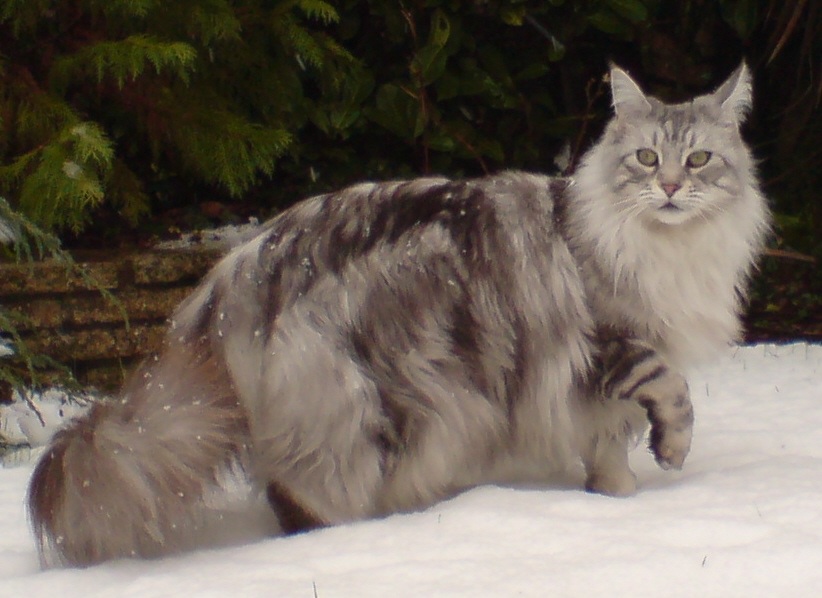
Maine coon cat, North America’s only native breed of the longhaired house cat . Though its origins are unknown, it had been first shown in Boston in 1878. Maines is large, muscular, and heavy-boned; they’ll are named for his or her raccoon-like tail. Excellent mousers, they’re known for his or her gentleness, intelligence, and type disposition, and are especially good with children and dogs. Most are brown tabbies.

27.Manx:

undefined
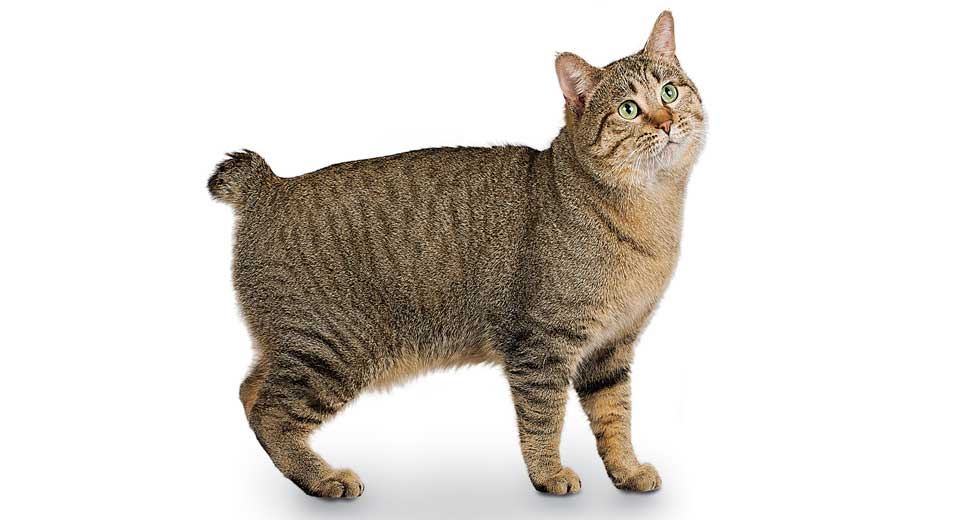
Manx, breed of the tailless house cat of unknown origin but presumed by tradition to possess come from the Isle of Man. Noted for being affectionate, loyal, and courageous, the Manx is distinguished both by its taillessness and by its characteristic hopping gait. it’s compactly built, with a rounded head; large, round eyes; and little , wide-set ears. The rump is additionally rounded and, because the hind legs are considerably longer than the forelegs, is distinctly above the shoulders. The Manx could also be born with a tail but ideally should be totally tailless with a hollow at the top of the backbone where the basis of the tail should be. The double coat could also be any solid, variegated, or tabby color.

28.marbled cat:

undefined
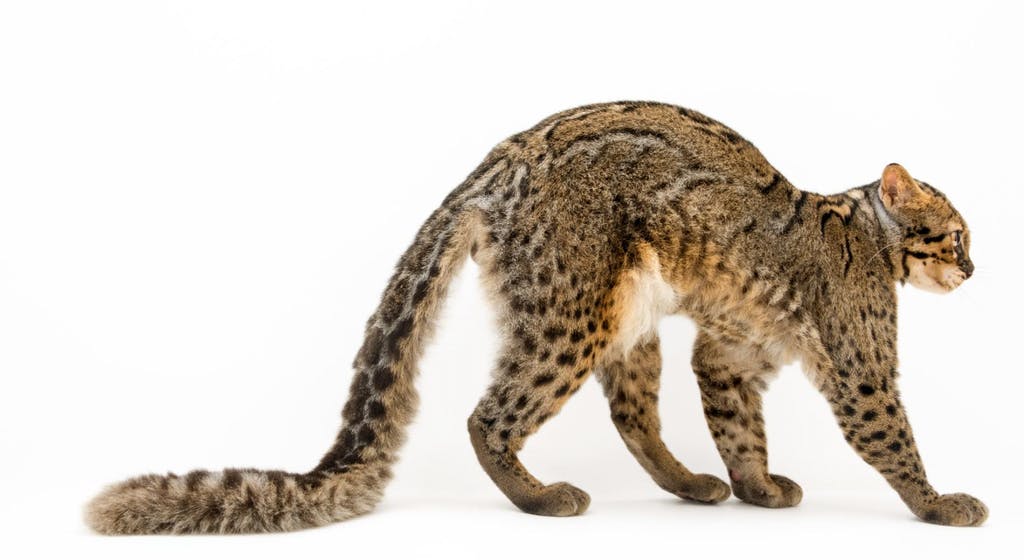
Marbled cat rare Southeast Asian cat, Felidae , often mentioned as a miniature version of the unrelated clouded leopard. The marbled cat is about the dimensions of a domestic cat; it measures roughly 45–60 cm long, excluding a tail of roughly an equivalent length. The coat is long, soft, and pale brown to brownish-gray, with large, dark-edged blotches on the body and smaller dark spots on the legs and tail. The marbled cat is nocturnal and lives in jungles, and should prey on small animals and birds.

29.margay:

undefined
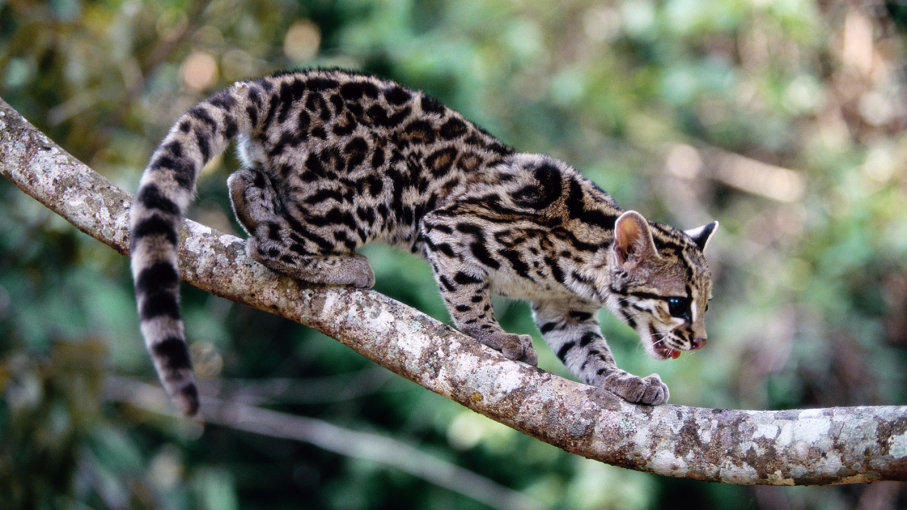
Margay also called tiger cat or tigrillo, alittle cat that ranges from South through Central America and, rarely, into the acute southern us . Little is understood about the habits of the margay. It lives in forests and presumably is nocturnal, feeding on small prey like birds, frogs, and insects. it’s largely arboreal and has specially adapted claws and feet that enable it to scamper up tree trunks and along branches with ease. The margay resembles the related ocelot but features a longer tail and fuller face, emphasized by large, dark eyes and rounded ears. The male attains a maximum length of about 1.1 meters, including a tail about 46 cm long, and weighs up to about 16 kg. the feminine is usually smaller and features a relatively long tail. Coloration varies from pale gray to chocolate with dark markings like spots, stripes, bands, and black-edged blotches. When hand-reared from a kitten, the margay reportedly is definitely tamed; as an adult, however, it’s going to become unpredictable.

30.ocelot:

undefined
the spotted cat of the New World found in lowland areas from Texas southward to northern Argentina. The short, smooth fur is patterned with elongated, black-edged spots that are arranged in chainlike bands. The cat’s upper parts vary in color from light or tawny yellow to gray. There are small black spots on the top , two black stripes on each cheek, and 4 or five black stripes along the neck. The ocelot’s underparts are whitish, spotted with black, and therefore the tail is marked on the side with dark bars or blotches.

31.Pallas’s cat:

undefined
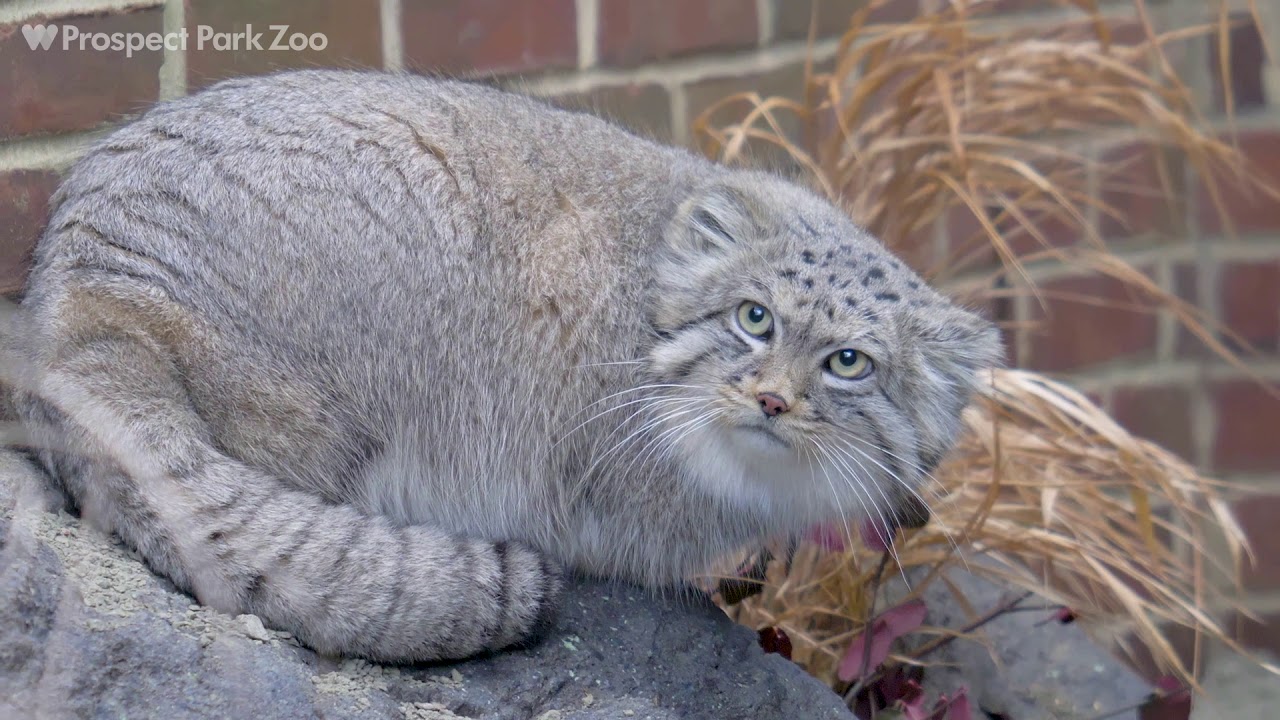
Pallas’s cat also called Steppe Cat, or Manul, small, long-haired cat native to deserts and rocky, mountainous regions from Tibet to Siberia. it had been named for the naturalist Peter Simon Pallas. The Pallas’s cat may be a soft-furred animal about the dimensions of a domestic cat and is pale silvery gray or brown in color. the top of its tail is ringed and tipped with black, and a few individuals have vague, dark markings on the body. The fur of the underparts is about twice as long as that of the upperparts and possibly represents an adaptation to the cat’s habitual lying and crouching on the cold ground.

32.pampas cat:

undefined
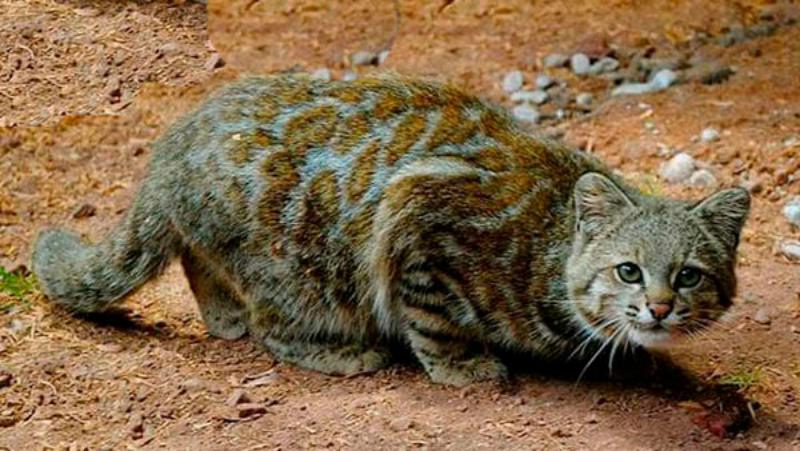
Pampas cat small cat, Felidae , native to South America. it’s about 60 cm long, including the 30-centimeter tail. The coat is long-haired and grayish with brown markings which in some individuals could also be indistinct. Little is understood about the habits of the pampas cat. it’s reported to measure in thick shrubbery and to hunt birds and little animals in the dark .

33.puma:

undefined
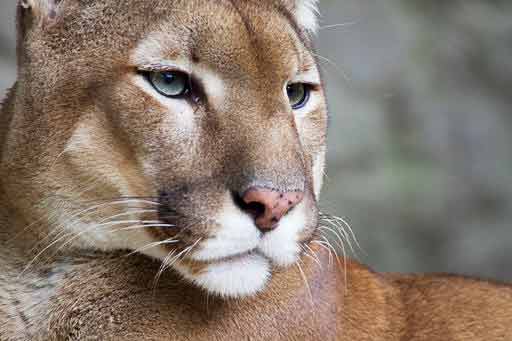
Puma also called cougar , cougar, panther, or catamount, large brownish New World cat comparable in size to the jaguar—the only other large cat of the occident . The puma, a member of the Felidae , has the widest distribution of any New World mammal, with a variety extending from southeastern Alaska to southern Argentina and Chile. Pumas sleep in a spread of habitats, including desert scrub, chaparral, swamps, and forests, but they avoid agricultural areas, flatlands, and other habitats lacking a canopy . Six subspecies of Puma concolor are recognized by most classifications.

34.Rex cat:

undefined
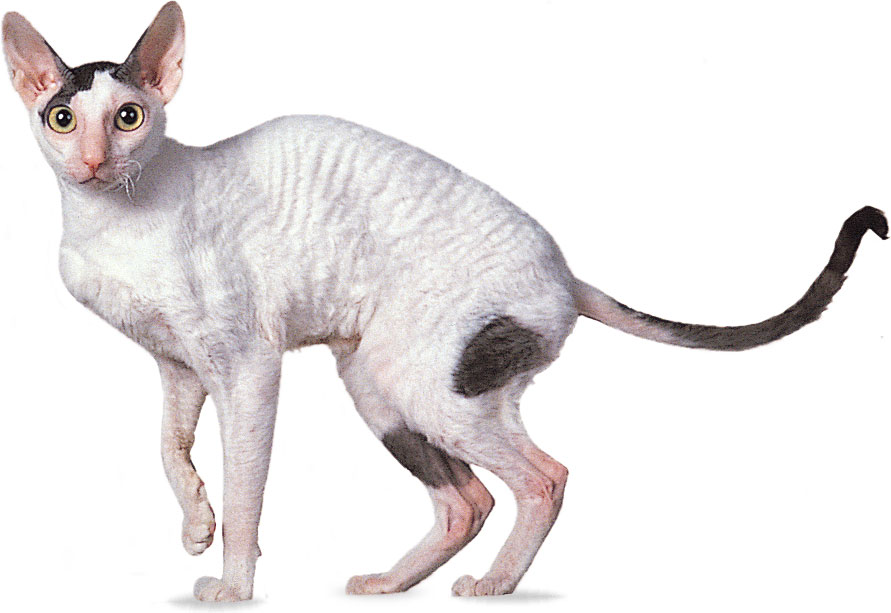
Rex cat, curly-coated breed of house cat that features a dense, soft coat lacking any projecting guard hairs, or outer coat. Except on the top , legs, and paws, the coat forms fairly deep waves, or crimps. The eyebrows and whiskers of the Rex cat are crinkled, the eyes are almond-shaped, and therefore the ears are large and high set. The adult Rex cat is slender and typically has long legs, an extended neck and head, and an extended , tapering tail. Show cats could also be any of the colours or patterns that are accepted for domestic cats.

35.tiger:

undefined
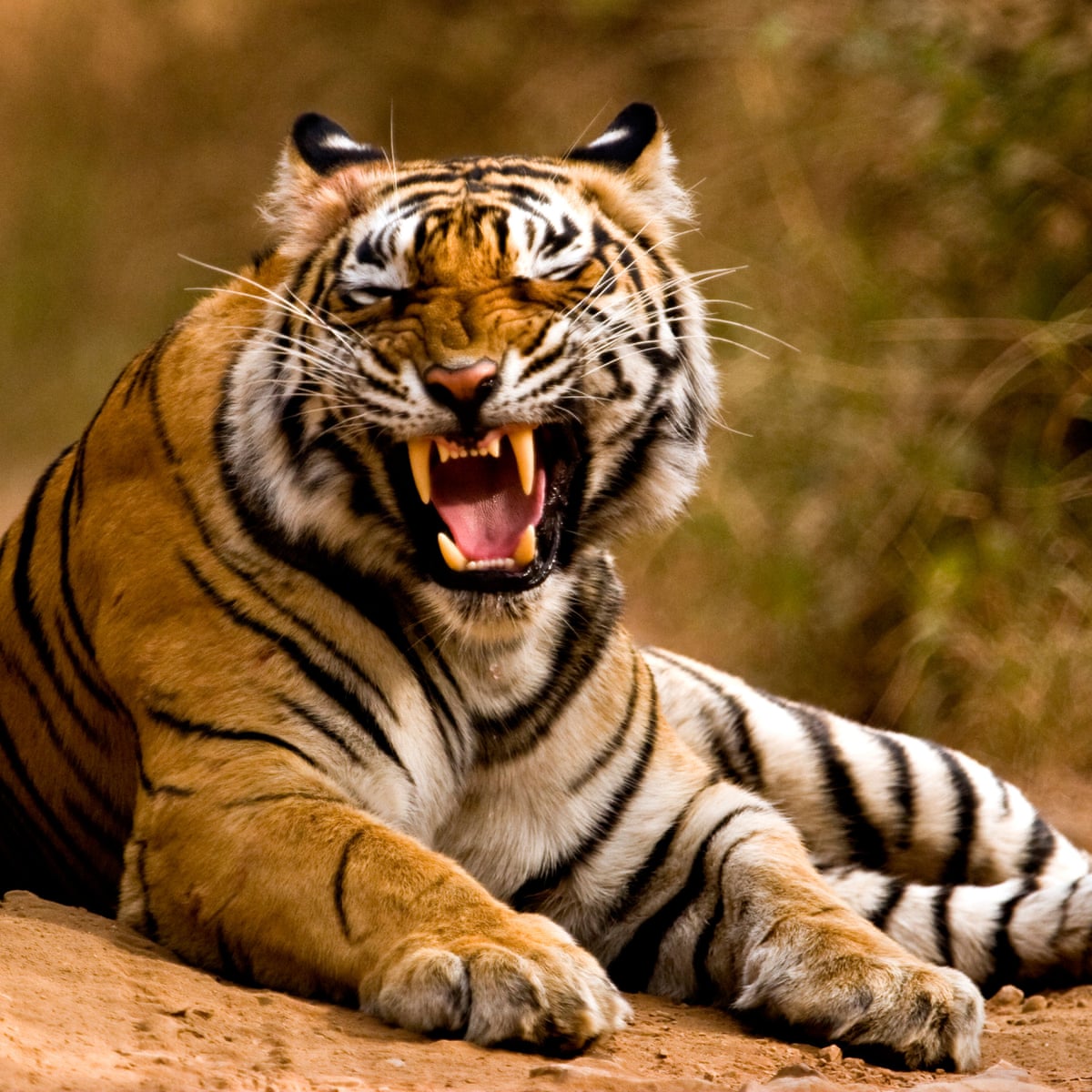
Tiger’s largest member of the cat family, rivaled only by the lion in strength and ferocity. The tiger is endangered throughout its range, which stretches from the Russian Far East through parts of North Korea , China, India, and Southeast Asia to the Indonesian island of Sumatra. The Siberian, or Amur, the tiger is that the largest, measuring up to 4 meters in total length and weighing up to 300 kg. The Indian, or Bengal, the tiger is that the most numerous and accounts for about half the entire tiger population. Males are larger than females and should attain a shoulder height of about 1 meter and a length of about 2.2 meters, excluding a tail of about 1 metre; weight is 160–230 kg, and tigers from the south are smaller than those of the north.

36.tigon:

undefined
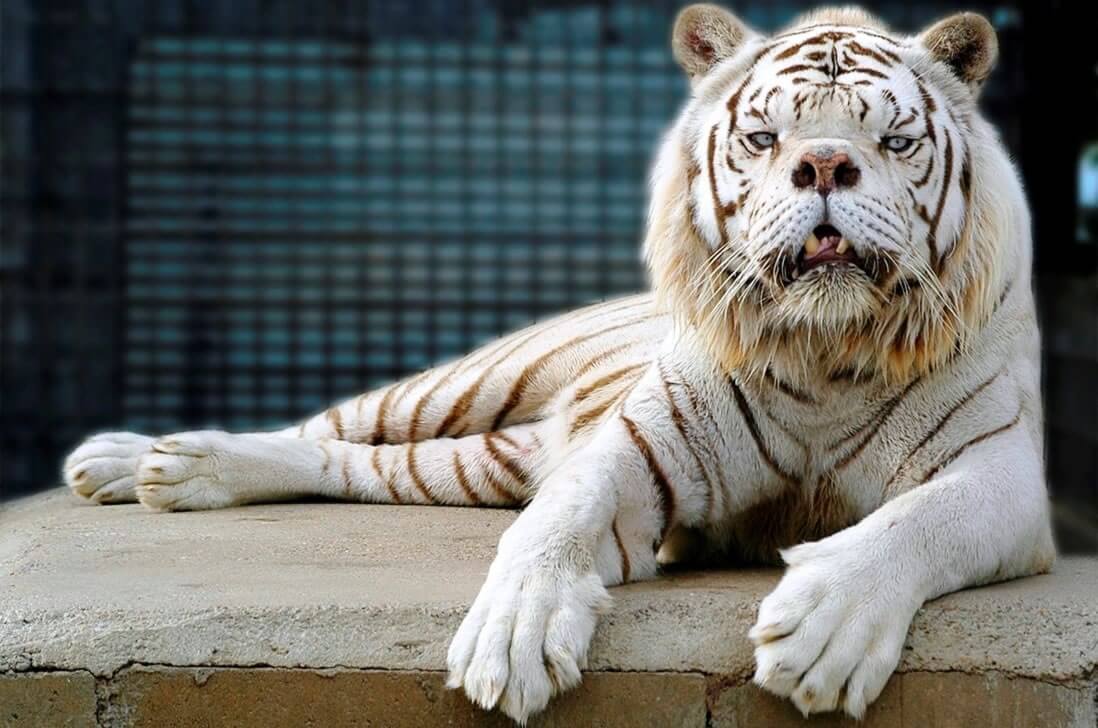
Tigon, offspring of a tiger and a lioness. The tigon, or tiglon, may be a zoo-bred hybrid, as is that the liger, the merchandise of the reverse mating of a lion with a tigress.

Discouraged Lion

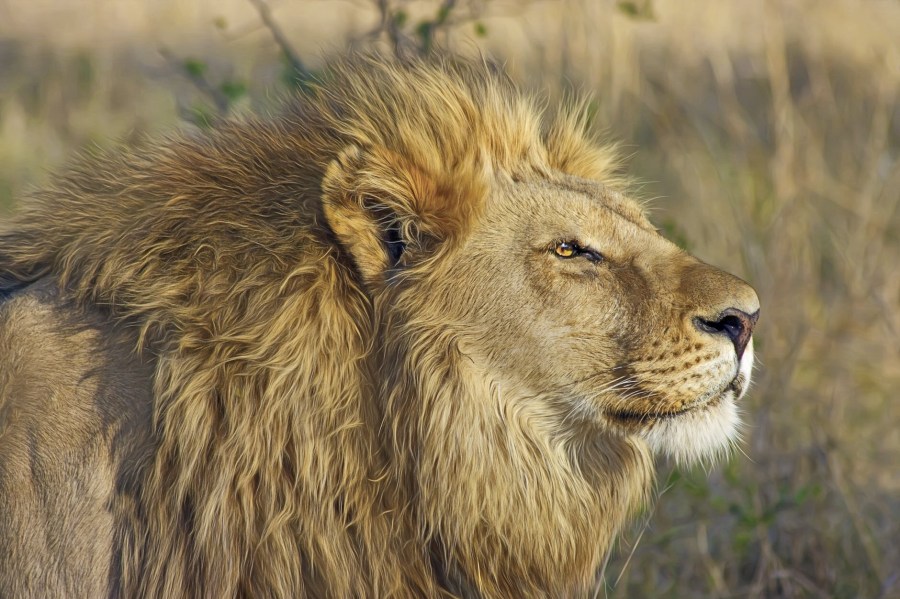
When you own your legacy with no unfolded stories life it becomes easy to fight with anything. And in case of reverse inspite of being lion you are discouraged to do so. No political angle in it- it’s one of the professional antiquates.

How Pop Culture Trends Influence Youth….

At times, students fail to complete their assignments successfully due to the complexity of a topic. Some topics are difficult to cover because they should analyze many issues. For example, the relations between pop culture and youth are complex and include a lot of things to consider and explain. In the meanwhile, it’s a very interesting and popular theme for debates. A human being is a social creature that desires to interact with other people. Thus, people unite due to a common purpose and initiate small communities, which steadily develop into a real nation. Every nation has its culture and it affects the youth. The further division of culture creates popular culture trends that play an important growth in the development and maturing of young generations. Popular culture trends may have positive and negative effects for the youth and we should be aware of every manifestation.

Popular culture has long been associated with youth. TV and movie producers, as well as celebrities and their agents, frequently market their wares specifically to young people. Teens find extreme sports appealing and love to try trends. But pop culture has gone beyond reality TV and bungee jumping. It’s become more about making a personal connection with teens and having them interact with popular culture and each other.

influence young people today, such as TV, movies and celebrities, were popular with previous generations. However, the way that teens access and interact with popular culture has been revolutionized by technology and specialization. They don’t just experience popular culture and react to it; they interact with it and affect it in real time. They’re using technology to do it, and youth leaders can utilize these same technologies to establish relationships between our teens, their views of culture and their faith.

Pop culture has a huge influence on teens. They tend to imitate current trends and other people. The influence shapes the way they think (psychologically), act (behaviorally), and feel (emotionally). It helps to define themselves. They recognize themselves and see as if with the eyes of other people. The image that is taken from culture shapes their worldview and affects personal choices. It’s really nice when teenagers follow a celebrity who has healthy habits, is kind, educated, leads to a healthy lifestyle and so on. Nonetheless, many celebrities are far from being a good example to follow. Many of them take drugs and drink a lot of alcohol. Thus, many youngsters imitated this terrifying lifestyle and ruined their own lives. Teens likewise lose interest in school and normal things that used to make them happy.

Pop-culture is a timeless notion. It happens in every moment of the history and influences people who enjoy mass values. It is not only about youth: adults also get affected by popular culture if they stay in touch with the current trends and monitor what’s new. Older generations are adherents to popular culture of their own youth so that they are least likely to follow new trends.

By popular culture, we mean everything that happens in the media, arts, sports, society, or entertainment. Today, online media have become a potent transmitter of popular culture to young people who use them most. Social activities are arranged on Facebook where people can discover them. TV shows and movies are discussed and popularized online too. People who actively use social media are very likely to follow popular culture as news and updates are displayed in their newsfeed. There is no doubt that popular culture changes generations. Both youngsters and adults are likely to adopt features popular among their peers, and pop culture is the largest source of such features.

The influence of popular culture has a strong impact on young generations. It can be noticed in numerous manifestations and interacts with all sides of our life. There are great chances that teens will imitate the wrong model of behavior. Accordingly, parents and society should keep an eye on this issue.

Refrences:-

https://scallywagandvagabond.com

Railways produced around two lakh PPE gowns, over 7 lakh masks during lockdown

Railways has produced around two lakh Personal Protective Equipment, PPE gowns and over seven lakh masks during the lockdown period. Railways Ministry said, Railway is geared up to meet the challenge of providing protection to its front line medical workers and other operational staff persons, from the COVID 19 pandemic. 

The Ministry said, Railway workshops took up the challenge and manufactured PPE coveralls, sanitizer and masks. Raw material for manufacturing of these items was also procured by the field units. PPE coverall target for the month of June and July are fixed as 1.5 lakhs each.

Ministry of Railways has designated 50 Railway Hospitals as COVID Dedicated Hospitals and COVID Dedicated Health Centers. Facilities at these hospitals were upgraded through procurement of medical equipments and other items to meet the challenge of COVID Pandemic.

The Ministry said, more than five thousand Railway coaches have already been converted to isolation coaches to serve as the Covid Care Centers to augment the capacity of health infrastructure in the country. 960 coaches have so far been placed in service at several locations based on the requests received from the States.

All regular train services to remain cancelled till August 12; All 230 special trains to continue to operate

Railways has decided to cancel all the regular time-tabled passenger services including Mail/Express, passenger and suburban Service up to 12th August this year.

However, Special Rajdhani which started from 12th May and Special Mail Express service which started from 1st June will continue to operate. All the tickets booked for regular time table trains, for the journey date from 1st July to 12th August will be cancelled and full refund will be given to the passengers.

Earlier, the Railways had said that all the tickets booked upto 30th June will be cancelled and full refund will be provided.

Death toll in lightning strikes and rain-related incidents across Bihar, UP mounts to 130

In Bihar, the death toll in lightning and rain related incidents in 25 districts of the state during the last 24 hours has reached 106 while 56  others have been injured.

Most of the casualties are farmers who were doing agriculture related works in fields. 14 people were killed in Gopalganj while 39 in six districts of Purnea,Nawada , Madhubani, Bhagalpur, Aurangabad and Siwan. Other 53 casualties were reported from 18 districts.

The Met department has forecast heavy rain and lightning in the  next  three days in different parts of the state. The people have been advised to remain indoors during this period.The state government has appealed to people to take all necessary precautions during turbulent weather.

Chief Minister Nitish Kumar has expressed grief over the loss of lives and announced an ex-gratia of four lakh rupees to the next of kin of the deceased. He has ordered  free treatment to injured people. 

Meanwhile in Uttar Pradesh, at least 24 persons were killed and 12 others  injured due to lightning yesterday. AIR Correspondent reports that as per the report of the Relief Commissioner of the state, 9 casualties were reported from Deoria district where 6 persons were also injured in incidents of lightning.

Six persons lost their lives in Prayagraj while there are reports of 3 deaths in Ambedkarnagar, 2 in Barabanki and one each death in Kushinagar, Fatehpur, Balrampur and Unnao districts.Those who lost their lives were either working in their farms or had taken shelter under trees during lightning strike.

Chief Minister Yogi Adityanath has expressed grief over the deaths and has announced ex-gratia of 4 lakhs for the families of the deceased. He also ordered officials to provide proper medical care to the injured and help the families of victims of this natural calamity immediately.  

Prime Minister Narendra Modi has expressed condolences to the families of those who have lost their lives  due to heavy rains and lightning strikes in some districts of Bihar and UP. In a tweet, Mr. Modi said the state governments are engaged in relief work with promptness. 

Serological survey to determine spread of coronavirus in Delhi begins today covering 20,000 people

Amid rising coronavirus cases in the national capital, a serological survey will be undertaken in Delhi from today. The exercise will be taken up till 10th July.

AIR correspondent reports, Serological survey will be conducted in all districts of Delhi in which sample testing will be conducted of 20 thousand persons spanning all sections and ages. It will help in comprehensive assessment of the spread of infection and will help draw up a comprehensive strategy.

It is part of the new COVID-19 response plan prepared as per the recommendations of the committee, headed by NITI Aayog member Dr V K Paul. On the directions of Home Minister Amit Shah, the Committee was constituted on 14th June to submit a report on Containment Strategy on COVID-19 for Delhi. 

On Sunday, Mr Shah reviewed Delhi’s Covid-19 situation with Lieutenant Governor Anil Baijal and Chief Minister Arvind Kejriwal and discussed recommendations made by the committee. Dr V K Paul committee has also proposed revised demarcation of containment zones and a strict monitoring and control of activities in such containment zones.

Delhi recorded 3788 fresh coronavirus cases yesterday, taking the tally in the city to 70 thousand 390. With this Delhi has already overtaken worst-hit city Mumbai’s tally of 68,410. The death toll in the National Capital has climbed to 2365. 

Meanwhile, the State Disaster Management Authority yesterday approved modification of SOP for home isolation for Covid patients to meet the twin objectives of containment of local spread and provision of timely medical care for Covid positive cases to save precious lives.

In a tweet Delhi Lieutenant Governor Anil Baijal said, Health department will deploy a robust surveillance mechanism. He said, only those COVID positive cases who do not have adequate facilities at home to ensure physical segregation and do not have other medical conditions would require to be shifted to Covid Care centres and other facilities. 

Central team to visit Gujarat, Maharashtra & Telangana to review COVID-19 situation

A Central team will visit Gujarat, Maharashtra and Telangana today to coordinate with State officials to strengthen ongoing efforts for management of COVID-19. During the four days visit, the team will interact with state government officials over the pandemic.  It will be led by the Joint Secretary in the Health Ministry.  

The Central team will review the measures undertaken by the three states for containment of COVID-19.  Maharashtra has reported the highest number of cases in the country.

Meanwhile,  the recovery rate of COVID-19  patients has improved to 57.43 percent in India.  In the last 24 hours,  over 13 thousand  COVID-19 patients have been cured.  With this,  the number of cured cases has reached  over two lakh 71 thousand so far.

Cases per lakh in India currently stands at 33.39 against the world’s 120.21 cases per lakh population. Also, death per lakh population in the country is presently amongst the lowest in the world with 1.06 deaths per lakh against the world average of 6.24 deaths per lakh population.  In a significant ramping of the testing facilities across the country, India now has 1007 diagnostic labs and over 75 lakh COVID-19 tests have been conducted till now.  

Inspiring story of Google’s CEO: Sundar Pichai – Must read!!!

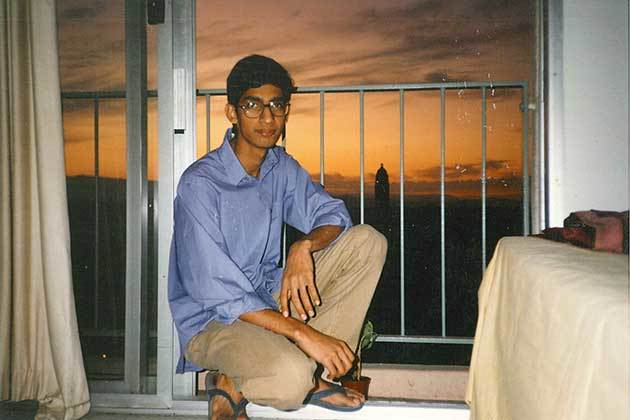
Growing up in India, like many of you, Sundar Pichai got my first telephone when he was 12. In case it turned out be a rotary phone, so it wasn’t that great for selfies. But he still loved to call my friends, play with it and sometimes take it apart. That telephone cemented my fascination with technology. Sundar Pichai remember in his parents’ house in Chennai, reading about the invention of the transistor at Bell labs. Of course, that initial invention helped found what became referred to as Silicon Valley and out of that came companies like fairchild semiconductor and Intel and every one the computers and software, that we all use today. You can draw an immediate line from that invention to the technology, that powers your Twitter feed or your WeChat messages today.

Google's Sundar Pichai travelled in buses, had no television while ...

Image source : GadegtsNow

When he was younger, people would say, this person didn’t get into this college or something and that is the end of the road. Sundar Pichai thought life is so different from that, and so he think it is important to you know, keep your hopes, keep your dreams and try to follow them and you recognize he think, most of how life plays out is up to you, not up to what happens outside of you. It’s important to keep that in mind and take the long-term view. As a teenager, jumping on to a crowded train. At Chennai and traveling for 24 hours, to attend my school at IIT Kharagpur and that opportunity changed the course of my life. You want to aim high enough that you fail, you know few times thought it is the natural part of the process. In fact, Larry accustomed say if you’re employed on really difficult things, you’re more happy because you’ve got no competition, others aren’t performing on that difficult a drag . And although you fail, you finish up doing something great within the process.

Sundar Pichai Biography - Childhood, Life Achievements & Timeline

Image source: Thefamousperson

You know, working the real world, it is important to be well rounded, it is important to try different things, or you know take some risks, he would encourage people to follow their passions a little bit more. To follow set lanes throughout your career. Getting into an elite institution doesn’t guarantee success, it matters plenty but it doesn’t guarantee success. It is important to stay that perspective in life and life may be a long road, and you know, you would like to require it at the proper pace and luxuriate in what you are doing. Sundar Pichai knew how much hard work it takes to pursue your dream of building a business. The long hours, time faraway from family, the ideas you recognize are brilliant, that just don’t seem to catch on. Reading that and thinking, it is the concept matters. It didn’t matter where you come from or what your background is.
One revolutionary idea, one brilliant invention can unleash other entrepreneurs to revolutionize, industries and ways you could never predict.

black samsung tablet display google browser on screen
Photo by PhotoMIX Company on Pexels.com