The Future of Mining: What Does the Future Hold?

 Introduction

The world of mining has come a long way since its humble beginnings. From traditional methods that involved digging deep into the Earth’s crust to extract valuable resources, to more advanced techniques that utilize cutting-edge technology, mining has evolved significantly over the years. However, the future of mining promises even more exciting prospects and innovations that could revolutionize the industry, including the integration of cryptocurrencies online platforms. In this article, we will explore the potential of mining in the coming years, with a special focus on emerging technologies and the role of cryptocurrencies, in shaping the industry’s trajectory. So, if you are looking for a reliable trading platform, you may visit this Page.

Embracing Sustainability: A Greener Tomorrow

Photo by Leeloo Thefirst on Pexels.com

One of the most significant trends shaping the future of mining is the increasing emphasis on sustainability and environmental responsibility. Mining companies are recognizing the need to minimize their ecological footprint and adopt eco-friendly practices. Advancements in renewable energy sources, such as solar and wind power, are being integrated into mining operations to reduce carbon emissions. Furthermore, there is a growing adoption of electric vehicles and machinery in mining, reducing reliance on fossil fuels and contributing to a cleaner, greener future for the industry.

Automation and Robotics: A Technological Revolution

The future of mining is inevitably tied to automation and robotics. With the rapid development of artificial intelligence and machine learning, mining operations can be optimized, making them safer, more efficient, and cost-effective. Automated vehicles can navigate treacherous terrains, reaching areas that would have been too risky for human miners. Drones equipped with advanced sensors can be deployed to conduct surveys, monitor the mining sites, and assess safety hazards. These technologies not only streamline the mining process but also enhance worker safety.

The Rise of Deep-Sea Mining: Exploring New Frontiers

As traditional mining reserves deplete over time, mining companies are looking towards new frontiers. Deep-sea mining has emerged as a potential solution to extract valuable minerals from the ocean floor. With advancements in underwater robotics and remote-controlled equipment, mining companies can explore and tap into the vast mineral resources hidden beneath the seas. However, this new frontier comes with its own set of challenges, such as environmental concerns and regulatory frameworks, which need to be carefully addressed.

Leveraging Blockchain Technology: Transparency and Efficiency

The integration of blockchain technology into the mining industry holds tremendous potential. Blockchain offers a decentralized and tamper-proof ledger system that can enhance transparency and traceability in the supply chain. Mining companies can use blockchain to track the origin of minerals, ensuring they are ethically sourced and not associated with conflict regions or illegal activities. Additionally, blockchain-based smart contracts can streamline transactions, making them faster, more secure, and cost-effective for both miners and buyers.

The Advent of Cryptocurrencies: A New Paradigm

In recent years, cryptocurrencies have garnered immense attention, and their impact on the mining industry is undeniable. Crypto mining, the process of validating transactions and adding them to a blockchain, has become a lucrative venture for individuals and organizations alike. As the demand for cryptocurrencies continues to rise, so does the need for more mining power. This has led to the emergence of large-scale mining farms equipped with powerful hardware dedicated to mining digital assets. However, the energy-intensive nature of crypto mining has also raised concerns about its environmental impact.

An All-Inclusive Workforce: Embracing Diversity

The future of mining will also witness a transformation in its workforce. Mining companies are becoming more conscious of the importance of diversity and inclusion in their ranks. With the advent of advanced technologies, the skill sets required in the industry are evolving. As a result, more opportunities will open up for individuals from diverse backgrounds, including women and underrepresented groups, to contribute their talents to the mining sector.

Overcoming Challenges: A Roadmap for the Future

As the mining industry strides toward the future, it must also address significant challenges. Environmental impact, resource depletion, and regulatory compliance remain critical concerns. To thrive in the coming years, mining companies will need to invest in research and development to find innovative solutions that ensure sustainability and responsible practices. Collaboration between governments, industry stakeholders, and environmental groups will be crucial to overcome these challenges and pave the way for a prosperous and responsible mining industry.

Conclusion

The future of mining is undeniably exciting, with technological advancements and sustainable practices reshaping the industry. From automation and deep-sea mining to the integration of blockchain and cryptocurrencies, mining companies must adapt to these changes to remain competitive and relevant. As the world progresses, it is essential for the mining sector to embrace innovation, inclusivity, and environmental stewardship to build a prosperous and sustainable future for the industry and the planet.

Call for Book Chapters

Title: 

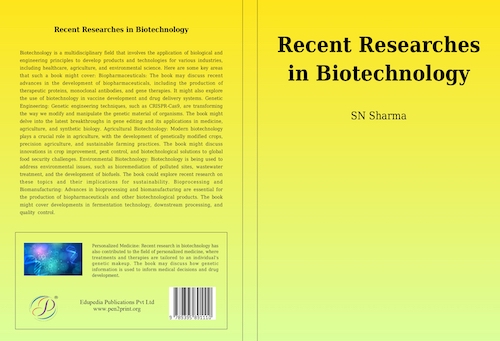
Recent Researches in Biotechnology

ISBN -978-93-95891-11-0

Editor: SN Sharma

Biotechnology is a multidisciplinary field that involves the application of biological and engineering principles to develop products and technologies for various industries, including healthcare, agriculture, and environmental science. Here are some key areas that such a book might cover:

Biopharmaceuticals: The book may discuss recent advances in the development of biopharmaceuticals, including the production of therapeutic proteins, monoclonal antibodies, and gene therapies. It might also explore the use of biotechnology in vaccine development and drug delivery systems.

Genetic Engineering: Genetic engineering techniques, such as CRISPR-Cas9, are transforming the way we modify and manipulate the genetic material of organisms. The book might delve into the latest breakthroughs in gene editing and its applications in medicine, agriculture, and synthetic biology.

Agricultural Biotechnology: Modern biotechnology plays a crucial role in agriculture, with the development of genetically modified crops, precision agriculture, and sustainable farming practices. The book might discuss innovations in crop improvement, pest control, and biotechnological solutions to global food security challenges.

Environmental Biotechnology: Biotechnology is being used to address environmental issues, such as bioremediation of polluted sites, wastewater treatment, and the development of biofuels. The book could explore recent research on these topics and their implications for sustainability.

Bioprocessing and Biomanufacturing: Advances in bioprocessing and biomanufacturing are essential for the production of biopharmaceuticals and other biotechnological products. The book might cover developments in fermentation technology, downstream processing, and quality control.

Personalized Medicine: Recent research in biotechnology has also contributed to the field of personalized medicine, where treatments and therapies are tailored to an individual’s genetic makeup. The book may discuss how genetic information is used to inform medical decisions and drug development.

Ethical and Regulatory Considerations: As biotechnology advances, there are important ethical and regulatory considerations to address. A book on recent research might explore these issues, including discussions on bioethics, intellectual property, and the impact of biotechnology on society.

Important Dates

Last Date to Submit Book Chapters 20 November 2023

Date of Acceptance 30 Nov 2023

Date of Publication 15 Dec 2023

Send your book chapter for publication to editor@pen2print.org 

Recent Researches in Biotechnology


Title: 

Recent Researches in Biotechnology

ISBN -978-93-95891-11-0
Editor: SN Sharma
Biotechnology is a multidisciplinary field that involves the application of biological and engineering principles to develop products and technologies for various industries, including healthcare, agriculture, and environmental science. Here are some key areas that such a book might cover:
Biopharmaceuticals: The book may discuss recent advances in the development of biopharmaceuticals, including the production of therapeutic proteins, monoclonal antibodies, and gene therapies. It might also explore the use of biotechnology in vaccine development and drug delivery systems.
Genetic Engineering: Genetic engineering techniques, such as CRISPR-Cas9, are transforming the way we modify and manipulate the genetic material of organisms. The book might delve into the latest breakthroughs in gene editing and its applications in medicine, agriculture, and synthetic biology.
Agricultural Biotechnology: Modern biotechnology plays a crucial role in agriculture, with the development of genetically modified crops, precision agriculture, and sustainable farming practices. The book might discuss innovations in crop improvement, pest control, and biotechnological solutions to global food security challenges.
Environmental Biotechnology: Biotechnology is being used to address environmental issues, such as bioremediation of polluted sites, wastewater treatment, and the development of biofuels. The book could explore recent research on these topics and their implications for sustainability.
Bioprocessing and Biomanufacturing: Advances in bioprocessing and biomanufacturing are essential for the production of biopharmaceuticals and other biotechnological products. The book might cover developments in fermentation technology, downstream processing, and quality control.
Personalized Medicine: Recent research in biotechnology has also contributed to the field of personalized medicine, where treatments and therapies are tailored to an individual’s genetic makeup. The book may discuss how genetic information is used to inform medical decisions and drug development.
Ethical and Regulatory Considerations: As biotechnology advances, there are important ethical and regulatory considerations to address. A book on recent research might explore these issues, including discussions on bioethics, intellectual property, and the impact of biotechnology on society.
Send your book chapter for publication to editor@pen2print.org 

Balancing Pain Relief and Side Effects: Tramadol – Role in Pain Management

 For anyone who has ever experienced chronic pain, the search for effective pain relief can be a significant challenge. The world of analgesics or pain relievers encompasses a vast array of medications, each with its set of benefits and potential drawbacks. One such medication that has gained attention is Tramadol. Understanding what is Tramadol, its uses, and the delicate balance between its efficacy and side effects is vital for patients and healthcare providers.

Photo by Tree of Life Seeds on Pexels.com

What is Tramadol?

Tramadol is an opioid analgesic, which means it’s in the same class of drugs as morphine, but it’s chemically different. It’s used primarily to treat moderate to severe pain, whether from surgery, injury, or chronic conditions like osteoarthritis. One of the main Tramadol uses is in long-term pain management due to its potential for lesser addiction compared to other opioids.

Tramadol Dosage and Formulations

Tramadol dosage can vary based on the patient’s pain level, age, and other factors. Typically, it starts with a lower dose, which can be increased until effective pain management is achieved without significant side effects. It’s available in various forms, including tablets, capsules, and liquid, with the Tramadol 200mg being one of the most potent doses. This high dosage is not common and is reserved for specific situations with strict monitoring due to its potency.

In some regions, like Mexico, the Tramadol 200 mg, especially Tramadol 200mg Mexico formulations, can be procured, often under different trade names. Tramadol pill forms, especially the Tramadol 200 mg tablet and Tramadol 200mg white capsules, are prevalent.

What is in Tramadol and How Does It Work?

The primary active ingredient in Tramadol is Tramadol hydrochloride, which works by changing the way the brain perceives pain. Unlike other opioids, it also has an effect on neurotransmitters, increasing levels of serotonin and norepinephrine, which can contribute to its pain-relieving effect.

Balancing Benefits and Tramadol Side Effects

Like all medications, Tramadol has side effects. The most common Tramadol side effects include dizziness, nausea, constipation, and headaches. It’s also essential to understand the more serious side effects like respiratory depression, which can be life-threatening.

An intriguing question for many is, “Does Tramadol make you sleepy or awake?” Tramadol can indeed cause drowsiness, but for some, it might cause insomnia. This duality underscores the importance of individualized care and monitoring when prescribing Tramadol.

Regarding its potency, many wonder about the effects of high dosages, like “Tramadol 200 mg high” or the impact of “200 milligrams of Tramadol.” The answer is that higher doses increase the risk of side effects, including the rare but serious risk of serotonin syndrome. Overdosing can also lead to slowed breathing, seizures, or even death.

How Long Does Tramadol Last?

The duration of Tramadol’s effects depends on the formulation. Immediate-release forms might last up to 6 hours, while extended-release tablets or capsules, such as Tramadol 200mg, can provide pain relief throughout the day.

Global Perspectives: Tramadol in Mexico and Beyond

While Tramadol is available worldwide, the regulations governing its sale and distribution vary. In some places, such as Mexico, Tramadol, including the Tramadol 200mg Mexico formulation, might be more accessible. It’s always crucial for patients to ensure they’re getting legitimate products, given the rise in counterfeit medications.

As the demand for reliable and authentic sources for medications rises, platforms like https://medicinesmexicamrx.com/ have come to the forefront, providing users with easy access to various drugs.

When deciding on the use of Tramadol or any medication, the goal is always to balance benefits with potential risks. It’s undeniable that Tramadol, from the standard Tramadol pill to the potent Tramadol 200mg white capsules, offers substantial pain relief for many.

Balancing Pain Relief and Side Effects: Tramadol’s Role in Pain Management

 For anyone who has ever experienced chronic pain, the search for effective pain relief can be a significant challenge. The world of analgesics or pain relievers encompasses a vast array of medications, each with its set of benefits and potential drawbacks. One such medication that has gained attention is Tramadol. Understanding what is Tramadol, its uses, and the delicate balance between its efficacy and side effects is vital for patients and healthcare providers.

Photo by Tree of Life Seeds on Pexels.com

What is Tramadol?

Tramadol is an opioid analgesic, which means it’s in the same class of drugs as morphine, but it’s chemically different. It’s used primarily to treat moderate to severe pain, whether from surgery, injury, or chronic conditions like osteoarthritis. One of the main Tramadol uses is in long-term pain management due to its potential for lesser addiction compared to other opioids.

Tramadol Dosage and Formulations

Tramadol dosage can vary based on the patient’s pain level, age, and other factors. Typically, it starts with a lower dose, which can be increased until effective pain management is achieved without significant side effects. It’s available in various forms, including tablets, capsules, and liquid, with the Tramadol 200mg being one of the most potent doses. This high dosage is not common and is reserved for specific situations with strict monitoring due to its potency.

In some regions, like Mexico, the Tramadol 200 mg, especially Tramadol 200mg Mexico formulations, can be procured, often under different trade names. Tramadol pill forms, especially the Tramadol 200 mg tablet and Tramadol 200mg white capsules, are prevalent.

What is in Tramadol and How Does It Work?

The primary active ingredient in Tramadol is Tramadol hydrochloride, which works by changing the way the brain perceives pain. Unlike other opioids, it also has an effect on neurotransmitters, increasing levels of serotonin and norepinephrine, which can contribute to its pain-relieving effect.

Balancing Benefits and Tramadol Side Effects

Like all medications, Tramadol has side effects. The most common Tramadol side effects include dizziness, nausea, constipation, and headaches. It’s also essential to understand the more serious side effects like respiratory depression, which can be life-threatening.

An intriguing question for many is, “Does Tramadol make you sleepy or awake?” Tramadol can indeed cause drowsiness, but for some, it might cause insomnia. This duality underscores the importance of individualized care and monitoring when prescribing Tramadol.

Regarding its potency, many wonder about the effects of high dosages, like “Tramadol 200 mg high” or the impact of “200 milligrams of Tramadol.” The answer is that higher doses increase the risk of side effects, including the rare but serious risk of serotonin syndrome. Overdosing can also lead to slowed breathing, seizures, or even death.

How Long Does Tramadol Last?

The duration of Tramadol’s effects depends on the formulation. Immediate-release forms might last up to 6 hours, while extended-release tablets or capsules, such as Tramadol 200mg, can provide pain relief throughout the day.

Global Perspectives: Tramadol in Mexico and Beyond

While Tramadol is available worldwide, the regulations governing its sale and distribution vary. In some places, such as Mexico, Tramadol, including the Tramadol 200mg Mexico formulation, might be more accessible. It’s always crucial for patients to ensure they’re getting legitimate products, given the rise in counterfeit medications.

As the demand for reliable and authentic sources for medications rises, platforms like https://medicinesmexicamrx.com/ have come to the forefront, providing users with easy access to various drugs.

When deciding on the use of Tramadol or any medication, the goal is always to balance benefits with potential risks. It’s undeniable that Tramadol, from the standard Tramadol pill to the potent Tramadol 200mg white capsules, offers substantial pain relief for many.

Opportunities for Grants for Research

 Working for sustainability science in Italy

Promising, early-career scientists from least developed countries have the opportunity to work at Centres of Excellence in Trieste, Italy, under The World Academy of Sciences (TWAS), Scuola Internazionale Superiore di Studi Avanzati (SISSA), Lincei Academy cooperation visits programme. The research projects should focus on sustainability science and sustainable development. Collaborations last three months. Applicants should hold an MSc degree (or higher), and the age limit is 40 years. Learn more

Deadline for submission is 6 November 2023.


The Shaping Futures: African-European network on development and sustainability academy 

Applications for the 2024 Shaping Futures Academy are now open. Shaping Futures Academy is a dynamic training program aligning with Africa’s Agenda 2063 and the 2030 Agenda for Sustainable Development. It unites professionals from African and European countries, offering in-person sessions in Bonn, Berlin, Brussels, and Accra, along with online modules. Participants and their institutions join a diverse network, fostering collaborative knowledge creation and sustainable partnerships. Learn more.

Deadline for submission is 15 November 2023


IPA and J-PAL Displaced Livelihoods Initiative

The Innovations for Poverty Action (IPA) and the Abdul Latif Jameel Poverty Action Lab (J-PAL) Displaced Livelihoods Initiative has issued a call for proposals to generate new evidence on livelihoods programs for displaced populations and host communities. They welcome proposals for full impact evaluations, pilot studies, exploratory work, infrastructure and public goods creation, and scaling support across several broad areas including resilience; entrepreneurship; wage employment; social cohesion, inclusion, and norms; rights and regulations. Exploratory grants in Africa are earmarked for early-career and low and middle income (LMIC)-based scholars. Learn more. 

Deadline for expressions of interest is 22 November 2023. 

Deadline for full proposals is 19 January 2024.


Building research collaborations in the Global South

Under the TWAS-UNESCO associateship programme highly qualified scientists from developing countries in the South have the chance to establish a three-year research collaboration. Associates may choose among almost 300 centres of excellence in the South, and visit the selected institute twice, for 2-3 months each time. Learn more

Deadline for submission is 4 December 2023.


Global health research career development

Round 7 of the Global Research Professorships award is now open. The National Institute for Health and Care Research is seeking candidates in low and middle income countries (LMICs) or the UK with an outstanding record of relevant research and its translation for improved health and welfare of people in LMICs. Learn more.

Deadline for submission is 6 December.


Targeting a PhD with TWAS-TÜBİTAK

MSc students from developing countries in the South wishing to obtain a PhD in natural and applied sciences may check out the Postgraduate Fellowship Programme from the Scientific and Technological Research Council of Türkiye (TÜBİTAK) and TWAS Fellowships are tenable for six to 12 months at public and private universities of Türkiye and TÜBİTAK Research Centres and Institutes. Learn more

Deadline for submission is 25 December 2023.


Postdoctoral positions available in Türkiye

If you wish to apply for a postdoctoral position in natural and applied sciences in Türkiye and with TÜBİTAK Research Centres and Institutes, don’t miss this chance. The TWAS-TÜBİTAK postdoctoral fellowship programme, which has a six to 36 months duration, is open to PhD holders from developing countries in the South. Learn more

Deadline for submission is 25 December 2023.


Innovations to prepare for future epidemics and pandemics

The Coalition for Epidemic Preparedness Innovations (CEPI) has launched a call for proposals. The Call invites applications from innovators seeking to speed up the development of, and equitable access to, safe and effective vaccines against epidemic and pandemic viral threats. This call will initially support transformative innovations in vaccine platforms, manufacturing technologies, and vaccine candidates against high-risk viruses, which are critical to the success of the 100 Days Mission. Learn more.


Consortium of Universities for Global Health (CUGH) Virtual Global Health Week

CUGH is hosting 20 free global health workshops from 30 October to 03 November 2023. Their virtual Satellite Sessions are being held prior to the CUGH 2024 conference in March 2024, and include topics such as climate change, global health in low- & middle-income countries, mental health, global health education, and pandemic response. Attendance and registration is free and open to all. Learn more and register here.

Dates: 30 October to 03 November 2023


The eLearning Africa 2024 Conference: Call for papers

The eLearning Africa annual conference and exhibition has announced a call for papers. The conference is a global forum for everyone with an interest in education, training, and skills development in Africa. The 17th Edition of the conference will take place from 29-31 May 2024 in Kigali, Rwanda, with the theme “Education Fuels Innovation, Investment Amplifies Skills”, focused on the essential roles of education and skills in national investment and innovation. Learn more.

Deadline for submission is 15 November 2023


Transforming Parkinson’s Care in Africa (TraPCAf) Webinar

TraPCAf is hosting the online webinar focused on ‘Transforming Parkinson’s in Africa’. The webinar aims to provide insights into Parkinson’s disease in Africa, introduce TraPCAf’s work and goals, and offer ways for participants to actively participate. Join to learn, discuss, and engage in Parkinson’s initiatives in Africa. Learn more.

Date: 18 November 2023

One- Day Workshop on Harnessing Data for Development (D4D) for Accelerating Progress on the SDGs

 
NITI Aayog is organising Workshop on the theme “Harnessing Data for Development (D4D) for Accelerating Progress on Sustainable Development Goals (SDGs)” tomorrow at Hotel Taj Palace, New Delhi. This workshop is the second in the series of Feeder Thematic Workshops being organised by NITI Aayog on varied themes to discuss the G20 New Delhi Leaders’ Declaration (NDLD).

The workshop will serve as a platform for discussion on the relevance, dimensions, and implementation of the G20 Principles of Harnessing Data for Development (D4D) within the Indian context. This one-day workshop will bring together key think tanks and academics whose work is intrinsically linked to the central theme. It will provide insights into the way forward regarding “Harnessing Data for Development for Accelerating Progress on the SDGs” and offer essential contributions to the forthcoming national workshop.

The workshop will include four sessions on the following themes:

Sustainability: Enhancing high-quality data and sustainable data infrastructure, promoting data-informed approaches for sustainable development.

Inclusion: Bridging the digital gap, with a particular focus on addressing gender and data disparities, while also championing the inclusive utilization of data for development purposes.

Technology and Finance: Securing additional financial backing while also promoting technology assistance to enhance the progress and effectiveness of development initiatives.

Capacity Building: Enhancing the capacity of individuals and organizations, fostering collaborative efforts, and nurturing strategic partnerships to bolster the effectiveness of data-driven initiatives for sustainable development.

Ten such Feeder Thematic Workshops are being organised from November 1, 2023 to November 9, 2023. The themes of the workshops include G20 to G21, Data for Development, Tourism, Digital Public Infrastructure, Sustainable Development Goals, Trade, Indian Development Model, Women Led Development, Reforming Multilateral development banks & Climate Finance and Green Development.

*****

DS/LP

NITI Aayog through Atal Innovation Mission to host State-level innovation workshop to catalyze regional Innovation & entrepreneurship ecosystems development

 In a strategic move to foster and nurture innovation and entrepreneurship ecosystem throughout India, Atal Innovation Mission is set to organize a peer-to-peer workshop focusing on the development of state-level innovation ecosystems.

The upcoming event, “Building State-level Innovation Ecosystems” is scheduled to take place from November 6th to 8th at the prestigious Indian Institute of Management Bangalore (IIM Bangalore). This three-day gathering will provide a unique platform for states and union territories (UTs) across India to convene, exchange insights, and build strategies to foster innovation and entrepreneurship (I&E) within their respective regions.

Mission Director Atal Innovation Mission Dr. Chintan Vaishnav while addressing a pre event press conference here on Thursday said that “India’s recent ascent in the Global Innovation Index, from 81st to 40th place, underscores the nation’s vast innovation potential. To continue this remarkable trajectory and break into the top 25, it is imperative that India’s diverse states collaborate to build resilient I&E ecosystems tailored to their specific strengths and local contexts. These ecosystems play a pivotal role in strengthening regional industries, stimulating economic growth, and generating employment opportunities.”

He further maintained that the states across India have already embarked on the journey to construct robust I&E ecosystems, supported by initiatives from the Central Government. Consequently, a multitude of state-level models have emerged, each offering its own set of insights and accomplishments. However, this state-level workshop has been meticulously designed to harness the power of mutual learning among states and UTs, fostering a shared commitment to advancing their respective state-level I&E ecosystems.

The purpose of this workshop is to unleash the power of peer learning across the states/UTs in order to propel each state-level ecosystem forward.

In addition to sharing of State/UT-level innovation and entrepreneurship models, participants will exchange ideas, strategies, and experiences, showcasing successful implementations and the knowledge they have acquired in building innovation ecosystems.

Furthermore, the workshop aims to create a dynamic network of state and UT-level ecosystem builders who can continue to collaborate, exchange ideas, and drive progress beyond the workshop. The participants will also visit parts of the Karnataka innovation ecosystem during the workshop.

***

Nationwide public outreach campaign to create awareness in science, technology, innovation enabling provisions introduced by the Modi government for StartUps and potential entrepreneurs

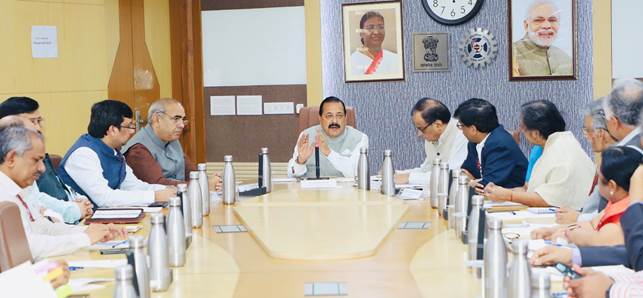
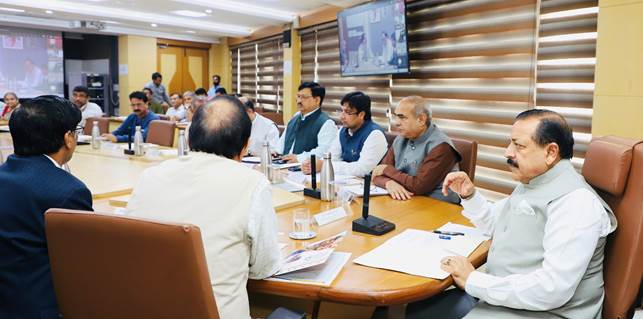
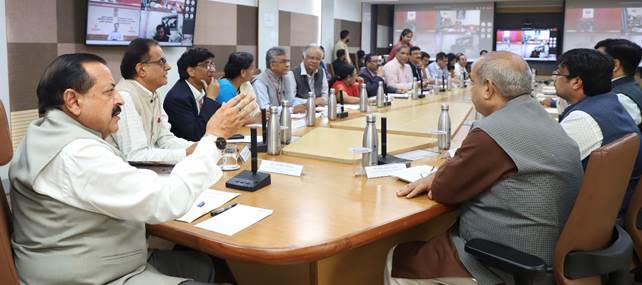
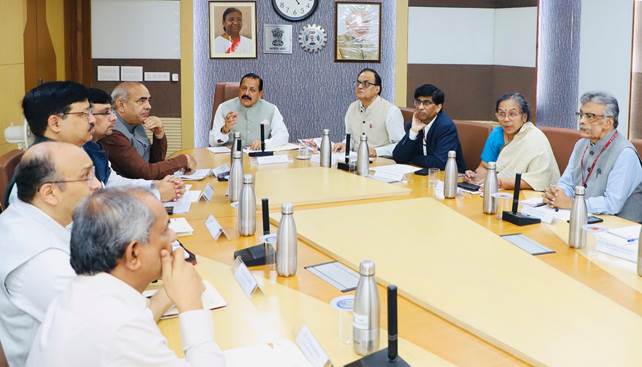
 Union Minister Dr Jitendra Singh has called upon scientific organisations and research institutions across the country to chalk out a roadmap for a nationwide public outreach campaign to create awareness in science, technology, innovation enabling provisions introduced by the Modi government for StartUps and potential entrepreneurs

The Union Minister said, after the Chandrayaan-3 landing on the Moon, there is a massive public interest generated in India’s Space exploration projects and the momentum needs to be sustained.

“This campaign will not only raise public awareness about our pioneering achievements by DST, CSIR, DBT, ISRO, DRDO & other scientific Departments during the more than nine years of the Government led by PM Modi, but also inspire and motivate the youth to contribute and be a part of this exciting journey,” he said.

The Union Minister of State (Independent Charge) Science & Technology; MoS PMO, Personnel, Public Grievances, Pensions, Atomic Energy and Space, was chairing a meeting of all Science Secretaries in New Delhi. The meeting was attended by Principal Scientific Adviser (PSA) to the Government of India, Professor Ajay Kumar Sood; Secretary, DST, Prof. Abhay Karandikar; Secretary, CSIR, Dr (Mrs) N. Kalaiselvi; Secretary, DBT, Dr Rajesh S. Gokhale; Secretary, Department of Space and Chairman, ISRO, Shri. S. Somanath; Chairman, Atomic Energy Commission and Secretary, Department of Atomic Energy, Dr Ajit Kumar Mohanty, besides senior officers.

Lauding the ‘One Week One Lab’ student connect programme of CSIR-NIScPR conducted between Jan.1, 2023- Sep 24, 2023 by 37 CSIR Laboratories/Institutions during which their doors were thrown open to the students and public, Dr. Jitendra Singh called for grooming innovation aptitude in school children.

“Innovative learning will contribute to make India a $5 trillion economy goal and fulfil the vision of Prime Minister Shri Narendra Modi’s Aatmanirbhar Bharat,” he said.

The S&T Minister said the INSPIRE scheme is helping create a scientific temper as every year there is an increasing number of aspiring students competing for the awards. The first-ever Mentorship Programme for Young Innovators was launched in November 2021 to mark the 75th Year of India’s Independence, he said.

The INSPIRE Awards – MANAK is a flagship programme of the Government of India and is jointly implemented by Department of Science and Technology (DST), Government of India and the National Innovation Foundation (NIF) – India. INSPIRE Scheme caters to students in the age group 10-32 years with several components. So far, more than 1.3 lakh Higher secondary students have been offered INSPIRE scholarships to pursue a career in Natural and Basic Sciences.

Dr Jitendra Singh said that the DST supports a variety of infrastructure related schemes like FIST, PURSE, SAIF, etc. towards augmenting/ facilitating the R&D equipment for research activities at various Universities/ Institutes and other Academic organizations as well as promote industry-academia linkages.

Dr Jitendra Singh said that PM Modi’s vision is to step up the efforts in various fields to make the country ‘the most advanced laboratory for modern science’ in the ‘Amrit Kaal’-the next 25 years leading to a Viksit Bharat.

Working towards this vision, the Government has committed to invest heavily on building research infrastructure in the country. Under FIST Program, DST has supported 3,074 Departments and PG Colleges at a total budget of about Rs. 3,131 crores for Scientific Infrastructure Building in various STEM Departments.

Dr Jitendra Singh pointed out that flexible infrastructure grants are being provided to universities nationwide to keep up the vigour of conducting highly challenging R&D activities with an investment of Rs 950 Crores till date.

The Promotion of University Research and Scientific Excellence (PURSE) with a nationwide reach supports the universities’ research ecosystem by making high-end research equipment available to our academicians/scientists, enabling our universities to compete with global standards. A new scheme, SUPREME, has also been launched to provide financial support for repair/ upgradation/ maintenance/ retrofitting or acquiring additional attachments to increase functional capabilities of existing Analytical Instrumentation Facilities (AIFs).

Dr Jitendra Singh said that under PM Modi, the Government is taking a number of steps to promote scientific temper among the masses, particularly youngsters, by strengthening scientific research and innovation efforts in the country. He said, this is a pan-India Scheme that envisages Star College in every district of the country supported by the Department of Biotechnology.

A total of 278 undergraduate colleges across the country comprising more than 1.5 lakh students are supported under the DBT Star College Scheme. This includes 55 colleges from rural areas and 15 colleges in Aspirational districts.

Dr Jitendra Singh said, under the leadership of Prime Minister Shri Narendra Modi, India is now steering the world in innovative technologies. We are on course to our target of reducing Greenhouse gases emission, and achieve Net Zero by 2070.

India is today one of the leading users of non-conventional energy including electric automobiles, wind & solar energy and the world’s first Hydrogen powered bus has been made in India, said the Minister. “The world is looking up to us for leads,” he said.

Sharing some of the key achievements of India in S & T like India’s massive jump in its ranking of Global Innovation Index (GII) from 81st in the year 2015 to 40th in 2022 among 132 economies of the world, 3rd rank in terms of number of StartUps, Unicorns, scientific publications and PhDs awarded, the Minister said that India has in recent years made some unprecedented progress in S & T.

“During the Covid pandemic, India not only saved its own population but also helped the world by providing vaccines and we also delivered the world’s first DNA vaccine,” he said.

The Minister mentioned that in the recent past, the Government of India has launched several flagship initiatives such as the National Mission on Interdisciplinary Cyber Physical Systems (ICPS); Quantum Computing and Communication; National Mission on Supercomputing, Electric Mobility, Green Hydrogen etc.

Dr Jitendra Singh said, our Chandrayaan Mission was the first to discover evidence of water on the Moon and the Aditya-L1 solar mission is led by a woman Director. PM Modi has provided an enabling milieu to India’s endeavours in Space research, and S&T. PM Modi has emerged the tallest leader in the world after the G20 Summit.

“Today the world is ready to be led by India. The declaration of International Yoga Day and International Year of Millets by the UN is proof of our rising stature. Now is the time for all of us Indians to rise to the occasion and seize the opportunity,” he said.

Referring to PM Modi’s monthly radio address ‘Mann Ki Baat’, in May 2022, Dr Jitendra Singh said India’s Startup ecosystem is not limited to just big cities, but about 50% of Startups hail from Tier-2 and Tier-3 cities.

“Today there are over 3,000 Agritech Startups and are very successful in areas like Aroma Mission and Lavender cultivation, quite a few of them do not have high qualifications, but are very innovative. In 2014, there were just 4 Startups in the Space sector, now there are over 150 Space StartUps, some of the pioneering ones now worth hundreds of crore rupees,” he said.

A lot of this has been possible because of groundbreaking reforms brought by Prime Minister Modi, including StartUp policy, National Education Policy (NEP) 2020, Space sector and Drone deregulations, new geospatial policy, National Research Foundation etc, he said.

Dr Jitendra Singh said, PM Modi also brought in the new National Education Policy (NEP-2020) which supplements Start-Up ecosystem with the promise to open new career and entrepreneurship opportunities for students and youth in India.

Referring to the last more than 9 years of Government led by PM Modi, Dr Jitendra Singh pointed out that apart from formal jobs, lakhs of opportunities and avenues were created outside the government sector for the youth of the country, be it Start-ups, Mudra Scheme, PM SVANidhi.

During the meeting, the Union Minister reviewed preparations for the 9th India International Science Festival (IISF) – 2024 to be held at the NCR Biotech Science Cluster, Faridabad from January 17-20, 2024.

National Efficient Cooking Programme launched, to promote affordable and energy-efficient induction cookers

 Energy Efficiency Services Limited (EESL), a joint venture of Public Sector Undertakings under Ministry of Power, launched its groundbreaking National Efficient Cooking Programme (NECP) and Energy Efficient Fans Programme (EEFP) today, unveiled by the Union Minister for Power and New & Renewable Energy Shri R. K. Singh, at an event held in New Delhi today, November 2, 2023. These initiatives are aimed at revolutionizing cooking practices in India and emphasizing on the importance and urgency of energy efficient fans. As part of these programmes, EESL will distribute 1 crore efficient BLDC fans and 20 Lakh energy-efficient induction cook stoves nationwide.
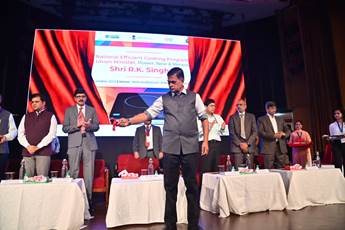
The National Efficient Cooking Programme (NECP) introduces induction-based cook-stoves, offering a cost advantage of 25-30% over traditional cooking methods, promising both energy savings and cost-effective cooking solutions. By deploying 20 Lakh Induction cook-stoves across India, EESL seeks to reduce the environmental impact of cooking methods, ensuring cleaner air and improved health for citizens. EESL has also partnered with Modern Energy Cooking Services (MECS) for the large-scale deployment of induction cooktops. The deployment is expected to accelerate the acceptance and large-scale adoption of modern electric cooking devices in Indian kitchens.

The Energy Efficient Fans Programme (EEFP) focuses on deploying energy-efficient BLDC fans, with the goal of distributing 1 crore ceiling fans. These initiatives not only reduce energy consumption and environmental impact, but also enhances consumer comfort while lowering electricity bills, creating a win-win situation for all. The program for deploying one crore ceiling fans was initiated during the G20 Energy Transitions Working Group in Goa in July 2023. In continuation of this, EESL is inviting the first bid of 20 lakh fans, under a programme titled Energy Efficient Fans Programme (EEFP).


“Electric Cooking is one way to reduce dependence on imported sources for energy”

Addressing the gathering comprising the proud officials of EESL and others, the Union Power & NRE Minister underlined the strategic imperative due to which a shift towards electric cooking is necessary. “We have cooking based on imported Liquified Natural Gas. We can afford it financially, but in strategic terms, it is not advisable to depend on other countries for energy needs. This is one reason we need to shift from imported sources of energy to indigenous forms; and one way to do that is to shift our cooking to electricity.”

“Absolutely no difference between food cooked using e-cooking and gas stoves”

The Minister stressed that there is no difference in food cooked on flame versus that cooked using induction cookers. “We need to propagate this; all organizations under Ministry of Power and Ministry of New & Renewable Energy will help in propagating this, all organizations will get together to bring to every household the advantages of shifting to electric cooking, in terms of price and availability.”
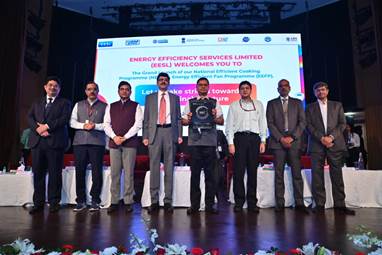
“E-Cooking will reduce cooking costs of poor families”

Shri Singh explained how a shift to electric cooking will help the ordinary citizen. “Even though we subsidize our gas cylinders, many poor families are not able to afford buying gas cylinders. So, this brings us back to cooking based on fossil fuels. Electric cooking, I believe, is the answer to this problem; especially for poor consumers, if they switch over to electric cooking, it will reduce their cooking costs, after accounting for cost of electricity as well.”

“Energy inefficient fans will be rapidly phased out”

The Minister also sent a message to all manufacturers that inefficient fans will be rapidly phased out. “The fans brought out by EESL are Five-Star. We are going to phase out inefficient fans at a rapid pace. All manufacturers in both organized and unorganized sectors may take note. We want the people of India to get the best. We want to be and will continue to be a world leader.”
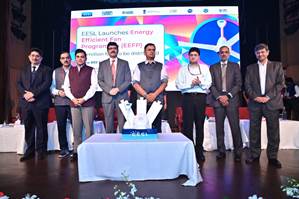
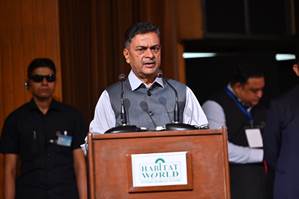
“EESL and BEE have played a stellar role in India’s energy transition journey”

The Minister commended EESL and Bureau of Energy Efficiency (BEE), both organizations under the Ministry of Power, for making a stellar contribution to India emerging as a world leader in energy transition. Shri Singh recalled that the roadmap for energy transition adopted by the government has been to electrify the economy with an aim to shift it from other forms of energy to electricity and then to green the electricity. “About 44% of our capacity is already non-fossil-fuel sources, about 25% in energy terms. By 2030, around 65% of our capacity will be from non-fossil-fuel sources, and in energy terms, it will be around 40% – 45%. And we have been able to reach where we are today, largely due to the efforts of BEE and EESL. Both have come out with schemes which are world-leaders.” EESL has been responsible for shifting our lighting to LEDs, despite many hurdles, notwithstanding the shortfall in financial resources for local bodies, the Minister added.

Complimenting and congratulating EESL for the success with LED programme, the Minister said: “You need to do with the cooking stove what you did with the LED.”

“Energy Efficient Fans Programme will trigger huge replacement demand”

Addressing the gathering, Union Power Secretary, Shri Pankaj Agarwal said that the two programmes launched today are outstanding and will play a catalytic role. He said that the Energy Efficient Fans Programme will lead to a huge replacement demand. “The fans market in the country is about Rs. 10,500 crores, comprising about 200 players and around 14 branded fans. A lot of the demand which is coming is not only new demand but replacement demand as well. The Star labelling programme is going to trigger a huge replacement demand. I hope that Indian manufacturers are geared up with the products. The Demand aggregation being provided by EESL will bring economies of scale and also create huge outreach.”

Shri Agarwal added that low-hanging fruits for electrification of economy are electrification of mobility and of cooking. “Electric induction-cooking market is about 10 million units a year; We have huge ambitions for energy transition. EESL initiative will help expand access, bring prices down and provide benefits to citizens at large,” Shri Agarwal said.
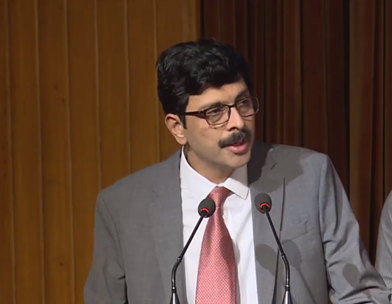
“India led the world in setting Energy Transition Agenda at G20”

The Power Secretary noted that India played a leadership role in setting the agenda for energy sector and energy transition for the world, as President of the G20. “We have been a leader in energy transition, we are walking the talk. We notified Renewable Purchase Obligations (RPOs), for which we laid down mandates in Energy Conservation Act. We gave states to meet obligations as per their preferences. One area in which a hard obligation has been set is in the area of distributed renewable energy, in which we want to really work hard and meet our high aspirations.”

Director General, BEE, Shri Abhay Bakre emphasized that energy transition has to take place in an affordable and equitable manner, keeping in mind national circumstances. “In this, not only supply side, but demand side efficiency improvement and demand side energy management are also critical. We have already put forth a very clear roadmap for doubling energy efficiency. These demand side measures have the potential of reducing greenhouse gas emissions by almost 40% by 2050.”

The DG added that the two initiatives launched today will go a long way in delivering the schemes to the doorstep of the common citizen. “If we have a higher share of electrification in all sectors, this indicates that we are reaching towards a developed country. So, when we aspire to become a developed country in a few decades, electric cooking is a very good solution.”

Chief Executive Officer (CEO), EESL, Shri Vishal Kapoor said: “With the launch of the National Efficient Cooking Programme and the Energy Efficient Fan Programme, EESL is taking bold steps to enhance energy efficiency and reduce carbon footprints in Indian households. Our past initiatives, such as the distribution of millions of LED bulbs under UJALA and installation of streetlights under Street-lighting National Programme, have already made a substantial impact by reducing energy consumption, preventing peak demand, and cutting CO2 emissions.”

The launch event can be watched here.

National Efficient Cooking Programme (NECP)

“National Efficient Cooking Programme” (NECP) is a subset of the Clean Cooking Scheme. NECP focuses on Non-Solar/Electricity-based Induction Cookstoves, aligning with the Go- electric initiative by the Ministry of Power. EESL has already initiated efforts to promote clean and safe electric cooking to support India’s Go-electric campaign and contribute to carbon mitigation goals.

The induction cooktop market’s rapid growth is driven by its efficiency, technology, and aesthetic appeal. With over 10 million units sold in 2021-22, increased demand is attributed to factors like modular kitchens, rising LPG costs, and the versatility of cooking with induction. Northern and western India are leading in sales, while portability, convenience, and safety make induction stoves increasingly popular. They are seen as an efficient and safer alternative to traditional gas and electric stoves, contributing to the market’s steady expansion. Additionally, induction cooking’s adoption in various food outlets and the growing awareness of its benefits are fuelling its growth.

Energy Efficient Fans Programme (EEFP)

EESL has been actively dedicated to encouraging the adoption of energy-efficient appliances, such as LED bulbs, tube lights, and high-performance fans. Beginning January 1, 2023, the Bureau of Energy Efficiency (BEE) has mandated that ceiling fans must bear star labels.The annual ceiling fan market in India comprises approximately 4.4 crore units.  Notably, ceiling fans contribute to approximately *40% of total residential electricity consumption, which accounts for over a quarter of India’s overall electricity usage. By replacing all current ceiling fans with the most efficient models available today, nearly 20% of total residential electricity consumption can be reduced. EESL aims to capitalize on this potential for savings by deploying 1 crore 5-star energy-efficient ceiling fans across India.

Conventional fans typically consume 75-80W, whereas contemporary 5-star fans consume only 28-32W, and 3-star fans use 40-45W. Remarkably, the adoption rate of 5-star energy- efficient fans stands at a mere 5%, indicating substantial potential for energy conservation.

Energy Efficiency Services Limited (EESL) intends to enhance the market for efficient fans by deploying one crore efficient ceiling fans throughout the country. The program for deploying one crore ceiling fans was initiated during the G20 Summit in Goa in July 2023. In this continuation, EESL is inviting the first bid of 20 lakh fans.

About Energy Efficiency Services Limited

Energy Efficiency Services Limited (EESL), operating under the Ministry of Power, is a leading Energy Service Company. Their portfolio encompasses energy-efficient products like LED bulbs, tube lights, fans, air conditioners, streetlights, and electric vehicles. EESL’s transparent procurement processes, overseen by CVC, have enabled them to distribute millions of these products, resulting in substantial energy savings, reduced peak demand, and greenhouse gas emissions.

***

Dust Control at National Highway Construction Sites in NCR

 To monitor the effective implementation of dust control measures in National Highway projects being implemented by NHAI in Delhi-NCR, NHAI has set up a ‘Dust and Control Management Center’, pursuant to the directions issued by Commission of Air Quality Management (CAQM) to improve air quality index in the National Capital Region.

NHAI is implementing prestigious projects around NCR such as Dwarka Expressway, UER II Delhi-Amritsar-Katra Expressway and Delhi – Dehradun Expressway. To keep the air quality and dust levels in control, NHAI has directed its contractors/ concessioners to review the existing dust control measures at the National Highway construction sites and strictly comply with the directions issued by the CAQM / Central and/ or State Pollution Control Board.

Dust control measures to be taken at the construction sites includes deployment of mechanical sweeping machines on completed projects, water sprinkling along the day on all construction sites, Deployment of Anti-Smog Guns on all constructions sites and batching plants, Covering of Construction & Demolition material with green net or cloth.     

With a dip in air quality parameters in Delhi-NCR, CAQM has invoked actions as envisaged under the Graded Response Action Plan (GRAP). In line with these guidelines, NHAI is ensuring that all possible measures are taken to maximize dust control at the National Highway construction sites in the region.

*****

Nationwide Digital Life Certificate Campaign

 To enhance ‘Ease of Living’ of Central Government pensioners, Department of Pension & Pensioners’ Welfare has been promoting Digital Life Certificate (DLC) i.e. Jeevan Pramaan extensively.  In 2014, submission of DLCs using biometric devices was commenced. Subsequently, the Department engaged with MeitY and UIDAI to develop a Face Authentication technology system based on Aadhar database, whereby it is possible to submit LC from any Android based smart phone.  As per this facility, the identity of a person is established through face authentication technique and DLC gets generated. This breakthrough technology, launched in November 2021, reduced the dependence of pensioners on external bio-metric devices and made the process more accessible and affordable to masses by leveraging smartphone-based technology.

With a view to spread awareness amongst all the Central Government pensioners as well as the Pension Disbursing Authorities for use of DLC/Face Authentication technology to submit Digital Life Certificate, DoPPW launched a nation-wide campaign in the month of November 2022 in 37 cities through-out the country. The Campaign was a huge success with more than 35 lakh DLCs of Central Government Pensioner issued.  A Nation-wide Campaign is being held from 1st to 30th November, 2023 in 500 locations in 100 cities across the country, targeting 50 lakh pensioners in collaboration of 17 Pension disbursing banks, Ministries/ Departments, Pensioners’ Welfare Association, UIDAI, MeitY. 

With a view to ensure that the benefit of digital modes of Life Certificate submission reaches pensioners in the remotest corners of the country and also benefits super senior/ sick / incapacitated pensioners, a comprehensive Circular with detailed guidelines has been issued defining roles and responsibilities of all the stakeholders which includes Ministries/ Departments of Government of India, Pension Disbursing Banks and Pensioners’ Associations. These guidelines include nomination of nodal officers by the stakeholders, for the Campaign,  spreading awareness / providing due publicity to DLC-Face Authentication technique through banners/posters placed strategically in offices and bank branches/ ATMs, use DLC/Face Authentication technique as far as possible where Doorstep banking services are availed, equipping dedicated staff at bank branches with an Android phone to use this technology when pensioners visit the branch for submission of Life Certificate, holding of Camps to enable pensioners to submit their DLCs without delay and home visit in case of bed ridden pensioners

The Pensioners’ Welfare Associations have also been sensitized to hold camps for pensioners for DLC submission. The officials from Department of Pension & Pensioners’ Welfare will be visiting major locations through-out the Country to assist pensioners in use of various digital modes to submit their Life Certificates.

The Department of Pension and Pensioners’ Welfare will be putting all efforts to make this Campaign a grand success throughout the country. 


*****

Para-athletes for their Stellar Performance at 4th Asian Para Games

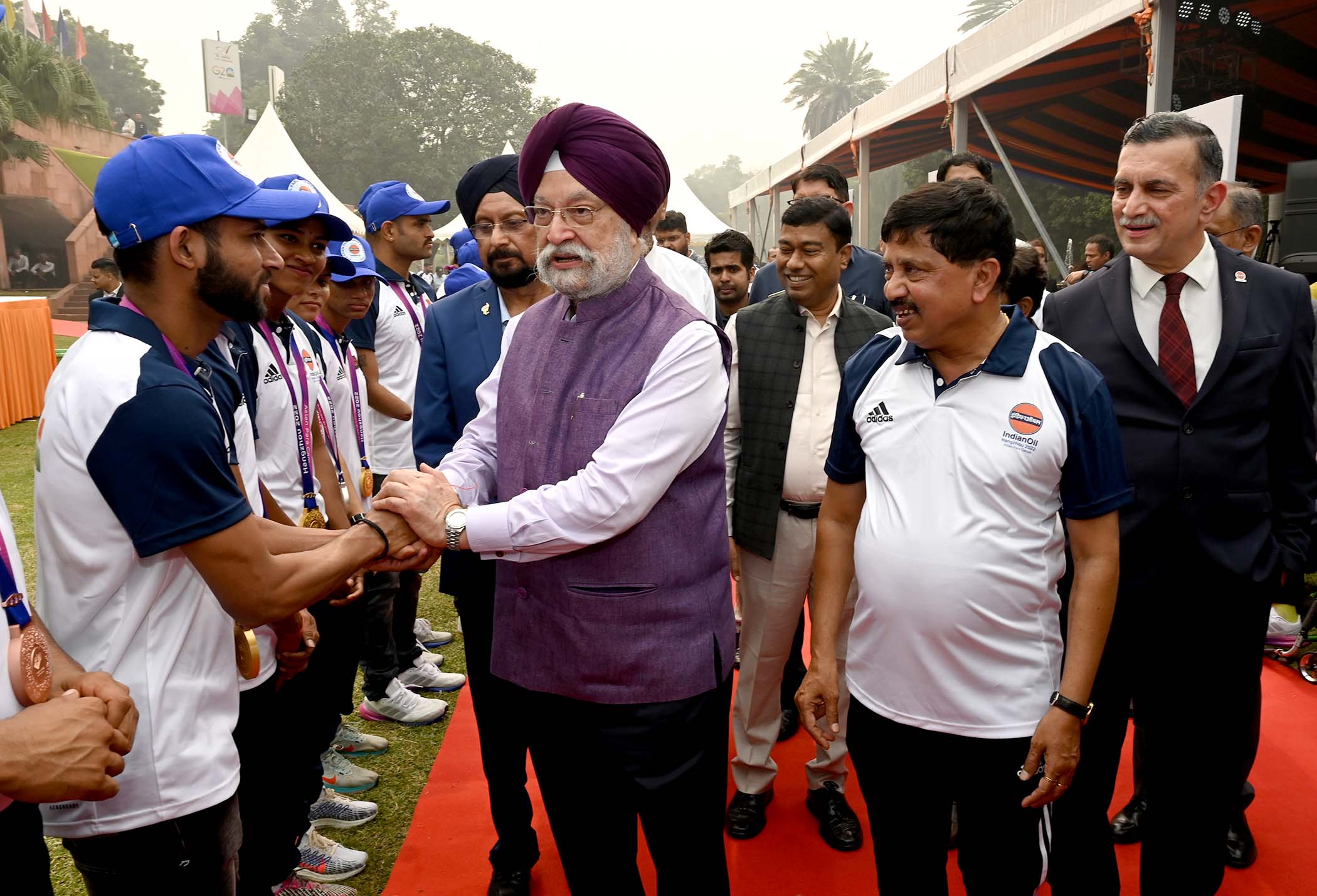
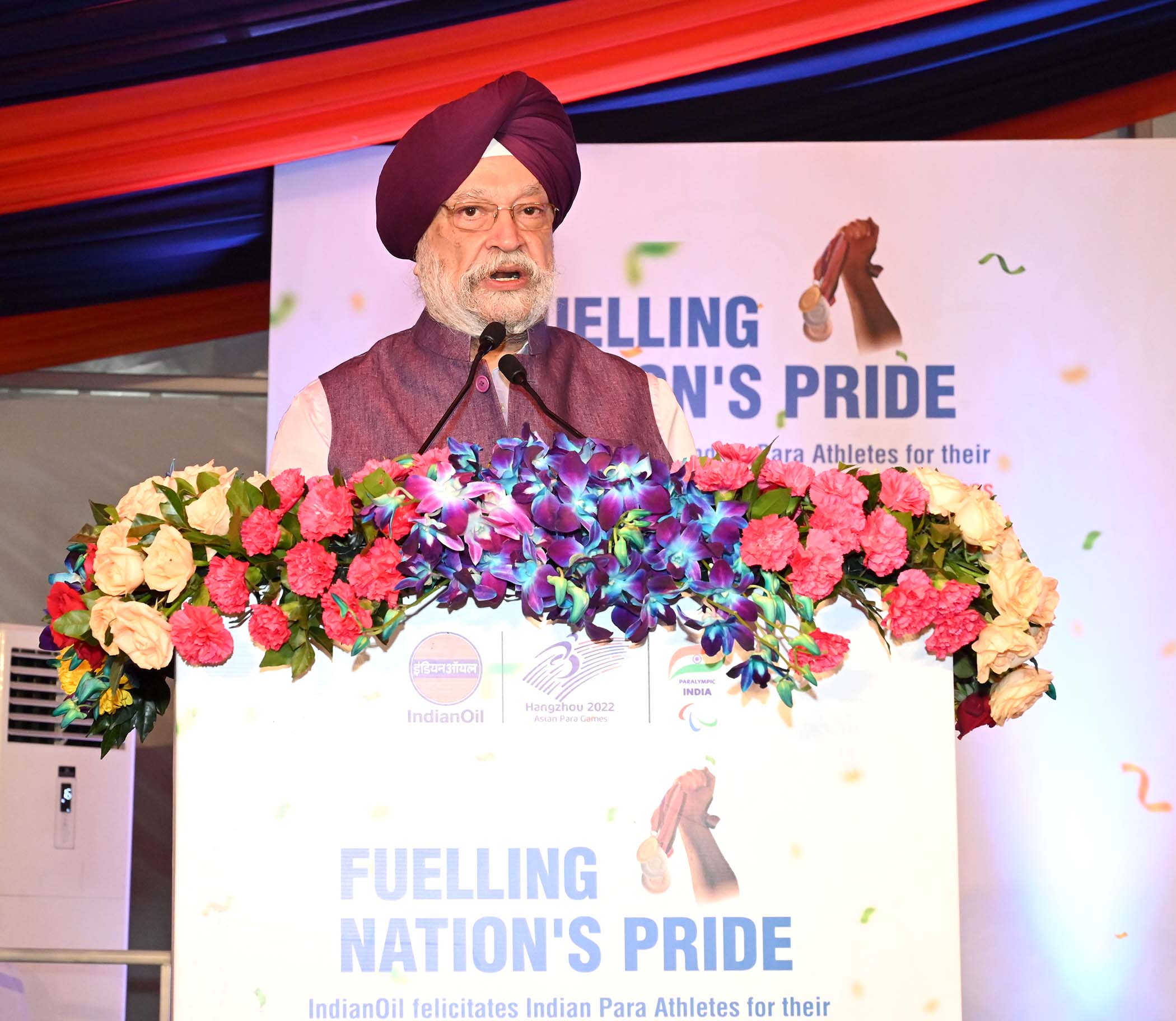
 The achievements of para-athletes at Asian Para Games in China have not only marked a historic moment for Indian sports but have also set a benchmark for aspiring athletes across the nation, said Shri Hardeep Singh Puri, Minister of Petroleum & Natural Gas and Housing & Urban Affairs here today.

The Minister was speaking at an event organised by IndianOil to honour the monumental achievements of Indian para-athletes, at the 4th Asian Para Games in Hangzhou, China.

Shri Rameswar Teli, Minister for Petroleum & Natural Gas and Labour & Employment;  Shri Shrikant Madhav Vaidya, Chairman, IndianOil, Ms Deepa Malik, President, Paralympic Committee of India (PCI); Shri Gursharan Singh, Secretary General, PCI and Shri Avinash Rai Khanna, Patron-in-Chief, PCI also attended the event.

Noting the performance of Indian para-athletes in the recent Asian Para Games, Shri Hardeep Singh Puri lauded their indomitable spirit, resilience, and unparalleled determination. He also mentioned about some extraordinary athletes who, he said, with their prowess, have become the luminaries of Indian para-sports.

He talked about Sheetal Devi, who is the world’s first female armless archer. Shooting with her feet, this prodigious 16-year-old clinched gold in the compound individual open event, paired up with Rakesh Kumar for another gold in the compound mixed team event and secured a silver in the women’s compound doubles with Sarita.

Alluding to the performance of Ankur Verma at Asian Para Games, the Minister said that his mastery was evident as he clinched gold in both the men’s T11 1500m and 5000m races. He became the first Indian to win two gold medals in a single edition of the Asian Para Games, Shri Puri added.

The Minister also lauded the performance of Sundar Singh Gurjar and Sumit Antil at the recent Asian Para Games.

Complimenting the IndianOil for standing up with para-athletes in India, the Minister for Petroleum & Natural Gas said that the Oil Sector PSU has played an invaluable role in their journeys to success. In line with Prime Minister’s vision to create a nurturing environment for sports in our country, he said, that the Government of India will keep extending full support to the sports and athletes/sportspersons in the country.

Indian performance at 4th Asian Para Games in Hangzhou, China:

The India contingent marked an unparalleled success at the 4th Asian Para Games  rounding off the event with a stellar medal haul of 111 – 29 golds, 31 silvers, and 51 bronzes. This magnificent tally eclipses the previous record of 72 medals clinched in 2018. With this, India firmly established itself at the fifth position on the overall leaderboard of the 4th Asian Para Games.

The phenomenal trajectory from securing a modest three gold medals in the 2014 edition of the games to a commendable 29 golds this year narrates the saga of dedication, hard work, and the relentless spirit of our para-athletes. India showcased its formidable representation this year by dispatching a contingent of 303 athletes, which included 191 men and 112 women. This marked the country’s most substantial ever delegation to this continental event, seeing a notable rise from the 190 athletes in 2018.

India’s women athletes, making up 37% of our representation in Hangzhou, stood out by securing 40 medals, accounting for 36% of the total medal count. Additionally, our athletes created history by establishing three world records, 13 Asian records, and 15 Para Asian Games records.

*****

Ministry of Panchayati Raj during 2nd – 31st October 2023

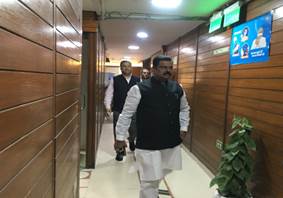
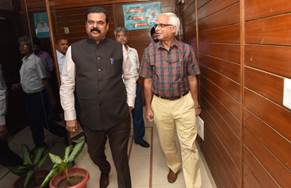
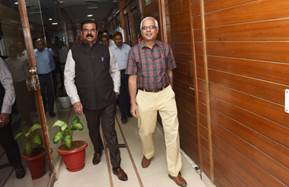
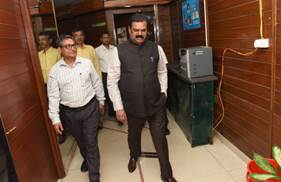
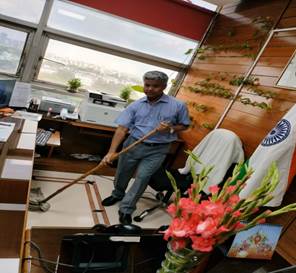
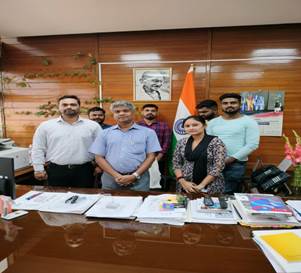
 Union Minister of Rural Development & Panchayati Raj Shri Giriraj Singh and Union Minister of State for Panchayati Raj Shri Kapil Moreshwar Patil inspected Ministry of Panchayati Raj (MoPR) office premises at Jeevan Bharati Building, New Delhi on the last day of Special Campaign 3.0 on 31st October 2023, as part of monitoring the progress of Special Campaign 3.0 conducted by MoPR for institutionalizing Swachhata and minimizing pendency.  


Union Minister Shri Giriraj Singh and MoS Shri Kapil Moreshwar Patil advised the staff-members to contribute to thorough cleanliness drives and zero pendency initiatives as part of the Special Campaign for Disposal of Pending Matters (SCDPM) to create a healthy work culture that ensures enhanced level of cleanliness and work efficiency. Shri Giriraj Singh and Shri Kapil Moreshwar Patil called upon all the staff-members to practice cleanliness at the office – Clean Office and Clean Desk (no pendency of work) at all times so that sustaining the momentum of Special Campaign 3.0 can be ensured.

Image  Image

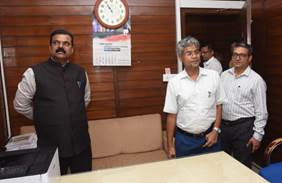
Shri Kapil Moreshwar Patil and then Secretary, Ministry of Panchayati Raj Shri Sunil Kumar along with Additional Secretary, MoPR, Dr. Chandra Shekhar Kumar, Economic Adviser, MoPR, Dr. Bijaya Kumar Behera and other senior officers took a round of office premises in Jeevan Bharati Building on 6th October 2023 and inspected overall cleanliness and reviewed the progress made under implementation of Special Campaign 3.0 in the Ministry of Panchayati Raj.


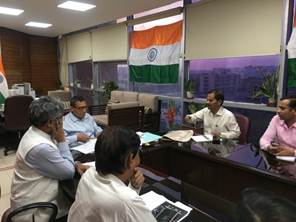
Special Campaign 3.0 was regularly monitored under the guidance of Union Minister of Panchayati Raj, Union Minister of State for Panchayati Raj, Secretary, Ministry of Panchayati Raj and also through DARPG’s dedicated portal of Swachhata Campaign and SCDPM–2023 where the requisite data and relevant photographs were uploaded on a regular basis.


The progress made in the implementation of Special Campaign 3.0 was reviewed by Dr. Chandra Shekhar Kumar with Nodal Officers of Divisions/ Sections in the Ministry on 4th, 17th and 25th October 2023. Disposal of Public Grievances, Public Grievance Appeals, PMO References, other References and pending matters gained momentum during the Special Campaign 3.0, and considerable numbers of Public Grievance Appeals were disposed of and e-files were reviewed.


The month-long Special Campaign 3.0, kick-started on 2nd October 2023, provided an opportunity to the Ministry of Panchayati Raj to reiterate the commitment to improve current cleanliness levels in the office premises, disposal of scrap/ waste materials, ensure timely disposal of Public Grievances and reduce the pendency of work in the offices. Special Campaign 3.0 commenced with Swachhata Pledge taking event organized at two office premises of Ministry of Panchayati Raj at Jeevan Bharati Building, Sansad Marg and Jeevan Prakash Building, New Delhi where the Swachhata Pledge was administered to all officers and staff-members (regular contractual and outsourced) of the Ministry of Panchayati Raj.

Special Campaign 3.0 that aims to mobilize and involve all officers and employees for institutionalizing Swachhata and minimizing pendency in government offices witnessed active and enthusiastic participation of all staff-members (regular, contractual and outsourced) of Ministry of Panchayati Raj during the Preparatory Phase (15th – 30th September 2023) and Implementation Phase (2nd – 31st October 2023) of Special Campaign 3.0.

Prior to the launch of Special Campaign 3.0, Action Plan for Special Campaign 3.0 for institutionalizing Swachhata and minimizing pendency in the Ministry of Panchayati Raj was issued vide office circular dated 19th September 2023 among all officers and staff-members of the Ministry. All the officers and staff-members (regular, contractual and outsourced) posted in the Ministry at three locations namely, Krishi Bhawan, Jeevan Bharti Building and Jeevan Prakash Building were sensitized regarding maintenance of cleanliness in the Offices on daily basis during the Special Campaign 3.0 and beyond. Banners on Special Campaign 3.0 were displayed at prominent places in the office premises located in three buildings for greater awareness, widespread participation for creating a movement and environment for Special Campaign 3.0.

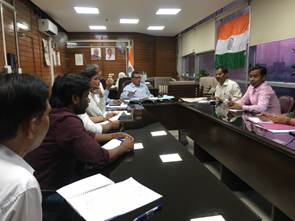
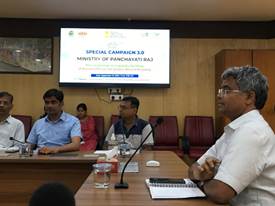
A workshop on Capacity Building of Record Officers was organized on 27th September 2023 under Chairmanship of Dr. Bijaya Kumar Behera as part of Preparatory Phase of Special Campaign 3.0 where participants were enlightened about robust due diligence, record keeping and record retention. Dr. Bijaya Kumar Behera underscored that preparatory phase of Special Campaign 3.0 includes cleanliness as well as disposal of pending references etc., adding that there are no pending grievances in the Ministry as of now, and we should maintain momentum.

Image Image

Division–wise Nodal Officers were designated and concerted efforts were made in the Ministry of Panchayati Raj to identify redundant scrap materials and obsolete/ unserviceable items, and to sensitize the staff-members for maintaining a clean and hygienic workplace at all times. Senior officers of the Ministry performed Shramdaan and personally visited different Sections from time to time during the Special Campaign 3.0 and advised the staff-members to make Swachhata everyone’s business.

As many as 45 staff-members of the Ministry were provided with new computers during the Special Campaign 3.0, which will help them improving their work efficiency and productivity. For successful implementation of Special Campaign 3.0, the General Administration Section has procured indoor plants, flower pots and decorative items for the Ministry.

Under the Special Campaign 3.0, all the employees of the Ministry of Panchayati Raj enthusiastically participated in the disposal of pending cases. All-out efforts made during the Special Campaign 3.0 have yielded encouraging results with disposal of 995 Public Grievances, 283 Public Grievance Appeals and 1 VIP Reference. Besides, 750 e-files were also reviewed for weeding out. Apart from regular cleanliness drives in office premises, 15 intensive cleanliness drives were organized in office premises with special focus on decongesting, decluttering and beautifying the workspace and improving the infrastructure and ambience of offices.

Vigorous cleanliness campaigns were conducted at the three office locations of the Ministry with adequate cleaning of office chambers of all senior officers, rooms of other officers and staff-members, sections, corridors, conference hall, work stations, furniture, wash-rooms, toilets, storage places, passages, reception areas and inside premises of the MoPR office-buildings. Dr. Bijaya Kumar Behera in-Charge of General Administration in the Ministry of Panchayati Raj used to interact with housekeeping / cleaning staff on regular basis during the Special Campaign 3.0 and discussed about their concerns / issues including health, safety and dignity in order to fulfil our collective responsibility to ensure their welfare. All the housekeeping staff have been given monetary incentive in recognition of their sincere efforts and dedication for proper cleaning and upkeep of the office premises.


Few innovative and best practices undertaken by the Ministry of Panchayati Raj during the ongoing Special Campaign 3.0 are as follows:

  • During the Special Campaign 3.0, the Ministry of Panchayati Raj has started productive use of the freed up space in the office premises at Jeevan Bharati Building with setting-up quiet, tidy and distraction-free Work Stations for staff-members to optimize the workspace and boost productivity.
  • The reception area and corridors in the MoPR office premises on the ninth floor of Jeevan Bharati Tower–2 Building, New Delhi have been transformed into bright, beautiful and welcoming spaces with placing the green plants, flower pots and plant containers during the Special Campaign 3.0.
  • The renovation work in the MoPR office premises on the eleventh floor of Jeevan Prakash Building has been started during the Special Campaign 3.0.
  • Contributing to Environmentally Responsible Workplace through: (a) Indoor Plants in corridors that help purify the air and create a calm atmosphere, (b) Using an energy-efficient LED lighting system, (c) Sustainable and recycled décor items, (d) Cleanliness is maintained through regular cleaning.
  • Promoting energy-efficient/energy-saving practices – switching off electronic appliances / devices / equipments when not in use.
  • Prioritizing women’s hygiene and sustainable menstrual waste management, MoPR ensures responsible Menstrual Waste management and clean women’s restrooms/ washrooms for all women staff-members.
  • Providing new computers to 45 staff-members to enhance their efficiency and productivity.
  • Monetary incentive to all the housekeeping staff in recognition of their sincere efforts and dedication for proper cleaning and upkeep of the office premises.

During the month-long Special Campaign 3.0, all officers and staff-members actively participated with full enthusiasm and renewed vigour for successful implementation of the Special Campaign 3.0 in the Offices of the Ministry of Panchayati Raj. A short video film based on the theme of Special Campaign 3.0 was produced and official social media platforms of the Ministry were utilized to conduct outreach with public and highlight MoPR’s efforts and achievements under Special Campaign 3.0.

*******

National-level innovation challenge aimed at motivating young individuals to create functional prototypes of innovative solutions

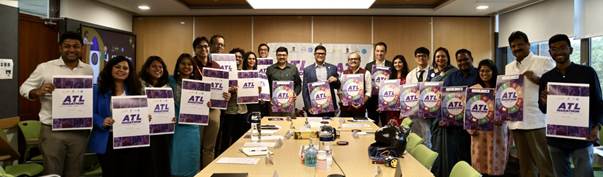
 Secretary, Department of School Education & Literacy, Shri Sanjay Kumar today inaugurated a national-level innovation challenge aimed at motivating young individuals to create functional prototypes of innovative solutions. The Ministry of Education collaborated with the ATL Marathon program, spearheaded by the Atal Innovation Mission, NITI Aayog, in partnership with UNICEF and YuWaah.

Dr. Chintan Vaishnav (Mission Director, AIM), Shri Vipin Kumar (Additional Secretary, Ministry of Education), Kevin Frey (CEO, Generation Unlimited), Dhuwarakha Sriram (Chief of YuWaah, Youth Development and Partnerships, UNICEF) and Abhishek Gupta (COO YuWaah, UNICEF) attended the event.

Department of School Education & Literacy has been committed to strengthening education in India through the National Education Policy (NEP) framework, with a focus on practical learning. Initiatives like the School Education Council and various programs have been instrumental in promoting this approach. The collaboration with the ATL Marathon has been a significant step in this direction, with over 32,000 innovations submitted by school students from across India over the last six years.

Speaking on the occasion, Shri Sanjay Kumar expressed that through this program, we aim to support students in working collectively, introducing them to best practices that nurture their innovation skills, and connecting them with role models. We are also committed to supporting the best innovators from the program under School Innovation Councils, by providing a seed fund of 1-lakh rupees for 200 innovators, with ATL Marathon finalists being considered, he added.

This year’s ATL Marathon is themed “India’s 75th Republic Day” and features problem statements in areas such as Space, Agriculture, Inclusivity, Disaster Management, Mobility, Health, Education, and Skill Development. Student teams are encouraged to build projects addressing these challenges.

The top-performing teams will have the opportunity to participate in the Student Innovator Program, which includes internships with leading corporates and incubation centers in India. They will also receive certificates from AIM, NITI Aayog, and various exciting opportunities.

The Ministry of Education is excited about the prospects of this collaboration and looks forward to witnessing the remarkable innovations that young students will contribute to the development of India and the world through the ATL Marathon program.

*****