India-USA Strategic Clean Energy Partnership Ministerial Joint Statement

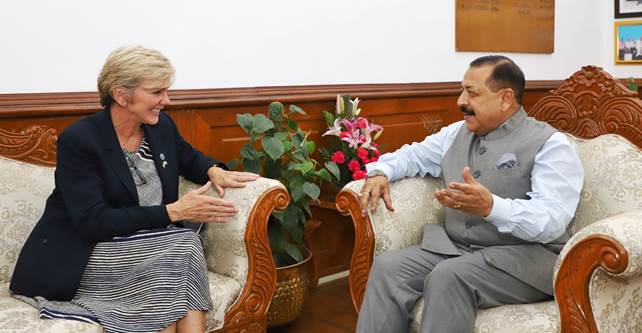
 Today, the Ministerial meeting of the U.S.-India Strategic Clean Energy Partnership (SCEP) was held between Indian Minister of Petroleum and Natural Gas, HE Hardeep S. Puri and U.S. Energy Secretary HE Jennifer Granholm in New Delhi. During the meeting, the sides noted the growing importance of bilateral energy cooperation between the countries while underscoring the critical importance of bilateral clean energy engagement and the achievements of the SCEP in strengthening energy security, creating opportunities for clean energy innovation, addressing climate change and creating employment generation opportunities.

In this context, the sides welcomed the growing energy trade between the countries which has been consistently scaling new heights and welcomed the commercial partnerships facilitated by the SCEP.

The sides renewed their commitment to work towards a just, orderly and sustainable energy transition, which prioritises access to reliable, affordable, and clean energy supply. Highlighting that India and the US represent the largest democracies, and the largest and fastest growing economies in the world, the sides underscored the importance of joint action and collaboration not only for bilateral progress but also for navigating the global energy transition.

The sides reviewed the ambitious and dynamic SCEP mandate, which over the years has deepened and strengthened collaboration across a wide breadth of clean energy work streams, including clean and renewable energy, energy efficiency, increased collaboration in emerging technologies like battery storage and swapping technologies, gas hydrates, advanced biofuels, and hydrogen and electrolyzer production. In this context, the sides recognised the importance of producing green/clean hydrogen as a critical energy source for global decarbonisation and agreed to support each other’s national hydrogen missions.

The sides also welcomed the work done by the five pillars of the SCEP towards deepening the cooperation between the Public and Private sectors to support decarbonization in both countries, including through public-private task forces, reverse trade missions, India-US Business Roundtables chaired by the Ministers, and other commercial dialogues.

The sides emphasized the importance of promoting energy access, affordability and energy justice in each country. The sides also acknowledged that successfully achieving ambitious climate and clean energy aspirations necessitates coordinated efforts on development of energy transition roadmaps, capacity building, job skilling, and sharing of best practices at all levels of government. In that context, the sides agreed to work toward development of net zero villages in India to support the clean energy transition.

The sides discussed ways of advancing the positive agenda outlined by Prime Minister Modi and President Biden in their Joint Statement of June 22, 2023which welcomed efforts under the SCEP to develop and deploy energy storage technologies, expand collaboration in support of their respective national hydrogen strategies and cost reduction goals, and accelerate cooperation on new and emerging renewable energy technologies. To that end, the Ministers welcomed:

  • establishment of the public-private Energy Storage Task Force and related efforts to support large-scale integration of renewable energy needed to support the clean energy transition;
  • deepened collaboration to scale and accelerate deployment of hydrogen technologies through the public-private Hydrogen Task Force and other efforts in support of their national hydrogen strategies, including a focus on common cost reduction goals;
  • launch of the U.S.-India New and Emerging Renewable Energy Technologies Action Platform (RETAP) to accelerate development of key technologies to advance common ambitious clean energy goals.

The Ministers also welcomed the leaders’ priority of reducing carbon emissions in the transportation sector through zero emissions vehicles and continued collaboration on securing funding and enabling affordable and accessible debt and equity financing for the e-mobility sector. The sides recognized the importance of the “Electric Vehicle (EV) financing services facility” which will create dedicated funds for e-mobility.

The sides welcomed cooperation between India and the United States to advance research, development and commercialisation of technologies in the emerging fuels arena, including bio-ethanol, renewable diesel, sustainable aviation fuels, and other advanced biofuels as a unique and valued asset to the transition to a cleaner energy future.

The Ministers-affirmed the vision of Prime Minister Modi and President Biden for establishing the Global Biofuels Alliance. The Ministers discussed the role that the Global Biofuels Alliance will play in strengthening markets, facilitating global biofuels trade, development of concrete policy lesson-sharing and provision of technical support for national biofuels programs worldwide.

The sides also underscored the importance of a stable, sustainable, diversified, resilient, and globally responsible clean energy supply chain to enable energy transition pathways while minimizing risks and uncertainty.

The sides also welcomed ongoing collaboration in such areas as:

  • modernizing the power system to improve reliability, resilience, flexibility, affordability, and sustainability of clean energy systems;
  • promoting energy efficiency and conservation, including in buildings, appliances, and the industrial sector;
  • reducing emissions across the oil and gas sector, including through examining methane abatement and transfer and deployment of technologies under voluntary and mutually agreeable terms; and
  • advancing emerging technologies to support electrification and decarbonization of hard-to-abate sectors.

Recognizing the role of carbon capture, utilisation and storage to reduce emissions, the sides agreed to spur partnership in this area by building on existing cooperation and welcoming new collaboration including exploring the geologic carbon storage potential. The sides welcomed the addition of Carbon Capture, Utilization and Storage as a work stream under the Emerging Fuels and Technology Pillar. 

The sides also welcomed engagement through the Low-Emissions Gas Task Force to reduce emissions across the sector through deployment of emerging technologies (i.e., CCUS, hydrogen), alternative fuels, and methane abatement technologies. The Ministers welcomed the commercial partnerships facilitated by this platform.

The sides duly acknowledged the collaboration of USAID with various Indian agencies including Indian Railways, NTPC Green National Skills Development Corporation, Skills Council for Green Jobs, and the Forum of Regulators.

The sides welcomed USAID support on feasibility of Green Chemicals for NTPC, recognizing the importance of such initiatives to ensure development of sustainable and clean energy systems.

The sides welcomed cooperation between USAID and Indian power PSUs – NTPC and SJVN– in the creation of clean energy financing policy to ensure development of sustainable, resilient, and clean energy systems.

The sides noted the importance of robust life cycle assessments and building modelling capacity to assess low carbon technologies costs and emissions, and best practices for modelling and analytics of energy consumption.

Both sides launched the South Asia Group for Energy (SAGE) to deepen the engagement between Indian agencies and US national laboratories to support research, analysis and capacity building activities such as building modelling capacity in Life Cycle Assessment of low carbon technologies and analytics on energy consumption in building sector.

The sides noted the excellent work done by PNGRB, India and FERC, USA under their MoU framework towards development of competitive markets, and promotion of investment in the oil and natural gas sector, protection of consumer interests, capacity building of personnel, up-dation of regulatory framework. The sides also appreciated the work done by PNGRB, India and ASME, USA to develop and establish policies and programs and procedures that will promote and sustain a market for Oil and Gas in India that aligns with ASME standards and certification programs and practices.

Finally, the sides praised the longstanding joint R&D under the Partnership to Advance Clean Energy-Research (PACE-R), including the US-India Collaborative for Smart Distribution System with Storage (UI-ASSIST) consortium co-led by Indian Institute of Technology, Kanpur and Washington State University. Welcoming the importance of such R&D Initiatives, the sides welcomed the successes of PACE-R to date and highlighted the final year of the R&D track on advanced smart grid and energy storage technologies.

Agencies from across the U.S. and Indian governments demonstrated a number of accomplishments across the five technical pillars of cooperation on: 1) Power & Energy Efficiency, 2) Renewable Energy, 3) Responsible Oil & Gas, 4) Sustainable Growth, and 5) Emerging Fuels and Technologies.

The Ministers affirmed that the SCEP represents a comprehensive vision to decarbonise while ensuring healthy rates of growth for both countries and expressed hope that the work undertaken under the SCEP will continue to pave the way for a new anpromising future


Join our Whatsapp Group


***
Quantum Technologies and Artificial Intelligence for Transforming Lives

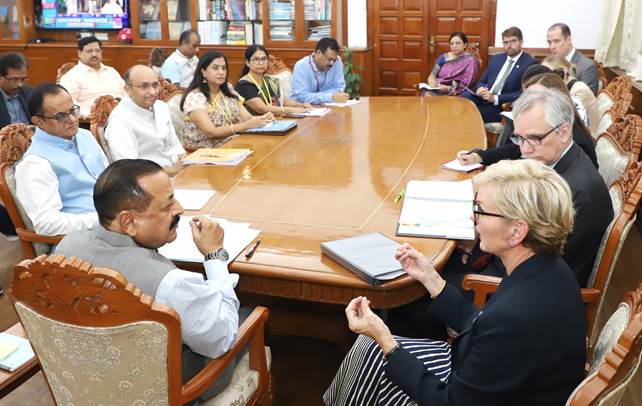
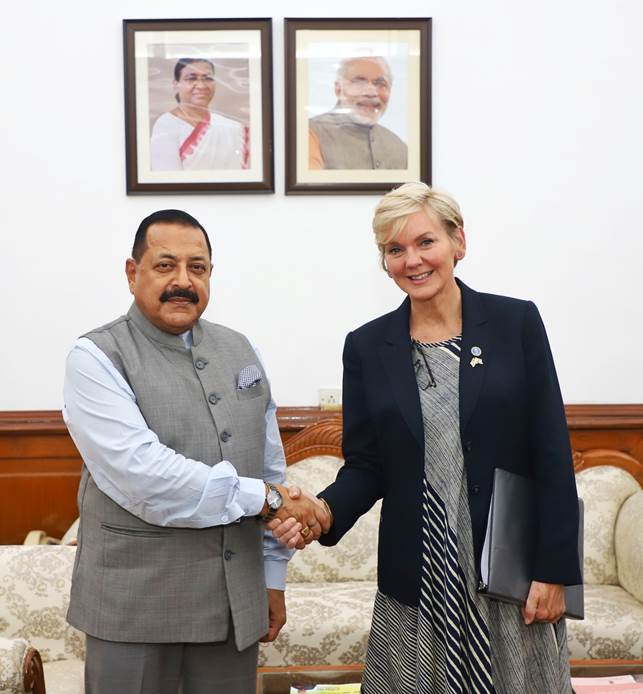
 US Secretary, Department of Energy, Ms Jennifer M. Granholm called on Union Minister of State (Independent Charge) Science & Technology; MoS PMO, Personnel, Public Grievances, Pensions, Atomic Energy and Space Dr Jitendra Singh at North Block here today and discussed bilateral collaboration between the two countries.

The meeting assumes special significance as it comes close on the heels of PM Narendra Modi’s US visit. Ms Jennifer was accompanied by a high-level American delegation.


India and the United States also jointly launched a call for proposals on Critical and Emerging Technology: Quantum Technologies and Artificial Intelligence for Transforming Lives. The Indo-U.S. Science and Technology Forum (IUSSTF) and the Secretariat for USISTEF have designed the program.

Dr Jitendra Singh said, through this competitive grant program, the USISTEF selects and supports promising joint U.S.-India technology innovation and entrepreneurial initiatives that are commercially viable and socially relevant. He said, these joint initiatives can originate from U.S. and Indian entities including StartUps, government, academic, or commercial endeavours, and any combination thereof provided they focus on applied R&D, incorporate a business plan and proof of commercial concept, and have significant sustainable commercial potential.


Dr Jitendra Singh said, the move comes in the wake of Prime Minister Narendra Modi’s recent visit to US, where he stressed upon a new chapter to bilateral comprehensive and global strategic partnership. The Minister said, he felt happy that both the Indian and US sides have positioned themselves quickly to take-up the decision of the leaders to the implementation level.

Dr Jitendra Singh pointed out that the engagement has charted a Technology Partnership for the future with a new direction and a new energy in the AI (America – India) relation in the AI (Artificial Intelligence) era.

Dr Jitendra Singh said, among other technology-oriented matters of high relevance, it is heartening to note that President Biden and Prime Minister Modi had welcomed the launch of a $2million grant program under the U.S.-India Science and Technology Endowment Fund (USISTEF) for the joint development and commercialization of Artificial Intelligence (AI) and quantum technologies, and encouraged public-private collaborations to develop high performance computing (HPC) facilities in India.


Dr Jitendra Singh informed that India has recently approved the National Quantum Mission (NQM) with an aim to seed, nurture and scale up scientific and industrial R&D and create a vibrant & innovative ecosystem in Quantum Technology (QT). Needless to say, that AI has the potential to address the world’s most pressing challenges and presents tremendous opportunities for economic development, he added.

Dr Jitendra Singh said, investments in AI and quantum technology would lead to transformative advances in our everyday lives and greatly benefit our social well-being by impacting healthcare, agriculture, climate change and more. He welcomed the transformative potential of the Endowment fund.


The call will remain open till August 31, 2023 and will invite promising joint Indo-U.S. technology innovation and entrepreneurial proposals that are commercially viable and socially relevant. It will provide a significant boost to the domestic as well as the US priorities looking at various facets of Sustainable Development Goals (SDG).


Global Maritime India Summit, 2023

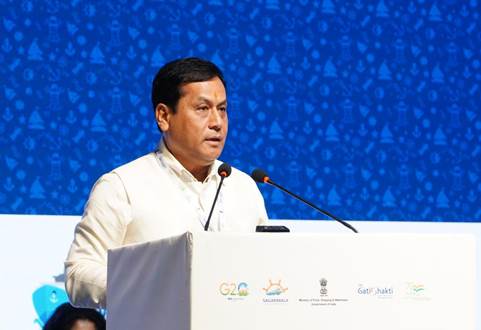
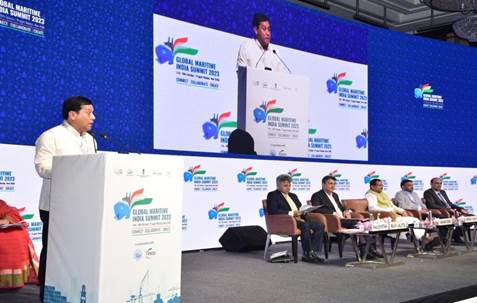
 The Union Minister of Ports, Shipping & Waterways and Ayush, Shri Sarbananda Sonowal launched the curtain raiser of Global Maritime India Summit (GIMS), 2023 in Mumbai today. The event is aimed at unlocking potential for new investment opportunities along with collaborations for knowledge and technology to enhance cooperation in trade and promote Ease of Doing Business (EODB). The event was attended by the Union Minister of State for Ports, Shipping & Waterways and Tourism, Shri Shripad Naik among others.

Addressing the Curtain Raiser for the upcoming Global Maritime India Summit 2023, Shri Sonowal emphasised the vital role of the maritime sector in India’s economic progression and the potential it holds for the Asia-Pacific region. “India can lead from the front,” said Sonowal. He added that India’s maritime sector is poised for growth, owing to proactive government policies around, ports, shipping and inland waterways.

The Minister said, “The huge potential of India’s marine sector can play a significant and pivotal role in elevating the economic cycle towards an Atmanirbhar Bharat by 2047 – a vision of our dynamic Prime Minister Shri Narendra Modi ji. As key driver of India’s maritime sector, our ministry has been organising the Global Maritime India Summit, to create value from the vast potential of India’s rich maritime sector. With an identified investment opportunities of more than ₹10 lakh crores in the maritime sector of the country, we are standing at a threshold of a major economic upswing which can generate employment opportunities for more than 15 lakhs youth of India. This summit has been designed to explore and examine riches of India’s Blue Economy. We hope that the best minds of maritime sector will hedge their goodwill, intent, intelligence and skills to produce a roadmap for a sustainable development of maritime sector as well as our country.”

Shri Sonowal further added, “We invite all the maritime stakeholders in India and globally to be part of these investment opportunities. Under the visionary leadership of Prime Minister Shri Narendra Modi ji, India is spearheading the advancement of regional trade within BIMSTEC region, taking a prominent role in the development of various regional projects. India is actively driving the establishment of 5,000 km of multi-country waterways, a significant initiative that will effectively facilitate trade and transportation across the region.”

The curtain raiser event is aimed at creating a global forum of thought leaders as well as industry captains from maritime sector to harness the immense potential of Blue Economy and draw a roadmap to unlock value through creation of investment opportunities in the maritime sector of India. The forum will provide a platform for start-ups, researchers, incubators and innovators to showcase their technology & expertise. The focus areas of GMIS, 2023 are Ports of the Future; Decarbonization; Coastal Shipping & Inland Waterways Transportation; Shipbuilding, repair & recycling; Finance, Insurance & arbitration; Innovation & technology; Maritime Safety & Security and Maritime Tourism.

The Union Minister said, “India stands firmly on its commitment to developing environmentally conscious shipping solutions. Under the visionary leadership of Prime Minister Shri Narendra Modi ji, India proudly occupies the second rank in recycling worldwide, with a clear objective to ascend to the top position within the forthcoming two decades. To propel this vision, we plan to inaugurate carbon-neutral alternatives and boost the use of battery-powered vehicles and apparatus in our major ports. With a vast coastline and over 200 ports, India holds a strategic position in global trade. The country has made impressive strides under transformative initiatives like Sagarmala and the Prime Minister’s Gati Shakti National Master Plan, which have modernised port infrastructure, enhanced connectivity, and facilitated port-led industrialisation.”

Speaking on occasion, Shri Shripad Naik, said, “The Global Maritime India Summit 2023 represents a crucial milestone in our efforts to position India as a global maritime hub. Through collaborative discussions and strategic partnerships, we aim to propel our maritime sector towards sustainable growth, bolstered by innovation and cutting-edge technology.”

Shri Rajiv Jalota, Chairman, Indian Ports Association & Mumbai Port Authority; Shri Rajesh Kumar Sinha, Additional Secretary, Ministry of Ports, Shipping and Waterways; Shri Bhushan Kumar, Joint Secretary (SM), Ministry of Ports, Shipping and Waterways; Shri Rajesh Tandon, CEO, Foreign Owners Representative, Ship Managers Association; Shri Anil Devli, CEO, Indian National Shipowners Association; Shri Dhruv Kotak, Chairman, Ports & Shipping, FICCI Committee on Transport Infrastructure & MD, JM Baxi Group along with Shri Shailesh Pathak, Secretary General, FICCI also spoke on the occasion.

The curtain raiser concluded with the unveiling of the official GMIS 2023 brochure and the launch of the event’s website and mobile app to provide a comprehensive overview of the summit’s agenda and thematic sessions and will serve as essential resources for participants.

About Global Maritime India Summit (GMIS), 2023:
GMIS 2023 is a premier maritime sector focussed event to bring together pivotal figures from the industry to explore opportunities, understand challenges, and stimulate investment within India’s maritime sector. Building upon the legacy of its preceding editions, this third instalment aims to unveil broader prospects for domestic and international maritime stakeholders and investors. Ready to make its presence felt on the global stage, and spotlight India’s maritime industry, the Maritime India Summit has now evolved to the ‘Global’ Maritime India Summit this year. The summit is slated for 17th to 19th October 2023, at Pragati Maidan, New Delhi, with FICCI as the exclusive industry partner.

For more details on the Global Maritime India Summit 2023, including a complete agenda and registration details, please visit the official website at www.maritimeindiasummit.com

*****

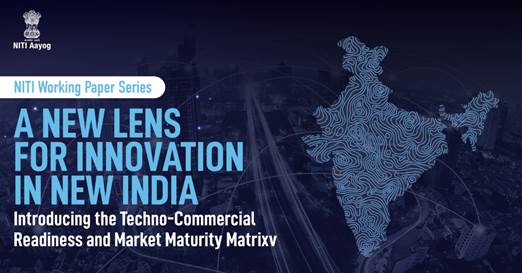
TCRM Matrix Framework to Revolutionize Technology Assessment and drive Innovation in India

 NITI Aayog today released the Techno-Commercial Readiness and Market Maturity Matrix (TCRM Matrix) Framework to Drive Innovation and Entrepreneurship in India.

New Delhi, [18.07.2023] – The NITI Aayog, released, under the NITI Working Paper series, the Techno-Commercial Readiness and Market Maturity Matrix (TCRM Matrix) framework, a pioneering assessment tool designed to revolutionize technology evaluation, foster innovation, and fuel entrepreneurship in India.

The Working Paper casts light on the historical evolution of technology assessment frameworks, including the Technology Readiness Level (TRL), Commercialization Readiness Level (CRL), and Market Readiness Level (MRL) scales. By building upon these frameworks’ core principles, the TCRM Matrix framework presents an integrated assessment model that offers in-depth insights and actionable intelligence to stakeholders at every stage of the technology development cycle.

The working paper provides clear guidelines for integrating the TCRM Matrix framework within the broader innovation ecosystem. By doing so, policymakers, strategists, academicians, and investors can unlock its full potential and drive meaningful change. The adoption of the TCRM Matrix framework necessitates a comprehensive analysis and contextualization within the unique national and sectoral innovation landscapes.

“The introduction of the Techno-Commercial Readiness and Market Maturity Matrix (TCRM Matrix) framework is a significant milestone for India’s innovation and entrepreneurship landscape,” said Dr. V.K. Saraswat, Member (Science & Technology), NITI Aayog. “By providing a robust assessment tool, we aim to empower stakeholders across the nation to make informed decisions, enhance technology commercialization prospects, and propel India towards becoming a global leader in innovation.”

The working paper is authored by Dr. V.K. Saraswat, Member, NITI Aayog along with Dr. Neeraj Sinha, Senior Adviser, Sh. Naman Agrawal, Specialist, Ms. Naba Suroor, Associate and Sh. Siddhey G Shinde, Young Professional, NITI Aayog.

The Government of India, through NITI Aayog, remains steadfast in its commitment to fostering innovation and entrepreneurship. The release of this working paper is a testament to the government’s continuous efforts to drive technological advancements and economic growth. The TCRM Matrix framework is set to play a pivotal role in catalyzing India’s innovation ecosystem and creating a conducive environment for transformative ideas.

The link of the said working paper can be accessed here <<https://niti.gov.in/sites/default/files/2023-07/TCRM-Matrix-Framework-FAD3.pdf>>.

********

CRCS – Sahara Refund Portal

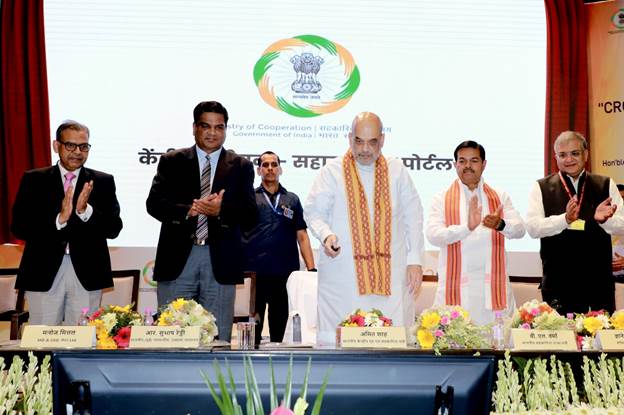
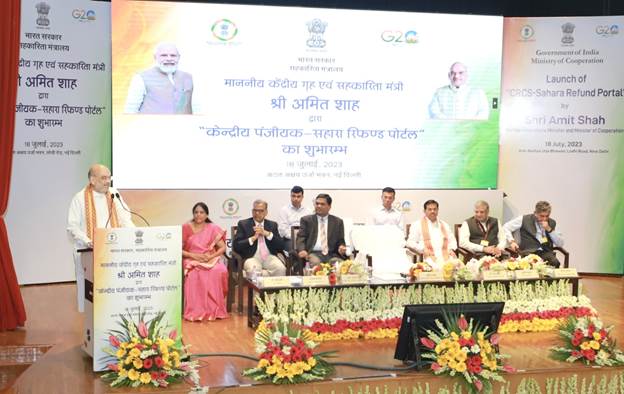
 Union Home Minister and Minister of Cooperation, Shri Amit Shah launched the Central Registrar of Cooperative Societies (CRCS)-Sahara Refund Portal https://mocrefund.crcs.gov.in in New Delhi today. This portal has been developed for submission of claims by genuine depositors of Cooperative Societies of Sahara Group – Sahara Credit Cooperative Society Limited, Saharayan Universal Multipurpose Society Limited, Hamara India Credit Cooperative Society Limited and Stars Multipurpose Cooperative Society Limited. On this occasion, Union Minister of State for Ministry of Cooperation Shri B.L. Verma, Justice R. Subhash Reddy, Former Judge of Supreme Court and Secretary, Ministry of Cooperation, Shri Gyanesh Kumar along with the depositors of the four cooperative societies of Sahara Group were also present.


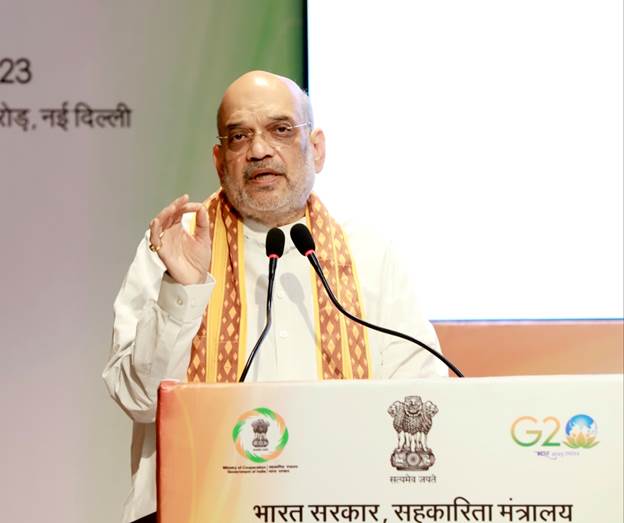
In his address Shri Amit Shah said that this programme is important because the concerns of people whose hard earned money is stuck in these 4 co-operative societies were not paid attention. In such cases, generally multi-agency seizure often happens but no agency thinks about the investor. He added that this leads to feeling of great insecurity and mistrust towards cooperative societies. Shri Shah said that crores of people of the country do not have capital but they want to contribute in the development of the country and there is no other way than cooperative movement. In this direction, Prime Minister Shri Narendra Modi took a decision to form a separate Ministry of Cooperation. He said that co-operative is the only movement in which big works can be done by combining small capital to create big capital.

Shri Amit Shah said that many times allegations of scams are made and those who invest, their capital gets stuck like Sahara whose example is in front of everyone. He said that the case went on in the Supreme Court for many years, the agencies sealed their properties and accounts, and with this, the credibility of the cooperative societies also get lost. Shri Shah said that the Prime Minister Shri Narendra Modi formed a separate Ministry of Cooperation and taking initiative in this matter discussions were held with all the stakeholders. He said that it was considered whether a system can be made in which everyone rises above their claims and thinks about small investors. Shri Shah said that all the agencies together filed a petition in the Supreme Court and the Supreme Court gave a historic decision to form a committee under the chairmanship of a former Supreme Court judge to start the payment process in a transparent manner. He said that the process of returning the amount of Rs. 5,000 crore to the investors is starting today in a transparent manner on a trial basis. He said that after the completion of Rs. 5,000 crore payment, another appeal will be made in the Supreme Court to return the amount to the remaining investors.

Union Home Minister and Minister of Cooperation said that through this portal, first payment up to Rs.10,000 will be made to one crore investors who had deposited Rs. 10,000 or more. He said that complete data of all the four societies is available online for applying on this portal. He said that all necessary provisions have been made in this process so that there is no scope for any kind of manipulation or injustice to any genuine investor.

Shri Amit Shah said that people who have not made any investments cannot receive any refund in any way from this portal, but those who have invested will receive the refunds for sure. Minister of Cooperation instructed that arrangements should be made to file applications through Common Service Center (CSC). He requested all the investors to register online through the facility of CSC. Shri Shah said that there are two main conditions related to the process: first, the investor’s Aadhaar card must be linked to their mobile number, and second, the Aadhaar card must be linked to their bank account. He assured the investors, that the money will be deposited into their bank accounts within 45 days.

Union Minister of Cooperation said that a significant beginning has been made today. He said that under the leadership of Prime Minister Shri Narendra Modi, for the first time the investors are receiving their money which was stuck due to scam, in a transparent manner, and it is a very big achievement. He added that now, crores of people are going to receive their hard-earned money, which was stuck due to scams. Shri Shah said that approximately 1.78 crore small investors, whose money up to Rs. 30,000 stuck, will get their money back and it is a great achievement.

Hon’ble Supreme Court vide its order dated 29th March 2023 directed that Rs. 5000 Crores be transferred out of the “Sahara-SEBI Refund Account”, to the Central Registrar of Cooperative Societies (CRCS) for disbursement against the legitimate dues of the genuine depositors of the Sahara Group of Cooperative Societies. The whole process of disbursement is being supervised and monitored by Justice R. Subhash Reddy, Former Judge of Hon’ble Supreme Court with the assistance of Shri Gaurav Agrawal, learned Advocate, Amicus Curiae as per directions of Hon’ble Supreme Court. Four senior Officers on Special Duty (OSDs) have been appointed for each of the above Societies for assisting in the refund process.

The online Portal developed for submission of claims is user friendly, efficient and transparent. The entire process is digital. Necessary checks and balances have been incorporated in the Portal to ensure that only the legitimate deposits of the genuine depositors are refunded. The portal can also be accessed through Ministry of Cooperation website. The genuine depositors of these Societies have to submit their claims by filling online application form available on the portal and upload requisite documents. The depositors will be verified through Aadhaar card to ensure their identity. After the verification of their claims and uploaded documents by the appointed Societies, Auditors, and OSDs, the payment to the genuine depositors will be credited in their Bank account within 45 days after filing their online claims, subject to fund availability and they will be intimated the status through SMS/Portal. The genuine depositors of the Societies are requested to ensure that they have Aadhar linked mobile number and Bank Account along with requisite documents as proof of their claim and deposits

*****

PRESIDENT OF INDIA PRESENTS BHOOMI SAMMAN 2023

 The President of India, Smt Droupadi Murmu presented the “Bhoomi Samman” 2023 at a function organised by the Union Ministry of Rural Development in New Delhi today (July 18, 2023). The awards were received by State Secretaries and District Collectors along with their teams who have excelled in achieving saturation of the core components of Digital India Land Records Modernization Programme (DILRMP).

Speaking on the occasion, the President said that acceleration of rural development is essential for the overall development of the country. For the development of rural areas, modernization of land records is a basic requirement as the livelihood of most of the rural population is dependent on land resources. A comprehensive integrated land management system is of utmost importance for the overall development of rural areas.

The President said that digitization increases transparency. The modernization and digitization of land records would have a great impact on the development of the country. Digitization of land records and its linkages with various government departments would help in proper implementation of welfare schemes. It would also be of great help in case of loss of documents due to calamities like flood and fire.

The President was happy to note that under the Digital India Land Information Management System, a Unique Land Parcel Identification Number is being provided which could be useful like Aadhaar Card. She stated that this number would help in making proper use of the lands as well as forming and implementing new welfare schemes. Linking of E-Courts with land records and registration data-base would have many benefits. The transparency that is coming from digitization would curb unethical and illegal activities related to land.

The President said that access to land related information in a free and convenient manner would have many benefits. For example, it would help in resolving disputes related to ownership and use of land. She stated that a large population of our country is involved in disputes related to land and a lot of time of the administration and the judiciary is consumed in these matters. Through digitization and linkages of information, the energy of the people and institutions, which gets consumed in resolving disputes, would be utilized for development.


Please click here to see the President’s Speech

Planning and Management in Companies

 by Shashikant Nishant Sharma 

Planning and management play crucial roles in the growth and success of a company. Here are some ways in which planning and management can help a company in its growth:

Setting Clear Goals: Effective planning and management involve setting clear and achievable goals for the company. These goals provide direction and focus, enabling the company to work towards specific objectives. By defining growth targets and milestones, planning and management help align the efforts of employees and resources towards the company’s expansion.

Strategic Decision-making: Planning and management facilitate strategic decision-making processes. They involve assessing market trends, analyzing competition, and identifying opportunities for growth. Through comprehensive planning and effective management, a company can make informed decisions regarding product development, market entry, expansion strategies, and resource allocation.

Resource Allocation: Planning and management help allocate resources effectively, ensuring they are used efficiently to support growth. This includes managing financial resources, human capital, technology, and other assets. By carefully planning and managing resources, a company can optimize its operations, streamline processes, and minimize waste, ultimately contributing to its growth.

Risk Management: Planning and management involve identifying and managing risks that may impede growth. By conducting thorough risk assessments, developing contingency plans, and implementing risk mitigation strategies, a company can navigate uncertainties and minimize potential setbacks. Effective risk management enables the company to seize opportunities while safeguarding its assets and reputation.

Organizational Structure and Alignment: Planning and management play a critical role in establishing and maintaining an effective organizational structure. They define roles, responsibilities, and reporting lines, ensuring clarity and alignment within the company. A well-structured organization promotes efficient communication, collaboration, and coordination, enabling the company to adapt to growth and scale operations effectively.

Monitoring and Evaluation: Planning and management involve continuous monitoring and evaluation of the company’s performance. By setting key performance indicators (KPIs) and regularly assessing progress, management can identify areas for improvement and take corrective actions. This data-driven approach enables the company to optimize processes, capitalize on growth opportunities, and adapt strategies as needed.

Adaptability and Flexibility: Effective planning and management foster adaptability and flexibility, crucial traits for sustained growth. Companies that can adjust their plans and strategies based on changing market conditions and customer needs are more likely to thrive. By regularly reviewing and updating plans, management can ensure the company remains responsive to evolving trends and remains agile in its operations.

In summary, planning and management provide a structured approach to growth by setting clear goals, making strategic decisions, optimizing resource allocation, managing risks, establishing organizational structures, monitoring performance, and promoting adaptability. By leveraging these practices, companies can position themselves for sustainable growth and long-term success.


Top Ten Books to Read on Education

Some highly recommended books in the field of education that cover a wide range of topics and perspectives:
“Pedagogy of the Oppressed” by Paulo Freire: A classic work in critical pedagogy, this book examines the relationship between education and oppression. Freire advocates for a liberatory approach to education that empowers learners to critically engage with their world and transform social injustices.

“The Death and Life of the Great American School System” by Diane Ravitch: Ravitch, a renowned education historian, critiques the education reform movement in the United States and discusses the detrimental effects of standardized testing, market-based reforms, and privatization on public education.
“Mindset: The New Psychology of Success” by Carol S. Dweck: Dweck explores the concept of mindset and how it impacts learning and achievement. She presents research on the power of a growth mindset, which embraces effort, resilience, and the belief that abilities can be developed.
“Why Don’t Students Like School?” by Daniel T. Willingham: Willingham, a cognitive scientist, delves into the principles of learning and explains why certain teaching methods work better than others. He offers practical insights and strategies for engaging students’ minds and enhancing learning experiences.
“Teaching to Transgress: Education as the Practice of Freedom” by bell hooks: hooks, a prominent feminist scholar, advocates for a transformative and inclusive education. She encourages critical thinking, dialogue, and the dismantling of oppressive systems in the classroom to create a more liberating learning environment.
“The Courage to Teach: Exploring the Inner Landscape of a Teacher’s Life” by Parker J. Palmer: Palmer reflects on the inner dimensions of teaching and emphasizes the importance of teachers’ authenticity, self-reflection, and connection with students. The book explores the personal and professional challenges teachers face and offers insights for sustaining a meaningful teaching practice.
“Educated: A Memoir” by Tara Westover: In this memoir, Westover shares her personal journey from growing up in a strict and isolated household to pursuing education against all odds. The book raises important questions about the transformative power of education and the pursuit of knowledge.
“The First Days of School: How to Be an Effective Teacher” by Harry K. Wong and Rosemary T. Wong: This practical guide provides valuable advice and strategies for new and experienced teachers alike. It covers classroom management, lesson planning, establishing routines, and building positive relationships with students.
“Visible Learning for Teachers: Maximizing Impact on Learning” by John Hattie: Hattie synthesizes decades of educational research to identify the most effective teaching practices that positively impact student learning. The book offers practical insights and strategies for teachers to enhance their instructional effectiveness.
“The Smartest Kids in the World: And How They Got That Way” by Amanda Ripley: Ripley examines the education systems of countries with high-performing students and delves into the cultural, societal, and pedagogical factors that contribute to their success. The book provides valuable insights and comparisons for improving education worldwide.
These books offer diverse perspectives, research-based insights, and thought-provoking ideas in the field of education. Whether you’re an educator, student, or interested in the field, they provide valuable knowledge and inspiration for understanding and transforming education.

Seminar on the ‘Role of Key Constitutional Functionaries of Rajasthan Legislature in Strengthening Democracy’ At Jaipur

 The President of India, Smt Droupadi Murmu addressed a seminar on the ‘Role of key constitutional functionaries of Rajasthan Legislature in Strengthening Democracy’ at Jaipur this evening (July 14, 2023). This Seminar was organized by the Rajasthan Legislative Assembly under the auspices of the Commonwealth Parliamentary Association (Rajasthan Branch) to celebrate the birth centenary of Shri Bhairon Singh Shekhawat. 

Speaking on the occasion, the President said that Shri Bhairon Singh Shekhawat has left an indelible mark of his towering personality not only in the politics of Rajasthan but the whole country. As the Chief Minister of Rajasthan, he envisioned and implemented many schemes for the development of the state and for the welfare of people. As the Vice-President of India, he carried out the high traditions of the Indian Parliament and also enriched them. He played an important role in shaping the destiny of Rajasthan and the country. His ideals are exemplary for all the people’s representatives of our country.

The President said that the democratic system in India is continuously getting stronger. Our country has been moving forward in its developmental journey with democratic methods while incorporating the world’s largest diversity. During the 75 years since independence, our country has kept its democratic values strong while facing all the challenges. She said that the biggest proof of the vibrancy of our democracy is the general elections. In the 17th Lok Sabha elections in 2019, 61.3 crore voters used their franchise, which was a record. She noted that for the first time, the number of women parliamentarians has crossed the 100 mark. She expressed confidence that this number would increase further.

The President said that in our democratic system, representation has been provided to all the people of society, especially the backward and weaker sections and women. The Panchayati Raj system is playing a fundamental role in our democracy. Today, out of more than 31.5 lakh elected representatives in more than 2.75 lakh local rural bodies, 46 percent are women.

The President said that the people of Rajasthan as well as their representatives have played an important role in the success of Indian democracy. She was confident that the people of Rajasthan would strengthen the values of parliamentary democracy and would continue to contribute in the development of the state and the country.

Please click here to see the President’s Speech


*****

Top Ten Professional Courses to Undertake

Top ten professional courses across various fields that are highly regarded and can enhance your career prospects:
Project Management Professional (PMP): The PMP certification is recognized globally and is ideal for professionals involved in project management. It provides comprehensive knowledge and skills in project planning, execution, monitoring, and closure. PMP certification demonstrates your ability to lead and manage projects effectively, making you highly sought after in industries such as construction, IT, healthcare, and finance.

Certified Public Accountant (CPA): CPA is a prestigious qualification for individuals aiming to pursue a career in accounting and finance. It covers various aspects of financial accounting, auditing, taxation, and business regulations. A CPA certification enhances your credibility as an accountant and opens doors to lucrative job opportunities in public accounting firms, corporate finance, and consulting.
Certified Information Systems Security Professional (CISSP): CISSP is a widely recognized certification for professionals involved in information security and cybersecurity. It validates your expertise in areas such as security architecture, risk management, cryptography, and network security. CISSP certification is highly valued by organizations seeking professionals to protect their critical information and systems from cyber threats.
Six Sigma: Six Sigma is a data-driven methodology used to improve business processes and reduce defects. It equips professionals with problem-solving skills and statistical tools to identify and eliminate process inefficiencies. Six Sigma certifications, such as Green Belt and Black Belt, are beneficial for individuals in quality management, operations, and process improvement roles across industries.
Certified Human Resources Professional (CHRP): CHRP certification is designed for HR professionals seeking to enhance their knowledge and skills in various HR functions. It covers areas such as talent acquisition, employee relations, compensation, and organizational development. A CHRP certification demonstrates your expertise in HR practices and can lead to better job prospects and career advancement in the field of human resources.
Certified Digital Marketing Professional (CDMP): With the rapid growth of digital marketing, CDMP certification offers valuable skills in online advertising, social media marketing, search engine optimization (SEO), and web analytics. It equips professionals with the knowledge and strategies to effectively promote products and services in the digital landscape. CDMP certification is beneficial for marketing professionals and entrepreneurs looking to thrive in the digital era.
Certified Supply Chain Professional (CSCP): CSCP certification focuses on the principles and practices of supply chain management. It covers topics such as logistics, inventory management, demand planning, and supplier relationship management. CSCP certification is highly regarded in the field of operations and supply chain, opening up opportunities in manufacturing, retail, logistics, and consulting.
Chartered Financial Analyst (CFA): CFA is a globally recognized certification for finance professionals, particularly in the investment management industry. It provides in-depth knowledge of investment analysis, portfolio management, ethical standards, and financial modeling. CFA certification is highly respected and can lead to career advancement in areas such as investment banking, asset management, and financial research.
Certified Data Scientist (CDS): CDS certification focuses on the application of data science techniques and tools to extract meaningful insights from large datasets. It covers areas such as data preprocessing, machine learning, data visualization, and predictive modeling. CDS certification is beneficial for professionals in data analytics, business intelligence, and data-driven decision-making roles.
Certified Professional in Healthcare Quality (CPHQ): CPHQ certification is designed for professionals involved in healthcare quality improvement and patient safety. It covers topics such as healthcare regulations, quality measurement, performance improvement methodologies, and patient-centered care. CPHQ certification is valuable for healthcare professionals seeking to enhance their skills in quality management and contribute to improving healthcare outcomes.
These ten professional courses span a range of industries and disciplines, providing opportunities for career growth and specialization. Remember to research the specific requirements, eligibility criteria, and accreditation bodies associated with each certification to determine the best fit for your career goals.

Book review

Praesidium, penned by McKinley Aspen, is a captivating and thought-provoking book that takes readers on an exhilarating journey into a world of intrigue, suspense, and ethical dilemmas. Aspen’s skillful storytelling and vivid imagination create a narrative that lingers in the mind long after the final page is turned.

Set in a dystopian future, Praesidium immerses readers in a society where advanced technology and authoritarian control coexist. The protagonist, a resilient and determined individual, finds themselves at the center of a high-stakes conspiracy that challenges their beliefs and tests their loyalty.

What makes Praesidium stand out is Aspen’s ability to tackle complex themes with nuance and depth. The exploration of power dynamics, personal identity, and the consequences of individual choices is masterfully woven into the narrative. The author’s attention to detail and world-building effortlessly transport readers into this dystopian realm, where they can’t help but become emotionally invested in the characters’ struggles.

As the story unfolds, the surprises and twists keep readers engaged, constantly questioning motives and allegiances. Aspen’s skillful pacing ensures a balance between action-packed sequences and quieter moments of introspection, allowing readers to connect with the characters on a deeper level.

One aspect that particularly impressed me was Aspen’s ability to capture the moral dilemmas faced by the characters. Through their journeys, the book raises thought-provoking questions about the nature of power, the price of freedom, and the lengths individuals are willing to go to protect what they hold dear. These contemplative moments provide a refreshing depth to the story, encouraging readers to reflect on their own values and the world around them.

While the book delves into weighty themes, it never loses its sense of excitement and adventure. The plot is well-constructed, and the writing is crisp and engaging, making it difficult to put down. Aspen’s prose is both evocative and accessible, effortlessly drawing readers into the story and keeping them invested until the very end.

In conclusion, Praesidium is a remarkable novel that combines thrilling storytelling with introspective themes. McKinley Aspen’s skill as a writer shines through in this thought-provoking and engrossing tale. I highly recommend this book to readers who enjoy dystopian fiction, intricate world-building, and narratives that challenge the status quo. Prepare to be captivated by Praesidium and the moral quandaries it presents.

VeChain: Revolutionizing Supply Chain Management

 In today’s fast-paced and globalized world, supply chain management plays a critical role in ensuring the efficient flow of goods and services. However, traditional supply chain systems often lack transparency, traceability, and accountability. This is where Bitcoin Era, which is an Online trading platform, comes into the picture. VeChain is a blockchain-based platform that leverages the power of distributed ledger technology to revolutionize supply chain management. If you want to invest in Bitcoin then you can visit online trading platforms like https://immediate-booster.io/

The Power of VeChain

VeChain is an innovative platform that merges blockchain technology with the Internet of Things (IoT) to create a secure and efficient ecosystem for supply chain management. By leveraging a decentralized ledger, VeChain allows businesses to track and verify every step of the supply chain process, from the sourcing of raw materials to manufacturing, distribution, and retail. This transparency and traceability enable businesses to identify bottlenecks, optimize processes, and ensure the authenticity of products.

Photo by Alesia Kozik on Pexels.com

The integration of IoT with VeChain further enhances its capabilities. By connecting physical assets to the digital realm, VeChain enables real-time data collection and analysis, leading to improved automation and operational efficiency. Additionally, the use of blockchain technology ensures the security and immutability of the recorded data, protecting against counterfeit products and fraudulent activities. Overall, VeChain revolutionizes supply chain management by providing a reliable and transparent system that fosters trust among stakeholders and enables businesses to make informed decisions for a more efficient supply chain.

Enhancing Transparency

One of the key features of VeChain is its ability to enhance transparency within the supply chain. By recording every transaction and interaction on the blockchain, VeChain ensures that all stakeholders have access to accurate and real-time information. This transparency not only promotes trust and accountability but also helps to identify and mitigate issues such as counterfeit products and supply chain inefficiencies.

Ensuring Product Authenticity

Counterfeit products pose a significant challenge for businesses across various industries. They not only erode brand value but also compromise consumer safety. VeChain tackles this problem by assigning a unique digital identity to each product on its platform. This digital identity is stored on the blockchain and contains detailed information about the product’s origin, manufacturing process, and distribution history. By scanning a product’s QR code, consumers can easily verify its authenticity and make informed purchasing decisions.

Supply Chain Optimization

VeChain’s blockchain technology allows businesses to optimize their supply chain operations by streamlining processes, reducing costs, and minimizing waste. Smart contracts, powered by VeChain’s blockchain, enable automated and trustless transactions, eliminating the need for intermediaries and reducing administrative burdens. This efficiency not only saves time and resources but also enhances overall supply chain performance.

Sustainability and Social Responsibility

In addition to enhancing operational efficiency, VeChain also promotes sustainability and social responsibility within supply chains. By providing a transparent and traceable platform, VeChain enables businesses to monitor and improve their environmental and social impact. This is particularly crucial in industries such as fashion, food, and pharmaceuticals, where ethical sourcing and production practices are of utmost importance.

Real-World Applications

VeChain has gained significant traction across various industries due to its practical and scalable applications. Here are some real-world examples of how VeChain is revolutionizing supply chain management:

  • Luxury Goods

VeChain’s technology has been adopted by luxury brands to combat counterfeiting. By using VeChain’s platform, consumers can verify the authenticity and origin of high-end products, ensuring that they are purchasing genuine items.

  • Food Safety

VeChain’s blockchain provides a transparent and tamper-proof system for tracking food products from farm to table. This enables consumers to trace the entire journey of their food, ensuring its safety, quality, and ethical sourcing.

  • Pharmaceutical Industry

VeChain’s platform is being used to track and authenticate pharmaceutical products, reducing the risk of counterfeit medicines entering the market. This enhances patient safety and ensures the integrity of the pharmaceutical supply chain.

  • Automotive Industry

Automobile manufacturers are leveraging VeChain to create digital passports for vehicles, storing information about manufacturing, maintenance, and ownership history. This improves trust, facilitates second-hand car sales, and reduces the risk of odometer fraud.

Conclusion

VeChain is revolutionizing supply chain management by harnessing the power of blockchain technology. With its transparent and traceable ecosystem, VeChain enhances transparency, ensures product authenticity, optimizes supply chain operations,and promotes sustainability within supply chains. The real-world applications of VeChain span across various industries, including luxury goods, food safety, pharmaceuticals, and the automotive sector.By leveraging VeChain’s blockchain platform, businesses can gain a competitive edge by providing consumers with trusted and verifiable information about their products. This transparency builds brand trust and loyalty while mitigating risks associated with counterfeit goods and unethical practices.

Understanding Holo (HOT): The Future of Distributed Computing

 In today’s rapidly evolving technological landscape, distributed computing has emerged as a groundbreaking concept that holds immense potential for transforming the way we interact with the digital world. One of the most promising projects in this domain is Holo (HOT), a decentralized platform that aims to revolutionize the internet infrastructure and enable a more inclusive and equitable digital ecosystem. In this article, we will delve deep into the world of Holo, exploring its key features, benefits, and the exciting possibilities it presents for the future of distributed computing. You can go for crypto trading and investment by Sign up into BitIQ.

Photo by Ivan Babydov on Pexels.com

What is Holo?

Holo, also known as HoloChain, is an innovative and informative platform that operates on the principles of decentralization and utilizes blockchain technology. By being open-source, Holo offers a transparent and collaborative environment for developing peer-to-peer applications and services. Unlike conventional blockchain networks that heavily depend on energy-consuming mining processes, Holo distinguishes itself through its employment of a distinctive framework called Holochain.

Holochain sets Holo apart by providing an efficient and scalable infrastructure that enables a high volume of transactions. This framework empowers users by allowing them to retain complete ownership and control over their data, ensuring privacy and security. By harnessing the power of Holochain, Holo offers a decentralized ecosystem that promotes autonomy, transparency, and efficiency in the world of peer-to-peer applications and services.

The Holochain Architecture

At the core of Holo’s infrastructure lies the Holochain architecture, which sets it apart from other distributed computing platforms. Holochain employs a novel approach called agent-centric computing, where each user operates their own independent node, referred to as an “agent.” This design empowers individuals by granting them complete autonomy over their data, enabling secure and private interactions within the network. Bitcoin Era, which is an online trading platform, complements this architecture by providing users with additional opportunities for financial transactions.

The Benefits of Holo

3.1 Scalability and Performance

One of the major advantages of Holo is its scalability and performance. Traditional blockchain networks often face challenges in handling large transaction volumes, resulting in slow and costly processes. Holo’s innovative Holochain framework overcomes these limitations by enabling concurrent processing of transactions, significantly improving scalability and reducing latency.

3.2 Energy Efficiency

In an era where sustainability is a pressing concern, Holo stands out by prioritizing energy efficiency. Unlike traditional proof-of-work (PoW) blockchains that require substantial computational power, Holo uses a unique consensus algorithm called “proof-of-service.” This algorithm not only reduces energy consumption but also opens up opportunities for individuals to contribute their spare computing resources and earn rewards, fostering a more inclusive ecosystem.

3.3 Data Ownership and Privacy

Holo places a strong emphasis on data ownership and privacy, addressing the growing concerns surrounding centralized platforms and their control over user data. With Holo, users have complete ownership and control over their data, as it is stored locally on their devices rather than on centralized servers. This decentralized approach ensures that individuals have the power to decide how their data is shared and utilized.

Use Cases and Applications

4.1 Decentralized Applications (dApps)

Holo’s infrastructure provides a fertile ground for the development of decentralized applications (dApps) with enhanced security, scalability, and user control. These dApps can range from social media platforms to financial services, gaming, supply chain management, and much more. By leveraging Holo’s capabilities, developers can create innovative solutions that empower users and drive the adoption of decentralized technologies.

4.2 Internet of Things (IoT) Integration

As the Internet of Things continues to expand, the need for robust and secure infrastructure becomes crucial. Holo’s agent-centric architecture lends itself well to IoT integration, offering a decentralized and scalable platform for managing IoT devices, facilitating secure communication, and ensuring data privacy. This enables the development of smart cities, autonomous vehicles, and other IoT-powered systems with increased efficiency and trust.

The Future of Distributed Computing

Holo’s vision for the future of distributed computing is nothing short of revolutionary. By combining blockchain technology, agent-centric computing, and a commitment to sustainability, Holo has the potential to disrupt traditional centralized systems and pave the way for a more decentralized, inclusive, and user-centric internet.

Conclusion

Holo (HOT) represents a paradigm shift in distributed computing, offering a decentralized platform that addresses scalability, energy efficiency, and data ownership challenges. With its innovative Holochain architecture and focus on user empowerment, Holo is poised to shape the future of the digital landscape. As we embrace this transformative technology, exciting possibilities emerge for the development of decentralized applications, IoT integration, and the creation of a more equitable and secure internet ecosystem.