Investment, a key pillar of the Union Budget 2025-26, will turbocharge India’s journey to Viksit Bharat by 2047

Daily writing prompt
If you could be a character from a book or film, who would you be? Why?

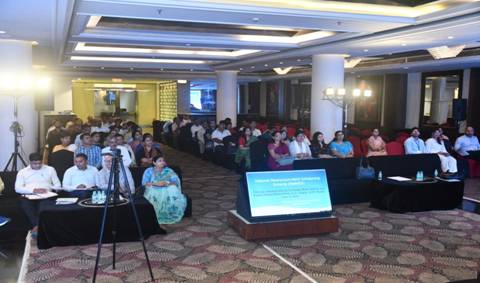
Ministry of Education organised Post Budget Webinar on the theme ‘Investing in People’, today. The Prime Minister Shri Narendra Modi delivered a special address at the inaugural session. Union Education Minister Shri Dharmendra Pradhan along with Secretary, Department of School Education & Literacy (DoSEL), Shri Sanjay Kumar; UGC Chairman Professor M. Jagadesh Kumar ; Secretary, Dept. of Higher Education, Shri Vineet Joshi; Secretary, Ministry of Health and Family Welfare Smt. Punya Salila Srivastava; Secretary Labour & Employment Ms. Sumita Dawra participated in the session.

The webinar brought together experts from the government, industry, and academia to discuss key reforms in job creation, academic flexibility, credit mobility, and future-ready skills—paving the way for a highly skilled and globally competitive workforce in line with Viksit Bharat 2047.

Speaking about the webinar, Shri Pradhan said that investment is one of the engines outlined in the Union Budget 2025-2026 which will turbocharge our journey to Viksit Bharat by 2047. He further said that the insightful special address by the Prime Minister Shri Narendra  Modi  has put forth new ideas for realising aspirations, future-proofing our population, accelerating inclusive development and ensuring benefits of Union Budget reaches every citizen of the country.

He expressed his gratitude to the Prime Minister for drawing attention to the vast potential of ‘Education Tourism’ and its key role in facilitating employment-linked growth and development. The Minister assured that the academic community will engage in comprehensive deliberations to chart out a strong roadmap for moving ahead in this direction. He further said that, together, with the spirit of jan-bhagidari and right investment in right direction, academia and industry will work together for bridging skills gap, harnessing demographic dividend, leveraging AI in education, catalysing research landscape and strengthening deep-tech start-up ecosystem for a future-ready workforce, stronger economy and Viksit Bharat.

Prof M. Jagadesh Kumar opened the session by emphasizing the transformative role of higher education. He highlighted that the implementation of NEP 2020 provided a unique opportunity to reshape India’s higher education landscape. During the webinar, Prof M. Jagadesh Kumar, Chairman, UGC stated that the policy was not merely reformative but transformative, designed to empower youth with the skills, knowledge, and adaptability required to thrive in the 21st century. He stressed that investing in people through quality education, research, and innovation was central to building a self-reliant, inclusive, and globally competitive economy.

Shri Sanjay Kumar stated that education is fundamentally about investing in people. He acknowledged the broad perspective provided by the UGC Chairman on higher education and noted that the 2025-26 Budget included key announcements regarding the establishment of 50,000 Atal Tinkering Labs in government schools over the next five years and the provision of broadband internet connectivity to government schools in rural areas. He further highlighted a significant trend observed over the last decade, noting that the proportion of female teachers has increased. He mentioned that in 2014-15, male teachers comprised 52 percent of the total, while female teachers accounted for 48 percent. By 2025, these figures have reversed, with female teachers now making up 52 percent and male teachers 48 percent, reflecting a move towards greater gender parity in the education sector.

The discussions reinforced the need for strategic investments in human capital to ensure sustainable economic growth, social equity, and global leadership. The government remained committed to fostering a skilled workforce, ensuring India’s continued rise as an innovation and technology hub.

Prime Minister’s address the Post-Budget Webinar on boosting job creation- Investing in People, Economy, and Innovation

Read here: https://pib.gov.in/PressReleasePage.aspx?PRID=2108407

Text of PM’s address at post-budget webinar on boosting job creation via video conferencing Read here: https://pib.gov.in/PressReleasePage.aspx?PRID=2108424  

*****

Environmental Studies as a subject in school curriculum

Daily writing prompt
What Olympic sports do you enjoy watching the most?

National Curriculum Framework (School Education) 2023 has strongly recommended the inclusion of environmental education as an inter-disciplinary area of study in the school education. Accordingly, Environmental Education has been an integral component of school education, which is evident from the existing curriculum for school education. Concepts and concerns related to environment have been infused appropriately in different subject disciplines at all stages of school education.

Topics related to Environmental Education in the existing science textbooks for classes VI to XII are provided in the following table:

Sl. No.Class & SubjectName of Chapter
1Curiosity Textbook of Science, Grade 6Diversity in the living world, Nature’s Treasures
2VII ScienceForests: Our Lifeline
3VII ScienceWastewater Story
4VIII ScienceCoal and Petroleum
5VIII ScienceConservation of Plants and Animals
6X ScienceOur Environment
7XII BiologyOrganisms and Populations
8XII BiologyEcosystem
9XII BiologyBiodiversity and Conservation

NCERT has also prepared supplementary materials for students and teachers related to environmental education. Some of the resource materials are provided below:

Sl. No.Title of Resource Material
1Project Books in Environmental Education for Classes VI to X (Hindi, English and Urdu version)
2Water: Every Drop Counts (Activity book for Primary, Upper Primary and Secondary Stages) (Hindi and English)
3Teachers’ Handbook in Environmental Education for the Higher Secondary Sage

The Department of Education in Science and Mathematics (DESM), NCERT organizes National Science Exhibition every year wherein the theme or sub-theme invariably includes environment component. This event provides opportunity to students to provide solutions for environmental problems—present and future in the form of exhibits/ models such as on waste management, conservation of resources, green technologies, etc. The DESM also organizes the Rashtriya Avishkar Saptah every year during which students in middle and secondary stages in different parts of the country participate in the event and perform experiments/ activities on the theme assigned for the year such as testing of water quality, soil quality, conservation of water, tree plantation etc. Such experiments/ activities promote learning-by-doing and at the same time develop environmental awareness amongst students.

 The National Education Policy (NEP) 2020 emphasizes the critical importance of integrating environmental awareness and sustainability principles into school curricula. The Policy aims to sensitize students to environmental / climate change concerns and inculcate among students the values, attitudes, behaviour and skills essential to address environmental challenges, thus preparing them to contribute to a sustainable future.

In alignment with this vision, Eco Clubs serve as a critical platform within schools, providing students with the opportunity to develop practical skills and knowledge for the responsible use of natural resources. Through participation in activities such as optimizing water usage, minimizing waste generation, recycling, and conducting plantation drives, students learn sustainable practices that they can implement both within and beyond the school environment. Eco Clubs empower students to act as environmental ambassadors, extending their impact to their families and communities by promoting sound environmental behaviour, such as reducing single-use plastics, conserving water, and participating in eco-friendly initiatives. Through these engagements, students gain a profound understanding of the shared responsibility to preserve and protect our planet, thereby advancing NEP 2020’s objective of nurturing environmentally conscious citizens for a sustainable India. The activities of Eco Clubs have been integrated with Mission LiFE, leading to their renaming as “Eco Clubs for Mission LiFE.” All the activities of Eco Clubs have been aligned with the seven themes of Mission LiFE (Save Energy, Save Water, Say No to Single Use Plastic, Adopt Sustainable Food Systems, Reduce Waste, Adopt Healthy Lifestyles and Reduce E-waste).

Efforts made by Ministry of Education to make ‘Viksit Bharat’ by 2047

Daily writing prompt
What Olympic sports do you enjoy watching the most?

The National Education Policy 2020 (NEP 2020) announced on 29.07.2020 is the first education policy of the 21st century and aims to address the many growing developmental imperatives of our country. The Policy proposes the revision and revamping of all aspects of the education structure, including its regulation and governance, to create a new system that is aligned with the aspirational goals of 21st century education, including SDG-4, while building upon India’s traditions and value systems.

NEP 2020 envisions an education system rooted in Indian ethos that contributes directly to transforming India, that is Bharat, sustainably into an equitable and vibrant knowledge society, by providing high-quality education to all, and thereby making India a global knowledge superpower. Towards this, a number of transformative changes have taken place both in school and higher education after announcement of National Education Policy (NEP 2020).

Further recognizing research as core requisite for better education in line with vision of NEP 2020 Anusandhan National Research Foundation has been established which aims to provide high-level strategic direction for research, innovation and entrepreneurship in the fields of natural sciences including mathematical sciences, engineering and technology, environmental and earth sciences, health and agriculture. It also seeks to promote scientific and technological interfaces of humanities and social sciences.

Ministry of Education has also been implementing various schemes to promote research and development in the Higher Educational Institutes of the Country which includes Prime Minister’s Research Fellowship scheme(PMRFs), Impacting Research Innovation and Technology (IMPRINT), Scheme for Trans-Disciplinary Research for India’s Developing Economy (STRIDE), Scheme for promotion of Research and Academic Collaboration (SPARC), National Initiative for Design Innovation (NIDI) and Scheme for Transformational and Advanced Research in Sciences (STARS). Also, PM-USHA aims at funding the State Government Universities and Colleges so as to improve the overall quality, including ‘Research Innovation and Quality Improvement’.

In pursuance to Para 60 of the Budget Announcement 2023-24 regarding “Centres of Excellence for Artificial Intelligence” for the vision of “Make AI in India and make AI work for India”, Government has approved three Centres of Excellence (CoE) in Artificial intelligence (Al), one each in the areas of health, agriculture and sustainable cities with a total financial outlay of Rs. 990.00 Cr over the period of FY 2023-24 to FY 2027-28. Further, a Centre of Excellence in Artificial Intelligence for Education with a total outlay of Rs. 500 crore has been included in the Budget Speech 2025-26.

Various schemes/projects/programmes of Ministry of Education have been aligned with NEP 2020 to realise the vision of making India a developed Nation by 2047.

EDUCATION FOR ALL

Daily writing prompt
What Olympic sports do you enjoy watching the most?

The Department of School Education and Literacy is implementing an integrated centrally sponsored scheme for School education- Samagra Shiksha. The scheme treats school education holistically, without segmentation from pre-primary to class XII in alignment with the recommendations of the National Education Policy (NEP) 2020 and aims to ensure that all children have access to quality education with an equitable and inclusive classroom environment which should take care of their diverse background, multilingual needs, different academic abilities and make them active participants in the learning process.

Under Samagra Shiksha, financial assistance is provided to States and UTs for implementation of various provisions of Samagra Shiksha Scheme including  free uniform to eligible children at elementary level, free textbooks at elementary level, reimbursement under RTE Act, various qualitative components development of primers/textbooks for tribal language, teaching learning materials, transport/escort facility up to secondary level, special training for age appropriate admission of out of school children and residential as well as non-residential training for older children, seasonal hostels / residential camps, special training centers, age-appropriate residential and non-residential training, support to Out of School Children (16 to 19 years) for completion of education through NIOS/SIOS, Holistic Progress Card, bilingual teaching material and books.

Further, financial assistance is also provided to the States and UTs for  opening/strengthening of new schools upto senior secondary level, construction of school buildings & additional classrooms, development/strengthening of school infrastructure in northern border areas under Vibrant Village Programme, setting up, up-gradation and running of Kasturba Gandhi Balika Vidyalayas, setting up of Netaji Subhash Chandra Bose Avasiya Vidyalayas, construction of hostels for PVTGs under PM-JANMAN, construction of hostels under Dharti Aaba Janjatiya Gram Utkarsh Abhiyan for unsaturated ST population, strengthening of teacher education and strengthening of DIETs/BRCs/CRCs, provision of ICT and digital interventions.

Under the student-oriented component for the children with special needs, financial assistance is provided for identification and assessment of children with special needs, aids and appliances, braille kits and books, appropriate teaching learning material and stipend to girl students with disability etc. It also has provisions for creation of differently-abled friendly infrastructure such as ramps, ramps with handrails and differently-abled friendly toilets for barrier free access in schools. Further, to improve the identification of CwSN, the Government has introduced the Prashast App for early screening and identification of CwSN in regular schools. Teacher capacity building programs are being undertaken under NISHTHA in hybrid mode to train general teachers to address the learning needs of CwSN.

The New India Literacy Programme (NILP) popularly known as ULLAS – targets non-literates aged 15 years and above who have missed formal schooling and provide educational opportunities to them to make them literate. It is being implemented from FY 2022-23 to 2026-27. A dedicated ULLAS App has been created for registering learners and volunteer teachers. Till now, over 2.20 crore learners and more than 40 lakh volunteer teachers have registered on the app. The App also contains TLM in the form of ULLAS primers in all languages.

The Scheme supports creation and strengthening of infrastructure like, School buildings, Additional Classrooms, Toilets, Drinking Water, Ramp and Handrails, electrifications, Boundary wall, Science labs, Library Rooms, Computer Rooms, and Major Repairs works as per state requirements.

To bridge the gap between rural and urban areas in educational access, digital initiatives like ICT Labs, Smart Classrooms, PM e-Vidya including DIKSHA and SWAYAM PRABHA DTH-TV Channels are also being supported under the scheme.

The annual plans are prepared by the States and UTs as per their requirements/ priority including creation/ strengthening of infrastructure, support to teachers’ salary etc. and same is reflected in their respective Annual Work Plan and Budget (AWP&B) Proposals. These plans are then appraised and approved by the Project Approval Board (PAB) in the Department of School Education & Literacy in consultation with the States and UTs as per the programmatic and financial norms of the scheme and physical and financial progress of the State for the interventions approved earlier.

Results announced for All India Drawing & Painting competition celebrating the spirit of Maha Kumbh Mela 2025

Daily writing prompt
What’s the most fun way to exercise?

Maha Kumbh Mela, a sacred confluence of faith and tradition, stands as the largest peaceful gathering in the world, deeply rooted in India’s spiritual and cultural heritage. This significant event transpired from 13th January to 26th February, 2025, representing the perpetual human quest for spiritual enlightenment. The festival, known for its deep philosophical significance and vibrant cultural expressions, brings together millions for a collective celebration of devotion, knowledge and unity.

To encourage young minds to artistically explore the essence of this sacred tradition, the Department of School Education and Literacy, Ministry of Education (MoE), organised an All India Drawing & Painting competition across the nation on the theme of Maha Kumbh Mela 2025. The competition was conducted for students of Classes 6th–8th from Kendriya Vidyalayas, Navodaya Vidyalayas and Central Board of Secondary Education-affiliated schools throughout the country. The competition was organised under the three themes of Bhavya Maha Kumbh, Divya Maha Kumbh and Ek Bharat Shreshtha Bharat, with an emphasis on originality and creativity. The objective was to encourage students to understand the spiritual and cultural significance of the event as well as India’s rich cultural traditions and values so as to appreciate and celebrate the spirit of unity in diversity. The results were declared on 24th March 2025.

The participation in the contest was extensive, with a total of 39,840 students from 1040 Kendriya Vidyalayas, 26,398 students from 404 Navodaya Vidyalayas schools and 2,887 students from 1,000 CBSE schools. The entries were received through Nodal officers of KVS, NVS and CBSE for national-level screening. The best entries were selected in two phases, i.e., primary-level entries were selected by Nodal officers by their own screening committees and the second-level entries were evaluated, recorded and finalized under the screening committee by NCERT.

The winners in both the drawing and painting categories were selected for the cash prizes and certificates. The first prize for each category is Rs. 15,000, with second and third prizes of Rs. 10,000 and Rs. 7,000, respectively. Ten consolation prizes, including certificates and gift hampers, are also awarded in both categories.

List of awards and prizes in each category at All India Drawing and Painting Contest on the theme of Maha Kumbh Mela 2025

Drawing CompetitionPainting Competition
AwardsStudent NameAddress for CommunicationCBSE/NVS/KVSAwardsStudent NameAddress for CommunicationCBSE/NVS/KVS
IVIVEK SHARMAMAHESHWARI PUB SCHOOL VAISHALI NAGAR AJMER RAJASTHANCBSEILAVANYA THAKURPM SHRI, KV NO.1, BINNAGURI CANT, WEST BENGALKVS
IILAKSHARAJ JORWAJPM SHRI, NVS, KHERLI, POST BHANDAREJ, DISTRICT DAUSA, RAJASTHANNVSIIMYRA GODWAJBHARAT RAM GLOBAL SCHOOL, INDRAPURM,GZBD,UPCBSE
IIIAVNEESH NANDPM SHRI NVS, VILLAGE BAHUAR, DISTRICT: SONEBHADRA, UTTAR PRADESHNVSIIIANUSHKA DASKVS, BOLPUR, BRITTISADAN, PRANTIK, DISTRICT-BIRBHUM, WEST BENGALKVS

Ten Consolation prizes each comprising a certificate and a gift hamper

 Drawing CompetitionPainting Competition
Sl.NoStudent NameAddress for CommunicationCBSE/NVSKVSSl. NoStudent NameAddress for CommunicationCBSE/NVSKVS
1.AJAY SUJIT KUMARPM SHRI SCHOOL JNV, VILLAGE POKHRAPUR, DISTRICT SOLAPUR, MAHARASHTRAJNV1.SAANVI GOPALATOMIC ENERGY CENTRAL SCH-5 ANUSHAKTHI NGR MRCBSE
2.AJESH MARKAMJNV, PM SHRI SCHOOL, DANTEWADA, CHATTISGARHNVS2.SHOBHIT KUMARJAYSHREE PERIWAL GLOBAL SCH JAGATPURA JAIPUR RJCBSE
3.JAIDEEP SINGHJNV, PM SHRI SCHOOL, BRINGKHERA, SHRI MUKTSAR SAHIB (PUNJAB)JNV3.VANI DOGRAPM SHRI, KV N0-2, KANGRA (H.P), VILLAGE BILHDERKVS
4.KHUSHI KUMARIKVS, ASANSOL DISTRICT PASCHIM BURDWANKVS4.ARADHYA DIMARIKV AUGUSTYAMUNI, RUDRAPRAYAG, UTTARAKHANDKVS
5.LAKSHPM SHRI SCHOOL, KV KAPURTHALA CANTT.KVS5.HANUKVS DHARAMPURI, MPKVS
6.P. MOKSHITHAKVS NO.2, CRS SETTIPALLI TIRUPUTIKVS6.ISHAN PODDARNARULA PUBLIC SCHOOL MOGRA HOOGHLY WBCBSE
7.POOJA DURGADASPH SHRI KV, POST BOX 80, JALOGAON, MAHARSHTRAKVS7.DEVASMITA KARMAKARPM SHRI, KV NO. 3, MAMUN CANTT. PATHANKOTKVS
8.PRATIK ROYKV NO.2 DHANBADKVS8.SONAL SINGH CHAHARKVS NO. 3, AGAR AGRA CANTT. (UP)KVS
9.PRERNA SKVS-2, DHANBADKVS9.RIYA YADAVMODERN PUBLIC SCHOOL B BLK SHALIMAR BAGH DLICBSE
10.RICKY SINGH KHWAIRAKPAMKVS, NHPC, VIDUT VIHAR KOM, LOKTAK MANIPURKVS10.POONAMKVS NO. 3, AGAR AGRA CANTT. (UP)KVS

The All India Drawing and Painting Contest on Maha Kumbh Mela 2025 has served as a platform for young minds to creatively express their interpretations of this timeless tradition. As envisioned in #NEP2020, cultural awareness and artistic expression are integral to holistic learning and these budding artists have exemplified this through their creativity.

*****

Boost Your Speed & Accuracy with IBPS RRB PO Free Mock Tests

1 / 3

Boost Your Speed & Accuracy with IBPS RRB PO Free Mock Tests

Tackling the IBPS RRB PO Examination requires a well-structured approach and a solid preparation strategy. Staying consistent, diligent, and focused significantly improves understanding and problem-solving speed. Online free study materials allow aspirants to access valuable resources without extra costs. Solving free online mock test papers refines time management skills and enhances challenge readiness.  

The IBPS RRB PO free mock test is a practical tool for evaluating performance and identifying weak areas. Continuously challenging yourself to surpass previous scores strengthens accuracy and confidence levels. Here, we focus on practical strategies, essential tips, and recommended study methods for success. Reading this article ensures better preparation, smarter revision techniques, and improved chances of securing a top rank.

1. Improves Time Management Skills for Better Performance

Mock tests help candidates develop strategies for managing time effectively in competitive exams. Practicing a free practice exam paper for IBPS RRB PO enhances efficiency in answering all questions accurately. Candidates identify time-consuming sections and refine strategies for optimizing speed during the test. Developing a structured approach ensures better accuracy and maximized scores on the final day.

Here are a few smart tips to enhance time-management skills:

  • ● Set a strict time limit for each section while practicing to build a faster answering pace.
  • ● Prioritize high-scoring and less time-consuming questions to maximize efficiency within the given exam duration.
  • ● Develop a habit of skipping difficult questions initially and revisiting them with remaining time.
  • ● Use online timers or exam simulation tools to create a real-time test-taking environment for practice.
  • ● Analyze post-test performance to identify weak areas and work on improving response speed.
  • ● Train your mind to stay calm under pressure by practicing mindfulness and deep breathing techniques.
  • ● Break down complex questions into smaller parts to solve them efficiently within the allotted time.

2. Enhances Accuracy by Reducing Common Mistakes

Accuracy is crucial for competitive exams where negative marking impacts overall performance significantly. Attempting a free mock test regularly minimizes errors by refining answering techniques. Analyzing mistakes from mock tests helps candidates recognize patterns and avoid


2 / 3

repeating errors. Strengthening accuracy through consistent practice ensures better scores and higher chances of success.

3. Builds Confidence Through Real-Time Exam Simulation

Mock tests simulate the actual exam environment, reducing stress and improving confidence levels for candidates. A free practice paper familiarizes individuals with actual exam conditions and pressure. Experiencing time constraints and complex questions beforehand enhances composure during the actual exam. The confidence gained through regular practice improves decision-making skills and performance under exam conditions.

4. Strengthens Problem-Solving Skills for Complex Questions

Problem-solving skills play a vital role in achieving high scores in competitive exams. Solving mock question papers improves logical reasoning and analytical thinking for better problem-solving. Exposure to varied question patterns helps candidates identify practical problem-solving approaches. Strengthening these skills leads to better accuracy, speed, and improved performance on the test.

5. Identifies Weak Areas and Encourages Continuous Improvement

Recognizing weaknesses and addressing them systematically leads to better exam preparedness. Taking a mock test highlights areas requiring additional study and focused revision. Candidates can track progress by analyzing mock test results and refining strategies. Continuous improvement through targeted practice ensures intense preparation and increased confidence in all subjects.

6. Develop a Strategic Approach for Exam Success

Developing an effective strategy is essential for maximizing scores in competitive exams. Attempting a mock examination enables candidates to create structured approaches for different sections. Experimenting with techniques helps optimize time and increase efficiency. Continually refining strategies ensures better accuracy, speed, and overall exam performance.

Achieving success in competitive exams requires utilizing trusted online educational platforms effectively. Reliable online resources provide structured guidance, expert-curated materials, and essential tools for mastering exam topics. Taking the IBPS RRB PO free mock test regularly improves speed, accuracy, and confidence for the actual examination. Maximize your preparation efforts by leveraging high-quality mock tests and refining your approach for outstanding results.


3 / 3


What is Jiocoin

JioCoin is a cryptocurrency that was rumored to be launched by Reliance Jio Infocomm, an Indian telecommunications company, in 2018. However, the company never officially announced or launched JioCoin.

There were reports that JioCoin would be based on the blockchain technology and would be used for various purposes such as payments, money transfers, and more. However, the project seemed to have stalled, and there has been no update on its status since then.

It’s worth noting that the Indian government has been cautious about cryptocurrencies, and there have been several instances of crackdowns on crypto-related activities in the country.

WorkTime: Time Tracking Software for Efficient Remote Workforce Management

The shift to remote work has become a defining trend in modern business, with 86% of office employees now expressing a preference for telecommuting. As this practice gains traction, businesses are increasingly relying on tools that can track productivity, monitor attendance, and maintain accountability across dispersed teams.

In response to these challenges, companies are adopting advanced workforce management solutions. Selecting the right time tracking software for employee management is essential for optimizing operations, enhancing productivity, and fostering collaboration in remote and hybrid work environments.

One highly effective option is WorkTime tracking software. With more than 20 years of experience, WorkTime delivers comprehensive tools designed to simplify workforce management and improve overall business performance.

Why Remote Teams Need Time Tracking Software

Managing remote teams presents distinct challenges, such as ensuring consistent productivity, tracking performance accurately, and keeping employees engaged. WorkTime addresses these challenges by offering practical solutions that streamline management processes and promote a positive work culture.

WorkTime’s Essential Features

Accurate Time Tracking:

WorkTime provides employees with a straightforward way to log their work hours accurately. This feature ensures payroll consistency and allows managers to analyze time allocation across different projects and tasks.

Real-Time Productivity Monitoring:

With its advanced software employee time tracking, WorkTime gives managers real-time insights into team productivity. This functionality helps identify inefficiencies, track task progress, and implement necessary improvements quickly.

User-Friendly Interface:

WorkTime’s intuitive design ensures a seamless user experience for both employees and managers. Its simplicity reduces the need for lengthy training sessions and accelerates platform adoption.

Performance Evaluation for New Hires:
WorkTime offers specialized tools to evaluate the productivity of new employees, providing actionable insights that support onboarding efforts and foster team cohesion.

Cost-Effective Operations:
By automating time tracking and productivity analysis, WorkTime helps businesses reduce administrative costs while boosting overall efficiency.

Customizable Reporting:
WorkTime enables the creation of customized reports that offer in-depth insights into performance metrics, project timelines, and productivity trends, aiding in strategic decision-making.

Resource Allocation Optimization:
WorkTime helps align tasks with employees’ skills and availability, ensuring that resources are used effectively and that workloads are evenly distributed.

Robust Data Security:

WorkTime employs industry-standard security protocols to protect sensitive information, ensuring compliance with privacy regulations and safeguarding business-critical data.

Seamless System Integration:

WorkTime integrates easily with existing systems and applications, allowing businesses to enhance productivity without disrupting established workflows.

Dedicated Customer Support:
WorkTime’s support team is available via live chat to assist with any technical or operational queries. Positive feedback from satisfied clients highlights the platform’s reliability and ease of use.

Conclusion: Why WorkTime is a Reliable Choice

For more than two decades, WorkTime has supported industries such as IT, healthcare, education, finance, and non-profits. Its extensive features help businesses effectively manage remote and hybrid teams by providing accurate time tracking, real-time productivity monitoring, and secure workforce management. WorkTime continues to be a trusted partner for organizations seeking to streamline their operations and achieve sustainable growth.

WordPress.com: A Comprehensive Overview

Daily writing prompt
Write a letter to your 100-year-old self.

WordPress.com is a powerful, user-friendly platform designed for creating websites, blogs, and eCommerce stores. Launched in 2005 by Automattic, WordPress.com offers a hosted solution for those who want to build a website without the technical complexities of self-hosted WordPress.org.


Key Features of WordPress.com

WordPress.com is known for its simplicity, versatility, and scalability. It offers a wide range of features that cater to both beginners and experienced web developers.

1. Ease of Use

  • WordPress.com provides a straightforward dashboard interface that simplifies content creation and website management.
  • Users can easily add posts, pages, media files, and customize themes without coding knowledge.

2. Hosting and Maintenance

  • WordPress.com offers managed hosting, eliminating the need for users to set up servers or manage software updates.
  • Automatic security patches, backups, and updates are included in the platform.

3. Free and Premium Plans

  • Free Plan: Offers basic features with WordPress-branded domain (e.g., yourwebsite.wordpress.com).
  • Paid Plans: Unlock advanced customization, premium themes, SEO tools, and monetization options.

4. Themes and Design

  • WordPress.com provides a vast collection of themes for various industries such as business, portfolio, blog, and eCommerce.
  • Users can customize colors, fonts, layouts, and widgets using the intuitive Customizer tool.

5. Plugins and Extensions (For Premium Users)

  • Higher-tier plans on WordPress.com support custom plugins for added functionality like SEO optimization, contact forms, analytics, and eCommerce tools.

6. SEO and Marketing Tools

  • WordPress.com integrates SEO tools to enhance website visibility in search engines.
  • Users can leverage email marketing, social sharing tools, and content scheduling for improved audience engagement.

7. Blogging Capabilities

  • WordPress.com’s robust blogging platform allows for easy content creation, multimedia integration, and comment management.
  • Features like tags, categories, and RSS feeds make it ideal for content-driven websites.

8. eCommerce Support

  • With the WordPress.com Business Plan or higher, users can build an online store using WooCommerce for product listings, payment gateways, and order management.

9. Security and Backups

  • WordPress.com provides SSL certificates, DDoS protection, and automated backups to ensure data security and reliability.

10. Multilingual Support

  • WordPress.com offers translation plugins and multilingual features, making it ideal for global websites.

Benefits of WordPress.com

Beginner-Friendly Interface: No coding knowledge is required.
Scalability: Ideal for personal blogs, business websites, and eCommerce stores.
Reliable Hosting: Ensures uptime, speed, and performance.
SEO Optimized: Integrated tools help improve website visibility.
Wide Community Support: Users can access extensive guides, forums, and documentation.


WordPress.com vs WordPress.org

While both are part of the WordPress ecosystem, there are key differences:

FeatureWordPress.comWordPress.org
HostingManaged Hosting (included)Requires separate hosting
CustomizationLimited unless on a paid planFull access to themes and plugins
MonetizationRestricted on the free planFull control over monetization
MaintenanceAutomated updates and backupsManual updates and backups required
Domain NameFree WordPress.com domain or custom domain (with paid plans)Custom domain setup required

Who Should Use WordPress.com?

  • Beginners looking for a simple platform with minimal technical setup.
  • Bloggers who need an easy-to-use content publishing tool.
  • Small Businesses wanting a cost-effective and professional online presence.
  • Creative Professionals such as writers, photographers, and designers seeking a portfolio site.

Get a New Website Now

WordPress.com is a versatile platform that offers a blend of simplicity and powerful features. Whether you’re starting a blog, launching a business website, or building an online store, WordPress.com provides the tools you need to succeed. With its flexible plans and user-friendly interface, it’s an ideal choice for anyone looking to create a professional web presence without deep technical expertise.

STATE CIVIL SERVICES OFFICERS ATTENDING THE 126TH INDUCTION TRAINING PROGRAMME AT LBSNAA CALL ON THE PRESIDENT

Daily writing prompt
Who is the most confident person you know?

State civil services officers attending the 126th Induction Training Programme at LBSNAA called on the President of India, Smt Droupadi Murmu at Rashtrapati Bhavan today (March 07, 2025).

Speaking on the occasion, the President congratulated officers on their promotion and induction into the Indian Administrative Service and said that they should inspire and lead by example in their new role, motivating those around them to strive for excellence in public service.  She advised them to adopt a national and inclusive approach in administrative functioning and implementation of government policies and programs.

The President said that the essence of governance lies in responsiveness and sensitivity towards the needs of the people. A citizen-centric administration prioritizes the welfare of people, focusing on the poor and deprived. She advised them to ensure that policies and programs are implemented in a way, which addresses their concerns effectively. She said that the decisions that they take and policies that they implement should contribute to the development of our country and the people.

The President said that as we tackle the challenges of climate change and environmental degradation, it is essential to promote eco-friendly initiatives. At the same time, the benefits of development should reach all sections of society, especially the disadvantaged and marginalized. She urged officers to uphold the principles of sustainability and inclusiveness in their functioning.

Please click here to see the President’s Speech – 

***

 Jan Aushadhi Diwas celebrated with the theme of “जन औषधि: दाम कम, दवाई उत्तम” 

On 7th  day of the week long celebrations, PMBI (Pharmaceuticals and Medical Devices Bureau of India) celebrated the 7th  Jan Aushadhi Diwas, 2025 today across the country by conducting more than 100 major events where the Hon’ble Chief Ministers of the State/UTs, Members of Parliament, Members of the Legislative Assemblies, Councilors and other public representatives including many senior Government officials of the Central and the States have marked their presence to grace the event by elaborating upon the benefits of the Pradhan Mantri Bhartiya JanAushadhi Pariyojna (PMBJP) so that awareness and benefits may be availed by the public.

Union Minister Health & Family Welfare and Chemicals & Fertilizers, Shri Jagat Prakash Nadda visited Jan Aushadhi Kendra at AIIMS, Bilaspur, Himachal Pradesh and interacted with beneficiaries. Kendra owners and beneficiaries of Jan Aushadhi scheme also shared their experiences.

Union Minister of Health & Family Welfare and Chemicals & Fertilizers, Shri Jagat Prakash Nadda and Minister of State for Chemicals & Fertilizers Ms Anupriya Patel, shared video message through social media and wished everyone a very Happy 7th Jan Aushadhi Diwas, 2025 to all the citizens of the country.

Also, Chief Minister of Delhi, Ms. Rekha Gupta, also visited a Jan Aushadhi Kendra at Ashok Vihar, Delhi today where she explained the benefits of this Pariyojana and encouraged people to become a part of this noble project which is aimed at providing quality medicines at affordable rates.

On the occasion of 7th Jan Aushadhi Diwas, renowned sand artist Padmashree Sudarshan Patnaik created a divine sand art depicting the theme of ‘Daam Kam Dawai Uttam’ on the shores of Niladri Beach, Puri, Odisha. Its grandeur is not only attracting people but also reflecting the vision of the Prime Minister.

Under the Pradhan Mantri Bhartiya Janaushadhi Pariyojana (PMBJP), Pharmaceuticals & Medical Devices Bureau of India (PMBI), the implementing agency of PMBJP is celebrating the 7th Jan Aushadhi Diwas 2025. The programme commenced with Jan Aushadhi Jan Chetna Abhiyan on 1st March across the country and ended with the celebration of Jan Aushadhi Diwas, 2025 on 7th March. The events that took place continued from Jan Chetna Abhiyan/Padyatra, Heritage Walks and Health Camps, Jan Aushadhi Bal Mitra, Ek Kadam Matri shakti ki Ore, Pharmacist Awareness programme, Aao Jan Aushadhi Mitra Banein and the Jan Aushadhi Diwas on 7th March.

The large-scale activities focused on inclusion and ensured holistic participation of people, beneficiaries and multi-level stakeholders of the PMBJP. The major highlight of the event was flagging off Jan Aushadhi Rath (mobile van) by Union Minister of Chemicals & Fertilizers and Health & Family Welfare, Shri Jagat Prakash Nadda to generate mass awareness among the people of the country. The mobile vans had travelled throughout the National Capital of the country to reach the people. On the same day, Jan Aushadhi Pratigya Yatras were conducted across the country. Pad Yatras were conducted to create a mass fervor among the people. The pad yatras were attended by school children wearing the Jan Aushadhi T-shirts and Caps.

On 2nd March, 2025, Heritage walks with the theme – Jan Aushadhi Virasat Ke Sath were organised on pan India level at 25 major historical locations like Hauz Khas, New Delhi, Gwalior Fort, Beyond Taj Mahal, Imambara, Lucknow, etc.  at 500 locations across the country, Health Camps were organised for the senior citizens of the country.

On 3rd March, 2025, Jan Aushadhi Bal Mitra Participation was conducted at different schools across the country to persuade children into various activities through which the message of Jan Aushadhi Pariyojana was spread.

On 4th March, 2025 women beneficiaries were present at 30 locations in all States/UTs at Jan Aushadhi Kendras where interaction was conducted in the presence of women public representatives, women doctors, NGO’s and information sharing about Health benefits of Jan Aushadhi medicines was done.

On 5th March, 2025 seminars were conducted at Pharmacy Colleges/Universities across the country to guide Pharmacy students with the information about the employment opportunities under Jan Aushadhi Pariyojana. Pan India seminars and workshops on PMBJP in Pharma colleges and Universities were conducted.

On the 6th Day of week-long celebration of Jan Aushadhi Diwas, 2025. PMBJP has organized ‘Aao Jan Aushadhi Mitra Banein’ to register citizens as volunteers across the nation.  Qutub Minar was also illuminated with beautiful lights, spreading the message of Jan Aushadhi Pariyojana.

As part of the weeklong celebration, more than 1.12 crore Digital messages to national pensioners and beneficiaries of Jan Aushadhi and other schemes were sent across the country to spread awareness about this noble project. In order to educate the youth of the country, various competitions such as essay writing, poster making, quiz etc. were organised through MyGov portal. Winners of the quiz/competitions have been awarded. Through the MyGov portal more than 7 crore messages were also sent to generate awareness. Community Radio stations at 300 locations were also used as a medium to spread the message and create awareness among the masses. 

*****

CIL joins hands with IIT, Hyderabad for R&D in clean coal tech

Coal India Limited (CIL) has inked a memorandum of understanding (MoU) with Indian Institute of Technology, Hyderabad (IIT-H), on 7 March, for establishing a Centre of Clean Coal Energy and Net Zero (CLEANZ) at Hyderabad.

The joint initiative between CIL and IITH aims to develop clean coal technologies and diversification in coal utilization. Both the entities will synergize their efforts in developing cutting edge technology readiness level (TRL) for sustainable utilization of Indian coal. This is in line with the country’s Net Zero commitments. The Coal Ministry is also keen in developing research capabilities in coal sector and advised to take up research projects relevant to India’s coal and energy sectors.

Shri G Kishan Reddy, Union Minister of Coal & Mines was the Chief Guest, and the pact was formally signed in his presence by P M Prasad, Chairman, CIL and Prof. B S Murty, Director, IITH in Hyderabad.

CIL’s management has green flagged a grant of Rs.98 Crores to IITH for a duration of five years for setting up this Centre of Excellence. It is anticipated that the project will be financially self-sustainable beyond the initial five year funding received from CIL.

CIL’s Board earlier in July 2024 has given its nod to focus on providing grants to reputed government institutions and research organizations under R&D expenditure. The objective is to enhance research capabilities and establishment of Centres of Excellence.

The current collaborative model is an R&D endeavour under the umbrella of National Centre for Coal and Energy Research (NaCCER). This is an independent R&D unit of CMPDI, the mine development and consultancy arm of CIL.

CLEANZ envisions net zero utilization with special emphasis on low grade and rejected coal. The thematic areas under CLEANZ are enhanced coal bed methane and coal mine methane recovery, carbon capture technologies, coal gasification and syngas utilization, energy efficiency and conservation, artificial intelligence and machine learning among others.

Other salient features are training and assisting CIL officials in tech adoption, skill and capability enhancement, extraction and beneficiation technologies for critical minerals.

****

Ministry of Education observes International Women’s Day

Ministry of Education celebrated International Women’s Day at its premises at Shastri Bhawan, New Delhi today, bringing together women employees from all departments to acknowledge their contributions, share inspiring stories. The event aimed to recognize the contributions of women in the Ministry of Education and promote their well-being through an interactive session. 

Secretary, Department of Higher Education Shri Vineet Joshi; Additional Secretary, Sunil Kumar Barnwal; Additional Secretary, Department of School Education and Literacy Shri Anandrao Vishnu Patil; Joint Secretary, Higher Education, Smt. Rina Sonowal Kouli; graced the occasion with their presence. The event was further honored by the participation of the Vice Chancellor of NIEPA Shashikala Wanjari, who attended as the Guest of Honour.

During the event, Shri Vineet Joshi, highlighted the dedication and efficiency of women in task execution, emphasizing their responsiveness and sense of responsibility. He emphasized the Ministry’s commitment to maintaining a gender-inclusive workforce, ensuring equal opportunities for all. He highlighted the leadership demonstrated by women across various roles, acknowledging their contributions in strengthening the institution.

Prof. Shashikala Wanjari emphasized the extraordinary role of women in the Indian context, drawing inspiration from figures like Ahilyabai Holkar and Jijabai. She highlighted how these icons efficiently managed both family and administration, setting an example for society.            

To inspire and empower the attendees, Dr. Jitendra Nagpal, psychiatrist at Moolchand Hospital, delivered a session focusing on the general well-being and professional growth of women employees. The session provided valuable insights on maintaining a healthy work-life balance.

All women employees of the Ministry of Education joined the celebration, reflecting the ministry’s commitment to acknowledging the hard work and dedication of its female workforce.

*****

Nationwide awareness campaign on Safer Internet Day to promote safe and responsible use of the internet

The Ministry of Electronics and Information Technology (MeitY) spearheaded a nationwide awareness campaign on Safer Internet Day, observed on February 11, 2025, to promote safe and responsible use of the internet. Organized under the theme ‘Together for a Better Internet’, the campaign aimed to educate and sensitize internet users about cyber hygiene, online safety practices, and emerging cyber threats. This initiative was conducted under the Information Security Education and Awareness (ISEA) program in collaboration with NIC, NIXI, C-DAC, NIELIT, MyGov, NeGD, and various partner institutions. The National Informatics Centre (NIC) played a crucial role in amplifying the outreach efforts through its extensive digital infrastructure and communication networks.

Cyber awareness drive

As part of this extensive campaign, 1,521 awareness workshops were conducted across 35 States/UTs, 599 districts, 493 blocks/tehsils, and 134 gram panchayats, reaching over 3.08 lakh beneficiaries. These workshops covered key topics such as cyber threat mitigation, digital security best practices, and responsible online behavior. Additionally, a series of expert talks, quizzes, and competitions were organized to further reinforce awareness.

Strengthening digital resilience

To maximize outreach, promotional messages and expert interviews were broadcasted on a Pan India basis in 11 major Indian languages, covering vital topics such as cyber hygiene practices, common cyber threats, and the mechanism for reporting cybercrimes through the toll-free National Cybercrime Helpline Number (1930). These messages were disseminated through FM stations, Prasar Bharati, and Vividh Bharati networks, achieving an estimated reach of 2.27 crore listeners. On digital platforms, social media outreach led by MyGov, NIC, and ISEA teams garnered over 5.49 lakh impressions and 63.57 lakh views through 680 creative posts.

An online awareness workshop, titled Navigating the Digital Highway: Safeguarding Your Online Journey’, was also organized for the officials of MeitY and other government ministries, departments, and organizations, engaging 1,217 participants in discussions on digital safety. The session sensitized participants on best cybersecurity practices and also provided demonstrations of insightful security tools, such as PIC2MAP, deviceinfo.me, coveryourtracks.eff.org, stopNCII.org, SecureEraser app, etc. which help in verifying online content authenticity, preventing identity fraud, analyzing device fingerprints, and securing personal data. The workshop was highly appreciated by participants for its practical approach and relevance in addressing contemporary cybersecurity challenges.

About ISEA

The Information Security Education and Awareness (ISEA) Project, implemented by MeitY, aims to strengthen cybersecurity awareness and build skilled human resources in Information Security. The recently approved ISEA Phase-III (October 2023) seeks to develop 2.25 lakh trained individuals in cybersecurity over five years, including 45,000 skilled and certified cybersecurity professionals (CISOs, Deputy CISOs, and aspirants) and 2.3 lakh students and researchers in formal and non-formal courses. Additionally, the project aims to cover over 12 crore beneficiaries from diverse backgrounds—school children, teachers, college students, faculty, women, senior citizens, government employees, MSMEs, and NGOs—through mass awareness initiatives under the Cyber Aware Digital Naagrik campaign.

Fisheries Startup Conclave 2.0 to be held on 8th March 2025 in Hyderabad, Telangana

The Department of Fisheries, under the Ministry of Fisheries, Animal Husbandry and Dairying (MoFAH&D) is organizing a Fisheries Startup Conclave 2.0 on 8th March 2025 in Hyderabad, Telangana. The event will be graced by Union Minister, Shri Rajiv Ranjan Singh, MoFAH&D and Ministry of Panchayati Raj, along with Minister of State, Shri George Kurian, MoFAH&D and Ministry of Minority Affairs and Minister of State, Prof. S.P. Singh Baghel, MoFAH&D and Ministry of Panchayati Raj. The event will also witness participation from government officials, Fisheries Startups and Entrepreneurs.

The Startup Conclave 2.0 will bring together key stakeholders to discuss and promote innovation in the fisheries sector. Deliberations on startup opportunities in fisheries/aquaculture along with e- commerce prospects in the sector will also be held. Startup conclave 2.0 will also witness the launch of the National Fisheries Digital Platform (NFDP) Mobile App, a transformative initiative aimed at streamlining digital access to fisheries-related services and resources. The Fisheries Startup Grand Challenge 2.0 will also be unveiled, reinforcing the government’s commitment to fostering entrepreneurship and technological advancements in the sector. Additionally, the distribution of Entrepreneur Model approvals to fisheries startups will recognize and support emerging enterprises, further strengthening the fisheries startup ecosystem. The technical feedback & interaction session will provide a platform for  in-depth discussions on the fisheries ecosystem in India and key initiatives undertaken by National Fisheries Development Board (NFDB) and Indian Council of Agricultural Research (ICAR) along with experience sharing by fisheries startups.

https://platform.twitter.com/embed/Tweet.html?dnt=false&embedId=twitter-widget-0&features=eyJ0ZndfdGltZWxpbmVfbGlzdCI6eyJidWNrZXQiOltdLCJ2ZXJzaW9uIjpudWxsfSwidGZ3X2ZvbGxvd2VyX2NvdW50X3N1bnNldCI6eyJidWNrZXQiOnRydWUsInZlcnNpb24iOm51bGx9LCJ0ZndfdHdlZXRfZWRpdF9iYWNrZW5kIjp7ImJ1Y2tldCI6Im9uIiwidmVyc2lvbiI6bnVsbH0sInRmd19yZWZzcmNfc2Vzc2lvbiI6eyJidWNrZXQiOiJvbiIsInZlcnNpb24iOm51bGx9LCJ0ZndfZm9zbnJfc29mdF9pbnRlcnZlbnRpb25zX2VuYWJsZWQiOnsiYnVja2V0Ijoib24iLCJ2ZXJzaW9uIjpudWxsfSwidGZ3X21peGVkX21lZGlhXzE1ODk3Ijp7ImJ1Y2tldCI6InRyZWF0bWVudCIsInZlcnNpb24iOm51bGx9LCJ0ZndfZXhwZXJpbWVudHNfY29va2llX2V4cGlyYXRpb24iOnsiYnVja2V0IjoxMjA5NjAwLCJ2ZXJzaW9uIjpudWxsfSwidGZ3X3Nob3dfYmlyZHdhdGNoX3Bpdm90c19lbmFibGVkIjp7ImJ1Y2tldCI6Im9uIiwidmVyc2lvbiI6bnVsbH0sInRmd19kdXBsaWNhdGVfc2NyaWJlc190b19zZXR0aW5ncyI6eyJidWNrZXQiOiJvbiIsInZlcnNpb24iOm51bGx9LCJ0ZndfdXNlX3Byb2ZpbGVfaW1hZ2Vfc2hhcGVfZW5hYmxlZCI6eyJidWNrZXQiOiJvbiIsInZlcnNpb24iOm51bGx9LCJ0ZndfdmlkZW9faGxzX2R5bmFtaWNfbWFuaWZlc3RzXzE1MDgyIjp7ImJ1Y2tldCI6InRydWVfYml0cmF0ZSIsInZlcnNpb24iOm51bGx9LCJ0ZndfbGVnYWN5X3RpbWVsaW5lX3N1bnNldCI6eyJidWNrZXQiOnRydWUsInZlcnNpb24iOm51bGx9LCJ0ZndfdHdlZXRfZWRpdF9mcm9udGVuZCI6eyJidWNrZXQiOiJvbiIsInZlcnNpb24iOm51bGx9fQ%3D%3D&frame=false&hideCard=false&hideThread=false&id=1897639485896315385&lang=en&origin=https%3A%2F%2Fpib.gov.in%2FPressReleasePage.aspx%3FPRID%3D2109060&sessionId=d7be9cdf9ad074973c69afd0168bf50de57295d2&theme=light&widgetsVersion=2615f7e52b7e0%3A1702314776716&width=550px

Background

India’s fisheries and aquaculture sector sustains 3 crore livelihoods and drives employment across the value chain. Since 2015, the Government has invested ₹38,572 crore through initiatives like the Blue Revolution Scheme, FIDF, PMMSY, and PM-MKSSY to promote sustainable growth. The rapid growth of India’s fisheries and aquaculture sector has fuelled the rise of over 300 fisheries startups, driving innovation and efficiency. These startups leverage advanced technologies such as blockchain, IoT, and AI to develop commercially viable solutions that address grassroots challenges, enhance productivity, ensure traceability, and improve value chain efficiencies. The Department of Fisheries has launched multiple initiatives to foster innovation and support fisheries startups. The Matsya Manthan series serves as a platform for knowledge exchange and collaboration among stakeholders, facilitating discussions on emerging trends and best practices. To strengthen the fisheries startup ecosystem, the Department has established dedicated incubation centers. LINAC-NCDC Fisheries Business Incubation Centre (LIFIC) in Gurugram, the first of its kind under PMMSY, was inaugurated in 2021. A Business Incubation Centre for Fisheries and Aquaculture has been set up at Guwahati Biotech Park, Assam with a total outlay of Rs 9 crore. Additionally, three premier institutions—MANAGE Hyderabad, ICAR-CIFE Mumbai, and ICAR-CIFT Kochi—have been notified as incubation centers under Department of Fisheries to support at least 100 fisheries start-ups, cooperatives, FPOs, and SHGs. To further strengthen the fisheries startup ecosystem, the Department conducts regular stakeholder consultations, addressing challenges, offering financial assistance, and shaping policy interventions to drive growth in the sector.

****