Passengers sitting in the rear seat of a car and not wearing seatbelts might also be fined soon, said Union Transport Minister Nitin Gadkari. In an exclusive interview, Gadkari said that although it was mandatory for rear-seat passengers to wear a seatbelt, people have not been following the same. Henceforth, they would be fined because at “any cost, lives have to be saved”. However, he emphasised that fining people was not the goal, but cutting down of road accidents by 50 per cent by 2024 was the aim.
Although a fine of Rs 1,000 is already in place under Article 138 (3) of the Central Motor Vehicle Rules (CMVR), the problem seems to be more about user behaviour and enforcing the regulations. Most people in India overlook belting up in the rear seats of a car, often assuming they are in a much safer place since there is no dashboard or steering wheel right in front of them.
The road transport and highways minister further said he was trying to work with the states to find ways to reduce accidents on National Highways as law and order comes under the state governments.
The government has asked online retail giant Amazon to stop selling devices designed to disable car seatbelt alarms, transport minister Nitin Gadkari told Reuters, citing potential safety risks. Apart from this, the Ministry of Road Transport and Highways has also written to the consumer affairs ministry to ask e-commerce companies to stop selling devices designed to disable car seat belt alarms, news agency PTI has reported citing a senior government official.
Passengers sitting in the rear seat of a car and not wearing seatbelts might also be fined soon, said Union Transport Minister Nitin Gadkari. In an exclusive interview, Gadkari said that although it was mandatory for rear-seat passengers to wear a seatbelt, people have not been following the same. Henceforth, they would be fined because at “any cost, lives have to be saved”. However, he emphasised that fining people was not the goal, but cutting down of road accidents by 50 per cent by 2024 was the aim.
Although a fine of Rs 1,000 is already in place under Article 138 (3) of the Central Motor Vehicle Rules (CMVR), the problem seems to be more about user behaviour and enforcing the regulations. Most people in India overlook belting up in the rear seats of a car, often assuming they are in a much safer place since there is no dashboard or steering wheel right in front of them.
The road transport and highways minister further said he was trying to work with the states to find ways to reduce accidents on National Highways as law and order comes under the state governments.
The government has asked online retail giant Amazon to stop selling devices designed to disable car seatbelt alarms, transport minister Nitin Gadkari told Reuters, citing potential safety risks. Apart from this, the Ministry of Road Transport and Highways has also written to the consumer affairs ministry to ask e-commerce companies to stop selling devices designed to disable car seat belt alarms, news agency PTI has reported citing a senior government official.
Whenever we heard the word declutter and to declutter anything, we often get bored or don’t want to do that particular thing but decluttering the unwanted things from our life as well as from our home is very necessary. Decluttering some things from our life is necessary for our improvement or growth in life is such important as decluttering our home to feel the freshness of our home and taking the positive vibes.
So let’s discuss some of the few ideas to declutter your home –
1.Making a to-do list – The first thing you should do is to make a routine or to-do list to declutter.If you make a to-do list you will not forget anything to do and serially one by one you can do all the things you have written in to-do list but make sure to keep in mind one thing that when you write all the works you will do in that day you will complete everything which is written in your to-do list.
2.Play a music while doing your work– Playing a music while doing your work you will never feel bored and it helping your mind cool and happy. Happy and energetic mind will always help you to do the things in better way.
3.Take one single room in a day– If you decide to do declutter your whole house then you will end up doing nothing because you will get tired and mainly bored. Take one room in a single day and organise all the work of that room and finish the room in that particular day. For example – if you have seven or eight rooms in our home. If you take one room ina a single day you will declutter your home in seven or eight days. So it’s not a very length process and you can do it .
4. Take3 boxes to remove the unwanted things – You can take three boxes and name it recycle, no need, donation boxes and take one corner of the room and start working on that. When you will declutter the room you get many unuse clothes,papers or other stuffs. So take all the three boxes and keep the things according which you do not need. It will help get the things in a proper manner and it will take less time .
5. Making space in your room – You know your room better than others to keep in a better way. Making space in your room for necessary things if you want to add in your room. Some flowers or pots or a book shelf to look the room more beautifull so it’s important to make some space in our room
6. Donating things – When you decide that these things are of no use. Keep those things aside and donate it to others who need them because there are so many NGO’s, Ashram, Children welfare society whom you can donate and in return they will give you a lot of blessings. Donating others makes our mind,heart so happy. We feel like how much we can we are helping those who really need them.
7. Taking help – If you are not interested in decluttering your home type of person then you can take help from your family but not from friends. Cause friends will never understand how much you are attached to your room and your home. If you take help from your family they will u know you better and can help you out and they are also being attached to the home so then can give you better choice.
8. Decluttering your kitchen – Taking out all the unnecessary things from your kitchen to look more clean and clen. Kitchen is the very important part of our home from where our food has been cooked to eat.
9. Declutter your garden or surrounding – If you have small garden in your home then declutter all the bad things from your garden to look your garden very beautiful. Manage all the small plants in a proper way and cut all the damage or died trees which is not very good for your garden.
10. Declutter bathroom – Decluttering bathroom is also very necessary where our hygiene begins. Cleaning the bathroom and keeping fresh is the main thing we search for whenever we enter our own or others bathroom. Keeping a air freshner keeps your bathroom so fresh and smell beautifull. Arrange all the tubs and mugs to get more space in bathroom to wash clothes or having a bath.
11.Capturing before and after photos – Whenever you declutter a room or anything of your home take some corner and capture the before photos and see them well that how it really looks. Is it looking my room clean ? Is it my room looking very beautiful? After that start doing your work immediately and after decluttering all the rubbish things then capture some after photos and then you can see how it really looks so better. It will help you feel like you are best in doing anything.
So these are some of the best ways to declutter your home and making your home beautiful. If you are thinking to declutter your home then please follow these steps and go ahead. It will help you a lot.
The concept of social responsibility in relation to business means that the firm functions to accomplish its financial objectives and serves the society as well. No business exists in isolation. Every organ of the society contributes towards the success of a business. Thus it becomes imperative that business too does something for the society in return. This responsibility of business towards the society is called social responsibility.
A socially responsible firm should not work solely for profit maximization but should also seek the welfare of different sections of the society. Social responsibility of business refers to its obligations to take those decisions and perform those actions which are acceptable in terms of the objectives and values of the society.
Why business need to do social responsibility?
Business is a Part of Society:
Since business organisations are a part of society they must have a positive attitude towards the needs of society. Business is only a sub-system of society and this sub-system must contribute to the welfare of the main system. Therefore, the decisions taken by the manager should take into consideration the welfare of not only his organisation but also the welfare of other sub-systems (different parts of society like customers, shareholders, employees, etc.)
Long-Term Interest:
It is in the long-term interest of the business to discharge its social obligations by serving different interest groups such as employees, consumers, government and citizens. Wise business persons know that unless they serve the society by fulfilling its needs, they will not be able to climb the success ladder.
Indebted to Society:
A business uses the resources of the society for its functioning. Hence, it becomes obligatory for it to pay back its dues by serving the society. Businessmen should tend to the needs of the society and use its resources for community welfare. This practice ultimately helps the organization in establishing itself on the strong foundation of a pleased society and a cooperative labour force.
Public Image:
The activities of business towards the welfare of the society earn goodwill and reputation for the business. The earnings of business also depend upon the public image of its activities. People prefer to buy products of a company that engages itself in various social welfare programmes. Again, good public image also attracts honest and competent employees to work with such employers.
Social Awareness:
These days, employees and customers are more informed about their rights. While consumers expect the seller to abide by the fair trade practices, workers want fair wages and other employee benefits. If the expectations of these interest groups are not met, they may resort to either anti-social activities or seek help from trade unions and consumer courts. This will lead to industrial turmoil and unrest within the society which is harmful for proper functioning of the business.
The concept of social responsibility in relation to business means that the firm functions to accomplish its financial objectives and serves the society as well. No business exists in isolation. Every organ of the society contributes towards the success of a business. Thus it becomes imperative that business too does something for the society in return. This responsibility of business towards the society is called social responsibility.
A socially responsible firm should not work solely for profit maximization but should also seek the welfare of different sections of the society. Social responsibility of business refers to its obligations to take those decisions and perform those actions which are acceptable in terms of the objectives and values of the society.
Why business need to do social responsibility?
Business is a Part of Society:
Since business organisations are a part of society they must have a positive attitude towards the needs of society. Business is only a sub-system of society and this sub-system must contribute to the welfare of the main system. Therefore, the decisions taken by the manager should take into consideration the welfare of not only his organisation but also the welfare of other sub-systems (different parts of society like customers, shareholders, employees, etc.)
Long-Term Interest:
It is in the long-term interest of the business to discharge its social obligations by serving different interest groups such as employees, consumers, government and citizens. Wise business persons know that unless they serve the society by fulfilling its needs, they will not be able to climb the success ladder.
Indebted to Society:
A business uses the resources of the society for its functioning. Hence, it becomes obligatory for it to pay back its dues by serving the society. Businessmen should tend to the needs of the society and use its resources for community welfare. This practice ultimately helps the organization in establishing itself on the strong foundation of a pleased society and a cooperative labour force.
Public Image:
The activities of business towards the welfare of the society earn goodwill and reputation for the business. The earnings of business also depend upon the public image of its activities. People prefer to buy products of a company that engages itself in various social welfare programmes. Again, good public image also attracts honest and competent employees to work with such employers.
Social Awareness:
These days, employees and customers are more informed about their rights. While consumers expect the seller to abide by the fair trade practices, workers want fair wages and other employee benefits. If the expectations of these interest groups are not met, they may resort to either anti-social activities or seek help from trade unions and consumer courts. This will lead to industrial turmoil and unrest within the society which is harmful for proper functioning of the business.
Television is the most powerful medium of mass communication that has ever existed. It has revolutionized our lives in many ways. Isn’t it a wonder that we can witness the events happening all over the world in the comfort of our drawing-room by merely switching on the Television? Today television has become an integral part of our lives. Television is a recent invention. Very few homes had television sets some fifty years ago. Also, till the 1990s Doordarshan was the only channel available to a vast majority of Indians.
Evolution Of Television-:
Today television has become an integral part of our lives. 1939, television broadcasts began in the United States also. Other countries began television broadcasting on a wide scale only by the 1950s. Second World War slowed down the rapid development of the new medium, but the post-war years made up for it. The limitations of the early camera forced the actors and anchors to work with impossibly hot lights. Imagine trying to read news with full makeup under a blazing light. The early television broadcasts were all black and white. The first successful program in color was transmitted by Columbia Broadcasting System (CBS) in the USA in 1953. From being a “radio with pictures” it acquired a unique style of its own. As a result of this, this phase is often called the “golden age” of television.
Important dates -:
1. 1936 – British Broadcasting Corporation (BBC) of Britain began the first television service in the world.
2. 1939 – Television broadcasts began in the US. The 1950s – Other countries began television broadcasting on a wide scale.
3. 1953 – The first successful program in color was transmitted by CBS in the USA.
1959- TELEVISION BEGAN IN INDIA ON AN EXPERIMENTAL BASIS -:
The early programs on these experimental broadcasts were generally educational programs for school children and farmers. Several community television sets were set up in Delhi’s rural areas and schools around Delhi for the dissemination of these programs. By the 1970s, television centers were opened in other parts of the country also. In 1976, Doordarshan, which was All India Radio’s television arm until then became a separate department.
1976- DOORDARSHAN BECAME A SEPARATE DEPARTMENT INDEPENDENT OF ALL INDIA RADIO (AIR) -:
Several community television sets were distributed as a part of one of the important landmarks in the history of Indian television, the Satellite Instructional Television Experiment (SITE). It was conducted between August 1975 and July 1976. Under this program, the Indian government used the American satellite ATS-6 to broadcast educational programs to Indian villages. Six states were selected for this experiment and television sets were distributed in these states.
1975-1976 SATELLITE INSTRUCTIONAL TELEVISION EXPERIMENT (SITE) -:
SITE was an important step taken by India to use television for development. The programs were mainly produced by Doordarshan which was then a part of AIR. The telecasts happened twice a day, in the morning and evening. Other than agricultural information, health and family planning were the other important topics dealt with in these programs. Entertainment was also included in these telecasts in the form of dance, music, drama, folk, and rural art forms. A major milestone in the history of Indian television was the coverage of the Ninth Asian Games in 1982. In addition to the domestic transmission, Doordarshan was also providing content for the broadcasters of many other countries. After 1982, there was a huge increase in the live coverage of sports by Doordarshan. Doordarshan provided national coverage for the first time through the satellite INSAT 1A. Also, for the first time, the transmission was in color.
1982- DOORDARSHAN PROVIDED NATIONAL COVERAGE FOR THE FIRST TIME THROUGH THE SATELLITE INSAT 1A. -:
By 1983, the government-sanctioned a huge expansion of Doordarshan. Several new transmitters were set up throughout the country. Thus towards the end of the 80s around 75 percent of the population could be covered by the transmitters. Many of the programs of Doordarshan like Hum Log, Buniyaad, and Nukkad were immensely popular.
1983- GOVERNMENT SANCTIONS HUGE EXPANSION OF DOORDARSHAN -:
In 1997, Prasar Bharati, a statutory autonomous body was established. Doordarshan along with AIR was converted into government corporations under Prasar Bharati. The Prasar Bharati Corporation was established to serve as the public service broadcaster of the country which would achieve its objectives through AIR and DD. This was a step towards greater autonomy for Doordarshan and AIR. However, Prasar Bharati has not succeeded in shielding Doordarshan from government control.
1997- ESTABLISHMENT OF PRASAR BHARATI -:
About 90 percent of the Indian population can receive Doordarshan programs through its network. From its humble beginning as a part of All India Radio, Doordarshan has grown into a major television broadcaster with around 30 channels. These include Regional Language Satellite Channels, State Networks, International Channel, and All India Channels like DD National, DD News, DD Sports, DD Gyandarshan, DD Bharati, Loksabha Channel, and DD Urdu.
Conclusion -:
Television as a medium of visual communication offers immense possibilities to overcome the illiteracy barrier and assists in the process of modernization. It has a marked role to play in furthering the cause 2 of education and has a unique advantage over the media. While it provides words with pictures and sound effects like the movies, it scores over the latter by its high intimacy and reaches the largest number of people in the shortest possible time the visual in it has ii an edge over sound broadcasting. It can also deal with topical problems and present known persons who can provide solutions. People learn through the eye and remember things better. periodical surveys about the public reaction to television programs have indicated that most of the programs telecast are rather dull. There is a lot to be done in them. The plays particularly are uninspiring and badly directed.
Criticism against Indian television is that like the All India Radio, it is the mouthpiece of the Government and the ruling party. The News Bulletins in Hindi and English and the news and views programs are heavily colored in favor of the Government and the party in power. Achievements of the Government are highlighted while the weaknesses are ignored. There is hardly any program: which allows free, frank, and straightforward criticism of the Governmental policies and the ruling party politicians. Therefore, there has been a demand for All India Radio and Doordarshan to be turned into autonomous bodies with no control and interference by the Government.
Stress is a natural part of life, and like many things, it’s important to learn how to manage it. If you’re suffering from stress, here are some helpful tips for coping:
Find a hobby
If you’re looking for a way to manage stress and unwind, a hobby can be an excellent option. It doesn’t have to be something specific or intense; you could simply enjoy doing something that inspires you every day.
Whatever it is that makes your heart race with excitement, there’s probably an outlet for it in your life—if not now then at some point in the future. Taking up knitting or painting might seem like an odd choice when you’re stressed out by midterms and finals, but these activities can become routine sources of relaxation as well as hobbies!
When we were kids growing up, many of us were fond of playing sports: football or baseball games were favorite pastimes at our houses during the summer months because they gave us something physical (and occasionally competitive) to do together after school hours were over. Nowadays however there are plenty other ways for parents and kids alike alike enjoy getting involved together outside on weekends – whether through volunteering with community organizations like Habitat For Humanity; going camping together on family camping trips; taking part in organized activities such as dance lessons where everyone learns new moves together while having fun at once too 🙂
Build a daily routine
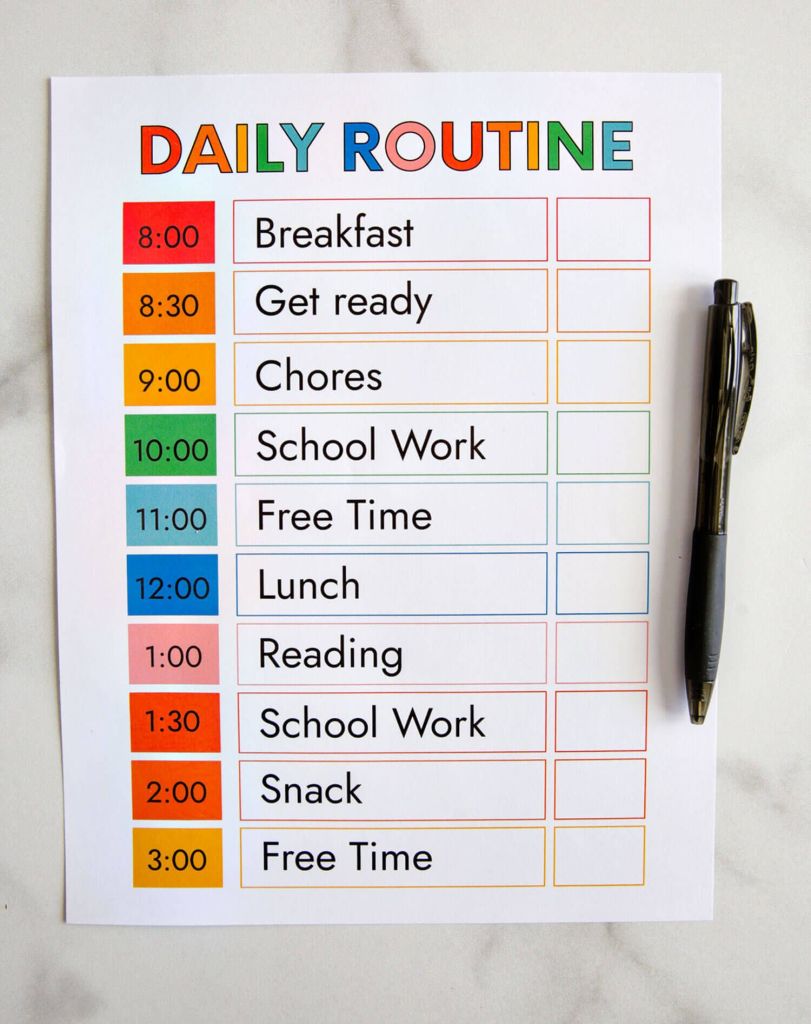
The first step to managing stress is building a daily routine. A morning routine, afternoon routine and evening routine are all good places to start.
Make sure you have your coffee (or tea) before 7:30 AM. This will help you get going in the morning and prevent late-night cram sessions later on in the day when you’re tired or distracted by something else that needs doing.
Get through at least one workout session per week—even if it’s just walking around campus for 30 minutes with friends or playing basketball with teammates after class! Exercise helps burn off energy so that mentally challenging tasks don’t seem insurmountable anymore; moreover, exercise has been shown to reduce anxiety levels as well as improve moods overall.* Go grocery shopping once per week rather than buying food from convenience stores because they tend to have higher prices than supermarkets do; however replacing fast food with healthy alternatives like salads instead of burgers will save money while still providing nutritious meals throughout each day.* Try not using social media sites like Facebook or Twitter too frequently either during lunch breaks at work because this causes users’ lives outside office hours become blurred together into one giant blur which makes everything seem more difficult than before since now there’s no separation between work life & personal life anymore.
Eat healthy food
Eating a balanced diet is key to managing stress. It helps you feel more energized and less tired, which can help you avoid getting sick or stressed out by hunger pangs. If possible, eat a healthy breakfast every morning—this will give you the energy boost that makes it easier for you to get through your day!
If eating junk food is something that stresses out your stomach (and let’s be honest here: who doesn’t love pizza?), try finding healthier snacks like fruit salad bites or even granola bars instead of sugary ones. The key here is moderation; no one should ever eat too much junk food because this will only make them feel worse afterwards.
Get in touch with your family
Stress is a normal part of life and as such, it’s important to find ways to manage your stress. One way you can do this is by talking with your family about how they can help.
Family members are a great source of support when it comes to helping you manage stress—and they may not even realize how much they’re helping! If you have parents or siblings who live nearby, consider asking them if they’d like some help managing their own lives and those around them. You could even offer up some of your time (or money) in exchange for their assistance so that everyone benefits from their efforts together.
Get enough sleep
Sleep is important for learning and memory.
It’s also linked to stress reduction.
Getting enough sleep can help reduce your stress levels, which will make you more productive at school or work.
Go for a walk
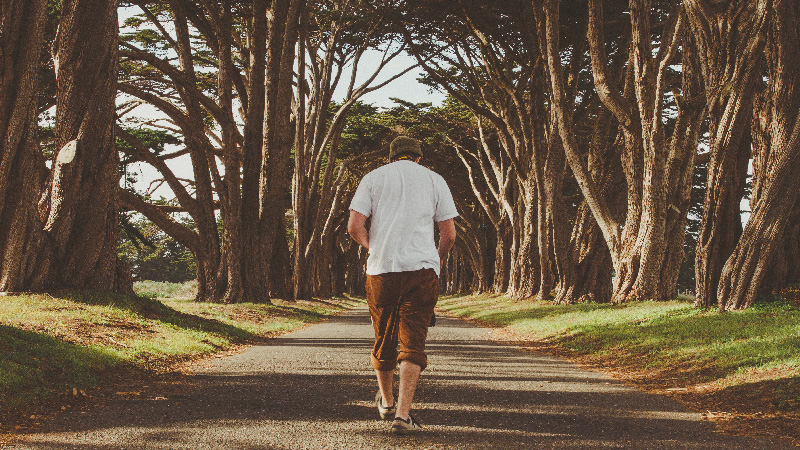
You can get away from the stress of school by going for a walk.
Go for a walk alone or with friends if you’d like, but don’t worry about being seen—the point of walking is just to move your body, not impress others. Listen to music while you walk (or listen in silence), and try to take in some fresh air too. Take your dog for a long walk around the neighborhood; they’ll love it! If possible, try walking at least 10,000 steps each day—that’s equivalent to running one mile per hour continuously for 30 minutes straight! When I was younger and had more energy than I do now as an adult who’s trying everything she can think of not only stay healthy but also keep fit at age 55+.
Listen to music
Music is a great way to relax and de-stress. You can listen to any music you like, but try not to choose something that’s too hard or fast. Music can also help you focus on what’s important in your life, which will help keep things in perspective when they get overwhelming.
Music can also help with sleep! I recommend listening before bed because it helps calm your mind enough so that it doesn’t keep tossing and turning at night because of all the stressors going through your head during the day (or even week).
Meditate
Meditating is a great way to relax and unwind. It can help you deal with stress, anxiety and depression, improve your memory and creativity, even slow down the aging process.
If you’re new to meditation or have never tried it before there are plenty of ways that beginners can begin:
Sit comfortably in a comfortable position (sitting or lying down).
Close your eyes if possible – this might help you focus better on what you are doing (most people choose not to cover their eyes).
Start by breathing normally through both nostrils for one minute without counting the breaths or trying anything else at first; this will help clear any thoughts from your mind so that when they come back again later on during meditation they won’t distract us from our task at hand which is meditating.
Talk to someone about your stressors
Talking to someone about your stressors is an important part of managing them. You can talk to your friends and family, but it’s also helpful to talk about the stressors with a therapist or counselor. If you feel comfortable talking about this issue with a doctor, go for it! The same goes for religious leaders, coaches and mentors who have experience dealing with similar issues in their own lives. And if none of these people are available yet, teachers are usually willing to listen when students come seeking guidance from them (or even just want advice on how they should handle their own problems).
Few more steps to encounter stress
Stress can be caused by a variety of factors including work-related issues, relationships with friends and family members or even just having too much on your plate at once. In order to manage stress effectively there are some steps that you can take:
Start taking breaks from time to time during the day (even if only for 5 minutes). This will help you relax and recharge so that when you return back into work mode again; everything feels fresh again.
Try getting outdoors more often during the day so that there’s less time spent indoors where all these feelings tend to accumulate over time because there isn’t much else going on besides watching TV shows while eating pizza as opposed being outside enjoying nature around us all… You get what I mean? 🙂
I hope this article has given you some useful tips for managing your stress. Remember that the best way to deal with a stressful situation is to stay calm and take action. Use our tips above and find something that helps you relax, like giving yourself time away from your responsibilities or getting some exercise – anything will do.
Stress is a natural part of life, and like many things, it’s important to learn how to manage it. If you’re suffering from stress, here are some helpful tips for coping:
Find a hobby
If you’re looking for a way to manage stress and unwind, a hobby can be an excellent option. It doesn’t have to be something specific or intense; you could simply enjoy doing something that inspires you every day.
Whatever it is that makes your heart race with excitement, there’s probably an outlet for it in your life—if not now then at some point in the future. Taking up knitting or painting might seem like an odd choice when you’re stressed out by midterms and finals, but these activities can become routine sources of relaxation as well as hobbies!
When we were kids growing up, many of us were fond of playing sports: football or baseball games were favorite pastimes at our houses during the summer months because they gave us something physical (and occasionally competitive) to do together after school hours were over. Nowadays however there are plenty other ways for parents and kids alike alike enjoy getting involved together outside on weekends – whether through volunteering with community organizations like Habitat For Humanity; going camping together on family camping trips; taking part in organized activities such as dance lessons where everyone learns new moves together while having fun at once too 🙂
Build a daily routine
The first step to managing stress is building a daily routine. A morning routine, afternoon routine and evening routine are all good places to start.
Make sure you have your coffee (or tea) before 7:30 AM. This will help you get going in the morning and prevent late-night cram sessions later on in the day when you’re tired or distracted by something else that needs doing.
Get through at least one workout session per week—even if it’s just walking around campus for 30 minutes with friends or playing basketball with teammates after class! Exercise helps burn off energy so that mentally challenging tasks don’t seem insurmountable anymore; moreover, exercise has been shown to reduce anxiety levels as well as improve moods overall.* Go grocery shopping once per week rather than buying food from convenience stores because they tend to have higher prices than supermarkets do; however replacing fast food with healthy alternatives like salads instead of burgers will save money while still providing nutritious meals throughout each day.* Try not using social media sites like Facebook or Twitter too frequently either during lunch breaks at work because this causes users’ lives outside office hours become blurred together into one giant blur which makes everything seem more difficult than before since now there’s no separation between work life & personal life anymore.
Eat healthy food
Eating a balanced diet is key to managing stress. It helps you feel more energized and less tired, which can help you avoid getting sick or stressed out by hunger pangs. If possible, eat a healthy breakfast every morning—this will give you the energy boost that makes it easier for you to get through your day!
If eating junk food is something that stresses out your stomach (and let’s be honest here: who doesn’t love pizza?), try finding healthier snacks like fruit salad bites or even granola bars instead of sugary ones. The key here is moderation; no one should ever eat too much junk food because this will only make them feel worse afterwards.
Get in touch with your family
Stress is a normal part of life and as such, it’s important to find ways to manage your stress. One way you can do this is by talking with your family about how they can help.
Family members are a great source of support when it comes to helping you manage stress—and they may not even realize how much they’re helping! If you have parents or siblings who live nearby, consider asking them if they’d like some help managing their own lives and those around them. You could even offer up some of your time (or money) in exchange for their assistance so that everyone benefits from their efforts together.
Get enough sleep
Sleep is important for learning and memory.
It’s also linked to stress reduction.
Getting enough sleep can help reduce your stress levels, which will make you more productive at school or work.
Go for a walk
You can get away from the stress of school by going for a walk.
Go for a walk alone or with friends if you’d like, but don’t worry about being seen—the point of walking is just to move your body, not impress others. Listen to music while you walk (or listen in silence), and try to take in some fresh air too. Take your dog for a long walk around the neighborhood; they’ll love it! If possible, try walking at least 10,000 steps each day—that’s equivalent to running one mile per hour continuously for 30 minutes straight! When I was younger and had more energy than I do now as an adult who’s trying everything she can think of not only stay healthy but also keep fit at age 55+.
Listen to music
Music is a great way to relax and de-stress. You can listen to any music you like, but try not to choose something that’s too hard or fast. Music can also help you focus on what’s important in your life, which will help keep things in perspective when they get overwhelming.
Music can also help with sleep! I recommend listening before bed because it helps calm your mind enough so that it doesn’t keep tossing and turning at night because of all the stressors going through your head during the day (or even week).
Meditate
Meditating is a great way to relax and unwind. It can help you deal with stress, anxiety and depression, improve your memory and creativity, even slow down the aging process.
If you’re new to meditation or have never tried it before there are plenty of ways that beginners can begin:
Sit comfortably in a comfortable position (sitting or lying down).
Close your eyes if possible – this might help you focus better on what you are doing (most people choose not to cover their eyes).
Start by breathing normally through both nostrils for one minute without counting the breaths or trying anything else at first; this will help clear any thoughts from your mind so that when they come back again later on during meditation they won’t distract us from our task at hand which is meditating.
Talk to someone about your stressors
Talking to someone about your stressors is an important part of managing them. You can talk to your friends and family, but it’s also helpful to talk about the stressors with a therapist or counselor. If you feel comfortable talking about this issue with a doctor, go for it! The same goes for religious leaders, coaches and mentors who have experience dealing with similar issues in their own lives. And if none of these people are available yet, teachers are usually willing to listen when students come seeking guidance from them (or even just want advice on how they should handle their own problems).
Few more steps to encounter stress
Stress can be caused by a variety of factors including work-related issues, relationships with friends and family members or even just having too much on your plate at once. In order to manage stress effectively there are some steps that you can take:
Start taking breaks from time to time during the day (even if only for 5 minutes). This will help you relax and recharge so that when you return back into work mode again; everything feels fresh again.
Try getting outdoors more often during the day so that there’s less time spent indoors where all these feelings tend to accumulate over time because there isn’t much else going on besides watching TV shows while eating pizza as opposed being outside enjoying nature around us all… You get what I mean? 🙂
I hope this article has given you some useful tips for managing your stress. Remember that the best way to deal with a stressful situation is to stay calm and take action. Use our tips above and find something that helps you relax, like giving yourself time away from your responsibilities or getting some exercise – anything will do.
Once upon a time, there was a small publishing company called Edupub. The company specialized in creating educational books and materials for students of all ages. However, the company struggled to keep up with the ever-evolving technology in the education industry.
One day, the founder of Edupub, a young and innovative entrepreneur named Sarah, attended a conference on the future of education technology. At the conference, she met several developers who were working on interactive and immersive educational tools.
Sarah was inspired by the possibilities that these tools could bring to the educational publishing industry. She immediately set out to collaborate with these developers to create the next generation of educational materials.
After months of hard work, Edupub launched its first interactive book. The book combined text, images, videos, and interactive quizzes, all in one digital platform. Students could read, watch, and interact with the material, making learning a more engaging and immersive experience.
The interactive book was an instant hit, and soon, schools and universities all over the world began to adopt the technology. Edupub became known for its innovative and cutting-edge educational materials, and its popularity soared.
As the company grew, Sarah continued to push the boundaries of what was possible in educational publishing. She worked with developers to create virtual reality simulations, augmented reality textbooks, and even personalized learning platforms that adapted to each student’s unique learning style.
Edupub’s success caught the attention of investors, and the company received funding to expand its offerings even further. They began to partner with schools and universities to create customized learning experiences, tailoring the materials to fit each institution’s unique needs.
Years later, Edupub had become the go-to company for innovative and immersive educational materials. The company had changed the way students learned and provided new opportunities for educators to engage with their students. Sarah was proud of what she had accomplished, and her dedication to innovation had paved the way for a new era in educational publishing.
The Union Minister of Commerce and Industry, Consumer Affairs, Food and Public Distribution and Textiles, Shri Piyush Goyal has said that India today provides the best investment opportunity to the investors across the world and called upon investors in the US to avail the opportunities that India offers stressing that the next 25 years, the golden period of Amrit Kaal is the appropriate time to invest in India. He said this while addressing the US India Strategic Partnership Forum (USISPF) in San Francisco.
Speaking on India-US relations, Shri Goyal said partnership between India-US partnership is a ‘Partnership of Trust’, which rests on 3Ts of Trade, Technology and Talent. He noted that India-US relations are based on strong government to government engagement, people to people ties, large Indian diaspora, business to business relations, increasing bilateral trade, deep engagement in geopolitically relevant vibrant Quad, Ministerial Dialogue, IPEF and robust trade policy forum. Reaffirming India’s commitment to working closely in areas of mutual interest, Shri Goyal said focus is on further expanding the India-US relationship.
Recognizing that India and the US are natural partners in terms of competitive advantages and opportunities they offer to each other, Shri Goyal spoke about the talent that India has provided to the US and investment that the US has provided to India. He asked US investors to share newer ideas, suggestions on taking the India-US relations to the next level. Noting that both countries share tremendous interest in the world which is peaceful, open to business, and believes in democracy, transparency, Shri Goyal asserted that the two countries can work collectively to promote global security, stability and resilient supply chains and a growing economy.
Stating that India’s credibility has strengthened across the world in last few years, Shri Goyal
mentioned that we have taken transformative reforms and structurally prepared the economy for higher degree of honest business, recognizing and respecting integrity in business processes, reducing compliance burden, decriminalisation of laws, respecting and trusting and honesty of business persons.
Highlighting that India is a much more open economy now, Shri Goyal pointed out that India is opening up discussions with countries on subjects that were never taken up before such as gender, environment, small and medium enterprises, labour and anti-corruption laws. We are committed to providing growth opportunities both for domestic and foreign investors, he added.
In his speech, Shri Goyal highlighted the fact that lots of innovation is taking place in different fields and new areas are opening up in India such as Artificial Intelligence, Big Data, E Commerce, Edutech, Fintech, Agritech and Healthtech. He sought suggestions and ideas to explore the engagement further in areas around textiles, geotextiles, technology for testing labs.
Eating disorders are behavioral conditions characterized by severe and persistent disturbance in eating behaviors and associated distressing thoughts and emotions. They can be very serious conditions affecting physical, psychological, and social function.
The most common type of Eating disorders are -:
1. Anorexia Nervosa -: Anorexia is characterized by a distorted body image, with an unwarranted fear of being overweight.
2. Bulimia Nervosa -: A serious eating disorder marked by bingeing, followed by methods to avoid weight gain.
3. Binge Eating – People with the binge-eating disorder frequently consume unusually large amounts of food and feel unable to stop eating.
Additional eating disorders include:
1. Avoidant/resistant food intake disorder (ARFID)
2. Diabulimia
3. Other specified feeding and eating disorders (OSFED)
Physical Warning Signs of Eating Disorders -:
1. Dramatic or rapid weight loss
2. Compulsive or excessive exercise
3. Visiting the bathroom immediately after each meal
4. Loss of menses
5. Frequent stomach cramps or stomach pain
Emotional Warning Signs of Eating Disorders -:
1. Behavior changes (acting differently)
2. Isolation and withdrawing from others
3. Being less interested in daily activities
4. An increase in mood swings, irritability, or high anxiety
Warning Signs of Anorexia Nervosa -:
Anorexia is a potentially life-threatening illness characterized by the following eating disorder symptoms and signs: an abnormally low body weight, an intense fear of gaining weight, and a distorted perception of weight or shape. People with anorexia use extreme measures to control their weight, such as excessively restricting calories, over-exercising, and laxative or diet aid abuse.
Warning Signs of Bulimia Nervosa -:
Bulimia is a serious, potentially life-threatening eating disorder. It is typically characterized by episodes of bingeing on large portions of food and then voiding the food through purging, excessive exercise, or the use of diet pills or laxatives. Many people with bulimia also restrict their eating during the day, which often leads to more binge eating and purging.
Warning Signs of Binge Eating Disorder -:
People with binge eating disorder (BED) regularly eat too much food (binge) and feel a lack of control over their eating. Typically, they eat quickly or eat more food than intended, even when not hungry, or they may continue eating even long after they’re uncomfortably full. They may feel guilty, disgusted, or ashamed of their behavior and the amount of food eaten. Many times, they overeat in private. New bouts of bingeing usually occur at least once a week. Sufferers can be normal weight, overweight or obese.
Causes of Eating Disorder -:
1. Having a trauma history
2. Being pressured to look or act a certain way
3. Dealing with stringent sports performance requirements
4. Having high expectations for grades
5. Life transitions and developmental changes
6. Other challenging family dynamics
7. Perfectionism
8. Highly reactive to stress
9. High sensitivity
10. Low distress tolerance
11. Anxiety
Treatment for Eating Disorder -:
Nutritional Healing :
1. Develop a healthy relationship with food 2. Eat a variety of foods in a balanced way 3. Enjoy food in moderation
Family-based therapy is shown to improve eating disorder treatment outcomes increasing one’s chance of a full recovery. Family and caregiver support is especially critical for younger patients, but family involvement and family therapy are encouraged for all patients seeking help for eating disorders, including adults.
Medication :
In eating disorder treatment, medications may be prescribed to address physical health concerns and complications related to the eating disorder.
The history of the camera began even before the introduction of photography. Cameras evolved from the camera obscura through many generations of photographic technology – daguerreotypes, calotypes, dry plates, film – to the modern day with digital cameras and camera phones.
Camera obscura (Before the 17th century) -:
The forerunner to the photographic camera was the camera obscura. Camera obscura (Latin for “dark room”) is the natural optical phenomenon that occurs when an image of a scene on the other side of a screen (or for instance a wall) is projected through a small hole in that screen and forms an inverted image (left to right and upside down) on a surface opposite to the opening. The oldest known record of this principle is a description by the Han Chinese philosopher Mozi (c. 470 to c. 391 BC). Mozi correctly asserted that the camera obscura image is inverted because light travels in straight lines from its source. In the 11th century, Arab physicist Ibn al-Haytham (Alhazen) wrote very influential books about optics, including experiments with light through a small opening in a darkened room. It was wildly successful after debuting to the public in 1839 when both it and the calotype began introducing photography to the masses. Normally, having portraits taken was an activity exclusive to the upper classes. The cost and amount of time needed to produce such works were unreasonable for most working-class people. The speed of the camera, which only increased as time went on, made it possible for anybody to have quality portraits.
Early photographic camera (18th–19th centuries) -:
The development of the photographic camera, it had been known for hundreds of years that some substances, such as silver salts, darkened when exposed to sunlight.[9]: 4 In a series of experiments, published in 1727, the German scientist Johann Heinrich Schulze demonstrated that the darkening of the salts was due to light alone, and not influenced by heat or exposure to air.[10]: 7 The Swedish chemist Carl Wilhelm Scheele showed in 1777 that silver chloride was especially susceptible to darkening from light exposure and that once darkened, it becomes insoluble in an ammonia solution.[10] The first person to use this chemistry to create images was Thomas Wedgwood.
The first permanent photograph of a camera image was made in 1825 by Joseph Nicéphore Niépce using a sliding wooden box camera made by Charles and Vincent Chevalier in Paris.[10]: 9–11 Niépce had been experimenting with ways to fix the images of a camera obscura since 1816. The first photographic camera developed for commercial manufacture was a daguerreotype camera, built by Alphonse Giroux in 1839. Giroux signed a contract with Daguerre and Isidore Niépce to produce the cameras in France,[9]: 8–9 with each device and accessories costing 400 francs.[13]: 38 The camera was a double-box design, with a landscape lens fitted to the outer box, and a holder for the ground glass focusing screen and image plate on the inner box. By sliding the inner box, objects at various distances could be brought to as sharp a focus as desired. After a satisfactory image had been focused on the screen, the screen was replaced with a sensitized plate. A knurled wheel controlled a copper flap in front of the lens, which functioned as a shutter. The early daguerreotype cameras required long exposure times, which in 1839 could be from 5 to 30 minutes.
Within a decade of being introduced in America, 3 general forms of the camera were in popular use: the American- or chamfered-box camera, the Robert’s-type camera or “Boston box”, and the Lewis-type camera. The American-box camera had beveled edges at the front and rear, and an opening in the rear where the formed image could be viewed on the ground glass. The top of the camera had hinged doors for placing photographic plates. Inside there was one available slot for distant objects, and another slot in the back for close-ups. The lens was focused either by sliding or with a rack and pinion mechanism. The Robert’s-type cameras were similar to the American box, except for having a knob-fronted worm gear on the front of the camera, which moved the back box for focusing.
Early fixed images -:
The first partially successful photograph of a camera image was made in approximately 1816 by Nicéphore Niépce,[18][19] using a very small camera of his own making and a piece of paper coated with silver chloride, which darkened where it was exposed to light. His unhardened bitumen was then dissolved away. One of those photographs has survived.
Daguerreotypes and calotypes -:
After Niépce died in 1833, his partner Louis Daguerre continued to experiment and by 1837 had created the first practical photographic process, which he named the daguerreotype and publicly unveiled in 1839.[21] Daguerre treated a silver-plated sheet of copper with iodine vapor to give it a coating of light-sensitive silver iodide. After exposure to the camera, the image was developed by mercury vapor and fixed with a strong solution of ordinary salt (sodium chloride). Henry Fox Talbot perfected a different process, the calotype, in 1840. As commercialized, both processes used very simple cameras consisting of two nested boxes. The rear box had a removable ground glass screen and could slide in and out to adjust the focus. After focusing, the ground glass was replaced with a light-tight holder containing the sensitized plate or paper and the lens was capped.
Dry plates -:
Collodion dry plates had been available since 1857, thanks to the work of Désiré van Monckhoven, but it was not until the invention of the gelatin dry plate in 1871 by Richard Leach Maddox that the wet plate process could be rivaled in quality and speed. The 1878 discovery that heat-ripening a gelatin emulsion greatly increased its sensitivity finally made so-called “instantaneous” snapshot exposures practical.
The invention of photographic film -:
The use of photographic film was pioneered by George Eastman, who started manufacturing paper film in 1885 before switching to celluloid in 1888–1889. His first camera, which he called the “Kodak”, was first offered for sale in 1888. It was a very simple box camera with a fixed-focus lens and single shutter speed, which along with its relatively low price appealed to the average consumer.
35 mm -:
Some manufacturers started to use 35 mm film for still photography between 1905 and 1913. The first 35 mm cameras available to the public, and reaching significant numbers in sales were the Tourist Multiple, in 1913, and the Simplex, in 1914.
TLRs and SLRs -:
The first practical reflex camera was the Franke & Heidecke Rolleiflex medium format TLR of 1928. Though both single- and twin-lens reflex cameras had been available for decades, they were too bulky to achieve much popularity. The Rolleiflex, however, was sufficiently compact to achieve widespread popularity and the medium-format TLR design became popular for both high- and low-end cameras.
Instant cameras -:
Polaroid Model 430, 1971
While conventional cameras were becoming more refined and sophisticated, an entirely new type of camera appeared on the market in 1948. This was the Polaroid Model 95, the world’s first viable instant-picture camera. Known as a Land Camera after its inventor, Edwin Land, the Model 95 used a patented chemical process to produce finished positive prints from the exposed negatives in under a minute.
Automation -:
The first camera to feature automatic exposure was the selenium light meter-equipped, fully automatic Super Kodak Six-20 pack of 1938, but its extremely high price (for the time) of $225 (equivalent to $4,331 in 2021)[23] kept it from achieving any degree of success.
Digital cameras -:
Digital cameras differ from their analog predecessors primarily in that they do not use film but capture and save photographs on digital memory cards or internal storage instead. Their low operating costs have relegated chemical cameras to niche markets.
Digital imaging technology -:
The first semiconductor image sensor was the CCD, invented by Willard S. Boyle and George E. Smith at Bell Labs in 1969.[24] While researching MOS technology, they realized that an electric charge was the analogy of the magnetic bubble and that it could be stored on a tiny MOS capacitor.
Early digital camera prototypes -:
The concept of digitizing images on scanners, and the concept of digitizing video signals, predate the concept of making still pictures by digitizing signals from an array of discrete sensor elements. Early spy satellites used the extremely complex and expensive method of de-orbit and airborne retrieval of film canisters. Technology was pushed to skip these steps through the use of in-satellite development and electronic scanning of the film for direct transmission to the ground. The amount of film was still a major limitation, and this was overcome and greatly simplified by the push to develop an electronic image-capturing array that could be used instead of film.
Analog electronic cameras -:
Handheld electronic cameras, in the sense of a device meant to be carried and used as a handheld film camera, appeared in 1981 with the demonstration of the Sony Mavica (Magnetic Video Camera). This is not to be confused with the later cameras by Sony that also bore the Mavica name.
Early true digital cameras -:
In the late 1980s, the technology required to produce truly commercial digital cameras existed. The first true portable digital camera that recorded images as a computerized file was likely the Fuji DS-1P of 1988, which recorded to a 2 MB SRAM (static RAM) memory card that used a battery to keep the data in memory. This camera was never marketed to the public.
Digital SLRs (DSLRs) -:
Nikon was interested in digital photography since the mid-1980s. In 1986, while presenting to Photokina, Nikon introduced an operational prototype of the first SLR-type digital camera (Still Video Camera), manufactured by Panasonic.[48] The Nikon SVC was built around a sensor 2/3 ” charge-coupled device of 300,000 pixels. Storage media, a magnetic floppy inside the camera allows recording of 25 or 50 B&W images, depending on the definition.
Camera phones -:
The first commercial camera phone was the Kyocera Visual Phone VP-210, released in Japan in May 1999.[54] It was called a “mobile videophone” at the time,[55] and had a 110,000-pixel front-facing camera.[54] It stored up to 20 JPEG digital images, which could be sent over e-mail, or the phone could send up to two images per second over Japan’s Personal Handy-phone System (PHS) cellular network.
India has overtaken the UK to become the fifth-largest economy in the world. Economists and business executives anticipated that India’s position would continue to improve in the years to come due to greater economic growth.
According to figures from the International Monetary Fund (IMF), India passed the United Kingdom (UK) to become the fifth-largest economy in the world in the last quarter of 2021. India’s economy currently ranks just four nations ahead of it in terms of size in dollars. The United States, China, Japan, and Germany are the only nations with economies larger than India’s. The UK is currently in sixth place, just behind India.
IMF’s own forecasts show India overtaking the UK in dollar terms on an annual basis this year, putting the Asian powerhouse behind the US, China, Japan and Germany. A decade ago, India ranked 11th among the largest economies, while the UK was fifth. The government is expecting the economy to grow at 7-7.5 per cent in 2022-23, in line with its projections made at the beginning of this financial year. India registered a growth of 8.7 per cent in 2021-22.
While India has overtaken the United Kingdom in terms of the size of the economy, the per capita income in India remains very low. When it comes to per capita income, which is a measure of how much money is made per person in a country, India is ranked 122 out of 190 countries.
India is set to become the third largest economy in the world by 2029. A State Bank of India report said India will surpass Germany in 2027 and most likely Japan by 2029 at the current rate of growth. The report said that the country has undergone a large structural shift since 2014 and is now the 5th largest economy overtaking the United Kingdom.
India has overtaken the UK to become the fifth-largest economy in the world. Economists and business executives anticipated that India’s position would continue to improve in the years to come due to greater economic growth.
According to figures from the International Monetary Fund (IMF), India passed the United Kingdom (UK) to become the fifth-largest economy in the world in the last quarter of 2021. India’s economy currently ranks just four nations ahead of it in terms of size in dollars. The United States, China, Japan, and Germany are the only nations with economies larger than India’s. The UK is currently in sixth place, just behind India.
IMF’s own forecasts show India overtaking the UK in dollar terms on an annual basis this year, putting the Asian powerhouse behind the US, China, Japan and Germany. A decade ago, India ranked 11th among the largest economies, while the UK was fifth. The government is expecting the economy to grow at 7-7.5 per cent in 2022-23, in line with its projections made at the beginning of this financial year. India registered a growth of 8.7 per cent in 2021-22.
While India has overtaken the United Kingdom in terms of the size of the economy, the per capita income in India remains very low. When it comes to per capita income, which is a measure of how much money is made per person in a country, India is ranked 122 out of 190 countries.
India is set to become the third largest economy in the world by 2029. A State Bank of India report said India will surpass Germany in 2027 and most likely Japan by 2029 at the current rate of growth. The report said that the country has undergone a large structural shift since 2014 and is now the 5th largest economy overtaking the United Kingdom.

















 Eduindex
You must be logged in to post a comment.