What is Vulnerability Analysis for Environment

Vulnerability assessments are used to ascertain the susceptibility of a natural or human system to sustaining damage (or benefiting) from climate change. Vulnerability is a function of exposure, sensitivity, and adaptive capacity. Vulnerability assessments differ from impact assessments in that they more fully consider adaptive management or policy responses that may lessen negative impacts (or enhance positive impacts) of climate change. Where vulnerability assessments are used to guide management or conservation actions, they are often most informative when they are “place-based” and designed to address a particular resource or system of interest. However, in the climate change literature, there are multiple definitions of vulnerability and there is no single universal assessment framework. The assessments included below focus on various exposure units, are applied at different spatial scales, and are relevant to different locations

Planning adaptation at the local level requires an understanding of the current and projected climate hazards as well as an understanding of the vulnerable sectors of the city. These two factors are combined in a risk and vulnerability assessment. There are a multitude of methods that can be applied to conduct risk and vulnerability assessments in urban areas. Knowledge about the different types of methods and their outputs is important for the selection of the most efficient and effective method to be applied in accordance with the capacities of the local authorities.

Climate change risks in a city or town should be characterised from the point of view of several aspects: the climate threat (projected climatic conditions); context of the geographic location (e.g. coastal area, mountain region, etc.); and affected sectors and systems (e.g. human health, infrastructure, transport, ports, energy, water, social well-being, etc.) including the impacts on the most vulnerable groups (e.g. the elderly, he homeless, those at risk of poverty, etc.).
Signatory cities to develop their Risk and Vulnerability Assessment (RVA). Under the Covenant of Mayors reporting framework, the Risk and Vulnerability Assessment incorporates data on climate hazards, vulnerable sectors, adaptive capacity and vulnerable population groups. In terms of climate hazards, signatory cities are requested to define the probability and impact of the most relevant hazards, their expected change in intensity and frequency, as well as timescales. This is done via a defined indication of the level of confidence. For each identified climate hazard, the vulnerable sectors and their vulnerability level is defined. Further, an assessment of the adaptive capacity at the sectoral level is defined, using positive adaptive capacity categories, such as access to services, governmental and institutional capacity, physical and environmental capacity, knowledge and innovation. It is also possible to assign indicators for the identified vulnerable sectors and adaptive capacity. 
Risk assessments focus primarily on the projected changes in climatic conditions, inventory of potentially impacted assets, the likelihood of the impact happening and the resulting consequences. Vulnerability assessments emphasise exposure, sensitivity and adaptive capacity of systems, assets and populations. Integrated risk and vulnerability assessments address both the vulnerability to and the impacts of climatic hazards.
The methods designed for risk and vulnerability assessments can be divided into top-down methods, which are usually based on quantitative data (e.g. census data, downscaled climate models) and use mapping; and bottom-up methods that often employ local knowledge to identify risks and are generally qualitative in nature.
Indicator-based vulnerability assessments use sets of pre-defined indicators that can be both quantitative and qualitative and can be assessed both through modelling or stakeholder consultation.
A quick risk screening method, which is based on existing knowledge, can be employed first-hand to have a clearer understanding of the needs for an in-depth assessment.
Regardless of the method applied, the assessment should, at minimum, take the following elements into consideration:Trends of various climate variables (e.g. average and extreme temperature, number of days with extreme heat, intensive rainfall events, snow cover), ideally based on a range of different climate scenarios;
Expected (direct and indirect) impacts (threats and opportunities) by identifying the most relevant hazards as well as the areas of the city that are at most risk given an overlay of the spatial distribution of the total population, vulnerable populations, economic activities and economic values;
Timescale, such as short, medium (e.g. 2050s) or long-term (e.g. end of century);
An indication on the level of confidence (e.g. high, medium, low) for such impacts, with a view of facilitating the decision-making process given the degree of uncertainty attached to the results.
Climate Change Vulnerability is defined by the IPCC as the susceptibility of a species, system or resource to the negative effects of climate change and other stressors, and includes three components: exposure, sensitivity, and adaptive capacity:Exposure is the amount and rate of change that a species or system experiences from the direct (e.g., temperature, precipitation changes) or indirect (e.g., habitat shifts due to changing vegetation composition) impacts of climate change;
Sensitivity refers to characteristics of a species or system that are dependent on specific environmental conditions, and the degree to which it will likely be affected by climate change (e.g., temperature or hydrological requirements); and
Adaptive capacity is the ability of a species to cope and persist under changing conditions through local or regional acclimation, dispersal or migration, adaptation (e.g., behavioral shifts), and/or evolution.
What are Climate Change Vulnerability Assessments?
Climate Change Vulnerability Assessments (CCVAs) are emerging tools that can be used as an initial step in the adaptation planning process. A CCVA focuses on species, habitats, or systems of interest, and helps identify the greatest risks to them from climate change impacts. A CCVA identifies factors that contribute to vulnerability, which can include both the direct and indirect effects of climate change, as well as non-climate stressors (e.g., land use change, habitat fragmentation, pollution, and invasive species?).
The process of completing a CCVA includes the synthesis of existing information about the target species or system, confidence levels in those data, and identification of knowledge gaps. A CCVA combines this background information with climate projections to identify the specific elements of exposure, sensitivity, and adaptive capacity that contribute to the overall vulnerability of the species or system.
Figure adapted from Glick et al. 2011
There is no standard method or framework to conduct a CCVA, and a variety of methods are being implemented at government, institutional, and organizational levels. Because of this, interpretation of CCVA results should carefully consider whether and how each of the three components of vulnerability (exposure, sensitivity, and adaptive capacity) were evaluated, if non-climate stressors were included in the assessment, how uncertainty is presented, the geographic location covered by the assessment, and whether the entire life cycle of a target species was evaluated, particularly for those that are migratory. Generally, the approach chosen should be based on the goals of practitioners, confidence in existing data and information, and the resources available (e.g., financial, personnel).
Some of the most common frameworks applied regionally are:NatureServe Climate Change Vulnerability Index (CCVI) – A quantitative assessment based on the traits of fish, wildlife, and habitats that might make them more vulnerable to climate change. The CCVI is suitable for assessing large numbers of species and comparing results across taxa. It is based in Microsoft Excel, relatively easy to use, and includes factors related to direct and indirect exposure, species-specific sensitivity, and documented or modeled responses to climate change.
Climate Change Response Framework (CCRF) – A collaborative, cross-boundary approach among scientists, managers, and landowners designed to assess the vulnerability of forested habitats. The assessment incorporates downscaled climate projections into tree species distribution models to determine future habitat suitability. Experts conduct a literature review to summarize the effects of climate change, as well as non-climate stressors, and consider all three components of vulnerability to come to a consensus on a vulnerability ranking and level of confidence.
Northeast Association of Fish and Wildlife Agencies (NEAFWA) Habitat Vulnerability Model – An approach created to consistently evaluate the vulnerability of all non-tidal habitats across thirteen Northeastern US states. This method is based on an expert-panel approach, and is made up of 4 sections, or modules, based in Microsoft Excel. The modules score vulnerability based on climate sensitivity factors (adaptive capacity is also partially addressed) and non-climate stressors to produce vulnerability rankings and confidence scores. Experts use these scores to construct descriptive paragraphs explaining the results for each species or habitat evaluated. These narratives help to ensure transparency, evaluate consistency, and clarify underlying assumptions. The National Park Service, the U.S. Forest Service, and several states have used this model successfully to assess habitat vulnerability.
Expert opinion workshops and surveys – These are often qualitative (or mixed qualitative/quantitative), and have been used by a number of states including a report on habitat vulnerability in Massachusetts. These assessments are usually developed independently, and are typically not based on a standardized framework. This allows greater flexibility for the institution conducting the CCVA; however, it is more difficult to make direct comparisons across assessment results since the specific factors evaluated may vary.
Outputs from the CCVAs outlined above compare the relative vulnerability among species or systems and identify major factors contributing to the vulnerability, confidence in the factors assessed, and remaining knowledge gaps. This information can inform adaptation strategies and actions by identifying the areas where additional monitoring and research is needed, and helping to prioritize management and policy decisions.
How are CCVAs presented in the Massachusetts Wildlife Climate Action Tool?
The CCVAs presented in this tool are drawn from assessments completed throughout the Northeast United States, as well as the Midwest and Mid-Atlantic regions. The NatureServe Climate Change Vulnerability Index was the most common method of assessing species vulnerability, though other methods were also included (see descriptions above). The Massachusetts Climate Action Tool presents a summary of CCVA results for individual species and forest habitats; in cases where more than one CCVA result is offered, studies come from various locations and may have used different assessment methodologies. Users should consult the original source for a complete understanding of how vulnerability was assessed and detailed results.
We present multiple Climate Change Vulnerability Assessment (CCVA) results because not all species were assessed specifically in Massachusetts. For example, an assessment may have included Massachusetts, but been regional in scope. Because species’ ranges and life histories extend beyond state boundaries, assessments conducted in other areas may provide a more comprehensive understanding of their vulnerability. We suggest starting with CCVAs that include Massachusetts (e.g., North Atlantic LCC, North Atlantic coast), and then comparing results from nearby states. We also suggest considering the life history and migration patterns of species to determine what factors might be most influential as the species moves in or out of Massachusetts. In some cases, CCVA rankings may vary for the same species because of unique factors within a given area, or because different methodologies were used in different studies. It is important to read the expert opinions supporting ranking to understand why a ranking differs from one state to another.
In the Massachusetts Climate Action Tool, the following information is presented for each species assessed:
Ranking: The vulnerability ranking categories refer to the predicted extent that the assessed species will be impacted by climate change. Because the ranking category names and definitions vary across reports, similar rankings have been grouped and are presented in a standardized format. See Table 1 (next page) to compare these with the original ranking categories and definitions used by the CCVAs cited in this tool.
Confidence: This category describes how confident the authors are in the vulnerability ranking assigned to each species in the assessment. Confidence scores refer to the amount and quality of the available background information on that species, and do not necessarily include the uncertainty associated with the projected climate data used for rankings.
Emission Scenarios: Emissions scenarios describe future releases of greenhouse gases, aerosols, and other pollutants into the atmosphere, and are based on expected changes in human populations and technology. See climate change page for more information on emission scenarios and climate models.
Time Period: Vulnerability for each species is considered for a specific time period. Many vulnerability assessments consider the current and future impacts that a species may experience through the years 2050, 2080, or 2100.
Location: This field refers to the geographic region considered in the vulnerability assessment. CCVAs can be conducted on local, regional, state, and national levels.
Simplified vulnerability ranking categories as presented in the Massachusetts Wildlife Climate Action Tool, cross-referenced with the original vulnerability ranking categories and definitions used in the assessment reports cited in this tool.
Additional Resources on CCVAs
Climate Registry for the Assessment of Vulnerability (CRAVe): The Climate Registry for the Assessment of Vulnerability (CRAVe) is a searchable, public registry on CCVAs. The purpose of CRAVe is to make information about ongoing and completed vulnerability assessments readily accessible. CRAVe is hosted in two locations: 1) USGS National Climate Change and Wildlife Science Center and 2) the EcoAdapt Climate Adaptation Knowledge Exchange. The assessments in CRAVe include studies on species and ecosystems, built environments and infrastructure, cultural resources, and socioeconomic systems. Users can access CRAVe to conduct searches across all vulnerability assessments to find the information necessary for decision making.
Vulnerability Assessment Trainings: The U.S. Fish and Wildlife Service’s National Conservation Training Center (NCTC) offers training courses to guide conservation and resource management practitioners in the theory, design, interpretation, and implementation of CCVAs. Participants also gain a perspective of how CCVAs fit into the broader context of adaptation planning. Courses follow the guidelines established in Scanning the Conservation Horizon – A Guide to Climate Change Vulnerability Assessment.
References
Adaptation Subcommittee to the Governor’s Steering Committee on Climate Change. 2010. The impacts of climate change on Connecticut agriculture, infrastructure, natural resources, and public health.
Brandt, L., et al. 2014. Central Hardwoods ecosystem vulnerability assessment and synthesis: a report from the Central Hardwoods Climate Change Response Framework project. Gen. Tech. Rep. NRS-124. U.S. Department of Agriculture, Forest Service, Northern Research Station, Newtown Square, PA.
Butler, P., et al. 2015. Central Appalachians forest ecosystem vulnerability assessment and synthesis: a report from the Central Appalachians Climate Change Response Framework. Gen. Tech. Rep. NRS-146. U.S. Department of Agriculture, Forest Service, Northern Research Station, Newtown Square, PA.
Byers, E., and S. Norris. 2011. Climate change vulnerability assessment of species of concern in West Virginia. West Virginia Division of Natural Resources, Elkins, West Virginia.
Cullen, E., E. Yerger, S. Stoleson, and T. Nuttle. 2013. Climate change impacts on Pennsylvania forest songbirds against the backdrop of gas development and historical deer browsing. Pennsylvania Department of Conversation and Natural Resources, Wild Resource Conservation Program (WRCP-010376), Harrisburg, PA.
Dawson, T. P., S. T. Jackson, J. I. House, I. C. Prentice, G. M. Mace. 2011. Beyond predictions: biodiversity conservation in a changing climate. Science 332: 664-664.
Furedi, M., B. Leppo, M. Kowalski, T. Davis, and B. Eichelberger. 2011. Identifying species in Pennsylvania potentially vulnerable to climate change. Pennsylvania Natural Heritage Program, Western Pennsylvania Conservancy, Pittsburgh, PA.
Galbraith H., DesRochers DW, Brown S, Reed JM (2014) Predicting vulnerabilities of North American shorebirds to climate change. PLoS ONE 9(9): e108899.
Glick P., B. A. Stein, and N. Edelson, editors. 2011. Scanning the conservation horizon: a guide to climate change vulnerability assessment. National Wildlife Federation, Washington, DC.
Handler, S., et al. 2014. Michigan forest ecosystem vulnerability assessment and synthesis: a report from the Northwoods Climate Change Response Framework. Gen. Tech. Rep. NRS-129. U.S. Department of Agriculture, Forest Service, Northern Research Station, Newtown Square, PA.
Handler, S., et al. 2014. Minnesota forest ecosystem vulnerability assessment and synthesis: a report from the Northwoods Climate Change Response Framework. Gen. Tech. Rep. NRS-133. U.S. Department of Agriculture, Forest Service, Northern Research Station, Newtown Square, PA.
Hoving, C.L., Y.M. Lee, P.J. Badra, and B.J. Klatt. 2013. Changing climate, changing wildlife: a vulnerability assessment of 400 Species of Greatest Conservation Need and game species in Michigan. Wildlife Division Report No. 3564. Michigan Department of Natural Resources, Lansing, MI.
Intergovernmental Panel on Climate Change (IPCC). 2007. Climate change 2007: impacts, adaptation, and vulnerability. Contribution of Working Group II to the Fourth Assessment Report of the Intergovernmental Panel on Climate Change. M. L. Parry, O. F. Canziani, J. P. Palutikof, P. J. van der Linden, and C. E. Hanson (eds.). Cambridge University Press, Cambridge, UK.
Intergovernmental Panel on Climate Change (IPCC). 2014. Climate change 2014: impacts, adaptation, and vulnerability. Part A: Global and sectoral aspects. Contribution of Working Group II to the Fifth Assessment Report of the Intergovernmental Panel on Climate Change Field, C. B., V. R. Barros, D. J. Dokken, K. J. Mach, M. D. Mastrandrea, T. E. Bilir, M. Chatterjee, K. L. Ebi, Y. O. Estrada, R. C. Genova, B. Girma, E. S. Kissel, A. N. Levy, S. MacCracken, P. R. Mastrandrea, and L. L. White (eds.). Cambridge University Press, Cambridge, UK.
Janowiak, M., et al. In preparation. New England forest ecosystem vulnerability assessment and synthesis: a report from the New England Climate Change Response Framework. U.S. Department of Agriculture, Forest Service, Northern Research Station.
Janowiak, M.K., et al. 2014. Forest ecosystem vulnerability assessment and synthesis for northern Wisconsin and western Upper Michigan: a report from the Northwoods Climate Change Response Framework. Gen. Tech. Rep. NRS-136. U.S. Department of Agriculture, Forest Service, Northern Research Station, Newtown Square, PA.
Manomet Center for Conservation Science (Manomet) and Massachusetts Division of Fisheries and Wildlife (MA DFW). 2010. Climate change and Massachusetts fish and wildlife: Volume 2 habitat and species vulnerability. Massachusetts Division of Fisheries and Wildlife, Westborough, MA.
Manomet Center for Conservation Science (Manomet) and National Wildlife Federation (NWF). 2013. The vulnerabilities of fish and wildlife habitats in the Northeast to climate change. Manomet Center for Conservation Sciences, Plymouth, MA.
Schlesinger, M.D., J.D. Corser, K.A. Perkins, and E.L. White. 2011. Vulnerability of at-risk species to climate change in New York. New York Natural Heritage Program, Albany, NY.
Small-Lorenz, S., L. A. Culp, T. B. Ryder, T. C. Will, and P. P. Marra. 2013. A blind spot in climate change vulnerability assessments. Nature Climate Change 3:91–93.
Sneddon, L. A., and G. Hammerson. 2014. Climate change vulnerability assessments of selected species in the North Atlantic LCC Region. NatureServe, Arlington, VA.
Tetratech, Inc. 2013. Vermont Agency of Natural Resources climate change adaptation framework. Vermont Agency of Natural Resources, Waterbury, VT.
Whitman, A., A. Cutko, P. DeMaynadier, S. Walker, B. Vickery, S. Stockwell, and R. Houston. 2013. Climate change and biodiversity in Maine: vulnerability of habitats and priority species. Report SEI-2013-03. Manomet Center for Conservation Sciences (in collaboration with Maine Beginning with Habitat Climate Change Working Group), Brunswick, ME.
Young, B. E., E. Byers, K. Gravuer, K. Hall, G. Hammerson, A. Redder, J. Cordeiro, and K. Szabo. 2011. Guidelines for using the NatureServe Climate Change Vulnerability Index, version 2.1. NatureServe, Arlington, VA.


Importance of Cybersecurity.

Cyber security is the protection of Internet-connected systems such as hardware, software, and data from cyber threats. This technique is used by individuals and businesses to protect against unauthorized access to data centers and other computerized systems.

Cyber security is important because it protects all categories of data from theft and damage. This includes sensitive data, intellectual property data, government and industry information data and systems information,personally identifiable information , protected health information and personal identified information . Without cybersecurity programs, organizations cannot protect themselves from data breaches campaigns and are attractive targets for cybercriminals.
Global connectivity and the use of cloud services such as Amazon Web Services to store sensitive and personal information increase both inherent and residual risks. Along with increasingly sophisticated cybercriminals, widespread misconfiguration of cloud services means an increased risk for businesses suffering from successful cyberattacks and data breaches. Executives can no longer rely solely on off-the-shelf cybersecurity solutions such as antivirus software and firewalls, cybercriminals are smarter, and their tactics are more resilient to traditional cyber defense. It is important to cover all areas of cybersecurity to remain fully protected.
Cyber threats can come from all levels of an organization. Organization should educate employees about common cyber threats such as social engineering fraud, phishing, ransomware attacks and other malware designed to steal intellectual property and personal information. Should include cybersecurity awareness training for.

Types of Cyber Threats :
Malware-This is a type of malicious software that can use arbitrary files or programs to harm computer users. This includes worms, viruses, Trojan horses, and spyware. Ransomware-This is another type of malware. This involves an attacker locking the victim’s computer system files and requesting payment to unlock them.
Social Engineering-This is an attack that relies on human interaction to trick users into breaking security procedures and gaining sensitive information that is normally protected.
Phishing-This is a form of social engineering that involves sending deceptive emails or text messages similar to those from trusted or known sources. Often in random attacks, the purpose of these messages is to steal sensitive information such as credit cards and login information.
Spear phishing – This is a type of phishing attack aimed at targeted users, organizations, or businesses.

Cyber security is very important today. Our society is more dependent on technology than ever before and in today’s digital time data breaches that could lead to the theft of personal information which are easily disclosed to social media accounts. Sensitive information such as social security numbers, credit card information, and bank account details are now stored in cloud storage services such as Dropbox and Google Drive. In fact, whether you are an individual, a small business, or a large multinational company, in today’s time everyone rely on computer systems every day .

Examination system of India

Photo by Pixabay on Pexels.com

In India, the most significant job of a Board, Council, or University is to conduct examinations. The memory of a test has been entrenched in a child’s consciousness since the beginning of his school life. He is taught that, in the end, the tests would be the sole determinants of his future existence.

Advantages

Examinations have grown in prominence in the scheme of a student’s life in India. Of course, there is no disputing that tests are quite vital for pupils. There is no alternative way on the horizon for objectively assessing the merits of the kids. All pupils are not always the eager kind to pay attention to their classes and thoroughly prepare for them in order to get the maximum advantage. The examination system forces them in this direction. The examiners are unknown to the examinees during the public examination. Examiners have no room for bias in their work of reviewing scripts, and examinations allow for an honest appraisal of the merits of the pupils. The examination’s most valuable gift to a student is that it instills in him a zest for healthy competition; and without this spirit, a student would struggle to flourish in life. The present examination system may offer a possible chance to a mediocre student to score better results than a really meritorious one.

Disadvantages

The current examination system, with its yardstick, fails to correctly judge the merit of such a pupil. A brilliant student’s mind and talent can never be constrained to the confines of his textbooks. His perspective is broader. A student, on the other hand, may be of ordinary ability. But he makes precise assumptions about the likely questions, and he reproduces them perfectly in the examination. His outcomes might be pretty appealing. This oddity is the result of India’s current examination system. In the current method, an examinee must answer a large number of questions in a short period of time. Clearly, he sees no way to respond based on his conception and reasoning. As a result, he has to memorize the courses and answers from memory. As a result, determining actual merit becomes a farce. The examiners must review a huge number of scripts in a short amount of time. They, too, are required to do justice in the consistent value of the response scripts in a hurry. Furthermore, the attitude of the examiners under different conditions is occasionally reflected in the task.

This testing system requires an upgrade. Some modifications are needed in the system of determining a student’s merit in a single examination. Before rendering a final judgment on a student’s performance, his records for the full academic session must be considered. Methods for assessing pupils’ qualitative abilities should be developed. As a result, the darkness of disorder will vanish in the wake of the dazzling light of the cosmos.

What is C++? Where and how to learn C++. complete information

Many people want to know what is C++, and maybe you have also come here to know the same, today we will tell you what is C++, and will also tell you what is the difference between C++ and C language. .So keep reading this article thoroughly and completely.

Do you also have an interest in Coding or Programming? If it is, that’s a good thing. Nowadays everyone should learn to program, and C ++ is also a part of this, about which we are going to give you information today.

As we told you that nowadays it is a very good thing to learn coding or programming, and everyone should be aware of it, still the time is going on sub digital, and in such a situation you can think that the time to come will be faster. It is going to grow, and at the same time, it is also going to be very much needed.

Friends, C ++ is also a coding language like PHP, CSS, and HTML. It is also used to make a program.

You also use software and apps to make your daily life easier. Examples of software – There is other software like Chrome, Windows, VLC, etc.
The language we are telling you about today is the world’s oldest programming language, about which we are going to tell you in detail today. Also, where is C programming used?

And today we are going to give you complete information about how to learn the C language, so read this article thoroughly and completely, so that you understand everything well and do not miss anything.


What is C++?

What is C++


C++ is a programming language that is part of the Object Oriented Programming System. This language was developed by Bjarne Stroustrup in 1985. It uses the abstraction of data using a concept named “classes”, among other features, to allow object-oriented programming.

There are no virtual functions in C. C is a middle-level programming language, which uses a top-down approach. A namespace is not available in the C language. There are currently over 35 different operators in C++, which can perform everything from arithmetic and bit manipulation to logical operations, comparisons, and more.

The main purpose of C++ programming was to add object-oriented concepts to the already available C programming. In today’s time, Object Oriented Programming is considered the best in programming.
Programs written in the C++ programming language can be run on operating systems such as Unix, Linux, Windows, etc. Classes are created to use object-oriented concepts.

Software of various types of Mobile Platforms, Satellite Connected Software, Set Top Box etc. are also developed in “C++” language. The “C++” language is used to make the programming codes of iPhone and iPad easy and reusable.

What is the difference between C language and C++?

  1. C language is a procedure-oriented programming language and C++ is a procedure and object-oriented programming language.
  2. Function overloading is never done in C language whereas it is in C++.
  3. C language is a top-down approach whereas C++ is a bottom-up approach.
  4. There is no inheritance in C language while it is in C++.
  5. A namespace is also not found in C language whereas it is found in C++.
  6. C language is a middle-level programming language whereas C++ is a high-level programming language.
  7. C++ has a polymorphism concept whereas C language does not.
  8. There is no virtual function in C language whereas there is in C++.
  9. Exception handling is not possible in C language whereas it is in C++.
  10. C++ has both user-defined and built-in data types, whereas C language has only built-in data types.
  11. C++ has operator overloading whereas C language does not.
  12. The concept of encapsulation does not work in C language, whereas it does in C++.
  13. C language does not support reference variables whereas C++ does.

Why learn C++?

As we studied earlier, C++ is a base language for many programming languages. Therefore, learning C++ as the core language will play an important role while studying other programming languages. It shares similar concepts such as data types, operators, control statements and many more.

‘C’ can be widely used in various applications. It is a simple language and provides fast execution. There are many jobs available for ‘C’ developers in the current market. In today’s date, you will get a lot of saree jobs, and in the coming time also it will be used a lot.

If you learn C++, then you will not have any problem learning other computer programming languages, after learning the C language, you can make both system software and application software of the computer.
Let us tell you that C ++ is the most basic programming language. If you enter the programming field of the computer

If you want, first you have to learn C++. If you learn another programming language without learning C++.

C ++ language is very popular in Computer Programming Languages ​​and its programming language is still used in making much software.

Where and how to learn C++?

If you want to learn C++ and work with it, then you can also read C++ online, you will find many such websites and YouTube channels online from which you will get a chance to learn C++ for free. Let us tell you a list of some such websites.

  • w3schools.com (FREE)
  • tutorialspoint.com (FREE)
  • codewithharry.com (FREE)
  • codecademy.com (FREE/PAID)
  • Udemy.com (FREE/PAID)

Apart from all this, if you do a little research on YouTube, you will find a lot of good classes, where you will get to know everything about C++ for free, and you will also get to learn a lot about it.

So friends today we told you in this post what is C++? And how can you learn it, we will tell you only that in today’s time you should also have knowledge about coding, and should also become.

This is going to be needed the most in the coming times, everything is now being done online and with the help of electronics, and at the same time, e everything has become smart too.

So if you have anything that we told you today in this post if there is any such thing that you have not understood, then you can ask us in the comment box given below, we will try our best to help you. And also do share this post as well.

What is Land Suitability Analysis

and suitability assessment is a method of land evaluation, which identifies the major limiting factors for planting a particular crop. Land suitability assessment includes qualitative and quantitative evaluation. In the qualitative land suitability evaluations, information about climate, hydrology, topography, vegetation, and soil properties is considered and in quantitative assessment, the results are more detailed and yield is estimated. At present study we prepared land suitability assessment map for rain-fed wheat and barley crops based on FAO “land suitability assessment framework” using parametric method and machine learning algorithms in Kurdistan Province, located in west of Iran. This is a unique study that compared two machine learning-based and traditional-based approaches for mapping current and potential future land suitability classes. Moreover, potential yield of rain-fed wheat and barley crop were computed by FAO model.

1. Introduction

Rapid population growth in developing countries means that more food will be required to meet the demands of growing populations. Rain-fed wheat and barley, as major grain crops worldwide, are planted under a wide range of environments and are a major staple source of food for humans and livestock [1][2][3][4]. The production of such staple crops influences local food security [5]. Rain-fed wheat and barley are cultivated on approximately 6 and 0.64 million ha in Iran, respectively [6]. They are well adapted to the rain conditions of western Iran, where mean precipitation is 350–500 mm. The production of rain-fed wheat and barley per unit area in Iran is low compared to developed countries worldwide [2]. One of the main causes for this low yield is that the suitability of land for their cultivation has not been determined. To overcome this problem, land suitability assessment is needed, which can help to increase crop yield by growing these crops in the locations that are most suited to their growth [7].

The first step in agricultural land use planning is land suitability assessment which is often conducted to determine which type of land use is suitable for a particular location [8]. Land suitability assessment is a method of land evaluation, which identifies the major limiting factors for planting a particular crop [9][10]. Land suitability assessment includes qualitative and quantitative evaluation. In the qualitative land suitability evaluations, information about climate, hydrology, topography, vegetation, and soil properties is considered [11] and in quantitative assessment, the results are more detailed and yield is estimated [12]. The FAO land evaluation framework [13][14] and physical land evaluation methods [15] have been widely used for land suitability assessment.

Land suitability maps provide the necessary information for agricultural planners and are vital for decreasing land degradation and for assessing sustainable land use. There is a lack of land suitability mapping and associated information in Iran because land suitability surveying and mapping in Iran have followed the traditional approach [16][17][18][19][20]. In the traditional approach, abbreviation of the soil variability through a soil map unit to a representative soil profile may cause the precision of the land suitability maps to be lacking and ignores the continuous nature of soil and landscape variation, resulting in the misclassification of sites and discrete and sharply defined boundaries [21][22]. Moreover, the traditional approach is time-consuming and costly [23].

Machine learning (ML) models are capable of learning from large datasets and integrate different types of data easily [24][25]. In digital soil mapping framework, these ML models have been applied to make links between soil observations and auxiliary variables to understand spatial and temporal variation in soil classes and other soil properties [24][26][27][28]. These ML models include artificial neural networks, partial least squares regressions, support vector machines, generalized additive models, genetic programming, regression tree models, k nearest neighbor regression, adaptive neuro-fuzzy inference system, and random forests [26][27][28]. It should be noted that random forests and support vector machines have been the most commonly used techniques in the digital soil mapping community in the last decade due to their relatively good accuracy, robustness, and ease of use. The auxiliary variables can be obtained from digital elevation models(DEM), remotely sensed data (RS), and other geo-spatial data sources [24][29][30][31][32][33][34][35].

2. Discussion

Although in recent years, ML models have been widely used to create digital soil maps [24], little attempt has been made for using ML models to digitally map land suitability classes [36][37]. For instance, Dang et al. [38] applied a hybrid neural-fuzzy model to map land suitability classes and predict rice yields in the Sapa district in northern Vietnam. Auxiliary variables included eight environmental variables (including elevation, slope, soil erosion, sediment retention, length of flow, ratio of evapotranspiration to precipitation, water yield, and wetness index), three socioeconomic variables, and land cover. Harms et al. [39] assessed land suitability for irrigated crops for 155,000 km2 of northern Australia using digital mapping approaches and machine learning models. They concluded that the coupling of digitally derived soil and land attributes with a conventional land suitability framework facilitates the rapid evaluation of regional-scale agricultural potential in a remote area.

Although Kurdistan province is one of the main agriculturally productive regions of Iran and holds an important role in the country’s crop production rank, the mean yield of rain-fed wheat and barley in these regions is lower than 800 kg ha−1 [40]. Land suitability maps can classify the areas that are highly suitable for the cultivation of the two main crops and can help to increase their production. However, such information is commonly scarce in these semi-arid regions.

References

  1. Dawson, I.K.; Russell, J.; Powell, W.; Steffenson, B.; Thomas, W.T.; Waugh, R. A translational model for adaptation to climate change. New Phytol. 2015, 206, 913–931. [Google Scholar] [CrossRef] [PubMed]
  2. FAO. FAO Year Book; FAO Publication: Rome, Italy, 2013. [Google Scholar]
  3. Houshyar, E.; Esmailpour, M. The impacts of tillage, fertilizer and residue managements on the soil properties and wheat production in a semi-arid region of Iran. J. Saudi Soc. Agric. Sci. 2018, 93, 43–51. [Google Scholar] [CrossRef]
  4. Jamshidi, A.; Javanmard, H.R. Evaluation of barley (Hordeum vulgare L.) genotypes for salinity tolerance under field conditions using the stress indices. Ain Shams Eng. J. 2018, 9, 2093–2099. [Google Scholar] [CrossRef]
  5. Qader, S.H.; Dash, J.; Atkinson, P.M. Forecasting wheat and barley crop production in arid and semi-arid regions using remotely sensed primary productivity and crop phenology: A case study in Iraq. J. Saudi Soc. Agric. Sci. 2018, 613–614, 250–262. [Google Scholar] [CrossRef] [PubMed]
  6. FAO. Fertilizer Use by Crop in the Islamic Republic of Iran; Food and Agriculture Organization: Rome, Italy, 2005. [Google Scholar]
  7. FAO. Land Evaluation: Towards a Revised Framework; Food and Agriculture Organization of the United Nations: Rome, Italy, 2007. [Google Scholar]
  8. Bodaghabadi, M.B.; Faskhodi, A.A.; Saleh, M.H.; Hosseinifard, S.J.; Heydari, M. Soil suitability analysis and evaluation of pistachio orchard farming, using canonical multivariate analysis. Sci. Hortic. 2019, 246, 528–534. [Google Scholar] [CrossRef]
  9. De la Rosa, D.; Mayol, F.; Diaz-Pereira, E.; Fernandez, M. A land evaluation decision support system (MicroLEIS DSS) for agricultural soil protection. Environ. Model. Softw. 2004, 19, 929–942. [Google Scholar] [CrossRef]
  10. Halder, J.C. Land suitability assessment for crop cultivation by using remote sensing and GIS. J. Geogr. Geol. 2013, 5, 65–74. [Google Scholar] [CrossRef]


Misuse of Section 375 .

Section 375 of the Indian Criminal Code was created to protect women from rape. In Indian criminal law, in section 375 Men are said to commited rape if he :
(a) pierce the penis in some way or force a “rape” on a woman’s vagina, mouth, urethra, or anus.
(b) in some way insert an object or body part other than the penis into the woman’s vagina, urethra, or anus, or have the woman do so to him or others.
(c) manipulate any part of a woman’s body to penetrate or penetrate the woman’s vagina, urethra, anus, or other parts of her body.
(d) place the mouth in the woman’s vagina, anus, urethra.

Under Section 370 , If a person rape woman and do so in any of the following seven situations.
1) Against to their will. 2) Without their consent. 3)With consent and consent for fear of death or injury to them or those they are close to.
4) Consent is given because a man knows he is not her husband and believes that he is another man who is married, or that he is legally married. If so, with her consent
5) If she is under the age of 18, with or without her consent.

Abuse of power
One of the famous sayings used in connection with Section 375 is “Men are guilty until proved innocent, and women are not guilty until proved innocent.”
Laws enacted to empower women and reassure them in patriarchal societies soon turned into swords that killed the dignity of men in society by false accusations, or women misused laws and power made to protect them. The problem that is occurring in our world today is that women use verbal consent to have sexual intercourse and later refuse or refrain from having sexual intercourse or falsely accuse men that they had it without thier consent. In both cases, the man has the responsibility of proof and must prove his innocence.

According to an article published in The Times of India , only one person was convicted in each of the fourth cases of rape, and high probability that anyone who did not proven guilty after a full trial could be innocent. Leads to the high assumption that innocent people have been accused of rape. India’s conviction ratebin rape cases is 32%, which is self-evident from the fact that numerous false reports related to rape have been registered in India.

Being a victim of false rape allegations is as bad as being a victim of rape. You can’t imagine the shock, trauma, ridicule, and humiliation that someone experienced after being falsely accused of rape. Not only the man, but his family and close friends suffer from various consequences, and isolation and ridicule are just a few of them. Their future is shattered, the humiliation and shame that society suffers is enough to shatter it, and no one can think of them living as they used to.

What can be done ?
The creators of Article 375 of the 2013 Act and the Criminal (Amendment) having only one vision in context to the problem, consider only the safety of women and have not developed any means of protecting innocent men in society. Therefore, there is usually a debate about what we can do to protect innocent people from society who are falsely accused. Provision (Section 375) cannot be said to be gender-neutral to remove the slight justice that this section offers, as it acts as a hurdle for women to file genuine rape cases.
Then the question arises. What can you do? In such situations, the legislature and judiciary need to work together to strike the right balance between men and women so that the virtues of justice are provided to them equally.

Choices That Make or Break

 Choices That Make or Break

Gloria Godson


ABSTRACT 

Life is all about the choices we make. Make good ones and you do yourself a huge favor. Make crummy ones and, well, you’ve got problems. Bad choices result in a life of more than your fair share of bad days. This book won’t tell you what to do, but it just might keep you from making a terrible mistake in life that would derail your pursuit of happiness. The person you decide to marry, the career you pursue, even the friendships you choose to invest in these are some of life’s biggest decisions, yet many are made far too casually. Dr. Ralph Carter has spent decades trying to point people in a direction that would enable them to live life well to make fewer mistakes to live life, as the writer of Proverbs puts it, “skillfully.” The key to living such a life is to make good choices. It’s not rocket science, nor is it dumb luck. So are you going to start choosing well? You make the call.

Book Specifications

Book Identifiers

Title of Book

Choices that Make or Break

Author Name

Gloria Godson

Print Book ISBN no. 

eBook ISBN

978-81-951122-0-3

978-81-951124-0-1

ISBN Barcode

Imprint

Independently Published

Year of Publication

2022

Categories

Fiction > General

Copyright

2022 © Gloria Godson

NCT’s taeyong open up about this struggle being the leader of Nct

On July 8 Nct’s taeyong took ‘bubble’, fans- idol communication platform, to express his worries about being the leader of the popular kpop group. As an idol being entered their 7th year in his career, he indicates the pressure put upon the leaders by their agency sm entertainment.

Nct At present has four subunits which are nct u, nct 127, nct dream and wayv. Their glorious success made sm entertainment plans to debut two more groups: nct Hollywood and nct Tokyo. Currently, there are 22 members in nct.

27-year Taeyong left a bunch of messages on ‘bubble’ which eventually worried the fans as he seems to have gone through a tough phase throughout his career. He revealed the pressure and pain he felt after his teacher told him, he will be at fault “if NCT fails”

‘Sticker’ singer revelted “At this very moment, this very year, I plan to give my everything as the leader. We are seven years into our career, and to be honest, I felt a lot of burden on my shoulders. But I plan to give the largest baggage to my burden [this year].”

Even after all the hardships, he has gone through he always highlighted his co-members strengths and talents. Taeyong told the fans on the bubble “This team isn’t just about me, but everyone in the team. I always want to prove that all of this is possible because of my members. So I will try to bring out the best I could give and energy from all my members.”

“Favourite” singer then went on to reveal the reason he cried during NCT 127’s recent “NEO: CITY: JAPAN – THE LINK”, he stated he felt relieved after realizing the success of nct so then he don’t have to carry heavy pressure on him and knowing that he can put trust on his Co – members.

“Seeing all the members who grew up well, I think I should trust the members and move forward,” the “kick it” singer stated. “I honestly think this year will be hard without your support. Is this the dilemma of seven years?”

Later on, taeyong went on to expressing his concernt about the fact that fans support specific members cause nct follows the system where they divide the member into subunits. He wishes fans to support all the members since everyone is extremely talented and hardworking.

“Because of the system that NCT follows, it makes you support more individual members, and it can’t be helped that your attention is focused on more noticeable members,” he continued. “But at least for this time, I wish there would be many of you who would love and support all of us.”

After nct’s taeyong bubble massage circulated on internet eventually netizens got worried and show their support to ‘make a wish’ singer. Soon after is heartwarming letter on bubble, fans traded ‘taeyong best leader’. They too pour all the emotions to support and praise the 27 year old for his constant effert in making nct one of the most successful brand in kpop history.

Autism Spectrum Disorder

Photo by Polina Kovaleva on Pexels.com

What is Autism Spectrum Disorder?

  • It is a developmental disorder characterized by behavioral and communicational affections.
  • It impacts a person’s ability to navigate social interactions and causes repetitive and restricted behavior.
  • Many children show symptoms of autism by 12months to 18 months of age or earlier.

What causes Autism?

  • Genetic factor:
    • Something happens during fetal development that alters a gene.
    • Child inherits problematic gene/genes from one or both parents
  • Environmental factors: Mothers exposed to high levels of pesticides and air pollution may also be at high risk of having a child with ASD.
  • Brain Development: Children with ASD have more cells in their brain, than they require. Even the connections between the cells are not proper.

These factors by themselves, don’t cause autism. Rather, in combination with genetic factors, they appear to increase risk.

World Autism Day

  • Mozah Bint Nasser Al-Missned, the UN representative from Qatar proposed the idea of recognizing World Autism Day.
  • The UNGA unanimously declared 2nd April as World Autism Awareness Day to highlight the need to help improve the quality of life of those with autism, so that they can lead full and meaningful lives as an integral part of the society.

Facts about Autism

  • A puzzle ribbon is used as the new symbol for autism.
  • ASD now affects 1 in 68 children.
  • Boys are nearly 4.3 times more likely to be diagnosed with ASD than girls.
  • ASD is more common than childhood cancer, diabetes and AIDS combined.

Setting financial goals that one can achieve

Photo by Pixabay on Pexels.com

When we hear the term ‘goal’, the very first thing that comes to our mind is a certain objective that a person desires to achieve at some point of time of his life owing to his determination, capability and will power. We all have certain goals in our life. One of the most common goals that everyone shares is ‘to achieve financial stability’. Speaking about financial stability, here, we put forward the idea of being monetarily sufficient to lead a stable life without facing any issues related to money. Financial goals do vary from person to person. Although each one’s goals vary, it is not a compulsion or a possibility at everyone’s part to fulfill those goals. This is due to the difference between the determination and capability of different people. There are certain cases where a person sets much high of a goal than what he is capable of achieving, resulting in nothing but failure and discouragement. One has to keep certain things in the mind while setting the financial goals.

Given below are few basic points that a person should keep in mind while setting any financial goal:

1. When should a person start setting a financial goal? There is no particular age as to when a person should set a financial goal. The age can be as low as 16 to as high as 25-30. The most preliminary thing to be kept in mind is how much the person is aware of his/ her capabilities and validness of his/ her goals. Of course, this can be a bit confusing. This leads to our next point.

2. Know your capabilities: This is the very thing a person should be aware of while setting his/ her financial goal. There is no point of setting a very big goal irrespective of one’s capabilities, as it will result in nothing but inability to fulfill the goal followed by sheer disappointment. It is good to step out of the comfort zone but that does not mean setting higher goals and falling short in completing them.

3. Evaluate the validity of your goal and the deadline set to achieve the same: This is the second most important thing one should keep in mind. A person should set a valid goal that ensures success owing to his/ her capabilities and determination to complete them. It is also important to keep the deadline practical. There is no use of setting a high goal to be completed within a year or two but falling short in completing so due to lack of time and skills. Knowing one’s capabilities and evaluating the validity of his/ her goals go hand in hand.

4. Have appropriate knowledge regarding financial benefits of your goals: Having appropriate idea about how much benefit one is supposed to gain from his/ her goals is another important point one should keep in mind. Thoughts such as “Whether the goal will only provide short term benefit?” or “whether it will provide a long-term benefit?” must be taken into consideration.

5. Take help of a person who has already succeeded in achieving his/ her financial goals: Having some advice from experienced person can help a lot in setting the financial goal. With proper guidance it becomes easier to achieve one’s goal. For example, a student while facing a problem in mathematics asks the respective subject teacher his doubt and not to someone who specializes in any another subject. Similarly taking help of someone who has already achieved financial stability will give a person a true picture of his/ her goal validity and fulfillment.

6. Start investing during an early age and start from a small amount: Investment in various share markets, stock markets and mutual funds is the new age shortcut way of achieving financial goals. No doubt these markets have innumerable number of risk factors. Thus, first try investing in small amounts in different firms and thereafter go for any big amount. Also, investing at an early age is more beneficial than investing at the later age.

7. Do not make any hasty decisions while doing an investment: Do not make quick investments in the mentioned areas such as, mutual funds or share markets, without having proper and adequate knowledge about the entire thing. Do not fall prey to any fraudulent calls or messages and make quick decisions.

8. Consult a financial advisor, if necessary: While facing any difficulties, one can always take help of a verified financial advisor while setting his/ her financial goals. As stated previously, these are a few basic points to be kept in mind while setting a financial goal and actually being able to achieve them. One can always delve deeper into the ocean of knowledge before setting his/ her goal and making the achievement possible. Setting of goals on a long-term basis is very helpful in the modern world which is full of uncertainty and risk.

how to control anger and anxiety

Hello friends, in this article we are going to tell you about how to control anger and anxiety and with this, we are going to give you information related to how to control anger, if you get angrier and even after every effort, your anger is not calm. If this happens, then with the way we are telling you, you will be able to control your anger very easily.

Often many people make many types of mistakes due to anger, which people realize when anger is calm, but by adopting some methods, you can calm your anger, there are many ways through which you can reduce your anger. And we will give you information about many important and useful methods today so that you will be able to control your anger easily.

how to control anger and anxiety

how to control anger and anxiety


To reduce anger, you have to keep many things in mind, only then you will be able to calm your anger and if you get angrier then it can make you mentally ill and if you do not control it in time, With this problem becomes even more serious, so it is very important to treat it on time, for this you can adopt these methods.


1- avoid worrying

Many accidents happen with every person, which people cannot forget and remember them gives us mental pain and it can cause more anger, so you should avoid remembering those things which are worrying or your The less you remember such things that have a bad effect on the mind, the less you will get angry.

2. Sit quietly in solitude when angry

If you are getting angrier then you should spend some time in a good environment in solitude, this will calm your anger. Therefore, you can also adopt this method to reduce anger.

3. Get plenty of sleep

Taking less sleep can have a bad effect on your brain and if you do not get enough sleep for a long time, it can make your nature irritable, for this you should get enough sleep every day, at least you should sleep for 8 hours. Your mind will remain calm and you will not get angry again and again.

4. Quit Drunk

Addiction makes you mentally and physically unwell and in such a situation, if you want to avoid more anger and deadly diseases, then it is necessary to give up an addiction, although it is not easy for many people to give up intoxication, recently the doctor has many treatments for which Through this you can leave your addiction without any problem and it will also make you angry much less than before.

5. Wait

Whenever anger comes, we are not able to wait for anything and without thinking, try to hurt the next person etc., which is very wrong, if you are getting angrier then only you stay calm and when your anger If it gets cold, after that you talk to the next person and solve your problem.

6. Control your mind

If a person is unable to control his mind in anger, then that person is like a madman and he needs to consult a doctor, but if you do not lose your temper in anger, then you should try your best to keep control over yourself. Before doing anything in anger, think about the consequences that come out of it and think about what is right and what is wrong.

7. Do Yoga

If you want to control your anger, then it is most important that you start doing yoga, this will keep you physically and mentally healthy and when you are mentally and physically healthy, then you will also get less anger, for this many, There is yoga so that you can control your anger and if you get angrier, you can do yoga, yoga, jumping rope, silent meditation, Sarvangasana etc. This will reduce your anger to a great extent and your mind will remain calm.

8. Eat a nutritious diet

A nutritious diet is useful for every person in many different ways and if you want to control anger, then for this you should take a nutritious diet regularly, this will give you a lot of benefits and your brain will get better by taking nutritious food regularly. So it will remain calm and with this, you will also be saved from many other types of diseases, so you can always consume curd, milk, green vegetables, fruits, fruits, pulses, eggs etc.

9. Play Games

If you are getting angrier then you can play the game of your choice, this will entertain you very much and with this, playing the game will keep your attention in the game so that your anger will gradually decrease, you can choose any of your choices. You can calm your anger by playing this game on your mobile or computer.

10. Share your thought

Many times if we have any doubt or doubt in our mind, then we get very angry in such a situation, whenever this type of situation arises, then talk to the next person and find out the right thing and solve any problem with love. Try this, you will get less angry and you will not get angry about every little thing.

Conclusion – In this article, we have tried to tell you how to control anger and anxiety and how to control anger, so that you can control your anger very easily and you want to ask any type of question-related to it. If yes, then you can comment on us and if you like the information, then definitely share it with your friends.


What are the steps to become a data analyst

Hello friends, today we are telling you about this What are the steps to become a data analyst, every person dreams different about his or her career and if you want to make your best future, then you have to start it from now only then you can get employment in the desired field. And for those people whose dream is to become a data analyst, this information is going to be very useful.

Looking at the recent technology, you can make a very good career in such a related field and if you are interested in internet and computer-related work then you can make your future as a data analyst. And what kind of skills are required for this, we will tell you the complete information about it in this article What are the steps to become a data analyst.


What are the steps to become a data analyst


What are the steps to become a data analyst


Recently, the dependence on the internet is increasing very fast in the life of every person, in such a situation, the data from all over the world is also increasing very much every moment and every company uses this data for its different benefits. To do the work, a data analyst is appointed, who receives data related to computers and the internet etc. and after scrutinizing it, hands over the user data to the company.

If we give any data in a company etc. through complaint or feedback etc., then by using it the company starts growing, there are many different reasons behind this which are not easily understood by the common person and to collect this data and To get information about the data, the company related to technology etc. needs a data analyst.

A data Analyst divides any data according to his theory and his goal, then displays that data through a graph and the data he receives is very difficult to read and understand, in this situation, it is difficult to understand that data. Improving the data, make it worth reading and understanding.

Educational Qualification to become a Data Analyst


You have to be prepared in advance to become a data analyst because it is a very responsible job, the better your experience in this, the better you can get a job on a good post, it also takes you a lot of time to learn this work. In such a situation, you have to start your preparation from the outside.

To become a data analyst, you have to take a science subject outside, after that, you have to do a degree in any course related to data science like Computer Science Engineering, Bachelor of Engineering, B.sc Mathematics, B.sc Statistics etc. from any recognized university. And at the same time, you also need to have 2 years’ experience in this field, only then you will be able to become a data analyst.


Jobs in data analyst


If you take the course of Data Analyst, then you are likely to get jobs in many different fields, we are telling you about some jobs related to this field, in which you can make your best career.

Data Manager – In this, you have to store the necessary data in the computer, as well as prepare the report of that data etc. Recently in many companies etc., a lot of joining is done on this post.

Data Visualizer – While in this position, you have to find out the trend of the data and along with it, you have to prepare the evaluation report.

Data Architect – In this post, you are given the responsibility of keeping any data safe and designing it and making data policy.

Data Coordinator – This is a very important post, in which any company needs the necessary data to grow and run the company properly, in this work you have to sit in front of the computer for hours and get the data. has to be sorted out.

Business Analyst – In this, you have to study the data related to any business closely and make the right and best strategy to move forward with that business.

System Analyst – This is a very useful post, on this post you have to take care of the equipment used in any data analysis and it includes many types of software and hardware etc. You have to solve the problem in them. Is.

In this way, you can work as a data analyst in many different fields and you can choose any field according to your interest.

Data analyst fees


For doing this course, different fees are fixed in all the universities, if you want, you can make a career in it by taking a basic course, and if you want, you can also do its master course, for this, you have to do a degree in computer science first. And after that, you can apply for a master’s degree and do a master’s degree.

To do this course from any good institute, you may have to pay an annual fee ranging from 50 thousand to 1 lakh 50 thousand, while in government college its fees are very low, but to get admission in a government college, you have to give entrance exam. It happens that only after passing it, do you get admission for this course in a government college.

Skills for data analyst


For this you need many types of skills, only then you can make a career in this field, for this, we are telling you about some topics which you need to keep in mind.

Understand the goal – To do this work, first of all, you should know how much data your goal is to get and what kind of data you want to get, if you make this goal, then you can do this work. You will be able to do it easily and you can never do the work of a data analyst without setting a goal.

Learn to check data – To get and sort any data, it is very important for you to know how to check the data, if you learn to check the data, then after that, you will find it very easy to work as a data analyst and you can do this work. Will be able to do it easily.

Data Mining and Cleaning – After receiving any data, the data analyst first works for mining and cleaning that data, in which he stores user data and deletes the unnecessary data, in such a situation, you get cleaning and cleaning. It is important to learn to mine well so that the user data is never deleted from your hands later.

Knowledge of the Internet – You will be able to get any data only with the help of the Internet, for this you should know how to use the Internet properly and if you learn to use the Internet properly, then after that, you will have to get data and Data Analyst. It will be very easy to do the job.

Knowledge of computer – You do all the work related to data on the computer, so you must have basic and advanced knowledge of computer, along with this you should also know how to use some useful software, only then you will be able to work as a data analyst. You will have to learn to use the following types of software.

MS WORD

MS EXCEL

NOTEPAD

WORDPAD

GOOGLE DRIVE

GOOGLE DOCUMENT

If you keep the following things in mind and focus on them, all these things will prove to be very useful in becoming your data analyst and if you have a good experience with it, then you can easily get employment in a good post.

Data analyst salary


The salary of a Data Analyst is different in all the companies according to their rules, in general, you can be given a salary of 25 thousand to 50 thousand rupees in this post and depending on your experience, your salary also keeps increasing and in this field. You can earn money by doing side work along with a job.

Conclusion – In this article, we have given you information about What are the steps to become a data analyst, we hope that you have found the information given by us useful, if you like the information, then do share it on social media and want to ask any kind of question-related to it. So you can also tell us by commenting.

Assassination Of Former Prime Minister Rajiv Gandhi .

The assassination of former Prime Minister of India Rajiv Gandhi, , occurred on 21 May 1991 as a result of a suicide bombing in Sriperumbudur in Tamil Nadu, India . At least 14 others,we’re killed alongside Rajiv Gandhi in the suicide bombing.

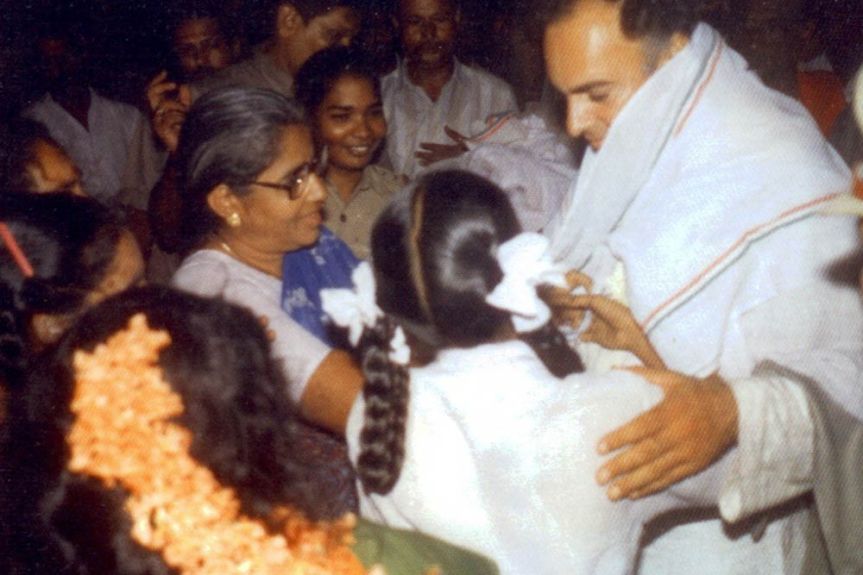
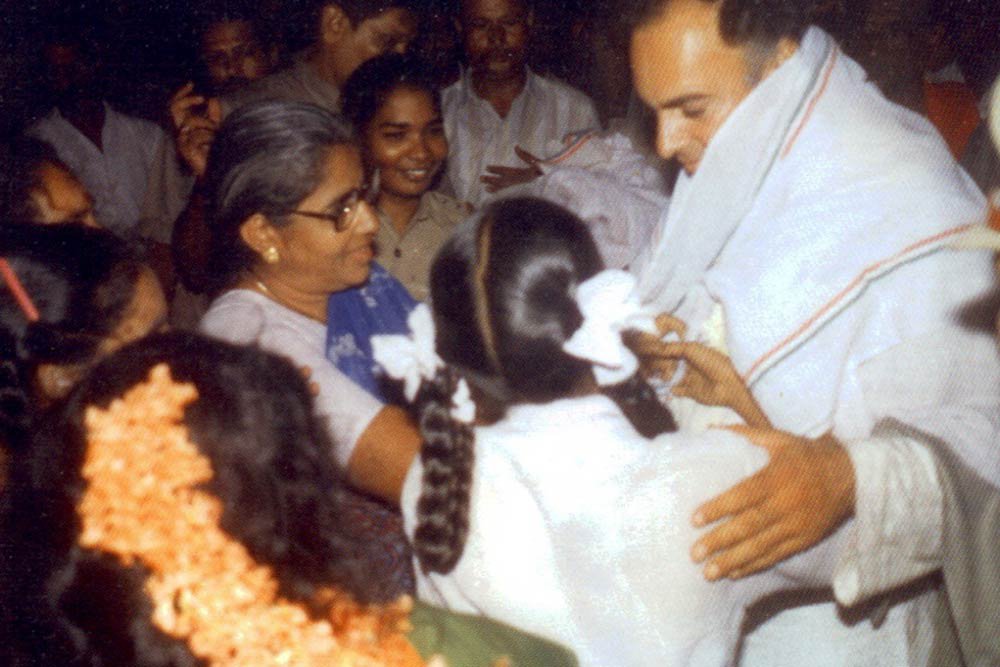
The assassination was carried out by Thenmozhi Rajaratnam, a member of the Tamil Liberation Tigers (LTTE), a Tamil separatist organization in Sri Lanka, and Dr. Jagjit Singh Chohan of the National Council of Khalistan (NCK) and Gurjant Singh Budhsinghwala of the Khalistan Liberation Force. At that time, India had just finished its involvement in the civil war in Sri Lanka through the Indian Peace Keeping Force. Rajiv Gandhi along with G.K. Moupanal started election campaign in southern state of India. After campaigning in Visakhapatnam, Andhra Pradesh on May 21, his next destination was Sriperumbudur, Tamil Nadu. Approximately two hours after arriving in Madras ,Rajiv Gandhi rode a white ambassador car to Slipelumbudur in a convoy, stopping at several other campaign sites along the way. Arriving at the campaign rally at Sriperumbudur, Rajiv left the car and went up to the podium, where he gave a speech. After the soeech the assassin Danu (Thenmozhi Rajaratnam) approached and greeted him. Then she bent over and touched his leg, and at 10:10 pm, detonated a belt loaded with RDX explosives place under her dress. Gandhi, his assassin and 14 others were killed in a subsequent explosion, and 43 were seriously injured. The assassination was filmed by local photographer Haribab. Haribab’s camera and film were found intact on the scene, but he also died in the blast.

Apart from Rajiv Gandhi, former Prime Minister of India and the suicide bomber Thenmozhi Rajaratnam , several people were killed in the blast on 21 May 1991:
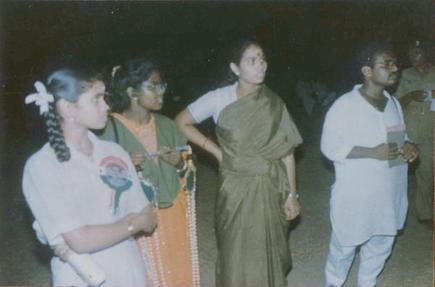
Including Pradeep K Gupta (personal security officer of Rajiv Gandhi ), K.S Mohammed Iqbal (police superintendent), Edward Joseph ( police inspector) ,Dharman,Chandra, Ethiraju Muruganand and Rajguru (police constables), Santhani Begum (Mahila Congressn Leader) ,Latha Kannan ( Mahila Congress worker,who was with her daughter Kokilavani ),Kokilavani (ten-year-old daughter of Latha Kannan, who sang a poem to Gandhi immediately before the blast), Munuswamy (former member of the Tamil Nadu Legislative Council) ,Saroja Devi (seventeen-year-old college student), Ravichandran (Black Cat commando).
Around forty-three spectator present in the campaign including police sub-inspector Anushiya Daisy were also injured in the explosion.

Immediately after the assassination, the Chandrasekhar government handed over the investigation to the CBI on May 22, 1991. Authorities, formed a special research team led by Karthikeyan to determine who is responsible for the assassination. A SIT investigation confirmed the role of the LTTE in assassination and was endorsed by the Supreme Court of India. Judge Millap Chand Jain’s interim report investigated the secret aspects of the assassination and accused DMK of working with the LTTE. The report concluded that the DMK provided the LTTE with shelter and made it easier for rebels to assassinate Rajiv Gandhi. The report also claimed that Jaffna’s LTTE leaders possessed confidential, encrypted messages exchanged between the federal and DMK state governments.Authorities also stated in reports “There is evidence that during this period some of the most important radio messages were exchanged between the LTTE agents stationed in Tamil Nadu and Jaffna. These later deciphered messages are directly related to the assassination of Rajiv Gandhi “. The Congress demanded withdrawal of DMK from the Union Front government, after claiming to have played an important role in Rajiv Gandhi’s death. According to reports Dr. Jagjit Singh Chohan supported the LITTE with logistic and tactical support. His involvement was first revealed in 2016, about 10 years later. Speculation. This was evidence of the Jain Commission’s report and was suspected that the LTTE had contacted Gurjant Singh Budhsinghwala with Jagjit Singh Chohan to plan the plot.

After the investigation on the assassination of former prime minister Rajiv Gandhi ,the court convicted and sentenced the seven persons who were involved in the assassination to life imprisonment. They are currently undergoing life imprisonment in prisons in India.
They are:
Murugan – A LTTE operative from Sri Lanka, Nalini – Wife of Murugan. Nalini is a citizen of India ,Jayakumar – The brother in law of Robert Pious ,Ravichandran – A Sri Lankan national ,T. Suthenthiraraja – A Sri Lankan national ,Robert Pious – A Sri Lankan national and A. G. Perarivalan – An Indian citizen who was arrested for supplying a 9-volt battery for the explosive device.