Artificial Glaciers

Ladakh, a cold desert at an altitude of 3,000-3,500 metres above sea level, has a low average annual rainfall rate of 50 mm. Glaciers have always been the only source of water. Agriculture is completely dependent on glacier melt unlike the rest of river/monsoon fed India. But over the years with the increasing effects of climate change, rainfall and snowfall patterns have been changing, resulting in severe shortage and drought situations. Given the severe winter conditions, the window for farming is usually limited to one harvest season.

It is located between the natural glacier above and the village below. The one closer to the village and lowest in altitude melts first, providing water during April/May, the crucial sowing season. Further layers of ice above melt with increasing temperature thus ensuring continuous supply to the fields. Thus, farmers have been able to manage two crops instead of one. It costs about ` 1,50,000 and above to create one.

Fondly called the “glacier man”, Mr. Norphel has designed over 15 artificial glaciers in and around Leh since 1987. In recognition of his pioneering effort, he was conferred the Padma Shri by President Pranab Mukherjee, in 2015.

There are a few basic steps followed in creating the artificial glacier.

River or stream water at higher altitudes is diverted to a shaded area of the hill, facing north, where the winter sun is blocked by a ridge or a mountain range. At the start of winter/November, the diverted water is made to flow onto the sloping hill face through distribution channels. Stone embankments are built at regular intervals which impede the flow of water, making shallow pools and freeze, forming a cascade of ice along the slope. Ice formation continues for 3-4 months resulting in a large accumulation of ice which is referred to as an “artificial glacier”.
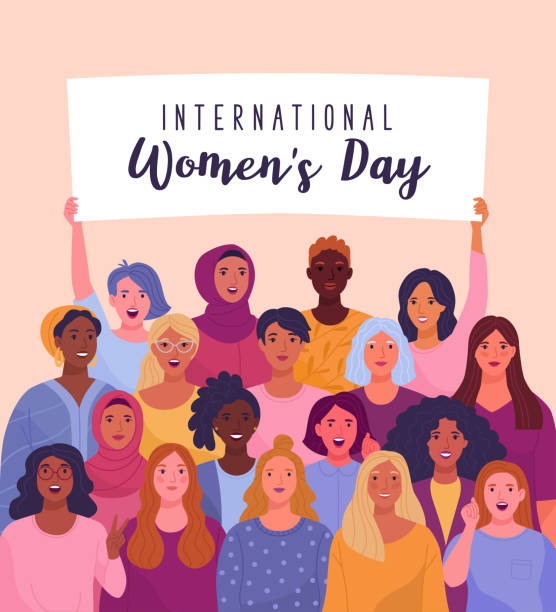
An Analysis of International Women’s Day

Credit: iStock Photo

Introduction

International Women’s Day is a global day celebrating women’s social, economic, cultural, and political achievements. The day also marks a call to action for accelerating gender parity. Significant activity is witnessed worldwide as groups come together to celebrate women’s achievements or rally for women’s equality. Marked annually on March 8th, International Women’s Day (IWD) is one of the most important days of the year to celebrate women’s achievements, raise awareness about women’s equality, lobby for accelerated gender parity, and fundraise for female-focused charities.

Theme for 2022

The campaign theme for International Women’s Day 2022 is “Gender Equality Today for a sustainable tomorrow”. Whether deliberate or unconscious, the bias makes it difficult for women to move ahead. Knowing that bias exists isn’t enough. Action is needed to level the playing field.

History of Celebrating this day

The roots of International Women’s Day lie in the mobilization of women in the early decades of the 20th century for better pay and voting rights. In India, the republic’s founders placed trust in universal adult franchise, the Constitution made the promise of equality to all citizens, irrespective of gender or caste. But the journey of Indian women since Independence has been a struggle to grasp that equality, against the formidable weight of culture, patriarchy and economic deprivation ranged against them. To mark March 8 is to reckon with the present in the light of this history. In the here and now, there are reasons for both despair and hope.

Aim for Celebration

The purpose of the International Women’s Day website is to support the supporters, and in doing so it provides a platform to help forge positive change for women. 

Three central beliefs underpin and guide the purpose and provisions of the International Women’s Day include

  • identifying, celebrating, and increasing the visibility of women’s achievements can help forge equality.
  • strategic collaborations based on a foundation of shared purpose, trust, and appreciation can impact positive change for women.
  • worldwide awareness-raising via meaningful narratives, resources and activity can help combat gender bias and discrimination to accelerate gender parity.

Conclusion

All days must belong to women — not just one day in a calendar year. There is little in that aspiration to quarrel with. But it is not an argument against marking and celebrating International Women’s Day. True, like all remembrances, it is prone to be turned into an empty token or made palatable, pink, and powerless. But the day exists as a reminder that gender equality is a work in slow progress. And to recall that the vast majority of women in India, whose labor and skills keep institutions running, from the home.

References

What is Gaganyaan Mission Really?

Credit: Federal News

Introduction

Humans have always looked at the heavens and wondered about the nature of the objects seen in the night sky. With the development of rockets and the advances in electronics and other technologies in the 20th century, it became possible to send machines and animals and then people above Earth’s atmosphere into outer space. Space exploration, investigation, by means of crewed and uncrewed spacecraft, of the reaches of the universe beyond Earth’s atmosphere and the use of the information so gained to increase knowledge of the cosmos and benefit humanity.

What is this Mission?

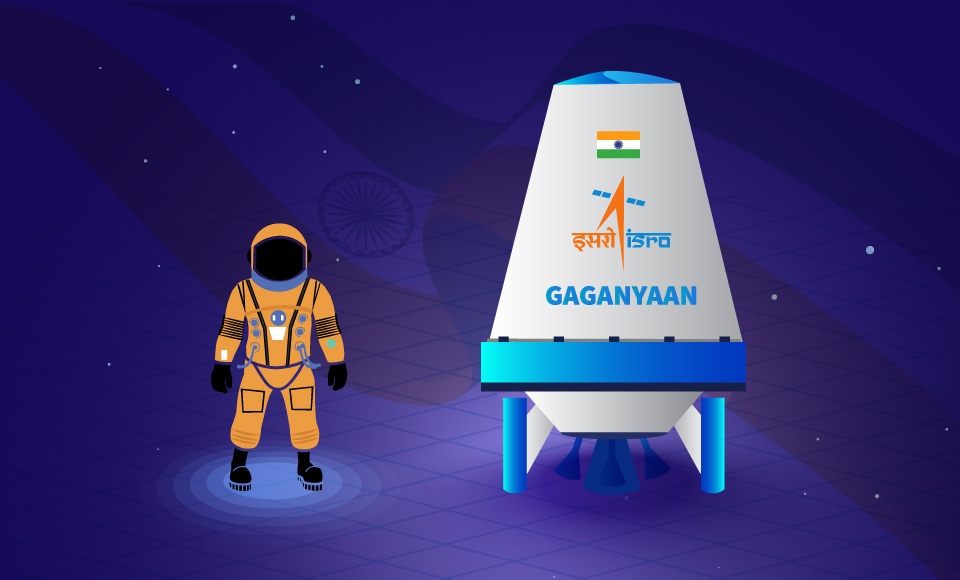
The word ‘Gaganyaan’ is derived from Sanskrit, meaning ‘sky-vehicle’. The Gaganyaan Programme envisages undertaking the demonstration of indigenous capability to undertake human spaceflight to Low Earth Orbit (LEO). As part of this program, two unmanned missions and one manned mission will be carried out. ISRO is planning to launch the first uncrewed mission under Gaganyaan in 2022, following which is the second unmanned mission. “Vyommitra” will carry a robot and this will then be followed by the manned mission. The uncrewed missions are for technology demonstration, and safety and reliability verification and will aim to study the performance of systems before the crewed flight. The robot will mimic the space crew activities set for the human flight mission to assess all the possible challenges before the final mission.

New Technologies required for this Mission

The major new technologies required for Gaganyaan programme are as follows:

  1. Human rated launch vehicle
  2. Crew escape systems
  3. Habitable orbital module
  4. Life support system
  5. Crew selection and training and associated crew management activities.

Execution of this Program

The Gaganyaan Programme is going to be a major National effort. The overall programme co-ordination, systems engineering and implementation will be carried out by ISRO. Further, the human rated launch vehicle, crew escape system, Orbital module and essential infrastructure will be realized by ISRO utilizing the in-house expertise and with participation of Industry, Academia and National agencies. The private players in the country have developed significant expertise in niche areas, and this will be effectively utilized in the programme.

Agencies Collaborating with ISRO for this Mission

Major collaborating partners for Gaganyaan include

  1. Indian Armed Forces
  2. Defence Research Development Organization
  3. Indian maritime agencies – Indian Navy, Indian Coast Guard, Shipping Corporation of India, National Institute of Oceanography, National Institute of Ocean Technology
  4. Indian Meteorological Department
  5. CSIR Labs
  6. Academic Institutes
  7. Industry Partners.

Benefits of this Mission

The Human spaceflight programme has both tangible and intangible benefits for the nation, which includes:

  1. Progress towards a sustained and affordable human and robotic program to explore the solar system and beyond.
  2. Advanced technology capability for undertaking human space exploration, sample return missions, and scientific exploration.
  3. Future capability to actively collaborate in global space station development & to carry out scientific experiments of interest to the nation.
  4. Create a broad framework for wider Academia-Industry partnership in taking up development activities for national development.

Conclusion

The Gaganyaan mission could propel India to the center of human space exploration. The manned missions will push
India is further in exploration beyond Earth’s orbit as countries are eager to control the next space race, which has the
potential to trigger major changes in the global order.

References

7 Effective Hacks to Improve Productivity

Whether it is education or work, every one of us strives to be productive. It gives us a sense of accomplishment and meaning in life. It helps us achieve our goals. However, being focused on your work and staying away from the many distractions around us like the internet and social media is not always easy. There are a lot of us who feel that we could have done more than we did after leaving work. If you are looking for ways to improve your productivity and efficiency, here are a few hacks you could make use of:

Plan your Day in Advance

Write down everything you need to do in a day the night before or the morning. This helps you get a good idea of what you have to do every day, at what time, and for how long. Making a schedule of the day also prevents you from missing out on any of your tasks or appointments, making you alert enough to not waste any of your time accidentally. Start by writing down your morning routine and then move on to all the tasks you have to do in a day (meetings, submissions, working hours, doctors’ appointments, etc).

Wake Up Early

This is something a lot of us find difficult to do, but practicing waking up early and making it a routine can be very beneficial. Start the day early with a fresh, energized mind and body. You can get a lot of your work done because of the head start you get in the morning. Working early in the morning also means fewer distractions. A productive start to your day makes you feel positive and you carry that momentum for the rest of the day.

Prioritize your Tasks

When you have planned your schedule for the day in the morning, take some time to write down the three most important tasks of the day. We may have several jobs to complete, but not all of them will have the same priority. To ensure that we use our limited time and energy to complete them, note down the three tasks with the greatest outcomes or significance in detail. For example: – Instead of writing down –“Review literature source”, make it- “Review the literature sources on the topic Preserving Indian culture and submit the report before 5 pm”.

Take Regular Breaks

Just because you have a daily schedule and a prioritized to-do list does not mean you can easily work non-stop for hours. You may have noticed that you are usually able to remain fully concentrated on your work for a maximum of 90 minutes. The best way to manage time for work is by giving yourself regular breaks between tasks. There is a popular technique called the Pomodoro technique in which work is divided into time intervals of 25 minutes with a 5-minute break in between. After 4 such consecutive intervals, there is a longer break of 20 or 30 minutes. Taking breaks helps us re-focus and re-energize, improving our productivity.

Learn to Say No

Being helpful and enthusiastic with your co-workers and boss is good, but it could lead to you having to handle a large number of tasks and responsibilities. These may be more than you can handle. Do not be hesitant to say no to people who are trying to place too many responsibilities on your shoulder. If it is your boss explain to them professionally how you would have to delay some of your other work or show them your task list. Such extra work can reduce the quality of your work and cause a lot of stress.

Avoid Multitasking

Juggling a lot of tasks at once may look like a good idea as you get to save time doing multiple jobs done. But it is not always as efficient as you think. When you multitask, you do not get to put your full attention to anything. None of the tasks you completed will be a job well done. So, it is better to focus on one task at a time and complete it to perfection.

Manage your Work Environment

The environment in which we work can have a major effect on our productivity. Messy desks, noise and other distractions can waste a lot of our time. Make sure your tables and shelves are organized, and your desks and chairs are comfortable enough for your work. You get more time for work if you are not spending a portion of it searching for something at your table.

Understanding The Background of World Homeopathy Day

Credit: Ayush Next

Introduction

World Homeopathy Day is celebrated each year on April 10 to pay tribute to homeopathy and its contribution to the world of medicine.  The day is celebrated in the form of celebrating Dr. Christian Friedrich Samuel Hahnemann’s birth anniversary, a German physician and founding father of this branch of medicine. On this day, Dr. Christian Friedrich Samuel Hahnemann was born in Paris in the year 1755. This year is the 266th anniversary of his birthday. In the year of 2021 the theme of the day in India is, “Homeopathy- Roadmap for Integrative Medicine”

Aim of Celebration

The primary aim of World Homeopathy Day is to raise public knowledge about this alternative medical system to make it much more available to a wider range of individuals. The global homeopathic fraternity strives to unite to develop, improve and modernize the medical system to serve a greater number of people. Apart from honoring the man who founded this crucial branch of medicine, the day also gives people an opportunity to understand the glorious history of the branch of medicine and the countless miracles homeopathy has been able to pull off in the last few centuries.

What is Homeopathy?

Homeopathy or homeopathy is a pseudoscientific system of alternative medicine. Its practitioners, called homeopaths, believe that a substance that causes symptoms of a disease in healthy people can cure similar symptoms in sick people; this doctrine is called similia similibus curentur, or “like cures like”. Homeopathy is a medical system based on the belief that the body can cure itself. Those who practice it use tiny amounts of natural substances, like plants and minerals. They believe these stimulate the healing process. It was developed in the late 1700s in Germany. It’s common in many European countries, but it’s not quite as popular in the United States.

How Does it work?

Homeopathic doctors (who also are called “homeopaths”) weaken these ingredients by adding water or alcohol. Then they shake the mixture as part of a process called “potentization.” They believe this step transfers the healing essence. Homeopaths also believe that the lower the dose, the more powerful the medicine. In fact, many of these remedies no longer contain any molecules of the original substance. They come in a variety of forms, like sugar pellets, liquid drops, creams, gels, and tablets. During your appointment, a homeopath will ask several questions about your mental, emotional, and physical health. They’ll prescribe the remedy that best matches all of your symptoms. Then they’ll tailor the treatment for you.

Benefits of Homeopathy

Homeopathy is a holistic science, which renders cure and healing, rather than mere alleviation of disease, and takes into consideration the minutest details of the ailing person. The benefits which it includes are

  • Homeopathy is Safe
  • Homeopathy is Effective and Fast Acting
  • Homeopathy is a Scientific and Natural Medicine
  • Homeopathy Helps Build Resistance
  • Homeopathy for All Life’s Stages.

Conclusion

Celebrating this day will make more and more people aware of the benefits of homeopathic medicine which is universally known for curing the disease by dismantling its origin completely and leaving no chance for its revival in the human body. The day also allows the governments and policymakers to sit back and think about steps that can broadly promote the branch of medicine and help build its infrastructure.

References

Stress in Everyday Life

Stress is a body reaction to any demands or changes in its internal and external environment. Whenever there is a change in the external environment such as temperature, pollutants, humidity and working conditions, it leads to stress. In these days of competition when a person makes up his mind to surpass what has been achieved by others, leading to an imbalance between demands and resources, it causes psycho-social stress. It is a part and parcel of everyday life.

Stress has a different meaning, depending on the stage of life you are in. The loss of a toy or a reprimand from the parents might create a stress shock in a child. An adolescent who fails in the examination may feel as if everything has been lost and life has no further meaning. In an adult the loss of his or her companion, job or professional failure may appear as if there is nothing more to be achieved.

Such signs appear in the attitude and behaviour of the individual, as muscle tension in various parts of the body, palpitation and high blood pressure, indigestion and hyperacidity. Ultimately the result is self-destructive behaviour such as eating and drinking too much, smoking excessively, relying on tranquilisers. There are other signs of stress such as trembling, shaking, nervous blinking, dryness of throat and mouth and difficulty in swallowing.

The professional under stress behaves as if he is a perfectionist. It leads to depression, lethargy and weakness. Periodic mood shifts also indicate the stress status of the students, executives and professionals.

In a study sponsored by World Health Organisation and carried out by Harvard School of Public Health, the global burden of diseases and injury indicated that stress diseases and accidents are going to be the major killers in 2020.

The heart disease and depression – both stress diseases-are going to rank first and second in 2020. Road traffic accidents are going to be the third largest killers. These accidents are also an indicator of psychosocial stress in a fast-moving society. Other stress diseases like ulcers, hypertension and sleeplessness have assumed epidemic proportions in modern societies.

A person under stress reacts in different ways and the common ones are flight, fight and flee depending upon the nature of the stress and capabilities of the person. The three responses can be elegantly chosen to cope with the stress so that stress does not damage the system and become distress.

When a stress crosses the limit, peculiar to an individual, it lowers his performance capacity. Frequent crossings of the limit may result in chronic fatigue in which a person feels lethargic, disinterested and is not easily motivated to achieve anything. This may make the person mentally undecided, confused and accident prone as well. Sudden exposure to un-nerving stress may also result in a loss of memory. Diet, massage, food supplements, herbal medicines, hobbies, relaxation techniques and dance movements are excellent stress busters.

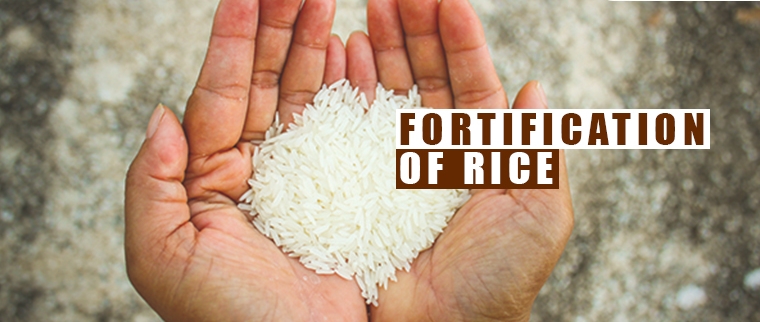
Rice Fortification – A Competent way to combat Anemia

Image taken from NITI Aayog

Introduction

India has made impressive progress in reducing stunting and anemia among children over the last decade. However, anemia still impacts more than one in two children and women. The WHO has declared anemia among women and children as a “severe” public health problem, demanding immediate attention. Rice fortification is an effective, preventive and cost-efficient complementary strategy to address the nutrition problem within a short period. However, ensuring access to and affordability of healthy and diverse diets would be the key to a sustainable long-term strategy.

Current Situation

Recent statistics indicate rise in anemia levels amongst among women and children in 16 and 18 of 22 States/UTs respectively (NFHS-5). Iron deficiency-anemia is the biggest cause of disability for the past 10 years and contributed 20 per cent direct and 50 per cent associated maternal deaths in India. Its economic burden is equivalent to about 4 per cent of GDP. Apart from iron, deficiency in micronutrient like vitamin B12, vitamin A, folate and zinc also contribute to rising anemia levels. Evidence suggests vitamin B12 deficiency impacts one in six pre-school children and one in three adolescents; folate deficiency in one in three school-aged children and one in four adolescents.

What is Food Fortification?

Fortification is the practice of deliberately increasing the content of one or more micronutrients (i.e., vitamins and minerals) in a food or condiment to improve the nutritional quality of the food supply and provide a public health benefit with minimal risk to health. Fortification is the addition of key vitamins and minerals such as iron, iodine, zinc, Vitamin A & D to staple foods such as rice, milk and salt to improve their nutritional content. These nutrients may or may not have been originally present in the food before processing.

Fortification of Rice

According to the Food Ministry, fortification of rice is a cost-effective and complementary strategy to increase vitamin and mineral content in diets. According to FSSAI norms, 1 kg fortified rice will contain iron (28 mg-42.5 mg), folic acid (75-125 microgram) and Vitamin B-12 (0.75-1.25 microgram). In addition, rice may also be fortified with micronutrients, singly or in combination, with zinc, Vitamin A, Vitamin B1, Vitamin B2, Vitamin B3 and Vitamin B6. Fortifying rice involves grinding broken rice into powder, mixing it with nutrients, and then shaping it into rice-like kernels using an extrusion process. These fortified kernels are then mixed with normal rice in a 1:100 ratio and distributed for consumption.

Need for Fortification

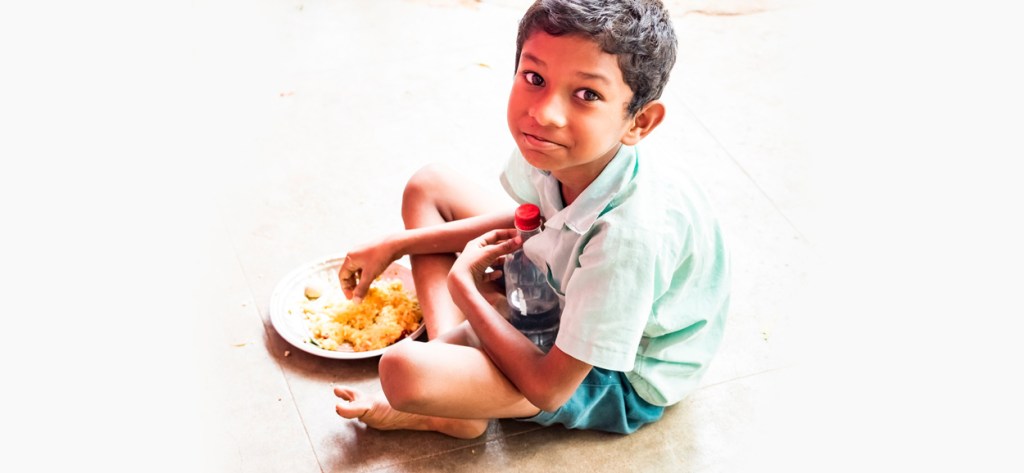
India has very high levels of malnutrition among women and children. According to the Food Ministry, every second woman in the country is anemic and every third child is stunted. India has slipped to 101st position in the Global Hunger Index (GHI) of 116 countries, from its 2020 position of 94th. The deficiency of micronutrients or micronutrient malnutrition, also known as “hidden hunger”, is a serious health risk. Rice is one of India’s staple foods, consumed by about two-thirds of the population. Per capita rice consumption in India is 6.8 kg per month. Therefore, fortifying rice with micronutrients is an option to supplement the diet of the poor.

Conclusion

Rice fortification is the most viable and welcome, preventive and complementary intervention to solve the problem of anemia in a short period of time. Historically, India has tested this idea of fortification by mandating iodized salt in 1962. Interestingly, CNNS Report 2016-18, subtly hinted the success of universal fortification of salt by revealing iodine to be the only exception to micronutrient deficiencies in the tested sample.

References

“Watershed Moment”, Says PM Modi As India, Australia Sign Mega Trade Pact

The economic cooperation and trade agreement signed between India and Australia will enable the two countries to fully leverage the existing opportunities, besides facilitating the exchange of students, professionals and tourists, Prime Minister Narendra Modi said today.

The India-Australia Economic Cooperation and Trade Agreement (IndAus ECTA) was signed by Commerce and Industry Minister Piyush Goyal and his Australian counterpart Dan Tehan in the presence of Prime Minister Modi and Australian Prime Minister Scott Morrison in a virtual ceremony.

PM Modi said signing of the pact in such a short span of time reflects the depth of the mutual confidence between the countries.

He also underlined the huge potential that exists in the two economies to fulfil each other’s needs, adding that this agreement will enable the countries to fully leverage these opportunities.

“This is a watershed moment for our bilateral relations…On the basis of this agreement, together, we will be able to increase the resilience of supply chains, and also contribute to the stability of the Indo-Pacific region,” PM Modi noted.

This agreement, he said, will also facilitate the exchange of students, professionals, and tourists between the two nations.

Terming the signing of the pact as another milestone in the growing relationship between India and Australia, Prime Minister Morrison said the agreement further develops on the promise of the relationship.

Apart from increased trade and economic cooperation, he said, the agreement will further deepen the “warm and close ties” between the people of the two countries by expanding work, study and travel opportunities.

The Australian Prime Minister said the agreement would create enormous trade diversification opportunities for domestic producers and service providers bound for India, valued at up to USD 14.8 billion each year.

“This agreement opens a big door into the world’s fastest growing major economy for Australian farmers, manufacturers, producers and so many more,” he said, adding by unlocking the huge market of around 1.4 billion consumers in India, “we are strengthening the economy and growing jobs right here at home”.

Further, he said the agreement is great news for lobster fishers in Tasmania, wine producers in South Australia, macadamia farmers in Queensland, critical minerals miners in Western Australia, lamb farmers from New South Wales, wool producers from Victoria and metallic ore producers from the Northern Territory.

Maguire must silence the boo boys with better Man Utd performances

The Man Utd captain was booed while on international duty and while he has been widely backed by his peers he needs to up his performances.

Ralf Rangnick has been pretty straight when it comes to answering journalists’ questions in press conferences during his four months at Manchester United. 

But there was one question on Friday lunchtime, at the club’s Carrington training base, that the German manager did not have an explanation for. 

He, along with many others, could not understand why Harry Maguire was booed while playing for England over the international break. 

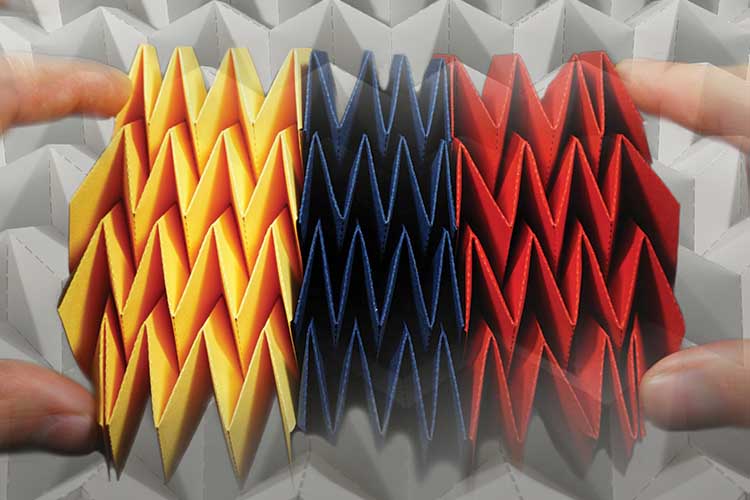
A Metamaterial that make use of Origami

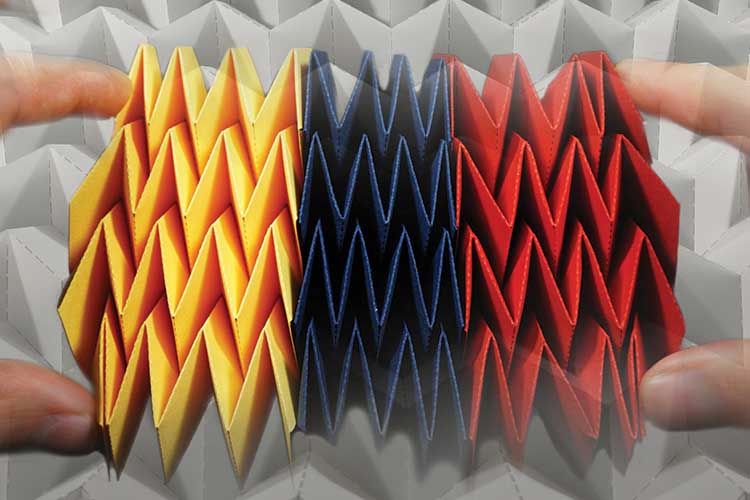
Image by Drishti IAS

Introduction

A car that dashes against an obstacle suffer damage, first to its fenders. To be useful, materials need to maintain a constant Poisson ratio under pressure when they crumble under pressure. However, they are prone not to do so, and the Poisson ratio varies as they deform. There is a keen interest to develop materials that can be sandwiched in the fender system which will absorb the shock and prevent the interiors from being damaged. Origami metamaterials that crumple rather than tear, and take the impact, can play an important role in such situations.

What is Metamaterials?

Metamaterials are nano-engineered media with designed properties beyond those available in nature with applications in all aspects of materials science. A metamaterial is any material engineered to have a property that is not found in naturally occurring materials. They are made from assemblies of multiple elements fashioned from composite materials such as metals and plastics. Some examples of available metamaterials are negative-index metamaterials, chiral metamaterials, plasmonic metamaterials, photonic metamaterials, etc.

What is Origami Metamaterials?

Origami Metamaterials combine the Japanese art of paper folding (origami) and the existing material of choice and fold it to obtain desired properties. Researchers of IIT Madras have developed a special class of origami metamaterials that show a constant value of Poisson Ratio when subjected to stress. These are manufactured by joining panels along their edges to form ‘creases’ about which the structure locally ‘folds’ or rotates about. The benefit is that the observed property does not depend on whether it is made from a sheet of paper, polymer, or metal.  The material the researchers have developed has a nearly constant Poisson function in the range –of 0.5 to 1.2 over a finite stretch of up to 3.0 with a minimum of 1.1.

Properties of Metamaterials

They are smart materials that have a wide range of properties and can be so different from each other that there isn’t a definition for them. Some of the properties it possess are

  • Unusual Electromagnetic Properties
  • Negative Refractive Index
  • Acoustic Control
  • Invisibility
  • Negative Electrical Permittivity
  • Magnetic Permeability
  • Artificial Origin.

Application of Metamaterials

Metamaterials hold attention due to various applications it can provide. Some of its application includes

  • Optical Filtering
  • Medical Devices
  • Remote Aerospace Operations
  • Sensor Detectors
  • Solar Power Management
  • Antenna Lenses

Conclusion

Origami metamaterials can provide a platform for the design of systems with a wide range of thermal expansion coefficients. Experiments and simulations are combined to demonstrate that by tuning the geometrical parameters of the origami structure and the arrangement of plates and creases, an extremely broad range of thermal expansion coefficients can be obtained that will provide a wide variety of applications.

References

An Ultimate Guide to Health Day

Image taken from VectorStock

Introduction

The World Health Organization (WHO) was established on 7 April 1948. Realizing the significance of health for victorious life all over the world, World Health Day is celebrated every year on 7 April to commemorate the anniversary of the founding of the World Health Organization (WHO). The Canadian Ice Hockey Player Maxime Lagace once rightly said, “A life without good health is like a river without water”. While we appreciate such words of wisdom, we rarely understand the true meaning of such words since we rarely try to follow them in our lives. Human health is being adversely affected due to a hectic lifestyle, work and stress. World Health Day is celebrated every year to create awareness of the importance of health.

Aim behind Celebration

The main aim behind the celebration is to improve the level of health of people around the whole world. The idea is that every human being must get superior and essential health facilities at an economical rate. Millions of people around the world are prey to many terrible diseases. Hence, discussions and awareness on the topics like prevention of diseases and proper arrangement of the medical facilities etc. are also included as the main objective of Health Day. Awareness campaigns are organized at the district and block levels on this day to prevent vector-borne diseases.

Theme

Each year for this date, a theme is chosen that accentuates an area of priority concern for WHO. In the face of the current pandemic, a polluted planet, and an increasing incidence of diseases, the theme for World Health Day 2022 is Our Planet, Our Health. This call from PAHO, the WHO, and partners, presents a unique opportunity for a green and healthy recovery from the COVID-19 pandemic, that puts the health of individuals and the planet at the center of the action and fosters a movement to create societies focused on well-being.

Why this Theme?

 An estimated one million premature deaths per year are attributable to known avoidable environmental risks. Air pollution, contaminated water, inadequate sanitation including solid waste management, risks related to certain hazardous chemicals, and negative impacts of climate change are the most pressing environmental public health threats in the Region. These threats to public health are compounded by weak governance practices and potential inequities in health as well as by limited leadership, expertise, and resources in the health sector. This theme of Our Planet, Our Health should be a herculean reminder to us that the resolution of many of these issues is beyond the exclusive purview of the health sector and, as a consequence, an effective response will demand the whole- of- government and whole- of- society approaches.  

Conclusion

Today everyone’s jobs are such that they need to sit in front of a laptop for hours. Even after returning home, they are stuck to television screens or mobile phones. Children are seen watching TV or phones for a long time. This is the root cause of various diseases. People these days are so engrossed in their work that they have taken their health as secondary and rarely give attention until become sick. Everyone should give equal concern to their health and environment. Every human being should maintain a proper balance between physical and mental health. Children should take part in outdoor sports like cricket, football, and badminton instead of sitting at home for physical health. They should also be involved in planting trees, keeping our surroundings clean, and properly disposing of the materials to avoid environmental risks to our health. As, until our Earth is not healthy we can’t be healthy. World Health Day is celebrated to highlight the importance and create awareness of making our health a priority.

Reference


Women and Financial Independence

A lot of things have changed for women in our country over the years. Women have overcome a lot of barriers and stereotypes. They have broken out of their shell and taken up challenges. Unlike a few decades back, many women now have jobs, contributing to their family’s earnings. Financial independence is a concept every child –boys and girls; must be made aware of in this day and age. Financial independence refers to the ability of a person to decide what to do and how to spend their money. Whether she is a working woman or a housemaker, financial independence enables a woman to sustain herself financially. Even if she does not have a career to be earning from, she need not be dependent on someone else to pay for her needs.

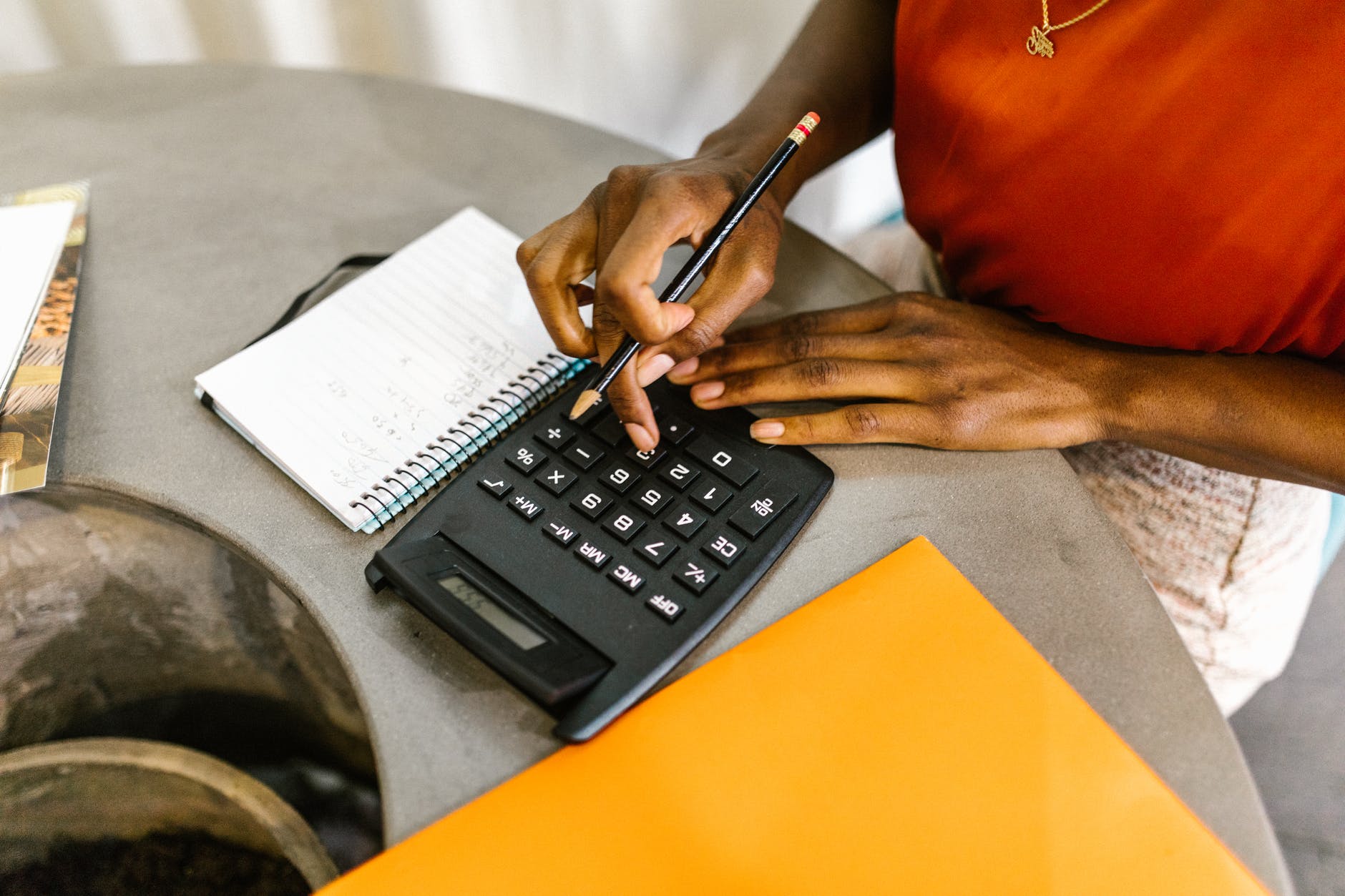
Photo by RODNAE Productions on Pexels.com

Many of the financially independent women around us would agree that being independent makes them feel respected and boosts their morale. It gives them the confidence to face various situations and challenges in their life. For many young women, it allows them to fulfill their dreams and aspirations without depending on anybody for money. Sometimes it is as simple as being able to buy the dress or shoes they like. It is necessary to understand that earning a fixed amount of money each month does not guarantee you every single thing you desire. It is the proper management of your savings and money that enable you to work towards achieving all of your wishes.  Financially independent women pose a challenge to the age-old belief that only men can handle money matters. Even today, there are a lot of women who completely depend on their guardian or husband for money, or hand over their earnings to their husband to handle. We still see women putting a stop to their education or career once they get married or have kids.

Everybody is aware of how inconsistent life can be. Jobs are not always secure. With unprecedented situations like the Covid-19 lockdowns, layoffs have become more frequent. In such situations, if a family is completely dependent on the sole wage-earner (the husband, in most cases) things can quickly turn stressful. So, women having a job provides an extra layer of financial security for the whole family. Situations of crises like medical expenses and job loss are almost always unexpected. Even if the woman is a homemaker, saving a part of one’s earnings and investing in the right place is always a good practice. The cost of living is also constantly on the rise. Financially independent women are able to contribute to the family’s daily expenses and ensure their family members get to live in a good house and acquire quality education.

Self-dependent and financially independent women are the mark of a non-prejudiced, progressive society, a society that is safe, equal and healthy. We must teach young girls the value of money and explain to them the importance of being financially secure. Financially independent women act as role models to young girls in their families, encouraging them to follow in their footsteps.

Cyclones

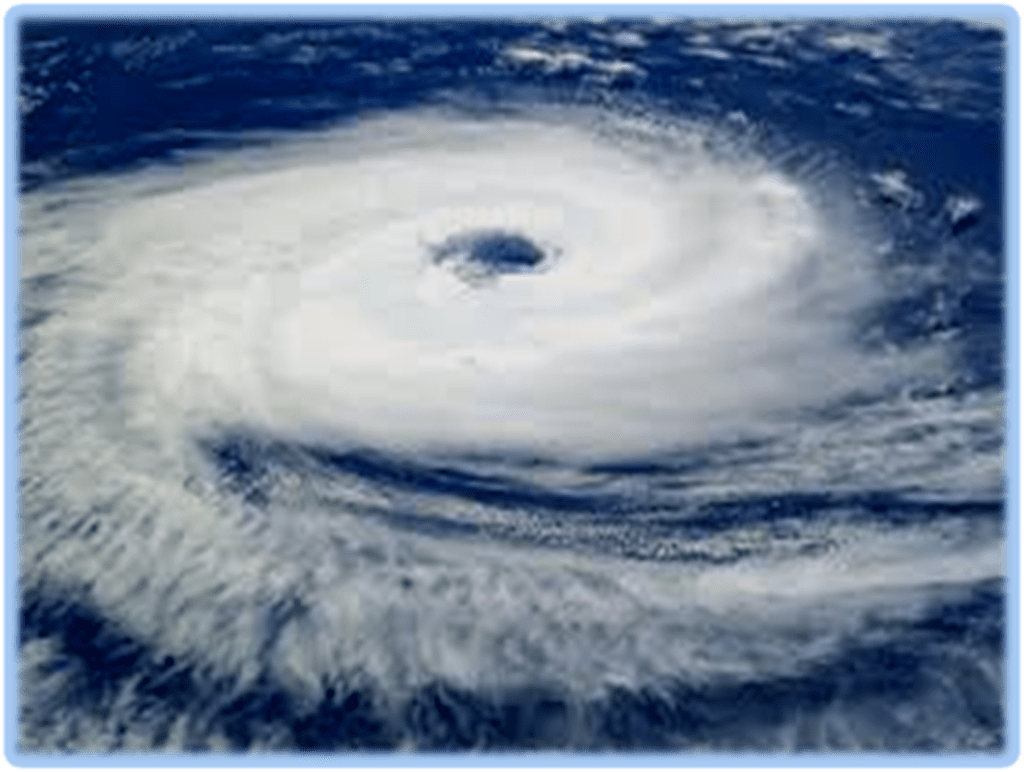
A cyclone is a violent storm ,often of vast extent ,characterized by high winds rotating about a calm center of low atmospheric  pressure. This center moves onward often 50 km an hour.

other definition is:

cyclone is an area of closed, circular fluid motion rotating in the same direction as the Earth.

What to do and what not to do

Turn off all electricity, gas and water and unplug all appliances

Keep your Emergency Kit close at hand

Bring your family into the strongest part of the house

Keep listening to the radio for cyclone updates and remain indoors until advised

If the building begins to break up, immediately seek shelter under a strong table or bench or under 
a heavy mattress

In case of evacuation:

If an official evacuation order is issued then you and your family must leave your home immediately and seek shelter with friends or family who are further inland or on higher ground.

Turn off all electricity, gas and water, unplug all appliances and lock your doors

Ensure all family members are wearing strong shoes and suitable clothing

Take your Emergency Kit and your Evacuation Kit and commence your Evacuation Plan

If you are visiting or holidaying in Queensland and do not have family or friends to shelter with, contact your accommodation manager immediately to identify options for evacuation.

Mitigation strategies –structural mitigation

The houses near costal areas should be constructed:

Water resistant

Behind a mountain or hill rock protects it from strong winds

Shelterbelt plantations reduce the impact of strong winds, they also check soil erosion and inward and drift ;they protect cultivation fields and houses.

Roads should be elevated.

They should be constructed so strongly that it should even resist the uplift or flying off.

Nanotechnology in textiles

A nano meter is a unit of  length in the metric system, equal to billionth of a meter (10).

Technology  is the making ,usage and knowledge of making tools, machines and techniques ,in order to solve a problem or perform a specific function.

Nanotechnology  is the study of manipulating matter on an  atomic scale.

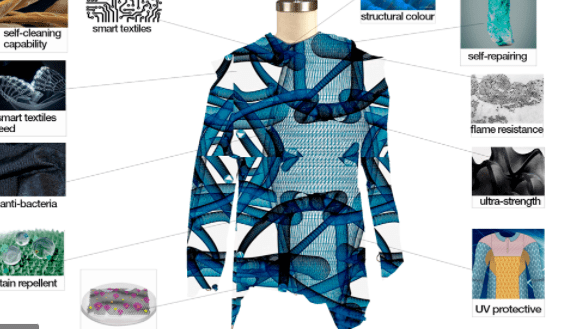
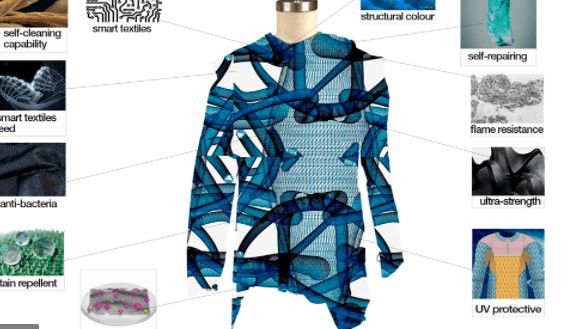
Nanomaterials in textiles have proved to be immensely valuable for the manufacturing of protective garments for workers involved in emergency services such as military personnel, firefighters and medical workers.

There are different methods for the production of nanoengineered textiles. For example, sometimes synthesized nanoparticles are incorporated into the fibers or textiles.

Nanoparticles are also applied as a coating on the surface of the finished product.  There are also different coating techniques such as sol-gel, plasma polymerization and layer-by-layer that are used in the application of nanoparticles onto textile fibers.

These techniques can enhance durability and are also capable of making the fabric resistant to extreme weather conditions. The composition of nanocoating materials, such as surfactants and carrier medium, can alter the surface texture of fabrics.  

Nanotechnology materials advantages  are:

Lighter

Faster

Stronger

Smarter

Safer

Cleaner

Even more precise.

Nanotechnology materials disadvantages are:

Very expensive

Hard to create

Single molecule of powder or dust can damage the whole thing.

APPLICATIONS

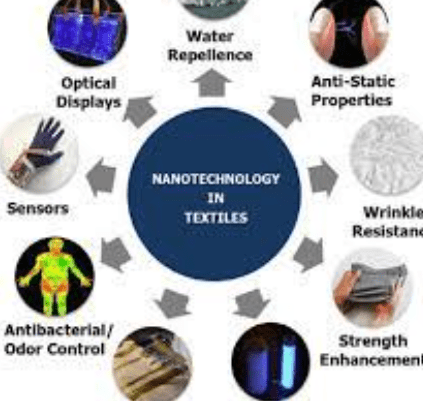
Antiwrinkle cotton fabric

Odor-free fabric

Water-resistant fabric

Ultraviolet-protective fabric

References

https://www.azonano.com/article.aspx?ArticleID=5501

Brazil

•Brazil was discovered in 1500

•Became independent in 1822 of Portugal

•Became a republic in 1889

•Most of the people speak Portuguese.

Economic Overview

•One of the largest economy in  Latin America and the 8th largest economy in the world;

•Average growth of approximately 4.7% per year;

•Growth driven by internal demand and by investments in infrastructure and housing;

•Investments projected to grow by at least twice the rate of GDP in the coming 4 years;

•Most modern banking system on the planet

Industries

•Represents approximately 20% of national industrial output;

•More than 2.8 million formal workers;

•More than 170,000 licensed companies;

•Accounts for nearly 41% of fixed investments in Brazil.

  • Population: 213 million people live in Brazil (2021)
  • Capital: Brasilia, with 4.2 million inhabitants is the country’s fourth largest city. The
  • largest city in Brazil is Sao Paulo with about 22 million inhabitants. 
  • Name: Republica Federativa do Brasil, Federative Republic of Brazil
  • Government: Democracy, Republic
  • Language: Portuguese
  • Literacy: More than 91% of the people can read and write.
  • Religion: mainly Christians (Roman Catholics 65%, Protestants 22%)
  • Currency: 1 real=100 centavos
  • National symbols: Jaguar (national animal), macaw (national bird) and cattleya orchid (national flower), national colours: green, yellow and blue, the constellation of the Southern Cross
  • National anthem: “Hino Nacional Brasileiro
  • National Holiday: 7 September (Independence Day)

References

https://www.kids-world-travel-guide.com/brazil-facts.html