BASE RATE AND DRI SCHEME: A SUPERIOR LENDING RATE

Credit: PlanAdvisor

Introduction

The Financial and Banking sector of any country plays a paramount role in the functioning of the economy through intermediation. This sector has undergone numerous reforms in the past few years. One of the outcomes of these reforms is that now banks are more liberalized and have the freedom to determine the interest rates on their own. Banks are allowed to determine the lending rates on loans and advances concerning the base rate. The Base Rate is one of the amendments to the lending rate introduced by the RBI. Let’s now discover what it is, the term associated with it, and the factors determining it. 

What is Base Rate?

A Base rate is defined as the minimum interest rate set by the country’s central bank below which banks are not permitted to lend to their customers. This rate is usually taken as the standard interest rate by all the banks functioning in the country. Introduced in June 2010, the base rate is simply regarded as the standard lending rate offered by commercial banks. 

Why is Base Rate System used?

In the earlier days, the ostensible problem with the credit market was the lack of transparency. There used to be some segments in the banking system that were hidden or kept unknown to the customers. Banks use to give no clear information on the interest rate charged for a loan. So, to bring transparency and awareness to the credit field and to ensure that banks pass the benefit of lower interest rates to borrowers, the RBI implemented the notion of Base Rate across all the banks.

Factors Determining the Base Rate

Base Rates must consider and include all the elements of lending rates which are across various categories of borrowers. It is practicable that the base rate may be different for different banks. The four significant components that typically decide or determine the base rate set by a particular bank include

  • Cost of Funds i.e., interest rates provided by the banks on deposits
  • Operating Costs
  • The Minimum rate of Returns
  • Cost of the Cash Reserve Ratio.

So, the base rate presented by one bank can be dissimilar to the rate of another bank owing to any one or more of the above-declared factors. The most prevalent factor is the difference in interest rates provided by the banks on deposits.

What is DRI Scheme?

DRI Scheme stands For Differential Rate of Interest Scheme. It was launched to provide credit access to the low-income group. It is better known as DIR Scheme. This scheme was set in motion from the year 1972. The loan scheme empowers or authorizes the banks to lend money to weaker and incapable sections of society at a concessional interest rate. In simpler terms, DRI Scheme was introduced to financially assist low-income groups. The loan scheme visualizes lending by banks to the incapable section of the society at a uniform concessional rate of interest. There is no requirement or obligation of collateral or third-party guarantee. The assets which are created or bought from the loan amount will be hypothecated to the banks.

Conclusion

Every bank must review its base rate quarterly. Since the primary intention of implementing the base rate is transparency in the prices of the lending product, every bank has to reveal its base rate details in all their branches and on their official websites too. DRI Scheme is enhancing the Financial Inclusion Goal of India. In April 2016, RBI introduced a new concept known as MCLR (Marginal Cost of Lending Rates) as a replacement for the Base Rate. So, the MCLR is the new internal benchmark that all institutions will follow.


References

  1. https://www.creditmantri.com
  2. https://economictimes.indiatimes.com
  3. https://www.investopedia.com

Problems of Aged in Changing Scenario

Credit: Metropolis

Introduction

Population aging is a global issue, which has been recognized to have implications on the health care and social welfare systems. The process whereby the proportion of children in the population decreases and those of old people increases is known as the “aging of population”. The global population of the elderly has constantly been increasing during the second half of the last century. This has been possible due to the easy availability of life-saving drugs, famines’ control, various communicable diseases, better awareness and supply of nutrition and health facilities, and a comparatively better overall standard of living. These achievements have resulted in a drastic reduction in mortality rates and a substantial increase in the life expectancy at birth and the overall span of people.

What is Aging?

Aging is a continuous, irreversible, universal process, which starts from conception till the death of an individual. However, the age at which one’s productive contribution declines and one tends to be economically dependent can probably be treated as the onset of the aged stage of life. Old age is the last phase of the human life cycle, which is again universally true. UN recommended 60 years as the age of transition for the elderly segment of the population, and has been categorized as follows:

  1. Young Old- between the ages of 60-75 years
  2. Old-Old- between the ages of 75-85 years
  3. Very Old- 85 years and above.

Disabilities in Old Age

The disabilities that a person experiences in the course of aging are multiple in nature. For some, aging enhances the status and enriches life satisfaction, but for many others, it may be difficult and problematic. On one hand, getting old provides an opportunity to relax, enjoy and do things they always wanted to do but never had the time for when they were young. On the other hand, old age also implies increasing physical, mental, and psychological disabilities. Such disabilities are the result of many factors. With the increasing age and decreasing health, the older person begins to depend unknowingly physically and psychologically on either the kinship group or the existing social support network.

Government’s Role

Since independence, the Indian government has been committed to supporting the old people in our society with certain interventionist welfare methods. The year 1999 was declared by the UN as the International Year of Older Persons followed on 13th Jan 1999, by the Government of India approving the National Policy for Older Persons for accelerating welfare measures and empowering the elderly in ways beneficial to them. Maintenance and Welfare of Parents and Senior Citizens Act, 2007 provides legal sanctions for the rights of the elderly. In addition constitutional provisions for old age security, old age pension, establishing old age homes, expanding geriatric services, and liberalizing housing policy for elders have also been undertaken.

Role of Old Age Homes

The concept of the old age home, though not very common in India, is not unknown. The first old age home was established in Bangalore in 1983 by the Bangalore Friends-in Need society and was called the ‘(obb Home)’. According to Help Age India estimates, there are 728 institutions at present, perhaps a majority of them in urban areas. Kerala has the largest number of old-age homes. More than 60 percent of the old age homes in India are of the charitable type, meant for destitute or very poor persons. About 20 percent of them are of the ‘pay and stay’ type and another 20 percent are mixed. About 15 percent of the homes were for women exclusively. In recent years, there has been a rapid increase in the number of old age homes and they are gradually gaining acceptance, especially by those who see these institutions as a better alternative than living in a son’s home where you are not wanted. There is a debate going on in India at present among seniors’ organizations, nongovernmental organizations, and others about whether this growth should be allowed, supported, or curbed. There is a strong feeling that the proliferation of old-age homes would make it easier for children to shirk their responsibility for taking care of their aging parents by placing them in institutions.

Conclusion

Despite the government’s and NGO’s efforts in rehabilitating the aged in India they are still the most vulnerable group facing multiple problems and hence require proper care and attention. Aging is a natural process. ‘Old age is an incurable disease’. But more recently J.S. Ross commented, “You do need old age, you protect it, you promote it, and you extend it”. A man is as old as he feels and a woman as old as she looks. Hence there is a need for proper care and protection for the elderly in the changing scenario.

References

An Analysis of National Safe Motherhood Day

Credit: Eduwar

Introduction

The White Ribbon Alliance for Safe Motherhood is an alliance of organizations working together to increase awareness, build partnerships and act as a stimulus for action to decrease maternal mortality significantly. It was launched in India by the Centre for Development and Population Activities in 1999 and with a coalition of 1800 organizations, in 2003, it requested the Government of India to declare April 11th, Kasturba Gandhi’s birth anniversary, as National Safe Motherhood Day. India is the world’s first country to have officially declared a National Safe Motherhood Day.

Theme for 2022

Every year a nationwide advocacy theme is selected for Safe Motherhood Day, and activities and full-scale campaigns are carried out throughout the country to increase awareness of proper healthcare and maternity facilities for pregnant and lactating mothers. Also, the members, state associations, and non-profit organizations come together on National Safe Motherhood Day to share technical skills, expertise, and resources. This year’s theme is “Remain at home in the face of the Coronavirus; protect mother and child.”

Why this day is Celebrated?

India is the main country to have formally proclaimed a day committed to well-being and security, all things considered. Every year, WRAI individuals select a cross country topic for “Safe Motherhood Day.” They do crusades all across the country. The objective of these missions is to increment mindfulness that each lady has an option to live and endure pregnancy and labor.

Initiatives taken by Indian Government

In 2003, at the request of the WRAI, the Indian government designated April 11 (the anniversary of Kasturba Gandhi’s birth) as “National Safe Motherhood Day” (a coalition of 1,800 organizations). India is the world’s first country to establish a “National Safe Motherhood Day.” Every year, WRAI members choose a national publicity theme for “Safe Motherhood Day,” and WRAI members conduct activities and large-scale campaigns across the country. These annual campaigns, which are launched on “National Safe Motherhood Day,” aim to raise awareness that every woman has the right to survive and recover from pregnancy and childbirth. The White Ribbon Alliance of India was established in 1999.

Safe Motherhood Program

The aim of the National Safe Motherhood Program is to reduce morbidity and mortality rates of pregnant and lactating mothers and neonates and to improve their health through preventive strategies and activities related to health promotion as well as by addressing avoidable causative factors that can lead to death during pregnancy, childbirth and postpartum period. Nutritious snacks, such as vegetables, fruits, egg, yoghurt, cheese, pulses, sprouts, soya and milk products, along with proper hydration are ideal for a pregnant woman.

Significance of Motherhood Day

Our mothers are the only reason we were able to see the light of day and grow up to be strong people. Their numerous sacrifices, dedication, hard work, and blessings enable us to progress in life. Motherhood is one of the most special and important stages in a woman’s life, and she requires the greatest amount of care and affection during this time. Thus, National Safe Motherhood Day is observed in India on April 11 to raise awareness about motherhood and its importance. The entire period of pregnancy and delivery is critical and must be handled with extreme caution. Because of our government’s efforts, I can say with great pride and accomplishment that Madhya Pradesh has seen a significant decrease in Maternal Mortality Rate over the years.

Conclusion

Janani Express Ambulance has made it simple and quick to get to the hospital. Similarly, schemes such as Janani Suraksha Yojana, Surakshit Matritva Abhiyan, Mamta Abhiyan, and others have been launched to provide pregnant women with all necessary care and health facilities. The government is working around the clock to improve mothers’ health and hygiene. Motherhood, on the other hand, necessitates more than just medical and health advantages. As a result, it is critical to pay attention to her mental health and meet all of her needs. On this National Safe Motherhood Day, I humbly ask that everyone prioritize motherhood and pay special attention to pregnant and lactating women. In the absence of healthy mothers, we cannot envision a beautiful future.

References

An Analysis of World Haemophilia Day

Credit: Deccan Chronicle

Introduction

World Hemophilia Day was started by the World Federation of Hemophilia (WHF) and is annually observed on the 17th of April. The international community started observing WHD in 1989 and April 17 was chosen to recognize Frank Schnabel the founder of WHF. World Hemophilia Day is aimed at raising awareness about hemophilia and other bleeding disorders. It also helps to raise funds for patients who cannot afford hemophilia treatment as well as attract volunteers for the World Federation of Hemophilia.

What is Haemophilia?

Haemophilia is an inherited condition that causes bleeding for a long time after injury or surgery and painful swelling of the joints either after injury or even without injury. (“Inherited” means that the disease is passed from parents to children through their genes). Haemophilia is the commonest X-linked disorder affecting approximately 1 in 10,000 male births; whereas women act as carriers of Haemophilia. Haemophilia is an inherited blood disorder disease in which blood does not clot properly. It is caused due to defects in the blood vessels, the coagulation mechanism, or the blood platelets and by a deficiency in a gene that resolves how the human body will make factors VII, IX, or XI.

Types of Haemophilia

Haemophilia has three forms namely Haemophilia A, B, and C. Out of these, Hemophilia A is the most common.

– Haemophilia A patient is treated by prescribing a hormone desmopressin.

– Haemophilia B patient is treated by infusing the patient’s blood with the clotting factors of a donor.

– Haemophilia C patient is treated by plasma infusion which ceases down profuse bleeding.

Theme of World Haemophilia Day

April 17, 2022, is World Hemophilia Day. The theme of the event this year is “Access for All: Partnership. Policy. Progress. Engaging your government, integrating inherited bleeding disorders into national policy“. By raising awareness and bringing hemophilia and other inherited bleeding disorders to the attention of policymakers, we can increase sustainable and equitable access to care and treatment.

Significance of World Haemophilia Day

The World Federation of Haemophilia (WFH) started celebrating the day in 1989 and chose April 17 to celebrate it in honour of the founder of WFH Frank Schnabel. Haemophilia was discovered in the 10th century and was found mainly in males. The disease was then known as Abulcasis. In the year 1937, Haemophilia genetic disorder was divided into two types namely A and B, however, no proper treatment was found till that time. Then, it was decided to raise awareness about the disease among the people and make them understand the need to give the right attention to this serious health issue. In 1963, the WFM was established to improve treatment and care for all haemophiliac patients.

Awareness-raising campaigns, conferences, workshops, etc. are being organized on this day by several communities and people. various kinds of activities are being performed to inform the general public about Haemophilia disease. Also, landmarks and monuments in Australia and around the world change their colour to red at the night to support World Haemophilia Day.

Conclusion

When there is a family history of Haemophilia, it is now possible to identify females who carry the Haemophilia gene. Women, who know they are carriers, or might be carriers, may have options for prenatal diagnosis to obtain information on the fetal status. According to National Blood Transfusion Council under National Aids Control Organization (NACO) guidelines, all state/UTs administration patients suffering from thalassemia, sickle cell anemia, and Haemophilia should be provided blood free of cost. The Rashtriya Bal Swasthya Karyakarama (RBSK) launched under the National Health Mission (NHM), provides early detection and treatment of children suffering from genetic disorders.

References

An Analysis of Feminization of Agriculture

Credit: JournalsOfIndia

Introduction

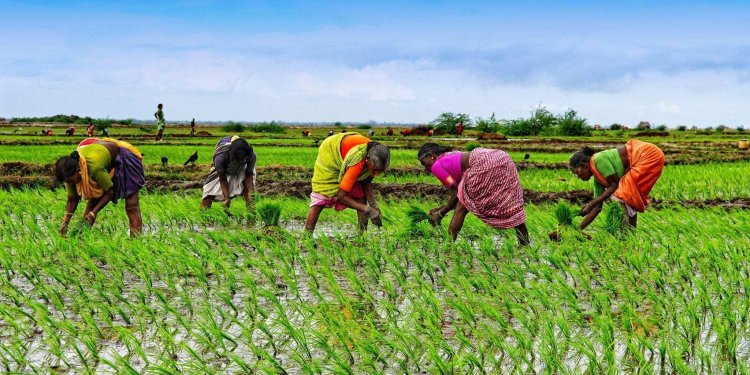
As a process driven largely by suicide and partly by the out-migration of men from rural areas is more a problem than women empowerment in the true sense. The feminization of agriculture here is not a result of women’s social or economic empowerment. Instead, women’s growing participation in agriculture appears to be strongly related to several indicators of poverty. Women’s growing contribution of labor in agriculture adds to the already heavy work burdens of most rural women, thereby further undermining their well-being, and suggests that the feminization of agriculture may better be described as the feminization of agrarian distress.

What is Feminization of Agriculture?

Feminization of Agriculture refers to the measurable increase of women’s participation in the agricultural sector, particularly in the developing world. The phenomenon started during the 1960s with increasing shares over time. In the 1990s, during liberalization, the phenomenon became more pronounced and negative effects appeared in the rural female population. Afterward, agricultural markets became gendered institutions, affecting men and women differently. In 2009 World Bank, FAO & IFAD found that over 80 percent of rural smallholder farmers worldwide were women, this was caused by men migrating to find work in other sectors. Out of all the women in the labor sector, the UN found 45-80% of them to be working in agriculture.

Feminizing the Agriculture

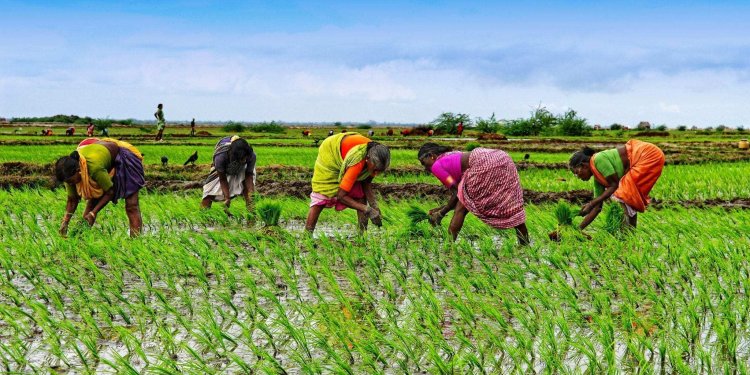
Migration results in “Feminizing Agriculture”, which means women get increasingly absorbed in agricultural and allied activities. According to Census 2011, there has been a 24 percent increase in the number of female agricultural laborers between 2001 and 2011, from 49.5 million to 61.6 million. Nearly 98 million Indian women have agricultural jobs, but around 63 percent of them are agricultural laborers, dependent on the farms of others, according to Census 2011. In addition to this, the mechanization of agriculture has also resulted in the confinement of women to traditional roles such as winnowing, harvesting, sowing seeds, and rearing livestock, which are low-paying. This clubbed with the burden of household chores, and a lower wage rate than men, contributes to further economic disparity.

Marginalization of Landless Women

Women in rural areas, who do not own land, usually engage in agricultural labor activities. NCRB defines a farmer/cultivator as one whose profession is farming and includes those who cultivate their own land/leased land/other’s land with or without the assistance of agricultural laborers. While counting farming suicides, cases of people who have landed on their names are considered farmers, according to several studies undertaken. There remains ambiguity in the definition and classification of farmers, which further affects the recognition of the female face in agriculture.

Conclusion

The larger problem also pertains to land ownership versus land control, as merely granting joint titles (which some states have) doesn’t necessarily mean that control of the property would be vested with the female. One example of such power appropriation emanates from the concept of “sarpanchpatis” or proxies of elected women sarpanches in gram panchayats. Though there is a 33 percent for women at the panchayat level, it is men who often exercise control. The draft Land Reform Policy (2013) of the Union government recognized the need to grant land ownership rights to rural women and redistribute land to all landless poor. However, the implementation of land reforms in India has remained tardy. Consider the Bhoodan movement started by Vinobha Bhave, which received over 16 million hectares from the rich for redistribution to the poor. Of this, only about 9 million hectares were redistributed. While reorganizing land rights for rural women may be an arduous and long-drawn task, alternative economic opportunities through schemes like the Mahatma Gandhi National Rural Employment Guarantee Act and National Rural Livelihood Mission must be strengthened to empower women in the agriculture sector.

References

Is it Good to Genetically Modify the Crops?

Credit: SeaChef

Introduction

Genetic modification is a special set of gene technology that alters the genetic machinery of such living organisms as animals, plants, or microorganisms. Combining genes from different organisms is known as recombinant DNA technology and the resulting organism is said to be ‘Genetically modified (GM)’, ‘Genetically engineered’, or ‘Transgenic’. The principal transgenic crops grown commercially in the field are herbicide and insecticide-resistant soybeans, corn, cotton, and canola. Like all new technologies, they also pose some risks, both known and unknown. Controversies and public concerns surrounding GM foods and crops commonly focus on human and environmental safety, labeling and consumer choice, intellectual property rights, ethics, food security, poverty reduction, and environmental conservation.

What is GM Foods?

Genetically modified (GM) foods are foods derived from organisms whose genetic material (DNA) has been modified in a way that does not occur naturally, e.g. through the introduction of a gene from a different organism. The technology is often called “modern biotechnology” or “gene technology”, sometimes also “recombinant DNA technology” or “genetic engineering”. Currently, available GM foods stem mostly from plants, but in the future foods derived from GM microorganisms or GM, animals are likely to be introduced on the market. Most existing genetically modified crops have been developed to improve yield through the introduction of resistance to plant diseases or increased tolerance of herbicides. GM foods can also allow for reductions in food prices through improved yields and reliability.

How are GMOs made?

“GMO” (genetically modified organism) has become the common term consumers and popular media use to describe foods that have been created through genetic engineering. Genetic engineering is a process that involves:

  • Identifying the genetic information—or “gene”—that gives an organism (plant, animal, or microorganism) a desired trait
  • Copying that information from the organism that has the trait
  • Inserting that information into the DNA of another organism
  • Then growing the new organism.

Qualifications of GMO in Foods

Testing on GMOs in food and feed is routinely done using molecular techniques like DNA microarrays or qPCR. These tests are based on screening genetic elements like p35S, tNos, pat, or bar or event-specific markers for the official GMOs like Mon810, Bt11, or GT73. The array-based method combines multiplex PCR and array technology to screen samples for different potential GMOs combining different approaches viz. screening elements, plant-specific markers, and event-specific markers. The qPCR is used to detect specific GMO events by the usage of specific primers for screening elements or event-specific markers. Controls are necessary to avoid false positive or false-negative results. 

Consumer Attitude towards GM Foods

Consumer acceptance is conditioned by the risk that they perceive from introducing food into their consumption habits processed through technology that they hardly understand. In a study conducted in Spain, the main conclusion was that the introduction of GM food into agro-food markets should be accompanied by adequate policies to guarantee consumer safety. These actions would allow a decrease in consumer-perceived risk by taking special care of the information provided, concretely relating to health. For, the most influential factor in consumer-perceived risk from these foods is concern about health 

Conclusion

GM foods have the potential to solve many of the world’s hunger and malnutrition problems and to help protect and preserve the environment by increasing yield and reducing reliance upon synthetic pesticides and herbicides. Challenges ahead lie in many areas viz. safety testing, regulation, policies, and food labeling. Many people feel that genetic engineering is the inevitable wave of the future and that we cannot afford to ignore a technology that has such enormous potential benefits.

References

Subdivision Practice in Town Planning

 Subdivision and site design standards are used by communities to regulate how parcels of land are divided into developable lots, and how those lots are subsequently designed and laid out through the development process. Subdivision typically includes the creation of a sketch plan (showing basic lot layout and provisions for public infrastructure), and subsequent creation of a more detailed preliminary plat (indicating building footprints and specific measurements), and then culminating in a final plat that creates the new lots. Abbreviated procedures are typically established for minor subdivisions that involve the creation of just a handful of lots. 

Site design standards are related and define the basic parameters for development on individual lots, including maximum or minimum lot size, how buildings are situated on a lot, traffic and circulation patterns, pedestrian connectivity, preservation of open areas, and avoidance of hazardous areas. 

Communities increasingly consider hazard mitigation when adopting site layout standards. For example, applicants are required to avoid mapped hazard areas (like floodplains) in new development or to develop strategies to mitigate the hazard risk. In terms of hazard mitigation, the primary benefit of adopting effective subdivision and site design standards is to ensure that new development occurs in a high quality, well designed manner that avoids potential high hazard areas, in addition to meeting other important community goals. Other benefits include: 

  • Effective at managing new development in growing communities. Clearly defining hazard areas allows elected officials to say no to new development in unsafe areas. 
  • Provides additional protection for defined hazard areas without negotiation on a case by case basis. Approval criteria can be stated in the code, making expectations clear to the developer and the decision makers. 
  • Can be tailored to fit a common set of review procedures. Adding natural hazards as a component of existing subdivision regulations can be done relatively easily through an ordinance amendment. 
  • Relatively easy to maintain over time, following initial adoption.

Subdivision of Land 

Earlier in every city much land is either vacant or inefficiently used – speculative prospect. Various methods have been proposed to emphasize taxation on land. Necessity for regulations over the subdivision of urban land was urgent, since use and development of land constitute a right best owed by the community upon the individual and this right may be withdrawn if he violates the conditions. A piece of land divided into more than 8 parcels, each of which is to be sold separately is called Layout, whereas less than or equal to 8 divisions is called a subdivision of land. 
To the land developer the subdividing of land is primarily a matter of profit. To the community, it is a matter of public concern, activities determine quality of living. Many elements in the overall plan are realized at the time the land is developed, highways, streets and alleys, sewer and water lines, power lines, schools, transportation lines, police and fire protection etc. 

Subdivision Procedure 

  • Land is surveyed 
  • Officials records consulted – proposed highway, special easements, right of way etc. 
  • Amenities, cultural and social facilities 
  • Refer Subdivision ordinances
  • Planner or engineer to prepare preliminary plan – include size, shape no of lots, location of streets, radii, drainage, utilities etc. 
  • Estimate is prepared – cost of development 
  • Tentative map is file with local agency – approval obtained else incorporate suggestion made, if any and re-submit

Sub Division Practice 

Local Administration and Social Welfare Department Kerala building rules 1984. In the case of residential development, every plot shall have an average width of not less than 7.5 m and an average depth of not less than 12m. In the case of row housing where side open spaces are not required , plots shall have an average width of not less than 4.5 m and an average depth of not less than 10 m. Area of any newly subdivided, reconstituted or building plots shall not be less than 1.2 Ares (120 sq.m). Every plot shall have a frontage of not less than 6 m on any abutting street. 
According to Rule no 27 of KMBR, for developments including land subdivision and plot development for residential use.- All new developments including land subdivisions and plot developments shall be subject to the following, namely:- 
  1. The area of any newly subdivided plot, reconstituted plot or building plot shall be not less than 125 square meters with an average width of 6.m: provided that for row housing where side open spaces are not required, it is sufficient if the plot has an average width of 4.50 m. 
  2. Every plot shall have a frontage of not less than 4 meters on any abutting street. 
  3. Every street shall have not less than 7.00 meters width and shall be motorable. 
  4. When the area of the land under development work, layout or subdivision is 50 Ares or more, ten percent of the total area shall be provided for recreational open spaces and shall be suitably located to be accessible the residents of the layout. Provided that while considering the area of the land, the area of any contiguous land belonging to the same owner, though not proposed immediate development shall be taken into account. 
  5. The recreational open space to be provided under item (iv) shall have an access as if it were a separate plot and as far as possible it shall be in 1 piece and in no case less than 2 areas in area with a minimum width of 6 m. 
  6. The layout or subdivision proposal shall be in conformity with the provisions of published or sanctioned development plan for the area and if the land is affected by any reservation for a public purpose, the Secretary may agree to adjust its exact location to suit the development but not so as to affect its area. 
  7. The street junctions shall be splayed or rounded off to give sufficient turning radii and sight distance for vehicles and the side if the splay shall be a minimum of 4 meters for roads up to 10 meters and shall be a minimum of 1 meters for roads exceeding 10 meters width. 
  8. In the case of lay out or sub division of land having an area of two hectares or more a suitable plot for an electric transformer shall be provided. 
  9. In the case of development permits, approval of the District Town Planner shall be obtained for land up to 0.5 hectares in area and approval of chief Town Planner shall be obtained for land exceeding that area. 
  10. If the site forms part of approved layout, copy of sub division layout shall be enclosed along with the plans for approval. 
  11. Adequate arrangements for surface water drainage shall be provided.

Residential Plots 

The area of any newly subdivided plot, reconstituted plot or building plot shall be not less than 125 square meters with an average width of 6.00 meters, provided that for row housing where side open spaces are not required, it is sufficient if the plot has an average width of 4.50 meters. Every plot shall have a frontage of not less than 4 meters on any abutting street; every street shall have not less than 7.00 meters width and shall be motorable: Provided that in the case of cul-de-sacs with length not exceeding 250 meters, it is sufficient if the street (cul-de-sac) has not less than 5.00m width and in the case of cul-de-sacs not exceeding 75 meters, it is sufficient if the street (cul-de-sac) has not less than 3.00 meters width. 

According to Rule 29 development including land sub-division and plot development for industrial development.- All new developments including land sub divisions and plot developments shall be subject to the following:- 
  1. The width of every new street, public or private, intended for use as a cart or carriage way giving access to or through an organized industrial area with not less than six constituent units, shall be minimum 10 meters: Provided that in the case of small industrial units or cul-de-sac not exceeding 150 meters length, the minimum road width shall be 7 meters. 
  2. The minimum size of industrial plot abutting street shall be 400 sq. meters in extent with a width of not less than 15 meters: Provided that the minimum plot requirement in item (ii) shall not apply to small industrial units. 
  3. In industrial layouts a place for installation of transformer shall be provided in consultation with the Chief Electrical Inspector or an officer authorized by him. 
  4. The approval of the Chief Town Planner or an officer authorized by him shall be obtained for the layout of industrial streets and land sub-division exceeding five plots. Note:- For the purpose of these rules small industrial unit means an industrial unit classified as such by Government from time to time or an industrial unit not included in Schedule 1 of the Factories Act, 1948. 
  5. The usage of plots proposed for development or redevelopment shall be governed by the provisions contained in the development plan or detailed town planning scheme prepared for the locality. Provided that where no such plan exists, the usage of plots shall be as approved by the Chief Town Planner or an officer authorized by him.

Manual Scavenging: A Dehumanizing Practice

Credit: pin interest

Introduction

The practice of manual scavenging has accursed Indian society since time immemorial. The efforts to abolish this custom have garnered momentum within the state machinery, advocacy groups and academia the last three decades, particularly since the constitution of the Safai Karamchari Andolan (SKA) in 1994. Safaimitra Suraksha Challenge, aims to completely mechanize all septic and sewage tank cleaning operations in 243 cities across India, by April 30, 2021. Officially, the number of manual scavengers dropped to 42,303 in 2018 from 770,338 in 2008. Notwithstanding the said developments, the drastic reduction in the official count in the recent past can be construed as indicative of gross underassessment rather than being reflective of their actual numbers in India.

What is Manual Scavenging?

Manual scavenging is the practice of removing human excreta by hand from sewers or septic tanks. India banned the practice under the Prohibition of Employment as Manual Scavengers and their Rehabilitation Act, 2013 (PEMSR). The Act bans the use of any individual for manually cleaning, carrying, disposing of or otherwise handling in any manner, human excreta till its disposal. In 2013, the definition of manual scavengers was also broadened to include people employed to clean septic tanks, ditches, or railway tracks. The Act recognizes manual scavenging as a “dehumanizing practice,” and cites a need to “correct the historical injustice and indignity suffered by the manual scavengers.”

Why it is still prevalent in India?

The lack of enforcement of the Act and exploitation of unskilled laborers are the reasons why the practice is still prevalent in India. The Mumbai civic body charges anywhere between Rs 20,000 and Rs 30,000 to clean septic tanks. The unskilled laborers, meanwhile, are much cheaper to hire and contractors illegally employ them at a daily wage of Rs 300-500. In 1993, India banned the employment of people as manual scavengers. In 2013, landmark new legislation in the form of the Manual Scavengers Act was passed which seeks to reinforce this ban by prohibiting manual scavenging in all forms and ensures the rehabilitation of manual scavengers to be identified through a mandatory survey. Despite progress, manual scavenging persists in India. According to the India Census 2011, there are more than 2.6 million dry latrines in the country. There are 13,14,652 toilets where human excreta is flushed in open drains and 7,94,390 dry latrines where the human excreta is cleaned manually. Seventy-three percent of these are in rural areas and 27 percent are in urban areas.

Act and its Implementation

The Prohibition of Employment as Manual Scavengers and their Rehabilitation Act, 2013 aims to eliminate insanitary latrines (those not connected to pits/septic tanks/sewage lines) alongside tracking the rehabilitation of manual scavengers in other occupations and conducting periodic surveys. To eliminate this practice, the act has provisions for stringent penalties, for direct or indirect employment of any person in hazardous cleaning of sewers or septic tanks by any person, local authority, or agency. For example, even the first instance of its contravention is punishable with imprisonment up to two years or a fine up to Rs 2 lakh or both. If a worker dies while performing such work, even with safety gear and other precautions, the employer is required to pay compensation of Rs 10 lakh to the family.

Conclusion

The state and society need to take an active interest in the issue and look into all possible options to accurately assess and subsequently eradicate this practice. It also warrants an engagement of all stakeholders for the proper introduction of mechanization and ensuring that it is made available to all those who are forced to engage in this undignified practice.

References

The Crisis of Drug Addiction

Credit: DrugAbuse

Introduction

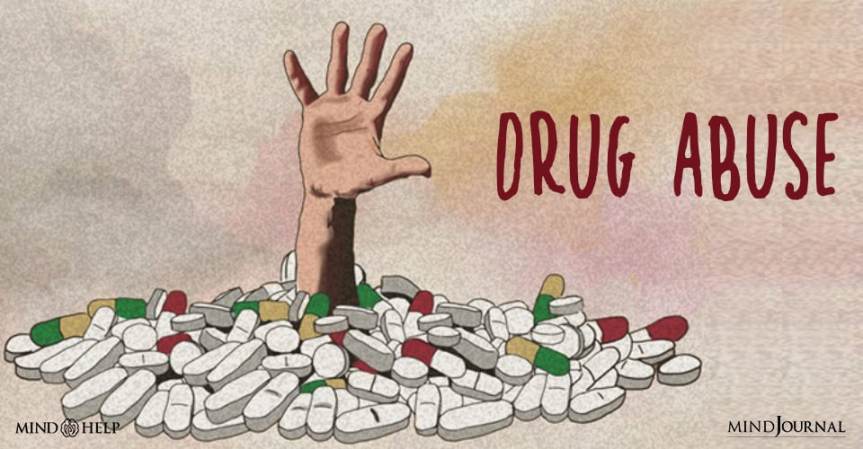
People from all walks of life can experience problems with their drug use, regardless of age, race, background, or the reason they started using drugs in the first place. Some people experiment with recreational drugs out of curiosity, to have a good time, because friends are doing it, or to ease problems such as stress, anxiety, or depression. However, it’s not just illegal drugs, such as cocaine or heroin, that can lead to abuse and addiction. Prescription medications such as painkillers, sleeping pills, and tranquilizers can cause similar problems. Addiction to opioid painkillers can be so powerful it has become the major risk factor for heroin abuse.

When Drug becomes an Addiction?

Drug abuse is when you use legal or illegal substances in ways you shouldn’t. You might take more than the regular dose of pills or use someone else’s prescription. You may abuse drugs to feel good, ease stress, or avoid reality. But usually, you’re able to change your unhealthy habits or stop using altogether. Addiction is when you can’t stop. Not when it puts your health in danger. Not when it causes financial, emotional, and other problems for you or your loved ones. That urge to get and use drugs can fill up every minute of the day, even if you want to quit. Addiction also is different from physical dependence or tolerance. In cases of physical dependence, withdrawal symptoms happen when you suddenly stop a substance. Tolerance happens when a dose of a substance becomes less effective over time. When you use opioids for pain for a long time, for example, you may develop tolerance and even physical dependence. This doesn’t mean you’re addicted.

Sign and Symptoms of Drug Addiction

Although different drugs have different physical effects, the symptoms of addiction are similar. If you recognize yourself in the following signs and symptoms, talk to someone about your drug use.

  • You’ve built up a drug tolerance: You need to use more of the drug to experience the same effects you used to attain with smaller amounts.
  • You use to avoid or relieve withdrawal symptoms: If you go too long without drugs, you experience symptoms such as nausea, restlessness, insomnia, depression, sweating, shaking, and anxiety.
  • Loss of control over your drug use: You often do drugs or use more than you planned, even though you told yourself you wouldn’t. You may want to stop using, but you feel powerless.
  • Your life revolves around drug use: You spend a lot of time using and thinking about drugs, figuring out how to get them, or recovering from the drug’s effects.
  • You’ve abandoned activities: You used to enjoy such as hobbies, sports, and socializing, because of your drug use.

Warning Signs of Drug Abuse

In recent years, prescription drug abuse has become an escalating problem, most commonly involving opioid painkillers, anti-anxiety medications, sedatives, and stimulants. Many people start taking these drugs to cope with a specific medical problem—taking painkillers following injury or surgery, for example. However, over time, increased doses are needed to achieve the same level of pain relief and some users can become physically dependent, experiencing withdrawal symptoms if they try to quit. One of the earliest warning signs of a developing problem is going through the medication at a faster-than-expected rate. In other cases, people start abusing medication not prescribed to them to experience a high, relieve tension, increase alertness, or improve concentration.

Conclusion

Addiction is a complex problem that affects every aspect of your life. Overcoming addiction requires reaching out for support and making changes to the way you live, deal with problems, and relate to others. Recovery is within your reach but doesn’t try to go it alone; it’s very easy to get discouraged and rationalize “just one more.” Whether you choose to go to rehab, rely on self-help programs, get therapy, or take a self-directed treatment approach, support is essential.

References

Euthanasia: Right to Die with Dignity

Credit: iPleaders

Introduction

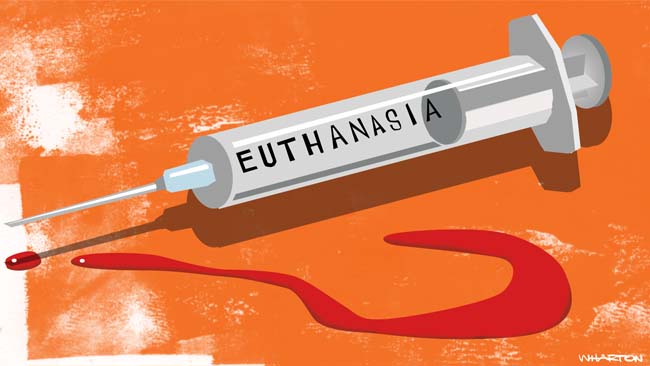
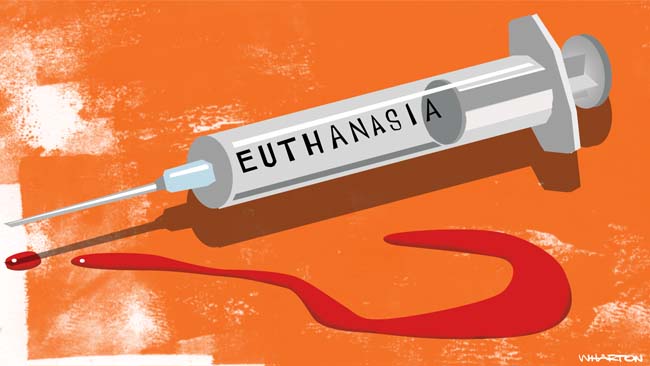
Euthanasia, also called mercy killing, acts or practice of painlessly putting to death persons suffering from a painful and incurable disease or incapacitating physical disorder or allowing them to die by withholding treatment or withdrawing artificial life-support measures. Because there is no specific provision for it in most legal systems, it is usually regarded as either suicide (if performed by the patient himself) or murder (if performed by another). Physicians may, however, lawfully decide not to prolong life in cases of extreme suffering, and they may administer drugs to relieve pain even if this shortens the patient’s life.

What is Euthanasia?

The term was derived from the Greek words ‘EU’ and ‘Thanatos’ which means ‘good or easy death’. Euthanasia can
be defined as the intentional killing by act or omission of a dependent human being for his or her alleged benefit. It is also known as ‘Mercy Killing’ which is an act where the individual who, is in an irremediable condition or has no chances of survival as he is suffering from painful life, painlessly ends his life. The Right to die is a concept that is based on the opinion that a human being is entitled to make any decisions about ending his or her life (this also includes undergoing voluntary euthanasia).

Types of Euthanasia

There are primarily two types of Euthanasia.

  • Active euthanasia refers to the physician’s deliberate act, usually, the administration of lethal drugs, to end an incurably or terminally ill patient’s life.
  • Passive euthanasia refers to withholding or withdrawing treatment that is necessary for maintaining life.


Both euthanasia and assisted suicide are considered illegal in many countries since they can amount to murder in disguise.

Classification of Euthanasia

Euthanasia can also be classed as voluntary or involuntary.

  • Voluntary: When euthanasia is conducted with consent. Voluntary euthanasia is currently legal in Belgium, Luxembourg, The Netherlands, Switzerland, and the states of Oregon and Washington in the U.S.
  • Non-voluntary: When euthanasia is conducted on a person who is unable to consent due to their current health condition. In this scenario, the decision is made by another appropriate person, on behalf of the patient, based on their quality of life and suffering.
  • Involuntary: When euthanasia is performed on a person who would be able to provide informed consent, but does not, either because they do not want to die, or because they were not asked. This is called murder, as it’s often against the patient’s will.

Conclusion

Euthanasia is indeed a contentious issue, with the heart of the debate lying at active voluntary euthanasia and physician-assisted suicide. There is an urgent need to invest in our health care system so that people suffering from
serious ill-health can access free health care. Investment in health care is under ‘Right to Health’ which is bestowed under ‘Right to Life’ of our Constitution. Thus, the complete expenses need to be borne by the State so that the ‘Right to life’ becomes a reality and succeeds before the ‘Right to die with dignity.

The Importance of Internships

Growing up in school, students are constantly reminded that a college education is necessary to make a decent salary. Over the years, it has become evident to many young adults that this statement is indeed true. However, as the need for jobs increases, so does the necessity of being more competitive in a work field. Since our generation has grown up knowing that graduating from college is a necessity, a college education is no longer enough to be competitive in the job market; therefore, our generation has given birth to a new requirement to find the right job after college.

This requirement is known as an internship. Despite the fact that not many internship programs pay their students, an internship is an essential element for a student’s career in today’s society. The skills and opportunities attained after having participated in an internship program definitely outweigh any downside to any part of the program.

A college is a place where students become prepared for many aspects of life. One aspect of life that must be well prepared is networking. The more contacts a person has, the higher the chances of that person getting what he needs. College internships are a resource and the ultimate social network. When a student joins an internship program, he is joining a nexus of connections that will last him for a lifetime.

“Internships are mutually beneficial relationships.” The intern gets an opportunity to look into the real world pertaining to his career, while the employer gets a chance to look for the brightest and hardest working members in the program. Many times in life, it doesn’t necessarily come down to “how much you know” but “who you know”. Internships provide the chance to get to know many important people in the area that best interests a student.

Internships secure a successful way to find employment. For example, the majority of the young men who graduate from Hyles-Anderson College end up interning for their home pastors. Interns return home and eventually become Music Directors, Assistant Pastors, School Teachers, or Bus Directors. However, most of these interns usually receive little to no pay at all when they first begin working for their home church. This is indeed one of the most criticized downsides to many internship programs. Nearly 50% of all Internships in the U.S are unpaid and 85% of graduates are actually willing to intern for free.3

Critics believe that colleges and companies are constantly pushing students to join internship programs because these companies save millions of dollars annually by “hiring” interns. Although this may be true, most graduates that enter an intern program finish the internship receiving a highly coveted job offer. On the other hand, a great number of graduates that don’t have the tool of an internship network usually leave college and cannot find a job. These graduates put up with having to wander from one job to another while the jobs usually have nothing to do with their field of study. Students who are willing to sacrifice a couple months of salary usually end up winning because they find a well-fitting and well-paid job in the end.

Most internships equip members with the necessary experience in their field of study. “The dilemma new graduates most often face is that they’ve got fine academic training but no hard experience.” 4 Employers usually look for applicants who have hands-on experience. When very few people are willing to take the risk of hiring a complete rookie, internship programs are designed for this matter. Internships provide students with great experience and references to add to their resumes.

Graduates are also able to add themselves to a real workforce without having to engage in commitment with a company or an employer. That itself is enough to relieve unnecessary stress on anyone! Not only are these programs beneficial for interns, but for employers as well. Companies can be sure that interns are dedicated and truly interested in the field that they are working in.

Time Management

Time management is the act of planning and managing time that is spent on various activities. It helps to
increase the effectiveness and efficiency of the time utilized. It helps us to work smarter instead of harder
and also enables us to get more work done in less amount of time. Planning time may seem like a waste
of time in itself, however, the benefits of time management are enormous. It results in less stress, Increased
productivity, efficiency, professional and personal growth, etc,. Time is limited and hence, it is important that we plan our time wisely and make the best use of the limited
hours in a day. Time is something that we cannot store or save for later use. We cannot retrieve the time
that has been wasted; hence, we need to learn to use it effectively. If we have to manage time effectively,
we need to be organized and focused.
With the help of time management techniques, we can accomplish more with lesser efforts. Time
management includes effective planning of activities, setting of goals, setting deadlines, delegating work,
prioritizing our activities etc.
Most people feel that they always have too much to do and within too little time. Managing time wisely will
help to find the right balance between time and work. A few people resort to multitasking in order to get
the work done within the specified time limit. At times, this may result in poor performance in the various
tasks assigned
The major mistake committed while working is when one is in a rush to meet the deadline without taking
proper breaks for rest or relaxation. It is impossible for anyone to focus on work and to produce good results
without considering any break in between. It helps to perform better if one takes five minutes to break every
two hours of work. One can either take a walk, enjoy a cup of coffee or simply meditate. Proper time
management is the cornerstone of a successful life and ensures the achievement of one’s goals in a healthy
manner.

How International Yoga Day Ushered a Smile to Everyone Face?

Credit: Wikipedia

Introduction

I hope you all are fit and healthy during this covid situation many diseases are occurring so need to take good care of our health. To be healthy and fit we always need to do yoga and exercise in the early morning. The international community observes June 21 as International Yoga Day, recognizing the many benefits of the ancient Indian practice of yoga. The year 2021 marks the 7th annual International Yoga Day.

History of Yoga Day

The practice of yoga finds its origin in India. There is a special day to celebrate yoga is the International Yoga Day which is celebrated on 21st June 2016 every year. This day was internationally recognized by the United Nations General Assembly (UNGA) on December 11, 2014. The idea of an international yoga day was proposed by our Prime Minister, Mr. Narendra Modi on September 27, 2014. Mr. Modi proposed the date to be June 21 and mentioned that this is the longest day of the year in the northern hemisphere and has special significance in many parts of the world. And the first international yoga day was celebrated on June 21, 2015.

Theme of Yoga Day

The message of Yoga in promoting both the physical and mental well-being of humanity has never been more relevant. A growing trend of people around the world embracing Yoga to stay healthy and rejuvenated and to fight social isolation and depression has been witnessed during the pandemic. Recognizing this important role of Yoga, the previous year’s commemoration of the International Day of Yoga focuses on “Yoga for well-being” – how the practice of Yoga can promote the holistic health of every individual. 

What is Yoga?

Yoga is a process in which man tries to bring his mind, body, and soul together. Yoga is a Sanskrit word meaning to meet or be united. Yoga originates from Indian culture. People have been practicing Yoga since about 5000 years ago. Yoga does not have physical fitness primarily; in Yoga, people try to control their body and mind through mental focus and breathing methods. If men teach Yoga, then they are called yogis, and if women teach, they are called yoginis. Yoga Sutra is a 2000-year-old book. This is the only book in which written evidence of Yoga has been found. This book is the oldest book about Yoga. Yoga is divided into six branches, namely Hatha Yoga, Raja yoga, Karma yoga, Bhakti yoga, Jnana yoga, and Tantra yoga. There are also seven chakras of yoga styles namely Sahasram chakra, Ajna chakra, Vishuddha chakra, Anahata chakra, Manipura chakra, Svadhishthana chakra, Muladhara chakra.

Importance of Yoga

Practiced in India since the 5th century, Yoga has been beneficial in keeping the body and mind in sound health. A holistic approach, Yoga targets all the different systems of the body and mind. It is said that the asanas make the body strong and flexible, as health improves; the mind too is renewed with confidence. The practice of Pranayama regulates the purification of the internal system and the organs, acting as a superior and able supplement to asanas. The energy that is generated in the body through these physical practices is then channeled into meditation or Dhyan for stability, peace, and calm.

Objectives of Yoga Day

The main objective to adopt International Yoga Day is as mentioned below.

  • Promote enhanced mental and physical health advantages amongst the people
  • Aware the public of Yoga’s holistic advantages
  • Promote awareness among people about Yoga’s natural and amazing results
  • Assist people to connect with nature while practicing Yoga daily
  • Reduction in the rate of fatal diseases across nations
  • Unification of communities while devoting quality time for health from monotonous work routines.

Conclusion

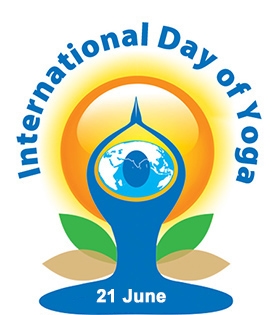
The AYUSH protocol describes the folding hands logo of Yoga Day as reflecting “the union of individual consciousness with that of universal consciousness, a perfect harmony between mind and body, man and nature, the holistic approach to health and well being. The brown leaves in the logo symbolize the earth element, the green leaves of nature, blue the fire element while the sun symbolizes the source of energy and inspiration.”

References

The Future of Solid-State Batteries

Credit: Forbes

Introduction

All-Solid-State Battery is a type of battery that uses no liquid electrolyte, instead, it uses a solid electrolyte (alternative to the lithium-ion battery). This type of battery still has not been commercially used, but will soon be used in electric vehicles. The demand for the production of solid-state batteries is due to the advantages that arise from the safety issue. Solid electrolytes are solid that exhibit ionic conductivities of about 10−3 S/cm, and it conducts ions between the cathode and anode in the lithium-ion battery.

What is Solid-State Battery?

A solid-state battery has a higher energy density than a Lithium-ion battery that uses a liquid electrolyte solution. It doesn’t have a risk of explosion or fire, so there is no need to have components for safety, thus saving more space. Then we have more space to put more active materials which increases battery capacity in the battery. A solid-state battery can increase energy density per unit area since only a small number of batteries are needed. For that reason, a solid-state battery is perfect to make an Electric Vehicle (EV) battery system of module and pack, which needs high
capacity. Despite improvements in technology over the last decade, issues such as long charging times and weak energy density persist.

What is Lithium-ion Battery?

Lithium Battery uses an intercalated (Intercalation is the reversible inclusion or insertion of a molecule into materials with layered structures) lithium compound as one electrode material, compared to the metallic lithium used in a non-rechargeable lithium battery. The battery consists of electrolyte, which allows for ionic movement, and the two electrodes are the constituent components of a lithium-ion battery cell. Lithium ions move from the negative electrode to the positive electrode during discharge and back when charging.

Advantages of Solid-State Battery

The advantages of the solid-state battery technology include higher cell energy density (by eliminating the carbon anode), lower charge time (by eliminating the need to have lithium diffuse into the carbon particles in conventional lithium-ion cells), ability to undertake more charging cycles, and thereby a longer life, and improved safety. Lower cost could be a game-changer, given that at 30% of the total cost, battery expenses are a key driver of vehicle costs.

R&D in Solid-State Battery

Most companies hope to commercialize their solid-state batteries by 2025, although small-scale production may happen earlier. However, to meet this goal, considerable R&D needs to happen to solve serious issues about material behavior, battery microstructure, charge longevity, and cracking upon thermal expansion and contraction. In another recent development, researchers from Brown University have developed a new material for use in solid-state batteries that is derived from trees. The solid ion conductor combines copper with cellulose nanofibrils—polymer tubes derived from wood. The paper-thin material has an ion conductivity that is up to 100 times better than other polymer ion conductors, making it a possible candidate for a solid battery electrolyte or as an ion-conducting binder for the cathode of an all-solid-state battery.
 

Conclusion

Today’s state-of-the-art batteries—those based on lithium-ion technology—have been honed to near perfection since they were introduced more than 25 years ago, but they are still heavy and occasionally explode and catch fire, as they did in Samsung’s Galaxy Note 7 phones so spectacularly last year. By getting flammable liquid electrolytes out of lithium-ion batteries and replacing them with solid electrolytes, solid-state battery makers hope to usher in an era of safer, more compact, higher-capacity energy storage devices.

References

The Power of Organ Transplantation to Save Life’s

Credit: Health Matters

Introduction

Organ transplantation (OT) is one of the most successful advances in modern medicine. For patients with end-stage disease, transplantation most often provides their only chance for survival. Even before the first transplant was performed, it was clear that OT could only be successful with a multidisciplinary approach. The history of OT has involved a series of breakthroughs in medicine that has influenced all aspects of health care. As you will see, for nearly a century, the contributions of specialists in anesthesiology and critical were largely underrepresented in the world’s literature.

What is Organ Donation?

Organ donation and transplantation is removing an organ from one person (the donor) and surgically placing it in another (the recipient) whose organ has failed. Organ transplantation is a medical procedure in which an organ is removed from one body and placed in the body of a recipient, to replace a damaged or missing organ. The donor and recipient may be at the same location, or organs may be transported from a donor site to another location. Organs must be removed as soon as possible after the determination of brain death, while circulation is being maintained artificially. Tissues may be removed within 12 to 24 hours.

Benefits

The benefits of an organ transplant depend on the organ a person receives. Some benefits may include


o Avoiding medical procedures such as dialysis
o Living a longer life
o Living a healthier or less painful life
o Gaining an improved quality of life, such as when a cornea
transplant restores a person’s sight
o Correcting congenital disabilities that endanger a
person’s life
o Spending less time in the hospital, needing fewer
surgeries, or taking fewer medications.

Challenges

The shortage of organs is a major problem worldwide. There are many more patients awaiting transplantation than there are organ donors. Low socioeconomic status is a big hurdle for organ transplantation. Superstitions such as being born with a missing organ (that has been donated); and that tampering with the body will not free their dead relatives from the cycle of life–death–rebirth are some of the prevalent superstitions. The lack of an adequate number of transplant centers with staff as well as transplant coordinators who are adequately educated and well versed with the procedures required to conduct an organ donation program is acting as a significant roadblock to the deceased organ donation program. Sometimes, organs are transported from the donor hospital to the transplant center where the recipient is located. There have been many instances where valuable organs have been wasted due to delays in the transportation process.

Organs that can be Transplanted

Organs and tissues that can be transplanted include:

  • Liver.
  • Kidney.
  • Pancreas.
  • Heart.
  • Lung.
  • Intestine.
  • Corneas.
  • Middle ear.
  • Skin.
  • Bone.
  • Bone marrow.
  • Heart valves.
  • Connective tissue.

Conclusion

Solid-organ transplantations save lives in patients affected by terminal organ failures and improve quality of life. Solid-organ transplant programs provide excellent results in children and young adults and are increasingly challenged by the expanding proportion of elderly transplant patients. Solid-organ transplant program activity has been growing in the last two decades and is essential for developed and mature health care systems.

References