Magnetic resonance imaging (MRI) – History, Unknown facts

    The MRI (Magnetic resonance imaging) scan is a medical imaging procedure that uses a magnetic field and radio waves to take pictures of our body’s interior. It is mainly used to investigate or diagnose the conditions that affect soft tissue such as tumors or brain disorders. The MRI scanner is a complicated piece of equipment that is expensive to use and found only in specialized centers. Although Raymond Vahan Damadian (1936) is credited with the idea of turning nuclear magnetic resonance to look inside the human body, it was Paul Lauterbur (1929-2007) and Peter Mansfield (1933) who carried out the work most strongly linked to Magnetic resonance imaging (MRI) technology. The technique makes use of hydrogen atoms resonating when bombarded with magnetic energy. MRI provides three dimensional images without harmful radiation and offers more detail than older techniques.

       While training as a doctor in New York, Damadian started investigating living cells with a nuclear magnetic resonance machine. In 1971 he found that the signals carried on for longer with cells from tumors than from healthy ones. But the methods used at this time were neither effective nor practical although Damadian received a patent for such a machine to be used by doctors to pick up cancer cells in 1974.

       The real shift came when Lauterbur, a U.S, chemist, introduced gradients to the magnetic field so that the origin of radio waves from the nuclei of the scanned object could be worked out. Through this he created the first MRI images in two and here dimensions. Mansfield, a physicist from England, came up with a mathematical technique that would speed up scanning and make clearer images. Damadian went on to build the full body MRI machine in 1977 and he produced the first full MRI scan of the heart, lungs, and chest wall of his skinny graduate student, Larry Minkoff – although in a very different way to modern imaging.

Working of an MRI machine

        The key components of an MRI machine are magnet, radio waves, gradient, and a super advanced computer. We all know that human bodies are made up of 60% water, and water is magnetic. Each of the billons of water molecules inside us consists of an oxygen atom bonded to two hydrogen atoms that are called as H2O. Small parts of the hydrogen atoms act as tiny magnets and are very sensitive to magnetic fields. The first step in taking an MRI scan is to use a big magnet to produce a unified magnetic field around the patient. The gradient adjusts the magnetic field into smaller sections of different magnetic strengths to isolate our body parts. Take brain as an example, normally the water molecules inside us are arranged randomly. But when we lie inside the magnetic field, most of our water molecules move at the same rhythm or frequency as the magnetic field. The ones that don’t move along the magnetic field are called low energy water molecules. To create an image of a body part, the machine focuses on the low energy molecules. The radio waves move at the same rhythm or frequency as the magnetic fields in an MRI machine.

       By sending radio waves that match or resonate with the magnetic field, the low energy water molecules absorb the energy they need to move alongside the magnetic field. When the machine stops emitting radio waves, the water molecules that had just moved along the magnetic field release the energy they had absorbed and go back to their position. This movement is detected by the MRI machine and the signal is sent to a powerful computer which uses imaging software to translate the information into an image of the body. By taking images of the body in each section of the magnetic field the machine produces a final three dimensional image of the organ which doctors can analyze to make a diagnosis.

“Medicine is a science of uncertainty and an art of probability”. –William Osler


Evolution of Art – Origin, Milestone and Masterpiece

Expressing oneself through art seems a universal human impulse, while the style of that expression is one of the distinguishing marks of a culture. As difficult as it to define, art typically involves a skilled, imaginative creator, whose creation is pleasing to the senses and often symbolically significant or useful. Art can be verbal, as in poetry, storytelling or literature or can take the form of music and dance. The oldest stories, passed down orally may be lost to us now, but thanks to writing, tales such as the epic of Gilgamesh or the Lliad entered the record and still hold meaning today. Visual art dates back 30,000 years, when Paleolithic humans decorated themselves with beads and shells. Then as now, skilled artisans often mixed aesthetic effect with symbolic meaning.

In an existence that centered on hunting, ancient Australians carved animal and bird tracks into their rocks. Early cave artists in Lascaux, France, painted or engraved more than 2,000 real and mythical animals. Ancient Africans created stirring masks, highly stylized depictions of animals and spirits that allow the wearer to embody the spiritual power of those beings. Even when creating tools or kitchen items, people seem unable to resist decorating or shaping them for beauty. Ancient hunters carved the ivory handles of their knives. Ming dynasty ceramists embellished plates with graceful dragons. Modern pueblo Indians incorporates traditional motifs in to their carved and painted pots. The western fine arts tradition values beauty and message. Once heavily influenced by Christianity and classical mythology, painting and sculptures has more recently moved toward personal expression and abstraction.

Humans have probably been molding clay- one of the most widely available materials in the world- since the earliest times. The era of ceramics began, however, only after the discovery of that very high heat renders clay hard enough to be impervious to water. As societies grew more complex and settled, the need for ways to store water, food, and other commodities increased. In Japan, the Jomon people were making ceramics as early as 11,000 B.C. by about the seventh millennium B.C.; kilns were in use in the Middle East and china, achieving temperatures above 1832°F. Mesopotamians were the first to develop true glazes, through the art of glazing arguably reached its highest expression in the celadon and three color glazes of the medieval china. In the new world, although potters never reached the heights of technology seen elsewhere, Moche, Maya, Aztec, and Puebloan artists created a diversity of expressive figurines and glazed vessels.

When Spanish nobleman Marcelino Sanz de Sautuola described the paintings he discovered in a cave in Altamira, contemporizes declared the whole thing a modern fraud. Subsequent finds confirmed the validity of his claims and proved that Paleolithic people were skilled artists. Early artists used stone tools to engrave shapes into walls. They used pigments from hematite, manganese dioxide, and evergreens to achieve red, yelled, brown, and black colors. Brushes were made from feathers, leaves, and animal hair. Artists also used blowpipes to spray paint around hands and stencils.


International Day of Forests 21 March: A Case of India- Pragati Resorts of Hyderabad

The forests are important for human lives as ‘concrete jungle’ cannot provide fresh oxygen and cannot absorb carbon dioxide. In this regard, I wish to highlight the great personality of India and the noble soul of Dr. G.B.K. Rao, the Chairman cum Managing Director of Pragati Resorts in Hyderabad, a famous bio-diversity park. Dr Rao is Chairman Expert Committee (Agriculture & Food Processing), Southern Regional Council, ICC. Pragati Resorts is one of the World’s First Resorts to obtain integrated ISO certification and Green rating from the Indian Green Building Council (IGBC). According to Dr. Rao, a tree absorbs 12 kilograms of carbon dioxide and supplies oxygen throughout the year which can benefit six members of a family. Thus, the importance of a tree can be greatly realized. Anyway, the United Nations General Assembly proclaimed 21 March the International Day of Forests in 2012 to celebrate and raise awareness of the importance of all types of forests. Countries are encouraged to undertake local, national, and international efforts to organize activities involving forests and trees, such as tree-planting campaigns. The organizers are the United Nations Forum on Forests and the Food and Agriculture Organization of the United Nations (FAO), in collaboration with Governments, the Collaborative Partnership on Forests, and other relevant organizations in the field (un.org/en/observances). It is also observed from the website that “for millions of people across the world, wood helps provide safe drinking water, food, and shelter – but wood can do much more and is a renewable resource when forests are managed sustainably”.
In the case of Pragati Resorts, it was established in 1994 and at that time the area was totally barren with terrible climate conditions such that even lizards would not lay eggs there. The water in the area depleted due to the mining of limestone which made the land unfit for cultivation. Dr. G.B.K Rao selected the land on the basis of three criteria – i) it is away from the city also away from highway, ii) area is totally non-cultivable /barren, and iii) totally depleted of water (pragatiresorts.com/about-pragati/). Now, the area has been turned into heaven and the people call “Pragati is Heaven on Earth”. I visited a couple of times and undoubtedly it is ‘Heaven’ as Ambient Air Quality is only 1.4. We know if Ambient Air quality is worse is the impact. It is pertinent to mention that as per the World Bank report, “Globally, air pollution is a silent killer. The air pollution levels in India are among the highest in the world, posing a heavy threat to the country’s health and economy. Almost all of India’s 1.4 billion people are exposed to unhealthy levels of ambient PM 2.5 – the most harmful pollutant – emanating from multiple sources. These small particulates with a diameter of less than 2.5 microns are about one-thirtieth the width of a human hair. Exposure to PM 2.5 can cause such deadly illnesses as lung cancer, stroke, and heart disease” (worldbank.org/en/country/india/publication/). Dr G.B.K Rao, an industrialist-turned-environmentalist, believes that Indian culture is an integral part of nature, and only when sacred herbal and medicinal plants and local cows are protected, then nature can be protected, and man can lead a happy and healthy life. Around 800 varieties of sacred herbal heritage medicinal plants, other rare mother plants, and trees inter alia are Kalpavriksha also known as kalpataru, have been planted in the Pragati which is spread over an area of 2500 acres. There are healing herbs also which remove toxins and provide refresh to an individual through aromatherapy. Also, the area is completely free from mosquitoes, bad bacteria, and viruses. In the Resorts, there is a provision of ‘Amrutha Ahaaram’ (meaning Amrita/lifesaving foods) and for this the special 3-day package has been designed to boost immunity levels naturally to fight against any type of virus or bacteria.
On the International Day of Forests 21 March, I salute Dr. G.B.K. Rao for his great initiative to develop an undeveloped area and to make it a wonderful biodiversity area in India.

Aman Gupta: Co-founder of boAt

The Indian entrepreneur, co-founder, and marketing director of boAt company is Aman Gupta. boAt is the number one company of headset equipment models in India. Aman was born on 9th of March 1982 in New Delhi. He completed his school education in Delhi public school RK Puram New Delhi. He made the graduation in commerce through Shahid Bhagat Singh College. He became the chartered accountant through the institution of chartered accountants of India. He did his MBA in general management and marketing from Kellogg Graduate School of Management, USA.

In 2016 he started his own company named boAt with business partner Sameer Mehta. The boat deals with headphones, speakers, and various hearable products. Aman Gupta owns 28.1% of boAt equity share. This company produced rupees 500 crores of revenue in the fiscal year 2020 and have an increase of 108.8% over the previous year.

He won the Businessworld Young entrepreneur award in 2019. In 2020 he was the winner of super 30 CMO’s. In 2021 he won the most stylish entrepreneur of the year by Lokmat. In the newly released show “Shark Tank India” he was one of the “Sharks”. Currently, boAt became the world’s top 5 wearable brand.

Aman Gupta says “Rejection is part of life. I get lots of rejection. But I believe that it is better to try than to cry. I don’t want regret because I don’t try.’

Advertisements

Advertising plays a very important role in today’s age of competition. Advertising is one thing that has become a necessity for everybody in today’s day-to-day life, be it the producer, the traders, or the customer. Advertising is an important part. Advertising is important for the customers
Just imagine television or a newspaper or a radio channel without an advertisement! No, no one can any day imagine this. Advertising plays a very important role in customers’ life. Customers are the people who buy the product only after they are made aware of the products available in the market. If the product is not advertised, no customer will come to know what products are available and will not buy the product even if the product was for their benefit. One more thing is that advertising helps people find the best products for themselves, their kids, and their family. When they come to know about the range of products, they are able to compare the products and buy so that they get what they desire after spending their valuable money. Thus, advertising is important for the customers. Advertising is important for the seller and companies producing the products. Yes, advertising plays a very important role for the producers and the sellers of the products, because advertising helps increase sales, helps producers or companies to know their competitors and plan accordingly to meet up the level of competition.
If any company wants to introduce or launch a new product in the market, advertising will make a ground for the product. Advertising helps make people aware of the new product so that the consumers come and try the product.
Advertising helps create goodwill for the company and gains customer loyalty after reaching a mature age.
The demand for the product keeps on coming with the help of advertising and demand and supply become a never-ending process.
Advertising is important for the society
Advertising helps educate people. There are some social issues also which advertising deals with like child labour, liquor consumption, girl child killing, smoking, family planning education, etc. thus, advertising plays a very important role in society.

WELCOME SUMMER

Summer is the one of the season from 3 seasons. Summer is actually very hectic season.beacause we suffer from lots of problems. The hair problem,skin,makeup problem as well. In summer our lots of time goes outside to home because it is a vacation season. We come in contact with sun continuously. And these give us lots of problems. Due to picnic and kids vacation we spend time in outside or doing new things such as tracking, visiting hill station etc. The day in summer is also long. To enjoy summer vacation without any problem.so here are some tips for your happy summer.

1. Eat healthy and light- diet in summer is light to metabolism. Eat in frequent mannar. Take the antioxidant fruit such as blackberry and blueberry so toxic materials remove and get a less tanned skin. Eat fruits which contains lots of water such as watermelon, coconut etc. Sometimes eat cold things such as mint which gives cooling sensation.

2. Protect eyes- The harsh sunlight harm our eyes so to protect eyes from harsh sunlight use eyeglasses.which protect eyes from sunlight.

3. Wear cotton cloth- It is to avoid sweating. In summer sweating is large problem. Use of cotton cloth give free air to body so bad odour from body also avoided.

4. Stay hydrated- due to sweating body is fastly dehydrate to overcome that drink plenty of water. Daily drink atleast 2.5 liter water. Fullfill your need of water.

To enjoy your summer holidays take care of bodys need. Avoid caffeine because it has heat content. Less intake of salt and sugar. Reduce intake of fats. Sleep well and take nutritional supplements. Enjoy your summer happily.

Emotional Intelligence in the Workplace

Some people in our life are appreciated for being very understanding as a friend or colleague, lending an ear, and empathizing with our life events and struggles. Chances are this friend must be having a very high degree of Emotional Intelligence. Emotional Intelligence is the ability to perceive, understand and manage our emotions as well as influence others’ emotions in a positive way. This is different from general intelligence and its Intelligence Quotient (IQ) which represents abilities such as general knowledge, visual and spatial processing, working and short-term memory, and reasoning. While IQ is considered by many to be a decisive factor in achieving success in life, EQ (Emotional Quotient) is also an essential quality in areas including education, management and leadership. In fact, many companies include it in their required criteria, testing the EQ of applicants during their hiring process. A high EQ is considered an important quality for managers and business leaders.

According to psychologist and author, Daniel Goleman, emotional intelligence includes five components. These five components are:

Self-Awareness

A person is said to be self-aware when they are highly aware of their own behaviour, habits and feelings. You can understand your strengths and weaknesses. You are aware of why you feel the way you do and how your actions can impact people around you. Being self-aware helps you in your work as it also keeps you humble and grounded.

Self-Regulation

Self-regulation refers to having good control over one’s actions and decisions. You think and react rationally, giving a lot of thought before making important decisions. As a manager or leader at your workplace, this quality helps manage critical situations and adapt to changes at work. It helps you make correct decisions, considering all possible consequences. You can stay calm, ease tensions and hold yourself accountable, particularly when you receive constructive criticism at work.

Motivation

A motivated individual is goal-oriented, giving it their all to achieve their end-goal. You maintain high standards of quality for your work and remain passionate and driven towards your aim. Self-motivation also means you are working for your personal development rather than material accomplishments like money, fame or status.  

Empathy

Empathy is the ability to understand and share the feelings of someone else. You listen to what others have to say and you can put yourself in their situation to understand what they must have gone through. An empathic person is not too judgmental, a trait that helps them work well with their colleagues by helping them progress and providing constructive criticism.

Social Skills

Social skills are essential for good communication and teamwork. Social skills help you become good listeners, engage verbally and maintain a good rapport with your team-mates. You can take up the leadership role if needed, supporting the whole team and managing conflicts diplomatically.

When a person is able to manage their emotions well and exhibit a high degree of EQ, it also influences people around him/her to act the same. This helps in maintaining positive relationships in the work environment. A well-developed EQ is crucial for achieving your work goals, particularly in group projects. Anybody can develop a good Emotional Quotient with practice and care. Small habits like listening, understanding and reflecting on your actions can help in improving your emotional skills.

Measures to augment domestic availability and stabilize prices of essential food commodities

 The Union Minister of State for Consumer Affairs, Food and Public Distribution, Shri Ashwini Kumar Choubey in a written reply to a question in Lok Sabha today informed that there is a strong correlation between retail inflation measured by year-on-year changes in Consumer Price Index (CPI) and food price inflation measured by the year-on-year variations in Consumer Food Price Index (CFPI) as CFPI carries a weightage of 47.25% in the CPI. As per the CPI data released by the Ministry of Programme Implementation, retail inflation has remained more or less stable during the past one year.

 The Department of Consumer Affairs monitors the daily retail and wholesale prices of 22 essential food commodities submitted by the 179 price monitoring centres that have been set up with Central assistance by State Governments and UT Administrations across the country.

   Taking into account price trends, the Government takes various measures from time to time to augment domestic availability and stabilize prices of essential food commodities. These steps, inter alia, include releases from the buffer to cool down prices, imposition of stock limits, monitoring of stocks declared by entities to prevent hoarding as also requisite changes in trade policy instruments like rationalization of import duty, changes in import quota, restrictions on exports of the commodity etc.

    In May 2021 advisories were issued to States/UTs to monitor prices of essential food commodities and to ensure disclosure of pulses stocks held by millers, importers, and traders under the Essential Commodities Act, 1955. Imposition of stock limit on all pulses except Moong was notified on 2.7.21. Thereafter, an amended order was issued on 19.7.21 imposing stock limits on four pulses, namely, Tur, Urad, Masur, Chana for a period up to 31.10.2021.

  To improve availability and stabilise prices of pulses, the Government has allowed the import of Tur, Urad and Moong under the ‘Free category’ w.e.f 15.5.2021 till 31.10.2021. The Free regime was thereafter extended in respect of Tur and Urad till 31.3.2022. This policy measure has been supported with facilitation measures and close monitoring of its implementation by the concerned Departments/organisations to ensure smooth and seamless imports. The import policy measures have resulted in a substantial increase in import of Tur, Urad, and Moong as compared to the corresponding period for the past two years. In order to soften the impact of higher international prices on domestic consumers, the Government reduced duty on Masur to zero till September 30, 2022, and waived off the penalty on pulses import consignments from methyl bromide phased out countries for not being fumigated with methyl bromide in the country of origin till June 30, 2022. To augment the availability of pulses in the market, 3 Lakh Metric Ton of Chana stock has been released between June and August 2021 through open market sales and to stabilise prices, futures trading in Chana has been suspended from August 16, 2021. State Governments have been supplied pulses from the buffer on an ongoing basis for their nutrition and welfare programmes.

   In order to stabilise retail prices of onion, a buffer stock of 2.08 LMT had been built in 2021-22. Open market releases of onion from the buffer were targeted towards States/Cities where prices were increasing over the previous month. Releases were also made in source markets to augment the availability in these key mandis and thereby reduce retail prices. States/UTs had also been offered onion at Rs.21/kg ex-storage locations.

   In order to improve the domestic availability of edible oils and to keep prices under control, the Government has rationalized the duty structure on edible oils by reducing the effective duties. As per the notification dated 14.10.2021, the total duty on crude palm oil has been reduced from 22.5% to 7.5%, and on crude soyabean oil and sunflower oil, it has been reduced from 22.5% to 5%. The basic duty on RBD palmolein, refined soyabean oil, and refined sunflower oil has been reduced from 32.5% to 17.5%. Thereafter, the basic duty on refined palm oil has been further reduced from 17.5% to 12.5% w.e.f 21.12.2021, and duty on crude palm oil reduced from 7.5% to 5% w.e.f 13.2.2022. Futures trading in essential commodities relating to food security had been suspended to curb speculative trading. Stock limits on edible oils and oilseeds have been imposed for a period up to 31.3.2022 to prevent hoarding.

    Further, the Government has issued an advisory to States/UTs to set up the State-level Price Stabilisation Fund (PSF) corpus with central assistance and has requested States which have set up the Fund already, to make appropriate interventions for cooling down retail prices of essential food commodities.

Why Companies use UGC

User-Generated Content (UGC) is one of the most influential methods of social media marketing or social commerce. Any content that is created by customers or individuals who are not working for brands, and published on social media is classified as User-Generated Content. UGC can be images, videos, and other social media content. It could also be reviews and testimonials regarding a product. The content created by the customer is then made use of by the brand, making it a part of their marketing strategy.

Brands like GoPro and Apple have used UGC effectively in their social media pages like YouTube and Instagram. The video equipment company shared videos created by its customers using their equipment on YouTube, successfully gaining lots of attention and views. Apple introduced the “Shot on iPhone” campaign some years back, encouraging users to share great photos they captured with the latest model of the iPhone. The best photos were shared by Apple not just on social media, but even on billboards and posters of their Ads outside.

Sites like Amazon and Tripadvisor have also used UGC for a long time, getting customers to post public reviews of a product or service online. These companies try to engage with customers, communicating politely and addressing their reviews and grievances. Such testimonials help build customer trust and give the brand a positive image.

How does UGC help a Brand?

Contributes Authenticity:

There is a greater chance of people believing everyday people who are relatable than a brand about a product. So, when they see a common man recommending a product, they consider it more authentic than brand-created content.

Provides Brand Loyalty:

Involving consumers in the brand’s growth is a great way of deepening the connection between brand and consumer. The customer now feels like they are part of the brand’s community. An engaged community helps build brand loyalty.

Holds People’s Attention:

UGC has turned out to be very efficient in grabbing people’s attention. In most cases, it is even considered more catchy than traditional advertising.

Influences Purchasing Decisions:

When people get to see actual social proof that a particular product is useful and worth buying, it greatly influences their final purchasing decisions. It is seen to be even more impactful than products advertised by celebrities or influencers. UGC also helps increase conversion rates of the audience into potential new customers of the company.

Cost-effective:

UGC is very cost-effective as the brand can rely on the customers for useful content. They do not have to worry about spending money on professionals, studios and equipment. The brand only needs to maintain a healthy relationship with its customers to get positive content for free and without being asked.  

BREAST CANCER

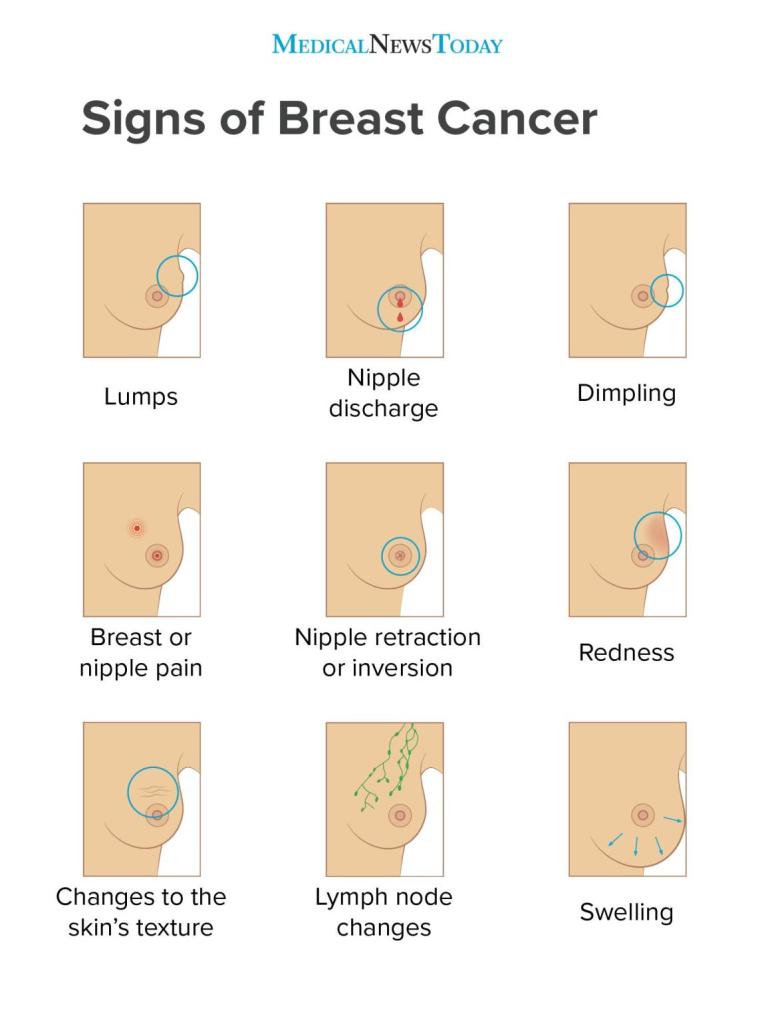
Cancer is a physical disorder in which abnormal cell growth is observed. the change in DNA is also observed. The cells divide uncontrollably and destroy body tissue. The uncontrolled cells growth in the breast is called breast cancer. There are various types of breast cancer. Breast cancer occurs in women and rarely in men. In 2020 2.3 million women diagnosed with breast cancer and 685000 death globally. In men, it was observed only 0.5-1%. October is breast cancer awareness month.


Causes of breast cancer= 1) Family risk- In the patient’s family history if anyone has cancer then it is possible that the next generation is also observed. sometimes inheritors cancer is also produced.
2)Radiation Exposure= continuous contact with radiation or pollution also develops the risk of cancer. Due to radiation, the DNA gets destroyed new cancer is produced.
3)Early menstruation and late menopause= Due to hormonal imbalance breast cancer may produce.
4)Prolonged use of oral contraceptives
5)Hormone replacement therapy after menapause= this therapy is useful for osteoporosis. but its prolonged use is harmful to the breast.


Symptoms of breast cancer=1) The main symptom increases in the weight of a patient (obesity). 2) The lumps are observed in the breast and sometimes lumps are easily filled to the hand. 3) In a later stage bloody discharge from the nipple may observe. 4)There is a change in the size of the breast. texture and shape of a breast are also observed.5) pain in underarms because lymphatic node swells.


Treatment of breast cancer= 1) chemotherapy In the early stages it is easy and effective as well. Tamoxifen is a much safer drug.
2) Surgery is done to remove lumps or that cancerous cells.
3)Radiation therapy= In this the cancer cell kills at its place.
4) Hormone therapy= If cancer produces due to hormonal imbalance then it is cured by hormonal therapy.


Prevention of Breast cancer= 1)Physically active give release from lots of diseases. Daily exercise at least 30 min and aerobics 75 min weekly.
2)Keep weight in check. Weight should not increase suddenly. and it is much more.
3)Eat all fruits and vegetables. Take a balanced and healthy diet.


4)Don’t smoke. And intake of alcohol is also injurious to health.
5)Breastfeeding if possible. Lactate gland if producing milk may cause lumps if milk remains in the breast.which further results in cancer.
6)Avoid birth control pills, particularly after 35 yrs.
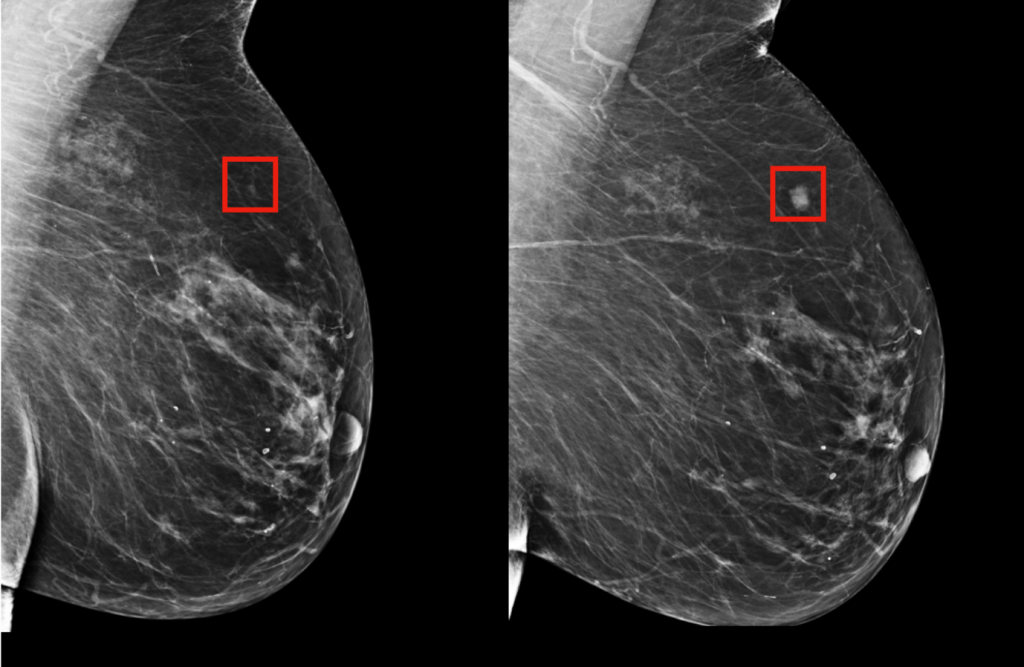
7)Breast screening is called mammograms. It should be done yearly after 40 yrs. otherwise done timely when risk is observed.
8) Regularly change inner-wear(bra). and don’t wear it at night.

So regular exercise, a healthy diet, time to time mammograms, and taking care of innerwear prevent the risk of breast cancer.

“Policy and Regulatory framework on Conformity Assessment for Telecom products: Global Best Practices and Priorities”

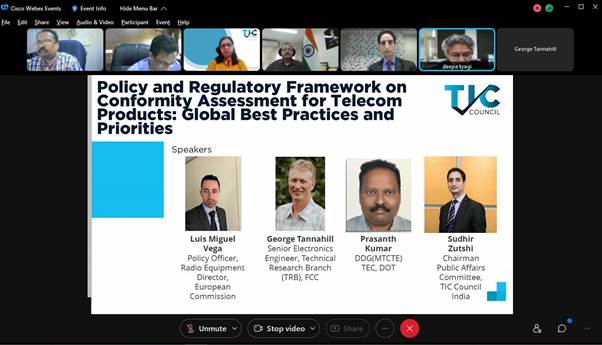
 Telecom Engineering Centre (TEC), a National telecom standard setting organization under the aegis of Department of Telecommunications, Ministry of Communications has conducted a webinar titled “Policy and Regulatory framework on Conformity Assessment for Telecom products: Global Best Practices and Priorities” here yesterday. This webinar is organised by TEC in collaboration with TIC Council (India) and witnessed the presence of senior policy makers from Department of Telecom, India, E.U & FCC (U.S) along with senior Industry representatives from the Telecom, Labs, sharing their experience, global trends, and best practices towards ensuring Quality and safety of Telecom products in India. During session, Mr Luis , Policy officer from EU and Mr George from FCC, USA shared global best practices and Mr Prasanth DDG , TEC and Mr Zutshi TIC Council  have presented  India specific regulatory framework.


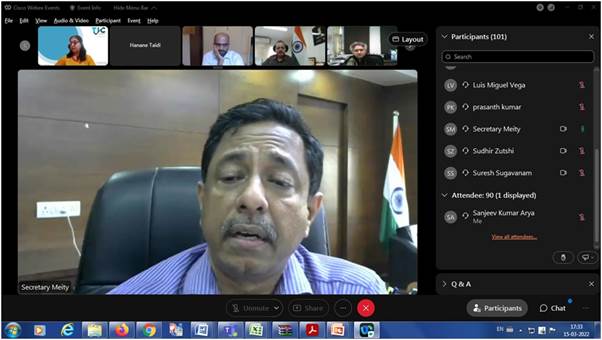
The event was graced by Shri K.Rajaraman, Secretary (Telecom), Government of India as chief guest and Shri Ashok Kumar Mittal, Member (Services), DoT, Smt. Deepa Tyagi, Sr. DDG (TEC) and Shri Sh. Suresh Sugavanam, Chairman TICC, India.  This event was witnessed by participants from across the globe and it is moderated by Dr Aparna  ED, TICC.

Shri K.Rajaraman, Secretary (Telecom) in his keynote address mentioned that the country is investing heavily in public and private partnership model to increase the penetration in mobile and broadband sector in urban and rural area. He also stressed that the telecom services shall be affordable to the bottom of the pyramid. He mentioned that testing and certification ecosystem should be the integral part of manufacturing ecosystem to become manufacturing hub. He also mentioned that very robust capacity of testing facilities, skills set is required to meet the requirement of manufacturing hub. He also urged the industry to explore the innovative idea of lab equipment lying in various part of the country to use as a service model like OLA/UBER type platform based model in testing.

Shri Ashok Kumar Mittal, Member (Services), DoT in his opening address mentioned that it is matter of pleasure that TEC has come up to organise internationally collaborative knowledge sharing webinar on the regulatory practices. He also appreciated the endeavours of TEC encouraged to do such discourses as many as possible.

Smt Deepa Tyagi Sr DDG, TEC has emphasised the importance of global collaboration and bringing global best practices so that India would become global test bed for ICT products.

RKJ/M

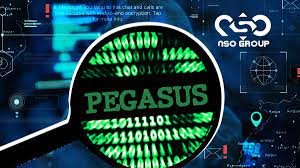
Pegasus Spyware

Recently, a global collaborative investigative effort titled the Pegasus project, revealed that Israeli company NSO Group’s Pegasus spyware targeted over 300 mobile phone numbers in India. As per reports, at least 40 journalists, Cabinet Ministers, and holders of constitutional positions were possibly subjected to surveillance. The reports are based on a leaked global database of 50,000 telephone numbers.

What is Pegasus?


It is spyware created by NSO Group, an Israeli cybersecurity firm founded in 2010.The NSO Group’s founders come from Unit 8200 – Israel’s elite defense force. It is also the Israel Defence Force’s largest military unit and probably the foremost technical intelligence agency in the world.Pegasus spyware can hack any iOS or Android device and steal a variety of data from the infected device.It works by sending an exploit link and if the target user clicks on the link, the malware or the code that allows the surveillance is installed on the user’s phone.Pegasus can be deleted remotely. It’s very hard to detect and once it’s deleted, leaves few traces.It can also be used to plant messages/mails which is why there are theories it may have been used to plant fake evidence to implicate activists in the Bhima Koregaon case.
Pegasus is designed for three main activities:
1 collection of historic data on  a device without user knowledge
 2 continuous  monitoring of activity and gathering of personal information and
3 transmission of this data to third parties.
Israel identifies Pegasus as a cyberweapon and claims that its exports are controlled.

Pegasus spyware has evolved from its earlier spear-phishing methods using text links or messages to ‘zero-click’ attacks which do not require any action from the phone’s user. It is the worrying aspect of spyware.

  • It helps spyware like Pegasus to gain control over a device without human interaction or human error.
  • Most of these attacks exploit software that receives data even before it can determine whether what is coming in is trustworthy or not, like an email client.
  • They are hard to detect given their nature and hence even harder to prevent. Detection becomes even harder in encrypted environments, where there is no visibility on the data packets being sent or received

The Kardashev scale – Classifying Alien civilization

The observable universe is consists up to two trillion galaxies that are made of billions and billions of stars. In the Milky Way galaxy alone, scientists assume that there are some 40 billion earths like planets in the habitable zone of their stars. When you look at these numbers, there are a lot of possibilities of alien civilization to exist. In a universe that big and old, the possibilities of civilizations may start millions of years apart from each other, and develop in different directions and speed. So their civilization may range from cavemen to super advanced. We know that human started out with nothing and then making tools, building houses, etc. we know that humans are curios, competitive, greedy for resources, and expansionists. The more of these qualities that our ancestors had, the more successful they were in the civilization building process.

 Like this, the other alien civilizations also must have evolved. Human progress can be measured very precisely by how much energy we extracted from our environment. As our energy consumption grew exponentially, so did the abilities of our civilization. Between 1800 and 2015, population size had increased sevenfold; while humanity was consuming 25 times more energy. It’s likely that this process will continue into the far future. Based on these facts, scientist Nikolai Kardashev developed a method for categorizing civilizations, from cave dwellers to gods ruling over galaxies into a scale called the Kardashev scale. It is a method of ranking civilizations by their energy use. It put civilizations into four categories. A type 1 civilization is able to use the available energy of their home planet. A type 2 civilization is able to use the available energy of their star and planetary system. A type 3 civilization is able to use the available energy of their galaxy. A type 4 civilization is able to use the available energy of multiple galaxies

. It’s like comparing an ant colony to a human metropolitan area. To ants we are so complex and powerful, we might as well be gods. On the lower end of the scale, there are type 0 to type 1 civilization. Anything from hunting, gatherers to something we could achieve in the next few hundred years. These might actually be abundant in the Milky Way. If that possible, why they are not sending any radio signals in space. But even if they transmitted radio signals like we do, it might not be very helpful. In such a vast universe, our signals may extend over 200 light years, but this is only a tiny fraction of the Milky Way. And even if someone were listening, after a few light years our signals decay into noise, impossible to identify as the source of an intelligent species. Today humanity ranks at about level 0.75. We created huge structures, changed the composition and temperature of the atmosphere. If progress continues, we will become a full type 1 civilization in the next few hundred years. The next step to type 2 is trying and mine other planets and bodies.

 As a civilization expands and uses more and more stuff and space, at some they may start a largest project that extracting the energy of their star by building a Dyson swarm. Once it finished, energy has become unlimited. The next frontier moves to other stars light years away. So the closer a species gets to type 3, they might discover new physics, may understand and control dark matter and energy, or be able to travel faster than light. For them, humans are the ants, trying to understand the galactic metropolitan area. A high type 2 civilization might already consider humanity too primitive. A type 3 civilization might consider us bacteria. But the scale doesn’t end here; some scientists suggest there might be type 4 and type 5 civilizations, whose influences stenches over galaxy clusters or super clusters. This complex scale is just a thought experiment but, still it gives interesting things. Who knows, there might be a type omega civilization, able to manipulate the entire universe, and they even might be the actual creators of our universe.

James Webb space telescope – Working and Application

The James Webb space telescope or JWST will replace the Hubble space telescope. It will help us to see the universe as it was shortly after the big bang. It was named after the second head of NAS James Webb. James Webb headed the office of space affairs from 1961 to 1968. This new telescope was first planned for launch into orbit in 2007 but has since been delayed more than once, now it’s been scheduled for 18 December 2012. After 2030 the Hubble will go on a well deserved rest since its launch in 1990 its provided more than a million images of thousands of stars, nebulae, planets and galaxies. The Hubble captured images of stars that are show about 380 million years after the big bang which supposedly happened 13.7 billion years ago. These objects may no longer exist, we still see their light. Now we expect James Webb to show us the universe as it was only 100 to 250 million years after its birth. It can transform our current understanding of the structure of the universe. The Spitzer space telescope and Hubble telescopes have collected data of gas shells of about a hundred planets. According to experts, the James Webb is capable of exploring the atmospheres of more than 300 different exoplanets.

The working of James Webb space telescope

The James Webb is an orbiting infrared observatory that will investigate the thermal radiation of space objects. When heated to a certain temperature, all solids and liquids emit energy in the infrared spectrum; here there is a relationship between wavelength and temperature. The higher the temperature, there will shorter the wavelength and higher the radiation intensity. James Webb sensitive equipment will be able to study the cold exoplanets with surface temperatures of up to 27° Celsius. An important quality of this new telescope is that it will revolve around the sun and not the earth unlike Hubble which is located at an altitude of about 570 kilometers in low earth orbit. With the James Webb orbiting the sun, it will be impossible for the earth to interfere with it, however he James Webb will move in sync with the earth to maintain strong communication yet the distance from the James Webb to the earth will be between about 374,000 to 1.5 million kilometers in the direction opposite of the sun. So its design must be extremely reliable.

The James Webb telescope weighs 6.2 tones. The main mirror of the telescope is with a diameter of 6.5 meters and a colleting area of 25 square meters, it resembles a giant honeycomb consisting of 18 sections. Due to its impressive size, the main has to be folded for start up; this giant mirror will capture light from the most distant galaxies. The mirror can create a clear picture and eliminate distortion. A special type of beryllium was used in the mirror which retains its shape at low cryogenics temperature. The front of the mirror is covered with a layer of 48.25 grams of gold, 100 nanometers thick; such a coating best reflects infrared radiation. A small secondary mirror opposite the main mirror, it receives light from the main mirror and directs it to instruments at the rear of the telescope. The sunshield is with a length of 20 meters and width of 7 meters. It composed of very thin layers of kapton polyimide film which protects the mirror and tools from sunlight and cools the telescope’s ultra sensitive matrices to 220° Celsius.

The NIRCam- Near Infrared Camera is the main set of eyes of the telescope, with the NIRCam we expect to be able to view the oldest stars in the universe and he planets around them. The nurse back near infrared spectrograph will collect information on both physical and chemical properties of an object. And the MIRI mid-infrared instrument will allow you to see stars being born many unknown objects of the Kepler belt. Then the near infrared imager and sliteless spectrograph or NIRIIS camera is aimed at finding exoplanets and the first light of distant objects. Finally the FGS- Fine Guidance Sensor helps accurately point the telescope for higher quality images updates its position in space sixteen times per second and controls the operation the steering and main mirrors. They are planning to launch the telescope with the help of the European launch vehicle Ariana 5 from the kourou Cosmodrome in French Guiana space center. The device is designed for between 5 to 10 years of operation but, it may serve longer. If everything goes well, $10 billion worth of construction and one year of preparation will have finally started in orbit.


Medical breakthroughs – Laproscopy


Treating illness b using tools to remove or manipulate pats of the human body is an old idea. Even the minor operations carried high risks, but that doesn’t mean all early surgery failed. Indian doctors, at the beginning centuries before the birth of Christ, successfully removed tumors and performed amputations and other operations. They developed dozens of metal tools, relied on alcohol to dull the patient, and controlled bleeding with hot oil and tar. The 20th century brought even more radical change through technology. Advances in fiber optic technology and the miniaturization of video equipment have revolutionized surgery. The laparoscopy is the James Bond like gadget of the surgeon’s repertoire of instruments. Only a small incision through the patient’s abdominal wall is made into which the surgeon puffs carbon dioxide to open up the passage.

 Using a laparoscope, a visual assessment and diagnosis, and even surgery causes less physiological damage, reduces patient’s pain and speeds their recovery leading to shorter hospital stays. In the early 1900s, Germany’s George Kelling developed a surgical technique in which he injected air into the abdominal cavity and inserted a cytoscope – a tube like viewing scope to assess the patient’s innards. In late 1901, he began experimenting and successfully peered into a dog’s abdominal cavity using the technique. Without cameras, laparoscopy’s use limited to diagnostic procedures carried out by gynecologists and gastroenterologists. By the 1980s, improvements in miniature video devices and fiber optics inspired surgeons to embrace minimally invasive surgery. In 1996, the first live broadcast of a laparoscopy took place. A year later, Dr. J. Himpens used a computer controlled robotic system to aid in laparoscopy. This type of surgery is now used for gallbladder removal as well as for the diagnosis and surgeries of fertility disorder, cancer, and hernias.

Hypothermia is a drop in body temperature significantly below normal can be life threatening, as in the case of overexposure to severe wintry conditions. But in some cases, like that of Kevin Everett of the buffalo bills, hypothermia can be lifesaver. Everett fell to the ground with a potentially crippling spinal cord injury during a 2007 football game. Doctors treating him on the field immediately injected his body with a cooling fluid. At the hospital, they inserted a cooling catheter to lower his body temperature by roughly five degrees, at the same time proceeding with surgery to fix his fractured spine. Despite fears that he would be paralyzed, Everett has regained his ability to walk, and advocates of therapeutic hypothermia feel his lowered body temperature may have made the difference. Therapeutic hypothermia is still a controversial procedure. The side effects of excessive cooling include heart problems, blood clotting, and increased infection risk. On the other hand, supporters claim, it slows down cell damage, swelling, and other destructive processes well enough that it can mean successful surgery after a catastrophic injury. Surgical lasers can generate heat up to 10,000°F on a pinhead size spot, sealing blood vessels and sterilizing. Surgical robots and virtual computer technology are changing medical practice. Robotic surgical tools increase precision. In 1998, heart surgeons at Paris’s Broussais hospital performed the first robotic surgery. New technology allows an enhanced views and precise control of instruments.

“After a complex laparoscopic operation, the 65-year-old patient was home in time for dinner”. – Elisa Birnbaum, surgeon