Fast Food Chains

The term Fast Food was considered by Merriam Webster in the 1951 dictionary. Fast Food chains are a specific type of quick service and self-service restaurants with bare minimum seating arrangements. People generally takeaway or orders food from them.

The ultimacy of takeaways

The devotion of Fast Food Chains or to call them Quick Service Restaurantsis not border restricted but worldwide. Be it “not in home-food-mood” or morning office rush, fast food chains have proved to have descended from the heavenly abode just to assist humans in their crisis times. These restaurants produce in bulk the food items and keep it warm, fresh, and ready to get picked.

Pocketwatchers and Watchkeepers

The affordable rates and not so short fast-food variety A list of these Quick Service Restaurants is the main center of attraction. These reasonable and instantly fast food providing places captivates the major group of the population of The United States I.e. The Youth, both college and office goers.

Specific in Specials

These fast-food chains are both vegetarians and nonvegetarians friendly. Both Arby’s Meat and Burger King’s Whopper is equally respectable among fast-food lovers. McDonald’s and Pizza Hut are among the top priority list of pizza lovers. Not to deny the reign of KFC in the hearts of non-vegetarians.

Fed-up of dining-in

The vast working-class singles when fed up of Hotel’s boring Dine-ins, step towards these fast-food chains for quick home deliveries at the comfort of their homes and enjoy their meal along with home theatres.

Boon For Time Lacking Mothers

With the ingrained notion assigning cooking to Moms, although which seems to having started fading away, students find it easy to pick up from takeaways on their way to schools. With serving burgers, pizzas, fries, shakes, beverages, fish, salads, chicken nuggets and much more, these fast-food chains have acquired both- Customers and controversies regarding being healthy. Say whatever to attack but the incredibility of these quick servers can not be overlooked.
Bharti Airtel’s outlook has been upgraded from negative to stable by S&P.

Bharti Airtel’s credit rating of “BBB-” was maintained by S&P on Thursday, with the outlook raised to stable from negative, suggesting the company’s improved financial position and ability to repay debt. Bharti Airtel’s Indian mobile business is expected to grow at a solid rate, according to S&P, although there will be no across-the-board tariff changes and growth would be slower than in fiscal 2021. “Bharti Airtel’s outlook was changed from negative to stable by S&P Global Ratings. At the same time, we reaffirmed Bharti Airtel’s ‘BBB-‘ long-term issuer credit rating and ‘BBB-‘ issuer credit rating on its senior unsecured notes. The ‘BB’ issue rating on the subordinated perpetual securities (PERPS) it guarantees was also confirmed “According to S&P’s credit rating report.

August saw a significant increase in fuel demand as economic activity increased.

In August, the country’s fuel demand increased by 10.9 percent over the same month the previous year. According to data from the energy ministry’s Petroleum Planning and Analysis Cell, fuel consumption, which is a proxy for oil demand, totaled 16 million tonnes (PPAC). Petrol sales in August were 13 percent higher than a year before, at 2.69 million tonnes. The demand for gasoline is expected to rise at a rapid pace. As more people bought personal vehicles to avoid taking public transportation during the Covid-19 outbreak, demand for gasoline has also surged. Meanwhile, sales of cooking gas or liquefied petroleum gas (LPG) grew by 2.3% to 2.33 million tonnes, while sales of naphtha declined by 5.1% to 1.02 million tonnes.

Courses and career options for B.Sc. hons. (physics) students

B.Sc. hons. is very popular course, so is competition. So gaining extra knowledge becomes crucial for survival. So if you doing B.Sc. hons. in physics, I have sorted out some courses and career options that you can choose.

Courses

MBA in Data Science

MBA in Information Technology

Bachelor of Education (BEd)

PG Diploma in Data Science

PG Diploma in Astronomy

PG Diploma in Nanotechnology

Diploma in Medical Lab Technology

PG Diploma in Community Health Nursing

Certificate in Lab Assistant/Technician

Diploma in Operation Theatre Technology (OTT)

PG Diploma in Machine Learning/Artificial Intelligence

MSc in Materials Science and Engineering

M. Sc Vacuum Sciences

M. Sc Acoustics

MSc in Applied Physics

MSc in Physics

M. Sc Applied Electronics

MSc in Atmospheric Science

MSc in Nanotechnology

MSc in Astronomy/Planetary Science/Astrophysics

MSc in Aeronautics

Master in Atomic and Molecular Physics

MSc in Particle/Nuclear Physics

MSc in Geophysics

MSc in Molecular Physics

MSc in Optical Physics

MSc in Medical Physics

MSc in Biophysics

Short term courses

There are numerous diplomas and paramedical courses for Physics graduates to explore varied specializations by pursuing a short-term course. Here are the best diploma and paramedical courses after BSc Physics:

PG Diploma in Data Science

PG Diploma in Astronomy

PG Diploma in Nanotechnology

Diploma in Medical Lab Technology

PG Diploma in Community Health Nursing

Certificate in Lab Assistant/Technician

Diploma in Operation Theatre Technology (OTT) PG Diploma in Machine Learning/Artificial Intelligence.

Job opportunities

There are various job roles that B.Sc Physics candidates can opt after the completion of studies. Here is the list of some of the job roles available:

Physicist:

A Physicist is a person who studies and discovers the interaction of matter and energy. They perform experiments and investigate the theories of Physics to reach a conclusion. Usually, a PhD holder in Physics becomes a physicist. However, BSc Physics are also eligible to work as a research assistant or technician in a similar field. For growth and secure job as a physicist, the candidate must go for higher studies in Physics like M.Sc or PhD.

Physics Lecturer:

A candidate with sound knowledge in a physics subject can join an institute or academy as a lecturer. It is a decent job role and candidates can expect a good salary as a lecturer. Further, they can pursue master’s degrees for growth in the career.

Lab Assistant:

Candidates who hold a B.Sc Physics can work as a lab assistant in various firms, clinics or laboratories or institutes. Such professionals handle technical equipment and act as a helping hand for their supervisors.

Subject Matter Expert (SME):

B.Sc Physics graduates can work as a subject matter expert in various organizations. Such candidates are responsible to create content as per the requirement of the client. They are responsible to create effective and format based content as specified.

Researcher:

Candidates who hold a B.Sc physics degree can apply for researcher or scientist posts at top organizations in India like DRDO, BARC, ISRO, NTPC, BHEL etc.

Technician:

Various private organizations hire candidates with B.Sc Physics degree for technical support/Technician jobs. Candidates can look for vacancies and apply for the same.

Radiologist Assistant:

A radiologist is a professional who diagnoses disease and injuries using medical imaging, magnetic resonance imaging (MRI), nuclear medicine, positron emission tomography (PET) and ultrasound. B.Sc physics graduates can also work as radiologists as they have sound knowledge about the rays, devices, emission can assist effectively in handling the devices used for diagnosis and treatment.

Academic Counselor/ Advisor:

B.Sc Physics graduates can join a school/ academic institutes/ colleges as an Academic Counselor/ Advisor. Such candidates can assist students with their queries related to the subject.

CARL ROGERS THEORY OF SELF

CARL ROGERS

He was an American psychologist born in 1902 , who took the humanistic approach to psychotherapy. According to Rogers every individual has tendency to actualize himself. According to him mentally healthy individuals have congruence between self and their experience.

According to him every person has the tendency to actualize themselves and a mentally healthy individual have congruence between their experience and their self concept. Neurotic individual deny their sensory and emotional experience. There are two concepts related to this;

REAL SELF

Real self is what we truly are. It is important for good psychological health. Self image directly affects how a person feels, thinks and acts in this world. Real self is our inner personality who is aware about their strength and weakness. It may not be perfect but it is our real part.

IDEAL SELF

It is what desire to be. It represents our ambitious and goals. By ideal self , Rogers meant some goals which are beyond our capabilities. This causes gap between real and ideal self.

If ideal self and real self are alike our self concept is accurate. High congruence between real self and ideal self leads to greater sense of self worth and a healthy productive life and if there is incongruence between them it leads to maladjustment.

Career opportunities for BA Programme students

If you are a BA student and confused about what to do after graduation, don’t worry we have sorted out some career paths that you can choose after getting a bachelor’s degree in BA programme.

As we all know BA is one of the most popular undergraduate course among students specially humanities students. This three year course allows you to study a combination of subjects ranging from English, Hindi, Economics to History, political science and philosophy. Due to variety of subjects it opens up many job opportunities. Following are the most popular career paths after doing BA:

  1. Post Graduation in courses like B.Ed. or M.A. (in a specific subject).

After M.A in Education, candidates are eligible for PGT jobs, elementary and secondary teaching jobs in private and government schools. After qualifying NET/SET in education, candidates are also eligible for university level teaching jobs in private and government institutions while obtaining a degree of B.Ed. only provides an opportunity to be a teacher in a government or private school.

2. MBA (Masters in Business Administration) is another sought after course after a degree in BA programme where upon completion, candidates are offered jobs in private/ government financial institutes.  In an MBA program, you’ll learn about solving business problems, which would allow you to become a competent manager. You need to give the Common Admission Test (CAT) to apply for MBA degrees in numerous colleges and universities. Your CAT Score determines which colleges you can enter.  Students of every stream are eligible for this course. This job pays handsome amount of money. Average salary of a MBA graduate is 5-10 LPA.

3. Civil Services Examination, Bank PO Exams, NDA Exams – After completing graduation, students are eligible to apply for civil service examinations and Bank PO exams. They can apply in Union public service communication for posts like IPS, IAS, IFS, Indian defense service. Jobs in public sector banking system is another good option. As these jobs provide job security.

4. Computer Courses– A B.A. graduate can pursue many certifications like web designing, animations, coral draw etc. to get a job/profession in the media industry in fields like web and graphics designing. This field is becoming broader with the rise of social media platform and inclusion of AI. It is almost certain that this field will provide a large number of jobs in near future.

5. Law – Students who have studied English, Hindi, Political Science as subjects can pursue law as a career. The program imparts extensive knowledge on topics like Jurisprudence, Environment Laws, Arbitration, Law of Insurance, Consumer Protection Act. Upon completing the course, one can either pursue LLB, start practice after registering oneself with the respective councils or can work in government or private sectors.

6. Master of Fine Arts is another sought after course for ones who are inclined towards artistic endeavors. Some of the prominent specialization offered under master’s level design programmes are: Industrial design, design computing, architectural design, fashion and textile design, shoe designing, leather designing, graphic designing, house design etc. After completion of the course, one can practice as a designer in the field of specialization in the private/government sector.

7 spices of India

Photo by Taryn Elliott on Pexels.com

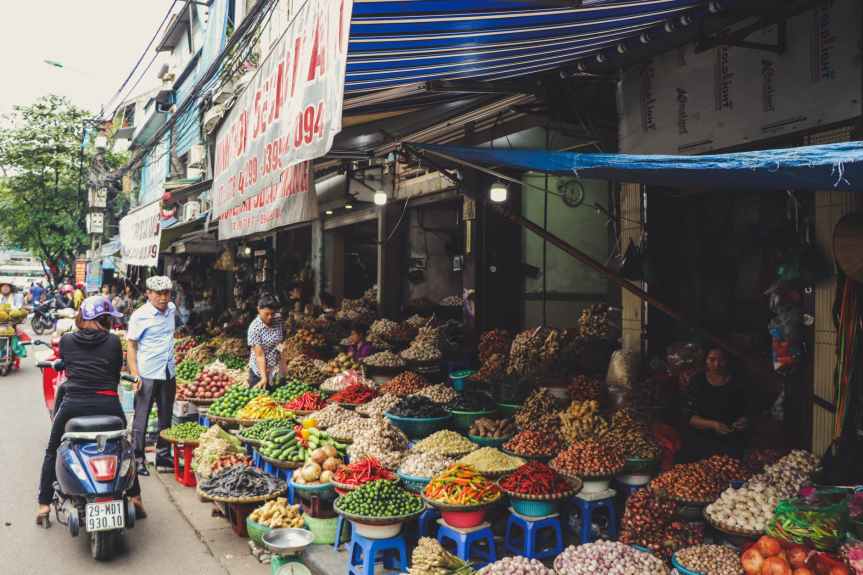
India is the biggest producer, consumer and exporter of spices in the world. India exports about 180 different spices to 150 countries of the world. A wide variety of spices are grown in different parts of the country many of which are native to these places. Others are imported and cultivated locally. Spices have been used in Indian kitchens for centuries, they are one of the most important thing in our daily diet. Spices are added to food to give it flavor, aroma, and to preserve it, also spices are said to be really good for health. Several spices are blended together to give food the known Indian taste. Not only in kitchens but spices play a vital role in pharmaceutical products, medicines, cosmetics, etc. Spices are known to help in curing many deseases like arthritis cancer, diabetes.

Spices add a twist to our foods. Without spices food looks, smells and tastes dull and lifeless, a pinch of common spices is what we all need. Be it cardamom in our tea, turmeric in lentils or curry leaves in curry, all the spices offer something different and are an essential part of our lives. They are known to be effective in gastric problems, blood disorders, infectious diseases. There are 7 spices which are a must to have in indian households. These spices are used for their aroma and spices and for their potential health benefits.

TURMERIC

Photo by Skitterphoto on Pexels.com

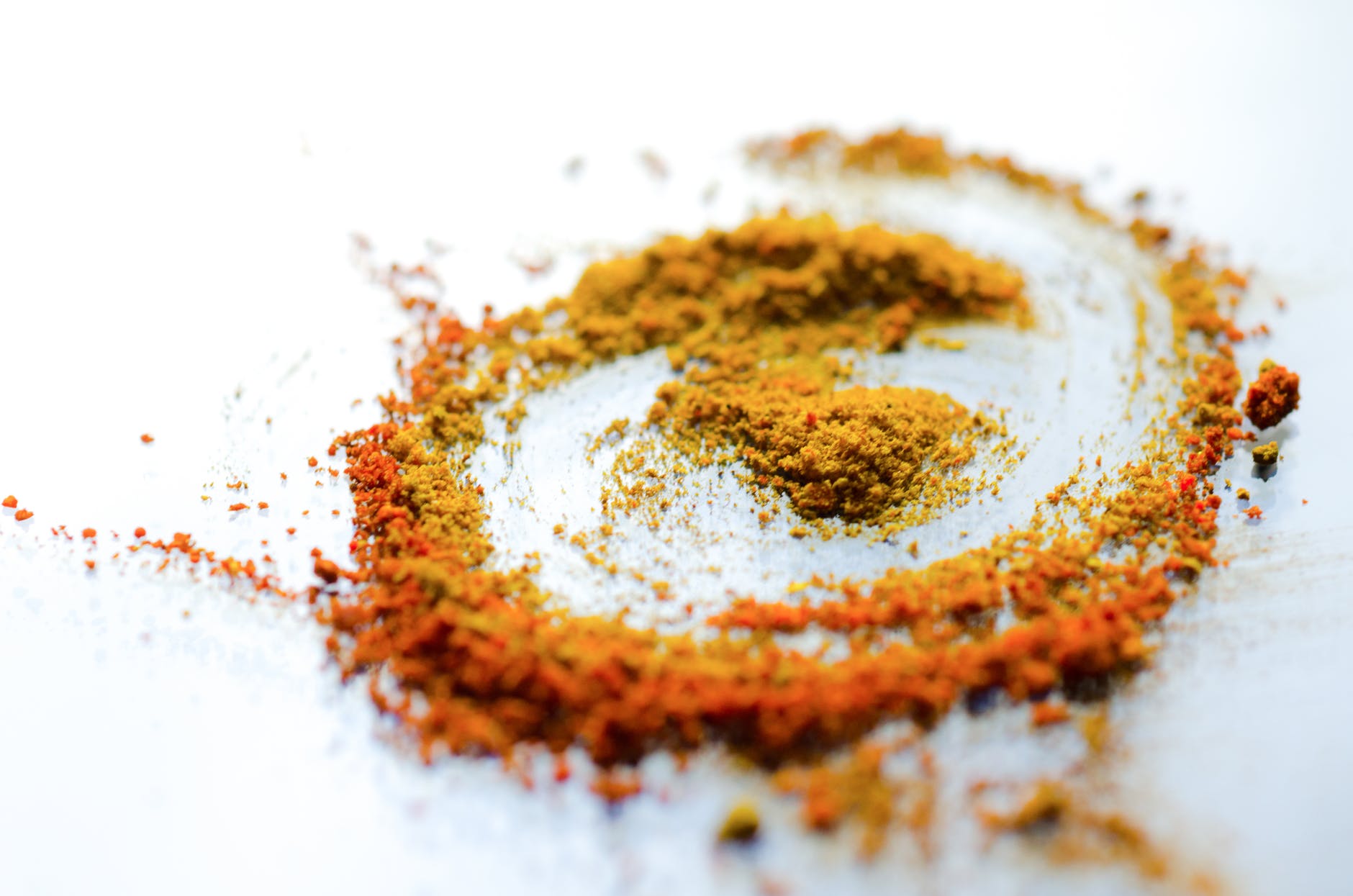
Turmeric has been used since ancient times as a healer, coloring agent and most importantly to give a yellow shade to our food and all the health benefits it provides us with consuming just a small amount daily. It is like a sack of nutrients. It has many benefits including, it’s antioxidant and antispetic properties. It has been a prominent ingredient in cosmetic industry as well. Face creams, face washes, etc with the goodness of turmeric are found in abudance. It is grown as a rhizom and can be used as fresh or dried. Cucurmin is the main component of turmeric. It is also helpful in stopping blood for minor cuts. Also known as golden spice or indian saffron. It helps relieve pain, aids digestion and supports immune system. A glass of milk with turmeric can be very effective at night for better sleep and digestion. It is known to provide warmth to the body, clean blood and cure skin realted problems.

CUIMIN

Photo by Jubair Bin Iqbal on Pexels.com

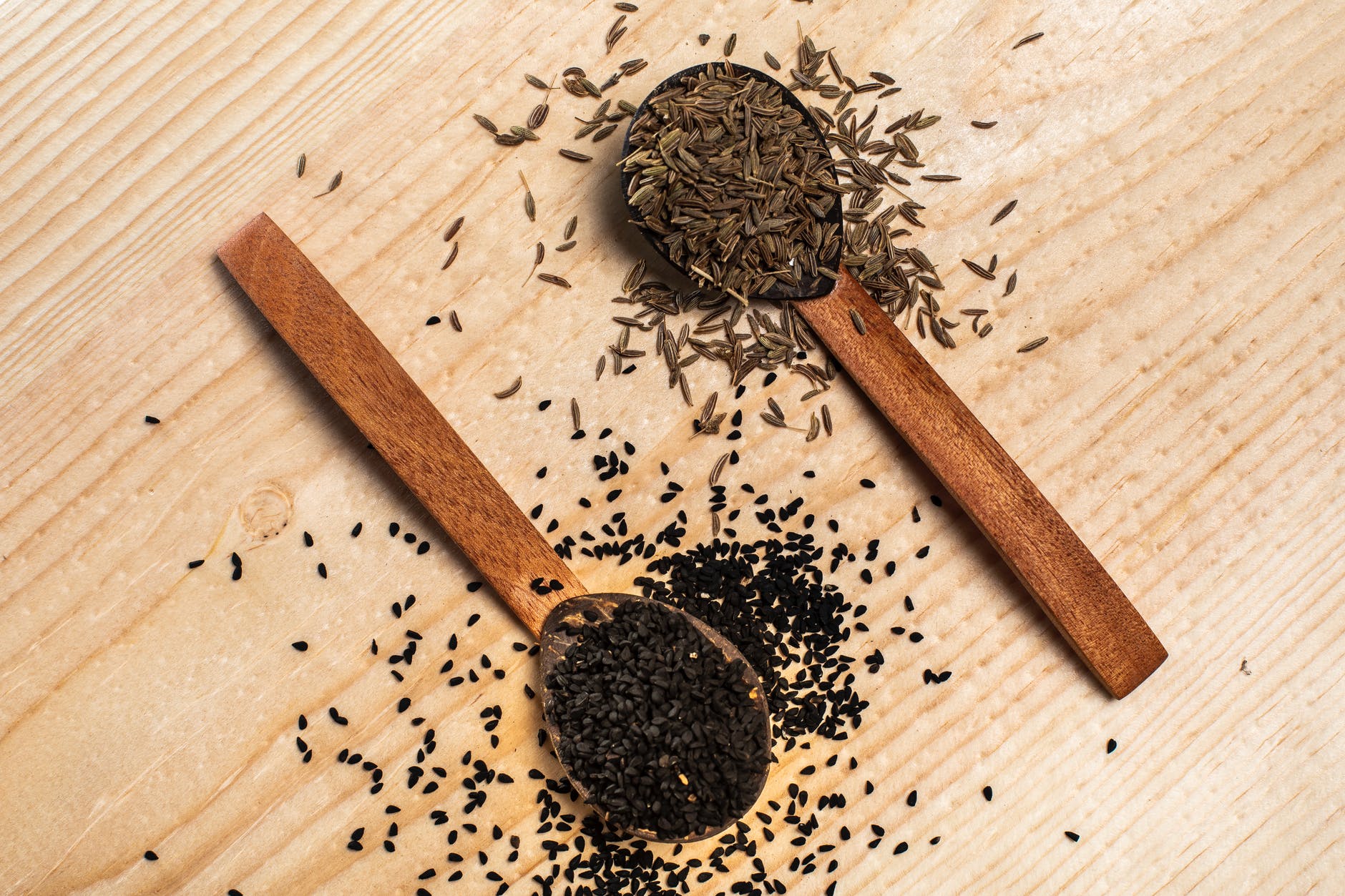
Cumin consists of oil that provide a particular aroma to the seeds. It is the basic and one of the first ingredient used while cooking. Smal boat shaped seeds is an ancient spice used as whole or powder and is infused with the hot oil or lightly roasted to bring out the flavor. It has an earthy aroma, and is beneficial for heart related diseases due to its antioxidant properties and has various vitamins and minerals in it. Cumin seeds improve taste and craving. Cumin oil posesses antifungal and antimicrobial properties. It is helpful in toothache and jaundice as well and is widely used in pharmaceutical industries.

FENUGREEK

Photo by Eva Elijas on Pexels.com

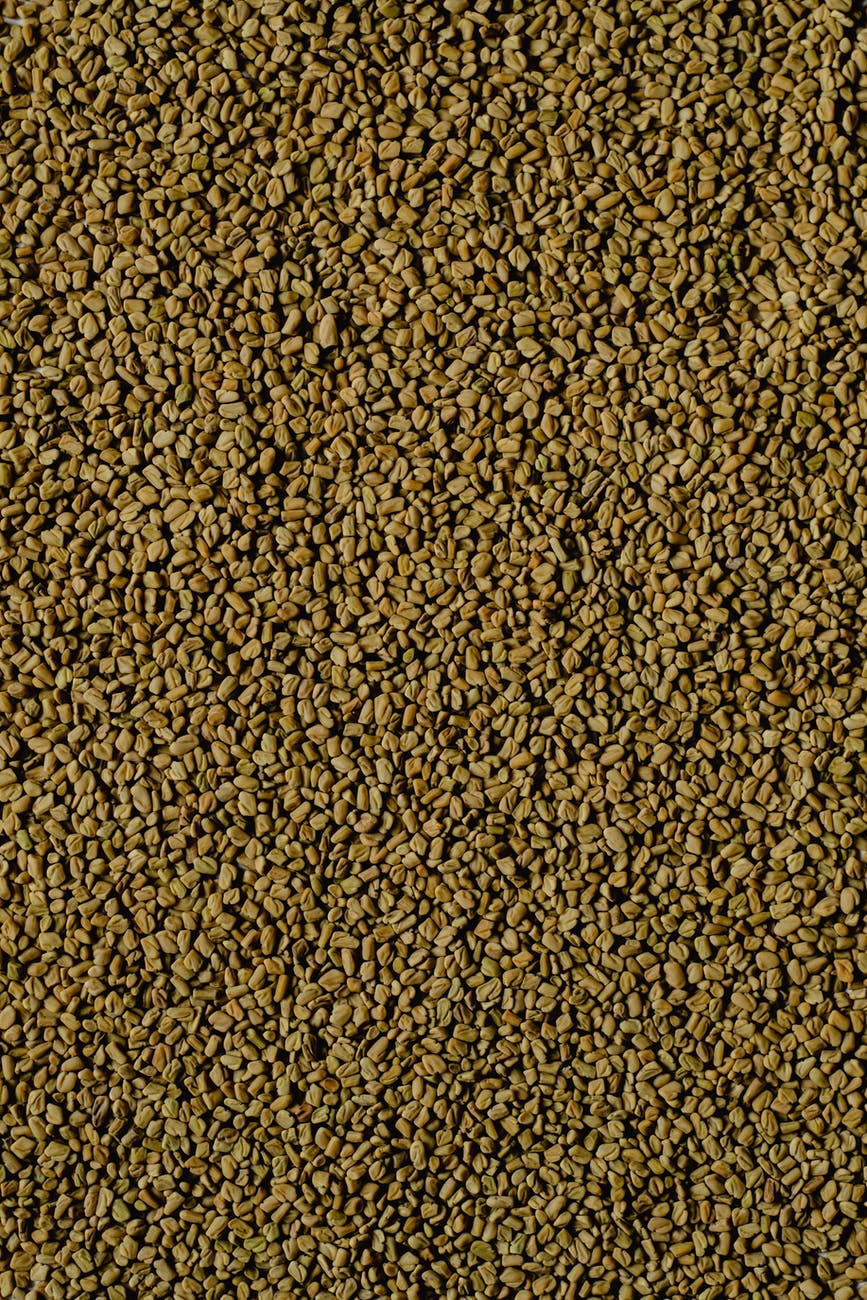
India accounts for the major production of fenugreek and is derived from various states out of which Rajasthan alone gives 80% of the indian output. The majority is cultivated and consumed in India itself. It is used as a herb dried or fresh in cooking, it possesses bitter taste which is reduced by roasting the seeds. Fenugreek plant is about 2-3 feet tall, it’s green leaves and pods that contain small, golden-brown seeds. For many years it has been used in Chinese medicines to treak skin problems many other diseases. And for similar reasons it has long utilized in households and can be found in shampoos and soaps as well. For it’s nutritious value and sweet nutty taste it has been a must to have spice in Indian kitchens. Fenugreek may be helpful in aiding diabetes and is also taken as supplement.

CORIANDER

Photo by Eva Elijas on Pexels.com

Coriander is one of the most used herb to flavor dishes, the seeds known as Coriander and the leaves as cilantro. Commonly known as dhaniya in india, It is also known as chinese parsley. Used in soups, currie masalas in India, middle, eastern and asian meals. While leaves and dried or ground seeds are used, coriander is useful in lowerin blood sugar, boosting immune system, lower heart related deseases. Both seeds and leaves of coriander are very different in taste. Whole seeds are added to vegetables, pickes, lentils and baked goods. Their aroma is released by warming. While leaves are used to garnish dishes. Coriander seeds are toasted and ground before eating as their texture can be hard to chew. A bright shining green plant. Surprisingly it has several skin benefits. It slowly absorbs the sugar in stomach and stimulates insulin and is found effective in lowering blood sugar levels in diabetic patients.

CLOVE

Photo by Eva Elijas on Pexels.com

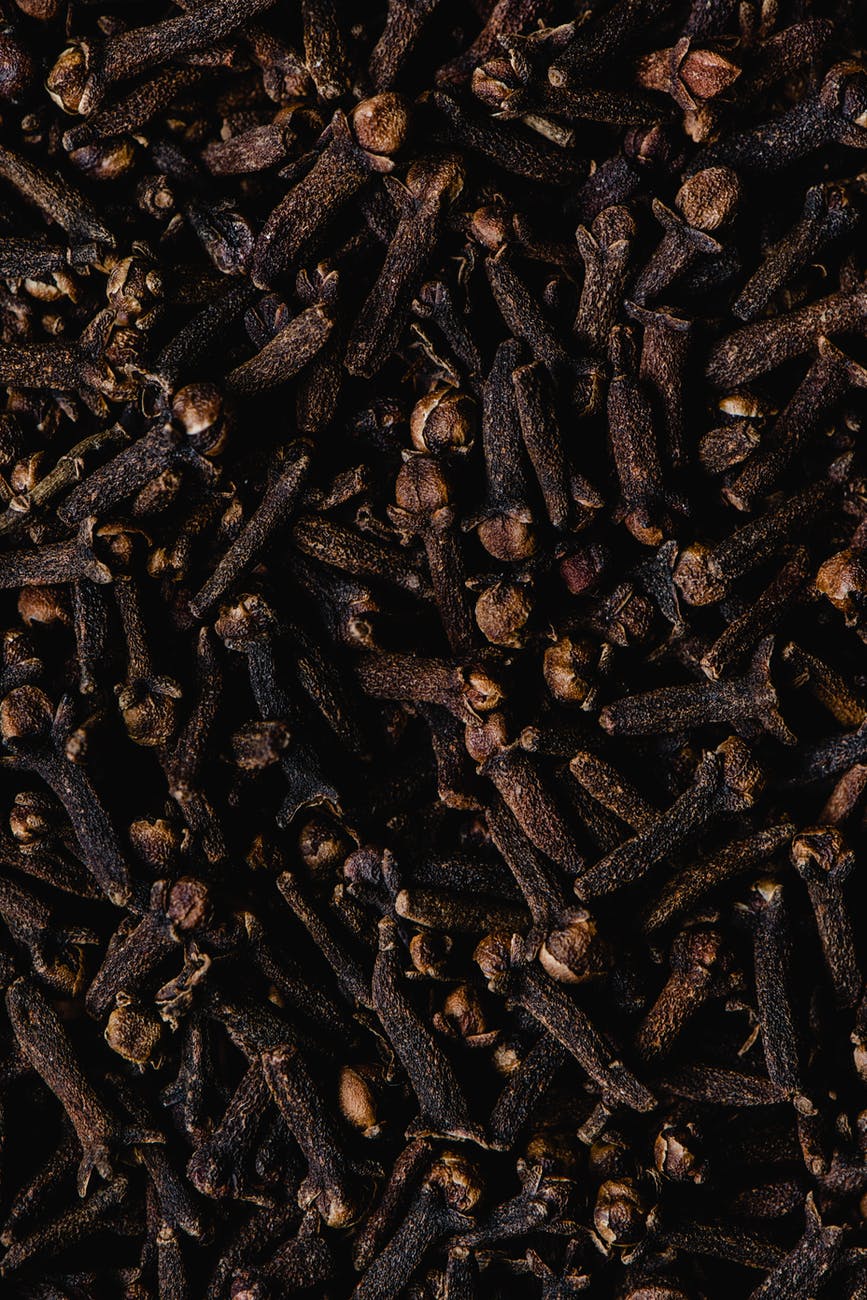
Clove is grown in Asia and America, its oil, stem, dried flower buds and leaves are used in making medicines. Clove is very effective in dental problems and can cure toothache when applied directly to it. Also used as a flavoring in foods and beverages, toothpaste, perfume, soaps and cigarettes. It resembles a nail in shape. It’s use in culinary is mainly for flavoring as it blends both with sweet and savory dishes. Clove oil has antispetic and antibiotic properties and is used especially in dentistry. Clove is often found in indian cuisine for it aroma and flavor and is a part of garam masala, which is a mixture od different spices.

CINNAMON

Photo by Nicole Michalou on Pexels.com

Cinnamon is a spice extracted from bark, leaves, flowers, fruits, and roots of the cinnamon tree and has been a part of traditional medicine for thousands for years. It has many health benefits and is also used for flavoring and fragrance. It is effective in blood sugar levels, lower cholesterol, stomach issues and obesity. It has antioxidant, antibiotic and anti inflammatory properties and has traces of nutrients in it. In india it is used in making chutneys, meat or rice dishes. Sometimes while cinnamon sticks are also used.

CARDAMOM

Photo by Nidhin K S on Pexels.com

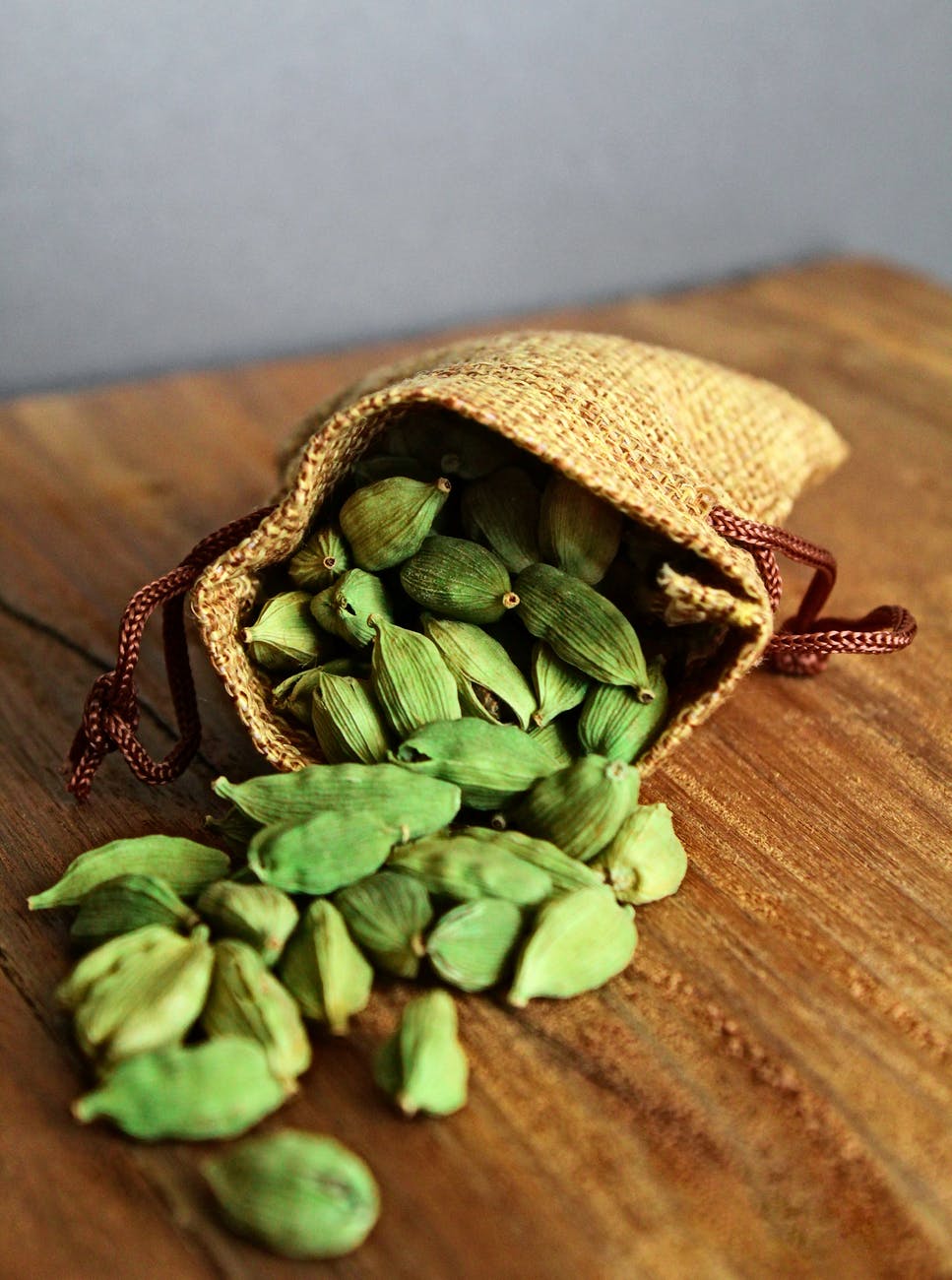
After Saffron and vanilla, cardamom is the most expensive spice in the world. This versatile pod is used in teas, spices and many sweets are garnished using cardamom. In indian cuisine whole pods of cardamom are used in making curry, milk deserts and many other dishes. It is widely used in making chai as it for its aroma and flavor. It benefits in gastric problems, cardiovascular issues, controlling cancer and cholesterol and is rich in nutrients. It is also included in garam masala as an essential ingredient. These small green and black pods have a wide range of uses added to their list.

Use of Afghan soil to promote terrorism in any manner by any country is unacceptable & Taliban must live up to its declarations to that effect: India

External Affairs Minister S Jaishankar has said that the use of Afghan soil to promote terrorism in any manner by any country is unacceptable and the Taliban must live up to its declarations to that effect. He was addressing the Afghanistan conference co-convened by US Secretary of State Antony Blinken and German Foreign Minister Heiko Maas.

Dr Jaishankar said resumption of travel out of Kabul is a priority. He said the world should not countenance interference by external players, especially those intensifying violence at this difficult time. He added that the collective approach should be guided by UNSC resolution 2593.

PM Modi to chair 13th BRICS Summit today

As part of India’s ongoing Chairship of BRICS in 2021, Prime Minister Narendra Modi will chair the 13th Brazil, Russia, India, China, and South Africa  Summit  today in virtual format. The theme for the Summit is BRICS@15: Intra-BRICS cooperation for continuity, consolidation and consensus. India had outlined four priority areas for its Chairship. These are reform of the multilateral system, counter terrorism, using digital and technological tools for achieving SDGs and enhancing people to people exchanges. 

The BRICS leaders  will  exchange views on the impact of the COVID-19 pandemic and other current global and regional issues.  The meeting will be attended by the President of Brazil Jair Bolsanaro,  Russian President Vladimir Putin, Chinese President Xi Jinping and President of South Africa Cyril Ramaphosa. This is the second time Prime Minister Modi will be chairing the BRICS Summit. Earlier he had chaired the Goa Summit in 2016. 

The Indian Chairship of BRICS this year coincides with the fifteenth anniversary of BRICS. India’s National Security Adviser Ajit Doval, President of the New Development Bank Marcos Troyjo, the pro tempore Chair of the BRICS Business Council, Onkar Kanwar and pro tempore Chair of the BRICS Women’s Business Alliance, Dr. Sangita Reddy will present reports on the outcome pursued this year under their tracks to the leaders during the summit. Anupam Mishra, AIR News, Delhi.

Talking to AIR News, Defence Expert and Director of Society for Policy Studies, C. Uday Bhaskar said the summit is significant in view of the ongoing developments in Afghanistan.

He also said the situation in Afghanistan is a cause of concern for India as the Taliaban led government is pro-Pakistan.

MARS (Modern Architectural Research Group) Plan

 In the inter war years, there was a war between two rival camps for urban planning, the highdensity housing with lots of communal space, or low-density with lots of private space. One group was known as The Modern Architectural Research Group (MARS), founded in 1933, with luminaries as varied as Morton Shand, Wells Coates, Maxwell Fry, F. R. S. Yorke, Ove Arup and John Betjeman. 

As an organization though, it is probably most famous for a radical plan for the redevelopment of London, the details of which were published the Architectural Review in June 1942. They pretty much planned to rebuild London in its entirety – the entire city was to be rebuilt from scratch. Away with haphazard layouts they provided with an organized “herringbone” arrangement of homes, factories and facilities. 

Although the report was presented in terms of preventing the further expansion of the built-up area of London and planning for new growth, it was suggested that redevelopment might extend the linear city corridors inwards as well, slowly stripping away the mass of buildings that had built up over centuries to create a utopian linear city.

MARS plan

The plan included a “vertebra” of the herringbone that comprised the areas of administrative and commercial buildings, with the docks and industries at its ends. The “bones” are the residential areas with the local industries at their ends. Between the residential ribbons are parks and recreation grounds would have been where the schools and playing fields were to be located. All parts of the city would have been then connected by a railway, whose stations were to be within walking distance even from the remote parts of the residential area. The long-distance railways were then to be connected by means of a belt which forms a traffic ring to the north and south, meeting in a central line where the main passenger stations are located. 

One of the main criticisms of the plan wasn’t just how utterly bonkers it was, but that the finer details were less than ideal. For example, placing factories at the ends of the spines meant more travel was needed to go between residential and work zones within the city. Blending them more closely would reduce travel times the critics argued. 

The plan was overshadowed by the release of a much more famous planning document, Abercrombie’s County of London Plan which came out two years later, in 1944 and was seen as a blueprint for post-war rebuilding, not just of London but also other bomb damaged cities. The welcoming of Abercrombie, and the rejection of MARS pretty much signed the death warrant for MARS, and its direction changed in subsequent years. The group finally disbanded in 1957. 

World’s Physiotherapy Day

Photo by Anna Shvets on Pexels.com

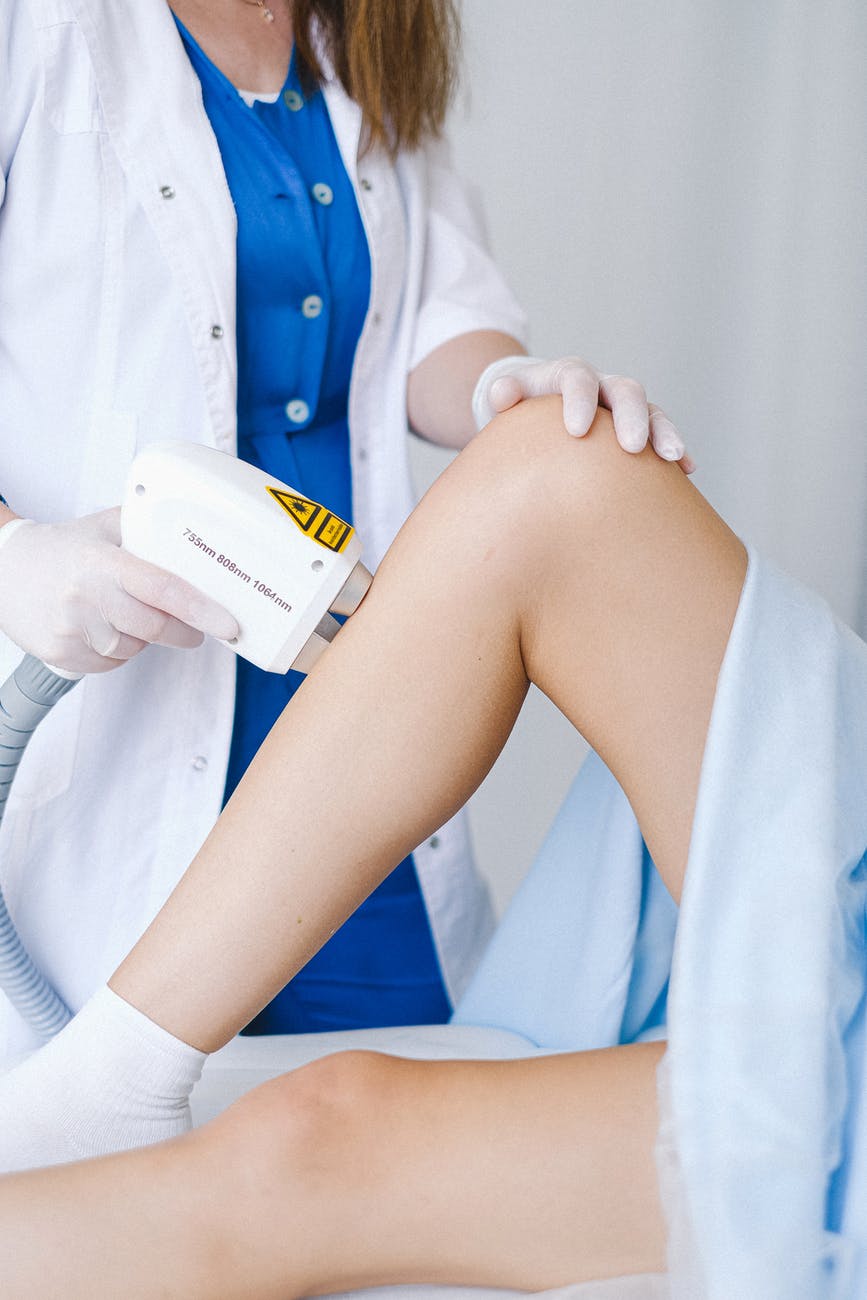
Every year on the day of 8th September it is celebrated as the world’s physiotherapy day started on the day of 1951. It marks the day of the unity and collaboration of the world’s PT society.

Every year according to the situations and conditions the theme of the day is to decide and physiotherapists try their best to keep their patients fit and in sound health throughout the year.

The contribution of the physiotherapists is such an important deed that even if one thinks that it is easy to motivate and aware people about the good things of a healthy and sound mind but it is not an easy task to achieve with a different mindset of peoples with a different set of problems.

It is not easy to think of the profession where we have to motivate people for the things that can easily be interpreted as the way they want.

This year the theme of the day is to talk about the effect of the Covid-19 and how one can cope with it.

Importance 

The importance of this day might not be yet clear to everyone out there but let me pinpoint some points which can even let you ponder on the thoughts that why this is so important for us.

The day was first discovered to recognize the efforts of the physiotherapist and what they do for us. This is day is celebrated to emphasize and promote the profession and expertise of Physiotherapists.

The importance of this can also be seen from the point of recovery from any physical injury that can restrict the movement of the body and all muscles. It is the way or therapy through which we can decrease the effect of the injury by increasing the maximum movement of the body and as well as physical function.

Not just this but with physical therapy one can also recover from fatal injuries and chronic conditions as well.

It can cure the pain and provide instant relief and can take care of the injury which can occur again in the course of some time.

Few Benefits 

The benefit of this day can be seen from the few points given below:

Easy and reliable pain management relief.

Recovery from any kind of trauma and ling lasting method to improve it.

Recovery from any physical injury and as well as paralysis.

Better body balance and posture as many of us can have problems related to the back of the neck area because most of us just sit many hours before the desktop or laptop.

As we all are gaining experience with our increasing age, we are also getting ourselves in the life long diseases which is very frequent nowadays so we can get some help from here too.

Conclusion

Even though medicines can provide us instant relief and no it’s not bad either when we don’t have any choice but one should consider physical therapy in the case of injury that is on the physical level and we rely on it for the longest time.

POVERTY

POVERTY IS THE WORST FORM OF VIOLENCE – MAHATAMA GANDHI.

Poverty can be defined as the condition where an individuals basic necessities are not fulfilled like; shelter, clothing, education. Today world is heading towards globalization, but still poverty remains a prime issue in many countries. Poverty has become a complex problem. It leads to other problems. A poor person is not able to get education which causes increase in illiteracy. An illiterate person is not qualified for jobs roles which leads to unemployment and in many cases humans exploitation and child labour. An unemployed person is not able get proper nutrition diet leading to power health and no energy for work. Most of the underprivileged class lives in slum areas. They lack in proper sanitation and drinking water, eventually leading to an early death. We can say that poverty is the root cause of other problems in society. There are various causes of poverty and one of the chief cause is population explosion. Rising population is putting load over the resources and budgeting of the country. In some countries past civil war had made poverty widespread. Natural disaster has also contributed to countries poverty. Today the rich are getting richer and poor are getting more poor. Government has come up with many plans to eradicate poverty but we can get better by joint efforts of government and people.

Courses and jobs to do after B.com hons.

Lack of clarity in choosing future may haunt you at night. If not addressed properly it may cost you your career. Just having B.com degree is not enough in extremely competitive corporate. You must add more skills.

Some of you may choose to work right after graduation while some may decide to purse masters. So I have sorted some most popular courses and jobs that you can do after B.com hons. Hopefully this article will help you in clarification.

Courses

  1. Masters of commerce (M.com):It is the most popular course after doing b.com hons.  This course is most suitable for students who want to pursue career in academics or as a market researcher, economist, lecturer etc. Duration of this course is 2 years.
  2. Masters of business administration (MBA): Another very popular course. You get to learn about various aspects of business based on specialization you choose. In addition to your graduation you are required to have valid score in relevant exams like CAT, CMAT to pursue this course. Duration of this course is also 2 years.
  3. Chartered financial analyst (CFA): It is offered by CFA institute of America and is considered of highest standard. You can take up jobs like a financial analyst, statistician, market research etc. Duration of this course is 2.5 years.
  4. Business accounting and taxation (BAT): This course is well planned to give you practical understanding of accounting, taxation, reporting and other relevant skills. These skills are mandate for accounting firms, KPO, and other hardcore finance and accounting jobs. Duration of this course is only 8-12 weeks.
  5. Certified management accountant (CMA): It demonstrates your professional expertise in the field of financial planning, analysis, decision report etc. You need to clear two exams in order to become eligible for this course. You are also required to have 2 year work experience. Duration of this course is 6 months.

Jobs

  1. Financial risk manager: FRM is a globally recognized certification for finance and banking professionals. It provides many lucrative jobs in the field of risk management, wealth management etc. Average salary of this job is Rs. 10-18 LPA.
  2. Business analyst:  One more career option is to apply for job as a business analyst in MNCs and corporates.  These companies always look for graduates. You will also gain experience and skills. Average salary is Rs. 3.5 to 5.5 LPA.
  3.  Digital marketer: Due to rise in digital marketing platform, MNCs are looking for candidates with commerce background and certification in digital marketing. Average salary is Rs. 4.5 to 10 LPA.
  4. Public sector banking: You can apply in banks like IBPS, SBI RBI etc and earn handsome of money with additional perks. Average salary of this job profile is Rs. 5 -12 LPA.
  5. Accountant:  An accountant handles tax related tasks and examines financial statements. You need subject specific degree to become eligible for this job. Average salary is INR 3.5- 18 LPA.

International Literacy Day

Photo by JAI on Pexels.com

Literacy the way one defines it tells many things about the perception of that person on the topic, but what can’t change with the variety of thoughts and points of view is the motive, the base, and everything which can tell the sheer drive of why and what behind the subject.

“The man who won’t read has no advantage on the man who can’t read”, as the saying goes we can easily see the importance of one’s literacy. The power one can harness from the depth of reading and knowledge is far much greater than anything.

The boundness of our imagination and information about things restricts us from achieving many things at the higher fronts, so reading and knowing contributes to your personal growth as well as on the backends of things too.

International Literacy Day is celebrated on the 8th of September every year all over the United States started in the year 1966.

But before knowing some of the amazing facts and information about literacy shouldn’t we know the real meaning of what literacy is and what one can interpret from it.

Literacy means the ability of a person through which one can understand, read, write and interpret things that they never can think of without the means of literacy.

“ The more you read, the more you learn and more places you go” by Dr. Seuss

Says everything about the benefit of the reading and how it can affect one’s all over the status of mind and as well as living methods.

So, let’s dive into the amazing facts and important notes related to the world’s literacy day.

First, let’s talk about the facts which concern the literacy rate of the world’s populations.

According to the stats of the United Nation, there are around 75 million children which are either dropouts or they don’t go to school.

As of this year, there are around 250 children which still can’t read or write, but the amazing fact is that around 84% of the world’s population is literate.

Almost the major portion of illiterate adults are from the top 10 countries like Nigeria, China, Pakistan, and India. One in five adults is illiterate according to the stats.

International Literacy day is not a day to celebrate it as a Holiday but it is the day to observe and know the importance of reading.

The literacy of India is somehow not so good or bad but it is something for which we all are working together and we will achieve it in the upcoming years ahead.

But again there is something lethargic about the rate of our literacy as if though we want to achieve it but we are unable to do so or it’s we just don’t want to achieve it right away.

Even in times of the global crisis, we have come up with alternatives to let the flow of literacy continue and people get their basic right of reading and literacy.

Even though around everything we should celebrate the people who can read and spread awareness who can’t.

Fast Food Chains

Origin

The term Fast Food was considered by Merriam Webster in the 1951 dictionary. Fast Food chains are a specific type of quick service and self-service restaurants with bare minimum seating arrangements. People generally takeaway or orders food from them.

The ultimacy of takeaways

The devotion of Fast-Food Chains or to call them Quick Service Restaurants not border restricted but worldwide. Be it “not in home-food-mood” or morning office rush, fast food chains have proved to have descended from the heavenly abode just to assist humans in their crisis times. These restaurants produce in bulk the food items and keep it warm, fresh, and ready to get picked.

Pocketwatchers and Watchkeepers

The affordable rates and not so short fast-food variety A list of these Quick Service Restaurants is the main centre of attraction. These reasonable and instantly fast-food providing places captivates the major group of the population of The United States I.e. The Youth, both college and office goers.

Specific in Specials

These fast-food chains are both vegetarians and nonvegetarians friendly. Both Arby’s Meat and Burger King’s Whopper is equally respectable among fast-food lovers. McDonalds and Pizza Hut are among the top priority list of pizza lovers. Not to deny the reign of KFC in the hearts of non-vegetarians.

Fed-up of dining-in

The vast working-class singles when fed up of Hotel’s boring Dine-ins, step towards these fast-food chains for quick home deliveries at the comfort of their homes and enjoy their meal along with home theatres.

Boon For Time Lacking Mothers

With the ingrained notion assigning cooking to Moms, although which seems to having started fading away, students find it easy to pick up from takeaways on their way to schools. With serving burgers, pizzas, fries, shakes, beverages, fish, salads, chicken nuggets and much more, these fast-food chains have acquired both- Customers and controversies regarding being healthy. Say whatever to attack but the incredibility of these quick servers cannot be overlooked.