TOP 5 MAHARASTRIAN FOOD YOU MUST TRY

You haven’t tried any Maharashtrian dish till now? Ohh you must! What are you waiting for, here are some Maharashtrian foods for you, try these absolutely delicious Maharashtrian dishes and experience the cuisine in all its glory!

What comes in your mind when you think about Maharashtrian food, Mumbai’s famous Vadapao, Misal Pav from Pune, Kolhapur’s Tambda Rassa and many more. From Misal pav to Aamti to Bhelpuri, each one of them is a gem. So here are some famous and extremely tasty Maharashtrian foods for you.

1. Zunka Bhakar

Zunka Bhakar is a traditional meal of Maharashtrian people. It’s a meal of poor, who can’t afford any food, Zunka Bhakar is like a blessing for them. Every Maharashtrian loves Zunka Bhakar. Zunka is made with besan paste and served with bajra or jwari roti which is called as Bhakar.

2. Puran Poli

Puran Poli is like festival food for all Maharashtrian out there, its specifically made during all festivals like Diwali, Gudi Padwa even on birthdays Maharashtrians made Puran Poli. Made with gram flour and stuffed with sweet mixture of dal, this Maharashtrian bread is a sweet delight for your taste buds.

If you love sweets you should definitely try Puran Poli!

3. Misal Pav
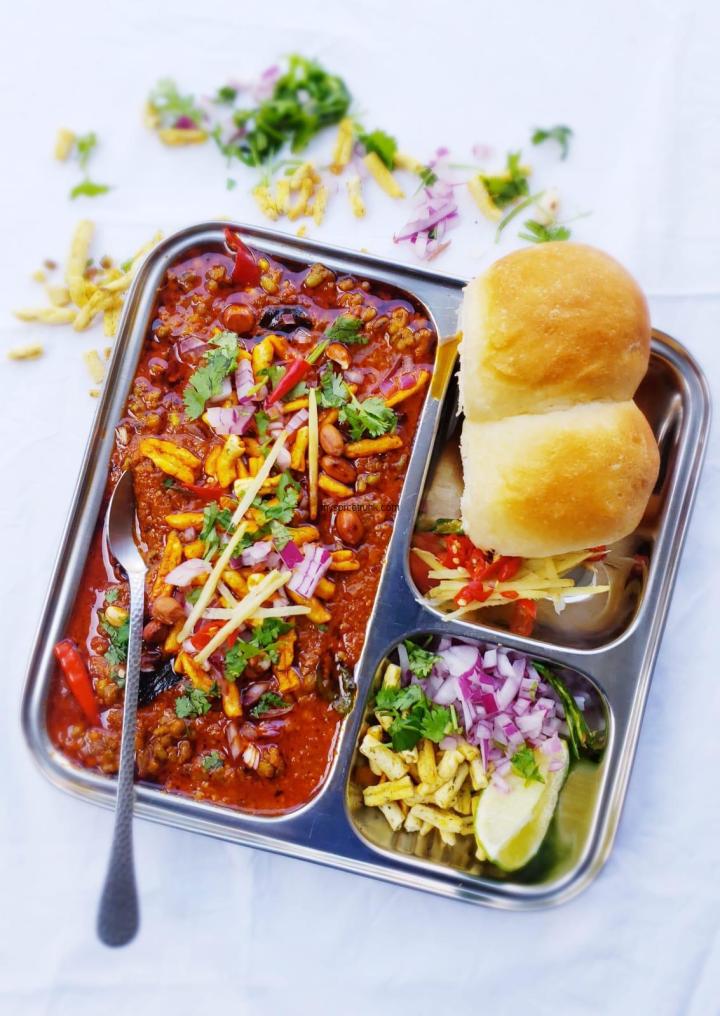
Misal Pav is basically for breakfast but, you can had it anytime it’s a meal that can be had at any time of the day. If you are living in a Pune and you still haven’t tried Misal Pav then, what are you waiting for, you must try this out today!!

Misal Pav is made with potatoes, hot masalas and team up with bread to create a perfect, Maharashtrian meal.

4. Kandepohe

A famous Maharashtrian breakfast. For Maharashtrians Kandepohe with Chaha (tea) is like heaven. If we have any guests or any marriage proposal meeting exists, we Maharashtrians first made kandepohe, it’s like compulsory.

5. Modak
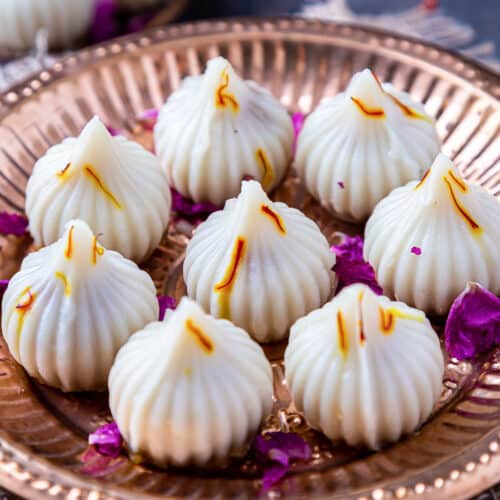
Modak, the favourite meal of Ganeshji, it’s specially made on Ganesh Chaturthi, Modaks are now made in many parts of the country as well. Sweet flour dumplings stuffed with coconut, jaggery, nutmeg and saffron.
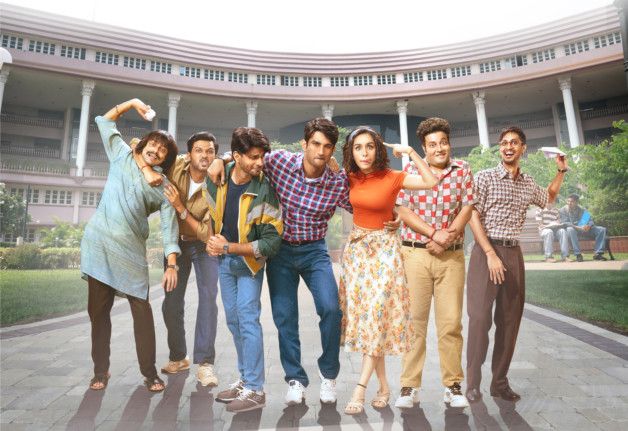

CHHICHHORE

THE MOVIE WITH BEST MESSAGE : NEVER QUIT

Chhichhore, the movie which taught us that, suicide is not right option, movies which taught us “ NEVER GIVE UP”, we just have to keep going, doing our best just keep going and enjoy your life cause these moments are never gonna come back.

In life things we love the most always disappears quickly and its life.

The film tells the story of Aniruddha “Anni” Pathak, a middle-aged divorcee whose son Raghav tries to commit suicide but survives, though he is in a critical condition for his unwillingness to live out of fear he would be called a “loser”. Desperate, he goes against the wishes of his former girlfriend turned ex-wife Maya’s wishes to recount his own journey in 1992 as a “loser” in a gang of six; as he continues along to convince Raghav, the other five receive news of the tragedy and decide to join their friend in his pain to complete a story they never fail to cherish as a lesson in their life.

Since childhood we are listening this, from our parents, family members and relatives, if you win this competition, I’ll buy you your fav dress or I’ll buy you motorcycle, if you get first rank in your school or college test, I’ll buy you smartphone, if you got selected or if you pass the test I’ll give you this or that or whatever you want I’ll give you, blab blah. But no one told us that if you didn’t won or if you got second rank or if you failed the test, it’s okay, it’s completely okay, atleast you have tried and worked very hard for this. What’s big deal if you didn’t got selected, the most important thing is, you tried and didn’t give up easily. Life is all about second change for them who don’t give up easily and try until they give their best. Let’s say that, it wasn’t your best and promise yourself that you will try very hard to give your best and trust yourself, if you think you can do it then you definitely can and one day you will definitely became successful and will achieve your dream.

Its human nature that we got disappointed very soon, we think like we did so much hard work for this and after all this what we got is failure.

Its life and in life things always don’t go as we planned, just trust yourself and try harder, you may struggle but it won’t matter anymore. If you feel like quitting, think about the reason why you started.

NEVER QUIT. NEVER GIVE UP. FLY IT TO THE END.

Here are some memorable dialogues from Chhichore we will always remember

1. “Tumhara result decide nahi karta hai ki tum loser ho ki nahi… Tumhari koshish decide karti hai!”

2. “Success ke baad ka plan sabke paas hai… lekin agar, galti se fail ho gaye… toh failure se kaise deal karna hai… Koi baat hi nahi karna chahta.”

3. “Hum haar jeet, success failure mein itna ulajh gaye hai… ki, zindagi jeena bhool gaye hai… Zindagi mein agar kuch sabse zyada important hai… toh woh hai khud ZINDAGI.”

4. “Doosron se haarke loser kehlane se kahin zyada bura hai…khud se haarke loser kehlana.”

5. “I am a failure, mera kuchh nhi ho sakta… But we forgot success doesn’t come at once.”

6. “Dost jinke sath hum haste hai, rote hai Par zindagi jeena sikhte hai.”

TOOLS TO HELP ENHANCE YOUR RESUME

1. KICKRESUME

Kickresume is a resume builder tool that lets you choose from pre- designed resume and cover letter templates. Kickresume is by far the most easy to use and effective resume website which will help to make your resume look more elegant, well designed and impressive. Kickresume gives you amillion design combinations to improve your resume. Whether you are nurse or an engineer it doesn’t matter with kickresume your resume will always stand out.

“Being a college student who is transitioning to the work life, I consider Kickresume the most helpful tool available. It is very user-friendly with a variety of designs tailored to your personal preferences and profession. It doesn’t get any better than this!!!“

It offers templates for various professional arenas. Simply choose your profession and further customize it according to your needs!

2. READABLE

While creating your resume it is extremely necessary to view it from an employer’s perspective. Is the format clear? Does it hold attention? Is it easy to read and understand? Readable can help. The tools scores your content based on various aspect such as sentence construction, structure and more!

Readability is about making content clear and easy to understand for the largest audience possible. Focusing on readability increases the chance that your target audience will actually read and interact with the content you publish. For this reason, readability should be a natural part of your content management.

3. CANVA

Of course, you’ve heard of Canva choose from a plethora of templates to add that touch of finesse to your own resume. Customize your resume by changing elements, colour, and style. While it can be a lot of fun customizing your resume remember to it professional, sleek, and clean.

4. GRAMMERLY

Yes, this tool is nothing short of a lifesaver when it comes to assignments. But guess what? You can also use Grammarly to create grammatically flawless application and resumes. it will make sure that everything you type is effective and mistake-free, it will help you write mistake-free in not only resume but also in Gmail, Facebook, Twitter, LinkedIn and many other app you use. Even the text messages also!

It also check the tone of your application, making it suitable for professional and formal use . No silly spelling errors anymore, yay!

Grammarly isn’t just a safety net. You’ll get detailed explanations for all your mistakes to help you avoid making them again in the future.

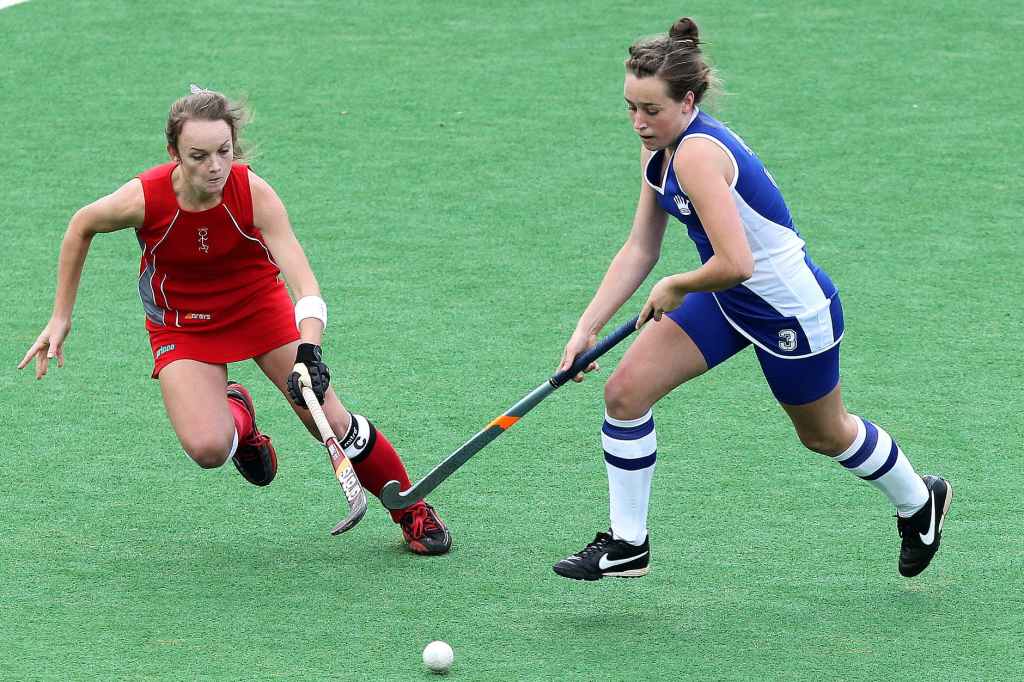
HOCKEY

Hockey is a sport in which two teams play against each other by trying to manoeuvre a ball or a puck into the opponent’s goal using a hockey stick. There are many types of hockey such as bandy, field hockey, ice hockey and rink hockey.

In most of the world, the term hockey by itself refers to field hockey, while in Canada, the United States, Russia and most of Eastern and Northern Europe, the term usually refers to ice hockey.

Games played with curved sticks and a ball can be found in the histories of many cultures. In Egypt, 4000-year-old carvings feature teams with sticks and a projectile, hurling dates to before 1272 BC in Ireland, and there is a depiction from approximately 600 BC in Ancient Greece, where the game may have been called kerētízein or because it was played with a horn or horn-like stick .[10] In Inner Mongolia, the Daur people have been playing , a game similar to modern field hockey, for about 1,000 years.

Most evidence of hockey-like games during the Middle Ages is found in legislation concerning sports and games. The Galway Statute enacted in Ireland in 1527 banned certain types of ball games, including games using “hooked” (written “hockie”, similar to “hooky”) sticks

By the 19th century, the various forms and divisions of historic games began to differentiate and coalesce into the individual sports defined today. Organizations dedicated to the codification of rules and regulations began to form, and national and international bodies sprang up to manage domestic and international competition.

Utilising the potential of the youth of the country

In India over 62% of the population is aged between 15 and 59 years, and the median age of the population is less than 30 years. This means India is going through the stage of ‘demographic dividend’ representing the potential for economic growth based on the age structure of the population.

However, transforming this potential into reality requires adolescents and the youth to be healthy and well-educated.

A study on demographic dividend in India by United Nations Population Fund (UNFPA) said the window of demographic dividend opportunity in India is available for five decades from 2005-06 to 2055-56.

Therefore, more than the fears of a ‘population explosion’, it is critical that India focus attention on safeguarding young people’s well-being because India’s welfare hinges on them.

With so much potential we can march ahead in the path of success! Then what’s stopping us?

What are the Challenges In Realising Youth Potential

  • Lack of Education and Skill: India’s underfunded education system is inadequately equipped to provide the skills young people need to take advantage of emerging employment opportunities.
    • According to the World Bank, public expenditure on education constituted only 3.4% of GDP in 2020.
    • Another report revealed that India stands 62nd in terms of public expenditure per student, and fares badly in quality of education measures such as student-teacher ratios.
  • Impact of the Pandemic: Various studies show that school closures have a serious impact on the learning, lives and mental well-being of children. A survey by the International Labour Organization (ILO) reveals that 65% of adolescents worldwide reported having learnt less during the pandemic.
  • Issues of Young Women: Child marriage, gender-based violence, their vulnerability to abuse and trafficking, especially if primary caregivers fall ill or die. All these issues restrict young women to achieve their full potential.
  • Jobless Growth: The main contributor in India’s GDP is the service sector which is not labour intensive and thus adds to jobless growth. Further about 50% of India’s population is still dependent on agriculture which is notorious for underemployment and disguised unemployment.
  • Low Social Capital: Further high levels of hunger, malnutrition, stunting among children, high levels of anaemia among adolescent girls, poor sanitation etc., have reduced the productivity of India’s youth in realising their potential.

What is the way forward?

  • Inter-sectoral Collaboration: It is imperative to have in place mechanisms for better inter-sectoral collaboration to safeguard the futures of the young generation. Coordination across departments can enable better solutions and greater efficiencies in tackling any crisis.
    • Eg.: Mid-day meals scheme not only provides an incentive for parents to send their children to school but also provides the calorie intake required to stay alert in the classroom.
  • Skill Development to increase employability of the young population. India’s labour force needs to be empowered with the right skills for the modern economy.
    • Government has established the National Skill Development Corporation (NSDC) with the overall target of skilling/up-skilling 500 million people in India by 2022.
  • Improving Social Infrastructure: If India wants to leverage the economic potential of its youth bulge, then it must invest in improving social infrastructure viz. good health, quality education, and endeavour to provide decent employment to their entire population.
  • Maintaining Basic Hygiene: As school closures have impacted access to schemes such as the delivery of menstrual hygiene products to adolescents, teachers can work as volunteers for collaborating with frontline health workers to distribute sanitary napkins to girls.
  • Helpline For Youth: To address the mental health of adolescents, the Health and Education Ministries should strengthen outreach via existing helplines and by enabling conversations on critical issues regarding their reproductive and sexual health.
  • Immediate Steps After Pandemic: It is important for policymakers to balance the risks of transmission through children with the harm of prolonged school closures.
    • By prioritising the vaccination of teachers and school support staff and also allowing a decentralised approach where district-level officials may reopen schools based on local Covid-19 transmission rates, schools could be opened in a safe and phased manner.

Conclusion

Improving the lives of youth in mission mode would lift their lives, generate a virtuous cycle with healthier and educated young adults contributing substantially to securing India’s future.

The policies for empowerment of youth and their effective implementation will ensure that demographic dividend, which is a time-limited opportunity, becomes a boon for India.

Food

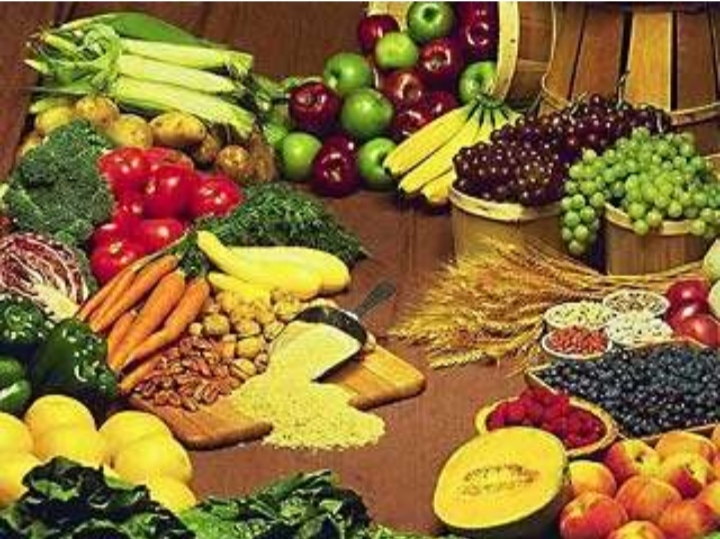
Life cannot exist without energy. Energy is inevitable for the day – to- day life activities. This energy is derived from food. Food is defined as a composite mixture of various substances which sustain life activities. Foodstuff is defined as anything which can be used as food. The foodstuff of animals is composed of the following six components:

Carbohydrates, Proteins, Lipids, Vitamins, Minerals and water

Role of Food

Food has four important functions in the life of animals. They are as follows:

It supplies energy which maintains the day-to-day life activities. Food is essential for the growth and repair of body and its parts. It gives temperature for the body. Certain type of food materials like vitamins regulate the activities of animals.

Carbohydrates

Carbohydrates are the cheapest sources of energy in the animal food. Carbohydrates are hydrates of carbon with an empirical formula Cn(H_2O). Hydrogen and oxygen are combined in the same ratio as in water (H_2O). Hence they were named as carbohydrates. But a number of carbohydrates, discovered later, do not have H and O in the above proportion; again some carbohydrates contain N_2 and S. Still the unsuitable name, carbohydrates, is retained. Carbohydrate is defined as an organic compound that contains carbonyl group, namely aldehyde or ketone in addition to two or more alcohol groups or that yields such compounds on hydrolysis. Eg. Glucose, Fructose, Sucrose, Lactose, Cellulose, Starch, Glycogen, etc.

Physiological Role of Carbohydrates

Carbohydrate has the following functions:

It is the main source of energy. Energy is essential for day- to-day activities. It plays main role in metabolism.

Proteins

The term ‘protein’ is derived from a Greek word ‘protes’ meaning ‘prime’ or ‘first importance’. Proteins are complex organic nitrogenous compounds. They contain C, H_2,O_2,N_2 and S. Some proteins also contain P and Fe. Proteins are defined as high molecular weight polymers in which the building blocks are the aminoacids. Amino acids are the basic units of proteins. Each protein is formed of several amino acids. Eg. Albumin, Globulin, Haemoglobin, etc.

Physiological Role of proteins

In the animal world, protein has the following functions:

Most of the enzymes are protein in nature. The enzymes function as biocatalysts. The hormones secreted by endocrine glands are protein in nature. Haemoglobin transports gases. Immunoglobulin of blood plasma acts as antibodies. Proteins are essential for the growth and repair of animals. They supply energy and heat

How to be a good person?

Being good person means more than just doing things for others. You have to accept your true self and have to discover what does goodness means to you. You have to be honest from your heart. Everyone have their own unique talents. Focus on sharing goodness that lies within you.

Be a good person for your own sake. Don’t try to become good just to impress others. Your dedication to a particular creed, ideology or set of guidelines doesn’t make you better than anyone else. Do what you believe makes you a good person on your own terms. Be a good listener this will help you to be a good speaker. Forgive people for their mistake this will helps you to let go of negativity and encourages you to move on. Most important be honest with yourself and to others. Being honest doesn’t mean being rude or cruel. Respect everyone, be fair to all and be kind.

BADMINTON

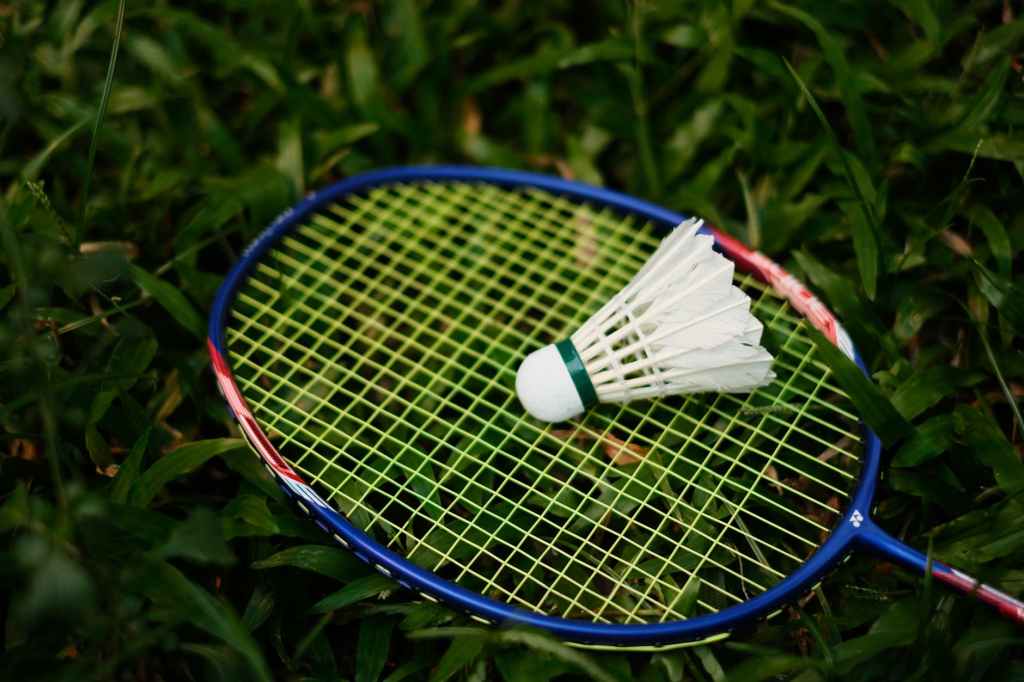
Badminton is a racquet sport played using racquets to hit a shuttlecock across a net. Although it may be played with larger teams, the most common forms of the game are “singles” (with one player per side) and “doubles” (with two players per side). Badminton is often played as a casual outdoor activity in a yard or on a beach; formal games are played on a rectangular indoor court. Points are scored by striking the shuttlecock with the racquet and landing it within the opposing side’s half of the court.

Each side may only strike the shuttlecock once before it passes over the net. Play ends once the shuttlecock has struck the floor or if a fault has been called by the umpire, service judge, or (in their absence) the opposing side.

The shuttlecock is a feathered or  plastic projectile which flies differently from the balls used in many other sports. In particular, the feathers create much higher drag, causing the shuttlecock to decelerate more rapidly. Shuttlecocks also have a high top speed compared to the balls in other racquet sports. The flight of the shuttlecock gives the sport its distinctive nature.

The game may have originally developed among expatriate officers in British India, where it was very popular by the 1870s. Ball badminton, a form of the game played with a wool ball instead of a shuttlecock, was being played in Thanjavur as early as the 1850s and was at first played interchangeably with badminton by the British, the woollen ball being preferred in windy or wet weather.

Early on, the game was also known as Poona or Poonah after the garrison town of Poona, where it was particularly popular and where the first rules for the game were drawn up in 1873.By 1875, officers returning home had started a badminton club in Folkestone. Initially, the sport was played with sides ranging from 1 to 4 players, but it was quickly established that games between two or four competitors worked the best. The shuttlecocks were coated with India rubber and, in outdoor play, sometimes weighted with lead. Although the depth of the net was of no consequence, it was preferred that it should reach the ground.

The Evergreen Mughal Architecture

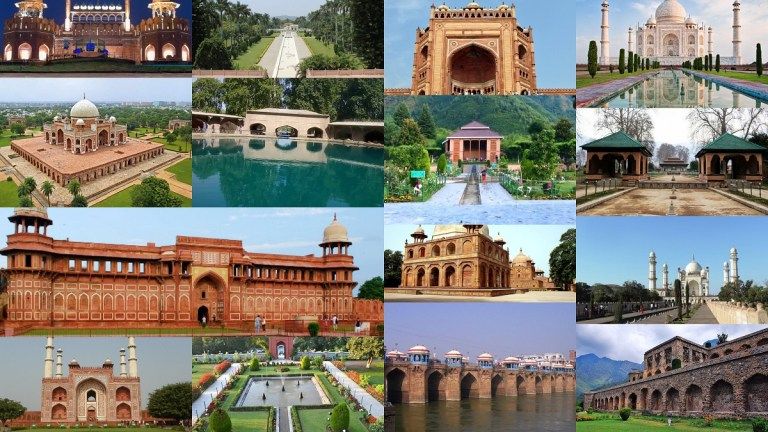
Mughal architecture, is a characteristic Indo-Islamic-Persian building style that flourished in Northern and Central India under the patronage of the Mughal emperors from the mid-16th to the late 17th century. This new style combined elements of Islamic art and architecture, which had been introduced to India during the Delhi Sultanate (1192–1398) and had produced great monuments such as the Qutb Minar, with features of Persian art and architecture. Mughal monuments are found chiefly in the northern parts of India, but there are also many remains in Pakistan. The Mughal period marked a striking revival of Islamic architecture in northern India. Under the patronage of the Mughal emperors, Persian, Indian, and various provincial styles were fused to produce works of unusual quality and refinement.

The tomb of the emperor Humayun (1564) at Delhi inaugurated the new style, though it shows strong Persian influences. The tomb was designed by a Persian architect Mirak Mirza Ghiyas. Set in a garden at Delhi, it has an intricate ground plan with central octagonal chambers, joined by an archway with an elegant facade and surmounted by cupolas, kiosks, and pinnacles. 

The first great period of building activity occurred under the emperor Akbar (reigned 1556–1605) at Agra and at the new capital city of Fatehpur Sikri, which was founded in 1569. The latter city’s Great Mosque (1571; Jami Masjid), with its monumental Victory Gate (Buland Darzawa), is one of the finest mosques of the Mughal period. The great fort at Agra (1565–1574) and the tomb of Akbar at Sikandra, near Agra, are other notable structures dating from his reign. Most of these early Mughal buildings use arches only sparingly, relying instead on post-and-lintel construction. They are built of red sandstone or white marble.

Mughal architecture reached its peak during the reign of the emperor Shah Jahan (1628–1658), its crowning achievement being the magnificent Taj Mahal. This period is marked by a fresh emergence in India of Persian features that had been seen earlier in the tomb of Humayun. The use of the double dome, a recessed archway inside a rectangular fronton, and parklike surroundings are all typical of the Shah Jahan period. Symmetry and balance between the parts of a building were always stressed, while the delicacy of detail in Shah Jahan decorative work has seldom been surpassed. White marble was a favored building material as is evidenced with the Wonder of the World. After the Taj Mahal, the second major undertaking of Shah Jahan’s reign was the palace-fortress at Delhi, begun in 1638. Among its notable buildings are the red-sandstone-pillared Diwan-I-Am (“Hall of Public Audience”) and the so-called Diwan-I-Khas (“Hall of Private Audience”), which housed the famous Peacock Throne. He established Delhi as his capital (1638) and built there the famous Red Fort (1639) which contained the imperial Mughal palace.

The architectural monuments of Shah Jahan’s successor, Aurangzeb (reigned 1658–1707), were not as numerous, though some notable mosques, including the Badshahi mosque in Lahore, were built before the beginning of the 18th century. Subsequent works moved away from the balance and coherence characteristic of mature Mughal architecture. In general, however, Mughal architecture had begun to decline during his reign, a process that would accelerate after his death. “Architecture, of all the arts, is the one which acts the most slowly, but the most surely, on the soul.” The Mughal architecture truly was a revolutionary blend of different cultures and till the present day. Some of the buildings constructed under the reign of the emperor’s are some of the most famous and well known and continue to inspire and attract millions towards its timeless design.

The Rise of Medical Tourism in India

In India, health care is one of the largest sectors, in terms of revenue and employment, and is expanding rapidly. During the 1990s, the Indian health care sector grew at a compound annual rate of 16%. The total value of the sector is more than 34 billion U.S. dollars in 2010 and grew up to 160 billion U.S. dollars in 2017 and was estimated to reach up to a value 372 billion dollars by 2022. A major proportion of this growth is predicted to be attributable to the growth in the business of medical tourism. According to Britannica Medical tourism, also called health tourism, surgical tourism, or medical travel can be defined as the international travel undertaken for the purpose of receiving medical care.

Medical tourism in India has gained momentum over the past few years. According to the Confederation of Indian Industries (CII), approximately 150,000 patients arrived in India in 2005 from across the globe for medical treatment in 2016, the number of visitors arrived in the country amounted to 361,000. The medical tourism industry in India was valued at around $3 billion in 2015, and it was expected to grow to $9 billion in 2020 before covid-19 struck.

There are several characteristics that make India an appealing destination for visitors seeking health services. These include its well-trained health practitioners, a large populace of good English-speaking medical staff, a good mix of allopathic and alternative systems of medicine, the availability of super-specialty centers, use of technologically advanced diagnostic equipment, and finally and more importantly, the availability of these premium services at competitive cost.

The costs of comparable treatment in India are on average one-eighth to one-fifth of those in the West. For instance, a cardiac procedure that costs anywhere between US$40,000–60,000 in the United States is priced at US$30,000 in Singapore, US$12,000–15,000 in Thailand and only US$3,000–6,000 in India. Likewise, the associated costs of surgery are also low. A study by the India Brand Equity Foundation (IBEF) showed that India is more cost-competitive than other leading medical tourism destinations like Thailand.

Health services in India have the additional advantage of providing a good mix of allopathic and alternative systems of medicine. For instance, while New Delhi has emerged as a prime destination for cardiac care, Chennai has established a niche for quality eye care, and Kerala and Karnataka have emerged as hubs for state-of-the-art Ayurvedic healing.

The opportunity for profit in this sector has encouraged several large corporations and several non-resident Indians (NRIs) to invest money in setting up super-specialty. These facilities now dominate the upper end of the private sector and cater predominantly to medical tourists and affluent sections of the society.

Even the Government of India has responded promptly to tap the potential of this sector. In its effort to capitalize on this opportunity the Government has undertaken measures to promote India as a ‘global health destination’. The National Health Policy strongly encourages medical facilities to provide services to users from overseas (Ministry of Health and Family Welfare 2002). The Indian Ministry of Tourism has started a new category of visas for medical tourists called the ‘M’ or medical visas. This program that ensures that people who need critical, life-saving treatment should get their visas in a timely manner. Being able to easily obtain a visa is one of the primary reasons that people seeking treatment come from abroad to visit India to get that treatment that is provided at a reasonable price. Having procedures done in a timely manner has saved countless lives, and is likely to save much more in the future.

If the present trend continues, trade in health services will become one of the biggest sectors in India. India has become one of the premiere medical tourism destinations in the world for many good reasons. The lower cost does not mean lower a quality of care. The quality of care compares to that received in any Western country. However, the growth of this sector could pose a potential threat to the already crippled public health system in India

HOW TO ENHANCE COMMUNICATION SKILLS?

Communication is the mode of exchanging our feelings and ideas with others. It paves the way for the listener to understand and for the speaker to express their thoughts. Everyone can communicate with others but whether it is effective or not is decided by the way you convey messages. This requires communication skills. It is the ability to express and share thoughts and feelings effectively. It is one of the main soft skills that are very much essential to maintain a good rapport in the workplace. Communication may be of any form – spoken, written, visual, or even non-verbal communications like body actions. In general, it is a combination of all these. Here are few ways to upgrade your communication skills.

  • PRACTICE ACTIVE LISTENING 

Good communicator is always a good listener too. Try to listen to what others are saying so that you can communicate with those developed points and answer the questions raised as well. Don’t avoid listening or get distracted to think about what you have to respond to next. When you start paying close attention to others you become an active listener and this quality is very important to improve the skill.  

  • KEEP IT SIMPLE

Use simple words and sentences to convey your essence. Don’t show off your vocabulary and use complex words. It will not reach everyone as every listener may not be as skilled as you. Make sure that everyone understands what you are trying to convey. Try to engage the audience by asking questions and feedback to them. A mount hill of emotions or a vague expression will not get your attention. So, manage your emotions while you deliver something.

  • MAINTAIN COHERENCE

While communicating ensure that you start and end with the key points and gist. Maintain the coherent sequence of ideas from start till end. Don’t make it a mess by mixing up all the points. Be clear and precise in what you are delivering. Add short stories in the middle to have the attention of the audience throughout the session. Don’t be so spontaneous, pause in between. Stick on to the timing. Don’t finish it very soon or drag it so long. 

  • NON-VERBAL COMMUNICATION

Non-verbal communication is equally important as verbal communication. Your audience is going to judge you and your skills mostly based on this. Your body language conveys almost 50% of your ideations. So, try to have good postures and gestures. Make eye contact with the audience. This means that have eye contact with every person at least once when you communicate. Don’t be specific to a particular place, utilize most of the space provided to you.

  • OTHER FACTORS
    • Friendliness – This quality shows your positive attitude and drags others towards you to listen.
    • Confidence – Have full faith in what you do. It becomes difficult to make others understand when you are not confident enough.
    • Clarity – Use a clear tone of voice and volume to express the feelings more effectively. This is essential as it gives life to your speech.
    • Empathy – Be empathetic towards others and try to understand their emotions. Respect others’ opinions and views and give equal concern to them.

These are the few tips to enhance your communication skills. Practice this in your daily presentations and become an expert. Happy learning😊.

6 Helpful and Unique Travel Accessories for College Students

Whether you plan to travel abroad, or you just want to get away for Spring Break, you’ll need some basic travel gear. These are some of the best travel necessities I’ve found anywhere. Prepare for the unexpected and look good doing it with all these unique travel accessories and gear.

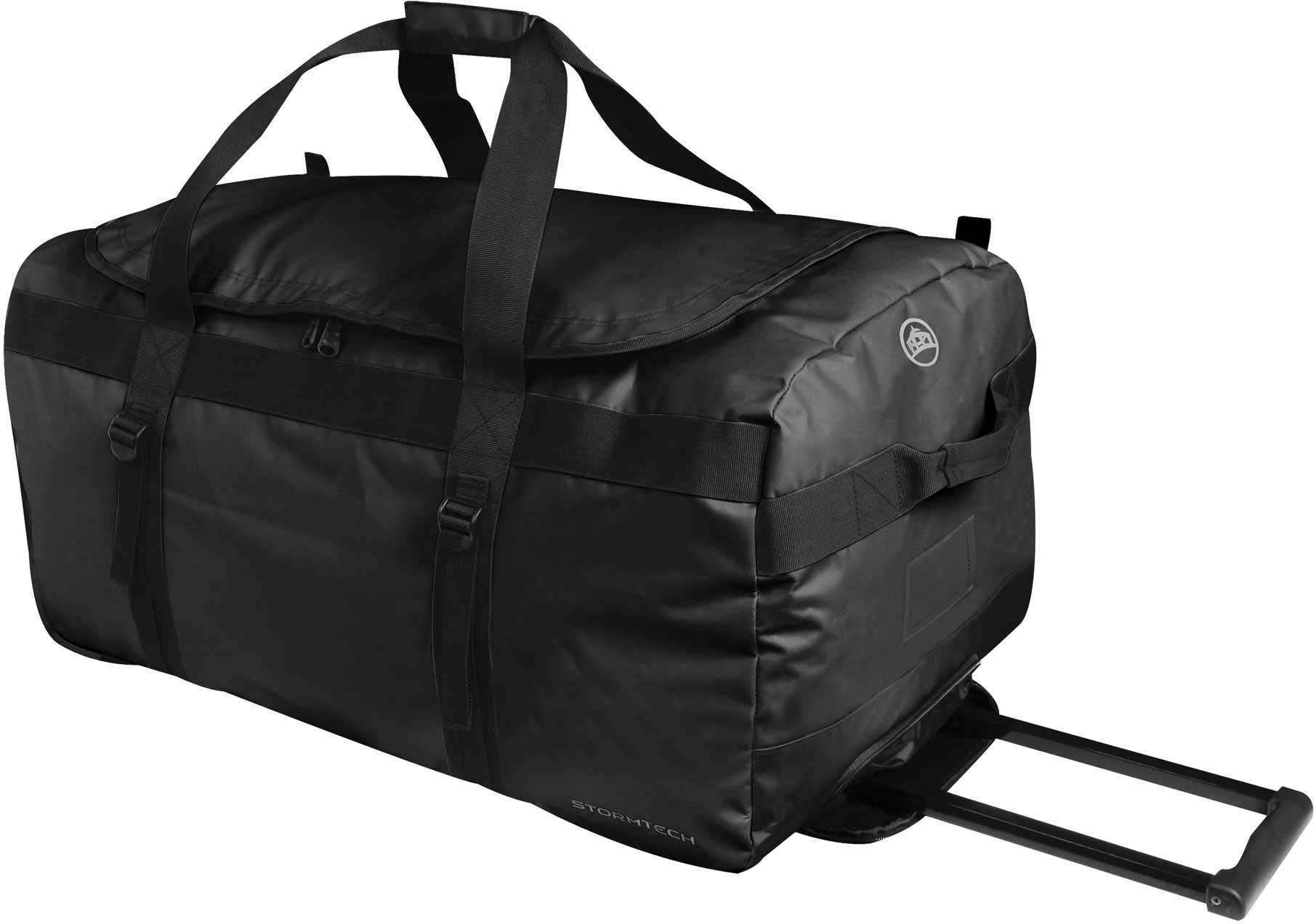
1.A Rolling Duffel


The Rolling Duffel is roomy and expandable. With lots of pockets and compartments, you’ll be able to carry everything you need for a long trip. And because it’s so lightweight, you won’t need to worry about paying extra baggage.

It has recessed wheels and the handle fits down into the body for added convenience.This rolling duffel from Olympia is perfect for your study abroad, spring break, or homeward bound adventure.

2.An antibacterial Toothbrush Covers


Toothbrush covers the little clip-on toothbrush protector will keep germs away while you’re travelling—or even when you’re not. Just clip it on and your toothbrush can stay clean and germ-free. Best of all, it fits any standard toothbrush—even electric ones!

3.A travel Hanging Toiletry Bag


Travel hanging toiletry bag.This is a brilliant little travel toiletry bag. Once you use it you’ll wonder how you managed without it. Place your belongings into a toiletry bag, roll it up, and pack it away in your suitcase. When you arrive at your destination, unroll and hang it in your room or hostel. No matter where you go, you can keep it all together with this little roll-up toiletry bag.

4.A 21-Piece Necessities Kit


A  21-Piece Necessities travel kit with shampoo, soap, creams, and other gear.A 21-piece necessities kit is perfect for travellers or those who love to sample newer products on the go. You can fill it up with everything you need, from shaving necessities, travel toothbrushes, sleeping masks, earplugs, and more. You’ll find everything you need to make travelling easier and your stay more restful.

5.A Multi-Purpose Passport Wallet


A passport wallet filled with cards.A handy wallet is an international traveller’s best friend. It has so much room you could choose to forgo your handbag for this wallet.Note that it should be spacious enough to hold your currency, passport, credit cards, and anything else you need to keep secure and on your person while travelling.It should be made of a material which is to clean.

6.A Collapsible Water Bottle


A Collapsible Water Bottle which is made of 100% food-grade material is surely great value for money and also a space saver.It should be light to carry and is even leak-proof and you can easily keep yourself hydrated.

No matter where your travels take you, you’ll always be prepared with these unique travel accessories.

Planting trees!!!!

We all know that the world is heading towards deforestation, global warming, drought etc., What is the major cause of this global changes? It is us. We humans are quite selfish when it comes our own deeds. We keep on cutting the trees, increasing pollution, high useage of plastic etc. What can we do to make our earth lively and healthy? There is no other remedy than planting trees. Yes, there reason we live is the trees. Without them we won’t be alive. Let’s see about planting trees and its importance.

Planting trees will not solve the issue of climate change • Earth.com

Why trees are important to us?!?!

Trees are important to the environment because they provide oxygen and they act as carbon sinks. A carbon sink is a natural or artificial body that stores carbon dioxide. The more trees you have, the more carbon dioxide that you can store. This is because they take in carbon dioxide and then release oxygen, which allows them to store more carbon dioxide.

Importance of Planting more Trees. — Steemit

Planting trees has several benefits, including the fact that they help to reduce greenhouse gases (GHGs). They also help to reduce the amount of carbon dioxide in the atmosphere. As a result, planting trees can help to mitigate the effects of climate change.

Trees are also important for the environment because they provide a habitat for wildlife. They also help to improve the quality of air and water, and they provide a home for birds, insects, and other small animals.

When you plant a tree, you are helping to reduce the amount of carbon dioxide in the atmosphere. So, it is important that you plant a tree. The more trees you plant, the more you will be helping the environment.

What are the trees can be planted??

There are several different types of trees that can be planted. Some of these include the following:

Oak trees, Redwood trees, Pine trees, Alder trees, Fir trees,Bamboo trees,Evergreen trees, Deciduous trees.

METHOD OF PLANTING TREES:

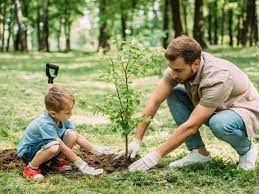
  • Dig a big hole, put the rootball in, cover with dirt.

This is probably the most common method. It’s simple and easy, but it’s not the best. The tree will grow fine if you fill the hole with a small amount of compost. This will help the tree get established quicker and, in the long term, will make the tree more resilient to drought. But it’s harder to dig a big hole, and it’s hard to get the compost in there without disturbing the rootball. It’s also worth noting that the tree is going to be much happier if you can put the hole in a slightly damp area.

Do water the plant regularly until its becomes a tree. You may plant whatever tree you like and the most important thing is to maintain them in a good condition. Everybody says plant trees, save earth, save water. But in reality, how many of us has really planted trees? Think about it and find the best answer yourself!!

TOP 25 TREE PLANTING QUOTES | A-Z Quotes

Read more;

FARMERS


An Indian farmer should be respected by everyone. It is he who produces grains and vegetables for the citizens of the country. Throughout the year, the Indian farmer remains busy tilling the fields, sowing seeds, and reaping the crops. Indeed, his is a very busy and hard life. India is an agricultural country. Our prosperity depends upon our agricultural production. For achieving this the Indian farmer’s contribution is very vital. India, as a matter of fact, is a land of farmers. Nearly 75 percent of our population lives in villages.

Former Prime Minister of India, Lal Bahadur Shastri rightly coined the term Jai jawan Jai Kisan to hail both farmer and a soldier. A farmer is as important to a country as a soldier. While one protects the nation against enemies and guards the citizens against bad elements, another makes sure that we never sleep hungry even for one day. The food we eat every day is because of the sweat and hard work that our farmers go through in the fields.

But just praising farmers and the farming community is not sufficient. India has one of the highest farmer suicide rates in the country. And this precedence is not taken seriously by the people of the country and is never reported in any media channels. There are various reasons why a farmer commits suicide. One might be due to lack of proper production of crops due to scanty rainfalls or unpredictable weather conditions. Governments should intervene to help farmers cope up with their losses.

Food Corporation of India (FCI) is an autonomous body in the country that buy crops directly from the farmers and store it in there cold storage areas for use during Emergency situations like wars or the one that we are facing now, COVID 19 pandemic. I would like to conclude by saying that the farmer and the work he does for his country is no less than the divine work. Governments should formulate proper policies and laws to take care of their needs. If we take care of his needs, only then he can take care of our needs.

Conclusion:

Farmers have great importance in our society. They are the ones who provide us food to eat. Since every person needs proper food for their living, so they are a necessity in society. … Moreover, farmers who grow these crops are of prime importance.

E.LALITHA 


Metamorphosis – Book Review

Buy Metamorphosis Book Online at Low Prices in India | Metamorphosis  Reviews & Ratings - Amazon.in

Gregor Samsa is a salesman who wakes up to find himself transformed into a monstrous vermin. Lying on his bed, he worries about himself and while he has time, contemplates upon the consequences of his metamorphosis. He wonders about his life, his family and the way in which his life and career has turned out to be. He thinks about he is struck with his job only because of his father’s debt and that no relationship in his life ever came from heart.

His family is horrified when they learn of this transformation when the office clerk pushes his way into Gregor’s room. The family, no longer financially stable decide to get jobs and when they do, they start neglecting Gregor more and more only to end up using his room as a store room and giving away a room in their house on rent. Gregor’s sister is the only one willing to give him food in all this while. One day, when Gregor’s sister accidentally breaks a bottle of medicine, his father hurls an apple on him, which gets struck in a sensitive spot on his back and he lies in his room in agony. And one day, he scares the tenants who threaten legal action over the unhygienic conditions of the house.

Grete, Gregor’s sister realises that Gregor is but a liability and asks her parents to get rid of “it”. Hearing the conversation, Gregor goes into his room and dies before sunsrise. The family rejoices his death by taking a day off and ride on a ferry down the countryside. Gregor’s mother exclaims that Grete has grown beautiful despite all problems and they must find her a good husband.

Kafka’s metamorphosis is considered to be a classic in literature. It is a story of a changing society and how necessities cause a metamorphosis in households and in society in general.

When are you reading this tale of humanity?