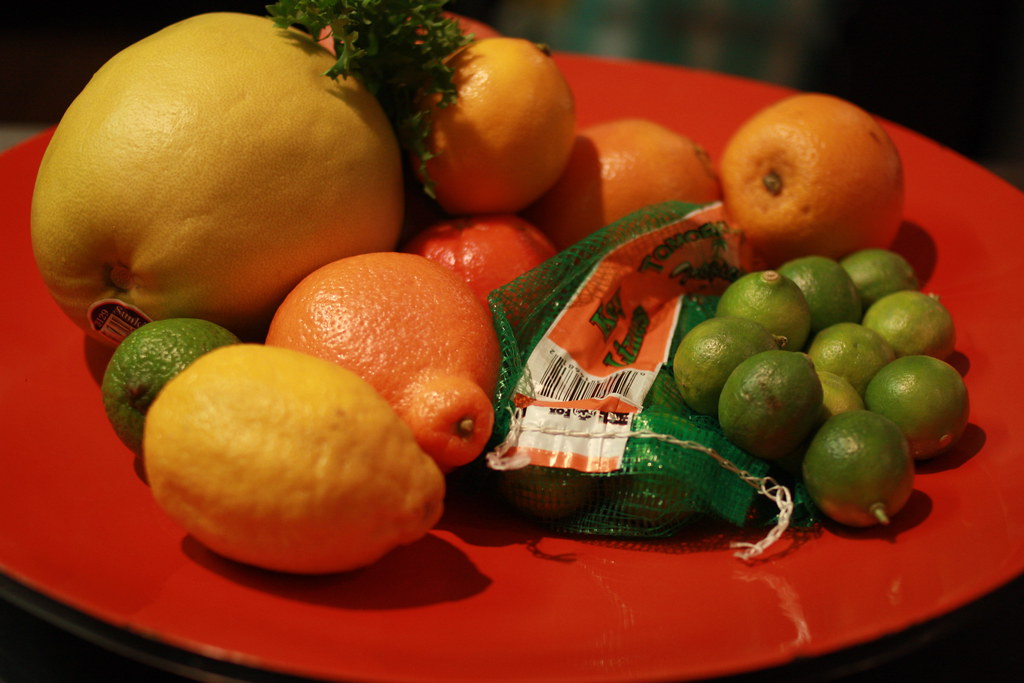
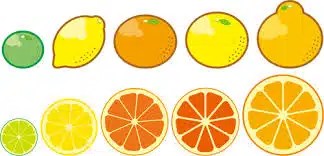
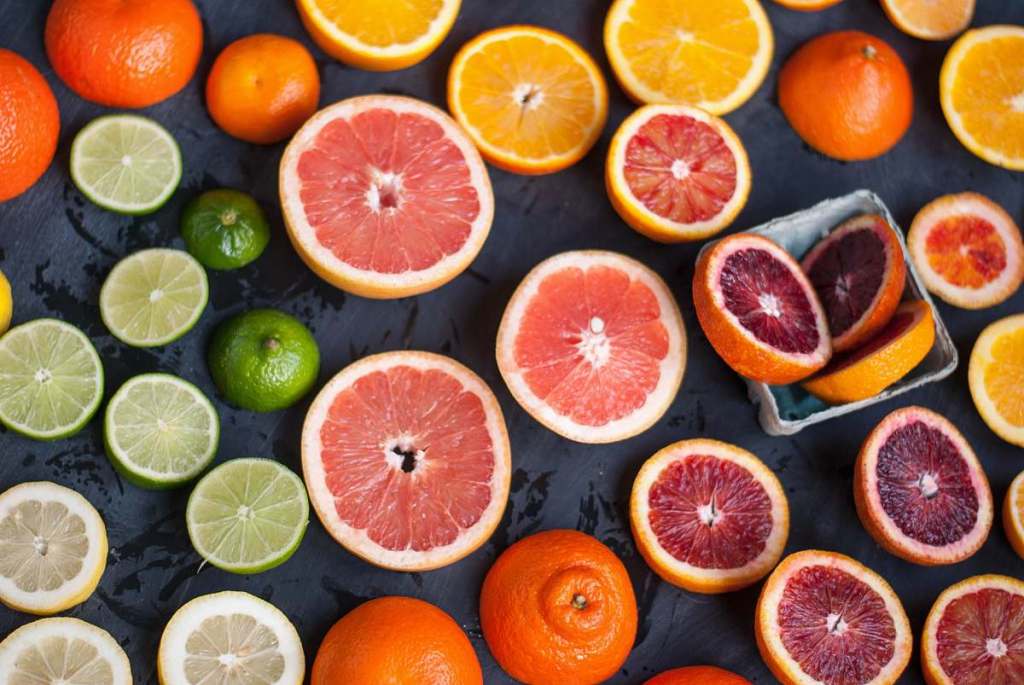
Citrus fruits are one of the nutritious fruits . This juicy ,sour or sweet flavored fruits are many types & is available in every corner of the world with their health benefactor nutrients . There are various types of citrus fruits available .
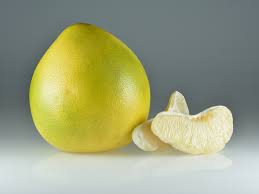
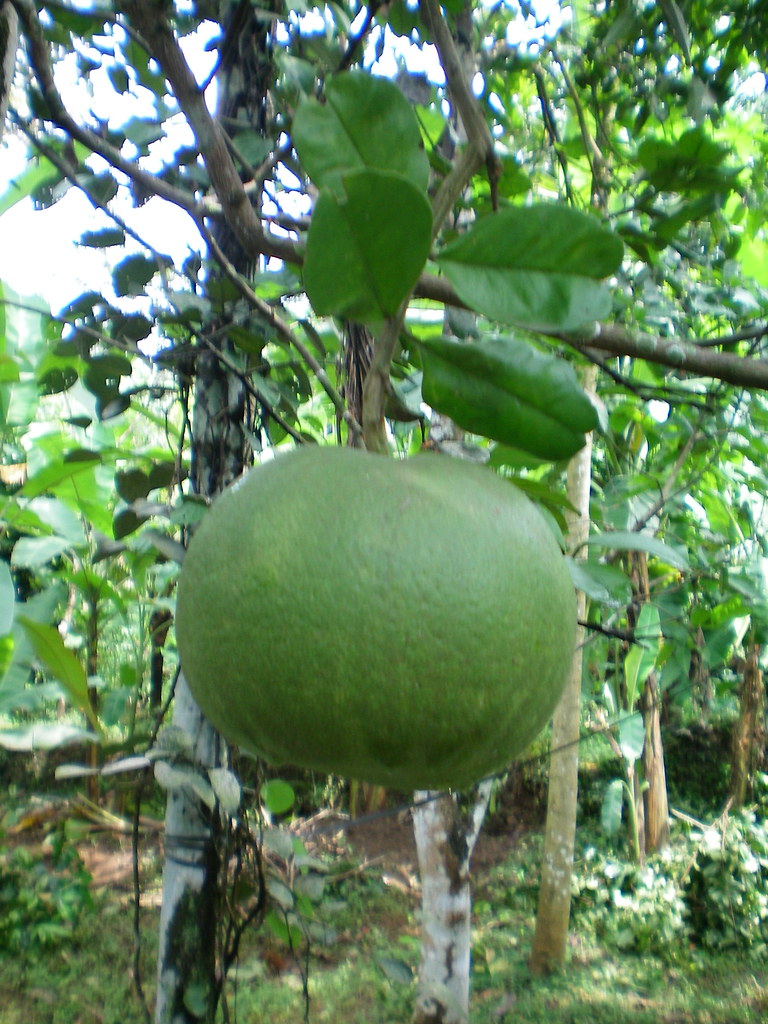
Some Citrus Fruits:1)Pomelo: scientific name – Citrus maxima. It is actually originated from South East Asia. It is the biggest citrus genus fruit under Rutaceae family. It has white flower. It is very sweet in taste. And it is the forbearer of grapefruit. One of the ancestral citrus species .
Pomelo Pomelo on tree
2)Bergamot Orange: scientific name – Citrus bergamia. It is very fruit and with the color of beautiful yellow and green. It is hybrid fruit of other two citrus fruit , bitter orange and lemon Orange.
Bergamot
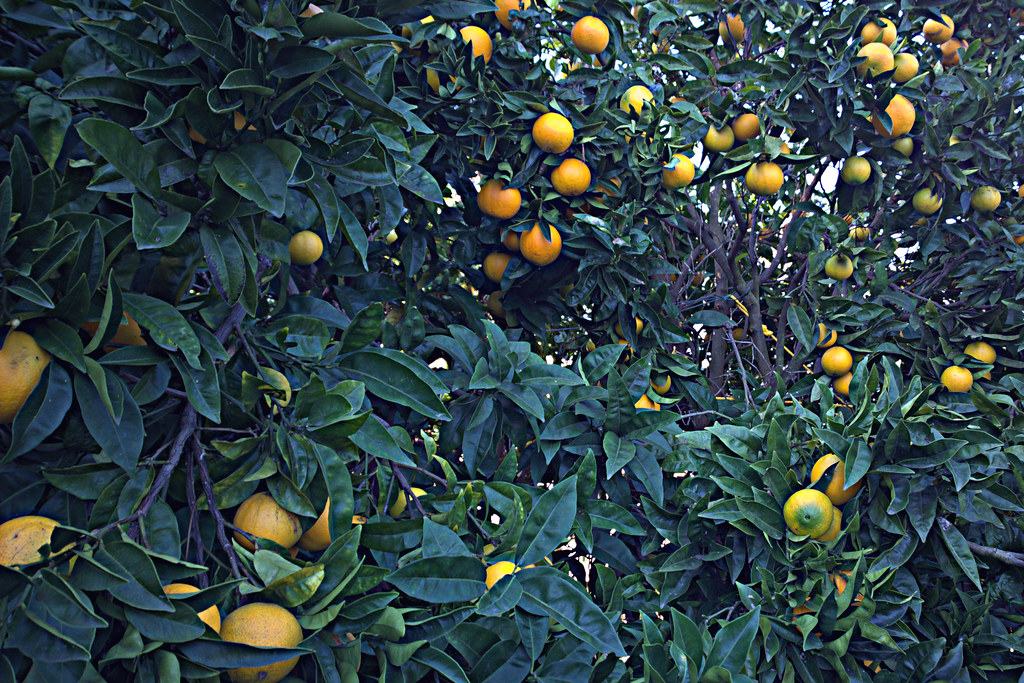
3)Bitter Orange: scientific name – Citrus aurantium. It is also called marmalade Orange or sour Orange. It is also originated from South East Asia. Its outer part is orange. It is a hybrid species.
Bitter Orange
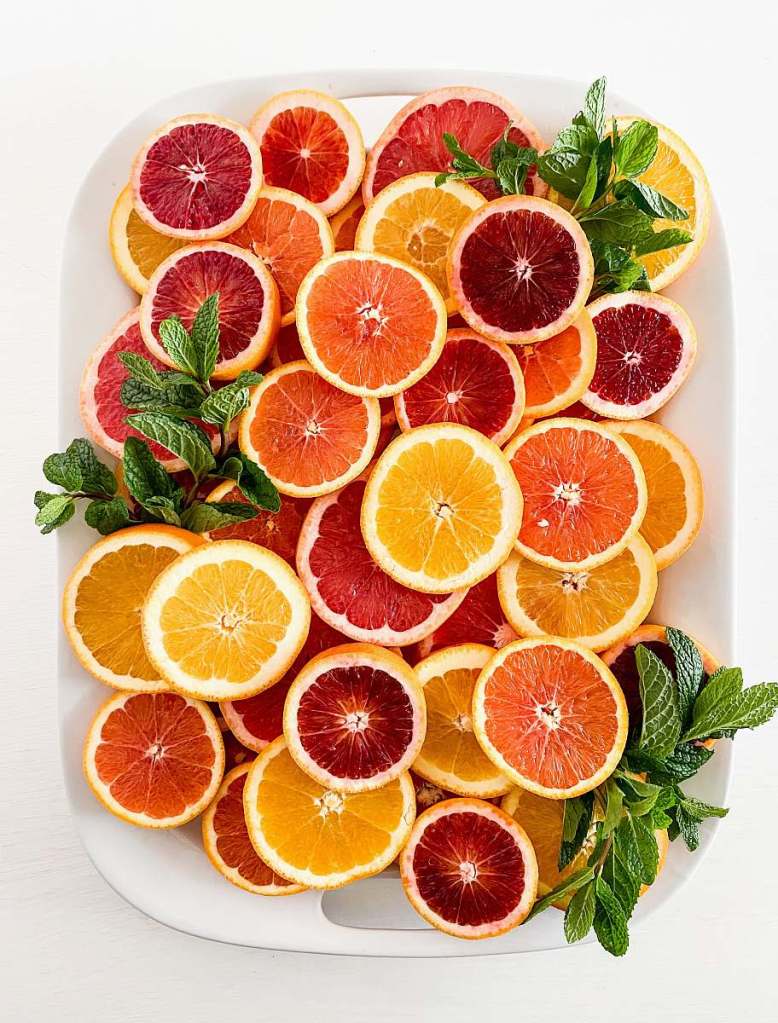
4)Blood Orange: scientific name –Citrus sinensis. This name comes from the beautiful dark red colored juicy flash inside the orange. It is specially originated from Southern Mediterranean . Chrysanthemin is found in blood Orange in more amount than any other citrus fruit its outer peel is in color of orange.
Blood Orange
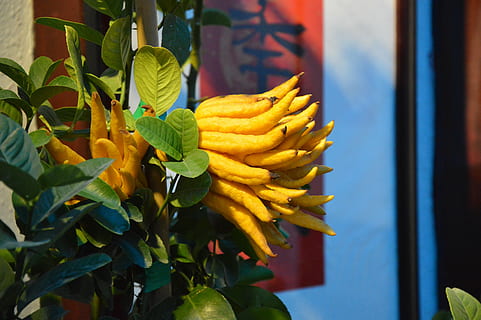
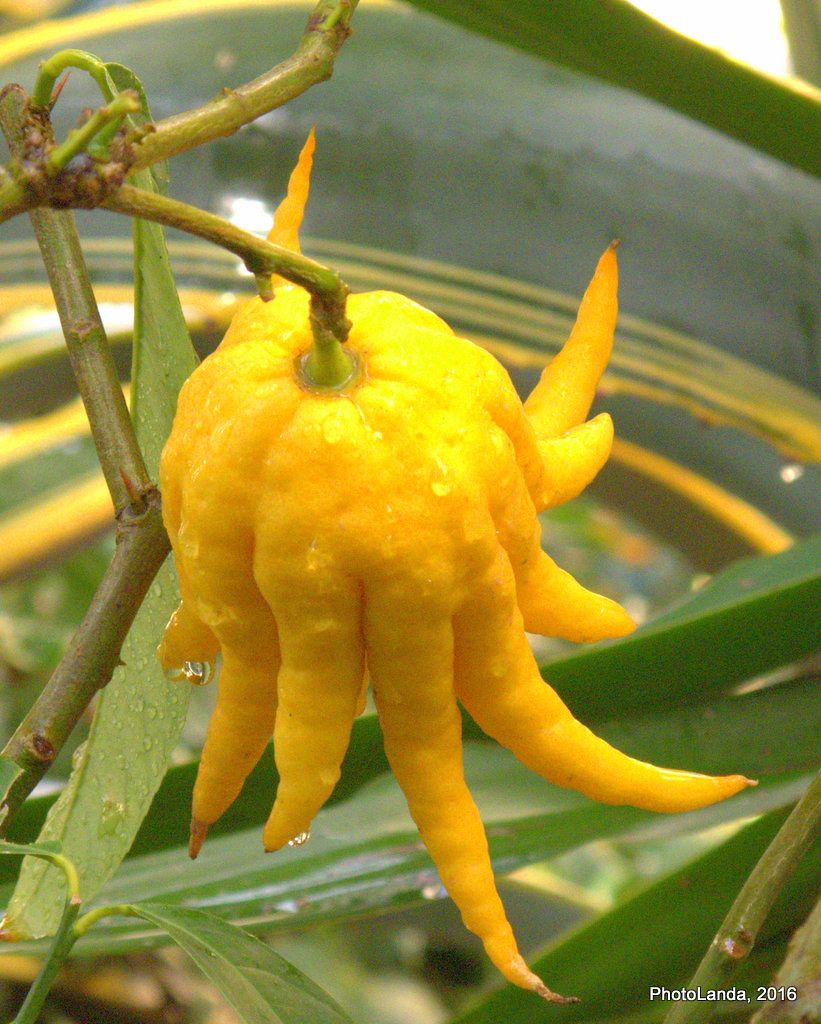
5)Buddha’s Hand: Trinomial name –Citrus medica var. sarcodactylis. It is a very unique type of citrus fruit. It has some fingers like parts coming out from the main part. It is the colour of yellow. It can be found in India and China.
Buddha’s Hand Buddha’s Hand Citrus
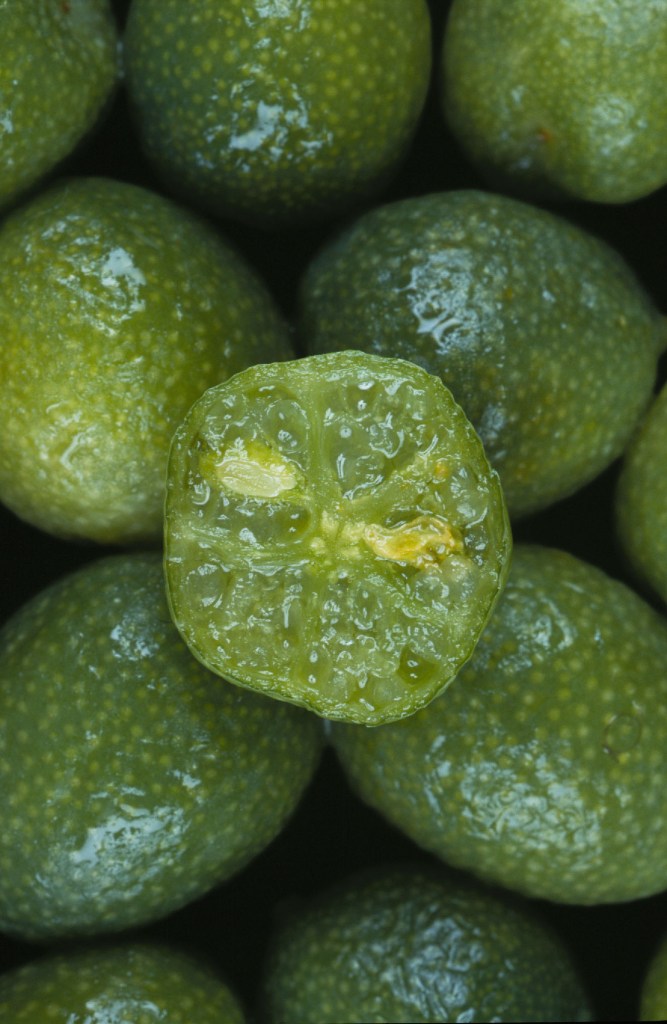
6)Desert lime: Scientific name–Citrus glauca. it is originated from Southern Australia New South Wales. It is very small size.
Desert lime Desert lime Tree
7)Citron: Scientific name – Citrus medica. Its origin is Asia. It is one of the original ancestor citrus fruit. It is very fragment and big sized.
Citron
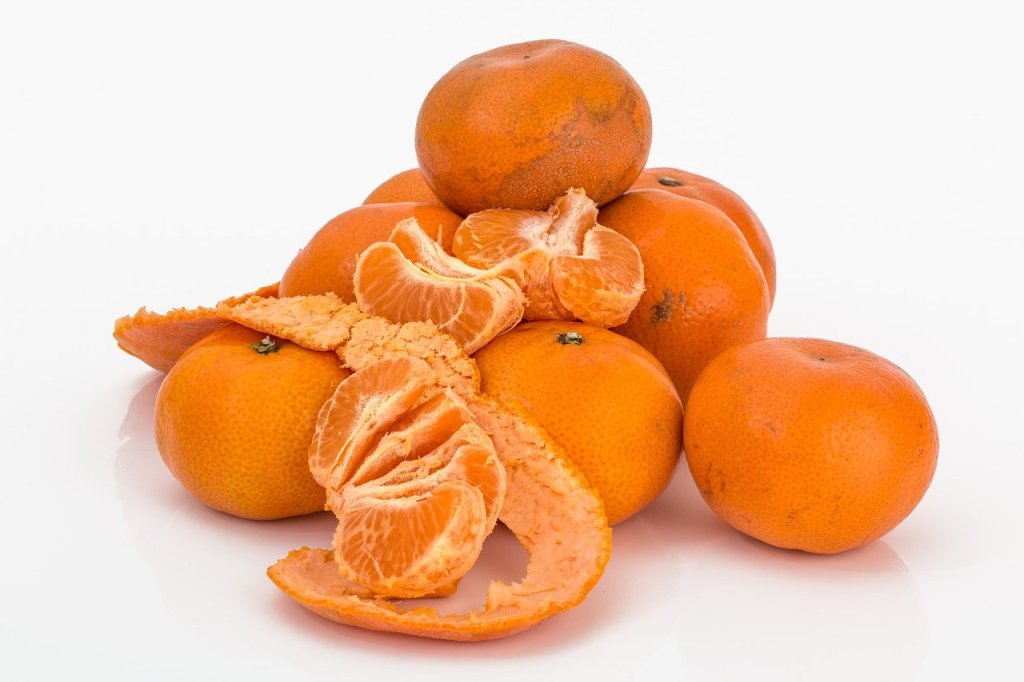
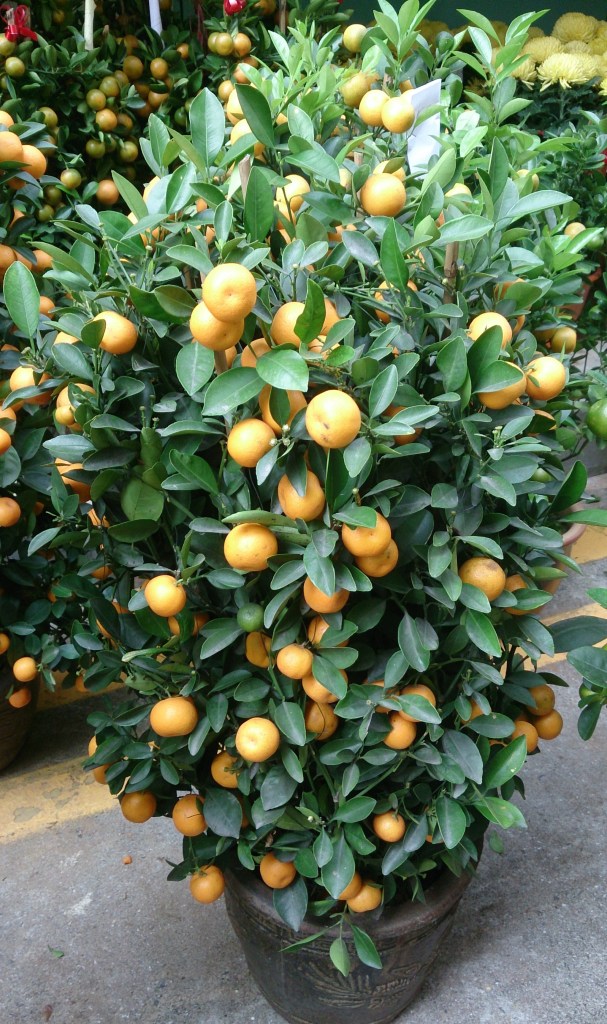
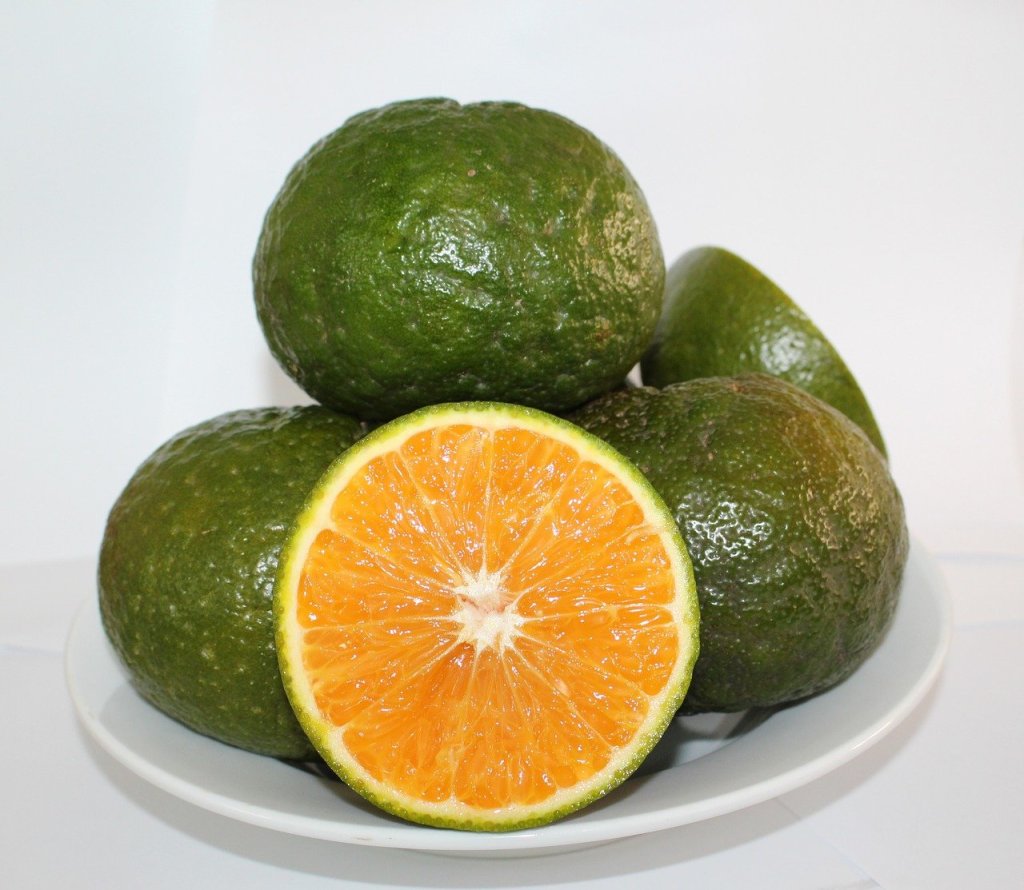
8)Mandarin Orange: Scientific name – Citrus reticulata. It is also called Mandarine. It is a close species of orange. It is also a primary species of citrus.
Mandarin Orange Mandarin Orange Plant
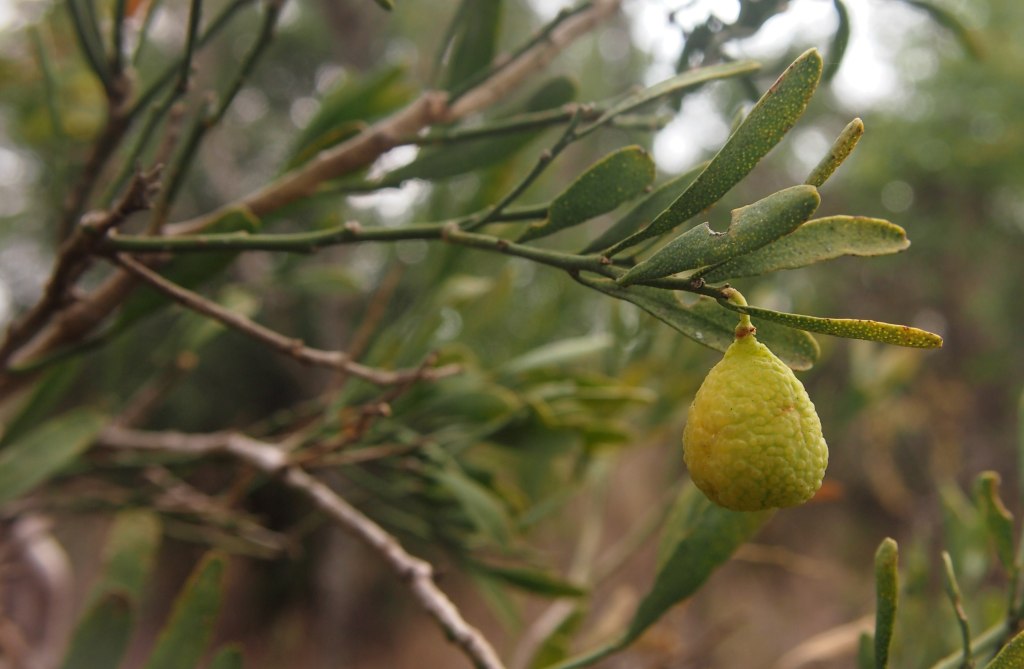
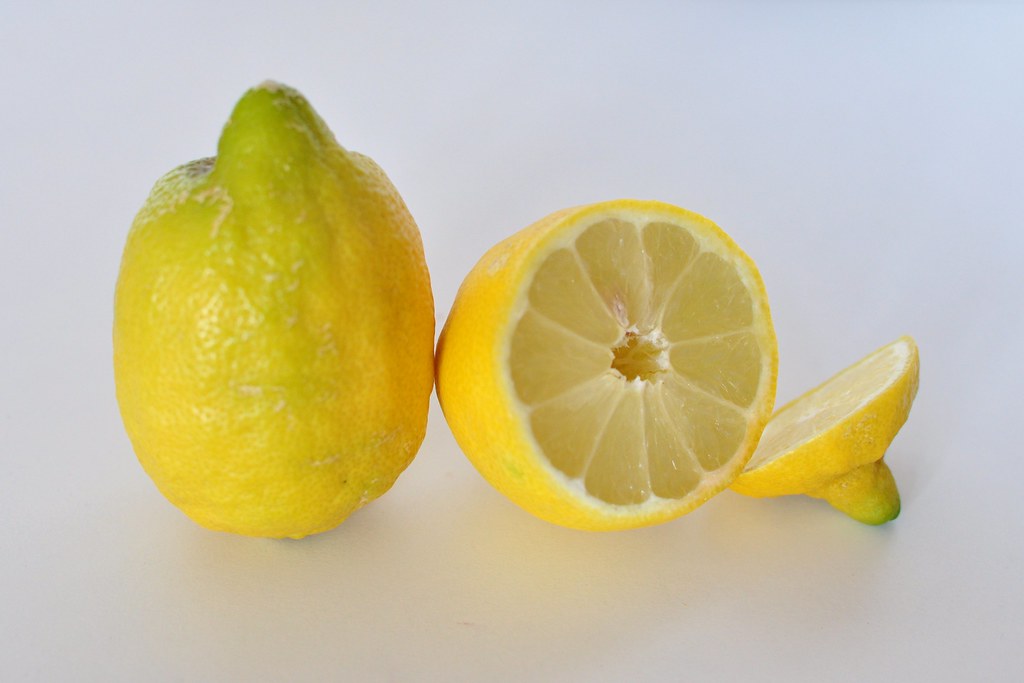
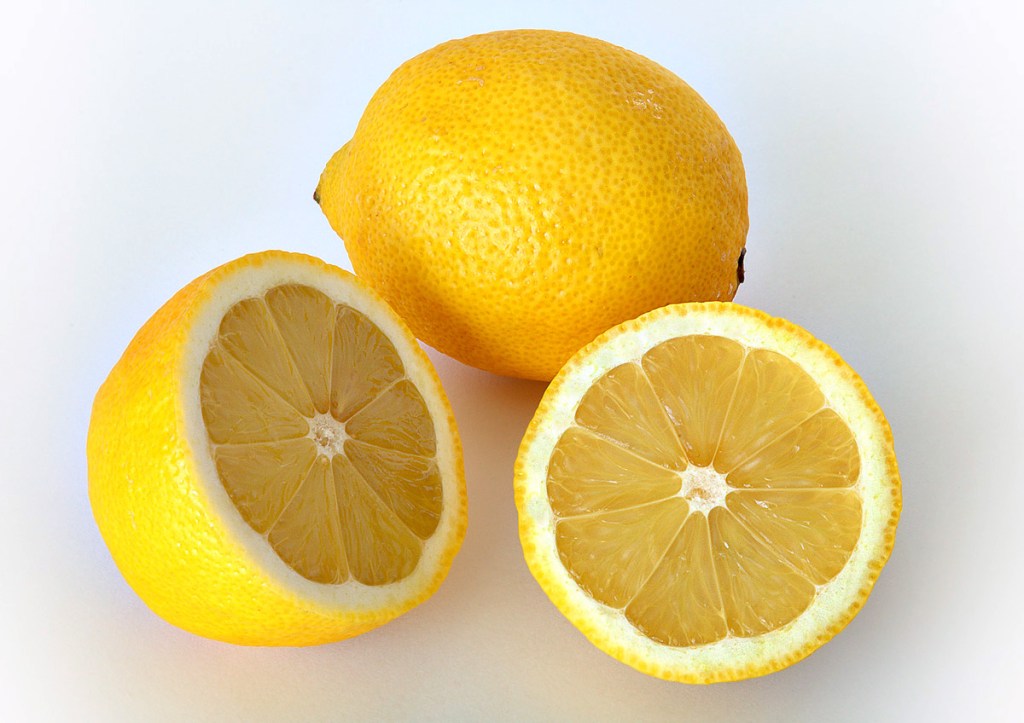
9)Lemon: Scientific name –Citrus limon. It is also a hybrid spaces of citrus. It is originated from South Asia, specially Assam in India. Its color is young green or yellow. It has a very pleasant scent at its juice tests sour.
Lemon
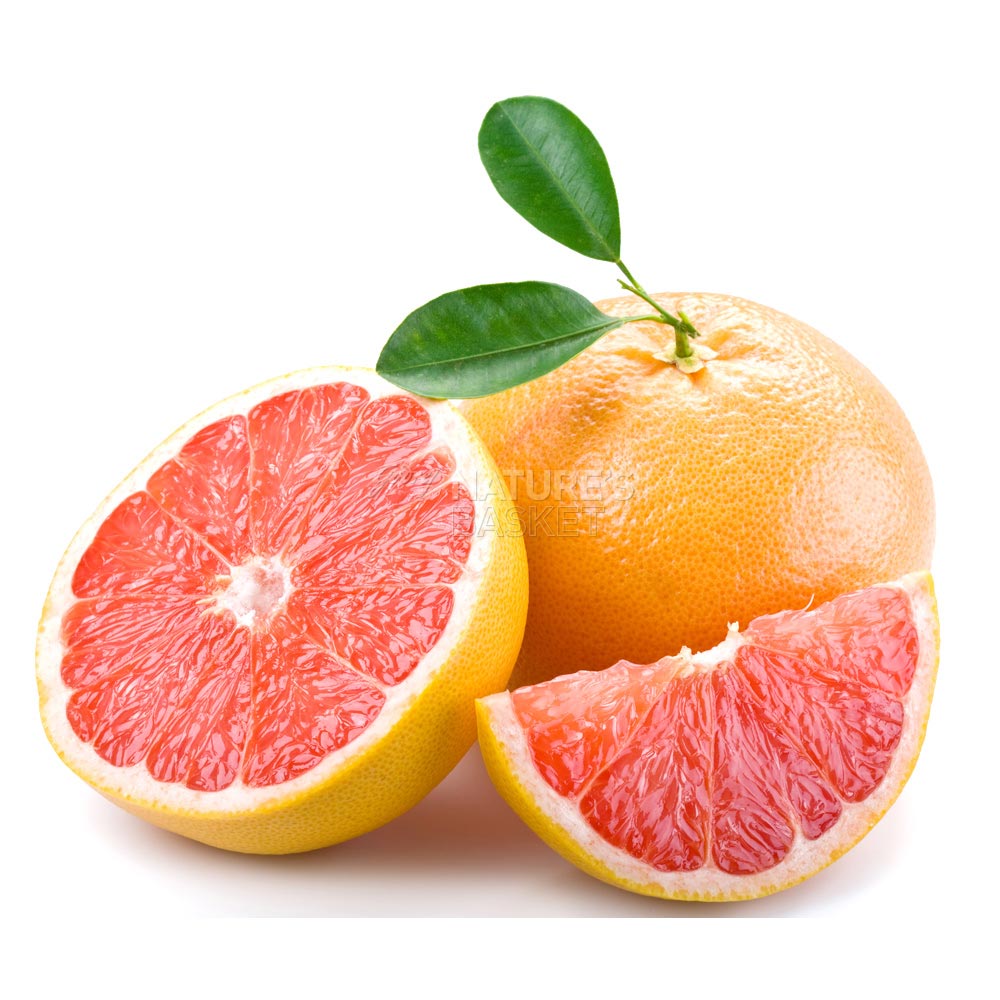
10)Graph fruit: Scientific name – Citrus paralisi. It is also a hybrid citrus plant. Once it was called forbidden fruit. It looks like tangerine but the flash inside is the color of pinkish red and it is sweet in taste. It grows in tree as same as graph Cluster. So, it is called grapefruit.
Graph fruit
11)Tangerine: Scientific name – Citrus tangerine. It is also a hybrid species. Sometimes people mistake tangerine as Orange but orange and Tangerine are not same. Tangerine are quite small in size and sweet in flavor.
Tangerine Tangerine Plant
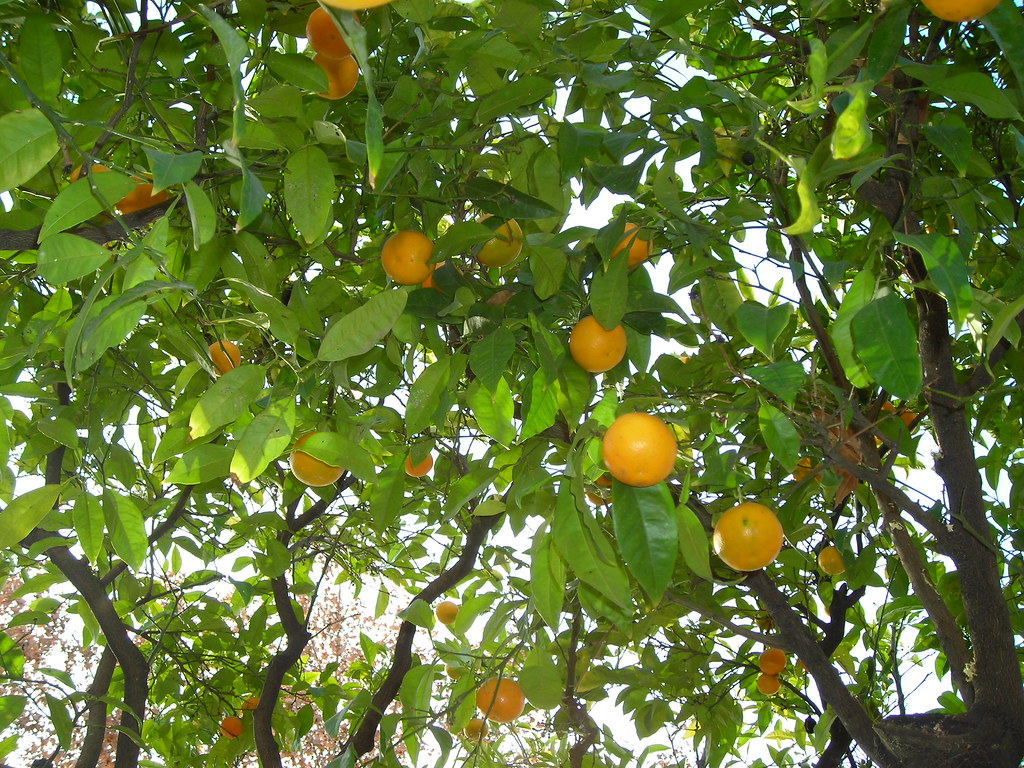
12)Sweet Orange: Scientific name – Citrus sinensis. It is related to bitter Orange. It is initially originated from Southern China, North part of India, Myanmar.
Sweet Orange Sweet Orange Tree Sweet Orange Plants
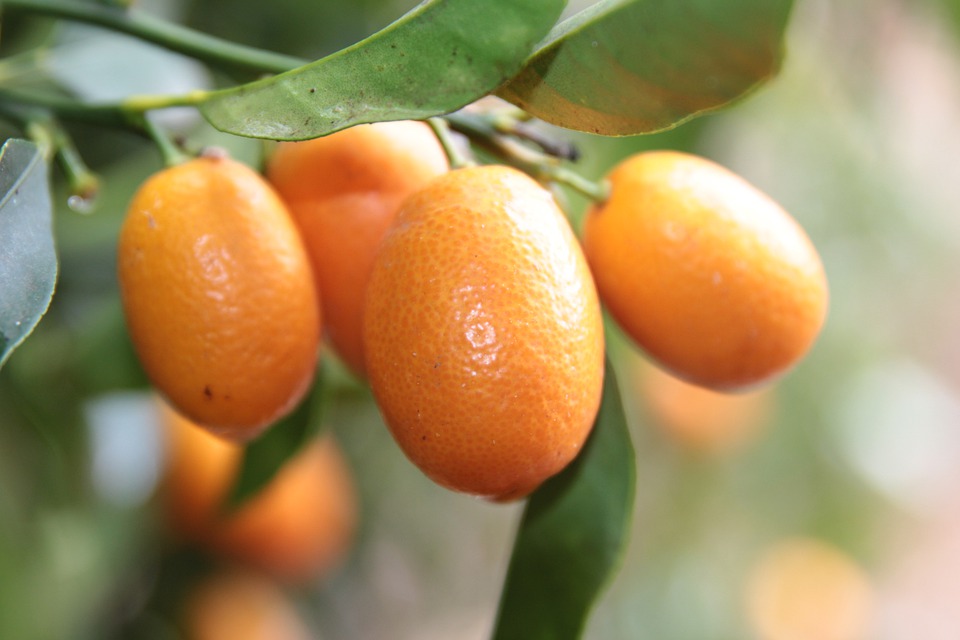
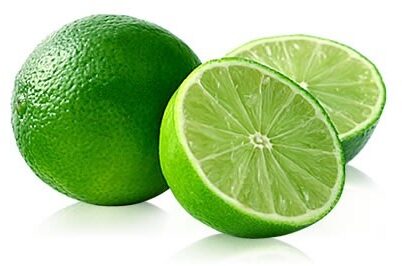
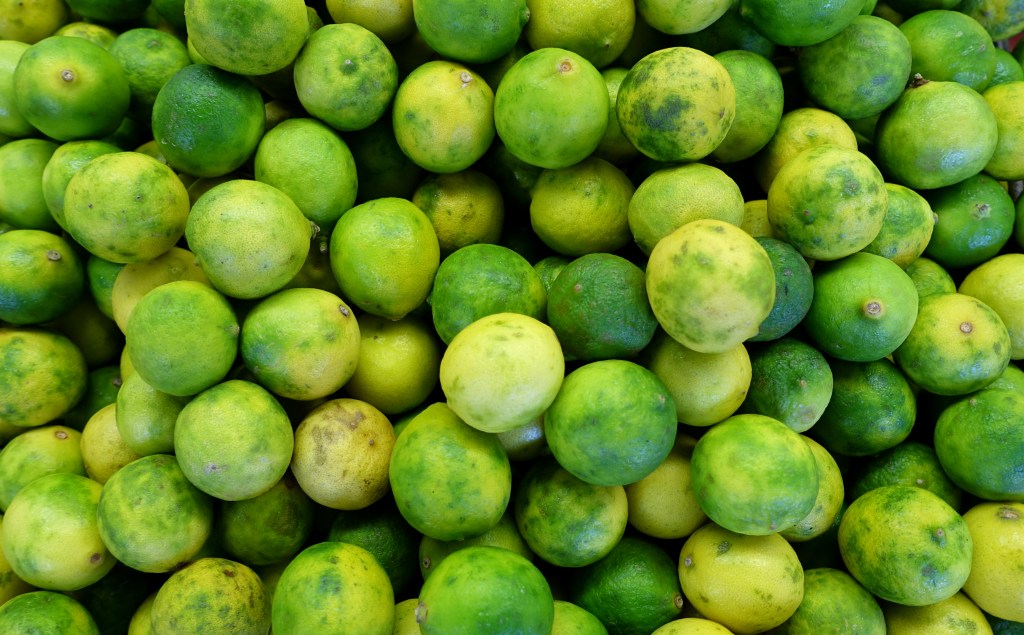
Apart from them there are many other citrus fruits are available in the World – Kaffir lime, key lime, kumquat, lime orobalonco, Papeda, Greek Citron, Amanatsu, Balady Citron, sweet lemon, Rangpur lime , Dekopon Orange(one of the costly orange in the world) and many more.
Dekopon Orange (one of the costly orange in the world) Kumquat Citrus Kumquat Citrus Lime Kaffir lime key lime key lime Rangpur lime Nutrition of Citrus Fruits
Available nutrients: The amount of nutrient varies for each citrus fruit. But the nutrients are same somewhat .
Vitamin C is one of the common nutrients that is present in every citrus fruit in high amounts.
Citrus have also fibers and sugar as carbohydrate.
Citrus fruits do not contain any sodium, cholesterol or fat.
It also contains calcium potassium, magnesium, phosphorus like minerals.
For vitamins, it contains vitamin C, vitamin B6, riboflavin, folate, pantothenic acid etc.
Citrus fruits contain lot of water in their juice.
Citrus fruits can give more than 50 kcal energy.
Lemon, lime, Orange, grape fruits, tangerines have high level of antioxidants like carotenoids, polyphenols, etc.
Citrus fruits are good source of citrus acid and Vitamin C.
Juice of citrus fruitsHealth benefits of citrus fruits
Health Benefit:
Vitamin C is one of the major elements in citrus fruit. Vitamin C has a very important role for boosting our immunity system by increasing the number of white blood cells. Thus, it prevents common cold and other health diseases.
A 2014 research works shows that citrus fruits work against the risk of kidney stone.
Grapefruit and other high antioxidant containing fruits are good for our cardiovascular system.
citrus fruit juice has lots of water which helps to you keep hydrated.
Citrus foods do not have any fat or cholesterol which helps to lose weight and prevent the rising of blood sugar level.
The Ponzi scheme is an investment fraud and one of the most infamous white-collar crimes in history. It is named after Charles Ponzi, the historical scamster who was best known for his financial crimes in the early 1900’s. He was from Italy, but it was after he moved to America that he started his fraudulent activities. The scheme he developed involved conning investors into giving him millions of dollars, and then paying them returns with other investor’s money. Investors were promised that in consideration of their investment, they would receive large returns of up to 50% in 45 days, or up to 100% in 90 days. Instead of paying these investors out of the actual profit of his business, Ponzi paid these investors by further borrowing from new investors. The investors were inclined to accept these deals as it was investment with seemingly high returns and little to no risk. In this way, Ponzi created a chain of borrowing and repaying from various investors, in the process pocketing some of the money from each transaction for himself.
The Ponzi scheme seems to be the prefect con, with the scammer earning large amounts of money, and the unsuspecting investors also satisfied with their exponential returns. This 100-year-old scheme is so well planned that is made use of even by today’s white-collar criminals. The prime example is Bernie Madoff, who in 2008 was caught operating the largest Ponzi scheme in history. Not all the Ponzi scheme cases are big enough to make the headlines, as some white-collar offenders run this scheme to a small extent. However, it can be said without a doubt that this scheme is one of the most standard, but also effective white-collar crimes a criminal can commit. However, investors are now becoming increasingly aware of these schemes, and there are also several anti-fraud agencies monitoring investment activities. Some of the basic parameter’s investors must identify to avoid falling into a Ponzi scheme are;
High returns with little or no risk
Overly consistent returns
Unregistered investments
Unlicensed sellers
Issues with paperwork
Secretive, complex strategies
The presences of all these features means that there is almost certainly a Ponzi scheme being run. It is evident from these features that it is investors dream to have such characteristics in a business, which is the primary reason why it is so tempting for many investors to fall prey to this scheme. However, over the years, corporate investors have come to realise that if it seems too good to be true, it often is.
Bernie Madoff Case
Many people are of the view that white-collar crimes are more serious than normal crimes committed on a day-to-day basis. Normal crimes are high-risk, low-reward situations such as shoplifting or robberies, wherein the perpetrator is taking a large risk in order to secure a relatively small reward. White collar crimes, on the other hand, are low-risk, high-reward situations. Such perpetrators commit crimes which generally go unnoticed for long periods of time, until some thorough investigation takes place or some questions are raised. In this time, they can earn exponential amounts of money as a result of their offences. We can take the example of Bernie Madoff here, one of the best-known white-collar offenders of all time. He committed the largest financial fraud in the history of the US, which involved around $65 Billion. Madoff had been committing corporate fraud and it was going unnoticed, with his career continuing on for about 20 years even after he committed such serious offences. This is evidence to the nature of white-collar crimes as being low-risk, high-reward crimes. It was only in 2008 that he was apprehended by federal authorities, and pleaded guilty to 11 federal crimes. He also admitted to operating the largest private Ponzi scheme in history. Hence, he was sentences to 150 years in prison in 2009 (the maximum for a person his age), for spending 20 years of his career defrauding clients and committing other federal felonies (including securities fraud, wire fraud, mail fraud, money laundering, theft from employee benefit plan, and many more). In February of 2020, Madoff’s lawyer pleaded for compassionate release of Madoff from prison, citing health and wellness issues (kidney failure and deteriorating health). However, this bid for release failed and Madoff continues to serve his prison time.
Madoff did not sound remorseful when interviewed in the years after his crimes, but he does show some self-awareness. “It wasn’t like I was being blackmailed into doing something, or that I was afraid of getting caught doing it,” he continues. “I, sort of, you know, rationalized that what I was doing was OK, that it wasn’t going to hurt anybody.” This is a prime example of neutralization of crimes by a perpetrator.
Chanu Saikhom Mirabai is a name that is on every Indian’s lips these days. The weightlifting star has made India proud at the Tokyo Olympics 2020
Let’s have glimpse of her life and achievement
Born on 8 August 1994 in Nongpok Kakching, near Imphal, Manipur from early life she was interested in weightlifting as she can handle heavy weight very easily as her brother struggled with the same weight, Her family supported her and her passion
CAREER AS HEAVYWEIGHT LIFTER
Chanu Mirabai’s career began with the Glasgow Commonwealth games where she won the silver medal in the 48 kg category. She also qualified for the Rio Olympics but could not finish with any successful lifts.
In 2017 she won the Gold Medal in the women’s category weightlifting in World Weightlifting Championships at Anaheim, CA, USA. She created a record by lifting the 194 kg weight in total and 109 kg clean and jerk.
She also won the first gold medal for India in the 2018 Commonwealth Games.
In the 2019 World Weightlifting Championships, Mirabai lifted a total of 201kgs but finished 4th.
In 2021, she won the bronze medal at the 2020 Asian Weightlifting Championships in Tashkent
At 2020 Summer Olympics in Tokyo Chanu won a silver medal with a total lift of 202 kg in the 49 kg section.
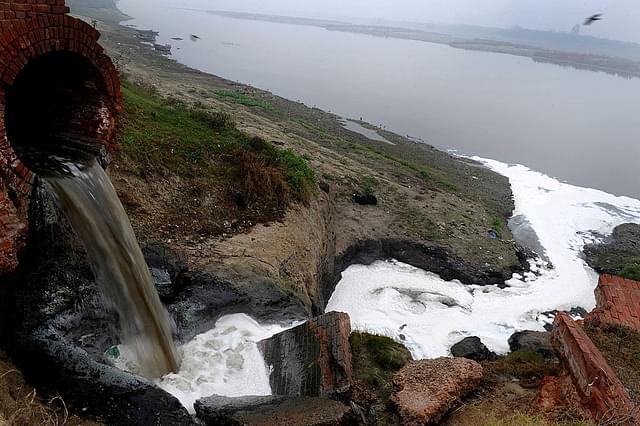
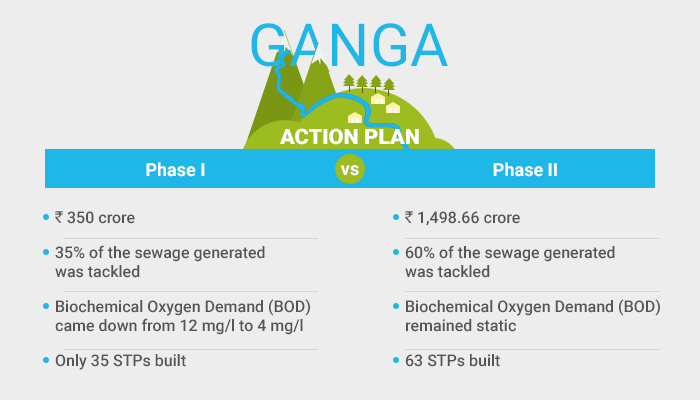
Ganga, the longest river in India has a unique position in the Indian psyche. Apart from geographical scale and spread, she has played a vital role in the social, cultural, economic and political life of the country. The socio-economic changes in the post industrialization era have adversely affected the flow and quality of the river water leading to pollution of the river. In order to reduce the pollution of this river the Government of India (GOI) has been implementing a pollution abatement program since last 25 years. This note is primarily aimed at presenting an analysis of the strengths, weaknesses, opportunities and threats (SWOT) of Ganga Action Plans (GAP I and GAP II) — one of the longest and ambitious government interventions which have significantly influenced policies for controlling water pollution in India. This report is primarily based on the secondary data collected, mainly in the form of papers, articles and reports available on the issue of pollution of the river Ganga. The objective of this report is to consolidate—in a systematic manner—the available knowledge and insights in order to understand nuances and complexity involved in design, implementation and monitoring aspects of the Ganga Action Plan (GAP). The second section of the report presents the need to conduct a SWOT analysis. The third section outlines the objectives and components of the GAP including the parameters selected to measure the quality of the water. Section 4 present strengths and weaknesses of the GAP, in a classified manner, focusing on its design, implementation, monitoring, and regulation aspects of the GAP. These are drawn from both—reports and articles by government agencies and by independent researchers. Section 5 and 6 briefly discuss the opportunities and future threats or challenges of GAP. Finally, the concluding section summarizes the strengths, weaknesses, opportunities and threats in a tabular form.
ABOUT GANGA POLLUTION :-
DEFINATION :-
Water is typically referred to as polluted when it is impaired by anthropogenic contaminants. Due to these contaminants it either does not support a human use, such as drinking water, or undergoes a marked shift in its ability to support its biotic communities, such as fish. Natural phenomena such as volcanoes, algae blooms, storms, and earthquakes also cause major changes in water quality and the ecological status of water.
PREVALENCE :-
E Water pollution is a major global problem. It requires ongoing evaluation and revision of water resource policy at all levels (international down to individual aquifers and wells). It has been suggested that water pollution is the leading worldwide cause of death and diseases.] Water pollution accounted for the deaths of 1.8 million people in 2015. The organization Global Oceanic Environmental Survey (GOES) consider water pollution as one of the main environmental problems that can present a danger for the existence of life on earth in the next decades. One of the main concerns, is that water pollution, heart phytoplankton who produce 70% of oxygen and remove a large part of carbon dioxide on earth. The organization proposes a number of measures for fixing the situation, but they should be taken in the next 10 years for being effective. Water pollution in India and China is wide spread. About 90 percent of the water in the cities of China is polluted. In addition to the acute problems of water pollution in developing countries, developed countries also continue to struggle with pollution problems. For example, in a report on water quality in the United States in 2009, 44 percent of assessed stream miles, 64 percent of assessed lake acres, and 30 percent of assessed bays and estuarine square miles were classified as polluted.
REASON :-
The causes of water pollution include a wide range of chemicals and pathogens as well as physical parameters. Contaminants may include organic and inorganic substances. Elevated temperatures can also lead to polluted water. A common cause of thermal pollution is the use of water as a coolant by power plants and industrial manufacturers. Elevated water temperatures decrease oxygen levels, which can kill fish and alter food chain composition, reduce species biodiversity, and foster invasion by new thermophilic species. Water pollution is measured by analysing water samples. Physical, chemical and biological tests can be conducted. Control of water pollution requires appropriate infrastructure and management plans. The infrastructure may include wastewater treatment plants. Sewage treatment plants and industrial wastewater treatment plants are usually required to protect water bodies from untreated wastewater. Agricultural wastewater treatment for farms, and erosion control at construction sites can also help prevent water pollution. Nature-based solutions are another approach to prevent water pollution.[5] Effective control of urban runoff includes reducing speed and quality of flow.
IMPACT IN HUMAN HEALTH :-
There is a greater association between pollution and health problem. Disease causing microorganisms are known as pathogens and these pathogens are spreading disease directly among humans. Some pathogens are worldwide some are found in well-defined area]. Many water borne diseases are spreading man to man Heavy rainfall and floods are related to extreme weather and creating different diseases for developed and developing countries [10% of the population depends on food and vegetables that are grown in contaminated water [Many waterborne infectious diseases are linked with fecal pollution of water sources and results in fecal-oral route of infection]. Health risk associated with polluted water includes different diseases such as respiratory disease, cancer, diarrheal disease, neurological disorder and cardiovascular disease Nitrogenous chemicals are responsible for cancer and blue baby syndrom]. Mortality rate due to cancer is higher in rural areas than urban areas because urban inhabitants use treated water for drinking while rural people don’t have facility of treated water and use unprocessed water. Poor people are at greater risk of disease due to improper sanitation, hygiene and water supply . Contaminated water has large negative effects in those women who are exposed to chemicals during pregnancy; it leads to the increased rate of low birth weight as a result fetal health is affected Poor quality water destroys the crop production and infects our food which is hazardous for aquatic life and human life [Pollutants disturb the food chain and heavy metals, especially iron affects the respiratory system of fishes. An iron clog in to fish gills and it is lethal to fishes, when these fishes are eaten by human leads to the major health issue Metal contaminated water leads to hair loss, liver cirrhosis, renal failure and disorder.
Bacterial diseases :-
Untreated drinking water and fecal contamination of water is the major cause of diarrhea. Campylobacter jejuni spread diarrhea 4% to 15% worldwide. Fever, abdominal pain, nausea, headache are major symptoms of diarrhea. Good hygienic practices and use of antibiotics can prevent this disease. Disease cholera is caused by the contaminated water. Vibrio Cholerae is responsible for this disease. This bacterium produces toxins in digestive tracts. The symptoms of this disease are watery diarrhea, nausea, vomiting and watery diarrhea leads to dehydration and renal failure. Anti- microbial treatment is used to get rid of this disease. Shigellosis is a bacterial disease caused by Shigella bacteria. It affects the digestive tract of humans and damages the intestinal lining. Watery or bloody diarrhea, abdominal cramps, vomiting and nausea are symptoms and it can be cured with antibiotics and good hygienic practice. Salmonellosis infects the intestinal tract. Salmonella bacteria are found in contaminated water and it results in inflammation of intestine and often death occurs. Antibiotics are prescribed for this disease.
Viral diseases :-
Hepatitis is a viral disease caused by contaminated water and infects the liver. Jaundice, loss of appetite, fatigue, discomfort and high fever are symptoms of hepatitis. If it persists for a long time it may be fatal and results in death. Vaccine is available for hepatitis and by adopting good hygienic practice; one can get rid of this disease Encephalitis is inflammatory disease spread by bite of infected mosquitoes. Culex mosquito lays their eggs in contaminated water. Most people don’t show any symptoms but some symptoms are headache, high fever, muscle stiffness, convulsions however in severe cases coma and paralysis results. No vaccine is available for this disease Poliomyelitis virus is responsible for poliomyelitis. Sore throat, fever, nausea, constipation and diarrhea and sometimes paralysis are symptoms of poliomyelitis. Vaccine is available for this disease [28]. Gastroenteritis is caused by different viruses including rotaviruses, adenoviruses, calciviruses and Norwalk virus. Symptoms of gastroenteritis are vomiting, headache and fever. Symptoms appear 1 to 2 days after infecting. Sickness can be dangerous among infants, young children and disabled person.
Parasitic diseases :-
Cryptosporidiosis is a parasitic disease caused by the cryptosporidium parvum. It is worldwide disease and symptoms are diarrhea, loose or watery bowls, stomach cramps and upset stomach [28]. Cryptosporidium is resistant to disinfection and affects immune system and it is the cause of diarrhoea and vomiting in humans Galloping amoeba is caused by the Entamoeba histolytica and affects stomach lining. This parasite undergoes cyst and non-cyst form. Infection occurs when cyst found in contaminated water and it is swallowed. Symptoms are fever, chills and watery diarrhea According to WHO, diarrheal cases are about 4 billion and results in 2.2 million deathsGiardiasis is caused by Giardia lamblia. Cells of intestinal lining may become injure. Giardia is resistant to wintry temperature and disinfectant. Sometimes it is known as travelers’ disease. People suffering from giardiasis have symptoms bloating, excess gas, watery diarrhea and weight loss.
Much is being done to control, monitor and rectify damage done by pollutants. The problems are diverse and some are only being recognised but it is important to keep a close control over pollutants so that we can maintain the environment in an acceptable condition for future generations. Pollution is a big problem now. A lot of people thinks that they don`t pollute because they don`t throw trash on the floor, but this is just one little part of pollution. Pollution is any damage that we cause to the environment and nobody can live without polluting our planet. If we just think of washing our hands with soap, even with natural soap, this already is pollution. We know many different kinds of pollution. Air pollution is a well known type of pollution. It is caused by a lot of things. We pollute the air mostly with air traffic, mostly planes. Another big pollutant of the air is traffic, but this is getting a bit better, because cars are becoming better and they pollute a bit less, but on the other site, the number of…show more content… Land is mostly polluted, because of farming. Big farms use a lot of pesticides and artificial fertilizers that pollute a lot, and they also pollute the groundwater, because the rain is washing them through the earth to the groundwater. We also pollute the land with littering, dangerous chemicals and so on. The effects of land pollution are quite alot.
Addiction is one of the complex diseases which affects the brain. A person who is exposed to a huge amount of stress gets addicted to consuming substances or looks for the methods that gives him or her the required relief. It is the compulsion of the individual to engage in the specific activity. It leads to harmful sequences individual’s health and affects his mental state.
Addiction is said to be the chronic disease which affects the brain and people struggling from this are unable to control their actions and sensible decisions at last which becomes very dangerous to them.
SUBSTANCE RELATED ADDICTION
Tobacco, alcohol, Street drugs(illegally sold drugs that are taken for non-medicinal uses), Prescription drugs(medicinal drugs that are misused
BEHAIOR RELATED ADDICTION
Gambling, Eating, The Internet, Video Games, Work and Sex.
ALCOHOLISM
Alcoholism is also known as alcohol dependence. It is a dabbling addictive disorder.In most of the individuals, it starts with the social drinking which eventually leads to the heavier alcohol consumption. Ethyl Alcohol or ethanol is an intoxicating ingredient found in beer, wine and liquor. It is produced by the fermentation of yeast, sugar and starch. It is a depressant that affects the CNS.
SYMPTOMS
Drinking alone, not able to remember the time, hiding alcohol, need of large quantity of alcohol to feel the effect, nausea, swelling, shaking when not drinking.
EFFECTS
It leads to mental Illness, depression and suicidal thoughts. One of the main reason of alcohol is, it starts inflame the liver and leads to liver cirrhosis. Only a healthy liver is able to regenerate its own cells, the affected liver is unable to regenerate and it becomes damaged. It is able to replace its new cells.
SMOKING CIGARETTES
Nicotine is the one of the most frequently used addictive drugs and the leading disease which causes disability and death in India.
EFFECTS ON LUNGS
Smoking causes destruction of small hairs present in the upper respiratory truck, which is the trachea. By destruction of this, chemical substances enter into the body, causing infection, cough and lung cancer. It also increases the risk of Crohn’s diseases and formation of gall diseases.
Other effects includes, blood vessel damage in the legs, eyes and loss of eyesight. Smoking causes cancer in the oral cavity, pharynx and bladder.
These are some of the harmful effects which affect the human body due to addiction.
TREATMENT OF ADDICTION
It involves the management of alcoholism and drug abuse.The Government and Non-Government Organizations in our country which have rehabilitation centres to treat and counsel the drug addicts and alcoholics by means of medical and psychological approaches.
Warren Buffet is an American buisnessman, investor and philantrophist. He was born on 30th August 1930 in Nebraska. He developed an interest in the business world and investing at an early age including in the stock market. He is the current CEO and chairman of Berkshire Hathaway, a very successful holding company. They hold shares of other companies to form a corporate group. Buffet is considered one of the most successful investors today with a net worth of over $100 billion. He is the 9th richest man in the world.
Buffett started his education at the Wharton School at the University of Pennsylvania before moving back to go to the University of Nebraska, where he received an undergraduate degree in business administration. Buffett later went to the Columbia Business School where he earned his graduate degree in economics. He began his career as an investment salesman in the early 1950s and formed Buffett Associates in 1956. Less than 10 years later, in 1965, he was in control of Berkshire Hathaway. Recently, Buffett began collaborating with Jeff Bezos and Jamie Dimon to develop a new healthcare company focused on employee healthcare.
Buffett follows the Benjamin Graham school of value investing. Value investors look for securities with prices that are unjustifiably low based on their intrinsic worth. There isn’t a universally accepted way to determine intrinsic worth, but it’s most often estimated by analyzing a company’s fundamentals. Like bargain hunters, the value investor searches for stocks believed to be undervalued by the market, or stocks that are valuable but not recognized by the majority of other buyers. He’s not really concerned with the activities of the stock market at all. Rather, he looks at each company as a whole, so he chooses stocks solely based on their overall potential as a company. Holding these stocks as a long-term play, Buffett doesn’t seek capital gain, but ownership in quality companies extremely capable of generating earnings. He isn’t concerned with whether the market will eventually recognize its worth when he invests. He is concerned with how well that company can make money as a business.
Before investing Buffet analyses the company’s performance, its debt, profit margins and whether its a public company. The answers to these questions help him make his investing decision. Buffett’s investing style is like the shopping style of a bargain hunter. It reflects a practical, down-to-earth attitude. Buffett maintains this attitude outside of work too. He doesn’t live in a huge house, he doesn’t collect cars and generally does not live a lavish life. This is what made him so successful.
India is a country which serves liberty and sovereignty too all. We say that we are free and have the freedom to do anything whatever we wish, the only thing which we should keep on our mind is the purpose and result should be welfare of all or self. In August 15th, 1947 we became citizen of free democratic as well as a republic nation. But the question which arises is “are we completely free?” “The word freedom is meant for females too or it was served only for the male members of our country?” Indian women are the one who are always consider inferior than man and are supposed to be inside the house with getting indulge in all household works. Women are still questioned when they work overnight. It may be a private place or a public one, whether its home or office, the one who is certainly humiliated as well as misbehaved is the women. Report suggests that India is the most dangerous place for women across the world.
Killing the infant in the mother’s womb to surviving a motionless life after the acid attack, the only person suffers is the women of our society. It can be a rape, gang rape, acid attack, female foeticide, dowry death, abandonment, mob lynching, and harassing mentally or physically, these all problems are tolerated by the single women. And after all these suffering our patriarchal society think they are weak and are meant to be under the foot of men. The crime that happened at Delhi on 16th December, 2012 where a brave girl Nirbhaya was brutally raped. This incident left everyone stunned and traumatized that how such vicious act could be done by a human beings like us. Laxmi Agarwal, she was fighter and a winner but who can forget that how mercilessly she became the victim of acid attack just because she refused the proposal of a man. Acid attacks are still continuing. Irom Sharmila a victim of acid attack is eating through her nose so that she could stay alive. And yet we celebrate Independence Day, are we free in the true sense? And how free the Constitution makes the women? We think that being women is too easy but this is not true if you are Indian women because here in our secular country in every 20minutes a female is raped. In the same year when Nirbhaya was raped the NCRB report suggest that in that year more than 68 girls are raped each day. The number of rape cases as well as other crimes are rapidly increasing and after all these we talk about women empowerment and equality.
Justice should be served to all whether she is a female or male. Not all people are same but maximum have a cruel heart. Effective steps are needed to be taken to stop such merciless offense. Our government should make strict laws and regulation. If such crimes are done then immediate and strict action need to be taken so that the fear is always there in the mind of the people. It’s high time and we need to take strict steps regarding such rising problems otherwise the situation will become worse in the upcoming generation.
Anime is hand-drawn and computer animation originating from Japan. In Japan and in Japanese, anime (a term derived from the English word animation) describes all animated works, regardless of style or origin. However, outside of Japan and in English, anime is colloquial for Japanese animation and refers specifically to animation produced in Japan.Animation produced outside of Japan with similar style to Japanese animation is referred to as anime-influenced animation.
The earliest commercial Japanese animations date to 1917. A characteristic art style emerged in the 1960s with the works of cartoonist Osamu Tezuka and spread in following decades, developing a large domestic audience. Anime is distributed theatrically, through television broadcasts, directly to home media, and over the Internet. In addition to original works, anime are often adaptations of Japanese comics (manga), light novels, or video games. It is classified into numerous genres targeting various broad and niche audiences.
Anime is a diverse medium with distinctive production methods that have adapted in response to emergent technologies. It combines graphic art, characterization, cinematography, and other forms of imaginative and individualistic techniques. Compared to Western animation, anime production generally focuses less on movement, and more on the detail of settings and use of “camera effects”, such as panning, zooming, and angle shots.Diverse art styles are used, and character proportions and features can be quite varied, with a common characteristic feature being large and emotive eyes.
The anime industry consists of over 430 production companies, including major studios like Studio Ghibli, Sunrise, and Toei Animation. Since the 1980s, the medium has also seen international success with the rise of foreign dubbed and subtitled programming. As of 2016, Japanese anime accounted for 60% of the world’s animated television shows.[
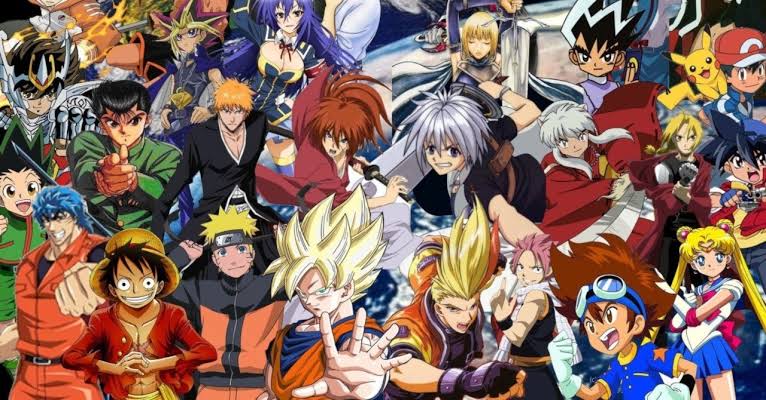
Different characters of anime
Etymology
As a type of animation, anime is an art form that comprises many genres found in other mediums; it is sometimes mistakenly classified as a genre itself.In Japanese, the term anime is used to refer to all animated works, regardless of style or origin. English-language dictionaries typically define anime as “a style of Japanese animation”or as “a style of animation originating in Japan”. Other definitions are based on origin, making production in Japan a requisite for a work to be considered “anime”.
The etymology of the term anime is disputed. The English word “animation” is written in Japanese katakana pronounced in its shortened form. Some sources claim that the term is derived from the French term for animation dessin animé but others believe this to be a myth derived from the popularity of anime in France in the late 1970s and 1980s.
In English, anime—when used as a common noun—normally functions as a mass noun. As with a few other Japanese words, such as saké and Pokémon, English texts sometimes spell anime as animé with an acute accent over the final e, to cue the reader to pronounce the letter, not to leave it silent as English orthography may suggest. Prior to the widespread use of anime, the term Japanimation was prevalent throughout the 1970s and 1980s. In the mid-1980s, the term anime began to supplant Japanimation;in general, the latter term now only appears in period works where it is used to distinguish and identify Japanese animation.
Modern Era of Anime
In the 1960s, manga artist and animator Osamu Tezuka adapted and simplified Disney animation techniques to reduce costs and limit frame counts in his productions. Originally intended as temporary measures to allow him to produce material on a tight schedule with an inexperienced staff, many of his limited animation practices came to define the medium’s style. Three Tales (1960) was the first anime film broadcast on television; the first anime television series was Instant History (1961–64).An early and influential success was Astro Boy (1963–66), a television series directed by Tezuka based on his manga of the same name. Many animators at Tezuka’s Mushi Production later established major anime studios (including Madhouse, Sunrise, and Pierrot).
The 1970s saw growth in the popularity of manga, many of which were later animated. Tezuka’s work—and that of other pioneers in the field—inspired characteristics and genres that remain fundamental elements of anime today. The giant robot genre (also known as “mecha”), for instance, took shape under Tezuka, developed into the super robot genre under Go Nagai and others, and was revolutionized at the end of the decade by Yoshiyuki Tomino, who developed the real robot genre. Robot anime series such as Gundam and Super Dimension Fortress Macross became instant classics in the 1980s, and the genre remained one of the most popular in the following decades.The bubble economy of the 1980s spurred a new era of high-budget and experimental anime films, including Nausicaä of the Valley of the Wind (1984), Royal Space Force: The Wings of Honnêamise (1987), and Akira (1988).
Neon Genesis Evangelion (1995), a television series produced by Gainax and directed by Hideaki Anno, began another era of experimental anime titles, such as Ghost in the Shell (1995) and Cowboy Bebop (1998). In the 1990s, anime also began attracting greater interest in Western countries; major international successes include Sailor Moon and Dragon Ball Z, both of which were dubbed into more than a dozen languages worldwide. In 2003, Spirited Away, a Studio Ghibli feature film directed by Hayao Miyazaki, won the Academy Award for Best Animated Feature at the 75th Academy Awards. It later became the highest-grossing anime film, earning more than $355 million. Since the 2000s, an increased number of anime works have been adaptations of light novels and visual novels; successful examples include The Melancholy of Haruhi Suzumiya and Fate/stay night (both 2006)
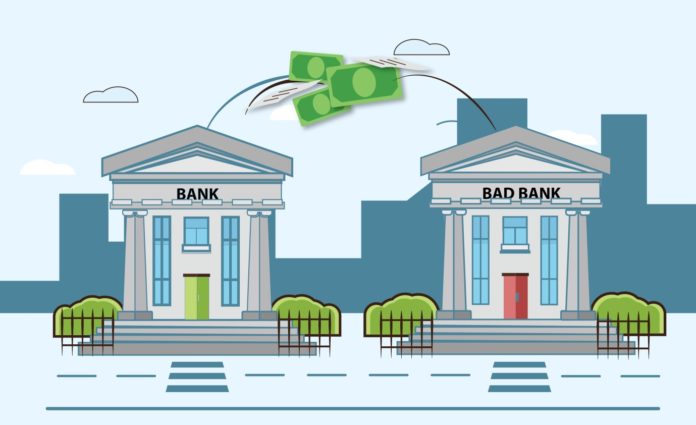
Have u ever heard of bad bank? Well, in this article we will know about what bad bank is and how is it taking shape in India.
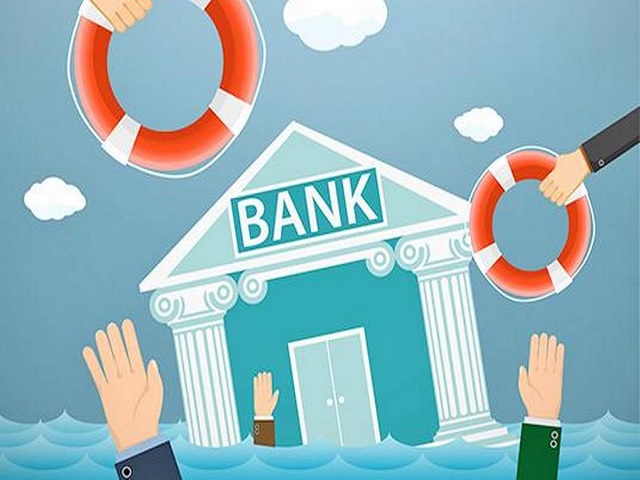
So to start over, A bad bank is a financial entity that was formed to purchase the risky loans and other illiquid assets of another financial institution. The company with many nonperforming assets will sell them to the bad bank at market value. The goal of Bad Bank is to bring financial stability to the banking industry. It would store bad loans for public sector banks, which will be offered to investors at a discount which will eventually assist banks in cleaning up their balance sheets.
Recently, Nirmala Sitharaman, the Union Finance Minister, has announced the establishment of a bad bank in the nation. Sitharaman said in her budget address that an Asset Reconstruction Company Limited and an Asset Management Company will be established to manage the bad debt of public sector banks such as the State Bank of India, Punjab National Bank, and others.
However, Experts were perplexed by this because IBC known as insolvency and bankruptcy code was considered to be pretty efficient in settling problematic debts. But the government was concerned about delays and low asset realization under the IBC. Furthermore, the loans were offered at steep discounts. The assets were liquidated in some circumstances. There were also issues regarding the public sector bank’s(PSB) lack of cooperation.
So, to consolidate and take over the current stressed debt, an ARC and AMC will be established. It will then manage and sell the assets to Alternative Investment Funds and other potential buyers in order to realize their full worth. To put it another way, it will store bad loans for public sector banks, which will subsequently be sold to investors at a lower cost which will aid in the cleaning up of the balance sheet and will eventually lessen the financial burden of future capital requirements. So, India’s bad bank is now taking form. With the formation of the National Asset Reconstruction Company Ltd, the much-anticipated wait for the “Bad Bank” came to an end.
Given its size and development potential, the Indian economy will experience a steady supply of distressed assets. When the one-time loan arrangement finishes, Covid-19 will be a source of concern for many businesses. For public sector banks, the existing portfolio of problematic loans is a major source of concern. As of September 2020, the banking system’s total gross nonperforming assets (NPAs) accounted for 7.5% of the entire loan book.
This is anticipated to rise to 13.5 percent by March-September this year, according to the Reserve Bank of India (RBI). Moreover, Many people believe that running a bad bank successfully necessitates a variety of factors. One, it must be for a defined purpose and include a time limit. For instance, Sweden AMC, supported by the government, recovered over 90% of bad loans in six years in the early 1990s. However, the Chinese AMC, which is supported by the government, failed to deliver. Now it’s up to NARCL, private ARCs, and IBC to preserve the value of stressed assets by restructuring and resolving them in a timely manner.
The article presents an analytical overview of the complexities of system violence that Dalit women face in India today through qualitative and quantitative data analysis of 50 Dalit women’s narrative of violence across 4 States Andhra Pradesh Bihar Tamil Nadu Uttar Pradesh in this article illustrated the wider traits and patterns of different forms and manifestations of violence against the Little Women within both the general community and the family from state and non-state across of different gender caste and social economics grouping occurring between 1999 and 2004 examination of the divergent world views of the victim-survivor and perpetrators ravel the casual factors of conflict and violence, as well as the various rights being denied to delete women in the course of violence analysis of the lip women vulnerability of to violence their assertations courage and resilience to survive violence and struggle for justice, are considered.
violence against women in India in the journal is structured by the relationship of power embedded in systematic caste class and gender discrimination. Dalit women is there of the class caste and gender hierarchies resulting in social exclusion decide dominant discourages of Dalit women sexual availability their criminal nature and their inherent inequality with other women and when serve to legitimize and exacerbate violence against them Dalit women in India Today number 85.017 million or approx 48 8% of total Dalit population together with their mail counterpart constituent a sizable social group that continues to suffer decent and work-based discrimination untouchability practices and violence arising out of the caste system historically the lips have been excluded from social economic cultural Civil and political rights untouchability practices based on nation of Delhi supposed impurity operate as a tool for the social exclusion and Exploration of this community and their social and religiously legitimized mechanism for denying this community their fundamental rights hence Dalit women are more likely Two-phase collective and public thread for x of social violence then-dominant caste woman who tends to be subjected to violence more within family due to strict controls over their sexuality and freedom of movement.
Dalit women appear to young illiterate daily wage agricultural labor surviving on less than rupees 3000 a year married in her teenage years she lives with her husband and in-laws in a kutcha hut that they own. illiteracy a condition suffered by 68.6% of the women, not only renders women at a disadvantage in terms of employment and economics and political employment in the context of overt violence, but it also facilitated the culture of impunity enjoyed by perpetrators combined with a lack of legal knowledge in literacy leaves The Little Women at the mercy of offer indifferent or hostile police, or panchayat leaders, enabling perpetrators to escape legal repercussions for their crimes.
daily wage agriculture labor and casual labor are the sources of livelihood for the render. The Little Women are physically accessible in open public spaces with the dominant caste Mel supervision considering both the locals of violence for example ( agricultural fields footpaths). and the social status of perpetrators for example( landlords, labor contractors) the women’s contributed to their vulnerability as the target of violence.
the implication of early marriage of Dalit women lies in profound physical psychological and social effects on women marrying and beginning cycles of childbirth immediately after they attain puberty, violence in the general community is one of the factors that encourage parents to marry their daughters early. early marriage is seen as insurance against the possibility of rape and the profound social stigma attached to it. this prevalent attitude is summed up is by the mother of a Dalit girl raped at the age of 12 years.
Economics disenfranchisement – reflected in the extremely low annual income, landlessness, and prevalence of unskilled daily wage labor among the women- also Makes Dalit Women vulnerable to violence desperate economic straits compel Dalit women to borrow money from money lenders and take up agriculture and domestic work for dominant caste landowners and householders. these moneylenders, landowners, and householders then frequently exploit the Dalit women position of economic dependence to extract unpaid labor sex, and resistance is answered with violence.
Conclusion
Dalit, also known as the untouchables in India, where caste, class, gender matter more than humanity. At least 10 Dalit women are raped per day, and their vulnerability to rape has increased by 44% in the last 10 years. Also, Indian mainstream media often ignore stories about women belonging to marginalized communities. Caste-based violence is quite common but it does not receive coverage in upper-caste the dominated newsrooms it is common for Dalit villages to be burnt down for the Cops to refuse a post mortem for women who has been raped For the local administration and upper caste people to suppress cases filled by Dalit people.
As a consequence of gender caste and class inequalities, Dalit women and girls are subjected to multiple forms of subjugation, exploitation, and oppression. sexual violence, including rape and gang rape, has been perpetrated against them by men from the dominant caste as a mechanism that reinforces India’s deeply entrenched structural hierarchies. The issue of making a woman deals with the conditioning and socialization of women in society and their representation is done in the world of literature media popular culture or anywhere else. where one focuses on the society of Dalit among Dalits. Dalit Women fight oppression in Solidarity with other marginalized groups.
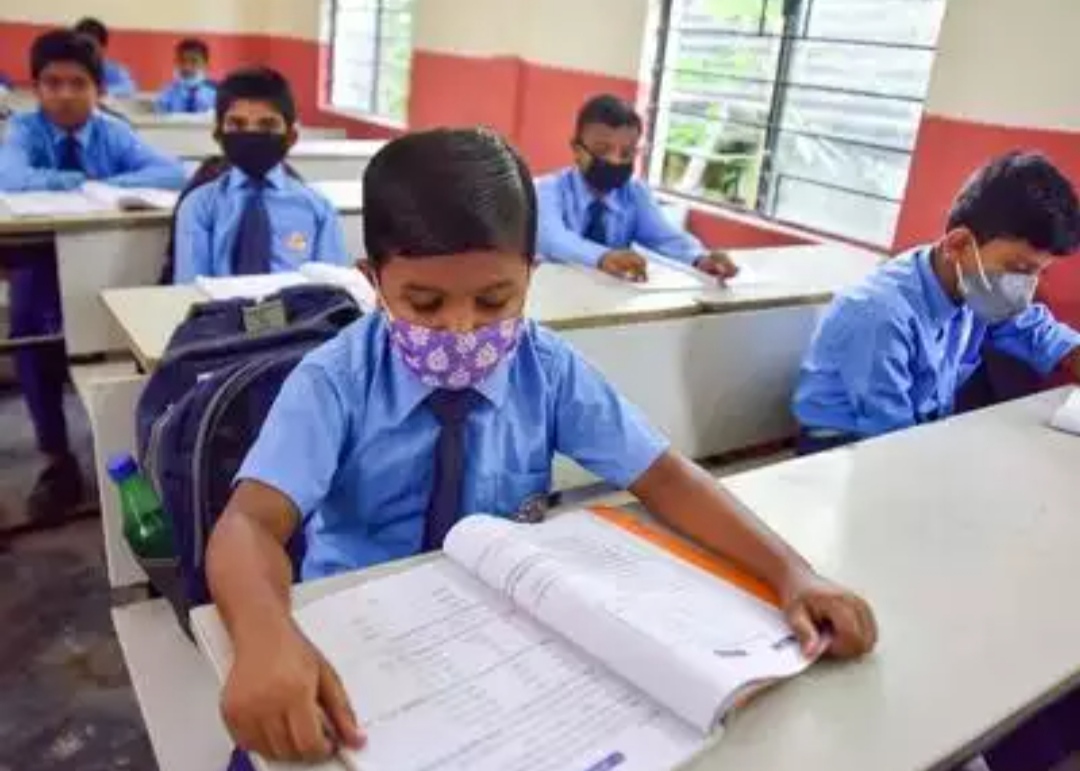
With many states planning to start physical classes only for high school students, managements and teachers said that it is much more important to resume physical classes for primary students, as many of them unable to follow virtual classes.
They said that offline classes should be conducted at least two days a week for primary students. “Even as per ICMR, the impact of Covid-19 on children under the age group of 10 is much less when compared with elder children and adults. Why not start physical classes for them as well,” V Amarnath, director.
“These students are unable to concentrate, their confidence is low and communication skills have been impacted,” he said, adding that holistic development of a child has been impacted overall. Teachers said that physical classes should be resumed for all children in August within a gap of 10-15 days and all students should get to attend offline classes on alternate days.
“Now, almost all teachers are vaccinated. The same is the case with parents. So the risk of children spreading Covid seems to be comparatively lower. However, the state should provide sanitation, medical staff and allocate sufficient budget to follow Covid protocols in schools. By following all norms, physical classes should be started,” said M Ravinder, a government teacher, adding students are already facing memory and conceptual loss.
Parents agreed that it is a matter of urgency to resume physical classes, although they said that the same cannot be done in a haste.
The government should form a committee and study the impact of reopening of schools. They need to communicate with parents, explain what to expect and give an assurance about their children and family members’ safety.
An Epic is a long narrative in verse on a great and serious subject related in an elevated style. An epic tells a generally well-known story and is centered around a heroine or semi-divine figure whose actions depend on the faith or a tribe, a nation are a human race.
types of epics
Historically, there have been two types of epics the primitive a big for the epic of growth, and epic of art all literary epic.
The main traits of an epic are the following:
The subject matter of an epic is heroine ok or mythical kind full stop the hero is a figure of national or even cosmic importance as an Achilles in Homer’s Iliad, Aeneas in Virgil’s Aenid, Adam or Christ in Milton Paradise Lost and Rama in Ramayana.
The setting of an epic is vast and comprises several worlds. In Odyssey, the whole known word is the scene of action of Ulysses. In Virgil’s Aeneid and Dante’s Divine comedy, Earth, heaven, and hell are the scenes of action. In paradise lost also the scene of action has cosmic dimensions embracing Earth, heaven, and hell.
The action in an epic involves superhuman deeds such as the deeds of Achilles or the journey of Ulysses. Paradise Lost presents The War and heaven, Satan’s journey through chaos, and his audacious attempts to outwit God by corrupting mankind. The Ramayana presents several wars and the prolonged wanderings of the hero.
The action of an epic is often controlled by supernatural agents. Gods and Goddesses mingle with the humans and fight on both sides. In Homer, the Olympian gods participate in all activities and Paradise Lost devils, Angels, and God himself are involved.
The Epic contains several thrilling episodes like battles, duals, wanderings, ordeals, and the like.
In most Epics, there is a moral purpose. The hero represents a cause and the victory of good over evil is ensured. Sometimes characters themselves are personifications of good or evil.
In the narration of an epic, certain conventions are followed. It is narrated in an ornate, ceremonial, and grand style that is deliberately distanced from ordinary speech. Epic similes, figures of speech, classical allusions and references, and repetitions are used. The characters are given set speeches. The narration usually begins with an invocation to the muse or a guiding Spirit. Both ‘Aenid’ and Paradise Lost begin with such invocations. Usually, the narrative starts in the middle of the story as in Paradise Lost which begins with the fallen angels gathering their Forces for revenge. Only later does Milton tell tells us what happened before the Fall.
The Epic is usually divided into twelve books through Iliad and Odyssey have 24 books each. Spencer’s fairy Queen was planned in 12 book’s and Milton’s Paradise Lost also has 12 books.
Magazines and advertising have long been criticized for upholding dangerously unrealistic standards of success and beauty, but at least it’s acknowledged that they are idealized. The models wearing Size 0 clothing are just that: models. And even they are made-up, retouched, and photoshopped. These days, however, the impossible standards are set much closer to home, not by celebrities and models but by classmates and friends. With social media, teens can curate their lives, and the resulting feeds read like highlight reels, showing only the best and most enviable moments while concealing efforts, struggles, and the merely ordinary aspects of day-to-day life. And there’s evidence that those images are causing distress for many kids. Donna Wick, EdD, founder of Mind-to-Mind Parenting, says that for teenagers the combined weight of vulnerability, the need for validation, and a desire to compare themselves with peers forms what she describes as a “perfect storm of self-doubt.” She’s so thin. Her grades are perfect. What a happy couple. I’ll never be that cool, that skinny, that lucky, that successful.
Struggling to stay afloat
The fallout from these unrealistic standards becomes more dangerous once kids reach college, where they face higher stakes, harder work, and a largely parent-free environment. The pressure to look perfect to impress new peers, not to speak of friends and family back home, can be even greater.After a recent spate of college suicides, researchers at Stanford University coined the phrase “duck syndrome.” The term refers to the way a duck appears to glide effortlessly across a pond while below the surface its feet work frantically, invisibly struggling to stay afloat. Several students who have died had projected a perfect image on social media—their feeds packed with inspirational quotes and filtered images showing attractive, happy kids who seemed to excel with minimal effort. But behind the digital curtain they were struggling emotionally.
Hiding imperfection
For kids experiencing anxiety or depression, carefully edited feeds can act as a smoke screen, masking serious issues behind pretend perfection and making it harder for parents or friends to see that they need help. “It’s important to remember that just posting edited pictures online or pretending your life is a little more glamorous than it is is not in itself a problem,” says Jill Emanuele, PhD, a clinical psychologist at the Child Mind Institute. “Social media alone is unlikely to be at the heart of the issue, but it can make a difficult situation even harder.” Teens who have created idealized online personas may feel frustrated and depressed at the gap between who they pretend to be online and who they truly are. “If you practice being a false self eight hours a day, it gets harder to accept the less-than-perfect being you really are,” says Dr. Wick, “and as we all know there’s no harsher judge of a kid than herself.”
Other people’s perfection
Another, more prevalent problem, says Dr. Emanuele, is that for some teens their social feeds can become fuel for negative feelings they have about themselves. Kids struggling with self-doubt read into their friends’ images what they feel they are lacking. “Kids view social media through the lens of their own lives,” says Dr. Emanuele. “If they’re struggling to stay on top of things or suffering from low self-esteem, they’re more likely to interpret images of peers having fun as confirmation that they’re doing badly compared to their friends.”
Social media and teenagers: How to help
Take social media seriously. Don’t underestimate the role social media plays in the lives of teenagers, warns Dr. Wick. “The power of a visual image is so strong. It’s disorienting.” Many teens, she says, never knew a world where social media didn’t exist, and for them the things that happen online—slights, break-ups, likes, or negative comments—are very real. When you talk about social media make sure you’re really listening and be careful not to dismiss or minimize your teen’s experiences.
Encourage them to think outside the (crop) box. When you talk to your child about social media, encourage her to explore it in a more critical way. A great way to start is to try asking her what she thinks has been cropped or edited out of her friends’ “perfect” pictures and why. That can lead to larger questions. Do you think your friends are really the people they appear to be online? Are you? What’s the purpose of posting a photo? What is it about getting “likes” that feels good? Does looking at social media affect your mood?
Model a healthy response to failure. “Kids have to get the message that it is okay to fail,” says Dr. Wick. “And not only that it’s okay to fail, but that showing it is okay, too.” If parents hide their own failures, kids are less likely to be okay with anything less than success. “When things don’t work out as you’d planned or a project goes awry, show your child how to accept it with grace,” she adds. “Let kids know that failure is part of how we learn to succeed, that it’s nothing to be ashamed of and let them see you pick yourself up and try again.”
Praise (and show) effort. “Effort is something to be proud of,” says Dr. Wick. “It can’t be said enough.” Parents should let kids know that showing their work is something to be praised, not hidden. When your child has worked hard on something, praise her efforts no matter what the outcome. It’s also helpful to examine how comfortable you are showing your own efforts, especially those that don’t end in success. Being proud and open about your own work sets a powerful example for your child.
Go on a “social holiday.” If you’re worried that your child is getting too wrapped up in social media, try taking a social holiday. “This means everyone,” says Dr. Wick. If you’re asking your child to take a break, practice what you preach and pledge to stay off media as well. It can be every bit as hard for parents to unplug as kids.”
Trust people, not pictures. Finally, don’t rely on social media to let you know how your child is really doing. She may post smiling selfies all day long, but if she seems unhappy or sounds unhappy on the phone, don’t let it go. Make sure she knows it’s safe to talk to you by encouraging her to share her feelings and supporting her when she does. Reassure her that you’re not disappointed, and let her know you’re proud of her for reaching out. “I’m so glad you called. It sounds like you’re feeling really overwhelmed, I’m here and I love you. Let’s talk this through together.”
In today’s busy life ,people always try to find peace when they become exhausted . In that case they usually like to involve them self in their favorite time passing work .Here I am suggesting some of the YouTube channels which gives inner peace for your exhausted mind .
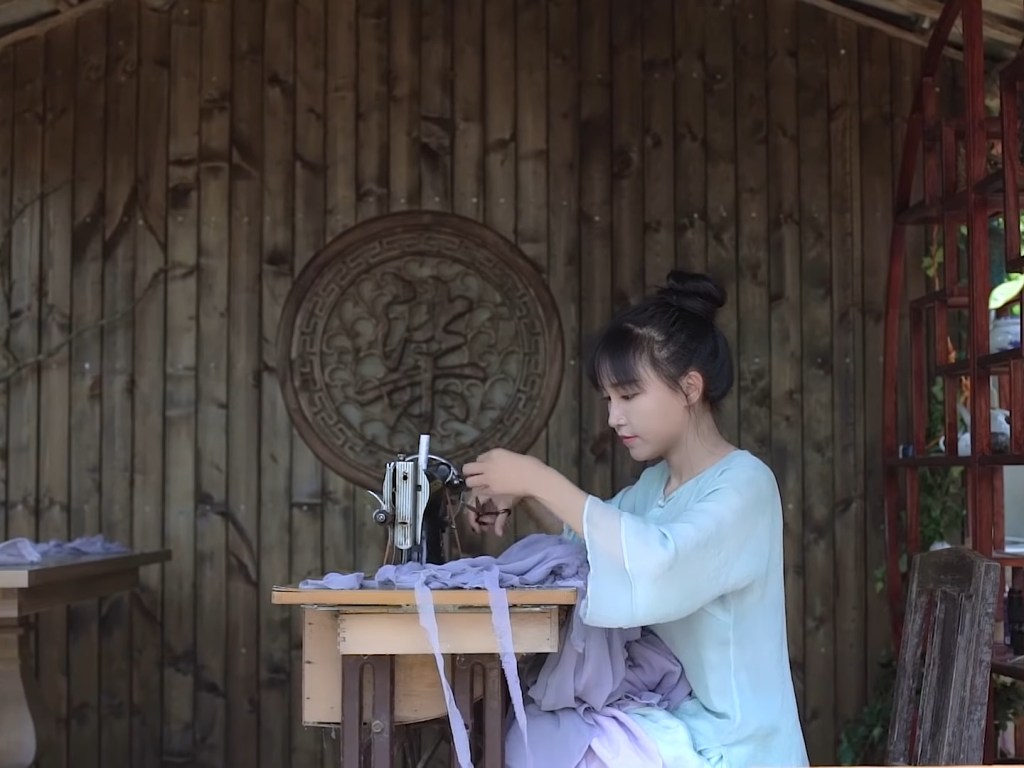
1.李子柒 Liziqi :: Liziqi is the most famous youtuber ,blogger ,Internet celebrity in this genre . She is a Chinese youtuber and also the first one in this type of video trending .Currently she has 15.8 Million subscriber in the whole world .She lives with her grandma in the countryside of Mianyang in Sichuan provinces in China .You will get a through idea of Sichuan Chinese culture specially food cuisine in her videos .Her video are authentic ,creative ,good in quality. There are almost 128 videos in her channel .She use the the old cultural & traditional process in her videos .She depends on the natural resources .Her videos depicts the picture of nature beauty ,humans dependence on nature ,nature kindness .She made various videos like — How to make Laba congee ,Construction of Wine table with winding canal ,Cucumber & other vegetable cultivation ,Various delicious food from wheat ,tomato ,peas ,peach, lotus ,mushroom ,Shu embroidery ,dress from grape skin ,Chinese cultural festival foods etc. You get good grips of traditional Chinese culture in her videos .She was also break the Guinness World Record by showing her patience of making a dress from the scratch in the Shu Embroidery video which is is a traditional Chinese embroidery .Here is the link of her channel — https://www.youtube.com/channel/UCoC47do520os_4DBMEFGg4A
2.Traditional Me :: This channel is run by a small Sri Lankan family consisting of A young girl ,her brother & grandma .They live in a remote village in Sri Lanka & depend on natural resources. Total subscriber of this channel is 1.11 Million from all over the world .They have released a total 38 videos still now .They used earthen pots for their cooking . You will be able to see various Sri Lankan food, their recipes ,spices , fruits , Sri Lankan ritual ,their tradition etc. You will also enjoy their beautiful brother – sister relationship ,their bickering ,their family love through out the videos. She made various videos on — aloe Vera (Dishes for warm climate) ,Rambutan (making sweet dessert dish) ,Hibiscus flower (dish for afternoon snack) ,Sour chili fish dry recipe ,Dishes from corn , eggplant dish , festival sweet snacks , chicken dish ,delicacy from spinach and many more .Here is the channel link — https://www.youtube.com/channel/UCfCw8GGyGpXmtxDTNJ7J5VA
Sri Lankan village
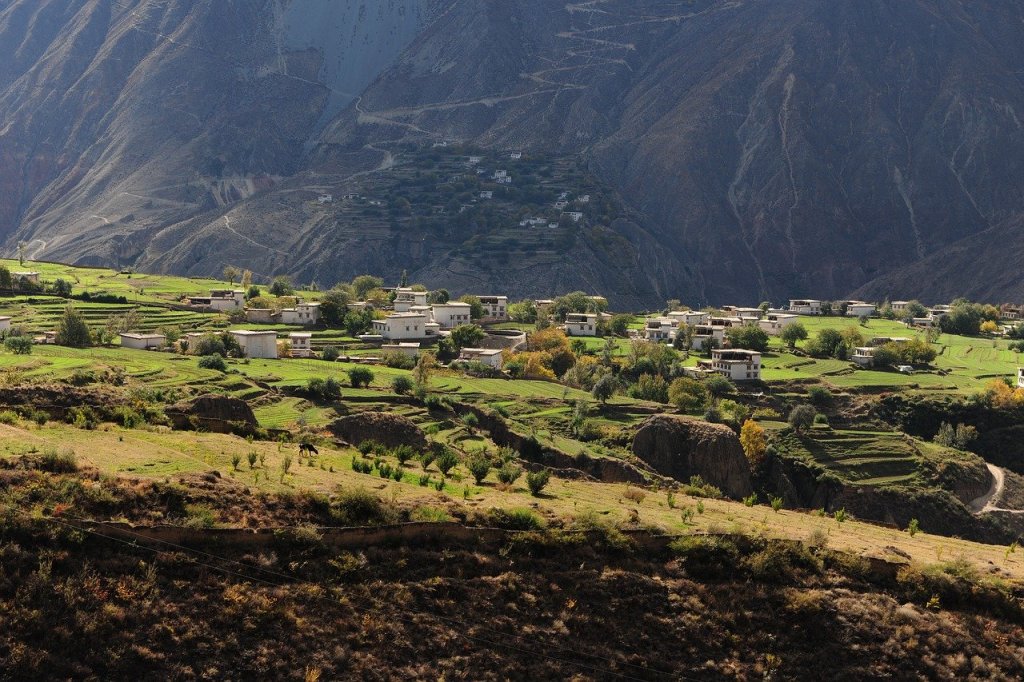
3.Dianxi Xiaoge :: This channel is run by a Chinese country girl who is also an Chinese influencer & blogger Dianxi Xiaoge & her family . they lived in near the Myanmar border Yunnan province located in south western china .She lives with her grandparents ,brothers & her own parents with a Alaskan Malamute type dog ,whose name is Dawang . Dianxi Xiaoge is also called Apenjie by her family & other people .She has 7.63 Million followers & 238 videos in her channel . Dawang is also a very popular & most loved character for its funny & heart warming activity . Dianxi usually made her videos about Chinese Yunnan cultural foods like lard sealed pork ,Ham dishes , Acid pickle ,meat sauce ,Glutinous rice , Red three chop (An Yunnan traditional dish) ,process of making hairy tofu etc. She also made some videos on festive traditional food like Moon cake ,mid autumn day festive sweets ,Hand Pilaf etc. Her videos also included of various dishes of raw mango , sour bamboo shoot ,mountain crabs ,water bamboo shoot ,peaches ,cherries ,papaya ,shiso leaves ,mushrooms ,ginger ,Taso-ko spice ,litsea ,tamarind ,Sichuan pepper ,Dipping chili ,onion dregs etc. She also have some vlog videos on their living place ,Yunnan local foods ,local fruits etc. Her videos greatly reflect the Yunnan cuisine ,their culture ,people interaction ,their living hood .Here is the link of her channel —https://www.youtube.com/c/%E6%BB%87%E8%A5%BF%E5%B0%8F%E5%93%A5dianxixiaoge/featured .
Yunnan province
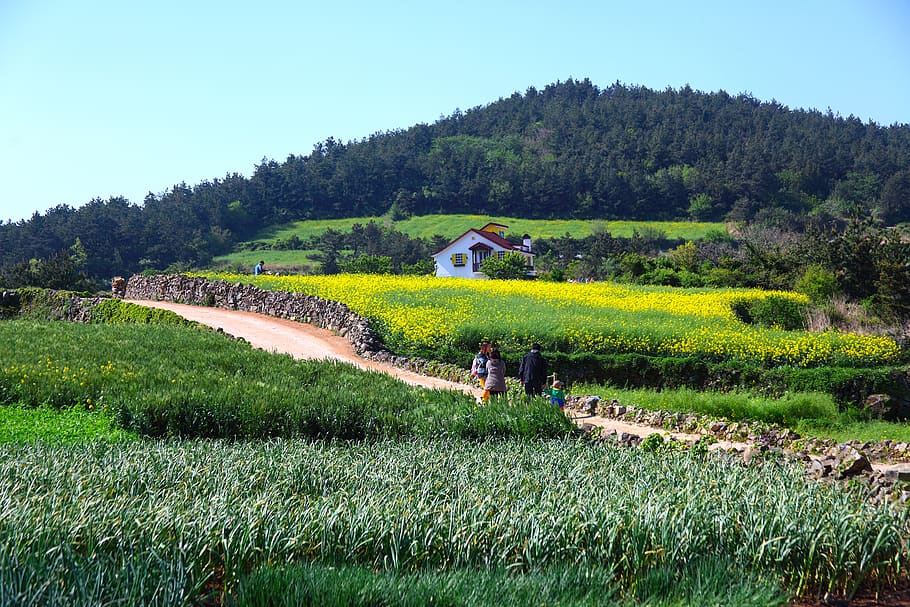
4. 키미 Kimi :: It is a family YouTube channel .They live in a countryside of South Korea . They have 648K flowers & they have uploaded 90 videos till now .They specially show the countryside lifestyle ,their livelihood ,their eating habits ,farming in a relaxing manner .Some of their videos are on summer foods making ,routine for spring time ,tried day routine ,lunar new year habitual ,kimchi making process ,daily lifestyle in countryside ,sweet potato recipe etc. Their videos also include the countryside cultivation ,Korean cuisine foods making ,traditional practices etc. Here is the link of the channel — https://www.youtube.com/channel/UCip2Wb2oWTMVvCaVPherr3Q
Apart from the channels listed above ,there are some channels which will also comes in this genre —–





























You must be logged in to post a comment.