SHOULD SMOKING BE BANNED..?

Smoking involves an act of burning a substance for the purpose of taking in its smoke into lungs. These substances are commonly tobacco or cannabis . Combustion releases the active substances in them like nicotine , which are absorbed through the lungs. A widespread technique through which this is done is via smoking manufactured cigarettes or hand – rolling the tobacco ready for smoking . Completions directly associated with smoking claim the lives of all the persons who have been involved in smoking tobacco or marijuana for a long time. PREMIUM TIMES ; Groups write NBC , demand prohibition of smoking in BB Naija. The groups say since its inception , Big Brother Naija has been notorious for promoting smoking among housemates. According to projections by the authors , nationwide ban on public smoking could prevent as many as 154000 heart attacks a year . These findings are particularly important in light of mounting evidence that second- hand smoke exposure is nearly as harmful to heart as chronic active smoking. Finally, at last one reason why smoking should be banned is that it has got several health effects. It harms almost every organ of the body.

Classification of Micronutrients

‘Micro’ means small, as their name specifies micronutrients are substances which individuals need in their eating routine in just limited quantities. These incorporate minerals and nutrients. Although most nourishments are combinations of nutrients, huge numbers of them contain a great deal of one nutrient and a little bit of different supplements. Nourishments are regularly gathered by the supplement that they contain in abundance.

Vitamins

Aside from Vitamin D, vitamins are fundamental nutrients, important in the eating regimen for good wellbeing. Vitamin D can be combined in the skin within the sight of UVB radiation. Many animal species can synthesize vitamin C, but humans cannot. Certain vitamin like mixes that are suggested in the eating routine, for example, carnitine, are thought helpful for endurance and wellbeing, yet these are not “basic” dietary supplements on the grounds that the human body has some ability to deliver them from different mixes. Also, a huge number of various phytochemicals have as of late been found in food (especially in new vegetables), which may have attractive properties including cell reinforcement movement. Test showing has been interesting yet uncertain. Other fundamental supplements not classed as nutrients incorporate basic amino acids, basic unsaturated fats, and the minerals talked about in the first area. Nutrient inadequacies may bring about illness conditions: goiter, scurvy, osteoporosis, impeded resistant framework, problems of cell digestion, certain types of disease, manifestations of untimely maturing, and poor mental wellbeing (counting dietary issues), among numerous others. Abundance levels of certain nutrients are likewise hazardous to wellbeing. The vitamins are conveniently divided into two major groups, those that are fat soluble and those that are water soluble. Fat-soluble vitamins are A, D, E, and K. Their absorption by the body depends on the normal absorption of fat from the diet. Water-soluble vitamins include vitamin C and the several members of the vitamin B complex.

Minerals

Dietary minerals are inorganic substance components needed by living animals, other than the four components carbon, hydrogen, nitrogen, and oxygen that are available in essentially all the natural atoms. Some have parts as cofactors, while others are electrolytes. The expression “mineral” is age-old, since the aim is to depict essentially the more uncommon components in the eating regimen. Some are heavier than the four just referenced – including a few metals, which regularly happen as particles in the body. A few dietitians suggest that these be provided from nourishments where they happen normally, or if nothing else as mind boggling mixes, or in some cases even from common inorganic sources, (for example, calcium carbonate from ground clam shells). Some are ingested significantly more promptly in the ionic structures found in such sources. Then again, minerals are frequently falsely added to the eating regimen as enhancements; the most notable is likely iodine in iodized salt which forestalls goiter.

Mother Earth – Our home planet

Earth is the only planet where life can exist.

Earth is also called Blue planet.

If we destroy the earth, we destroy the chance of life.

Earth is our mother as we born here,we grow here,we eat ,play and our whole life cycle take place on earth.
Earth  provide everything that we use today whether it is directly or indirectly.

Life existed on earth is as it is suitable for having an atmosphere, suitable temperature and water is present in its liquid form on Earth due to the position of Earth on solar system.

Earth is the third planet from the Sun at a distance of about 93 million miles (150 million km).

We called Mother earth because Earth provide everything to us like a mother. Our existence become possible only due to earth.
Everything that we needed to survive and thrive is only due to our mother earth it provide us  food, shelter, home , water, air, medicine , suitable temperature and everything that we need for our existence.
But we affect our mother Earth in various ways only for the sake of our greed.

Due to our greedy behaviour natural environment of Earth get changes.

Earth provides enough to satisfy Every man’s needs but not Every man’s greed

Mahatma Gandhi

Earth day is celebrated on 22 April.

Thus ,there is a need to  save our mother Earth.

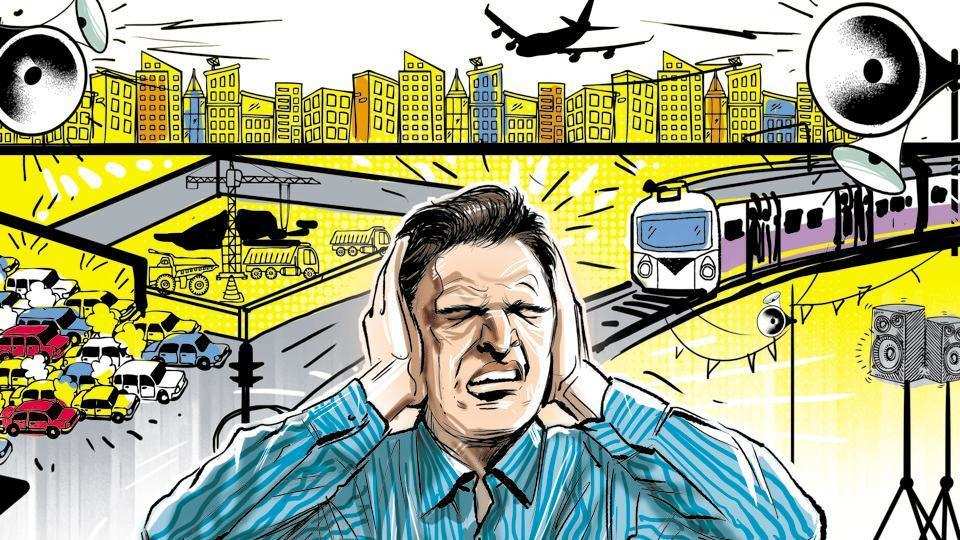
The optimal temperature of earth rises ,the glaciers are melting  and every type of pollution like air pollution water pollution ,soil pollution ,noise pollution every thing are going on its peak and that’s why why every living organism get affected by this.


Due to this anthropogenic action every single living organism get affected even when they don’t take part in this  destructive action.

Anthropogenic action is referred to as the action which is done by humans.

Impact of anthropogenic activities on  earth
First of all the major impact is  due to overpopulation –
● Due to overpopulation the overconsumption of resources are at its peak .
Even after the implementation of various sustainable act but it doesn’t make any major changes on environment.
● To fulfill the requirements of population we need more food supplies that’s why there is increase in uses of fertilizers and various chemicals to increase the food production.
■ And it will leads to lack of nutrients in grains ,soil infertility or or it may leads to desertification.
● To fulfill the requirements of people there is need to increase the land area so it has been observed that it leads to deforestation.
● Anthropogenic activities are responsible for an intensive emission of greenhouse gases to the atmosphere, leads to an increase of 35% of carbon dioxide (CO2, greenhouse gases) emissions between 1990 and 2010.
● Emission of large amount of carbon dioxide and other greenhouse gases leads to rise in temperature of Earth, increase pollution and it causes various type of disease also.
● For affordable price and easy to use the production of plastic also increases.


These all are the the main factors that affect the ecosystems too.

Measures taken to save mother earth:-

  • Reduce, reuse and recycle
  • Choose sustainable development
  • Volunteer for clean up our environment
  • Choose long lasting light bulbs
  • Try to use renewable resource more than non-renewable resources
  • Save water
  • Plant more trees
  • Use public transport system
  • Try to avoid plastic use
  • Try to minimise pollution at individual level
  • Use reusable shopping bags
  • Educate others about anthropogenic activities or the impact of anthropogenic actions on our environment and what can we do to prevent its bad effects

Save earth, save home

Hate pollution, love humanity

Pollution is the introduction of harmful materials into the environment. These harmful materials are called pollutants.

Pollutants can be natural, such as volcanic ash. They can also be created by human activity, such as trash or runoff produced by factories. Pollutants damage the quality of air, water and land.

Pollution is when harmful substances are added to the environment and then change it in a bad way.

There are five kinds of pollution of the environment: water pollution, air pollution , noise pollution, soil pollution and thermal pollution. As pollution grows, ways to combat it have grown.

ENVIRONMENTAL POLLUTION:

• A healthy ecosystem for the protection of all living things is utterly necessary.

• Government and public action to reduce environmental pollution should be taken promptly and on time.

• National strategies will be drawn up to mitigate the environmental consequences of industrialization, manufacturing and other operations.

• Digital media are a reliable source of knowledge about environmental risks.

• We should use and encourage others to use products of recyclable materials.

• For any living being, we must consider the use of flora.

• The use of renewable energy sources such as solar and wind energy should be sponsored.

• Instead of personal vehicles, we should depend as much as possible on public transport.

• Organic pesticides and fertilizers, other than synthetic pesticides and fertilizers, are helpful to environment protection.

Pollution may muddy landscape, poison soils and waterways, or kill plants and animals. Humans are also regularly harmed by pollution. Long- term exposure to air pollution, for example, can lead to chronic respiratory disease, lung cancer and other diseases.

Franciso Toledo

Francisco Benjamn López Toledo was born on this day in 1940 in Juchitán, Oaxaca, the centre of the Indigenous Zapotec culture. His exceptional ability for sketching was discovered when he was just 9 years old, and by the age of 19, he had staged his first solo show. Francisco Toledo was a painter, sculptor, and graphic artist from Mexico. Toledo’s paintings mirror Mexican mythology and frequently show the influence of Surrealism and Paul Klee’s whimsical style. This is seen in his work Hidden Scorpion (1996), in which the artist uses curling fractals to suggest a scorpion’s body. 

“What I do is a mash-up of things,” he added, “but the pre-Hispanic world has been a source of inspiration.” “There are certain decorative solutions that originate from pre-Hispanic art, and there is a lot of primitive art that is polished or basic but yet quite modern.” Toledo, self-described as a grillo (cricket) who thought his work reflected the restless Oaxacan spirit, travelled to Paris in the 1960s to study sculpture, painting, and printing. But he soon ached for the simpler life he had left behind. In 1965, he went to Oaxaca, where his skill and activism played an important part in the development of the southern Mexican state into a centre of the worldwide art community.

During this period, Toledo first gained worldwide popularity with a watercolour series of animal-human hybrids that formed his distinctive style steeped in Indigenous art traditions, Zapotec mythology, and influence from artists such as Francisco Goya. For over seven decades, Toledo experimented with every visual media imaginable, creating around 9,000 pieces ranging from a scorpion sculpture made of turtle shells to cloth puppets. His legacy lives on through the libraries, cultural institutes, and museums he created in Oaxaca, many of which are open to the public.

Sedition

Introduction

The definition of sedition is the conduct or speech inciting people to rebel against the authority of a state or monarch. Sedition is a crime under Section 124A in the Indian Penal Code (IPC). On 15th July 2021, the Supreme Court questioned the Central government asking whether the provision of Sedition in the Indian Penal Code is still required after 75 years of independence. This question was addressed by Chief Justice Ramana, heading a three-judge bench to the Attorney General K.K. Venugopal and Solicitor General Tushar Mehta, who were appearing for the Centre. Chief Justice Ramana said that Sedition is a colonial law that suppresses freedom and was used against Mahatma Gandhi and Bal Gangadhar Tilak. And it is a law prone to misuse by the government, so is it even necessary?

History

The Indian Penal Code came into force during the colonial Indian period, in 1860. But it did not have a section for sedition when it was introduced. Sedition was made part of the IPC in 1870 claiming that it got excluded from the original draft by mistake. The provision of sedition at that time was used by the British to hush the nationalists. This law was used against Bal Gangadhar Tilak, Mahatma Gandhi, Bhagat Singh and Jawaharlal Nehru.

Bal Gangadhar Tilak was the first person to be accused and convicted under the law of sedition. He was charged with it because of his articles in Kesari, a Marathi newspaper. He was convicted in 1897 by the Bombay High Court for 18 months. But the interpretation of Section 124A was changed by the Federal Court in 1937.

The word “sedition” was removed from the draft Constitution because of an amendment moved by KM Munshi specifically for this reason. It was meant to be in the Constitution as a ground to impose restrictions on the constitutional freedom of speech and expression. So, when the Constitution was adopted, the word “sedition” was not in it but it stayed in the Indian Penal Code.

In the Code of Criminal Procedure, 1973 which came into force in 1974, during the Indira Gandhi government, sedition was made a cognizable offence, which means that the police can make arrests without warrants.

The Law

Section 124A of the Indian Penal Code says Whoever by words, either spoken or written, or by signs, or by visible representation, or otherwise, brings or attempts to bring into hatred or contempt, or excites or attempts to excite disaffection towards the Government established by law in India, shall be punished with imprisonment for life, to which fine may be added, or with imprisonment which may extend to three years, to which fine may be added, or with fine.

Case Laws

In 1951, Tara Singh Gopi Chand vs The State, the Punjab High Court held that Section 124A was a restriction on the freedom of speech and expression and it invalidated the provision as it was in violation of a fundamental right. But because of this judgement, the Nehru government introduced Article 19(2) which gives the grounds on which the freedom of speech and expression can be restricted.

In 1954, Debi Soren & Ors vs The State, the Patna High Court upheld the validity of Section 124A. In 1958, the Allahabad High Court declared that Section 124A is void, in Ram Nandan vs The State. In the Kedar Nath case in 1962, a Constitution bench upheld the validity of Section 124A saying that the purpose of the crime was to save the government from being subverted.

In August 2018, the Law Commission of India said that sedition is essential to protect national integrity but it should not become a tool to restrict free speech.

Conclusion

It is clear that sedition came into existence because of the British. It was also removed from the Constitution as it was assumed to curb free speech yet it has still remained in the IPC and that is why the question is asked by Chief Justice Ramana. The law of sedition has been debated for a long time and has also been greatly criticized for its misuse. Hopefully this time the question will be answered properly and the debate will turn out differently.

References

LIFE LESSONS THAT CORONA VIRUS TAUGHT US

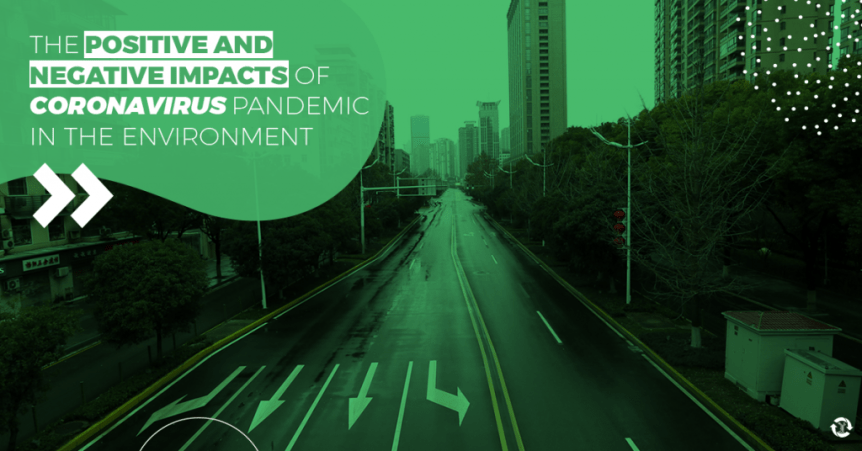
India has learned a number of hard lessons as a result of the Covid-19 pandemic. The first is that we can no longer continue to exploit nature ruthlessly. Climate change, irregular weather patterns, and pollution of the air, land, and sea have driven the country, and the planet, to a precipice. Unless this is rapidly corrected, we will be in serious difficulty by the end of the century. It’s incredible that the lockdown has resulted in nature regenerating. After decades of pollution, we saw blue sky again, and various animal, bird, and insect species made a comeback. We must strive to keep these positive trends going so that we do not relapse to the old normal, but instead adopt a new normal. 

“COVID-19 has taught us that health is extremely important in our lives, as healthy people are better able to combat the coronavirus. “The environment has a direct impact on our health”. The COVID-19 pandemic has taught us a lot of valuable lessons and shifted our life priorities. Most of us wouldn’t have comprehended terms like social distancing or flattening the curve a year ago, and the concept of wearing fabric masks in public or being unable to walk out in public would have looked ridiculous. When we fast forward to early 2020, everything has altered. While COVID-19 has brought with it new problems and uncertainty, it has also taught us some important lessons. 

Covid-19 has taught us Lessons of Life:

1.Family and friends come first: Many of us may have taken human interaction for granted until the coronavirus took over our life. However, spending time with our close loved ones has now taken precedence. Despite the natural frustrations that everyday confinement might bring, it’s crucial to consider what our family and friends mean to us. But grab the day and remember that there are more good times with family and friends today, and we are receiving care and love that was long overdue and really needed somewhere. We appreciate it! 

2. Hobbies are therapeutic: During the lockdown, most of us have either honed our culinary skills or started cooking from scratch. Except for those who have been away from home due to job or studies, those of us who have been dependent on our mothers/fathers or a chef for our favorite meals have recently experienced the effort and time it takes in the kitchen. Our renewed excitement for hobbies, such as cooking and knitting, as well as painting and learning a new language, has helped us recharge our health batteries while also strengthening our bonds with our families. 

3. Less Pollution, Clear Blue Skies: Cities choking on toxic gases emitted during festivals, as well as from vehicular and factory operations, are nothing new to us. However, we haven’t seen clear blue skies in a long time since lockdown was implemented, roughly from mid-March onwards. Not only that, but the AQI improved dramatically for months, and for the first time in a long time, we breathed clean, pollution-free air! We had almost forgotten how blue skies looked and how fresh air felt until we experienced them during this period! 

4. Life is valuable: Recognize and appreciate what we have. With over 225 thousand lives lost in the United States (and over 1.1 million worldwide) as a result of the epidemic, I’ve had to reconsider my priorities and recall how valuable life is. It’s served as a reminder to enjoy the little things in life, which I often overlook. With so many people dying every day, I am grateful for my family and friends, even if it means video chats and text messages when we can’t see each other face to face. Given how many others are sick, I am thankful for my good health. With so many people losing their jobs and becoming homeless, I am thankful for the food in my refrigerator and a safe place to call home. This pandemic has caused me to re-evaluate my life and prioritize my priorities, as well as act as a reminder of how valuable life is and how much I value the little things in life.

Nuclear power

Nuclear power is the use of nuclear reactions to produce electricity. Nuclear power can be obtained from nuclear fission, nuclear decay and nuclear fusion reactions. Presently, the vast majority of electricity from nuclear power is produced by nuclear fission of uranium and plutonium in nuclear power plants. Nuclear power is a clean and efficient way of boiling water to make steam, which turns turbines to produce electricity. Nuclear power plants use low-enriched uranium fuel to produce electricity through a process called fission—the splitting of uranium atoms in a nuclear reactor.

Nuclear power has one of the lowest levels of fatalities per unit of energy generated compared to other energy sources. Coal, petroleum, natural gas and hydroelectricity each have caused more fatalities per unit of energy due to air pollution and accidents. Since its commercialization in the 1970s, nuclear power has prevented about 1.84 million air pollution-related deaths and the emission of about 64 billion tonnes of carbon dioxide equivalent that would have otherwise resulted from the burning of fossil fuels. Accidents in nuclear power plants include the Chernobyl disaster in the Soviet Union in 1986, the Fukushima Daiichi nuclear disaster in Japan in 2011, and the more contained Three Mile Island accident in the United States in 1979.

Origins

The discovery of nuclear fission occurred in 1938 following over four decades of work on the science of radioactivity and the elaboration of new nuclear physics that described the components of atoms. Soon after the discovery of the fission process, it was realized that a fissioning nucleus can induce further nucleus fissions, thus inducing a self-sustaining chain reaction. Once this was experimentally confirmed in 1939, scientists in many countries petitioned their governments for support of nuclear fission research, just on the cusp of World War II, for the development of a nuclear weapon.

First power generation

The first organization to develop practical nuclear power was the U.S. Navy, with the S1W reactor for the purpose of propelling submarines and aircraft carriers. The first nuclear-powered submarine, USS Nautilus, was put to sea in January 1954. The S1W reactor was a Pressurized Water Reactor. This design was chosen because it was simpler, more compact, and easier to operate compared to alternative designs, thus more suitable to be used in submarines. This decision would result in the PWR being the reactor of choice also for power generation, thus having a lasting impact on the civilian electricity market in the years to come.

On June 27, 1954, the Obninsk Nuclear Power Plant in the USSR became the world’s first nuclear power plant to generate electricity for a power grid, producing around 5 megawatts of electric power. The world’s first commercial nuclear power station, Calder Hall at Windscale, England was connected to the national power grid on 27 August 1956. In common with a number of other generation I reactors, the plant had the dual purpose of producing electricity and plutonium-239, the latter for the nascent nuclear weapons program in Britain.

Nuclear waste

The normal operation of nuclear power plants and facilities produce radioactive waste, or nuclear waste. This type of waste is also produced during plant decommissioning. There are two broad categories of nuclear waste: low-level waste and high-level waste. The first has low radioactivity and includes contaminated items such as clothing, which poses limited threat. High-level waste is mainly the spent fuel from nuclear reactors, which is very radioactive and must be cooled and then safely disposed of or reprocessed.

Waste disposal

Disposal of nuclear waste is often considered the most politically divisive aspect in the lifecycle of a nuclear power facility. With the lack of movement of nuclear waste in the 2 billion year old natural nuclear fission reactors in Oklo, Gabon being cited as “a source of essential information today”. Experts suggest that centralized underground repositories which are well-managed, guarded, and monitored, would be a vast improvement There is an “international consensus on the advisability of storing nuclear waste in deep geological repositories”. With the advent of new technologies, other methods including horizontal drillhole disposal into geologically inactive areas have been proposed.

Safety

Nuclear power plants have three unique characteristics that affect their safety, as compared to other power plants. Firstly, intensely radioactive materials are present in a nuclear reactor. Their release to the environment could be hazardous. Secondly, the fission products, which make up most of the intensely radioactive substances in the reactor, continue to generate a significant amount of decay heat even after the fission chain reaction has stopped. If the heat cannot be removed from the reactor, the fuel rods may overheat and release radioactive materials. Thirdly, a criticality accident (a rapid increase of the reactor power) is possible in certain reactor designs if the chain reaction cannot be controlled. These three characteristics have to be taken into account when designing nuclear reactors.

With a death rate of 0.07 per TWh, nuclear power is the safest energy source per unit of energy generated. Energy produced by coal, petroleum, natural gas and hydropower has caused more deaths per unit of energy generated due to air pollution and energy accidents. This is found when comparing the immediate deaths from other energy sources to both the immediate and the latent, or predicted, indirect cancer deaths from nuclear energy accidents. When the direct and indirect fatalities (including fatalities resulting from the mining and air pollution) from nuclear power and fossil fuels are compared, the use of nuclear power has been calculated to have prevented about 1.8 million deaths between 1971 and 2009, by reducing the proportion of energy that would otherwise have been generated by fossil fuels. Following the 2011 Fukushima nuclear disaster, it has been estimated that if Japan had never adopted nuclear power, accidents and pollution from coal or gas plants would have caused more lost years of life.

Serious impacts of nuclear accidents are often not directly attributable to radiation exposure, but rather social and psychological effects. Evacuation and long-term displacement of affected populations created problems for many people, especially the elderly and hospital patients. Forced evacuation from a nuclear accident may lead to social isolation, anxiety, depression, psychosomatic medical problems, reckless behavior, and suicide. A comprehensive 2005 study on the aftermath of the Chernobyl disaster concluded that the mental health impact is the largest public health problem caused by the accident.Frank N. von Hippel, an American scientist, commented that a disproportionate fear of ionizing radiation (radiophobia) could have long-term psychological effects on the population of contaminated areas following the Fukushima disaster. In January 2015, the number of Fukushima evacuees was around 119,000, compared with a peak of around 164,000 in June 2012.

Indicators of Economic Development

The major indicators to measure the level of economic development are
✓Net National Product (NNP)
✓Per Capita Income (PCI)
✓Purchasing Power Parity (PPP)
✓Human Development Index (HDI)

Net National Product

The Net National Product (NNP) is considered as a true measure of national output. It is also known as national income. A rise in per capita income means an increase in aggregate real output. Hence, this is a better indicator than national income for measuring development.

For measuring a country’s development, its income is considered to be one of the most important factors. Countries with higher income are considered to be more developed than those with lesser income. So, income itself is considered to be one of the indicators of economic development.

Per Capita Income

However, for comparing the development of various countries, total income is not satisfactory measure. Since countries have different populations, comparing total income will not be suggestive of what an average person is likely to earn, as people in one country are better off than others in a different country? The average income is calculated by dividing the country’s total income by its total population. The average income is also called per capita income. Calculations on the per capita income of all countries are calculated only in the US dollar in order to compare International level.

Purchasing Power Parity

Purchasing power parity is defined as the number of units of a country’s currency required to buy the same amount of goods and services in the domestic market as one dollar would buy in the US

The technique of purchasing power parity allows us to estimate what exchange between two currencies is needed to express the accurate purchasing power of the two currencies in the respective countries. Recently, India became the third largest economy in terms of PPP. China became the largest defeating the US to the second position.

Human Development

Human resource is necessary for the progress of any country. The term ‘human resources’ refers to the collective abilities of people, which can be utilised in the production sector.

Human resource development means the development of a person’s physical and mental abilities through education, health care and training. Therefore, investment in education and health of people can result in a high rate of returns in the future for a country. For example, if a child is invested with good education and health, he or she may turn to be very productive in future in the form of higher earnings and greater contribution to the society. Human Development Index (HDI) which indicates all round development of the people in the society.

In the past, economists believed that the rate of economic growth of nations could be increased only by increasing investment in physical capital. But they have realised over time that investment in human capital is as important as investment in physical capital.

Ola gets 1 lakh bookings for its e-scooter

Ola’s electric scooter has got over 1 lakh reservations within the first 24 hours of bookings opening in India making it the most pre-booked scooter in the world, the company said in a statement. 

Ola had opened reservations for its electric scooter on July 15 and had set a price of Rs 499 for booking the scooter on its website. Ola claims its e-scooter would be class-leading in terms of range, speed, boot space, and technology.
 
“I am thrilled by the tremendous response from customers across India for our first electric vehicle. The unprecedented demand is a clear indicator of shifting consumer preferences to EVs. This is a huge step forward in our mission to transition the world to sustainable mobility,” Ola Chairman and Group CEO Bhavish Aggarwal said in the statement.

Ola has stated that their scooters would be priced aggressively to make it widely accessible. 
 
The company plans to reveal the features and price of the scooter in the coming days.

The scooter will be manufactured at the company’s two-wheeler factory, being built in Tamil Nadu, the statement said, and the first phase of the Ola Futurefactory is nearing completion and will be operationalised soon, while the full capacity of 10 million vehicles per annum will be built by next year.

Classification of Macronutrients

‘Macro’ signifies enormous or large, as their name proposes these are nutrients which individuals need to eat routinely and in a genuinely huge sum. They incorporate starches, fats, proteins, fiber and water. These substances are required for the flexibly of energy and development, for digestion and other body functions. Metabolism implies the cycle associated with the age of energy and all the ‘building squares’ needed to keep up the body and its capacities. Macronutrients give a great deal of calories however the measure of calories gave fluctuates, contingent upon the food source.

Every gram of starch or protein gives four calories, while fat gives nine calories to every gram.

Carbohydrates

Carbohydrates might be delegated monosaccharides, disaccharides or polysaccharides relying upon the quantity of monomer (sugar) units they contain. They are an assorted gathering of substances, with a scope of synthetic, physical and physiological properties. They make up a huge piece of nourishments, for example, rice, noodles, bread, and other grain-based items, yet they are not a basic nutrient, which means a human doesn’t have to eat sugars. The brain is the biggest shopper of sugars in the human body, and uses especially a lot of glucose, representing 20% of all out body glucose utilization. The brain utilises generally glucose for energy; if glucose is inadequate not withstanding, it changes to utilising fats. Monosaccharides contain one sugar unit, disaccharides two, and polysaccharides at least three. Monosaccharides incorporate glucose, fructose and galactose. Disaccharides incorporate sucrose, lactose, and maltose; cleaned sucrose, for example, is utilised as table sugar. Polysaccharides, which incorporate starch and glycogen, are regularly alluded to as ‘intricate’ starches since they are ordinarily long different stretched chains of sugar units.

Proteins

Proteins are the basis of numerous creature body structures (for example muscles, skin, and hair) and structure the compounds that control synthetic responses all through the body. Every protein particle is made out of amino acids which contain nitrogen and once in a while sulfur (these segments are answerable for the particular smell of consuming protein, for example, the keratin in hair). The body requires amino acids to deliver new proteins (protein maintenance) and to supplant harmed proteins. Amino acids are dissolvable in the stomach related juices inside the small digestive tract, where they are consumed into the blood. When ingested, they can’t be put away in the body, so they are either utilized as required or discharged in the urine. Proteins comprise of amino acids in various extents. The main angle and characterising normal for protein from a healthful viewpoint is its amino acid synthesis. For all animals, some amino acids are basic (can’t deliver them inside so they should be eaten) and some are trivial (can create them from other nitrogen-containing mixes). Around twenty amino acids are found in the human body, and around ten of these are fundamental. The combination of some amino acids can be restricted under uncommon pathophysiological conditions, for example, rashness in the newborn child or people in serious catabolic pain, and those are called restrictively fundamental. An eating routine that contains satisfactory measures of amino acids (particularly those that are basic) is especially significant in certain circumstances: during early turn of events and development, pregnancy, lactation, or injury (a consume, for example). A total protein source contains all the basic amino acids; a fragmented protein source needs at least one of the fundamental amino acids. It is conceivable with protein mixes of two inadequate protein sources (e.g., rice and beans) to make a total protein source, and trademark blends are the premise of unmistakable social cooking conventions. In any case, integral wellsprings of protein don’t should be eaten at a similar supper to be utilized together by the body. Abundance amino acids from protein can be changed over into glucose and utilised for fuel through a cycle called gluconeogenesis.

Fats and Oils

A particle of dietary fat ordinarily comprises of a few unsaturated fats (containing long chains of carbon and hydrogen atoms), clung to a glycerol. They are commonly found as fatty oils (three unsaturated fats appended to one glycerol spine). Fats might be delegated immersed or unsaturated relying upon the substance structure of the unsaturated fats included. Immersed fats have the entirety of the carbon atoms in their unsaturated fat chains attached to hydrogen particles, though unsaturated fats have a portion of these carbon molecules twofold reinforced, so their atoms have moderately less hydrogen molecules than a soaked unsaturated fat of a similar length. Unsaturated fats might be additionally delegated monounsaturated (one twofold security) or polyunsaturated (some twofold securities). Besides, contingent upon the area of the twofold security in the unsaturated fat chain, unsaturated fats are named omega-3 or omega-6 unsaturated fats. Trans fats are a sort of unsaturated fat with trans-isomer securities; these are uncommon in nature and in nourishments from normal sources; they are regularly made in a modern cycle called (halfway) hydrogenation. There are nine kilocalories in every gram of fat. Unsaturated fats, for example, formed linoleic corrosive, catalpic corrosive, eleostearic corrosive and punicic corrosive, notwithstanding giving energy, speak to strong insusceptible modulatory particles. Immersed fats (ordinarily from creature sources) have been a staple in numerous world societies for centuries. Unsaturated fats (e. g., vegetable oil) are viewed as more advantageous, while trans fats are to be kept away from. Immersed and some trans fats are regularly strong at room temperature, (for example, spread or fat), while unsaturated fats are normally fluids, (for example, olive oil or flaxseed oil). Trans fats are extremely uncommon in nature, and have been demonstrated to be exceptionally unfavorable to human wellbeing, yet have properties helpful in the food handling industry, for example, rancidity opposition.

Water

Water is the significant constituent of the human body. The body can’t deliver enough water by digestion or acquire enough water by food ingestion to satisfy its requirements. As an outcome, we need to focus on what we drink for the duration of the day to guarantee that we are meeting our day by day water needs, as not doing so may have negative wellbeing impacts. Water is discharged from the body in numerous structures; including pee and defecation, perspiring, and by water fume in the breathed-out breath. In this manner, it is important to satisfactorily rehydrate to supplant lost liquids.
Early proposals for the amount of water needed for upkeep of good wellbeing recommended that 6–8 glasses of water day by day is the base to keep up legitimate hydration. The idea that an individual ought to burn-through eight glasses of water for each day can’t be followed to a trustworthy logical source. Water is the primary constituent of cells, tissues and organs and is essential forever. Regardless of its entrenched significance, water is frequently failed to remember in dietary suggestions, and the significance of sufficient hydration isn’t referenced. As a result, wellbeing experts and nutritionists are here and there confounded and question the need of drinking water consistently, what amount should we drink, and how to know if patients are very much hydrated.

FibRE

Dietary fiber is a carbohydrate, explicitly a polysaccharide, which is not completely assimilated in people and in certain animals. Like all sugars, when it is processed, it can create four Calories (kilocalories) of energy per
gram, however much of the time, it represents not as much as that on account of its restricted retention and absorbability. Entire grains, beans, and different vegetables, organic products (particularly plums, prunes, and figs), and vegetables are acceptable wellsprings of dietary fiber. Fibre is imperative to stomach related wellbeing and is thought to diminish the danger of colon malignant growth. Fiber can help in mitigating both blockage and loose bowels by expanding the weight and size of stool and mellowing it. Fiber gives mass to the intestinal substance, and insoluble fiber particularly invigorates peristalsis – the cadenced strong constrictions of the digestive organs which move digesta along the stomach related lot. Some dissolvable strands produce an answer of high thickness; this is basically a gel, which eases back the development of food through the digestive organs. By easing back the retention of sugar, fiber may assist lower with blooding glucose levels, diminishing insulin spikes and lessening the danger of type 2 diabetes.

7 Ways to Retain More of Every Book You Read

There are numerous advantages to perusing more books, however maybe my most loved is this: A decent book can give you another approach to decipher your previous encounters.

At whatever point you gain proficiency with another psychological model or thought, it resembles the “product” in your mind gets refreshed. Out of nowhere, you can run the entirety of your old information focuses through another program. You can take in new exercises from old minutes. As Patrick O’Shaughnessy says, “Perusing changes the past.”

Obviously, this is just evident in the event that you disguise and recall experiences from the books you read. Information will possibly compound in case it is held. At the end of the day, what makes a difference isn’t just perusing more books, yet getting more out of each book you read.

Acquiring information isn’t the solitary motivation to peruse, obviously. Perusing for delight or amusement can be a great utilization of time, however this article is tied in with perusing to learn. Considering that, I’d prefer to share probably the best perusing understanding procedures I’ve found.

  1. Stop More Books

It doesn’t take long to sort out in case something merits perusing. Talented composition and top notch thoughts stick out.

Subsequently, a great many people ought to presumably begin a greater number of books than they do. This doesn’t mean you need to peruse each book page-by-page. You can skim the list of chapters, section titles, and subheadings. Pick a fascinating area and plunge with regards to for a couple of pages. Possibly flip through the book and look at any bolded focuses or tables. Shortly, you’ll have a sensible thought of how great it is.

Then, at that point comes the urgent advance: Quit books rapidly and without blame or disgrace.

Life is too short to even think about squandering on normal books. The chance expense is excessively high. There are such countless astonishing things to peruse. I think Patrick Collison, the organizer of Stripe, put it pleasantly when he said, “Life is too short to not peruse the absolute best book you are aware of this moment.”

Here’s my proposal:

Start more books. Stop a large portion of them. Peruse the incredible ones twice.

  1. Pick Books You Can Use Instantly

One approach to further develop perusing perception is to pick books you can promptly apply. Setting the thoughts you read in motion is extraordinary compared to other approaches to get them in your psyche. Practice is an extremely compelling type of learning.

Picking a book that you can utilize likewise gives a solid motivation to focus and recollect the material. That is especially evident when something significant remains in a critical state. In the event that you’re beginning a business, for instance, you have a ton of inspiration to get all that you can out of the business book you’re perusing. Also, somebody who works in science may peruse The Origin of Species more cautiously than an irregular peruser on the grounds that it interfaces straightforwardly to their day by day work.

Obviously, few out of every odd book is a down to earth, how-to direct that you can apply quickly, and that is fine. You can discover shrewdness in various books. However, I find that I’m bound to recall books pertinent to my every day life.

  1. Make Searchable Notes

Keep notes on what you read. You can do this notwithstanding you like. It shouldn’t be a major creation or a confounded framework. Simply successfully underline the significant focuses and entries.

I do this in various manners relying upon the arrangement I’m devouring. I feature entries when perusing on Kindle. I type out fascinating statements as I pay attention to book recordings. I canine ear pages and translate notes when perusing a print book.

In any case, here’s the genuine key: store your notes in an accessible arrangement.

There is no compelling reason to leave the errand of perusing appreciation exclusively up to your memory. I keep my notes in Evernote. I favor Evernote over different alternatives since 1) it is immediately accessible, 2) it is not difficult to use across numerous gadgets, and 3) you can make and save notes in any event, when you’re not associated with the web.

I get my notes into Evernote threely:

I. Book recording: I make another Evernote document for each book and afterward type my notes straightforwardly into that record as I tune in.

II. Digital book: I feature sections on my Kindle Paperwhite and utilize a program called Clippings to send out the entirety of my Kindle features straightforwardly into Evernote. Then, at that point, I add an outline of the book and any extra considerations prior to presenting it on my book synopses page.

III. Print: Similar to my book recording system, I type my notes as I read. On the off chance that I run over a long section I need to decipher, I place the book on a book remain as I type. (Composing notes while perusing a print book can be irritating in light of the fact that you are continually putting the book down and picking it back up, yet this is the best arrangement I’ve found.)

Obviously, your notes don’t need to be advanced to be “accessible.” For instance, you can utilize Post-It Notes to label certain pages for future reference. As another choice, Ryan Holiday proposes putting away each note on a record card and ordering them by the subject or book.

The center thought is something similar: Keeping accessible notes is fundamental for getting back to thoughts without any problem. A thought is just helpful in the event that you can discover it when you need it.

  1. Consolidate Knowledge Trees

One approach to envision a book resembles an information tree with a couple of major ideas framing the storage compartment and the subtleties shaping the branches. You can find out more and further develop perusing perception by “connecting branches” and incorporating your present book with other information trees.

For instance:

While perusing The Tell-Tale Brain by neuroscientist V.S. Ramachandran, I found that one of his central issues associated with a past thought I gained from social work specialist Brené Brown.

In my notes for The Subtle Art of Not Giving a F*CK, I noticed how Mark Manson’s concept of “committing suicide” covers with Paul Graham’s exposition on keeping your personality little.

As I read Mastery by George Leonard, I understood that while this book was about the cycle of progress, it likewise shed some light on the association among hereditary qualities and execution.

I added every knowledge to my notes for that specific book.

Associations like these assist you with recalling what you read by “snaring” new data onto ideas and thoughts you as of now comprehend. As Charlie Munger says, “In the event that you get into the psychological propensity for relating what you’re perusing to the fundamental design of the basic thoughts being illustrated, you step by step amass some shrewdness.”

At the point when you read something that helps you to remember another theme or promptly starts an association or thought, don’t permit that idea to travel every which way without notice. Expound on what you’ve realized and how it associates with different thoughts.

  1. Compose a Short Summary

When I finish a book, I challenge myself to sum up the whole content in only three sentences. This imperative is only a game, obviously, however it compels me to think about what was truly significant about the book.

A few inquiries I think about while summing up a book include:

What are the principle thoughts?

On the off chance that I carried out one thought from this book at the present time, which one could it be?

How might I portray the book to a companion?

As a rule, I find that I can typically get the same amount of valuable data from perusing my one-section synopsis and exploring my notes as I would on the off chance that I read the whole book once more.

In the event that you feel like you can’t press the entire book into three sentences, think about utilizing the Feynman Technique.

The Feynman Technique is a note-taking procedure named after the Nobel Prize-winning physicist Richard Feynman. It’s really basic: Write the name of the book at the highest point of a clear piece of paper, then, at that point record how you’d disclose the book to somebody who had never known about it.

On the off chance that you wind up stuck or on the other hand on the off chance that you see that there are openings in your agreement, survey your notes or return to the content and attempt once more. Continue to work it out until you have a decent handle on the principle thoughts and feel certain about your clarification.

I’ve discovered that barely anything uncovers holes in my intuition better than expounding on a thought as though I am disclosing it to an amateur. Ben Carlson, a monetary expert, says something almost identical, “I track down the most ideal approach to sort out what I’ve discovered from a book is to compose something about it.”

  1. Encompass the Topic

I regularly think about the statement by Thomas Aquinas, “Be careful the man of a solitary book.”

On the off chance that you just read one book on a subject and utilize that as the reason for your convictions for a whole class of life, indeed, how solid are those convictions? How exact and complete is your insight?

Perusing a book requires exertion, yet over and over again, individuals utilize one book or one article as the reason for a whole conviction framework. This is considerably more evident (and more hard to survive) with regards to utilizing our one, singular experience as the reason for our convictions. As Morgan Housel noticed, “Your own encounters cosmetics perhaps 0.00000001% of what’s occurred on the planet yet perhaps 80% of how you think the world functions. We’re completely one-sided to our very own set of experiences.”

One approach to tackle this issue is to peruse an assortment of books on a similar theme. Dive in from various points, take a gander at similar issue through the eyes of different creators, and attempt to rise above the limit of your own insight.

  1. Peruse It Twice

I’d prefer to wrap up by getting back to a thought I referenced close to the start of this article: read the extraordinary books twice. The rationalist Karl Popper clarified the advantages pleasantly, “Anything worth perusing isn’t just worth perusing twice yet worth perusing over and over. Assuming a book is advantageous, you can generally make disclosures in it and discover things in it that you didn’t see previously, despite the fact that you have perused it commonly.”

Moreover, returning to extraordinary books is useful in light of the fact that the issues you manage change after some time. Certainly, when you read a book twice perhaps you’ll get some stuff you missed the first run through around, yet all things considered, new entries and thoughts will be pertinent to you. It’s just regular for various sentences to jump out at you relying upon your point throughout everyday life.

WHY SCHOOLS DON'T TEACH ABOUT MONEY

      MONEY HOW TO MAKE IT?

HAVE YOU EVER IMAGINED THE WORLD WITHOUT MONEY?

 TWO MINUTES IMAGINATION-HOO! IAM OUT OF CONTROL., AFTER TWO MINUTES,

COMING TO  REALITY., YES, OFFCOURSE NOT, RIGHT! WHAT IS IT ACTUALLY?

 AN EXCHANGE MEDIUM WHICH WE PEOPLE USE ON SURVIVAL BASIS IS CALLED MONEY.

WHAT SCHOOLS LACK?


The term school is something which gives education. The ultimate learning process starts here. Nowadays schools teach us how to solve mathematical problems but not financial problems which comes to reality.
Something missing which is important and that must never be an optional one. Yes, that’s learning to make money AS MONEY IS ALWAYS ULTIMATE.

As, schools play a major part they are the ones who can guide growing children, but the sad truth is the Society knowingly or unknowingly plays an important role in our lives.

The theme is schools are framed by the government. If they make it compulsory No one is unable to stop that. 

FINANCIAL PROBLEMS

                                                                                   
Every human in the earth have problems, But when it is financial problems, people become mentally stressed a lot. It is only because of debts alone. If we scrutinize it the origin will be lack of knowledge in handling the financial problems.
Every year the suicide cases due to the financial problems are increasing in spite of pandemic as this is 2021, people actually don’t know how and what to do in toughest situation. Some seek advises from their nearby ones, Others face it without much care and some others are not serious at the initial stage as if nothing happened to them.

INDIVIDUALS NEED

It is schools responsibility to identify the individuals interest and upgrade children on the basis of learning along with life skills which plays an important role when they come into real life. 
Some may not like 9-5 work but they still work because they want money, their basic needs are to be satisfied.
On the other hand there are still people who don’t work regularly but still they have money and they have a demand more than their needs. How is this possible? They still learn to  earn money smartly and this is also not taught in schools. But still How? This is the most important question to be noted carefully.
Such kind of people think smartly on stocks, investments and on certain assets which always have an appreciated value.

HOW TO SOLVE IT?

Though many students are not interested in certain subject they are forced to learn it. But Finance being an important life skill and not taught in schools like how to handle it, really make a sense right!
They all needed to be sorted out carefully and taught at the being stage of our life. Off course, parents have an important responsibility to guide them in the financial aspects at the early stage of their life as conveying them their problems and how they are handling it. By doing so, they start thinking and generate ideas on their future investments.

THE CHANGES

The only things that is constant in the world is changes and that is called as the progress. The thing which we can give to our next generation is the financial learning. We can make them better by changing the vision which we tend to learn in our childhood but unfortunately we lack it.
As a next generation parents, its our responsibility to make our children to invest in value education and give them financial knowledge
Giving them financial skills and making that as a habit will surely make a drastic change in the society.
As we live in the 21st century we have technological in our hand. We can grow it with good vision and make our future generation financially stable.
YES, WE WILL START IT RIGHT NOW!


WILL POWER OF WOMEN IN THE WORLD

The future is about women .women leading the way for a better world where they can live fulfilling lives ,pursunig their individual dreams and those of their families .the tools of the 21st century connectivity ,access to knowledge ,access to each other -are tools that women can and do put to powerful uses women in positions of power are women who hold an occupation that gives them great authority ,influence ,and/or responsibility .the women will power refers to making women powerful to make them capable of deciding themselves .women have suffered a lot through the years at the hands of mean.in earlier centuries ,they were treated as almost non-existence .as if all the rights belonged to men even something as basic as voting.as the times evolved ,women realized their power .there on began the revolution for women empowerment.as women were not allowed to make decision for them ,women empowerment came in like a breath of fresh air.it made them aware of their rights and how they must make their own place in society rather than depending on a man. It recognized the fact that things cannot simply work in someone’s favor because of their gender. However ,we still have a long way to go when we talk about the reasons  why we need it .india is almost the countries which are not safe for women .there are various reasons for this. Firstly ,women in india are in danger of honour killings. Their family thinks its right to take their lives if they bring shame to the reputation of their legacy .more over ,the education and freedom scenario is very regressive here .women are not allowed to pursue higher education ,they are married off early .the men are  still dominating women in some regions like its the women’s duty to work for him endlessly .they do not let them go out or have freedom of any kind .women have naturally power and abilities .these innate characteristics affect the intellectual ,cultural ,spiritual , emotinal sociopolitical ,and inter personal world of men with different outcome and with detrimental results to both genders.by leaving behind the boundaries of family and society ,giving rights to women from all aspects of decisions ,rights ,thoughts ,mind etc., is to make them independent .many agencies of united nations in their reports have emphasized that gender issue is to be given utmost priority.it is held that women now cannot be asked to wait for any more for equality. The women will power is the most powerful thing to change our hole world.


Be that strong girl that everyone knew would make it through the worst. Be that fearless girl the one would dare to do anything. Be that independent girl, who doesn’t need a man. We cannot say all Men have awesome will power or all Women have awesome will power. Will power is not classified based on gender. In most of out lives we need some trigger to get this Will power. All of us are capable of having strong will power. Its just that we take ourselves for granted.

It’s so important for women self-esteem and also for societies. Empowering women is to give women the right. Women can have equal right to participate in education, society, economy and politically. Women can involve in society as they are glad to choose their religious, language, work and other activities.

             SHE BELIVED;SHE COULD;

                    SO,SHE DID.

IMPORTANCE OF CHILDHOOD AND HOW TO MAKE IT MEMORABLE

Responsibilities constitute a major part of the life of an adult being. When a person starts to grow, responsibilities on his shoulders do too. But what about life before adulthood? How about responsibilities at that stage of life? Minimum. Hardly exist.
Childhood is a really fun part of life; not for all though. Unfortunately, some lose their childhood due to family situations which may include poverty or the death of the breadwinner.
But this article focuses on the positives of childhood. What are the impacts of a good childhood on an individual and how can one make the childhood of their near and dear ones the best phase of their life.
The beauty of childhood lies in the number of open choices we have and the carefree nature that we possess. As a child, we live in a world full of imagination. Everybody aspires to become ‘somebody’ but alas, only a few can pursue them as adults.
Also, as children, we share a special kind of bond with our parents. It is nowhere assumed that a special bond cannot be shared between adults and their parents but as we grow, so do responsibilities and we get more engrossed in our work and life. But as children we can wholly devote ourselves to spending time with parents and family; play video games, indoor games, and going out for picnics.
Stories of ghosts and snakes and rats that may take us with them are something we all must have heard. Though these are cherished later if not meted out properly, they may negatively impact the child even causing depression or them becoming anti-social.
All parents love their children and are always there to help. But this help should be careful for they may become dependent entities. Some children are helped to such an extent by their parents and they start believing that be any it any phase of life, someone will be there to assist them. This degrades the quality of their life. While helping out a child is a good and caring gesture, the child must also be taught to do things all by himself. Sure he will make mistakes but those must be corrected with affection and not harsh treatment such as giving them a beating or scolding. Doing this may develop anger issues and self-doubt in them resulting in a not-so-appreciable personality.
While caring is important, some people link the ‘healthiness’ of a child to the amount of bulk present. They keep on feeding them without any physical exercise which impacts the child both physically and mentally.
This indeed is a beautiful phase and must be made special and memorable for every child out there. Laws banning child labor and free education to all children coupled with necessary physical exercise must be incorporated in schools and institutions.
When we grow, we have a lot of tasks at hand. Sometimes we do not even care about our health and spend sleepless nights busy with work. It is these memories that we often remember and brings a smile. To bring this smile, everyone must have an amazing childhood, shouldn’t they?